Cracks and potholes can interfere with daily access and indicate pavement problems that deserve inspection. Their appearance alone does not reveal how quickly damage will progress or which repair will work. Moisture, traffic loading, drainage, construction, and underlying support all matter.
Record the condition and protect access
When a new defect is reported, record its location and extent. Consider its effect on walking routes, accessible parking, turning vehicles, and emergency access. Arrange appropriate temporary precautions while the condition is assessed, keeping alternative routes clear and understandable.
Choose a treatment that matches the cause
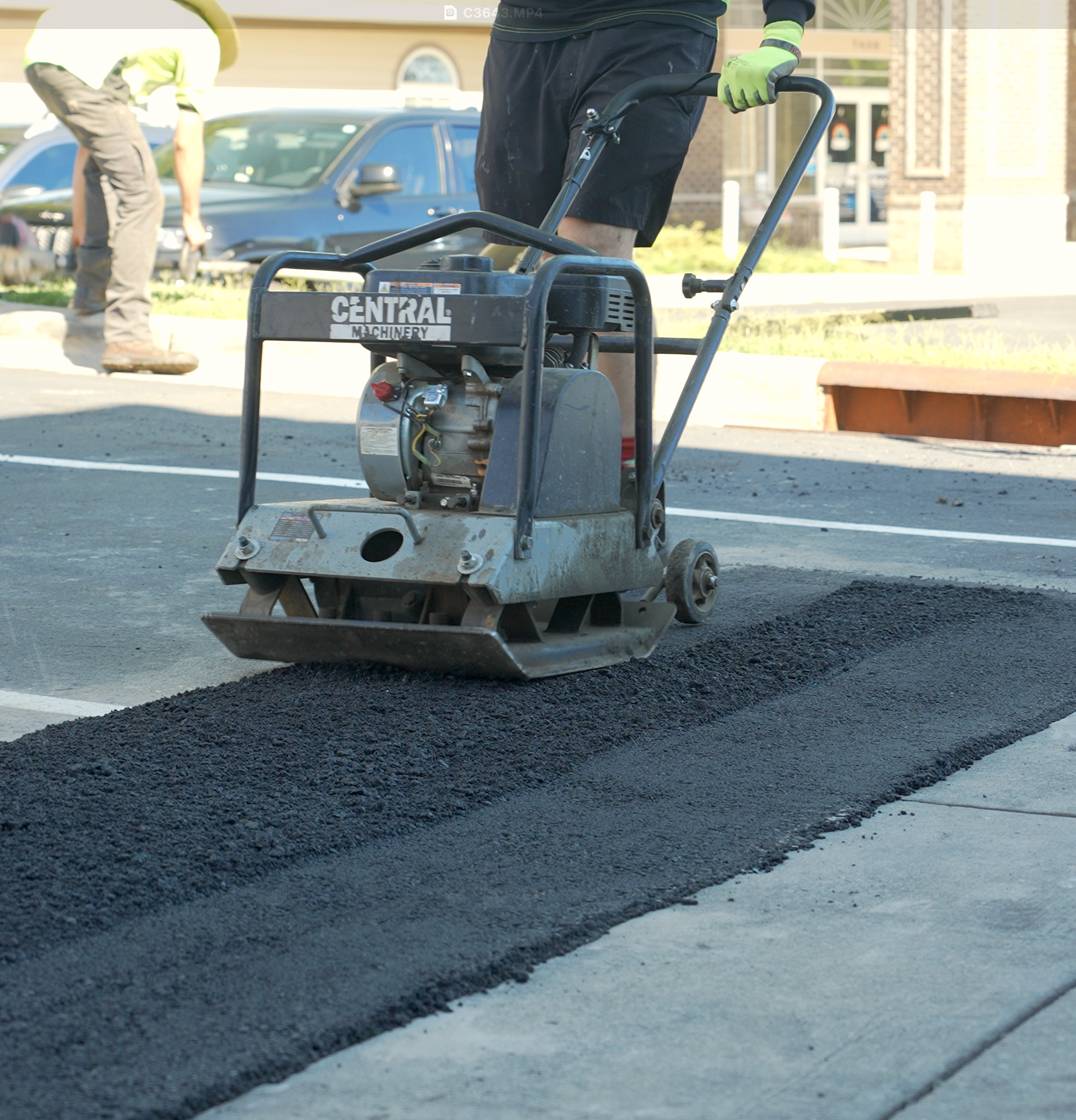
Suitable individual cracks may benefit from crack treatment to limit water entry. A pothole may need removal of damaged material, base correction, and a properly compacted patch. Widespread alligator cracking, settlement, or repeated failures can require a broader investigation.
Sealcoating is a surface treatment. It does not fill potholes, correct settlement, or restore a weak pavement base. An overlay also needs a suitable supporting structure and a plan for drainage and elevations.
Investigate recurring problems
Repeatedly repairing the same area without reviewing the cause can leave the underlying problem unresolved. Check for ponding, drainage defects, unstable support, edge damage, and traffic loads that the existing pavement may not accommodate.
Keep previous repair records and photographs available to the person assessing the area. They help show whether the defect is new, spreading, or returning after treatment.
Coordinate repairs with residents
The work plan should explain which spaces or lanes will close, how people reach buildings, where deliveries can go, and how updates will be communicated. Reopening depends on the selected repair and site conditions, so confirm it with the contractor.
Keep the maintenance plan current
Review inspection findings alongside planned pavement work and respond when conditions change. Documentation helps staff follow through; it does not predetermine insurance coverage or the outcome of a legal claim.
Contact ProLine to discuss cracks, potholes, or recurring pavement damage at your community.