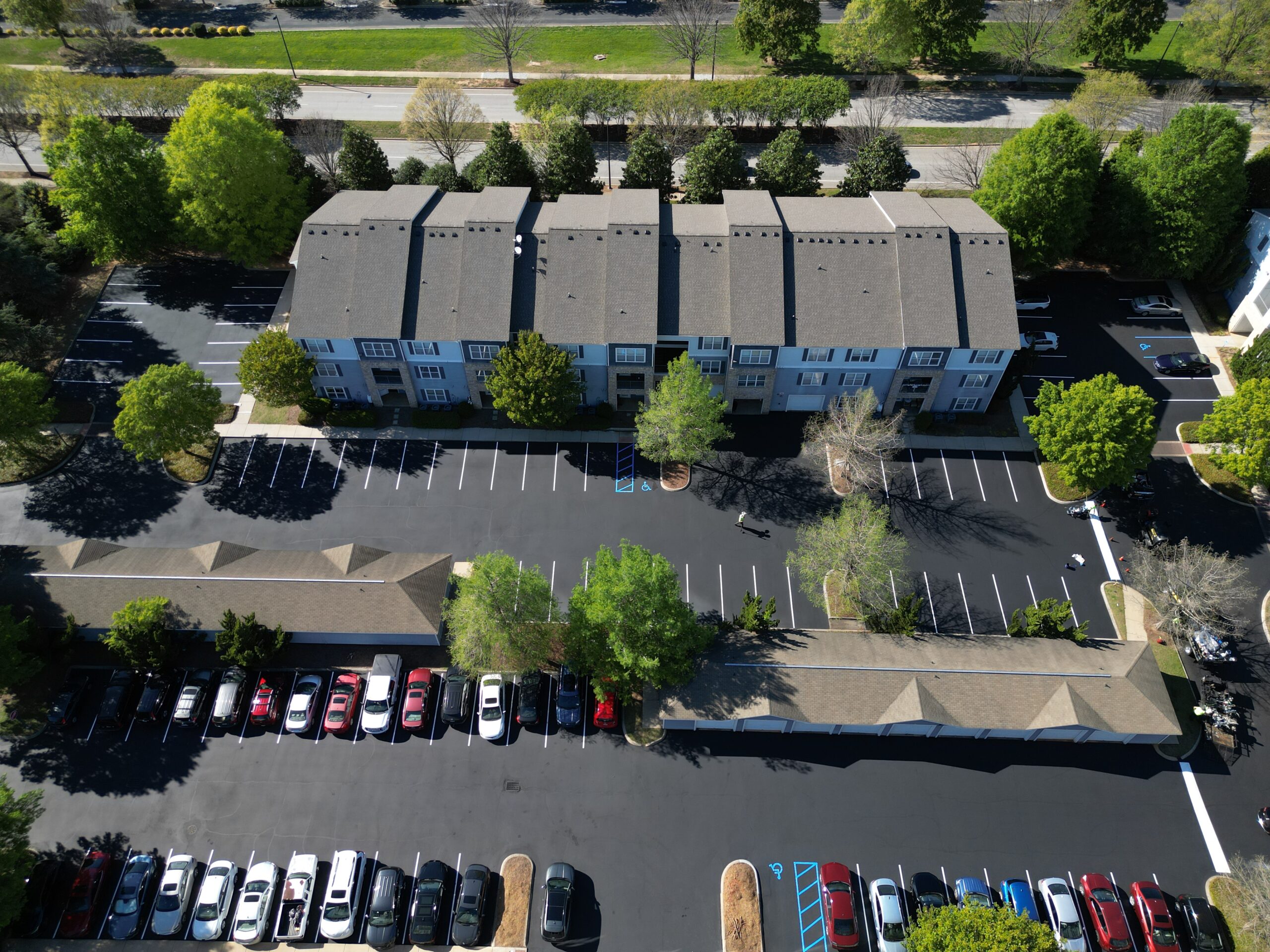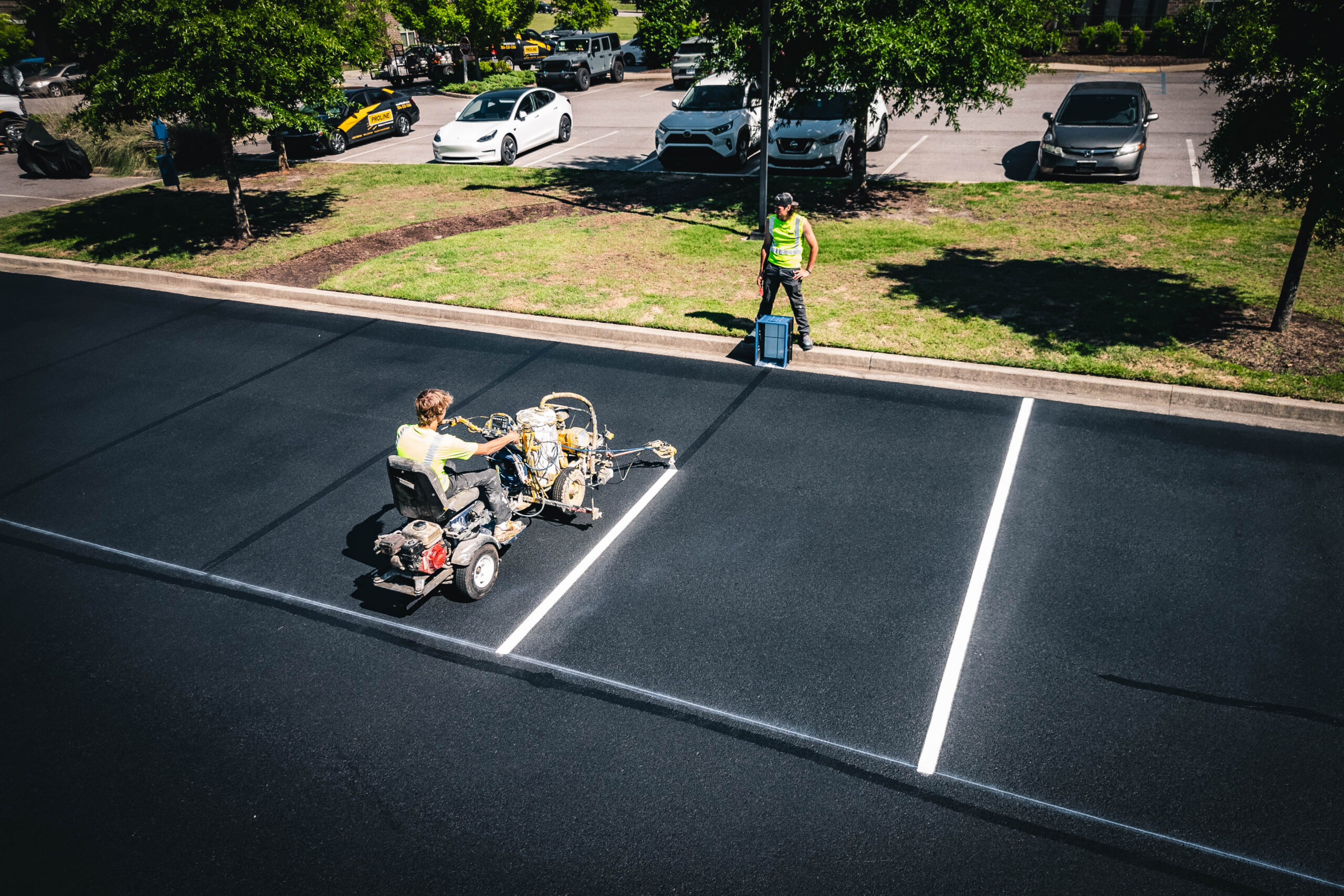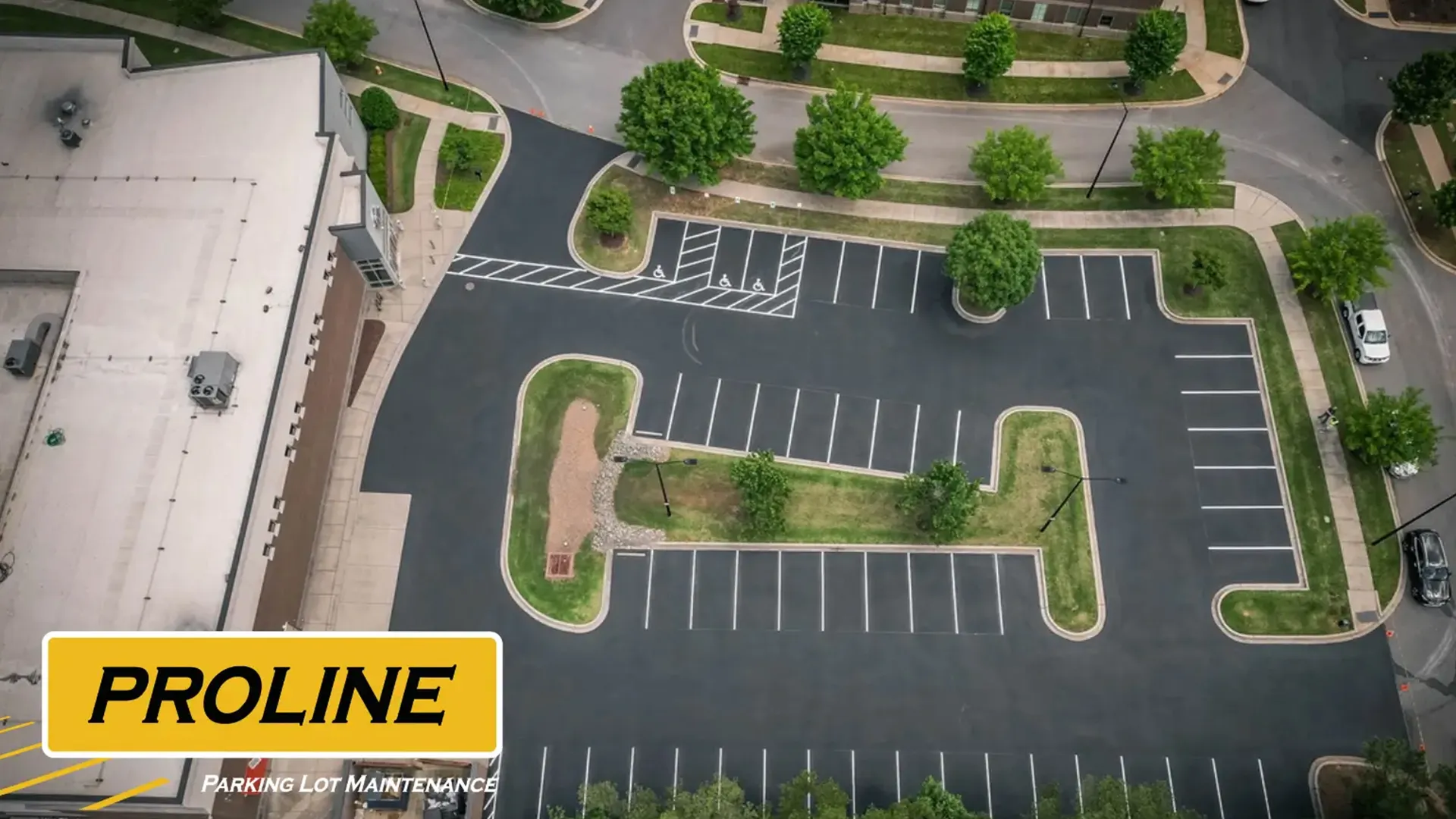
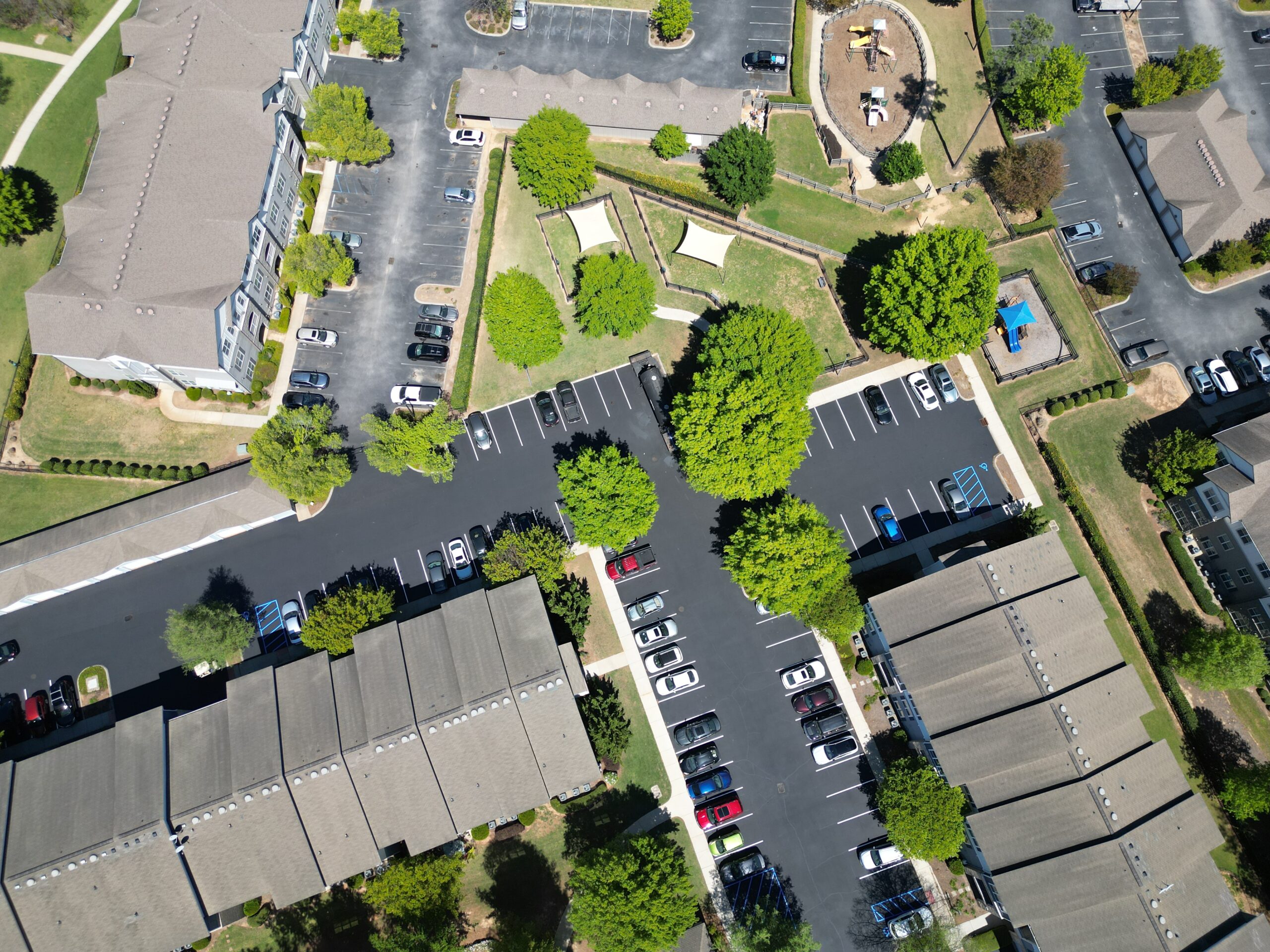
Residents use parking areas every day. Visible markings, usable routes, and sound pavement contribute to the community’s appearance and access.
Include pavement inspections and appropriate work in the annual property plan. Record defects and distinguish routine preservation from structural repair needs.
A documented maintenance plan helps staff distinguish suitable preservation from repairs and coordinate work around residents.
At a Glance
TL;DR
- Annual inspections help separate routine maintenance from structural repair needs.
- Suitable preventive treatments can help preserve sound pavement.
- Well-maintained pavement improves resident safety and satisfaction.
- Regular inspections help identify minor problems before they become expensive repairs.
- Budgeting for pavement maintenance protects your property’s long-term value.
Why Pavement Should Be Treated as a Long-Term Asset
Many property managers focus their maintenance budgets on roofing, HVAC systems, plumbing, landscaping, and building exteriors. While these systems are essential, asphalt pavement deserves the same level of attention.
Parking lots experience constant wear from vehicle traffic, changing weather conditions, ultraviolet rays, oil leaks, and water infiltration. Without routine maintenance, these factors gradually weaken the pavement until cracks, potholes, and structural failures develop.
Use inspections to identify suitable maintenance and repairs. Preventive treatments have limits and cannot rebuild failed base layers.
Instead of reacting to pavement failures, successful property managers treat asphalt as a long-term capital asset that requires consistent care.
What Can Happen When Maintenance Is Delayed
Untreated defects remain exposed to traffic and weather. Inspect their extent and cause before selecting repairs.
Small surface cracks allow rainwater to penetrate beneath the asphalt. As water reaches the base layers, it weakens the pavement structure and accelerates deterioration. What could have been repaired with crack sealing may eventually require extensive patching or complete reconstruction.
Delaying maintenance can also lead to:
- Larger potholes
- Uneven pavement surfaces
- Drainage problems
- Faded parking stalls
- Poor traffic flow
- Disruption to pedestrian and vehicle access
- Resident complaints
- Vehicle damage claims
Urgent repairs can disrupt planned access and require temporary closures.
Plan the timing of inspections and anticipated work, then update the scope as pavement conditions change.
Essential Pavement Services Every Multi-Family Property Should Budget For
A comprehensive pavement maintenance plan includes more than occasional pothole repairs. Each service addresses a specific aspect of pavement preservation and contributes to the overall health of the property.
Routine Pavement Inspections
Professional inspections identify early signs of deterioration before they become visible to residents.
Inspectors evaluate:
- Surface cracking
- Drainage performance
- Pavement settlement
- Oil damage
- Faded markings
- Trip hazards
- Curb condition
Annual inspections provide valuable information for planning future maintenance and budgeting accurately.
Crack Filling and Crack Sealing
Cracks are one of the earliest indicators of asphalt deterioration. Left untreated, they allow moisture to penetrate the pavement, weakening the foundation beneath the surface.
Treating suitable cracks can limit water entry through them. Sealing does not correct an unstable base or unresolved drainage problem.
Scheduling crack sealing before winter or rainy seasons provides additional protection against moisture-related damage.
Sealcoating
Sealcoating creates a protective barrier that shields asphalt from oxidation, ultraviolet exposure, fuel spills, and moisture.
Besides improving durability, sealcoating restores the pavement’s rich black appearance, giving apartment communities a cleaner and more professional look.
Most commercial parking lots benefit from sealcoating every two to four years, depending on traffic volume and climate conditions.
Parking Lot Striping
Fresh pavement markings improve organization and safety throughout the property.
Routine striping includes:
- Parking spaces
- Accessible parking stalls
- Fire lanes
- Directional arrows
- Crosswalks
- Loading zones
- Speed limit markings
Clearly visible markings help drivers navigate safely while supporting compliance with accessibility requirements.
Pothole Repairs
Potholes can affect vehicle and pedestrian access. Record reported defects, assess their extent and cause, and arrange appropriate repairs.
Well-Maintained Pavement Improves Resident Satisfaction
Residents interact with your pavement every day. It is often the first feature they experience when arriving home and the last thing they see when leaving. A clean, well-maintained parking lot communicates that property management takes pride in the community. Smooth pavement, visible parking lines, and safe walkways contribute to a more enjoyable living experience.
Conversely, neglected pavement can leave residents questioning how well the rest of the property is maintained. Cracked asphalt, standing water, and faded markings create frustration and diminish curb appeal.
Investing in pavement maintenance demonstrates a commitment to quality, which can positively influence lease renewals, online reviews, and resident retention.
How Pavement Inspections Support Property Maintenance
Inspect the areas used by residents, guests, deliveries, and service providers. Record hazards and assign follow-up actions based on the condition and its effect on access.
Common hazards include:
- Potholes that can damage vehicles or cause cyclists to lose control.
- Uneven pavement that creates trip hazards for pedestrians.
- Faded crosswalks that make pedestrian crossings less visible.
- Worn parking lines that encourage improper parking.
- Standing water caused by poor drainage increases the risk of slips and accelerates pavement deterioration.
According to the Occupational Safety and Health Administration (OSHA), maintaining safe walking and driving surfaces is an essential part of reducing workplace and public safety hazards. While OSHA primarily regulates workplaces, its safety principles reinforce the importance of maintaining hazard-free environments for employees, contractors, and visitors.
Inspections and maintenance records help management identify open concerns and confirm completed work. They do not determine insurance coverage or the outcome of a legal claim.
How to Build Pavement Services Into Your Annual Budget
Many property managers make the mistake of waiting until pavement problems become obvious before allocating funds. A more effective strategy is to treat pavement maintenance as a recurring operational expense rather than an unexpected capital project.
A typical annual pavement maintenance budget should include:
- Annual pavement inspection
- Crack filling and crack sealing
- Sealcoating on a scheduled cycle
- Parking lot restriping
- Curb painting
- Minor asphalt patching
- Stormwater drainage inspections
- Sidewalk and curb repairs, if needed
Rather than completing all services at once, many property managers spread maintenance throughout the year. This phased approach minimizes disruptions for residents while making annual expenses more predictable.
Working with a trusted pavement contractor also allows you to develop a multi-year maintenance plan that aligns with your property’s operating budget and long-term goals.
Preventive Maintenance vs. Reactive Repairs
One of the easiest ways to understand the value of annual pavement budgeting is to compare preventive maintenance with reactive repairs.
| Preventive Maintenance | Reactive Repairs |
|---|---|
| Planned inspections and suitable treatments | Repairs after damage is observed |
| Preservation selected for suitable pavement | Repair selected for existing damage |
| Routine review of access concerns | Response to reported or observed defects |
| Enhances curb appeal | Neglected appearance |
| Supports budgeting | Creates unexpected expenses |
| Helps preserve suitable pavement | May require structural investigation |
| Minimises resident disruption | Emergency repairs may disrupt access |
Preventive maintenance focuses on preserving the pavement before significant deterioration occurs. Reactive repairs, on the other hand, often require larger investments because damage has already progressed.
Use the current pavement condition to decide which approach each area needs.
Signs Your Property Is Overdue for Pavement Maintenance
If you are unsure whether your property should include pavement services in next year’s budget, inspect your parking lot for these warning signs:
- Multiple cracks spreading across the asphalt.
- Potholes in drive lanes or parking stalls.
- Water pooling after rainfall.
- Faded parking lines and directional arrows.
- Worn or missing accessible parking markings.
- Loose gravel or crumbling pavement edges.
- Uneven sidewalks or damaged curbs.
- Frequent resident complaints about parking conditions.
These conditions warrant an assessment. Identify the cause and extent of damage before deciding whether maintenance, repair, or rehabilitation is appropriate.
Why Partner With ProLine Parking Lot Maintenance?
Maintaining pavement across a multi-family property requires more than occasional repairs. It requires a long-term strategy tailored to your property’s traffic patterns, pavement condition, and budget.
At ProLine Parking Lot Maintenance, we work with apartment communities, condominium associations, and property management companies to develop customized pavement maintenance programs that help protect their investment year after year.
Our comprehensive pavement services include:
- Parking lot inspections
- Asphalt repairs
- Crack sealing
- Sealcoating
- Parking lot striping
- Parking markings reviewed against the applicable layout and accessibility requirements
- Curb painting
- Preventative maintenance planning
Discuss a condition-based maintenance plan with our team, including the coordination and access needs of an occupied property.
Whether you manage a single apartment complex or a portfolio of multi-family properties, ProLine delivers reliable solutions that improve safety, preserve curb appeal, and support long-term asset management.
Make Pavement Maintenance Part of Your Annual Budget
Inspect pavement, signs, markings, and walking routes as part of the overall property maintenance plan. Keep unresolved defects visible to the staff responsible for follow-up.
Use inspections to coordinate crack treatment, sealcoating, marking work, and repairs where appropriate. Update the plan when conditions change.
At ProLine Parking Lot Maintenance, we help multi-family property owners create proactive maintenance plans that fit their operational goals and budget. Contact our team today to schedule a pavement assessment and discover how preventative maintenance can protect your investment for years to come.
Build pavement care into the property’s maintenance plan. Document defects, prioritize access and safety concerns, and schedule suitable treatments with clear resident notices.
Call Our Paving Team Now →Frequently Asked Questions
Why should multi-family communities budget for pavement maintenance every year?
Annual planning helps management record pavement conditions, identify suitable treatments, and coordinate closures. Update priorities when inspections or resident reports reveal new problems.
What pavement services should be included in a multi-family property’s annual maintenance budget?
Most annual maintenance plans include pavement inspections, crack sealing, sealcoating, pothole repairs, parking lot striping, curb painting, and asphalt patching. Some properties also benefit from drainage evaluations and sidewalk repairs. The right combination depends on pavement age, traffic volume, and environmental conditions. A professional contractor can recommend a schedule that maximizes pavement performance.
How does preventative pavement maintenance protect the surface?
Crack treatment can limit water entry through suitable cracks, and sealcoating can protect a sound surface from some weathering. Neither treatment rebuilds weakened base layers. Inspect drainage and structural condition before selecting a service.
How often should apartment complex parking lots be sealcoated and restriped?
Most apartment community parking lots should be sealcoated every two to four years, depending on climate, traffic, and pavement condition. Parking lot striping is typically refreshed every one to three years to maintain visibility and safety. Regular inspections help determine the best maintenance schedule for each property. Following a planned schedule keeps the pavement attractive and functional.
Can neglected pavement affect resident satisfaction?
Yes. Cracked asphalt, potholes, and faded parking lines create a poor first impression and make daily navigation more difficult for residents and visitors. Well-maintained pavement contributes to a cleaner, safer, and more welcoming community. It also reflects positively on property management’s commitment to maintaining the property. This can encourage resident retention and improve online reviews.
Why should I hire a professional pavement maintenance contractor?
Choose a contractor whose qualifications match the work. Ask for a clear scope, material and preparation details, access arrangements, and any separate design or approval requirements.
See also: The Difference Between Parking Lot Restriping and New Layout Striping, How Parking Lot Striping Improves Traffic Flow in Multi-Family Communities