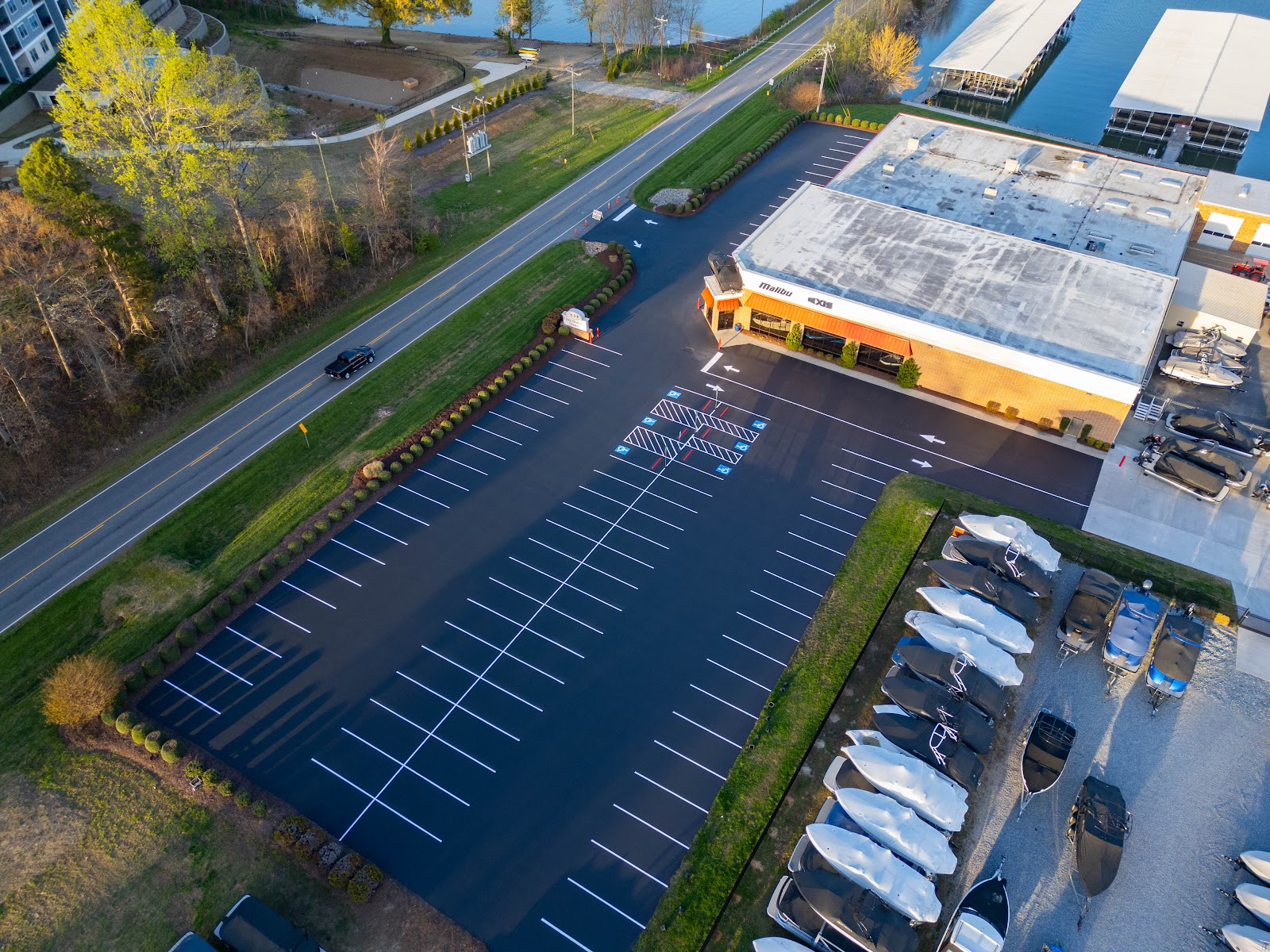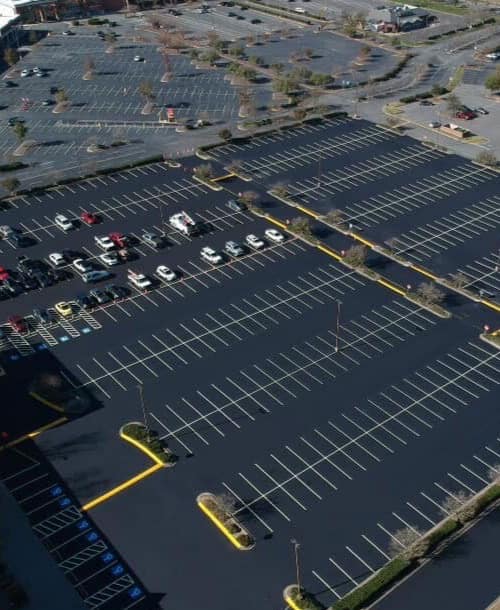
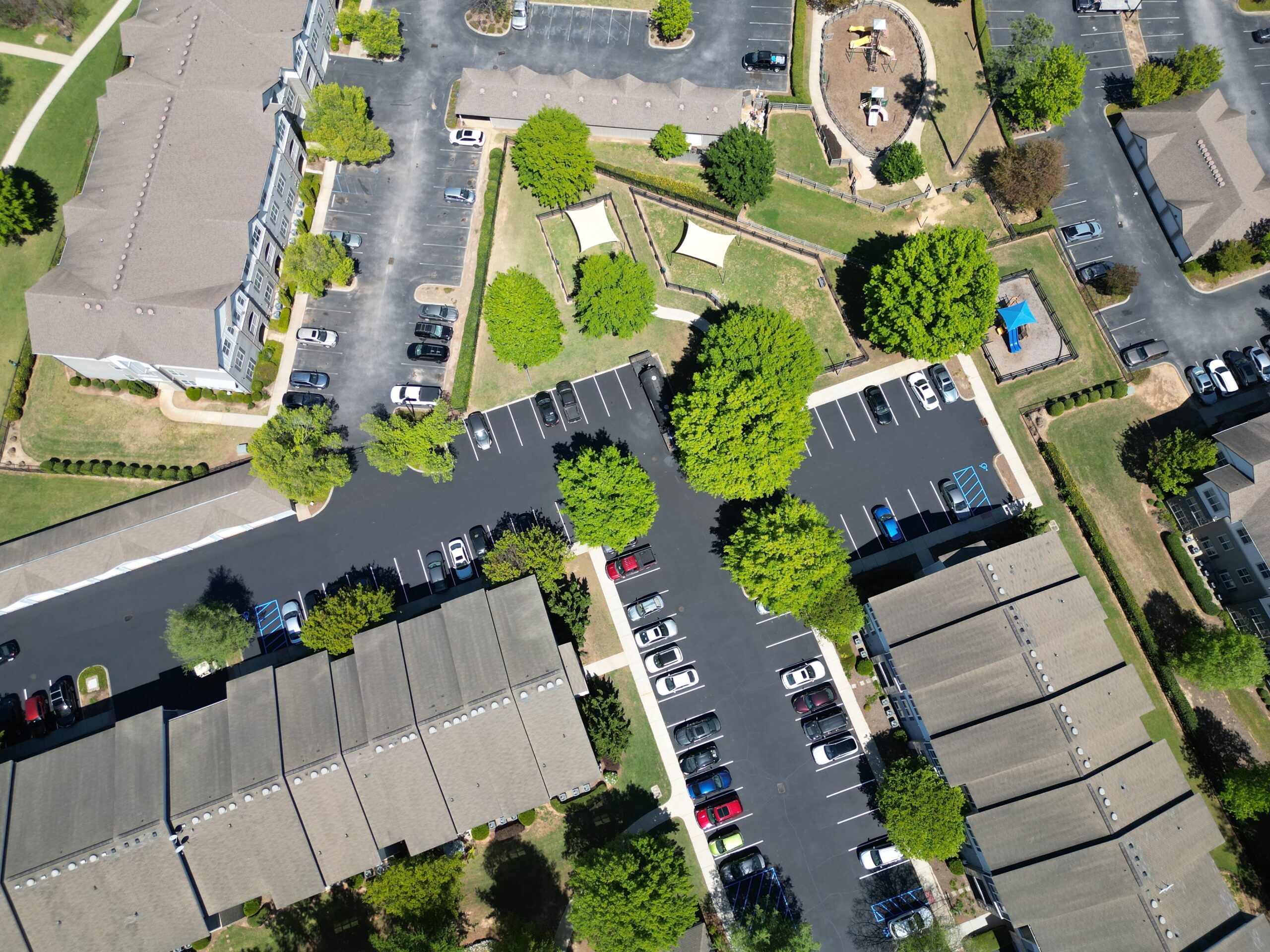
Apartment communities and condominium complexes compete on more than amenities and rental rates. Residents notice every detail when they arrive home, from the condition of the landscaping to the appearance of the parking lot. Cracked asphalt, faded parking lines, and potholes create a poor first impression while increasing safety risks and long-term repair costs.
For property owners and managers, pavement is one of the largest physical assets on the property. Yet, it is often overlooked during annual budget planning until a major repair becomes unavoidable. Including pavement services in your yearly maintenance budget helps preserve asphalt, improve resident safety, and reduce costly emergency repairs.
A proactive pavement maintenance plan is not simply an expense. It is a strategic investment that extends the life of your parking lots, private roads, sidewalks, and drive lanes while protecting your property’s value.
At a Glance
TL;DR
- Annual pavement maintenance costs significantly less than major asphalt reconstruction.
- Preventive services extend the lifespan of parking lots and private roads.
- Well-maintained pavement improves resident safety and satisfaction.
- Regular inspections help identify minor problems before they become expensive repairs.
- Budgeting for pavement maintenance protects your property’s long-term value.
Why Pavement Should Be Treated as a Long-Term Asset
Many property managers focus their maintenance budgets on roofing, HVAC systems, plumbing, landscaping, and building exteriors. While these systems are essential, asphalt pavement deserves the same level of attention.
Parking lots experience constant wear from vehicle traffic, changing weather conditions, ultraviolet rays, oil leaks, and water infiltration. Without routine maintenance, these factors gradually weaken the pavement until cracks, potholes, and structural failures develop.
According to the National Asphalt Pavement Association (NAPA), preventive maintenance is one of the most effective ways to maximize pavement life and delay costly rehabilitation projects. Addressing minor issues early helps property owners avoid complete asphalt replacement years before it would otherwise be necessary.
Instead of reacting to pavement failures, successful property managers treat asphalt as a long-term capital asset that requires consistent care.
The True Cost of Delaying Pavement Maintenance
Postponing pavement maintenance may seem like an easy way to reduce annual operating expenses. However, deferred maintenance almost always results in higher costs later.
Small surface cracks allow rainwater to penetrate beneath the asphalt. As water reaches the base layers, it weakens the pavement structure and accelerates deterioration. What could have been repaired with crack sealing may eventually require extensive patching or complete reconstruction.
Delaying maintenance can also lead to:
- Larger potholes
- Uneven pavement surfaces
- Drainage problems
- Faded parking stalls
- Poor traffic flow
- Increased liability risks
- Resident complaints
- Vehicle damage claims
Emergency repairs often cost significantly more than planned maintenance because they require immediate scheduling, additional labor, and more extensive materials.
By budgeting for routine pavement services each year, property owners can spread maintenance costs over time instead of facing unexpected capital expenditures.
Essential Pavement Services Every Multi-Family Property Should Budget For
A comprehensive pavement maintenance plan includes more than occasional pothole repairs. Each service addresses a specific aspect of pavement preservation and contributes to the overall health of the property.
Routine Pavement Inspections
Professional inspections identify early signs of deterioration before they become visible to residents.
Inspectors evaluate:
- Surface cracking
- Drainage performance
- Pavement settlement
- Oil damage
- Faded markings
- Trip hazards
- Curb condition
Annual inspections provide valuable information for planning future maintenance and budgeting accurately.
Crack Filling and Crack Sealing
Cracks are one of the earliest indicators of asphalt deterioration. Left untreated, they allow moisture to penetrate the pavement, weakening the foundation beneath the surface.
Crack sealing prevents water intrusion while slowing the expansion of existing cracks. This relatively inexpensive service significantly extends pavement life and helps postpone larger repair projects.
Scheduling crack sealing before winter or rainy seasons provides additional protection against moisture-related damage.
Sealcoating
Sealcoating creates a protective barrier that shields asphalt from oxidation, ultraviolet exposure, fuel spills, and moisture.
Besides improving durability, sealcoating restores the pavement’s rich black appearance, giving apartment communities a cleaner and more professional look.
Most commercial parking lots benefit from sealcoating every two to four years, depending on traffic volume and climate conditions.
Parking Lot Striping
Fresh pavement markings improve organization and safety throughout the property.
Routine striping includes:
- Parking spaces
- Accessible parking stalls
- Fire lanes
- Directional arrows
- Crosswalks
- Loading zones
- Speed limit markings
Clearly visible markings help drivers navigate safely while supporting compliance with accessibility requirements.
Pothole Repairs
Potholes create safety hazards for both pedestrians and motorists. They can also damage vehicles, leading to resident complaints and potential liability claims. Repairing potholes promptly prevents further pavement deterioration while maintaining a safe environment for everyone using the property.
Well-Maintained Pavement Improves Resident Satisfaction
Residents interact with your pavement every day. It is often the first feature they experience when arriving home and the last thing they see when leaving. A clean, well-maintained parking lot communicates that property management takes pride in the community. Smooth pavement, visible parking lines, and safe walkways contribute to a more enjoyable living experience.
Conversely, neglected pavement can leave residents questioning how well the rest of the property is maintained. Cracked asphalt, standing water, and faded markings create frustration and diminish curb appeal.
Investing in pavement maintenance demonstrates a commitment to quality, which can positively influence lease renewals, online reviews, and resident retention.
How Preventive Pavement Maintenance Reduces Liability
Safety is one of the biggest responsibilities for apartment owners and property managers. Residents, guests, delivery drivers, and service providers use your parking lots and walkways every day. When pavement is neglected, the likelihood of accidents increases, potentially exposing your property to expensive insurance claims and legal disputes.
Common hazards include:
- Potholes that can damage vehicles or cause cyclists to lose control.
- Uneven pavement that creates trip hazards for pedestrians.
- Faded crosswalks that make pedestrian crossings less visible.
- Worn parking lines that encourage improper parking.
- Standing water caused by poor drainage, increasing the risk of slips and accelerating pavement deterioration.
According to the Occupational Safety and Health Administration (OSHA), maintaining safe walking and driving surfaces is an essential part of reducing workplace and public safety hazards. While OSHA primarily regulates workplaces, its safety principles reinforce the importance of maintaining hazard-free environments for employees, contractors, and visitors.
Routine pavement maintenance helps identify and correct these issues before they become serious safety concerns. It also demonstrates that property owners are actively maintaining their premises, which may be beneficial if liability claims arise.
How to Build Pavement Services Into Your Annual Budget
Many property managers make the mistake of waiting until pavement problems become obvious before allocating funds. A more effective strategy is to treat pavement maintenance as a recurring operational expense rather than an unexpected capital project.
A typical annual pavement maintenance budget should include:
- Annual pavement inspection
- Crack filling and crack sealing
- Sealcoating on a scheduled cycle
- Parking lot restriping
- Curb painting
- Minor asphalt patching
- Stormwater drainage inspections
- Sidewalk and curb repairs, if needed
Rather than completing all services at once, many property managers spread maintenance throughout the year. This phased approach minimizes disruptions for residents while making annual expenses more predictable.
Working with a trusted pavement contractor also allows you to develop a multi-year maintenance plan that aligns with your property’s operating budget and long-term goals.
Preventive Maintenance vs. Reactive Repairs
One of the easiest ways to understand the value of annual pavement budgeting is to compare preventive maintenance with reactive repairs.
| Preventive Maintenance | Reactive Repairs |
|---|---|
| Lower annual costs | Higher emergency repair costs |
| Extends pavement lifespan | Shortens pavement lifespan |
| Improves resident safety | Increased accident risks |
| Enhances curb appeal | Neglected appearance |
| Supports budgeting | Creates unexpected expenses |
| Prevents structural damage | Often requires major reconstruction |
| Minimises resident disruption | Emergency repairs may disrupt access |
Preventive maintenance focuses on preserving the pavement before significant deterioration occurs. Reactive repairs, on the other hand, often require larger investments because damage has already progressed.
For most multi-family communities, preventative maintenance delivers a much stronger return on investment over the life of the pavement.
Signs Your Property Is Overdue for Pavement Maintenance
If you are unsure whether your property should include pavement services in next year’s budget, inspect your parking lot for these warning signs:
- Multiple cracks spreading across the asphalt.
- Potholes in drive lanes or parking stalls.
- Water pooling after rainfall.
- Faded parking lines and directional arrows.
- Worn or missing accessible parking markings.
- Loose gravel or crumbling pavement edges.
- Uneven sidewalks or damaged curbs.
- Frequent resident complaints about parking conditions.
Even one of these issues may indicate that preventative maintenance is overdue. Addressing problems early is almost always less expensive than waiting for complete pavement failure.
Why Partner With ProLine Parking Lot Maintenance?
Maintaining pavement across a multi-family property requires more than occasional repairs. It requires a long-term strategy tailored to your property’s traffic patterns, pavement condition, and budget.
At ProLine Parking Lot Maintenance, we work with apartment communities, condominium associations, and property management companies to develop customized pavement maintenance programs that help protect their investment year after year.
Our comprehensive pavement services include:
- Parking lot inspections
- Asphalt repairs
- Crack sealing
- Sealcoating
- Parking lot striping
- ADA-compliant pavement markings
- Curb painting
- Preventative maintenance planning
Instead of waiting for pavement failures to occur, our team helps property owners schedule maintenance at the right time, extending pavement life while reducing unexpected repair costs.
Whether you manage a single apartment complex or a portfolio of multi-family properties, ProLine delivers reliable solutions that improve safety, preserve curb appeal, and support long-term asset management.
Make Pavement Maintenance Part of Your Annual Budget
Your pavement is one of the first features residents and prospective tenants notice and one of the most heavily used assets on your property. Ignoring its condition can lead to higher repair costs, increased liability, and a negative impression that affects resident satisfaction.
Including pavement services in your annual maintenance budget allows you to address minor issues before they become major problems. Regular inspections, crack sealing, sealcoating, striping, and asphalt repairs help extend pavement life, improve safety, and keep your community looking its best throughout the year.
At ProLine Parking Lot Maintenance, we help multi-family property owners create proactive maintenance plans that fit their operational goals and budget. Contact our team today to schedule a pavement assessment and discover how preventative maintenance can protect your investment for years to come.
Factoring preventative pavement care into your annual operating budget eliminates costly capital surprises and protects your overall property value. From scheduled sealcoating to timely crack sealing, regular maintenance costs a fraction of a full replacement. Contact our team today to build a predictable, cost-effective pavement plan for your portfolio.
Call Our Paving Team Now →Frequently Asked Questions
Why should multi-family communities budget for pavement maintenance every year?
Annual pavement maintenance helps preserve parking lots, private roads, and sidewalks before minor issues become expensive repairs. Preventative services such as crack sealing, sealcoating, and striping extend pavement life while improving the property’s appearance. Planning for these services each year also reduces the likelihood of emergency repairs that disrupt residents. A proactive maintenance budget protects both your investment and long-term operating costs.
What pavement services should be included in a multi-family property’s annual maintenance budget?
Most annual maintenance plans include pavement inspections, crack sealing, sealcoating, pothole repairs, parking lot striping, curb painting, and asphalt patching. Some properties also benefit from drainage evaluations and sidewalk repairs. The right combination depends on pavement age, traffic volume, and environmental conditions. A professional contractor can recommend a schedule that maximizes pavement performance.
How does preventative pavement maintenance save money?
Preventative maintenance addresses small pavement issues before they become major structural failures requiring reconstruction. Sealing cracks prevents moisture intrusion, while sealcoating protects asphalt from oxidation and weather damage. These services cost significantly less than replacing deteriorated pavement. Investing in routine maintenance lowers the total cost of ownership over the pavement’s lifespan.
How often should apartment complex parking lots be sealcoated and restriped?
Most apartment community parking lots should be sealcoated every two to four years, depending on climate, traffic, and pavement condition. Parking lot striping is typically refreshed every one to three years to maintain visibility and safety. Regular inspections help determine the best maintenance schedule for each property. Following a planned schedule keeps the pavement attractive and functional.
Can neglected pavement affect resident satisfaction?
Yes. Cracked asphalt, potholes, and faded parking lines create a poor first impression and make daily navigation more difficult for residents and visitors. Well-maintained pavement contributes to a cleaner, safer, and more welcoming community. It also reflects positively on property management’s commitment to maintaining the property. This can encourage resident retention and improve online reviews.
Why should I hire a professional pavement maintenance contractor?
Professional contractors have the expertise, equipment, and experience to identify pavement issues early and recommend cost-effective solutions. They ensure repairs and maintenance comply with industry standards and applicable accessibility requirements. A customized maintenance plan helps maximize pavement lifespan while reducing unexpected repair costs. Partnering with an experienced contractor gives property owners confidence that their pavement investment is being properly protected.
See also: The Difference Between Parking Lot Restriping and New Layout Striping, How Parking Lot Striping Improves Traffic Flow in Multi-Family Communities