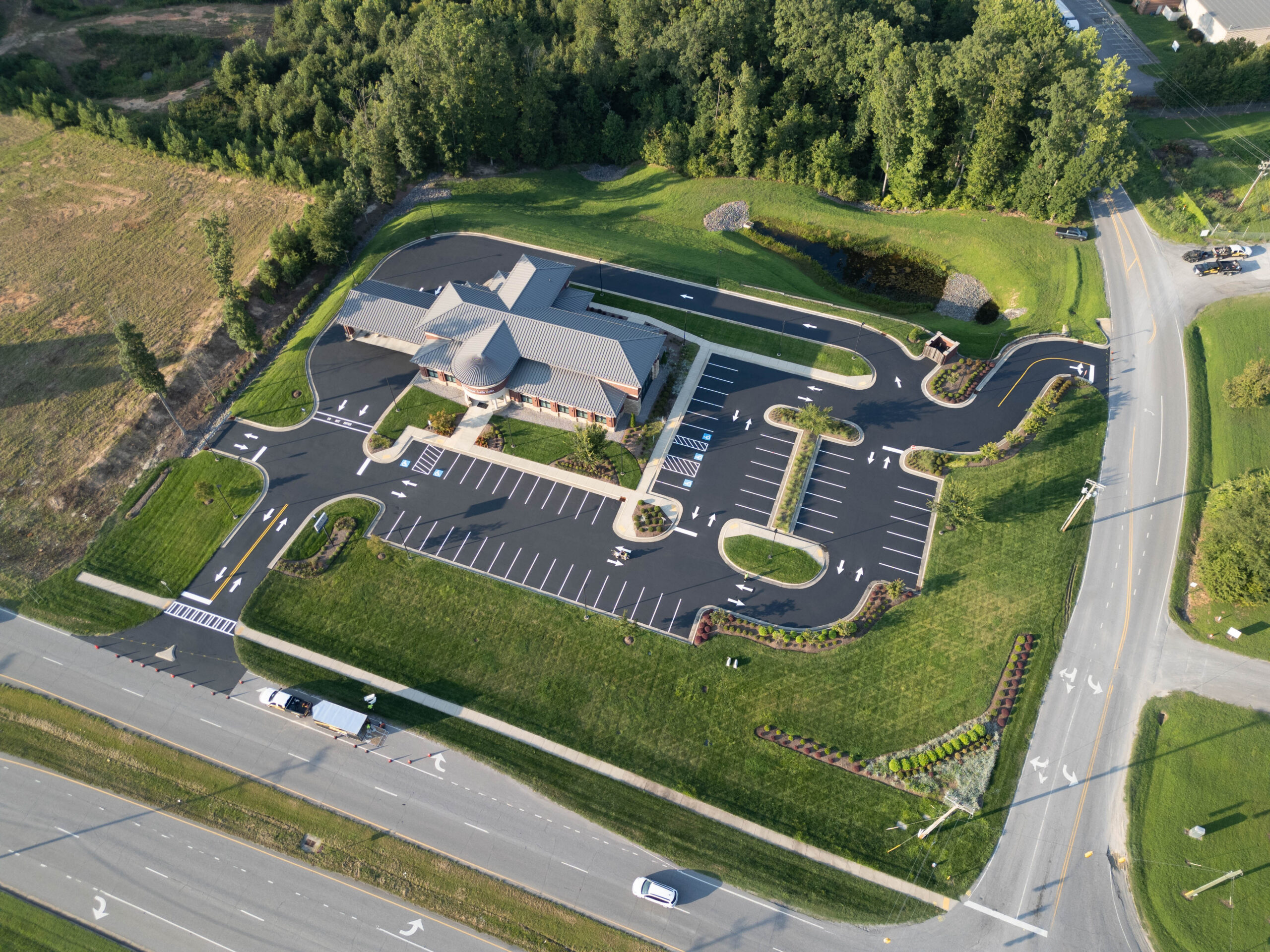

A parking lot checklist helps property staff record defects, coordinate repairs, and keep access needs visible. Set inspection frequency around the property’s traffic, weather, and maintenance history, with additional checks whenever residents report a problem.
Routine walk-through
- Look for potholes, raised edges, depressions, and changes in cracking.
- Remove loose litter and identify debris obstructing drainage.
- Check parking lines, directional arrows, signs, and designated access aisles.
- Inspect wheel stops and bollards for movement, damage, or exposed anchors.
- Check lights and the visibility of walking routes after dark.
Record the date, location, photographs where useful, and the next action. Track unresolved items until the responsible person confirms their status.
After rain or severe weather
Look for ponding, blocked inlets, erosion, and material washed onto the pavement. Refer recurring drainage problems for assessment. Work around drains and catch basins may require a qualified provider; a routine surface check does not require entering a drainage structure.
During freezing weather, monitor ice and refreezing near entrances and walking routes. Use the property’s approved snow and ice plan and follow product guidance for pavement-compatible treatments.
Periodic professional review
Have recurring defects, widespread cracking, and suspected base problems assessed. A visual inspection can identify warning signs but does not establish the condition of every concealed layer. Ask whether further investigation or a formal pavement condition survey is appropriate.
Review accessible parking as a system: spaces, access aisles, required signs, slopes, and routes to entrances. Determine the requirements that apply to the particular residential and public-facing areas of the property.
Plan the work and communicate closures
Select crack treatment, patching, sealcoating, or resurfacing according to condition. Inspect markings and refresh them when visibility or layout requires it. There is no single maintenance interval that fits every lot.
For each project, identify temporary parking, pedestrian routes, emergency access, delivery arrangements, and the reopening conditions. Give residents clear notices and update them if the schedule changes.
Contact ProLine to discuss the pavement work identified in your inspection records.