
Cold Patch Asphalt Repair: The Complete Guide to Fast, Affordable Pothole Fixes
Potholes are more than just unsightly blemishes on your parking lot. They’re hazards that damage vehicles, create liability risks, and frustrate customers. If you’re searching for a quick, cost-effective solution, cold patch asphalt repair is one of the most practical methods available today.
This comprehensive guide walks you through everything you need to know about cold patch repairs, from preparation to application, plus how it stacks up against other repair methods. Whether you’re a property manager protecting your investment or a business owner concerned about customer safety, understanding your repair options is essential.
What Is Cold Patch Asphalt Repair?
Cold patch asphalt is a ready-to-use pothole repair material that requires no heating or special equipment. Unlike traditional hot mix asphalt, which must be heated to 350°F before application, cold patch stays workable at room temperature straight from the bag.
This material is a pre-mixed blend of asphalt cement, aggregates, and special additives. The composition allows it to be applied immediately, compressed with basic tools, and opened to traffic within hours. Cold patch is ideal for emergency repairs, seasonal maintenance, and situations where heating equipment isn’t available.
The convenience factor makes cold patch especially popular for property owners who need reliable, temporary-to-medium-term solutions without major disruption to daily operations.
4 Essential Steps for Cold Patch Asphalt Repair
Step 1: Prepare the Pothole
Proper preparation is the foundation of any successful pothole repair. Begin by cleaning the damaged area thoroughly with a wire brush or compressed air. Remove all loose asphalt, dirt, water, and debris from the pothole.
For best results, undercut the edges of the pothole at a slight angle. This creates a better mechanical bond between the existing pavement and the new patch material. If water is present, remove it completely with a broom or small pump. Moisture is the enemy of good adhesion.
A clean, dry pothole sets the stage for a patch that lasts. Skip this step, and you risk premature failure and repeat repairs that eat into your budget.
Step 2: Apply a Tacking Agent
A tacking agent is a sticky adhesive that bonds the cold patch material to the existing pavement. Apply a thin, even coat of asphalt emulsion or tack coat to the prepared pothole using a brush, spray, or roller.
This step dramatically improves bonding and reduces the risk of patch failure. The tack coat bridges the gap between old and new asphalt, creating a unified surface. Allow the tack coat to dry slightly before moving to the next step—typically 5 to 15 minutes, depending on temperature and humidity.
Don’t skip the tacking agent. Professional contractors know that this simple step significantly extends patch longevity and performance.
Step 3: Fill the Pothole with Cold Patch Material
Pour the cold patch asphalt directly from the bag into the prepared pothole. Overfill slightly above the surrounding pavement surface to account for settling and compaction.
Spread the material evenly across the entire damaged area using a shovel or screed. Work quickly but carefully to ensure uniform distribution. The material should fill all gaps and conform to the shape of the pothole.
For larger potholes, you may need to apply cold patch in layers, compacting each layer before adding the next. This prevents voids and creates a denser, more durable repair.
Step 4: Compact and Finish
Proper compaction is critical. Use a tamper, hand roller, or vehicle tire to compress the cold patch material firmly into the pothole. The goal is to achieve a smooth, level surface flush with the surrounding pavement.
Compact from the edges toward the center, working systematically to eliminate air pockets. A well-compacted repair will be dense, solid, and resistant to water infiltration.
Once compacted, the patch should be level with the surrounding pavement. Some formulations allow traffic within 1-2 hours, while others require longer curing times. Check your product’s specifications and allow adequate time before opening the area to vehicles.
Why Choose Cold Patch for Your Parking Lot?
Speed and Convenience
Cold patch repairs can be completed in hours, not days. No heating equipment, no advanced scheduling, no extended downtime. This makes it ideal for high-traffic parking lots where every hour of closure costs money.
Cost-Effective Solution
Cold patch material is affordable and requires minimal equipment. For property owners watching their maintenance budget, cold patch offers significant savings compared to full-depth hot mix repairs or complete resurfacing projects.
Year-Round Application
Unlike hot mix asphalt, which becomes problematic in cold weather, cold patch can be applied year-round. Winter emergencies and seasonal damage don’t have to wait for warmer months.
Minimal Equipment Requirements
A shovel, wire brush, tamper, and a tack coat are all you need. This accessibility makes cold patch practical for maintenance staff and small property managers without access to specialized paving equipment.
Cold Patch vs. Other Pothole Repair Methods
| Repair Method | Cost | Application Time | Longevity | Weather Dependency | Equipment Needed |
|---|---|---|---|---|---|
| Cold Patch | Low to Medium | 1-4 hours | 1-3 years | Year-round capable | Basic hand tools |
| Hot Mix Asphalt | Medium | 2-8 hours | 3-7 years | Limited to warm weather | Heating truck, roller equipment |
| Infrared Repair | High | 2-6 hours | 5-10 years | Moderate flexibility | Specialized infrared heater |
Each method has its place in a comprehensive maintenance strategy. Cold patch excels for quick fixes and emergency repairs. Hot mix asphalt offers better longevity for larger projects. Infrared repair provides premium results for critical areas where durability is paramount.
Common Mistakes That Compromise Cold Patch Performance
Inadequate Surface Preparation
Skipping cleaning or failing to remove loose material is the leading cause of patch failure. The new material won’t bond properly to dirty or damaged surfaces, resulting in premature deterioration.
Omitting the Tack Coat
Applying cold patch without a tacking agent significantly reduces bond strength. This shortcut saves minutes but costs years of patch life.
Insufficient Compaction
Under-compacted patches settle over time and create uneven, low spots that collect water. Proper tamping and pressure are essential for a smooth, stable repair.
Repairing Wet Potholes
Moisture is a cold patch killer. Always allow adequate drying time before application, and address standing water with proper drainage if needed.
Opening to Traffic Too Soon
Cold patch requires time to cure properly. Allowing vehicle traffic before the recommended cure period can dislodge the material and compromise performance.
When to Call the Professionals
While cold patch is accessible for minor repairs, larger potholes, complex damage patterns, or high-volume parking lots benefit from professional expertise. At Proline Parking Lot Maintenance in Charlotte, NC, we handle everything from small patch jobs to comprehensive lot rehabilitation.
Our team uses industry-leading materials and techniques to deliver repairs that last. We understand the unique demands of Charlotte’s climate and traffic patterns, and we customize solutions to fit your specific situation and budget.
Whether you need emergency pothole repairs or a complete parking lot assessment, we’re here to help. Learn more about our comprehensive pothole repair services and how we can protect your property investment.
Comprehensive Parking Lot Maintenance Beyond Pothole Repair
Pothole repair is just one piece of the parking lot maintenance puzzle. A complete approach includes multiple services working together to preserve your pavement and extend its lifespan.
Crack Sealing: Stop Damage Before It Spreads
Small cracks evolve into major potholes when left unattended. Professional crack sealing prevents water infiltration and halts deterioration in its tracks. Regular crack sealing extends pavement life by years and reduces overall maintenance costs.
Sealcoating: Protect Your Investment
Sealcoating is a preventive shield that protects asphalt from UV damage, oxidation, and chemical exposure. A quality sealcoat extends pavement life, maintains appearance, and reduces the frequency of repairs needed.
Line Striping: Safety and Aesthetics
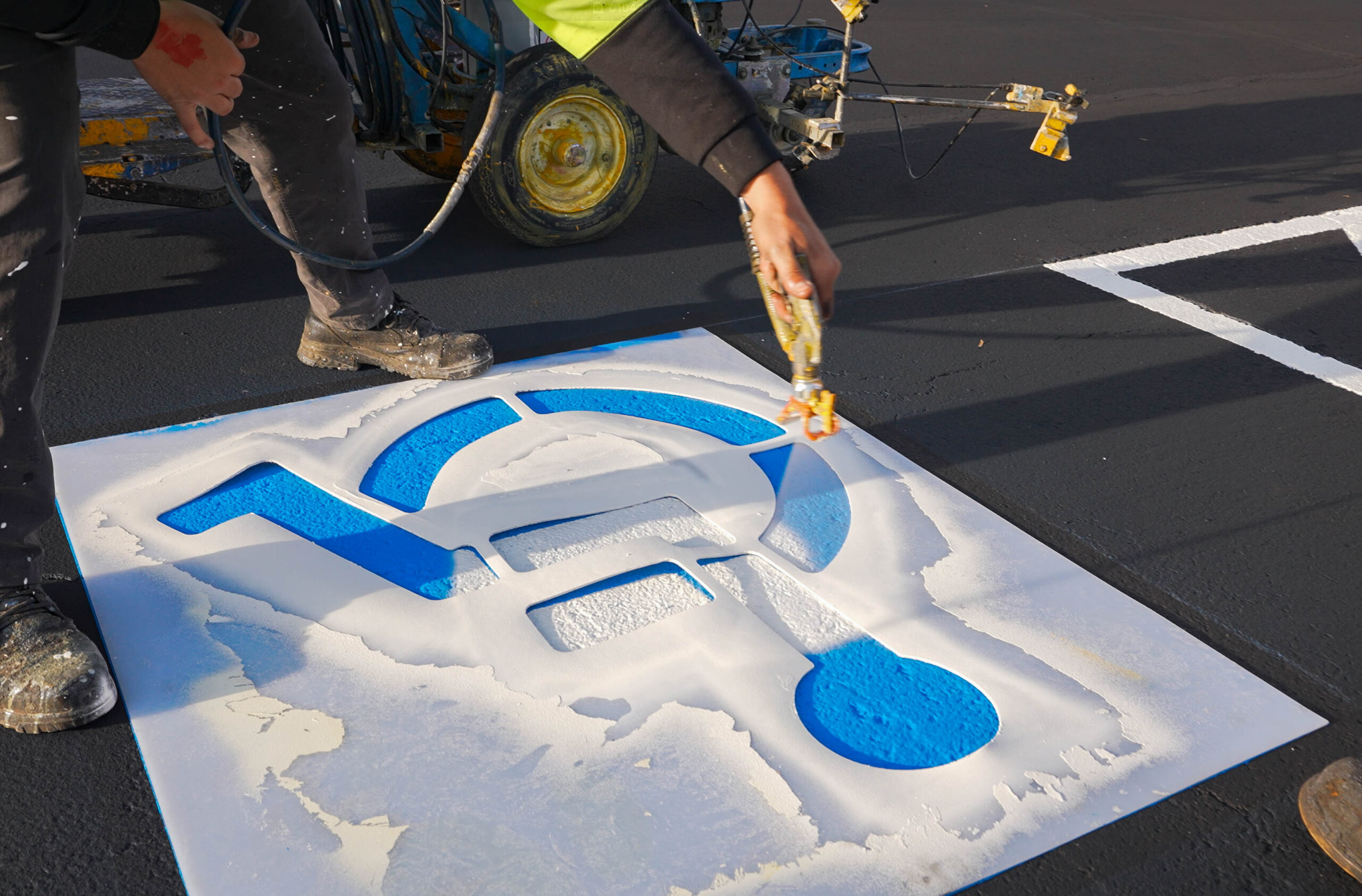
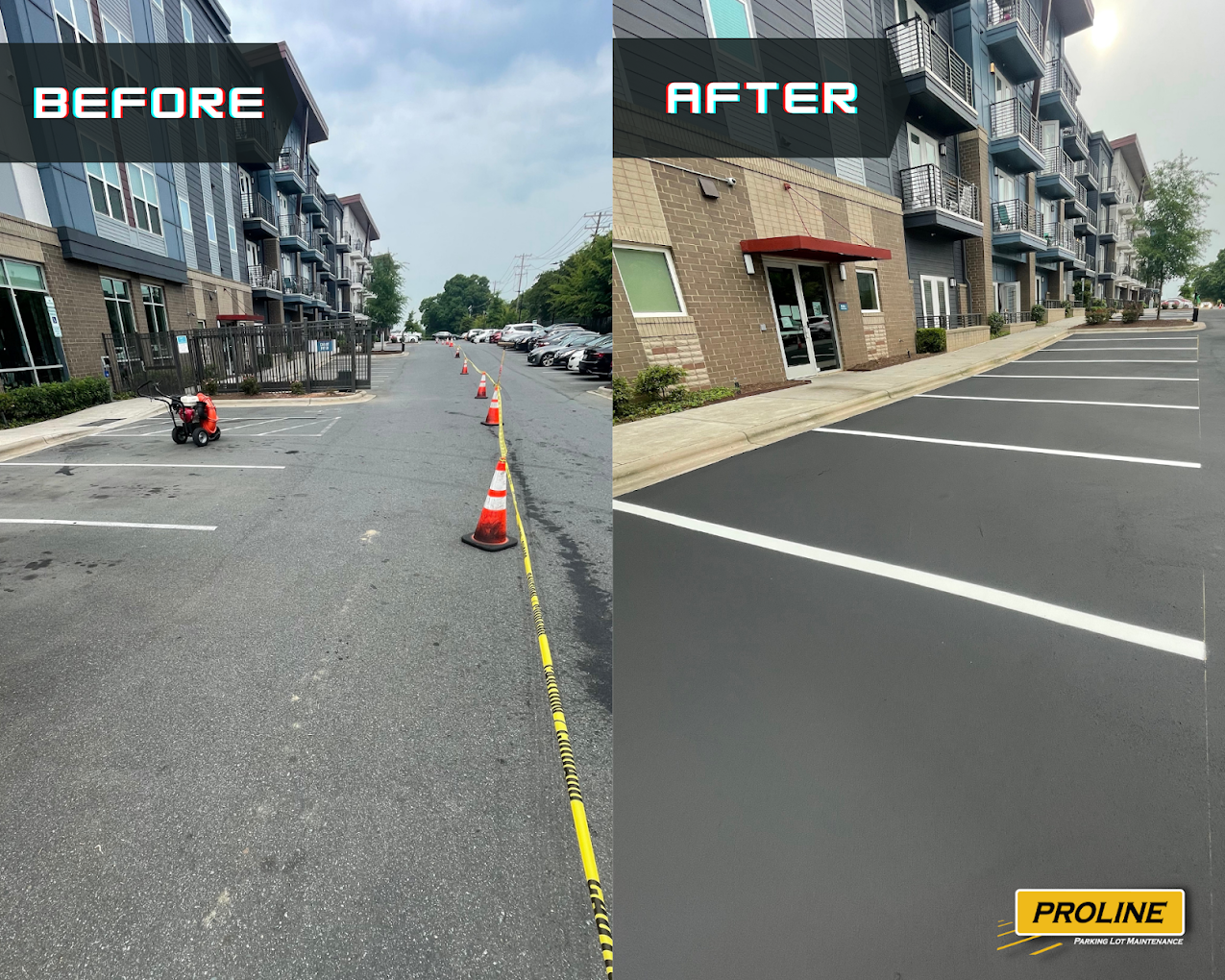
Faded or missing parking lot markings create safety issues and reduce professionalism. Professional line striping improves traffic flow, ensures ADA compliance, and enhances curb appeal.
Frequently Asked Questions About Cold Patch Asphalt Repair
How long does cold patch asphalt last?
Cold patch typically lasts 1-3 years, depending on traffic volume, weather conditions, and initial application quality. High-traffic areas may require sooner replacement. For longer-lasting results, consider hot mix asphalt or infrared repairs.
Can cold patch be used in winter?
Yes. Cold patch is one of the few asphalt repair methods suitable for cold weather. However, avoid application during rain or when temperatures are significantly below freezing. Check product specifications for minimum temperature recommendations.
What’s the cost of cold patch repairs versus hot mix asphalt?
Cold patch is typically 20-30% less expensive than hot mix repairs due to lower material costs and minimal equipment requirements. However, hot mix offers superior longevity, making it more cost-effective for larger repairs over the long term.
Can I apply cold patch myself, or should I hire professionals?
Small potholes can be handled with proper technique, but professional application ensures better results, faster completion, and warranty protection. For complex or extensive damage, professional contractors deliver expertise and reliability.
How quickly can parking areas reopen after cold patch repair?
Most cold patch formulations allow light traffic within 1-2 hours and full traffic within 4-6 hours. Curing time varies by product and weather conditions. Always consult your material’s specific guidelines for safe reopening times.
Get Professional Cold Patch Repair in Charlotte, NC
Potholes won’t repair themselves, and delaying fixes only multiplies damage and liability. At Proline Parking Lot Maintenance, we deliver fast, reliable cold patch repairs and comprehensive parking lot solutions throughout Charlotte and surrounding areas.
Our experienced team understands the challenges Charlotte property owners face. From seasonal weather impacts to heavy traffic demands, we’ve got the knowledge and materials to keep your parking lot safe, functional, and professional.
Ready to address those potholes? Contact us today.
Proline Parking Lot Maintenance
Charlotte, NC
Phone: 704-530-5366
Website: prolineplm.com
We’re here to keep your parking lot in top condition. Whether you need emergency repairs, scheduled maintenance, or a complete lot assessment, Proline delivers professional service you can trust.