Property managers rarely connect a pothole to a lease non-renewal, but resident satisfaction surveys keep making the link for them. Parking lot condition shows up again and again in the same complaint categories as noisy neighbors and slow maintenance responses. It’s not because residents care about asphalt, but because a neglected lot signals a neglected property. This guide breaks down which parking lot issues actually drive tenant complaints, why they matter more than owners assume, and the maintenance approach that keeps them from showing up on the next satisfaction survey at all.
TL;DR
- Parking lot condition is consistently cited alongside noise and slow maintenance response as a top driver of resident dissatisfaction at multifamily properties.
- The most complaint-prone issues are potholes, standing water, poor lighting, faded or confusing striping, and inadequate snow/ice removal, not cosmetic wear.
- A fast response window on visible defects (potholes, standing water) does more for resident perception than a perfect long-term capital plan.
- Clear, well-lit, well-marked lots also reduce a specific category of complaints that owners underestimate: disputes over parking assignments and guest parking.
- A documented, proactive maintenance log gives property managers a tool for both resident communication and liability defense.
Why Parking Lot Condition Drives Complaints More Than Owners Expect
Residents rarely file a complaint that says “the asphalt is deteriorating.” What they file instead is a complaint about a pothole that damaged a tire, a dark walk from the parking space to the building entrance, or confusion over where guests are allowed to park. The underlying cause is the same: deferred or poorly managed pavement maintenance. It surfaces as a dozen different-looking complaints, which is exactly why property managers often miss the pattern until a resident satisfaction survey lays it out in aggregate.
Parking lot issues also carry a specific weight that other maintenance issues don’t: residents interact with the lot every single day, often twice, once arriving home tired and once leaving in a hurry. A defect that would be a minor annoyance elsewhere in the property gets reinforced by daily repetition.
The Five Complaint Categories That Trace Back to Parking Lot Maintenance
1. Vehicle Damage Complaints
Potholes and severe cracking cause tire and alignment damage, and residents notice and report this faster than almost any other property issue because it hits their wallet directly. A pothole reported and left unpatched for more than a few days routinely escalates from a maintenance ticket to a formal complaint or a request for reimbursement.
2. Safety and Lighting Complaints
Poorly lit lots lead to complaints about personal safety, particularly among residents walking to their cars after dark. This complaint category also correlates with actual incident risk. Inadequate lighting is a recurring factor cited in premises liability claims at multifamily properties.
3. Standing Water and Drainage Complaints
Water pooling near building entries, walkways, or accessible routes leads to complaints about ruined shoes, muddy, tracked-in floors, and, in freezing climates, ice hazards. Drainage issues are also among the more visible signs that “the property doesn’t maintain things,” even when the actual defect is minor.
4. Parking Assignment and Guest Parking Disputes
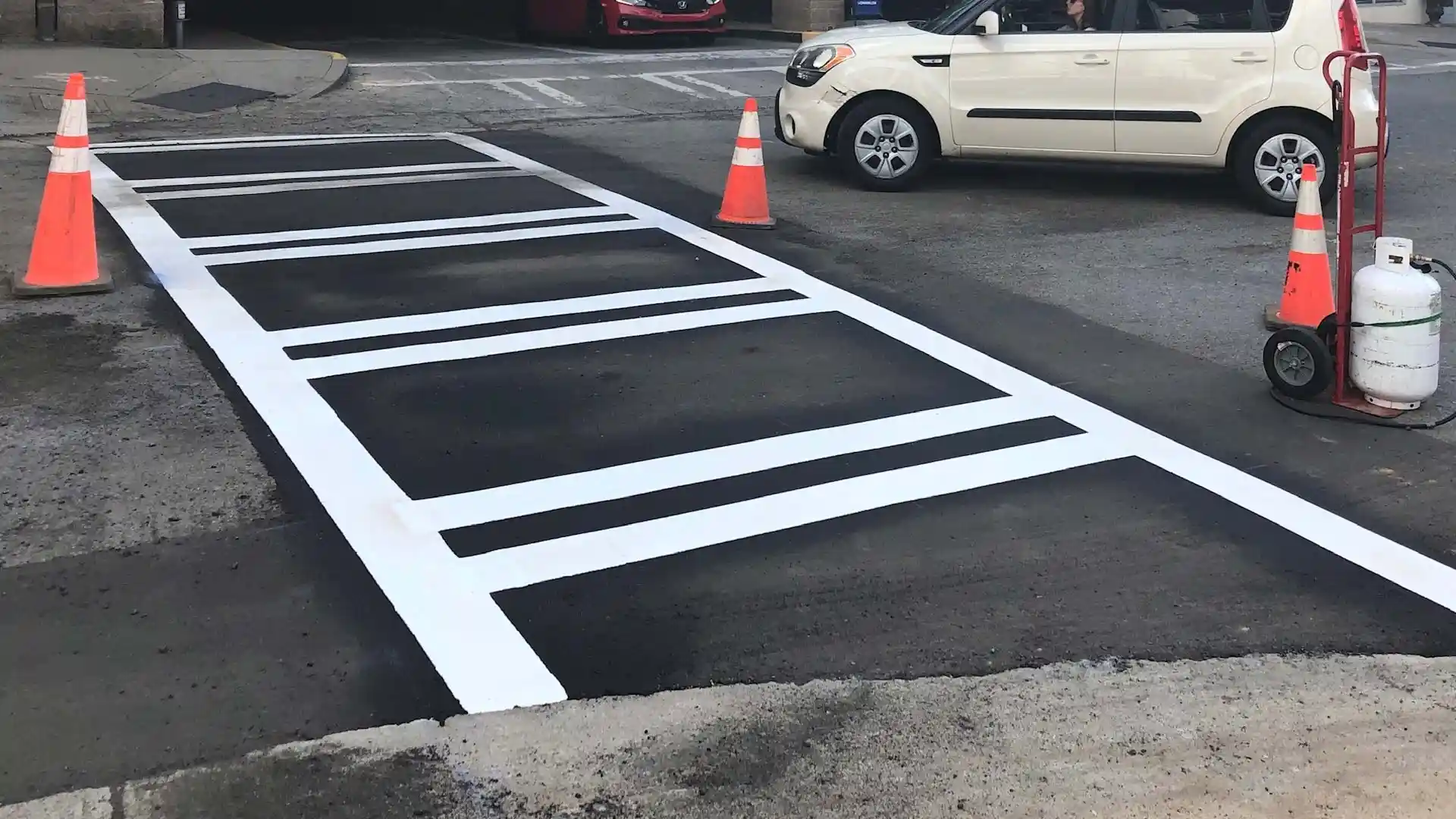
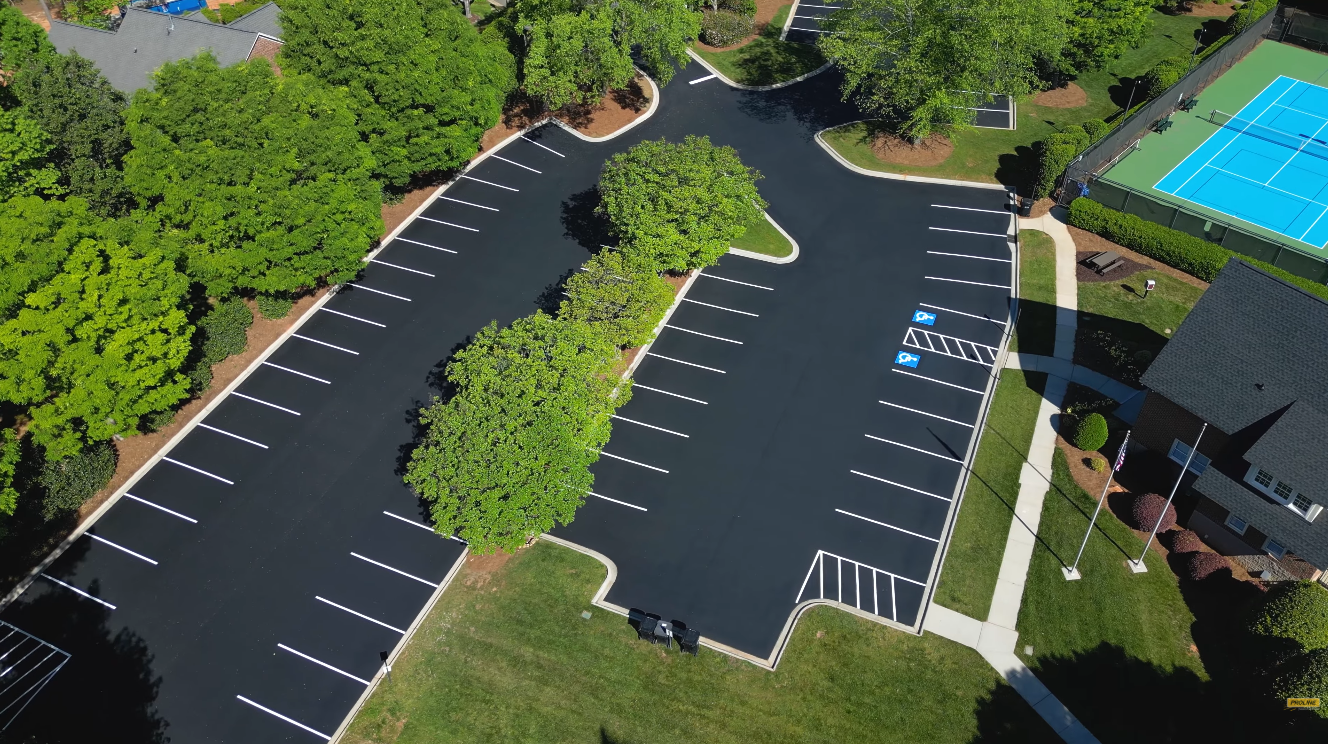
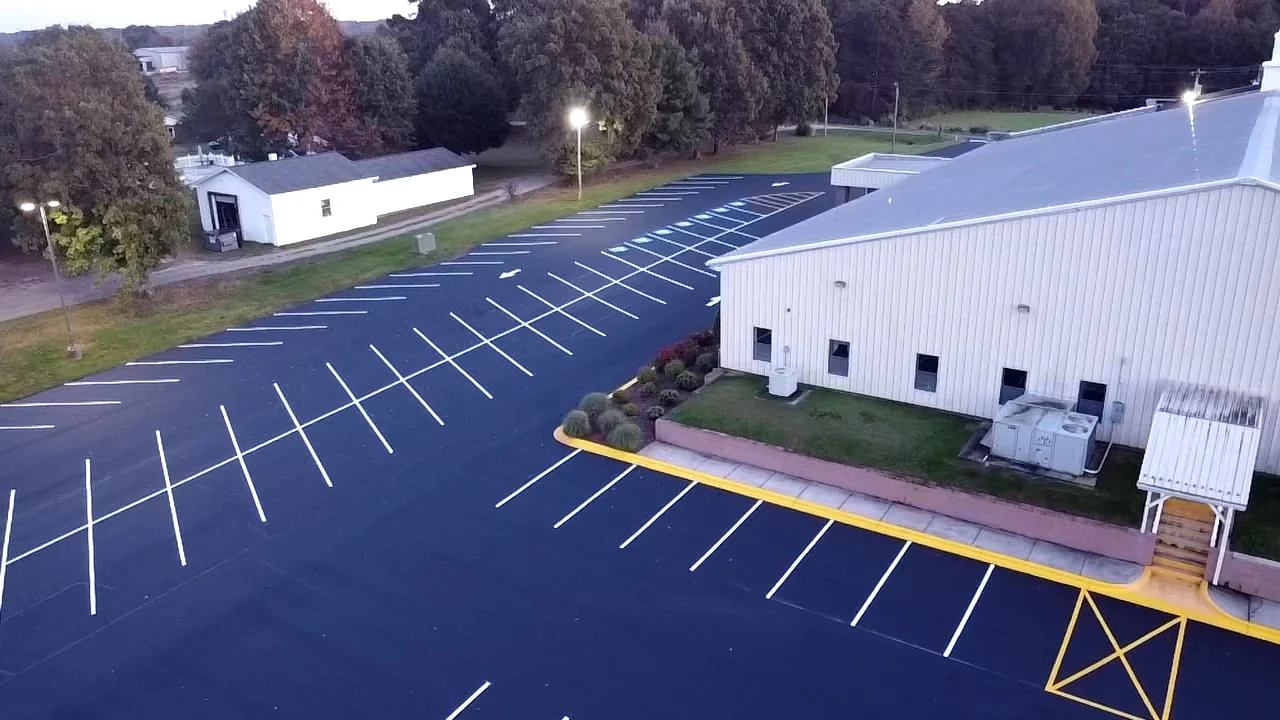
Faded striping and unclear signage directly cause a complaint category many owners don’t associate with pavement at all: disputes between residents over assigned spaces, guest parking violations, and towing disagreements. Clear, well-maintained striping and signage resolve a surprising share of these before they escalate to management.
5. Snow and Ice Removal Complaints
In freezing climates, slow or inconsistent snow and ice removal is one of the highest-volume complaint drivers during winter months, and it compounds pavement damage. Freeze-thaw cycling in unsealed cracks accelerates deterioration, meaning a poor snow removal program makes the underlying pavement problem worse the following season.
Response Time Matters More Than Perfection
A property with an imperfect but responsive maintenance program consistently outperforms, in terms of resident satisfaction, a property with better pavement but a slow response process. Residents forgive an occasional pothole. They don’t forgive a pothole that’s still there three weeks after they reported it.
A practical response benchmark that keeps complaints from escalating:
| Issue | Target Response Window |
|---|---|
| Pothole or vehicle-damage hazard | 24–48 hours (temporary patch), full repair within 2 weeks |
| Standing water at entries/walkways | 48 hours for assessment, corrective action within 2 weeks |
| Burnt-out lighting | 24–72 hours |
| Faded striping/signage affecting parking disputes | Scheduled restriping within 30 days of report |
| Snow/ice on walkways and drive lanes | Same-day during active weather events |
Building a Maintenance Log That Reduces Complaints and Protects the Property
A written maintenance log does two jobs at once: it provides property management with a system for tracking and closing out issues before they become complaints, and it provides ownership with a defensible record if a liability claim or a resident dispute ever escalates.
An effective log tracks, at a minimum:
- Date reported and source (resident complaint, staff walk-through, contractor inspection)
- Issue type and location
- Temporary action taken (if any) and date
- Permanent repair date and contractor
- Photo documentation before and after
Properties that run both walk-throughs consistently report fewer complaints during the two highest-complaint windows: late winter (when freeze-thaw damage becomes visible) and early summer (when heat-accelerated cracking and faded striping become apparent).
Seasonal Maintenance Habits That Prevent Complaints Before They Start
Reactive maintenance, fixing what residents report, will always run behind. Two seasonal habits catch problems before they generate a complaint:
- Spring walk-through: Check for winter freeze-thaw damage (new cracks, heaving), confirm drainage is functioning after snowmelt, and refresh any striping that faded over winter.
- Fall walk-through: Seal any cracks found before winter to prevent freeze-thaw expansion, confirm lighting fixtures are functioning before daylight hours shorten, and pre-stage snow removal contracts and equipment.
Properties that run both walk-throughs consistently report fewer complaints during the two highest-complaint windows: late winter (freeze-thaw damage becoming visible) and early summer (heat-accelerated cracking and faded striping).
What to Communicate to Residents (and Why It Reduces Complaints on Its Own)
A meaningful share of parking-lot-related complaints isn’t about the defect itself. They’re about residents feeling unheard. Simple, proactive communication reduces complaint volume independent of the physical repair:
- Post a notice when a known issue (like a pothole) has been reported and is scheduled for repair, with a target date
- Notify residents in advance of restriping, seal coating, or snow removal schedules that will temporarily affect parking
- Provide a clear, visible way to report parking lot issues (not buried in a general maintenance request form)
A resident who sees their reported pothole flagged with a repair date rarely escalates to a formal complaint, even if the repair takes a few weeks.
The Bottom Line
Parking lot maintenance is one of the few property investments that shows up simultaneously in resident satisfaction scores, liability exposure, and lease renewal rates. The properties with the fewest parking-lot-related complaints aren’t necessarily the ones with the newest asphalt. They’re the ones with the fastest response times, the most proactive seasonal habits, and the clearest communication with residents about what’s being fixed and when.
Faded striping, persistent potholes, and poor parking logistics are leading drivers of negative tenant reviews and lease non-renewals. Speak directly with our team to implement a clean, stress-free asphalt maintenance plan that protects your community’s reputation.
Call Our Paving Team Now →Frequently Asked Questions
What’s the most common parking lot issue that leads to tenant complaints?
Potholes and vehicle-damage hazards generate the fastest and most frequent complaints, since they hit residents financially and are highly visible during daily commutes to and from the property.
How quickly should a reported pothole be fixed to avoid a formal complaint?
A temporary patch within 24–48 hours, with full repair within about two weeks, keeps most reported potholes from escalating into formal complaints or reimbursement requests.
Can better parking lot lighting actually reduce tenant complaints?
Yes. Poor lighting drives safety-related complaints directly and is also a recurring factor in premises liability claims, making it one of the higher-priority fixes for complaint reduction.
Do parking space disputes really relate to pavement maintenance?
Yes, faded striping and unclear signage are common root causes of disputes over assigned spaces and guest parking, and refreshing them resolves a meaningful share of these complaints before they reach management.
What should a property’s snow and ice removal response time be?
Same-day response during active winter weather events is the standard that keeps snow and ice from becoming both a complaint driver and an accelerant of pavement cracking.
Does keeping a maintenance log actually reduce complaints?
Indirectly, yes, a log helps maintenance teams track and close issues faster instead of relying on memory, which shortens response times and reduces the number of issues that escalate into formal complaints.
See also: ADA Parking Compliance for Multi-Family Properties: What Property Managers Need to Know, How Sealcoating Protects Apartment Parking Lots from Costly Repairs