Proline Parking Lot Maintenance

How Often Should Parking Lots Be Sealed? Charlotte, NC Guide

Meet the Author

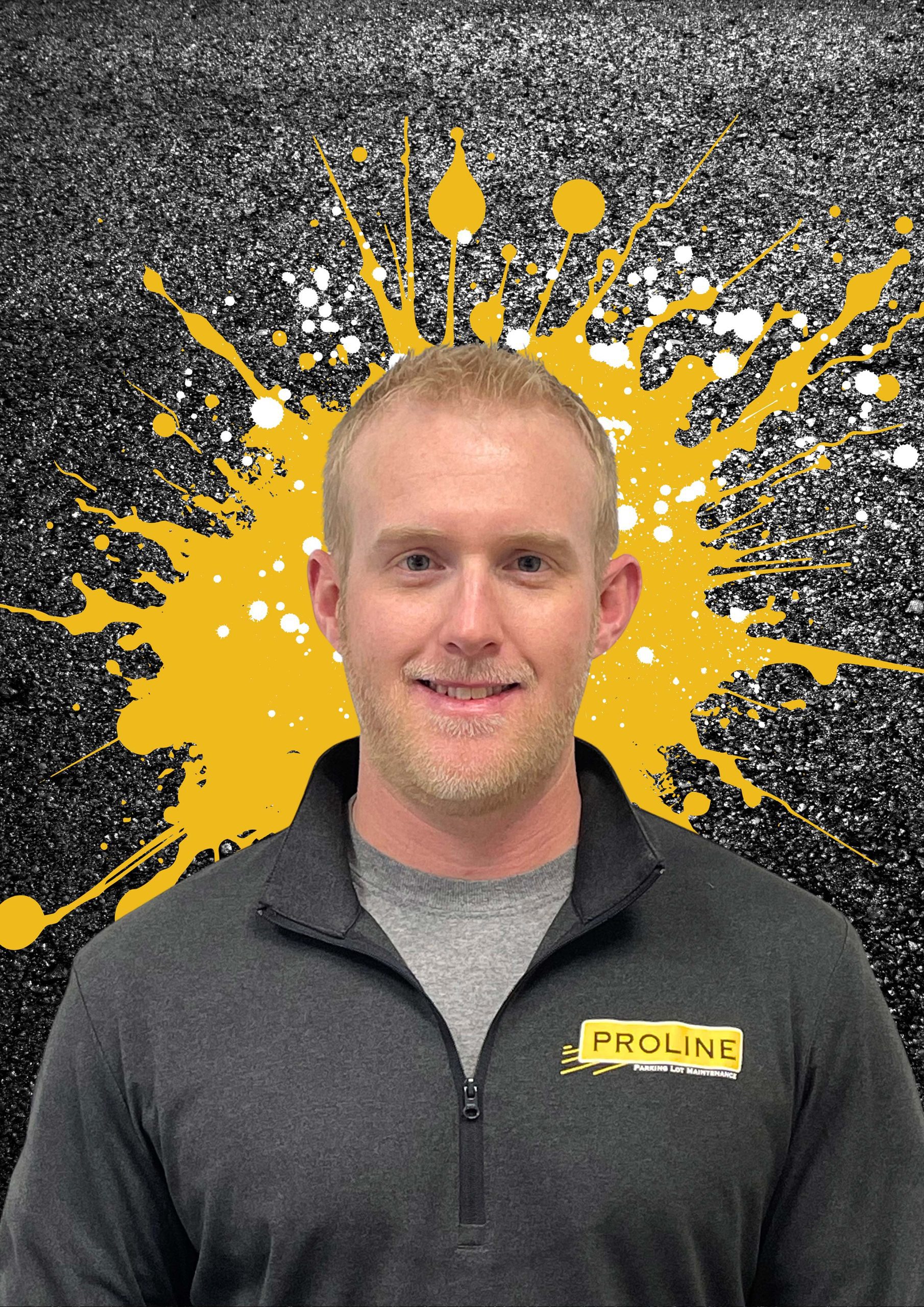
Daniel Wright, CEO of Proline since 2016, embodies the company’s core value of “Do the Right Thing Always.” From single-handedly sealcoating a massive lot in 2019 to leading with integrity and grit, he’s driven by hard work, fall days, and the motivation of “Higher” by Eminem.

Table of Contents

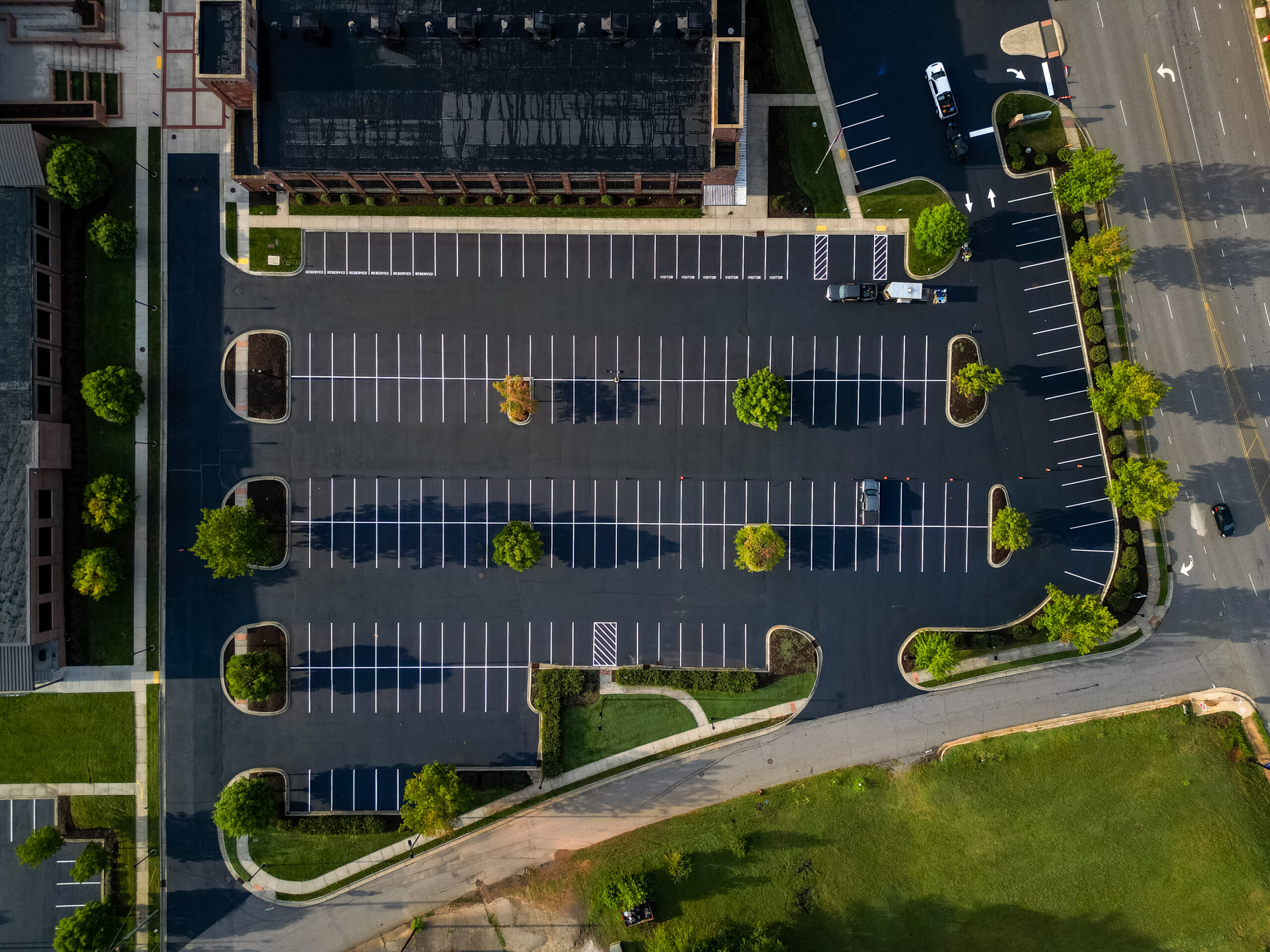
Empty parking lot at dusk

How Often Should Parking Lots Be Sealed? Charlotte, NC Guide

Sealcoating is one of the most cost-effective investments in parking lot maintenance, yet many property owners overlook this essential service. Understanding how often your Charlotte, NC parking lot needs sealing prevents expensive repairs and extends pavement life significantly.

Recommended Sealcoating Frequency Schedule

Industry standards recommend sealcoating parking lots every 2-3 years. However, Charlotte’s specific climate, traffic patterns, and pavement age require a more nuanced approach to maintenance planning.

The typical window opens between 2-4 years, with most Charlotte properties benefiting from the 2-3 year schedule. More aggressive climates and high-traffic areas may need annual touch-ups.

Why Every 2-3 Years Works for Most Lots

Sealcoat provides a protective barrier that degrades gradually from UV exposure, traffic abrasion, and chemical contact. Reapplying every 2-3 years maintains that protective layer continuously.

The 2-3 year cycle balances cost-efficiency with protection. Waiting longer than 3 years risks the pavement being exposed to damaging elements, while sealcoating more frequently than every 2 years wastes resources.

Factors Affecting Your Sealcoating Schedule

Several variables determine whether your lot falls toward the aggressive 2-year schedule or the conservative 3-4 year approach. Understanding these factors ensures you’re not over-maintaining or under-protecting your investment.

Traffic Volume and Vehicle Weight

High-traffic parking lots (commercial centers, apartment complexes) need sealcoating every 2 years. Heavy-traffic areas experience faster sealcoat wear because tire friction removes the protective layer more quickly.

Lots with heavy vehicles (delivery trucks, garbage collection) should also shift toward the 2-year schedule. Weight accelerates both sealcoat and underlying asphalt degradation.

Low-traffic properties (single-user lots, seasonal facilities) can stretch to 3-4 years between applications.

Pavement Age and Current Condition

New asphalt (under 3 years old) can wait 3-4 years before first sealcoating. However, once sealcoating begins, maintain the regular 2-3 year schedule to prevent the aggressive deterioration that occurs when protection lapses.

Older pavement (10+ years) needs sealcoating every 1-2 years because the asphalt base is already weakened. Sealcoat protects what remains of the original material.

Lots with visible cracks, potholes, or raveling (loose aggregate) need crack sealing before sealcoating and more frequent maintenance going forward.

Charlotte’s Climate Impact

Charlotte experiences three sealcoat-challenging seasons: intense summer heat (UV damage), freeze-thaw cycles (winter degradation), and heavy spring/summer rainfall (water intrusion).

The combination of these factors means Charlotte properties benefit from the 2-3 year schedule more than national averages. Summer UV radiation is particularly aggressive in the Southeast.

Winter freeze-thaw cycles (temperatures fluctuate between freezing and 60+ degrees monthly) accelerate sealcoat breakdown. This unique Charlotte weather pattern justifies more frequent sealcoating than areas with stable winter temperatures.

Chemical Exposure and Staining

Parking lots near fast-food restaurants, auto service facilities, or manufacturing plants experience oil, grease, and fuel staining. These chemicals degrade sealcoat rapidly, requiring application every 1-2 years.

Road salt and de-icing chemicals (used in rare Charlotte winter events) also accelerate sealcoat failure. Properties affected by de-icing compounds need more frequent protection.

Drainage and Water Management

Well-drained lots maintain sealcoat longer because standing water doesn’t compromise the protective barrier. Poor drainage directs moisture into the sealcoat and underlying asphalt, requiring more frequent reapplication.

Charlotte’s 43 inches of annual rainfall makes drainage quality critical. Lots with ponding or slow-draining areas should move to a 2-year schedule.

Signs Your Parking Lot Needs Sealcoating Now

Don’t wait for the scheduled appointment if your lot shows these warning signs. Addressing sealcoating needs promptly prevents expensive crack and pothole repairs.

Visible Fading and Color Loss

The rich black color of asphalt fades to gray as sealcoat degrades. Faded areas indicate UV damage and reduced protection against water infiltration.

Once you notice significant color loss, sealcoating becomes an urgent priority rather than preventive maintenance.

Surface Cracking and Crazing

Fine, web-like cracks (crazing) appear when sealcoat wears thin. These small cracks expand into larger failures if not protected with fresh sealcoat and crack sealing.

When craze patterns become visible, schedule sealcoating within the next month to prevent rapid deterioration.

Oil and Grease Stains Appearing

Fresh sealcoat repels oil and grease, which beads on the surface. Once sealcoat wears away, oil absorbs into the asphalt, creating permanent dark stains and softening the pavement.

New stains accumulating on previously clean areas indicate sealcoat failure and urgent need for reapplication.

Exposed Aggregate and Surface Raveling

Raveling occurs when the sealcoat completely wears away and loose aggregate particles break free from the asphalt binder. You’ll see gravel on the surface and feel a rough texture underfoot.

Raveled areas deteriorate rapidly into potholes. This is the final warning sign before major repair costs become unavoidable.

The Professional Sealcoating Process

Understanding how professional sealcoating works helps you appreciate why this service is worth the investment and why timing matters.

Pre-Treatment Cleaning and Preparation

Professional crews begin by sweeping and pressure washing the entire surface. This removes dirt, debris, and loose particles that prevent proper sealcoat adhesion.

Any oil stains receive degreaser treatment to ensure the sealcoat bonds evenly across the lot.

Crack and Pothole Assessment

Professionals identify damage that requires crack sealing or pothole repair before sealcoating begins. Addressing these issues prevents water infiltration and extends sealcoat life.

Sealcoat won’t fix existing cracks—it only prevents new ones. Repair damaged areas first for maximum protection.

Traffic Control and Application

Crews close the lot to traffic and apply sealcoat in thin, even layers. Two coats are standard; each layer cures for 24-48 hours before the next application.

Professional equipment ensures uniform coverage and proper thickness, which extends the protective barrier’s lifespan to that 2-3 year window.

Final Curing and Line Striping Coordination

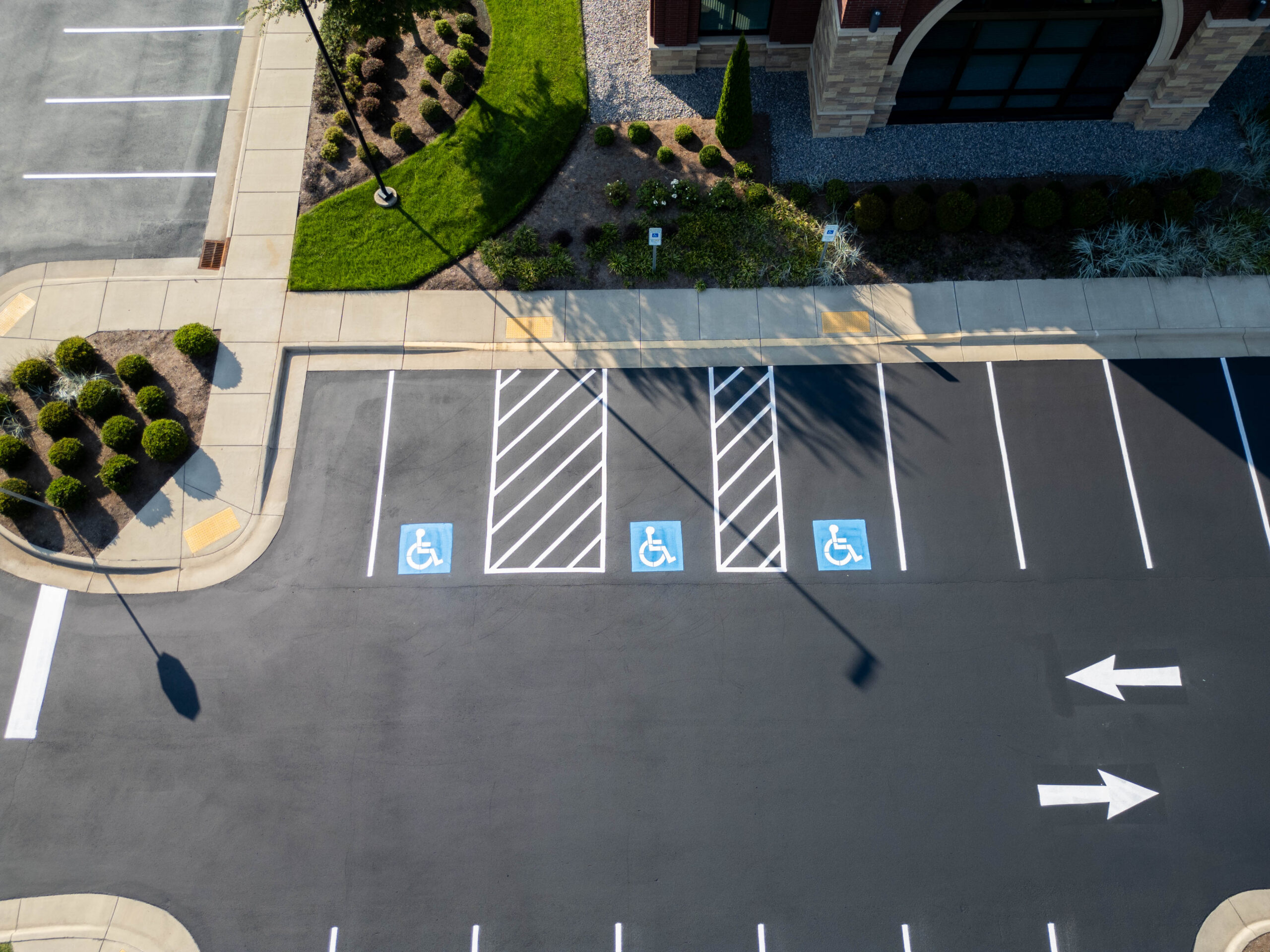
After sealcoat cures completely, many properties update parking lines and pavement markings. Fresh markings and sealed asphalt create a professional appearance and improve safety.

Timing sealcoating with striping refresh creates maximum visual impact.

Benefits of Regular Sealcoating

Beyond just looking better, regular sealcoating delivers measurable business benefits that justify the maintenance investment.

Extends Pavement Lifespan by 10-15 Years

Asphalt without protection lasts 15-20 years. Regular sealcoating extends lifespan to 25-35 years, effectively doubling the ROI on the original paving investment.

The extended lifespan more than offsets the cumulative cost of sealcoating applications.

Reduces Major Repair Costs by 80%

Sealed lots suffer far fewer cracks and potholes, dramatically reducing the need for costly repairs. This preventive approach saves thousands over a decade.

Improves Property Appearance and Safety

Fresh sealcoat creates the rich black appearance property managers and tenants value. This curb appeal protects leasing rates and tenant satisfaction.

Smooth, well-maintained pavement reduces trip hazards and liability concerns.

Enhances Safety with Reflective Markings

Coordinating sealcoating with line striping ensures clear, visible parking spaces and directional markings. Enhanced visibility reduces accidents and improves lot safety.

Charlotte-Specific Sealcoating Recommendations

Proline Parking Lot Maintenance recommends a Charlotte-optimized sealcoating strategy based on years of experience with local conditions.

Spring Application Timing (Recommended)

April-May is ideal for sealcoating because summer provides extended curing time and the lot gets months of protection before fall moisture increases. Spring application sets up optimal performance through the critical summer UV season.

Summer Recoating Strategy

If your lot requires the aggressive 2-year schedule (high-traffic or older pavement), a second application in August maintains year-round protection. This prevents winter freeze-thaw damage to unprotected asphalt.

Integrated Maintenance Program

Proline recommends bundling sealcoating with crack sealing, line striping, and pavement marking refreshes. This integrated approach maximizes protection and creates a professionally maintained appearance.

Cost-Benefit Analysis

Sealcoating costs $0.10-0.50 per square foot, depending on lot size and surface condition. For a typical 10,000 square foot parking lot, expect $1,000-5,000 per application every 2-3 years.

Lot Size Sealcoat Cost 2-Year Cost 3-Year Cost Savings vs. Overlays
5,000 sq ft $500-2,500 $250-1,250/year $167-833/year $15,000-30,000
10,000 sq ft $1,000-5,000 $500-2,500/year $333-1,667/year $30,000-60,000
20,000 sq ft $2,000-10,000 $1,000-5,000/year $667-3,333/year $60,000-120,000

This modest annual investment prevents overlay or full replacement costs of $1.50-3.00+ per square foot, making sealcoating the ultimate cost-saving maintenance strategy.

Frequently Asked Questions

How long does sealcoat take to cure before I can reopen the lot?

Sealcoat cures in 24-48 hours depending on temperature and humidity. During this time, the lot must remain closed to vehicle traffic. Plan sealcoating during low-traffic periods when closure is manageable.

Can I seal over crack-sealed areas?

Yes, in fact it’s essential. Crack sealing repairs the damage while sealcoating provides the protective barrier. Combined, these services maximize pavement longevity.

What weather conditions are needed for sealcoating?

Ideal conditions are 50-85°F with low humidity. Charlotte’s spring and early fall typically provide perfect sealcoating weather. Avoid sealcoating in rain or when rain is forecast within 48 hours of application.

Should I combine sealcoating with line striping?

Yes, absolutely. Fresh lines on a freshly sealed lot create maximum visual impact and improve safety. Striping immediately after sealcoating has cured provides the best results.

What if my lot is too damaged for sealcoating alone?

If your lot shows extensive cracking or potholes, start with pothole repair and crack sealing. After repairs cure, sealcoating completes the restoration and sets up a preventive maintenance schedule.

Plan Your Sealcoating Schedule Today

The best time to sealcoat was 2 years ago. The second-best time is now. Don’t let your parking lot deteriorate while you’re deciding—regular sealcoating is the single most cost-effective investment in pavement longevity.

Proline Parking Lot Maintenance specializes in Charlotte-optimized sealcoating schedules that protect your property and maximize your maintenance budget. Whether your lot needs its first sealcoating or is ready for the next cycle, our team has the expertise and equipment to deliver professional results.

Contact us today for a free parking lot assessment and customized maintenance recommendation based on your lot’s age, traffic volume, and condition.

Call: 704-530-5366 | Visit: prolineplm.com

Request a Quote

Please complete the form below for a free no-obligation quote for your project.

Our Location

7473-D Hagers Hollow Drive, Denver, NC 28037

Email

Request a Quote

Please complete the form below for a free no-obligation quote for your project.