Proline Parking Lot Maintenance

How Often Should Parking Lots Be Resurfaced?

Meet the Author

Daniel Wright, CEO of Proline since 2016, embodies the company’s core value of “Do the Right Thing Always.” From single-handedly sealcoating a massive lot in 2019 to leading with integrity and grit, he’s driven by hard work, fall days, and the motivation of “Higher” by Eminem.

Table of Contents

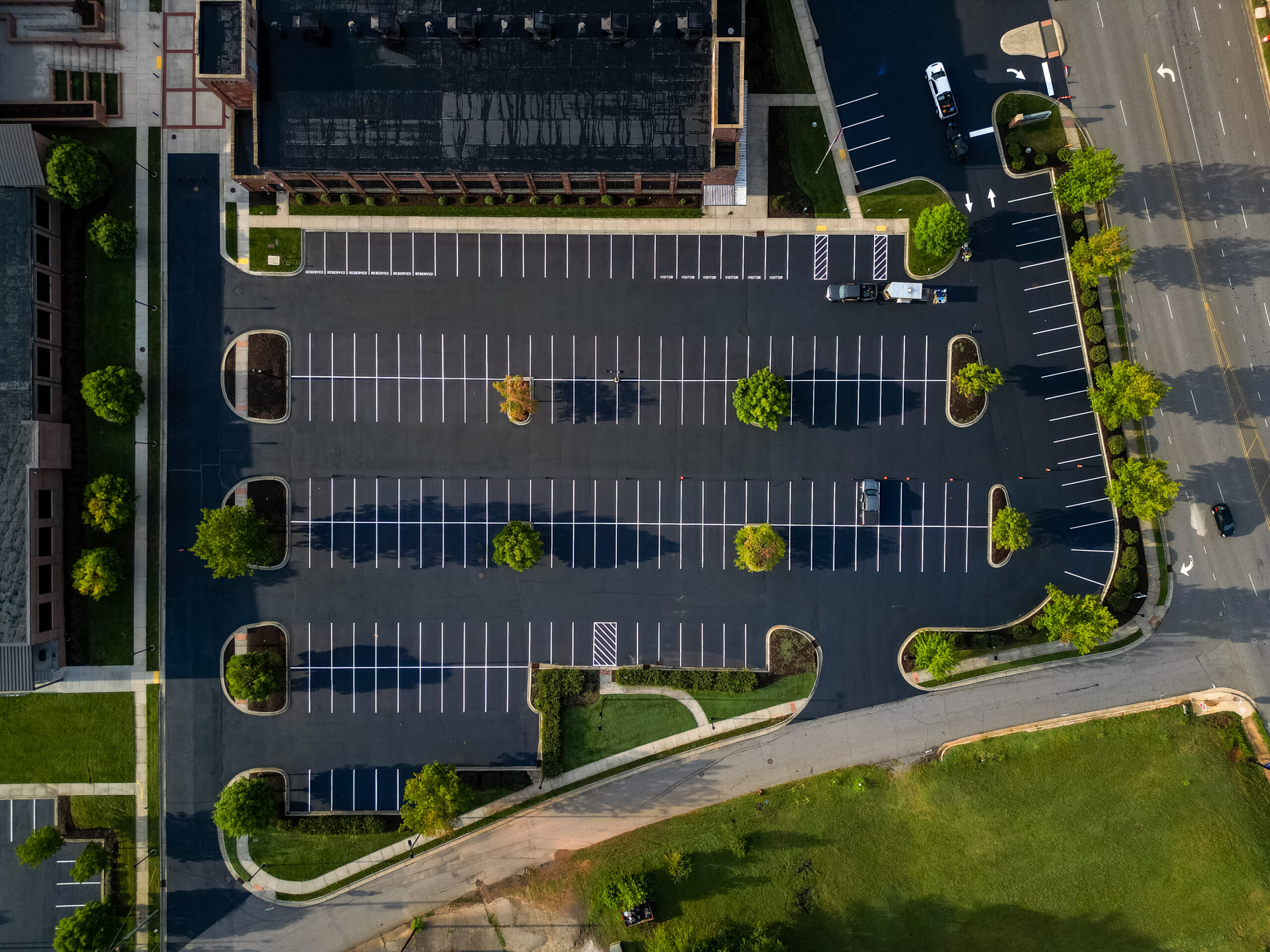
Automotive service center with new pavement.

Professional resurfacing includes surface inspection, removal of the old top layer, base preparation, new asphalt installation, compaction, and finishing. Quality contractors may also address minor base repairs and ensure proper drainage.

Traffic Management and Closures

Identifying Additional Repairs

Line Striping and Markings

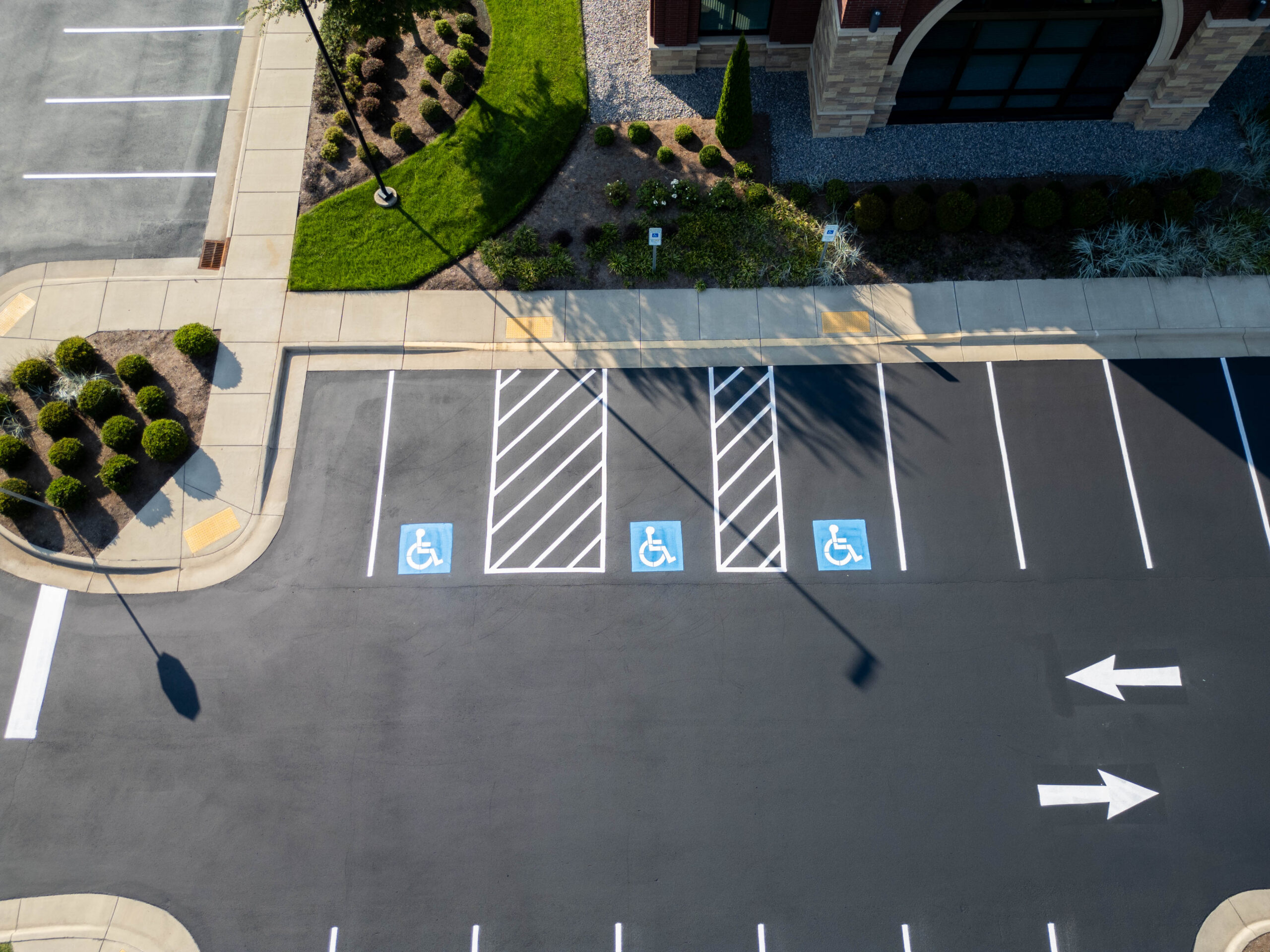
After resurfacing, fresh line striping and stenciling complete the project. Plan for this final touch within a few days of resurfacing completion. Clear, visible markings enhance safety and professional appearance.

Frequently Asked Questions About Parking Lot Resurfacing

Can I repair my parking lot instead of resurfacing it?

For limited damage, repairs work well. However, extensive cracking, alligatoring, or multiple potholes indicate widespread failure requiring resurfacing. Repairs to severely deteriorated lots are temporary solutions that delay inevitable resurfacing.

How long does a resurfaced parking lot last?

A properly resurfaced lot with ongoing maintenance typically lasts 12-15 years. This is shorter than a new lot because the base is original material, but it provides excellent value and extended life for your existing infrastructure.

What’s included in the resurfacing process?

Professional resurfacing includes surface inspection, removal of the old top layer, base preparation, new asphalt installation, compaction, and finishing. Quality contractors may also address minor base repairs and ensure proper drainage.

Should I seal coat my new surface immediately after resurfacing?

Wait 6-12 months before initial sealcoating to allow the new asphalt to cure fully. After that, apply sealcoating every 2-3 years to maintain protection. This maintenance schedule maximizes your resurfacing investment’s lifespan.

How do I know if a contractor is reputable?

Look for contractors with local Charlotte experience, proper licensing and insurance, and positive references. Request examples of similar projects and ask about warranties. Experienced contractors can explain the condition of your existing lot and recommend the most cost-effective solutions.

Protecting Your Resurfaced Lot: Maintenance After Installation

A new resurfaced lot requires proper maintenance to reach its full lifespan potential. Follow these maintenance guidelines to maximize your investment:

Establish a regular maintenance schedule that includes sealcoating every 2-3 years, crack sealing as needed, and prompt pothole repairs. Regular sweeping and cleaning prevent debris accumulation that can trap moisture. Address spills promptly, as oil and fuel accelerate asphalt degradation.

Monitor your lot quarterly for new cracks or damage. Early intervention through our crack sealing services prevents small issues from becoming expensive problems. Maintaining proper drainage ensures water doesn’t pool or infiltrate the base layers.

Getting Professional Guidance for Your Charlotte Parking Lot

Deciding when to resurface your parking lot is significant financially and operationally. Professional assessment eliminates guesswork and ensures you make the right choice for your property and budget.

Proline Parking Lot Maintenance offers comprehensive parking lot evaluations to assess your lot’s current condition and recommend the best solutions. Whether you need immediate resurfacing, interim maintenance, or long-term planning, our Charlotte-based team has the expertise to guide you.

Don’t wait for your parking lot to deteriorate beyond repair. Contact Proline Parking Lot Maintenance today for a free evaluation and resurfacing recommendation tailored to your Charlotte property.

Call us at 704-530-5366 or visit prolineplm.com to schedule your parking lot assessment today.

How to Prepare for Parking Lot Resurfacing

Traffic Management and Closures

Identifying Additional Repairs

Line Striping and Markings

After resurfacing, fresh line striping and stenciling complete the project. Plan for this final touch within a few days of resurfacing completion. Clear, visible markings enhance safety and professional appearance.

Frequently Asked Questions About Parking Lot Resurfacing

Can I repair my parking lot instead of resurfacing it?

For limited damage, repairs work well. However, extensive cracking, alligatoring, or multiple potholes indicate widespread failure requiring resurfacing. Repairs to severely deteriorated lots are temporary solutions that delay inevitable resurfacing.

How long does a resurfaced parking lot last?

A properly resurfaced lot with ongoing maintenance typically lasts 12-15 years. This is shorter than a new lot because the base is original material, but it provides excellent value and extended life for your existing infrastructure.

What’s included in the resurfacing process?

Professional resurfacing includes surface inspection, removal of the old top layer, base preparation, new asphalt installation, compaction, and finishing. Quality contractors may also address minor base repairs and ensure proper drainage.

Should I seal coat my new surface immediately after resurfacing?

Wait 6-12 months before initial sealcoating to allow the new asphalt to cure fully. After that, apply sealcoating every 2-3 years to maintain protection. This maintenance schedule maximizes your resurfacing investment’s lifespan.

How do I know if a contractor is reputable?

Look for contractors with local Charlotte experience, proper licensing and insurance, and positive references. Request examples of similar projects and ask about warranties. Experienced contractors can explain the condition of your existing lot and recommend the most cost-effective solutions.

Protecting Your Resurfaced Lot: Maintenance After Installation

A new resurfaced lot requires proper maintenance to reach its full lifespan potential. Follow these maintenance guidelines to maximize your investment:

Establish a regular maintenance schedule that includes sealcoating every 2-3 years, crack sealing as needed, and prompt pothole repairs. Regular sweeping and cleaning prevent debris accumulation that can trap moisture. Address spills promptly, as oil and fuel accelerate asphalt degradation.

Monitor your lot quarterly for new cracks or damage. Early intervention through our crack sealing services prevents small issues from becoming expensive problems. Maintaining proper drainage ensures water doesn’t pool or infiltrate the base layers.

Getting Professional Guidance for Your Charlotte Parking Lot

Deciding when to resurface your parking lot is significant financially and operationally. Professional assessment eliminates guesswork and ensures you make the right choice for your property and budget.

Proline Parking Lot Maintenance offers comprehensive parking lot evaluations to assess your lot’s current condition and recommend the best solutions. Whether you need immediate resurfacing, interim maintenance, or long-term planning, our Charlotte-based team has the expertise to guide you.

Don’t wait for your parking lot to deteriorate beyond repair. Contact Proline Parking Lot Maintenance today for a free evaluation and resurfacing recommendation tailored to your Charlotte property.

Call us at 704-530-5366 or visit prolineplm.com to schedule your parking lot assessment today.

How to Prepare for Parking Lot Resurfacing

Traffic Management and Closures

Identifying Additional Repairs

Line Striping and Markings

After resurfacing, fresh line striping and stenciling complete the project. Plan for this final touch within a few days of resurfacing completion. Clear, visible markings enhance safety and professional appearance.

Frequently Asked Questions About Parking Lot Resurfacing

Can I repair my parking lot instead of resurfacing it?

For limited damage, repairs work well. However, extensive cracking, alligatoring, or multiple potholes indicate widespread failure requiring resurfacing. Repairs to severely deteriorated lots are temporary solutions that delay inevitable resurfacing.

How long does a resurfaced parking lot last?

A properly resurfaced lot with ongoing maintenance typically lasts 12-15 years. This is shorter than a new lot because the base is original material, but it provides excellent value and extended life for your existing infrastructure.

What’s included in the resurfacing process?

Professional resurfacing includes surface inspection, removal of the old top layer, base preparation, new asphalt installation, compaction, and finishing. Quality contractors may also address minor base repairs and ensure proper drainage.

Should I seal coat my new surface immediately after resurfacing?

Wait 6-12 months before initial sealcoating to allow the new asphalt to cure fully. After that, apply sealcoating every 2-3 years to maintain protection. This maintenance schedule maximizes your resurfacing investment’s lifespan.

How do I know if a contractor is reputable?

Look for contractors with local Charlotte experience, proper licensing and insurance, and positive references. Request examples of similar projects and ask about warranties. Experienced contractors can explain the condition of your existing lot and recommend the most cost-effective solutions.

Protecting Your Resurfaced Lot: Maintenance After Installation

A new resurfaced lot requires proper maintenance to reach its full lifespan potential. Follow these maintenance guidelines to maximize your investment:

Establish a regular maintenance schedule that includes sealcoating every 2-3 years, crack sealing as needed, and prompt pothole repairs. Regular sweeping and cleaning prevent debris accumulation that can trap moisture. Address spills promptly, as oil and fuel accelerate asphalt degradation.

Monitor your lot quarterly for new cracks or damage. Early intervention through our crack sealing services prevents small issues from becoming expensive problems. Maintaining proper drainage ensures water doesn’t pool or infiltrate the base layers.

Getting Professional Guidance for Your Charlotte Parking Lot

Deciding when to resurface your parking lot is significant financially and operationally. Professional assessment eliminates guesswork and ensures you make the right choice for your property and budget.

Proline Parking Lot Maintenance offers comprehensive parking lot evaluations to assess your lot’s current condition and recommend the best solutions. Whether you need immediate resurfacing, interim maintenance, or long-term planning, our Charlotte-based team has the expertise to guide you.

Don’t wait for your parking lot to deteriorate beyond repair. Contact Proline Parking Lot Maintenance today for a free evaluation and resurfacing recommendation tailored to your Charlotte property.

Call us at 704-530-5366 or visit prolineplm.com to schedule your parking lot assessment today.

Best Seasons for Resurfacing in Charlotte

Pre-Winter Maintenance Strategy

Humidity and Moisture Considerations

How to Prepare for Parking Lot Resurfacing

Traffic Management and Closures

Identifying Additional Repairs

Line Striping and Markings

After resurfacing, fresh line striping and stenciling complete the project. Plan for this final touch within a few days of resurfacing completion. Clear, visible markings enhance safety and professional appearance.

Frequently Asked Questions About Parking Lot Resurfacing

Can I repair my parking lot instead of resurfacing it?

For limited damage, repairs work well. However, extensive cracking, alligatoring, or multiple potholes indicate widespread failure requiring resurfacing. Repairs to severely deteriorated lots are temporary solutions that delay inevitable resurfacing.

How long does a resurfaced parking lot last?

A properly resurfaced lot with ongoing maintenance typically lasts 12-15 years. This is shorter than a new lot because the base is original material, but it provides excellent value and extended life for your existing infrastructure.

What’s included in the resurfacing process?

Professional resurfacing includes surface inspection, removal of the old top layer, base preparation, new asphalt installation, compaction, and finishing. Quality contractors may also address minor base repairs and ensure proper drainage.

Should I seal coat my new surface immediately after resurfacing?

Wait 6-12 months before initial sealcoating to allow the new asphalt to cure fully. After that, apply sealcoating every 2-3 years to maintain protection. This maintenance schedule maximizes your resurfacing investment’s lifespan.

How do I know if a contractor is reputable?

Look for contractors with local Charlotte experience, proper licensing and insurance, and positive references. Request examples of similar projects and ask about warranties. Experienced contractors can explain the condition of your existing lot and recommend the most cost-effective solutions.

Protecting Your Resurfaced Lot: Maintenance After Installation

A new resurfaced lot requires proper maintenance to reach its full lifespan potential. Follow these maintenance guidelines to maximize your investment:

Establish a regular maintenance schedule that includes sealcoating every 2-3 years, crack sealing as needed, and prompt pothole repairs. Regular sweeping and cleaning prevent debris accumulation that can trap moisture. Address spills promptly, as oil and fuel accelerate asphalt degradation.

Monitor your lot quarterly for new cracks or damage. Early intervention through our crack sealing services prevents small issues from becoming expensive problems. Maintaining proper drainage ensures water doesn’t pool or infiltrate the base layers.

Getting Professional Guidance for Your Charlotte Parking Lot

Deciding when to resurface your parking lot is significant financially and operationally. Professional assessment eliminates guesswork and ensures you make the right choice for your property and budget.

Proline Parking Lot Maintenance offers comprehensive parking lot evaluations to assess your lot’s current condition and recommend the best solutions. Whether you need immediate resurfacing, interim maintenance, or long-term planning, our Charlotte-based team has the expertise to guide you.

Don’t wait for your parking lot to deteriorate beyond repair. Contact Proline Parking Lot Maintenance today for a free evaluation and resurfacing recommendation tailored to your Charlotte property.

Call us at 704-530-5366 or visit prolineplm.com to schedule your parking lot assessment today.

Charlotte-Specific Resurfacing Recommendations

Best Seasons for Resurfacing in Charlotte

Pre-Winter Maintenance Strategy

Humidity and Moisture Considerations

How to Prepare for Parking Lot Resurfacing

Traffic Management and Closures

Identifying Additional Repairs

Line Striping and Markings

After resurfacing, fresh line striping and stenciling complete the project. Plan for this final touch within a few days of resurfacing completion. Clear, visible markings enhance safety and professional appearance.

Frequently Asked Questions About Parking Lot Resurfacing

Can I repair my parking lot instead of resurfacing it?

For limited damage, repairs work well. However, extensive cracking, alligatoring, or multiple potholes indicate widespread failure requiring resurfacing. Repairs to severely deteriorated lots are temporary solutions that delay inevitable resurfacing.

How long does a resurfaced parking lot last?

A properly resurfaced lot with ongoing maintenance typically lasts 12-15 years. This is shorter than a new lot because the base is original material, but it provides excellent value and extended life for your existing infrastructure.

What’s included in the resurfacing process?

Professional resurfacing includes surface inspection, removal of the old top layer, base preparation, new asphalt installation, compaction, and finishing. Quality contractors may also address minor base repairs and ensure proper drainage.

Should I seal coat my new surface immediately after resurfacing?

Wait 6-12 months before initial sealcoating to allow the new asphalt to cure fully. After that, apply sealcoating every 2-3 years to maintain protection. This maintenance schedule maximizes your resurfacing investment’s lifespan.

How do I know if a contractor is reputable?

Look for contractors with local Charlotte experience, proper licensing and insurance, and positive references. Request examples of similar projects and ask about warranties. Experienced contractors can explain the condition of your existing lot and recommend the most cost-effective solutions.

Protecting Your Resurfaced Lot: Maintenance After Installation

A new resurfaced lot requires proper maintenance to reach its full lifespan potential. Follow these maintenance guidelines to maximize your investment:

Establish a regular maintenance schedule that includes sealcoating every 2-3 years, crack sealing as needed, and prompt pothole repairs. Regular sweeping and cleaning prevent debris accumulation that can trap moisture. Address spills promptly, as oil and fuel accelerate asphalt degradation.

Monitor your lot quarterly for new cracks or damage. Early intervention through our crack sealing services prevents small issues from becoming expensive problems. Maintaining proper drainage ensures water doesn’t pool or infiltrate the base layers.

Getting Professional Guidance for Your Charlotte Parking Lot

Deciding when to resurface your parking lot is significant financially and operationally. Professional assessment eliminates guesswork and ensures you make the right choice for your property and budget.

Proline Parking Lot Maintenance offers comprehensive parking lot evaluations to assess your lot’s current condition and recommend the best solutions. Whether you need immediate resurfacing, interim maintenance, or long-term planning, our Charlotte-based team has the expertise to guide you.

Don’t wait for your parking lot to deteriorate beyond repair. Contact Proline Parking Lot Maintenance today for a free evaluation and resurfacing recommendation tailored to your Charlotte property.

Call us at 704-530-5366 or visit prolineplm.com to schedule your parking lot assessment today.

Charlotte-Specific Resurfacing Recommendations

Best Seasons for Resurfacing in Charlotte

Pre-Winter Maintenance Strategy

Humidity and Moisture Considerations

How to Prepare for Parking Lot Resurfacing

Traffic Management and Closures

Identifying Additional Repairs

Line Striping and Markings

After resurfacing, fresh line striping and stenciling complete the project. Plan for this final touch within a few days of resurfacing completion. Clear, visible markings enhance safety and professional appearance.

Frequently Asked Questions About Parking Lot Resurfacing

Can I repair my parking lot instead of resurfacing it?

For limited damage, repairs work well. However, extensive cracking, alligatoring, or multiple potholes indicate widespread failure requiring resurfacing. Repairs to severely deteriorated lots are temporary solutions that delay inevitable resurfacing.

How long does a resurfaced parking lot last?

A properly resurfaced lot with ongoing maintenance typically lasts 12-15 years. This is shorter than a new lot because the base is original material, but it provides excellent value and extended life for your existing infrastructure.

What’s included in the resurfacing process?

Professional resurfacing includes surface inspection, removal of the old top layer, base preparation, new asphalt installation, compaction, and finishing. Quality contractors may also address minor base repairs and ensure proper drainage.

Should I seal coat my new surface immediately after resurfacing?

Wait 6-12 months before initial sealcoating to allow the new asphalt to cure fully. After that, apply sealcoating every 2-3 years to maintain protection. This maintenance schedule maximizes your resurfacing investment’s lifespan.

How do I know if a contractor is reputable?

Look for contractors with local Charlotte experience, proper licensing and insurance, and positive references. Request examples of similar projects and ask about warranties. Experienced contractors can explain the condition of your existing lot and recommend the most cost-effective solutions.

Protecting Your Resurfaced Lot: Maintenance After Installation

A new resurfaced lot requires proper maintenance to reach its full lifespan potential. Follow these maintenance guidelines to maximize your investment:

Establish a regular maintenance schedule that includes sealcoating every 2-3 years, crack sealing as needed, and prompt pothole repairs. Regular sweeping and cleaning prevent debris accumulation that can trap moisture. Address spills promptly, as oil and fuel accelerate asphalt degradation.

Monitor your lot quarterly for new cracks or damage. Early intervention through our crack sealing services prevents small issues from becoming expensive problems. Maintaining proper drainage ensures water doesn’t pool or infiltrate the base layers.

Getting Professional Guidance for Your Charlotte Parking Lot

Deciding when to resurface your parking lot is significant financially and operationally. Professional assessment eliminates guesswork and ensures you make the right choice for your property and budget.

Proline Parking Lot Maintenance offers comprehensive parking lot evaluations to assess your lot’s current condition and recommend the best solutions. Whether you need immediate resurfacing, interim maintenance, or long-term planning, our Charlotte-based team has the expertise to guide you.

Don’t wait for your parking lot to deteriorate beyond repair. Contact Proline Parking Lot Maintenance today for a free evaluation and resurfacing recommendation tailored to your Charlotte property.

Call us at 704-530-5366 or visit prolineplm.com to schedule your parking lot assessment today.

Budgeting for Resurfacing

ROI Through Preventive Maintenance

Impact on Property Value

Charlotte-Specific Resurfacing Recommendations

Best Seasons for Resurfacing in Charlotte

Pre-Winter Maintenance Strategy

Humidity and Moisture Considerations

How to Prepare for Parking Lot Resurfacing

Traffic Management and Closures

Identifying Additional Repairs

Line Striping and Markings

After resurfacing, fresh line striping and stenciling complete the project. Plan for this final touch within a few days of resurfacing completion. Clear, visible markings enhance safety and professional appearance.

Frequently Asked Questions About Parking Lot Resurfacing

Can I repair my parking lot instead of resurfacing it?

For limited damage, repairs work well. However, extensive cracking, alligatoring, or multiple potholes indicate widespread failure requiring resurfacing. Repairs to severely deteriorated lots are temporary solutions that delay inevitable resurfacing.

How long does a resurfaced parking lot last?

A properly resurfaced lot with ongoing maintenance typically lasts 12-15 years. This is shorter than a new lot because the base is original material, but it provides excellent value and extended life for your existing infrastructure.

What’s included in the resurfacing process?

Professional resurfacing includes surface inspection, removal of the old top layer, base preparation, new asphalt installation, compaction, and finishing. Quality contractors may also address minor base repairs and ensure proper drainage.

Should I seal coat my new surface immediately after resurfacing?

Wait 6-12 months before initial sealcoating to allow the new asphalt to cure fully. After that, apply sealcoating every 2-3 years to maintain protection. This maintenance schedule maximizes your resurfacing investment’s lifespan.

How do I know if a contractor is reputable?

Look for contractors with local Charlotte experience, proper licensing and insurance, and positive references. Request examples of similar projects and ask about warranties. Experienced contractors can explain the condition of your existing lot and recommend the most cost-effective solutions.

Protecting Your Resurfaced Lot: Maintenance After Installation

A new resurfaced lot requires proper maintenance to reach its full lifespan potential. Follow these maintenance guidelines to maximize your investment:

Establish a regular maintenance schedule that includes sealcoating every 2-3 years, crack sealing as needed, and prompt pothole repairs. Regular sweeping and cleaning prevent debris accumulation that can trap moisture. Address spills promptly, as oil and fuel accelerate asphalt degradation.

Monitor your lot quarterly for new cracks or damage. Early intervention through our crack sealing services prevents small issues from becoming expensive problems. Maintaining proper drainage ensures water doesn’t pool or infiltrate the base layers.

Getting Professional Guidance for Your Charlotte Parking Lot

Deciding when to resurface your parking lot is significant financially and operationally. Professional assessment eliminates guesswork and ensures you make the right choice for your property and budget.

Proline Parking Lot Maintenance offers comprehensive parking lot evaluations to assess your lot’s current condition and recommend the best solutions. Whether you need immediate resurfacing, interim maintenance, or long-term planning, our Charlotte-based team has the expertise to guide you.

Don’t wait for your parking lot to deteriorate beyond repair. Contact Proline Parking Lot Maintenance today for a free evaluation and resurfacing recommendation tailored to your Charlotte property.

Call us at 704-530-5366 or visit prolineplm.com to schedule your parking lot assessment today.

Budget planning for parking lot resurfacing requires understanding both direct costs and long-term value. Smart maintenance decisions today prevent expensive problems tomorrow.

Budgeting for Resurfacing

ROI Through Preventive Maintenance

Impact on Property Value

Charlotte-Specific Resurfacing Recommendations

Best Seasons for Resurfacing in Charlotte

Pre-Winter Maintenance Strategy

Humidity and Moisture Considerations

How to Prepare for Parking Lot Resurfacing

Traffic Management and Closures

Identifying Additional Repairs

Line Striping and Markings

After resurfacing, fresh line striping and stenciling complete the project. Plan for this final touch within a few days of resurfacing completion. Clear, visible markings enhance safety and professional appearance.

Frequently Asked Questions About Parking Lot Resurfacing

Can I repair my parking lot instead of resurfacing it?

For limited damage, repairs work well. However, extensive cracking, alligatoring, or multiple potholes indicate widespread failure requiring resurfacing. Repairs to severely deteriorated lots are temporary solutions that delay inevitable resurfacing.

How long does a resurfaced parking lot last?

A properly resurfaced lot with ongoing maintenance typically lasts 12-15 years. This is shorter than a new lot because the base is original material, but it provides excellent value and extended life for your existing infrastructure.

What’s included in the resurfacing process?

Professional resurfacing includes surface inspection, removal of the old top layer, base preparation, new asphalt installation, compaction, and finishing. Quality contractors may also address minor base repairs and ensure proper drainage.

Should I seal coat my new surface immediately after resurfacing?

Wait 6-12 months before initial sealcoating to allow the new asphalt to cure fully. After that, apply sealcoating every 2-3 years to maintain protection. This maintenance schedule maximizes your resurfacing investment’s lifespan.

How do I know if a contractor is reputable?

Look for contractors with local Charlotte experience, proper licensing and insurance, and positive references. Request examples of similar projects and ask about warranties. Experienced contractors can explain the condition of your existing lot and recommend the most cost-effective solutions.

Protecting Your Resurfaced Lot: Maintenance After Installation

A new resurfaced lot requires proper maintenance to reach its full lifespan potential. Follow these maintenance guidelines to maximize your investment:

Establish a regular maintenance schedule that includes sealcoating every 2-3 years, crack sealing as needed, and prompt pothole repairs. Regular sweeping and cleaning prevent debris accumulation that can trap moisture. Address spills promptly, as oil and fuel accelerate asphalt degradation.

Monitor your lot quarterly for new cracks or damage. Early intervention through our crack sealing services prevents small issues from becoming expensive problems. Maintaining proper drainage ensures water doesn’t pool or infiltrate the base layers.

Getting Professional Guidance for Your Charlotte Parking Lot

Deciding when to resurface your parking lot is significant financially and operationally. Professional assessment eliminates guesswork and ensures you make the right choice for your property and budget.

Proline Parking Lot Maintenance offers comprehensive parking lot evaluations to assess your lot’s current condition and recommend the best solutions. Whether you need immediate resurfacing, interim maintenance, or long-term planning, our Charlotte-based team has the expertise to guide you.

Don’t wait for your parking lot to deteriorate beyond repair. Contact Proline Parking Lot Maintenance today for a free evaluation and resurfacing recommendation tailored to your Charlotte property.

Call us at 704-530-5366 or visit prolineplm.com to schedule your parking lot assessment today.

Budget planning for parking lot resurfacing requires understanding both direct costs and long-term value. Smart maintenance decisions today prevent expensive problems tomorrow.

Budgeting for Resurfacing

ROI Through Preventive Maintenance

Impact on Property Value

Charlotte-Specific Resurfacing Recommendations

Best Seasons for Resurfacing in Charlotte

Pre-Winter Maintenance Strategy

Humidity and Moisture Considerations

How to Prepare for Parking Lot Resurfacing

Traffic Management and Closures

Identifying Additional Repairs

Line Striping and Markings

After resurfacing, fresh line striping and stenciling complete the project. Plan for this final touch within a few days of resurfacing completion. Clear, visible markings enhance safety and professional appearance.

Frequently Asked Questions About Parking Lot Resurfacing

Can I repair my parking lot instead of resurfacing it?

For limited damage, repairs work well. However, extensive cracking, alligatoring, or multiple potholes indicate widespread failure requiring resurfacing. Repairs to severely deteriorated lots are temporary solutions that delay inevitable resurfacing.

How long does a resurfaced parking lot last?

A properly resurfaced lot with ongoing maintenance typically lasts 12-15 years. This is shorter than a new lot because the base is original material, but it provides excellent value and extended life for your existing infrastructure.

What’s included in the resurfacing process?

Professional resurfacing includes surface inspection, removal of the old top layer, base preparation, new asphalt installation, compaction, and finishing. Quality contractors may also address minor base repairs and ensure proper drainage.

Should I seal coat my new surface immediately after resurfacing?

Wait 6-12 months before initial sealcoating to allow the new asphalt to cure fully. After that, apply sealcoating every 2-3 years to maintain protection. This maintenance schedule maximizes your resurfacing investment’s lifespan.

How do I know if a contractor is reputable?

Look for contractors with local Charlotte experience, proper licensing and insurance, and positive references. Request examples of similar projects and ask about warranties. Experienced contractors can explain the condition of your existing lot and recommend the most cost-effective solutions.

Protecting Your Resurfaced Lot: Maintenance After Installation

A new resurfaced lot requires proper maintenance to reach its full lifespan potential. Follow these maintenance guidelines to maximize your investment:

Establish a regular maintenance schedule that includes sealcoating every 2-3 years, crack sealing as needed, and prompt pothole repairs. Regular sweeping and cleaning prevent debris accumulation that can trap moisture. Address spills promptly, as oil and fuel accelerate asphalt degradation.

Monitor your lot quarterly for new cracks or damage. Early intervention through our crack sealing services prevents small issues from becoming expensive problems. Maintaining proper drainage ensures water doesn’t pool or infiltrate the base layers.

Getting Professional Guidance for Your Charlotte Parking Lot

Deciding when to resurface your parking lot is significant financially and operationally. Professional assessment eliminates guesswork and ensures you make the right choice for your property and budget.

Proline Parking Lot Maintenance offers comprehensive parking lot evaluations to assess your lot’s current condition and recommend the best solutions. Whether you need immediate resurfacing, interim maintenance, or long-term planning, our Charlotte-based team has the expertise to guide you.

Don’t wait for your parking lot to deteriorate beyond repair. Contact Proline Parking Lot Maintenance today for a free evaluation and resurfacing recommendation tailored to your Charlotte property.

Call us at 704-530-5366 or visit prolineplm.com to schedule your parking lot assessment today.

Complete Parking Lot Replacement

When to Choose Each Option

Cost Considerations for Charlotte Property Owners

Budget planning for parking lot resurfacing requires understanding both direct costs and long-term value. Smart maintenance decisions today prevent expensive problems tomorrow.

Budgeting for Resurfacing

ROI Through Preventive Maintenance

Impact on Property Value

Charlotte-Specific Resurfacing Recommendations

Best Seasons for Resurfacing in Charlotte

Pre-Winter Maintenance Strategy

Humidity and Moisture Considerations

How to Prepare for Parking Lot Resurfacing

Traffic Management and Closures

Identifying Additional Repairs

Line Striping and Markings

After resurfacing, fresh line striping and stenciling complete the project. Plan for this final touch within a few days of resurfacing completion. Clear, visible markings enhance safety and professional appearance.

Frequently Asked Questions About Parking Lot Resurfacing

Can I repair my parking lot instead of resurfacing it?

For limited damage, repairs work well. However, extensive cracking, alligatoring, or multiple potholes indicate widespread failure requiring resurfacing. Repairs to severely deteriorated lots are temporary solutions that delay inevitable resurfacing.

How long does a resurfaced parking lot last?

A properly resurfaced lot with ongoing maintenance typically lasts 12-15 years. This is shorter than a new lot because the base is original material, but it provides excellent value and extended life for your existing infrastructure.

What’s included in the resurfacing process?

Professional resurfacing includes surface inspection, removal of the old top layer, base preparation, new asphalt installation, compaction, and finishing. Quality contractors may also address minor base repairs and ensure proper drainage.

Should I seal coat my new surface immediately after resurfacing?

Wait 6-12 months before initial sealcoating to allow the new asphalt to cure fully. After that, apply sealcoating every 2-3 years to maintain protection. This maintenance schedule maximizes your resurfacing investment’s lifespan.

How do I know if a contractor is reputable?

Look for contractors with local Charlotte experience, proper licensing and insurance, and positive references. Request examples of similar projects and ask about warranties. Experienced contractors can explain the condition of your existing lot and recommend the most cost-effective solutions.

Protecting Your Resurfaced Lot: Maintenance After Installation

A new resurfaced lot requires proper maintenance to reach its full lifespan potential. Follow these maintenance guidelines to maximize your investment:

Establish a regular maintenance schedule that includes sealcoating every 2-3 years, crack sealing as needed, and prompt pothole repairs. Regular sweeping and cleaning prevent debris accumulation that can trap moisture. Address spills promptly, as oil and fuel accelerate asphalt degradation.

Monitor your lot quarterly for new cracks or damage. Early intervention through our crack sealing services prevents small issues from becoming expensive problems. Maintaining proper drainage ensures water doesn’t pool or infiltrate the base layers.

Getting Professional Guidance for Your Charlotte Parking Lot

Deciding when to resurface your parking lot is significant financially and operationally. Professional assessment eliminates guesswork and ensures you make the right choice for your property and budget.

Proline Parking Lot Maintenance offers comprehensive parking lot evaluations to assess your lot’s current condition and recommend the best solutions. Whether you need immediate resurfacing, interim maintenance, or long-term planning, our Charlotte-based team has the expertise to guide you.

Don’t wait for your parking lot to deteriorate beyond repair. Contact Proline Parking Lot Maintenance today for a free evaluation and resurfacing recommendation tailored to your Charlotte property.

Call us at 704-530-5366 or visit prolineplm.com to schedule your parking lot assessment today.

Resurfacing removes the top 1.5 to 2 inches of deteriorated asphalt and replaces it with new material. This approach is cost-effective, typically ranging from $1.50 to $3.00 per square foot. Resurfacing works best when the base layers and subgrade are still structurally sound.

Complete Parking Lot Replacement

When to Choose Each Option

Cost Considerations for Charlotte Property Owners

Budget planning for parking lot resurfacing requires understanding both direct costs and long-term value. Smart maintenance decisions today prevent expensive problems tomorrow.

Budgeting for Resurfacing

ROI Through Preventive Maintenance

Impact on Property Value

Charlotte-Specific Resurfacing Recommendations

Best Seasons for Resurfacing in Charlotte

Pre-Winter Maintenance Strategy

Humidity and Moisture Considerations

How to Prepare for Parking Lot Resurfacing

Traffic Management and Closures

Identifying Additional Repairs

Line Striping and Markings

After resurfacing, fresh line striping and stenciling complete the project. Plan for this final touch within a few days of resurfacing completion. Clear, visible markings enhance safety and professional appearance.

Frequently Asked Questions About Parking Lot Resurfacing

Can I repair my parking lot instead of resurfacing it?

For limited damage, repairs work well. However, extensive cracking, alligatoring, or multiple potholes indicate widespread failure requiring resurfacing. Repairs to severely deteriorated lots are temporary solutions that delay inevitable resurfacing.

How long does a resurfaced parking lot last?

A properly resurfaced lot with ongoing maintenance typically lasts 12-15 years. This is shorter than a new lot because the base is original material, but it provides excellent value and extended life for your existing infrastructure.

What’s included in the resurfacing process?

Professional resurfacing includes surface inspection, removal of the old top layer, base preparation, new asphalt installation, compaction, and finishing. Quality contractors may also address minor base repairs and ensure proper drainage.

Should I seal coat my new surface immediately after resurfacing?

Wait 6-12 months before initial sealcoating to allow the new asphalt to cure fully. After that, apply sealcoating every 2-3 years to maintain protection. This maintenance schedule maximizes your resurfacing investment’s lifespan.

How do I know if a contractor is reputable?

Look for contractors with local Charlotte experience, proper licensing and insurance, and positive references. Request examples of similar projects and ask about warranties. Experienced contractors can explain the condition of your existing lot and recommend the most cost-effective solutions.

Protecting Your Resurfaced Lot: Maintenance After Installation

A new resurfaced lot requires proper maintenance to reach its full lifespan potential. Follow these maintenance guidelines to maximize your investment:

Establish a regular maintenance schedule that includes sealcoating every 2-3 years, crack sealing as needed, and prompt pothole repairs. Regular sweeping and cleaning prevent debris accumulation that can trap moisture. Address spills promptly, as oil and fuel accelerate asphalt degradation.

Monitor your lot quarterly for new cracks or damage. Early intervention through our crack sealing services prevents small issues from becoming expensive problems. Maintaining proper drainage ensures water doesn’t pool or infiltrate the base layers.

Getting Professional Guidance for Your Charlotte Parking Lot

Deciding when to resurface your parking lot is significant financially and operationally. Professional assessment eliminates guesswork and ensures you make the right choice for your property and budget.

Proline Parking Lot Maintenance offers comprehensive parking lot evaluations to assess your lot’s current condition and recommend the best solutions. Whether you need immediate resurfacing, interim maintenance, or long-term planning, our Charlotte-based team has the expertise to guide you.

Don’t wait for your parking lot to deteriorate beyond repair. Contact Proline Parking Lot Maintenance today for a free evaluation and resurfacing recommendation tailored to your Charlotte property.

Call us at 704-530-5366 or visit prolineplm.com to schedule your parking lot assessment today.

Parking Lot Resurfacing Explained

Resurfacing removes the top 1.5 to 2 inches of deteriorated asphalt and replaces it with new material. This approach is cost-effective, typically ranging from $1.50 to $3.00 per square foot. Resurfacing works best when the base layers and subgrade are still structurally sound.

Complete Parking Lot Replacement

When to Choose Each Option

Cost Considerations for Charlotte Property Owners

Budget planning for parking lot resurfacing requires understanding both direct costs and long-term value. Smart maintenance decisions today prevent expensive problems tomorrow.

Budgeting for Resurfacing

ROI Through Preventive Maintenance

Impact on Property Value

Charlotte-Specific Resurfacing Recommendations

Best Seasons for Resurfacing in Charlotte

Pre-Winter Maintenance Strategy

Humidity and Moisture Considerations

How to Prepare for Parking Lot Resurfacing

Traffic Management and Closures

Identifying Additional Repairs

Line Striping and Markings

After resurfacing, fresh line striping and stenciling complete the project. Plan for this final touch within a few days of resurfacing completion. Clear, visible markings enhance safety and professional appearance.

Frequently Asked Questions About Parking Lot Resurfacing

Can I repair my parking lot instead of resurfacing it?

For limited damage, repairs work well. However, extensive cracking, alligatoring, or multiple potholes indicate widespread failure requiring resurfacing. Repairs to severely deteriorated lots are temporary solutions that delay inevitable resurfacing.

How long does a resurfaced parking lot last?

A properly resurfaced lot with ongoing maintenance typically lasts 12-15 years. This is shorter than a new lot because the base is original material, but it provides excellent value and extended life for your existing infrastructure.

What’s included in the resurfacing process?

Professional resurfacing includes surface inspection, removal of the old top layer, base preparation, new asphalt installation, compaction, and finishing. Quality contractors may also address minor base repairs and ensure proper drainage.

Should I seal coat my new surface immediately after resurfacing?

Wait 6-12 months before initial sealcoating to allow the new asphalt to cure fully. After that, apply sealcoating every 2-3 years to maintain protection. This maintenance schedule maximizes your resurfacing investment’s lifespan.

How do I know if a contractor is reputable?

Look for contractors with local Charlotte experience, proper licensing and insurance, and positive references. Request examples of similar projects and ask about warranties. Experienced contractors can explain the condition of your existing lot and recommend the most cost-effective solutions.

Protecting Your Resurfaced Lot: Maintenance After Installation

A new resurfaced lot requires proper maintenance to reach its full lifespan potential. Follow these maintenance guidelines to maximize your investment:

Establish a regular maintenance schedule that includes sealcoating every 2-3 years, crack sealing as needed, and prompt pothole repairs. Regular sweeping and cleaning prevent debris accumulation that can trap moisture. Address spills promptly, as oil and fuel accelerate asphalt degradation.

Monitor your lot quarterly for new cracks or damage. Early intervention through our crack sealing services prevents small issues from becoming expensive problems. Maintaining proper drainage ensures water doesn’t pool or infiltrate the base layers.

Getting Professional Guidance for Your Charlotte Parking Lot

Deciding when to resurface your parking lot is significant financially and operationally. Professional assessment eliminates guesswork and ensures you make the right choice for your property and budget.

Proline Parking Lot Maintenance offers comprehensive parking lot evaluations to assess your lot’s current condition and recommend the best solutions. Whether you need immediate resurfacing, interim maintenance, or long-term planning, our Charlotte-based team has the expertise to guide you.

Don’t wait for your parking lot to deteriorate beyond repair. Contact Proline Parking Lot Maintenance today for a free evaluation and resurfacing recommendation tailored to your Charlotte property.

Call us at 704-530-5366 or visit prolineplm.com to schedule your parking lot assessment today.

Parking Lot Resurfacing Explained

Resurfacing removes the top 1.5 to 2 inches of deteriorated asphalt and replaces it with new material. This approach is cost-effective, typically ranging from $1.50 to $3.00 per square foot. Resurfacing works best when the base layers and subgrade are still structurally sound.

Complete Parking Lot Replacement

When to Choose Each Option

Cost Considerations for Charlotte Property Owners

Budget planning for parking lot resurfacing requires understanding both direct costs and long-term value. Smart maintenance decisions today prevent expensive problems tomorrow.

Budgeting for Resurfacing

ROI Through Preventive Maintenance

Impact on Property Value

Charlotte-Specific Resurfacing Recommendations

Best Seasons for Resurfacing in Charlotte

Pre-Winter Maintenance Strategy

Humidity and Moisture Considerations

How to Prepare for Parking Lot Resurfacing

Traffic Management and Closures

Identifying Additional Repairs

Line Striping and Markings

After resurfacing, fresh line striping and stenciling complete the project. Plan for this final touch within a few days of resurfacing completion. Clear, visible markings enhance safety and professional appearance.

Frequently Asked Questions About Parking Lot Resurfacing

Can I repair my parking lot instead of resurfacing it?

For limited damage, repairs work well. However, extensive cracking, alligatoring, or multiple potholes indicate widespread failure requiring resurfacing. Repairs to severely deteriorated lots are temporary solutions that delay inevitable resurfacing.

How long does a resurfaced parking lot last?

A properly resurfaced lot with ongoing maintenance typically lasts 12-15 years. This is shorter than a new lot because the base is original material, but it provides excellent value and extended life for your existing infrastructure.

What’s included in the resurfacing process?

Professional resurfacing includes surface inspection, removal of the old top layer, base preparation, new asphalt installation, compaction, and finishing. Quality contractors may also address minor base repairs and ensure proper drainage.

Should I seal coat my new surface immediately after resurfacing?

Wait 6-12 months before initial sealcoating to allow the new asphalt to cure fully. After that, apply sealcoating every 2-3 years to maintain protection. This maintenance schedule maximizes your resurfacing investment’s lifespan.

How do I know if a contractor is reputable?

Look for contractors with local Charlotte experience, proper licensing and insurance, and positive references. Request examples of similar projects and ask about warranties. Experienced contractors can explain the condition of your existing lot and recommend the most cost-effective solutions.

Protecting Your Resurfaced Lot: Maintenance After Installation

A new resurfaced lot requires proper maintenance to reach its full lifespan potential. Follow these maintenance guidelines to maximize your investment:

Establish a regular maintenance schedule that includes sealcoating every 2-3 years, crack sealing as needed, and prompt pothole repairs. Regular sweeping and cleaning prevent debris accumulation that can trap moisture. Address spills promptly, as oil and fuel accelerate asphalt degradation.

Monitor your lot quarterly for new cracks or damage. Early intervention through our crack sealing services prevents small issues from becoming expensive problems. Maintaining proper drainage ensures water doesn’t pool or infiltrate the base layers.

Getting Professional Guidance for Your Charlotte Parking Lot

Deciding when to resurface your parking lot is significant financially and operationally. Professional assessment eliminates guesswork and ensures you make the right choice for your property and budget.

Proline Parking Lot Maintenance offers comprehensive parking lot evaluations to assess your lot’s current condition and recommend the best solutions. Whether you need immediate resurfacing, interim maintenance, or long-term planning, our Charlotte-based team has the expertise to guide you.

Don’t wait for your parking lot to deteriorate beyond repair. Contact Proline Parking Lot Maintenance today for a free evaluation and resurfacing recommendation tailored to your Charlotte property.

Call us at 704-530-5366 or visit prolineplm.com to schedule your parking lot assessment today.

Resurfacing vs. Replacement: Know the Difference

Understanding the difference between resurfacing and replacement helps you make informed decisions about your parking lot’s future. Both have distinct advantages and applications.

Parking Lot Resurfacing Explained

Resurfacing removes the top 1.5 to 2 inches of deteriorated asphalt and replaces it with new material. This approach is cost-effective, typically ranging from $1.50 to $3.00 per square foot. Resurfacing works best when the base layers and subgrade are still structurally sound.

Complete Parking Lot Replacement

When to Choose Each Option

Cost Considerations for Charlotte Property Owners

Budget planning for parking lot resurfacing requires understanding both direct costs and long-term value. Smart maintenance decisions today prevent expensive problems tomorrow.

Budgeting for Resurfacing

ROI Through Preventive Maintenance

Impact on Property Value

Charlotte-Specific Resurfacing Recommendations

Best Seasons for Resurfacing in Charlotte

Pre-Winter Maintenance Strategy

Humidity and Moisture Considerations

How to Prepare for Parking Lot Resurfacing

Traffic Management and Closures

Identifying Additional Repairs

Line Striping and Markings

After resurfacing, fresh line striping and stenciling complete the project. Plan for this final touch within a few days of resurfacing completion. Clear, visible markings enhance safety and professional appearance.

Frequently Asked Questions About Parking Lot Resurfacing

Can I repair my parking lot instead of resurfacing it?

For limited damage, repairs work well. However, extensive cracking, alligatoring, or multiple potholes indicate widespread failure requiring resurfacing. Repairs to severely deteriorated lots are temporary solutions that delay inevitable resurfacing.

How long does a resurfaced parking lot last?

A properly resurfaced lot with ongoing maintenance typically lasts 12-15 years. This is shorter than a new lot because the base is original material, but it provides excellent value and extended life for your existing infrastructure.

What’s included in the resurfacing process?

Professional resurfacing includes surface inspection, removal of the old top layer, base preparation, new asphalt installation, compaction, and finishing. Quality contractors may also address minor base repairs and ensure proper drainage.

Should I seal coat my new surface immediately after resurfacing?

Wait 6-12 months before initial sealcoating to allow the new asphalt to cure fully. After that, apply sealcoating every 2-3 years to maintain protection. This maintenance schedule maximizes your resurfacing investment’s lifespan.

How do I know if a contractor is reputable?

Look for contractors with local Charlotte experience, proper licensing and insurance, and positive references. Request examples of similar projects and ask about warranties. Experienced contractors can explain the condition of your existing lot and recommend the most cost-effective solutions.

Protecting Your Resurfaced Lot: Maintenance After Installation

A new resurfaced lot requires proper maintenance to reach its full lifespan potential. Follow these maintenance guidelines to maximize your investment:

Establish a regular maintenance schedule that includes sealcoating every 2-3 years, crack sealing as needed, and prompt pothole repairs. Regular sweeping and cleaning prevent debris accumulation that can trap moisture. Address spills promptly, as oil and fuel accelerate asphalt degradation.

Monitor your lot quarterly for new cracks or damage. Early intervention through our crack sealing services prevents small issues from becoming expensive problems. Maintaining proper drainage ensures water doesn’t pool or infiltrate the base layers.

Getting Professional Guidance for Your Charlotte Parking Lot

Deciding when to resurface your parking lot is significant financially and operationally. Professional assessment eliminates guesswork and ensures you make the right choice for your property and budget.

Proline Parking Lot Maintenance offers comprehensive parking lot evaluations to assess your lot’s current condition and recommend the best solutions. Whether you need immediate resurfacing, interim maintenance, or long-term planning, our Charlotte-based team has the expertise to guide you.

Don’t wait for your parking lot to deteriorate beyond repair. Contact Proline Parking Lot Maintenance today for a free evaluation and resurfacing recommendation tailored to your Charlotte property.

Call us at 704-530-5366 or visit prolineplm.com to schedule your parking lot assessment today.

Sunlight and UV Exposure

Direct sunlight accelerates oxidation in open, unshaded parking areas. Parking lots in full sun deteriorate faster than those with shade from trees or buildings. In Charlotte’s sunny climate, UV protection through sealcoating becomes especially important.

Resurfacing vs. Replacement: Know the Difference

Understanding the difference between resurfacing and replacement helps you make informed decisions about your parking lot’s future. Both have distinct advantages and applications.

Parking Lot Resurfacing Explained

Resurfacing removes the top 1.5 to 2 inches of deteriorated asphalt and replaces it with new material. This approach is cost-effective, typically ranging from $1.50 to $3.00 per square foot. Resurfacing works best when the base layers and subgrade are still structurally sound.

Complete Parking Lot Replacement

When to Choose Each Option

Cost Considerations for Charlotte Property Owners

Budget planning for parking lot resurfacing requires understanding both direct costs and long-term value. Smart maintenance decisions today prevent expensive problems tomorrow.

Budgeting for Resurfacing

ROI Through Preventive Maintenance

Impact on Property Value

Charlotte-Specific Resurfacing Recommendations

Best Seasons for Resurfacing in Charlotte

Pre-Winter Maintenance Strategy

Humidity and Moisture Considerations

How to Prepare for Parking Lot Resurfacing

Traffic Management and Closures

Identifying Additional Repairs

Line Striping and Markings

After resurfacing, fresh line striping and stenciling complete the project. Plan for this final touch within a few days of resurfacing completion. Clear, visible markings enhance safety and professional appearance.

Frequently Asked Questions About Parking Lot Resurfacing

Can I repair my parking lot instead of resurfacing it?

For limited damage, repairs work well. However, extensive cracking, alligatoring, or multiple potholes indicate widespread failure requiring resurfacing. Repairs to severely deteriorated lots are temporary solutions that delay inevitable resurfacing.

How long does a resurfaced parking lot last?

A properly resurfaced lot with ongoing maintenance typically lasts 12-15 years. This is shorter than a new lot because the base is original material, but it provides excellent value and extended life for your existing infrastructure.

What’s included in the resurfacing process?

Professional resurfacing includes surface inspection, removal of the old top layer, base preparation, new asphalt installation, compaction, and finishing. Quality contractors may also address minor base repairs and ensure proper drainage.

Should I seal coat my new surface immediately after resurfacing?

Wait 6-12 months before initial sealcoating to allow the new asphalt to cure fully. After that, apply sealcoating every 2-3 years to maintain protection. This maintenance schedule maximizes your resurfacing investment’s lifespan.

How do I know if a contractor is reputable?

Look for contractors with local Charlotte experience, proper licensing and insurance, and positive references. Request examples of similar projects and ask about warranties. Experienced contractors can explain the condition of your existing lot and recommend the most cost-effective solutions.

Protecting Your Resurfaced Lot: Maintenance After Installation

A new resurfaced lot requires proper maintenance to reach its full lifespan potential. Follow these maintenance guidelines to maximize your investment:

Establish a regular maintenance schedule that includes sealcoating every 2-3 years, crack sealing as needed, and prompt pothole repairs. Regular sweeping and cleaning prevent debris accumulation that can trap moisture. Address spills promptly, as oil and fuel accelerate asphalt degradation.

Monitor your lot quarterly for new cracks or damage. Early intervention through our crack sealing services prevents small issues from becoming expensive problems. Maintaining proper drainage ensures water doesn’t pool or infiltrate the base layers.

Getting Professional Guidance for Your Charlotte Parking Lot

Deciding when to resurface your parking lot is significant financially and operationally. Professional assessment eliminates guesswork and ensures you make the right choice for your property and budget.

Proline Parking Lot Maintenance offers comprehensive parking lot evaluations to assess your lot’s current condition and recommend the best solutions. Whether you need immediate resurfacing, interim maintenance, or long-term planning, our Charlotte-based team has the expertise to guide you.

Don’t wait for your parking lot to deteriorate beyond repair. Contact Proline Parking Lot Maintenance today for a free evaluation and resurfacing recommendation tailored to your Charlotte property.

Call us at 704-530-5366 or visit prolineplm.com to schedule your parking lot assessment today.

Charlotte Climate Considerations

Charlotte experiences temperature extremes that stress asphalt. Hot summers expand the material while cold winters cause contraction. This constant expansion and contraction creates stress that accelerates deterioration. Additionally, freeze-thaw cycles during winter can cause significant damage to weakened asphalt.

Maintenance History

Consistent maintenance dramatically extends parking lot life. Regular sealcoating protects the asphalt from oxidation and water infiltration. Timely crack sealing prevents water penetration. Properties with strong maintenance histories often reach 20+ years before resurfacing.

Original Installation Quality

The quality of the initial installation significantly impacts how long the lot lasts. Proper base preparation, appropriate asphalt mix design, and professional installation create parking lots that resist deterioration longer than those built with shortcuts.

Sunlight and UV Exposure

Direct sunlight accelerates oxidation in open, unshaded parking areas. Parking lots in full sun deteriorate faster than those with shade from trees or buildings. In Charlotte’s sunny climate, UV protection through sealcoating becomes especially important.

Resurfacing vs. Replacement: Know the Difference

Understanding the difference between resurfacing and replacement helps you make informed decisions about your parking lot’s future. Both have distinct advantages and applications.

Parking Lot Resurfacing Explained

Resurfacing removes the top 1.5 to 2 inches of deteriorated asphalt and replaces it with new material. This approach is cost-effective, typically ranging from $1.50 to $3.00 per square foot. Resurfacing works best when the base layers and subgrade are still structurally sound.

Complete Parking Lot Replacement

When to Choose Each Option

Cost Considerations for Charlotte Property Owners

Budget planning for parking lot resurfacing requires understanding both direct costs and long-term value. Smart maintenance decisions today prevent expensive problems tomorrow.

Budgeting for Resurfacing

ROI Through Preventive Maintenance

Impact on Property Value

Charlotte-Specific Resurfacing Recommendations

Best Seasons for Resurfacing in Charlotte

Pre-Winter Maintenance Strategy

Humidity and Moisture Considerations

How to Prepare for Parking Lot Resurfacing

Traffic Management and Closures

Identifying Additional Repairs

Line Striping and Markings

After resurfacing, fresh line striping and stenciling complete the project. Plan for this final touch within a few days of resurfacing completion. Clear, visible markings enhance safety and professional appearance.

Frequently Asked Questions About Parking Lot Resurfacing

Can I repair my parking lot instead of resurfacing it?

For limited damage, repairs work well. However, extensive cracking, alligatoring, or multiple potholes indicate widespread failure requiring resurfacing. Repairs to severely deteriorated lots are temporary solutions that delay inevitable resurfacing.

How long does a resurfaced parking lot last?

A properly resurfaced lot with ongoing maintenance typically lasts 12-15 years. This is shorter than a new lot because the base is original material, but it provides excellent value and extended life for your existing infrastructure.

What’s included in the resurfacing process?

Professional resurfacing includes surface inspection, removal of the old top layer, base preparation, new asphalt installation, compaction, and finishing. Quality contractors may also address minor base repairs and ensure proper drainage.

Should I seal coat my new surface immediately after resurfacing?

Wait 6-12 months before initial sealcoating to allow the new asphalt to cure fully. After that, apply sealcoating every 2-3 years to maintain protection. This maintenance schedule maximizes your resurfacing investment’s lifespan.

How do I know if a contractor is reputable?

Look for contractors with local Charlotte experience, proper licensing and insurance, and positive references. Request examples of similar projects and ask about warranties. Experienced contractors can explain the condition of your existing lot and recommend the most cost-effective solutions.

Protecting Your Resurfaced Lot: Maintenance After Installation

A new resurfaced lot requires proper maintenance to reach its full lifespan potential. Follow these maintenance guidelines to maximize your investment:

Establish a regular maintenance schedule that includes sealcoating every 2-3 years, crack sealing as needed, and prompt pothole repairs. Regular sweeping and cleaning prevent debris accumulation that can trap moisture. Address spills promptly, as oil and fuel accelerate asphalt degradation.

Monitor your lot quarterly for new cracks or damage. Early intervention through our crack sealing services prevents small issues from becoming expensive problems. Maintaining proper drainage ensures water doesn’t pool or infiltrate the base layers.

Getting Professional Guidance for Your Charlotte Parking Lot

Deciding when to resurface your parking lot is significant financially and operationally. Professional assessment eliminates guesswork and ensures you make the right choice for your property and budget.

Proline Parking Lot Maintenance offers comprehensive parking lot evaluations to assess your lot’s current condition and recommend the best solutions. Whether you need immediate resurfacing, interim maintenance, or long-term planning, our Charlotte-based team has the expertise to guide you.

Don’t wait for your parking lot to deteriorate beyond repair. Contact Proline Parking Lot Maintenance today for a free evaluation and resurfacing recommendation tailored to your Charlotte property.

Call us at 704-530-5366 or visit prolineplm.com to schedule your parking lot assessment today.

How Often Should Parking Lots Be Resurfaced? A Complete Guide for Charlotte Business Owners

Parking lot resurfacing is one of the most important maintenance decisions you’ll make as a property owner or manager. A well-maintained parking lot protects your investment, enhances curb appeal, and ensures the safety of visitors and customers. But determining the right time to resurface can be challenging without expert guidance.

At Proline Parking Lot Maintenance in Charlotte, NC, we’ve helped hundreds of business owners understand their parking lot lifecycle and plan accordingly. This comprehensive guide will walk you through everything you need to know about parking lot resurfacing frequency.

Understanding Parking Lot Lifespan

Most asphalt parking lots last between 15 to 20 years with proper maintenance. However, this timeline varies significantly based on several factors including climate, traffic volume, original installation quality, and maintenance history.

In Charlotte, where we experience hot summers, occasional ice storms, and significant temperature fluctuations, parking lots often face more stress than those in moderate climates. This means regular maintenance and timely resurfacing become even more critical.

What Happens to Asphalt Over Time

Asphalt deteriorates through oxidation, UV exposure, water infiltration, and traffic stress. The binder that holds the asphalt together breaks down gradually, causing the surface to become brittle and prone to cracking. Once cracks form, water penetrates the base layers, accelerating deterioration exponentially.

Signs Your Parking Lot Needs Resurfacing

Recognizing the warning signs allows you to act before minor issues become expensive problems. Here are the key indicators that your parking lot may be approaching resurfacing time:

Extensive Cracking and Alligatoring

Alligatoring refers to interconnected cracks that resemble alligator skin. This pattern indicates that the asphalt has lost its structural integrity and is breaking down from the inside out. Once you see this pattern, resurfacing is typically the best solution rather than just crack repairs.

Fading Color and Oxidation

When your parking lot turns from black to gray, oxidation has significantly weakened the asphalt. This fading is a clear sign that the binder is deteriorating and the asphalt is becoming more brittle. Resurfacing at this stage prevents more serious damage from developing.

Potholes and Surface Deterioration

While individual potholes can be repaired with our pothole repair services, multiple potholes across the lot indicate that the entire surface is failing. When potholes appear frequently or return shortly after repair, resurfacing becomes necessary.

Settling and Drainage Problems

If you notice areas where water pools or the surface has settled unevenly, the foundation may be compromised. Resurfacing can include base repair to restore proper drainage and prevent future structural issues.

Separation from Curbs and Edges

When asphalt pulls away from curbs, concrete, or building foundations, it signals that the base layer is deteriorating. This separation creates water entry points and indicates advanced deterioration requiring resurfacing.

Factors That Affect Parking Lot Lifespan

Traffic Volume and Vehicle Weight

High-traffic areas experience more stress and deteriorate faster. Heavy vehicles like trucks and delivery vehicles compress and stress the asphalt more than passenger cars. A busy parking lot serving a shopping center will have a shorter lifespan than one serving an office building with light traffic.

Charlotte Climate Considerations

Charlotte experiences temperature extremes that stress asphalt. Hot summers expand the material while cold winters cause contraction. This constant expansion and contraction creates stress that accelerates deterioration. Additionally, freeze-thaw cycles during winter can cause significant damage to weakened asphalt.

Maintenance History

Consistent maintenance dramatically extends parking lot life. Regular sealcoating protects the asphalt from oxidation and water infiltration. Timely crack sealing prevents water penetration. Properties with strong maintenance histories often reach 20+ years before resurfacing.

Original Installation Quality

The quality of the initial installation significantly impacts how long the lot lasts. Proper base preparation, appropriate asphalt mix design, and professional installation create parking lots that resist deterioration longer than those built with shortcuts.

Sunlight and UV Exposure

Direct sunlight accelerates oxidation in open, unshaded parking areas. Parking lots in full sun deteriorate faster than those with shade from trees or buildings. In Charlotte’s sunny climate, UV protection through sealcoating becomes especially important.

Resurfacing vs. Replacement: Know the Difference

Understanding the difference between resurfacing and replacement helps you make informed decisions about your parking lot’s future. Both have distinct advantages and applications.

Parking Lot Resurfacing Explained

Resurfacing removes the top 1.5 to 2 inches of deteriorated asphalt and replaces it with new material. This approach is cost-effective, typically ranging from $1.50 to $3.00 per square foot. Resurfacing works best when the base layers and subgrade are still structurally sound.

Complete Parking Lot Replacement

When to Choose Each Option

Cost Considerations for Charlotte Property Owners

Budget planning for parking lot resurfacing requires understanding both direct costs and long-term value. Smart maintenance decisions today prevent expensive problems tomorrow.

Budgeting for Resurfacing

ROI Through Preventive Maintenance

Impact on Property Value

Charlotte-Specific Resurfacing Recommendations

Best Seasons for Resurfacing in Charlotte

Pre-Winter Maintenance Strategy

Humidity and Moisture Considerations

How to Prepare for Parking Lot Resurfacing

Traffic Management and Closures

Identifying Additional Repairs

Line Striping and Markings

After resurfacing, fresh line striping and stenciling complete the project. Plan for this final touch within a few days of resurfacing completion. Clear, visible markings enhance safety and professional appearance.

Frequently Asked Questions About Parking Lot Resurfacing

Can I repair my parking lot instead of resurfacing it?

For limited damage, repairs work well. However, extensive cracking, alligatoring, or multiple potholes indicate widespread failure requiring resurfacing. Repairs to severely deteriorated lots are temporary solutions that delay inevitable resurfacing.

How long does a resurfaced parking lot last?

A properly resurfaced lot with ongoing maintenance typically lasts 12-15 years. This is shorter than a new lot because the base is original material, but it provides excellent value and extended life for your existing infrastructure.

What’s included in the resurfacing process?

Professional resurfacing includes surface inspection, removal of the old top layer, base preparation, new asphalt installation, compaction, and finishing. Quality contractors may also address minor base repairs and ensure proper drainage.

Should I seal coat my new surface immediately after resurfacing?

Wait 6-12 months before initial sealcoating to allow the new asphalt to cure fully. After that, apply sealcoating every 2-3 years to maintain protection. This maintenance schedule maximizes your resurfacing investment’s lifespan.

How do I know if a contractor is reputable?

Look for contractors with local Charlotte experience, proper licensing and insurance, and positive references. Request examples of similar projects and ask about warranties. Experienced contractors can explain the condition of your existing lot and recommend the most cost-effective solutions.

Protecting Your Resurfaced Lot: Maintenance After Installation

A new resurfaced lot requires proper maintenance to reach its full lifespan potential. Follow these maintenance guidelines to maximize your investment:

Establish a regular maintenance schedule that includes sealcoating every 2-3 years, crack sealing as needed, and prompt pothole repairs. Regular sweeping and cleaning prevent debris accumulation that can trap moisture. Address spills promptly, as oil and fuel accelerate asphalt degradation.

Monitor your lot quarterly for new cracks or damage. Early intervention through our crack sealing services prevents small issues from becoming expensive problems. Maintaining proper drainage ensures water doesn’t pool or infiltrate the base layers.

Getting Professional Guidance for Your Charlotte Parking Lot

Deciding when to resurface your parking lot is significant financially and operationally. Professional assessment eliminates guesswork and ensures you make the right choice for your property and budget.

Proline Parking Lot Maintenance offers comprehensive parking lot evaluations to assess your lot’s current condition and recommend the best solutions. Whether you need immediate resurfacing, interim maintenance, or long-term planning, our Charlotte-based team has the expertise to guide you.

Don’t wait for your parking lot to deteriorate beyond repair. Contact Proline Parking Lot Maintenance today for a free evaluation and resurfacing recommendation tailored to your Charlotte property.

Call us at 704-530-5366 or visit prolineplm.com to schedule your parking lot assessment today.

Traffic Management and Closures

Identifying Additional Repairs

Line Striping and Markings

After resurfacing, fresh line striping and stenciling complete the project. Plan for this final touch within a few days of resurfacing completion. Clear, visible markings enhance safety and professional appearance.

Frequently Asked Questions About Parking Lot Resurfacing

Can I repair my parking lot instead of resurfacing it?

For limited damage, repairs work well. However, extensive cracking, alligatoring, or multiple potholes indicate widespread failure requiring resurfacing. Repairs to severely deteriorated lots are temporary solutions that delay inevitable resurfacing.

How long does a resurfaced parking lot last?

A properly resurfaced lot with ongoing maintenance typically lasts 12-15 years. This is shorter than a new lot because the base is original material, but it provides excellent value and extended life for your existing infrastructure.

What’s included in the resurfacing process?

Professional resurfacing includes surface inspection, removal of the old top layer, base preparation, new asphalt installation, compaction, and finishing. Quality contractors may also address minor base repairs and ensure proper drainage.

Should I seal coat my new surface immediately after resurfacing?

Wait 6-12 months before initial sealcoating to allow the new asphalt to cure fully. After that, apply sealcoating every 2-3 years to maintain protection. This maintenance schedule maximizes your resurfacing investment’s lifespan.

How do I know if a contractor is reputable?

Look for contractors with local Charlotte experience, proper licensing and insurance, and positive references. Request examples of similar projects and ask about warranties. Experienced contractors can explain the condition of your existing lot and recommend the most cost-effective solutions.

Protecting Your Resurfaced Lot: Maintenance After Installation

A new resurfaced lot requires proper maintenance to reach its full lifespan potential. Follow these maintenance guidelines to maximize your investment:

Establish a regular maintenance schedule that includes sealcoating every 2-3 years, crack sealing as needed, and prompt pothole repairs. Regular sweeping and cleaning prevent debris accumulation that can trap moisture. Address spills promptly, as oil and fuel accelerate asphalt degradation.

Monitor your lot quarterly for new cracks or damage. Early intervention through our crack sealing services prevents small issues from becoming expensive problems. Maintaining proper drainage ensures water doesn’t pool or infiltrate the base layers.

Getting Professional Guidance for Your Charlotte Parking Lot

Deciding when to resurface your parking lot is significant financially and operationally. Professional assessment eliminates guesswork and ensures you make the right choice for your property and budget.

Proline Parking Lot Maintenance offers comprehensive parking lot evaluations to assess your lot’s current condition and recommend the best solutions. Whether you need immediate resurfacing, interim maintenance, or long-term planning, our Charlotte-based team has the expertise to guide you.

Don’t wait for your parking lot to deteriorate beyond repair. Contact Proline Parking Lot Maintenance today for a free evaluation and resurfacing recommendation tailored to your Charlotte property.

Call us at 704-530-5366 or visit prolineplm.com to schedule your parking lot assessment today.

How Often Should Parking Lots Be Resurfaced? A Complete Guide for Charlotte Business Owners

Parking lot resurfacing is one of the most important maintenance decisions you’ll make as a property owner or manager. A well-maintained parking lot protects your investment, enhances curb appeal, and ensures the safety of visitors and customers. But determining the right time to resurface can be challenging without expert guidance.

At Proline Parking Lot Maintenance in Charlotte, NC, we’ve helped hundreds of business owners understand their parking lot lifecycle and plan accordingly. This comprehensive guide will walk you through everything you need to know about parking lot resurfacing frequency.

Understanding Parking Lot Lifespan

Most asphalt parking lots last between 15 to 20 years with proper maintenance. However, this timeline varies significantly based on several factors including climate, traffic volume, original installation quality, and maintenance history.

In Charlotte, where we experience hot summers, occasional ice storms, and significant temperature fluctuations, parking lots often face more stress than those in moderate climates. This means regular maintenance and timely resurfacing become even more critical.

What Happens to Asphalt Over Time

Asphalt deteriorates through oxidation, UV exposure, water infiltration, and traffic stress. The binder that holds the asphalt together breaks down gradually, causing the surface to become brittle and prone to cracking. Once cracks form, water penetrates the base layers, accelerating deterioration exponentially.

Signs Your Parking Lot Needs Resurfacing

Recognizing the warning signs allows you to act before minor issues become expensive problems. Here are the key indicators that your parking lot may be approaching resurfacing time:

Extensive Cracking and Alligatoring

Alligatoring refers to interconnected cracks that resemble alligator skin. This pattern indicates that the asphalt has lost its structural integrity and is breaking down from the inside out. Once you see this pattern, resurfacing is typically the best solution rather than just crack repairs.

Fading Color and Oxidation

When your parking lot turns from black to gray, oxidation has significantly weakened the asphalt. This fading is a clear sign that the binder is deteriorating and the asphalt is becoming more brittle. Resurfacing at this stage prevents more serious damage from developing.

Potholes and Surface Deterioration

While individual potholes can be repaired with our pothole repair services, multiple potholes across the lot indicate that the entire surface is failing. When potholes appear frequently or return shortly after repair, resurfacing becomes necessary.

Settling and Drainage Problems

If you notice areas where water pools or the surface has settled unevenly, the foundation may be compromised. Resurfacing can include base repair to restore proper drainage and prevent future structural issues.

Separation from Curbs and Edges

When asphalt pulls away from curbs, concrete, or building foundations, it signals that the base layer is deteriorating. This separation creates water entry points and indicates advanced deterioration requiring resurfacing.

Factors That Affect Parking Lot Lifespan

Traffic Volume and Vehicle Weight

High-traffic areas experience more stress and deteriorate faster. Heavy vehicles like trucks and delivery vehicles compress and stress the asphalt more than passenger cars. A busy parking lot serving a shopping center will have a shorter lifespan than one serving an office building with light traffic.

Charlotte Climate Considerations

Charlotte experiences temperature extremes that stress asphalt. Hot summers expand the material while cold winters cause contraction. This constant expansion and contraction creates stress that accelerates deterioration. Additionally, freeze-thaw cycles during winter can cause significant damage to weakened asphalt.

Maintenance History

Consistent maintenance dramatically extends parking lot life. Regular sealcoating protects the asphalt from oxidation and water infiltration. Timely crack sealing prevents water penetration. Properties with strong maintenance histories often reach 20+ years before resurfacing.

Original Installation Quality

The quality of the initial installation significantly impacts how long the lot lasts. Proper base preparation, appropriate asphalt mix design, and professional installation create parking lots that resist deterioration longer than those built with shortcuts.

Sunlight and UV Exposure

Direct sunlight accelerates oxidation in open, unshaded parking areas. Parking lots in full sun deteriorate faster than those with shade from trees or buildings. In Charlotte’s sunny climate, UV protection through sealcoating becomes especially important.

Resurfacing vs. Replacement: Know the Difference

Understanding the difference between resurfacing and replacement helps you make informed decisions about your parking lot’s future. Both have distinct advantages and applications.

Parking Lot Resurfacing Explained

Resurfacing removes the top 1.5 to 2 inches of deteriorated asphalt and replaces it with new material. This approach is cost-effective, typically ranging from $1.50 to $3.00 per square foot. Resurfacing works best when the base layers and subgrade are still structurally sound.

Complete Parking Lot Replacement

When to Choose Each Option

Cost Considerations for Charlotte Property Owners

Budget planning for parking lot resurfacing requires understanding both direct costs and long-term value. Smart maintenance decisions today prevent expensive problems tomorrow.

Budgeting for Resurfacing

ROI Through Preventive Maintenance

Impact on Property Value

Charlotte-Specific Resurfacing Recommendations

Best Seasons for Resurfacing in Charlotte

Pre-Winter Maintenance Strategy

Humidity and Moisture Considerations

How to Prepare for Parking Lot Resurfacing

Traffic Management and Closures

Identifying Additional Repairs

Line Striping and Markings

After resurfacing, fresh line striping and stenciling complete the project. Plan for this final touch within a few days of resurfacing completion. Clear, visible markings enhance safety and professional appearance.

Frequently Asked Questions About Parking Lot Resurfacing

Can I repair my parking lot instead of resurfacing it?

For limited damage, repairs work well. However, extensive cracking, alligatoring, or multiple potholes indicate widespread failure requiring resurfacing. Repairs to severely deteriorated lots are temporary solutions that delay inevitable resurfacing.

How long does a resurfaced parking lot last?

A properly resurfaced lot with ongoing maintenance typically lasts 12-15 years. This is shorter than a new lot because the base is original material, but it provides excellent value and extended life for your existing infrastructure.

What’s included in the resurfacing process?

Professional resurfacing includes surface inspection, removal of the old top layer, base preparation, new asphalt installation, compaction, and finishing. Quality contractors may also address minor base repairs and ensure proper drainage.

Should I seal coat my new surface immediately after resurfacing?

Wait 6-12 months before initial sealcoating to allow the new asphalt to cure fully. After that, apply sealcoating every 2-3 years to maintain protection. This maintenance schedule maximizes your resurfacing investment’s lifespan.

How do I know if a contractor is reputable?

Look for contractors with local Charlotte experience, proper licensing and insurance, and positive references. Request examples of similar projects and ask about warranties. Experienced contractors can explain the condition of your existing lot and recommend the most cost-effective solutions.

Protecting Your Resurfaced Lot: Maintenance After Installation

A new resurfaced lot requires proper maintenance to reach its full lifespan potential. Follow these maintenance guidelines to maximize your investment:

Establish a regular maintenance schedule that includes sealcoating every 2-3 years, crack sealing as needed, and prompt pothole repairs. Regular sweeping and cleaning prevent debris accumulation that can trap moisture. Address spills promptly, as oil and fuel accelerate asphalt degradation.

Monitor your lot quarterly for new cracks or damage. Early intervention through our crack sealing services prevents small issues from becoming expensive problems. Maintaining proper drainage ensures water doesn’t pool or infiltrate the base layers.

Getting Professional Guidance for Your Charlotte Parking Lot

Deciding when to resurface your parking lot is significant financially and operationally. Professional assessment eliminates guesswork and ensures you make the right choice for your property and budget.

Proline Parking Lot Maintenance offers comprehensive parking lot evaluations to assess your lot’s current condition and recommend the best solutions. Whether you need immediate resurfacing, interim maintenance, or long-term planning, our Charlotte-based team has the expertise to guide you.

Don’t wait for your parking lot to deteriorate beyond repair. Contact Proline Parking Lot Maintenance today for a free evaluation and resurfacing recommendation tailored to your Charlotte property.

Call us at 704-530-5366 or visit prolineplm.com to schedule your parking lot assessment today.

How to Prepare for Parking Lot Resurfacing

Traffic Management and Closures

Identifying Additional Repairs

Line Striping and Markings

After resurfacing, fresh line striping and stenciling complete the project. Plan for this final touch within a few days of resurfacing completion. Clear, visible markings enhance safety and professional appearance.

Frequently Asked Questions About Parking Lot Resurfacing

Can I repair my parking lot instead of resurfacing it?

For limited damage, repairs work well. However, extensive cracking, alligatoring, or multiple potholes indicate widespread failure requiring resurfacing. Repairs to severely deteriorated lots are temporary solutions that delay inevitable resurfacing.

How long does a resurfaced parking lot last?

A properly resurfaced lot with ongoing maintenance typically lasts 12-15 years. This is shorter than a new lot because the base is original material, but it provides excellent value and extended life for your existing infrastructure.

What’s included in the resurfacing process?

Professional resurfacing includes surface inspection, removal of the old top layer, base preparation, new asphalt installation, compaction, and finishing. Quality contractors may also address minor base repairs and ensure proper drainage.

Should I seal coat my new surface immediately after resurfacing?

Wait 6-12 months before initial sealcoating to allow the new asphalt to cure fully. After that, apply sealcoating every 2-3 years to maintain protection. This maintenance schedule maximizes your resurfacing investment’s lifespan.

How do I know if a contractor is reputable?

Look for contractors with local Charlotte experience, proper licensing and insurance, and positive references. Request examples of similar projects and ask about warranties. Experienced contractors can explain the condition of your existing lot and recommend the most cost-effective solutions.

Protecting Your Resurfaced Lot: Maintenance After Installation

A new resurfaced lot requires proper maintenance to reach its full lifespan potential. Follow these maintenance guidelines to maximize your investment:

Establish a regular maintenance schedule that includes sealcoating every 2-3 years, crack sealing as needed, and prompt pothole repairs. Regular sweeping and cleaning prevent debris accumulation that can trap moisture. Address spills promptly, as oil and fuel accelerate asphalt degradation.

Monitor your lot quarterly for new cracks or damage. Early intervention through our crack sealing services prevents small issues from becoming expensive problems. Maintaining proper drainage ensures water doesn’t pool or infiltrate the base layers.

Getting Professional Guidance for Your Charlotte Parking Lot

Deciding when to resurface your parking lot is significant financially and operationally. Professional assessment eliminates guesswork and ensures you make the right choice for your property and budget.

Proline Parking Lot Maintenance offers comprehensive parking lot evaluations to assess your lot’s current condition and recommend the best solutions. Whether you need immediate resurfacing, interim maintenance, or long-term planning, our Charlotte-based team has the expertise to guide you.

Don’t wait for your parking lot to deteriorate beyond repair. Contact Proline Parking Lot Maintenance today for a free evaluation and resurfacing recommendation tailored to your Charlotte property.

Call us at 704-530-5366 or visit prolineplm.com to schedule your parking lot assessment today.

How Often Should Parking Lots Be Resurfaced? A Complete Guide for Charlotte Business Owners

Parking lot resurfacing is one of the most important maintenance decisions you’ll make as a property owner or manager. A well-maintained parking lot protects your investment, enhances curb appeal, and ensures the safety of visitors and customers. But determining the right time to resurface can be challenging without expert guidance.

At Proline Parking Lot Maintenance in Charlotte, NC, we’ve helped hundreds of business owners understand their parking lot lifecycle and plan accordingly. This comprehensive guide will walk you through everything you need to know about parking lot resurfacing frequency.

Understanding Parking Lot Lifespan

Most asphalt parking lots last between 15 to 20 years with proper maintenance. However, this timeline varies significantly based on several factors including climate, traffic volume, original installation quality, and maintenance history.

In Charlotte, where we experience hot summers, occasional ice storms, and significant temperature fluctuations, parking lots often face more stress than those in moderate climates. This means regular maintenance and timely resurfacing become even more critical.

What Happens to Asphalt Over Time

Asphalt deteriorates through oxidation, UV exposure, water infiltration, and traffic stress. The binder that holds the asphalt together breaks down gradually, causing the surface to become brittle and prone to cracking. Once cracks form, water penetrates the base layers, accelerating deterioration exponentially.

Signs Your Parking Lot Needs Resurfacing

Recognizing the warning signs allows you to act before minor issues become expensive problems. Here are the key indicators that your parking lot may be approaching resurfacing time:

Extensive Cracking and Alligatoring

Alligatoring refers to interconnected cracks that resemble alligator skin. This pattern indicates that the asphalt has lost its structural integrity and is breaking down from the inside out. Once you see this pattern, resurfacing is typically the best solution rather than just crack repairs.

Fading Color and Oxidation

When your parking lot turns from black to gray, oxidation has significantly weakened the asphalt. This fading is a clear sign that the binder is deteriorating and the asphalt is becoming more brittle. Resurfacing at this stage prevents more serious damage from developing.

Potholes and Surface Deterioration

While individual potholes can be repaired with our pothole repair services, multiple potholes across the lot indicate that the entire surface is failing. When potholes appear frequently or return shortly after repair, resurfacing becomes necessary.

Settling and Drainage Problems

If you notice areas where water pools or the surface has settled unevenly, the foundation may be compromised. Resurfacing can include base repair to restore proper drainage and prevent future structural issues.

Separation from Curbs and Edges

When asphalt pulls away from curbs, concrete, or building foundations, it signals that the base layer is deteriorating. This separation creates water entry points and indicates advanced deterioration requiring resurfacing.

Factors That Affect Parking Lot Lifespan

Traffic Volume and Vehicle Weight

High-traffic areas experience more stress and deteriorate faster. Heavy vehicles like trucks and delivery vehicles compress and stress the asphalt more than passenger cars. A busy parking lot serving a shopping center will have a shorter lifespan than one serving an office building with light traffic.

Charlotte Climate Considerations

Charlotte experiences temperature extremes that stress asphalt. Hot summers expand the material while cold winters cause contraction. This constant expansion and contraction creates stress that accelerates deterioration. Additionally, freeze-thaw cycles during winter can cause significant damage to weakened asphalt.

Maintenance History

Consistent maintenance dramatically extends parking lot life. Regular sealcoating protects the asphalt from oxidation and water infiltration. Timely crack sealing prevents water penetration. Properties with strong maintenance histories often reach 20+ years before resurfacing.

Original Installation Quality

The quality of the initial installation significantly impacts how long the lot lasts. Proper base preparation, appropriate asphalt mix design, and professional installation create parking lots that resist deterioration longer than those built with shortcuts.

Sunlight and UV Exposure

Direct sunlight accelerates oxidation in open, unshaded parking areas. Parking lots in full sun deteriorate faster than those with shade from trees or buildings. In Charlotte’s sunny climate, UV protection through sealcoating becomes especially important.

Resurfacing vs. Replacement: Know the Difference

Understanding the difference between resurfacing and replacement helps you make informed decisions about your parking lot’s future. Both have distinct advantages and applications.

Parking Lot Resurfacing Explained

Resurfacing removes the top 1.5 to 2 inches of deteriorated asphalt and replaces it with new material. This approach is cost-effective, typically ranging from $1.50 to $3.00 per square foot. Resurfacing works best when the base layers and subgrade are still structurally sound.

Complete Parking Lot Replacement

When to Choose Each Option

Cost Considerations for Charlotte Property Owners

Budget planning for parking lot resurfacing requires understanding both direct costs and long-term value. Smart maintenance decisions today prevent expensive problems tomorrow.

Budgeting for Resurfacing

ROI Through Preventive Maintenance

Impact on Property Value

Charlotte-Specific Resurfacing Recommendations

Best Seasons for Resurfacing in Charlotte

Pre-Winter Maintenance Strategy

Humidity and Moisture Considerations

How to Prepare for Parking Lot Resurfacing

Traffic Management and Closures

Identifying Additional Repairs

Line Striping and Markings

After resurfacing, fresh line striping and stenciling complete the project. Plan for this final touch within a few days of resurfacing completion. Clear, visible markings enhance safety and professional appearance.

Frequently Asked Questions About Parking Lot Resurfacing

Can I repair my parking lot instead of resurfacing it?

For limited damage, repairs work well. However, extensive cracking, alligatoring, or multiple potholes indicate widespread failure requiring resurfacing. Repairs to severely deteriorated lots are temporary solutions that delay inevitable resurfacing.

How long does a resurfaced parking lot last?

A properly resurfaced lot with ongoing maintenance typically lasts 12-15 years. This is shorter than a new lot because the base is original material, but it provides excellent value and extended life for your existing infrastructure.

What’s included in the resurfacing process?

Professional resurfacing includes surface inspection, removal of the old top layer, base preparation, new asphalt installation, compaction, and finishing. Quality contractors may also address minor base repairs and ensure proper drainage.

Should I seal coat my new surface immediately after resurfacing?

Wait 6-12 months before initial sealcoating to allow the new asphalt to cure fully. After that, apply sealcoating every 2-3 years to maintain protection. This maintenance schedule maximizes your resurfacing investment’s lifespan.

How do I know if a contractor is reputable?

Look for contractors with local Charlotte experience, proper licensing and insurance, and positive references. Request examples of similar projects and ask about warranties. Experienced contractors can explain the condition of your existing lot and recommend the most cost-effective solutions.

Protecting Your Resurfaced Lot: Maintenance After Installation

A new resurfaced lot requires proper maintenance to reach its full lifespan potential. Follow these maintenance guidelines to maximize your investment:

Establish a regular maintenance schedule that includes sealcoating every 2-3 years, crack sealing as needed, and prompt pothole repairs. Regular sweeping and cleaning prevent debris accumulation that can trap moisture. Address spills promptly, as oil and fuel accelerate asphalt degradation.

Monitor your lot quarterly for new cracks or damage. Early intervention through our crack sealing services prevents small issues from becoming expensive problems. Maintaining proper drainage ensures water doesn’t pool or infiltrate the base layers.

Getting Professional Guidance for Your Charlotte Parking Lot

Deciding when to resurface your parking lot is significant financially and operationally. Professional assessment eliminates guesswork and ensures you make the right choice for your property and budget.

Proline Parking Lot Maintenance offers comprehensive parking lot evaluations to assess your lot’s current condition and recommend the best solutions. Whether you need immediate resurfacing, interim maintenance, or long-term planning, our Charlotte-based team has the expertise to guide you.

Don’t wait for your parking lot to deteriorate beyond repair. Contact Proline Parking Lot Maintenance today for a free evaluation and resurfacing recommendation tailored to your Charlotte property.

Call us at 704-530-5366 or visit prolineplm.com to schedule your parking lot assessment today.

How to Prepare for Parking Lot Resurfacing

Traffic Management and Closures

Identifying Additional Repairs

Line Striping and Markings

After resurfacing, fresh line striping and stenciling complete the project. Plan for this final touch within a few days of resurfacing completion. Clear, visible markings enhance safety and professional appearance.

Frequently Asked Questions About Parking Lot Resurfacing

Can I repair my parking lot instead of resurfacing it?

For limited damage, repairs work well. However, extensive cracking, alligatoring, or multiple potholes indicate widespread failure requiring resurfacing. Repairs to severely deteriorated lots are temporary solutions that delay inevitable resurfacing.

How long does a resurfaced parking lot last?

A properly resurfaced lot with ongoing maintenance typically lasts 12-15 years. This is shorter than a new lot because the base is original material, but it provides excellent value and extended life for your existing infrastructure.

What’s included in the resurfacing process?

Professional resurfacing includes surface inspection, removal of the old top layer, base preparation, new asphalt installation, compaction, and finishing. Quality contractors may also address minor base repairs and ensure proper drainage.

Should I seal coat my new surface immediately after resurfacing?

Wait 6-12 months before initial sealcoating to allow the new asphalt to cure fully. After that, apply sealcoating every 2-3 years to maintain protection. This maintenance schedule maximizes your resurfacing investment’s lifespan.

How do I know if a contractor is reputable?

Look for contractors with local Charlotte experience, proper licensing and insurance, and positive references. Request examples of similar projects and ask about warranties. Experienced contractors can explain the condition of your existing lot and recommend the most cost-effective solutions.

Protecting Your Resurfaced Lot: Maintenance After Installation

A new resurfaced lot requires proper maintenance to reach its full lifespan potential. Follow these maintenance guidelines to maximize your investment:

Establish a regular maintenance schedule that includes sealcoating every 2-3 years, crack sealing as needed, and prompt pothole repairs. Regular sweeping and cleaning prevent debris accumulation that can trap moisture. Address spills promptly, as oil and fuel accelerate asphalt degradation.

Monitor your lot quarterly for new cracks or damage. Early intervention through our crack sealing services prevents small issues from becoming expensive problems. Maintaining proper drainage ensures water doesn’t pool or infiltrate the base layers.

Getting Professional Guidance for Your Charlotte Parking Lot

Deciding when to resurface your parking lot is significant financially and operationally. Professional assessment eliminates guesswork and ensures you make the right choice for your property and budget.

Proline Parking Lot Maintenance offers comprehensive parking lot evaluations to assess your lot’s current condition and recommend the best solutions. Whether you need immediate resurfacing, interim maintenance, or long-term planning, our Charlotte-based team has the expertise to guide you.

Don’t wait for your parking lot to deteriorate beyond repair. Contact Proline Parking Lot Maintenance today for a free evaluation and resurfacing recommendation tailored to your Charlotte property.

Call us at 704-530-5366 or visit prolineplm.com to schedule your parking lot assessment today.

How Often Should Parking Lots Be Resurfaced? A Complete Guide for Charlotte Business Owners

Parking lot resurfacing is one of the most important maintenance decisions you’ll make as a property owner or manager. A well-maintained parking lot protects your investment, enhances curb appeal, and ensures the safety of visitors and customers. But determining the right time to resurface can be challenging without expert guidance.

At Proline Parking Lot Maintenance in Charlotte, NC, we’ve helped hundreds of business owners understand their parking lot lifecycle and plan accordingly. This comprehensive guide will walk you through everything you need to know about parking lot resurfacing frequency.

Understanding Parking Lot Lifespan

Most asphalt parking lots last between 15 to 20 years with proper maintenance. However, this timeline varies significantly based on several factors including climate, traffic volume, original installation quality, and maintenance history.

In Charlotte, where we experience hot summers, occasional ice storms, and significant temperature fluctuations, parking lots often face more stress than those in moderate climates. This means regular maintenance and timely resurfacing become even more critical.

What Happens to Asphalt Over Time

Asphalt deteriorates through oxidation, UV exposure, water infiltration, and traffic stress. The binder that holds the asphalt together breaks down gradually, causing the surface to become brittle and prone to cracking. Once cracks form, water penetrates the base layers, accelerating deterioration exponentially.

Signs Your Parking Lot Needs Resurfacing

Recognizing the warning signs allows you to act before minor issues become expensive problems. Here are the key indicators that your parking lot may be approaching resurfacing time:

Extensive Cracking and Alligatoring

Alligatoring refers to interconnected cracks that resemble alligator skin. This pattern indicates that the asphalt has lost its structural integrity and is breaking down from the inside out. Once you see this pattern, resurfacing is typically the best solution rather than just crack repairs.

Fading Color and Oxidation

When your parking lot turns from black to gray, oxidation has significantly weakened the asphalt. This fading is a clear sign that the binder is deteriorating and the asphalt is becoming more brittle. Resurfacing at this stage prevents more serious damage from developing.

Potholes and Surface Deterioration

While individual potholes can be repaired with our pothole repair services, multiple potholes across the lot indicate that the entire surface is failing. When potholes appear frequently or return shortly after repair, resurfacing becomes necessary.

Settling and Drainage Problems

If you notice areas where water pools or the surface has settled unevenly, the foundation may be compromised. Resurfacing can include base repair to restore proper drainage and prevent future structural issues.

Separation from Curbs and Edges

When asphalt pulls away from curbs, concrete, or building foundations, it signals that the base layer is deteriorating. This separation creates water entry points and indicates advanced deterioration requiring resurfacing.

Factors That Affect Parking Lot Lifespan

Traffic Volume and Vehicle Weight

High-traffic areas experience more stress and deteriorate faster. Heavy vehicles like trucks and delivery vehicles compress and stress the asphalt more than passenger cars. A busy parking lot serving a shopping center will have a shorter lifespan than one serving an office building with light traffic.

Charlotte Climate Considerations

Charlotte experiences temperature extremes that stress asphalt. Hot summers expand the material while cold winters cause contraction. This constant expansion and contraction creates stress that accelerates deterioration. Additionally, freeze-thaw cycles during winter can cause significant damage to weakened asphalt.

Maintenance History

Consistent maintenance dramatically extends parking lot life. Regular sealcoating protects the asphalt from oxidation and water infiltration. Timely crack sealing prevents water penetration. Properties with strong maintenance histories often reach 20+ years before resurfacing.

Original Installation Quality

The quality of the initial installation significantly impacts how long the lot lasts. Proper base preparation, appropriate asphalt mix design, and professional installation create parking lots that resist deterioration longer than those built with shortcuts.

Sunlight and UV Exposure

Direct sunlight accelerates oxidation in open, unshaded parking areas. Parking lots in full sun deteriorate faster than those with shade from trees or buildings. In Charlotte’s sunny climate, UV protection through sealcoating becomes especially important.

Resurfacing vs. Replacement: Know the Difference

Understanding the difference between resurfacing and replacement helps you make informed decisions about your parking lot’s future. Both have distinct advantages and applications.

Parking Lot Resurfacing Explained

Resurfacing removes the top 1.5 to 2 inches of deteriorated asphalt and replaces it with new material. This approach is cost-effective, typically ranging from $1.50 to $3.00 per square foot. Resurfacing works best when the base layers and subgrade are still structurally sound.

Complete Parking Lot Replacement

When to Choose Each Option

Cost Considerations for Charlotte Property Owners

Budget planning for parking lot resurfacing requires understanding both direct costs and long-term value. Smart maintenance decisions today prevent expensive problems tomorrow.

Budgeting for Resurfacing

ROI Through Preventive Maintenance

Impact on Property Value

Charlotte-Specific Resurfacing Recommendations

Best Seasons for Resurfacing in Charlotte

Pre-Winter Maintenance Strategy

Humidity and Moisture Considerations

How to Prepare for Parking Lot Resurfacing

Traffic Management and Closures

Identifying Additional Repairs

Line Striping and Markings

After resurfacing, fresh line striping and stenciling complete the project. Plan for this final touch within a few days of resurfacing completion. Clear, visible markings enhance safety and professional appearance.

Frequently Asked Questions About Parking Lot Resurfacing

Can I repair my parking lot instead of resurfacing it?

For limited damage, repairs work well. However, extensive cracking, alligatoring, or multiple potholes indicate widespread failure requiring resurfacing. Repairs to severely deteriorated lots are temporary solutions that delay inevitable resurfacing.

How long does a resurfaced parking lot last?

A properly resurfaced lot with ongoing maintenance typically lasts 12-15 years. This is shorter than a new lot because the base is original material, but it provides excellent value and extended life for your existing infrastructure.

What’s included in the resurfacing process?

Professional resurfacing includes surface inspection, removal of the old top layer, base preparation, new asphalt installation, compaction, and finishing. Quality contractors may also address minor base repairs and ensure proper drainage.

Should I seal coat my new surface immediately after resurfacing?

Wait 6-12 months before initial sealcoating to allow the new asphalt to cure fully. After that, apply sealcoating every 2-3 years to maintain protection. This maintenance schedule maximizes your resurfacing investment’s lifespan.

How do I know if a contractor is reputable?

Look for contractors with local Charlotte experience, proper licensing and insurance, and positive references. Request examples of similar projects and ask about warranties. Experienced contractors can explain the condition of your existing lot and recommend the most cost-effective solutions.

Protecting Your Resurfaced Lot: Maintenance After Installation

A new resurfaced lot requires proper maintenance to reach its full lifespan potential. Follow these maintenance guidelines to maximize your investment:

Establish a regular maintenance schedule that includes sealcoating every 2-3 years, crack sealing as needed, and prompt pothole repairs. Regular sweeping and cleaning prevent debris accumulation that can trap moisture. Address spills promptly, as oil and fuel accelerate asphalt degradation.

Monitor your lot quarterly for new cracks or damage. Early intervention through our crack sealing services prevents small issues from becoming expensive problems. Maintaining proper drainage ensures water doesn’t pool or infiltrate the base layers.

Getting Professional Guidance for Your Charlotte Parking Lot

Deciding when to resurface your parking lot is significant financially and operationally. Professional assessment eliminates guesswork and ensures you make the right choice for your property and budget.

Proline Parking Lot Maintenance offers comprehensive parking lot evaluations to assess your lot’s current condition and recommend the best solutions. Whether you need immediate resurfacing, interim maintenance, or long-term planning, our Charlotte-based team has the expertise to guide you.

Don’t wait for your parking lot to deteriorate beyond repair. Contact Proline Parking Lot Maintenance today for a free evaluation and resurfacing recommendation tailored to your Charlotte property.

Call us at 704-530-5366 or visit prolineplm.com to schedule your parking lot assessment today.

Best Seasons for Resurfacing in Charlotte

Pre-Winter Maintenance Strategy

Humidity and Moisture Considerations

How to Prepare for Parking Lot Resurfacing

Traffic Management and Closures

Identifying Additional Repairs

Line Striping and Markings

After resurfacing, fresh line striping and stenciling complete the project. Plan for this final touch within a few days of resurfacing completion. Clear, visible markings enhance safety and professional appearance.

Frequently Asked Questions About Parking Lot Resurfacing

Can I repair my parking lot instead of resurfacing it?

For limited damage, repairs work well. However, extensive cracking, alligatoring, or multiple potholes indicate widespread failure requiring resurfacing. Repairs to severely deteriorated lots are temporary solutions that delay inevitable resurfacing.

How long does a resurfaced parking lot last?

A properly resurfaced lot with ongoing maintenance typically lasts 12-15 years. This is shorter than a new lot because the base is original material, but it provides excellent value and extended life for your existing infrastructure.

What’s included in the resurfacing process?

Professional resurfacing includes surface inspection, removal of the old top layer, base preparation, new asphalt installation, compaction, and finishing. Quality contractors may also address minor base repairs and ensure proper drainage.

Should I seal coat my new surface immediately after resurfacing?

Wait 6-12 months before initial sealcoating to allow the new asphalt to cure fully. After that, apply sealcoating every 2-3 years to maintain protection. This maintenance schedule maximizes your resurfacing investment’s lifespan.

How do I know if a contractor is reputable?

Look for contractors with local Charlotte experience, proper licensing and insurance, and positive references. Request examples of similar projects and ask about warranties. Experienced contractors can explain the condition of your existing lot and recommend the most cost-effective solutions.

Protecting Your Resurfaced Lot: Maintenance After Installation

A new resurfaced lot requires proper maintenance to reach its full lifespan potential. Follow these maintenance guidelines to maximize your investment:

Establish a regular maintenance schedule that includes sealcoating every 2-3 years, crack sealing as needed, and prompt pothole repairs. Regular sweeping and cleaning prevent debris accumulation that can trap moisture. Address spills promptly, as oil and fuel accelerate asphalt degradation.

Monitor your lot quarterly for new cracks or damage. Early intervention through our crack sealing services prevents small issues from becoming expensive problems. Maintaining proper drainage ensures water doesn’t pool or infiltrate the base layers.

Getting Professional Guidance for Your Charlotte Parking Lot

Deciding when to resurface your parking lot is significant financially and operationally. Professional assessment eliminates guesswork and ensures you make the right choice for your property and budget.

Proline Parking Lot Maintenance offers comprehensive parking lot evaluations to assess your lot’s current condition and recommend the best solutions. Whether you need immediate resurfacing, interim maintenance, or long-term planning, our Charlotte-based team has the expertise to guide you.

Don’t wait for your parking lot to deteriorate beyond repair. Contact Proline Parking Lot Maintenance today for a free evaluation and resurfacing recommendation tailored to your Charlotte property.

Call us at 704-530-5366 or visit prolineplm.com to schedule your parking lot assessment today.

How Often Should Parking Lots Be Resurfaced? A Complete Guide for Charlotte Business Owners

Parking lot resurfacing is one of the most important maintenance decisions you’ll make as a property owner or manager. A well-maintained parking lot protects your investment, enhances curb appeal, and ensures the safety of visitors and customers. But determining the right time to resurface can be challenging without expert guidance.

At Proline Parking Lot Maintenance in Charlotte, NC, we’ve helped hundreds of business owners understand their parking lot lifecycle and plan accordingly. This comprehensive guide will walk you through everything you need to know about parking lot resurfacing frequency.

Understanding Parking Lot Lifespan

Most asphalt parking lots last between 15 to 20 years with proper maintenance. However, this timeline varies significantly based on several factors including climate, traffic volume, original installation quality, and maintenance history.

In Charlotte, where we experience hot summers, occasional ice storms, and significant temperature fluctuations, parking lots often face more stress than those in moderate climates. This means regular maintenance and timely resurfacing become even more critical.

What Happens to Asphalt Over Time

Asphalt deteriorates through oxidation, UV exposure, water infiltration, and traffic stress. The binder that holds the asphalt together breaks down gradually, causing the surface to become brittle and prone to cracking. Once cracks form, water penetrates the base layers, accelerating deterioration exponentially.

Signs Your Parking Lot Needs Resurfacing

Recognizing the warning signs allows you to act before minor issues become expensive problems. Here are the key indicators that your parking lot may be approaching resurfacing time:

Extensive Cracking and Alligatoring

Alligatoring refers to interconnected cracks that resemble alligator skin. This pattern indicates that the asphalt has lost its structural integrity and is breaking down from the inside out. Once you see this pattern, resurfacing is typically the best solution rather than just crack repairs.

Fading Color and Oxidation

When your parking lot turns from black to gray, oxidation has significantly weakened the asphalt. This fading is a clear sign that the binder is deteriorating and the asphalt is becoming more brittle. Resurfacing at this stage prevents more serious damage from developing.

Potholes and Surface Deterioration

While individual potholes can be repaired with our pothole repair services, multiple potholes across the lot indicate that the entire surface is failing. When potholes appear frequently or return shortly after repair, resurfacing becomes necessary.

Settling and Drainage Problems

If you notice areas where water pools or the surface has settled unevenly, the foundation may be compromised. Resurfacing can include base repair to restore proper drainage and prevent future structural issues.

Separation from Curbs and Edges

When asphalt pulls away from curbs, concrete, or building foundations, it signals that the base layer is deteriorating. This separation creates water entry points and indicates advanced deterioration requiring resurfacing.

Factors That Affect Parking Lot Lifespan

Traffic Volume and Vehicle Weight

High-traffic areas experience more stress and deteriorate faster. Heavy vehicles like trucks and delivery vehicles compress and stress the asphalt more than passenger cars. A busy parking lot serving a shopping center will have a shorter lifespan than one serving an office building with light traffic.

Charlotte Climate Considerations

Charlotte experiences temperature extremes that stress asphalt. Hot summers expand the material while cold winters cause contraction. This constant expansion and contraction creates stress that accelerates deterioration. Additionally, freeze-thaw cycles during winter can cause significant damage to weakened asphalt.

Maintenance History

Consistent maintenance dramatically extends parking lot life. Regular sealcoating protects the asphalt from oxidation and water infiltration. Timely crack sealing prevents water penetration. Properties with strong maintenance histories often reach 20+ years before resurfacing.

Original Installation Quality

The quality of the initial installation significantly impacts how long the lot lasts. Proper base preparation, appropriate asphalt mix design, and professional installation create parking lots that resist deterioration longer than those built with shortcuts.

Sunlight and UV Exposure

Direct sunlight accelerates oxidation in open, unshaded parking areas. Parking lots in full sun deteriorate faster than those with shade from trees or buildings. In Charlotte’s sunny climate, UV protection through sealcoating becomes especially important.

Resurfacing vs. Replacement: Know the Difference

Understanding the difference between resurfacing and replacement helps you make informed decisions about your parking lot’s future. Both have distinct advantages and applications.

Parking Lot Resurfacing Explained

Resurfacing removes the top 1.5 to 2 inches of deteriorated asphalt and replaces it with new material. This approach is cost-effective, typically ranging from $1.50 to $3.00 per square foot. Resurfacing works best when the base layers and subgrade are still structurally sound.

Complete Parking Lot Replacement

When to Choose Each Option

Cost Considerations for Charlotte Property Owners

Budget planning for parking lot resurfacing requires understanding both direct costs and long-term value. Smart maintenance decisions today prevent expensive problems tomorrow.

Budgeting for Resurfacing

ROI Through Preventive Maintenance

Impact on Property Value

Charlotte-Specific Resurfacing Recommendations

Best Seasons for Resurfacing in Charlotte

Pre-Winter Maintenance Strategy

Humidity and Moisture Considerations

How to Prepare for Parking Lot Resurfacing

Traffic Management and Closures

Identifying Additional Repairs

Line Striping and Markings

After resurfacing, fresh line striping and stenciling complete the project. Plan for this final touch within a few days of resurfacing completion. Clear, visible markings enhance safety and professional appearance.

Frequently Asked Questions About Parking Lot Resurfacing

Can I repair my parking lot instead of resurfacing it?

For limited damage, repairs work well. However, extensive cracking, alligatoring, or multiple potholes indicate widespread failure requiring resurfacing. Repairs to severely deteriorated lots are temporary solutions that delay inevitable resurfacing.

How long does a resurfaced parking lot last?

A properly resurfaced lot with ongoing maintenance typically lasts 12-15 years. This is shorter than a new lot because the base is original material, but it provides excellent value and extended life for your existing infrastructure.

What’s included in the resurfacing process?

Professional resurfacing includes surface inspection, removal of the old top layer, base preparation, new asphalt installation, compaction, and finishing. Quality contractors may also address minor base repairs and ensure proper drainage.

Should I seal coat my new surface immediately after resurfacing?

Wait 6-12 months before initial sealcoating to allow the new asphalt to cure fully. After that, apply sealcoating every 2-3 years to maintain protection. This maintenance schedule maximizes your resurfacing investment’s lifespan.

How do I know if a contractor is reputable?

Look for contractors with local Charlotte experience, proper licensing and insurance, and positive references. Request examples of similar projects and ask about warranties. Experienced contractors can explain the condition of your existing lot and recommend the most cost-effective solutions.

Protecting Your Resurfaced Lot: Maintenance After Installation

A new resurfaced lot requires proper maintenance to reach its full lifespan potential. Follow these maintenance guidelines to maximize your investment:

Establish a regular maintenance schedule that includes sealcoating every 2-3 years, crack sealing as needed, and prompt pothole repairs. Regular sweeping and cleaning prevent debris accumulation that can trap moisture. Address spills promptly, as oil and fuel accelerate asphalt degradation.

Monitor your lot quarterly for new cracks or damage. Early intervention through our crack sealing services prevents small issues from becoming expensive problems. Maintaining proper drainage ensures water doesn’t pool or infiltrate the base layers.

Getting Professional Guidance for Your Charlotte Parking Lot

Deciding when to resurface your parking lot is significant financially and operationally. Professional assessment eliminates guesswork and ensures you make the right choice for your property and budget.

Proline Parking Lot Maintenance offers comprehensive parking lot evaluations to assess your lot’s current condition and recommend the best solutions. Whether you need immediate resurfacing, interim maintenance, or long-term planning, our Charlotte-based team has the expertise to guide you.

Don’t wait for your parking lot to deteriorate beyond repair. Contact Proline Parking Lot Maintenance today for a free evaluation and resurfacing recommendation tailored to your Charlotte property.

Call us at 704-530-5366 or visit prolineplm.com to schedule your parking lot assessment today.

Charlotte-Specific Resurfacing Recommendations

Best Seasons for Resurfacing in Charlotte

Pre-Winter Maintenance Strategy

Humidity and Moisture Considerations

How to Prepare for Parking Lot Resurfacing

Traffic Management and Closures

Identifying Additional Repairs

Line Striping and Markings

After resurfacing, fresh line striping and stenciling complete the project. Plan for this final touch within a few days of resurfacing completion. Clear, visible markings enhance safety and professional appearance.

Frequently Asked Questions About Parking Lot Resurfacing

Can I repair my parking lot instead of resurfacing it?

For limited damage, repairs work well. However, extensive cracking, alligatoring, or multiple potholes indicate widespread failure requiring resurfacing. Repairs to severely deteriorated lots are temporary solutions that delay inevitable resurfacing.

How long does a resurfaced parking lot last?

A properly resurfaced lot with ongoing maintenance typically lasts 12-15 years. This is shorter than a new lot because the base is original material, but it provides excellent value and extended life for your existing infrastructure.

What’s included in the resurfacing process?

Professional resurfacing includes surface inspection, removal of the old top layer, base preparation, new asphalt installation, compaction, and finishing. Quality contractors may also address minor base repairs and ensure proper drainage.

Should I seal coat my new surface immediately after resurfacing?

Wait 6-12 months before initial sealcoating to allow the new asphalt to cure fully. After that, apply sealcoating every 2-3 years to maintain protection. This maintenance schedule maximizes your resurfacing investment’s lifespan.

How do I know if a contractor is reputable?

Look for contractors with local Charlotte experience, proper licensing and insurance, and positive references. Request examples of similar projects and ask about warranties. Experienced contractors can explain the condition of your existing lot and recommend the most cost-effective solutions.

Protecting Your Resurfaced Lot: Maintenance After Installation

A new resurfaced lot requires proper maintenance to reach its full lifespan potential. Follow these maintenance guidelines to maximize your investment:

Establish a regular maintenance schedule that includes sealcoating every 2-3 years, crack sealing as needed, and prompt pothole repairs. Regular sweeping and cleaning prevent debris accumulation that can trap moisture. Address spills promptly, as oil and fuel accelerate asphalt degradation.

Monitor your lot quarterly for new cracks or damage. Early intervention through our crack sealing services prevents small issues from becoming expensive problems. Maintaining proper drainage ensures water doesn’t pool or infiltrate the base layers.

Getting Professional Guidance for Your Charlotte Parking Lot

Deciding when to resurface your parking lot is significant financially and operationally. Professional assessment eliminates guesswork and ensures you make the right choice for your property and budget.

Proline Parking Lot Maintenance offers comprehensive parking lot evaluations to assess your lot’s current condition and recommend the best solutions. Whether you need immediate resurfacing, interim maintenance, or long-term planning, our Charlotte-based team has the expertise to guide you.

Don’t wait for your parking lot to deteriorate beyond repair. Contact Proline Parking Lot Maintenance today for a free evaluation and resurfacing recommendation tailored to your Charlotte property.

Call us at 704-530-5366 or visit prolineplm.com to schedule your parking lot assessment today.

How Often Should Parking Lots Be Resurfaced? A Complete Guide for Charlotte Business Owners

Parking lot resurfacing is one of the most important maintenance decisions you’ll make as a property owner or manager. A well-maintained parking lot protects your investment, enhances curb appeal, and ensures the safety of visitors and customers. But determining the right time to resurface can be challenging without expert guidance.

At Proline Parking Lot Maintenance in Charlotte, NC, we’ve helped hundreds of business owners understand their parking lot lifecycle and plan accordingly. This comprehensive guide will walk you through everything you need to know about parking lot resurfacing frequency.

Understanding Parking Lot Lifespan

Most asphalt parking lots last between 15 to 20 years with proper maintenance. However, this timeline varies significantly based on several factors including climate, traffic volume, original installation quality, and maintenance history.

In Charlotte, where we experience hot summers, occasional ice storms, and significant temperature fluctuations, parking lots often face more stress than those in moderate climates. This means regular maintenance and timely resurfacing become even more critical.

What Happens to Asphalt Over Time

Asphalt deteriorates through oxidation, UV exposure, water infiltration, and traffic stress. The binder that holds the asphalt together breaks down gradually, causing the surface to become brittle and prone to cracking. Once cracks form, water penetrates the base layers, accelerating deterioration exponentially.

Signs Your Parking Lot Needs Resurfacing

Recognizing the warning signs allows you to act before minor issues become expensive problems. Here are the key indicators that your parking lot may be approaching resurfacing time:

Extensive Cracking and Alligatoring

Alligatoring refers to interconnected cracks that resemble alligator skin. This pattern indicates that the asphalt has lost its structural integrity and is breaking down from the inside out. Once you see this pattern, resurfacing is typically the best solution rather than just crack repairs.

Fading Color and Oxidation

When your parking lot turns from black to gray, oxidation has significantly weakened the asphalt. This fading is a clear sign that the binder is deteriorating and the asphalt is becoming more brittle. Resurfacing at this stage prevents more serious damage from developing.

Potholes and Surface Deterioration

While individual potholes can be repaired with our pothole repair services, multiple potholes across the lot indicate that the entire surface is failing. When potholes appear frequently or return shortly after repair, resurfacing becomes necessary.

Settling and Drainage Problems

If you notice areas where water pools or the surface has settled unevenly, the foundation may be compromised. Resurfacing can include base repair to restore proper drainage and prevent future structural issues.

Separation from Curbs and Edges

When asphalt pulls away from curbs, concrete, or building foundations, it signals that the base layer is deteriorating. This separation creates water entry points and indicates advanced deterioration requiring resurfacing.

Factors That Affect Parking Lot Lifespan

Traffic Volume and Vehicle Weight

High-traffic areas experience more stress and deteriorate faster. Heavy vehicles like trucks and delivery vehicles compress and stress the asphalt more than passenger cars. A busy parking lot serving a shopping center will have a shorter lifespan than one serving an office building with light traffic.

Charlotte Climate Considerations

Charlotte experiences temperature extremes that stress asphalt. Hot summers expand the material while cold winters cause contraction. This constant expansion and contraction creates stress that accelerates deterioration. Additionally, freeze-thaw cycles during winter can cause significant damage to weakened asphalt.

Maintenance History

Consistent maintenance dramatically extends parking lot life. Regular sealcoating protects the asphalt from oxidation and water infiltration. Timely crack sealing prevents water penetration. Properties with strong maintenance histories often reach 20+ years before resurfacing.

Original Installation Quality

The quality of the initial installation significantly impacts how long the lot lasts. Proper base preparation, appropriate asphalt mix design, and professional installation create parking lots that resist deterioration longer than those built with shortcuts.

Sunlight and UV Exposure

Direct sunlight accelerates oxidation in open, unshaded parking areas. Parking lots in full sun deteriorate faster than those with shade from trees or buildings. In Charlotte’s sunny climate, UV protection through sealcoating becomes especially important.

Resurfacing vs. Replacement: Know the Difference

Understanding the difference between resurfacing and replacement helps you make informed decisions about your parking lot’s future. Both have distinct advantages and applications.

Parking Lot Resurfacing Explained

Resurfacing removes the top 1.5 to 2 inches of deteriorated asphalt and replaces it with new material. This approach is cost-effective, typically ranging from $1.50 to $3.00 per square foot. Resurfacing works best when the base layers and subgrade are still structurally sound.

Complete Parking Lot Replacement

When to Choose Each Option

Cost Considerations for Charlotte Property Owners

Budget planning for parking lot resurfacing requires understanding both direct costs and long-term value. Smart maintenance decisions today prevent expensive problems tomorrow.

Budgeting for Resurfacing

ROI Through Preventive Maintenance

Impact on Property Value

Charlotte-Specific Resurfacing Recommendations

Best Seasons for Resurfacing in Charlotte

Pre-Winter Maintenance Strategy

Humidity and Moisture Considerations

How to Prepare for Parking Lot Resurfacing

Traffic Management and Closures

Identifying Additional Repairs

Line Striping and Markings

After resurfacing, fresh line striping and stenciling complete the project. Plan for this final touch within a few days of resurfacing completion. Clear, visible markings enhance safety and professional appearance.

Frequently Asked Questions About Parking Lot Resurfacing

Can I repair my parking lot instead of resurfacing it?

For limited damage, repairs work well. However, extensive cracking, alligatoring, or multiple potholes indicate widespread failure requiring resurfacing. Repairs to severely deteriorated lots are temporary solutions that delay inevitable resurfacing.

How long does a resurfaced parking lot last?

A properly resurfaced lot with ongoing maintenance typically lasts 12-15 years. This is shorter than a new lot because the base is original material, but it provides excellent value and extended life for your existing infrastructure.

What’s included in the resurfacing process?

Professional resurfacing includes surface inspection, removal of the old top layer, base preparation, new asphalt installation, compaction, and finishing. Quality contractors may also address minor base repairs and ensure proper drainage.

Should I seal coat my new surface immediately after resurfacing?

Wait 6-12 months before initial sealcoating to allow the new asphalt to cure fully. After that, apply sealcoating every 2-3 years to maintain protection. This maintenance schedule maximizes your resurfacing investment’s lifespan.

How do I know if a contractor is reputable?

Look for contractors with local Charlotte experience, proper licensing and insurance, and positive references. Request examples of similar projects and ask about warranties. Experienced contractors can explain the condition of your existing lot and recommend the most cost-effective solutions.

Protecting Your Resurfaced Lot: Maintenance After Installation

A new resurfaced lot requires proper maintenance to reach its full lifespan potential. Follow these maintenance guidelines to maximize your investment:

Establish a regular maintenance schedule that includes sealcoating every 2-3 years, crack sealing as needed, and prompt pothole repairs. Regular sweeping and cleaning prevent debris accumulation that can trap moisture. Address spills promptly, as oil and fuel accelerate asphalt degradation.

Monitor your lot quarterly for new cracks or damage. Early intervention through our crack sealing services prevents small issues from becoming expensive problems. Maintaining proper drainage ensures water doesn’t pool or infiltrate the base layers.

Getting Professional Guidance for Your Charlotte Parking Lot

Deciding when to resurface your parking lot is significant financially and operationally. Professional assessment eliminates guesswork and ensures you make the right choice for your property and budget.

Proline Parking Lot Maintenance offers comprehensive parking lot evaluations to assess your lot’s current condition and recommend the best solutions. Whether you need immediate resurfacing, interim maintenance, or long-term planning, our Charlotte-based team has the expertise to guide you.

Don’t wait for your parking lot to deteriorate beyond repair. Contact Proline Parking Lot Maintenance today for a free evaluation and resurfacing recommendation tailored to your Charlotte property.

Call us at 704-530-5366 or visit prolineplm.com to schedule your parking lot assessment today.

Charlotte-Specific Resurfacing Recommendations

Best Seasons for Resurfacing in Charlotte

Pre-Winter Maintenance Strategy

Humidity and Moisture Considerations

How to Prepare for Parking Lot Resurfacing

Traffic Management and Closures

Identifying Additional Repairs

Line Striping and Markings

After resurfacing, fresh line striping and stenciling complete the project. Plan for this final touch within a few days of resurfacing completion. Clear, visible markings enhance safety and professional appearance.

Frequently Asked Questions About Parking Lot Resurfacing

Can I repair my parking lot instead of resurfacing it?

For limited damage, repairs work well. However, extensive cracking, alligatoring, or multiple potholes indicate widespread failure requiring resurfacing. Repairs to severely deteriorated lots are temporary solutions that delay inevitable resurfacing.

How long does a resurfaced parking lot last?

A properly resurfaced lot with ongoing maintenance typically lasts 12-15 years. This is shorter than a new lot because the base is original material, but it provides excellent value and extended life for your existing infrastructure.

What’s included in the resurfacing process?

Professional resurfacing includes surface inspection, removal of the old top layer, base preparation, new asphalt installation, compaction, and finishing. Quality contractors may also address minor base repairs and ensure proper drainage.

Should I seal coat my new surface immediately after resurfacing?

Wait 6-12 months before initial sealcoating to allow the new asphalt to cure fully. After that, apply sealcoating every 2-3 years to maintain protection. This maintenance schedule maximizes your resurfacing investment’s lifespan.

How do I know if a contractor is reputable?

Look for contractors with local Charlotte experience, proper licensing and insurance, and positive references. Request examples of similar projects and ask about warranties. Experienced contractors can explain the condition of your existing lot and recommend the most cost-effective solutions.

Protecting Your Resurfaced Lot: Maintenance After Installation

A new resurfaced lot requires proper maintenance to reach its full lifespan potential. Follow these maintenance guidelines to maximize your investment:

Establish a regular maintenance schedule that includes sealcoating every 2-3 years, crack sealing as needed, and prompt pothole repairs. Regular sweeping and cleaning prevent debris accumulation that can trap moisture. Address spills promptly, as oil and fuel accelerate asphalt degradation.

Monitor your lot quarterly for new cracks or damage. Early intervention through our crack sealing services prevents small issues from becoming expensive problems. Maintaining proper drainage ensures water doesn’t pool or infiltrate the base layers.

Getting Professional Guidance for Your Charlotte Parking Lot

Deciding when to resurface your parking lot is significant financially and operationally. Professional assessment eliminates guesswork and ensures you make the right choice for your property and budget.

Proline Parking Lot Maintenance offers comprehensive parking lot evaluations to assess your lot’s current condition and recommend the best solutions. Whether you need immediate resurfacing, interim maintenance, or long-term planning, our Charlotte-based team has the expertise to guide you.

Don’t wait for your parking lot to deteriorate beyond repair. Contact Proline Parking Lot Maintenance today for a free evaluation and resurfacing recommendation tailored to your Charlotte property.

Call us at 704-530-5366 or visit prolineplm.com to schedule your parking lot assessment today.

How Often Should Parking Lots Be Resurfaced? A Complete Guide for Charlotte Business Owners

Parking lot resurfacing is one of the most important maintenance decisions you’ll make as a property owner or manager. A well-maintained parking lot protects your investment, enhances curb appeal, and ensures the safety of visitors and customers. But determining the right time to resurface can be challenging without expert guidance.

At Proline Parking Lot Maintenance in Charlotte, NC, we’ve helped hundreds of business owners understand their parking lot lifecycle and plan accordingly. This comprehensive guide will walk you through everything you need to know about parking lot resurfacing frequency.

Understanding Parking Lot Lifespan

Most asphalt parking lots last between 15 to 20 years with proper maintenance. However, this timeline varies significantly based on several factors including climate, traffic volume, original installation quality, and maintenance history.

In Charlotte, where we experience hot summers, occasional ice storms, and significant temperature fluctuations, parking lots often face more stress than those in moderate climates. This means regular maintenance and timely resurfacing become even more critical.

What Happens to Asphalt Over Time

Asphalt deteriorates through oxidation, UV exposure, water infiltration, and traffic stress. The binder that holds the asphalt together breaks down gradually, causing the surface to become brittle and prone to cracking. Once cracks form, water penetrates the base layers, accelerating deterioration exponentially.

Signs Your Parking Lot Needs Resurfacing

Recognizing the warning signs allows you to act before minor issues become expensive problems. Here are the key indicators that your parking lot may be approaching resurfacing time:

Extensive Cracking and Alligatoring

Alligatoring refers to interconnected cracks that resemble alligator skin. This pattern indicates that the asphalt has lost its structural integrity and is breaking down from the inside out. Once you see this pattern, resurfacing is typically the best solution rather than just crack repairs.

Fading Color and Oxidation

When your parking lot turns from black to gray, oxidation has significantly weakened the asphalt. This fading is a clear sign that the binder is deteriorating and the asphalt is becoming more brittle. Resurfacing at this stage prevents more serious damage from developing.

Potholes and Surface Deterioration

While individual potholes can be repaired with our pothole repair services, multiple potholes across the lot indicate that the entire surface is failing. When potholes appear frequently or return shortly after repair, resurfacing becomes necessary.

Settling and Drainage Problems

If you notice areas where water pools or the surface has settled unevenly, the foundation may be compromised. Resurfacing can include base repair to restore proper drainage and prevent future structural issues.

Separation from Curbs and Edges

When asphalt pulls away from curbs, concrete, or building foundations, it signals that the base layer is deteriorating. This separation creates water entry points and indicates advanced deterioration requiring resurfacing.

Factors That Affect Parking Lot Lifespan

Traffic Volume and Vehicle Weight

High-traffic areas experience more stress and deteriorate faster. Heavy vehicles like trucks and delivery vehicles compress and stress the asphalt more than passenger cars. A busy parking lot serving a shopping center will have a shorter lifespan than one serving an office building with light traffic.

Charlotte Climate Considerations

Charlotte experiences temperature extremes that stress asphalt. Hot summers expand the material while cold winters cause contraction. This constant expansion and contraction creates stress that accelerates deterioration. Additionally, freeze-thaw cycles during winter can cause significant damage to weakened asphalt.

Maintenance History

Consistent maintenance dramatically extends parking lot life. Regular sealcoating protects the asphalt from oxidation and water infiltration. Timely crack sealing prevents water penetration. Properties with strong maintenance histories often reach 20+ years before resurfacing.

Original Installation Quality

The quality of the initial installation significantly impacts how long the lot lasts. Proper base preparation, appropriate asphalt mix design, and professional installation create parking lots that resist deterioration longer than those built with shortcuts.

Sunlight and UV Exposure

Direct sunlight accelerates oxidation in open, unshaded parking areas. Parking lots in full sun deteriorate faster than those with shade from trees or buildings. In Charlotte’s sunny climate, UV protection through sealcoating becomes especially important.

Resurfacing vs. Replacement: Know the Difference

Understanding the difference between resurfacing and replacement helps you make informed decisions about your parking lot’s future. Both have distinct advantages and applications.

Parking Lot Resurfacing Explained

Resurfacing removes the top 1.5 to 2 inches of deteriorated asphalt and replaces it with new material. This approach is cost-effective, typically ranging from $1.50 to $3.00 per square foot. Resurfacing works best when the base layers and subgrade are still structurally sound.

Complete Parking Lot Replacement

When to Choose Each Option

Cost Considerations for Charlotte Property Owners

Budget planning for parking lot resurfacing requires understanding both direct costs and long-term value. Smart maintenance decisions today prevent expensive problems tomorrow.

Budgeting for Resurfacing

ROI Through Preventive Maintenance

Impact on Property Value

Charlotte-Specific Resurfacing Recommendations

Best Seasons for Resurfacing in Charlotte

Pre-Winter Maintenance Strategy

Humidity and Moisture Considerations

How to Prepare for Parking Lot Resurfacing

Traffic Management and Closures

Identifying Additional Repairs

Line Striping and Markings

After resurfacing, fresh line striping and stenciling complete the project. Plan for this final touch within a few days of resurfacing completion. Clear, visible markings enhance safety and professional appearance.

Frequently Asked Questions About Parking Lot Resurfacing

Can I repair my parking lot instead of resurfacing it?

For limited damage, repairs work well. However, extensive cracking, alligatoring, or multiple potholes indicate widespread failure requiring resurfacing. Repairs to severely deteriorated lots are temporary solutions that delay inevitable resurfacing.

How long does a resurfaced parking lot last?

A properly resurfaced lot with ongoing maintenance typically lasts 12-15 years. This is shorter than a new lot because the base is original material, but it provides excellent value and extended life for your existing infrastructure.

What’s included in the resurfacing process?

Professional resurfacing includes surface inspection, removal of the old top layer, base preparation, new asphalt installation, compaction, and finishing. Quality contractors may also address minor base repairs and ensure proper drainage.

Should I seal coat my new surface immediately after resurfacing?

Wait 6-12 months before initial sealcoating to allow the new asphalt to cure fully. After that, apply sealcoating every 2-3 years to maintain protection. This maintenance schedule maximizes your resurfacing investment’s lifespan.

How do I know if a contractor is reputable?

Look for contractors with local Charlotte experience, proper licensing and insurance, and positive references. Request examples of similar projects and ask about warranties. Experienced contractors can explain the condition of your existing lot and recommend the most cost-effective solutions.

Protecting Your Resurfaced Lot: Maintenance After Installation

A new resurfaced lot requires proper maintenance to reach its full lifespan potential. Follow these maintenance guidelines to maximize your investment:

Establish a regular maintenance schedule that includes sealcoating every 2-3 years, crack sealing as needed, and prompt pothole repairs. Regular sweeping and cleaning prevent debris accumulation that can trap moisture. Address spills promptly, as oil and fuel accelerate asphalt degradation.

Monitor your lot quarterly for new cracks or damage. Early intervention through our crack sealing services prevents small issues from becoming expensive problems. Maintaining proper drainage ensures water doesn’t pool or infiltrate the base layers.

Getting Professional Guidance for Your Charlotte Parking Lot

Deciding when to resurface your parking lot is significant financially and operationally. Professional assessment eliminates guesswork and ensures you make the right choice for your property and budget.

Proline Parking Lot Maintenance offers comprehensive parking lot evaluations to assess your lot’s current condition and recommend the best solutions. Whether you need immediate resurfacing, interim maintenance, or long-term planning, our Charlotte-based team has the expertise to guide you.

Don’t wait for your parking lot to deteriorate beyond repair. Contact Proline Parking Lot Maintenance today for a free evaluation and resurfacing recommendation tailored to your Charlotte property.

Call us at 704-530-5366 or visit prolineplm.com to schedule your parking lot assessment today.

Budgeting for Resurfacing

ROI Through Preventive Maintenance

Impact on Property Value

Charlotte-Specific Resurfacing Recommendations

Best Seasons for Resurfacing in Charlotte

Pre-Winter Maintenance Strategy

Humidity and Moisture Considerations

How to Prepare for Parking Lot Resurfacing

Traffic Management and Closures

Identifying Additional Repairs

Line Striping and Markings

After resurfacing, fresh line striping and stenciling complete the project. Plan for this final touch within a few days of resurfacing completion. Clear, visible markings enhance safety and professional appearance.

Frequently Asked Questions About Parking Lot Resurfacing

Can I repair my parking lot instead of resurfacing it?

For limited damage, repairs work well. However, extensive cracking, alligatoring, or multiple potholes indicate widespread failure requiring resurfacing. Repairs to severely deteriorated lots are temporary solutions that delay inevitable resurfacing.

How long does a resurfaced parking lot last?

A properly resurfaced lot with ongoing maintenance typically lasts 12-15 years. This is shorter than a new lot because the base is original material, but it provides excellent value and extended life for your existing infrastructure.

What’s included in the resurfacing process?

Professional resurfacing includes surface inspection, removal of the old top layer, base preparation, new asphalt installation, compaction, and finishing. Quality contractors may also address minor base repairs and ensure proper drainage.

Should I seal coat my new surface immediately after resurfacing?

Wait 6-12 months before initial sealcoating to allow the new asphalt to cure fully. After that, apply sealcoating every 2-3 years to maintain protection. This maintenance schedule maximizes your resurfacing investment’s lifespan.

How do I know if a contractor is reputable?

Look for contractors with local Charlotte experience, proper licensing and insurance, and positive references. Request examples of similar projects and ask about warranties. Experienced contractors can explain the condition of your existing lot and recommend the most cost-effective solutions.

Protecting Your Resurfaced Lot: Maintenance After Installation

A new resurfaced lot requires proper maintenance to reach its full lifespan potential. Follow these maintenance guidelines to maximize your investment:

Establish a regular maintenance schedule that includes sealcoating every 2-3 years, crack sealing as needed, and prompt pothole repairs. Regular sweeping and cleaning prevent debris accumulation that can trap moisture. Address spills promptly, as oil and fuel accelerate asphalt degradation.

Monitor your lot quarterly for new cracks or damage. Early intervention through our crack sealing services prevents small issues from becoming expensive problems. Maintaining proper drainage ensures water doesn’t pool or infiltrate the base layers.

Getting Professional Guidance for Your Charlotte Parking Lot

Deciding when to resurface your parking lot is significant financially and operationally. Professional assessment eliminates guesswork and ensures you make the right choice for your property and budget.

Proline Parking Lot Maintenance offers comprehensive parking lot evaluations to assess your lot’s current condition and recommend the best solutions. Whether you need immediate resurfacing, interim maintenance, or long-term planning, our Charlotte-based team has the expertise to guide you.

Don’t wait for your parking lot to deteriorate beyond repair. Contact Proline Parking Lot Maintenance today for a free evaluation and resurfacing recommendation tailored to your Charlotte property.

Call us at 704-530-5366 or visit prolineplm.com to schedule your parking lot assessment today.

How Often Should Parking Lots Be Resurfaced? A Complete Guide for Charlotte Business Owners

Parking lot resurfacing is one of the most important maintenance decisions you’ll make as a property owner or manager. A well-maintained parking lot protects your investment, enhances curb appeal, and ensures the safety of visitors and customers. But determining the right time to resurface can be challenging without expert guidance.

At Proline Parking Lot Maintenance in Charlotte, NC, we’ve helped hundreds of business owners understand their parking lot lifecycle and plan accordingly. This comprehensive guide will walk you through everything you need to know about parking lot resurfacing frequency.

Understanding Parking Lot Lifespan

Most asphalt parking lots last between 15 to 20 years with proper maintenance. However, this timeline varies significantly based on several factors including climate, traffic volume, original installation quality, and maintenance history.

In Charlotte, where we experience hot summers, occasional ice storms, and significant temperature fluctuations, parking lots often face more stress than those in moderate climates. This means regular maintenance and timely resurfacing become even more critical.

What Happens to Asphalt Over Time

Asphalt deteriorates through oxidation, UV exposure, water infiltration, and traffic stress. The binder that holds the asphalt together breaks down gradually, causing the surface to become brittle and prone to cracking. Once cracks form, water penetrates the base layers, accelerating deterioration exponentially.

Signs Your Parking Lot Needs Resurfacing

Recognizing the warning signs allows you to act before minor issues become expensive problems. Here are the key indicators that your parking lot may be approaching resurfacing time:

Extensive Cracking and Alligatoring

Alligatoring refers to interconnected cracks that resemble alligator skin. This pattern indicates that the asphalt has lost its structural integrity and is breaking down from the inside out. Once you see this pattern, resurfacing is typically the best solution rather than just crack repairs.

Fading Color and Oxidation

When your parking lot turns from black to gray, oxidation has significantly weakened the asphalt. This fading is a clear sign that the binder is deteriorating and the asphalt is becoming more brittle. Resurfacing at this stage prevents more serious damage from developing.

Potholes and Surface Deterioration

While individual potholes can be repaired with our pothole repair services, multiple potholes across the lot indicate that the entire surface is failing. When potholes appear frequently or return shortly after repair, resurfacing becomes necessary.

Settling and Drainage Problems

If you notice areas where water pools or the surface has settled unevenly, the foundation may be compromised. Resurfacing can include base repair to restore proper drainage and prevent future structural issues.

Separation from Curbs and Edges

When asphalt pulls away from curbs, concrete, or building foundations, it signals that the base layer is deteriorating. This separation creates water entry points and indicates advanced deterioration requiring resurfacing.

Factors That Affect Parking Lot Lifespan

Traffic Volume and Vehicle Weight

High-traffic areas experience more stress and deteriorate faster. Heavy vehicles like trucks and delivery vehicles compress and stress the asphalt more than passenger cars. A busy parking lot serving a shopping center will have a shorter lifespan than one serving an office building with light traffic.

Charlotte Climate Considerations

Charlotte experiences temperature extremes that stress asphalt. Hot summers expand the material while cold winters cause contraction. This constant expansion and contraction creates stress that accelerates deterioration. Additionally, freeze-thaw cycles during winter can cause significant damage to weakened asphalt.

Maintenance History

Consistent maintenance dramatically extends parking lot life. Regular sealcoating protects the asphalt from oxidation and water infiltration. Timely crack sealing prevents water penetration. Properties with strong maintenance histories often reach 20+ years before resurfacing.

Original Installation Quality

The quality of the initial installation significantly impacts how long the lot lasts. Proper base preparation, appropriate asphalt mix design, and professional installation create parking lots that resist deterioration longer than those built with shortcuts.

Sunlight and UV Exposure

Direct sunlight accelerates oxidation in open, unshaded parking areas. Parking lots in full sun deteriorate faster than those with shade from trees or buildings. In Charlotte’s sunny climate, UV protection through sealcoating becomes especially important.

Resurfacing vs. Replacement: Know the Difference

Understanding the difference between resurfacing and replacement helps you make informed decisions about your parking lot’s future. Both have distinct advantages and applications.

Parking Lot Resurfacing Explained

Resurfacing removes the top 1.5 to 2 inches of deteriorated asphalt and replaces it with new material. This approach is cost-effective, typically ranging from $1.50 to $3.00 per square foot. Resurfacing works best when the base layers and subgrade are still structurally sound.

Complete Parking Lot Replacement

When to Choose Each Option

Cost Considerations for Charlotte Property Owners

Budget planning for parking lot resurfacing requires understanding both direct costs and long-term value. Smart maintenance decisions today prevent expensive problems tomorrow.

Budgeting for Resurfacing

ROI Through Preventive Maintenance

Impact on Property Value

Charlotte-Specific Resurfacing Recommendations

Best Seasons for Resurfacing in Charlotte

Pre-Winter Maintenance Strategy

Humidity and Moisture Considerations

How to Prepare for Parking Lot Resurfacing

Traffic Management and Closures

Identifying Additional Repairs

Line Striping and Markings

After resurfacing, fresh line striping and stenciling complete the project. Plan for this final touch within a few days of resurfacing completion. Clear, visible markings enhance safety and professional appearance.

Frequently Asked Questions About Parking Lot Resurfacing

Can I repair my parking lot instead of resurfacing it?

For limited damage, repairs work well. However, extensive cracking, alligatoring, or multiple potholes indicate widespread failure requiring resurfacing. Repairs to severely deteriorated lots are temporary solutions that delay inevitable resurfacing.

How long does a resurfaced parking lot last?

A properly resurfaced lot with ongoing maintenance typically lasts 12-15 years. This is shorter than a new lot because the base is original material, but it provides excellent value and extended life for your existing infrastructure.

What’s included in the resurfacing process?

Professional resurfacing includes surface inspection, removal of the old top layer, base preparation, new asphalt installation, compaction, and finishing. Quality contractors may also address minor base repairs and ensure proper drainage.

Should I seal coat my new surface immediately after resurfacing?

Wait 6-12 months before initial sealcoating to allow the new asphalt to cure fully. After that, apply sealcoating every 2-3 years to maintain protection. This maintenance schedule maximizes your resurfacing investment’s lifespan.

How do I know if a contractor is reputable?

Look for contractors with local Charlotte experience, proper licensing and insurance, and positive references. Request examples of similar projects and ask about warranties. Experienced contractors can explain the condition of your existing lot and recommend the most cost-effective solutions.

Protecting Your Resurfaced Lot: Maintenance After Installation

A new resurfaced lot requires proper maintenance to reach its full lifespan potential. Follow these maintenance guidelines to maximize your investment:

Establish a regular maintenance schedule that includes sealcoating every 2-3 years, crack sealing as needed, and prompt pothole repairs. Regular sweeping and cleaning prevent debris accumulation that can trap moisture. Address spills promptly, as oil and fuel accelerate asphalt degradation.

Monitor your lot quarterly for new cracks or damage. Early intervention through our crack sealing services prevents small issues from becoming expensive problems. Maintaining proper drainage ensures water doesn’t pool or infiltrate the base layers.

Getting Professional Guidance for Your Charlotte Parking Lot

Deciding when to resurface your parking lot is significant financially and operationally. Professional assessment eliminates guesswork and ensures you make the right choice for your property and budget.

Proline Parking Lot Maintenance offers comprehensive parking lot evaluations to assess your lot’s current condition and recommend the best solutions. Whether you need immediate resurfacing, interim maintenance, or long-term planning, our Charlotte-based team has the expertise to guide you.

Don’t wait for your parking lot to deteriorate beyond repair. Contact Proline Parking Lot Maintenance today for a free evaluation and resurfacing recommendation tailored to your Charlotte property.

Call us at 704-530-5366 or visit prolineplm.com to schedule your parking lot assessment today.

Budget planning for parking lot resurfacing requires understanding both direct costs and long-term value. Smart maintenance decisions today prevent expensive problems tomorrow.

Budgeting for Resurfacing

ROI Through Preventive Maintenance

Impact on Property Value

Charlotte-Specific Resurfacing Recommendations

Best Seasons for Resurfacing in Charlotte

Pre-Winter Maintenance Strategy

Humidity and Moisture Considerations

How to Prepare for Parking Lot Resurfacing

Traffic Management and Closures

Identifying Additional Repairs

Line Striping and Markings

After resurfacing, fresh line striping and stenciling complete the project. Plan for this final touch within a few days of resurfacing completion. Clear, visible markings enhance safety and professional appearance.

Frequently Asked Questions About Parking Lot Resurfacing

Can I repair my parking lot instead of resurfacing it?

For limited damage, repairs work well. However, extensive cracking, alligatoring, or multiple potholes indicate widespread failure requiring resurfacing. Repairs to severely deteriorated lots are temporary solutions that delay inevitable resurfacing.

How long does a resurfaced parking lot last?

A properly resurfaced lot with ongoing maintenance typically lasts 12-15 years. This is shorter than a new lot because the base is original material, but it provides excellent value and extended life for your existing infrastructure.

What’s included in the resurfacing process?

Professional resurfacing includes surface inspection, removal of the old top layer, base preparation, new asphalt installation, compaction, and finishing. Quality contractors may also address minor base repairs and ensure proper drainage.

Should I seal coat my new surface immediately after resurfacing?

Wait 6-12 months before initial sealcoating to allow the new asphalt to cure fully. After that, apply sealcoating every 2-3 years to maintain protection. This maintenance schedule maximizes your resurfacing investment’s lifespan.

How do I know if a contractor is reputable?

Look for contractors with local Charlotte experience, proper licensing and insurance, and positive references. Request examples of similar projects and ask about warranties. Experienced contractors can explain the condition of your existing lot and recommend the most cost-effective solutions.

Protecting Your Resurfaced Lot: Maintenance After Installation

A new resurfaced lot requires proper maintenance to reach its full lifespan potential. Follow these maintenance guidelines to maximize your investment:

Establish a regular maintenance schedule that includes sealcoating every 2-3 years, crack sealing as needed, and prompt pothole repairs. Regular sweeping and cleaning prevent debris accumulation that can trap moisture. Address spills promptly, as oil and fuel accelerate asphalt degradation.

Monitor your lot quarterly for new cracks or damage. Early intervention through our crack sealing services prevents small issues from becoming expensive problems. Maintaining proper drainage ensures water doesn’t pool or infiltrate the base layers.

Getting Professional Guidance for Your Charlotte Parking Lot

Deciding when to resurface your parking lot is significant financially and operationally. Professional assessment eliminates guesswork and ensures you make the right choice for your property and budget.

Proline Parking Lot Maintenance offers comprehensive parking lot evaluations to assess your lot’s current condition and recommend the best solutions. Whether you need immediate resurfacing, interim maintenance, or long-term planning, our Charlotte-based team has the expertise to guide you.

Don’t wait for your parking lot to deteriorate beyond repair. Contact Proline Parking Lot Maintenance today for a free evaluation and resurfacing recommendation tailored to your Charlotte property.

Call us at 704-530-5366 or visit prolineplm.com to schedule your parking lot assessment today.

How Often Should Parking Lots Be Resurfaced? A Complete Guide for Charlotte Business Owners

Parking lot resurfacing is one of the most important maintenance decisions you’ll make as a property owner or manager. A well-maintained parking lot protects your investment, enhances curb appeal, and ensures the safety of visitors and customers. But determining the right time to resurface can be challenging without expert guidance.

At Proline Parking Lot Maintenance in Charlotte, NC, we’ve helped hundreds of business owners understand their parking lot lifecycle and plan accordingly. This comprehensive guide will walk you through everything you need to know about parking lot resurfacing frequency.

Understanding Parking Lot Lifespan

Most asphalt parking lots last between 15 to 20 years with proper maintenance. However, this timeline varies significantly based on several factors including climate, traffic volume, original installation quality, and maintenance history.

In Charlotte, where we experience hot summers, occasional ice storms, and significant temperature fluctuations, parking lots often face more stress than those in moderate climates. This means regular maintenance and timely resurfacing become even more critical.

What Happens to Asphalt Over Time

Asphalt deteriorates through oxidation, UV exposure, water infiltration, and traffic stress. The binder that holds the asphalt together breaks down gradually, causing the surface to become brittle and prone to cracking. Once cracks form, water penetrates the base layers, accelerating deterioration exponentially.

Signs Your Parking Lot Needs Resurfacing

Recognizing the warning signs allows you to act before minor issues become expensive problems. Here are the key indicators that your parking lot may be approaching resurfacing time:

Extensive Cracking and Alligatoring

Alligatoring refers to interconnected cracks that resemble alligator skin. This pattern indicates that the asphalt has lost its structural integrity and is breaking down from the inside out. Once you see this pattern, resurfacing is typically the best solution rather than just crack repairs.

Fading Color and Oxidation

When your parking lot turns from black to gray, oxidation has significantly weakened the asphalt. This fading is a clear sign that the binder is deteriorating and the asphalt is becoming more brittle. Resurfacing at this stage prevents more serious damage from developing.

Potholes and Surface Deterioration

While individual potholes can be repaired with our pothole repair services, multiple potholes across the lot indicate that the entire surface is failing. When potholes appear frequently or return shortly after repair, resurfacing becomes necessary.

Settling and Drainage Problems

If you notice areas where water pools or the surface has settled unevenly, the foundation may be compromised. Resurfacing can include base repair to restore proper drainage and prevent future structural issues.

Separation from Curbs and Edges

When asphalt pulls away from curbs, concrete, or building foundations, it signals that the base layer is deteriorating. This separation creates water entry points and indicates advanced deterioration requiring resurfacing.

Factors That Affect Parking Lot Lifespan

Traffic Volume and Vehicle Weight

High-traffic areas experience more stress and deteriorate faster. Heavy vehicles like trucks and delivery vehicles compress and stress the asphalt more than passenger cars. A busy parking lot serving a shopping center will have a shorter lifespan than one serving an office building with light traffic.

Charlotte Climate Considerations

Charlotte experiences temperature extremes that stress asphalt. Hot summers expand the material while cold winters cause contraction. This constant expansion and contraction creates stress that accelerates deterioration. Additionally, freeze-thaw cycles during winter can cause significant damage to weakened asphalt.

Maintenance History

Consistent maintenance dramatically extends parking lot life. Regular sealcoating protects the asphalt from oxidation and water infiltration. Timely crack sealing prevents water penetration. Properties with strong maintenance histories often reach 20+ years before resurfacing.

Original Installation Quality

The quality of the initial installation significantly impacts how long the lot lasts. Proper base preparation, appropriate asphalt mix design, and professional installation create parking lots that resist deterioration longer than those built with shortcuts.

Sunlight and UV Exposure

Direct sunlight accelerates oxidation in open, unshaded parking areas. Parking lots in full sun deteriorate faster than those with shade from trees or buildings. In Charlotte’s sunny climate, UV protection through sealcoating becomes especially important.

Resurfacing vs. Replacement: Know the Difference

Understanding the difference between resurfacing and replacement helps you make informed decisions about your parking lot’s future. Both have distinct advantages and applications.

Parking Lot Resurfacing Explained

Resurfacing removes the top 1.5 to 2 inches of deteriorated asphalt and replaces it with new material. This approach is cost-effective, typically ranging from $1.50 to $3.00 per square foot. Resurfacing works best when the base layers and subgrade are still structurally sound.

Complete Parking Lot Replacement

When to Choose Each Option

Cost Considerations for Charlotte Property Owners

Budget planning for parking lot resurfacing requires understanding both direct costs and long-term value. Smart maintenance decisions today prevent expensive problems tomorrow.

Budgeting for Resurfacing

ROI Through Preventive Maintenance

Impact on Property Value

Charlotte-Specific Resurfacing Recommendations

Best Seasons for Resurfacing in Charlotte

Pre-Winter Maintenance Strategy

Humidity and Moisture Considerations

How to Prepare for Parking Lot Resurfacing

Traffic Management and Closures

Identifying Additional Repairs

Line Striping and Markings

After resurfacing, fresh line striping and stenciling complete the project. Plan for this final touch within a few days of resurfacing completion. Clear, visible markings enhance safety and professional appearance.

Frequently Asked Questions About Parking Lot Resurfacing

Can I repair my parking lot instead of resurfacing it?

For limited damage, repairs work well. However, extensive cracking, alligatoring, or multiple potholes indicate widespread failure requiring resurfacing. Repairs to severely deteriorated lots are temporary solutions that delay inevitable resurfacing.

How long does a resurfaced parking lot last?

A properly resurfaced lot with ongoing maintenance typically lasts 12-15 years. This is shorter than a new lot because the base is original material, but it provides excellent value and extended life for your existing infrastructure.

What’s included in the resurfacing process?

Professional resurfacing includes surface inspection, removal of the old top layer, base preparation, new asphalt installation, compaction, and finishing. Quality contractors may also address minor base repairs and ensure proper drainage.

Should I seal coat my new surface immediately after resurfacing?

Wait 6-12 months before initial sealcoating to allow the new asphalt to cure fully. After that, apply sealcoating every 2-3 years to maintain protection. This maintenance schedule maximizes your resurfacing investment’s lifespan.

How do I know if a contractor is reputable?

Look for contractors with local Charlotte experience, proper licensing and insurance, and positive references. Request examples of similar projects and ask about warranties. Experienced contractors can explain the condition of your existing lot and recommend the most cost-effective solutions.

Protecting Your Resurfaced Lot: Maintenance After Installation

A new resurfaced lot requires proper maintenance to reach its full lifespan potential. Follow these maintenance guidelines to maximize your investment:

Establish a regular maintenance schedule that includes sealcoating every 2-3 years, crack sealing as needed, and prompt pothole repairs. Regular sweeping and cleaning prevent debris accumulation that can trap moisture. Address spills promptly, as oil and fuel accelerate asphalt degradation.

Monitor your lot quarterly for new cracks or damage. Early intervention through our crack sealing services prevents small issues from becoming expensive problems. Maintaining proper drainage ensures water doesn’t pool or infiltrate the base layers.

Getting Professional Guidance for Your Charlotte Parking Lot

Deciding when to resurface your parking lot is significant financially and operationally. Professional assessment eliminates guesswork and ensures you make the right choice for your property and budget.

Proline Parking Lot Maintenance offers comprehensive parking lot evaluations to assess your lot’s current condition and recommend the best solutions. Whether you need immediate resurfacing, interim maintenance, or long-term planning, our Charlotte-based team has the expertise to guide you.

Don’t wait for your parking lot to deteriorate beyond repair. Contact Proline Parking Lot Maintenance today for a free evaluation and resurfacing recommendation tailored to your Charlotte property.

Call us at 704-530-5366 or visit prolineplm.com to schedule your parking lot assessment today.

Budget planning for parking lot resurfacing requires understanding both direct costs and long-term value. Smart maintenance decisions today prevent expensive problems tomorrow.

Budgeting for Resurfacing

ROI Through Preventive Maintenance

Impact on Property Value

Charlotte-Specific Resurfacing Recommendations

Best Seasons for Resurfacing in Charlotte

Pre-Winter Maintenance Strategy

Humidity and Moisture Considerations

How to Prepare for Parking Lot Resurfacing

Traffic Management and Closures

Identifying Additional Repairs

Line Striping and Markings

After resurfacing, fresh line striping and stenciling complete the project. Plan for this final touch within a few days of resurfacing completion. Clear, visible markings enhance safety and professional appearance.

Frequently Asked Questions About Parking Lot Resurfacing

Can I repair my parking lot instead of resurfacing it?

For limited damage, repairs work well. However, extensive cracking, alligatoring, or multiple potholes indicate widespread failure requiring resurfacing. Repairs to severely deteriorated lots are temporary solutions that delay inevitable resurfacing.

How long does a resurfaced parking lot last?

A properly resurfaced lot with ongoing maintenance typically lasts 12-15 years. This is shorter than a new lot because the base is original material, but it provides excellent value and extended life for your existing infrastructure.

What’s included in the resurfacing process?

Professional resurfacing includes surface inspection, removal of the old top layer, base preparation, new asphalt installation, compaction, and finishing. Quality contractors may also address minor base repairs and ensure proper drainage.

Should I seal coat my new surface immediately after resurfacing?

Wait 6-12 months before initial sealcoating to allow the new asphalt to cure fully. After that, apply sealcoating every 2-3 years to maintain protection. This maintenance schedule maximizes your resurfacing investment’s lifespan.

How do I know if a contractor is reputable?

Look for contractors with local Charlotte experience, proper licensing and insurance, and positive references. Request examples of similar projects and ask about warranties. Experienced contractors can explain the condition of your existing lot and recommend the most cost-effective solutions.

Protecting Your Resurfaced Lot: Maintenance After Installation

A new resurfaced lot requires proper maintenance to reach its full lifespan potential. Follow these maintenance guidelines to maximize your investment:

Establish a regular maintenance schedule that includes sealcoating every 2-3 years, crack sealing as needed, and prompt pothole repairs. Regular sweeping and cleaning prevent debris accumulation that can trap moisture. Address spills promptly, as oil and fuel accelerate asphalt degradation.

Monitor your lot quarterly for new cracks or damage. Early intervention through our crack sealing services prevents small issues from becoming expensive problems. Maintaining proper drainage ensures water doesn’t pool or infiltrate the base layers.

Getting Professional Guidance for Your Charlotte Parking Lot

Deciding when to resurface your parking lot is significant financially and operationally. Professional assessment eliminates guesswork and ensures you make the right choice for your property and budget.

Proline Parking Lot Maintenance offers comprehensive parking lot evaluations to assess your lot’s current condition and recommend the best solutions. Whether you need immediate resurfacing, interim maintenance, or long-term planning, our Charlotte-based team has the expertise to guide you.

Don’t wait for your parking lot to deteriorate beyond repair. Contact Proline Parking Lot Maintenance today for a free evaluation and resurfacing recommendation tailored to your Charlotte property.

Call us at 704-530-5366 or visit prolineplm.com to schedule your parking lot assessment today.

How Often Should Parking Lots Be Resurfaced? A Complete Guide for Charlotte Business Owners

Parking lot resurfacing is one of the most important maintenance decisions you’ll make as a property owner or manager. A well-maintained parking lot protects your investment, enhances curb appeal, and ensures the safety of visitors and customers. But determining the right time to resurface can be challenging without expert guidance.

At Proline Parking Lot Maintenance in Charlotte, NC, we’ve helped hundreds of business owners understand their parking lot lifecycle and plan accordingly. This comprehensive guide will walk you through everything you need to know about parking lot resurfacing frequency.

Understanding Parking Lot Lifespan

Most asphalt parking lots last between 15 to 20 years with proper maintenance. However, this timeline varies significantly based on several factors including climate, traffic volume, original installation quality, and maintenance history.

In Charlotte, where we experience hot summers, occasional ice storms, and significant temperature fluctuations, parking lots often face more stress than those in moderate climates. This means regular maintenance and timely resurfacing become even more critical.

What Happens to Asphalt Over Time

Asphalt deteriorates through oxidation, UV exposure, water infiltration, and traffic stress. The binder that holds the asphalt together breaks down gradually, causing the surface to become brittle and prone to cracking. Once cracks form, water penetrates the base layers, accelerating deterioration exponentially.

Signs Your Parking Lot Needs Resurfacing

Recognizing the warning signs allows you to act before minor issues become expensive problems. Here are the key indicators that your parking lot may be approaching resurfacing time:

Extensive Cracking and Alligatoring

Alligatoring refers to interconnected cracks that resemble alligator skin. This pattern indicates that the asphalt has lost its structural integrity and is breaking down from the inside out. Once you see this pattern, resurfacing is typically the best solution rather than just crack repairs.

Fading Color and Oxidation

When your parking lot turns from black to gray, oxidation has significantly weakened the asphalt. This fading is a clear sign that the binder is deteriorating and the asphalt is becoming more brittle. Resurfacing at this stage prevents more serious damage from developing.

Potholes and Surface Deterioration

While individual potholes can be repaired with our pothole repair services, multiple potholes across the lot indicate that the entire surface is failing. When potholes appear frequently or return shortly after repair, resurfacing becomes necessary.

Settling and Drainage Problems

If you notice areas where water pools or the surface has settled unevenly, the foundation may be compromised. Resurfacing can include base repair to restore proper drainage and prevent future structural issues.

Separation from Curbs and Edges

When asphalt pulls away from curbs, concrete, or building foundations, it signals that the base layer is deteriorating. This separation creates water entry points and indicates advanced deterioration requiring resurfacing.

Factors That Affect Parking Lot Lifespan

Traffic Volume and Vehicle Weight

High-traffic areas experience more stress and deteriorate faster. Heavy vehicles like trucks and delivery vehicles compress and stress the asphalt more than passenger cars. A busy parking lot serving a shopping center will have a shorter lifespan than one serving an office building with light traffic.

Charlotte Climate Considerations

Charlotte experiences temperature extremes that stress asphalt. Hot summers expand the material while cold winters cause contraction. This constant expansion and contraction creates stress that accelerates deterioration. Additionally, freeze-thaw cycles during winter can cause significant damage to weakened asphalt.

Maintenance History

Consistent maintenance dramatically extends parking lot life. Regular sealcoating protects the asphalt from oxidation and water infiltration. Timely crack sealing prevents water penetration. Properties with strong maintenance histories often reach 20+ years before resurfacing.

Original Installation Quality

The quality of the initial installation significantly impacts how long the lot lasts. Proper base preparation, appropriate asphalt mix design, and professional installation create parking lots that resist deterioration longer than those built with shortcuts.

Sunlight and UV Exposure

Direct sunlight accelerates oxidation in open, unshaded parking areas. Parking lots in full sun deteriorate faster than those with shade from trees or buildings. In Charlotte’s sunny climate, UV protection through sealcoating becomes especially important.

Resurfacing vs. Replacement: Know the Difference

Understanding the difference between resurfacing and replacement helps you make informed decisions about your parking lot’s future. Both have distinct advantages and applications.

Parking Lot Resurfacing Explained

Resurfacing removes the top 1.5 to 2 inches of deteriorated asphalt and replaces it with new material. This approach is cost-effective, typically ranging from $1.50 to $3.00 per square foot. Resurfacing works best when the base layers and subgrade are still structurally sound.

Complete Parking Lot Replacement

When to Choose Each Option

Cost Considerations for Charlotte Property Owners

Budget planning for parking lot resurfacing requires understanding both direct costs and long-term value. Smart maintenance decisions today prevent expensive problems tomorrow.

Budgeting for Resurfacing

ROI Through Preventive Maintenance

Impact on Property Value

Charlotte-Specific Resurfacing Recommendations

Best Seasons for Resurfacing in Charlotte

Pre-Winter Maintenance Strategy

Humidity and Moisture Considerations

How to Prepare for Parking Lot Resurfacing

Traffic Management and Closures

Identifying Additional Repairs

Line Striping and Markings

After resurfacing, fresh line striping and stenciling complete the project. Plan for this final touch within a few days of resurfacing completion. Clear, visible markings enhance safety and professional appearance.

Frequently Asked Questions About Parking Lot Resurfacing

Can I repair my parking lot instead of resurfacing it?

For limited damage, repairs work well. However, extensive cracking, alligatoring, or multiple potholes indicate widespread failure requiring resurfacing. Repairs to severely deteriorated lots are temporary solutions that delay inevitable resurfacing.

How long does a resurfaced parking lot last?

A properly resurfaced lot with ongoing maintenance typically lasts 12-15 years. This is shorter than a new lot because the base is original material, but it provides excellent value and extended life for your existing infrastructure.

What’s included in the resurfacing process?

Professional resurfacing includes surface inspection, removal of the old top layer, base preparation, new asphalt installation, compaction, and finishing. Quality contractors may also address minor base repairs and ensure proper drainage.

Should I seal coat my new surface immediately after resurfacing?

Wait 6-12 months before initial sealcoating to allow the new asphalt to cure fully. After that, apply sealcoating every 2-3 years to maintain protection. This maintenance schedule maximizes your resurfacing investment’s lifespan.

How do I know if a contractor is reputable?

Look for contractors with local Charlotte experience, proper licensing and insurance, and positive references. Request examples of similar projects and ask about warranties. Experienced contractors can explain the condition of your existing lot and recommend the most cost-effective solutions.

Protecting Your Resurfaced Lot: Maintenance After Installation

A new resurfaced lot requires proper maintenance to reach its full lifespan potential. Follow these maintenance guidelines to maximize your investment:

Establish a regular maintenance schedule that includes sealcoating every 2-3 years, crack sealing as needed, and prompt pothole repairs. Regular sweeping and cleaning prevent debris accumulation that can trap moisture. Address spills promptly, as oil and fuel accelerate asphalt degradation.

Monitor your lot quarterly for new cracks or damage. Early intervention through our crack sealing services prevents small issues from becoming expensive problems. Maintaining proper drainage ensures water doesn’t pool or infiltrate the base layers.

Getting Professional Guidance for Your Charlotte Parking Lot

Deciding when to resurface your parking lot is significant financially and operationally. Professional assessment eliminates guesswork and ensures you make the right choice for your property and budget.

Proline Parking Lot Maintenance offers comprehensive parking lot evaluations to assess your lot’s current condition and recommend the best solutions. Whether you need immediate resurfacing, interim maintenance, or long-term planning, our Charlotte-based team has the expertise to guide you.

Don’t wait for your parking lot to deteriorate beyond repair. Contact Proline Parking Lot Maintenance today for a free evaluation and resurfacing recommendation tailored to your Charlotte property.

Call us at 704-530-5366 or visit prolineplm.com to schedule your parking lot assessment today.

Complete Parking Lot Replacement

When to Choose Each Option

Cost Considerations for Charlotte Property Owners

Budget planning for parking lot resurfacing requires understanding both direct costs and long-term value. Smart maintenance decisions today prevent expensive problems tomorrow.

Budgeting for Resurfacing

ROI Through Preventive Maintenance

Impact on Property Value

Charlotte-Specific Resurfacing Recommendations

Best Seasons for Resurfacing in Charlotte

Pre-Winter Maintenance Strategy

Humidity and Moisture Considerations

How to Prepare for Parking Lot Resurfacing

Traffic Management and Closures

Identifying Additional Repairs

Line Striping and Markings

After resurfacing, fresh line striping and stenciling complete the project. Plan for this final touch within a few days of resurfacing completion. Clear, visible markings enhance safety and professional appearance.

Frequently Asked Questions About Parking Lot Resurfacing

Can I repair my parking lot instead of resurfacing it?

For limited damage, repairs work well. However, extensive cracking, alligatoring, or multiple potholes indicate widespread failure requiring resurfacing. Repairs to severely deteriorated lots are temporary solutions that delay inevitable resurfacing.

How long does a resurfaced parking lot last?

A properly resurfaced lot with ongoing maintenance typically lasts 12-15 years. This is shorter than a new lot because the base is original material, but it provides excellent value and extended life for your existing infrastructure.

What’s included in the resurfacing process?

Professional resurfacing includes surface inspection, removal of the old top layer, base preparation, new asphalt installation, compaction, and finishing. Quality contractors may also address minor base repairs and ensure proper drainage.

Should I seal coat my new surface immediately after resurfacing?

Wait 6-12 months before initial sealcoating to allow the new asphalt to cure fully. After that, apply sealcoating every 2-3 years to maintain protection. This maintenance schedule maximizes your resurfacing investment’s lifespan.

How do I know if a contractor is reputable?

Look for contractors with local Charlotte experience, proper licensing and insurance, and positive references. Request examples of similar projects and ask about warranties. Experienced contractors can explain the condition of your existing lot and recommend the most cost-effective solutions.

Protecting Your Resurfaced Lot: Maintenance After Installation

A new resurfaced lot requires proper maintenance to reach its full lifespan potential. Follow these maintenance guidelines to maximize your investment:

Establish a regular maintenance schedule that includes sealcoating every 2-3 years, crack sealing as needed, and prompt pothole repairs. Regular sweeping and cleaning prevent debris accumulation that can trap moisture. Address spills promptly, as oil and fuel accelerate asphalt degradation.

Monitor your lot quarterly for new cracks or damage. Early intervention through our crack sealing services prevents small issues from becoming expensive problems. Maintaining proper drainage ensures water doesn’t pool or infiltrate the base layers.

Getting Professional Guidance for Your Charlotte Parking Lot

Deciding when to resurface your parking lot is significant financially and operationally. Professional assessment eliminates guesswork and ensures you make the right choice for your property and budget.

Proline Parking Lot Maintenance offers comprehensive parking lot evaluations to assess your lot’s current condition and recommend the best solutions. Whether you need immediate resurfacing, interim maintenance, or long-term planning, our Charlotte-based team has the expertise to guide you.

Don’t wait for your parking lot to deteriorate beyond repair. Contact Proline Parking Lot Maintenance today for a free evaluation and resurfacing recommendation tailored to your Charlotte property.

Call us at 704-530-5366 or visit prolineplm.com to schedule your parking lot assessment today.

How Often Should Parking Lots Be Resurfaced? A Complete Guide for Charlotte Business Owners

Parking lot resurfacing is one of the most important maintenance decisions you’ll make as a property owner or manager. A well-maintained parking lot protects your investment, enhances curb appeal, and ensures the safety of visitors and customers. But determining the right time to resurface can be challenging without expert guidance.

At Proline Parking Lot Maintenance in Charlotte, NC, we’ve helped hundreds of business owners understand their parking lot lifecycle and plan accordingly. This comprehensive guide will walk you through everything you need to know about parking lot resurfacing frequency.

Understanding Parking Lot Lifespan

Most asphalt parking lots last between 15 to 20 years with proper maintenance. However, this timeline varies significantly based on several factors including climate, traffic volume, original installation quality, and maintenance history.

In Charlotte, where we experience hot summers, occasional ice storms, and significant temperature fluctuations, parking lots often face more stress than those in moderate climates. This means regular maintenance and timely resurfacing become even more critical.

What Happens to Asphalt Over Time

Asphalt deteriorates through oxidation, UV exposure, water infiltration, and traffic stress. The binder that holds the asphalt together breaks down gradually, causing the surface to become brittle and prone to cracking. Once cracks form, water penetrates the base layers, accelerating deterioration exponentially.

Signs Your Parking Lot Needs Resurfacing

Recognizing the warning signs allows you to act before minor issues become expensive problems. Here are the key indicators that your parking lot may be approaching resurfacing time:

Extensive Cracking and Alligatoring

Alligatoring refers to interconnected cracks that resemble alligator skin. This pattern indicates that the asphalt has lost its structural integrity and is breaking down from the inside out. Once you see this pattern, resurfacing is typically the best solution rather than just crack repairs.

Fading Color and Oxidation

When your parking lot turns from black to gray, oxidation has significantly weakened the asphalt. This fading is a clear sign that the binder is deteriorating and the asphalt is becoming more brittle. Resurfacing at this stage prevents more serious damage from developing.

Potholes and Surface Deterioration

While individual potholes can be repaired with our pothole repair services, multiple potholes across the lot indicate that the entire surface is failing. When potholes appear frequently or return shortly after repair, resurfacing becomes necessary.

Settling and Drainage Problems

If you notice areas where water pools or the surface has settled unevenly, the foundation may be compromised. Resurfacing can include base repair to restore proper drainage and prevent future structural issues.

Separation from Curbs and Edges

When asphalt pulls away from curbs, concrete, or building foundations, it signals that the base layer is deteriorating. This separation creates water entry points and indicates advanced deterioration requiring resurfacing.

Factors That Affect Parking Lot Lifespan

Traffic Volume and Vehicle Weight

High-traffic areas experience more stress and deteriorate faster. Heavy vehicles like trucks and delivery vehicles compress and stress the asphalt more than passenger cars. A busy parking lot serving a shopping center will have a shorter lifespan than one serving an office building with light traffic.

Charlotte Climate Considerations

Charlotte experiences temperature extremes that stress asphalt. Hot summers expand the material while cold winters cause contraction. This constant expansion and contraction creates stress that accelerates deterioration. Additionally, freeze-thaw cycles during winter can cause significant damage to weakened asphalt.

Maintenance History

Consistent maintenance dramatically extends parking lot life. Regular sealcoating protects the asphalt from oxidation and water infiltration. Timely crack sealing prevents water penetration. Properties with strong maintenance histories often reach 20+ years before resurfacing.

Original Installation Quality

The quality of the initial installation significantly impacts how long the lot lasts. Proper base preparation, appropriate asphalt mix design, and professional installation create parking lots that resist deterioration longer than those built with shortcuts.

Sunlight and UV Exposure

Direct sunlight accelerates oxidation in open, unshaded parking areas. Parking lots in full sun deteriorate faster than those with shade from trees or buildings. In Charlotte’s sunny climate, UV protection through sealcoating becomes especially important.

Resurfacing vs. Replacement: Know the Difference

Understanding the difference between resurfacing and replacement helps you make informed decisions about your parking lot’s future. Both have distinct advantages and applications.

Parking Lot Resurfacing Explained

Resurfacing removes the top 1.5 to 2 inches of deteriorated asphalt and replaces it with new material. This approach is cost-effective, typically ranging from $1.50 to $3.00 per square foot. Resurfacing works best when the base layers and subgrade are still structurally sound.

Complete Parking Lot Replacement

When to Choose Each Option

Cost Considerations for Charlotte Property Owners

Budget planning for parking lot resurfacing requires understanding both direct costs and long-term value. Smart maintenance decisions today prevent expensive problems tomorrow.

Budgeting for Resurfacing

ROI Through Preventive Maintenance

Impact on Property Value

Charlotte-Specific Resurfacing Recommendations

Best Seasons for Resurfacing in Charlotte

Pre-Winter Maintenance Strategy

Humidity and Moisture Considerations

How to Prepare for Parking Lot Resurfacing

Traffic Management and Closures

Identifying Additional Repairs

Line Striping and Markings

After resurfacing, fresh line striping and stenciling complete the project. Plan for this final touch within a few days of resurfacing completion. Clear, visible markings enhance safety and professional appearance.

Frequently Asked Questions About Parking Lot Resurfacing

Can I repair my parking lot instead of resurfacing it?

For limited damage, repairs work well. However, extensive cracking, alligatoring, or multiple potholes indicate widespread failure requiring resurfacing. Repairs to severely deteriorated lots are temporary solutions that delay inevitable resurfacing.

How long does a resurfaced parking lot last?

A properly resurfaced lot with ongoing maintenance typically lasts 12-15 years. This is shorter than a new lot because the base is original material, but it provides excellent value and extended life for your existing infrastructure.

What’s included in the resurfacing process?

Professional resurfacing includes surface inspection, removal of the old top layer, base preparation, new asphalt installation, compaction, and finishing. Quality contractors may also address minor base repairs and ensure proper drainage.

Should I seal coat my new surface immediately after resurfacing?

Wait 6-12 months before initial sealcoating to allow the new asphalt to cure fully. After that, apply sealcoating every 2-3 years to maintain protection. This maintenance schedule maximizes your resurfacing investment’s lifespan.

How do I know if a contractor is reputable?

Look for contractors with local Charlotte experience, proper licensing and insurance, and positive references. Request examples of similar projects and ask about warranties. Experienced contractors can explain the condition of your existing lot and recommend the most cost-effective solutions.

Protecting Your Resurfaced Lot: Maintenance After Installation

A new resurfaced lot requires proper maintenance to reach its full lifespan potential. Follow these maintenance guidelines to maximize your investment:

Establish a regular maintenance schedule that includes sealcoating every 2-3 years, crack sealing as needed, and prompt pothole repairs. Regular sweeping and cleaning prevent debris accumulation that can trap moisture. Address spills promptly, as oil and fuel accelerate asphalt degradation.

Monitor your lot quarterly for new cracks or damage. Early intervention through our crack sealing services prevents small issues from becoming expensive problems. Maintaining proper drainage ensures water doesn’t pool or infiltrate the base layers.

Getting Professional Guidance for Your Charlotte Parking Lot

Deciding when to resurface your parking lot is significant financially and operationally. Professional assessment eliminates guesswork and ensures you make the right choice for your property and budget.

Proline Parking Lot Maintenance offers comprehensive parking lot evaluations to assess your lot’s current condition and recommend the best solutions. Whether you need immediate resurfacing, interim maintenance, or long-term planning, our Charlotte-based team has the expertise to guide you.

Don’t wait for your parking lot to deteriorate beyond repair. Contact Proline Parking Lot Maintenance today for a free evaluation and resurfacing recommendation tailored to your Charlotte property.

Call us at 704-530-5366 or visit prolineplm.com to schedule your parking lot assessment today.

Resurfacing removes the top 1.5 to 2 inches of deteriorated asphalt and replaces it with new material. This approach is cost-effective, typically ranging from $1.50 to $3.00 per square foot. Resurfacing works best when the base layers and subgrade are still structurally sound.

Complete Parking Lot Replacement

When to Choose Each Option

Cost Considerations for Charlotte Property Owners

Budget planning for parking lot resurfacing requires understanding both direct costs and long-term value. Smart maintenance decisions today prevent expensive problems tomorrow.

Budgeting for Resurfacing

ROI Through Preventive Maintenance

Impact on Property Value

Charlotte-Specific Resurfacing Recommendations

Best Seasons for Resurfacing in Charlotte

Pre-Winter Maintenance Strategy

Humidity and Moisture Considerations

How to Prepare for Parking Lot Resurfacing

Traffic Management and Closures

Identifying Additional Repairs

Line Striping and Markings

After resurfacing, fresh line striping and stenciling complete the project. Plan for this final touch within a few days of resurfacing completion. Clear, visible markings enhance safety and professional appearance.

Frequently Asked Questions About Parking Lot Resurfacing

Can I repair my parking lot instead of resurfacing it?

For limited damage, repairs work well. However, extensive cracking, alligatoring, or multiple potholes indicate widespread failure requiring resurfacing. Repairs to severely deteriorated lots are temporary solutions that delay inevitable resurfacing.

How long does a resurfaced parking lot last?

A properly resurfaced lot with ongoing maintenance typically lasts 12-15 years. This is shorter than a new lot because the base is original material, but it provides excellent value and extended life for your existing infrastructure.

What’s included in the resurfacing process?

Professional resurfacing includes surface inspection, removal of the old top layer, base preparation, new asphalt installation, compaction, and finishing. Quality contractors may also address minor base repairs and ensure proper drainage.

Should I seal coat my new surface immediately after resurfacing?

Wait 6-12 months before initial sealcoating to allow the new asphalt to cure fully. After that, apply sealcoating every 2-3 years to maintain protection. This maintenance schedule maximizes your resurfacing investment’s lifespan.

How do I know if a contractor is reputable?

Look for contractors with local Charlotte experience, proper licensing and insurance, and positive references. Request examples of similar projects and ask about warranties. Experienced contractors can explain the condition of your existing lot and recommend the most cost-effective solutions.

Protecting Your Resurfaced Lot: Maintenance After Installation

A new resurfaced lot requires proper maintenance to reach its full lifespan potential. Follow these maintenance guidelines to maximize your investment:

Establish a regular maintenance schedule that includes sealcoating every 2-3 years, crack sealing as needed, and prompt pothole repairs. Regular sweeping and cleaning prevent debris accumulation that can trap moisture. Address spills promptly, as oil and fuel accelerate asphalt degradation.

Monitor your lot quarterly for new cracks or damage. Early intervention through our crack sealing services prevents small issues from becoming expensive problems. Maintaining proper drainage ensures water doesn’t pool or infiltrate the base layers.

Getting Professional Guidance for Your Charlotte Parking Lot

Deciding when to resurface your parking lot is significant financially and operationally. Professional assessment eliminates guesswork and ensures you make the right choice for your property and budget.

Proline Parking Lot Maintenance offers comprehensive parking lot evaluations to assess your lot’s current condition and recommend the best solutions. Whether you need immediate resurfacing, interim maintenance, or long-term planning, our Charlotte-based team has the expertise to guide you.

Don’t wait for your parking lot to deteriorate beyond repair. Contact Proline Parking Lot Maintenance today for a free evaluation and resurfacing recommendation tailored to your Charlotte property.

Call us at 704-530-5366 or visit prolineplm.com to schedule your parking lot assessment today.

How Often Should Parking Lots Be Resurfaced? A Complete Guide for Charlotte Business Owners

Parking lot resurfacing is one of the most important maintenance decisions you’ll make as a property owner or manager. A well-maintained parking lot protects your investment, enhances curb appeal, and ensures the safety of visitors and customers. But determining the right time to resurface can be challenging without expert guidance.

At Proline Parking Lot Maintenance in Charlotte, NC, we’ve helped hundreds of business owners understand their parking lot lifecycle and plan accordingly. This comprehensive guide will walk you through everything you need to know about parking lot resurfacing frequency.

Understanding Parking Lot Lifespan

Most asphalt parking lots last between 15 to 20 years with proper maintenance. However, this timeline varies significantly based on several factors including climate, traffic volume, original installation quality, and maintenance history.

In Charlotte, where we experience hot summers, occasional ice storms, and significant temperature fluctuations, parking lots often face more stress than those in moderate climates. This means regular maintenance and timely resurfacing become even more critical.

What Happens to Asphalt Over Time

Asphalt deteriorates through oxidation, UV exposure, water infiltration, and traffic stress. The binder that holds the asphalt together breaks down gradually, causing the surface to become brittle and prone to cracking. Once cracks form, water penetrates the base layers, accelerating deterioration exponentially.

Signs Your Parking Lot Needs Resurfacing

Recognizing the warning signs allows you to act before minor issues become expensive problems. Here are the key indicators that your parking lot may be approaching resurfacing time:

Extensive Cracking and Alligatoring

Alligatoring refers to interconnected cracks that resemble alligator skin. This pattern indicates that the asphalt has lost its structural integrity and is breaking down from the inside out. Once you see this pattern, resurfacing is typically the best solution rather than just crack repairs.

Fading Color and Oxidation

When your parking lot turns from black to gray, oxidation has significantly weakened the asphalt. This fading is a clear sign that the binder is deteriorating and the asphalt is becoming more brittle. Resurfacing at this stage prevents more serious damage from developing.

Potholes and Surface Deterioration

While individual potholes can be repaired with our pothole repair services, multiple potholes across the lot indicate that the entire surface is failing. When potholes appear frequently or return shortly after repair, resurfacing becomes necessary.

Settling and Drainage Problems

If you notice areas where water pools or the surface has settled unevenly, the foundation may be compromised. Resurfacing can include base repair to restore proper drainage and prevent future structural issues.

Separation from Curbs and Edges

When asphalt pulls away from curbs, concrete, or building foundations, it signals that the base layer is deteriorating. This separation creates water entry points and indicates advanced deterioration requiring resurfacing.

Factors That Affect Parking Lot Lifespan

Traffic Volume and Vehicle Weight

High-traffic areas experience more stress and deteriorate faster. Heavy vehicles like trucks and delivery vehicles compress and stress the asphalt more than passenger cars. A busy parking lot serving a shopping center will have a shorter lifespan than one serving an office building with light traffic.

Charlotte Climate Considerations

Charlotte experiences temperature extremes that stress asphalt. Hot summers expand the material while cold winters cause contraction. This constant expansion and contraction creates stress that accelerates deterioration. Additionally, freeze-thaw cycles during winter can cause significant damage to weakened asphalt.

Maintenance History

Consistent maintenance dramatically extends parking lot life. Regular sealcoating protects the asphalt from oxidation and water infiltration. Timely crack sealing prevents water penetration. Properties with strong maintenance histories often reach 20+ years before resurfacing.

Original Installation Quality

The quality of the initial installation significantly impacts how long the lot lasts. Proper base preparation, appropriate asphalt mix design, and professional installation create parking lots that resist deterioration longer than those built with shortcuts.

Sunlight and UV Exposure

Direct sunlight accelerates oxidation in open, unshaded parking areas. Parking lots in full sun deteriorate faster than those with shade from trees or buildings. In Charlotte’s sunny climate, UV protection through sealcoating becomes especially important.

Resurfacing vs. Replacement: Know the Difference

Understanding the difference between resurfacing and replacement helps you make informed decisions about your parking lot’s future. Both have distinct advantages and applications.

Parking Lot Resurfacing Explained

Resurfacing removes the top 1.5 to 2 inches of deteriorated asphalt and replaces it with new material. This approach is cost-effective, typically ranging from $1.50 to $3.00 per square foot. Resurfacing works best when the base layers and subgrade are still structurally sound.

Complete Parking Lot Replacement

When to Choose Each Option

Cost Considerations for Charlotte Property Owners

Budget planning for parking lot resurfacing requires understanding both direct costs and long-term value. Smart maintenance decisions today prevent expensive problems tomorrow.

Budgeting for Resurfacing

ROI Through Preventive Maintenance

Impact on Property Value

Charlotte-Specific Resurfacing Recommendations

Best Seasons for Resurfacing in Charlotte

Pre-Winter Maintenance Strategy

Humidity and Moisture Considerations

How to Prepare for Parking Lot Resurfacing

Traffic Management and Closures

Identifying Additional Repairs

Line Striping and Markings

After resurfacing, fresh line striping and stenciling complete the project. Plan for this final touch within a few days of resurfacing completion. Clear, visible markings enhance safety and professional appearance.

Frequently Asked Questions About Parking Lot Resurfacing

Can I repair my parking lot instead of resurfacing it?

For limited damage, repairs work well. However, extensive cracking, alligatoring, or multiple potholes indicate widespread failure requiring resurfacing. Repairs to severely deteriorated lots are temporary solutions that delay inevitable resurfacing.

How long does a resurfaced parking lot last?

A properly resurfaced lot with ongoing maintenance typically lasts 12-15 years. This is shorter than a new lot because the base is original material, but it provides excellent value and extended life for your existing infrastructure.

What’s included in the resurfacing process?

Professional resurfacing includes surface inspection, removal of the old top layer, base preparation, new asphalt installation, compaction, and finishing. Quality contractors may also address minor base repairs and ensure proper drainage.

Should I seal coat my new surface immediately after resurfacing?

Wait 6-12 months before initial sealcoating to allow the new asphalt to cure fully. After that, apply sealcoating every 2-3 years to maintain protection. This maintenance schedule maximizes your resurfacing investment’s lifespan.

How do I know if a contractor is reputable?

Look for contractors with local Charlotte experience, proper licensing and insurance, and positive references. Request examples of similar projects and ask about warranties. Experienced contractors can explain the condition of your existing lot and recommend the most cost-effective solutions.

Protecting Your Resurfaced Lot: Maintenance After Installation

A new resurfaced lot requires proper maintenance to reach its full lifespan potential. Follow these maintenance guidelines to maximize your investment:

Establish a regular maintenance schedule that includes sealcoating every 2-3 years, crack sealing as needed, and prompt pothole repairs. Regular sweeping and cleaning prevent debris accumulation that can trap moisture. Address spills promptly, as oil and fuel accelerate asphalt degradation.

Monitor your lot quarterly for new cracks or damage. Early intervention through our crack sealing services prevents small issues from becoming expensive problems. Maintaining proper drainage ensures water doesn’t pool or infiltrate the base layers.

Getting Professional Guidance for Your Charlotte Parking Lot

Deciding when to resurface your parking lot is significant financially and operationally. Professional assessment eliminates guesswork and ensures you make the right choice for your property and budget.

Proline Parking Lot Maintenance offers comprehensive parking lot evaluations to assess your lot’s current condition and recommend the best solutions. Whether you need immediate resurfacing, interim maintenance, or long-term planning, our Charlotte-based team has the expertise to guide you.

Don’t wait for your parking lot to deteriorate beyond repair. Contact Proline Parking Lot Maintenance today for a free evaluation and resurfacing recommendation tailored to your Charlotte property.

Call us at 704-530-5366 or visit prolineplm.com to schedule your parking lot assessment today.

Parking Lot Resurfacing Explained

Resurfacing removes the top 1.5 to 2 inches of deteriorated asphalt and replaces it with new material. This approach is cost-effective, typically ranging from $1.50 to $3.00 per square foot. Resurfacing works best when the base layers and subgrade are still structurally sound.

Complete Parking Lot Replacement

When to Choose Each Option

Cost Considerations for Charlotte Property Owners

Budget planning for parking lot resurfacing requires understanding both direct costs and long-term value. Smart maintenance decisions today prevent expensive problems tomorrow.

Budgeting for Resurfacing

ROI Through Preventive Maintenance

Impact on Property Value

Charlotte-Specific Resurfacing Recommendations

Best Seasons for Resurfacing in Charlotte

Pre-Winter Maintenance Strategy

Humidity and Moisture Considerations

How to Prepare for Parking Lot Resurfacing

Traffic Management and Closures

Identifying Additional Repairs

Line Striping and Markings

After resurfacing, fresh line striping and stenciling complete the project. Plan for this final touch within a few days of resurfacing completion. Clear, visible markings enhance safety and professional appearance.

Frequently Asked Questions About Parking Lot Resurfacing

Can I repair my parking lot instead of resurfacing it?

For limited damage, repairs work well. However, extensive cracking, alligatoring, or multiple potholes indicate widespread failure requiring resurfacing. Repairs to severely deteriorated lots are temporary solutions that delay inevitable resurfacing.

How long does a resurfaced parking lot last?

A properly resurfaced lot with ongoing maintenance typically lasts 12-15 years. This is shorter than a new lot because the base is original material, but it provides excellent value and extended life for your existing infrastructure.

What’s included in the resurfacing process?

Professional resurfacing includes surface inspection, removal of the old top layer, base preparation, new asphalt installation, compaction, and finishing. Quality contractors may also address minor base repairs and ensure proper drainage.

Should I seal coat my new surface immediately after resurfacing?

Wait 6-12 months before initial sealcoating to allow the new asphalt to cure fully. After that, apply sealcoating every 2-3 years to maintain protection. This maintenance schedule maximizes your resurfacing investment’s lifespan.

How do I know if a contractor is reputable?

Look for contractors with local Charlotte experience, proper licensing and insurance, and positive references. Request examples of similar projects and ask about warranties. Experienced contractors can explain the condition of your existing lot and recommend the most cost-effective solutions.

Protecting Your Resurfaced Lot: Maintenance After Installation

A new resurfaced lot requires proper maintenance to reach its full lifespan potential. Follow these maintenance guidelines to maximize your investment:

Establish a regular maintenance schedule that includes sealcoating every 2-3 years, crack sealing as needed, and prompt pothole repairs. Regular sweeping and cleaning prevent debris accumulation that can trap moisture. Address spills promptly, as oil and fuel accelerate asphalt degradation.

Monitor your lot quarterly for new cracks or damage. Early intervention through our crack sealing services prevents small issues from becoming expensive problems. Maintaining proper drainage ensures water doesn’t pool or infiltrate the base layers.

Getting Professional Guidance for Your Charlotte Parking Lot

Deciding when to resurface your parking lot is significant financially and operationally. Professional assessment eliminates guesswork and ensures you make the right choice for your property and budget.

Proline Parking Lot Maintenance offers comprehensive parking lot evaluations to assess your lot’s current condition and recommend the best solutions. Whether you need immediate resurfacing, interim maintenance, or long-term planning, our Charlotte-based team has the expertise to guide you.

Don’t wait for your parking lot to deteriorate beyond repair. Contact Proline Parking Lot Maintenance today for a free evaluation and resurfacing recommendation tailored to your Charlotte property.

Call us at 704-530-5366 or visit prolineplm.com to schedule your parking lot assessment today.

How Often Should Parking Lots Be Resurfaced? A Complete Guide for Charlotte Business Owners

Parking lot resurfacing is one of the most important maintenance decisions you’ll make as a property owner or manager. A well-maintained parking lot protects your investment, enhances curb appeal, and ensures the safety of visitors and customers. But determining the right time to resurface can be challenging without expert guidance.

At Proline Parking Lot Maintenance in Charlotte, NC, we’ve helped hundreds of business owners understand their parking lot lifecycle and plan accordingly. This comprehensive guide will walk you through everything you need to know about parking lot resurfacing frequency.

Understanding Parking Lot Lifespan

Most asphalt parking lots last between 15 to 20 years with proper maintenance. However, this timeline varies significantly based on several factors including climate, traffic volume, original installation quality, and maintenance history.

In Charlotte, where we experience hot summers, occasional ice storms, and significant temperature fluctuations, parking lots often face more stress than those in moderate climates. This means regular maintenance and timely resurfacing become even more critical.

What Happens to Asphalt Over Time

Asphalt deteriorates through oxidation, UV exposure, water infiltration, and traffic stress. The binder that holds the asphalt together breaks down gradually, causing the surface to become brittle and prone to cracking. Once cracks form, water penetrates the base layers, accelerating deterioration exponentially.

Signs Your Parking Lot Needs Resurfacing

Recognizing the warning signs allows you to act before minor issues become expensive problems. Here are the key indicators that your parking lot may be approaching resurfacing time:

Extensive Cracking and Alligatoring

Alligatoring refers to interconnected cracks that resemble alligator skin. This pattern indicates that the asphalt has lost its structural integrity and is breaking down from the inside out. Once you see this pattern, resurfacing is typically the best solution rather than just crack repairs.

Fading Color and Oxidation

When your parking lot turns from black to gray, oxidation has significantly weakened the asphalt. This fading is a clear sign that the binder is deteriorating and the asphalt is becoming more brittle. Resurfacing at this stage prevents more serious damage from developing.

Potholes and Surface Deterioration

While individual potholes can be repaired with our pothole repair services, multiple potholes across the lot indicate that the entire surface is failing. When potholes appear frequently or return shortly after repair, resurfacing becomes necessary.

Settling and Drainage Problems

If you notice areas where water pools or the surface has settled unevenly, the foundation may be compromised. Resurfacing can include base repair to restore proper drainage and prevent future structural issues.

Separation from Curbs and Edges

When asphalt pulls away from curbs, concrete, or building foundations, it signals that the base layer is deteriorating. This separation creates water entry points and indicates advanced deterioration requiring resurfacing.

Factors That Affect Parking Lot Lifespan

Traffic Volume and Vehicle Weight

High-traffic areas experience more stress and deteriorate faster. Heavy vehicles like trucks and delivery vehicles compress and stress the asphalt more than passenger cars. A busy parking lot serving a shopping center will have a shorter lifespan than one serving an office building with light traffic.

Charlotte Climate Considerations

Charlotte experiences temperature extremes that stress asphalt. Hot summers expand the material while cold winters cause contraction. This constant expansion and contraction creates stress that accelerates deterioration. Additionally, freeze-thaw cycles during winter can cause significant damage to weakened asphalt.

Maintenance History

Consistent maintenance dramatically extends parking lot life. Regular sealcoating protects the asphalt from oxidation and water infiltration. Timely crack sealing prevents water penetration. Properties with strong maintenance histories often reach 20+ years before resurfacing.

Original Installation Quality

The quality of the initial installation significantly impacts how long the lot lasts. Proper base preparation, appropriate asphalt mix design, and professional installation create parking lots that resist deterioration longer than those built with shortcuts.

Sunlight and UV Exposure

Direct sunlight accelerates oxidation in open, unshaded parking areas. Parking lots in full sun deteriorate faster than those with shade from trees or buildings. In Charlotte’s sunny climate, UV protection through sealcoating becomes especially important.

Resurfacing vs. Replacement: Know the Difference

Understanding the difference between resurfacing and replacement helps you make informed decisions about your parking lot’s future. Both have distinct advantages and applications.

Parking Lot Resurfacing Explained

Resurfacing removes the top 1.5 to 2 inches of deteriorated asphalt and replaces it with new material. This approach is cost-effective, typically ranging from $1.50 to $3.00 per square foot. Resurfacing works best when the base layers and subgrade are still structurally sound.

Complete Parking Lot Replacement

When to Choose Each Option

Cost Considerations for Charlotte Property Owners

Budget planning for parking lot resurfacing requires understanding both direct costs and long-term value. Smart maintenance decisions today prevent expensive problems tomorrow.

Budgeting for Resurfacing

ROI Through Preventive Maintenance

Impact on Property Value

Charlotte-Specific Resurfacing Recommendations

Best Seasons for Resurfacing in Charlotte

Pre-Winter Maintenance Strategy

Humidity and Moisture Considerations

How to Prepare for Parking Lot Resurfacing

Traffic Management and Closures

Identifying Additional Repairs

Line Striping and Markings

After resurfacing, fresh line striping and stenciling complete the project. Plan for this final touch within a few days of resurfacing completion. Clear, visible markings enhance safety and professional appearance.

Frequently Asked Questions About Parking Lot Resurfacing

Can I repair my parking lot instead of resurfacing it?

For limited damage, repairs work well. However, extensive cracking, alligatoring, or multiple potholes indicate widespread failure requiring resurfacing. Repairs to severely deteriorated lots are temporary solutions that delay inevitable resurfacing.

How long does a resurfaced parking lot last?

A properly resurfaced lot with ongoing maintenance typically lasts 12-15 years. This is shorter than a new lot because the base is original material, but it provides excellent value and extended life for your existing infrastructure.

What’s included in the resurfacing process?

Professional resurfacing includes surface inspection, removal of the old top layer, base preparation, new asphalt installation, compaction, and finishing. Quality contractors may also address minor base repairs and ensure proper drainage.

Should I seal coat my new surface immediately after resurfacing?

Wait 6-12 months before initial sealcoating to allow the new asphalt to cure fully. After that, apply sealcoating every 2-3 years to maintain protection. This maintenance schedule maximizes your resurfacing investment’s lifespan.

How do I know if a contractor is reputable?

Look for contractors with local Charlotte experience, proper licensing and insurance, and positive references. Request examples of similar projects and ask about warranties. Experienced contractors can explain the condition of your existing lot and recommend the most cost-effective solutions.

Protecting Your Resurfaced Lot: Maintenance After Installation

A new resurfaced lot requires proper maintenance to reach its full lifespan potential. Follow these maintenance guidelines to maximize your investment:

Establish a regular maintenance schedule that includes sealcoating every 2-3 years, crack sealing as needed, and prompt pothole repairs. Regular sweeping and cleaning prevent debris accumulation that can trap moisture. Address spills promptly, as oil and fuel accelerate asphalt degradation.

Monitor your lot quarterly for new cracks or damage. Early intervention through our crack sealing services prevents small issues from becoming expensive problems. Maintaining proper drainage ensures water doesn’t pool or infiltrate the base layers.

Getting Professional Guidance for Your Charlotte Parking Lot

Deciding when to resurface your parking lot is significant financially and operationally. Professional assessment eliminates guesswork and ensures you make the right choice for your property and budget.

Proline Parking Lot Maintenance offers comprehensive parking lot evaluations to assess your lot’s current condition and recommend the best solutions. Whether you need immediate resurfacing, interim maintenance, or long-term planning, our Charlotte-based team has the expertise to guide you.

Don’t wait for your parking lot to deteriorate beyond repair. Contact Proline Parking Lot Maintenance today for a free evaluation and resurfacing recommendation tailored to your Charlotte property.

Call us at 704-530-5366 or visit prolineplm.com to schedule your parking lot assessment today.

Parking Lot Resurfacing Explained

Resurfacing removes the top 1.5 to 2 inches of deteriorated asphalt and replaces it with new material. This approach is cost-effective, typically ranging from $1.50 to $3.00 per square foot. Resurfacing works best when the base layers and subgrade are still structurally sound.

Complete Parking Lot Replacement

When to Choose Each Option

Cost Considerations for Charlotte Property Owners

Budget planning for parking lot resurfacing requires understanding both direct costs and long-term value. Smart maintenance decisions today prevent expensive problems tomorrow.

Budgeting for Resurfacing

ROI Through Preventive Maintenance

Impact on Property Value

Charlotte-Specific Resurfacing Recommendations

Best Seasons for Resurfacing in Charlotte

Pre-Winter Maintenance Strategy

Humidity and Moisture Considerations

How to Prepare for Parking Lot Resurfacing

Traffic Management and Closures

Identifying Additional Repairs

Line Striping and Markings

After resurfacing, fresh line striping and stenciling complete the project. Plan for this final touch within a few days of resurfacing completion. Clear, visible markings enhance safety and professional appearance.

Frequently Asked Questions About Parking Lot Resurfacing

Can I repair my parking lot instead of resurfacing it?

For limited damage, repairs work well. However, extensive cracking, alligatoring, or multiple potholes indicate widespread failure requiring resurfacing. Repairs to severely deteriorated lots are temporary solutions that delay inevitable resurfacing.

How long does a resurfaced parking lot last?

A properly resurfaced lot with ongoing maintenance typically lasts 12-15 years. This is shorter than a new lot because the base is original material, but it provides excellent value and extended life for your existing infrastructure.

What’s included in the resurfacing process?

Professional resurfacing includes surface inspection, removal of the old top layer, base preparation, new asphalt installation, compaction, and finishing. Quality contractors may also address minor base repairs and ensure proper drainage.

Should I seal coat my new surface immediately after resurfacing?

Wait 6-12 months before initial sealcoating to allow the new asphalt to cure fully. After that, apply sealcoating every 2-3 years to maintain protection. This maintenance schedule maximizes your resurfacing investment’s lifespan.

How do I know if a contractor is reputable?

Look for contractors with local Charlotte experience, proper licensing and insurance, and positive references. Request examples of similar projects and ask about warranties. Experienced contractors can explain the condition of your existing lot and recommend the most cost-effective solutions.

Protecting Your Resurfaced Lot: Maintenance After Installation

A new resurfaced lot requires proper maintenance to reach its full lifespan potential. Follow these maintenance guidelines to maximize your investment:

Establish a regular maintenance schedule that includes sealcoating every 2-3 years, crack sealing as needed, and prompt pothole repairs. Regular sweeping and cleaning prevent debris accumulation that can trap moisture. Address spills promptly, as oil and fuel accelerate asphalt degradation.

Monitor your lot quarterly for new cracks or damage. Early intervention through our crack sealing services prevents small issues from becoming expensive problems. Maintaining proper drainage ensures water doesn’t pool or infiltrate the base layers.

Getting Professional Guidance for Your Charlotte Parking Lot

Deciding when to resurface your parking lot is significant financially and operationally. Professional assessment eliminates guesswork and ensures you make the right choice for your property and budget.

Proline Parking Lot Maintenance offers comprehensive parking lot evaluations to assess your lot’s current condition and recommend the best solutions. Whether you need immediate resurfacing, interim maintenance, or long-term planning, our Charlotte-based team has the expertise to guide you.

Don’t wait for your parking lot to deteriorate beyond repair. Contact Proline Parking Lot Maintenance today for a free evaluation and resurfacing recommendation tailored to your Charlotte property.

Call us at 704-530-5366 or visit prolineplm.com to schedule your parking lot assessment today.

How Often Should Parking Lots Be Resurfaced? A Complete Guide for Charlotte Business Owners

Parking lot resurfacing is one of the most important maintenance decisions you’ll make as a property owner or manager. A well-maintained parking lot protects your investment, enhances curb appeal, and ensures the safety of visitors and customers. But determining the right time to resurface can be challenging without expert guidance.

At Proline Parking Lot Maintenance in Charlotte, NC, we’ve helped hundreds of business owners understand their parking lot lifecycle and plan accordingly. This comprehensive guide will walk you through everything you need to know about parking lot resurfacing frequency.

Understanding Parking Lot Lifespan

Most asphalt parking lots last between 15 to 20 years with proper maintenance. However, this timeline varies significantly based on several factors including climate, traffic volume, original installation quality, and maintenance history.

In Charlotte, where we experience hot summers, occasional ice storms, and significant temperature fluctuations, parking lots often face more stress than those in moderate climates. This means regular maintenance and timely resurfacing become even more critical.

What Happens to Asphalt Over Time

Asphalt deteriorates through oxidation, UV exposure, water infiltration, and traffic stress. The binder that holds the asphalt together breaks down gradually, causing the surface to become brittle and prone to cracking. Once cracks form, water penetrates the base layers, accelerating deterioration exponentially.

Signs Your Parking Lot Needs Resurfacing

Recognizing the warning signs allows you to act before minor issues become expensive problems. Here are the key indicators that your parking lot may be approaching resurfacing time:

Extensive Cracking and Alligatoring

Alligatoring refers to interconnected cracks that resemble alligator skin. This pattern indicates that the asphalt has lost its structural integrity and is breaking down from the inside out. Once you see this pattern, resurfacing is typically the best solution rather than just crack repairs.

Fading Color and Oxidation

When your parking lot turns from black to gray, oxidation has significantly weakened the asphalt. This fading is a clear sign that the binder is deteriorating and the asphalt is becoming more brittle. Resurfacing at this stage prevents more serious damage from developing.

Potholes and Surface Deterioration

While individual potholes can be repaired with our pothole repair services, multiple potholes across the lot indicate that the entire surface is failing. When potholes appear frequently or return shortly after repair, resurfacing becomes necessary.

Settling and Drainage Problems

If you notice areas where water pools or the surface has settled unevenly, the foundation may be compromised. Resurfacing can include base repair to restore proper drainage and prevent future structural issues.

Separation from Curbs and Edges

When asphalt pulls away from curbs, concrete, or building foundations, it signals that the base layer is deteriorating. This separation creates water entry points and indicates advanced deterioration requiring resurfacing.

Factors That Affect Parking Lot Lifespan

Traffic Volume and Vehicle Weight

High-traffic areas experience more stress and deteriorate faster. Heavy vehicles like trucks and delivery vehicles compress and stress the asphalt more than passenger cars. A busy parking lot serving a shopping center will have a shorter lifespan than one serving an office building with light traffic.

Charlotte Climate Considerations

Charlotte experiences temperature extremes that stress asphalt. Hot summers expand the material while cold winters cause contraction. This constant expansion and contraction creates stress that accelerates deterioration. Additionally, freeze-thaw cycles during winter can cause significant damage to weakened asphalt.

Maintenance History

Consistent maintenance dramatically extends parking lot life. Regular sealcoating protects the asphalt from oxidation and water infiltration. Timely crack sealing prevents water penetration. Properties with strong maintenance histories often reach 20+ years before resurfacing.

Original Installation Quality

The quality of the initial installation significantly impacts how long the lot lasts. Proper base preparation, appropriate asphalt mix design, and professional installation create parking lots that resist deterioration longer than those built with shortcuts.

Sunlight and UV Exposure

Direct sunlight accelerates oxidation in open, unshaded parking areas. Parking lots in full sun deteriorate faster than those with shade from trees or buildings. In Charlotte’s sunny climate, UV protection through sealcoating becomes especially important.

Resurfacing vs. Replacement: Know the Difference

Understanding the difference between resurfacing and replacement helps you make informed decisions about your parking lot’s future. Both have distinct advantages and applications.

Parking Lot Resurfacing Explained

Resurfacing removes the top 1.5 to 2 inches of deteriorated asphalt and replaces it with new material. This approach is cost-effective, typically ranging from $1.50 to $3.00 per square foot. Resurfacing works best when the base layers and subgrade are still structurally sound.

Complete Parking Lot Replacement

When to Choose Each Option

Cost Considerations for Charlotte Property Owners

Budget planning for parking lot resurfacing requires understanding both direct costs and long-term value. Smart maintenance decisions today prevent expensive problems tomorrow.

Budgeting for Resurfacing

ROI Through Preventive Maintenance

Impact on Property Value

Charlotte-Specific Resurfacing Recommendations

Best Seasons for Resurfacing in Charlotte

Pre-Winter Maintenance Strategy

Humidity and Moisture Considerations

How to Prepare for Parking Lot Resurfacing

Traffic Management and Closures

Identifying Additional Repairs

Line Striping and Markings

After resurfacing, fresh line striping and stenciling complete the project. Plan for this final touch within a few days of resurfacing completion. Clear, visible markings enhance safety and professional appearance.

Frequently Asked Questions About Parking Lot Resurfacing

Can I repair my parking lot instead of resurfacing it?

For limited damage, repairs work well. However, extensive cracking, alligatoring, or multiple potholes indicate widespread failure requiring resurfacing. Repairs to severely deteriorated lots are temporary solutions that delay inevitable resurfacing.

How long does a resurfaced parking lot last?

A properly resurfaced lot with ongoing maintenance typically lasts 12-15 years. This is shorter than a new lot because the base is original material, but it provides excellent value and extended life for your existing infrastructure.

What’s included in the resurfacing process?

Professional resurfacing includes surface inspection, removal of the old top layer, base preparation, new asphalt installation, compaction, and finishing. Quality contractors may also address minor base repairs and ensure proper drainage.

Should I seal coat my new surface immediately after resurfacing?

Wait 6-12 months before initial sealcoating to allow the new asphalt to cure fully. After that, apply sealcoating every 2-3 years to maintain protection. This maintenance schedule maximizes your resurfacing investment’s lifespan.

How do I know if a contractor is reputable?

Look for contractors with local Charlotte experience, proper licensing and insurance, and positive references. Request examples of similar projects and ask about warranties. Experienced contractors can explain the condition of your existing lot and recommend the most cost-effective solutions.

Protecting Your Resurfaced Lot: Maintenance After Installation

A new resurfaced lot requires proper maintenance to reach its full lifespan potential. Follow these maintenance guidelines to maximize your investment:

Establish a regular maintenance schedule that includes sealcoating every 2-3 years, crack sealing as needed, and prompt pothole repairs. Regular sweeping and cleaning prevent debris accumulation that can trap moisture. Address spills promptly, as oil and fuel accelerate asphalt degradation.

Monitor your lot quarterly for new cracks or damage. Early intervention through our crack sealing services prevents small issues from becoming expensive problems. Maintaining proper drainage ensures water doesn’t pool or infiltrate the base layers.

Getting Professional Guidance for Your Charlotte Parking Lot

Deciding when to resurface your parking lot is significant financially and operationally. Professional assessment eliminates guesswork and ensures you make the right choice for your property and budget.

Proline Parking Lot Maintenance offers comprehensive parking lot evaluations to assess your lot’s current condition and recommend the best solutions. Whether you need immediate resurfacing, interim maintenance, or long-term planning, our Charlotte-based team has the expertise to guide you.

Don’t wait for your parking lot to deteriorate beyond repair. Contact Proline Parking Lot Maintenance today for a free evaluation and resurfacing recommendation tailored to your Charlotte property.

Call us at 704-530-5366 or visit prolineplm.com to schedule your parking lot assessment today.

Resurfacing vs. Replacement: Know the Difference

Understanding the difference between resurfacing and replacement helps you make informed decisions about your parking lot’s future. Both have distinct advantages and applications.

Parking Lot Resurfacing Explained

Resurfacing removes the top 1.5 to 2 inches of deteriorated asphalt and replaces it with new material. This approach is cost-effective, typically ranging from $1.50 to $3.00 per square foot. Resurfacing works best when the base layers and subgrade are still structurally sound.

Complete Parking Lot Replacement

When to Choose Each Option

Cost Considerations for Charlotte Property Owners

Budget planning for parking lot resurfacing requires understanding both direct costs and long-term value. Smart maintenance decisions today prevent expensive problems tomorrow.

Budgeting for Resurfacing

ROI Through Preventive Maintenance

Impact on Property Value

Charlotte-Specific Resurfacing Recommendations

Best Seasons for Resurfacing in Charlotte

Pre-Winter Maintenance Strategy

Humidity and Moisture Considerations

How to Prepare for Parking Lot Resurfacing

Traffic Management and Closures

Identifying Additional Repairs

Line Striping and Markings

After resurfacing, fresh line striping and stenciling complete the project. Plan for this final touch within a few days of resurfacing completion. Clear, visible markings enhance safety and professional appearance.

Frequently Asked Questions About Parking Lot Resurfacing

Can I repair my parking lot instead of resurfacing it?

For limited damage, repairs work well. However, extensive cracking, alligatoring, or multiple potholes indicate widespread failure requiring resurfacing. Repairs to severely deteriorated lots are temporary solutions that delay inevitable resurfacing.

How long does a resurfaced parking lot last?

A properly resurfaced lot with ongoing maintenance typically lasts 12-15 years. This is shorter than a new lot because the base is original material, but it provides excellent value and extended life for your existing infrastructure.

What’s included in the resurfacing process?

Professional resurfacing includes surface inspection, removal of the old top layer, base preparation, new asphalt installation, compaction, and finishing. Quality contractors may also address minor base repairs and ensure proper drainage.

Should I seal coat my new surface immediately after resurfacing?

Wait 6-12 months before initial sealcoating to allow the new asphalt to cure fully. After that, apply sealcoating every 2-3 years to maintain protection. This maintenance schedule maximizes your resurfacing investment’s lifespan.

How do I know if a contractor is reputable?

Look for contractors with local Charlotte experience, proper licensing and insurance, and positive references. Request examples of similar projects and ask about warranties. Experienced contractors can explain the condition of your existing lot and recommend the most cost-effective solutions.

Protecting Your Resurfaced Lot: Maintenance After Installation

A new resurfaced lot requires proper maintenance to reach its full lifespan potential. Follow these maintenance guidelines to maximize your investment:

Establish a regular maintenance schedule that includes sealcoating every 2-3 years, crack sealing as needed, and prompt pothole repairs. Regular sweeping and cleaning prevent debris accumulation that can trap moisture. Address spills promptly, as oil and fuel accelerate asphalt degradation.

Monitor your lot quarterly for new cracks or damage. Early intervention through our crack sealing services prevents small issues from becoming expensive problems. Maintaining proper drainage ensures water doesn’t pool or infiltrate the base layers.

Getting Professional Guidance for Your Charlotte Parking Lot

Deciding when to resurface your parking lot is significant financially and operationally. Professional assessment eliminates guesswork and ensures you make the right choice for your property and budget.

Proline Parking Lot Maintenance offers comprehensive parking lot evaluations to assess your lot’s current condition and recommend the best solutions. Whether you need immediate resurfacing, interim maintenance, or long-term planning, our Charlotte-based team has the expertise to guide you.

Don’t wait for your parking lot to deteriorate beyond repair. Contact Proline Parking Lot Maintenance today for a free evaluation and resurfacing recommendation tailored to your Charlotte property.

Call us at 704-530-5366 or visit prolineplm.com to schedule your parking lot assessment today.

How Often Should Parking Lots Be Resurfaced? A Complete Guide for Charlotte Business Owners

Parking lot resurfacing is one of the most important maintenance decisions you’ll make as a property owner or manager. A well-maintained parking lot protects your investment, enhances curb appeal, and ensures the safety of visitors and customers. But determining the right time to resurface can be challenging without expert guidance.

At Proline Parking Lot Maintenance in Charlotte, NC, we’ve helped hundreds of business owners understand their parking lot lifecycle and plan accordingly. This comprehensive guide will walk you through everything you need to know about parking lot resurfacing frequency.

Understanding Parking Lot Lifespan

Most asphalt parking lots last between 15 to 20 years with proper maintenance. However, this timeline varies significantly based on several factors including climate, traffic volume, original installation quality, and maintenance history.

In Charlotte, where we experience hot summers, occasional ice storms, and significant temperature fluctuations, parking lots often face more stress than those in moderate climates. This means regular maintenance and timely resurfacing become even more critical.

What Happens to Asphalt Over Time

Asphalt deteriorates through oxidation, UV exposure, water infiltration, and traffic stress. The binder that holds the asphalt together breaks down gradually, causing the surface to become brittle and prone to cracking. Once cracks form, water penetrates the base layers, accelerating deterioration exponentially.

Signs Your Parking Lot Needs Resurfacing

Recognizing the warning signs allows you to act before minor issues become expensive problems. Here are the key indicators that your parking lot may be approaching resurfacing time:

Extensive Cracking and Alligatoring

Alligatoring refers to interconnected cracks that resemble alligator skin. This pattern indicates that the asphalt has lost its structural integrity and is breaking down from the inside out. Once you see this pattern, resurfacing is typically the best solution rather than just crack repairs.

Fading Color and Oxidation

When your parking lot turns from black to gray, oxidation has significantly weakened the asphalt. This fading is a clear sign that the binder is deteriorating and the asphalt is becoming more brittle. Resurfacing at this stage prevents more serious damage from developing.

Potholes and Surface Deterioration

While individual potholes can be repaired with our pothole repair services, multiple potholes across the lot indicate that the entire surface is failing. When potholes appear frequently or return shortly after repair, resurfacing becomes necessary.

Settling and Drainage Problems

If you notice areas where water pools or the surface has settled unevenly, the foundation may be compromised. Resurfacing can include base repair to restore proper drainage and prevent future structural issues.

Separation from Curbs and Edges

When asphalt pulls away from curbs, concrete, or building foundations, it signals that the base layer is deteriorating. This separation creates water entry points and indicates advanced deterioration requiring resurfacing.

Factors That Affect Parking Lot Lifespan

Traffic Volume and Vehicle Weight

High-traffic areas experience more stress and deteriorate faster. Heavy vehicles like trucks and delivery vehicles compress and stress the asphalt more than passenger cars. A busy parking lot serving a shopping center will have a shorter lifespan than one serving an office building with light traffic.

Charlotte Climate Considerations

Charlotte experiences temperature extremes that stress asphalt. Hot summers expand the material while cold winters cause contraction. This constant expansion and contraction creates stress that accelerates deterioration. Additionally, freeze-thaw cycles during winter can cause significant damage to weakened asphalt.

Maintenance History

Consistent maintenance dramatically extends parking lot life. Regular sealcoating protects the asphalt from oxidation and water infiltration. Timely crack sealing prevents water penetration. Properties with strong maintenance histories often reach 20+ years before resurfacing.

Original Installation Quality

The quality of the initial installation significantly impacts how long the lot lasts. Proper base preparation, appropriate asphalt mix design, and professional installation create parking lots that resist deterioration longer than those built with shortcuts.

Sunlight and UV Exposure

Direct sunlight accelerates oxidation in open, unshaded parking areas. Parking lots in full sun deteriorate faster than those with shade from trees or buildings. In Charlotte’s sunny climate, UV protection through sealcoating becomes especially important.

Resurfacing vs. Replacement: Know the Difference

Understanding the difference between resurfacing and replacement helps you make informed decisions about your parking lot’s future. Both have distinct advantages and applications.

Parking Lot Resurfacing Explained

Resurfacing removes the top 1.5 to 2 inches of deteriorated asphalt and replaces it with new material. This approach is cost-effective, typically ranging from $1.50 to $3.00 per square foot. Resurfacing works best when the base layers and subgrade are still structurally sound.

Complete Parking Lot Replacement

When to Choose Each Option

Cost Considerations for Charlotte Property Owners

Budget planning for parking lot resurfacing requires understanding both direct costs and long-term value. Smart maintenance decisions today prevent expensive problems tomorrow.

Budgeting for Resurfacing

ROI Through Preventive Maintenance

Impact on Property Value

Charlotte-Specific Resurfacing Recommendations

Best Seasons for Resurfacing in Charlotte

Pre-Winter Maintenance Strategy

Humidity and Moisture Considerations

How to Prepare for Parking Lot Resurfacing

Traffic Management and Closures

Identifying Additional Repairs

Line Striping and Markings

After resurfacing, fresh line striping and stenciling complete the project. Plan for this final touch within a few days of resurfacing completion. Clear, visible markings enhance safety and professional appearance.

Frequently Asked Questions About Parking Lot Resurfacing

Can I repair my parking lot instead of resurfacing it?

For limited damage, repairs work well. However, extensive cracking, alligatoring, or multiple potholes indicate widespread failure requiring resurfacing. Repairs to severely deteriorated lots are temporary solutions that delay inevitable resurfacing.

How long does a resurfaced parking lot last?

A properly resurfaced lot with ongoing maintenance typically lasts 12-15 years. This is shorter than a new lot because the base is original material, but it provides excellent value and extended life for your existing infrastructure.

What’s included in the resurfacing process?

Professional resurfacing includes surface inspection, removal of the old top layer, base preparation, new asphalt installation, compaction, and finishing. Quality contractors may also address minor base repairs and ensure proper drainage.

Should I seal coat my new surface immediately after resurfacing?

Wait 6-12 months before initial sealcoating to allow the new asphalt to cure fully. After that, apply sealcoating every 2-3 years to maintain protection. This maintenance schedule maximizes your resurfacing investment’s lifespan.

How do I know if a contractor is reputable?

Look for contractors with local Charlotte experience, proper licensing and insurance, and positive references. Request examples of similar projects and ask about warranties. Experienced contractors can explain the condition of your existing lot and recommend the most cost-effective solutions.

Protecting Your Resurfaced Lot: Maintenance After Installation

A new resurfaced lot requires proper maintenance to reach its full lifespan potential. Follow these maintenance guidelines to maximize your investment:

Establish a regular maintenance schedule that includes sealcoating every 2-3 years, crack sealing as needed, and prompt pothole repairs. Regular sweeping and cleaning prevent debris accumulation that can trap moisture. Address spills promptly, as oil and fuel accelerate asphalt degradation.

Monitor your lot quarterly for new cracks or damage. Early intervention through our crack sealing services prevents small issues from becoming expensive problems. Maintaining proper drainage ensures water doesn’t pool or infiltrate the base layers.

Getting Professional Guidance for Your Charlotte Parking Lot

Deciding when to resurface your parking lot is significant financially and operationally. Professional assessment eliminates guesswork and ensures you make the right choice for your property and budget.

Proline Parking Lot Maintenance offers comprehensive parking lot evaluations to assess your lot’s current condition and recommend the best solutions. Whether you need immediate resurfacing, interim maintenance, or long-term planning, our Charlotte-based team has the expertise to guide you.

Don’t wait for your parking lot to deteriorate beyond repair. Contact Proline Parking Lot Maintenance today for a free evaluation and resurfacing recommendation tailored to your Charlotte property.

Call us at 704-530-5366 or visit prolineplm.com to schedule your parking lot assessment today.

Sunlight and UV Exposure

Direct sunlight accelerates oxidation in open, unshaded parking areas. Parking lots in full sun deteriorate faster than those with shade from trees or buildings. In Charlotte’s sunny climate, UV protection through sealcoating becomes especially important.

Resurfacing vs. Replacement: Know the Difference

Understanding the difference between resurfacing and replacement helps you make informed decisions about your parking lot’s future. Both have distinct advantages and applications.

Parking Lot Resurfacing Explained

Resurfacing removes the top 1.5 to 2 inches of deteriorated asphalt and replaces it with new material. This approach is cost-effective, typically ranging from $1.50 to $3.00 per square foot. Resurfacing works best when the base layers and subgrade are still structurally sound.

Complete Parking Lot Replacement

When to Choose Each Option

Cost Considerations for Charlotte Property Owners

Budget planning for parking lot resurfacing requires understanding both direct costs and long-term value. Smart maintenance decisions today prevent expensive problems tomorrow.

Budgeting for Resurfacing

ROI Through Preventive Maintenance

Impact on Property Value

Charlotte-Specific Resurfacing Recommendations

Best Seasons for Resurfacing in Charlotte

Pre-Winter Maintenance Strategy

Humidity and Moisture Considerations

How to Prepare for Parking Lot Resurfacing

Traffic Management and Closures

Identifying Additional Repairs

Line Striping and Markings

After resurfacing, fresh line striping and stenciling complete the project. Plan for this final touch within a few days of resurfacing completion. Clear, visible markings enhance safety and professional appearance.

Frequently Asked Questions About Parking Lot Resurfacing

Can I repair my parking lot instead of resurfacing it?

For limited damage, repairs work well. However, extensive cracking, alligatoring, or multiple potholes indicate widespread failure requiring resurfacing. Repairs to severely deteriorated lots are temporary solutions that delay inevitable resurfacing.

How long does a resurfaced parking lot last?

A properly resurfaced lot with ongoing maintenance typically lasts 12-15 years. This is shorter than a new lot because the base is original material, but it provides excellent value and extended life for your existing infrastructure.

What’s included in the resurfacing process?

Professional resurfacing includes surface inspection, removal of the old top layer, base preparation, new asphalt installation, compaction, and finishing. Quality contractors may also address minor base repairs and ensure proper drainage.

Should I seal coat my new surface immediately after resurfacing?

Wait 6-12 months before initial sealcoating to allow the new asphalt to cure fully. After that, apply sealcoating every 2-3 years to maintain protection. This maintenance schedule maximizes your resurfacing investment’s lifespan.

How do I know if a contractor is reputable?

Look for contractors with local Charlotte experience, proper licensing and insurance, and positive references. Request examples of similar projects and ask about warranties. Experienced contractors can explain the condition of your existing lot and recommend the most cost-effective solutions.

Protecting Your Resurfaced Lot: Maintenance After Installation

A new resurfaced lot requires proper maintenance to reach its full lifespan potential. Follow these maintenance guidelines to maximize your investment:

Establish a regular maintenance schedule that includes sealcoating every 2-3 years, crack sealing as needed, and prompt pothole repairs. Regular sweeping and cleaning prevent debris accumulation that can trap moisture. Address spills promptly, as oil and fuel accelerate asphalt degradation.

Monitor your lot quarterly for new cracks or damage. Early intervention through our crack sealing services prevents small issues from becoming expensive problems. Maintaining proper drainage ensures water doesn’t pool or infiltrate the base layers.

Getting Professional Guidance for Your Charlotte Parking Lot

Deciding when to resurface your parking lot is significant financially and operationally. Professional assessment eliminates guesswork and ensures you make the right choice for your property and budget.

Proline Parking Lot Maintenance offers comprehensive parking lot evaluations to assess your lot’s current condition and recommend the best solutions. Whether you need immediate resurfacing, interim maintenance, or long-term planning, our Charlotte-based team has the expertise to guide you.

Don’t wait for your parking lot to deteriorate beyond repair. Contact Proline Parking Lot Maintenance today for a free evaluation and resurfacing recommendation tailored to your Charlotte property.

Call us at 704-530-5366 or visit prolineplm.com to schedule your parking lot assessment today.

How Often Should Parking Lots Be Resurfaced? A Complete Guide for Charlotte Business Owners

Parking lot resurfacing is one of the most important maintenance decisions you’ll make as a property owner or manager. A well-maintained parking lot protects your investment, enhances curb appeal, and ensures the safety of visitors and customers. But determining the right time to resurface can be challenging without expert guidance.

At Proline Parking Lot Maintenance in Charlotte, NC, we’ve helped hundreds of business owners understand their parking lot lifecycle and plan accordingly. This comprehensive guide will walk you through everything you need to know about parking lot resurfacing frequency.

Understanding Parking Lot Lifespan

Most asphalt parking lots last between 15 to 20 years with proper maintenance. However, this timeline varies significantly based on several factors including climate, traffic volume, original installation quality, and maintenance history.

In Charlotte, where we experience hot summers, occasional ice storms, and significant temperature fluctuations, parking lots often face more stress than those in moderate climates. This means regular maintenance and timely resurfacing become even more critical.

What Happens to Asphalt Over Time

Asphalt deteriorates through oxidation, UV exposure, water infiltration, and traffic stress. The binder that holds the asphalt together breaks down gradually, causing the surface to become brittle and prone to cracking. Once cracks form, water penetrates the base layers, accelerating deterioration exponentially.

Signs Your Parking Lot Needs Resurfacing

Recognizing the warning signs allows you to act before minor issues become expensive problems. Here are the key indicators that your parking lot may be approaching resurfacing time:

Extensive Cracking and Alligatoring

Alligatoring refers to interconnected cracks that resemble alligator skin. This pattern indicates that the asphalt has lost its structural integrity and is breaking down from the inside out. Once you see this pattern, resurfacing is typically the best solution rather than just crack repairs.

Fading Color and Oxidation

When your parking lot turns from black to gray, oxidation has significantly weakened the asphalt. This fading is a clear sign that the binder is deteriorating and the asphalt is becoming more brittle. Resurfacing at this stage prevents more serious damage from developing.

Potholes and Surface Deterioration

While individual potholes can be repaired with our pothole repair services, multiple potholes across the lot indicate that the entire surface is failing. When potholes appear frequently or return shortly after repair, resurfacing becomes necessary.

Settling and Drainage Problems

If you notice areas where water pools or the surface has settled unevenly, the foundation may be compromised. Resurfacing can include base repair to restore proper drainage and prevent future structural issues.

Separation from Curbs and Edges

When asphalt pulls away from curbs, concrete, or building foundations, it signals that the base layer is deteriorating. This separation creates water entry points and indicates advanced deterioration requiring resurfacing.

Factors That Affect Parking Lot Lifespan

Traffic Volume and Vehicle Weight

High-traffic areas experience more stress and deteriorate faster. Heavy vehicles like trucks and delivery vehicles compress and stress the asphalt more than passenger cars. A busy parking lot serving a shopping center will have a shorter lifespan than one serving an office building with light traffic.

Charlotte Climate Considerations

Charlotte experiences temperature extremes that stress asphalt. Hot summers expand the material while cold winters cause contraction. This constant expansion and contraction creates stress that accelerates deterioration. Additionally, freeze-thaw cycles during winter can cause significant damage to weakened asphalt.

Maintenance History

Consistent maintenance dramatically extends parking lot life. Regular sealcoating protects the asphalt from oxidation and water infiltration. Timely crack sealing prevents water penetration. Properties with strong maintenance histories often reach 20+ years before resurfacing.

Original Installation Quality

The quality of the initial installation significantly impacts how long the lot lasts. Proper base preparation, appropriate asphalt mix design, and professional installation create parking lots that resist deterioration longer than those built with shortcuts.

Sunlight and UV Exposure

Direct sunlight accelerates oxidation in open, unshaded parking areas. Parking lots in full sun deteriorate faster than those with shade from trees or buildings. In Charlotte’s sunny climate, UV protection through sealcoating becomes especially important.

Resurfacing vs. Replacement: Know the Difference

Understanding the difference between resurfacing and replacement helps you make informed decisions about your parking lot’s future. Both have distinct advantages and applications.

Parking Lot Resurfacing Explained

Resurfacing removes the top 1.5 to 2 inches of deteriorated asphalt and replaces it with new material. This approach is cost-effective, typically ranging from $1.50 to $3.00 per square foot. Resurfacing works best when the base layers and subgrade are still structurally sound.

Complete Parking Lot Replacement

When to Choose Each Option

Cost Considerations for Charlotte Property Owners

Budget planning for parking lot resurfacing requires understanding both direct costs and long-term value. Smart maintenance decisions today prevent expensive problems tomorrow.

Budgeting for Resurfacing

ROI Through Preventive Maintenance

Impact on Property Value

Charlotte-Specific Resurfacing Recommendations

Best Seasons for Resurfacing in Charlotte

Pre-Winter Maintenance Strategy

Humidity and Moisture Considerations

How to Prepare for Parking Lot Resurfacing

Traffic Management and Closures

Identifying Additional Repairs

Line Striping and Markings

After resurfacing, fresh line striping and stenciling complete the project. Plan for this final touch within a few days of resurfacing completion. Clear, visible markings enhance safety and professional appearance.

Frequently Asked Questions About Parking Lot Resurfacing

Can I repair my parking lot instead of resurfacing it?

For limited damage, repairs work well. However, extensive cracking, alligatoring, or multiple potholes indicate widespread failure requiring resurfacing. Repairs to severely deteriorated lots are temporary solutions that delay inevitable resurfacing.

How long does a resurfaced parking lot last?

A properly resurfaced lot with ongoing maintenance typically lasts 12-15 years. This is shorter than a new lot because the base is original material, but it provides excellent value and extended life for your existing infrastructure.

What’s included in the resurfacing process?

Professional resurfacing includes surface inspection, removal of the old top layer, base preparation, new asphalt installation, compaction, and finishing. Quality contractors may also address minor base repairs and ensure proper drainage.

Should I seal coat my new surface immediately after resurfacing?

Wait 6-12 months before initial sealcoating to allow the new asphalt to cure fully. After that, apply sealcoating every 2-3 years to maintain protection. This maintenance schedule maximizes your resurfacing investment’s lifespan.

How do I know if a contractor is reputable?

Look for contractors with local Charlotte experience, proper licensing and insurance, and positive references. Request examples of similar projects and ask about warranties. Experienced contractors can explain the condition of your existing lot and recommend the most cost-effective solutions.

Protecting Your Resurfaced Lot: Maintenance After Installation

A new resurfaced lot requires proper maintenance to reach its full lifespan potential. Follow these maintenance guidelines to maximize your investment:

Establish a regular maintenance schedule that includes sealcoating every 2-3 years, crack sealing as needed, and prompt pothole repairs. Regular sweeping and cleaning prevent debris accumulation that can trap moisture. Address spills promptly, as oil and fuel accelerate asphalt degradation.

Monitor your lot quarterly for new cracks or damage. Early intervention through our crack sealing services prevents small issues from becoming expensive problems. Maintaining proper drainage ensures water doesn’t pool or infiltrate the base layers.

Getting Professional Guidance for Your Charlotte Parking Lot

Deciding when to resurface your parking lot is significant financially and operationally. Professional assessment eliminates guesswork and ensures you make the right choice for your property and budget.

Proline Parking Lot Maintenance offers comprehensive parking lot evaluations to assess your lot’s current condition and recommend the best solutions. Whether you need immediate resurfacing, interim maintenance, or long-term planning, our Charlotte-based team has the expertise to guide you.

Don’t wait for your parking lot to deteriorate beyond repair. Contact Proline Parking Lot Maintenance today for a free evaluation and resurfacing recommendation tailored to your Charlotte property.

Call us at 704-530-5366 or visit prolineplm.com to schedule your parking lot assessment today.

Charlotte Climate Considerations

Charlotte experiences temperature extremes that stress asphalt. Hot summers expand the material while cold winters cause contraction. This constant expansion and contraction creates stress that accelerates deterioration. Additionally, freeze-thaw cycles during winter can cause significant damage to weakened asphalt.

Maintenance History

Consistent maintenance dramatically extends parking lot life. Regular sealcoating protects the asphalt from oxidation and water infiltration. Timely crack sealing prevents water penetration. Properties with strong maintenance histories often reach 20+ years before resurfacing.

Original Installation Quality

The quality of the initial installation significantly impacts how long the lot lasts. Proper base preparation, appropriate asphalt mix design, and professional installation create parking lots that resist deterioration longer than those built with shortcuts.

Sunlight and UV Exposure

Direct sunlight accelerates oxidation in open, unshaded parking areas. Parking lots in full sun deteriorate faster than those with shade from trees or buildings. In Charlotte’s sunny climate, UV protection through sealcoating becomes especially important.

Resurfacing vs. Replacement: Know the Difference

Understanding the difference between resurfacing and replacement helps you make informed decisions about your parking lot’s future. Both have distinct advantages and applications.

Parking Lot Resurfacing Explained

Resurfacing removes the top 1.5 to 2 inches of deteriorated asphalt and replaces it with new material. This approach is cost-effective, typically ranging from $1.50 to $3.00 per square foot. Resurfacing works best when the base layers and subgrade are still structurally sound.

Complete Parking Lot Replacement

When to Choose Each Option

Cost Considerations for Charlotte Property Owners

Budget planning for parking lot resurfacing requires understanding both direct costs and long-term value. Smart maintenance decisions today prevent expensive problems tomorrow.

Budgeting for Resurfacing

ROI Through Preventive Maintenance

Impact on Property Value

Charlotte-Specific Resurfacing Recommendations

Best Seasons for Resurfacing in Charlotte

Pre-Winter Maintenance Strategy

Humidity and Moisture Considerations

How to Prepare for Parking Lot Resurfacing

Traffic Management and Closures

Identifying Additional Repairs

Line Striping and Markings

After resurfacing, fresh line striping and stenciling complete the project. Plan for this final touch within a few days of resurfacing completion. Clear, visible markings enhance safety and professional appearance.

Frequently Asked Questions About Parking Lot Resurfacing

Can I repair my parking lot instead of resurfacing it?

For limited damage, repairs work well. However, extensive cracking, alligatoring, or multiple potholes indicate widespread failure requiring resurfacing. Repairs to severely deteriorated lots are temporary solutions that delay inevitable resurfacing.

How long does a resurfaced parking lot last?

A properly resurfaced lot with ongoing maintenance typically lasts 12-15 years. This is shorter than a new lot because the base is original material, but it provides excellent value and extended life for your existing infrastructure.

What’s included in the resurfacing process?

Professional resurfacing includes surface inspection, removal of the old top layer, base preparation, new asphalt installation, compaction, and finishing. Quality contractors may also address minor base repairs and ensure proper drainage.

Should I seal coat my new surface immediately after resurfacing?

Wait 6-12 months before initial sealcoating to allow the new asphalt to cure fully. After that, apply sealcoating every 2-3 years to maintain protection. This maintenance schedule maximizes your resurfacing investment’s lifespan.

How do I know if a contractor is reputable?

Look for contractors with local Charlotte experience, proper licensing and insurance, and positive references. Request examples of similar projects and ask about warranties. Experienced contractors can explain the condition of your existing lot and recommend the most cost-effective solutions.

Protecting Your Resurfaced Lot: Maintenance After Installation

A new resurfaced lot requires proper maintenance to reach its full lifespan potential. Follow these maintenance guidelines to maximize your investment:

Establish a regular maintenance schedule that includes sealcoating every 2-3 years, crack sealing as needed, and prompt pothole repairs. Regular sweeping and cleaning prevent debris accumulation that can trap moisture. Address spills promptly, as oil and fuel accelerate asphalt degradation.

Monitor your lot quarterly for new cracks or damage. Early intervention through our crack sealing services prevents small issues from becoming expensive problems. Maintaining proper drainage ensures water doesn’t pool or infiltrate the base layers.

Getting Professional Guidance for Your Charlotte Parking Lot

Deciding when to resurface your parking lot is significant financially and operationally. Professional assessment eliminates guesswork and ensures you make the right choice for your property and budget.

Proline Parking Lot Maintenance offers comprehensive parking lot evaluations to assess your lot’s current condition and recommend the best solutions. Whether you need immediate resurfacing, interim maintenance, or long-term planning, our Charlotte-based team has the expertise to guide you.

Don’t wait for your parking lot to deteriorate beyond repair. Contact Proline Parking Lot Maintenance today for a free evaluation and resurfacing recommendation tailored to your Charlotte property.

Call us at 704-530-5366 or visit prolineplm.com to schedule your parking lot assessment today.

How Often Should Parking Lots Be Resurfaced? A Complete Guide for Charlotte Business Owners

Parking lot resurfacing is one of the most important maintenance decisions you’ll make as a property owner or manager. A well-maintained parking lot protects your investment, enhances curb appeal, and ensures the safety of visitors and customers. But determining the right time to resurface can be challenging without expert guidance.

At Proline Parking Lot Maintenance in Charlotte, NC, we’ve helped hundreds of business owners understand their parking lot lifecycle and plan accordingly. This comprehensive guide will walk you through everything you need to know about parking lot resurfacing frequency.

Understanding Parking Lot Lifespan

Most asphalt parking lots last between 15 to 20 years with proper maintenance. However, this timeline varies significantly based on several factors including climate, traffic volume, original installation quality, and maintenance history.

In Charlotte, where we experience hot summers, occasional ice storms, and significant temperature fluctuations, parking lots often face more stress than those in moderate climates. This means regular maintenance and timely resurfacing become even more critical.

What Happens to Asphalt Over Time

Asphalt deteriorates through oxidation, UV exposure, water infiltration, and traffic stress. The binder that holds the asphalt together breaks down gradually, causing the surface to become brittle and prone to cracking. Once cracks form, water penetrates the base layers, accelerating deterioration exponentially.

Signs Your Parking Lot Needs Resurfacing

Recognizing the warning signs allows you to act before minor issues become expensive problems. Here are the key indicators that your parking lot may be approaching resurfacing time:

Extensive Cracking and Alligatoring

Alligatoring refers to interconnected cracks that resemble alligator skin. This pattern indicates that the asphalt has lost its structural integrity and is breaking down from the inside out. Once you see this pattern, resurfacing is typically the best solution rather than just crack repairs.

Fading Color and Oxidation

When your parking lot turns from black to gray, oxidation has significantly weakened the asphalt. This fading is a clear sign that the binder is deteriorating and the asphalt is becoming more brittle. Resurfacing at this stage prevents more serious damage from developing.

Potholes and Surface Deterioration

While individual potholes can be repaired with our pothole repair services, multiple potholes across the lot indicate that the entire surface is failing. When potholes appear frequently or return shortly after repair, resurfacing becomes necessary.

Settling and Drainage Problems

If you notice areas where water pools or the surface has settled unevenly, the foundation may be compromised. Resurfacing can include base repair to restore proper drainage and prevent future structural issues.

Separation from Curbs and Edges

When asphalt pulls away from curbs, concrete, or building foundations, it signals that the base layer is deteriorating. This separation creates water entry points and indicates advanced deterioration requiring resurfacing.

Factors That Affect Parking Lot Lifespan

Traffic Volume and Vehicle Weight

High-traffic areas experience more stress and deteriorate faster. Heavy vehicles like trucks and delivery vehicles compress and stress the asphalt more than passenger cars. A busy parking lot serving a shopping center will have a shorter lifespan than one serving an office building with light traffic.

Charlotte Climate Considerations

Charlotte experiences temperature extremes that stress asphalt. Hot summers expand the material while cold winters cause contraction. This constant expansion and contraction creates stress that accelerates deterioration. Additionally, freeze-thaw cycles during winter can cause significant damage to weakened asphalt.

Maintenance History

Consistent maintenance dramatically extends parking lot life. Regular sealcoating protects the asphalt from oxidation and water infiltration. Timely crack sealing prevents water penetration. Properties with strong maintenance histories often reach 20+ years before resurfacing.

Original Installation Quality

The quality of the initial installation significantly impacts how long the lot lasts. Proper base preparation, appropriate asphalt mix design, and professional installation create parking lots that resist deterioration longer than those built with shortcuts.

Sunlight and UV Exposure

Direct sunlight accelerates oxidation in open, unshaded parking areas. Parking lots in full sun deteriorate faster than those with shade from trees or buildings. In Charlotte’s sunny climate, UV protection through sealcoating becomes especially important.

Resurfacing vs. Replacement: Know the Difference

Understanding the difference between resurfacing and replacement helps you make informed decisions about your parking lot’s future. Both have distinct advantages and applications.

Parking Lot Resurfacing Explained

Resurfacing removes the top 1.5 to 2 inches of deteriorated asphalt and replaces it with new material. This approach is cost-effective, typically ranging from $1.50 to $3.00 per square foot. Resurfacing works best when the base layers and subgrade are still structurally sound.

Complete Parking Lot Replacement

When to Choose Each Option

Cost Considerations for Charlotte Property Owners

Budget planning for parking lot resurfacing requires understanding both direct costs and long-term value. Smart maintenance decisions today prevent expensive problems tomorrow.

Budgeting for Resurfacing

ROI Through Preventive Maintenance

Impact on Property Value

Charlotte-Specific Resurfacing Recommendations

Best Seasons for Resurfacing in Charlotte

Pre-Winter Maintenance Strategy

Humidity and Moisture Considerations

How to Prepare for Parking Lot Resurfacing

Traffic Management and Closures

Identifying Additional Repairs

Line Striping and Markings

After resurfacing, fresh line striping and stenciling complete the project. Plan for this final touch within a few days of resurfacing completion. Clear, visible markings enhance safety and professional appearance.

Frequently Asked Questions About Parking Lot Resurfacing

Can I repair my parking lot instead of resurfacing it?

For limited damage, repairs work well. However, extensive cracking, alligatoring, or multiple potholes indicate widespread failure requiring resurfacing. Repairs to severely deteriorated lots are temporary solutions that delay inevitable resurfacing.

How long does a resurfaced parking lot last?

A properly resurfaced lot with ongoing maintenance typically lasts 12-15 years. This is shorter than a new lot because the base is original material, but it provides excellent value and extended life for your existing infrastructure.

What’s included in the resurfacing process?

Professional resurfacing includes surface inspection, removal of the old top layer, base preparation, new asphalt installation, compaction, and finishing. Quality contractors may also address minor base repairs and ensure proper drainage.

Should I seal coat my new surface immediately after resurfacing?

Wait 6-12 months before initial sealcoating to allow the new asphalt to cure fully. After that, apply sealcoating every 2-3 years to maintain protection. This maintenance schedule maximizes your resurfacing investment’s lifespan.

How do I know if a contractor is reputable?

Look for contractors with local Charlotte experience, proper licensing and insurance, and positive references. Request examples of similar projects and ask about warranties. Experienced contractors can explain the condition of your existing lot and recommend the most cost-effective solutions.

Protecting Your Resurfaced Lot: Maintenance After Installation

A new resurfaced lot requires proper maintenance to reach its full lifespan potential. Follow these maintenance guidelines to maximize your investment:

Establish a regular maintenance schedule that includes sealcoating every 2-3 years, crack sealing as needed, and prompt pothole repairs. Regular sweeping and cleaning prevent debris accumulation that can trap moisture. Address spills promptly, as oil and fuel accelerate asphalt degradation.

Monitor your lot quarterly for new cracks or damage. Early intervention through our crack sealing services prevents small issues from becoming expensive problems. Maintaining proper drainage ensures water doesn’t pool or infiltrate the base layers.

Getting Professional Guidance for Your Charlotte Parking Lot

Deciding when to resurface your parking lot is significant financially and operationally. Professional assessment eliminates guesswork and ensures you make the right choice for your property and budget.

Proline Parking Lot Maintenance offers comprehensive parking lot evaluations to assess your lot’s current condition and recommend the best solutions. Whether you need immediate resurfacing, interim maintenance, or long-term planning, our Charlotte-based team has the expertise to guide you.

Don’t wait for your parking lot to deteriorate beyond repair. Contact Proline Parking Lot Maintenance today for a free evaluation and resurfacing recommendation tailored to your Charlotte property.

Call us at 704-530-5366 or visit prolineplm.com to schedule your parking lot assessment today.

Traffic Management and Closures

Identifying Additional Repairs

Line Striping and Markings

After resurfacing, fresh line striping and stenciling complete the project. Plan for this final touch within a few days of resurfacing completion. Clear, visible markings enhance safety and professional appearance.

Frequently Asked Questions About Parking Lot Resurfacing

Can I repair my parking lot instead of resurfacing it?

For limited damage, repairs work well. However, extensive cracking, alligatoring, or multiple potholes indicate widespread failure requiring resurfacing. Repairs to severely deteriorated lots are temporary solutions that delay inevitable resurfacing.

How long does a resurfaced parking lot last?

A properly resurfaced lot with ongoing maintenance typically lasts 12-15 years. This is shorter than a new lot because the base is original material, but it provides excellent value and extended life for your existing infrastructure.

What’s included in the resurfacing process?

Professional resurfacing includes surface inspection, removal of the old top layer, base preparation, new asphalt installation, compaction, and finishing. Quality contractors may also address minor base repairs and ensure proper drainage.

Should I seal coat my new surface immediately after resurfacing?

Wait 6-12 months before initial sealcoating to allow the new asphalt to cure fully. After that, apply sealcoating every 2-3 years to maintain protection. This maintenance schedule maximizes your resurfacing investment’s lifespan.

How do I know if a contractor is reputable?

Look for contractors with local Charlotte experience, proper licensing and insurance, and positive references. Request examples of similar projects and ask about warranties. Experienced contractors can explain the condition of your existing lot and recommend the most cost-effective solutions.

Protecting Your Resurfaced Lot: Maintenance After Installation

A new resurfaced lot requires proper maintenance to reach its full lifespan potential. Follow these maintenance guidelines to maximize your investment:

Establish a regular maintenance schedule that includes sealcoating every 2-3 years, crack sealing as needed, and prompt pothole repairs. Regular sweeping and cleaning prevent debris accumulation that can trap moisture. Address spills promptly, as oil and fuel accelerate asphalt degradation.

Monitor your lot quarterly for new cracks or damage. Early intervention through our crack sealing services prevents small issues from becoming expensive problems. Maintaining proper drainage ensures water doesn’t pool or infiltrate the base layers.

Getting Professional Guidance for Your Charlotte Parking Lot

Deciding when to resurface your parking lot is significant financially and operationally. Professional assessment eliminates guesswork and ensures you make the right choice for your property and budget.

Proline Parking Lot Maintenance offers comprehensive parking lot evaluations to assess your lot’s current condition and recommend the best solutions. Whether you need immediate resurfacing, interim maintenance, or long-term planning, our Charlotte-based team has the expertise to guide you.

Don’t wait for your parking lot to deteriorate beyond repair. Contact Proline Parking Lot Maintenance today for a free evaluation and resurfacing recommendation tailored to your Charlotte property.

Call us at 704-530-5366 or visit prolineplm.com to schedule your parking lot assessment today.

Charlotte Climate Considerations

Charlotte experiences temperature extremes that stress asphalt. Hot summers expand the material while cold winters cause contraction. This constant expansion and contraction creates stress that accelerates deterioration. Additionally, freeze-thaw cycles during winter can cause significant damage to weakened asphalt.

Maintenance History

Consistent maintenance dramatically extends parking lot life. Regular sealcoating protects the asphalt from oxidation and water infiltration. Timely crack sealing prevents water penetration. Properties with strong maintenance histories often reach 20+ years before resurfacing.

Original Installation Quality

The quality of the initial installation significantly impacts how long the lot lasts. Proper base preparation, appropriate asphalt mix design, and professional installation create parking lots that resist deterioration longer than those built with shortcuts.

Sunlight and UV Exposure

Direct sunlight accelerates oxidation in open, unshaded parking areas. Parking lots in full sun deteriorate faster than those with shade from trees or buildings. In Charlotte’s sunny climate, UV protection through sealcoating becomes especially important.

Resurfacing vs. Replacement: Know the Difference

Understanding the difference between resurfacing and replacement helps you make informed decisions about your parking lot’s future. Both have distinct advantages and applications.

Parking Lot Resurfacing Explained

Resurfacing removes the top 1.5 to 2 inches of deteriorated asphalt and replaces it with new material. This approach is cost-effective, typically ranging from $1.50 to $3.00 per square foot. Resurfacing works best when the base layers and subgrade are still structurally sound.

Complete Parking Lot Replacement

When to Choose Each Option

Cost Considerations for Charlotte Property Owners

Budget planning for parking lot resurfacing requires understanding both direct costs and long-term value. Smart maintenance decisions today prevent expensive problems tomorrow.

Budgeting for Resurfacing

ROI Through Preventive Maintenance

Impact on Property Value

Charlotte-Specific Resurfacing Recommendations

Best Seasons for Resurfacing in Charlotte

Pre-Winter Maintenance Strategy

Humidity and Moisture Considerations

How to Prepare for Parking Lot Resurfacing

Traffic Management and Closures

Identifying Additional Repairs

Line Striping and Markings

After resurfacing, fresh line striping and stenciling complete the project. Plan for this final touch within a few days of resurfacing completion. Clear, visible markings enhance safety and professional appearance.

Frequently Asked Questions About Parking Lot Resurfacing

Can I repair my parking lot instead of resurfacing it?

For limited damage, repairs work well. However, extensive cracking, alligatoring, or multiple potholes indicate widespread failure requiring resurfacing. Repairs to severely deteriorated lots are temporary solutions that delay inevitable resurfacing.

How long does a resurfaced parking lot last?

A properly resurfaced lot with ongoing maintenance typically lasts 12-15 years. This is shorter than a new lot because the base is original material, but it provides excellent value and extended life for your existing infrastructure.

What’s included in the resurfacing process?

Professional resurfacing includes surface inspection, removal of the old top layer, base preparation, new asphalt installation, compaction, and finishing. Quality contractors may also address minor base repairs and ensure proper drainage.

Should I seal coat my new surface immediately after resurfacing?

Wait 6-12 months before initial sealcoating to allow the new asphalt to cure fully. After that, apply sealcoating every 2-3 years to maintain protection. This maintenance schedule maximizes your resurfacing investment’s lifespan.

How do I know if a contractor is reputable?

Look for contractors with local Charlotte experience, proper licensing and insurance, and positive references. Request examples of similar projects and ask about warranties. Experienced contractors can explain the condition of your existing lot and recommend the most cost-effective solutions.

Protecting Your Resurfaced Lot: Maintenance After Installation

A new resurfaced lot requires proper maintenance to reach its full lifespan potential. Follow these maintenance guidelines to maximize your investment:

Establish a regular maintenance schedule that includes sealcoating every 2-3 years, crack sealing as needed, and prompt pothole repairs. Regular sweeping and cleaning prevent debris accumulation that can trap moisture. Address spills promptly, as oil and fuel accelerate asphalt degradation.

Monitor your lot quarterly for new cracks or damage. Early intervention through our crack sealing services prevents small issues from becoming expensive problems. Maintaining proper drainage ensures water doesn’t pool or infiltrate the base layers.

Getting Professional Guidance for Your Charlotte Parking Lot

Deciding when to resurface your parking lot is significant financially and operationally. Professional assessment eliminates guesswork and ensures you make the right choice for your property and budget.

Proline Parking Lot Maintenance offers comprehensive parking lot evaluations to assess your lot’s current condition and recommend the best solutions. Whether you need immediate resurfacing, interim maintenance, or long-term planning, our Charlotte-based team has the expertise to guide you.

Don’t wait for your parking lot to deteriorate beyond repair. Contact Proline Parking Lot Maintenance today for a free evaluation and resurfacing recommendation tailored to your Charlotte property.

Call us at 704-530-5366 or visit prolineplm.com to schedule your parking lot assessment today.

How Often Should Parking Lots Be Resurfaced? A Complete Guide for Charlotte Business Owners

Parking lot resurfacing is one of the most important maintenance decisions you’ll make as a property owner or manager. A well-maintained parking lot protects your investment, enhances curb appeal, and ensures the safety of visitors and customers. But determining the right time to resurface can be challenging without expert guidance.

At Proline Parking Lot Maintenance in Charlotte, NC, we’ve helped hundreds of business owners understand their parking lot lifecycle and plan accordingly. This comprehensive guide will walk you through everything you need to know about parking lot resurfacing frequency.

Understanding Parking Lot Lifespan

Most asphalt parking lots last between 15 to 20 years with proper maintenance. However, this timeline varies significantly based on several factors including climate, traffic volume, original installation quality, and maintenance history.

In Charlotte, where we experience hot summers, occasional ice storms, and significant temperature fluctuations, parking lots often face more stress than those in moderate climates. This means regular maintenance and timely resurfacing become even more critical.

What Happens to Asphalt Over Time

Asphalt deteriorates through oxidation, UV exposure, water infiltration, and traffic stress. The binder that holds the asphalt together breaks down gradually, causing the surface to become brittle and prone to cracking. Once cracks form, water penetrates the base layers, accelerating deterioration exponentially.

Signs Your Parking Lot Needs Resurfacing

Recognizing the warning signs allows you to act before minor issues become expensive problems. Here are the key indicators that your parking lot may be approaching resurfacing time:

Extensive Cracking and Alligatoring

Alligatoring refers to interconnected cracks that resemble alligator skin. This pattern indicates that the asphalt has lost its structural integrity and is breaking down from the inside out. Once you see this pattern, resurfacing is typically the best solution rather than just crack repairs.

Fading Color and Oxidation

When your parking lot turns from black to gray, oxidation has significantly weakened the asphalt. This fading is a clear sign that the binder is deteriorating and the asphalt is becoming more brittle. Resurfacing at this stage prevents more serious damage from developing.

Potholes and Surface Deterioration

While individual potholes can be repaired with our pothole repair services, multiple potholes across the lot indicate that the entire surface is failing. When potholes appear frequently or return shortly after repair, resurfacing becomes necessary.

Settling and Drainage Problems

If you notice areas where water pools or the surface has settled unevenly, the foundation may be compromised. Resurfacing can include base repair to restore proper drainage and prevent future structural issues.

Separation from Curbs and Edges

When asphalt pulls away from curbs, concrete, or building foundations, it signals that the base layer is deteriorating. This separation creates water entry points and indicates advanced deterioration requiring resurfacing.

Factors That Affect Parking Lot Lifespan

Traffic Volume and Vehicle Weight

High-traffic areas experience more stress and deteriorate faster. Heavy vehicles like trucks and delivery vehicles compress and stress the asphalt more than passenger cars. A busy parking lot serving a shopping center will have a shorter lifespan than one serving an office building with light traffic.

Charlotte Climate Considerations

Charlotte experiences temperature extremes that stress asphalt. Hot summers expand the material while cold winters cause contraction. This constant expansion and contraction creates stress that accelerates deterioration. Additionally, freeze-thaw cycles during winter can cause significant damage to weakened asphalt.

Maintenance History

Consistent maintenance dramatically extends parking lot life. Regular sealcoating protects the asphalt from oxidation and water infiltration. Timely crack sealing prevents water penetration. Properties with strong maintenance histories often reach 20+ years before resurfacing.

Original Installation Quality

The quality of the initial installation significantly impacts how long the lot lasts. Proper base preparation, appropriate asphalt mix design, and professional installation create parking lots that resist deterioration longer than those built with shortcuts.

Sunlight and UV Exposure

Direct sunlight accelerates oxidation in open, unshaded parking areas. Parking lots in full sun deteriorate faster than those with shade from trees or buildings. In Charlotte’s sunny climate, UV protection through sealcoating becomes especially important.

Resurfacing vs. Replacement: Know the Difference

Understanding the difference between resurfacing and replacement helps you make informed decisions about your parking lot’s future. Both have distinct advantages and applications.

Parking Lot Resurfacing Explained

Resurfacing removes the top 1.5 to 2 inches of deteriorated asphalt and replaces it with new material. This approach is cost-effective, typically ranging from $1.50 to $3.00 per square foot. Resurfacing works best when the base layers and subgrade are still structurally sound.

Complete Parking Lot Replacement

When to Choose Each Option

Cost Considerations for Charlotte Property Owners

Budget planning for parking lot resurfacing requires understanding both direct costs and long-term value. Smart maintenance decisions today prevent expensive problems tomorrow.

Budgeting for Resurfacing

ROI Through Preventive Maintenance

Impact on Property Value

Charlotte-Specific Resurfacing Recommendations

Best Seasons for Resurfacing in Charlotte

Pre-Winter Maintenance Strategy

Humidity and Moisture Considerations

How to Prepare for Parking Lot Resurfacing

Traffic Management and Closures

Identifying Additional Repairs

Line Striping and Markings

After resurfacing, fresh line striping and stenciling complete the project. Plan for this final touch within a few days of resurfacing completion. Clear, visible markings enhance safety and professional appearance.

Frequently Asked Questions About Parking Lot Resurfacing

Can I repair my parking lot instead of resurfacing it?

For limited damage, repairs work well. However, extensive cracking, alligatoring, or multiple potholes indicate widespread failure requiring resurfacing. Repairs to severely deteriorated lots are temporary solutions that delay inevitable resurfacing.

How long does a resurfaced parking lot last?

A properly resurfaced lot with ongoing maintenance typically lasts 12-15 years. This is shorter than a new lot because the base is original material, but it provides excellent value and extended life for your existing infrastructure.

What’s included in the resurfacing process?

Professional resurfacing includes surface inspection, removal of the old top layer, base preparation, new asphalt installation, compaction, and finishing. Quality contractors may also address minor base repairs and ensure proper drainage.

Should I seal coat my new surface immediately after resurfacing?

Wait 6-12 months before initial sealcoating to allow the new asphalt to cure fully. After that, apply sealcoating every 2-3 years to maintain protection. This maintenance schedule maximizes your resurfacing investment’s lifespan.

How do I know if a contractor is reputable?

Look for contractors with local Charlotte experience, proper licensing and insurance, and positive references. Request examples of similar projects and ask about warranties. Experienced contractors can explain the condition of your existing lot and recommend the most cost-effective solutions.

Protecting Your Resurfaced Lot: Maintenance After Installation

A new resurfaced lot requires proper maintenance to reach its full lifespan potential. Follow these maintenance guidelines to maximize your investment:

Establish a regular maintenance schedule that includes sealcoating every 2-3 years, crack sealing as needed, and prompt pothole repairs. Regular sweeping and cleaning prevent debris accumulation that can trap moisture. Address spills promptly, as oil and fuel accelerate asphalt degradation.

Monitor your lot quarterly for new cracks or damage. Early intervention through our crack sealing services prevents small issues from becoming expensive problems. Maintaining proper drainage ensures water doesn’t pool or infiltrate the base layers.

Getting Professional Guidance for Your Charlotte Parking Lot

Deciding when to resurface your parking lot is significant financially and operationally. Professional assessment eliminates guesswork and ensures you make the right choice for your property and budget.

Proline Parking Lot Maintenance offers comprehensive parking lot evaluations to assess your lot’s current condition and recommend the best solutions. Whether you need immediate resurfacing, interim maintenance, or long-term planning, our Charlotte-based team has the expertise to guide you.

Don’t wait for your parking lot to deteriorate beyond repair. Contact Proline Parking Lot Maintenance today for a free evaluation and resurfacing recommendation tailored to your Charlotte property.

Call us at 704-530-5366 or visit prolineplm.com to schedule your parking lot assessment today.

How to Prepare for Parking Lot Resurfacing

Traffic Management and Closures

Identifying Additional Repairs

Line Striping and Markings

After resurfacing, fresh line striping and stenciling complete the project. Plan for this final touch within a few days of resurfacing completion. Clear, visible markings enhance safety and professional appearance.

Frequently Asked Questions About Parking Lot Resurfacing

Can I repair my parking lot instead of resurfacing it?

For limited damage, repairs work well. However, extensive cracking, alligatoring, or multiple potholes indicate widespread failure requiring resurfacing. Repairs to severely deteriorated lots are temporary solutions that delay inevitable resurfacing.

How long does a resurfaced parking lot last?

A properly resurfaced lot with ongoing maintenance typically lasts 12-15 years. This is shorter than a new lot because the base is original material, but it provides excellent value and extended life for your existing infrastructure.

What’s included in the resurfacing process?

Professional resurfacing includes surface inspection, removal of the old top layer, base preparation, new asphalt installation, compaction, and finishing. Quality contractors may also address minor base repairs and ensure proper drainage.

Should I seal coat my new surface immediately after resurfacing?

Wait 6-12 months before initial sealcoating to allow the new asphalt to cure fully. After that, apply sealcoating every 2-3 years to maintain protection. This maintenance schedule maximizes your resurfacing investment’s lifespan.

How do I know if a contractor is reputable?

Look for contractors with local Charlotte experience, proper licensing and insurance, and positive references. Request examples of similar projects and ask about warranties. Experienced contractors can explain the condition of your existing lot and recommend the most cost-effective solutions.

Protecting Your Resurfaced Lot: Maintenance After Installation

A new resurfaced lot requires proper maintenance to reach its full lifespan potential. Follow these maintenance guidelines to maximize your investment:

Establish a regular maintenance schedule that includes sealcoating every 2-3 years, crack sealing as needed, and prompt pothole repairs. Regular sweeping and cleaning prevent debris accumulation that can trap moisture. Address spills promptly, as oil and fuel accelerate asphalt degradation.

Monitor your lot quarterly for new cracks or damage. Early intervention through our crack sealing services prevents small issues from becoming expensive problems. Maintaining proper drainage ensures water doesn’t pool or infiltrate the base layers.

Getting Professional Guidance for Your Charlotte Parking Lot

Deciding when to resurface your parking lot is significant financially and operationally. Professional assessment eliminates guesswork and ensures you make the right choice for your property and budget.

Proline Parking Lot Maintenance offers comprehensive parking lot evaluations to assess your lot’s current condition and recommend the best solutions. Whether you need immediate resurfacing, interim maintenance, or long-term planning, our Charlotte-based team has the expertise to guide you.

Don’t wait for your parking lot to deteriorate beyond repair. Contact Proline Parking Lot Maintenance today for a free evaluation and resurfacing recommendation tailored to your Charlotte property.

Call us at 704-530-5366 or visit prolineplm.com to schedule your parking lot assessment today.

Charlotte Climate Considerations

Charlotte experiences temperature extremes that stress asphalt. Hot summers expand the material while cold winters cause contraction. This constant expansion and contraction creates stress that accelerates deterioration. Additionally, freeze-thaw cycles during winter can cause significant damage to weakened asphalt.

Maintenance History

Consistent maintenance dramatically extends parking lot life. Regular sealcoating protects the asphalt from oxidation and water infiltration. Timely crack sealing prevents water penetration. Properties with strong maintenance histories often reach 20+ years before resurfacing.

Original Installation Quality

The quality of the initial installation significantly impacts how long the lot lasts. Proper base preparation, appropriate asphalt mix design, and professional installation create parking lots that resist deterioration longer than those built with shortcuts.

Sunlight and UV Exposure

Direct sunlight accelerates oxidation in open, unshaded parking areas. Parking lots in full sun deteriorate faster than those with shade from trees or buildings. In Charlotte’s sunny climate, UV protection through sealcoating becomes especially important.

Resurfacing vs. Replacement: Know the Difference

Understanding the difference between resurfacing and replacement helps you make informed decisions about your parking lot’s future. Both have distinct advantages and applications.

Parking Lot Resurfacing Explained

Resurfacing removes the top 1.5 to 2 inches of deteriorated asphalt and replaces it with new material. This approach is cost-effective, typically ranging from $1.50 to $3.00 per square foot. Resurfacing works best when the base layers and subgrade are still structurally sound.

Complete Parking Lot Replacement

When to Choose Each Option

Cost Considerations for Charlotte Property Owners

Budget planning for parking lot resurfacing requires understanding both direct costs and long-term value. Smart maintenance decisions today prevent expensive problems tomorrow.

Budgeting for Resurfacing

ROI Through Preventive Maintenance

Impact on Property Value

Charlotte-Specific Resurfacing Recommendations

Best Seasons for Resurfacing in Charlotte

Pre-Winter Maintenance Strategy

Humidity and Moisture Considerations

How to Prepare for Parking Lot Resurfacing

Traffic Management and Closures

Identifying Additional Repairs

Line Striping and Markings

After resurfacing, fresh line striping and stenciling complete the project. Plan for this final touch within a few days of resurfacing completion. Clear, visible markings enhance safety and professional appearance.

Frequently Asked Questions About Parking Lot Resurfacing

Can I repair my parking lot instead of resurfacing it?

For limited damage, repairs work well. However, extensive cracking, alligatoring, or multiple potholes indicate widespread failure requiring resurfacing. Repairs to severely deteriorated lots are temporary solutions that delay inevitable resurfacing.

How long does a resurfaced parking lot last?

A properly resurfaced lot with ongoing maintenance typically lasts 12-15 years. This is shorter than a new lot because the base is original material, but it provides excellent value and extended life for your existing infrastructure.

What’s included in the resurfacing process?

Professional resurfacing includes surface inspection, removal of the old top layer, base preparation, new asphalt installation, compaction, and finishing. Quality contractors may also address minor base repairs and ensure proper drainage.

Should I seal coat my new surface immediately after resurfacing?

Wait 6-12 months before initial sealcoating to allow the new asphalt to cure fully. After that, apply sealcoating every 2-3 years to maintain protection. This maintenance schedule maximizes your resurfacing investment’s lifespan.

How do I know if a contractor is reputable?

Look for contractors with local Charlotte experience, proper licensing and insurance, and positive references. Request examples of similar projects and ask about warranties. Experienced contractors can explain the condition of your existing lot and recommend the most cost-effective solutions.

Protecting Your Resurfaced Lot: Maintenance After Installation

A new resurfaced lot requires proper maintenance to reach its full lifespan potential. Follow these maintenance guidelines to maximize your investment:

Establish a regular maintenance schedule that includes sealcoating every 2-3 years, crack sealing as needed, and prompt pothole repairs. Regular sweeping and cleaning prevent debris accumulation that can trap moisture. Address spills promptly, as oil and fuel accelerate asphalt degradation.

Monitor your lot quarterly for new cracks or damage. Early intervention through our crack sealing services prevents small issues from becoming expensive problems. Maintaining proper drainage ensures water doesn’t pool or infiltrate the base layers.

Getting Professional Guidance for Your Charlotte Parking Lot

Deciding when to resurface your parking lot is significant financially and operationally. Professional assessment eliminates guesswork and ensures you make the right choice for your property and budget.

Proline Parking Lot Maintenance offers comprehensive parking lot evaluations to assess your lot’s current condition and recommend the best solutions. Whether you need immediate resurfacing, interim maintenance, or long-term planning, our Charlotte-based team has the expertise to guide you.

Don’t wait for your parking lot to deteriorate beyond repair. Contact Proline Parking Lot Maintenance today for a free evaluation and resurfacing recommendation tailored to your Charlotte property.

Call us at 704-530-5366 or visit prolineplm.com to schedule your parking lot assessment today.

How Often Should Parking Lots Be Resurfaced? A Complete Guide for Charlotte Business Owners

Parking lot resurfacing is one of the most important maintenance decisions you’ll make as a property owner or manager. A well-maintained parking lot protects your investment, enhances curb appeal, and ensures the safety of visitors and customers. But determining the right time to resurface can be challenging without expert guidance.

At Proline Parking Lot Maintenance in Charlotte, NC, we’ve helped hundreds of business owners understand their parking lot lifecycle and plan accordingly. This comprehensive guide will walk you through everything you need to know about parking lot resurfacing frequency.

Understanding Parking Lot Lifespan

Most asphalt parking lots last between 15 to 20 years with proper maintenance. However, this timeline varies significantly based on several factors including climate, traffic volume, original installation quality, and maintenance history.

In Charlotte, where we experience hot summers, occasional ice storms, and significant temperature fluctuations, parking lots often face more stress than those in moderate climates. This means regular maintenance and timely resurfacing become even more critical.

What Happens to Asphalt Over Time

Asphalt deteriorates through oxidation, UV exposure, water infiltration, and traffic stress. The binder that holds the asphalt together breaks down gradually, causing the surface to become brittle and prone to cracking. Once cracks form, water penetrates the base layers, accelerating deterioration exponentially.

Signs Your Parking Lot Needs Resurfacing

Recognizing the warning signs allows you to act before minor issues become expensive problems. Here are the key indicators that your parking lot may be approaching resurfacing time:

Extensive Cracking and Alligatoring

Alligatoring refers to interconnected cracks that resemble alligator skin. This pattern indicates that the asphalt has lost its structural integrity and is breaking down from the inside out. Once you see this pattern, resurfacing is typically the best solution rather than just crack repairs.

Fading Color and Oxidation

When your parking lot turns from black to gray, oxidation has significantly weakened the asphalt. This fading is a clear sign that the binder is deteriorating and the asphalt is becoming more brittle. Resurfacing at this stage prevents more serious damage from developing.

Potholes and Surface Deterioration

While individual potholes can be repaired with our pothole repair services, multiple potholes across the lot indicate that the entire surface is failing. When potholes appear frequently or return shortly after repair, resurfacing becomes necessary.

Settling and Drainage Problems

If you notice areas where water pools or the surface has settled unevenly, the foundation may be compromised. Resurfacing can include base repair to restore proper drainage and prevent future structural issues.

Separation from Curbs and Edges

When asphalt pulls away from curbs, concrete, or building foundations, it signals that the base layer is deteriorating. This separation creates water entry points and indicates advanced deterioration requiring resurfacing.

Factors That Affect Parking Lot Lifespan

Traffic Volume and Vehicle Weight

High-traffic areas experience more stress and deteriorate faster. Heavy vehicles like trucks and delivery vehicles compress and stress the asphalt more than passenger cars. A busy parking lot serving a shopping center will have a shorter lifespan than one serving an office building with light traffic.

Charlotte Climate Considerations

Charlotte experiences temperature extremes that stress asphalt. Hot summers expand the material while cold winters cause contraction. This constant expansion and contraction creates stress that accelerates deterioration. Additionally, freeze-thaw cycles during winter can cause significant damage to weakened asphalt.

Maintenance History

Consistent maintenance dramatically extends parking lot life. Regular sealcoating protects the asphalt from oxidation and water infiltration. Timely crack sealing prevents water penetration. Properties with strong maintenance histories often reach 20+ years before resurfacing.

Original Installation Quality

The quality of the initial installation significantly impacts how long the lot lasts. Proper base preparation, appropriate asphalt mix design, and professional installation create parking lots that resist deterioration longer than those built with shortcuts.

Sunlight and UV Exposure

Direct sunlight accelerates oxidation in open, unshaded parking areas. Parking lots in full sun deteriorate faster than those with shade from trees or buildings. In Charlotte’s sunny climate, UV protection through sealcoating becomes especially important.

Resurfacing vs. Replacement: Know the Difference

Understanding the difference between resurfacing and replacement helps you make informed decisions about your parking lot’s future. Both have distinct advantages and applications.

Parking Lot Resurfacing Explained

Resurfacing removes the top 1.5 to 2 inches of deteriorated asphalt and replaces it with new material. This approach is cost-effective, typically ranging from $1.50 to $3.00 per square foot. Resurfacing works best when the base layers and subgrade are still structurally sound.

Complete Parking Lot Replacement

When to Choose Each Option

Cost Considerations for Charlotte Property Owners

Budget planning for parking lot resurfacing requires understanding both direct costs and long-term value. Smart maintenance decisions today prevent expensive problems tomorrow.

Budgeting for Resurfacing

ROI Through Preventive Maintenance

Impact on Property Value

Charlotte-Specific Resurfacing Recommendations

Best Seasons for Resurfacing in Charlotte

Pre-Winter Maintenance Strategy

Humidity and Moisture Considerations

How to Prepare for Parking Lot Resurfacing

Traffic Management and Closures

Identifying Additional Repairs

Line Striping and Markings

After resurfacing, fresh line striping and stenciling complete the project. Plan for this final touch within a few days of resurfacing completion. Clear, visible markings enhance safety and professional appearance.

Frequently Asked Questions About Parking Lot Resurfacing

Can I repair my parking lot instead of resurfacing it?

For limited damage, repairs work well. However, extensive cracking, alligatoring, or multiple potholes indicate widespread failure requiring resurfacing. Repairs to severely deteriorated lots are temporary solutions that delay inevitable resurfacing.

How long does a resurfaced parking lot last?

A properly resurfaced lot with ongoing maintenance typically lasts 12-15 years. This is shorter than a new lot because the base is original material, but it provides excellent value and extended life for your existing infrastructure.

What’s included in the resurfacing process?

Professional resurfacing includes surface inspection, removal of the old top layer, base preparation, new asphalt installation, compaction, and finishing. Quality contractors may also address minor base repairs and ensure proper drainage.

Should I seal coat my new surface immediately after resurfacing?

Wait 6-12 months before initial sealcoating to allow the new asphalt to cure fully. After that, apply sealcoating every 2-3 years to maintain protection. This maintenance schedule maximizes your resurfacing investment’s lifespan.

How do I know if a contractor is reputable?

Look for contractors with local Charlotte experience, proper licensing and insurance, and positive references. Request examples of similar projects and ask about warranties. Experienced contractors can explain the condition of your existing lot and recommend the most cost-effective solutions.

Protecting Your Resurfaced Lot: Maintenance After Installation

A new resurfaced lot requires proper maintenance to reach its full lifespan potential. Follow these maintenance guidelines to maximize your investment:

Establish a regular maintenance schedule that includes sealcoating every 2-3 years, crack sealing as needed, and prompt pothole repairs. Regular sweeping and cleaning prevent debris accumulation that can trap moisture. Address spills promptly, as oil and fuel accelerate asphalt degradation.

Monitor your lot quarterly for new cracks or damage. Early intervention through our crack sealing services prevents small issues from becoming expensive problems. Maintaining proper drainage ensures water doesn’t pool or infiltrate the base layers.

Getting Professional Guidance for Your Charlotte Parking Lot

Deciding when to resurface your parking lot is significant financially and operationally. Professional assessment eliminates guesswork and ensures you make the right choice for your property and budget.

Proline Parking Lot Maintenance offers comprehensive parking lot evaluations to assess your lot’s current condition and recommend the best solutions. Whether you need immediate resurfacing, interim maintenance, or long-term planning, our Charlotte-based team has the expertise to guide you.

Don’t wait for your parking lot to deteriorate beyond repair. Contact Proline Parking Lot Maintenance today for a free evaluation and resurfacing recommendation tailored to your Charlotte property.

Call us at 704-530-5366 or visit prolineplm.com to schedule your parking lot assessment today.

How to Prepare for Parking Lot Resurfacing

Traffic Management and Closures

Identifying Additional Repairs

Line Striping and Markings

After resurfacing, fresh line striping and stenciling complete the project. Plan for this final touch within a few days of resurfacing completion. Clear, visible markings enhance safety and professional appearance.

Frequently Asked Questions About Parking Lot Resurfacing

Can I repair my parking lot instead of resurfacing it?

For limited damage, repairs work well. However, extensive cracking, alligatoring, or multiple potholes indicate widespread failure requiring resurfacing. Repairs to severely deteriorated lots are temporary solutions that delay inevitable resurfacing.

How long does a resurfaced parking lot last?

A properly resurfaced lot with ongoing maintenance typically lasts 12-15 years. This is shorter than a new lot because the base is original material, but it provides excellent value and extended life for your existing infrastructure.

What’s included in the resurfacing process?

Professional resurfacing includes surface inspection, removal of the old top layer, base preparation, new asphalt installation, compaction, and finishing. Quality contractors may also address minor base repairs and ensure proper drainage.

Should I seal coat my new surface immediately after resurfacing?

Wait 6-12 months before initial sealcoating to allow the new asphalt to cure fully. After that, apply sealcoating every 2-3 years to maintain protection. This maintenance schedule maximizes your resurfacing investment’s lifespan.

How do I know if a contractor is reputable?

Look for contractors with local Charlotte experience, proper licensing and insurance, and positive references. Request examples of similar projects and ask about warranties. Experienced contractors can explain the condition of your existing lot and recommend the most cost-effective solutions.

Protecting Your Resurfaced Lot: Maintenance After Installation

A new resurfaced lot requires proper maintenance to reach its full lifespan potential. Follow these maintenance guidelines to maximize your investment:

Establish a regular maintenance schedule that includes sealcoating every 2-3 years, crack sealing as needed, and prompt pothole repairs. Regular sweeping and cleaning prevent debris accumulation that can trap moisture. Address spills promptly, as oil and fuel accelerate asphalt degradation.

Monitor your lot quarterly for new cracks or damage. Early intervention through our crack sealing services prevents small issues from becoming expensive problems. Maintaining proper drainage ensures water doesn’t pool or infiltrate the base layers.

Getting Professional Guidance for Your Charlotte Parking Lot

Deciding when to resurface your parking lot is significant financially and operationally. Professional assessment eliminates guesswork and ensures you make the right choice for your property and budget.

Proline Parking Lot Maintenance offers comprehensive parking lot evaluations to assess your lot’s current condition and recommend the best solutions. Whether you need immediate resurfacing, interim maintenance, or long-term planning, our Charlotte-based team has the expertise to guide you.

Don’t wait for your parking lot to deteriorate beyond repair. Contact Proline Parking Lot Maintenance today for a free evaluation and resurfacing recommendation tailored to your Charlotte property.

Call us at 704-530-5366 or visit prolineplm.com to schedule your parking lot assessment today.

Charlotte Climate Considerations

Charlotte experiences temperature extremes that stress asphalt. Hot summers expand the material while cold winters cause contraction. This constant expansion and contraction creates stress that accelerates deterioration. Additionally, freeze-thaw cycles during winter can cause significant damage to weakened asphalt.

Maintenance History

Consistent maintenance dramatically extends parking lot life. Regular sealcoating protects the asphalt from oxidation and water infiltration. Timely crack sealing prevents water penetration. Properties with strong maintenance histories often reach 20+ years before resurfacing.

Original Installation Quality

The quality of the initial installation significantly impacts how long the lot lasts. Proper base preparation, appropriate asphalt mix design, and professional installation create parking lots that resist deterioration longer than those built with shortcuts.

Sunlight and UV Exposure

Direct sunlight accelerates oxidation in open, unshaded parking areas. Parking lots in full sun deteriorate faster than those with shade from trees or buildings. In Charlotte’s sunny climate, UV protection through sealcoating becomes especially important.

Resurfacing vs. Replacement: Know the Difference

Understanding the difference between resurfacing and replacement helps you make informed decisions about your parking lot’s future. Both have distinct advantages and applications.

Parking Lot Resurfacing Explained

Resurfacing removes the top 1.5 to 2 inches of deteriorated asphalt and replaces it with new material. This approach is cost-effective, typically ranging from $1.50 to $3.00 per square foot. Resurfacing works best when the base layers and subgrade are still structurally sound.

Complete Parking Lot Replacement

When to Choose Each Option

Cost Considerations for Charlotte Property Owners

Budget planning for parking lot resurfacing requires understanding both direct costs and long-term value. Smart maintenance decisions today prevent expensive problems tomorrow.

Budgeting for Resurfacing

ROI Through Preventive Maintenance

Impact on Property Value

Charlotte-Specific Resurfacing Recommendations

Best Seasons for Resurfacing in Charlotte

Pre-Winter Maintenance Strategy

Humidity and Moisture Considerations

How to Prepare for Parking Lot Resurfacing

Traffic Management and Closures

Identifying Additional Repairs

Line Striping and Markings

After resurfacing, fresh line striping and stenciling complete the project. Plan for this final touch within a few days of resurfacing completion. Clear, visible markings enhance safety and professional appearance.

Frequently Asked Questions About Parking Lot Resurfacing

Can I repair my parking lot instead of resurfacing it?

For limited damage, repairs work well. However, extensive cracking, alligatoring, or multiple potholes indicate widespread failure requiring resurfacing. Repairs to severely deteriorated lots are temporary solutions that delay inevitable resurfacing.

How long does a resurfaced parking lot last?

A properly resurfaced lot with ongoing maintenance typically lasts 12-15 years. This is shorter than a new lot because the base is original material, but it provides excellent value and extended life for your existing infrastructure.

What’s included in the resurfacing process?

Professional resurfacing includes surface inspection, removal of the old top layer, base preparation, new asphalt installation, compaction, and finishing. Quality contractors may also address minor base repairs and ensure proper drainage.

Should I seal coat my new surface immediately after resurfacing?

Wait 6-12 months before initial sealcoating to allow the new asphalt to cure fully. After that, apply sealcoating every 2-3 years to maintain protection. This maintenance schedule maximizes your resurfacing investment’s lifespan.

How do I know if a contractor is reputable?

Look for contractors with local Charlotte experience, proper licensing and insurance, and positive references. Request examples of similar projects and ask about warranties. Experienced contractors can explain the condition of your existing lot and recommend the most cost-effective solutions.

Protecting Your Resurfaced Lot: Maintenance After Installation

A new resurfaced lot requires proper maintenance to reach its full lifespan potential. Follow these maintenance guidelines to maximize your investment:

Establish a regular maintenance schedule that includes sealcoating every 2-3 years, crack sealing as needed, and prompt pothole repairs. Regular sweeping and cleaning prevent debris accumulation that can trap moisture. Address spills promptly, as oil and fuel accelerate asphalt degradation.

Monitor your lot quarterly for new cracks or damage. Early intervention through our crack sealing services prevents small issues from becoming expensive problems. Maintaining proper drainage ensures water doesn’t pool or infiltrate the base layers.

Getting Professional Guidance for Your Charlotte Parking Lot

Deciding when to resurface your parking lot is significant financially and operationally. Professional assessment eliminates guesswork and ensures you make the right choice for your property and budget.

Proline Parking Lot Maintenance offers comprehensive parking lot evaluations to assess your lot’s current condition and recommend the best solutions. Whether you need immediate resurfacing, interim maintenance, or long-term planning, our Charlotte-based team has the expertise to guide you.

Don’t wait for your parking lot to deteriorate beyond repair. Contact Proline Parking Lot Maintenance today for a free evaluation and resurfacing recommendation tailored to your Charlotte property.

Call us at 704-530-5366 or visit prolineplm.com to schedule your parking lot assessment today.

How Often Should Parking Lots Be Resurfaced? A Complete Guide for Charlotte Business Owners

Parking lot resurfacing is one of the most important maintenance decisions you’ll make as a property owner or manager. A well-maintained parking lot protects your investment, enhances curb appeal, and ensures the safety of visitors and customers. But determining the right time to resurface can be challenging without expert guidance.

At Proline Parking Lot Maintenance in Charlotte, NC, we’ve helped hundreds of business owners understand their parking lot lifecycle and plan accordingly. This comprehensive guide will walk you through everything you need to know about parking lot resurfacing frequency.

Understanding Parking Lot Lifespan

Most asphalt parking lots last between 15 to 20 years with proper maintenance. However, this timeline varies significantly based on several factors including climate, traffic volume, original installation quality, and maintenance history.

In Charlotte, where we experience hot summers, occasional ice storms, and significant temperature fluctuations, parking lots often face more stress than those in moderate climates. This means regular maintenance and timely resurfacing become even more critical.

What Happens to Asphalt Over Time

Asphalt deteriorates through oxidation, UV exposure, water infiltration, and traffic stress. The binder that holds the asphalt together breaks down gradually, causing the surface to become brittle and prone to cracking. Once cracks form, water penetrates the base layers, accelerating deterioration exponentially.

Signs Your Parking Lot Needs Resurfacing

Recognizing the warning signs allows you to act before minor issues become expensive problems. Here are the key indicators that your parking lot may be approaching resurfacing time:

Extensive Cracking and Alligatoring

Alligatoring refers to interconnected cracks that resemble alligator skin. This pattern indicates that the asphalt has lost its structural integrity and is breaking down from the inside out. Once you see this pattern, resurfacing is typically the best solution rather than just crack repairs.

Fading Color and Oxidation

When your parking lot turns from black to gray, oxidation has significantly weakened the asphalt. This fading is a clear sign that the binder is deteriorating and the asphalt is becoming more brittle. Resurfacing at this stage prevents more serious damage from developing.

Potholes and Surface Deterioration

While individual potholes can be repaired with our pothole repair services, multiple potholes across the lot indicate that the entire surface is failing. When potholes appear frequently or return shortly after repair, resurfacing becomes necessary.

Settling and Drainage Problems

If you notice areas where water pools or the surface has settled unevenly, the foundation may be compromised. Resurfacing can include base repair to restore proper drainage and prevent future structural issues.

Separation from Curbs and Edges

When asphalt pulls away from curbs, concrete, or building foundations, it signals that the base layer is deteriorating. This separation creates water entry points and indicates advanced deterioration requiring resurfacing.

Factors That Affect Parking Lot Lifespan

Traffic Volume and Vehicle Weight

High-traffic areas experience more stress and deteriorate faster. Heavy vehicles like trucks and delivery vehicles compress and stress the asphalt more than passenger cars. A busy parking lot serving a shopping center will have a shorter lifespan than one serving an office building with light traffic.

Charlotte Climate Considerations

Charlotte experiences temperature extremes that stress asphalt. Hot summers expand the material while cold winters cause contraction. This constant expansion and contraction creates stress that accelerates deterioration. Additionally, freeze-thaw cycles during winter can cause significant damage to weakened asphalt.

Maintenance History

Consistent maintenance dramatically extends parking lot life. Regular sealcoating protects the asphalt from oxidation and water infiltration. Timely crack sealing prevents water penetration. Properties with strong maintenance histories often reach 20+ years before resurfacing.

Original Installation Quality

The quality of the initial installation significantly impacts how long the lot lasts. Proper base preparation, appropriate asphalt mix design, and professional installation create parking lots that resist deterioration longer than those built with shortcuts.

Sunlight and UV Exposure

Direct sunlight accelerates oxidation in open, unshaded parking areas. Parking lots in full sun deteriorate faster than those with shade from trees or buildings. In Charlotte’s sunny climate, UV protection through sealcoating becomes especially important.

Resurfacing vs. Replacement: Know the Difference

Understanding the difference between resurfacing and replacement helps you make informed decisions about your parking lot’s future. Both have distinct advantages and applications.

Parking Lot Resurfacing Explained

Resurfacing removes the top 1.5 to 2 inches of deteriorated asphalt and replaces it with new material. This approach is cost-effective, typically ranging from $1.50 to $3.00 per square foot. Resurfacing works best when the base layers and subgrade are still structurally sound.

Complete Parking Lot Replacement

When to Choose Each Option

Cost Considerations for Charlotte Property Owners

Budget planning for parking lot resurfacing requires understanding both direct costs and long-term value. Smart maintenance decisions today prevent expensive problems tomorrow.

Budgeting for Resurfacing

ROI Through Preventive Maintenance

Impact on Property Value

Charlotte-Specific Resurfacing Recommendations

Best Seasons for Resurfacing in Charlotte

Pre-Winter Maintenance Strategy

Humidity and Moisture Considerations

How to Prepare for Parking Lot Resurfacing

Traffic Management and Closures

Identifying Additional Repairs

Line Striping and Markings

After resurfacing, fresh line striping and stenciling complete the project. Plan for this final touch within a few days of resurfacing completion. Clear, visible markings enhance safety and professional appearance.

Frequently Asked Questions About Parking Lot Resurfacing

Can I repair my parking lot instead of resurfacing it?

For limited damage, repairs work well. However, extensive cracking, alligatoring, or multiple potholes indicate widespread failure requiring resurfacing. Repairs to severely deteriorated lots are temporary solutions that delay inevitable resurfacing.

How long does a resurfaced parking lot last?

A properly resurfaced lot with ongoing maintenance typically lasts 12-15 years. This is shorter than a new lot because the base is original material, but it provides excellent value and extended life for your existing infrastructure.

What’s included in the resurfacing process?

Professional resurfacing includes surface inspection, removal of the old top layer, base preparation, new asphalt installation, compaction, and finishing. Quality contractors may also address minor base repairs and ensure proper drainage.

Should I seal coat my new surface immediately after resurfacing?

Wait 6-12 months before initial sealcoating to allow the new asphalt to cure fully. After that, apply sealcoating every 2-3 years to maintain protection. This maintenance schedule maximizes your resurfacing investment’s lifespan.

How do I know if a contractor is reputable?

Look for contractors with local Charlotte experience, proper licensing and insurance, and positive references. Request examples of similar projects and ask about warranties. Experienced contractors can explain the condition of your existing lot and recommend the most cost-effective solutions.

Protecting Your Resurfaced Lot: Maintenance After Installation

A new resurfaced lot requires proper maintenance to reach its full lifespan potential. Follow these maintenance guidelines to maximize your investment:

Establish a regular maintenance schedule that includes sealcoating every 2-3 years, crack sealing as needed, and prompt pothole repairs. Regular sweeping and cleaning prevent debris accumulation that can trap moisture. Address spills promptly, as oil and fuel accelerate asphalt degradation.

Monitor your lot quarterly for new cracks or damage. Early intervention through our crack sealing services prevents small issues from becoming expensive problems. Maintaining proper drainage ensures water doesn’t pool or infiltrate the base layers.

Getting Professional Guidance for Your Charlotte Parking Lot

Deciding when to resurface your parking lot is significant financially and operationally. Professional assessment eliminates guesswork and ensures you make the right choice for your property and budget.

Proline Parking Lot Maintenance offers comprehensive parking lot evaluations to assess your lot’s current condition and recommend the best solutions. Whether you need immediate resurfacing, interim maintenance, or long-term planning, our Charlotte-based team has the expertise to guide you.

Don’t wait for your parking lot to deteriorate beyond repair. Contact Proline Parking Lot Maintenance today for a free evaluation and resurfacing recommendation tailored to your Charlotte property.

Call us at 704-530-5366 or visit prolineplm.com to schedule your parking lot assessment today.

Best Seasons for Resurfacing in Charlotte

Pre-Winter Maintenance Strategy

Humidity and Moisture Considerations

How to Prepare for Parking Lot Resurfacing

Traffic Management and Closures

Identifying Additional Repairs

Line Striping and Markings

After resurfacing, fresh line striping and stenciling complete the project. Plan for this final touch within a few days of resurfacing completion. Clear, visible markings enhance safety and professional appearance.

Frequently Asked Questions About Parking Lot Resurfacing

Can I repair my parking lot instead of resurfacing it?

For limited damage, repairs work well. However, extensive cracking, alligatoring, or multiple potholes indicate widespread failure requiring resurfacing. Repairs to severely deteriorated lots are temporary solutions that delay inevitable resurfacing.

How long does a resurfaced parking lot last?

A properly resurfaced lot with ongoing maintenance typically lasts 12-15 years. This is shorter than a new lot because the base is original material, but it provides excellent value and extended life for your existing infrastructure.

What’s included in the resurfacing process?

Professional resurfacing includes surface inspection, removal of the old top layer, base preparation, new asphalt installation, compaction, and finishing. Quality contractors may also address minor base repairs and ensure proper drainage.

Should I seal coat my new surface immediately after resurfacing?

Wait 6-12 months before initial sealcoating to allow the new asphalt to cure fully. After that, apply sealcoating every 2-3 years to maintain protection. This maintenance schedule maximizes your resurfacing investment’s lifespan.

How do I know if a contractor is reputable?

Look for contractors with local Charlotte experience, proper licensing and insurance, and positive references. Request examples of similar projects and ask about warranties. Experienced contractors can explain the condition of your existing lot and recommend the most cost-effective solutions.

Protecting Your Resurfaced Lot: Maintenance After Installation

A new resurfaced lot requires proper maintenance to reach its full lifespan potential. Follow these maintenance guidelines to maximize your investment:

Establish a regular maintenance schedule that includes sealcoating every 2-3 years, crack sealing as needed, and prompt pothole repairs. Regular sweeping and cleaning prevent debris accumulation that can trap moisture. Address spills promptly, as oil and fuel accelerate asphalt degradation.

Monitor your lot quarterly for new cracks or damage. Early intervention through our crack sealing services prevents small issues from becoming expensive problems. Maintaining proper drainage ensures water doesn’t pool or infiltrate the base layers.

Getting Professional Guidance for Your Charlotte Parking Lot

Deciding when to resurface your parking lot is significant financially and operationally. Professional assessment eliminates guesswork and ensures you make the right choice for your property and budget.

Proline Parking Lot Maintenance offers comprehensive parking lot evaluations to assess your lot’s current condition and recommend the best solutions. Whether you need immediate resurfacing, interim maintenance, or long-term planning, our Charlotte-based team has the expertise to guide you.

Don’t wait for your parking lot to deteriorate beyond repair. Contact Proline Parking Lot Maintenance today for a free evaluation and resurfacing recommendation tailored to your Charlotte property.

Call us at 704-530-5366 or visit prolineplm.com to schedule your parking lot assessment today.

Charlotte Climate Considerations

Charlotte experiences temperature extremes that stress asphalt. Hot summers expand the material while cold winters cause contraction. This constant expansion and contraction creates stress that accelerates deterioration. Additionally, freeze-thaw cycles during winter can cause significant damage to weakened asphalt.

Maintenance History

Consistent maintenance dramatically extends parking lot life. Regular sealcoating protects the asphalt from oxidation and water infiltration. Timely crack sealing prevents water penetration. Properties with strong maintenance histories often reach 20+ years before resurfacing.

Original Installation Quality

The quality of the initial installation significantly impacts how long the lot lasts. Proper base preparation, appropriate asphalt mix design, and professional installation create parking lots that resist deterioration longer than those built with shortcuts.

Sunlight and UV Exposure

Direct sunlight accelerates oxidation in open, unshaded parking areas. Parking lots in full sun deteriorate faster than those with shade from trees or buildings. In Charlotte’s sunny climate, UV protection through sealcoating becomes especially important.

Resurfacing vs. Replacement: Know the Difference

Understanding the difference between resurfacing and replacement helps you make informed decisions about your parking lot’s future. Both have distinct advantages and applications.

Parking Lot Resurfacing Explained

Resurfacing removes the top 1.5 to 2 inches of deteriorated asphalt and replaces it with new material. This approach is cost-effective, typically ranging from $1.50 to $3.00 per square foot. Resurfacing works best when the base layers and subgrade are still structurally sound.

Complete Parking Lot Replacement

When to Choose Each Option

Cost Considerations for Charlotte Property Owners

Budget planning for parking lot resurfacing requires understanding both direct costs and long-term value. Smart maintenance decisions today prevent expensive problems tomorrow.

Budgeting for Resurfacing

ROI Through Preventive Maintenance

Impact on Property Value

Charlotte-Specific Resurfacing Recommendations

Best Seasons for Resurfacing in Charlotte

Pre-Winter Maintenance Strategy

Humidity and Moisture Considerations

How to Prepare for Parking Lot Resurfacing

Traffic Management and Closures

Identifying Additional Repairs

Line Striping and Markings

After resurfacing, fresh line striping and stenciling complete the project. Plan for this final touch within a few days of resurfacing completion. Clear, visible markings enhance safety and professional appearance.

Frequently Asked Questions About Parking Lot Resurfacing

Can I repair my parking lot instead of resurfacing it?

For limited damage, repairs work well. However, extensive cracking, alligatoring, or multiple potholes indicate widespread failure requiring resurfacing. Repairs to severely deteriorated lots are temporary solutions that delay inevitable resurfacing.

How long does a resurfaced parking lot last?

A properly resurfaced lot with ongoing maintenance typically lasts 12-15 years. This is shorter than a new lot because the base is original material, but it provides excellent value and extended life for your existing infrastructure.

What’s included in the resurfacing process?

Professional resurfacing includes surface inspection, removal of the old top layer, base preparation, new asphalt installation, compaction, and finishing. Quality contractors may also address minor base repairs and ensure proper drainage.

Should I seal coat my new surface immediately after resurfacing?

Wait 6-12 months before initial sealcoating to allow the new asphalt to cure fully. After that, apply sealcoating every 2-3 years to maintain protection. This maintenance schedule maximizes your resurfacing investment’s lifespan.

How do I know if a contractor is reputable?

Look for contractors with local Charlotte experience, proper licensing and insurance, and positive references. Request examples of similar projects and ask about warranties. Experienced contractors can explain the condition of your existing lot and recommend the most cost-effective solutions.

Protecting Your Resurfaced Lot: Maintenance After Installation

A new resurfaced lot requires proper maintenance to reach its full lifespan potential. Follow these maintenance guidelines to maximize your investment:

Establish a regular maintenance schedule that includes sealcoating every 2-3 years, crack sealing as needed, and prompt pothole repairs. Regular sweeping and cleaning prevent debris accumulation that can trap moisture. Address spills promptly, as oil and fuel accelerate asphalt degradation.

Monitor your lot quarterly for new cracks or damage. Early intervention through our crack sealing services prevents small issues from becoming expensive problems. Maintaining proper drainage ensures water doesn’t pool or infiltrate the base layers.

Getting Professional Guidance for Your Charlotte Parking Lot

Deciding when to resurface your parking lot is significant financially and operationally. Professional assessment eliminates guesswork and ensures you make the right choice for your property and budget.

Proline Parking Lot Maintenance offers comprehensive parking lot evaluations to assess your lot’s current condition and recommend the best solutions. Whether you need immediate resurfacing, interim maintenance, or long-term planning, our Charlotte-based team has the expertise to guide you.

Don’t wait for your parking lot to deteriorate beyond repair. Contact Proline Parking Lot Maintenance today for a free evaluation and resurfacing recommendation tailored to your Charlotte property.

Call us at 704-530-5366 or visit prolineplm.com to schedule your parking lot assessment today.

How Often Should Parking Lots Be Resurfaced? A Complete Guide for Charlotte Business Owners

Parking lot resurfacing is one of the most important maintenance decisions you’ll make as a property owner or manager. A well-maintained parking lot protects your investment, enhances curb appeal, and ensures the safety of visitors and customers. But determining the right time to resurface can be challenging without expert guidance.

At Proline Parking Lot Maintenance in Charlotte, NC, we’ve helped hundreds of business owners understand their parking lot lifecycle and plan accordingly. This comprehensive guide will walk you through everything you need to know about parking lot resurfacing frequency.

Understanding Parking Lot Lifespan

Most asphalt parking lots last between 15 to 20 years with proper maintenance. However, this timeline varies significantly based on several factors including climate, traffic volume, original installation quality, and maintenance history.

In Charlotte, where we experience hot summers, occasional ice storms, and significant temperature fluctuations, parking lots often face more stress than those in moderate climates. This means regular maintenance and timely resurfacing become even more critical.

What Happens to Asphalt Over Time

Asphalt deteriorates through oxidation, UV exposure, water infiltration, and traffic stress. The binder that holds the asphalt together breaks down gradually, causing the surface to become brittle and prone to cracking. Once cracks form, water penetrates the base layers, accelerating deterioration exponentially.

Signs Your Parking Lot Needs Resurfacing

Recognizing the warning signs allows you to act before minor issues become expensive problems. Here are the key indicators that your parking lot may be approaching resurfacing time:

Extensive Cracking and Alligatoring

Alligatoring refers to interconnected cracks that resemble alligator skin. This pattern indicates that the asphalt has lost its structural integrity and is breaking down from the inside out. Once you see this pattern, resurfacing is typically the best solution rather than just crack repairs.

Fading Color and Oxidation

When your parking lot turns from black to gray, oxidation has significantly weakened the asphalt. This fading is a clear sign that the binder is deteriorating and the asphalt is becoming more brittle. Resurfacing at this stage prevents more serious damage from developing.

Potholes and Surface Deterioration

While individual potholes can be repaired with our pothole repair services, multiple potholes across the lot indicate that the entire surface is failing. When potholes appear frequently or return shortly after repair, resurfacing becomes necessary.

Settling and Drainage Problems

If you notice areas where water pools or the surface has settled unevenly, the foundation may be compromised. Resurfacing can include base repair to restore proper drainage and prevent future structural issues.

Separation from Curbs and Edges

When asphalt pulls away from curbs, concrete, or building foundations, it signals that the base layer is deteriorating. This separation creates water entry points and indicates advanced deterioration requiring resurfacing.

Factors That Affect Parking Lot Lifespan

Traffic Volume and Vehicle Weight

High-traffic areas experience more stress and deteriorate faster. Heavy vehicles like trucks and delivery vehicles compress and stress the asphalt more than passenger cars. A busy parking lot serving a shopping center will have a shorter lifespan than one serving an office building with light traffic.

Charlotte Climate Considerations

Charlotte experiences temperature extremes that stress asphalt. Hot summers expand the material while cold winters cause contraction. This constant expansion and contraction creates stress that accelerates deterioration. Additionally, freeze-thaw cycles during winter can cause significant damage to weakened asphalt.

Maintenance History

Consistent maintenance dramatically extends parking lot life. Regular sealcoating protects the asphalt from oxidation and water infiltration. Timely crack sealing prevents water penetration. Properties with strong maintenance histories often reach 20+ years before resurfacing.

Original Installation Quality

The quality of the initial installation significantly impacts how long the lot lasts. Proper base preparation, appropriate asphalt mix design, and professional installation create parking lots that resist deterioration longer than those built with shortcuts.

Sunlight and UV Exposure

Direct sunlight accelerates oxidation in open, unshaded parking areas. Parking lots in full sun deteriorate faster than those with shade from trees or buildings. In Charlotte’s sunny climate, UV protection through sealcoating becomes especially important.

Resurfacing vs. Replacement: Know the Difference

Understanding the difference between resurfacing and replacement helps you make informed decisions about your parking lot’s future. Both have distinct advantages and applications.

Parking Lot Resurfacing Explained

Resurfacing removes the top 1.5 to 2 inches of deteriorated asphalt and replaces it with new material. This approach is cost-effective, typically ranging from $1.50 to $3.00 per square foot. Resurfacing works best when the base layers and subgrade are still structurally sound.

Complete Parking Lot Replacement

When to Choose Each Option

Cost Considerations for Charlotte Property Owners

Budget planning for parking lot resurfacing requires understanding both direct costs and long-term value. Smart maintenance decisions today prevent expensive problems tomorrow.

Budgeting for Resurfacing

ROI Through Preventive Maintenance

Impact on Property Value

Charlotte-Specific Resurfacing Recommendations

Best Seasons for Resurfacing in Charlotte

Pre-Winter Maintenance Strategy

Humidity and Moisture Considerations

How to Prepare for Parking Lot Resurfacing

Traffic Management and Closures

Identifying Additional Repairs

Line Striping and Markings

After resurfacing, fresh line striping and stenciling complete the project. Plan for this final touch within a few days of resurfacing completion. Clear, visible markings enhance safety and professional appearance.

Frequently Asked Questions About Parking Lot Resurfacing

Can I repair my parking lot instead of resurfacing it?

For limited damage, repairs work well. However, extensive cracking, alligatoring, or multiple potholes indicate widespread failure requiring resurfacing. Repairs to severely deteriorated lots are temporary solutions that delay inevitable resurfacing.

How long does a resurfaced parking lot last?

A properly resurfaced lot with ongoing maintenance typically lasts 12-15 years. This is shorter than a new lot because the base is original material, but it provides excellent value and extended life for your existing infrastructure.

What’s included in the resurfacing process?

Professional resurfacing includes surface inspection, removal of the old top layer, base preparation, new asphalt installation, compaction, and finishing. Quality contractors may also address minor base repairs and ensure proper drainage.

Should I seal coat my new surface immediately after resurfacing?

Wait 6-12 months before initial sealcoating to allow the new asphalt to cure fully. After that, apply sealcoating every 2-3 years to maintain protection. This maintenance schedule maximizes your resurfacing investment’s lifespan.

How do I know if a contractor is reputable?

Look for contractors with local Charlotte experience, proper licensing and insurance, and positive references. Request examples of similar projects and ask about warranties. Experienced contractors can explain the condition of your existing lot and recommend the most cost-effective solutions.

Protecting Your Resurfaced Lot: Maintenance After Installation

A new resurfaced lot requires proper maintenance to reach its full lifespan potential. Follow these maintenance guidelines to maximize your investment:

Establish a regular maintenance schedule that includes sealcoating every 2-3 years, crack sealing as needed, and prompt pothole repairs. Regular sweeping and cleaning prevent debris accumulation that can trap moisture. Address spills promptly, as oil and fuel accelerate asphalt degradation.

Monitor your lot quarterly for new cracks or damage. Early intervention through our crack sealing services prevents small issues from becoming expensive problems. Maintaining proper drainage ensures water doesn’t pool or infiltrate the base layers.

Getting Professional Guidance for Your Charlotte Parking Lot

Deciding when to resurface your parking lot is significant financially and operationally. Professional assessment eliminates guesswork and ensures you make the right choice for your property and budget.

Proline Parking Lot Maintenance offers comprehensive parking lot evaluations to assess your lot’s current condition and recommend the best solutions. Whether you need immediate resurfacing, interim maintenance, or long-term planning, our Charlotte-based team has the expertise to guide you.

Don’t wait for your parking lot to deteriorate beyond repair. Contact Proline Parking Lot Maintenance today for a free evaluation and resurfacing recommendation tailored to your Charlotte property.

Call us at 704-530-5366 or visit prolineplm.com to schedule your parking lot assessment today.

Charlotte-Specific Resurfacing Recommendations

Best Seasons for Resurfacing in Charlotte

Pre-Winter Maintenance Strategy

Humidity and Moisture Considerations

How to Prepare for Parking Lot Resurfacing

Traffic Management and Closures

Identifying Additional Repairs

Line Striping and Markings

After resurfacing, fresh line striping and stenciling complete the project. Plan for this final touch within a few days of resurfacing completion. Clear, visible markings enhance safety and professional appearance.

Frequently Asked Questions About Parking Lot Resurfacing

Can I repair my parking lot instead of resurfacing it?

For limited damage, repairs work well. However, extensive cracking, alligatoring, or multiple potholes indicate widespread failure requiring resurfacing. Repairs to severely deteriorated lots are temporary solutions that delay inevitable resurfacing.

How long does a resurfaced parking lot last?

A properly resurfaced lot with ongoing maintenance typically lasts 12-15 years. This is shorter than a new lot because the base is original material, but it provides excellent value and extended life for your existing infrastructure.

What’s included in the resurfacing process?

Professional resurfacing includes surface inspection, removal of the old top layer, base preparation, new asphalt installation, compaction, and finishing. Quality contractors may also address minor base repairs and ensure proper drainage.

Should I seal coat my new surface immediately after resurfacing?

Wait 6-12 months before initial sealcoating to allow the new asphalt to cure fully. After that, apply sealcoating every 2-3 years to maintain protection. This maintenance schedule maximizes your resurfacing investment’s lifespan.

How do I know if a contractor is reputable?

Look for contractors with local Charlotte experience, proper licensing and insurance, and positive references. Request examples of similar projects and ask about warranties. Experienced contractors can explain the condition of your existing lot and recommend the most cost-effective solutions.

Protecting Your Resurfaced Lot: Maintenance After Installation

A new resurfaced lot requires proper maintenance to reach its full lifespan potential. Follow these maintenance guidelines to maximize your investment:

Establish a regular maintenance schedule that includes sealcoating every 2-3 years, crack sealing as needed, and prompt pothole repairs. Regular sweeping and cleaning prevent debris accumulation that can trap moisture. Address spills promptly, as oil and fuel accelerate asphalt degradation.

Monitor your lot quarterly for new cracks or damage. Early intervention through our crack sealing services prevents small issues from becoming expensive problems. Maintaining proper drainage ensures water doesn’t pool or infiltrate the base layers.

Getting Professional Guidance for Your Charlotte Parking Lot

Deciding when to resurface your parking lot is significant financially and operationally. Professional assessment eliminates guesswork and ensures you make the right choice for your property and budget.

Proline Parking Lot Maintenance offers comprehensive parking lot evaluations to assess your lot’s current condition and recommend the best solutions. Whether you need immediate resurfacing, interim maintenance, or long-term planning, our Charlotte-based team has the expertise to guide you.

Don’t wait for your parking lot to deteriorate beyond repair. Contact Proline Parking Lot Maintenance today for a free evaluation and resurfacing recommendation tailored to your Charlotte property.

Call us at 704-530-5366 or visit prolineplm.com to schedule your parking lot assessment today.

Charlotte Climate Considerations

Charlotte experiences temperature extremes that stress asphalt. Hot summers expand the material while cold winters cause contraction. This constant expansion and contraction creates stress that accelerates deterioration. Additionally, freeze-thaw cycles during winter can cause significant damage to weakened asphalt.

Maintenance History

Consistent maintenance dramatically extends parking lot life. Regular sealcoating protects the asphalt from oxidation and water infiltration. Timely crack sealing prevents water penetration. Properties with strong maintenance histories often reach 20+ years before resurfacing.

Original Installation Quality

The quality of the initial installation significantly impacts how long the lot lasts. Proper base preparation, appropriate asphalt mix design, and professional installation create parking lots that resist deterioration longer than those built with shortcuts.

Sunlight and UV Exposure

Direct sunlight accelerates oxidation in open, unshaded parking areas. Parking lots in full sun deteriorate faster than those with shade from trees or buildings. In Charlotte’s sunny climate, UV protection through sealcoating becomes especially important.

Resurfacing vs. Replacement: Know the Difference

Understanding the difference between resurfacing and replacement helps you make informed decisions about your parking lot’s future. Both have distinct advantages and applications.

Parking Lot Resurfacing Explained

Resurfacing removes the top 1.5 to 2 inches of deteriorated asphalt and replaces it with new material. This approach is cost-effective, typically ranging from $1.50 to $3.00 per square foot. Resurfacing works best when the base layers and subgrade are still structurally sound.

Complete Parking Lot Replacement

When to Choose Each Option

Cost Considerations for Charlotte Property Owners

Budget planning for parking lot resurfacing requires understanding both direct costs and long-term value. Smart maintenance decisions today prevent expensive problems tomorrow.

Budgeting for Resurfacing

ROI Through Preventive Maintenance

Impact on Property Value

Charlotte-Specific Resurfacing Recommendations

Best Seasons for Resurfacing in Charlotte

Pre-Winter Maintenance Strategy

Humidity and Moisture Considerations

How to Prepare for Parking Lot Resurfacing

Traffic Management and Closures

Identifying Additional Repairs

Line Striping and Markings

After resurfacing, fresh line striping and stenciling complete the project. Plan for this final touch within a few days of resurfacing completion. Clear, visible markings enhance safety and professional appearance.

Frequently Asked Questions About Parking Lot Resurfacing

Can I repair my parking lot instead of resurfacing it?

For limited damage, repairs work well. However, extensive cracking, alligatoring, or multiple potholes indicate widespread failure requiring resurfacing. Repairs to severely deteriorated lots are temporary solutions that delay inevitable resurfacing.

How long does a resurfaced parking lot last?

A properly resurfaced lot with ongoing maintenance typically lasts 12-15 years. This is shorter than a new lot because the base is original material, but it provides excellent value and extended life for your existing infrastructure.

What’s included in the resurfacing process?

Professional resurfacing includes surface inspection, removal of the old top layer, base preparation, new asphalt installation, compaction, and finishing. Quality contractors may also address minor base repairs and ensure proper drainage.

Should I seal coat my new surface immediately after resurfacing?

Wait 6-12 months before initial sealcoating to allow the new asphalt to cure fully. After that, apply sealcoating every 2-3 years to maintain protection. This maintenance schedule maximizes your resurfacing investment’s lifespan.

How do I know if a contractor is reputable?

Look for contractors with local Charlotte experience, proper licensing and insurance, and positive references. Request examples of similar projects and ask about warranties. Experienced contractors can explain the condition of your existing lot and recommend the most cost-effective solutions.

Protecting Your Resurfaced Lot: Maintenance After Installation

A new resurfaced lot requires proper maintenance to reach its full lifespan potential. Follow these maintenance guidelines to maximize your investment:

Establish a regular maintenance schedule that includes sealcoating every 2-3 years, crack sealing as needed, and prompt pothole repairs. Regular sweeping and cleaning prevent debris accumulation that can trap moisture. Address spills promptly, as oil and fuel accelerate asphalt degradation.

Monitor your lot quarterly for new cracks or damage. Early intervention through our crack sealing services prevents small issues from becoming expensive problems. Maintaining proper drainage ensures water doesn’t pool or infiltrate the base layers.

Getting Professional Guidance for Your Charlotte Parking Lot

Deciding when to resurface your parking lot is significant financially and operationally. Professional assessment eliminates guesswork and ensures you make the right choice for your property and budget.

Proline Parking Lot Maintenance offers comprehensive parking lot evaluations to assess your lot’s current condition and recommend the best solutions. Whether you need immediate resurfacing, interim maintenance, or long-term planning, our Charlotte-based team has the expertise to guide you.

Don’t wait for your parking lot to deteriorate beyond repair. Contact Proline Parking Lot Maintenance today for a free evaluation and resurfacing recommendation tailored to your Charlotte property.

Call us at 704-530-5366 or visit prolineplm.com to schedule your parking lot assessment today.

How Often Should Parking Lots Be Resurfaced? A Complete Guide for Charlotte Business Owners

Parking lot resurfacing is one of the most important maintenance decisions you’ll make as a property owner or manager. A well-maintained parking lot protects your investment, enhances curb appeal, and ensures the safety of visitors and customers. But determining the right time to resurface can be challenging without expert guidance.

At Proline Parking Lot Maintenance in Charlotte, NC, we’ve helped hundreds of business owners understand their parking lot lifecycle and plan accordingly. This comprehensive guide will walk you through everything you need to know about parking lot resurfacing frequency.

Understanding Parking Lot Lifespan

Most asphalt parking lots last between 15 to 20 years with proper maintenance. However, this timeline varies significantly based on several factors including climate, traffic volume, original installation quality, and maintenance history.

In Charlotte, where we experience hot summers, occasional ice storms, and significant temperature fluctuations, parking lots often face more stress than those in moderate climates. This means regular maintenance and timely resurfacing become even more critical.

What Happens to Asphalt Over Time

Asphalt deteriorates through oxidation, UV exposure, water infiltration, and traffic stress. The binder that holds the asphalt together breaks down gradually, causing the surface to become brittle and prone to cracking. Once cracks form, water penetrates the base layers, accelerating deterioration exponentially.

Signs Your Parking Lot Needs Resurfacing

Recognizing the warning signs allows you to act before minor issues become expensive problems. Here are the key indicators that your parking lot may be approaching resurfacing time:

Extensive Cracking and Alligatoring

Alligatoring refers to interconnected cracks that resemble alligator skin. This pattern indicates that the asphalt has lost its structural integrity and is breaking down from the inside out. Once you see this pattern, resurfacing is typically the best solution rather than just crack repairs.

Fading Color and Oxidation

When your parking lot turns from black to gray, oxidation has significantly weakened the asphalt. This fading is a clear sign that the binder is deteriorating and the asphalt is becoming more brittle. Resurfacing at this stage prevents more serious damage from developing.

Potholes and Surface Deterioration

While individual potholes can be repaired with our pothole repair services, multiple potholes across the lot indicate that the entire surface is failing. When potholes appear frequently or return shortly after repair, resurfacing becomes necessary.

Settling and Drainage Problems

If you notice areas where water pools or the surface has settled unevenly, the foundation may be compromised. Resurfacing can include base repair to restore proper drainage and prevent future structural issues.

Separation from Curbs and Edges

When asphalt pulls away from curbs, concrete, or building foundations, it signals that the base layer is deteriorating. This separation creates water entry points and indicates advanced deterioration requiring resurfacing.

Factors That Affect Parking Lot Lifespan

Traffic Volume and Vehicle Weight

High-traffic areas experience more stress and deteriorate faster. Heavy vehicles like trucks and delivery vehicles compress and stress the asphalt more than passenger cars. A busy parking lot serving a shopping center will have a shorter lifespan than one serving an office building with light traffic.

Charlotte Climate Considerations

Charlotte experiences temperature extremes that stress asphalt. Hot summers expand the material while cold winters cause contraction. This constant expansion and contraction creates stress that accelerates deterioration. Additionally, freeze-thaw cycles during winter can cause significant damage to weakened asphalt.

Maintenance History

Consistent maintenance dramatically extends parking lot life. Regular sealcoating protects the asphalt from oxidation and water infiltration. Timely crack sealing prevents water penetration. Properties with strong maintenance histories often reach 20+ years before resurfacing.

Original Installation Quality

The quality of the initial installation significantly impacts how long the lot lasts. Proper base preparation, appropriate asphalt mix design, and professional installation create parking lots that resist deterioration longer than those built with shortcuts.

Sunlight and UV Exposure

Direct sunlight accelerates oxidation in open, unshaded parking areas. Parking lots in full sun deteriorate faster than those with shade from trees or buildings. In Charlotte’s sunny climate, UV protection through sealcoating becomes especially important.

Resurfacing vs. Replacement: Know the Difference

Understanding the difference between resurfacing and replacement helps you make informed decisions about your parking lot’s future. Both have distinct advantages and applications.

Parking Lot Resurfacing Explained

Resurfacing removes the top 1.5 to 2 inches of deteriorated asphalt and replaces it with new material. This approach is cost-effective, typically ranging from $1.50 to $3.00 per square foot. Resurfacing works best when the base layers and subgrade are still structurally sound.

Complete Parking Lot Replacement

When to Choose Each Option

Cost Considerations for Charlotte Property Owners

Budget planning for parking lot resurfacing requires understanding both direct costs and long-term value. Smart maintenance decisions today prevent expensive problems tomorrow.

Budgeting for Resurfacing

ROI Through Preventive Maintenance

Impact on Property Value

Charlotte-Specific Resurfacing Recommendations

Best Seasons for Resurfacing in Charlotte

Pre-Winter Maintenance Strategy

Humidity and Moisture Considerations

How to Prepare for Parking Lot Resurfacing

Traffic Management and Closures

Identifying Additional Repairs

Line Striping and Markings

After resurfacing, fresh line striping and stenciling complete the project. Plan for this final touch within a few days of resurfacing completion. Clear, visible markings enhance safety and professional appearance.

Frequently Asked Questions About Parking Lot Resurfacing

Can I repair my parking lot instead of resurfacing it?

For limited damage, repairs work well. However, extensive cracking, alligatoring, or multiple potholes indicate widespread failure requiring resurfacing. Repairs to severely deteriorated lots are temporary solutions that delay inevitable resurfacing.

How long does a resurfaced parking lot last?

A properly resurfaced lot with ongoing maintenance typically lasts 12-15 years. This is shorter than a new lot because the base is original material, but it provides excellent value and extended life for your existing infrastructure.

What’s included in the resurfacing process?

Professional resurfacing includes surface inspection, removal of the old top layer, base preparation, new asphalt installation, compaction, and finishing. Quality contractors may also address minor base repairs and ensure proper drainage.

Should I seal coat my new surface immediately after resurfacing?

Wait 6-12 months before initial sealcoating to allow the new asphalt to cure fully. After that, apply sealcoating every 2-3 years to maintain protection. This maintenance schedule maximizes your resurfacing investment’s lifespan.

How do I know if a contractor is reputable?

Look for contractors with local Charlotte experience, proper licensing and insurance, and positive references. Request examples of similar projects and ask about warranties. Experienced contractors can explain the condition of your existing lot and recommend the most cost-effective solutions.

Protecting Your Resurfaced Lot: Maintenance After Installation

A new resurfaced lot requires proper maintenance to reach its full lifespan potential. Follow these maintenance guidelines to maximize your investment:

Establish a regular maintenance schedule that includes sealcoating every 2-3 years, crack sealing as needed, and prompt pothole repairs. Regular sweeping and cleaning prevent debris accumulation that can trap moisture. Address spills promptly, as oil and fuel accelerate asphalt degradation.

Monitor your lot quarterly for new cracks or damage. Early intervention through our crack sealing services prevents small issues from becoming expensive problems. Maintaining proper drainage ensures water doesn’t pool or infiltrate the base layers.

Getting Professional Guidance for Your Charlotte Parking Lot

Deciding when to resurface your parking lot is significant financially and operationally. Professional assessment eliminates guesswork and ensures you make the right choice for your property and budget.

Proline Parking Lot Maintenance offers comprehensive parking lot evaluations to assess your lot’s current condition and recommend the best solutions. Whether you need immediate resurfacing, interim maintenance, or long-term planning, our Charlotte-based team has the expertise to guide you.

Don’t wait for your parking lot to deteriorate beyond repair. Contact Proline Parking Lot Maintenance today for a free evaluation and resurfacing recommendation tailored to your Charlotte property.

Call us at 704-530-5366 or visit prolineplm.com to schedule your parking lot assessment today.

Charlotte-Specific Resurfacing Recommendations

Best Seasons for Resurfacing in Charlotte

Pre-Winter Maintenance Strategy

Humidity and Moisture Considerations

How to Prepare for Parking Lot Resurfacing

Traffic Management and Closures

Identifying Additional Repairs

Line Striping and Markings

After resurfacing, fresh line striping and stenciling complete the project. Plan for this final touch within a few days of resurfacing completion. Clear, visible markings enhance safety and professional appearance.

Frequently Asked Questions About Parking Lot Resurfacing

Can I repair my parking lot instead of resurfacing it?

For limited damage, repairs work well. However, extensive cracking, alligatoring, or multiple potholes indicate widespread failure requiring resurfacing. Repairs to severely deteriorated lots are temporary solutions that delay inevitable resurfacing.

How long does a resurfaced parking lot last?

A properly resurfaced lot with ongoing maintenance typically lasts 12-15 years. This is shorter than a new lot because the base is original material, but it provides excellent value and extended life for your existing infrastructure.

What’s included in the resurfacing process?

Professional resurfacing includes surface inspection, removal of the old top layer, base preparation, new asphalt installation, compaction, and finishing. Quality contractors may also address minor base repairs and ensure proper drainage.

Should I seal coat my new surface immediately after resurfacing?

Wait 6-12 months before initial sealcoating to allow the new asphalt to cure fully. After that, apply sealcoating every 2-3 years to maintain protection. This maintenance schedule maximizes your resurfacing investment’s lifespan.

How do I know if a contractor is reputable?

Look for contractors with local Charlotte experience, proper licensing and insurance, and positive references. Request examples of similar projects and ask about warranties. Experienced contractors can explain the condition of your existing lot and recommend the most cost-effective solutions.

Protecting Your Resurfaced Lot: Maintenance After Installation

A new resurfaced lot requires proper maintenance to reach its full lifespan potential. Follow these maintenance guidelines to maximize your investment:

Establish a regular maintenance schedule that includes sealcoating every 2-3 years, crack sealing as needed, and prompt pothole repairs. Regular sweeping and cleaning prevent debris accumulation that can trap moisture. Address spills promptly, as oil and fuel accelerate asphalt degradation.

Monitor your lot quarterly for new cracks or damage. Early intervention through our crack sealing services prevents small issues from becoming expensive problems. Maintaining proper drainage ensures water doesn’t pool or infiltrate the base layers.

Getting Professional Guidance for Your Charlotte Parking Lot

Deciding when to resurface your parking lot is significant financially and operationally. Professional assessment eliminates guesswork and ensures you make the right choice for your property and budget.

Proline Parking Lot Maintenance offers comprehensive parking lot evaluations to assess your lot’s current condition and recommend the best solutions. Whether you need immediate resurfacing, interim maintenance, or long-term planning, our Charlotte-based team has the expertise to guide you.

Don’t wait for your parking lot to deteriorate beyond repair. Contact Proline Parking Lot Maintenance today for a free evaluation and resurfacing recommendation tailored to your Charlotte property.

Call us at 704-530-5366 or visit prolineplm.com to schedule your parking lot assessment today.

Charlotte Climate Considerations

Charlotte experiences temperature extremes that stress asphalt. Hot summers expand the material while cold winters cause contraction. This constant expansion and contraction creates stress that accelerates deterioration. Additionally, freeze-thaw cycles during winter can cause significant damage to weakened asphalt.

Maintenance History

Consistent maintenance dramatically extends parking lot life. Regular sealcoating protects the asphalt from oxidation and water infiltration. Timely crack sealing prevents water penetration. Properties with strong maintenance histories often reach 20+ years before resurfacing.

Original Installation Quality

The quality of the initial installation significantly impacts how long the lot lasts. Proper base preparation, appropriate asphalt mix design, and professional installation create parking lots that resist deterioration longer than those built with shortcuts.

Sunlight and UV Exposure

Direct sunlight accelerates oxidation in open, unshaded parking areas. Parking lots in full sun deteriorate faster than those with shade from trees or buildings. In Charlotte’s sunny climate, UV protection through sealcoating becomes especially important.

Resurfacing vs. Replacement: Know the Difference

Understanding the difference between resurfacing and replacement helps you make informed decisions about your parking lot’s future. Both have distinct advantages and applications.

Parking Lot Resurfacing Explained

Resurfacing removes the top 1.5 to 2 inches of deteriorated asphalt and replaces it with new material. This approach is cost-effective, typically ranging from $1.50 to $3.00 per square foot. Resurfacing works best when the base layers and subgrade are still structurally sound.

Complete Parking Lot Replacement

When to Choose Each Option

Cost Considerations for Charlotte Property Owners

Budget planning for parking lot resurfacing requires understanding both direct costs and long-term value. Smart maintenance decisions today prevent expensive problems tomorrow.

Budgeting for Resurfacing

ROI Through Preventive Maintenance

Impact on Property Value

Charlotte-Specific Resurfacing Recommendations

Best Seasons for Resurfacing in Charlotte

Pre-Winter Maintenance Strategy

Humidity and Moisture Considerations

How to Prepare for Parking Lot Resurfacing

Traffic Management and Closures

Identifying Additional Repairs

Line Striping and Markings

After resurfacing, fresh line striping and stenciling complete the project. Plan for this final touch within a few days of resurfacing completion. Clear, visible markings enhance safety and professional appearance.

Frequently Asked Questions About Parking Lot Resurfacing

Can I repair my parking lot instead of resurfacing it?

For limited damage, repairs work well. However, extensive cracking, alligatoring, or multiple potholes indicate widespread failure requiring resurfacing. Repairs to severely deteriorated lots are temporary solutions that delay inevitable resurfacing.

How long does a resurfaced parking lot last?

A properly resurfaced lot with ongoing maintenance typically lasts 12-15 years. This is shorter than a new lot because the base is original material, but it provides excellent value and extended life for your existing infrastructure.

What’s included in the resurfacing process?

Professional resurfacing includes surface inspection, removal of the old top layer, base preparation, new asphalt installation, compaction, and finishing. Quality contractors may also address minor base repairs and ensure proper drainage.

Should I seal coat my new surface immediately after resurfacing?

Wait 6-12 months before initial sealcoating to allow the new asphalt to cure fully. After that, apply sealcoating every 2-3 years to maintain protection. This maintenance schedule maximizes your resurfacing investment’s lifespan.

How do I know if a contractor is reputable?

Look for contractors with local Charlotte experience, proper licensing and insurance, and positive references. Request examples of similar projects and ask about warranties. Experienced contractors can explain the condition of your existing lot and recommend the most cost-effective solutions.

Protecting Your Resurfaced Lot: Maintenance After Installation

A new resurfaced lot requires proper maintenance to reach its full lifespan potential. Follow these maintenance guidelines to maximize your investment:

Establish a regular maintenance schedule that includes sealcoating every 2-3 years, crack sealing as needed, and prompt pothole repairs. Regular sweeping and cleaning prevent debris accumulation that can trap moisture. Address spills promptly, as oil and fuel accelerate asphalt degradation.

Monitor your lot quarterly for new cracks or damage. Early intervention through our crack sealing services prevents small issues from becoming expensive problems. Maintaining proper drainage ensures water doesn’t pool or infiltrate the base layers.

Getting Professional Guidance for Your Charlotte Parking Lot

Deciding when to resurface your parking lot is significant financially and operationally. Professional assessment eliminates guesswork and ensures you make the right choice for your property and budget.

Proline Parking Lot Maintenance offers comprehensive parking lot evaluations to assess your lot’s current condition and recommend the best solutions. Whether you need immediate resurfacing, interim maintenance, or long-term planning, our Charlotte-based team has the expertise to guide you.

Don’t wait for your parking lot to deteriorate beyond repair. Contact Proline Parking Lot Maintenance today for a free evaluation and resurfacing recommendation tailored to your Charlotte property.

Call us at 704-530-5366 or visit prolineplm.com to schedule your parking lot assessment today.

How Often Should Parking Lots Be Resurfaced? A Complete Guide for Charlotte Business Owners

Parking lot resurfacing is one of the most important maintenance decisions you’ll make as a property owner or manager. A well-maintained parking lot protects your investment, enhances curb appeal, and ensures the safety of visitors and customers. But determining the right time to resurface can be challenging without expert guidance.

At Proline Parking Lot Maintenance in Charlotte, NC, we’ve helped hundreds of business owners understand their parking lot lifecycle and plan accordingly. This comprehensive guide will walk you through everything you need to know about parking lot resurfacing frequency.

Understanding Parking Lot Lifespan

Most asphalt parking lots last between 15 to 20 years with proper maintenance. However, this timeline varies significantly based on several factors including climate, traffic volume, original installation quality, and maintenance history.

In Charlotte, where we experience hot summers, occasional ice storms, and significant temperature fluctuations, parking lots often face more stress than those in moderate climates. This means regular maintenance and timely resurfacing become even more critical.

What Happens to Asphalt Over Time

Asphalt deteriorates through oxidation, UV exposure, water infiltration, and traffic stress. The binder that holds the asphalt together breaks down gradually, causing the surface to become brittle and prone to cracking. Once cracks form, water penetrates the base layers, accelerating deterioration exponentially.

Signs Your Parking Lot Needs Resurfacing

Recognizing the warning signs allows you to act before minor issues become expensive problems. Here are the key indicators that your parking lot may be approaching resurfacing time:

Extensive Cracking and Alligatoring

Alligatoring refers to interconnected cracks that resemble alligator skin. This pattern indicates that the asphalt has lost its structural integrity and is breaking down from the inside out. Once you see this pattern, resurfacing is typically the best solution rather than just crack repairs.

Fading Color and Oxidation

When your parking lot turns from black to gray, oxidation has significantly weakened the asphalt. This fading is a clear sign that the binder is deteriorating and the asphalt is becoming more brittle. Resurfacing at this stage prevents more serious damage from developing.

Potholes and Surface Deterioration

While individual potholes can be repaired with our pothole repair services, multiple potholes across the lot indicate that the entire surface is failing. When potholes appear frequently or return shortly after repair, resurfacing becomes necessary.

Settling and Drainage Problems

If you notice areas where water pools or the surface has settled unevenly, the foundation may be compromised. Resurfacing can include base repair to restore proper drainage and prevent future structural issues.

Separation from Curbs and Edges

When asphalt pulls away from curbs, concrete, or building foundations, it signals that the base layer is deteriorating. This separation creates water entry points and indicates advanced deterioration requiring resurfacing.

Factors That Affect Parking Lot Lifespan

Traffic Volume and Vehicle Weight

High-traffic areas experience more stress and deteriorate faster. Heavy vehicles like trucks and delivery vehicles compress and stress the asphalt more than passenger cars. A busy parking lot serving a shopping center will have a shorter lifespan than one serving an office building with light traffic.

Charlotte Climate Considerations

Charlotte experiences temperature extremes that stress asphalt. Hot summers expand the material while cold winters cause contraction. This constant expansion and contraction creates stress that accelerates deterioration. Additionally, freeze-thaw cycles during winter can cause significant damage to weakened asphalt.

Maintenance History

Consistent maintenance dramatically extends parking lot life. Regular sealcoating protects the asphalt from oxidation and water infiltration. Timely crack sealing prevents water penetration. Properties with strong maintenance histories often reach 20+ years before resurfacing.

Original Installation Quality

The quality of the initial installation significantly impacts how long the lot lasts. Proper base preparation, appropriate asphalt mix design, and professional installation create parking lots that resist deterioration longer than those built with shortcuts.

Sunlight and UV Exposure

Direct sunlight accelerates oxidation in open, unshaded parking areas. Parking lots in full sun deteriorate faster than those with shade from trees or buildings. In Charlotte’s sunny climate, UV protection through sealcoating becomes especially important.

Resurfacing vs. Replacement: Know the Difference

Understanding the difference between resurfacing and replacement helps you make informed decisions about your parking lot’s future. Both have distinct advantages and applications.

Parking Lot Resurfacing Explained

Resurfacing removes the top 1.5 to 2 inches of deteriorated asphalt and replaces it with new material. This approach is cost-effective, typically ranging from $1.50 to $3.00 per square foot. Resurfacing works best when the base layers and subgrade are still structurally sound.

Complete Parking Lot Replacement

When to Choose Each Option

Cost Considerations for Charlotte Property Owners

Budget planning for parking lot resurfacing requires understanding both direct costs and long-term value. Smart maintenance decisions today prevent expensive problems tomorrow.

Budgeting for Resurfacing

ROI Through Preventive Maintenance

Impact on Property Value

Charlotte-Specific Resurfacing Recommendations

Best Seasons for Resurfacing in Charlotte

Pre-Winter Maintenance Strategy

Humidity and Moisture Considerations

How to Prepare for Parking Lot Resurfacing

Traffic Management and Closures

Identifying Additional Repairs

Line Striping and Markings

After resurfacing, fresh line striping and stenciling complete the project. Plan for this final touch within a few days of resurfacing completion. Clear, visible markings enhance safety and professional appearance.

Frequently Asked Questions About Parking Lot Resurfacing

Can I repair my parking lot instead of resurfacing it?

For limited damage, repairs work well. However, extensive cracking, alligatoring, or multiple potholes indicate widespread failure requiring resurfacing. Repairs to severely deteriorated lots are temporary solutions that delay inevitable resurfacing.

How long does a resurfaced parking lot last?

A properly resurfaced lot with ongoing maintenance typically lasts 12-15 years. This is shorter than a new lot because the base is original material, but it provides excellent value and extended life for your existing infrastructure.

What’s included in the resurfacing process?

Professional resurfacing includes surface inspection, removal of the old top layer, base preparation, new asphalt installation, compaction, and finishing. Quality contractors may also address minor base repairs and ensure proper drainage.

Should I seal coat my new surface immediately after resurfacing?

Wait 6-12 months before initial sealcoating to allow the new asphalt to cure fully. After that, apply sealcoating every 2-3 years to maintain protection. This maintenance schedule maximizes your resurfacing investment’s lifespan.

How do I know if a contractor is reputable?

Look for contractors with local Charlotte experience, proper licensing and insurance, and positive references. Request examples of similar projects and ask about warranties. Experienced contractors can explain the condition of your existing lot and recommend the most cost-effective solutions.

Protecting Your Resurfaced Lot: Maintenance After Installation

A new resurfaced lot requires proper maintenance to reach its full lifespan potential. Follow these maintenance guidelines to maximize your investment:

Establish a regular maintenance schedule that includes sealcoating every 2-3 years, crack sealing as needed, and prompt pothole repairs. Regular sweeping and cleaning prevent debris accumulation that can trap moisture. Address spills promptly, as oil and fuel accelerate asphalt degradation.

Monitor your lot quarterly for new cracks or damage. Early intervention through our crack sealing services prevents small issues from becoming expensive problems. Maintaining proper drainage ensures water doesn’t pool or infiltrate the base layers.

Getting Professional Guidance for Your Charlotte Parking Lot

Deciding when to resurface your parking lot is significant financially and operationally. Professional assessment eliminates guesswork and ensures you make the right choice for your property and budget.

Proline Parking Lot Maintenance offers comprehensive parking lot evaluations to assess your lot’s current condition and recommend the best solutions. Whether you need immediate resurfacing, interim maintenance, or long-term planning, our Charlotte-based team has the expertise to guide you.

Don’t wait for your parking lot to deteriorate beyond repair. Contact Proline Parking Lot Maintenance today for a free evaluation and resurfacing recommendation tailored to your Charlotte property.

Call us at 704-530-5366 or visit prolineplm.com to schedule your parking lot assessment today.

Budgeting for Resurfacing

ROI Through Preventive Maintenance

Impact on Property Value

Charlotte-Specific Resurfacing Recommendations

Best Seasons for Resurfacing in Charlotte

Pre-Winter Maintenance Strategy

Humidity and Moisture Considerations

How to Prepare for Parking Lot Resurfacing

Traffic Management and Closures

Identifying Additional Repairs

Line Striping and Markings

After resurfacing, fresh line striping and stenciling complete the project. Plan for this final touch within a few days of resurfacing completion. Clear, visible markings enhance safety and professional appearance.

Frequently Asked Questions About Parking Lot Resurfacing

Can I repair my parking lot instead of resurfacing it?

For limited damage, repairs work well. However, extensive cracking, alligatoring, or multiple potholes indicate widespread failure requiring resurfacing. Repairs to severely deteriorated lots are temporary solutions that delay inevitable resurfacing.

How long does a resurfaced parking lot last?

A properly resurfaced lot with ongoing maintenance typically lasts 12-15 years. This is shorter than a new lot because the base is original material, but it provides excellent value and extended life for your existing infrastructure.

What’s included in the resurfacing process?

Professional resurfacing includes surface inspection, removal of the old top layer, base preparation, new asphalt installation, compaction, and finishing. Quality contractors may also address minor base repairs and ensure proper drainage.

Should I seal coat my new surface immediately after resurfacing?

Wait 6-12 months before initial sealcoating to allow the new asphalt to cure fully. After that, apply sealcoating every 2-3 years to maintain protection. This maintenance schedule maximizes your resurfacing investment’s lifespan.

How do I know if a contractor is reputable?

Look for contractors with local Charlotte experience, proper licensing and insurance, and positive references. Request examples of similar projects and ask about warranties. Experienced contractors can explain the condition of your existing lot and recommend the most cost-effective solutions.

Protecting Your Resurfaced Lot: Maintenance After Installation

A new resurfaced lot requires proper maintenance to reach its full lifespan potential. Follow these maintenance guidelines to maximize your investment:

Establish a regular maintenance schedule that includes sealcoating every 2-3 years, crack sealing as needed, and prompt pothole repairs. Regular sweeping and cleaning prevent debris accumulation that can trap moisture. Address spills promptly, as oil and fuel accelerate asphalt degradation.

Monitor your lot quarterly for new cracks or damage. Early intervention through our crack sealing services prevents small issues from becoming expensive problems. Maintaining proper drainage ensures water doesn’t pool or infiltrate the base layers.

Getting Professional Guidance for Your Charlotte Parking Lot

Deciding when to resurface your parking lot is significant financially and operationally. Professional assessment eliminates guesswork and ensures you make the right choice for your property and budget.

Proline Parking Lot Maintenance offers comprehensive parking lot evaluations to assess your lot’s current condition and recommend the best solutions. Whether you need immediate resurfacing, interim maintenance, or long-term planning, our Charlotte-based team has the expertise to guide you.

Don’t wait for your parking lot to deteriorate beyond repair. Contact Proline Parking Lot Maintenance today for a free evaluation and resurfacing recommendation tailored to your Charlotte property.

Call us at 704-530-5366 or visit prolineplm.com to schedule your parking lot assessment today.

Charlotte Climate Considerations

Charlotte experiences temperature extremes that stress asphalt. Hot summers expand the material while cold winters cause contraction. This constant expansion and contraction creates stress that accelerates deterioration. Additionally, freeze-thaw cycles during winter can cause significant damage to weakened asphalt.

Maintenance History

Consistent maintenance dramatically extends parking lot life. Regular sealcoating protects the asphalt from oxidation and water infiltration. Timely crack sealing prevents water penetration. Properties with strong maintenance histories often reach 20+ years before resurfacing.

Original Installation Quality

The quality of the initial installation significantly impacts how long the lot lasts. Proper base preparation, appropriate asphalt mix design, and professional installation create parking lots that resist deterioration longer than those built with shortcuts.

Sunlight and UV Exposure

Direct sunlight accelerates oxidation in open, unshaded parking areas. Parking lots in full sun deteriorate faster than those with shade from trees or buildings. In Charlotte’s sunny climate, UV protection through sealcoating becomes especially important.

Resurfacing vs. Replacement: Know the Difference

Understanding the difference between resurfacing and replacement helps you make informed decisions about your parking lot’s future. Both have distinct advantages and applications.

Parking Lot Resurfacing Explained

Resurfacing removes the top 1.5 to 2 inches of deteriorated asphalt and replaces it with new material. This approach is cost-effective, typically ranging from $1.50 to $3.00 per square foot. Resurfacing works best when the base layers and subgrade are still structurally sound.

Complete Parking Lot Replacement

When to Choose Each Option

Cost Considerations for Charlotte Property Owners

Budget planning for parking lot resurfacing requires understanding both direct costs and long-term value. Smart maintenance decisions today prevent expensive problems tomorrow.

Budgeting for Resurfacing

ROI Through Preventive Maintenance

Impact on Property Value

Charlotte-Specific Resurfacing Recommendations

Best Seasons for Resurfacing in Charlotte

Pre-Winter Maintenance Strategy

Humidity and Moisture Considerations

How to Prepare for Parking Lot Resurfacing

Traffic Management and Closures

Identifying Additional Repairs

Line Striping and Markings

After resurfacing, fresh line striping and stenciling complete the project. Plan for this final touch within a few days of resurfacing completion. Clear, visible markings enhance safety and professional appearance.

Frequently Asked Questions About Parking Lot Resurfacing

Can I repair my parking lot instead of resurfacing it?

For limited damage, repairs work well. However, extensive cracking, alligatoring, or multiple potholes indicate widespread failure requiring resurfacing. Repairs to severely deteriorated lots are temporary solutions that delay inevitable resurfacing.

How long does a resurfaced parking lot last?

A properly resurfaced lot with ongoing maintenance typically lasts 12-15 years. This is shorter than a new lot because the base is original material, but it provides excellent value and extended life for your existing infrastructure.

What’s included in the resurfacing process?

Professional resurfacing includes surface inspection, removal of the old top layer, base preparation, new asphalt installation, compaction, and finishing. Quality contractors may also address minor base repairs and ensure proper drainage.

Should I seal coat my new surface immediately after resurfacing?

Wait 6-12 months before initial sealcoating to allow the new asphalt to cure fully. After that, apply sealcoating every 2-3 years to maintain protection. This maintenance schedule maximizes your resurfacing investment’s lifespan.

How do I know if a contractor is reputable?

Look for contractors with local Charlotte experience, proper licensing and insurance, and positive references. Request examples of similar projects and ask about warranties. Experienced contractors can explain the condition of your existing lot and recommend the most cost-effective solutions.

Protecting Your Resurfaced Lot: Maintenance After Installation

A new resurfaced lot requires proper maintenance to reach its full lifespan potential. Follow these maintenance guidelines to maximize your investment:

Establish a regular maintenance schedule that includes sealcoating every 2-3 years, crack sealing as needed, and prompt pothole repairs. Regular sweeping and cleaning prevent debris accumulation that can trap moisture. Address spills promptly, as oil and fuel accelerate asphalt degradation.

Monitor your lot quarterly for new cracks or damage. Early intervention through our crack sealing services prevents small issues from becoming expensive problems. Maintaining proper drainage ensures water doesn’t pool or infiltrate the base layers.

Getting Professional Guidance for Your Charlotte Parking Lot

Deciding when to resurface your parking lot is significant financially and operationally. Professional assessment eliminates guesswork and ensures you make the right choice for your property and budget.

Proline Parking Lot Maintenance offers comprehensive parking lot evaluations to assess your lot’s current condition and recommend the best solutions. Whether you need immediate resurfacing, interim maintenance, or long-term planning, our Charlotte-based team has the expertise to guide you.

Don’t wait for your parking lot to deteriorate beyond repair. Contact Proline Parking Lot Maintenance today for a free evaluation and resurfacing recommendation tailored to your Charlotte property.

Call us at 704-530-5366 or visit prolineplm.com to schedule your parking lot assessment today.

How Often Should Parking Lots Be Resurfaced? A Complete Guide for Charlotte Business Owners

Parking lot resurfacing is one of the most important maintenance decisions you’ll make as a property owner or manager. A well-maintained parking lot protects your investment, enhances curb appeal, and ensures the safety of visitors and customers. But determining the right time to resurface can be challenging without expert guidance.

At Proline Parking Lot Maintenance in Charlotte, NC, we’ve helped hundreds of business owners understand their parking lot lifecycle and plan accordingly. This comprehensive guide will walk you through everything you need to know about parking lot resurfacing frequency.

Understanding Parking Lot Lifespan

Most asphalt parking lots last between 15 to 20 years with proper maintenance. However, this timeline varies significantly based on several factors including climate, traffic volume, original installation quality, and maintenance history.

In Charlotte, where we experience hot summers, occasional ice storms, and significant temperature fluctuations, parking lots often face more stress than those in moderate climates. This means regular maintenance and timely resurfacing become even more critical.

What Happens to Asphalt Over Time

Asphalt deteriorates through oxidation, UV exposure, water infiltration, and traffic stress. The binder that holds the asphalt together breaks down gradually, causing the surface to become brittle and prone to cracking. Once cracks form, water penetrates the base layers, accelerating deterioration exponentially.

Signs Your Parking Lot Needs Resurfacing

Recognizing the warning signs allows you to act before minor issues become expensive problems. Here are the key indicators that your parking lot may be approaching resurfacing time:

Extensive Cracking and Alligatoring

Alligatoring refers to interconnected cracks that resemble alligator skin. This pattern indicates that the asphalt has lost its structural integrity and is breaking down from the inside out. Once you see this pattern, resurfacing is typically the best solution rather than just crack repairs.

Fading Color and Oxidation

When your parking lot turns from black to gray, oxidation has significantly weakened the asphalt. This fading is a clear sign that the binder is deteriorating and the asphalt is becoming more brittle. Resurfacing at this stage prevents more serious damage from developing.

Potholes and Surface Deterioration

While individual potholes can be repaired with our pothole repair services, multiple potholes across the lot indicate that the entire surface is failing. When potholes appear frequently or return shortly after repair, resurfacing becomes necessary.

Settling and Drainage Problems

If you notice areas where water pools or the surface has settled unevenly, the foundation may be compromised. Resurfacing can include base repair to restore proper drainage and prevent future structural issues.

Separation from Curbs and Edges

When asphalt pulls away from curbs, concrete, or building foundations, it signals that the base layer is deteriorating. This separation creates water entry points and indicates advanced deterioration requiring resurfacing.

Factors That Affect Parking Lot Lifespan

Traffic Volume and Vehicle Weight

High-traffic areas experience more stress and deteriorate faster. Heavy vehicles like trucks and delivery vehicles compress and stress the asphalt more than passenger cars. A busy parking lot serving a shopping center will have a shorter lifespan than one serving an office building with light traffic.

Charlotte Climate Considerations

Charlotte experiences temperature extremes that stress asphalt. Hot summers expand the material while cold winters cause contraction. This constant expansion and contraction creates stress that accelerates deterioration. Additionally, freeze-thaw cycles during winter can cause significant damage to weakened asphalt.

Maintenance History

Consistent maintenance dramatically extends parking lot life. Regular sealcoating protects the asphalt from oxidation and water infiltration. Timely crack sealing prevents water penetration. Properties with strong maintenance histories often reach 20+ years before resurfacing.

Original Installation Quality

The quality of the initial installation significantly impacts how long the lot lasts. Proper base preparation, appropriate asphalt mix design, and professional installation create parking lots that resist deterioration longer than those built with shortcuts.

Sunlight and UV Exposure

Direct sunlight accelerates oxidation in open, unshaded parking areas. Parking lots in full sun deteriorate faster than those with shade from trees or buildings. In Charlotte’s sunny climate, UV protection through sealcoating becomes especially important.

Resurfacing vs. Replacement: Know the Difference

Understanding the difference between resurfacing and replacement helps you make informed decisions about your parking lot’s future. Both have distinct advantages and applications.

Parking Lot Resurfacing Explained

Resurfacing removes the top 1.5 to 2 inches of deteriorated asphalt and replaces it with new material. This approach is cost-effective, typically ranging from $1.50 to $3.00 per square foot. Resurfacing works best when the base layers and subgrade are still structurally sound.

Complete Parking Lot Replacement

When to Choose Each Option

Cost Considerations for Charlotte Property Owners

Budget planning for parking lot resurfacing requires understanding both direct costs and long-term value. Smart maintenance decisions today prevent expensive problems tomorrow.

Budgeting for Resurfacing

ROI Through Preventive Maintenance

Impact on Property Value

Charlotte-Specific Resurfacing Recommendations

Best Seasons for Resurfacing in Charlotte

Pre-Winter Maintenance Strategy

Humidity and Moisture Considerations

How to Prepare for Parking Lot Resurfacing

Traffic Management and Closures

Identifying Additional Repairs

Line Striping and Markings

After resurfacing, fresh line striping and stenciling complete the project. Plan for this final touch within a few days of resurfacing completion. Clear, visible markings enhance safety and professional appearance.

Frequently Asked Questions About Parking Lot Resurfacing

Can I repair my parking lot instead of resurfacing it?

For limited damage, repairs work well. However, extensive cracking, alligatoring, or multiple potholes indicate widespread failure requiring resurfacing. Repairs to severely deteriorated lots are temporary solutions that delay inevitable resurfacing.

How long does a resurfaced parking lot last?

A properly resurfaced lot with ongoing maintenance typically lasts 12-15 years. This is shorter than a new lot because the base is original material, but it provides excellent value and extended life for your existing infrastructure.

What’s included in the resurfacing process?

Professional resurfacing includes surface inspection, removal of the old top layer, base preparation, new asphalt installation, compaction, and finishing. Quality contractors may also address minor base repairs and ensure proper drainage.

Should I seal coat my new surface immediately after resurfacing?

Wait 6-12 months before initial sealcoating to allow the new asphalt to cure fully. After that, apply sealcoating every 2-3 years to maintain protection. This maintenance schedule maximizes your resurfacing investment’s lifespan.

How do I know if a contractor is reputable?

Look for contractors with local Charlotte experience, proper licensing and insurance, and positive references. Request examples of similar projects and ask about warranties. Experienced contractors can explain the condition of your existing lot and recommend the most cost-effective solutions.

Protecting Your Resurfaced Lot: Maintenance After Installation

A new resurfaced lot requires proper maintenance to reach its full lifespan potential. Follow these maintenance guidelines to maximize your investment:

Establish a regular maintenance schedule that includes sealcoating every 2-3 years, crack sealing as needed, and prompt pothole repairs. Regular sweeping and cleaning prevent debris accumulation that can trap moisture. Address spills promptly, as oil and fuel accelerate asphalt degradation.

Monitor your lot quarterly for new cracks or damage. Early intervention through our crack sealing services prevents small issues from becoming expensive problems. Maintaining proper drainage ensures water doesn’t pool or infiltrate the base layers.

Getting Professional Guidance for Your Charlotte Parking Lot

Deciding when to resurface your parking lot is significant financially and operationally. Professional assessment eliminates guesswork and ensures you make the right choice for your property and budget.

Proline Parking Lot Maintenance offers comprehensive parking lot evaluations to assess your lot’s current condition and recommend the best solutions. Whether you need immediate resurfacing, interim maintenance, or long-term planning, our Charlotte-based team has the expertise to guide you.

Don’t wait for your parking lot to deteriorate beyond repair. Contact Proline Parking Lot Maintenance today for a free evaluation and resurfacing recommendation tailored to your Charlotte property.

Call us at 704-530-5366 or visit prolineplm.com to schedule your parking lot assessment today.

Budget planning for parking lot resurfacing requires understanding both direct costs and long-term value. Smart maintenance decisions today prevent expensive problems tomorrow.

Budgeting for Resurfacing

ROI Through Preventive Maintenance

Impact on Property Value

Charlotte-Specific Resurfacing Recommendations

Best Seasons for Resurfacing in Charlotte

Pre-Winter Maintenance Strategy

Humidity and Moisture Considerations

How to Prepare for Parking Lot Resurfacing

Traffic Management and Closures

Identifying Additional Repairs

Line Striping and Markings

After resurfacing, fresh line striping and stenciling complete the project. Plan for this final touch within a few days of resurfacing completion. Clear, visible markings enhance safety and professional appearance.

Frequently Asked Questions About Parking Lot Resurfacing

Can I repair my parking lot instead of resurfacing it?

For limited damage, repairs work well. However, extensive cracking, alligatoring, or multiple potholes indicate widespread failure requiring resurfacing. Repairs to severely deteriorated lots are temporary solutions that delay inevitable resurfacing.

How long does a resurfaced parking lot last?

A properly resurfaced lot with ongoing maintenance typically lasts 12-15 years. This is shorter than a new lot because the base is original material, but it provides excellent value and extended life for your existing infrastructure.

What’s included in the resurfacing process?

Professional resurfacing includes surface inspection, removal of the old top layer, base preparation, new asphalt installation, compaction, and finishing. Quality contractors may also address minor base repairs and ensure proper drainage.

Should I seal coat my new surface immediately after resurfacing?

Wait 6-12 months before initial sealcoating to allow the new asphalt to cure fully. After that, apply sealcoating every 2-3 years to maintain protection. This maintenance schedule maximizes your resurfacing investment’s lifespan.

How do I know if a contractor is reputable?

Look for contractors with local Charlotte experience, proper licensing and insurance, and positive references. Request examples of similar projects and ask about warranties. Experienced contractors can explain the condition of your existing lot and recommend the most cost-effective solutions.

Protecting Your Resurfaced Lot: Maintenance After Installation

A new resurfaced lot requires proper maintenance to reach its full lifespan potential. Follow these maintenance guidelines to maximize your investment:

Establish a regular maintenance schedule that includes sealcoating every 2-3 years, crack sealing as needed, and prompt pothole repairs. Regular sweeping and cleaning prevent debris accumulation that can trap moisture. Address spills promptly, as oil and fuel accelerate asphalt degradation.

Monitor your lot quarterly for new cracks or damage. Early intervention through our crack sealing services prevents small issues from becoming expensive problems. Maintaining proper drainage ensures water doesn’t pool or infiltrate the base layers.

Getting Professional Guidance for Your Charlotte Parking Lot

Deciding when to resurface your parking lot is significant financially and operationally. Professional assessment eliminates guesswork and ensures you make the right choice for your property and budget.

Proline Parking Lot Maintenance offers comprehensive parking lot evaluations to assess your lot’s current condition and recommend the best solutions. Whether you need immediate resurfacing, interim maintenance, or long-term planning, our Charlotte-based team has the expertise to guide you.

Don’t wait for your parking lot to deteriorate beyond repair. Contact Proline Parking Lot Maintenance today for a free evaluation and resurfacing recommendation tailored to your Charlotte property.

Call us at 704-530-5366 or visit prolineplm.com to schedule your parking lot assessment today.

Charlotte Climate Considerations

Charlotte experiences temperature extremes that stress asphalt. Hot summers expand the material while cold winters cause contraction. This constant expansion and contraction creates stress that accelerates deterioration. Additionally, freeze-thaw cycles during winter can cause significant damage to weakened asphalt.

Maintenance History

Consistent maintenance dramatically extends parking lot life. Regular sealcoating protects the asphalt from oxidation and water infiltration. Timely crack sealing prevents water penetration. Properties with strong maintenance histories often reach 20+ years before resurfacing.

Original Installation Quality

The quality of the initial installation significantly impacts how long the lot lasts. Proper base preparation, appropriate asphalt mix design, and professional installation create parking lots that resist deterioration longer than those built with shortcuts.

Sunlight and UV Exposure

Direct sunlight accelerates oxidation in open, unshaded parking areas. Parking lots in full sun deteriorate faster than those with shade from trees or buildings. In Charlotte’s sunny climate, UV protection through sealcoating becomes especially important.

Resurfacing vs. Replacement: Know the Difference

Understanding the difference between resurfacing and replacement helps you make informed decisions about your parking lot’s future. Both have distinct advantages and applications.

Parking Lot Resurfacing Explained

Resurfacing removes the top 1.5 to 2 inches of deteriorated asphalt and replaces it with new material. This approach is cost-effective, typically ranging from $1.50 to $3.00 per square foot. Resurfacing works best when the base layers and subgrade are still structurally sound.

Complete Parking Lot Replacement

When to Choose Each Option

Cost Considerations for Charlotte Property Owners

Budget planning for parking lot resurfacing requires understanding both direct costs and long-term value. Smart maintenance decisions today prevent expensive problems tomorrow.

Budgeting for Resurfacing

ROI Through Preventive Maintenance

Impact on Property Value

Charlotte-Specific Resurfacing Recommendations

Best Seasons for Resurfacing in Charlotte

Pre-Winter Maintenance Strategy

Humidity and Moisture Considerations

How to Prepare for Parking Lot Resurfacing

Traffic Management and Closures

Identifying Additional Repairs

Line Striping and Markings

After resurfacing, fresh line striping and stenciling complete the project. Plan for this final touch within a few days of resurfacing completion. Clear, visible markings enhance safety and professional appearance.

Frequently Asked Questions About Parking Lot Resurfacing

Can I repair my parking lot instead of resurfacing it?

For limited damage, repairs work well. However, extensive cracking, alligatoring, or multiple potholes indicate widespread failure requiring resurfacing. Repairs to severely deteriorated lots are temporary solutions that delay inevitable resurfacing.

How long does a resurfaced parking lot last?

A properly resurfaced lot with ongoing maintenance typically lasts 12-15 years. This is shorter than a new lot because the base is original material, but it provides excellent value and extended life for your existing infrastructure.

What’s included in the resurfacing process?

Professional resurfacing includes surface inspection, removal of the old top layer, base preparation, new asphalt installation, compaction, and finishing. Quality contractors may also address minor base repairs and ensure proper drainage.

Should I seal coat my new surface immediately after resurfacing?

Wait 6-12 months before initial sealcoating to allow the new asphalt to cure fully. After that, apply sealcoating every 2-3 years to maintain protection. This maintenance schedule maximizes your resurfacing investment’s lifespan.

How do I know if a contractor is reputable?

Look for contractors with local Charlotte experience, proper licensing and insurance, and positive references. Request examples of similar projects and ask about warranties. Experienced contractors can explain the condition of your existing lot and recommend the most cost-effective solutions.

Protecting Your Resurfaced Lot: Maintenance After Installation

A new resurfaced lot requires proper maintenance to reach its full lifespan potential. Follow these maintenance guidelines to maximize your investment:

Establish a regular maintenance schedule that includes sealcoating every 2-3 years, crack sealing as needed, and prompt pothole repairs. Regular sweeping and cleaning prevent debris accumulation that can trap moisture. Address spills promptly, as oil and fuel accelerate asphalt degradation.

Monitor your lot quarterly for new cracks or damage. Early intervention through our crack sealing services prevents small issues from becoming expensive problems. Maintaining proper drainage ensures water doesn’t pool or infiltrate the base layers.

Getting Professional Guidance for Your Charlotte Parking Lot

Deciding when to resurface your parking lot is significant financially and operationally. Professional assessment eliminates guesswork and ensures you make the right choice for your property and budget.

Proline Parking Lot Maintenance offers comprehensive parking lot evaluations to assess your lot’s current condition and recommend the best solutions. Whether you need immediate resurfacing, interim maintenance, or long-term planning, our Charlotte-based team has the expertise to guide you.

Don’t wait for your parking lot to deteriorate beyond repair. Contact Proline Parking Lot Maintenance today for a free evaluation and resurfacing recommendation tailored to your Charlotte property.

Call us at 704-530-5366 or visit prolineplm.com to schedule your parking lot assessment today.

How Often Should Parking Lots Be Resurfaced? A Complete Guide for Charlotte Business Owners

Parking lot resurfacing is one of the most important maintenance decisions you’ll make as a property owner or manager. A well-maintained parking lot protects your investment, enhances curb appeal, and ensures the safety of visitors and customers. But determining the right time to resurface can be challenging without expert guidance.

At Proline Parking Lot Maintenance in Charlotte, NC, we’ve helped hundreds of business owners understand their parking lot lifecycle and plan accordingly. This comprehensive guide will walk you through everything you need to know about parking lot resurfacing frequency.

Understanding Parking Lot Lifespan

Most asphalt parking lots last between 15 to 20 years with proper maintenance. However, this timeline varies significantly based on several factors including climate, traffic volume, original installation quality, and maintenance history.

In Charlotte, where we experience hot summers, occasional ice storms, and significant temperature fluctuations, parking lots often face more stress than those in moderate climates. This means regular maintenance and timely resurfacing become even more critical.

What Happens to Asphalt Over Time

Asphalt deteriorates through oxidation, UV exposure, water infiltration, and traffic stress. The binder that holds the asphalt together breaks down gradually, causing the surface to become brittle and prone to cracking. Once cracks form, water penetrates the base layers, accelerating deterioration exponentially.

Signs Your Parking Lot Needs Resurfacing

Recognizing the warning signs allows you to act before minor issues become expensive problems. Here are the key indicators that your parking lot may be approaching resurfacing time:

Extensive Cracking and Alligatoring

Alligatoring refers to interconnected cracks that resemble alligator skin. This pattern indicates that the asphalt has lost its structural integrity and is breaking down from the inside out. Once you see this pattern, resurfacing is typically the best solution rather than just crack repairs.

Fading Color and Oxidation

When your parking lot turns from black to gray, oxidation has significantly weakened the asphalt. This fading is a clear sign that the binder is deteriorating and the asphalt is becoming more brittle. Resurfacing at this stage prevents more serious damage from developing.

Potholes and Surface Deterioration

While individual potholes can be repaired with our pothole repair services, multiple potholes across the lot indicate that the entire surface is failing. When potholes appear frequently or return shortly after repair, resurfacing becomes necessary.

Settling and Drainage Problems

If you notice areas where water pools or the surface has settled unevenly, the foundation may be compromised. Resurfacing can include base repair to restore proper drainage and prevent future structural issues.

Separation from Curbs and Edges

When asphalt pulls away from curbs, concrete, or building foundations, it signals that the base layer is deteriorating. This separation creates water entry points and indicates advanced deterioration requiring resurfacing.

Factors That Affect Parking Lot Lifespan

Traffic Volume and Vehicle Weight

High-traffic areas experience more stress and deteriorate faster. Heavy vehicles like trucks and delivery vehicles compress and stress the asphalt more than passenger cars. A busy parking lot serving a shopping center will have a shorter lifespan than one serving an office building with light traffic.

Charlotte Climate Considerations

Charlotte experiences temperature extremes that stress asphalt. Hot summers expand the material while cold winters cause contraction. This constant expansion and contraction creates stress that accelerates deterioration. Additionally, freeze-thaw cycles during winter can cause significant damage to weakened asphalt.

Maintenance History

Consistent maintenance dramatically extends parking lot life. Regular sealcoating protects the asphalt from oxidation and water infiltration. Timely crack sealing prevents water penetration. Properties with strong maintenance histories often reach 20+ years before resurfacing.

Original Installation Quality

The quality of the initial installation significantly impacts how long the lot lasts. Proper base preparation, appropriate asphalt mix design, and professional installation create parking lots that resist deterioration longer than those built with shortcuts.

Sunlight and UV Exposure

Direct sunlight accelerates oxidation in open, unshaded parking areas. Parking lots in full sun deteriorate faster than those with shade from trees or buildings. In Charlotte’s sunny climate, UV protection through sealcoating becomes especially important.

Resurfacing vs. Replacement: Know the Difference

Understanding the difference between resurfacing and replacement helps you make informed decisions about your parking lot’s future. Both have distinct advantages and applications.

Parking Lot Resurfacing Explained

Resurfacing removes the top 1.5 to 2 inches of deteriorated asphalt and replaces it with new material. This approach is cost-effective, typically ranging from $1.50 to $3.00 per square foot. Resurfacing works best when the base layers and subgrade are still structurally sound.

Complete Parking Lot Replacement

When to Choose Each Option

Cost Considerations for Charlotte Property Owners

Budget planning for parking lot resurfacing requires understanding both direct costs and long-term value. Smart maintenance decisions today prevent expensive problems tomorrow.

Budgeting for Resurfacing

ROI Through Preventive Maintenance

Impact on Property Value

Charlotte-Specific Resurfacing Recommendations

Best Seasons for Resurfacing in Charlotte

Pre-Winter Maintenance Strategy

Humidity and Moisture Considerations

How to Prepare for Parking Lot Resurfacing

Traffic Management and Closures

Identifying Additional Repairs

Line Striping and Markings

After resurfacing, fresh line striping and stenciling complete the project. Plan for this final touch within a few days of resurfacing completion. Clear, visible markings enhance safety and professional appearance.

Frequently Asked Questions About Parking Lot Resurfacing

Can I repair my parking lot instead of resurfacing it?

For limited damage, repairs work well. However, extensive cracking, alligatoring, or multiple potholes indicate widespread failure requiring resurfacing. Repairs to severely deteriorated lots are temporary solutions that delay inevitable resurfacing.

How long does a resurfaced parking lot last?

A properly resurfaced lot with ongoing maintenance typically lasts 12-15 years. This is shorter than a new lot because the base is original material, but it provides excellent value and extended life for your existing infrastructure.

What’s included in the resurfacing process?

Professional resurfacing includes surface inspection, removal of the old top layer, base preparation, new asphalt installation, compaction, and finishing. Quality contractors may also address minor base repairs and ensure proper drainage.

Should I seal coat my new surface immediately after resurfacing?

Wait 6-12 months before initial sealcoating to allow the new asphalt to cure fully. After that, apply sealcoating every 2-3 years to maintain protection. This maintenance schedule maximizes your resurfacing investment’s lifespan.

How do I know if a contractor is reputable?

Look for contractors with local Charlotte experience, proper licensing and insurance, and positive references. Request examples of similar projects and ask about warranties. Experienced contractors can explain the condition of your existing lot and recommend the most cost-effective solutions.

Protecting Your Resurfaced Lot: Maintenance After Installation

A new resurfaced lot requires proper maintenance to reach its full lifespan potential. Follow these maintenance guidelines to maximize your investment:

Establish a regular maintenance schedule that includes sealcoating every 2-3 years, crack sealing as needed, and prompt pothole repairs. Regular sweeping and cleaning prevent debris accumulation that can trap moisture. Address spills promptly, as oil and fuel accelerate asphalt degradation.

Monitor your lot quarterly for new cracks or damage. Early intervention through our crack sealing services prevents small issues from becoming expensive problems. Maintaining proper drainage ensures water doesn’t pool or infiltrate the base layers.

Getting Professional Guidance for Your Charlotte Parking Lot

Deciding when to resurface your parking lot is significant financially and operationally. Professional assessment eliminates guesswork and ensures you make the right choice for your property and budget.

Proline Parking Lot Maintenance offers comprehensive parking lot evaluations to assess your lot’s current condition and recommend the best solutions. Whether you need immediate resurfacing, interim maintenance, or long-term planning, our Charlotte-based team has the expertise to guide you.

Don’t wait for your parking lot to deteriorate beyond repair. Contact Proline Parking Lot Maintenance today for a free evaluation and resurfacing recommendation tailored to your Charlotte property.

Call us at 704-530-5366 or visit prolineplm.com to schedule your parking lot assessment today.

Budget planning for parking lot resurfacing requires understanding both direct costs and long-term value. Smart maintenance decisions today prevent expensive problems tomorrow.

Budgeting for Resurfacing

ROI Through Preventive Maintenance

Impact on Property Value

Charlotte-Specific Resurfacing Recommendations

Best Seasons for Resurfacing in Charlotte

Pre-Winter Maintenance Strategy

Humidity and Moisture Considerations

How to Prepare for Parking Lot Resurfacing

Traffic Management and Closures

Identifying Additional Repairs

Line Striping and Markings

After resurfacing, fresh line striping and stenciling complete the project. Plan for this final touch within a few days of resurfacing completion. Clear, visible markings enhance safety and professional appearance.

Frequently Asked Questions About Parking Lot Resurfacing

Can I repair my parking lot instead of resurfacing it?

For limited damage, repairs work well. However, extensive cracking, alligatoring, or multiple potholes indicate widespread failure requiring resurfacing. Repairs to severely deteriorated lots are temporary solutions that delay inevitable resurfacing.

How long does a resurfaced parking lot last?

A properly resurfaced lot with ongoing maintenance typically lasts 12-15 years. This is shorter than a new lot because the base is original material, but it provides excellent value and extended life for your existing infrastructure.

What’s included in the resurfacing process?

Professional resurfacing includes surface inspection, removal of the old top layer, base preparation, new asphalt installation, compaction, and finishing. Quality contractors may also address minor base repairs and ensure proper drainage.

Should I seal coat my new surface immediately after resurfacing?

Wait 6-12 months before initial sealcoating to allow the new asphalt to cure fully. After that, apply sealcoating every 2-3 years to maintain protection. This maintenance schedule maximizes your resurfacing investment’s lifespan.

How do I know if a contractor is reputable?

Look for contractors with local Charlotte experience, proper licensing and insurance, and positive references. Request examples of similar projects and ask about warranties. Experienced contractors can explain the condition of your existing lot and recommend the most cost-effective solutions.

Protecting Your Resurfaced Lot: Maintenance After Installation

A new resurfaced lot requires proper maintenance to reach its full lifespan potential. Follow these maintenance guidelines to maximize your investment:

Establish a regular maintenance schedule that includes sealcoating every 2-3 years, crack sealing as needed, and prompt pothole repairs. Regular sweeping and cleaning prevent debris accumulation that can trap moisture. Address spills promptly, as oil and fuel accelerate asphalt degradation.

Monitor your lot quarterly for new cracks or damage. Early intervention through our crack sealing services prevents small issues from becoming expensive problems. Maintaining proper drainage ensures water doesn’t pool or infiltrate the base layers.

Getting Professional Guidance for Your Charlotte Parking Lot

Deciding when to resurface your parking lot is significant financially and operationally. Professional assessment eliminates guesswork and ensures you make the right choice for your property and budget.

Proline Parking Lot Maintenance offers comprehensive parking lot evaluations to assess your lot’s current condition and recommend the best solutions. Whether you need immediate resurfacing, interim maintenance, or long-term planning, our Charlotte-based team has the expertise to guide you.

Don’t wait for your parking lot to deteriorate beyond repair. Contact Proline Parking Lot Maintenance today for a free evaluation and resurfacing recommendation tailored to your Charlotte property.

Call us at 704-530-5366 or visit prolineplm.com to schedule your parking lot assessment today.

Charlotte Climate Considerations

Charlotte experiences temperature extremes that stress asphalt. Hot summers expand the material while cold winters cause contraction. This constant expansion and contraction creates stress that accelerates deterioration. Additionally, freeze-thaw cycles during winter can cause significant damage to weakened asphalt.

Maintenance History

Consistent maintenance dramatically extends parking lot life. Regular sealcoating protects the asphalt from oxidation and water infiltration. Timely crack sealing prevents water penetration. Properties with strong maintenance histories often reach 20+ years before resurfacing.

Original Installation Quality

The quality of the initial installation significantly impacts how long the lot lasts. Proper base preparation, appropriate asphalt mix design, and professional installation create parking lots that resist deterioration longer than those built with shortcuts.

Sunlight and UV Exposure

Direct sunlight accelerates oxidation in open, unshaded parking areas. Parking lots in full sun deteriorate faster than those with shade from trees or buildings. In Charlotte’s sunny climate, UV protection through sealcoating becomes especially important.

Resurfacing vs. Replacement: Know the Difference

Understanding the difference between resurfacing and replacement helps you make informed decisions about your parking lot’s future. Both have distinct advantages and applications.

Parking Lot Resurfacing Explained

Resurfacing removes the top 1.5 to 2 inches of deteriorated asphalt and replaces it with new material. This approach is cost-effective, typically ranging from $1.50 to $3.00 per square foot. Resurfacing works best when the base layers and subgrade are still structurally sound.

Complete Parking Lot Replacement

When to Choose Each Option

Cost Considerations for Charlotte Property Owners

Budget planning for parking lot resurfacing requires understanding both direct costs and long-term value. Smart maintenance decisions today prevent expensive problems tomorrow.

Budgeting for Resurfacing

ROI Through Preventive Maintenance

Impact on Property Value

Charlotte-Specific Resurfacing Recommendations

Best Seasons for Resurfacing in Charlotte

Pre-Winter Maintenance Strategy

Humidity and Moisture Considerations

How to Prepare for Parking Lot Resurfacing

Traffic Management and Closures

Identifying Additional Repairs

Line Striping and Markings

After resurfacing, fresh line striping and stenciling complete the project. Plan for this final touch within a few days of resurfacing completion. Clear, visible markings enhance safety and professional appearance.

Frequently Asked Questions About Parking Lot Resurfacing

Can I repair my parking lot instead of resurfacing it?

For limited damage, repairs work well. However, extensive cracking, alligatoring, or multiple potholes indicate widespread failure requiring resurfacing. Repairs to severely deteriorated lots are temporary solutions that delay inevitable resurfacing.

How long does a resurfaced parking lot last?

A properly resurfaced lot with ongoing maintenance typically lasts 12-15 years. This is shorter than a new lot because the base is original material, but it provides excellent value and extended life for your existing infrastructure.

What’s included in the resurfacing process?

Professional resurfacing includes surface inspection, removal of the old top layer, base preparation, new asphalt installation, compaction, and finishing. Quality contractors may also address minor base repairs and ensure proper drainage.

Should I seal coat my new surface immediately after resurfacing?

Wait 6-12 months before initial sealcoating to allow the new asphalt to cure fully. After that, apply sealcoating every 2-3 years to maintain protection. This maintenance schedule maximizes your resurfacing investment’s lifespan.

How do I know if a contractor is reputable?

Look for contractors with local Charlotte experience, proper licensing and insurance, and positive references. Request examples of similar projects and ask about warranties. Experienced contractors can explain the condition of your existing lot and recommend the most cost-effective solutions.

Protecting Your Resurfaced Lot: Maintenance After Installation

A new resurfaced lot requires proper maintenance to reach its full lifespan potential. Follow these maintenance guidelines to maximize your investment:

Establish a regular maintenance schedule that includes sealcoating every 2-3 years, crack sealing as needed, and prompt pothole repairs. Regular sweeping and cleaning prevent debris accumulation that can trap moisture. Address spills promptly, as oil and fuel accelerate asphalt degradation.

Monitor your lot quarterly for new cracks or damage. Early intervention through our crack sealing services prevents small issues from becoming expensive problems. Maintaining proper drainage ensures water doesn’t pool or infiltrate the base layers.

Getting Professional Guidance for Your Charlotte Parking Lot

Deciding when to resurface your parking lot is significant financially and operationally. Professional assessment eliminates guesswork and ensures you make the right choice for your property and budget.

Proline Parking Lot Maintenance offers comprehensive parking lot evaluations to assess your lot’s current condition and recommend the best solutions. Whether you need immediate resurfacing, interim maintenance, or long-term planning, our Charlotte-based team has the expertise to guide you.

Don’t wait for your parking lot to deteriorate beyond repair. Contact Proline Parking Lot Maintenance today for a free evaluation and resurfacing recommendation tailored to your Charlotte property.

Call us at 704-530-5366 or visit prolineplm.com to schedule your parking lot assessment today.

How Often Should Parking Lots Be Resurfaced? A Complete Guide for Charlotte Business Owners

Parking lot resurfacing is one of the most important maintenance decisions you’ll make as a property owner or manager. A well-maintained parking lot protects your investment, enhances curb appeal, and ensures the safety of visitors and customers. But determining the right time to resurface can be challenging without expert guidance.

At Proline Parking Lot Maintenance in Charlotte, NC, we’ve helped hundreds of business owners understand their parking lot lifecycle and plan accordingly. This comprehensive guide will walk you through everything you need to know about parking lot resurfacing frequency.

Understanding Parking Lot Lifespan

Most asphalt parking lots last between 15 to 20 years with proper maintenance. However, this timeline varies significantly based on several factors including climate, traffic volume, original installation quality, and maintenance history.

In Charlotte, where we experience hot summers, occasional ice storms, and significant temperature fluctuations, parking lots often face more stress than those in moderate climates. This means regular maintenance and timely resurfacing become even more critical.

What Happens to Asphalt Over Time

Asphalt deteriorates through oxidation, UV exposure, water infiltration, and traffic stress. The binder that holds the asphalt together breaks down gradually, causing the surface to become brittle and prone to cracking. Once cracks form, water penetrates the base layers, accelerating deterioration exponentially.

Signs Your Parking Lot Needs Resurfacing

Recognizing the warning signs allows you to act before minor issues become expensive problems. Here are the key indicators that your parking lot may be approaching resurfacing time:

Extensive Cracking and Alligatoring

Alligatoring refers to interconnected cracks that resemble alligator skin. This pattern indicates that the asphalt has lost its structural integrity and is breaking down from the inside out. Once you see this pattern, resurfacing is typically the best solution rather than just crack repairs.

Fading Color and Oxidation

When your parking lot turns from black to gray, oxidation has significantly weakened the asphalt. This fading is a clear sign that the binder is deteriorating and the asphalt is becoming more brittle. Resurfacing at this stage prevents more serious damage from developing.

Potholes and Surface Deterioration

While individual potholes can be repaired with our pothole repair services, multiple potholes across the lot indicate that the entire surface is failing. When potholes appear frequently or return shortly after repair, resurfacing becomes necessary.

Settling and Drainage Problems

If you notice areas where water pools or the surface has settled unevenly, the foundation may be compromised. Resurfacing can include base repair to restore proper drainage and prevent future structural issues.

Separation from Curbs and Edges

When asphalt pulls away from curbs, concrete, or building foundations, it signals that the base layer is deteriorating. This separation creates water entry points and indicates advanced deterioration requiring resurfacing.

Factors That Affect Parking Lot Lifespan

Traffic Volume and Vehicle Weight

High-traffic areas experience more stress and deteriorate faster. Heavy vehicles like trucks and delivery vehicles compress and stress the asphalt more than passenger cars. A busy parking lot serving a shopping center will have a shorter lifespan than one serving an office building with light traffic.

Charlotte Climate Considerations

Charlotte experiences temperature extremes that stress asphalt. Hot summers expand the material while cold winters cause contraction. This constant expansion and contraction creates stress that accelerates deterioration. Additionally, freeze-thaw cycles during winter can cause significant damage to weakened asphalt.

Maintenance History

Consistent maintenance dramatically extends parking lot life. Regular sealcoating protects the asphalt from oxidation and water infiltration. Timely crack sealing prevents water penetration. Properties with strong maintenance histories often reach 20+ years before resurfacing.

Original Installation Quality

The quality of the initial installation significantly impacts how long the lot lasts. Proper base preparation, appropriate asphalt mix design, and professional installation create parking lots that resist deterioration longer than those built with shortcuts.

Sunlight and UV Exposure

Direct sunlight accelerates oxidation in open, unshaded parking areas. Parking lots in full sun deteriorate faster than those with shade from trees or buildings. In Charlotte’s sunny climate, UV protection through sealcoating becomes especially important.

Resurfacing vs. Replacement: Know the Difference

Understanding the difference between resurfacing and replacement helps you make informed decisions about your parking lot’s future. Both have distinct advantages and applications.

Parking Lot Resurfacing Explained

Resurfacing removes the top 1.5 to 2 inches of deteriorated asphalt and replaces it with new material. This approach is cost-effective, typically ranging from $1.50 to $3.00 per square foot. Resurfacing works best when the base layers and subgrade are still structurally sound.

Complete Parking Lot Replacement

When to Choose Each Option

Cost Considerations for Charlotte Property Owners

Budget planning for parking lot resurfacing requires understanding both direct costs and long-term value. Smart maintenance decisions today prevent expensive problems tomorrow.

Budgeting for Resurfacing

ROI Through Preventive Maintenance

Impact on Property Value

Charlotte-Specific Resurfacing Recommendations

Best Seasons for Resurfacing in Charlotte

Pre-Winter Maintenance Strategy

Humidity and Moisture Considerations

How to Prepare for Parking Lot Resurfacing

Traffic Management and Closures

Identifying Additional Repairs

Line Striping and Markings

After resurfacing, fresh line striping and stenciling complete the project. Plan for this final touch within a few days of resurfacing completion. Clear, visible markings enhance safety and professional appearance.

Frequently Asked Questions About Parking Lot Resurfacing

Can I repair my parking lot instead of resurfacing it?

For limited damage, repairs work well. However, extensive cracking, alligatoring, or multiple potholes indicate widespread failure requiring resurfacing. Repairs to severely deteriorated lots are temporary solutions that delay inevitable resurfacing.

How long does a resurfaced parking lot last?

A properly resurfaced lot with ongoing maintenance typically lasts 12-15 years. This is shorter than a new lot because the base is original material, but it provides excellent value and extended life for your existing infrastructure.

What’s included in the resurfacing process?

Professional resurfacing includes surface inspection, removal of the old top layer, base preparation, new asphalt installation, compaction, and finishing. Quality contractors may also address minor base repairs and ensure proper drainage.

Should I seal coat my new surface immediately after resurfacing?

Wait 6-12 months before initial sealcoating to allow the new asphalt to cure fully. After that, apply sealcoating every 2-3 years to maintain protection. This maintenance schedule maximizes your resurfacing investment’s lifespan.

How do I know if a contractor is reputable?

Look for contractors with local Charlotte experience, proper licensing and insurance, and positive references. Request examples of similar projects and ask about warranties. Experienced contractors can explain the condition of your existing lot and recommend the most cost-effective solutions.

Protecting Your Resurfaced Lot: Maintenance After Installation

A new resurfaced lot requires proper maintenance to reach its full lifespan potential. Follow these maintenance guidelines to maximize your investment:

Establish a regular maintenance schedule that includes sealcoating every 2-3 years, crack sealing as needed, and prompt pothole repairs. Regular sweeping and cleaning prevent debris accumulation that can trap moisture. Address spills promptly, as oil and fuel accelerate asphalt degradation.

Monitor your lot quarterly for new cracks or damage. Early intervention through our crack sealing services prevents small issues from becoming expensive problems. Maintaining proper drainage ensures water doesn’t pool or infiltrate the base layers.

Getting Professional Guidance for Your Charlotte Parking Lot

Deciding when to resurface your parking lot is significant financially and operationally. Professional assessment eliminates guesswork and ensures you make the right choice for your property and budget.

Proline Parking Lot Maintenance offers comprehensive parking lot evaluations to assess your lot’s current condition and recommend the best solutions. Whether you need immediate resurfacing, interim maintenance, or long-term planning, our Charlotte-based team has the expertise to guide you.

Don’t wait for your parking lot to deteriorate beyond repair. Contact Proline Parking Lot Maintenance today for a free evaluation and resurfacing recommendation tailored to your Charlotte property.

Call us at 704-530-5366 or visit prolineplm.com to schedule your parking lot assessment today.

Complete Parking Lot Replacement

When to Choose Each Option

Cost Considerations for Charlotte Property Owners

Budget planning for parking lot resurfacing requires understanding both direct costs and long-term value. Smart maintenance decisions today prevent expensive problems tomorrow.

Budgeting for Resurfacing

ROI Through Preventive Maintenance

Impact on Property Value

Charlotte-Specific Resurfacing Recommendations

Best Seasons for Resurfacing in Charlotte

Pre-Winter Maintenance Strategy

Humidity and Moisture Considerations

How to Prepare for Parking Lot Resurfacing

Traffic Management and Closures

Identifying Additional Repairs

Line Striping and Markings

After resurfacing, fresh line striping and stenciling complete the project. Plan for this final touch within a few days of resurfacing completion. Clear, visible markings enhance safety and professional appearance.

Frequently Asked Questions About Parking Lot Resurfacing

Can I repair my parking lot instead of resurfacing it?

For limited damage, repairs work well. However, extensive cracking, alligatoring, or multiple potholes indicate widespread failure requiring resurfacing. Repairs to severely deteriorated lots are temporary solutions that delay inevitable resurfacing.

How long does a resurfaced parking lot last?

A properly resurfaced lot with ongoing maintenance typically lasts 12-15 years. This is shorter than a new lot because the base is original material, but it provides excellent value and extended life for your existing infrastructure.

What’s included in the resurfacing process?

Professional resurfacing includes surface inspection, removal of the old top layer, base preparation, new asphalt installation, compaction, and finishing. Quality contractors may also address minor base repairs and ensure proper drainage.

Should I seal coat my new surface immediately after resurfacing?

Wait 6-12 months before initial sealcoating to allow the new asphalt to cure fully. After that, apply sealcoating every 2-3 years to maintain protection. This maintenance schedule maximizes your resurfacing investment’s lifespan.

How do I know if a contractor is reputable?

Look for contractors with local Charlotte experience, proper licensing and insurance, and positive references. Request examples of similar projects and ask about warranties. Experienced contractors can explain the condition of your existing lot and recommend the most cost-effective solutions.

Protecting Your Resurfaced Lot: Maintenance After Installation

A new resurfaced lot requires proper maintenance to reach its full lifespan potential. Follow these maintenance guidelines to maximize your investment:

Establish a regular maintenance schedule that includes sealcoating every 2-3 years, crack sealing as needed, and prompt pothole repairs. Regular sweeping and cleaning prevent debris accumulation that can trap moisture. Address spills promptly, as oil and fuel accelerate asphalt degradation.

Monitor your lot quarterly for new cracks or damage. Early intervention through our crack sealing services prevents small issues from becoming expensive problems. Maintaining proper drainage ensures water doesn’t pool or infiltrate the base layers.

Getting Professional Guidance for Your Charlotte Parking Lot

Deciding when to resurface your parking lot is significant financially and operationally. Professional assessment eliminates guesswork and ensures you make the right choice for your property and budget.

Proline Parking Lot Maintenance offers comprehensive parking lot evaluations to assess your lot’s current condition and recommend the best solutions. Whether you need immediate resurfacing, interim maintenance, or long-term planning, our Charlotte-based team has the expertise to guide you.

Don’t wait for your parking lot to deteriorate beyond repair. Contact Proline Parking Lot Maintenance today for a free evaluation and resurfacing recommendation tailored to your Charlotte property.

Call us at 704-530-5366 or visit prolineplm.com to schedule your parking lot assessment today.

Charlotte Climate Considerations

Charlotte experiences temperature extremes that stress asphalt. Hot summers expand the material while cold winters cause contraction. This constant expansion and contraction creates stress that accelerates deterioration. Additionally, freeze-thaw cycles during winter can cause significant damage to weakened asphalt.

Maintenance History

Consistent maintenance dramatically extends parking lot life. Regular sealcoating protects the asphalt from oxidation and water infiltration. Timely crack sealing prevents water penetration. Properties with strong maintenance histories often reach 20+ years before resurfacing.

Original Installation Quality

The quality of the initial installation significantly impacts how long the lot lasts. Proper base preparation, appropriate asphalt mix design, and professional installation create parking lots that resist deterioration longer than those built with shortcuts.

Sunlight and UV Exposure

Direct sunlight accelerates oxidation in open, unshaded parking areas. Parking lots in full sun deteriorate faster than those with shade from trees or buildings. In Charlotte’s sunny climate, UV protection through sealcoating becomes especially important.

Resurfacing vs. Replacement: Know the Difference

Understanding the difference between resurfacing and replacement helps you make informed decisions about your parking lot’s future. Both have distinct advantages and applications.

Parking Lot Resurfacing Explained

Resurfacing removes the top 1.5 to 2 inches of deteriorated asphalt and replaces it with new material. This approach is cost-effective, typically ranging from $1.50 to $3.00 per square foot. Resurfacing works best when the base layers and subgrade are still structurally sound.

Complete Parking Lot Replacement

When to Choose Each Option

Cost Considerations for Charlotte Property Owners

Budget planning for parking lot resurfacing requires understanding both direct costs and long-term value. Smart maintenance decisions today prevent expensive problems tomorrow.

Budgeting for Resurfacing

ROI Through Preventive Maintenance

Impact on Property Value

Charlotte-Specific Resurfacing Recommendations

Best Seasons for Resurfacing in Charlotte

Pre-Winter Maintenance Strategy

Humidity and Moisture Considerations

How to Prepare for Parking Lot Resurfacing

Traffic Management and Closures

Identifying Additional Repairs

Line Striping and Markings

After resurfacing, fresh line striping and stenciling complete the project. Plan for this final touch within a few days of resurfacing completion. Clear, visible markings enhance safety and professional appearance.

Frequently Asked Questions About Parking Lot Resurfacing

Can I repair my parking lot instead of resurfacing it?

For limited damage, repairs work well. However, extensive cracking, alligatoring, or multiple potholes indicate widespread failure requiring resurfacing. Repairs to severely deteriorated lots are temporary solutions that delay inevitable resurfacing.

How long does a resurfaced parking lot last?

A properly resurfaced lot with ongoing maintenance typically lasts 12-15 years. This is shorter than a new lot because the base is original material, but it provides excellent value and extended life for your existing infrastructure.

What’s included in the resurfacing process?

Professional resurfacing includes surface inspection, removal of the old top layer, base preparation, new asphalt installation, compaction, and finishing. Quality contractors may also address minor base repairs and ensure proper drainage.

Should I seal coat my new surface immediately after resurfacing?

Wait 6-12 months before initial sealcoating to allow the new asphalt to cure fully. After that, apply sealcoating every 2-3 years to maintain protection. This maintenance schedule maximizes your resurfacing investment’s lifespan.

How do I know if a contractor is reputable?

Look for contractors with local Charlotte experience, proper licensing and insurance, and positive references. Request examples of similar projects and ask about warranties. Experienced contractors can explain the condition of your existing lot and recommend the most cost-effective solutions.

Protecting Your Resurfaced Lot: Maintenance After Installation

A new resurfaced lot requires proper maintenance to reach its full lifespan potential. Follow these maintenance guidelines to maximize your investment:

Establish a regular maintenance schedule that includes sealcoating every 2-3 years, crack sealing as needed, and prompt pothole repairs. Regular sweeping and cleaning prevent debris accumulation that can trap moisture. Address spills promptly, as oil and fuel accelerate asphalt degradation.

Monitor your lot quarterly for new cracks or damage. Early intervention through our crack sealing services prevents small issues from becoming expensive problems. Maintaining proper drainage ensures water doesn’t pool or infiltrate the base layers.

Getting Professional Guidance for Your Charlotte Parking Lot

Deciding when to resurface your parking lot is significant financially and operationally. Professional assessment eliminates guesswork and ensures you make the right choice for your property and budget.

Proline Parking Lot Maintenance offers comprehensive parking lot evaluations to assess your lot’s current condition and recommend the best solutions. Whether you need immediate resurfacing, interim maintenance, or long-term planning, our Charlotte-based team has the expertise to guide you.

Don’t wait for your parking lot to deteriorate beyond repair. Contact Proline Parking Lot Maintenance today for a free evaluation and resurfacing recommendation tailored to your Charlotte property.

Call us at 704-530-5366 or visit prolineplm.com to schedule your parking lot assessment today.

How Often Should Parking Lots Be Resurfaced? A Complete Guide for Charlotte Business Owners

Parking lot resurfacing is one of the most important maintenance decisions you’ll make as a property owner or manager. A well-maintained parking lot protects your investment, enhances curb appeal, and ensures the safety of visitors and customers. But determining the right time to resurface can be challenging without expert guidance.

At Proline Parking Lot Maintenance in Charlotte, NC, we’ve helped hundreds of business owners understand their parking lot lifecycle and plan accordingly. This comprehensive guide will walk you through everything you need to know about parking lot resurfacing frequency.

Understanding Parking Lot Lifespan

Most asphalt parking lots last between 15 to 20 years with proper maintenance. However, this timeline varies significantly based on several factors including climate, traffic volume, original installation quality, and maintenance history.

In Charlotte, where we experience hot summers, occasional ice storms, and significant temperature fluctuations, parking lots often face more stress than those in moderate climates. This means regular maintenance and timely resurfacing become even more critical.

What Happens to Asphalt Over Time

Asphalt deteriorates through oxidation, UV exposure, water infiltration, and traffic stress. The binder that holds the asphalt together breaks down gradually, causing the surface to become brittle and prone to cracking. Once cracks form, water penetrates the base layers, accelerating deterioration exponentially.

Signs Your Parking Lot Needs Resurfacing

Recognizing the warning signs allows you to act before minor issues become expensive problems. Here are the key indicators that your parking lot may be approaching resurfacing time:

Extensive Cracking and Alligatoring

Alligatoring refers to interconnected cracks that resemble alligator skin. This pattern indicates that the asphalt has lost its structural integrity and is breaking down from the inside out. Once you see this pattern, resurfacing is typically the best solution rather than just crack repairs.

Fading Color and Oxidation

When your parking lot turns from black to gray, oxidation has significantly weakened the asphalt. This fading is a clear sign that the binder is deteriorating and the asphalt is becoming more brittle. Resurfacing at this stage prevents more serious damage from developing.

Potholes and Surface Deterioration

While individual potholes can be repaired with our pothole repair services, multiple potholes across the lot indicate that the entire surface is failing. When potholes appear frequently or return shortly after repair, resurfacing becomes necessary.

Settling and Drainage Problems

If you notice areas where water pools or the surface has settled unevenly, the foundation may be compromised. Resurfacing can include base repair to restore proper drainage and prevent future structural issues.

Separation from Curbs and Edges

When asphalt pulls away from curbs, concrete, or building foundations, it signals that the base layer is deteriorating. This separation creates water entry points and indicates advanced deterioration requiring resurfacing.

Factors That Affect Parking Lot Lifespan

Traffic Volume and Vehicle Weight

High-traffic areas experience more stress and deteriorate faster. Heavy vehicles like trucks and delivery vehicles compress and stress the asphalt more than passenger cars. A busy parking lot serving a shopping center will have a shorter lifespan than one serving an office building with light traffic.

Charlotte Climate Considerations

Charlotte experiences temperature extremes that stress asphalt. Hot summers expand the material while cold winters cause contraction. This constant expansion and contraction creates stress that accelerates deterioration. Additionally, freeze-thaw cycles during winter can cause significant damage to weakened asphalt.

Maintenance History

Consistent maintenance dramatically extends parking lot life. Regular sealcoating protects the asphalt from oxidation and water infiltration. Timely crack sealing prevents water penetration. Properties with strong maintenance histories often reach 20+ years before resurfacing.

Original Installation Quality

The quality of the initial installation significantly impacts how long the lot lasts. Proper base preparation, appropriate asphalt mix design, and professional installation create parking lots that resist deterioration longer than those built with shortcuts.

Sunlight and UV Exposure

Direct sunlight accelerates oxidation in open, unshaded parking areas. Parking lots in full sun deteriorate faster than those with shade from trees or buildings. In Charlotte’s sunny climate, UV protection through sealcoating becomes especially important.

Resurfacing vs. Replacement: Know the Difference

Understanding the difference between resurfacing and replacement helps you make informed decisions about your parking lot’s future. Both have distinct advantages and applications.

Parking Lot Resurfacing Explained

Resurfacing removes the top 1.5 to 2 inches of deteriorated asphalt and replaces it with new material. This approach is cost-effective, typically ranging from $1.50 to $3.00 per square foot. Resurfacing works best when the base layers and subgrade are still structurally sound.

Complete Parking Lot Replacement

When to Choose Each Option

Cost Considerations for Charlotte Property Owners

Budget planning for parking lot resurfacing requires understanding both direct costs and long-term value. Smart maintenance decisions today prevent expensive problems tomorrow.

Budgeting for Resurfacing

ROI Through Preventive Maintenance

Impact on Property Value

Charlotte-Specific Resurfacing Recommendations

Best Seasons for Resurfacing in Charlotte

Pre-Winter Maintenance Strategy

Humidity and Moisture Considerations

How to Prepare for Parking Lot Resurfacing

Traffic Management and Closures

Identifying Additional Repairs

Line Striping and Markings

After resurfacing, fresh line striping and stenciling complete the project. Plan for this final touch within a few days of resurfacing completion. Clear, visible markings enhance safety and professional appearance.

Frequently Asked Questions About Parking Lot Resurfacing

Can I repair my parking lot instead of resurfacing it?

For limited damage, repairs work well. However, extensive cracking, alligatoring, or multiple potholes indicate widespread failure requiring resurfacing. Repairs to severely deteriorated lots are temporary solutions that delay inevitable resurfacing.

How long does a resurfaced parking lot last?

A properly resurfaced lot with ongoing maintenance typically lasts 12-15 years. This is shorter than a new lot because the base is original material, but it provides excellent value and extended life for your existing infrastructure.

What’s included in the resurfacing process?

Professional resurfacing includes surface inspection, removal of the old top layer, base preparation, new asphalt installation, compaction, and finishing. Quality contractors may also address minor base repairs and ensure proper drainage.

Should I seal coat my new surface immediately after resurfacing?

Wait 6-12 months before initial sealcoating to allow the new asphalt to cure fully. After that, apply sealcoating every 2-3 years to maintain protection. This maintenance schedule maximizes your resurfacing investment’s lifespan.

How do I know if a contractor is reputable?

Look for contractors with local Charlotte experience, proper licensing and insurance, and positive references. Request examples of similar projects and ask about warranties. Experienced contractors can explain the condition of your existing lot and recommend the most cost-effective solutions.

Protecting Your Resurfaced Lot: Maintenance After Installation

A new resurfaced lot requires proper maintenance to reach its full lifespan potential. Follow these maintenance guidelines to maximize your investment:

Establish a regular maintenance schedule that includes sealcoating every 2-3 years, crack sealing as needed, and prompt pothole repairs. Regular sweeping and cleaning prevent debris accumulation that can trap moisture. Address spills promptly, as oil and fuel accelerate asphalt degradation.

Monitor your lot quarterly for new cracks or damage. Early intervention through our crack sealing services prevents small issues from becoming expensive problems. Maintaining proper drainage ensures water doesn’t pool or infiltrate the base layers.

Getting Professional Guidance for Your Charlotte Parking Lot

Deciding when to resurface your parking lot is significant financially and operationally. Professional assessment eliminates guesswork and ensures you make the right choice for your property and budget.

Proline Parking Lot Maintenance offers comprehensive parking lot evaluations to assess your lot’s current condition and recommend the best solutions. Whether you need immediate resurfacing, interim maintenance, or long-term planning, our Charlotte-based team has the expertise to guide you.

Don’t wait for your parking lot to deteriorate beyond repair. Contact Proline Parking Lot Maintenance today for a free evaluation and resurfacing recommendation tailored to your Charlotte property.

Call us at 704-530-5366 or visit prolineplm.com to schedule your parking lot assessment today.

Resurfacing removes the top 1.5 to 2 inches of deteriorated asphalt and replaces it with new material. This approach is cost-effective, typically ranging from $1.50 to $3.00 per square foot. Resurfacing works best when the base layers and subgrade are still structurally sound.

Complete Parking Lot Replacement

When to Choose Each Option

Cost Considerations for Charlotte Property Owners

Budget planning for parking lot resurfacing requires understanding both direct costs and long-term value. Smart maintenance decisions today prevent expensive problems tomorrow.

Budgeting for Resurfacing

ROI Through Preventive Maintenance

Impact on Property Value

Charlotte-Specific Resurfacing Recommendations

Best Seasons for Resurfacing in Charlotte

Pre-Winter Maintenance Strategy

Humidity and Moisture Considerations

How to Prepare for Parking Lot Resurfacing

Traffic Management and Closures

Identifying Additional Repairs

Line Striping and Markings

After resurfacing, fresh line striping and stenciling complete the project. Plan for this final touch within a few days of resurfacing completion. Clear, visible markings enhance safety and professional appearance.

Frequently Asked Questions About Parking Lot Resurfacing

Can I repair my parking lot instead of resurfacing it?

For limited damage, repairs work well. However, extensive cracking, alligatoring, or multiple potholes indicate widespread failure requiring resurfacing. Repairs to severely deteriorated lots are temporary solutions that delay inevitable resurfacing.

How long does a resurfaced parking lot last?

A properly resurfaced lot with ongoing maintenance typically lasts 12-15 years. This is shorter than a new lot because the base is original material, but it provides excellent value and extended life for your existing infrastructure.

What’s included in the resurfacing process?

Professional resurfacing includes surface inspection, removal of the old top layer, base preparation, new asphalt installation, compaction, and finishing. Quality contractors may also address minor base repairs and ensure proper drainage.

Should I seal coat my new surface immediately after resurfacing?

Wait 6-12 months before initial sealcoating to allow the new asphalt to cure fully. After that, apply sealcoating every 2-3 years to maintain protection. This maintenance schedule maximizes your resurfacing investment’s lifespan.

How do I know if a contractor is reputable?

Look for contractors with local Charlotte experience, proper licensing and insurance, and positive references. Request examples of similar projects and ask about warranties. Experienced contractors can explain the condition of your existing lot and recommend the most cost-effective solutions.

Protecting Your Resurfaced Lot: Maintenance After Installation

A new resurfaced lot requires proper maintenance to reach its full lifespan potential. Follow these maintenance guidelines to maximize your investment:

Establish a regular maintenance schedule that includes sealcoating every 2-3 years, crack sealing as needed, and prompt pothole repairs. Regular sweeping and cleaning prevent debris accumulation that can trap moisture. Address spills promptly, as oil and fuel accelerate asphalt degradation.

Monitor your lot quarterly for new cracks or damage. Early intervention through our crack sealing services prevents small issues from becoming expensive problems. Maintaining proper drainage ensures water doesn’t pool or infiltrate the base layers.

Getting Professional Guidance for Your Charlotte Parking Lot

Deciding when to resurface your parking lot is significant financially and operationally. Professional assessment eliminates guesswork and ensures you make the right choice for your property and budget.

Proline Parking Lot Maintenance offers comprehensive parking lot evaluations to assess your lot’s current condition and recommend the best solutions. Whether you need immediate resurfacing, interim maintenance, or long-term planning, our Charlotte-based team has the expertise to guide you.

Don’t wait for your parking lot to deteriorate beyond repair. Contact Proline Parking Lot Maintenance today for a free evaluation and resurfacing recommendation tailored to your Charlotte property.

Call us at 704-530-5366 or visit prolineplm.com to schedule your parking lot assessment today.

Charlotte Climate Considerations

Charlotte experiences temperature extremes that stress asphalt. Hot summers expand the material while cold winters cause contraction. This constant expansion and contraction creates stress that accelerates deterioration. Additionally, freeze-thaw cycles during winter can cause significant damage to weakened asphalt.

Maintenance History

Consistent maintenance dramatically extends parking lot life. Regular sealcoating protects the asphalt from oxidation and water infiltration. Timely crack sealing prevents water penetration. Properties with strong maintenance histories often reach 20+ years before resurfacing.

Original Installation Quality

The quality of the initial installation significantly impacts how long the lot lasts. Proper base preparation, appropriate asphalt mix design, and professional installation create parking lots that resist deterioration longer than those built with shortcuts.

Sunlight and UV Exposure

Direct sunlight accelerates oxidation in open, unshaded parking areas. Parking lots in full sun deteriorate faster than those with shade from trees or buildings. In Charlotte’s sunny climate, UV protection through sealcoating becomes especially important.

Resurfacing vs. Replacement: Know the Difference

Understanding the difference between resurfacing and replacement helps you make informed decisions about your parking lot’s future. Both have distinct advantages and applications.

Parking Lot Resurfacing Explained

Resurfacing removes the top 1.5 to 2 inches of deteriorated asphalt and replaces it with new material. This approach is cost-effective, typically ranging from $1.50 to $3.00 per square foot. Resurfacing works best when the base layers and subgrade are still structurally sound.

Complete Parking Lot Replacement

When to Choose Each Option

Cost Considerations for Charlotte Property Owners

Budget planning for parking lot resurfacing requires understanding both direct costs and long-term value. Smart maintenance decisions today prevent expensive problems tomorrow.

Budgeting for Resurfacing

ROI Through Preventive Maintenance

Impact on Property Value

Charlotte-Specific Resurfacing Recommendations

Best Seasons for Resurfacing in Charlotte

Pre-Winter Maintenance Strategy

Humidity and Moisture Considerations

How to Prepare for Parking Lot Resurfacing

Traffic Management and Closures

Identifying Additional Repairs

Line Striping and Markings

After resurfacing, fresh line striping and stenciling complete the project. Plan for this final touch within a few days of resurfacing completion. Clear, visible markings enhance safety and professional appearance.

Frequently Asked Questions About Parking Lot Resurfacing

Can I repair my parking lot instead of resurfacing it?

For limited damage, repairs work well. However, extensive cracking, alligatoring, or multiple potholes indicate widespread failure requiring resurfacing. Repairs to severely deteriorated lots are temporary solutions that delay inevitable resurfacing.

How long does a resurfaced parking lot last?

A properly resurfaced lot with ongoing maintenance typically lasts 12-15 years. This is shorter than a new lot because the base is original material, but it provides excellent value and extended life for your existing infrastructure.

What’s included in the resurfacing process?

Professional resurfacing includes surface inspection, removal of the old top layer, base preparation, new asphalt installation, compaction, and finishing. Quality contractors may also address minor base repairs and ensure proper drainage.

Should I seal coat my new surface immediately after resurfacing?

Wait 6-12 months before initial sealcoating to allow the new asphalt to cure fully. After that, apply sealcoating every 2-3 years to maintain protection. This maintenance schedule maximizes your resurfacing investment’s lifespan.

How do I know if a contractor is reputable?

Look for contractors with local Charlotte experience, proper licensing and insurance, and positive references. Request examples of similar projects and ask about warranties. Experienced contractors can explain the condition of your existing lot and recommend the most cost-effective solutions.

Protecting Your Resurfaced Lot: Maintenance After Installation

A new resurfaced lot requires proper maintenance to reach its full lifespan potential. Follow these maintenance guidelines to maximize your investment:

Establish a regular maintenance schedule that includes sealcoating every 2-3 years, crack sealing as needed, and prompt pothole repairs. Regular sweeping and cleaning prevent debris accumulation that can trap moisture. Address spills promptly, as oil and fuel accelerate asphalt degradation.

Monitor your lot quarterly for new cracks or damage. Early intervention through our crack sealing services prevents small issues from becoming expensive problems. Maintaining proper drainage ensures water doesn’t pool or infiltrate the base layers.

Getting Professional Guidance for Your Charlotte Parking Lot

Deciding when to resurface your parking lot is significant financially and operationally. Professional assessment eliminates guesswork and ensures you make the right choice for your property and budget.

Proline Parking Lot Maintenance offers comprehensive parking lot evaluations to assess your lot’s current condition and recommend the best solutions. Whether you need immediate resurfacing, interim maintenance, or long-term planning, our Charlotte-based team has the expertise to guide you.

Don’t wait for your parking lot to deteriorate beyond repair. Contact Proline Parking Lot Maintenance today for a free evaluation and resurfacing recommendation tailored to your Charlotte property.

Call us at 704-530-5366 or visit prolineplm.com to schedule your parking lot assessment today.

How Often Should Parking Lots Be Resurfaced? A Complete Guide for Charlotte Business Owners

Parking lot resurfacing is one of the most important maintenance decisions you’ll make as a property owner or manager. A well-maintained parking lot protects your investment, enhances curb appeal, and ensures the safety of visitors and customers. But determining the right time to resurface can be challenging without expert guidance.

At Proline Parking Lot Maintenance in Charlotte, NC, we’ve helped hundreds of business owners understand their parking lot lifecycle and plan accordingly. This comprehensive guide will walk you through everything you need to know about parking lot resurfacing frequency.

Understanding Parking Lot Lifespan

Most asphalt parking lots last between 15 to 20 years with proper maintenance. However, this timeline varies significantly based on several factors including climate, traffic volume, original installation quality, and maintenance history.

In Charlotte, where we experience hot summers, occasional ice storms, and significant temperature fluctuations, parking lots often face more stress than those in moderate climates. This means regular maintenance and timely resurfacing become even more critical.

What Happens to Asphalt Over Time

Asphalt deteriorates through oxidation, UV exposure, water infiltration, and traffic stress. The binder that holds the asphalt together breaks down gradually, causing the surface to become brittle and prone to cracking. Once cracks form, water penetrates the base layers, accelerating deterioration exponentially.

Signs Your Parking Lot Needs Resurfacing

Recognizing the warning signs allows you to act before minor issues become expensive problems. Here are the key indicators that your parking lot may be approaching resurfacing time:

Extensive Cracking and Alligatoring

Alligatoring refers to interconnected cracks that resemble alligator skin. This pattern indicates that the asphalt has lost its structural integrity and is breaking down from the inside out. Once you see this pattern, resurfacing is typically the best solution rather than just crack repairs.

Fading Color and Oxidation

When your parking lot turns from black to gray, oxidation has significantly weakened the asphalt. This fading is a clear sign that the binder is deteriorating and the asphalt is becoming more brittle. Resurfacing at this stage prevents more serious damage from developing.

Potholes and Surface Deterioration

While individual potholes can be repaired with our pothole repair services, multiple potholes across the lot indicate that the entire surface is failing. When potholes appear frequently or return shortly after repair, resurfacing becomes necessary.

Settling and Drainage Problems

If you notice areas where water pools or the surface has settled unevenly, the foundation may be compromised. Resurfacing can include base repair to restore proper drainage and prevent future structural issues.

Separation from Curbs and Edges

When asphalt pulls away from curbs, concrete, or building foundations, it signals that the base layer is deteriorating. This separation creates water entry points and indicates advanced deterioration requiring resurfacing.

Factors That Affect Parking Lot Lifespan

Traffic Volume and Vehicle Weight

High-traffic areas experience more stress and deteriorate faster. Heavy vehicles like trucks and delivery vehicles compress and stress the asphalt more than passenger cars. A busy parking lot serving a shopping center will have a shorter lifespan than one serving an office building with light traffic.

Charlotte Climate Considerations

Charlotte experiences temperature extremes that stress asphalt. Hot summers expand the material while cold winters cause contraction. This constant expansion and contraction creates stress that accelerates deterioration. Additionally, freeze-thaw cycles during winter can cause significant damage to weakened asphalt.

Maintenance History

Consistent maintenance dramatically extends parking lot life. Regular sealcoating protects the asphalt from oxidation and water infiltration. Timely crack sealing prevents water penetration. Properties with strong maintenance histories often reach 20+ years before resurfacing.

Original Installation Quality

The quality of the initial installation significantly impacts how long the lot lasts. Proper base preparation, appropriate asphalt mix design, and professional installation create parking lots that resist deterioration longer than those built with shortcuts.

Sunlight and UV Exposure

Direct sunlight accelerates oxidation in open, unshaded parking areas. Parking lots in full sun deteriorate faster than those with shade from trees or buildings. In Charlotte’s sunny climate, UV protection through sealcoating becomes especially important.

Resurfacing vs. Replacement: Know the Difference

Understanding the difference between resurfacing and replacement helps you make informed decisions about your parking lot’s future. Both have distinct advantages and applications.

Parking Lot Resurfacing Explained

Resurfacing removes the top 1.5 to 2 inches of deteriorated asphalt and replaces it with new material. This approach is cost-effective, typically ranging from $1.50 to $3.00 per square foot. Resurfacing works best when the base layers and subgrade are still structurally sound.

Complete Parking Lot Replacement

When to Choose Each Option

Cost Considerations for Charlotte Property Owners

Budget planning for parking lot resurfacing requires understanding both direct costs and long-term value. Smart maintenance decisions today prevent expensive problems tomorrow.

Budgeting for Resurfacing

ROI Through Preventive Maintenance

Impact on Property Value

Charlotte-Specific Resurfacing Recommendations

Best Seasons for Resurfacing in Charlotte

Pre-Winter Maintenance Strategy

Humidity and Moisture Considerations

How to Prepare for Parking Lot Resurfacing

Traffic Management and Closures

Identifying Additional Repairs

Line Striping and Markings

After resurfacing, fresh line striping and stenciling complete the project. Plan for this final touch within a few days of resurfacing completion. Clear, visible markings enhance safety and professional appearance.

Frequently Asked Questions About Parking Lot Resurfacing

Can I repair my parking lot instead of resurfacing it?

For limited damage, repairs work well. However, extensive cracking, alligatoring, or multiple potholes indicate widespread failure requiring resurfacing. Repairs to severely deteriorated lots are temporary solutions that delay inevitable resurfacing.

How long does a resurfaced parking lot last?

A properly resurfaced lot with ongoing maintenance typically lasts 12-15 years. This is shorter than a new lot because the base is original material, but it provides excellent value and extended life for your existing infrastructure.

What’s included in the resurfacing process?

Professional resurfacing includes surface inspection, removal of the old top layer, base preparation, new asphalt installation, compaction, and finishing. Quality contractors may also address minor base repairs and ensure proper drainage.

Should I seal coat my new surface immediately after resurfacing?

Wait 6-12 months before initial sealcoating to allow the new asphalt to cure fully. After that, apply sealcoating every 2-3 years to maintain protection. This maintenance schedule maximizes your resurfacing investment’s lifespan.

How do I know if a contractor is reputable?

Look for contractors with local Charlotte experience, proper licensing and insurance, and positive references. Request examples of similar projects and ask about warranties. Experienced contractors can explain the condition of your existing lot and recommend the most cost-effective solutions.

Protecting Your Resurfaced Lot: Maintenance After Installation

A new resurfaced lot requires proper maintenance to reach its full lifespan potential. Follow these maintenance guidelines to maximize your investment:

Establish a regular maintenance schedule that includes sealcoating every 2-3 years, crack sealing as needed, and prompt pothole repairs. Regular sweeping and cleaning prevent debris accumulation that can trap moisture. Address spills promptly, as oil and fuel accelerate asphalt degradation.

Monitor your lot quarterly for new cracks or damage. Early intervention through our crack sealing services prevents small issues from becoming expensive problems. Maintaining proper drainage ensures water doesn’t pool or infiltrate the base layers.

Getting Professional Guidance for Your Charlotte Parking Lot

Deciding when to resurface your parking lot is significant financially and operationally. Professional assessment eliminates guesswork and ensures you make the right choice for your property and budget.

Proline Parking Lot Maintenance offers comprehensive parking lot evaluations to assess your lot’s current condition and recommend the best solutions. Whether you need immediate resurfacing, interim maintenance, or long-term planning, our Charlotte-based team has the expertise to guide you.

Don’t wait for your parking lot to deteriorate beyond repair. Contact Proline Parking Lot Maintenance today for a free evaluation and resurfacing recommendation tailored to your Charlotte property.

Call us at 704-530-5366 or visit prolineplm.com to schedule your parking lot assessment today.

Parking Lot Resurfacing Explained

Resurfacing removes the top 1.5 to 2 inches of deteriorated asphalt and replaces it with new material. This approach is cost-effective, typically ranging from $1.50 to $3.00 per square foot. Resurfacing works best when the base layers and subgrade are still structurally sound.

Complete Parking Lot Replacement

When to Choose Each Option

Cost Considerations for Charlotte Property Owners

Budget planning for parking lot resurfacing requires understanding both direct costs and long-term value. Smart maintenance decisions today prevent expensive problems tomorrow.

Budgeting for Resurfacing

ROI Through Preventive Maintenance

Impact on Property Value

Charlotte-Specific Resurfacing Recommendations

Best Seasons for Resurfacing in Charlotte

Pre-Winter Maintenance Strategy

Humidity and Moisture Considerations

How to Prepare for Parking Lot Resurfacing

Traffic Management and Closures

Identifying Additional Repairs

Line Striping and Markings

After resurfacing, fresh line striping and stenciling complete the project. Plan for this final touch within a few days of resurfacing completion. Clear, visible markings enhance safety and professional appearance.

Frequently Asked Questions About Parking Lot Resurfacing

Can I repair my parking lot instead of resurfacing it?

For limited damage, repairs work well. However, extensive cracking, alligatoring, or multiple potholes indicate widespread failure requiring resurfacing. Repairs to severely deteriorated lots are temporary solutions that delay inevitable resurfacing.

How long does a resurfaced parking lot last?

A properly resurfaced lot with ongoing maintenance typically lasts 12-15 years. This is shorter than a new lot because the base is original material, but it provides excellent value and extended life for your existing infrastructure.

What’s included in the resurfacing process?

Professional resurfacing includes surface inspection, removal of the old top layer, base preparation, new asphalt installation, compaction, and finishing. Quality contractors may also address minor base repairs and ensure proper drainage.

Should I seal coat my new surface immediately after resurfacing?

Wait 6-12 months before initial sealcoating to allow the new asphalt to cure fully. After that, apply sealcoating every 2-3 years to maintain protection. This maintenance schedule maximizes your resurfacing investment’s lifespan.

How do I know if a contractor is reputable?

Look for contractors with local Charlotte experience, proper licensing and insurance, and positive references. Request examples of similar projects and ask about warranties. Experienced contractors can explain the condition of your existing lot and recommend the most cost-effective solutions.

Protecting Your Resurfaced Lot: Maintenance After Installation

A new resurfaced lot requires proper maintenance to reach its full lifespan potential. Follow these maintenance guidelines to maximize your investment:

Establish a regular maintenance schedule that includes sealcoating every 2-3 years, crack sealing as needed, and prompt pothole repairs. Regular sweeping and cleaning prevent debris accumulation that can trap moisture. Address spills promptly, as oil and fuel accelerate asphalt degradation.

Monitor your lot quarterly for new cracks or damage. Early intervention through our crack sealing services prevents small issues from becoming expensive problems. Maintaining proper drainage ensures water doesn’t pool or infiltrate the base layers.

Getting Professional Guidance for Your Charlotte Parking Lot

Deciding when to resurface your parking lot is significant financially and operationally. Professional assessment eliminates guesswork and ensures you make the right choice for your property and budget.

Proline Parking Lot Maintenance offers comprehensive parking lot evaluations to assess your lot’s current condition and recommend the best solutions. Whether you need immediate resurfacing, interim maintenance, or long-term planning, our Charlotte-based team has the expertise to guide you.

Don’t wait for your parking lot to deteriorate beyond repair. Contact Proline Parking Lot Maintenance today for a free evaluation and resurfacing recommendation tailored to your Charlotte property.

Call us at 704-530-5366 or visit prolineplm.com to schedule your parking lot assessment today.

Charlotte Climate Considerations

Charlotte experiences temperature extremes that stress asphalt. Hot summers expand the material while cold winters cause contraction. This constant expansion and contraction creates stress that accelerates deterioration. Additionally, freeze-thaw cycles during winter can cause significant damage to weakened asphalt.

Maintenance History

Consistent maintenance dramatically extends parking lot life. Regular sealcoating protects the asphalt from oxidation and water infiltration. Timely crack sealing prevents water penetration. Properties with strong maintenance histories often reach 20+ years before resurfacing.

Original Installation Quality

The quality of the initial installation significantly impacts how long the lot lasts. Proper base preparation, appropriate asphalt mix design, and professional installation create parking lots that resist deterioration longer than those built with shortcuts.

Sunlight and UV Exposure

Direct sunlight accelerates oxidation in open, unshaded parking areas. Parking lots in full sun deteriorate faster than those with shade from trees or buildings. In Charlotte’s sunny climate, UV protection through sealcoating becomes especially important.

Resurfacing vs. Replacement: Know the Difference

Understanding the difference between resurfacing and replacement helps you make informed decisions about your parking lot’s future. Both have distinct advantages and applications.

Parking Lot Resurfacing Explained

Resurfacing removes the top 1.5 to 2 inches of deteriorated asphalt and replaces it with new material. This approach is cost-effective, typically ranging from $1.50 to $3.00 per square foot. Resurfacing works best when the base layers and subgrade are still structurally sound.

Complete Parking Lot Replacement

When to Choose Each Option

Cost Considerations for Charlotte Property Owners

Budget planning for parking lot resurfacing requires understanding both direct costs and long-term value. Smart maintenance decisions today prevent expensive problems tomorrow.

Budgeting for Resurfacing

ROI Through Preventive Maintenance

Impact on Property Value

Charlotte-Specific Resurfacing Recommendations

Best Seasons for Resurfacing in Charlotte

Pre-Winter Maintenance Strategy

Humidity and Moisture Considerations

How to Prepare for Parking Lot Resurfacing

Traffic Management and Closures

Identifying Additional Repairs

Line Striping and Markings

After resurfacing, fresh line striping and stenciling complete the project. Plan for this final touch within a few days of resurfacing completion. Clear, visible markings enhance safety and professional appearance.

Frequently Asked Questions About Parking Lot Resurfacing

Can I repair my parking lot instead of resurfacing it?

For limited damage, repairs work well. However, extensive cracking, alligatoring, or multiple potholes indicate widespread failure requiring resurfacing. Repairs to severely deteriorated lots are temporary solutions that delay inevitable resurfacing.

How long does a resurfaced parking lot last?

A properly resurfaced lot with ongoing maintenance typically lasts 12-15 years. This is shorter than a new lot because the base is original material, but it provides excellent value and extended life for your existing infrastructure.

What’s included in the resurfacing process?

Professional resurfacing includes surface inspection, removal of the old top layer, base preparation, new asphalt installation, compaction, and finishing. Quality contractors may also address minor base repairs and ensure proper drainage.

Should I seal coat my new surface immediately after resurfacing?

Wait 6-12 months before initial sealcoating to allow the new asphalt to cure fully. After that, apply sealcoating every 2-3 years to maintain protection. This maintenance schedule maximizes your resurfacing investment’s lifespan.

How do I know if a contractor is reputable?

Look for contractors with local Charlotte experience, proper licensing and insurance, and positive references. Request examples of similar projects and ask about warranties. Experienced contractors can explain the condition of your existing lot and recommend the most cost-effective solutions.

Protecting Your Resurfaced Lot: Maintenance After Installation

A new resurfaced lot requires proper maintenance to reach its full lifespan potential. Follow these maintenance guidelines to maximize your investment:

Establish a regular maintenance schedule that includes sealcoating every 2-3 years, crack sealing as needed, and prompt pothole repairs. Regular sweeping and cleaning prevent debris accumulation that can trap moisture. Address spills promptly, as oil and fuel accelerate asphalt degradation.

Monitor your lot quarterly for new cracks or damage. Early intervention through our crack sealing services prevents small issues from becoming expensive problems. Maintaining proper drainage ensures water doesn’t pool or infiltrate the base layers.

Getting Professional Guidance for Your Charlotte Parking Lot

Deciding when to resurface your parking lot is significant financially and operationally. Professional assessment eliminates guesswork and ensures you make the right choice for your property and budget.

Proline Parking Lot Maintenance offers comprehensive parking lot evaluations to assess your lot’s current condition and recommend the best solutions. Whether you need immediate resurfacing, interim maintenance, or long-term planning, our Charlotte-based team has the expertise to guide you.

Don’t wait for your parking lot to deteriorate beyond repair. Contact Proline Parking Lot Maintenance today for a free evaluation and resurfacing recommendation tailored to your Charlotte property.

Call us at 704-530-5366 or visit prolineplm.com to schedule your parking lot assessment today.

How Often Should Parking Lots Be Resurfaced? A Complete Guide for Charlotte Business Owners

Parking lot resurfacing is one of the most important maintenance decisions you’ll make as a property owner or manager. A well-maintained parking lot protects your investment, enhances curb appeal, and ensures the safety of visitors and customers. But determining the right time to resurface can be challenging without expert guidance.

At Proline Parking Lot Maintenance in Charlotte, NC, we’ve helped hundreds of business owners understand their parking lot lifecycle and plan accordingly. This comprehensive guide will walk you through everything you need to know about parking lot resurfacing frequency.

Understanding Parking Lot Lifespan

Most asphalt parking lots last between 15 to 20 years with proper maintenance. However, this timeline varies significantly based on several factors including climate, traffic volume, original installation quality, and maintenance history.

In Charlotte, where we experience hot summers, occasional ice storms, and significant temperature fluctuations, parking lots often face more stress than those in moderate climates. This means regular maintenance and timely resurfacing become even more critical.

What Happens to Asphalt Over Time

Asphalt deteriorates through oxidation, UV exposure, water infiltration, and traffic stress. The binder that holds the asphalt together breaks down gradually, causing the surface to become brittle and prone to cracking. Once cracks form, water penetrates the base layers, accelerating deterioration exponentially.

Signs Your Parking Lot Needs Resurfacing

Recognizing the warning signs allows you to act before minor issues become expensive problems. Here are the key indicators that your parking lot may be approaching resurfacing time:

Extensive Cracking and Alligatoring

Alligatoring refers to interconnected cracks that resemble alligator skin. This pattern indicates that the asphalt has lost its structural integrity and is breaking down from the inside out. Once you see this pattern, resurfacing is typically the best solution rather than just crack repairs.

Fading Color and Oxidation

When your parking lot turns from black to gray, oxidation has significantly weakened the asphalt. This fading is a clear sign that the binder is deteriorating and the asphalt is becoming more brittle. Resurfacing at this stage prevents more serious damage from developing.

Potholes and Surface Deterioration

While individual potholes can be repaired with our pothole repair services, multiple potholes across the lot indicate that the entire surface is failing. When potholes appear frequently or return shortly after repair, resurfacing becomes necessary.

Settling and Drainage Problems

If you notice areas where water pools or the surface has settled unevenly, the foundation may be compromised. Resurfacing can include base repair to restore proper drainage and prevent future structural issues.

Separation from Curbs and Edges

When asphalt pulls away from curbs, concrete, or building foundations, it signals that the base layer is deteriorating. This separation creates water entry points and indicates advanced deterioration requiring resurfacing.

Factors That Affect Parking Lot Lifespan

Traffic Volume and Vehicle Weight

High-traffic areas experience more stress and deteriorate faster. Heavy vehicles like trucks and delivery vehicles compress and stress the asphalt more than passenger cars. A busy parking lot serving a shopping center will have a shorter lifespan than one serving an office building with light traffic.

Charlotte Climate Considerations

Charlotte experiences temperature extremes that stress asphalt. Hot summers expand the material while cold winters cause contraction. This constant expansion and contraction creates stress that accelerates deterioration. Additionally, freeze-thaw cycles during winter can cause significant damage to weakened asphalt.

Maintenance History

Consistent maintenance dramatically extends parking lot life. Regular sealcoating protects the asphalt from oxidation and water infiltration. Timely crack sealing prevents water penetration. Properties with strong maintenance histories often reach 20+ years before resurfacing.

Original Installation Quality

The quality of the initial installation significantly impacts how long the lot lasts. Proper base preparation, appropriate asphalt mix design, and professional installation create parking lots that resist deterioration longer than those built with shortcuts.

Sunlight and UV Exposure

Direct sunlight accelerates oxidation in open, unshaded parking areas. Parking lots in full sun deteriorate faster than those with shade from trees or buildings. In Charlotte’s sunny climate, UV protection through sealcoating becomes especially important.

Resurfacing vs. Replacement: Know the Difference

Understanding the difference between resurfacing and replacement helps you make informed decisions about your parking lot’s future. Both have distinct advantages and applications.

Parking Lot Resurfacing Explained

Resurfacing removes the top 1.5 to 2 inches of deteriorated asphalt and replaces it with new material. This approach is cost-effective, typically ranging from $1.50 to $3.00 per square foot. Resurfacing works best when the base layers and subgrade are still structurally sound.

Complete Parking Lot Replacement

When to Choose Each Option

Cost Considerations for Charlotte Property Owners

Budget planning for parking lot resurfacing requires understanding both direct costs and long-term value. Smart maintenance decisions today prevent expensive problems tomorrow.

Budgeting for Resurfacing

ROI Through Preventive Maintenance

Impact on Property Value

Charlotte-Specific Resurfacing Recommendations

Best Seasons for Resurfacing in Charlotte

Pre-Winter Maintenance Strategy

Humidity and Moisture Considerations

How to Prepare for Parking Lot Resurfacing

Traffic Management and Closures

Identifying Additional Repairs

Line Striping and Markings

After resurfacing, fresh line striping and stenciling complete the project. Plan for this final touch within a few days of resurfacing completion. Clear, visible markings enhance safety and professional appearance.

Frequently Asked Questions About Parking Lot Resurfacing

Can I repair my parking lot instead of resurfacing it?

For limited damage, repairs work well. However, extensive cracking, alligatoring, or multiple potholes indicate widespread failure requiring resurfacing. Repairs to severely deteriorated lots are temporary solutions that delay inevitable resurfacing.

How long does a resurfaced parking lot last?

A properly resurfaced lot with ongoing maintenance typically lasts 12-15 years. This is shorter than a new lot because the base is original material, but it provides excellent value and extended life for your existing infrastructure.

What’s included in the resurfacing process?

Professional resurfacing includes surface inspection, removal of the old top layer, base preparation, new asphalt installation, compaction, and finishing. Quality contractors may also address minor base repairs and ensure proper drainage.

Should I seal coat my new surface immediately after resurfacing?

Wait 6-12 months before initial sealcoating to allow the new asphalt to cure fully. After that, apply sealcoating every 2-3 years to maintain protection. This maintenance schedule maximizes your resurfacing investment’s lifespan.

How do I know if a contractor is reputable?

Look for contractors with local Charlotte experience, proper licensing and insurance, and positive references. Request examples of similar projects and ask about warranties. Experienced contractors can explain the condition of your existing lot and recommend the most cost-effective solutions.

Protecting Your Resurfaced Lot: Maintenance After Installation

A new resurfaced lot requires proper maintenance to reach its full lifespan potential. Follow these maintenance guidelines to maximize your investment:

Establish a regular maintenance schedule that includes sealcoating every 2-3 years, crack sealing as needed, and prompt pothole repairs. Regular sweeping and cleaning prevent debris accumulation that can trap moisture. Address spills promptly, as oil and fuel accelerate asphalt degradation.

Monitor your lot quarterly for new cracks or damage. Early intervention through our crack sealing services prevents small issues from becoming expensive problems. Maintaining proper drainage ensures water doesn’t pool or infiltrate the base layers.

Getting Professional Guidance for Your Charlotte Parking Lot

Deciding when to resurface your parking lot is significant financially and operationally. Professional assessment eliminates guesswork and ensures you make the right choice for your property and budget.

Proline Parking Lot Maintenance offers comprehensive parking lot evaluations to assess your lot’s current condition and recommend the best solutions. Whether you need immediate resurfacing, interim maintenance, or long-term planning, our Charlotte-based team has the expertise to guide you.

Don’t wait for your parking lot to deteriorate beyond repair. Contact Proline Parking Lot Maintenance today for a free evaluation and resurfacing recommendation tailored to your Charlotte property.

Call us at 704-530-5366 or visit prolineplm.com to schedule your parking lot assessment today.

Parking Lot Resurfacing Explained

Resurfacing removes the top 1.5 to 2 inches of deteriorated asphalt and replaces it with new material. This approach is cost-effective, typically ranging from $1.50 to $3.00 per square foot. Resurfacing works best when the base layers and subgrade are still structurally sound.

Complete Parking Lot Replacement

When to Choose Each Option

Cost Considerations for Charlotte Property Owners

Budget planning for parking lot resurfacing requires understanding both direct costs and long-term value. Smart maintenance decisions today prevent expensive problems tomorrow.

Budgeting for Resurfacing

ROI Through Preventive Maintenance

Impact on Property Value

Charlotte-Specific Resurfacing Recommendations

Best Seasons for Resurfacing in Charlotte

Pre-Winter Maintenance Strategy

Humidity and Moisture Considerations

How to Prepare for Parking Lot Resurfacing

Traffic Management and Closures

Identifying Additional Repairs

Line Striping and Markings

After resurfacing, fresh line striping and stenciling complete the project. Plan for this final touch within a few days of resurfacing completion. Clear, visible markings enhance safety and professional appearance.

Frequently Asked Questions About Parking Lot Resurfacing

Can I repair my parking lot instead of resurfacing it?

For limited damage, repairs work well. However, extensive cracking, alligatoring, or multiple potholes indicate widespread failure requiring resurfacing. Repairs to severely deteriorated lots are temporary solutions that delay inevitable resurfacing.

How long does a resurfaced parking lot last?

A properly resurfaced lot with ongoing maintenance typically lasts 12-15 years. This is shorter than a new lot because the base is original material, but it provides excellent value and extended life for your existing infrastructure.

What’s included in the resurfacing process?

Professional resurfacing includes surface inspection, removal of the old top layer, base preparation, new asphalt installation, compaction, and finishing. Quality contractors may also address minor base repairs and ensure proper drainage.

Should I seal coat my new surface immediately after resurfacing?

Wait 6-12 months before initial sealcoating to allow the new asphalt to cure fully. After that, apply sealcoating every 2-3 years to maintain protection. This maintenance schedule maximizes your resurfacing investment’s lifespan.

How do I know if a contractor is reputable?

Look for contractors with local Charlotte experience, proper licensing and insurance, and positive references. Request examples of similar projects and ask about warranties. Experienced contractors can explain the condition of your existing lot and recommend the most cost-effective solutions.

Protecting Your Resurfaced Lot: Maintenance After Installation

A new resurfaced lot requires proper maintenance to reach its full lifespan potential. Follow these maintenance guidelines to maximize your investment:

Establish a regular maintenance schedule that includes sealcoating every 2-3 years, crack sealing as needed, and prompt pothole repairs. Regular sweeping and cleaning prevent debris accumulation that can trap moisture. Address spills promptly, as oil and fuel accelerate asphalt degradation.

Monitor your lot quarterly for new cracks or damage. Early intervention through our crack sealing services prevents small issues from becoming expensive problems. Maintaining proper drainage ensures water doesn’t pool or infiltrate the base layers.

Getting Professional Guidance for Your Charlotte Parking Lot

Deciding when to resurface your parking lot is significant financially and operationally. Professional assessment eliminates guesswork and ensures you make the right choice for your property and budget.

Proline Parking Lot Maintenance offers comprehensive parking lot evaluations to assess your lot’s current condition and recommend the best solutions. Whether you need immediate resurfacing, interim maintenance, or long-term planning, our Charlotte-based team has the expertise to guide you.

Don’t wait for your parking lot to deteriorate beyond repair. Contact Proline Parking Lot Maintenance today for a free evaluation and resurfacing recommendation tailored to your Charlotte property.

Call us at 704-530-5366 or visit prolineplm.com to schedule your parking lot assessment today.

Charlotte Climate Considerations

Charlotte experiences temperature extremes that stress asphalt. Hot summers expand the material while cold winters cause contraction. This constant expansion and contraction creates stress that accelerates deterioration. Additionally, freeze-thaw cycles during winter can cause significant damage to weakened asphalt.

Maintenance History

Consistent maintenance dramatically extends parking lot life. Regular sealcoating protects the asphalt from oxidation and water infiltration. Timely crack sealing prevents water penetration. Properties with strong maintenance histories often reach 20+ years before resurfacing.

Original Installation Quality

The quality of the initial installation significantly impacts how long the lot lasts. Proper base preparation, appropriate asphalt mix design, and professional installation create parking lots that resist deterioration longer than those built with shortcuts.

Sunlight and UV Exposure

Direct sunlight accelerates oxidation in open, unshaded parking areas. Parking lots in full sun deteriorate faster than those with shade from trees or buildings. In Charlotte’s sunny climate, UV protection through sealcoating becomes especially important.

Resurfacing vs. Replacement: Know the Difference

Understanding the difference between resurfacing and replacement helps you make informed decisions about your parking lot’s future. Both have distinct advantages and applications.

Parking Lot Resurfacing Explained

Resurfacing removes the top 1.5 to 2 inches of deteriorated asphalt and replaces it with new material. This approach is cost-effective, typically ranging from $1.50 to $3.00 per square foot. Resurfacing works best when the base layers and subgrade are still structurally sound.

Complete Parking Lot Replacement

When to Choose Each Option

Cost Considerations for Charlotte Property Owners

Budget planning for parking lot resurfacing requires understanding both direct costs and long-term value. Smart maintenance decisions today prevent expensive problems tomorrow.

Budgeting for Resurfacing

ROI Through Preventive Maintenance

Impact on Property Value

Charlotte-Specific Resurfacing Recommendations

Best Seasons for Resurfacing in Charlotte

Pre-Winter Maintenance Strategy

Humidity and Moisture Considerations

How to Prepare for Parking Lot Resurfacing

Traffic Management and Closures

Identifying Additional Repairs

Line Striping and Markings

After resurfacing, fresh line striping and stenciling complete the project. Plan for this final touch within a few days of resurfacing completion. Clear, visible markings enhance safety and professional appearance.

Frequently Asked Questions About Parking Lot Resurfacing

Can I repair my parking lot instead of resurfacing it?

For limited damage, repairs work well. However, extensive cracking, alligatoring, or multiple potholes indicate widespread failure requiring resurfacing. Repairs to severely deteriorated lots are temporary solutions that delay inevitable resurfacing.

How long does a resurfaced parking lot last?

A properly resurfaced lot with ongoing maintenance typically lasts 12-15 years. This is shorter than a new lot because the base is original material, but it provides excellent value and extended life for your existing infrastructure.

What’s included in the resurfacing process?

Professional resurfacing includes surface inspection, removal of the old top layer, base preparation, new asphalt installation, compaction, and finishing. Quality contractors may also address minor base repairs and ensure proper drainage.

Should I seal coat my new surface immediately after resurfacing?

Wait 6-12 months before initial sealcoating to allow the new asphalt to cure fully. After that, apply sealcoating every 2-3 years to maintain protection. This maintenance schedule maximizes your resurfacing investment’s lifespan.

How do I know if a contractor is reputable?

Look for contractors with local Charlotte experience, proper licensing and insurance, and positive references. Request examples of similar projects and ask about warranties. Experienced contractors can explain the condition of your existing lot and recommend the most cost-effective solutions.

Protecting Your Resurfaced Lot: Maintenance After Installation

A new resurfaced lot requires proper maintenance to reach its full lifespan potential. Follow these maintenance guidelines to maximize your investment:

Establish a regular maintenance schedule that includes sealcoating every 2-3 years, crack sealing as needed, and prompt pothole repairs. Regular sweeping and cleaning prevent debris accumulation that can trap moisture. Address spills promptly, as oil and fuel accelerate asphalt degradation.

Monitor your lot quarterly for new cracks or damage. Early intervention through our crack sealing services prevents small issues from becoming expensive problems. Maintaining proper drainage ensures water doesn’t pool or infiltrate the base layers.

Getting Professional Guidance for Your Charlotte Parking Lot

Deciding when to resurface your parking lot is significant financially and operationally. Professional assessment eliminates guesswork and ensures you make the right choice for your property and budget.

Proline Parking Lot Maintenance offers comprehensive parking lot evaluations to assess your lot’s current condition and recommend the best solutions. Whether you need immediate resurfacing, interim maintenance, or long-term planning, our Charlotte-based team has the expertise to guide you.

Don’t wait for your parking lot to deteriorate beyond repair. Contact Proline Parking Lot Maintenance today for a free evaluation and resurfacing recommendation tailored to your Charlotte property.

Call us at 704-530-5366 or visit prolineplm.com to schedule your parking lot assessment today.

How Often Should Parking Lots Be Resurfaced? A Complete Guide for Charlotte Business Owners

Parking lot resurfacing is one of the most important maintenance decisions you’ll make as a property owner or manager. A well-maintained parking lot protects your investment, enhances curb appeal, and ensures the safety of visitors and customers. But determining the right time to resurface can be challenging without expert guidance.

At Proline Parking Lot Maintenance in Charlotte, NC, we’ve helped hundreds of business owners understand their parking lot lifecycle and plan accordingly. This comprehensive guide will walk you through everything you need to know about parking lot resurfacing frequency.

Understanding Parking Lot Lifespan

Most asphalt parking lots last between 15 to 20 years with proper maintenance. However, this timeline varies significantly based on several factors including climate, traffic volume, original installation quality, and maintenance history.

In Charlotte, where we experience hot summers, occasional ice storms, and significant temperature fluctuations, parking lots often face more stress than those in moderate climates. This means regular maintenance and timely resurfacing become even more critical.

What Happens to Asphalt Over Time

Asphalt deteriorates through oxidation, UV exposure, water infiltration, and traffic stress. The binder that holds the asphalt together breaks down gradually, causing the surface to become brittle and prone to cracking. Once cracks form, water penetrates the base layers, accelerating deterioration exponentially.

Signs Your Parking Lot Needs Resurfacing

Recognizing the warning signs allows you to act before minor issues become expensive problems. Here are the key indicators that your parking lot may be approaching resurfacing time:

Extensive Cracking and Alligatoring

Alligatoring refers to interconnected cracks that resemble alligator skin. This pattern indicates that the asphalt has lost its structural integrity and is breaking down from the inside out. Once you see this pattern, resurfacing is typically the best solution rather than just crack repairs.

Fading Color and Oxidation

When your parking lot turns from black to gray, oxidation has significantly weakened the asphalt. This fading is a clear sign that the binder is deteriorating and the asphalt is becoming more brittle. Resurfacing at this stage prevents more serious damage from developing.

Potholes and Surface Deterioration

While individual potholes can be repaired with our pothole repair services, multiple potholes across the lot indicate that the entire surface is failing. When potholes appear frequently or return shortly after repair, resurfacing becomes necessary.

Settling and Drainage Problems

If you notice areas where water pools or the surface has settled unevenly, the foundation may be compromised. Resurfacing can include base repair to restore proper drainage and prevent future structural issues.

Separation from Curbs and Edges

When asphalt pulls away from curbs, concrete, or building foundations, it signals that the base layer is deteriorating. This separation creates water entry points and indicates advanced deterioration requiring resurfacing.

Factors That Affect Parking Lot Lifespan

Traffic Volume and Vehicle Weight

High-traffic areas experience more stress and deteriorate faster. Heavy vehicles like trucks and delivery vehicles compress and stress the asphalt more than passenger cars. A busy parking lot serving a shopping center will have a shorter lifespan than one serving an office building with light traffic.

Charlotte Climate Considerations

Charlotte experiences temperature extremes that stress asphalt. Hot summers expand the material while cold winters cause contraction. This constant expansion and contraction creates stress that accelerates deterioration. Additionally, freeze-thaw cycles during winter can cause significant damage to weakened asphalt.

Maintenance History

Consistent maintenance dramatically extends parking lot life. Regular sealcoating protects the asphalt from oxidation and water infiltration. Timely crack sealing prevents water penetration. Properties with strong maintenance histories often reach 20+ years before resurfacing.

Original Installation Quality

The quality of the initial installation significantly impacts how long the lot lasts. Proper base preparation, appropriate asphalt mix design, and professional installation create parking lots that resist deterioration longer than those built with shortcuts.

Sunlight and UV Exposure

Direct sunlight accelerates oxidation in open, unshaded parking areas. Parking lots in full sun deteriorate faster than those with shade from trees or buildings. In Charlotte’s sunny climate, UV protection through sealcoating becomes especially important.

Resurfacing vs. Replacement: Know the Difference

Understanding the difference between resurfacing and replacement helps you make informed decisions about your parking lot’s future. Both have distinct advantages and applications.

Parking Lot Resurfacing Explained

Resurfacing removes the top 1.5 to 2 inches of deteriorated asphalt and replaces it with new material. This approach is cost-effective, typically ranging from $1.50 to $3.00 per square foot. Resurfacing works best when the base layers and subgrade are still structurally sound.

Complete Parking Lot Replacement

When to Choose Each Option

Cost Considerations for Charlotte Property Owners

Budget planning for parking lot resurfacing requires understanding both direct costs and long-term value. Smart maintenance decisions today prevent expensive problems tomorrow.

Budgeting for Resurfacing

ROI Through Preventive Maintenance

Impact on Property Value

Charlotte-Specific Resurfacing Recommendations

Best Seasons for Resurfacing in Charlotte

Pre-Winter Maintenance Strategy

Humidity and Moisture Considerations

How to Prepare for Parking Lot Resurfacing

Traffic Management and Closures

Identifying Additional Repairs

Line Striping and Markings

After resurfacing, fresh line striping and stenciling complete the project. Plan for this final touch within a few days of resurfacing completion. Clear, visible markings enhance safety and professional appearance.

Frequently Asked Questions About Parking Lot Resurfacing

Can I repair my parking lot instead of resurfacing it?

For limited damage, repairs work well. However, extensive cracking, alligatoring, or multiple potholes indicate widespread failure requiring resurfacing. Repairs to severely deteriorated lots are temporary solutions that delay inevitable resurfacing.

How long does a resurfaced parking lot last?

A properly resurfaced lot with ongoing maintenance typically lasts 12-15 years. This is shorter than a new lot because the base is original material, but it provides excellent value and extended life for your existing infrastructure.

What’s included in the resurfacing process?

Professional resurfacing includes surface inspection, removal of the old top layer, base preparation, new asphalt installation, compaction, and finishing. Quality contractors may also address minor base repairs and ensure proper drainage.

Should I seal coat my new surface immediately after resurfacing?

Wait 6-12 months before initial sealcoating to allow the new asphalt to cure fully. After that, apply sealcoating every 2-3 years to maintain protection. This maintenance schedule maximizes your resurfacing investment’s lifespan.

How do I know if a contractor is reputable?

Look for contractors with local Charlotte experience, proper licensing and insurance, and positive references. Request examples of similar projects and ask about warranties. Experienced contractors can explain the condition of your existing lot and recommend the most cost-effective solutions.

Protecting Your Resurfaced Lot: Maintenance After Installation

A new resurfaced lot requires proper maintenance to reach its full lifespan potential. Follow these maintenance guidelines to maximize your investment:

Establish a regular maintenance schedule that includes sealcoating every 2-3 years, crack sealing as needed, and prompt pothole repairs. Regular sweeping and cleaning prevent debris accumulation that can trap moisture. Address spills promptly, as oil and fuel accelerate asphalt degradation.

Monitor your lot quarterly for new cracks or damage. Early intervention through our crack sealing services prevents small issues from becoming expensive problems. Maintaining proper drainage ensures water doesn’t pool or infiltrate the base layers.

Getting Professional Guidance for Your Charlotte Parking Lot

Deciding when to resurface your parking lot is significant financially and operationally. Professional assessment eliminates guesswork and ensures you make the right choice for your property and budget.

Proline Parking Lot Maintenance offers comprehensive parking lot evaluations to assess your lot’s current condition and recommend the best solutions. Whether you need immediate resurfacing, interim maintenance, or long-term planning, our Charlotte-based team has the expertise to guide you.

Don’t wait for your parking lot to deteriorate beyond repair. Contact Proline Parking Lot Maintenance today for a free evaluation and resurfacing recommendation tailored to your Charlotte property.

Call us at 704-530-5366 or visit prolineplm.com to schedule your parking lot assessment today.

Resurfacing vs. Replacement: Know the Difference

Understanding the difference between resurfacing and replacement helps you make informed decisions about your parking lot’s future. Both have distinct advantages and applications.

Parking Lot Resurfacing Explained

Resurfacing removes the top 1.5 to 2 inches of deteriorated asphalt and replaces it with new material. This approach is cost-effective, typically ranging from $1.50 to $3.00 per square foot. Resurfacing works best when the base layers and subgrade are still structurally sound.

Complete Parking Lot Replacement

When to Choose Each Option

Cost Considerations for Charlotte Property Owners

Budget planning for parking lot resurfacing requires understanding both direct costs and long-term value. Smart maintenance decisions today prevent expensive problems tomorrow.

Budgeting for Resurfacing

ROI Through Preventive Maintenance

Impact on Property Value

Charlotte-Specific Resurfacing Recommendations

Best Seasons for Resurfacing in Charlotte

Pre-Winter Maintenance Strategy

Humidity and Moisture Considerations

How to Prepare for Parking Lot Resurfacing

Traffic Management and Closures

Identifying Additional Repairs

Line Striping and Markings

After resurfacing, fresh line striping and stenciling complete the project. Plan for this final touch within a few days of resurfacing completion. Clear, visible markings enhance safety and professional appearance.

Frequently Asked Questions About Parking Lot Resurfacing

Can I repair my parking lot instead of resurfacing it?

For limited damage, repairs work well. However, extensive cracking, alligatoring, or multiple potholes indicate widespread failure requiring resurfacing. Repairs to severely deteriorated lots are temporary solutions that delay inevitable resurfacing.

How long does a resurfaced parking lot last?

A properly resurfaced lot with ongoing maintenance typically lasts 12-15 years. This is shorter than a new lot because the base is original material, but it provides excellent value and extended life for your existing infrastructure.

What’s included in the resurfacing process?

Professional resurfacing includes surface inspection, removal of the old top layer, base preparation, new asphalt installation, compaction, and finishing. Quality contractors may also address minor base repairs and ensure proper drainage.

Should I seal coat my new surface immediately after resurfacing?

Wait 6-12 months before initial sealcoating to allow the new asphalt to cure fully. After that, apply sealcoating every 2-3 years to maintain protection. This maintenance schedule maximizes your resurfacing investment’s lifespan.

How do I know if a contractor is reputable?

Look for contractors with local Charlotte experience, proper licensing and insurance, and positive references. Request examples of similar projects and ask about warranties. Experienced contractors can explain the condition of your existing lot and recommend the most cost-effective solutions.

Protecting Your Resurfaced Lot: Maintenance After Installation

A new resurfaced lot requires proper maintenance to reach its full lifespan potential. Follow these maintenance guidelines to maximize your investment:

Establish a regular maintenance schedule that includes sealcoating every 2-3 years, crack sealing as needed, and prompt pothole repairs. Regular sweeping and cleaning prevent debris accumulation that can trap moisture. Address spills promptly, as oil and fuel accelerate asphalt degradation.

Monitor your lot quarterly for new cracks or damage. Early intervention through our crack sealing services prevents small issues from becoming expensive problems. Maintaining proper drainage ensures water doesn’t pool or infiltrate the base layers.

Getting Professional Guidance for Your Charlotte Parking Lot

Deciding when to resurface your parking lot is significant financially and operationally. Professional assessment eliminates guesswork and ensures you make the right choice for your property and budget.

Proline Parking Lot Maintenance offers comprehensive parking lot evaluations to assess your lot’s current condition and recommend the best solutions. Whether you need immediate resurfacing, interim maintenance, or long-term planning, our Charlotte-based team has the expertise to guide you.

Don’t wait for your parking lot to deteriorate beyond repair. Contact Proline Parking Lot Maintenance today for a free evaluation and resurfacing recommendation tailored to your Charlotte property.

Call us at 704-530-5366 or visit prolineplm.com to schedule your parking lot assessment today.

Charlotte Climate Considerations

Charlotte experiences temperature extremes that stress asphalt. Hot summers expand the material while cold winters cause contraction. This constant expansion and contraction creates stress that accelerates deterioration. Additionally, freeze-thaw cycles during winter can cause significant damage to weakened asphalt.

Maintenance History

Consistent maintenance dramatically extends parking lot life. Regular sealcoating protects the asphalt from oxidation and water infiltration. Timely crack sealing prevents water penetration. Properties with strong maintenance histories often reach 20+ years before resurfacing.

Original Installation Quality

The quality of the initial installation significantly impacts how long the lot lasts. Proper base preparation, appropriate asphalt mix design, and professional installation create parking lots that resist deterioration longer than those built with shortcuts.

Sunlight and UV Exposure

Direct sunlight accelerates oxidation in open, unshaded parking areas. Parking lots in full sun deteriorate faster than those with shade from trees or buildings. In Charlotte’s sunny climate, UV protection through sealcoating becomes especially important.

Resurfacing vs. Replacement: Know the Difference

Understanding the difference between resurfacing and replacement helps you make informed decisions about your parking lot’s future. Both have distinct advantages and applications.

Parking Lot Resurfacing Explained

Resurfacing removes the top 1.5 to 2 inches of deteriorated asphalt and replaces it with new material. This approach is cost-effective, typically ranging from $1.50 to $3.00 per square foot. Resurfacing works best when the base layers and subgrade are still structurally sound.

Complete Parking Lot Replacement

When to Choose Each Option

Cost Considerations for Charlotte Property Owners

Budget planning for parking lot resurfacing requires understanding both direct costs and long-term value. Smart maintenance decisions today prevent expensive problems tomorrow.

Budgeting for Resurfacing

ROI Through Preventive Maintenance

Impact on Property Value

Charlotte-Specific Resurfacing Recommendations

Best Seasons for Resurfacing in Charlotte

Pre-Winter Maintenance Strategy

Humidity and Moisture Considerations

How to Prepare for Parking Lot Resurfacing

Traffic Management and Closures

Identifying Additional Repairs

Line Striping and Markings

After resurfacing, fresh line striping and stenciling complete the project. Plan for this final touch within a few days of resurfacing completion. Clear, visible markings enhance safety and professional appearance.

Frequently Asked Questions About Parking Lot Resurfacing

Can I repair my parking lot instead of resurfacing it?

For limited damage, repairs work well. However, extensive cracking, alligatoring, or multiple potholes indicate widespread failure requiring resurfacing. Repairs to severely deteriorated lots are temporary solutions that delay inevitable resurfacing.

How long does a resurfaced parking lot last?

A properly resurfaced lot with ongoing maintenance typically lasts 12-15 years. This is shorter than a new lot because the base is original material, but it provides excellent value and extended life for your existing infrastructure.

What’s included in the resurfacing process?

Professional resurfacing includes surface inspection, removal of the old top layer, base preparation, new asphalt installation, compaction, and finishing. Quality contractors may also address minor base repairs and ensure proper drainage.

Should I seal coat my new surface immediately after resurfacing?

Wait 6-12 months before initial sealcoating to allow the new asphalt to cure fully. After that, apply sealcoating every 2-3 years to maintain protection. This maintenance schedule maximizes your resurfacing investment’s lifespan.

How do I know if a contractor is reputable?

Look for contractors with local Charlotte experience, proper licensing and insurance, and positive references. Request examples of similar projects and ask about warranties. Experienced contractors can explain the condition of your existing lot and recommend the most cost-effective solutions.

Protecting Your Resurfaced Lot: Maintenance After Installation

A new resurfaced lot requires proper maintenance to reach its full lifespan potential. Follow these maintenance guidelines to maximize your investment:

Establish a regular maintenance schedule that includes sealcoating every 2-3 years, crack sealing as needed, and prompt pothole repairs. Regular sweeping and cleaning prevent debris accumulation that can trap moisture. Address spills promptly, as oil and fuel accelerate asphalt degradation.

Monitor your lot quarterly for new cracks or damage. Early intervention through our crack sealing services prevents small issues from becoming expensive problems. Maintaining proper drainage ensures water doesn’t pool or infiltrate the base layers.

Getting Professional Guidance for Your Charlotte Parking Lot

Deciding when to resurface your parking lot is significant financially and operationally. Professional assessment eliminates guesswork and ensures you make the right choice for your property and budget.

Proline Parking Lot Maintenance offers comprehensive parking lot evaluations to assess your lot’s current condition and recommend the best solutions. Whether you need immediate resurfacing, interim maintenance, or long-term planning, our Charlotte-based team has the expertise to guide you.

Don’t wait for your parking lot to deteriorate beyond repair. Contact Proline Parking Lot Maintenance today for a free evaluation and resurfacing recommendation tailored to your Charlotte property.

Call us at 704-530-5366 or visit prolineplm.com to schedule your parking lot assessment today.

How Often Should Parking Lots Be Resurfaced? A Complete Guide for Charlotte Business Owners

Parking lot resurfacing is one of the most important maintenance decisions you’ll make as a property owner or manager. A well-maintained parking lot protects your investment, enhances curb appeal, and ensures the safety of visitors and customers. But determining the right time to resurface can be challenging without expert guidance.

At Proline Parking Lot Maintenance in Charlotte, NC, we’ve helped hundreds of business owners understand their parking lot lifecycle and plan accordingly. This comprehensive guide will walk you through everything you need to know about parking lot resurfacing frequency.

Understanding Parking Lot Lifespan

Most asphalt parking lots last between 15 to 20 years with proper maintenance. However, this timeline varies significantly based on several factors including climate, traffic volume, original installation quality, and maintenance history.

In Charlotte, where we experience hot summers, occasional ice storms, and significant temperature fluctuations, parking lots often face more stress than those in moderate climates. This means regular maintenance and timely resurfacing become even more critical.

What Happens to Asphalt Over Time

Asphalt deteriorates through oxidation, UV exposure, water infiltration, and traffic stress. The binder that holds the asphalt together breaks down gradually, causing the surface to become brittle and prone to cracking. Once cracks form, water penetrates the base layers, accelerating deterioration exponentially.

Signs Your Parking Lot Needs Resurfacing

Recognizing the warning signs allows you to act before minor issues become expensive problems. Here are the key indicators that your parking lot may be approaching resurfacing time:

Extensive Cracking and Alligatoring

Alligatoring refers to interconnected cracks that resemble alligator skin. This pattern indicates that the asphalt has lost its structural integrity and is breaking down from the inside out. Once you see this pattern, resurfacing is typically the best solution rather than just crack repairs.

Fading Color and Oxidation

When your parking lot turns from black to gray, oxidation has significantly weakened the asphalt. This fading is a clear sign that the binder is deteriorating and the asphalt is becoming more brittle. Resurfacing at this stage prevents more serious damage from developing.

Potholes and Surface Deterioration

While individual potholes can be repaired with our pothole repair services, multiple potholes across the lot indicate that the entire surface is failing. When potholes appear frequently or return shortly after repair, resurfacing becomes necessary.

Settling and Drainage Problems

If you notice areas where water pools or the surface has settled unevenly, the foundation may be compromised. Resurfacing can include base repair to restore proper drainage and prevent future structural issues.

Separation from Curbs and Edges

When asphalt pulls away from curbs, concrete, or building foundations, it signals that the base layer is deteriorating. This separation creates water entry points and indicates advanced deterioration requiring resurfacing.

Factors That Affect Parking Lot Lifespan

Traffic Volume and Vehicle Weight

High-traffic areas experience more stress and deteriorate faster. Heavy vehicles like trucks and delivery vehicles compress and stress the asphalt more than passenger cars. A busy parking lot serving a shopping center will have a shorter lifespan than one serving an office building with light traffic.

Charlotte Climate Considerations

Charlotte experiences temperature extremes that stress asphalt. Hot summers expand the material while cold winters cause contraction. This constant expansion and contraction creates stress that accelerates deterioration. Additionally, freeze-thaw cycles during winter can cause significant damage to weakened asphalt.

Maintenance History

Consistent maintenance dramatically extends parking lot life. Regular sealcoating protects the asphalt from oxidation and water infiltration. Timely crack sealing prevents water penetration. Properties with strong maintenance histories often reach 20+ years before resurfacing.

Original Installation Quality

The quality of the initial installation significantly impacts how long the lot lasts. Proper base preparation, appropriate asphalt mix design, and professional installation create parking lots that resist deterioration longer than those built with shortcuts.

Sunlight and UV Exposure

Direct sunlight accelerates oxidation in open, unshaded parking areas. Parking lots in full sun deteriorate faster than those with shade from trees or buildings. In Charlotte’s sunny climate, UV protection through sealcoating becomes especially important.

Resurfacing vs. Replacement: Know the Difference

Understanding the difference between resurfacing and replacement helps you make informed decisions about your parking lot’s future. Both have distinct advantages and applications.

Parking Lot Resurfacing Explained

Resurfacing removes the top 1.5 to 2 inches of deteriorated asphalt and replaces it with new material. This approach is cost-effective, typically ranging from $1.50 to $3.00 per square foot. Resurfacing works best when the base layers and subgrade are still structurally sound.

Complete Parking Lot Replacement

When to Choose Each Option

Cost Considerations for Charlotte Property Owners

Budget planning for parking lot resurfacing requires understanding both direct costs and long-term value. Smart maintenance decisions today prevent expensive problems tomorrow.

Budgeting for Resurfacing

ROI Through Preventive Maintenance

Impact on Property Value

Charlotte-Specific Resurfacing Recommendations

Best Seasons for Resurfacing in Charlotte

Pre-Winter Maintenance Strategy

Humidity and Moisture Considerations

How to Prepare for Parking Lot Resurfacing

Traffic Management and Closures

Identifying Additional Repairs

Line Striping and Markings

After resurfacing, fresh line striping and stenciling complete the project. Plan for this final touch within a few days of resurfacing completion. Clear, visible markings enhance safety and professional appearance.

Frequently Asked Questions About Parking Lot Resurfacing

Can I repair my parking lot instead of resurfacing it?

For limited damage, repairs work well. However, extensive cracking, alligatoring, or multiple potholes indicate widespread failure requiring resurfacing. Repairs to severely deteriorated lots are temporary solutions that delay inevitable resurfacing.

How long does a resurfaced parking lot last?

A properly resurfaced lot with ongoing maintenance typically lasts 12-15 years. This is shorter than a new lot because the base is original material, but it provides excellent value and extended life for your existing infrastructure.

What’s included in the resurfacing process?

Professional resurfacing includes surface inspection, removal of the old top layer, base preparation, new asphalt installation, compaction, and finishing. Quality contractors may also address minor base repairs and ensure proper drainage.

Should I seal coat my new surface immediately after resurfacing?

Wait 6-12 months before initial sealcoating to allow the new asphalt to cure fully. After that, apply sealcoating every 2-3 years to maintain protection. This maintenance schedule maximizes your resurfacing investment’s lifespan.

How do I know if a contractor is reputable?

Look for contractors with local Charlotte experience, proper licensing and insurance, and positive references. Request examples of similar projects and ask about warranties. Experienced contractors can explain the condition of your existing lot and recommend the most cost-effective solutions.

Protecting Your Resurfaced Lot: Maintenance After Installation

A new resurfaced lot requires proper maintenance to reach its full lifespan potential. Follow these maintenance guidelines to maximize your investment:

Establish a regular maintenance schedule that includes sealcoating every 2-3 years, crack sealing as needed, and prompt pothole repairs. Regular sweeping and cleaning prevent debris accumulation that can trap moisture. Address spills promptly, as oil and fuel accelerate asphalt degradation.

Monitor your lot quarterly for new cracks or damage. Early intervention through our crack sealing services prevents small issues from becoming expensive problems. Maintaining proper drainage ensures water doesn’t pool or infiltrate the base layers.

Getting Professional Guidance for Your Charlotte Parking Lot

Deciding when to resurface your parking lot is significant financially and operationally. Professional assessment eliminates guesswork and ensures you make the right choice for your property and budget.

Proline Parking Lot Maintenance offers comprehensive parking lot evaluations to assess your lot’s current condition and recommend the best solutions. Whether you need immediate resurfacing, interim maintenance, or long-term planning, our Charlotte-based team has the expertise to guide you.

Don’t wait for your parking lot to deteriorate beyond repair. Contact Proline Parking Lot Maintenance today for a free evaluation and resurfacing recommendation tailored to your Charlotte property.

Call us at 704-530-5366 or visit prolineplm.com to schedule your parking lot assessment today.

Sunlight and UV Exposure

Direct sunlight accelerates oxidation in open, unshaded parking areas. Parking lots in full sun deteriorate faster than those with shade from trees or buildings. In Charlotte’s sunny climate, UV protection through sealcoating becomes especially important.

Resurfacing vs. Replacement: Know the Difference

Understanding the difference between resurfacing and replacement helps you make informed decisions about your parking lot’s future. Both have distinct advantages and applications.

Parking Lot Resurfacing Explained

Resurfacing removes the top 1.5 to 2 inches of deteriorated asphalt and replaces it with new material. This approach is cost-effective, typically ranging from $1.50 to $3.00 per square foot. Resurfacing works best when the base layers and subgrade are still structurally sound.

Complete Parking Lot Replacement

When to Choose Each Option

Cost Considerations for Charlotte Property Owners

Budget planning for parking lot resurfacing requires understanding both direct costs and long-term value. Smart maintenance decisions today prevent expensive problems tomorrow.

Budgeting for Resurfacing

ROI Through Preventive Maintenance

Impact on Property Value

Charlotte-Specific Resurfacing Recommendations

Best Seasons for Resurfacing in Charlotte

Pre-Winter Maintenance Strategy

Humidity and Moisture Considerations

How to Prepare for Parking Lot Resurfacing

Traffic Management and Closures

Identifying Additional Repairs

Line Striping and Markings

After resurfacing, fresh line striping and stenciling complete the project. Plan for this final touch within a few days of resurfacing completion. Clear, visible markings enhance safety and professional appearance.

Frequently Asked Questions About Parking Lot Resurfacing

Can I repair my parking lot instead of resurfacing it?

For limited damage, repairs work well. However, extensive cracking, alligatoring, or multiple potholes indicate widespread failure requiring resurfacing. Repairs to severely deteriorated lots are temporary solutions that delay inevitable resurfacing.

How long does a resurfaced parking lot last?

A properly resurfaced lot with ongoing maintenance typically lasts 12-15 years. This is shorter than a new lot because the base is original material, but it provides excellent value and extended life for your existing infrastructure.

What’s included in the resurfacing process?

Professional resurfacing includes surface inspection, removal of the old top layer, base preparation, new asphalt installation, compaction, and finishing. Quality contractors may also address minor base repairs and ensure proper drainage.

Should I seal coat my new surface immediately after resurfacing?

Wait 6-12 months before initial sealcoating to allow the new asphalt to cure fully. After that, apply sealcoating every 2-3 years to maintain protection. This maintenance schedule maximizes your resurfacing investment’s lifespan.

How do I know if a contractor is reputable?

Look for contractors with local Charlotte experience, proper licensing and insurance, and positive references. Request examples of similar projects and ask about warranties. Experienced contractors can explain the condition of your existing lot and recommend the most cost-effective solutions.

Protecting Your Resurfaced Lot: Maintenance After Installation

A new resurfaced lot requires proper maintenance to reach its full lifespan potential. Follow these maintenance guidelines to maximize your investment:

Establish a regular maintenance schedule that includes sealcoating every 2-3 years, crack sealing as needed, and prompt pothole repairs. Regular sweeping and cleaning prevent debris accumulation that can trap moisture. Address spills promptly, as oil and fuel accelerate asphalt degradation.

Monitor your lot quarterly for new cracks or damage. Early intervention through our crack sealing services prevents small issues from becoming expensive problems. Maintaining proper drainage ensures water doesn’t pool or infiltrate the base layers.

Getting Professional Guidance for Your Charlotte Parking Lot

Deciding when to resurface your parking lot is significant financially and operationally. Professional assessment eliminates guesswork and ensures you make the right choice for your property and budget.

Proline Parking Lot Maintenance offers comprehensive parking lot evaluations to assess your lot’s current condition and recommend the best solutions. Whether you need immediate resurfacing, interim maintenance, or long-term planning, our Charlotte-based team has the expertise to guide you.

Don’t wait for your parking lot to deteriorate beyond repair. Contact Proline Parking Lot Maintenance today for a free evaluation and resurfacing recommendation tailored to your Charlotte property.

Call us at 704-530-5366 or visit prolineplm.com to schedule your parking lot assessment today.

Charlotte Climate Considerations

Charlotte experiences temperature extremes that stress asphalt. Hot summers expand the material while cold winters cause contraction. This constant expansion and contraction creates stress that accelerates deterioration. Additionally, freeze-thaw cycles during winter can cause significant damage to weakened asphalt.

Maintenance History

Consistent maintenance dramatically extends parking lot life. Regular sealcoating protects the asphalt from oxidation and water infiltration. Timely crack sealing prevents water penetration. Properties with strong maintenance histories often reach 20+ years before resurfacing.

Original Installation Quality

The quality of the initial installation significantly impacts how long the lot lasts. Proper base preparation, appropriate asphalt mix design, and professional installation create parking lots that resist deterioration longer than those built with shortcuts.

Sunlight and UV Exposure

Direct sunlight accelerates oxidation in open, unshaded parking areas. Parking lots in full sun deteriorate faster than those with shade from trees or buildings. In Charlotte’s sunny climate, UV protection through sealcoating becomes especially important.

Resurfacing vs. Replacement: Know the Difference

Understanding the difference between resurfacing and replacement helps you make informed decisions about your parking lot’s future. Both have distinct advantages and applications.

Parking Lot Resurfacing Explained

Resurfacing removes the top 1.5 to 2 inches of deteriorated asphalt and replaces it with new material. This approach is cost-effective, typically ranging from $1.50 to $3.00 per square foot. Resurfacing works best when the base layers and subgrade are still structurally sound.

Complete Parking Lot Replacement

When to Choose Each Option

Cost Considerations for Charlotte Property Owners

Budget planning for parking lot resurfacing requires understanding both direct costs and long-term value. Smart maintenance decisions today prevent expensive problems tomorrow.

Budgeting for Resurfacing

ROI Through Preventive Maintenance

Impact on Property Value

Charlotte-Specific Resurfacing Recommendations

Best Seasons for Resurfacing in Charlotte

Pre-Winter Maintenance Strategy

Humidity and Moisture Considerations

How to Prepare for Parking Lot Resurfacing

Traffic Management and Closures

Identifying Additional Repairs

Line Striping and Markings

After resurfacing, fresh line striping and stenciling complete the project. Plan for this final touch within a few days of resurfacing completion. Clear, visible markings enhance safety and professional appearance.

Frequently Asked Questions About Parking Lot Resurfacing

Can I repair my parking lot instead of resurfacing it?

For limited damage, repairs work well. However, extensive cracking, alligatoring, or multiple potholes indicate widespread failure requiring resurfacing. Repairs to severely deteriorated lots are temporary solutions that delay inevitable resurfacing.

How long does a resurfaced parking lot last?

A properly resurfaced lot with ongoing maintenance typically lasts 12-15 years. This is shorter than a new lot because the base is original material, but it provides excellent value and extended life for your existing infrastructure.

What’s included in the resurfacing process?

Professional resurfacing includes surface inspection, removal of the old top layer, base preparation, new asphalt installation, compaction, and finishing. Quality contractors may also address minor base repairs and ensure proper drainage.

Should I seal coat my new surface immediately after resurfacing?

Wait 6-12 months before initial sealcoating to allow the new asphalt to cure fully. After that, apply sealcoating every 2-3 years to maintain protection. This maintenance schedule maximizes your resurfacing investment’s lifespan.

How do I know if a contractor is reputable?

Look for contractors with local Charlotte experience, proper licensing and insurance, and positive references. Request examples of similar projects and ask about warranties. Experienced contractors can explain the condition of your existing lot and recommend the most cost-effective solutions.

Protecting Your Resurfaced Lot: Maintenance After Installation

A new resurfaced lot requires proper maintenance to reach its full lifespan potential. Follow these maintenance guidelines to maximize your investment:

Establish a regular maintenance schedule that includes sealcoating every 2-3 years, crack sealing as needed, and prompt pothole repairs. Regular sweeping and cleaning prevent debris accumulation that can trap moisture. Address spills promptly, as oil and fuel accelerate asphalt degradation.

Monitor your lot quarterly for new cracks or damage. Early intervention through our crack sealing services prevents small issues from becoming expensive problems. Maintaining proper drainage ensures water doesn’t pool or infiltrate the base layers.

Getting Professional Guidance for Your Charlotte Parking Lot

Deciding when to resurface your parking lot is significant financially and operationally. Professional assessment eliminates guesswork and ensures you make the right choice for your property and budget.

Proline Parking Lot Maintenance offers comprehensive parking lot evaluations to assess your lot’s current condition and recommend the best solutions. Whether you need immediate resurfacing, interim maintenance, or long-term planning, our Charlotte-based team has the expertise to guide you.

Don’t wait for your parking lot to deteriorate beyond repair. Contact Proline Parking Lot Maintenance today for a free evaluation and resurfacing recommendation tailored to your Charlotte property.

Call us at 704-530-5366 or visit prolineplm.com to schedule your parking lot assessment today.

How Often Should Parking Lots Be Resurfaced? A Complete Guide for Charlotte Business Owners

Parking lot resurfacing is one of the most important maintenance decisions you’ll make as a property owner or manager. A well-maintained parking lot protects your investment, enhances curb appeal, and ensures the safety of visitors and customers. But determining the right time to resurface can be challenging without expert guidance.

At Proline Parking Lot Maintenance in Charlotte, NC, we’ve helped hundreds of business owners understand their parking lot lifecycle and plan accordingly. This comprehensive guide will walk you through everything you need to know about parking lot resurfacing frequency.

Understanding Parking Lot Lifespan

Most asphalt parking lots last between 15 to 20 years with proper maintenance. However, this timeline varies significantly based on several factors including climate, traffic volume, original installation quality, and maintenance history.

In Charlotte, where we experience hot summers, occasional ice storms, and significant temperature fluctuations, parking lots often face more stress than those in moderate climates. This means regular maintenance and timely resurfacing become even more critical.

What Happens to Asphalt Over Time

Asphalt deteriorates through oxidation, UV exposure, water infiltration, and traffic stress. The binder that holds the asphalt together breaks down gradually, causing the surface to become brittle and prone to cracking. Once cracks form, water penetrates the base layers, accelerating deterioration exponentially.

Signs Your Parking Lot Needs Resurfacing

Recognizing the warning signs allows you to act before minor issues become expensive problems. Here are the key indicators that your parking lot may be approaching resurfacing time:

Extensive Cracking and Alligatoring

Alligatoring refers to interconnected cracks that resemble alligator skin. This pattern indicates that the asphalt has lost its structural integrity and is breaking down from the inside out. Once you see this pattern, resurfacing is typically the best solution rather than just crack repairs.

Fading Color and Oxidation

When your parking lot turns from black to gray, oxidation has significantly weakened the asphalt. This fading is a clear sign that the binder is deteriorating and the asphalt is becoming more brittle. Resurfacing at this stage prevents more serious damage from developing.

Potholes and Surface Deterioration

While individual potholes can be repaired with our pothole repair services, multiple potholes across the lot indicate that the entire surface is failing. When potholes appear frequently or return shortly after repair, resurfacing becomes necessary.

Settling and Drainage Problems

If you notice areas where water pools or the surface has settled unevenly, the foundation may be compromised. Resurfacing can include base repair to restore proper drainage and prevent future structural issues.

Separation from Curbs and Edges

When asphalt pulls away from curbs, concrete, or building foundations, it signals that the base layer is deteriorating. This separation creates water entry points and indicates advanced deterioration requiring resurfacing.

Factors That Affect Parking Lot Lifespan

Traffic Volume and Vehicle Weight

High-traffic areas experience more stress and deteriorate faster. Heavy vehicles like trucks and delivery vehicles compress and stress the asphalt more than passenger cars. A busy parking lot serving a shopping center will have a shorter lifespan than one serving an office building with light traffic.

Charlotte Climate Considerations

Charlotte experiences temperature extremes that stress asphalt. Hot summers expand the material while cold winters cause contraction. This constant expansion and contraction creates stress that accelerates deterioration. Additionally, freeze-thaw cycles during winter can cause significant damage to weakened asphalt.

Maintenance History

Consistent maintenance dramatically extends parking lot life. Regular sealcoating protects the asphalt from oxidation and water infiltration. Timely crack sealing prevents water penetration. Properties with strong maintenance histories often reach 20+ years before resurfacing.

Original Installation Quality

The quality of the initial installation significantly impacts how long the lot lasts. Proper base preparation, appropriate asphalt mix design, and professional installation create parking lots that resist deterioration longer than those built with shortcuts.

Sunlight and UV Exposure

Direct sunlight accelerates oxidation in open, unshaded parking areas. Parking lots in full sun deteriorate faster than those with shade from trees or buildings. In Charlotte’s sunny climate, UV protection through sealcoating becomes especially important.

Resurfacing vs. Replacement: Know the Difference

Understanding the difference between resurfacing and replacement helps you make informed decisions about your parking lot’s future. Both have distinct advantages and applications.

Parking Lot Resurfacing Explained

Resurfacing removes the top 1.5 to 2 inches of deteriorated asphalt and replaces it with new material. This approach is cost-effective, typically ranging from $1.50 to $3.00 per square foot. Resurfacing works best when the base layers and subgrade are still structurally sound.

Complete Parking Lot Replacement

When to Choose Each Option

Cost Considerations for Charlotte Property Owners

Budget planning for parking lot resurfacing requires understanding both direct costs and long-term value. Smart maintenance decisions today prevent expensive problems tomorrow.

Budgeting for Resurfacing

ROI Through Preventive Maintenance

Impact on Property Value

Charlotte-Specific Resurfacing Recommendations

Best Seasons for Resurfacing in Charlotte

Pre-Winter Maintenance Strategy

Humidity and Moisture Considerations

How to Prepare for Parking Lot Resurfacing

Traffic Management and Closures

Identifying Additional Repairs

Line Striping and Markings

After resurfacing, fresh line striping and stenciling complete the project. Plan for this final touch within a few days of resurfacing completion. Clear, visible markings enhance safety and professional appearance.

Frequently Asked Questions About Parking Lot Resurfacing

Can I repair my parking lot instead of resurfacing it?

For limited damage, repairs work well. However, extensive cracking, alligatoring, or multiple potholes indicate widespread failure requiring resurfacing. Repairs to severely deteriorated lots are temporary solutions that delay inevitable resurfacing.

How long does a resurfaced parking lot last?

A properly resurfaced lot with ongoing maintenance typically lasts 12-15 years. This is shorter than a new lot because the base is original material, but it provides excellent value and extended life for your existing infrastructure.

What’s included in the resurfacing process?

Professional resurfacing includes surface inspection, removal of the old top layer, base preparation, new asphalt installation, compaction, and finishing. Quality contractors may also address minor base repairs and ensure proper drainage.

Should I seal coat my new surface immediately after resurfacing?

Wait 6-12 months before initial sealcoating to allow the new asphalt to cure fully. After that, apply sealcoating every 2-3 years to maintain protection. This maintenance schedule maximizes your resurfacing investment’s lifespan.

How do I know if a contractor is reputable?

Look for contractors with local Charlotte experience, proper licensing and insurance, and positive references. Request examples of similar projects and ask about warranties. Experienced contractors can explain the condition of your existing lot and recommend the most cost-effective solutions.

Protecting Your Resurfaced Lot: Maintenance After Installation

A new resurfaced lot requires proper maintenance to reach its full lifespan potential. Follow these maintenance guidelines to maximize your investment:

Establish a regular maintenance schedule that includes sealcoating every 2-3 years, crack sealing as needed, and prompt pothole repairs. Regular sweeping and cleaning prevent debris accumulation that can trap moisture. Address spills promptly, as oil and fuel accelerate asphalt degradation.

Monitor your lot quarterly for new cracks or damage. Early intervention through our crack sealing services prevents small issues from becoming expensive problems. Maintaining proper drainage ensures water doesn’t pool or infiltrate the base layers.

Getting Professional Guidance for Your Charlotte Parking Lot

Deciding when to resurface your parking lot is significant financially and operationally. Professional assessment eliminates guesswork and ensures you make the right choice for your property and budget.

Proline Parking Lot Maintenance offers comprehensive parking lot evaluations to assess your lot’s current condition and recommend the best solutions. Whether you need immediate resurfacing, interim maintenance, or long-term planning, our Charlotte-based team has the expertise to guide you.

Don’t wait for your parking lot to deteriorate beyond repair. Contact Proline Parking Lot Maintenance today for a free evaluation and resurfacing recommendation tailored to your Charlotte property.

Call us at 704-530-5366 or visit prolineplm.com to schedule your parking lot assessment today.

Traffic Management and Closures

Identifying Additional Repairs

Line Striping and Markings

After resurfacing, fresh line striping and stenciling complete the project. Plan for this final touch within a few days of resurfacing completion. Clear, visible markings enhance safety and professional appearance.

Frequently Asked Questions About Parking Lot Resurfacing

Can I repair my parking lot instead of resurfacing it?

For limited damage, repairs work well. However, extensive cracking, alligatoring, or multiple potholes indicate widespread failure requiring resurfacing. Repairs to severely deteriorated lots are temporary solutions that delay inevitable resurfacing.

How long does a resurfaced parking lot last?

A properly resurfaced lot with ongoing maintenance typically lasts 12-15 years. This is shorter than a new lot because the base is original material, but it provides excellent value and extended life for your existing infrastructure.

What’s included in the resurfacing process?

Professional resurfacing includes surface inspection, removal of the old top layer, base preparation, new asphalt installation, compaction, and finishing. Quality contractors may also address minor base repairs and ensure proper drainage.

Should I seal coat my new surface immediately after resurfacing?

Wait 6-12 months before initial sealcoating to allow the new asphalt to cure fully. After that, apply sealcoating every 2-3 years to maintain protection. This maintenance schedule maximizes your resurfacing investment’s lifespan.

How do I know if a contractor is reputable?

Look for contractors with local Charlotte experience, proper licensing and insurance, and positive references. Request examples of similar projects and ask about warranties. Experienced contractors can explain the condition of your existing lot and recommend the most cost-effective solutions.

Protecting Your Resurfaced Lot: Maintenance After Installation

A new resurfaced lot requires proper maintenance to reach its full lifespan potential. Follow these maintenance guidelines to maximize your investment:

Establish a regular maintenance schedule that includes sealcoating every 2-3 years, crack sealing as needed, and prompt pothole repairs. Regular sweeping and cleaning prevent debris accumulation that can trap moisture. Address spills promptly, as oil and fuel accelerate asphalt degradation.

Monitor your lot quarterly for new cracks or damage. Early intervention through our crack sealing services prevents small issues from becoming expensive problems. Maintaining proper drainage ensures water doesn’t pool or infiltrate the base layers.

Getting Professional Guidance for Your Charlotte Parking Lot

Deciding when to resurface your parking lot is significant financially and operationally. Professional assessment eliminates guesswork and ensures you make the right choice for your property and budget.

Proline Parking Lot Maintenance offers comprehensive parking lot evaluations to assess your lot’s current condition and recommend the best solutions. Whether you need immediate resurfacing, interim maintenance, or long-term planning, our Charlotte-based team has the expertise to guide you.

Don’t wait for your parking lot to deteriorate beyond repair. Contact Proline Parking Lot Maintenance today for a free evaluation and resurfacing recommendation tailored to your Charlotte property.

Call us at 704-530-5366 or visit prolineplm.com to schedule your parking lot assessment today.

Sunlight and UV Exposure

Direct sunlight accelerates oxidation in open, unshaded parking areas. Parking lots in full sun deteriorate faster than those with shade from trees or buildings. In Charlotte’s sunny climate, UV protection through sealcoating becomes especially important.

Resurfacing vs. Replacement: Know the Difference

Understanding the difference between resurfacing and replacement helps you make informed decisions about your parking lot’s future. Both have distinct advantages and applications.

Parking Lot Resurfacing Explained

Resurfacing removes the top 1.5 to 2 inches of deteriorated asphalt and replaces it with new material. This approach is cost-effective, typically ranging from $1.50 to $3.00 per square foot. Resurfacing works best when the base layers and subgrade are still structurally sound.

Complete Parking Lot Replacement

When to Choose Each Option

Cost Considerations for Charlotte Property Owners

Budget planning for parking lot resurfacing requires understanding both direct costs and long-term value. Smart maintenance decisions today prevent expensive problems tomorrow.

Budgeting for Resurfacing

ROI Through Preventive Maintenance

Impact on Property Value

Charlotte-Specific Resurfacing Recommendations

Best Seasons for Resurfacing in Charlotte

Pre-Winter Maintenance Strategy

Humidity and Moisture Considerations

How to Prepare for Parking Lot Resurfacing

Traffic Management and Closures

Identifying Additional Repairs

Line Striping and Markings

After resurfacing, fresh line striping and stenciling complete the project. Plan for this final touch within a few days of resurfacing completion. Clear, visible markings enhance safety and professional appearance.

Frequently Asked Questions About Parking Lot Resurfacing

Can I repair my parking lot instead of resurfacing it?

For limited damage, repairs work well. However, extensive cracking, alligatoring, or multiple potholes indicate widespread failure requiring resurfacing. Repairs to severely deteriorated lots are temporary solutions that delay inevitable resurfacing.

How long does a resurfaced parking lot last?

A properly resurfaced lot with ongoing maintenance typically lasts 12-15 years. This is shorter than a new lot because the base is original material, but it provides excellent value and extended life for your existing infrastructure.

What’s included in the resurfacing process?

Professional resurfacing includes surface inspection, removal of the old top layer, base preparation, new asphalt installation, compaction, and finishing. Quality contractors may also address minor base repairs and ensure proper drainage.

Should I seal coat my new surface immediately after resurfacing?

Wait 6-12 months before initial sealcoating to allow the new asphalt to cure fully. After that, apply sealcoating every 2-3 years to maintain protection. This maintenance schedule maximizes your resurfacing investment’s lifespan.

How do I know if a contractor is reputable?

Look for contractors with local Charlotte experience, proper licensing and insurance, and positive references. Request examples of similar projects and ask about warranties. Experienced contractors can explain the condition of your existing lot and recommend the most cost-effective solutions.

Protecting Your Resurfaced Lot: Maintenance After Installation

A new resurfaced lot requires proper maintenance to reach its full lifespan potential. Follow these maintenance guidelines to maximize your investment:

Establish a regular maintenance schedule that includes sealcoating every 2-3 years, crack sealing as needed, and prompt pothole repairs. Regular sweeping and cleaning prevent debris accumulation that can trap moisture. Address spills promptly, as oil and fuel accelerate asphalt degradation.

Monitor your lot quarterly for new cracks or damage. Early intervention through our crack sealing services prevents small issues from becoming expensive problems. Maintaining proper drainage ensures water doesn’t pool or infiltrate the base layers.

Getting Professional Guidance for Your Charlotte Parking Lot

Deciding when to resurface your parking lot is significant financially and operationally. Professional assessment eliminates guesswork and ensures you make the right choice for your property and budget.

Proline Parking Lot Maintenance offers comprehensive parking lot evaluations to assess your lot’s current condition and recommend the best solutions. Whether you need immediate resurfacing, interim maintenance, or long-term planning, our Charlotte-based team has the expertise to guide you.

Don’t wait for your parking lot to deteriorate beyond repair. Contact Proline Parking Lot Maintenance today for a free evaluation and resurfacing recommendation tailored to your Charlotte property.

Call us at 704-530-5366 or visit prolineplm.com to schedule your parking lot assessment today.

Charlotte Climate Considerations

Charlotte experiences temperature extremes that stress asphalt. Hot summers expand the material while cold winters cause contraction. This constant expansion and contraction creates stress that accelerates deterioration. Additionally, freeze-thaw cycles during winter can cause significant damage to weakened asphalt.

Maintenance History

Consistent maintenance dramatically extends parking lot life. Regular sealcoating protects the asphalt from oxidation and water infiltration. Timely crack sealing prevents water penetration. Properties with strong maintenance histories often reach 20+ years before resurfacing.

Original Installation Quality

The quality of the initial installation significantly impacts how long the lot lasts. Proper base preparation, appropriate asphalt mix design, and professional installation create parking lots that resist deterioration longer than those built with shortcuts.

Sunlight and UV Exposure

Direct sunlight accelerates oxidation in open, unshaded parking areas. Parking lots in full sun deteriorate faster than those with shade from trees or buildings. In Charlotte’s sunny climate, UV protection through sealcoating becomes especially important.

Resurfacing vs. Replacement: Know the Difference

Understanding the difference between resurfacing and replacement helps you make informed decisions about your parking lot’s future. Both have distinct advantages and applications.

Parking Lot Resurfacing Explained

Resurfacing removes the top 1.5 to 2 inches of deteriorated asphalt and replaces it with new material. This approach is cost-effective, typically ranging from $1.50 to $3.00 per square foot. Resurfacing works best when the base layers and subgrade are still structurally sound.

Complete Parking Lot Replacement

When to Choose Each Option

Cost Considerations for Charlotte Property Owners

Budget planning for parking lot resurfacing requires understanding both direct costs and long-term value. Smart maintenance decisions today prevent expensive problems tomorrow.

Budgeting for Resurfacing

ROI Through Preventive Maintenance

Impact on Property Value

Charlotte-Specific Resurfacing Recommendations

Best Seasons for Resurfacing in Charlotte

Pre-Winter Maintenance Strategy

Humidity and Moisture Considerations

How to Prepare for Parking Lot Resurfacing

Traffic Management and Closures

Identifying Additional Repairs

Line Striping and Markings

After resurfacing, fresh line striping and stenciling complete the project. Plan for this final touch within a few days of resurfacing completion. Clear, visible markings enhance safety and professional appearance.

Frequently Asked Questions About Parking Lot Resurfacing

Can I repair my parking lot instead of resurfacing it?

For limited damage, repairs work well. However, extensive cracking, alligatoring, or multiple potholes indicate widespread failure requiring resurfacing. Repairs to severely deteriorated lots are temporary solutions that delay inevitable resurfacing.

How long does a resurfaced parking lot last?

A properly resurfaced lot with ongoing maintenance typically lasts 12-15 years. This is shorter than a new lot because the base is original material, but it provides excellent value and extended life for your existing infrastructure.

What’s included in the resurfacing process?

Professional resurfacing includes surface inspection, removal of the old top layer, base preparation, new asphalt installation, compaction, and finishing. Quality contractors may also address minor base repairs and ensure proper drainage.

Should I seal coat my new surface immediately after resurfacing?

Wait 6-12 months before initial sealcoating to allow the new asphalt to cure fully. After that, apply sealcoating every 2-3 years to maintain protection. This maintenance schedule maximizes your resurfacing investment’s lifespan.

How do I know if a contractor is reputable?

Look for contractors with local Charlotte experience, proper licensing and insurance, and positive references. Request examples of similar projects and ask about warranties. Experienced contractors can explain the condition of your existing lot and recommend the most cost-effective solutions.

Protecting Your Resurfaced Lot: Maintenance After Installation

A new resurfaced lot requires proper maintenance to reach its full lifespan potential. Follow these maintenance guidelines to maximize your investment:

Establish a regular maintenance schedule that includes sealcoating every 2-3 years, crack sealing as needed, and prompt pothole repairs. Regular sweeping and cleaning prevent debris accumulation that can trap moisture. Address spills promptly, as oil and fuel accelerate asphalt degradation.

Monitor your lot quarterly for new cracks or damage. Early intervention through our crack sealing services prevents small issues from becoming expensive problems. Maintaining proper drainage ensures water doesn’t pool or infiltrate the base layers.

Getting Professional Guidance for Your Charlotte Parking Lot

Deciding when to resurface your parking lot is significant financially and operationally. Professional assessment eliminates guesswork and ensures you make the right choice for your property and budget.

Proline Parking Lot Maintenance offers comprehensive parking lot evaluations to assess your lot’s current condition and recommend the best solutions. Whether you need immediate resurfacing, interim maintenance, or long-term planning, our Charlotte-based team has the expertise to guide you.

Don’t wait for your parking lot to deteriorate beyond repair. Contact Proline Parking Lot Maintenance today for a free evaluation and resurfacing recommendation tailored to your Charlotte property.

Call us at 704-530-5366 or visit prolineplm.com to schedule your parking lot assessment today.

How Often Should Parking Lots Be Resurfaced? A Complete Guide for Charlotte Business Owners

Parking lot resurfacing is one of the most important maintenance decisions you’ll make as a property owner or manager. A well-maintained parking lot protects your investment, enhances curb appeal, and ensures the safety of visitors and customers. But determining the right time to resurface can be challenging without expert guidance.

At Proline Parking Lot Maintenance in Charlotte, NC, we’ve helped hundreds of business owners understand their parking lot lifecycle and plan accordingly. This comprehensive guide will walk you through everything you need to know about parking lot resurfacing frequency.

Understanding Parking Lot Lifespan

Most asphalt parking lots last between 15 to 20 years with proper maintenance. However, this timeline varies significantly based on several factors including climate, traffic volume, original installation quality, and maintenance history.

In Charlotte, where we experience hot summers, occasional ice storms, and significant temperature fluctuations, parking lots often face more stress than those in moderate climates. This means regular maintenance and timely resurfacing become even more critical.

What Happens to Asphalt Over Time

Asphalt deteriorates through oxidation, UV exposure, water infiltration, and traffic stress. The binder that holds the asphalt together breaks down gradually, causing the surface to become brittle and prone to cracking. Once cracks form, water penetrates the base layers, accelerating deterioration exponentially.

Signs Your Parking Lot Needs Resurfacing

Recognizing the warning signs allows you to act before minor issues become expensive problems. Here are the key indicators that your parking lot may be approaching resurfacing time:

Extensive Cracking and Alligatoring

Alligatoring refers to interconnected cracks that resemble alligator skin. This pattern indicates that the asphalt has lost its structural integrity and is breaking down from the inside out. Once you see this pattern, resurfacing is typically the best solution rather than just crack repairs.

Fading Color and Oxidation

When your parking lot turns from black to gray, oxidation has significantly weakened the asphalt. This fading is a clear sign that the binder is deteriorating and the asphalt is becoming more brittle. Resurfacing at this stage prevents more serious damage from developing.

Potholes and Surface Deterioration

While individual potholes can be repaired with our pothole repair services, multiple potholes across the lot indicate that the entire surface is failing. When potholes appear frequently or return shortly after repair, resurfacing becomes necessary.

Settling and Drainage Problems

If you notice areas where water pools or the surface has settled unevenly, the foundation may be compromised. Resurfacing can include base repair to restore proper drainage and prevent future structural issues.

Separation from Curbs and Edges

When asphalt pulls away from curbs, concrete, or building foundations, it signals that the base layer is deteriorating. This separation creates water entry points and indicates advanced deterioration requiring resurfacing.

Factors That Affect Parking Lot Lifespan

Traffic Volume and Vehicle Weight

High-traffic areas experience more stress and deteriorate faster. Heavy vehicles like trucks and delivery vehicles compress and stress the asphalt more than passenger cars. A busy parking lot serving a shopping center will have a shorter lifespan than one serving an office building with light traffic.

Charlotte Climate Considerations

Charlotte experiences temperature extremes that stress asphalt. Hot summers expand the material while cold winters cause contraction. This constant expansion and contraction creates stress that accelerates deterioration. Additionally, freeze-thaw cycles during winter can cause significant damage to weakened asphalt.

Maintenance History

Consistent maintenance dramatically extends parking lot life. Regular sealcoating protects the asphalt from oxidation and water infiltration. Timely crack sealing prevents water penetration. Properties with strong maintenance histories often reach 20+ years before resurfacing.

Original Installation Quality

The quality of the initial installation significantly impacts how long the lot lasts. Proper base preparation, appropriate asphalt mix design, and professional installation create parking lots that resist deterioration longer than those built with shortcuts.

Sunlight and UV Exposure

Direct sunlight accelerates oxidation in open, unshaded parking areas. Parking lots in full sun deteriorate faster than those with shade from trees or buildings. In Charlotte’s sunny climate, UV protection through sealcoating becomes especially important.

Resurfacing vs. Replacement: Know the Difference

Understanding the difference between resurfacing and replacement helps you make informed decisions about your parking lot’s future. Both have distinct advantages and applications.

Parking Lot Resurfacing Explained

Resurfacing removes the top 1.5 to 2 inches of deteriorated asphalt and replaces it with new material. This approach is cost-effective, typically ranging from $1.50 to $3.00 per square foot. Resurfacing works best when the base layers and subgrade are still structurally sound.

Complete Parking Lot Replacement

When to Choose Each Option

Cost Considerations for Charlotte Property Owners

Budget planning for parking lot resurfacing requires understanding both direct costs and long-term value. Smart maintenance decisions today prevent expensive problems tomorrow.

Budgeting for Resurfacing

ROI Through Preventive Maintenance

Impact on Property Value

Charlotte-Specific Resurfacing Recommendations

Best Seasons for Resurfacing in Charlotte

Pre-Winter Maintenance Strategy

Humidity and Moisture Considerations

How to Prepare for Parking Lot Resurfacing

Traffic Management and Closures

Identifying Additional Repairs

Line Striping and Markings

After resurfacing, fresh line striping and stenciling complete the project. Plan for this final touch within a few days of resurfacing completion. Clear, visible markings enhance safety and professional appearance.

Frequently Asked Questions About Parking Lot Resurfacing

Can I repair my parking lot instead of resurfacing it?

For limited damage, repairs work well. However, extensive cracking, alligatoring, or multiple potholes indicate widespread failure requiring resurfacing. Repairs to severely deteriorated lots are temporary solutions that delay inevitable resurfacing.

How long does a resurfaced parking lot last?

A properly resurfaced lot with ongoing maintenance typically lasts 12-15 years. This is shorter than a new lot because the base is original material, but it provides excellent value and extended life for your existing infrastructure.

What’s included in the resurfacing process?

Professional resurfacing includes surface inspection, removal of the old top layer, base preparation, new asphalt installation, compaction, and finishing. Quality contractors may also address minor base repairs and ensure proper drainage.

Should I seal coat my new surface immediately after resurfacing?

Wait 6-12 months before initial sealcoating to allow the new asphalt to cure fully. After that, apply sealcoating every 2-3 years to maintain protection. This maintenance schedule maximizes your resurfacing investment’s lifespan.

How do I know if a contractor is reputable?

Look for contractors with local Charlotte experience, proper licensing and insurance, and positive references. Request examples of similar projects and ask about warranties. Experienced contractors can explain the condition of your existing lot and recommend the most cost-effective solutions.

Protecting Your Resurfaced Lot: Maintenance After Installation

A new resurfaced lot requires proper maintenance to reach its full lifespan potential. Follow these maintenance guidelines to maximize your investment:

Establish a regular maintenance schedule that includes sealcoating every 2-3 years, crack sealing as needed, and prompt pothole repairs. Regular sweeping and cleaning prevent debris accumulation that can trap moisture. Address spills promptly, as oil and fuel accelerate asphalt degradation.

Monitor your lot quarterly for new cracks or damage. Early intervention through our crack sealing services prevents small issues from becoming expensive problems. Maintaining proper drainage ensures water doesn’t pool or infiltrate the base layers.

Getting Professional Guidance for Your Charlotte Parking Lot

Deciding when to resurface your parking lot is significant financially and operationally. Professional assessment eliminates guesswork and ensures you make the right choice for your property and budget.

Proline Parking Lot Maintenance offers comprehensive parking lot evaluations to assess your lot’s current condition and recommend the best solutions. Whether you need immediate resurfacing, interim maintenance, or long-term planning, our Charlotte-based team has the expertise to guide you.

Don’t wait for your parking lot to deteriorate beyond repair. Contact Proline Parking Lot Maintenance today for a free evaluation and resurfacing recommendation tailored to your Charlotte property.

Call us at 704-530-5366 or visit prolineplm.com to schedule your parking lot assessment today.

How to Prepare for Parking Lot Resurfacing

Traffic Management and Closures

Identifying Additional Repairs

Line Striping and Markings

After resurfacing, fresh line striping and stenciling complete the project. Plan for this final touch within a few days of resurfacing completion. Clear, visible markings enhance safety and professional appearance.

Frequently Asked Questions About Parking Lot Resurfacing

Can I repair my parking lot instead of resurfacing it?

For limited damage, repairs work well. However, extensive cracking, alligatoring, or multiple potholes indicate widespread failure requiring resurfacing. Repairs to severely deteriorated lots are temporary solutions that delay inevitable resurfacing.

How long does a resurfaced parking lot last?

A properly resurfaced lot with ongoing maintenance typically lasts 12-15 years. This is shorter than a new lot because the base is original material, but it provides excellent value and extended life for your existing infrastructure.

What’s included in the resurfacing process?

Professional resurfacing includes surface inspection, removal of the old top layer, base preparation, new asphalt installation, compaction, and finishing. Quality contractors may also address minor base repairs and ensure proper drainage.

Should I seal coat my new surface immediately after resurfacing?

Wait 6-12 months before initial sealcoating to allow the new asphalt to cure fully. After that, apply sealcoating every 2-3 years to maintain protection. This maintenance schedule maximizes your resurfacing investment’s lifespan.

How do I know if a contractor is reputable?

Look for contractors with local Charlotte experience, proper licensing and insurance, and positive references. Request examples of similar projects and ask about warranties. Experienced contractors can explain the condition of your existing lot and recommend the most cost-effective solutions.

Protecting Your Resurfaced Lot: Maintenance After Installation

A new resurfaced lot requires proper maintenance to reach its full lifespan potential. Follow these maintenance guidelines to maximize your investment:

Establish a regular maintenance schedule that includes sealcoating every 2-3 years, crack sealing as needed, and prompt pothole repairs. Regular sweeping and cleaning prevent debris accumulation that can trap moisture. Address spills promptly, as oil and fuel accelerate asphalt degradation.

Monitor your lot quarterly for new cracks or damage. Early intervention through our crack sealing services prevents small issues from becoming expensive problems. Maintaining proper drainage ensures water doesn’t pool or infiltrate the base layers.

Getting Professional Guidance for Your Charlotte Parking Lot

Deciding when to resurface your parking lot is significant financially and operationally. Professional assessment eliminates guesswork and ensures you make the right choice for your property and budget.

Proline Parking Lot Maintenance offers comprehensive parking lot evaluations to assess your lot’s current condition and recommend the best solutions. Whether you need immediate resurfacing, interim maintenance, or long-term planning, our Charlotte-based team has the expertise to guide you.

Don’t wait for your parking lot to deteriorate beyond repair. Contact Proline Parking Lot Maintenance today for a free evaluation and resurfacing recommendation tailored to your Charlotte property.

Call us at 704-530-5366 or visit prolineplm.com to schedule your parking lot assessment today.

Sunlight and UV Exposure

Direct sunlight accelerates oxidation in open, unshaded parking areas. Parking lots in full sun deteriorate faster than those with shade from trees or buildings. In Charlotte’s sunny climate, UV protection through sealcoating becomes especially important.

Resurfacing vs. Replacement: Know the Difference

Understanding the difference between resurfacing and replacement helps you make informed decisions about your parking lot’s future. Both have distinct advantages and applications.

Parking Lot Resurfacing Explained

Resurfacing removes the top 1.5 to 2 inches of deteriorated asphalt and replaces it with new material. This approach is cost-effective, typically ranging from $1.50 to $3.00 per square foot. Resurfacing works best when the base layers and subgrade are still structurally sound.

Complete Parking Lot Replacement

When to Choose Each Option

Cost Considerations for Charlotte Property Owners

Budget planning for parking lot resurfacing requires understanding both direct costs and long-term value. Smart maintenance decisions today prevent expensive problems tomorrow.

Budgeting for Resurfacing

ROI Through Preventive Maintenance

Impact on Property Value

Charlotte-Specific Resurfacing Recommendations

Best Seasons for Resurfacing in Charlotte

Pre-Winter Maintenance Strategy

Humidity and Moisture Considerations

How to Prepare for Parking Lot Resurfacing

Traffic Management and Closures

Identifying Additional Repairs

Line Striping and Markings

After resurfacing, fresh line striping and stenciling complete the project. Plan for this final touch within a few days of resurfacing completion. Clear, visible markings enhance safety and professional appearance.

Frequently Asked Questions About Parking Lot Resurfacing

Can I repair my parking lot instead of resurfacing it?

For limited damage, repairs work well. However, extensive cracking, alligatoring, or multiple potholes indicate widespread failure requiring resurfacing. Repairs to severely deteriorated lots are temporary solutions that delay inevitable resurfacing.

How long does a resurfaced parking lot last?

A properly resurfaced lot with ongoing maintenance typically lasts 12-15 years. This is shorter than a new lot because the base is original material, but it provides excellent value and extended life for your existing infrastructure.

What’s included in the resurfacing process?

Professional resurfacing includes surface inspection, removal of the old top layer, base preparation, new asphalt installation, compaction, and finishing. Quality contractors may also address minor base repairs and ensure proper drainage.

Should I seal coat my new surface immediately after resurfacing?

Wait 6-12 months before initial sealcoating to allow the new asphalt to cure fully. After that, apply sealcoating every 2-3 years to maintain protection. This maintenance schedule maximizes your resurfacing investment’s lifespan.

How do I know if a contractor is reputable?

Look for contractors with local Charlotte experience, proper licensing and insurance, and positive references. Request examples of similar projects and ask about warranties. Experienced contractors can explain the condition of your existing lot and recommend the most cost-effective solutions.

Protecting Your Resurfaced Lot: Maintenance After Installation

A new resurfaced lot requires proper maintenance to reach its full lifespan potential. Follow these maintenance guidelines to maximize your investment:

Establish a regular maintenance schedule that includes sealcoating every 2-3 years, crack sealing as needed, and prompt pothole repairs. Regular sweeping and cleaning prevent debris accumulation that can trap moisture. Address spills promptly, as oil and fuel accelerate asphalt degradation.

Monitor your lot quarterly for new cracks or damage. Early intervention through our crack sealing services prevents small issues from becoming expensive problems. Maintaining proper drainage ensures water doesn’t pool or infiltrate the base layers.

Getting Professional Guidance for Your Charlotte Parking Lot

Deciding when to resurface your parking lot is significant financially and operationally. Professional assessment eliminates guesswork and ensures you make the right choice for your property and budget.

Proline Parking Lot Maintenance offers comprehensive parking lot evaluations to assess your lot’s current condition and recommend the best solutions. Whether you need immediate resurfacing, interim maintenance, or long-term planning, our Charlotte-based team has the expertise to guide you.

Don’t wait for your parking lot to deteriorate beyond repair. Contact Proline Parking Lot Maintenance today for a free evaluation and resurfacing recommendation tailored to your Charlotte property.

Call us at 704-530-5366 or visit prolineplm.com to schedule your parking lot assessment today.

Charlotte Climate Considerations

Charlotte experiences temperature extremes that stress asphalt. Hot summers expand the material while cold winters cause contraction. This constant expansion and contraction creates stress that accelerates deterioration. Additionally, freeze-thaw cycles during winter can cause significant damage to weakened asphalt.

Maintenance History

Consistent maintenance dramatically extends parking lot life. Regular sealcoating protects the asphalt from oxidation and water infiltration. Timely crack sealing prevents water penetration. Properties with strong maintenance histories often reach 20+ years before resurfacing.

Original Installation Quality

The quality of the initial installation significantly impacts how long the lot lasts. Proper base preparation, appropriate asphalt mix design, and professional installation create parking lots that resist deterioration longer than those built with shortcuts.

Sunlight and UV Exposure

Direct sunlight accelerates oxidation in open, unshaded parking areas. Parking lots in full sun deteriorate faster than those with shade from trees or buildings. In Charlotte’s sunny climate, UV protection through sealcoating becomes especially important.

Resurfacing vs. Replacement: Know the Difference

Understanding the difference between resurfacing and replacement helps you make informed decisions about your parking lot’s future. Both have distinct advantages and applications.

Parking Lot Resurfacing Explained

Resurfacing removes the top 1.5 to 2 inches of deteriorated asphalt and replaces it with new material. This approach is cost-effective, typically ranging from $1.50 to $3.00 per square foot. Resurfacing works best when the base layers and subgrade are still structurally sound.

Complete Parking Lot Replacement

When to Choose Each Option

Cost Considerations for Charlotte Property Owners

Budget planning for parking lot resurfacing requires understanding both direct costs and long-term value. Smart maintenance decisions today prevent expensive problems tomorrow.

Budgeting for Resurfacing

ROI Through Preventive Maintenance

Impact on Property Value

Charlotte-Specific Resurfacing Recommendations

Best Seasons for Resurfacing in Charlotte

Pre-Winter Maintenance Strategy

Humidity and Moisture Considerations

How to Prepare for Parking Lot Resurfacing

Traffic Management and Closures

Identifying Additional Repairs

Line Striping and Markings

After resurfacing, fresh line striping and stenciling complete the project. Plan for this final touch within a few days of resurfacing completion. Clear, visible markings enhance safety and professional appearance.

Frequently Asked Questions About Parking Lot Resurfacing

Can I repair my parking lot instead of resurfacing it?

For limited damage, repairs work well. However, extensive cracking, alligatoring, or multiple potholes indicate widespread failure requiring resurfacing. Repairs to severely deteriorated lots are temporary solutions that delay inevitable resurfacing.

How long does a resurfaced parking lot last?

A properly resurfaced lot with ongoing maintenance typically lasts 12-15 years. This is shorter than a new lot because the base is original material, but it provides excellent value and extended life for your existing infrastructure.

What’s included in the resurfacing process?

Professional resurfacing includes surface inspection, removal of the old top layer, base preparation, new asphalt installation, compaction, and finishing. Quality contractors may also address minor base repairs and ensure proper drainage.

Should I seal coat my new surface immediately after resurfacing?

Wait 6-12 months before initial sealcoating to allow the new asphalt to cure fully. After that, apply sealcoating every 2-3 years to maintain protection. This maintenance schedule maximizes your resurfacing investment’s lifespan.

How do I know if a contractor is reputable?

Look for contractors with local Charlotte experience, proper licensing and insurance, and positive references. Request examples of similar projects and ask about warranties. Experienced contractors can explain the condition of your existing lot and recommend the most cost-effective solutions.

Protecting Your Resurfaced Lot: Maintenance After Installation

A new resurfaced lot requires proper maintenance to reach its full lifespan potential. Follow these maintenance guidelines to maximize your investment:

Establish a regular maintenance schedule that includes sealcoating every 2-3 years, crack sealing as needed, and prompt pothole repairs. Regular sweeping and cleaning prevent debris accumulation that can trap moisture. Address spills promptly, as oil and fuel accelerate asphalt degradation.

Monitor your lot quarterly for new cracks or damage. Early intervention through our crack sealing services prevents small issues from becoming expensive problems. Maintaining proper drainage ensures water doesn’t pool or infiltrate the base layers.

Getting Professional Guidance for Your Charlotte Parking Lot

Deciding when to resurface your parking lot is significant financially and operationally. Professional assessment eliminates guesswork and ensures you make the right choice for your property and budget.

Proline Parking Lot Maintenance offers comprehensive parking lot evaluations to assess your lot’s current condition and recommend the best solutions. Whether you need immediate resurfacing, interim maintenance, or long-term planning, our Charlotte-based team has the expertise to guide you.

Don’t wait for your parking lot to deteriorate beyond repair. Contact Proline Parking Lot Maintenance today for a free evaluation and resurfacing recommendation tailored to your Charlotte property.

Call us at 704-530-5366 or visit prolineplm.com to schedule your parking lot assessment today.

How Often Should Parking Lots Be Resurfaced? A Complete Guide for Charlotte Business Owners

Parking lot resurfacing is one of the most important maintenance decisions you’ll make as a property owner or manager. A well-maintained parking lot protects your investment, enhances curb appeal, and ensures the safety of visitors and customers. But determining the right time to resurface can be challenging without expert guidance.

At Proline Parking Lot Maintenance in Charlotte, NC, we’ve helped hundreds of business owners understand their parking lot lifecycle and plan accordingly. This comprehensive guide will walk you through everything you need to know about parking lot resurfacing frequency.

Understanding Parking Lot Lifespan

Most asphalt parking lots last between 15 to 20 years with proper maintenance. However, this timeline varies significantly based on several factors including climate, traffic volume, original installation quality, and maintenance history.

In Charlotte, where we experience hot summers, occasional ice storms, and significant temperature fluctuations, parking lots often face more stress than those in moderate climates. This means regular maintenance and timely resurfacing become even more critical.

What Happens to Asphalt Over Time

Asphalt deteriorates through oxidation, UV exposure, water infiltration, and traffic stress. The binder that holds the asphalt together breaks down gradually, causing the surface to become brittle and prone to cracking. Once cracks form, water penetrates the base layers, accelerating deterioration exponentially.

Signs Your Parking Lot Needs Resurfacing

Recognizing the warning signs allows you to act before minor issues become expensive problems. Here are the key indicators that your parking lot may be approaching resurfacing time:

Extensive Cracking and Alligatoring

Alligatoring refers to interconnected cracks that resemble alligator skin. This pattern indicates that the asphalt has lost its structural integrity and is breaking down from the inside out. Once you see this pattern, resurfacing is typically the best solution rather than just crack repairs.

Fading Color and Oxidation

When your parking lot turns from black to gray, oxidation has significantly weakened the asphalt. This fading is a clear sign that the binder is deteriorating and the asphalt is becoming more brittle. Resurfacing at this stage prevents more serious damage from developing.

Potholes and Surface Deterioration

While individual potholes can be repaired with our pothole repair services, multiple potholes across the lot indicate that the entire surface is failing. When potholes appear frequently or return shortly after repair, resurfacing becomes necessary.

Settling and Drainage Problems

If you notice areas where water pools or the surface has settled unevenly, the foundation may be compromised. Resurfacing can include base repair to restore proper drainage and prevent future structural issues.

Separation from Curbs and Edges

When asphalt pulls away from curbs, concrete, or building foundations, it signals that the base layer is deteriorating. This separation creates water entry points and indicates advanced deterioration requiring resurfacing.

Factors That Affect Parking Lot Lifespan

Traffic Volume and Vehicle Weight

High-traffic areas experience more stress and deteriorate faster. Heavy vehicles like trucks and delivery vehicles compress and stress the asphalt more than passenger cars. A busy parking lot serving a shopping center will have a shorter lifespan than one serving an office building with light traffic.

Charlotte Climate Considerations

Charlotte experiences temperature extremes that stress asphalt. Hot summers expand the material while cold winters cause contraction. This constant expansion and contraction creates stress that accelerates deterioration. Additionally, freeze-thaw cycles during winter can cause significant damage to weakened asphalt.

Maintenance History

Consistent maintenance dramatically extends parking lot life. Regular sealcoating protects the asphalt from oxidation and water infiltration. Timely crack sealing prevents water penetration. Properties with strong maintenance histories often reach 20+ years before resurfacing.

Original Installation Quality

The quality of the initial installation significantly impacts how long the lot lasts. Proper base preparation, appropriate asphalt mix design, and professional installation create parking lots that resist deterioration longer than those built with shortcuts.

Sunlight and UV Exposure

Direct sunlight accelerates oxidation in open, unshaded parking areas. Parking lots in full sun deteriorate faster than those with shade from trees or buildings. In Charlotte’s sunny climate, UV protection through sealcoating becomes especially important.

Resurfacing vs. Replacement: Know the Difference

Understanding the difference between resurfacing and replacement helps you make informed decisions about your parking lot’s future. Both have distinct advantages and applications.

Parking Lot Resurfacing Explained

Resurfacing removes the top 1.5 to 2 inches of deteriorated asphalt and replaces it with new material. This approach is cost-effective, typically ranging from $1.50 to $3.00 per square foot. Resurfacing works best when the base layers and subgrade are still structurally sound.

Complete Parking Lot Replacement

When to Choose Each Option

Cost Considerations for Charlotte Property Owners

Budget planning for parking lot resurfacing requires understanding both direct costs and long-term value. Smart maintenance decisions today prevent expensive problems tomorrow.

Budgeting for Resurfacing

ROI Through Preventive Maintenance

Impact on Property Value

Charlotte-Specific Resurfacing Recommendations

Best Seasons for Resurfacing in Charlotte

Pre-Winter Maintenance Strategy

Humidity and Moisture Considerations

How to Prepare for Parking Lot Resurfacing

Traffic Management and Closures

Identifying Additional Repairs

Line Striping and Markings

After resurfacing, fresh line striping and stenciling complete the project. Plan for this final touch within a few days of resurfacing completion. Clear, visible markings enhance safety and professional appearance.

Frequently Asked Questions About Parking Lot Resurfacing

Can I repair my parking lot instead of resurfacing it?

For limited damage, repairs work well. However, extensive cracking, alligatoring, or multiple potholes indicate widespread failure requiring resurfacing. Repairs to severely deteriorated lots are temporary solutions that delay inevitable resurfacing.

How long does a resurfaced parking lot last?

A properly resurfaced lot with ongoing maintenance typically lasts 12-15 years. This is shorter than a new lot because the base is original material, but it provides excellent value and extended life for your existing infrastructure.

What’s included in the resurfacing process?

Professional resurfacing includes surface inspection, removal of the old top layer, base preparation, new asphalt installation, compaction, and finishing. Quality contractors may also address minor base repairs and ensure proper drainage.

Should I seal coat my new surface immediately after resurfacing?

Wait 6-12 months before initial sealcoating to allow the new asphalt to cure fully. After that, apply sealcoating every 2-3 years to maintain protection. This maintenance schedule maximizes your resurfacing investment’s lifespan.

How do I know if a contractor is reputable?

Look for contractors with local Charlotte experience, proper licensing and insurance, and positive references. Request examples of similar projects and ask about warranties. Experienced contractors can explain the condition of your existing lot and recommend the most cost-effective solutions.

Protecting Your Resurfaced Lot: Maintenance After Installation

A new resurfaced lot requires proper maintenance to reach its full lifespan potential. Follow these maintenance guidelines to maximize your investment:

Establish a regular maintenance schedule that includes sealcoating every 2-3 years, crack sealing as needed, and prompt pothole repairs. Regular sweeping and cleaning prevent debris accumulation that can trap moisture. Address spills promptly, as oil and fuel accelerate asphalt degradation.

Monitor your lot quarterly for new cracks or damage. Early intervention through our crack sealing services prevents small issues from becoming expensive problems. Maintaining proper drainage ensures water doesn’t pool or infiltrate the base layers.

Getting Professional Guidance for Your Charlotte Parking Lot

Deciding when to resurface your parking lot is significant financially and operationally. Professional assessment eliminates guesswork and ensures you make the right choice for your property and budget.

Proline Parking Lot Maintenance offers comprehensive parking lot evaluations to assess your lot’s current condition and recommend the best solutions. Whether you need immediate resurfacing, interim maintenance, or long-term planning, our Charlotte-based team has the expertise to guide you.

Don’t wait for your parking lot to deteriorate beyond repair. Contact Proline Parking Lot Maintenance today for a free evaluation and resurfacing recommendation tailored to your Charlotte property.

Call us at 704-530-5366 or visit prolineplm.com to schedule your parking lot assessment today.

How to Prepare for Parking Lot Resurfacing

Traffic Management and Closures

Identifying Additional Repairs

Line Striping and Markings

After resurfacing, fresh line striping and stenciling complete the project. Plan for this final touch within a few days of resurfacing completion. Clear, visible markings enhance safety and professional appearance.

Frequently Asked Questions About Parking Lot Resurfacing

Can I repair my parking lot instead of resurfacing it?

For limited damage, repairs work well. However, extensive cracking, alligatoring, or multiple potholes indicate widespread failure requiring resurfacing. Repairs to severely deteriorated lots are temporary solutions that delay inevitable resurfacing.

How long does a resurfaced parking lot last?

A properly resurfaced lot with ongoing maintenance typically lasts 12-15 years. This is shorter than a new lot because the base is original material, but it provides excellent value and extended life for your existing infrastructure.

What’s included in the resurfacing process?

Professional resurfacing includes surface inspection, removal of the old top layer, base preparation, new asphalt installation, compaction, and finishing. Quality contractors may also address minor base repairs and ensure proper drainage.

Should I seal coat my new surface immediately after resurfacing?

Wait 6-12 months before initial sealcoating to allow the new asphalt to cure fully. After that, apply sealcoating every 2-3 years to maintain protection. This maintenance schedule maximizes your resurfacing investment’s lifespan.

How do I know if a contractor is reputable?

Look for contractors with local Charlotte experience, proper licensing and insurance, and positive references. Request examples of similar projects and ask about warranties. Experienced contractors can explain the condition of your existing lot and recommend the most cost-effective solutions.

Protecting Your Resurfaced Lot: Maintenance After Installation

A new resurfaced lot requires proper maintenance to reach its full lifespan potential. Follow these maintenance guidelines to maximize your investment:

Establish a regular maintenance schedule that includes sealcoating every 2-3 years, crack sealing as needed, and prompt pothole repairs. Regular sweeping and cleaning prevent debris accumulation that can trap moisture. Address spills promptly, as oil and fuel accelerate asphalt degradation.

Monitor your lot quarterly for new cracks or damage. Early intervention through our crack sealing services prevents small issues from becoming expensive problems. Maintaining proper drainage ensures water doesn’t pool or infiltrate the base layers.

Getting Professional Guidance for Your Charlotte Parking Lot

Deciding when to resurface your parking lot is significant financially and operationally. Professional assessment eliminates guesswork and ensures you make the right choice for your property and budget.

Proline Parking Lot Maintenance offers comprehensive parking lot evaluations to assess your lot’s current condition and recommend the best solutions. Whether you need immediate resurfacing, interim maintenance, or long-term planning, our Charlotte-based team has the expertise to guide you.

Don’t wait for your parking lot to deteriorate beyond repair. Contact Proline Parking Lot Maintenance today for a free evaluation and resurfacing recommendation tailored to your Charlotte property.

Call us at 704-530-5366 or visit prolineplm.com to schedule your parking lot assessment today.

Sunlight and UV Exposure

Direct sunlight accelerates oxidation in open, unshaded parking areas. Parking lots in full sun deteriorate faster than those with shade from trees or buildings. In Charlotte’s sunny climate, UV protection through sealcoating becomes especially important.

Resurfacing vs. Replacement: Know the Difference

Understanding the difference between resurfacing and replacement helps you make informed decisions about your parking lot’s future. Both have distinct advantages and applications.

Parking Lot Resurfacing Explained

Resurfacing removes the top 1.5 to 2 inches of deteriorated asphalt and replaces it with new material. This approach is cost-effective, typically ranging from $1.50 to $3.00 per square foot. Resurfacing works best when the base layers and subgrade are still structurally sound.

Complete Parking Lot Replacement

When to Choose Each Option

Cost Considerations for Charlotte Property Owners

Budget planning for parking lot resurfacing requires understanding both direct costs and long-term value. Smart maintenance decisions today prevent expensive problems tomorrow.

Budgeting for Resurfacing

ROI Through Preventive Maintenance

Impact on Property Value

Charlotte-Specific Resurfacing Recommendations

Best Seasons for Resurfacing in Charlotte

Pre-Winter Maintenance Strategy

Humidity and Moisture Considerations

How to Prepare for Parking Lot Resurfacing

Traffic Management and Closures

Identifying Additional Repairs

Line Striping and Markings

After resurfacing, fresh line striping and stenciling complete the project. Plan for this final touch within a few days of resurfacing completion. Clear, visible markings enhance safety and professional appearance.

Frequently Asked Questions About Parking Lot Resurfacing

Can I repair my parking lot instead of resurfacing it?

For limited damage, repairs work well. However, extensive cracking, alligatoring, or multiple potholes indicate widespread failure requiring resurfacing. Repairs to severely deteriorated lots are temporary solutions that delay inevitable resurfacing.

How long does a resurfaced parking lot last?

A properly resurfaced lot with ongoing maintenance typically lasts 12-15 years. This is shorter than a new lot because the base is original material, but it provides excellent value and extended life for your existing infrastructure.

What’s included in the resurfacing process?

Professional resurfacing includes surface inspection, removal of the old top layer, base preparation, new asphalt installation, compaction, and finishing. Quality contractors may also address minor base repairs and ensure proper drainage.

Should I seal coat my new surface immediately after resurfacing?

Wait 6-12 months before initial sealcoating to allow the new asphalt to cure fully. After that, apply sealcoating every 2-3 years to maintain protection. This maintenance schedule maximizes your resurfacing investment’s lifespan.

How do I know if a contractor is reputable?

Look for contractors with local Charlotte experience, proper licensing and insurance, and positive references. Request examples of similar projects and ask about warranties. Experienced contractors can explain the condition of your existing lot and recommend the most cost-effective solutions.

Protecting Your Resurfaced Lot: Maintenance After Installation

A new resurfaced lot requires proper maintenance to reach its full lifespan potential. Follow these maintenance guidelines to maximize your investment:

Establish a regular maintenance schedule that includes sealcoating every 2-3 years, crack sealing as needed, and prompt pothole repairs. Regular sweeping and cleaning prevent debris accumulation that can trap moisture. Address spills promptly, as oil and fuel accelerate asphalt degradation.

Monitor your lot quarterly for new cracks or damage. Early intervention through our crack sealing services prevents small issues from becoming expensive problems. Maintaining proper drainage ensures water doesn’t pool or infiltrate the base layers.

Getting Professional Guidance for Your Charlotte Parking Lot

Deciding when to resurface your parking lot is significant financially and operationally. Professional assessment eliminates guesswork and ensures you make the right choice for your property and budget.

Proline Parking Lot Maintenance offers comprehensive parking lot evaluations to assess your lot’s current condition and recommend the best solutions. Whether you need immediate resurfacing, interim maintenance, or long-term planning, our Charlotte-based team has the expertise to guide you.

Don’t wait for your parking lot to deteriorate beyond repair. Contact Proline Parking Lot Maintenance today for a free evaluation and resurfacing recommendation tailored to your Charlotte property.

Call us at 704-530-5366 or visit prolineplm.com to schedule your parking lot assessment today.

Charlotte Climate Considerations

Charlotte experiences temperature extremes that stress asphalt. Hot summers expand the material while cold winters cause contraction. This constant expansion and contraction creates stress that accelerates deterioration. Additionally, freeze-thaw cycles during winter can cause significant damage to weakened asphalt.

Maintenance History

Consistent maintenance dramatically extends parking lot life. Regular sealcoating protects the asphalt from oxidation and water infiltration. Timely crack sealing prevents water penetration. Properties with strong maintenance histories often reach 20+ years before resurfacing.

Original Installation Quality

The quality of the initial installation significantly impacts how long the lot lasts. Proper base preparation, appropriate asphalt mix design, and professional installation create parking lots that resist deterioration longer than those built with shortcuts.

Sunlight and UV Exposure

Direct sunlight accelerates oxidation in open, unshaded parking areas. Parking lots in full sun deteriorate faster than those with shade from trees or buildings. In Charlotte’s sunny climate, UV protection through sealcoating becomes especially important.

Resurfacing vs. Replacement: Know the Difference

Understanding the difference between resurfacing and replacement helps you make informed decisions about your parking lot’s future. Both have distinct advantages and applications.

Parking Lot Resurfacing Explained

Resurfacing removes the top 1.5 to 2 inches of deteriorated asphalt and replaces it with new material. This approach is cost-effective, typically ranging from $1.50 to $3.00 per square foot. Resurfacing works best when the base layers and subgrade are still structurally sound.

Complete Parking Lot Replacement

When to Choose Each Option

Cost Considerations for Charlotte Property Owners

Budget planning for parking lot resurfacing requires understanding both direct costs and long-term value. Smart maintenance decisions today prevent expensive problems tomorrow.

Budgeting for Resurfacing

ROI Through Preventive Maintenance

Impact on Property Value

Charlotte-Specific Resurfacing Recommendations

Best Seasons for Resurfacing in Charlotte

Pre-Winter Maintenance Strategy

Humidity and Moisture Considerations

How to Prepare for Parking Lot Resurfacing

Traffic Management and Closures

Identifying Additional Repairs

Line Striping and Markings

After resurfacing, fresh line striping and stenciling complete the project. Plan for this final touch within a few days of resurfacing completion. Clear, visible markings enhance safety and professional appearance.

Frequently Asked Questions About Parking Lot Resurfacing

Can I repair my parking lot instead of resurfacing it?

For limited damage, repairs work well. However, extensive cracking, alligatoring, or multiple potholes indicate widespread failure requiring resurfacing. Repairs to severely deteriorated lots are temporary solutions that delay inevitable resurfacing.

How long does a resurfaced parking lot last?

A properly resurfaced lot with ongoing maintenance typically lasts 12-15 years. This is shorter than a new lot because the base is original material, but it provides excellent value and extended life for your existing infrastructure.

What’s included in the resurfacing process?

Professional resurfacing includes surface inspection, removal of the old top layer, base preparation, new asphalt installation, compaction, and finishing. Quality contractors may also address minor base repairs and ensure proper drainage.

Should I seal coat my new surface immediately after resurfacing?

Wait 6-12 months before initial sealcoating to allow the new asphalt to cure fully. After that, apply sealcoating every 2-3 years to maintain protection. This maintenance schedule maximizes your resurfacing investment’s lifespan.

How do I know if a contractor is reputable?

Look for contractors with local Charlotte experience, proper licensing and insurance, and positive references. Request examples of similar projects and ask about warranties. Experienced contractors can explain the condition of your existing lot and recommend the most cost-effective solutions.

Protecting Your Resurfaced Lot: Maintenance After Installation

A new resurfaced lot requires proper maintenance to reach its full lifespan potential. Follow these maintenance guidelines to maximize your investment:

Establish a regular maintenance schedule that includes sealcoating every 2-3 years, crack sealing as needed, and prompt pothole repairs. Regular sweeping and cleaning prevent debris accumulation that can trap moisture. Address spills promptly, as oil and fuel accelerate asphalt degradation.

Monitor your lot quarterly for new cracks or damage. Early intervention through our crack sealing services prevents small issues from becoming expensive problems. Maintaining proper drainage ensures water doesn’t pool or infiltrate the base layers.

Getting Professional Guidance for Your Charlotte Parking Lot

Deciding when to resurface your parking lot is significant financially and operationally. Professional assessment eliminates guesswork and ensures you make the right choice for your property and budget.

Proline Parking Lot Maintenance offers comprehensive parking lot evaluations to assess your lot’s current condition and recommend the best solutions. Whether you need immediate resurfacing, interim maintenance, or long-term planning, our Charlotte-based team has the expertise to guide you.

Don’t wait for your parking lot to deteriorate beyond repair. Contact Proline Parking Lot Maintenance today for a free evaluation and resurfacing recommendation tailored to your Charlotte property.

Call us at 704-530-5366 or visit prolineplm.com to schedule your parking lot assessment today.

How Often Should Parking Lots Be Resurfaced? A Complete Guide for Charlotte Business Owners

Parking lot resurfacing is one of the most important maintenance decisions you’ll make as a property owner or manager. A well-maintained parking lot protects your investment, enhances curb appeal, and ensures the safety of visitors and customers. But determining the right time to resurface can be challenging without expert guidance.

At Proline Parking Lot Maintenance in Charlotte, NC, we’ve helped hundreds of business owners understand their parking lot lifecycle and plan accordingly. This comprehensive guide will walk you through everything you need to know about parking lot resurfacing frequency.

Understanding Parking Lot Lifespan

Most asphalt parking lots last between 15 to 20 years with proper maintenance. However, this timeline varies significantly based on several factors including climate, traffic volume, original installation quality, and maintenance history.

In Charlotte, where we experience hot summers, occasional ice storms, and significant temperature fluctuations, parking lots often face more stress than those in moderate climates. This means regular maintenance and timely resurfacing become even more critical.

What Happens to Asphalt Over Time

Asphalt deteriorates through oxidation, UV exposure, water infiltration, and traffic stress. The binder that holds the asphalt together breaks down gradually, causing the surface to become brittle and prone to cracking. Once cracks form, water penetrates the base layers, accelerating deterioration exponentially.

Signs Your Parking Lot Needs Resurfacing

Recognizing the warning signs allows you to act before minor issues become expensive problems. Here are the key indicators that your parking lot may be approaching resurfacing time:

Extensive Cracking and Alligatoring

Alligatoring refers to interconnected cracks that resemble alligator skin. This pattern indicates that the asphalt has lost its structural integrity and is breaking down from the inside out. Once you see this pattern, resurfacing is typically the best solution rather than just crack repairs.

Fading Color and Oxidation

When your parking lot turns from black to gray, oxidation has significantly weakened the asphalt. This fading is a clear sign that the binder is deteriorating and the asphalt is becoming more brittle. Resurfacing at this stage prevents more serious damage from developing.

Potholes and Surface Deterioration

While individual potholes can be repaired with our pothole repair services, multiple potholes across the lot indicate that the entire surface is failing. When potholes appear frequently or return shortly after repair, resurfacing becomes necessary.

Settling and Drainage Problems

If you notice areas where water pools or the surface has settled unevenly, the foundation may be compromised. Resurfacing can include base repair to restore proper drainage and prevent future structural issues.

Separation from Curbs and Edges

When asphalt pulls away from curbs, concrete, or building foundations, it signals that the base layer is deteriorating. This separation creates water entry points and indicates advanced deterioration requiring resurfacing.

Factors That Affect Parking Lot Lifespan

Traffic Volume and Vehicle Weight

High-traffic areas experience more stress and deteriorate faster. Heavy vehicles like trucks and delivery vehicles compress and stress the asphalt more than passenger cars. A busy parking lot serving a shopping center will have a shorter lifespan than one serving an office building with light traffic.

Charlotte Climate Considerations

Charlotte experiences temperature extremes that stress asphalt. Hot summers expand the material while cold winters cause contraction. This constant expansion and contraction creates stress that accelerates deterioration. Additionally, freeze-thaw cycles during winter can cause significant damage to weakened asphalt.

Maintenance History

Consistent maintenance dramatically extends parking lot life. Regular sealcoating protects the asphalt from oxidation and water infiltration. Timely crack sealing prevents water penetration. Properties with strong maintenance histories often reach 20+ years before resurfacing.

Original Installation Quality

The quality of the initial installation significantly impacts how long the lot lasts. Proper base preparation, appropriate asphalt mix design, and professional installation create parking lots that resist deterioration longer than those built with shortcuts.

Sunlight and UV Exposure

Direct sunlight accelerates oxidation in open, unshaded parking areas. Parking lots in full sun deteriorate faster than those with shade from trees or buildings. In Charlotte’s sunny climate, UV protection through sealcoating becomes especially important.

Resurfacing vs. Replacement: Know the Difference

Understanding the difference between resurfacing and replacement helps you make informed decisions about your parking lot’s future. Both have distinct advantages and applications.

Parking Lot Resurfacing Explained

Resurfacing removes the top 1.5 to 2 inches of deteriorated asphalt and replaces it with new material. This approach is cost-effective, typically ranging from $1.50 to $3.00 per square foot. Resurfacing works best when the base layers and subgrade are still structurally sound.

Complete Parking Lot Replacement

When to Choose Each Option

Cost Considerations for Charlotte Property Owners

Budget planning for parking lot resurfacing requires understanding both direct costs and long-term value. Smart maintenance decisions today prevent expensive problems tomorrow.

Budgeting for Resurfacing

ROI Through Preventive Maintenance

Impact on Property Value

Charlotte-Specific Resurfacing Recommendations

Best Seasons for Resurfacing in Charlotte

Pre-Winter Maintenance Strategy

Humidity and Moisture Considerations

How to Prepare for Parking Lot Resurfacing

Traffic Management and Closures

Identifying Additional Repairs

Line Striping and Markings

After resurfacing, fresh line striping and stenciling complete the project. Plan for this final touch within a few days of resurfacing completion. Clear, visible markings enhance safety and professional appearance.

Frequently Asked Questions About Parking Lot Resurfacing

Can I repair my parking lot instead of resurfacing it?

For limited damage, repairs work well. However, extensive cracking, alligatoring, or multiple potholes indicate widespread failure requiring resurfacing. Repairs to severely deteriorated lots are temporary solutions that delay inevitable resurfacing.

How long does a resurfaced parking lot last?

A properly resurfaced lot with ongoing maintenance typically lasts 12-15 years. This is shorter than a new lot because the base is original material, but it provides excellent value and extended life for your existing infrastructure.

What’s included in the resurfacing process?

Professional resurfacing includes surface inspection, removal of the old top layer, base preparation, new asphalt installation, compaction, and finishing. Quality contractors may also address minor base repairs and ensure proper drainage.

Should I seal coat my new surface immediately after resurfacing?

Wait 6-12 months before initial sealcoating to allow the new asphalt to cure fully. After that, apply sealcoating every 2-3 years to maintain protection. This maintenance schedule maximizes your resurfacing investment’s lifespan.

How do I know if a contractor is reputable?

Look for contractors with local Charlotte experience, proper licensing and insurance, and positive references. Request examples of similar projects and ask about warranties. Experienced contractors can explain the condition of your existing lot and recommend the most cost-effective solutions.

Protecting Your Resurfaced Lot: Maintenance After Installation

A new resurfaced lot requires proper maintenance to reach its full lifespan potential. Follow these maintenance guidelines to maximize your investment:

Establish a regular maintenance schedule that includes sealcoating every 2-3 years, crack sealing as needed, and prompt pothole repairs. Regular sweeping and cleaning prevent debris accumulation that can trap moisture. Address spills promptly, as oil and fuel accelerate asphalt degradation.

Monitor your lot quarterly for new cracks or damage. Early intervention through our crack sealing services prevents small issues from becoming expensive problems. Maintaining proper drainage ensures water doesn’t pool or infiltrate the base layers.

Getting Professional Guidance for Your Charlotte Parking Lot

Deciding when to resurface your parking lot is significant financially and operationally. Professional assessment eliminates guesswork and ensures you make the right choice for your property and budget.

Proline Parking Lot Maintenance offers comprehensive parking lot evaluations to assess your lot’s current condition and recommend the best solutions. Whether you need immediate resurfacing, interim maintenance, or long-term planning, our Charlotte-based team has the expertise to guide you.

Don’t wait for your parking lot to deteriorate beyond repair. Contact Proline Parking Lot Maintenance today for a free evaluation and resurfacing recommendation tailored to your Charlotte property.

Call us at 704-530-5366 or visit prolineplm.com to schedule your parking lot assessment today.

Best Seasons for Resurfacing in Charlotte

Pre-Winter Maintenance Strategy

Humidity and Moisture Considerations

How to Prepare for Parking Lot Resurfacing

Traffic Management and Closures

Identifying Additional Repairs

Line Striping and Markings

After resurfacing, fresh line striping and stenciling complete the project. Plan for this final touch within a few days of resurfacing completion. Clear, visible markings enhance safety and professional appearance.

Frequently Asked Questions About Parking Lot Resurfacing

Can I repair my parking lot instead of resurfacing it?

For limited damage, repairs work well. However, extensive cracking, alligatoring, or multiple potholes indicate widespread failure requiring resurfacing. Repairs to severely deteriorated lots are temporary solutions that delay inevitable resurfacing.

How long does a resurfaced parking lot last?

A properly resurfaced lot with ongoing maintenance typically lasts 12-15 years. This is shorter than a new lot because the base is original material, but it provides excellent value and extended life for your existing infrastructure.

What’s included in the resurfacing process?

Professional resurfacing includes surface inspection, removal of the old top layer, base preparation, new asphalt installation, compaction, and finishing. Quality contractors may also address minor base repairs and ensure proper drainage.

Should I seal coat my new surface immediately after resurfacing?

Wait 6-12 months before initial sealcoating to allow the new asphalt to cure fully. After that, apply sealcoating every 2-3 years to maintain protection. This maintenance schedule maximizes your resurfacing investment’s lifespan.

How do I know if a contractor is reputable?

Look for contractors with local Charlotte experience, proper licensing and insurance, and positive references. Request examples of similar projects and ask about warranties. Experienced contractors can explain the condition of your existing lot and recommend the most cost-effective solutions.

Protecting Your Resurfaced Lot: Maintenance After Installation

A new resurfaced lot requires proper maintenance to reach its full lifespan potential. Follow these maintenance guidelines to maximize your investment:

Establish a regular maintenance schedule that includes sealcoating every 2-3 years, crack sealing as needed, and prompt pothole repairs. Regular sweeping and cleaning prevent debris accumulation that can trap moisture. Address spills promptly, as oil and fuel accelerate asphalt degradation.

Monitor your lot quarterly for new cracks or damage. Early intervention through our crack sealing services prevents small issues from becoming expensive problems. Maintaining proper drainage ensures water doesn’t pool or infiltrate the base layers.

Getting Professional Guidance for Your Charlotte Parking Lot

Deciding when to resurface your parking lot is significant financially and operationally. Professional assessment eliminates guesswork and ensures you make the right choice for your property and budget.

Proline Parking Lot Maintenance offers comprehensive parking lot evaluations to assess your lot’s current condition and recommend the best solutions. Whether you need immediate resurfacing, interim maintenance, or long-term planning, our Charlotte-based team has the expertise to guide you.

Don’t wait for your parking lot to deteriorate beyond repair. Contact Proline Parking Lot Maintenance today for a free evaluation and resurfacing recommendation tailored to your Charlotte property.

Call us at 704-530-5366 or visit prolineplm.com to schedule your parking lot assessment today.

Sunlight and UV Exposure

Direct sunlight accelerates oxidation in open, unshaded parking areas. Parking lots in full sun deteriorate faster than those with shade from trees or buildings. In Charlotte’s sunny climate, UV protection through sealcoating becomes especially important.

Resurfacing vs. Replacement: Know the Difference

Understanding the difference between resurfacing and replacement helps you make informed decisions about your parking lot’s future. Both have distinct advantages and applications.

Parking Lot Resurfacing Explained

Resurfacing removes the top 1.5 to 2 inches of deteriorated asphalt and replaces it with new material. This approach is cost-effective, typically ranging from $1.50 to $3.00 per square foot. Resurfacing works best when the base layers and subgrade are still structurally sound.

Complete Parking Lot Replacement

When to Choose Each Option

Cost Considerations for Charlotte Property Owners

Budget planning for parking lot resurfacing requires understanding both direct costs and long-term value. Smart maintenance decisions today prevent expensive problems tomorrow.

Budgeting for Resurfacing

ROI Through Preventive Maintenance

Impact on Property Value

Charlotte-Specific Resurfacing Recommendations

Best Seasons for Resurfacing in Charlotte

Pre-Winter Maintenance Strategy

Humidity and Moisture Considerations

How to Prepare for Parking Lot Resurfacing

Traffic Management and Closures

Identifying Additional Repairs

Line Striping and Markings

After resurfacing, fresh line striping and stenciling complete the project. Plan for this final touch within a few days of resurfacing completion. Clear, visible markings enhance safety and professional appearance.

Frequently Asked Questions About Parking Lot Resurfacing

Can I repair my parking lot instead of resurfacing it?

For limited damage, repairs work well. However, extensive cracking, alligatoring, or multiple potholes indicate widespread failure requiring resurfacing. Repairs to severely deteriorated lots are temporary solutions that delay inevitable resurfacing.

How long does a resurfaced parking lot last?

A properly resurfaced lot with ongoing maintenance typically lasts 12-15 years. This is shorter than a new lot because the base is original material, but it provides excellent value and extended life for your existing infrastructure.

What’s included in the resurfacing process?

Professional resurfacing includes surface inspection, removal of the old top layer, base preparation, new asphalt installation, compaction, and finishing. Quality contractors may also address minor base repairs and ensure proper drainage.

Should I seal coat my new surface immediately after resurfacing?

Wait 6-12 months before initial sealcoating to allow the new asphalt to cure fully. After that, apply sealcoating every 2-3 years to maintain protection. This maintenance schedule maximizes your resurfacing investment’s lifespan.

How do I know if a contractor is reputable?

Look for contractors with local Charlotte experience, proper licensing and insurance, and positive references. Request examples of similar projects and ask about warranties. Experienced contractors can explain the condition of your existing lot and recommend the most cost-effective solutions.

Protecting Your Resurfaced Lot: Maintenance After Installation

A new resurfaced lot requires proper maintenance to reach its full lifespan potential. Follow these maintenance guidelines to maximize your investment:

Establish a regular maintenance schedule that includes sealcoating every 2-3 years, crack sealing as needed, and prompt pothole repairs. Regular sweeping and cleaning prevent debris accumulation that can trap moisture. Address spills promptly, as oil and fuel accelerate asphalt degradation.

Monitor your lot quarterly for new cracks or damage. Early intervention through our crack sealing services prevents small issues from becoming expensive problems. Maintaining proper drainage ensures water doesn’t pool or infiltrate the base layers.

Getting Professional Guidance for Your Charlotte Parking Lot

Deciding when to resurface your parking lot is significant financially and operationally. Professional assessment eliminates guesswork and ensures you make the right choice for your property and budget.

Proline Parking Lot Maintenance offers comprehensive parking lot evaluations to assess your lot’s current condition and recommend the best solutions. Whether you need immediate resurfacing, interim maintenance, or long-term planning, our Charlotte-based team has the expertise to guide you.

Don’t wait for your parking lot to deteriorate beyond repair. Contact Proline Parking Lot Maintenance today for a free evaluation and resurfacing recommendation tailored to your Charlotte property.

Call us at 704-530-5366 or visit prolineplm.com to schedule your parking lot assessment today.

Charlotte Climate Considerations

Charlotte experiences temperature extremes that stress asphalt. Hot summers expand the material while cold winters cause contraction. This constant expansion and contraction creates stress that accelerates deterioration. Additionally, freeze-thaw cycles during winter can cause significant damage to weakened asphalt.

Maintenance History

Consistent maintenance dramatically extends parking lot life. Regular sealcoating protects the asphalt from oxidation and water infiltration. Timely crack sealing prevents water penetration. Properties with strong maintenance histories often reach 20+ years before resurfacing.

Original Installation Quality

The quality of the initial installation significantly impacts how long the lot lasts. Proper base preparation, appropriate asphalt mix design, and professional installation create parking lots that resist deterioration longer than those built with shortcuts.

Sunlight and UV Exposure

Direct sunlight accelerates oxidation in open, unshaded parking areas. Parking lots in full sun deteriorate faster than those with shade from trees or buildings. In Charlotte’s sunny climate, UV protection through sealcoating becomes especially important.

Resurfacing vs. Replacement: Know the Difference

Understanding the difference between resurfacing and replacement helps you make informed decisions about your parking lot’s future. Both have distinct advantages and applications.

Parking Lot Resurfacing Explained

Resurfacing removes the top 1.5 to 2 inches of deteriorated asphalt and replaces it with new material. This approach is cost-effective, typically ranging from $1.50 to $3.00 per square foot. Resurfacing works best when the base layers and subgrade are still structurally sound.

Complete Parking Lot Replacement

When to Choose Each Option

Cost Considerations for Charlotte Property Owners

Budget planning for parking lot resurfacing requires understanding both direct costs and long-term value. Smart maintenance decisions today prevent expensive problems tomorrow.

Budgeting for Resurfacing

ROI Through Preventive Maintenance

Impact on Property Value

Charlotte-Specific Resurfacing Recommendations

Best Seasons for Resurfacing in Charlotte

Pre-Winter Maintenance Strategy

Humidity and Moisture Considerations

How to Prepare for Parking Lot Resurfacing

Traffic Management and Closures

Identifying Additional Repairs

Line Striping and Markings

After resurfacing, fresh line striping and stenciling complete the project. Plan for this final touch within a few days of resurfacing completion. Clear, visible markings enhance safety and professional appearance.

Frequently Asked Questions About Parking Lot Resurfacing

Can I repair my parking lot instead of resurfacing it?

For limited damage, repairs work well. However, extensive cracking, alligatoring, or multiple potholes indicate widespread failure requiring resurfacing. Repairs to severely deteriorated lots are temporary solutions that delay inevitable resurfacing.

How long does a resurfaced parking lot last?

A properly resurfaced lot with ongoing maintenance typically lasts 12-15 years. This is shorter than a new lot because the base is original material, but it provides excellent value and extended life for your existing infrastructure.

What’s included in the resurfacing process?

Professional resurfacing includes surface inspection, removal of the old top layer, base preparation, new asphalt installation, compaction, and finishing. Quality contractors may also address minor base repairs and ensure proper drainage.

Should I seal coat my new surface immediately after resurfacing?

Wait 6-12 months before initial sealcoating to allow the new asphalt to cure fully. After that, apply sealcoating every 2-3 years to maintain protection. This maintenance schedule maximizes your resurfacing investment’s lifespan.

How do I know if a contractor is reputable?

Look for contractors with local Charlotte experience, proper licensing and insurance, and positive references. Request examples of similar projects and ask about warranties. Experienced contractors can explain the condition of your existing lot and recommend the most cost-effective solutions.

Protecting Your Resurfaced Lot: Maintenance After Installation

A new resurfaced lot requires proper maintenance to reach its full lifespan potential. Follow these maintenance guidelines to maximize your investment:

Establish a regular maintenance schedule that includes sealcoating every 2-3 years, crack sealing as needed, and prompt pothole repairs. Regular sweeping and cleaning prevent debris accumulation that can trap moisture. Address spills promptly, as oil and fuel accelerate asphalt degradation.

Monitor your lot quarterly for new cracks or damage. Early intervention through our crack sealing services prevents small issues from becoming expensive problems. Maintaining proper drainage ensures water doesn’t pool or infiltrate the base layers.

Getting Professional Guidance for Your Charlotte Parking Lot

Deciding when to resurface your parking lot is significant financially and operationally. Professional assessment eliminates guesswork and ensures you make the right choice for your property and budget.

Proline Parking Lot Maintenance offers comprehensive parking lot evaluations to assess your lot’s current condition and recommend the best solutions. Whether you need immediate resurfacing, interim maintenance, or long-term planning, our Charlotte-based team has the expertise to guide you.

Don’t wait for your parking lot to deteriorate beyond repair. Contact Proline Parking Lot Maintenance today for a free evaluation and resurfacing recommendation tailored to your Charlotte property.

Call us at 704-530-5366 or visit prolineplm.com to schedule your parking lot assessment today.

How Often Should Parking Lots Be Resurfaced? A Complete Guide for Charlotte Business Owners

Parking lot resurfacing is one of the most important maintenance decisions you’ll make as a property owner or manager. A well-maintained parking lot protects your investment, enhances curb appeal, and ensures the safety of visitors and customers. But determining the right time to resurface can be challenging without expert guidance.

At Proline Parking Lot Maintenance in Charlotte, NC, we’ve helped hundreds of business owners understand their parking lot lifecycle and plan accordingly. This comprehensive guide will walk you through everything you need to know about parking lot resurfacing frequency.

Understanding Parking Lot Lifespan

Most asphalt parking lots last between 15 to 20 years with proper maintenance. However, this timeline varies significantly based on several factors including climate, traffic volume, original installation quality, and maintenance history.

In Charlotte, where we experience hot summers, occasional ice storms, and significant temperature fluctuations, parking lots often face more stress than those in moderate climates. This means regular maintenance and timely resurfacing become even more critical.

What Happens to Asphalt Over Time

Asphalt deteriorates through oxidation, UV exposure, water infiltration, and traffic stress. The binder that holds the asphalt together breaks down gradually, causing the surface to become brittle and prone to cracking. Once cracks form, water penetrates the base layers, accelerating deterioration exponentially.

Signs Your Parking Lot Needs Resurfacing

Recognizing the warning signs allows you to act before minor issues become expensive problems. Here are the key indicators that your parking lot may be approaching resurfacing time:

Extensive Cracking and Alligatoring

Alligatoring refers to interconnected cracks that resemble alligator skin. This pattern indicates that the asphalt has lost its structural integrity and is breaking down from the inside out. Once you see this pattern, resurfacing is typically the best solution rather than just crack repairs.

Fading Color and Oxidation

When your parking lot turns from black to gray, oxidation has significantly weakened the asphalt. This fading is a clear sign that the binder is deteriorating and the asphalt is becoming more brittle. Resurfacing at this stage prevents more serious damage from developing.

Potholes and Surface Deterioration

While individual potholes can be repaired with our pothole repair services, multiple potholes across the lot indicate that the entire surface is failing. When potholes appear frequently or return shortly after repair, resurfacing becomes necessary.

Settling and Drainage Problems

If you notice areas where water pools or the surface has settled unevenly, the foundation may be compromised. Resurfacing can include base repair to restore proper drainage and prevent future structural issues.

Separation from Curbs and Edges

When asphalt pulls away from curbs, concrete, or building foundations, it signals that the base layer is deteriorating. This separation creates water entry points and indicates advanced deterioration requiring resurfacing.

Factors That Affect Parking Lot Lifespan

Traffic Volume and Vehicle Weight

High-traffic areas experience more stress and deteriorate faster. Heavy vehicles like trucks and delivery vehicles compress and stress the asphalt more than passenger cars. A busy parking lot serving a shopping center will have a shorter lifespan than one serving an office building with light traffic.

Charlotte Climate Considerations

Charlotte experiences temperature extremes that stress asphalt. Hot summers expand the material while cold winters cause contraction. This constant expansion and contraction creates stress that accelerates deterioration. Additionally, freeze-thaw cycles during winter can cause significant damage to weakened asphalt.

Maintenance History

Consistent maintenance dramatically extends parking lot life. Regular sealcoating protects the asphalt from oxidation and water infiltration. Timely crack sealing prevents water penetration. Properties with strong maintenance histories often reach 20+ years before resurfacing.

Original Installation Quality

The quality of the initial installation significantly impacts how long the lot lasts. Proper base preparation, appropriate asphalt mix design, and professional installation create parking lots that resist deterioration longer than those built with shortcuts.

Sunlight and UV Exposure

Direct sunlight accelerates oxidation in open, unshaded parking areas. Parking lots in full sun deteriorate faster than those with shade from trees or buildings. In Charlotte’s sunny climate, UV protection through sealcoating becomes especially important.

Resurfacing vs. Replacement: Know the Difference

Understanding the difference between resurfacing and replacement helps you make informed decisions about your parking lot’s future. Both have distinct advantages and applications.

Parking Lot Resurfacing Explained

Resurfacing removes the top 1.5 to 2 inches of deteriorated asphalt and replaces it with new material. This approach is cost-effective, typically ranging from $1.50 to $3.00 per square foot. Resurfacing works best when the base layers and subgrade are still structurally sound.

Complete Parking Lot Replacement

When to Choose Each Option

Cost Considerations for Charlotte Property Owners

Budget planning for parking lot resurfacing requires understanding both direct costs and long-term value. Smart maintenance decisions today prevent expensive problems tomorrow.

Budgeting for Resurfacing

ROI Through Preventive Maintenance

Impact on Property Value

Charlotte-Specific Resurfacing Recommendations

Best Seasons for Resurfacing in Charlotte

Pre-Winter Maintenance Strategy

Humidity and Moisture Considerations

How to Prepare for Parking Lot Resurfacing

Traffic Management and Closures

Identifying Additional Repairs

Line Striping and Markings

After resurfacing, fresh line striping and stenciling complete the project. Plan for this final touch within a few days of resurfacing completion. Clear, visible markings enhance safety and professional appearance.

Frequently Asked Questions About Parking Lot Resurfacing

Can I repair my parking lot instead of resurfacing it?

For limited damage, repairs work well. However, extensive cracking, alligatoring, or multiple potholes indicate widespread failure requiring resurfacing. Repairs to severely deteriorated lots are temporary solutions that delay inevitable resurfacing.

How long does a resurfaced parking lot last?

A properly resurfaced lot with ongoing maintenance typically lasts 12-15 years. This is shorter than a new lot because the base is original material, but it provides excellent value and extended life for your existing infrastructure.

What’s included in the resurfacing process?

Professional resurfacing includes surface inspection, removal of the old top layer, base preparation, new asphalt installation, compaction, and finishing. Quality contractors may also address minor base repairs and ensure proper drainage.

Should I seal coat my new surface immediately after resurfacing?

Wait 6-12 months before initial sealcoating to allow the new asphalt to cure fully. After that, apply sealcoating every 2-3 years to maintain protection. This maintenance schedule maximizes your resurfacing investment’s lifespan.

How do I know if a contractor is reputable?

Look for contractors with local Charlotte experience, proper licensing and insurance, and positive references. Request examples of similar projects and ask about warranties. Experienced contractors can explain the condition of your existing lot and recommend the most cost-effective solutions.

Protecting Your Resurfaced Lot: Maintenance After Installation

A new resurfaced lot requires proper maintenance to reach its full lifespan potential. Follow these maintenance guidelines to maximize your investment:

Establish a regular maintenance schedule that includes sealcoating every 2-3 years, crack sealing as needed, and prompt pothole repairs. Regular sweeping and cleaning prevent debris accumulation that can trap moisture. Address spills promptly, as oil and fuel accelerate asphalt degradation.

Monitor your lot quarterly for new cracks or damage. Early intervention through our crack sealing services prevents small issues from becoming expensive problems. Maintaining proper drainage ensures water doesn’t pool or infiltrate the base layers.

Getting Professional Guidance for Your Charlotte Parking Lot

Deciding when to resurface your parking lot is significant financially and operationally. Professional assessment eliminates guesswork and ensures you make the right choice for your property and budget.

Proline Parking Lot Maintenance offers comprehensive parking lot evaluations to assess your lot’s current condition and recommend the best solutions. Whether you need immediate resurfacing, interim maintenance, or long-term planning, our Charlotte-based team has the expertise to guide you.

Don’t wait for your parking lot to deteriorate beyond repair. Contact Proline Parking Lot Maintenance today for a free evaluation and resurfacing recommendation tailored to your Charlotte property.

Call us at 704-530-5366 or visit prolineplm.com to schedule your parking lot assessment today.

Charlotte-Specific Resurfacing Recommendations

Best Seasons for Resurfacing in Charlotte

Pre-Winter Maintenance Strategy

Humidity and Moisture Considerations

How to Prepare for Parking Lot Resurfacing

Traffic Management and Closures

Identifying Additional Repairs

Line Striping and Markings

After resurfacing, fresh line striping and stenciling complete the project. Plan for this final touch within a few days of resurfacing completion. Clear, visible markings enhance safety and professional appearance.

Frequently Asked Questions About Parking Lot Resurfacing

Can I repair my parking lot instead of resurfacing it?

For limited damage, repairs work well. However, extensive cracking, alligatoring, or multiple potholes indicate widespread failure requiring resurfacing. Repairs to severely deteriorated lots are temporary solutions that delay inevitable resurfacing.

How long does a resurfaced parking lot last?

A properly resurfaced lot with ongoing maintenance typically lasts 12-15 years. This is shorter than a new lot because the base is original material, but it provides excellent value and extended life for your existing infrastructure.

What’s included in the resurfacing process?

Professional resurfacing includes surface inspection, removal of the old top layer, base preparation, new asphalt installation, compaction, and finishing. Quality contractors may also address minor base repairs and ensure proper drainage.

Should I seal coat my new surface immediately after resurfacing?

Wait 6-12 months before initial sealcoating to allow the new asphalt to cure fully. After that, apply sealcoating every 2-3 years to maintain protection. This maintenance schedule maximizes your resurfacing investment’s lifespan.

How do I know if a contractor is reputable?

Look for contractors with local Charlotte experience, proper licensing and insurance, and positive references. Request examples of similar projects and ask about warranties. Experienced contractors can explain the condition of your existing lot and recommend the most cost-effective solutions.

Protecting Your Resurfaced Lot: Maintenance After Installation

A new resurfaced lot requires proper maintenance to reach its full lifespan potential. Follow these maintenance guidelines to maximize your investment:

Establish a regular maintenance schedule that includes sealcoating every 2-3 years, crack sealing as needed, and prompt pothole repairs. Regular sweeping and cleaning prevent debris accumulation that can trap moisture. Address spills promptly, as oil and fuel accelerate asphalt degradation.

Monitor your lot quarterly for new cracks or damage. Early intervention through our crack sealing services prevents small issues from becoming expensive problems. Maintaining proper drainage ensures water doesn’t pool or infiltrate the base layers.

Getting Professional Guidance for Your Charlotte Parking Lot

Deciding when to resurface your parking lot is significant financially and operationally. Professional assessment eliminates guesswork and ensures you make the right choice for your property and budget.

Proline Parking Lot Maintenance offers comprehensive parking lot evaluations to assess your lot’s current condition and recommend the best solutions. Whether you need immediate resurfacing, interim maintenance, or long-term planning, our Charlotte-based team has the expertise to guide you.

Don’t wait for your parking lot to deteriorate beyond repair. Contact Proline Parking Lot Maintenance today for a free evaluation and resurfacing recommendation tailored to your Charlotte property.

Call us at 704-530-5366 or visit prolineplm.com to schedule your parking lot assessment today.

Sunlight and UV Exposure

Direct sunlight accelerates oxidation in open, unshaded parking areas. Parking lots in full sun deteriorate faster than those with shade from trees or buildings. In Charlotte’s sunny climate, UV protection through sealcoating becomes especially important.

Resurfacing vs. Replacement: Know the Difference

Understanding the difference between resurfacing and replacement helps you make informed decisions about your parking lot’s future. Both have distinct advantages and applications.

Parking Lot Resurfacing Explained

Resurfacing removes the top 1.5 to 2 inches of deteriorated asphalt and replaces it with new material. This approach is cost-effective, typically ranging from $1.50 to $3.00 per square foot. Resurfacing works best when the base layers and subgrade are still structurally sound.

Complete Parking Lot Replacement

When to Choose Each Option

Cost Considerations for Charlotte Property Owners

Budget planning for parking lot resurfacing requires understanding both direct costs and long-term value. Smart maintenance decisions today prevent expensive problems tomorrow.

Budgeting for Resurfacing

ROI Through Preventive Maintenance

Impact on Property Value

Charlotte-Specific Resurfacing Recommendations

Best Seasons for Resurfacing in Charlotte

Pre-Winter Maintenance Strategy

Humidity and Moisture Considerations

How to Prepare for Parking Lot Resurfacing

Traffic Management and Closures

Identifying Additional Repairs

Line Striping and Markings

After resurfacing, fresh line striping and stenciling complete the project. Plan for this final touch within a few days of resurfacing completion. Clear, visible markings enhance safety and professional appearance.

Frequently Asked Questions About Parking Lot Resurfacing

Can I repair my parking lot instead of resurfacing it?

For limited damage, repairs work well. However, extensive cracking, alligatoring, or multiple potholes indicate widespread failure requiring resurfacing. Repairs to severely deteriorated lots are temporary solutions that delay inevitable resurfacing.

How long does a resurfaced parking lot last?

A properly resurfaced lot with ongoing maintenance typically lasts 12-15 years. This is shorter than a new lot because the base is original material, but it provides excellent value and extended life for your existing infrastructure.

What’s included in the resurfacing process?

Professional resurfacing includes surface inspection, removal of the old top layer, base preparation, new asphalt installation, compaction, and finishing. Quality contractors may also address minor base repairs and ensure proper drainage.

Should I seal coat my new surface immediately after resurfacing?

Wait 6-12 months before initial sealcoating to allow the new asphalt to cure fully. After that, apply sealcoating every 2-3 years to maintain protection. This maintenance schedule maximizes your resurfacing investment’s lifespan.

How do I know if a contractor is reputable?

Look for contractors with local Charlotte experience, proper licensing and insurance, and positive references. Request examples of similar projects and ask about warranties. Experienced contractors can explain the condition of your existing lot and recommend the most cost-effective solutions.

Protecting Your Resurfaced Lot: Maintenance After Installation

A new resurfaced lot requires proper maintenance to reach its full lifespan potential. Follow these maintenance guidelines to maximize your investment:

Establish a regular maintenance schedule that includes sealcoating every 2-3 years, crack sealing as needed, and prompt pothole repairs. Regular sweeping and cleaning prevent debris accumulation that can trap moisture. Address spills promptly, as oil and fuel accelerate asphalt degradation.

Monitor your lot quarterly for new cracks or damage. Early intervention through our crack sealing services prevents small issues from becoming expensive problems. Maintaining proper drainage ensures water doesn’t pool or infiltrate the base layers.

Getting Professional Guidance for Your Charlotte Parking Lot

Deciding when to resurface your parking lot is significant financially and operationally. Professional assessment eliminates guesswork and ensures you make the right choice for your property and budget.

Proline Parking Lot Maintenance offers comprehensive parking lot evaluations to assess your lot’s current condition and recommend the best solutions. Whether you need immediate resurfacing, interim maintenance, or long-term planning, our Charlotte-based team has the expertise to guide you.

Don’t wait for your parking lot to deteriorate beyond repair. Contact Proline Parking Lot Maintenance today for a free evaluation and resurfacing recommendation tailored to your Charlotte property.

Call us at 704-530-5366 or visit prolineplm.com to schedule your parking lot assessment today.

Charlotte Climate Considerations

Charlotte experiences temperature extremes that stress asphalt. Hot summers expand the material while cold winters cause contraction. This constant expansion and contraction creates stress that accelerates deterioration. Additionally, freeze-thaw cycles during winter can cause significant damage to weakened asphalt.

Maintenance History

Consistent maintenance dramatically extends parking lot life. Regular sealcoating protects the asphalt from oxidation and water infiltration. Timely crack sealing prevents water penetration. Properties with strong maintenance histories often reach 20+ years before resurfacing.

Original Installation Quality

The quality of the initial installation significantly impacts how long the lot lasts. Proper base preparation, appropriate asphalt mix design, and professional installation create parking lots that resist deterioration longer than those built with shortcuts.

Sunlight and UV Exposure

Direct sunlight accelerates oxidation in open, unshaded parking areas. Parking lots in full sun deteriorate faster than those with shade from trees or buildings. In Charlotte’s sunny climate, UV protection through sealcoating becomes especially important.

Resurfacing vs. Replacement: Know the Difference

Understanding the difference between resurfacing and replacement helps you make informed decisions about your parking lot’s future. Both have distinct advantages and applications.

Parking Lot Resurfacing Explained

Resurfacing removes the top 1.5 to 2 inches of deteriorated asphalt and replaces it with new material. This approach is cost-effective, typically ranging from $1.50 to $3.00 per square foot. Resurfacing works best when the base layers and subgrade are still structurally sound.

Complete Parking Lot Replacement

When to Choose Each Option

Cost Considerations for Charlotte Property Owners

Budget planning for parking lot resurfacing requires understanding both direct costs and long-term value. Smart maintenance decisions today prevent expensive problems tomorrow.

Budgeting for Resurfacing

ROI Through Preventive Maintenance

Impact on Property Value

Charlotte-Specific Resurfacing Recommendations

Best Seasons for Resurfacing in Charlotte

Pre-Winter Maintenance Strategy

Humidity and Moisture Considerations

How to Prepare for Parking Lot Resurfacing

Traffic Management and Closures

Identifying Additional Repairs

Line Striping and Markings

After resurfacing, fresh line striping and stenciling complete the project. Plan for this final touch within a few days of resurfacing completion. Clear, visible markings enhance safety and professional appearance.

Frequently Asked Questions About Parking Lot Resurfacing

Can I repair my parking lot instead of resurfacing it?

For limited damage, repairs work well. However, extensive cracking, alligatoring, or multiple potholes indicate widespread failure requiring resurfacing. Repairs to severely deteriorated lots are temporary solutions that delay inevitable resurfacing.

How long does a resurfaced parking lot last?

A properly resurfaced lot with ongoing maintenance typically lasts 12-15 years. This is shorter than a new lot because the base is original material, but it provides excellent value and extended life for your existing infrastructure.

What’s included in the resurfacing process?

Professional resurfacing includes surface inspection, removal of the old top layer, base preparation, new asphalt installation, compaction, and finishing. Quality contractors may also address minor base repairs and ensure proper drainage.

Should I seal coat my new surface immediately after resurfacing?

Wait 6-12 months before initial sealcoating to allow the new asphalt to cure fully. After that, apply sealcoating every 2-3 years to maintain protection. This maintenance schedule maximizes your resurfacing investment’s lifespan.

How do I know if a contractor is reputable?

Look for contractors with local Charlotte experience, proper licensing and insurance, and positive references. Request examples of similar projects and ask about warranties. Experienced contractors can explain the condition of your existing lot and recommend the most cost-effective solutions.

Protecting Your Resurfaced Lot: Maintenance After Installation

A new resurfaced lot requires proper maintenance to reach its full lifespan potential. Follow these maintenance guidelines to maximize your investment:

Establish a regular maintenance schedule that includes sealcoating every 2-3 years, crack sealing as needed, and prompt pothole repairs. Regular sweeping and cleaning prevent debris accumulation that can trap moisture. Address spills promptly, as oil and fuel accelerate asphalt degradation.

Monitor your lot quarterly for new cracks or damage. Early intervention through our crack sealing services prevents small issues from becoming expensive problems. Maintaining proper drainage ensures water doesn’t pool or infiltrate the base layers.

Getting Professional Guidance for Your Charlotte Parking Lot

Deciding when to resurface your parking lot is significant financially and operationally. Professional assessment eliminates guesswork and ensures you make the right choice for your property and budget.

Proline Parking Lot Maintenance offers comprehensive parking lot evaluations to assess your lot’s current condition and recommend the best solutions. Whether you need immediate resurfacing, interim maintenance, or long-term planning, our Charlotte-based team has the expertise to guide you.

Don’t wait for your parking lot to deteriorate beyond repair. Contact Proline Parking Lot Maintenance today for a free evaluation and resurfacing recommendation tailored to your Charlotte property.

Call us at 704-530-5366 or visit prolineplm.com to schedule your parking lot assessment today.

How Often Should Parking Lots Be Resurfaced? A Complete Guide for Charlotte Business Owners

Parking lot resurfacing is one of the most important maintenance decisions you’ll make as a property owner or manager. A well-maintained parking lot protects your investment, enhances curb appeal, and ensures the safety of visitors and customers. But determining the right time to resurface can be challenging without expert guidance.

At Proline Parking Lot Maintenance in Charlotte, NC, we’ve helped hundreds of business owners understand their parking lot lifecycle and plan accordingly. This comprehensive guide will walk you through everything you need to know about parking lot resurfacing frequency.

Understanding Parking Lot Lifespan

Most asphalt parking lots last between 15 to 20 years with proper maintenance. However, this timeline varies significantly based on several factors including climate, traffic volume, original installation quality, and maintenance history.

In Charlotte, where we experience hot summers, occasional ice storms, and significant temperature fluctuations, parking lots often face more stress than those in moderate climates. This means regular maintenance and timely resurfacing become even more critical.

What Happens to Asphalt Over Time

Asphalt deteriorates through oxidation, UV exposure, water infiltration, and traffic stress. The binder that holds the asphalt together breaks down gradually, causing the surface to become brittle and prone to cracking. Once cracks form, water penetrates the base layers, accelerating deterioration exponentially.

Signs Your Parking Lot Needs Resurfacing

Recognizing the warning signs allows you to act before minor issues become expensive problems. Here are the key indicators that your parking lot may be approaching resurfacing time:

Extensive Cracking and Alligatoring

Alligatoring refers to interconnected cracks that resemble alligator skin. This pattern indicates that the asphalt has lost its structural integrity and is breaking down from the inside out. Once you see this pattern, resurfacing is typically the best solution rather than just crack repairs.

Fading Color and Oxidation

When your parking lot turns from black to gray, oxidation has significantly weakened the asphalt. This fading is a clear sign that the binder is deteriorating and the asphalt is becoming more brittle. Resurfacing at this stage prevents more serious damage from developing.

Potholes and Surface Deterioration

While individual potholes can be repaired with our pothole repair services, multiple potholes across the lot indicate that the entire surface is failing. When potholes appear frequently or return shortly after repair, resurfacing becomes necessary.

Settling and Drainage Problems

If you notice areas where water pools or the surface has settled unevenly, the foundation may be compromised. Resurfacing can include base repair to restore proper drainage and prevent future structural issues.

Separation from Curbs and Edges

When asphalt pulls away from curbs, concrete, or building foundations, it signals that the base layer is deteriorating. This separation creates water entry points and indicates advanced deterioration requiring resurfacing.

Factors That Affect Parking Lot Lifespan

Traffic Volume and Vehicle Weight

High-traffic areas experience more stress and deteriorate faster. Heavy vehicles like trucks and delivery vehicles compress and stress the asphalt more than passenger cars. A busy parking lot serving a shopping center will have a shorter lifespan than one serving an office building with light traffic.

Charlotte Climate Considerations

Charlotte experiences temperature extremes that stress asphalt. Hot summers expand the material while cold winters cause contraction. This constant expansion and contraction creates stress that accelerates deterioration. Additionally, freeze-thaw cycles during winter can cause significant damage to weakened asphalt.

Maintenance History

Consistent maintenance dramatically extends parking lot life. Regular sealcoating protects the asphalt from oxidation and water infiltration. Timely crack sealing prevents water penetration. Properties with strong maintenance histories often reach 20+ years before resurfacing.

Original Installation Quality

The quality of the initial installation significantly impacts how long the lot lasts. Proper base preparation, appropriate asphalt mix design, and professional installation create parking lots that resist deterioration longer than those built with shortcuts.

Sunlight and UV Exposure

Direct sunlight accelerates oxidation in open, unshaded parking areas. Parking lots in full sun deteriorate faster than those with shade from trees or buildings. In Charlotte’s sunny climate, UV protection through sealcoating becomes especially important.

Resurfacing vs. Replacement: Know the Difference

Understanding the difference between resurfacing and replacement helps you make informed decisions about your parking lot’s future. Both have distinct advantages and applications.

Parking Lot Resurfacing Explained

Resurfacing removes the top 1.5 to 2 inches of deteriorated asphalt and replaces it with new material. This approach is cost-effective, typically ranging from $1.50 to $3.00 per square foot. Resurfacing works best when the base layers and subgrade are still structurally sound.

Complete Parking Lot Replacement

When to Choose Each Option

Cost Considerations for Charlotte Property Owners

Budget planning for parking lot resurfacing requires understanding both direct costs and long-term value. Smart maintenance decisions today prevent expensive problems tomorrow.

Budgeting for Resurfacing

ROI Through Preventive Maintenance

Impact on Property Value

Charlotte-Specific Resurfacing Recommendations

Best Seasons for Resurfacing in Charlotte

Pre-Winter Maintenance Strategy

Humidity and Moisture Considerations

How to Prepare for Parking Lot Resurfacing

Traffic Management and Closures

Identifying Additional Repairs

Line Striping and Markings

After resurfacing, fresh line striping and stenciling complete the project. Plan for this final touch within a few days of resurfacing completion. Clear, visible markings enhance safety and professional appearance.

Frequently Asked Questions About Parking Lot Resurfacing

Can I repair my parking lot instead of resurfacing it?

For limited damage, repairs work well. However, extensive cracking, alligatoring, or multiple potholes indicate widespread failure requiring resurfacing. Repairs to severely deteriorated lots are temporary solutions that delay inevitable resurfacing.

How long does a resurfaced parking lot last?

A properly resurfaced lot with ongoing maintenance typically lasts 12-15 years. This is shorter than a new lot because the base is original material, but it provides excellent value and extended life for your existing infrastructure.

What’s included in the resurfacing process?

Professional resurfacing includes surface inspection, removal of the old top layer, base preparation, new asphalt installation, compaction, and finishing. Quality contractors may also address minor base repairs and ensure proper drainage.

Should I seal coat my new surface immediately after resurfacing?

Wait 6-12 months before initial sealcoating to allow the new asphalt to cure fully. After that, apply sealcoating every 2-3 years to maintain protection. This maintenance schedule maximizes your resurfacing investment’s lifespan.

How do I know if a contractor is reputable?

Look for contractors with local Charlotte experience, proper licensing and insurance, and positive references. Request examples of similar projects and ask about warranties. Experienced contractors can explain the condition of your existing lot and recommend the most cost-effective solutions.

Protecting Your Resurfaced Lot: Maintenance After Installation

A new resurfaced lot requires proper maintenance to reach its full lifespan potential. Follow these maintenance guidelines to maximize your investment:

Establish a regular maintenance schedule that includes sealcoating every 2-3 years, crack sealing as needed, and prompt pothole repairs. Regular sweeping and cleaning prevent debris accumulation that can trap moisture. Address spills promptly, as oil and fuel accelerate asphalt degradation.

Monitor your lot quarterly for new cracks or damage. Early intervention through our crack sealing services prevents small issues from becoming expensive problems. Maintaining proper drainage ensures water doesn’t pool or infiltrate the base layers.

Getting Professional Guidance for Your Charlotte Parking Lot

Deciding when to resurface your parking lot is significant financially and operationally. Professional assessment eliminates guesswork and ensures you make the right choice for your property and budget.

Proline Parking Lot Maintenance offers comprehensive parking lot evaluations to assess your lot’s current condition and recommend the best solutions. Whether you need immediate resurfacing, interim maintenance, or long-term planning, our Charlotte-based team has the expertise to guide you.

Don’t wait for your parking lot to deteriorate beyond repair. Contact Proline Parking Lot Maintenance today for a free evaluation and resurfacing recommendation tailored to your Charlotte property.

Call us at 704-530-5366 or visit prolineplm.com to schedule your parking lot assessment today.

Charlotte-Specific Resurfacing Recommendations

Best Seasons for Resurfacing in Charlotte

Pre-Winter Maintenance Strategy

Humidity and Moisture Considerations

How to Prepare for Parking Lot Resurfacing

Traffic Management and Closures

Identifying Additional Repairs

Line Striping and Markings

After resurfacing, fresh line striping and stenciling complete the project. Plan for this final touch within a few days of resurfacing completion. Clear, visible markings enhance safety and professional appearance.

Frequently Asked Questions About Parking Lot Resurfacing

Can I repair my parking lot instead of resurfacing it?

For limited damage, repairs work well. However, extensive cracking, alligatoring, or multiple potholes indicate widespread failure requiring resurfacing. Repairs to severely deteriorated lots are temporary solutions that delay inevitable resurfacing.

How long does a resurfaced parking lot last?

A properly resurfaced lot with ongoing maintenance typically lasts 12-15 years. This is shorter than a new lot because the base is original material, but it provides excellent value and extended life for your existing infrastructure.

What’s included in the resurfacing process?

Professional resurfacing includes surface inspection, removal of the old top layer, base preparation, new asphalt installation, compaction, and finishing. Quality contractors may also address minor base repairs and ensure proper drainage.

Should I seal coat my new surface immediately after resurfacing?

Wait 6-12 months before initial sealcoating to allow the new asphalt to cure fully. After that, apply sealcoating every 2-3 years to maintain protection. This maintenance schedule maximizes your resurfacing investment’s lifespan.

How do I know if a contractor is reputable?

Look for contractors with local Charlotte experience, proper licensing and insurance, and positive references. Request examples of similar projects and ask about warranties. Experienced contractors can explain the condition of your existing lot and recommend the most cost-effective solutions.

Protecting Your Resurfaced Lot: Maintenance After Installation

A new resurfaced lot requires proper maintenance to reach its full lifespan potential. Follow these maintenance guidelines to maximize your investment:

Establish a regular maintenance schedule that includes sealcoating every 2-3 years, crack sealing as needed, and prompt pothole repairs. Regular sweeping and cleaning prevent debris accumulation that can trap moisture. Address spills promptly, as oil and fuel accelerate asphalt degradation.

Monitor your lot quarterly for new cracks or damage. Early intervention through our crack sealing services prevents small issues from becoming expensive problems. Maintaining proper drainage ensures water doesn’t pool or infiltrate the base layers.

Getting Professional Guidance for Your Charlotte Parking Lot

Deciding when to resurface your parking lot is significant financially and operationally. Professional assessment eliminates guesswork and ensures you make the right choice for your property and budget.

Proline Parking Lot Maintenance offers comprehensive parking lot evaluations to assess your lot’s current condition and recommend the best solutions. Whether you need immediate resurfacing, interim maintenance, or long-term planning, our Charlotte-based team has the expertise to guide you.

Don’t wait for your parking lot to deteriorate beyond repair. Contact Proline Parking Lot Maintenance today for a free evaluation and resurfacing recommendation tailored to your Charlotte property.

Call us at 704-530-5366 or visit prolineplm.com to schedule your parking lot assessment today.

Sunlight and UV Exposure

Direct sunlight accelerates oxidation in open, unshaded parking areas. Parking lots in full sun deteriorate faster than those with shade from trees or buildings. In Charlotte’s sunny climate, UV protection through sealcoating becomes especially important.

Resurfacing vs. Replacement: Know the Difference

Understanding the difference between resurfacing and replacement helps you make informed decisions about your parking lot’s future. Both have distinct advantages and applications.

Parking Lot Resurfacing Explained

Resurfacing removes the top 1.5 to 2 inches of deteriorated asphalt and replaces it with new material. This approach is cost-effective, typically ranging from $1.50 to $3.00 per square foot. Resurfacing works best when the base layers and subgrade are still structurally sound.

Complete Parking Lot Replacement

When to Choose Each Option

Cost Considerations for Charlotte Property Owners

Budget planning for parking lot resurfacing requires understanding both direct costs and long-term value. Smart maintenance decisions today prevent expensive problems tomorrow.

Budgeting for Resurfacing

ROI Through Preventive Maintenance

Impact on Property Value

Charlotte-Specific Resurfacing Recommendations

Best Seasons for Resurfacing in Charlotte

Pre-Winter Maintenance Strategy

Humidity and Moisture Considerations

How to Prepare for Parking Lot Resurfacing

Traffic Management and Closures

Identifying Additional Repairs

Line Striping and Markings

After resurfacing, fresh line striping and stenciling complete the project. Plan for this final touch within a few days of resurfacing completion. Clear, visible markings enhance safety and professional appearance.

Frequently Asked Questions About Parking Lot Resurfacing

Can I repair my parking lot instead of resurfacing it?

For limited damage, repairs work well. However, extensive cracking, alligatoring, or multiple potholes indicate widespread failure requiring resurfacing. Repairs to severely deteriorated lots are temporary solutions that delay inevitable resurfacing.

How long does a resurfaced parking lot last?

A properly resurfaced lot with ongoing maintenance typically lasts 12-15 years. This is shorter than a new lot because the base is original material, but it provides excellent value and extended life for your existing infrastructure.

What’s included in the resurfacing process?

Professional resurfacing includes surface inspection, removal of the old top layer, base preparation, new asphalt installation, compaction, and finishing. Quality contractors may also address minor base repairs and ensure proper drainage.

Should I seal coat my new surface immediately after resurfacing?

Wait 6-12 months before initial sealcoating to allow the new asphalt to cure fully. After that, apply sealcoating every 2-3 years to maintain protection. This maintenance schedule maximizes your resurfacing investment’s lifespan.

How do I know if a contractor is reputable?

Look for contractors with local Charlotte experience, proper licensing and insurance, and positive references. Request examples of similar projects and ask about warranties. Experienced contractors can explain the condition of your existing lot and recommend the most cost-effective solutions.

Protecting Your Resurfaced Lot: Maintenance After Installation

A new resurfaced lot requires proper maintenance to reach its full lifespan potential. Follow these maintenance guidelines to maximize your investment:

Establish a regular maintenance schedule that includes sealcoating every 2-3 years, crack sealing as needed, and prompt pothole repairs. Regular sweeping and cleaning prevent debris accumulation that can trap moisture. Address spills promptly, as oil and fuel accelerate asphalt degradation.

Monitor your lot quarterly for new cracks or damage. Early intervention through our crack sealing services prevents small issues from becoming expensive problems. Maintaining proper drainage ensures water doesn’t pool or infiltrate the base layers.

Getting Professional Guidance for Your Charlotte Parking Lot

Deciding when to resurface your parking lot is significant financially and operationally. Professional assessment eliminates guesswork and ensures you make the right choice for your property and budget.

Proline Parking Lot Maintenance offers comprehensive parking lot evaluations to assess your lot’s current condition and recommend the best solutions. Whether you need immediate resurfacing, interim maintenance, or long-term planning, our Charlotte-based team has the expertise to guide you.

Don’t wait for your parking lot to deteriorate beyond repair. Contact Proline Parking Lot Maintenance today for a free evaluation and resurfacing recommendation tailored to your Charlotte property.

Call us at 704-530-5366 or visit prolineplm.com to schedule your parking lot assessment today.

Charlotte Climate Considerations

Charlotte experiences temperature extremes that stress asphalt. Hot summers expand the material while cold winters cause contraction. This constant expansion and contraction creates stress that accelerates deterioration. Additionally, freeze-thaw cycles during winter can cause significant damage to weakened asphalt.

Maintenance History

Consistent maintenance dramatically extends parking lot life. Regular sealcoating protects the asphalt from oxidation and water infiltration. Timely crack sealing prevents water penetration. Properties with strong maintenance histories often reach 20+ years before resurfacing.

Original Installation Quality

The quality of the initial installation significantly impacts how long the lot lasts. Proper base preparation, appropriate asphalt mix design, and professional installation create parking lots that resist deterioration longer than those built with shortcuts.

Sunlight and UV Exposure

Direct sunlight accelerates oxidation in open, unshaded parking areas. Parking lots in full sun deteriorate faster than those with shade from trees or buildings. In Charlotte’s sunny climate, UV protection through sealcoating becomes especially important.

Resurfacing vs. Replacement: Know the Difference

Understanding the difference between resurfacing and replacement helps you make informed decisions about your parking lot’s future. Both have distinct advantages and applications.

Parking Lot Resurfacing Explained

Resurfacing removes the top 1.5 to 2 inches of deteriorated asphalt and replaces it with new material. This approach is cost-effective, typically ranging from $1.50 to $3.00 per square foot. Resurfacing works best when the base layers and subgrade are still structurally sound.

Complete Parking Lot Replacement

When to Choose Each Option

Cost Considerations for Charlotte Property Owners

Budget planning for parking lot resurfacing requires understanding both direct costs and long-term value. Smart maintenance decisions today prevent expensive problems tomorrow.

Budgeting for Resurfacing

ROI Through Preventive Maintenance

Impact on Property Value

Charlotte-Specific Resurfacing Recommendations

Best Seasons for Resurfacing in Charlotte

Pre-Winter Maintenance Strategy

Humidity and Moisture Considerations

How to Prepare for Parking Lot Resurfacing

Traffic Management and Closures

Identifying Additional Repairs

Line Striping and Markings

After resurfacing, fresh line striping and stenciling complete the project. Plan for this final touch within a few days of resurfacing completion. Clear, visible markings enhance safety and professional appearance.

Frequently Asked Questions About Parking Lot Resurfacing

Can I repair my parking lot instead of resurfacing it?

For limited damage, repairs work well. However, extensive cracking, alligatoring, or multiple potholes indicate widespread failure requiring resurfacing. Repairs to severely deteriorated lots are temporary solutions that delay inevitable resurfacing.

How long does a resurfaced parking lot last?

A properly resurfaced lot with ongoing maintenance typically lasts 12-15 years. This is shorter than a new lot because the base is original material, but it provides excellent value and extended life for your existing infrastructure.

What’s included in the resurfacing process?

Professional resurfacing includes surface inspection, removal of the old top layer, base preparation, new asphalt installation, compaction, and finishing. Quality contractors may also address minor base repairs and ensure proper drainage.

Should I seal coat my new surface immediately after resurfacing?

Wait 6-12 months before initial sealcoating to allow the new asphalt to cure fully. After that, apply sealcoating every 2-3 years to maintain protection. This maintenance schedule maximizes your resurfacing investment’s lifespan.

How do I know if a contractor is reputable?

Look for contractors with local Charlotte experience, proper licensing and insurance, and positive references. Request examples of similar projects and ask about warranties. Experienced contractors can explain the condition of your existing lot and recommend the most cost-effective solutions.

Protecting Your Resurfaced Lot: Maintenance After Installation

A new resurfaced lot requires proper maintenance to reach its full lifespan potential. Follow these maintenance guidelines to maximize your investment:

Establish a regular maintenance schedule that includes sealcoating every 2-3 years, crack sealing as needed, and prompt pothole repairs. Regular sweeping and cleaning prevent debris accumulation that can trap moisture. Address spills promptly, as oil and fuel accelerate asphalt degradation.

Monitor your lot quarterly for new cracks or damage. Early intervention through our crack sealing services prevents small issues from becoming expensive problems. Maintaining proper drainage ensures water doesn’t pool or infiltrate the base layers.

Getting Professional Guidance for Your Charlotte Parking Lot

Deciding when to resurface your parking lot is significant financially and operationally. Professional assessment eliminates guesswork and ensures you make the right choice for your property and budget.

Proline Parking Lot Maintenance offers comprehensive parking lot evaluations to assess your lot’s current condition and recommend the best solutions. Whether you need immediate resurfacing, interim maintenance, or long-term planning, our Charlotte-based team has the expertise to guide you.

Don’t wait for your parking lot to deteriorate beyond repair. Contact Proline Parking Lot Maintenance today for a free evaluation and resurfacing recommendation tailored to your Charlotte property.

Call us at 704-530-5366 or visit prolineplm.com to schedule your parking lot assessment today.

How Often Should Parking Lots Be Resurfaced? A Complete Guide for Charlotte Business Owners

Parking lot resurfacing is one of the most important maintenance decisions you’ll make as a property owner or manager. A well-maintained parking lot protects your investment, enhances curb appeal, and ensures the safety of visitors and customers. But determining the right time to resurface can be challenging without expert guidance.

At Proline Parking Lot Maintenance in Charlotte, NC, we’ve helped hundreds of business owners understand their parking lot lifecycle and plan accordingly. This comprehensive guide will walk you through everything you need to know about parking lot resurfacing frequency.

Understanding Parking Lot Lifespan

Most asphalt parking lots last between 15 to 20 years with proper maintenance. However, this timeline varies significantly based on several factors including climate, traffic volume, original installation quality, and maintenance history.

In Charlotte, where we experience hot summers, occasional ice storms, and significant temperature fluctuations, parking lots often face more stress than those in moderate climates. This means regular maintenance and timely resurfacing become even more critical.

What Happens to Asphalt Over Time

Asphalt deteriorates through oxidation, UV exposure, water infiltration, and traffic stress. The binder that holds the asphalt together breaks down gradually, causing the surface to become brittle and prone to cracking. Once cracks form, water penetrates the base layers, accelerating deterioration exponentially.

Signs Your Parking Lot Needs Resurfacing

Recognizing the warning signs allows you to act before minor issues become expensive problems. Here are the key indicators that your parking lot may be approaching resurfacing time:

Extensive Cracking and Alligatoring

Alligatoring refers to interconnected cracks that resemble alligator skin. This pattern indicates that the asphalt has lost its structural integrity and is breaking down from the inside out. Once you see this pattern, resurfacing is typically the best solution rather than just crack repairs.

Fading Color and Oxidation

When your parking lot turns from black to gray, oxidation has significantly weakened the asphalt. This fading is a clear sign that the binder is deteriorating and the asphalt is becoming more brittle. Resurfacing at this stage prevents more serious damage from developing.

Potholes and Surface Deterioration

While individual potholes can be repaired with our pothole repair services, multiple potholes across the lot indicate that the entire surface is failing. When potholes appear frequently or return shortly after repair, resurfacing becomes necessary.

Settling and Drainage Problems

If you notice areas where water pools or the surface has settled unevenly, the foundation may be compromised. Resurfacing can include base repair to restore proper drainage and prevent future structural issues.

Separation from Curbs and Edges

When asphalt pulls away from curbs, concrete, or building foundations, it signals that the base layer is deteriorating. This separation creates water entry points and indicates advanced deterioration requiring resurfacing.

Factors That Affect Parking Lot Lifespan

Traffic Volume and Vehicle Weight

High-traffic areas experience more stress and deteriorate faster. Heavy vehicles like trucks and delivery vehicles compress and stress the asphalt more than passenger cars. A busy parking lot serving a shopping center will have a shorter lifespan than one serving an office building with light traffic.

Charlotte Climate Considerations

Charlotte experiences temperature extremes that stress asphalt. Hot summers expand the material while cold winters cause contraction. This constant expansion and contraction creates stress that accelerates deterioration. Additionally, freeze-thaw cycles during winter can cause significant damage to weakened asphalt.

Maintenance History

Consistent maintenance dramatically extends parking lot life. Regular sealcoating protects the asphalt from oxidation and water infiltration. Timely crack sealing prevents water penetration. Properties with strong maintenance histories often reach 20+ years before resurfacing.

Original Installation Quality

The quality of the initial installation significantly impacts how long the lot lasts. Proper base preparation, appropriate asphalt mix design, and professional installation create parking lots that resist deterioration longer than those built with shortcuts.

Sunlight and UV Exposure

Direct sunlight accelerates oxidation in open, unshaded parking areas. Parking lots in full sun deteriorate faster than those with shade from trees or buildings. In Charlotte’s sunny climate, UV protection through sealcoating becomes especially important.

Resurfacing vs. Replacement: Know the Difference

Understanding the difference between resurfacing and replacement helps you make informed decisions about your parking lot’s future. Both have distinct advantages and applications.

Parking Lot Resurfacing Explained

Resurfacing removes the top 1.5 to 2 inches of deteriorated asphalt and replaces it with new material. This approach is cost-effective, typically ranging from $1.50 to $3.00 per square foot. Resurfacing works best when the base layers and subgrade are still structurally sound.

Complete Parking Lot Replacement

When to Choose Each Option

Cost Considerations for Charlotte Property Owners

Budget planning for parking lot resurfacing requires understanding both direct costs and long-term value. Smart maintenance decisions today prevent expensive problems tomorrow.

Budgeting for Resurfacing

ROI Through Preventive Maintenance

Impact on Property Value

Charlotte-Specific Resurfacing Recommendations

Best Seasons for Resurfacing in Charlotte

Pre-Winter Maintenance Strategy

Humidity and Moisture Considerations

How to Prepare for Parking Lot Resurfacing

Traffic Management and Closures

Identifying Additional Repairs

Line Striping and Markings

After resurfacing, fresh line striping and stenciling complete the project. Plan for this final touch within a few days of resurfacing completion. Clear, visible markings enhance safety and professional appearance.

Frequently Asked Questions About Parking Lot Resurfacing

Can I repair my parking lot instead of resurfacing it?

For limited damage, repairs work well. However, extensive cracking, alligatoring, or multiple potholes indicate widespread failure requiring resurfacing. Repairs to severely deteriorated lots are temporary solutions that delay inevitable resurfacing.

How long does a resurfaced parking lot last?

A properly resurfaced lot with ongoing maintenance typically lasts 12-15 years. This is shorter than a new lot because the base is original material, but it provides excellent value and extended life for your existing infrastructure.

What’s included in the resurfacing process?

Professional resurfacing includes surface inspection, removal of the old top layer, base preparation, new asphalt installation, compaction, and finishing. Quality contractors may also address minor base repairs and ensure proper drainage.

Should I seal coat my new surface immediately after resurfacing?

Wait 6-12 months before initial sealcoating to allow the new asphalt to cure fully. After that, apply sealcoating every 2-3 years to maintain protection. This maintenance schedule maximizes your resurfacing investment’s lifespan.

How do I know if a contractor is reputable?

Look for contractors with local Charlotte experience, proper licensing and insurance, and positive references. Request examples of similar projects and ask about warranties. Experienced contractors can explain the condition of your existing lot and recommend the most cost-effective solutions.

Protecting Your Resurfaced Lot: Maintenance After Installation

A new resurfaced lot requires proper maintenance to reach its full lifespan potential. Follow these maintenance guidelines to maximize your investment:

Establish a regular maintenance schedule that includes sealcoating every 2-3 years, crack sealing as needed, and prompt pothole repairs. Regular sweeping and cleaning prevent debris accumulation that can trap moisture. Address spills promptly, as oil and fuel accelerate asphalt degradation.

Monitor your lot quarterly for new cracks or damage. Early intervention through our crack sealing services prevents small issues from becoming expensive problems. Maintaining proper drainage ensures water doesn’t pool or infiltrate the base layers.

Getting Professional Guidance for Your Charlotte Parking Lot

Deciding when to resurface your parking lot is significant financially and operationally. Professional assessment eliminates guesswork and ensures you make the right choice for your property and budget.

Proline Parking Lot Maintenance offers comprehensive parking lot evaluations to assess your lot’s current condition and recommend the best solutions. Whether you need immediate resurfacing, interim maintenance, or long-term planning, our Charlotte-based team has the expertise to guide you.

Don’t wait for your parking lot to deteriorate beyond repair. Contact Proline Parking Lot Maintenance today for a free evaluation and resurfacing recommendation tailored to your Charlotte property.

Call us at 704-530-5366 or visit prolineplm.com to schedule your parking lot assessment today.

Budgeting for Resurfacing

ROI Through Preventive Maintenance

Impact on Property Value

Charlotte-Specific Resurfacing Recommendations

Best Seasons for Resurfacing in Charlotte

Pre-Winter Maintenance Strategy

Humidity and Moisture Considerations

How to Prepare for Parking Lot Resurfacing

Traffic Management and Closures

Identifying Additional Repairs

Line Striping and Markings

After resurfacing, fresh line striping and stenciling complete the project. Plan for this final touch within a few days of resurfacing completion. Clear, visible markings enhance safety and professional appearance.

Frequently Asked Questions About Parking Lot Resurfacing

Can I repair my parking lot instead of resurfacing it?

For limited damage, repairs work well. However, extensive cracking, alligatoring, or multiple potholes indicate widespread failure requiring resurfacing. Repairs to severely deteriorated lots are temporary solutions that delay inevitable resurfacing.

How long does a resurfaced parking lot last?

A properly resurfaced lot with ongoing maintenance typically lasts 12-15 years. This is shorter than a new lot because the base is original material, but it provides excellent value and extended life for your existing infrastructure.

What’s included in the resurfacing process?

Professional resurfacing includes surface inspection, removal of the old top layer, base preparation, new asphalt installation, compaction, and finishing. Quality contractors may also address minor base repairs and ensure proper drainage.

Should I seal coat my new surface immediately after resurfacing?

Wait 6-12 months before initial sealcoating to allow the new asphalt to cure fully. After that, apply sealcoating every 2-3 years to maintain protection. This maintenance schedule maximizes your resurfacing investment’s lifespan.

How do I know if a contractor is reputable?

Look for contractors with local Charlotte experience, proper licensing and insurance, and positive references. Request examples of similar projects and ask about warranties. Experienced contractors can explain the condition of your existing lot and recommend the most cost-effective solutions.

Protecting Your Resurfaced Lot: Maintenance After Installation

A new resurfaced lot requires proper maintenance to reach its full lifespan potential. Follow these maintenance guidelines to maximize your investment:

Establish a regular maintenance schedule that includes sealcoating every 2-3 years, crack sealing as needed, and prompt pothole repairs. Regular sweeping and cleaning prevent debris accumulation that can trap moisture. Address spills promptly, as oil and fuel accelerate asphalt degradation.

Monitor your lot quarterly for new cracks or damage. Early intervention through our crack sealing services prevents small issues from becoming expensive problems. Maintaining proper drainage ensures water doesn’t pool or infiltrate the base layers.

Getting Professional Guidance for Your Charlotte Parking Lot

Deciding when to resurface your parking lot is significant financially and operationally. Professional assessment eliminates guesswork and ensures you make the right choice for your property and budget.

Proline Parking Lot Maintenance offers comprehensive parking lot evaluations to assess your lot’s current condition and recommend the best solutions. Whether you need immediate resurfacing, interim maintenance, or long-term planning, our Charlotte-based team has the expertise to guide you.

Don’t wait for your parking lot to deteriorate beyond repair. Contact Proline Parking Lot Maintenance today for a free evaluation and resurfacing recommendation tailored to your Charlotte property.

Call us at 704-530-5366 or visit prolineplm.com to schedule your parking lot assessment today.

Sunlight and UV Exposure

Direct sunlight accelerates oxidation in open, unshaded parking areas. Parking lots in full sun deteriorate faster than those with shade from trees or buildings. In Charlotte’s sunny climate, UV protection through sealcoating becomes especially important.

Resurfacing vs. Replacement: Know the Difference

Understanding the difference between resurfacing and replacement helps you make informed decisions about your parking lot’s future. Both have distinct advantages and applications.

Parking Lot Resurfacing Explained

Resurfacing removes the top 1.5 to 2 inches of deteriorated asphalt and replaces it with new material. This approach is cost-effective, typically ranging from $1.50 to $3.00 per square foot. Resurfacing works best when the base layers and subgrade are still structurally sound.

Complete Parking Lot Replacement

When to Choose Each Option

Cost Considerations for Charlotte Property Owners

Budget planning for parking lot resurfacing requires understanding both direct costs and long-term value. Smart maintenance decisions today prevent expensive problems tomorrow.

Budgeting for Resurfacing

ROI Through Preventive Maintenance

Impact on Property Value

Charlotte-Specific Resurfacing Recommendations

Best Seasons for Resurfacing in Charlotte

Pre-Winter Maintenance Strategy

Humidity and Moisture Considerations

How to Prepare for Parking Lot Resurfacing

Traffic Management and Closures

Identifying Additional Repairs

Line Striping and Markings

After resurfacing, fresh line striping and stenciling complete the project. Plan for this final touch within a few days of resurfacing completion. Clear, visible markings enhance safety and professional appearance.

Frequently Asked Questions About Parking Lot Resurfacing

Can I repair my parking lot instead of resurfacing it?

For limited damage, repairs work well. However, extensive cracking, alligatoring, or multiple potholes indicate widespread failure requiring resurfacing. Repairs to severely deteriorated lots are temporary solutions that delay inevitable resurfacing.

How long does a resurfaced parking lot last?

A properly resurfaced lot with ongoing maintenance typically lasts 12-15 years. This is shorter than a new lot because the base is original material, but it provides excellent value and extended life for your existing infrastructure.

What’s included in the resurfacing process?

Professional resurfacing includes surface inspection, removal of the old top layer, base preparation, new asphalt installation, compaction, and finishing. Quality contractors may also address minor base repairs and ensure proper drainage.

Should I seal coat my new surface immediately after resurfacing?

Wait 6-12 months before initial sealcoating to allow the new asphalt to cure fully. After that, apply sealcoating every 2-3 years to maintain protection. This maintenance schedule maximizes your resurfacing investment’s lifespan.

How do I know if a contractor is reputable?

Look for contractors with local Charlotte experience, proper licensing and insurance, and positive references. Request examples of similar projects and ask about warranties. Experienced contractors can explain the condition of your existing lot and recommend the most cost-effective solutions.

Protecting Your Resurfaced Lot: Maintenance After Installation

A new resurfaced lot requires proper maintenance to reach its full lifespan potential. Follow these maintenance guidelines to maximize your investment:

Establish a regular maintenance schedule that includes sealcoating every 2-3 years, crack sealing as needed, and prompt pothole repairs. Regular sweeping and cleaning prevent debris accumulation that can trap moisture. Address spills promptly, as oil and fuel accelerate asphalt degradation.

Monitor your lot quarterly for new cracks or damage. Early intervention through our crack sealing services prevents small issues from becoming expensive problems. Maintaining proper drainage ensures water doesn’t pool or infiltrate the base layers.

Getting Professional Guidance for Your Charlotte Parking Lot

Deciding when to resurface your parking lot is significant financially and operationally. Professional assessment eliminates guesswork and ensures you make the right choice for your property and budget.

Proline Parking Lot Maintenance offers comprehensive parking lot evaluations to assess your lot’s current condition and recommend the best solutions. Whether you need immediate resurfacing, interim maintenance, or long-term planning, our Charlotte-based team has the expertise to guide you.

Don’t wait for your parking lot to deteriorate beyond repair. Contact Proline Parking Lot Maintenance today for a free evaluation and resurfacing recommendation tailored to your Charlotte property.

Call us at 704-530-5366 or visit prolineplm.com to schedule your parking lot assessment today.

Charlotte Climate Considerations

Charlotte experiences temperature extremes that stress asphalt. Hot summers expand the material while cold winters cause contraction. This constant expansion and contraction creates stress that accelerates deterioration. Additionally, freeze-thaw cycles during winter can cause significant damage to weakened asphalt.

Maintenance History

Consistent maintenance dramatically extends parking lot life. Regular sealcoating protects the asphalt from oxidation and water infiltration. Timely crack sealing prevents water penetration. Properties with strong maintenance histories often reach 20+ years before resurfacing.

Original Installation Quality

The quality of the initial installation significantly impacts how long the lot lasts. Proper base preparation, appropriate asphalt mix design, and professional installation create parking lots that resist deterioration longer than those built with shortcuts.

Sunlight and UV Exposure

Direct sunlight accelerates oxidation in open, unshaded parking areas. Parking lots in full sun deteriorate faster than those with shade from trees or buildings. In Charlotte’s sunny climate, UV protection through sealcoating becomes especially important.

Resurfacing vs. Replacement: Know the Difference

Understanding the difference between resurfacing and replacement helps you make informed decisions about your parking lot’s future. Both have distinct advantages and applications.

Parking Lot Resurfacing Explained

Resurfacing removes the top 1.5 to 2 inches of deteriorated asphalt and replaces it with new material. This approach is cost-effective, typically ranging from $1.50 to $3.00 per square foot. Resurfacing works best when the base layers and subgrade are still structurally sound.

Complete Parking Lot Replacement

When to Choose Each Option

Cost Considerations for Charlotte Property Owners

Budget planning for parking lot resurfacing requires understanding both direct costs and long-term value. Smart maintenance decisions today prevent expensive problems tomorrow.

Budgeting for Resurfacing

ROI Through Preventive Maintenance

Impact on Property Value

Charlotte-Specific Resurfacing Recommendations

Best Seasons for Resurfacing in Charlotte

Pre-Winter Maintenance Strategy

Humidity and Moisture Considerations

How to Prepare for Parking Lot Resurfacing

Traffic Management and Closures

Identifying Additional Repairs

Line Striping and Markings

After resurfacing, fresh line striping and stenciling complete the project. Plan for this final touch within a few days of resurfacing completion. Clear, visible markings enhance safety and professional appearance.

Frequently Asked Questions About Parking Lot Resurfacing

Can I repair my parking lot instead of resurfacing it?

For limited damage, repairs work well. However, extensive cracking, alligatoring, or multiple potholes indicate widespread failure requiring resurfacing. Repairs to severely deteriorated lots are temporary solutions that delay inevitable resurfacing.

How long does a resurfaced parking lot last?

A properly resurfaced lot with ongoing maintenance typically lasts 12-15 years. This is shorter than a new lot because the base is original material, but it provides excellent value and extended life for your existing infrastructure.

What’s included in the resurfacing process?

Professional resurfacing includes surface inspection, removal of the old top layer, base preparation, new asphalt installation, compaction, and finishing. Quality contractors may also address minor base repairs and ensure proper drainage.

Should I seal coat my new surface immediately after resurfacing?

Wait 6-12 months before initial sealcoating to allow the new asphalt to cure fully. After that, apply sealcoating every 2-3 years to maintain protection. This maintenance schedule maximizes your resurfacing investment’s lifespan.

How do I know if a contractor is reputable?

Look for contractors with local Charlotte experience, proper licensing and insurance, and positive references. Request examples of similar projects and ask about warranties. Experienced contractors can explain the condition of your existing lot and recommend the most cost-effective solutions.

Protecting Your Resurfaced Lot: Maintenance After Installation

A new resurfaced lot requires proper maintenance to reach its full lifespan potential. Follow these maintenance guidelines to maximize your investment:

Establish a regular maintenance schedule that includes sealcoating every 2-3 years, crack sealing as needed, and prompt pothole repairs. Regular sweeping and cleaning prevent debris accumulation that can trap moisture. Address spills promptly, as oil and fuel accelerate asphalt degradation.

Monitor your lot quarterly for new cracks or damage. Early intervention through our crack sealing services prevents small issues from becoming expensive problems. Maintaining proper drainage ensures water doesn’t pool or infiltrate the base layers.

Getting Professional Guidance for Your Charlotte Parking Lot

Deciding when to resurface your parking lot is significant financially and operationally. Professional assessment eliminates guesswork and ensures you make the right choice for your property and budget.

Proline Parking Lot Maintenance offers comprehensive parking lot evaluations to assess your lot’s current condition and recommend the best solutions. Whether you need immediate resurfacing, interim maintenance, or long-term planning, our Charlotte-based team has the expertise to guide you.

Don’t wait for your parking lot to deteriorate beyond repair. Contact Proline Parking Lot Maintenance today for a free evaluation and resurfacing recommendation tailored to your Charlotte property.

Call us at 704-530-5366 or visit prolineplm.com to schedule your parking lot assessment today.

How Often Should Parking Lots Be Resurfaced? A Complete Guide for Charlotte Business Owners

Parking lot resurfacing is one of the most important maintenance decisions you’ll make as a property owner or manager. A well-maintained parking lot protects your investment, enhances curb appeal, and ensures the safety of visitors and customers. But determining the right time to resurface can be challenging without expert guidance.

At Proline Parking Lot Maintenance in Charlotte, NC, we’ve helped hundreds of business owners understand their parking lot lifecycle and plan accordingly. This comprehensive guide will walk you through everything you need to know about parking lot resurfacing frequency.

Understanding Parking Lot Lifespan

Most asphalt parking lots last between 15 to 20 years with proper maintenance. However, this timeline varies significantly based on several factors including climate, traffic volume, original installation quality, and maintenance history.

In Charlotte, where we experience hot summers, occasional ice storms, and significant temperature fluctuations, parking lots often face more stress than those in moderate climates. This means regular maintenance and timely resurfacing become even more critical.

What Happens to Asphalt Over Time

Asphalt deteriorates through oxidation, UV exposure, water infiltration, and traffic stress. The binder that holds the asphalt together breaks down gradually, causing the surface to become brittle and prone to cracking. Once cracks form, water penetrates the base layers, accelerating deterioration exponentially.

Signs Your Parking Lot Needs Resurfacing

Recognizing the warning signs allows you to act before minor issues become expensive problems. Here are the key indicators that your parking lot may be approaching resurfacing time:

Extensive Cracking and Alligatoring

Alligatoring refers to interconnected cracks that resemble alligator skin. This pattern indicates that the asphalt has lost its structural integrity and is breaking down from the inside out. Once you see this pattern, resurfacing is typically the best solution rather than just crack repairs.

Fading Color and Oxidation

When your parking lot turns from black to gray, oxidation has significantly weakened the asphalt. This fading is a clear sign that the binder is deteriorating and the asphalt is becoming more brittle. Resurfacing at this stage prevents more serious damage from developing.

Potholes and Surface Deterioration

While individual potholes can be repaired with our pothole repair services, multiple potholes across the lot indicate that the entire surface is failing. When potholes appear frequently or return shortly after repair, resurfacing becomes necessary.

Settling and Drainage Problems

If you notice areas where water pools or the surface has settled unevenly, the foundation may be compromised. Resurfacing can include base repair to restore proper drainage and prevent future structural issues.

Separation from Curbs and Edges

When asphalt pulls away from curbs, concrete, or building foundations, it signals that the base layer is deteriorating. This separation creates water entry points and indicates advanced deterioration requiring resurfacing.

Factors That Affect Parking Lot Lifespan

Traffic Volume and Vehicle Weight

High-traffic areas experience more stress and deteriorate faster. Heavy vehicles like trucks and delivery vehicles compress and stress the asphalt more than passenger cars. A busy parking lot serving a shopping center will have a shorter lifespan than one serving an office building with light traffic.

Charlotte Climate Considerations

Charlotte experiences temperature extremes that stress asphalt. Hot summers expand the material while cold winters cause contraction. This constant expansion and contraction creates stress that accelerates deterioration. Additionally, freeze-thaw cycles during winter can cause significant damage to weakened asphalt.

Maintenance History

Consistent maintenance dramatically extends parking lot life. Regular sealcoating protects the asphalt from oxidation and water infiltration. Timely crack sealing prevents water penetration. Properties with strong maintenance histories often reach 20+ years before resurfacing.

Original Installation Quality

The quality of the initial installation significantly impacts how long the lot lasts. Proper base preparation, appropriate asphalt mix design, and professional installation create parking lots that resist deterioration longer than those built with shortcuts.

Sunlight and UV Exposure

Direct sunlight accelerates oxidation in open, unshaded parking areas. Parking lots in full sun deteriorate faster than those with shade from trees or buildings. In Charlotte’s sunny climate, UV protection through sealcoating becomes especially important.

Resurfacing vs. Replacement: Know the Difference

Understanding the difference between resurfacing and replacement helps you make informed decisions about your parking lot’s future. Both have distinct advantages and applications.

Parking Lot Resurfacing Explained

Resurfacing removes the top 1.5 to 2 inches of deteriorated asphalt and replaces it with new material. This approach is cost-effective, typically ranging from $1.50 to $3.00 per square foot. Resurfacing works best when the base layers and subgrade are still structurally sound.

Complete Parking Lot Replacement

When to Choose Each Option

Cost Considerations for Charlotte Property Owners

Budget planning for parking lot resurfacing requires understanding both direct costs and long-term value. Smart maintenance decisions today prevent expensive problems tomorrow.

Budgeting for Resurfacing

ROI Through Preventive Maintenance

Impact on Property Value

Charlotte-Specific Resurfacing Recommendations

Best Seasons for Resurfacing in Charlotte

Pre-Winter Maintenance Strategy

Humidity and Moisture Considerations

How to Prepare for Parking Lot Resurfacing

Traffic Management and Closures

Identifying Additional Repairs

Line Striping and Markings

After resurfacing, fresh line striping and stenciling complete the project. Plan for this final touch within a few days of resurfacing completion. Clear, visible markings enhance safety and professional appearance.

Frequently Asked Questions About Parking Lot Resurfacing

Can I repair my parking lot instead of resurfacing it?

For limited damage, repairs work well. However, extensive cracking, alligatoring, or multiple potholes indicate widespread failure requiring resurfacing. Repairs to severely deteriorated lots are temporary solutions that delay inevitable resurfacing.

How long does a resurfaced parking lot last?

A properly resurfaced lot with ongoing maintenance typically lasts 12-15 years. This is shorter than a new lot because the base is original material, but it provides excellent value and extended life for your existing infrastructure.

What’s included in the resurfacing process?

Professional resurfacing includes surface inspection, removal of the old top layer, base preparation, new asphalt installation, compaction, and finishing. Quality contractors may also address minor base repairs and ensure proper drainage.

Should I seal coat my new surface immediately after resurfacing?

Wait 6-12 months before initial sealcoating to allow the new asphalt to cure fully. After that, apply sealcoating every 2-3 years to maintain protection. This maintenance schedule maximizes your resurfacing investment’s lifespan.

How do I know if a contractor is reputable?

Look for contractors with local Charlotte experience, proper licensing and insurance, and positive references. Request examples of similar projects and ask about warranties. Experienced contractors can explain the condition of your existing lot and recommend the most cost-effective solutions.

Protecting Your Resurfaced Lot: Maintenance After Installation

A new resurfaced lot requires proper maintenance to reach its full lifespan potential. Follow these maintenance guidelines to maximize your investment:

Establish a regular maintenance schedule that includes sealcoating every 2-3 years, crack sealing as needed, and prompt pothole repairs. Regular sweeping and cleaning prevent debris accumulation that can trap moisture. Address spills promptly, as oil and fuel accelerate asphalt degradation.

Monitor your lot quarterly for new cracks or damage. Early intervention through our crack sealing services prevents small issues from becoming expensive problems. Maintaining proper drainage ensures water doesn’t pool or infiltrate the base layers.

Getting Professional Guidance for Your Charlotte Parking Lot

Deciding when to resurface your parking lot is significant financially and operationally. Professional assessment eliminates guesswork and ensures you make the right choice for your property and budget.

Proline Parking Lot Maintenance offers comprehensive parking lot evaluations to assess your lot’s current condition and recommend the best solutions. Whether you need immediate resurfacing, interim maintenance, or long-term planning, our Charlotte-based team has the expertise to guide you.

Don’t wait for your parking lot to deteriorate beyond repair. Contact Proline Parking Lot Maintenance today for a free evaluation and resurfacing recommendation tailored to your Charlotte property.

Call us at 704-530-5366 or visit prolineplm.com to schedule your parking lot assessment today.

Budget planning for parking lot resurfacing requires understanding both direct costs and long-term value. Smart maintenance decisions today prevent expensive problems tomorrow.

Budgeting for Resurfacing

ROI Through Preventive Maintenance

Impact on Property Value

Charlotte-Specific Resurfacing Recommendations

Best Seasons for Resurfacing in Charlotte

Pre-Winter Maintenance Strategy

Humidity and Moisture Considerations

How to Prepare for Parking Lot Resurfacing

Traffic Management and Closures

Identifying Additional Repairs

Line Striping and Markings

After resurfacing, fresh line striping and stenciling complete the project. Plan for this final touch within a few days of resurfacing completion. Clear, visible markings enhance safety and professional appearance.

Frequently Asked Questions About Parking Lot Resurfacing

Can I repair my parking lot instead of resurfacing it?

For limited damage, repairs work well. However, extensive cracking, alligatoring, or multiple potholes indicate widespread failure requiring resurfacing. Repairs to severely deteriorated lots are temporary solutions that delay inevitable resurfacing.

How long does a resurfaced parking lot last?

A properly resurfaced lot with ongoing maintenance typically lasts 12-15 years. This is shorter than a new lot because the base is original material, but it provides excellent value and extended life for your existing infrastructure.

What’s included in the resurfacing process?

Professional resurfacing includes surface inspection, removal of the old top layer, base preparation, new asphalt installation, compaction, and finishing. Quality contractors may also address minor base repairs and ensure proper drainage.

Should I seal coat my new surface immediately after resurfacing?

Wait 6-12 months before initial sealcoating to allow the new asphalt to cure fully. After that, apply sealcoating every 2-3 years to maintain protection. This maintenance schedule maximizes your resurfacing investment’s lifespan.

How do I know if a contractor is reputable?

Look for contractors with local Charlotte experience, proper licensing and insurance, and positive references. Request examples of similar projects and ask about warranties. Experienced contractors can explain the condition of your existing lot and recommend the most cost-effective solutions.

Protecting Your Resurfaced Lot: Maintenance After Installation

A new resurfaced lot requires proper maintenance to reach its full lifespan potential. Follow these maintenance guidelines to maximize your investment:

Establish a regular maintenance schedule that includes sealcoating every 2-3 years, crack sealing as needed, and prompt pothole repairs. Regular sweeping and cleaning prevent debris accumulation that can trap moisture. Address spills promptly, as oil and fuel accelerate asphalt degradation.

Monitor your lot quarterly for new cracks or damage. Early intervention through our crack sealing services prevents small issues from becoming expensive problems. Maintaining proper drainage ensures water doesn’t pool or infiltrate the base layers.

Getting Professional Guidance for Your Charlotte Parking Lot

Deciding when to resurface your parking lot is significant financially and operationally. Professional assessment eliminates guesswork and ensures you make the right choice for your property and budget.

Proline Parking Lot Maintenance offers comprehensive parking lot evaluations to assess your lot’s current condition and recommend the best solutions. Whether you need immediate resurfacing, interim maintenance, or long-term planning, our Charlotte-based team has the expertise to guide you.

Don’t wait for your parking lot to deteriorate beyond repair. Contact Proline Parking Lot Maintenance today for a free evaluation and resurfacing recommendation tailored to your Charlotte property.

Call us at 704-530-5366 or visit prolineplm.com to schedule your parking lot assessment today.

Sunlight and UV Exposure

Direct sunlight accelerates oxidation in open, unshaded parking areas. Parking lots in full sun deteriorate faster than those with shade from trees or buildings. In Charlotte’s sunny climate, UV protection through sealcoating becomes especially important.

Resurfacing vs. Replacement: Know the Difference

Understanding the difference between resurfacing and replacement helps you make informed decisions about your parking lot’s future. Both have distinct advantages and applications.

Parking Lot Resurfacing Explained

Resurfacing removes the top 1.5 to 2 inches of deteriorated asphalt and replaces it with new material. This approach is cost-effective, typically ranging from $1.50 to $3.00 per square foot. Resurfacing works best when the base layers and subgrade are still structurally sound.

Complete Parking Lot Replacement

When to Choose Each Option

Cost Considerations for Charlotte Property Owners

Budget planning for parking lot resurfacing requires understanding both direct costs and long-term value. Smart maintenance decisions today prevent expensive problems tomorrow.

Budgeting for Resurfacing

ROI Through Preventive Maintenance

Impact on Property Value

Charlotte-Specific Resurfacing Recommendations

Best Seasons for Resurfacing in Charlotte

Pre-Winter Maintenance Strategy

Humidity and Moisture Considerations

How to Prepare for Parking Lot Resurfacing

Traffic Management and Closures

Identifying Additional Repairs

Line Striping and Markings

After resurfacing, fresh line striping and stenciling complete the project. Plan for this final touch within a few days of resurfacing completion. Clear, visible markings enhance safety and professional appearance.

Frequently Asked Questions About Parking Lot Resurfacing

Can I repair my parking lot instead of resurfacing it?

For limited damage, repairs work well. However, extensive cracking, alligatoring, or multiple potholes indicate widespread failure requiring resurfacing. Repairs to severely deteriorated lots are temporary solutions that delay inevitable resurfacing.

How long does a resurfaced parking lot last?

A properly resurfaced lot with ongoing maintenance typically lasts 12-15 years. This is shorter than a new lot because the base is original material, but it provides excellent value and extended life for your existing infrastructure.

What’s included in the resurfacing process?

Professional resurfacing includes surface inspection, removal of the old top layer, base preparation, new asphalt installation, compaction, and finishing. Quality contractors may also address minor base repairs and ensure proper drainage.

Should I seal coat my new surface immediately after resurfacing?

Wait 6-12 months before initial sealcoating to allow the new asphalt to cure fully. After that, apply sealcoating every 2-3 years to maintain protection. This maintenance schedule maximizes your resurfacing investment’s lifespan.

How do I know if a contractor is reputable?

Look for contractors with local Charlotte experience, proper licensing and insurance, and positive references. Request examples of similar projects and ask about warranties. Experienced contractors can explain the condition of your existing lot and recommend the most cost-effective solutions.

Protecting Your Resurfaced Lot: Maintenance After Installation

A new resurfaced lot requires proper maintenance to reach its full lifespan potential. Follow these maintenance guidelines to maximize your investment:

Establish a regular maintenance schedule that includes sealcoating every 2-3 years, crack sealing as needed, and prompt pothole repairs. Regular sweeping and cleaning prevent debris accumulation that can trap moisture. Address spills promptly, as oil and fuel accelerate asphalt degradation.

Monitor your lot quarterly for new cracks or damage. Early intervention through our crack sealing services prevents small issues from becoming expensive problems. Maintaining proper drainage ensures water doesn’t pool or infiltrate the base layers.

Getting Professional Guidance for Your Charlotte Parking Lot

Deciding when to resurface your parking lot is significant financially and operationally. Professional assessment eliminates guesswork and ensures you make the right choice for your property and budget.

Proline Parking Lot Maintenance offers comprehensive parking lot evaluations to assess your lot’s current condition and recommend the best solutions. Whether you need immediate resurfacing, interim maintenance, or long-term planning, our Charlotte-based team has the expertise to guide you.

Don’t wait for your parking lot to deteriorate beyond repair. Contact Proline Parking Lot Maintenance today for a free evaluation and resurfacing recommendation tailored to your Charlotte property.

Call us at 704-530-5366 or visit prolineplm.com to schedule your parking lot assessment today.

Charlotte Climate Considerations

Charlotte experiences temperature extremes that stress asphalt. Hot summers expand the material while cold winters cause contraction. This constant expansion and contraction creates stress that accelerates deterioration. Additionally, freeze-thaw cycles during winter can cause significant damage to weakened asphalt.

Maintenance History

Consistent maintenance dramatically extends parking lot life. Regular sealcoating protects the asphalt from oxidation and water infiltration. Timely crack sealing prevents water penetration. Properties with strong maintenance histories often reach 20+ years before resurfacing.

Original Installation Quality

The quality of the initial installation significantly impacts how long the lot lasts. Proper base preparation, appropriate asphalt mix design, and professional installation create parking lots that resist deterioration longer than those built with shortcuts.

Sunlight and UV Exposure

Direct sunlight accelerates oxidation in open, unshaded parking areas. Parking lots in full sun deteriorate faster than those with shade from trees or buildings. In Charlotte’s sunny climate, UV protection through sealcoating becomes especially important.

Resurfacing vs. Replacement: Know the Difference

Understanding the difference between resurfacing and replacement helps you make informed decisions about your parking lot’s future. Both have distinct advantages and applications.

Parking Lot Resurfacing Explained

Resurfacing removes the top 1.5 to 2 inches of deteriorated asphalt and replaces it with new material. This approach is cost-effective, typically ranging from $1.50 to $3.00 per square foot. Resurfacing works best when the base layers and subgrade are still structurally sound.

Complete Parking Lot Replacement

When to Choose Each Option

Cost Considerations for Charlotte Property Owners

Budget planning for parking lot resurfacing requires understanding both direct costs and long-term value. Smart maintenance decisions today prevent expensive problems tomorrow.

Budgeting for Resurfacing

ROI Through Preventive Maintenance

Impact on Property Value

Charlotte-Specific Resurfacing Recommendations

Best Seasons for Resurfacing in Charlotte

Pre-Winter Maintenance Strategy

Humidity and Moisture Considerations

How to Prepare for Parking Lot Resurfacing

Traffic Management and Closures

Identifying Additional Repairs

Line Striping and Markings

After resurfacing, fresh line striping and stenciling complete the project. Plan for this final touch within a few days of resurfacing completion. Clear, visible markings enhance safety and professional appearance.

Frequently Asked Questions About Parking Lot Resurfacing

Can I repair my parking lot instead of resurfacing it?

For limited damage, repairs work well. However, extensive cracking, alligatoring, or multiple potholes indicate widespread failure requiring resurfacing. Repairs to severely deteriorated lots are temporary solutions that delay inevitable resurfacing.

How long does a resurfaced parking lot last?

A properly resurfaced lot with ongoing maintenance typically lasts 12-15 years. This is shorter than a new lot because the base is original material, but it provides excellent value and extended life for your existing infrastructure.

What’s included in the resurfacing process?

Professional resurfacing includes surface inspection, removal of the old top layer, base preparation, new asphalt installation, compaction, and finishing. Quality contractors may also address minor base repairs and ensure proper drainage.

Should I seal coat my new surface immediately after resurfacing?

Wait 6-12 months before initial sealcoating to allow the new asphalt to cure fully. After that, apply sealcoating every 2-3 years to maintain protection. This maintenance schedule maximizes your resurfacing investment’s lifespan.

How do I know if a contractor is reputable?

Look for contractors with local Charlotte experience, proper licensing and insurance, and positive references. Request examples of similar projects and ask about warranties. Experienced contractors can explain the condition of your existing lot and recommend the most cost-effective solutions.

Protecting Your Resurfaced Lot: Maintenance After Installation

A new resurfaced lot requires proper maintenance to reach its full lifespan potential. Follow these maintenance guidelines to maximize your investment:

Establish a regular maintenance schedule that includes sealcoating every 2-3 years, crack sealing as needed, and prompt pothole repairs. Regular sweeping and cleaning prevent debris accumulation that can trap moisture. Address spills promptly, as oil and fuel accelerate asphalt degradation.

Monitor your lot quarterly for new cracks or damage. Early intervention through our crack sealing services prevents small issues from becoming expensive problems. Maintaining proper drainage ensures water doesn’t pool or infiltrate the base layers.

Getting Professional Guidance for Your Charlotte Parking Lot

Deciding when to resurface your parking lot is significant financially and operationally. Professional assessment eliminates guesswork and ensures you make the right choice for your property and budget.

Proline Parking Lot Maintenance offers comprehensive parking lot evaluations to assess your lot’s current condition and recommend the best solutions. Whether you need immediate resurfacing, interim maintenance, or long-term planning, our Charlotte-based team has the expertise to guide you.

Don’t wait for your parking lot to deteriorate beyond repair. Contact Proline Parking Lot Maintenance today for a free evaluation and resurfacing recommendation tailored to your Charlotte property.

Call us at 704-530-5366 or visit prolineplm.com to schedule your parking lot assessment today.

How Often Should Parking Lots Be Resurfaced? A Complete Guide for Charlotte Business Owners

Parking lot resurfacing is one of the most important maintenance decisions you’ll make as a property owner or manager. A well-maintained parking lot protects your investment, enhances curb appeal, and ensures the safety of visitors and customers. But determining the right time to resurface can be challenging without expert guidance.

At Proline Parking Lot Maintenance in Charlotte, NC, we’ve helped hundreds of business owners understand their parking lot lifecycle and plan accordingly. This comprehensive guide will walk you through everything you need to know about parking lot resurfacing frequency.

Understanding Parking Lot Lifespan

Most asphalt parking lots last between 15 to 20 years with proper maintenance. However, this timeline varies significantly based on several factors including climate, traffic volume, original installation quality, and maintenance history.

In Charlotte, where we experience hot summers, occasional ice storms, and significant temperature fluctuations, parking lots often face more stress than those in moderate climates. This means regular maintenance and timely resurfacing become even more critical.

What Happens to Asphalt Over Time

Asphalt deteriorates through oxidation, UV exposure, water infiltration, and traffic stress. The binder that holds the asphalt together breaks down gradually, causing the surface to become brittle and prone to cracking. Once cracks form, water penetrates the base layers, accelerating deterioration exponentially.

Signs Your Parking Lot Needs Resurfacing

Recognizing the warning signs allows you to act before minor issues become expensive problems. Here are the key indicators that your parking lot may be approaching resurfacing time:

Extensive Cracking and Alligatoring

Alligatoring refers to interconnected cracks that resemble alligator skin. This pattern indicates that the asphalt has lost its structural integrity and is breaking down from the inside out. Once you see this pattern, resurfacing is typically the best solution rather than just crack repairs.

Fading Color and Oxidation

When your parking lot turns from black to gray, oxidation has significantly weakened the asphalt. This fading is a clear sign that the binder is deteriorating and the asphalt is becoming more brittle. Resurfacing at this stage prevents more serious damage from developing.

Potholes and Surface Deterioration

While individual potholes can be repaired with our pothole repair services, multiple potholes across the lot indicate that the entire surface is failing. When potholes appear frequently or return shortly after repair, resurfacing becomes necessary.

Settling and Drainage Problems

If you notice areas where water pools or the surface has settled unevenly, the foundation may be compromised. Resurfacing can include base repair to restore proper drainage and prevent future structural issues.

Separation from Curbs and Edges

When asphalt pulls away from curbs, concrete, or building foundations, it signals that the base layer is deteriorating. This separation creates water entry points and indicates advanced deterioration requiring resurfacing.

Factors That Affect Parking Lot Lifespan

Traffic Volume and Vehicle Weight

High-traffic areas experience more stress and deteriorate faster. Heavy vehicles like trucks and delivery vehicles compress and stress the asphalt more than passenger cars. A busy parking lot serving a shopping center will have a shorter lifespan than one serving an office building with light traffic.

Charlotte Climate Considerations

Charlotte experiences temperature extremes that stress asphalt. Hot summers expand the material while cold winters cause contraction. This constant expansion and contraction creates stress that accelerates deterioration. Additionally, freeze-thaw cycles during winter can cause significant damage to weakened asphalt.

Maintenance History

Consistent maintenance dramatically extends parking lot life. Regular sealcoating protects the asphalt from oxidation and water infiltration. Timely crack sealing prevents water penetration. Properties with strong maintenance histories often reach 20+ years before resurfacing.

Original Installation Quality

The quality of the initial installation significantly impacts how long the lot lasts. Proper base preparation, appropriate asphalt mix design, and professional installation create parking lots that resist deterioration longer than those built with shortcuts.

Sunlight and UV Exposure

Direct sunlight accelerates oxidation in open, unshaded parking areas. Parking lots in full sun deteriorate faster than those with shade from trees or buildings. In Charlotte’s sunny climate, UV protection through sealcoating becomes especially important.

Resurfacing vs. Replacement: Know the Difference

Understanding the difference between resurfacing and replacement helps you make informed decisions about your parking lot’s future. Both have distinct advantages and applications.

Parking Lot Resurfacing Explained

Resurfacing removes the top 1.5 to 2 inches of deteriorated asphalt and replaces it with new material. This approach is cost-effective, typically ranging from $1.50 to $3.00 per square foot. Resurfacing works best when the base layers and subgrade are still structurally sound.

Complete Parking Lot Replacement

When to Choose Each Option

Cost Considerations for Charlotte Property Owners

Budget planning for parking lot resurfacing requires understanding both direct costs and long-term value. Smart maintenance decisions today prevent expensive problems tomorrow.

Budgeting for Resurfacing

ROI Through Preventive Maintenance

Impact on Property Value

Charlotte-Specific Resurfacing Recommendations

Best Seasons for Resurfacing in Charlotte

Pre-Winter Maintenance Strategy

Humidity and Moisture Considerations

How to Prepare for Parking Lot Resurfacing

Traffic Management and Closures

Identifying Additional Repairs

Line Striping and Markings

After resurfacing, fresh line striping and stenciling complete the project. Plan for this final touch within a few days of resurfacing completion. Clear, visible markings enhance safety and professional appearance.

Frequently Asked Questions About Parking Lot Resurfacing

Can I repair my parking lot instead of resurfacing it?

For limited damage, repairs work well. However, extensive cracking, alligatoring, or multiple potholes indicate widespread failure requiring resurfacing. Repairs to severely deteriorated lots are temporary solutions that delay inevitable resurfacing.

How long does a resurfaced parking lot last?

A properly resurfaced lot with ongoing maintenance typically lasts 12-15 years. This is shorter than a new lot because the base is original material, but it provides excellent value and extended life for your existing infrastructure.

What’s included in the resurfacing process?

Professional resurfacing includes surface inspection, removal of the old top layer, base preparation, new asphalt installation, compaction, and finishing. Quality contractors may also address minor base repairs and ensure proper drainage.

Should I seal coat my new surface immediately after resurfacing?

Wait 6-12 months before initial sealcoating to allow the new asphalt to cure fully. After that, apply sealcoating every 2-3 years to maintain protection. This maintenance schedule maximizes your resurfacing investment’s lifespan.

How do I know if a contractor is reputable?

Look for contractors with local Charlotte experience, proper licensing and insurance, and positive references. Request examples of similar projects and ask about warranties. Experienced contractors can explain the condition of your existing lot and recommend the most cost-effective solutions.

Protecting Your Resurfaced Lot: Maintenance After Installation

A new resurfaced lot requires proper maintenance to reach its full lifespan potential. Follow these maintenance guidelines to maximize your investment:

Establish a regular maintenance schedule that includes sealcoating every 2-3 years, crack sealing as needed, and prompt pothole repairs. Regular sweeping and cleaning prevent debris accumulation that can trap moisture. Address spills promptly, as oil and fuel accelerate asphalt degradation.

Monitor your lot quarterly for new cracks or damage. Early intervention through our crack sealing services prevents small issues from becoming expensive problems. Maintaining proper drainage ensures water doesn’t pool or infiltrate the base layers.

Getting Professional Guidance for Your Charlotte Parking Lot

Deciding when to resurface your parking lot is significant financially and operationally. Professional assessment eliminates guesswork and ensures you make the right choice for your property and budget.

Proline Parking Lot Maintenance offers comprehensive parking lot evaluations to assess your lot’s current condition and recommend the best solutions. Whether you need immediate resurfacing, interim maintenance, or long-term planning, our Charlotte-based team has the expertise to guide you.

Don’t wait for your parking lot to deteriorate beyond repair. Contact Proline Parking Lot Maintenance today for a free evaluation and resurfacing recommendation tailored to your Charlotte property.

Call us at 704-530-5366 or visit prolineplm.com to schedule your parking lot assessment today.

Budget planning for parking lot resurfacing requires understanding both direct costs and long-term value. Smart maintenance decisions today prevent expensive problems tomorrow.

Budgeting for Resurfacing

ROI Through Preventive Maintenance

Impact on Property Value

Charlotte-Specific Resurfacing Recommendations

Best Seasons for Resurfacing in Charlotte

Pre-Winter Maintenance Strategy

Humidity and Moisture Considerations

How to Prepare for Parking Lot Resurfacing

Traffic Management and Closures

Identifying Additional Repairs

Line Striping and Markings

After resurfacing, fresh line striping and stenciling complete the project. Plan for this final touch within a few days of resurfacing completion. Clear, visible markings enhance safety and professional appearance.

Frequently Asked Questions About Parking Lot Resurfacing

Can I repair my parking lot instead of resurfacing it?

For limited damage, repairs work well. However, extensive cracking, alligatoring, or multiple potholes indicate widespread failure requiring resurfacing. Repairs to severely deteriorated lots are temporary solutions that delay inevitable resurfacing.

How long does a resurfaced parking lot last?

A properly resurfaced lot with ongoing maintenance typically lasts 12-15 years. This is shorter than a new lot because the base is original material, but it provides excellent value and extended life for your existing infrastructure.

What’s included in the resurfacing process?

Professional resurfacing includes surface inspection, removal of the old top layer, base preparation, new asphalt installation, compaction, and finishing. Quality contractors may also address minor base repairs and ensure proper drainage.

Should I seal coat my new surface immediately after resurfacing?

Wait 6-12 months before initial sealcoating to allow the new asphalt to cure fully. After that, apply sealcoating every 2-3 years to maintain protection. This maintenance schedule maximizes your resurfacing investment’s lifespan.

How do I know if a contractor is reputable?

Look for contractors with local Charlotte experience, proper licensing and insurance, and positive references. Request examples of similar projects and ask about warranties. Experienced contractors can explain the condition of your existing lot and recommend the most cost-effective solutions.

Protecting Your Resurfaced Lot: Maintenance After Installation

A new resurfaced lot requires proper maintenance to reach its full lifespan potential. Follow these maintenance guidelines to maximize your investment:

Establish a regular maintenance schedule that includes sealcoating every 2-3 years, crack sealing as needed, and prompt pothole repairs. Regular sweeping and cleaning prevent debris accumulation that can trap moisture. Address spills promptly, as oil and fuel accelerate asphalt degradation.

Monitor your lot quarterly for new cracks or damage. Early intervention through our crack sealing services prevents small issues from becoming expensive problems. Maintaining proper drainage ensures water doesn’t pool or infiltrate the base layers.

Getting Professional Guidance for Your Charlotte Parking Lot

Deciding when to resurface your parking lot is significant financially and operationally. Professional assessment eliminates guesswork and ensures you make the right choice for your property and budget.

Proline Parking Lot Maintenance offers comprehensive parking lot evaluations to assess your lot’s current condition and recommend the best solutions. Whether you need immediate resurfacing, interim maintenance, or long-term planning, our Charlotte-based team has the expertise to guide you.

Don’t wait for your parking lot to deteriorate beyond repair. Contact Proline Parking Lot Maintenance today for a free evaluation and resurfacing recommendation tailored to your Charlotte property.

Call us at 704-530-5366 or visit prolineplm.com to schedule your parking lot assessment today.

Sunlight and UV Exposure

Direct sunlight accelerates oxidation in open, unshaded parking areas. Parking lots in full sun deteriorate faster than those with shade from trees or buildings. In Charlotte’s sunny climate, UV protection through sealcoating becomes especially important.

Resurfacing vs. Replacement: Know the Difference

Understanding the difference between resurfacing and replacement helps you make informed decisions about your parking lot’s future. Both have distinct advantages and applications.

Parking Lot Resurfacing Explained

Resurfacing removes the top 1.5 to 2 inches of deteriorated asphalt and replaces it with new material. This approach is cost-effective, typically ranging from $1.50 to $3.00 per square foot. Resurfacing works best when the base layers and subgrade are still structurally sound.

Complete Parking Lot Replacement

When to Choose Each Option

Cost Considerations for Charlotte Property Owners

Budget planning for parking lot resurfacing requires understanding both direct costs and long-term value. Smart maintenance decisions today prevent expensive problems tomorrow.

Budgeting for Resurfacing

ROI Through Preventive Maintenance

Impact on Property Value

Charlotte-Specific Resurfacing Recommendations

Best Seasons for Resurfacing in Charlotte

Pre-Winter Maintenance Strategy

Humidity and Moisture Considerations

How to Prepare for Parking Lot Resurfacing

Traffic Management and Closures

Identifying Additional Repairs

Line Striping and Markings

After resurfacing, fresh line striping and stenciling complete the project. Plan for this final touch within a few days of resurfacing completion. Clear, visible markings enhance safety and professional appearance.

Frequently Asked Questions About Parking Lot Resurfacing

Can I repair my parking lot instead of resurfacing it?

For limited damage, repairs work well. However, extensive cracking, alligatoring, or multiple potholes indicate widespread failure requiring resurfacing. Repairs to severely deteriorated lots are temporary solutions that delay inevitable resurfacing.

How long does a resurfaced parking lot last?

A properly resurfaced lot with ongoing maintenance typically lasts 12-15 years. This is shorter than a new lot because the base is original material, but it provides excellent value and extended life for your existing infrastructure.

What’s included in the resurfacing process?

Professional resurfacing includes surface inspection, removal of the old top layer, base preparation, new asphalt installation, compaction, and finishing. Quality contractors may also address minor base repairs and ensure proper drainage.

Should I seal coat my new surface immediately after resurfacing?

Wait 6-12 months before initial sealcoating to allow the new asphalt to cure fully. After that, apply sealcoating every 2-3 years to maintain protection. This maintenance schedule maximizes your resurfacing investment’s lifespan.

How do I know if a contractor is reputable?

Look for contractors with local Charlotte experience, proper licensing and insurance, and positive references. Request examples of similar projects and ask about warranties. Experienced contractors can explain the condition of your existing lot and recommend the most cost-effective solutions.

Protecting Your Resurfaced Lot: Maintenance After Installation

A new resurfaced lot requires proper maintenance to reach its full lifespan potential. Follow these maintenance guidelines to maximize your investment:

Establish a regular maintenance schedule that includes sealcoating every 2-3 years, crack sealing as needed, and prompt pothole repairs. Regular sweeping and cleaning prevent debris accumulation that can trap moisture. Address spills promptly, as oil and fuel accelerate asphalt degradation.

Monitor your lot quarterly for new cracks or damage. Early intervention through our crack sealing services prevents small issues from becoming expensive problems. Maintaining proper drainage ensures water doesn’t pool or infiltrate the base layers.

Getting Professional Guidance for Your Charlotte Parking Lot

Deciding when to resurface your parking lot is significant financially and operationally. Professional assessment eliminates guesswork and ensures you make the right choice for your property and budget.

Proline Parking Lot Maintenance offers comprehensive parking lot evaluations to assess your lot’s current condition and recommend the best solutions. Whether you need immediate resurfacing, interim maintenance, or long-term planning, our Charlotte-based team has the expertise to guide you.

Don’t wait for your parking lot to deteriorate beyond repair. Contact Proline Parking Lot Maintenance today for a free evaluation and resurfacing recommendation tailored to your Charlotte property.

Call us at 704-530-5366 or visit prolineplm.com to schedule your parking lot assessment today.

Charlotte Climate Considerations

Charlotte experiences temperature extremes that stress asphalt. Hot summers expand the material while cold winters cause contraction. This constant expansion and contraction creates stress that accelerates deterioration. Additionally, freeze-thaw cycles during winter can cause significant damage to weakened asphalt.

Maintenance History

Consistent maintenance dramatically extends parking lot life. Regular sealcoating protects the asphalt from oxidation and water infiltration. Timely crack sealing prevents water penetration. Properties with strong maintenance histories often reach 20+ years before resurfacing.

Original Installation Quality

The quality of the initial installation significantly impacts how long the lot lasts. Proper base preparation, appropriate asphalt mix design, and professional installation create parking lots that resist deterioration longer than those built with shortcuts.

Sunlight and UV Exposure

Direct sunlight accelerates oxidation in open, unshaded parking areas. Parking lots in full sun deteriorate faster than those with shade from trees or buildings. In Charlotte’s sunny climate, UV protection through sealcoating becomes especially important.

Resurfacing vs. Replacement: Know the Difference

Understanding the difference between resurfacing and replacement helps you make informed decisions about your parking lot’s future. Both have distinct advantages and applications.

Parking Lot Resurfacing Explained

Resurfacing removes the top 1.5 to 2 inches of deteriorated asphalt and replaces it with new material. This approach is cost-effective, typically ranging from $1.50 to $3.00 per square foot. Resurfacing works best when the base layers and subgrade are still structurally sound.

Complete Parking Lot Replacement

When to Choose Each Option

Cost Considerations for Charlotte Property Owners

Budget planning for parking lot resurfacing requires understanding both direct costs and long-term value. Smart maintenance decisions today prevent expensive problems tomorrow.

Budgeting for Resurfacing

ROI Through Preventive Maintenance

Impact on Property Value

Charlotte-Specific Resurfacing Recommendations

Best Seasons for Resurfacing in Charlotte

Pre-Winter Maintenance Strategy

Humidity and Moisture Considerations

How to Prepare for Parking Lot Resurfacing

Traffic Management and Closures

Identifying Additional Repairs

Line Striping and Markings

After resurfacing, fresh line striping and stenciling complete the project. Plan for this final touch within a few days of resurfacing completion. Clear, visible markings enhance safety and professional appearance.

Frequently Asked Questions About Parking Lot Resurfacing

Can I repair my parking lot instead of resurfacing it?

For limited damage, repairs work well. However, extensive cracking, alligatoring, or multiple potholes indicate widespread failure requiring resurfacing. Repairs to severely deteriorated lots are temporary solutions that delay inevitable resurfacing.

How long does a resurfaced parking lot last?

A properly resurfaced lot with ongoing maintenance typically lasts 12-15 years. This is shorter than a new lot because the base is original material, but it provides excellent value and extended life for your existing infrastructure.

What’s included in the resurfacing process?

Professional resurfacing includes surface inspection, removal of the old top layer, base preparation, new asphalt installation, compaction, and finishing. Quality contractors may also address minor base repairs and ensure proper drainage.

Should I seal coat my new surface immediately after resurfacing?

Wait 6-12 months before initial sealcoating to allow the new asphalt to cure fully. After that, apply sealcoating every 2-3 years to maintain protection. This maintenance schedule maximizes your resurfacing investment’s lifespan.

How do I know if a contractor is reputable?

Look for contractors with local Charlotte experience, proper licensing and insurance, and positive references. Request examples of similar projects and ask about warranties. Experienced contractors can explain the condition of your existing lot and recommend the most cost-effective solutions.

Protecting Your Resurfaced Lot: Maintenance After Installation

A new resurfaced lot requires proper maintenance to reach its full lifespan potential. Follow these maintenance guidelines to maximize your investment:

Establish a regular maintenance schedule that includes sealcoating every 2-3 years, crack sealing as needed, and prompt pothole repairs. Regular sweeping and cleaning prevent debris accumulation that can trap moisture. Address spills promptly, as oil and fuel accelerate asphalt degradation.

Monitor your lot quarterly for new cracks or damage. Early intervention through our crack sealing services prevents small issues from becoming expensive problems. Maintaining proper drainage ensures water doesn’t pool or infiltrate the base layers.

Getting Professional Guidance for Your Charlotte Parking Lot

Deciding when to resurface your parking lot is significant financially and operationally. Professional assessment eliminates guesswork and ensures you make the right choice for your property and budget.

Proline Parking Lot Maintenance offers comprehensive parking lot evaluations to assess your lot’s current condition and recommend the best solutions. Whether you need immediate resurfacing, interim maintenance, or long-term planning, our Charlotte-based team has the expertise to guide you.

Don’t wait for your parking lot to deteriorate beyond repair. Contact Proline Parking Lot Maintenance today for a free evaluation and resurfacing recommendation tailored to your Charlotte property.

Call us at 704-530-5366 or visit prolineplm.com to schedule your parking lot assessment today.

How Often Should Parking Lots Be Resurfaced? A Complete Guide for Charlotte Business Owners

Parking lot resurfacing is one of the most important maintenance decisions you’ll make as a property owner or manager. A well-maintained parking lot protects your investment, enhances curb appeal, and ensures the safety of visitors and customers. But determining the right time to resurface can be challenging without expert guidance.

At Proline Parking Lot Maintenance in Charlotte, NC, we’ve helped hundreds of business owners understand their parking lot lifecycle and plan accordingly. This comprehensive guide will walk you through everything you need to know about parking lot resurfacing frequency.

Understanding Parking Lot Lifespan

Most asphalt parking lots last between 15 to 20 years with proper maintenance. However, this timeline varies significantly based on several factors including climate, traffic volume, original installation quality, and maintenance history.

In Charlotte, where we experience hot summers, occasional ice storms, and significant temperature fluctuations, parking lots often face more stress than those in moderate climates. This means regular maintenance and timely resurfacing become even more critical.

What Happens to Asphalt Over Time

Asphalt deteriorates through oxidation, UV exposure, water infiltration, and traffic stress. The binder that holds the asphalt together breaks down gradually, causing the surface to become brittle and prone to cracking. Once cracks form, water penetrates the base layers, accelerating deterioration exponentially.

Signs Your Parking Lot Needs Resurfacing

Recognizing the warning signs allows you to act before minor issues become expensive problems. Here are the key indicators that your parking lot may be approaching resurfacing time:

Extensive Cracking and Alligatoring

Alligatoring refers to interconnected cracks that resemble alligator skin. This pattern indicates that the asphalt has lost its structural integrity and is breaking down from the inside out. Once you see this pattern, resurfacing is typically the best solution rather than just crack repairs.

Fading Color and Oxidation

When your parking lot turns from black to gray, oxidation has significantly weakened the asphalt. This fading is a clear sign that the binder is deteriorating and the asphalt is becoming more brittle. Resurfacing at this stage prevents more serious damage from developing.

Potholes and Surface Deterioration

While individual potholes can be repaired with our pothole repair services, multiple potholes across the lot indicate that the entire surface is failing. When potholes appear frequently or return shortly after repair, resurfacing becomes necessary.

Settling and Drainage Problems

If you notice areas where water pools or the surface has settled unevenly, the foundation may be compromised. Resurfacing can include base repair to restore proper drainage and prevent future structural issues.

Separation from Curbs and Edges

When asphalt pulls away from curbs, concrete, or building foundations, it signals that the base layer is deteriorating. This separation creates water entry points and indicates advanced deterioration requiring resurfacing.

Factors That Affect Parking Lot Lifespan

Traffic Volume and Vehicle Weight

High-traffic areas experience more stress and deteriorate faster. Heavy vehicles like trucks and delivery vehicles compress and stress the asphalt more than passenger cars. A busy parking lot serving a shopping center will have a shorter lifespan than one serving an office building with light traffic.

Charlotte Climate Considerations

Charlotte experiences temperature extremes that stress asphalt. Hot summers expand the material while cold winters cause contraction. This constant expansion and contraction creates stress that accelerates deterioration. Additionally, freeze-thaw cycles during winter can cause significant damage to weakened asphalt.

Maintenance History

Consistent maintenance dramatically extends parking lot life. Regular sealcoating protects the asphalt from oxidation and water infiltration. Timely crack sealing prevents water penetration. Properties with strong maintenance histories often reach 20+ years before resurfacing.

Original Installation Quality

The quality of the initial installation significantly impacts how long the lot lasts. Proper base preparation, appropriate asphalt mix design, and professional installation create parking lots that resist deterioration longer than those built with shortcuts.

Sunlight and UV Exposure

Direct sunlight accelerates oxidation in open, unshaded parking areas. Parking lots in full sun deteriorate faster than those with shade from trees or buildings. In Charlotte’s sunny climate, UV protection through sealcoating becomes especially important.

Resurfacing vs. Replacement: Know the Difference

Understanding the difference between resurfacing and replacement helps you make informed decisions about your parking lot’s future. Both have distinct advantages and applications.

Parking Lot Resurfacing Explained

Resurfacing removes the top 1.5 to 2 inches of deteriorated asphalt and replaces it with new material. This approach is cost-effective, typically ranging from $1.50 to $3.00 per square foot. Resurfacing works best when the base layers and subgrade are still structurally sound.

Complete Parking Lot Replacement

When to Choose Each Option

Cost Considerations for Charlotte Property Owners

Budget planning for parking lot resurfacing requires understanding both direct costs and long-term value. Smart maintenance decisions today prevent expensive problems tomorrow.

Budgeting for Resurfacing

ROI Through Preventive Maintenance

Impact on Property Value

Charlotte-Specific Resurfacing Recommendations

Best Seasons for Resurfacing in Charlotte

Pre-Winter Maintenance Strategy

Humidity and Moisture Considerations

How to Prepare for Parking Lot Resurfacing

Traffic Management and Closures

Identifying Additional Repairs

Line Striping and Markings

After resurfacing, fresh line striping and stenciling complete the project. Plan for this final touch within a few days of resurfacing completion. Clear, visible markings enhance safety and professional appearance.

Frequently Asked Questions About Parking Lot Resurfacing

Can I repair my parking lot instead of resurfacing it?

For limited damage, repairs work well. However, extensive cracking, alligatoring, or multiple potholes indicate widespread failure requiring resurfacing. Repairs to severely deteriorated lots are temporary solutions that delay inevitable resurfacing.

How long does a resurfaced parking lot last?

A properly resurfaced lot with ongoing maintenance typically lasts 12-15 years. This is shorter than a new lot because the base is original material, but it provides excellent value and extended life for your existing infrastructure.

What’s included in the resurfacing process?

Professional resurfacing includes surface inspection, removal of the old top layer, base preparation, new asphalt installation, compaction, and finishing. Quality contractors may also address minor base repairs and ensure proper drainage.

Should I seal coat my new surface immediately after resurfacing?

Wait 6-12 months before initial sealcoating to allow the new asphalt to cure fully. After that, apply sealcoating every 2-3 years to maintain protection. This maintenance schedule maximizes your resurfacing investment’s lifespan.

How do I know if a contractor is reputable?

Look for contractors with local Charlotte experience, proper licensing and insurance, and positive references. Request examples of similar projects and ask about warranties. Experienced contractors can explain the condition of your existing lot and recommend the most cost-effective solutions.

Protecting Your Resurfaced Lot: Maintenance After Installation

A new resurfaced lot requires proper maintenance to reach its full lifespan potential. Follow these maintenance guidelines to maximize your investment:

Establish a regular maintenance schedule that includes sealcoating every 2-3 years, crack sealing as needed, and prompt pothole repairs. Regular sweeping and cleaning prevent debris accumulation that can trap moisture. Address spills promptly, as oil and fuel accelerate asphalt degradation.

Monitor your lot quarterly for new cracks or damage. Early intervention through our crack sealing services prevents small issues from becoming expensive problems. Maintaining proper drainage ensures water doesn’t pool or infiltrate the base layers.

Getting Professional Guidance for Your Charlotte Parking Lot

Deciding when to resurface your parking lot is significant financially and operationally. Professional assessment eliminates guesswork and ensures you make the right choice for your property and budget.

Proline Parking Lot Maintenance offers comprehensive parking lot evaluations to assess your lot’s current condition and recommend the best solutions. Whether you need immediate resurfacing, interim maintenance, or long-term planning, our Charlotte-based team has the expertise to guide you.

Don’t wait for your parking lot to deteriorate beyond repair. Contact Proline Parking Lot Maintenance today for a free evaluation and resurfacing recommendation tailored to your Charlotte property.

Call us at 704-530-5366 or visit prolineplm.com to schedule your parking lot assessment today.

Complete Parking Lot Replacement

When to Choose Each Option

Cost Considerations for Charlotte Property Owners

Budget planning for parking lot resurfacing requires understanding both direct costs and long-term value. Smart maintenance decisions today prevent expensive problems tomorrow.

Budgeting for Resurfacing

ROI Through Preventive Maintenance

Impact on Property Value

Charlotte-Specific Resurfacing Recommendations

Best Seasons for Resurfacing in Charlotte

Pre-Winter Maintenance Strategy

Humidity and Moisture Considerations

How to Prepare for Parking Lot Resurfacing

Traffic Management and Closures

Identifying Additional Repairs

Line Striping and Markings

After resurfacing, fresh line striping and stenciling complete the project. Plan for this final touch within a few days of resurfacing completion. Clear, visible markings enhance safety and professional appearance.

Frequently Asked Questions About Parking Lot Resurfacing

Can I repair my parking lot instead of resurfacing it?

For limited damage, repairs work well. However, extensive cracking, alligatoring, or multiple potholes indicate widespread failure requiring resurfacing. Repairs to severely deteriorated lots are temporary solutions that delay inevitable resurfacing.

How long does a resurfaced parking lot last?

A properly resurfaced lot with ongoing maintenance typically lasts 12-15 years. This is shorter than a new lot because the base is original material, but it provides excellent value and extended life for your existing infrastructure.

What’s included in the resurfacing process?

Professional resurfacing includes surface inspection, removal of the old top layer, base preparation, new asphalt installation, compaction, and finishing. Quality contractors may also address minor base repairs and ensure proper drainage.

Should I seal coat my new surface immediately after resurfacing?

Wait 6-12 months before initial sealcoating to allow the new asphalt to cure fully. After that, apply sealcoating every 2-3 years to maintain protection. This maintenance schedule maximizes your resurfacing investment’s lifespan.

How do I know if a contractor is reputable?

Look for contractors with local Charlotte experience, proper licensing and insurance, and positive references. Request examples of similar projects and ask about warranties. Experienced contractors can explain the condition of your existing lot and recommend the most cost-effective solutions.

Protecting Your Resurfaced Lot: Maintenance After Installation

A new resurfaced lot requires proper maintenance to reach its full lifespan potential. Follow these maintenance guidelines to maximize your investment:

Establish a regular maintenance schedule that includes sealcoating every 2-3 years, crack sealing as needed, and prompt pothole repairs. Regular sweeping and cleaning prevent debris accumulation that can trap moisture. Address spills promptly, as oil and fuel accelerate asphalt degradation.

Monitor your lot quarterly for new cracks or damage. Early intervention through our crack sealing services prevents small issues from becoming expensive problems. Maintaining proper drainage ensures water doesn’t pool or infiltrate the base layers.

Getting Professional Guidance for Your Charlotte Parking Lot

Deciding when to resurface your parking lot is significant financially and operationally. Professional assessment eliminates guesswork and ensures you make the right choice for your property and budget.

Proline Parking Lot Maintenance offers comprehensive parking lot evaluations to assess your lot’s current condition and recommend the best solutions. Whether you need immediate resurfacing, interim maintenance, or long-term planning, our Charlotte-based team has the expertise to guide you.

Don’t wait for your parking lot to deteriorate beyond repair. Contact Proline Parking Lot Maintenance today for a free evaluation and resurfacing recommendation tailored to your Charlotte property.

Call us at 704-530-5366 or visit prolineplm.com to schedule your parking lot assessment today.

Sunlight and UV Exposure

Direct sunlight accelerates oxidation in open, unshaded parking areas. Parking lots in full sun deteriorate faster than those with shade from trees or buildings. In Charlotte’s sunny climate, UV protection through sealcoating becomes especially important.

Resurfacing vs. Replacement: Know the Difference

Understanding the difference between resurfacing and replacement helps you make informed decisions about your parking lot’s future. Both have distinct advantages and applications.

Parking Lot Resurfacing Explained

Resurfacing removes the top 1.5 to 2 inches of deteriorated asphalt and replaces it with new material. This approach is cost-effective, typically ranging from $1.50 to $3.00 per square foot. Resurfacing works best when the base layers and subgrade are still structurally sound.

Complete Parking Lot Replacement

When to Choose Each Option

Cost Considerations for Charlotte Property Owners

Budget planning for parking lot resurfacing requires understanding both direct costs and long-term value. Smart maintenance decisions today prevent expensive problems tomorrow.

Budgeting for Resurfacing

ROI Through Preventive Maintenance

Impact on Property Value

Charlotte-Specific Resurfacing Recommendations

Best Seasons for Resurfacing in Charlotte

Pre-Winter Maintenance Strategy

Humidity and Moisture Considerations

How to Prepare for Parking Lot Resurfacing

Traffic Management and Closures

Identifying Additional Repairs

Line Striping and Markings

After resurfacing, fresh line striping and stenciling complete the project. Plan for this final touch within a few days of resurfacing completion. Clear, visible markings enhance safety and professional appearance.

Frequently Asked Questions About Parking Lot Resurfacing

Can I repair my parking lot instead of resurfacing it?

For limited damage, repairs work well. However, extensive cracking, alligatoring, or multiple potholes indicate widespread failure requiring resurfacing. Repairs to severely deteriorated lots are temporary solutions that delay inevitable resurfacing.

How long does a resurfaced parking lot last?

A properly resurfaced lot with ongoing maintenance typically lasts 12-15 years. This is shorter than a new lot because the base is original material, but it provides excellent value and extended life for your existing infrastructure.

What’s included in the resurfacing process?

Professional resurfacing includes surface inspection, removal of the old top layer, base preparation, new asphalt installation, compaction, and finishing. Quality contractors may also address minor base repairs and ensure proper drainage.

Should I seal coat my new surface immediately after resurfacing?

Wait 6-12 months before initial sealcoating to allow the new asphalt to cure fully. After that, apply sealcoating every 2-3 years to maintain protection. This maintenance schedule maximizes your resurfacing investment’s lifespan.

How do I know if a contractor is reputable?

Look for contractors with local Charlotte experience, proper licensing and insurance, and positive references. Request examples of similar projects and ask about warranties. Experienced contractors can explain the condition of your existing lot and recommend the most cost-effective solutions.

Protecting Your Resurfaced Lot: Maintenance After Installation

A new resurfaced lot requires proper maintenance to reach its full lifespan potential. Follow these maintenance guidelines to maximize your investment:

Establish a regular maintenance schedule that includes sealcoating every 2-3 years, crack sealing as needed, and prompt pothole repairs. Regular sweeping and cleaning prevent debris accumulation that can trap moisture. Address spills promptly, as oil and fuel accelerate asphalt degradation.

Monitor your lot quarterly for new cracks or damage. Early intervention through our crack sealing services prevents small issues from becoming expensive problems. Maintaining proper drainage ensures water doesn’t pool or infiltrate the base layers.

Getting Professional Guidance for Your Charlotte Parking Lot

Deciding when to resurface your parking lot is significant financially and operationally. Professional assessment eliminates guesswork and ensures you make the right choice for your property and budget.

Proline Parking Lot Maintenance offers comprehensive parking lot evaluations to assess your lot’s current condition and recommend the best solutions. Whether you need immediate resurfacing, interim maintenance, or long-term planning, our Charlotte-based team has the expertise to guide you.

Don’t wait for your parking lot to deteriorate beyond repair. Contact Proline Parking Lot Maintenance today for a free evaluation and resurfacing recommendation tailored to your Charlotte property.

Call us at 704-530-5366 or visit prolineplm.com to schedule your parking lot assessment today.

Charlotte Climate Considerations

Charlotte experiences temperature extremes that stress asphalt. Hot summers expand the material while cold winters cause contraction. This constant expansion and contraction creates stress that accelerates deterioration. Additionally, freeze-thaw cycles during winter can cause significant damage to weakened asphalt.

Maintenance History

Consistent maintenance dramatically extends parking lot life. Regular sealcoating protects the asphalt from oxidation and water infiltration. Timely crack sealing prevents water penetration. Properties with strong maintenance histories often reach 20+ years before resurfacing.

Original Installation Quality

The quality of the initial installation significantly impacts how long the lot lasts. Proper base preparation, appropriate asphalt mix design, and professional installation create parking lots that resist deterioration longer than those built with shortcuts.

Sunlight and UV Exposure

Direct sunlight accelerates oxidation in open, unshaded parking areas. Parking lots in full sun deteriorate faster than those with shade from trees or buildings. In Charlotte’s sunny climate, UV protection through sealcoating becomes especially important.

Resurfacing vs. Replacement: Know the Difference

Understanding the difference between resurfacing and replacement helps you make informed decisions about your parking lot’s future. Both have distinct advantages and applications.

Parking Lot Resurfacing Explained

Resurfacing removes the top 1.5 to 2 inches of deteriorated asphalt and replaces it with new material. This approach is cost-effective, typically ranging from $1.50 to $3.00 per square foot. Resurfacing works best when the base layers and subgrade are still structurally sound.

Complete Parking Lot Replacement

When to Choose Each Option

Cost Considerations for Charlotte Property Owners

Budget planning for parking lot resurfacing requires understanding both direct costs and long-term value. Smart maintenance decisions today prevent expensive problems tomorrow.

Budgeting for Resurfacing

ROI Through Preventive Maintenance

Impact on Property Value

Charlotte-Specific Resurfacing Recommendations

Best Seasons for Resurfacing in Charlotte

Pre-Winter Maintenance Strategy

Humidity and Moisture Considerations

How to Prepare for Parking Lot Resurfacing

Traffic Management and Closures

Identifying Additional Repairs

Line Striping and Markings

After resurfacing, fresh line striping and stenciling complete the project. Plan for this final touch within a few days of resurfacing completion. Clear, visible markings enhance safety and professional appearance.

Frequently Asked Questions About Parking Lot Resurfacing

Can I repair my parking lot instead of resurfacing it?

For limited damage, repairs work well. However, extensive cracking, alligatoring, or multiple potholes indicate widespread failure requiring resurfacing. Repairs to severely deteriorated lots are temporary solutions that delay inevitable resurfacing.

How long does a resurfaced parking lot last?

A properly resurfaced lot with ongoing maintenance typically lasts 12-15 years. This is shorter than a new lot because the base is original material, but it provides excellent value and extended life for your existing infrastructure.

What’s included in the resurfacing process?

Professional resurfacing includes surface inspection, removal of the old top layer, base preparation, new asphalt installation, compaction, and finishing. Quality contractors may also address minor base repairs and ensure proper drainage.

Should I seal coat my new surface immediately after resurfacing?

Wait 6-12 months before initial sealcoating to allow the new asphalt to cure fully. After that, apply sealcoating every 2-3 years to maintain protection. This maintenance schedule maximizes your resurfacing investment’s lifespan.

How do I know if a contractor is reputable?

Look for contractors with local Charlotte experience, proper licensing and insurance, and positive references. Request examples of similar projects and ask about warranties. Experienced contractors can explain the condition of your existing lot and recommend the most cost-effective solutions.

Protecting Your Resurfaced Lot: Maintenance After Installation

A new resurfaced lot requires proper maintenance to reach its full lifespan potential. Follow these maintenance guidelines to maximize your investment:

Establish a regular maintenance schedule that includes sealcoating every 2-3 years, crack sealing as needed, and prompt pothole repairs. Regular sweeping and cleaning prevent debris accumulation that can trap moisture. Address spills promptly, as oil and fuel accelerate asphalt degradation.

Monitor your lot quarterly for new cracks or damage. Early intervention through our crack sealing services prevents small issues from becoming expensive problems. Maintaining proper drainage ensures water doesn’t pool or infiltrate the base layers.

Getting Professional Guidance for Your Charlotte Parking Lot

Deciding when to resurface your parking lot is significant financially and operationally. Professional assessment eliminates guesswork and ensures you make the right choice for your property and budget.

Proline Parking Lot Maintenance offers comprehensive parking lot evaluations to assess your lot’s current condition and recommend the best solutions. Whether you need immediate resurfacing, interim maintenance, or long-term planning, our Charlotte-based team has the expertise to guide you.

Don’t wait for your parking lot to deteriorate beyond repair. Contact Proline Parking Lot Maintenance today for a free evaluation and resurfacing recommendation tailored to your Charlotte property.

Call us at 704-530-5366 or visit prolineplm.com to schedule your parking lot assessment today.

How Often Should Parking Lots Be Resurfaced? A Complete Guide for Charlotte Business Owners

Parking lot resurfacing is one of the most important maintenance decisions you’ll make as a property owner or manager. A well-maintained parking lot protects your investment, enhances curb appeal, and ensures the safety of visitors and customers. But determining the right time to resurface can be challenging without expert guidance.

At Proline Parking Lot Maintenance in Charlotte, NC, we’ve helped hundreds of business owners understand their parking lot lifecycle and plan accordingly. This comprehensive guide will walk you through everything you need to know about parking lot resurfacing frequency.

Understanding Parking Lot Lifespan

Most asphalt parking lots last between 15 to 20 years with proper maintenance. However, this timeline varies significantly based on several factors including climate, traffic volume, original installation quality, and maintenance history.

In Charlotte, where we experience hot summers, occasional ice storms, and significant temperature fluctuations, parking lots often face more stress than those in moderate climates. This means regular maintenance and timely resurfacing become even more critical.

What Happens to Asphalt Over Time

Asphalt deteriorates through oxidation, UV exposure, water infiltration, and traffic stress. The binder that holds the asphalt together breaks down gradually, causing the surface to become brittle and prone to cracking. Once cracks form, water penetrates the base layers, accelerating deterioration exponentially.

Signs Your Parking Lot Needs Resurfacing

Recognizing the warning signs allows you to act before minor issues become expensive problems. Here are the key indicators that your parking lot may be approaching resurfacing time:

Extensive Cracking and Alligatoring

Alligatoring refers to interconnected cracks that resemble alligator skin. This pattern indicates that the asphalt has lost its structural integrity and is breaking down from the inside out. Once you see this pattern, resurfacing is typically the best solution rather than just crack repairs.

Fading Color and Oxidation

When your parking lot turns from black to gray, oxidation has significantly weakened the asphalt. This fading is a clear sign that the binder is deteriorating and the asphalt is becoming more brittle. Resurfacing at this stage prevents more serious damage from developing.

Potholes and Surface Deterioration

While individual potholes can be repaired with our pothole repair services, multiple potholes across the lot indicate that the entire surface is failing. When potholes appear frequently or return shortly after repair, resurfacing becomes necessary.

Settling and Drainage Problems

If you notice areas where water pools or the surface has settled unevenly, the foundation may be compromised. Resurfacing can include base repair to restore proper drainage and prevent future structural issues.

Separation from Curbs and Edges

When asphalt pulls away from curbs, concrete, or building foundations, it signals that the base layer is deteriorating. This separation creates water entry points and indicates advanced deterioration requiring resurfacing.

Factors That Affect Parking Lot Lifespan

Traffic Volume and Vehicle Weight

High-traffic areas experience more stress and deteriorate faster. Heavy vehicles like trucks and delivery vehicles compress and stress the asphalt more than passenger cars. A busy parking lot serving a shopping center will have a shorter lifespan than one serving an office building with light traffic.

Charlotte Climate Considerations

Charlotte experiences temperature extremes that stress asphalt. Hot summers expand the material while cold winters cause contraction. This constant expansion and contraction creates stress that accelerates deterioration. Additionally, freeze-thaw cycles during winter can cause significant damage to weakened asphalt.

Maintenance History

Consistent maintenance dramatically extends parking lot life. Regular sealcoating protects the asphalt from oxidation and water infiltration. Timely crack sealing prevents water penetration. Properties with strong maintenance histories often reach 20+ years before resurfacing.

Original Installation Quality

The quality of the initial installation significantly impacts how long the lot lasts. Proper base preparation, appropriate asphalt mix design, and professional installation create parking lots that resist deterioration longer than those built with shortcuts.

Sunlight and UV Exposure

Direct sunlight accelerates oxidation in open, unshaded parking areas. Parking lots in full sun deteriorate faster than those with shade from trees or buildings. In Charlotte’s sunny climate, UV protection through sealcoating becomes especially important.

Resurfacing vs. Replacement: Know the Difference

Understanding the difference between resurfacing and replacement helps you make informed decisions about your parking lot’s future. Both have distinct advantages and applications.

Parking Lot Resurfacing Explained

Resurfacing removes the top 1.5 to 2 inches of deteriorated asphalt and replaces it with new material. This approach is cost-effective, typically ranging from $1.50 to $3.00 per square foot. Resurfacing works best when the base layers and subgrade are still structurally sound.

Complete Parking Lot Replacement

When to Choose Each Option

Cost Considerations for Charlotte Property Owners

Budget planning for parking lot resurfacing requires understanding both direct costs and long-term value. Smart maintenance decisions today prevent expensive problems tomorrow.

Budgeting for Resurfacing

ROI Through Preventive Maintenance

Impact on Property Value

Charlotte-Specific Resurfacing Recommendations

Best Seasons for Resurfacing in Charlotte

Pre-Winter Maintenance Strategy

Humidity and Moisture Considerations

How to Prepare for Parking Lot Resurfacing

Traffic Management and Closures

Identifying Additional Repairs

Line Striping and Markings

After resurfacing, fresh line striping and stenciling complete the project. Plan for this final touch within a few days of resurfacing completion. Clear, visible markings enhance safety and professional appearance.

Frequently Asked Questions About Parking Lot Resurfacing

Can I repair my parking lot instead of resurfacing it?

For limited damage, repairs work well. However, extensive cracking, alligatoring, or multiple potholes indicate widespread failure requiring resurfacing. Repairs to severely deteriorated lots are temporary solutions that delay inevitable resurfacing.

How long does a resurfaced parking lot last?

A properly resurfaced lot with ongoing maintenance typically lasts 12-15 years. This is shorter than a new lot because the base is original material, but it provides excellent value and extended life for your existing infrastructure.

What’s included in the resurfacing process?

Professional resurfacing includes surface inspection, removal of the old top layer, base preparation, new asphalt installation, compaction, and finishing. Quality contractors may also address minor base repairs and ensure proper drainage.

Should I seal coat my new surface immediately after resurfacing?

Wait 6-12 months before initial sealcoating to allow the new asphalt to cure fully. After that, apply sealcoating every 2-3 years to maintain protection. This maintenance schedule maximizes your resurfacing investment’s lifespan.

How do I know if a contractor is reputable?

Look for contractors with local Charlotte experience, proper licensing and insurance, and positive references. Request examples of similar projects and ask about warranties. Experienced contractors can explain the condition of your existing lot and recommend the most cost-effective solutions.

Protecting Your Resurfaced Lot: Maintenance After Installation

A new resurfaced lot requires proper maintenance to reach its full lifespan potential. Follow these maintenance guidelines to maximize your investment:

Establish a regular maintenance schedule that includes sealcoating every 2-3 years, crack sealing as needed, and prompt pothole repairs. Regular sweeping and cleaning prevent debris accumulation that can trap moisture. Address spills promptly, as oil and fuel accelerate asphalt degradation.

Monitor your lot quarterly for new cracks or damage. Early intervention through our crack sealing services prevents small issues from becoming expensive problems. Maintaining proper drainage ensures water doesn’t pool or infiltrate the base layers.

Getting Professional Guidance for Your Charlotte Parking Lot

Deciding when to resurface your parking lot is significant financially and operationally. Professional assessment eliminates guesswork and ensures you make the right choice for your property and budget.

Proline Parking Lot Maintenance offers comprehensive parking lot evaluations to assess your lot’s current condition and recommend the best solutions. Whether you need immediate resurfacing, interim maintenance, or long-term planning, our Charlotte-based team has the expertise to guide you.

Don’t wait for your parking lot to deteriorate beyond repair. Contact Proline Parking Lot Maintenance today for a free evaluation and resurfacing recommendation tailored to your Charlotte property.

Call us at 704-530-5366 or visit prolineplm.com to schedule your parking lot assessment today.

Resurfacing removes the top 1.5 to 2 inches of deteriorated asphalt and replaces it with new material. This approach is cost-effective, typically ranging from $1.50 to $3.00 per square foot. Resurfacing works best when the base layers and subgrade are still structurally sound.

Complete Parking Lot Replacement

When to Choose Each Option

Cost Considerations for Charlotte Property Owners

Budget planning for parking lot resurfacing requires understanding both direct costs and long-term value. Smart maintenance decisions today prevent expensive problems tomorrow.

Budgeting for Resurfacing

ROI Through Preventive Maintenance

Impact on Property Value

Charlotte-Specific Resurfacing Recommendations

Best Seasons for Resurfacing in Charlotte

Pre-Winter Maintenance Strategy

Humidity and Moisture Considerations

How to Prepare for Parking Lot Resurfacing

Traffic Management and Closures

Identifying Additional Repairs

Line Striping and Markings

After resurfacing, fresh line striping and stenciling complete the project. Plan for this final touch within a few days of resurfacing completion. Clear, visible markings enhance safety and professional appearance.

Frequently Asked Questions About Parking Lot Resurfacing

Can I repair my parking lot instead of resurfacing it?

For limited damage, repairs work well. However, extensive cracking, alligatoring, or multiple potholes indicate widespread failure requiring resurfacing. Repairs to severely deteriorated lots are temporary solutions that delay inevitable resurfacing.

How long does a resurfaced parking lot last?

A properly resurfaced lot with ongoing maintenance typically lasts 12-15 years. This is shorter than a new lot because the base is original material, but it provides excellent value and extended life for your existing infrastructure.

What’s included in the resurfacing process?

Professional resurfacing includes surface inspection, removal of the old top layer, base preparation, new asphalt installation, compaction, and finishing. Quality contractors may also address minor base repairs and ensure proper drainage.

Should I seal coat my new surface immediately after resurfacing?

Wait 6-12 months before initial sealcoating to allow the new asphalt to cure fully. After that, apply sealcoating every 2-3 years to maintain protection. This maintenance schedule maximizes your resurfacing investment’s lifespan.

How do I know if a contractor is reputable?

Look for contractors with local Charlotte experience, proper licensing and insurance, and positive references. Request examples of similar projects and ask about warranties. Experienced contractors can explain the condition of your existing lot and recommend the most cost-effective solutions.

Protecting Your Resurfaced Lot: Maintenance After Installation

A new resurfaced lot requires proper maintenance to reach its full lifespan potential. Follow these maintenance guidelines to maximize your investment:

Establish a regular maintenance schedule that includes sealcoating every 2-3 years, crack sealing as needed, and prompt pothole repairs. Regular sweeping and cleaning prevent debris accumulation that can trap moisture. Address spills promptly, as oil and fuel accelerate asphalt degradation.

Monitor your lot quarterly for new cracks or damage. Early intervention through our crack sealing services prevents small issues from becoming expensive problems. Maintaining proper drainage ensures water doesn’t pool or infiltrate the base layers.

Getting Professional Guidance for Your Charlotte Parking Lot

Deciding when to resurface your parking lot is significant financially and operationally. Professional assessment eliminates guesswork and ensures you make the right choice for your property and budget.

Proline Parking Lot Maintenance offers comprehensive parking lot evaluations to assess your lot’s current condition and recommend the best solutions. Whether you need immediate resurfacing, interim maintenance, or long-term planning, our Charlotte-based team has the expertise to guide you.

Don’t wait for your parking lot to deteriorate beyond repair. Contact Proline Parking Lot Maintenance today for a free evaluation and resurfacing recommendation tailored to your Charlotte property.

Call us at 704-530-5366 or visit prolineplm.com to schedule your parking lot assessment today.

Sunlight and UV Exposure

Direct sunlight accelerates oxidation in open, unshaded parking areas. Parking lots in full sun deteriorate faster than those with shade from trees or buildings. In Charlotte’s sunny climate, UV protection through sealcoating becomes especially important.

Resurfacing vs. Replacement: Know the Difference

Understanding the difference between resurfacing and replacement helps you make informed decisions about your parking lot’s future. Both have distinct advantages and applications.

Parking Lot Resurfacing Explained

Resurfacing removes the top 1.5 to 2 inches of deteriorated asphalt and replaces it with new material. This approach is cost-effective, typically ranging from $1.50 to $3.00 per square foot. Resurfacing works best when the base layers and subgrade are still structurally sound.

Complete Parking Lot Replacement

When to Choose Each Option

Cost Considerations for Charlotte Property Owners

Budget planning for parking lot resurfacing requires understanding both direct costs and long-term value. Smart maintenance decisions today prevent expensive problems tomorrow.

Budgeting for Resurfacing

ROI Through Preventive Maintenance

Impact on Property Value

Charlotte-Specific Resurfacing Recommendations

Best Seasons for Resurfacing in Charlotte

Pre-Winter Maintenance Strategy

Humidity and Moisture Considerations

How to Prepare for Parking Lot Resurfacing

Traffic Management and Closures

Identifying Additional Repairs

Line Striping and Markings

After resurfacing, fresh line striping and stenciling complete the project. Plan for this final touch within a few days of resurfacing completion. Clear, visible markings enhance safety and professional appearance.

Frequently Asked Questions About Parking Lot Resurfacing

Can I repair my parking lot instead of resurfacing it?

For limited damage, repairs work well. However, extensive cracking, alligatoring, or multiple potholes indicate widespread failure requiring resurfacing. Repairs to severely deteriorated lots are temporary solutions that delay inevitable resurfacing.

How long does a resurfaced parking lot last?

A properly resurfaced lot with ongoing maintenance typically lasts 12-15 years. This is shorter than a new lot because the base is original material, but it provides excellent value and extended life for your existing infrastructure.

What’s included in the resurfacing process?

Professional resurfacing includes surface inspection, removal of the old top layer, base preparation, new asphalt installation, compaction, and finishing. Quality contractors may also address minor base repairs and ensure proper drainage.

Should I seal coat my new surface immediately after resurfacing?

Wait 6-12 months before initial sealcoating to allow the new asphalt to cure fully. After that, apply sealcoating every 2-3 years to maintain protection. This maintenance schedule maximizes your resurfacing investment’s lifespan.

How do I know if a contractor is reputable?

Look for contractors with local Charlotte experience, proper licensing and insurance, and positive references. Request examples of similar projects and ask about warranties. Experienced contractors can explain the condition of your existing lot and recommend the most cost-effective solutions.

Protecting Your Resurfaced Lot: Maintenance After Installation

A new resurfaced lot requires proper maintenance to reach its full lifespan potential. Follow these maintenance guidelines to maximize your investment:

Establish a regular maintenance schedule that includes sealcoating every 2-3 years, crack sealing as needed, and prompt pothole repairs. Regular sweeping and cleaning prevent debris accumulation that can trap moisture. Address spills promptly, as oil and fuel accelerate asphalt degradation.

Monitor your lot quarterly for new cracks or damage. Early intervention through our crack sealing services prevents small issues from becoming expensive problems. Maintaining proper drainage ensures water doesn’t pool or infiltrate the base layers.

Getting Professional Guidance for Your Charlotte Parking Lot

Deciding when to resurface your parking lot is significant financially and operationally. Professional assessment eliminates guesswork and ensures you make the right choice for your property and budget.

Proline Parking Lot Maintenance offers comprehensive parking lot evaluations to assess your lot’s current condition and recommend the best solutions. Whether you need immediate resurfacing, interim maintenance, or long-term planning, our Charlotte-based team has the expertise to guide you.

Don’t wait for your parking lot to deteriorate beyond repair. Contact Proline Parking Lot Maintenance today for a free evaluation and resurfacing recommendation tailored to your Charlotte property.

Call us at 704-530-5366 or visit prolineplm.com to schedule your parking lot assessment today.

Charlotte Climate Considerations

Charlotte experiences temperature extremes that stress asphalt. Hot summers expand the material while cold winters cause contraction. This constant expansion and contraction creates stress that accelerates deterioration. Additionally, freeze-thaw cycles during winter can cause significant damage to weakened asphalt.

Maintenance History

Consistent maintenance dramatically extends parking lot life. Regular sealcoating protects the asphalt from oxidation and water infiltration. Timely crack sealing prevents water penetration. Properties with strong maintenance histories often reach 20+ years before resurfacing.

Original Installation Quality

The quality of the initial installation significantly impacts how long the lot lasts. Proper base preparation, appropriate asphalt mix design, and professional installation create parking lots that resist deterioration longer than those built with shortcuts.

Sunlight and UV Exposure

Direct sunlight accelerates oxidation in open, unshaded parking areas. Parking lots in full sun deteriorate faster than those with shade from trees or buildings. In Charlotte’s sunny climate, UV protection through sealcoating becomes especially important.

Resurfacing vs. Replacement: Know the Difference

Understanding the difference between resurfacing and replacement helps you make informed decisions about your parking lot’s future. Both have distinct advantages and applications.

Parking Lot Resurfacing Explained

Resurfacing removes the top 1.5 to 2 inches of deteriorated asphalt and replaces it with new material. This approach is cost-effective, typically ranging from $1.50 to $3.00 per square foot. Resurfacing works best when the base layers and subgrade are still structurally sound.

Complete Parking Lot Replacement

When to Choose Each Option

Cost Considerations for Charlotte Property Owners

Budget planning for parking lot resurfacing requires understanding both direct costs and long-term value. Smart maintenance decisions today prevent expensive problems tomorrow.

Budgeting for Resurfacing

ROI Through Preventive Maintenance

Impact on Property Value

Charlotte-Specific Resurfacing Recommendations

Best Seasons for Resurfacing in Charlotte

Pre-Winter Maintenance Strategy

Humidity and Moisture Considerations

How to Prepare for Parking Lot Resurfacing

Traffic Management and Closures

Identifying Additional Repairs

Line Striping and Markings

After resurfacing, fresh line striping and stenciling complete the project. Plan for this final touch within a few days of resurfacing completion. Clear, visible markings enhance safety and professional appearance.

Frequently Asked Questions About Parking Lot Resurfacing

Can I repair my parking lot instead of resurfacing it?

For limited damage, repairs work well. However, extensive cracking, alligatoring, or multiple potholes indicate widespread failure requiring resurfacing. Repairs to severely deteriorated lots are temporary solutions that delay inevitable resurfacing.

How long does a resurfaced parking lot last?

A properly resurfaced lot with ongoing maintenance typically lasts 12-15 years. This is shorter than a new lot because the base is original material, but it provides excellent value and extended life for your existing infrastructure.

What’s included in the resurfacing process?

Professional resurfacing includes surface inspection, removal of the old top layer, base preparation, new asphalt installation, compaction, and finishing. Quality contractors may also address minor base repairs and ensure proper drainage.

Should I seal coat my new surface immediately after resurfacing?

Wait 6-12 months before initial sealcoating to allow the new asphalt to cure fully. After that, apply sealcoating every 2-3 years to maintain protection. This maintenance schedule maximizes your resurfacing investment’s lifespan.

How do I know if a contractor is reputable?

Look for contractors with local Charlotte experience, proper licensing and insurance, and positive references. Request examples of similar projects and ask about warranties. Experienced contractors can explain the condition of your existing lot and recommend the most cost-effective solutions.

Protecting Your Resurfaced Lot: Maintenance After Installation

A new resurfaced lot requires proper maintenance to reach its full lifespan potential. Follow these maintenance guidelines to maximize your investment:

Establish a regular maintenance schedule that includes sealcoating every 2-3 years, crack sealing as needed, and prompt pothole repairs. Regular sweeping and cleaning prevent debris accumulation that can trap moisture. Address spills promptly, as oil and fuel accelerate asphalt degradation.

Monitor your lot quarterly for new cracks or damage. Early intervention through our crack sealing services prevents small issues from becoming expensive problems. Maintaining proper drainage ensures water doesn’t pool or infiltrate the base layers.

Getting Professional Guidance for Your Charlotte Parking Lot

Deciding when to resurface your parking lot is significant financially and operationally. Professional assessment eliminates guesswork and ensures you make the right choice for your property and budget.

Proline Parking Lot Maintenance offers comprehensive parking lot evaluations to assess your lot’s current condition and recommend the best solutions. Whether you need immediate resurfacing, interim maintenance, or long-term planning, our Charlotte-based team has the expertise to guide you.

Don’t wait for your parking lot to deteriorate beyond repair. Contact Proline Parking Lot Maintenance today for a free evaluation and resurfacing recommendation tailored to your Charlotte property.

Call us at 704-530-5366 or visit prolineplm.com to schedule your parking lot assessment today.

How Often Should Parking Lots Be Resurfaced? A Complete Guide for Charlotte Business Owners

Parking lot resurfacing is one of the most important maintenance decisions you’ll make as a property owner or manager. A well-maintained parking lot protects your investment, enhances curb appeal, and ensures the safety of visitors and customers. But determining the right time to resurface can be challenging without expert guidance.

At Proline Parking Lot Maintenance in Charlotte, NC, we’ve helped hundreds of business owners understand their parking lot lifecycle and plan accordingly. This comprehensive guide will walk you through everything you need to know about parking lot resurfacing frequency.

Understanding Parking Lot Lifespan

Most asphalt parking lots last between 15 to 20 years with proper maintenance. However, this timeline varies significantly based on several factors including climate, traffic volume, original installation quality, and maintenance history.

In Charlotte, where we experience hot summers, occasional ice storms, and significant temperature fluctuations, parking lots often face more stress than those in moderate climates. This means regular maintenance and timely resurfacing become even more critical.

What Happens to Asphalt Over Time

Asphalt deteriorates through oxidation, UV exposure, water infiltration, and traffic stress. The binder that holds the asphalt together breaks down gradually, causing the surface to become brittle and prone to cracking. Once cracks form, water penetrates the base layers, accelerating deterioration exponentially.

Signs Your Parking Lot Needs Resurfacing

Recognizing the warning signs allows you to act before minor issues become expensive problems. Here are the key indicators that your parking lot may be approaching resurfacing time:

Extensive Cracking and Alligatoring

Alligatoring refers to interconnected cracks that resemble alligator skin. This pattern indicates that the asphalt has lost its structural integrity and is breaking down from the inside out. Once you see this pattern, resurfacing is typically the best solution rather than just crack repairs.

Fading Color and Oxidation

When your parking lot turns from black to gray, oxidation has significantly weakened the asphalt. This fading is a clear sign that the binder is deteriorating and the asphalt is becoming more brittle. Resurfacing at this stage prevents more serious damage from developing.

Potholes and Surface Deterioration

While individual potholes can be repaired with our pothole repair services, multiple potholes across the lot indicate that the entire surface is failing. When potholes appear frequently or return shortly after repair, resurfacing becomes necessary.

Settling and Drainage Problems

If you notice areas where water pools or the surface has settled unevenly, the foundation may be compromised. Resurfacing can include base repair to restore proper drainage and prevent future structural issues.

Separation from Curbs and Edges

When asphalt pulls away from curbs, concrete, or building foundations, it signals that the base layer is deteriorating. This separation creates water entry points and indicates advanced deterioration requiring resurfacing.

Factors That Affect Parking Lot Lifespan

Traffic Volume and Vehicle Weight

High-traffic areas experience more stress and deteriorate faster. Heavy vehicles like trucks and delivery vehicles compress and stress the asphalt more than passenger cars. A busy parking lot serving a shopping center will have a shorter lifespan than one serving an office building with light traffic.

Charlotte Climate Considerations

Charlotte experiences temperature extremes that stress asphalt. Hot summers expand the material while cold winters cause contraction. This constant expansion and contraction creates stress that accelerates deterioration. Additionally, freeze-thaw cycles during winter can cause significant damage to weakened asphalt.

Maintenance History

Consistent maintenance dramatically extends parking lot life. Regular sealcoating protects the asphalt from oxidation and water infiltration. Timely crack sealing prevents water penetration. Properties with strong maintenance histories often reach 20+ years before resurfacing.

Original Installation Quality

The quality of the initial installation significantly impacts how long the lot lasts. Proper base preparation, appropriate asphalt mix design, and professional installation create parking lots that resist deterioration longer than those built with shortcuts.

Sunlight and UV Exposure

Direct sunlight accelerates oxidation in open, unshaded parking areas. Parking lots in full sun deteriorate faster than those with shade from trees or buildings. In Charlotte’s sunny climate, UV protection through sealcoating becomes especially important.

Resurfacing vs. Replacement: Know the Difference

Understanding the difference between resurfacing and replacement helps you make informed decisions about your parking lot’s future. Both have distinct advantages and applications.

Parking Lot Resurfacing Explained

Resurfacing removes the top 1.5 to 2 inches of deteriorated asphalt and replaces it with new material. This approach is cost-effective, typically ranging from $1.50 to $3.00 per square foot. Resurfacing works best when the base layers and subgrade are still structurally sound.

Complete Parking Lot Replacement

When to Choose Each Option

Cost Considerations for Charlotte Property Owners

Budget planning for parking lot resurfacing requires understanding both direct costs and long-term value. Smart maintenance decisions today prevent expensive problems tomorrow.

Budgeting for Resurfacing

ROI Through Preventive Maintenance

Impact on Property Value

Charlotte-Specific Resurfacing Recommendations

Best Seasons for Resurfacing in Charlotte

Pre-Winter Maintenance Strategy

Humidity and Moisture Considerations

How to Prepare for Parking Lot Resurfacing

Traffic Management and Closures

Identifying Additional Repairs

Line Striping and Markings

After resurfacing, fresh line striping and stenciling complete the project. Plan for this final touch within a few days of resurfacing completion. Clear, visible markings enhance safety and professional appearance.

Frequently Asked Questions About Parking Lot Resurfacing

Can I repair my parking lot instead of resurfacing it?

For limited damage, repairs work well. However, extensive cracking, alligatoring, or multiple potholes indicate widespread failure requiring resurfacing. Repairs to severely deteriorated lots are temporary solutions that delay inevitable resurfacing.

How long does a resurfaced parking lot last?

A properly resurfaced lot with ongoing maintenance typically lasts 12-15 years. This is shorter than a new lot because the base is original material, but it provides excellent value and extended life for your existing infrastructure.

What’s included in the resurfacing process?

Professional resurfacing includes surface inspection, removal of the old top layer, base preparation, new asphalt installation, compaction, and finishing. Quality contractors may also address minor base repairs and ensure proper drainage.

Should I seal coat my new surface immediately after resurfacing?

Wait 6-12 months before initial sealcoating to allow the new asphalt to cure fully. After that, apply sealcoating every 2-3 years to maintain protection. This maintenance schedule maximizes your resurfacing investment’s lifespan.

How do I know if a contractor is reputable?

Look for contractors with local Charlotte experience, proper licensing and insurance, and positive references. Request examples of similar projects and ask about warranties. Experienced contractors can explain the condition of your existing lot and recommend the most cost-effective solutions.

Protecting Your Resurfaced Lot: Maintenance After Installation

A new resurfaced lot requires proper maintenance to reach its full lifespan potential. Follow these maintenance guidelines to maximize your investment:

Establish a regular maintenance schedule that includes sealcoating every 2-3 years, crack sealing as needed, and prompt pothole repairs. Regular sweeping and cleaning prevent debris accumulation that can trap moisture. Address spills promptly, as oil and fuel accelerate asphalt degradation.

Monitor your lot quarterly for new cracks or damage. Early intervention through our crack sealing services prevents small issues from becoming expensive problems. Maintaining proper drainage ensures water doesn’t pool or infiltrate the base layers.

Getting Professional Guidance for Your Charlotte Parking Lot

Deciding when to resurface your parking lot is significant financially and operationally. Professional assessment eliminates guesswork and ensures you make the right choice for your property and budget.

Proline Parking Lot Maintenance offers comprehensive parking lot evaluations to assess your lot’s current condition and recommend the best solutions. Whether you need immediate resurfacing, interim maintenance, or long-term planning, our Charlotte-based team has the expertise to guide you.

Don’t wait for your parking lot to deteriorate beyond repair. Contact Proline Parking Lot Maintenance today for a free evaluation and resurfacing recommendation tailored to your Charlotte property.

Call us at 704-530-5366 or visit prolineplm.com to schedule your parking lot assessment today.

Parking Lot Resurfacing Explained

Resurfacing removes the top 1.5 to 2 inches of deteriorated asphalt and replaces it with new material. This approach is cost-effective, typically ranging from $1.50 to $3.00 per square foot. Resurfacing works best when the base layers and subgrade are still structurally sound.

Complete Parking Lot Replacement

When to Choose Each Option

Cost Considerations for Charlotte Property Owners

Budget planning for parking lot resurfacing requires understanding both direct costs and long-term value. Smart maintenance decisions today prevent expensive problems tomorrow.

Budgeting for Resurfacing

ROI Through Preventive Maintenance

Impact on Property Value

Charlotte-Specific Resurfacing Recommendations

Best Seasons for Resurfacing in Charlotte

Pre-Winter Maintenance Strategy

Humidity and Moisture Considerations

How to Prepare for Parking Lot Resurfacing

Traffic Management and Closures

Identifying Additional Repairs

Line Striping and Markings

After resurfacing, fresh line striping and stenciling complete the project. Plan for this final touch within a few days of resurfacing completion. Clear, visible markings enhance safety and professional appearance.

Frequently Asked Questions About Parking Lot Resurfacing

Can I repair my parking lot instead of resurfacing it?

For limited damage, repairs work well. However, extensive cracking, alligatoring, or multiple potholes indicate widespread failure requiring resurfacing. Repairs to severely deteriorated lots are temporary solutions that delay inevitable resurfacing.

How long does a resurfaced parking lot last?

A properly resurfaced lot with ongoing maintenance typically lasts 12-15 years. This is shorter than a new lot because the base is original material, but it provides excellent value and extended life for your existing infrastructure.

What’s included in the resurfacing process?

Professional resurfacing includes surface inspection, removal of the old top layer, base preparation, new asphalt installation, compaction, and finishing. Quality contractors may also address minor base repairs and ensure proper drainage.

Should I seal coat my new surface immediately after resurfacing?

Wait 6-12 months before initial sealcoating to allow the new asphalt to cure fully. After that, apply sealcoating every 2-3 years to maintain protection. This maintenance schedule maximizes your resurfacing investment’s lifespan.

How do I know if a contractor is reputable?

Look for contractors with local Charlotte experience, proper licensing and insurance, and positive references. Request examples of similar projects and ask about warranties. Experienced contractors can explain the condition of your existing lot and recommend the most cost-effective solutions.

Protecting Your Resurfaced Lot: Maintenance After Installation

A new resurfaced lot requires proper maintenance to reach its full lifespan potential. Follow these maintenance guidelines to maximize your investment:

Establish a regular maintenance schedule that includes sealcoating every 2-3 years, crack sealing as needed, and prompt pothole repairs. Regular sweeping and cleaning prevent debris accumulation that can trap moisture. Address spills promptly, as oil and fuel accelerate asphalt degradation.

Monitor your lot quarterly for new cracks or damage. Early intervention through our crack sealing services prevents small issues from becoming expensive problems. Maintaining proper drainage ensures water doesn’t pool or infiltrate the base layers.

Getting Professional Guidance for Your Charlotte Parking Lot

Deciding when to resurface your parking lot is significant financially and operationally. Professional assessment eliminates guesswork and ensures you make the right choice for your property and budget.

Proline Parking Lot Maintenance offers comprehensive parking lot evaluations to assess your lot’s current condition and recommend the best solutions. Whether you need immediate resurfacing, interim maintenance, or long-term planning, our Charlotte-based team has the expertise to guide you.

Don’t wait for your parking lot to deteriorate beyond repair. Contact Proline Parking Lot Maintenance today for a free evaluation and resurfacing recommendation tailored to your Charlotte property.

Call us at 704-530-5366 or visit prolineplm.com to schedule your parking lot assessment today.

Sunlight and UV Exposure

Direct sunlight accelerates oxidation in open, unshaded parking areas. Parking lots in full sun deteriorate faster than those with shade from trees or buildings. In Charlotte’s sunny climate, UV protection through sealcoating becomes especially important.

Resurfacing vs. Replacement: Know the Difference

Understanding the difference between resurfacing and replacement helps you make informed decisions about your parking lot’s future. Both have distinct advantages and applications.

Parking Lot Resurfacing Explained

Resurfacing removes the top 1.5 to 2 inches of deteriorated asphalt and replaces it with new material. This approach is cost-effective, typically ranging from $1.50 to $3.00 per square foot. Resurfacing works best when the base layers and subgrade are still structurally sound.

Complete Parking Lot Replacement

When to Choose Each Option

Cost Considerations for Charlotte Property Owners

Budget planning for parking lot resurfacing requires understanding both direct costs and long-term value. Smart maintenance decisions today prevent expensive problems tomorrow.

Budgeting for Resurfacing

ROI Through Preventive Maintenance

Impact on Property Value

Charlotte-Specific Resurfacing Recommendations

Best Seasons for Resurfacing in Charlotte

Pre-Winter Maintenance Strategy

Humidity and Moisture Considerations

How to Prepare for Parking Lot Resurfacing

Traffic Management and Closures

Identifying Additional Repairs

Line Striping and Markings

After resurfacing, fresh line striping and stenciling complete the project. Plan for this final touch within a few days of resurfacing completion. Clear, visible markings enhance safety and professional appearance.

Frequently Asked Questions About Parking Lot Resurfacing

Can I repair my parking lot instead of resurfacing it?

For limited damage, repairs work well. However, extensive cracking, alligatoring, or multiple potholes indicate widespread failure requiring resurfacing. Repairs to severely deteriorated lots are temporary solutions that delay inevitable resurfacing.

How long does a resurfaced parking lot last?

A properly resurfaced lot with ongoing maintenance typically lasts 12-15 years. This is shorter than a new lot because the base is original material, but it provides excellent value and extended life for your existing infrastructure.

What’s included in the resurfacing process?

Professional resurfacing includes surface inspection, removal of the old top layer, base preparation, new asphalt installation, compaction, and finishing. Quality contractors may also address minor base repairs and ensure proper drainage.

Should I seal coat my new surface immediately after resurfacing?

Wait 6-12 months before initial sealcoating to allow the new asphalt to cure fully. After that, apply sealcoating every 2-3 years to maintain protection. This maintenance schedule maximizes your resurfacing investment’s lifespan.

How do I know if a contractor is reputable?

Look for contractors with local Charlotte experience, proper licensing and insurance, and positive references. Request examples of similar projects and ask about warranties. Experienced contractors can explain the condition of your existing lot and recommend the most cost-effective solutions.

Protecting Your Resurfaced Lot: Maintenance After Installation

A new resurfaced lot requires proper maintenance to reach its full lifespan potential. Follow these maintenance guidelines to maximize your investment:

Establish a regular maintenance schedule that includes sealcoating every 2-3 years, crack sealing as needed, and prompt pothole repairs. Regular sweeping and cleaning prevent debris accumulation that can trap moisture. Address spills promptly, as oil and fuel accelerate asphalt degradation.

Monitor your lot quarterly for new cracks or damage. Early intervention through our crack sealing services prevents small issues from becoming expensive problems. Maintaining proper drainage ensures water doesn’t pool or infiltrate the base layers.

Getting Professional Guidance for Your Charlotte Parking Lot

Deciding when to resurface your parking lot is significant financially and operationally. Professional assessment eliminates guesswork and ensures you make the right choice for your property and budget.

Proline Parking Lot Maintenance offers comprehensive parking lot evaluations to assess your lot’s current condition and recommend the best solutions. Whether you need immediate resurfacing, interim maintenance, or long-term planning, our Charlotte-based team has the expertise to guide you.

Don’t wait for your parking lot to deteriorate beyond repair. Contact Proline Parking Lot Maintenance today for a free evaluation and resurfacing recommendation tailored to your Charlotte property.

Call us at 704-530-5366 or visit prolineplm.com to schedule your parking lot assessment today.

Charlotte Climate Considerations

Charlotte experiences temperature extremes that stress asphalt. Hot summers expand the material while cold winters cause contraction. This constant expansion and contraction creates stress that accelerates deterioration. Additionally, freeze-thaw cycles during winter can cause significant damage to weakened asphalt.

Maintenance History

Consistent maintenance dramatically extends parking lot life. Regular sealcoating protects the asphalt from oxidation and water infiltration. Timely crack sealing prevents water penetration. Properties with strong maintenance histories often reach 20+ years before resurfacing.

Original Installation Quality

The quality of the initial installation significantly impacts how long the lot lasts. Proper base preparation, appropriate asphalt mix design, and professional installation create parking lots that resist deterioration longer than those built with shortcuts.

Sunlight and UV Exposure

Direct sunlight accelerates oxidation in open, unshaded parking areas. Parking lots in full sun deteriorate faster than those with shade from trees or buildings. In Charlotte’s sunny climate, UV protection through sealcoating becomes especially important.

Resurfacing vs. Replacement: Know the Difference

Understanding the difference between resurfacing and replacement helps you make informed decisions about your parking lot’s future. Both have distinct advantages and applications.

Parking Lot Resurfacing Explained

Resurfacing removes the top 1.5 to 2 inches of deteriorated asphalt and replaces it with new material. This approach is cost-effective, typically ranging from $1.50 to $3.00 per square foot. Resurfacing works best when the base layers and subgrade are still structurally sound.

Complete Parking Lot Replacement

When to Choose Each Option

Cost Considerations for Charlotte Property Owners

Budget planning for parking lot resurfacing requires understanding both direct costs and long-term value. Smart maintenance decisions today prevent expensive problems tomorrow.

Budgeting for Resurfacing

ROI Through Preventive Maintenance

Impact on Property Value

Charlotte-Specific Resurfacing Recommendations

Best Seasons for Resurfacing in Charlotte

Pre-Winter Maintenance Strategy

Humidity and Moisture Considerations

How to Prepare for Parking Lot Resurfacing

Traffic Management and Closures

Identifying Additional Repairs

Line Striping and Markings

After resurfacing, fresh line striping and stenciling complete the project. Plan for this final touch within a few days of resurfacing completion. Clear, visible markings enhance safety and professional appearance.

Frequently Asked Questions About Parking Lot Resurfacing

Can I repair my parking lot instead of resurfacing it?

For limited damage, repairs work well. However, extensive cracking, alligatoring, or multiple potholes indicate widespread failure requiring resurfacing. Repairs to severely deteriorated lots are temporary solutions that delay inevitable resurfacing.

How long does a resurfaced parking lot last?

A properly resurfaced lot with ongoing maintenance typically lasts 12-15 years. This is shorter than a new lot because the base is original material, but it provides excellent value and extended life for your existing infrastructure.

What’s included in the resurfacing process?

Professional resurfacing includes surface inspection, removal of the old top layer, base preparation, new asphalt installation, compaction, and finishing. Quality contractors may also address minor base repairs and ensure proper drainage.

Should I seal coat my new surface immediately after resurfacing?

Wait 6-12 months before initial sealcoating to allow the new asphalt to cure fully. After that, apply sealcoating every 2-3 years to maintain protection. This maintenance schedule maximizes your resurfacing investment’s lifespan.

How do I know if a contractor is reputable?

Look for contractors with local Charlotte experience, proper licensing and insurance, and positive references. Request examples of similar projects and ask about warranties. Experienced contractors can explain the condition of your existing lot and recommend the most cost-effective solutions.

Protecting Your Resurfaced Lot: Maintenance After Installation

A new resurfaced lot requires proper maintenance to reach its full lifespan potential. Follow these maintenance guidelines to maximize your investment:

Establish a regular maintenance schedule that includes sealcoating every 2-3 years, crack sealing as needed, and prompt pothole repairs. Regular sweeping and cleaning prevent debris accumulation that can trap moisture. Address spills promptly, as oil and fuel accelerate asphalt degradation.

Monitor your lot quarterly for new cracks or damage. Early intervention through our crack sealing services prevents small issues from becoming expensive problems. Maintaining proper drainage ensures water doesn’t pool or infiltrate the base layers.

Getting Professional Guidance for Your Charlotte Parking Lot

Deciding when to resurface your parking lot is significant financially and operationally. Professional assessment eliminates guesswork and ensures you make the right choice for your property and budget.

Proline Parking Lot Maintenance offers comprehensive parking lot evaluations to assess your lot’s current condition and recommend the best solutions. Whether you need immediate resurfacing, interim maintenance, or long-term planning, our Charlotte-based team has the expertise to guide you.

Don’t wait for your parking lot to deteriorate beyond repair. Contact Proline Parking Lot Maintenance today for a free evaluation and resurfacing recommendation tailored to your Charlotte property.

Call us at 704-530-5366 or visit prolineplm.com to schedule your parking lot assessment today.

How Often Should Parking Lots Be Resurfaced? A Complete Guide for Charlotte Business Owners

Parking lot resurfacing is one of the most important maintenance decisions you’ll make as a property owner or manager. A well-maintained parking lot protects your investment, enhances curb appeal, and ensures the safety of visitors and customers. But determining the right time to resurface can be challenging without expert guidance.

At Proline Parking Lot Maintenance in Charlotte, NC, we’ve helped hundreds of business owners understand their parking lot lifecycle and plan accordingly. This comprehensive guide will walk you through everything you need to know about parking lot resurfacing frequency.

Understanding Parking Lot Lifespan

Most asphalt parking lots last between 15 to 20 years with proper maintenance. However, this timeline varies significantly based on several factors including climate, traffic volume, original installation quality, and maintenance history.

In Charlotte, where we experience hot summers, occasional ice storms, and significant temperature fluctuations, parking lots often face more stress than those in moderate climates. This means regular maintenance and timely resurfacing become even more critical.

What Happens to Asphalt Over Time

Asphalt deteriorates through oxidation, UV exposure, water infiltration, and traffic stress. The binder that holds the asphalt together breaks down gradually, causing the surface to become brittle and prone to cracking. Once cracks form, water penetrates the base layers, accelerating deterioration exponentially.

Signs Your Parking Lot Needs Resurfacing

Recognizing the warning signs allows you to act before minor issues become expensive problems. Here are the key indicators that your parking lot may be approaching resurfacing time:

Extensive Cracking and Alligatoring

Alligatoring refers to interconnected cracks that resemble alligator skin. This pattern indicates that the asphalt has lost its structural integrity and is breaking down from the inside out. Once you see this pattern, resurfacing is typically the best solution rather than just crack repairs.

Fading Color and Oxidation

When your parking lot turns from black to gray, oxidation has significantly weakened the asphalt. This fading is a clear sign that the binder is deteriorating and the asphalt is becoming more brittle. Resurfacing at this stage prevents more serious damage from developing.

Potholes and Surface Deterioration

While individual potholes can be repaired with our pothole repair services, multiple potholes across the lot indicate that the entire surface is failing. When potholes appear frequently or return shortly after repair, resurfacing becomes necessary.

Settling and Drainage Problems

If you notice areas where water pools or the surface has settled unevenly, the foundation may be compromised. Resurfacing can include base repair to restore proper drainage and prevent future structural issues.

Separation from Curbs and Edges

When asphalt pulls away from curbs, concrete, or building foundations, it signals that the base layer is deteriorating. This separation creates water entry points and indicates advanced deterioration requiring resurfacing.

Factors That Affect Parking Lot Lifespan

Traffic Volume and Vehicle Weight

High-traffic areas experience more stress and deteriorate faster. Heavy vehicles like trucks and delivery vehicles compress and stress the asphalt more than passenger cars. A busy parking lot serving a shopping center will have a shorter lifespan than one serving an office building with light traffic.

Charlotte Climate Considerations

Charlotte experiences temperature extremes that stress asphalt. Hot summers expand the material while cold winters cause contraction. This constant expansion and contraction creates stress that accelerates deterioration. Additionally, freeze-thaw cycles during winter can cause significant damage to weakened asphalt.

Maintenance History

Consistent maintenance dramatically extends parking lot life. Regular sealcoating protects the asphalt from oxidation and water infiltration. Timely crack sealing prevents water penetration. Properties with strong maintenance histories often reach 20+ years before resurfacing.

Original Installation Quality

The quality of the initial installation significantly impacts how long the lot lasts. Proper base preparation, appropriate asphalt mix design, and professional installation create parking lots that resist deterioration longer than those built with shortcuts.

Sunlight and UV Exposure

Direct sunlight accelerates oxidation in open, unshaded parking areas. Parking lots in full sun deteriorate faster than those with shade from trees or buildings. In Charlotte’s sunny climate, UV protection through sealcoating becomes especially important.

Resurfacing vs. Replacement: Know the Difference

Understanding the difference between resurfacing and replacement helps you make informed decisions about your parking lot’s future. Both have distinct advantages and applications.

Parking Lot Resurfacing Explained

Resurfacing removes the top 1.5 to 2 inches of deteriorated asphalt and replaces it with new material. This approach is cost-effective, typically ranging from $1.50 to $3.00 per square foot. Resurfacing works best when the base layers and subgrade are still structurally sound.

Complete Parking Lot Replacement

When to Choose Each Option

Cost Considerations for Charlotte Property Owners

Budget planning for parking lot resurfacing requires understanding both direct costs and long-term value. Smart maintenance decisions today prevent expensive problems tomorrow.

Budgeting for Resurfacing

ROI Through Preventive Maintenance

Impact on Property Value

Charlotte-Specific Resurfacing Recommendations

Best Seasons for Resurfacing in Charlotte

Pre-Winter Maintenance Strategy

Humidity and Moisture Considerations

How to Prepare for Parking Lot Resurfacing

Traffic Management and Closures

Identifying Additional Repairs

Line Striping and Markings

After resurfacing, fresh line striping and stenciling complete the project. Plan for this final touch within a few days of resurfacing completion. Clear, visible markings enhance safety and professional appearance.

Frequently Asked Questions About Parking Lot Resurfacing

Can I repair my parking lot instead of resurfacing it?

For limited damage, repairs work well. However, extensive cracking, alligatoring, or multiple potholes indicate widespread failure requiring resurfacing. Repairs to severely deteriorated lots are temporary solutions that delay inevitable resurfacing.

How long does a resurfaced parking lot last?

A properly resurfaced lot with ongoing maintenance typically lasts 12-15 years. This is shorter than a new lot because the base is original material, but it provides excellent value and extended life for your existing infrastructure.

What’s included in the resurfacing process?

Professional resurfacing includes surface inspection, removal of the old top layer, base preparation, new asphalt installation, compaction, and finishing. Quality contractors may also address minor base repairs and ensure proper drainage.

Should I seal coat my new surface immediately after resurfacing?

Wait 6-12 months before initial sealcoating to allow the new asphalt to cure fully. After that, apply sealcoating every 2-3 years to maintain protection. This maintenance schedule maximizes your resurfacing investment’s lifespan.

How do I know if a contractor is reputable?

Look for contractors with local Charlotte experience, proper licensing and insurance, and positive references. Request examples of similar projects and ask about warranties. Experienced contractors can explain the condition of your existing lot and recommend the most cost-effective solutions.

Protecting Your Resurfaced Lot: Maintenance After Installation

A new resurfaced lot requires proper maintenance to reach its full lifespan potential. Follow these maintenance guidelines to maximize your investment:

Establish a regular maintenance schedule that includes sealcoating every 2-3 years, crack sealing as needed, and prompt pothole repairs. Regular sweeping and cleaning prevent debris accumulation that can trap moisture. Address spills promptly, as oil and fuel accelerate asphalt degradation.

Monitor your lot quarterly for new cracks or damage. Early intervention through our crack sealing services prevents small issues from becoming expensive problems. Maintaining proper drainage ensures water doesn’t pool or infiltrate the base layers.

Getting Professional Guidance for Your Charlotte Parking Lot

Deciding when to resurface your parking lot is significant financially and operationally. Professional assessment eliminates guesswork and ensures you make the right choice for your property and budget.

Proline Parking Lot Maintenance offers comprehensive parking lot evaluations to assess your lot’s current condition and recommend the best solutions. Whether you need immediate resurfacing, interim maintenance, or long-term planning, our Charlotte-based team has the expertise to guide you.

Don’t wait for your parking lot to deteriorate beyond repair. Contact Proline Parking Lot Maintenance today for a free evaluation and resurfacing recommendation tailored to your Charlotte property.

Call us at 704-530-5366 or visit prolineplm.com to schedule your parking lot assessment today.

Parking Lot Resurfacing Explained

Resurfacing removes the top 1.5 to 2 inches of deteriorated asphalt and replaces it with new material. This approach is cost-effective, typically ranging from $1.50 to $3.00 per square foot. Resurfacing works best when the base layers and subgrade are still structurally sound.

Complete Parking Lot Replacement

When to Choose Each Option

Cost Considerations for Charlotte Property Owners

Budget planning for parking lot resurfacing requires understanding both direct costs and long-term value. Smart maintenance decisions today prevent expensive problems tomorrow.

Budgeting for Resurfacing

ROI Through Preventive Maintenance

Impact on Property Value

Charlotte-Specific Resurfacing Recommendations

Best Seasons for Resurfacing in Charlotte

Pre-Winter Maintenance Strategy

Humidity and Moisture Considerations

How to Prepare for Parking Lot Resurfacing

Traffic Management and Closures

Identifying Additional Repairs

Line Striping and Markings

After resurfacing, fresh line striping and stenciling complete the project. Plan for this final touch within a few days of resurfacing completion. Clear, visible markings enhance safety and professional appearance.

Frequently Asked Questions About Parking Lot Resurfacing

Can I repair my parking lot instead of resurfacing it?

For limited damage, repairs work well. However, extensive cracking, alligatoring, or multiple potholes indicate widespread failure requiring resurfacing. Repairs to severely deteriorated lots are temporary solutions that delay inevitable resurfacing.

How long does a resurfaced parking lot last?

A properly resurfaced lot with ongoing maintenance typically lasts 12-15 years. This is shorter than a new lot because the base is original material, but it provides excellent value and extended life for your existing infrastructure.

What’s included in the resurfacing process?

Professional resurfacing includes surface inspection, removal of the old top layer, base preparation, new asphalt installation, compaction, and finishing. Quality contractors may also address minor base repairs and ensure proper drainage.

Should I seal coat my new surface immediately after resurfacing?

Wait 6-12 months before initial sealcoating to allow the new asphalt to cure fully. After that, apply sealcoating every 2-3 years to maintain protection. This maintenance schedule maximizes your resurfacing investment’s lifespan.

How do I know if a contractor is reputable?

Look for contractors with local Charlotte experience, proper licensing and insurance, and positive references. Request examples of similar projects and ask about warranties. Experienced contractors can explain the condition of your existing lot and recommend the most cost-effective solutions.

Protecting Your Resurfaced Lot: Maintenance After Installation

A new resurfaced lot requires proper maintenance to reach its full lifespan potential. Follow these maintenance guidelines to maximize your investment:

Establish a regular maintenance schedule that includes sealcoating every 2-3 years, crack sealing as needed, and prompt pothole repairs. Regular sweeping and cleaning prevent debris accumulation that can trap moisture. Address spills promptly, as oil and fuel accelerate asphalt degradation.

Monitor your lot quarterly for new cracks or damage. Early intervention through our crack sealing services prevents small issues from becoming expensive problems. Maintaining proper drainage ensures water doesn’t pool or infiltrate the base layers.

Getting Professional Guidance for Your Charlotte Parking Lot

Deciding when to resurface your parking lot is significant financially and operationally. Professional assessment eliminates guesswork and ensures you make the right choice for your property and budget.

Proline Parking Lot Maintenance offers comprehensive parking lot evaluations to assess your lot’s current condition and recommend the best solutions. Whether you need immediate resurfacing, interim maintenance, or long-term planning, our Charlotte-based team has the expertise to guide you.

Don’t wait for your parking lot to deteriorate beyond repair. Contact Proline Parking Lot Maintenance today for a free evaluation and resurfacing recommendation tailored to your Charlotte property.

Call us at 704-530-5366 or visit prolineplm.com to schedule your parking lot assessment today.

Sunlight and UV Exposure

Direct sunlight accelerates oxidation in open, unshaded parking areas. Parking lots in full sun deteriorate faster than those with shade from trees or buildings. In Charlotte’s sunny climate, UV protection through sealcoating becomes especially important.

Resurfacing vs. Replacement: Know the Difference

Understanding the difference between resurfacing and replacement helps you make informed decisions about your parking lot’s future. Both have distinct advantages and applications.

Parking Lot Resurfacing Explained

Resurfacing removes the top 1.5 to 2 inches of deteriorated asphalt and replaces it with new material. This approach is cost-effective, typically ranging from $1.50 to $3.00 per square foot. Resurfacing works best when the base layers and subgrade are still structurally sound.

Complete Parking Lot Replacement

When to Choose Each Option

Cost Considerations for Charlotte Property Owners

Budget planning for parking lot resurfacing requires understanding both direct costs and long-term value. Smart maintenance decisions today prevent expensive problems tomorrow.

Budgeting for Resurfacing

ROI Through Preventive Maintenance

Impact on Property Value

Charlotte-Specific Resurfacing Recommendations

Best Seasons for Resurfacing in Charlotte

Pre-Winter Maintenance Strategy

Humidity and Moisture Considerations

How to Prepare for Parking Lot Resurfacing

Traffic Management and Closures

Identifying Additional Repairs

Line Striping and Markings

After resurfacing, fresh line striping and stenciling complete the project. Plan for this final touch within a few days of resurfacing completion. Clear, visible markings enhance safety and professional appearance.

Frequently Asked Questions About Parking Lot Resurfacing

Can I repair my parking lot instead of resurfacing it?

For limited damage, repairs work well. However, extensive cracking, alligatoring, or multiple potholes indicate widespread failure requiring resurfacing. Repairs to severely deteriorated lots are temporary solutions that delay inevitable resurfacing.

How long does a resurfaced parking lot last?

A properly resurfaced lot with ongoing maintenance typically lasts 12-15 years. This is shorter than a new lot because the base is original material, but it provides excellent value and extended life for your existing infrastructure.

What’s included in the resurfacing process?

Professional resurfacing includes surface inspection, removal of the old top layer, base preparation, new asphalt installation, compaction, and finishing. Quality contractors may also address minor base repairs and ensure proper drainage.

Should I seal coat my new surface immediately after resurfacing?

Wait 6-12 months before initial sealcoating to allow the new asphalt to cure fully. After that, apply sealcoating every 2-3 years to maintain protection. This maintenance schedule maximizes your resurfacing investment’s lifespan.

How do I know if a contractor is reputable?

Look for contractors with local Charlotte experience, proper licensing and insurance, and positive references. Request examples of similar projects and ask about warranties. Experienced contractors can explain the condition of your existing lot and recommend the most cost-effective solutions.

Protecting Your Resurfaced Lot: Maintenance After Installation

A new resurfaced lot requires proper maintenance to reach its full lifespan potential. Follow these maintenance guidelines to maximize your investment:

Establish a regular maintenance schedule that includes sealcoating every 2-3 years, crack sealing as needed, and prompt pothole repairs. Regular sweeping and cleaning prevent debris accumulation that can trap moisture. Address spills promptly, as oil and fuel accelerate asphalt degradation.

Monitor your lot quarterly for new cracks or damage. Early intervention through our crack sealing services prevents small issues from becoming expensive problems. Maintaining proper drainage ensures water doesn’t pool or infiltrate the base layers.

Getting Professional Guidance for Your Charlotte Parking Lot

Deciding when to resurface your parking lot is significant financially and operationally. Professional assessment eliminates guesswork and ensures you make the right choice for your property and budget.

Proline Parking Lot Maintenance offers comprehensive parking lot evaluations to assess your lot’s current condition and recommend the best solutions. Whether you need immediate resurfacing, interim maintenance, or long-term planning, our Charlotte-based team has the expertise to guide you.

Don’t wait for your parking lot to deteriorate beyond repair. Contact Proline Parking Lot Maintenance today for a free evaluation and resurfacing recommendation tailored to your Charlotte property.

Call us at 704-530-5366 or visit prolineplm.com to schedule your parking lot assessment today.

Charlotte Climate Considerations

Charlotte experiences temperature extremes that stress asphalt. Hot summers expand the material while cold winters cause contraction. This constant expansion and contraction creates stress that accelerates deterioration. Additionally, freeze-thaw cycles during winter can cause significant damage to weakened asphalt.

Maintenance History

Consistent maintenance dramatically extends parking lot life. Regular sealcoating protects the asphalt from oxidation and water infiltration. Timely crack sealing prevents water penetration. Properties with strong maintenance histories often reach 20+ years before resurfacing.

Original Installation Quality

The quality of the initial installation significantly impacts how long the lot lasts. Proper base preparation, appropriate asphalt mix design, and professional installation create parking lots that resist deterioration longer than those built with shortcuts.

Sunlight and UV Exposure

Direct sunlight accelerates oxidation in open, unshaded parking areas. Parking lots in full sun deteriorate faster than those with shade from trees or buildings. In Charlotte’s sunny climate, UV protection through sealcoating becomes especially important.

Resurfacing vs. Replacement: Know the Difference

Understanding the difference between resurfacing and replacement helps you make informed decisions about your parking lot’s future. Both have distinct advantages and applications.

Parking Lot Resurfacing Explained

Resurfacing removes the top 1.5 to 2 inches of deteriorated asphalt and replaces it with new material. This approach is cost-effective, typically ranging from $1.50 to $3.00 per square foot. Resurfacing works best when the base layers and subgrade are still structurally sound.

Complete Parking Lot Replacement

When to Choose Each Option

Cost Considerations for Charlotte Property Owners

Budget planning for parking lot resurfacing requires understanding both direct costs and long-term value. Smart maintenance decisions today prevent expensive problems tomorrow.

Budgeting for Resurfacing

ROI Through Preventive Maintenance

Impact on Property Value

Charlotte-Specific Resurfacing Recommendations

Best Seasons for Resurfacing in Charlotte

Pre-Winter Maintenance Strategy

Humidity and Moisture Considerations

How to Prepare for Parking Lot Resurfacing

Traffic Management and Closures

Identifying Additional Repairs

Line Striping and Markings

After resurfacing, fresh line striping and stenciling complete the project. Plan for this final touch within a few days of resurfacing completion. Clear, visible markings enhance safety and professional appearance.

Frequently Asked Questions About Parking Lot Resurfacing

Can I repair my parking lot instead of resurfacing it?

For limited damage, repairs work well. However, extensive cracking, alligatoring, or multiple potholes indicate widespread failure requiring resurfacing. Repairs to severely deteriorated lots are temporary solutions that delay inevitable resurfacing.

How long does a resurfaced parking lot last?

A properly resurfaced lot with ongoing maintenance typically lasts 12-15 years. This is shorter than a new lot because the base is original material, but it provides excellent value and extended life for your existing infrastructure.

What’s included in the resurfacing process?

Professional resurfacing includes surface inspection, removal of the old top layer, base preparation, new asphalt installation, compaction, and finishing. Quality contractors may also address minor base repairs and ensure proper drainage.

Should I seal coat my new surface immediately after resurfacing?

Wait 6-12 months before initial sealcoating to allow the new asphalt to cure fully. After that, apply sealcoating every 2-3 years to maintain protection. This maintenance schedule maximizes your resurfacing investment’s lifespan.

How do I know if a contractor is reputable?

Look for contractors with local Charlotte experience, proper licensing and insurance, and positive references. Request examples of similar projects and ask about warranties. Experienced contractors can explain the condition of your existing lot and recommend the most cost-effective solutions.

Protecting Your Resurfaced Lot: Maintenance After Installation

A new resurfaced lot requires proper maintenance to reach its full lifespan potential. Follow these maintenance guidelines to maximize your investment:

Establish a regular maintenance schedule that includes sealcoating every 2-3 years, crack sealing as needed, and prompt pothole repairs. Regular sweeping and cleaning prevent debris accumulation that can trap moisture. Address spills promptly, as oil and fuel accelerate asphalt degradation.

Monitor your lot quarterly for new cracks or damage. Early intervention through our crack sealing services prevents small issues from becoming expensive problems. Maintaining proper drainage ensures water doesn’t pool or infiltrate the base layers.

Getting Professional Guidance for Your Charlotte Parking Lot

Deciding when to resurface your parking lot is significant financially and operationally. Professional assessment eliminates guesswork and ensures you make the right choice for your property and budget.

Proline Parking Lot Maintenance offers comprehensive parking lot evaluations to assess your lot’s current condition and recommend the best solutions. Whether you need immediate resurfacing, interim maintenance, or long-term planning, our Charlotte-based team has the expertise to guide you.

Don’t wait for your parking lot to deteriorate beyond repair. Contact Proline Parking Lot Maintenance today for a free evaluation and resurfacing recommendation tailored to your Charlotte property.

Call us at 704-530-5366 or visit prolineplm.com to schedule your parking lot assessment today.

How Often Should Parking Lots Be Resurfaced? A Complete Guide for Charlotte Business Owners

Parking lot resurfacing is one of the most important maintenance decisions you’ll make as a property owner or manager. A well-maintained parking lot protects your investment, enhances curb appeal, and ensures the safety of visitors and customers. But determining the right time to resurface can be challenging without expert guidance.

At Proline Parking Lot Maintenance in Charlotte, NC, we’ve helped hundreds of business owners understand their parking lot lifecycle and plan accordingly. This comprehensive guide will walk you through everything you need to know about parking lot resurfacing frequency.

Understanding Parking Lot Lifespan

Most asphalt parking lots last between 15 to 20 years with proper maintenance. However, this timeline varies significantly based on several factors including climate, traffic volume, original installation quality, and maintenance history.

In Charlotte, where we experience hot summers, occasional ice storms, and significant temperature fluctuations, parking lots often face more stress than those in moderate climates. This means regular maintenance and timely resurfacing become even more critical.

What Happens to Asphalt Over Time

Asphalt deteriorates through oxidation, UV exposure, water infiltration, and traffic stress. The binder that holds the asphalt together breaks down gradually, causing the surface to become brittle and prone to cracking. Once cracks form, water penetrates the base layers, accelerating deterioration exponentially.

Signs Your Parking Lot Needs Resurfacing

Recognizing the warning signs allows you to act before minor issues become expensive problems. Here are the key indicators that your parking lot may be approaching resurfacing time:

Extensive Cracking and Alligatoring

Alligatoring refers to interconnected cracks that resemble alligator skin. This pattern indicates that the asphalt has lost its structural integrity and is breaking down from the inside out. Once you see this pattern, resurfacing is typically the best solution rather than just crack repairs.

Fading Color and Oxidation

When your parking lot turns from black to gray, oxidation has significantly weakened the asphalt. This fading is a clear sign that the binder is deteriorating and the asphalt is becoming more brittle. Resurfacing at this stage prevents more serious damage from developing.

Potholes and Surface Deterioration

While individual potholes can be repaired with our pothole repair services, multiple potholes across the lot indicate that the entire surface is failing. When potholes appear frequently or return shortly after repair, resurfacing becomes necessary.

Settling and Drainage Problems

If you notice areas where water pools or the surface has settled unevenly, the foundation may be compromised. Resurfacing can include base repair to restore proper drainage and prevent future structural issues.

Separation from Curbs and Edges

When asphalt pulls away from curbs, concrete, or building foundations, it signals that the base layer is deteriorating. This separation creates water entry points and indicates advanced deterioration requiring resurfacing.

Factors That Affect Parking Lot Lifespan

Traffic Volume and Vehicle Weight

High-traffic areas experience more stress and deteriorate faster. Heavy vehicles like trucks and delivery vehicles compress and stress the asphalt more than passenger cars. A busy parking lot serving a shopping center will have a shorter lifespan than one serving an office building with light traffic.

Charlotte Climate Considerations

Charlotte experiences temperature extremes that stress asphalt. Hot summers expand the material while cold winters cause contraction. This constant expansion and contraction creates stress that accelerates deterioration. Additionally, freeze-thaw cycles during winter can cause significant damage to weakened asphalt.

Maintenance History

Consistent maintenance dramatically extends parking lot life. Regular sealcoating protects the asphalt from oxidation and water infiltration. Timely crack sealing prevents water penetration. Properties with strong maintenance histories often reach 20+ years before resurfacing.

Original Installation Quality

The quality of the initial installation significantly impacts how long the lot lasts. Proper base preparation, appropriate asphalt mix design, and professional installation create parking lots that resist deterioration longer than those built with shortcuts.

Sunlight and UV Exposure

Direct sunlight accelerates oxidation in open, unshaded parking areas. Parking lots in full sun deteriorate faster than those with shade from trees or buildings. In Charlotte’s sunny climate, UV protection through sealcoating becomes especially important.

Resurfacing vs. Replacement: Know the Difference

Understanding the difference between resurfacing and replacement helps you make informed decisions about your parking lot’s future. Both have distinct advantages and applications.

Parking Lot Resurfacing Explained

Resurfacing removes the top 1.5 to 2 inches of deteriorated asphalt and replaces it with new material. This approach is cost-effective, typically ranging from $1.50 to $3.00 per square foot. Resurfacing works best when the base layers and subgrade are still structurally sound.

Complete Parking Lot Replacement

When to Choose Each Option

Cost Considerations for Charlotte Property Owners

Budget planning for parking lot resurfacing requires understanding both direct costs and long-term value. Smart maintenance decisions today prevent expensive problems tomorrow.

Budgeting for Resurfacing

ROI Through Preventive Maintenance

Impact on Property Value

Charlotte-Specific Resurfacing Recommendations

Best Seasons for Resurfacing in Charlotte

Pre-Winter Maintenance Strategy

Humidity and Moisture Considerations

How to Prepare for Parking Lot Resurfacing

Traffic Management and Closures

Identifying Additional Repairs

Line Striping and Markings

After resurfacing, fresh line striping and stenciling complete the project. Plan for this final touch within a few days of resurfacing completion. Clear, visible markings enhance safety and professional appearance.

Frequently Asked Questions About Parking Lot Resurfacing

Can I repair my parking lot instead of resurfacing it?

For limited damage, repairs work well. However, extensive cracking, alligatoring, or multiple potholes indicate widespread failure requiring resurfacing. Repairs to severely deteriorated lots are temporary solutions that delay inevitable resurfacing.

How long does a resurfaced parking lot last?

A properly resurfaced lot with ongoing maintenance typically lasts 12-15 years. This is shorter than a new lot because the base is original material, but it provides excellent value and extended life for your existing infrastructure.

What’s included in the resurfacing process?

Professional resurfacing includes surface inspection, removal of the old top layer, base preparation, new asphalt installation, compaction, and finishing. Quality contractors may also address minor base repairs and ensure proper drainage.

Should I seal coat my new surface immediately after resurfacing?

Wait 6-12 months before initial sealcoating to allow the new asphalt to cure fully. After that, apply sealcoating every 2-3 years to maintain protection. This maintenance schedule maximizes your resurfacing investment’s lifespan.

How do I know if a contractor is reputable?

Look for contractors with local Charlotte experience, proper licensing and insurance, and positive references. Request examples of similar projects and ask about warranties. Experienced contractors can explain the condition of your existing lot and recommend the most cost-effective solutions.

Protecting Your Resurfaced Lot: Maintenance After Installation

A new resurfaced lot requires proper maintenance to reach its full lifespan potential. Follow these maintenance guidelines to maximize your investment:

Establish a regular maintenance schedule that includes sealcoating every 2-3 years, crack sealing as needed, and prompt pothole repairs. Regular sweeping and cleaning prevent debris accumulation that can trap moisture. Address spills promptly, as oil and fuel accelerate asphalt degradation.

Monitor your lot quarterly for new cracks or damage. Early intervention through our crack sealing services prevents small issues from becoming expensive problems. Maintaining proper drainage ensures water doesn’t pool or infiltrate the base layers.

Getting Professional Guidance for Your Charlotte Parking Lot

Deciding when to resurface your parking lot is significant financially and operationally. Professional assessment eliminates guesswork and ensures you make the right choice for your property and budget.

Proline Parking Lot Maintenance offers comprehensive parking lot evaluations to assess your lot’s current condition and recommend the best solutions. Whether you need immediate resurfacing, interim maintenance, or long-term planning, our Charlotte-based team has the expertise to guide you.

Don’t wait for your parking lot to deteriorate beyond repair. Contact Proline Parking Lot Maintenance today for a free evaluation and resurfacing recommendation tailored to your Charlotte property.

Call us at 704-530-5366 or visit prolineplm.com to schedule your parking lot assessment today.

Resurfacing vs. Replacement: Know the Difference

Understanding the difference between resurfacing and replacement helps you make informed decisions about your parking lot’s future. Both have distinct advantages and applications.

Parking Lot Resurfacing Explained

Resurfacing removes the top 1.5 to 2 inches of deteriorated asphalt and replaces it with new material. This approach is cost-effective, typically ranging from $1.50 to $3.00 per square foot. Resurfacing works best when the base layers and subgrade are still structurally sound.

Complete Parking Lot Replacement

When to Choose Each Option

Cost Considerations for Charlotte Property Owners

Budget planning for parking lot resurfacing requires understanding both direct costs and long-term value. Smart maintenance decisions today prevent expensive problems tomorrow.

Budgeting for Resurfacing

ROI Through Preventive Maintenance

Impact on Property Value

Charlotte-Specific Resurfacing Recommendations

Best Seasons for Resurfacing in Charlotte

Pre-Winter Maintenance Strategy

Humidity and Moisture Considerations

How to Prepare for Parking Lot Resurfacing

Traffic Management and Closures

Identifying Additional Repairs

Line Striping and Markings

After resurfacing, fresh line striping and stenciling complete the project. Plan for this final touch within a few days of resurfacing completion. Clear, visible markings enhance safety and professional appearance.

Frequently Asked Questions About Parking Lot Resurfacing

Can I repair my parking lot instead of resurfacing it?

For limited damage, repairs work well. However, extensive cracking, alligatoring, or multiple potholes indicate widespread failure requiring resurfacing. Repairs to severely deteriorated lots are temporary solutions that delay inevitable resurfacing.

How long does a resurfaced parking lot last?

A properly resurfaced lot with ongoing maintenance typically lasts 12-15 years. This is shorter than a new lot because the base is original material, but it provides excellent value and extended life for your existing infrastructure.

What’s included in the resurfacing process?

Professional resurfacing includes surface inspection, removal of the old top layer, base preparation, new asphalt installation, compaction, and finishing. Quality contractors may also address minor base repairs and ensure proper drainage.

Should I seal coat my new surface immediately after resurfacing?

Wait 6-12 months before initial sealcoating to allow the new asphalt to cure fully. After that, apply sealcoating every 2-3 years to maintain protection. This maintenance schedule maximizes your resurfacing investment’s lifespan.

How do I know if a contractor is reputable?

Look for contractors with local Charlotte experience, proper licensing and insurance, and positive references. Request examples of similar projects and ask about warranties. Experienced contractors can explain the condition of your existing lot and recommend the most cost-effective solutions.

Protecting Your Resurfaced Lot: Maintenance After Installation

A new resurfaced lot requires proper maintenance to reach its full lifespan potential. Follow these maintenance guidelines to maximize your investment:

Establish a regular maintenance schedule that includes sealcoating every 2-3 years, crack sealing as needed, and prompt pothole repairs. Regular sweeping and cleaning prevent debris accumulation that can trap moisture. Address spills promptly, as oil and fuel accelerate asphalt degradation.

Monitor your lot quarterly for new cracks or damage. Early intervention through our crack sealing services prevents small issues from becoming expensive problems. Maintaining proper drainage ensures water doesn’t pool or infiltrate the base layers.

Getting Professional Guidance for Your Charlotte Parking Lot

Deciding when to resurface your parking lot is significant financially and operationally. Professional assessment eliminates guesswork and ensures you make the right choice for your property and budget.

Proline Parking Lot Maintenance offers comprehensive parking lot evaluations to assess your lot’s current condition and recommend the best solutions. Whether you need immediate resurfacing, interim maintenance, or long-term planning, our Charlotte-based team has the expertise to guide you.

Don’t wait for your parking lot to deteriorate beyond repair. Contact Proline Parking Lot Maintenance today for a free evaluation and resurfacing recommendation tailored to your Charlotte property.

Call us at 704-530-5366 or visit prolineplm.com to schedule your parking lot assessment today.

Sunlight and UV Exposure

Direct sunlight accelerates oxidation in open, unshaded parking areas. Parking lots in full sun deteriorate faster than those with shade from trees or buildings. In Charlotte’s sunny climate, UV protection through sealcoating becomes especially important.

Resurfacing vs. Replacement: Know the Difference

Understanding the difference between resurfacing and replacement helps you make informed decisions about your parking lot’s future. Both have distinct advantages and applications.

Parking Lot Resurfacing Explained

Resurfacing removes the top 1.5 to 2 inches of deteriorated asphalt and replaces it with new material. This approach is cost-effective, typically ranging from $1.50 to $3.00 per square foot. Resurfacing works best when the base layers and subgrade are still structurally sound.

Complete Parking Lot Replacement

When to Choose Each Option

Cost Considerations for Charlotte Property Owners

Budget planning for parking lot resurfacing requires understanding both direct costs and long-term value. Smart maintenance decisions today prevent expensive problems tomorrow.

Budgeting for Resurfacing

ROI Through Preventive Maintenance

Impact on Property Value

Charlotte-Specific Resurfacing Recommendations

Best Seasons for Resurfacing in Charlotte

Pre-Winter Maintenance Strategy

Humidity and Moisture Considerations

How to Prepare for Parking Lot Resurfacing

Traffic Management and Closures

Identifying Additional Repairs

Line Striping and Markings

After resurfacing, fresh line striping and stenciling complete the project. Plan for this final touch within a few days of resurfacing completion. Clear, visible markings enhance safety and professional appearance.

Frequently Asked Questions About Parking Lot Resurfacing

Can I repair my parking lot instead of resurfacing it?

For limited damage, repairs work well. However, extensive cracking, alligatoring, or multiple potholes indicate widespread failure requiring resurfacing. Repairs to severely deteriorated lots are temporary solutions that delay inevitable resurfacing.

How long does a resurfaced parking lot last?

A properly resurfaced lot with ongoing maintenance typically lasts 12-15 years. This is shorter than a new lot because the base is original material, but it provides excellent value and extended life for your existing infrastructure.

What’s included in the resurfacing process?

Professional resurfacing includes surface inspection, removal of the old top layer, base preparation, new asphalt installation, compaction, and finishing. Quality contractors may also address minor base repairs and ensure proper drainage.

Should I seal coat my new surface immediately after resurfacing?

Wait 6-12 months before initial sealcoating to allow the new asphalt to cure fully. After that, apply sealcoating every 2-3 years to maintain protection. This maintenance schedule maximizes your resurfacing investment’s lifespan.

How do I know if a contractor is reputable?

Look for contractors with local Charlotte experience, proper licensing and insurance, and positive references. Request examples of similar projects and ask about warranties. Experienced contractors can explain the condition of your existing lot and recommend the most cost-effective solutions.

Protecting Your Resurfaced Lot: Maintenance After Installation

A new resurfaced lot requires proper maintenance to reach its full lifespan potential. Follow these maintenance guidelines to maximize your investment:

Establish a regular maintenance schedule that includes sealcoating every 2-3 years, crack sealing as needed, and prompt pothole repairs. Regular sweeping and cleaning prevent debris accumulation that can trap moisture. Address spills promptly, as oil and fuel accelerate asphalt degradation.

Monitor your lot quarterly for new cracks or damage. Early intervention through our crack sealing services prevents small issues from becoming expensive problems. Maintaining proper drainage ensures water doesn’t pool or infiltrate the base layers.

Getting Professional Guidance for Your Charlotte Parking Lot

Deciding when to resurface your parking lot is significant financially and operationally. Professional assessment eliminates guesswork and ensures you make the right choice for your property and budget.

Proline Parking Lot Maintenance offers comprehensive parking lot evaluations to assess your lot’s current condition and recommend the best solutions. Whether you need immediate resurfacing, interim maintenance, or long-term planning, our Charlotte-based team has the expertise to guide you.

Don’t wait for your parking lot to deteriorate beyond repair. Contact Proline Parking Lot Maintenance today for a free evaluation and resurfacing recommendation tailored to your Charlotte property.

Call us at 704-530-5366 or visit prolineplm.com to schedule your parking lot assessment today.

Charlotte Climate Considerations

Charlotte experiences temperature extremes that stress asphalt. Hot summers expand the material while cold winters cause contraction. This constant expansion and contraction creates stress that accelerates deterioration. Additionally, freeze-thaw cycles during winter can cause significant damage to weakened asphalt.

Maintenance History

Consistent maintenance dramatically extends parking lot life. Regular sealcoating protects the asphalt from oxidation and water infiltration. Timely crack sealing prevents water penetration. Properties with strong maintenance histories often reach 20+ years before resurfacing.

Original Installation Quality

The quality of the initial installation significantly impacts how long the lot lasts. Proper base preparation, appropriate asphalt mix design, and professional installation create parking lots that resist deterioration longer than those built with shortcuts.

Sunlight and UV Exposure

Direct sunlight accelerates oxidation in open, unshaded parking areas. Parking lots in full sun deteriorate faster than those with shade from trees or buildings. In Charlotte’s sunny climate, UV protection through sealcoating becomes especially important.

Resurfacing vs. Replacement: Know the Difference

Understanding the difference between resurfacing and replacement helps you make informed decisions about your parking lot’s future. Both have distinct advantages and applications.

Parking Lot Resurfacing Explained

Resurfacing removes the top 1.5 to 2 inches of deteriorated asphalt and replaces it with new material. This approach is cost-effective, typically ranging from $1.50 to $3.00 per square foot. Resurfacing works best when the base layers and subgrade are still structurally sound.

Complete Parking Lot Replacement

When to Choose Each Option

Cost Considerations for Charlotte Property Owners

Budget planning for parking lot resurfacing requires understanding both direct costs and long-term value. Smart maintenance decisions today prevent expensive problems tomorrow.

Budgeting for Resurfacing

ROI Through Preventive Maintenance

Impact on Property Value

Charlotte-Specific Resurfacing Recommendations

Best Seasons for Resurfacing in Charlotte

Pre-Winter Maintenance Strategy

Humidity and Moisture Considerations

How to Prepare for Parking Lot Resurfacing

Traffic Management and Closures

Identifying Additional Repairs

Line Striping and Markings

After resurfacing, fresh line striping and stenciling complete the project. Plan for this final touch within a few days of resurfacing completion. Clear, visible markings enhance safety and professional appearance.

Frequently Asked Questions About Parking Lot Resurfacing

Can I repair my parking lot instead of resurfacing it?

For limited damage, repairs work well. However, extensive cracking, alligatoring, or multiple potholes indicate widespread failure requiring resurfacing. Repairs to severely deteriorated lots are temporary solutions that delay inevitable resurfacing.

How long does a resurfaced parking lot last?

A properly resurfaced lot with ongoing maintenance typically lasts 12-15 years. This is shorter than a new lot because the base is original material, but it provides excellent value and extended life for your existing infrastructure.

What’s included in the resurfacing process?

Professional resurfacing includes surface inspection, removal of the old top layer, base preparation, new asphalt installation, compaction, and finishing. Quality contractors may also address minor base repairs and ensure proper drainage.

Should I seal coat my new surface immediately after resurfacing?

Wait 6-12 months before initial sealcoating to allow the new asphalt to cure fully. After that, apply sealcoating every 2-3 years to maintain protection. This maintenance schedule maximizes your resurfacing investment’s lifespan.

How do I know if a contractor is reputable?

Look for contractors with local Charlotte experience, proper licensing and insurance, and positive references. Request examples of similar projects and ask about warranties. Experienced contractors can explain the condition of your existing lot and recommend the most cost-effective solutions.

Protecting Your Resurfaced Lot: Maintenance After Installation

A new resurfaced lot requires proper maintenance to reach its full lifespan potential. Follow these maintenance guidelines to maximize your investment:

Establish a regular maintenance schedule that includes sealcoating every 2-3 years, crack sealing as needed, and prompt pothole repairs. Regular sweeping and cleaning prevent debris accumulation that can trap moisture. Address spills promptly, as oil and fuel accelerate asphalt degradation.

Monitor your lot quarterly for new cracks or damage. Early intervention through our crack sealing services prevents small issues from becoming expensive problems. Maintaining proper drainage ensures water doesn’t pool or infiltrate the base layers.

Getting Professional Guidance for Your Charlotte Parking Lot

Deciding when to resurface your parking lot is significant financially and operationally. Professional assessment eliminates guesswork and ensures you make the right choice for your property and budget.

Proline Parking Lot Maintenance offers comprehensive parking lot evaluations to assess your lot’s current condition and recommend the best solutions. Whether you need immediate resurfacing, interim maintenance, or long-term planning, our Charlotte-based team has the expertise to guide you.

Don’t wait for your parking lot to deteriorate beyond repair. Contact Proline Parking Lot Maintenance today for a free evaluation and resurfacing recommendation tailored to your Charlotte property.

Call us at 704-530-5366 or visit prolineplm.com to schedule your parking lot assessment today.

How Often Should Parking Lots Be Resurfaced? A Complete Guide for Charlotte Business Owners

Parking lot resurfacing is one of the most important maintenance decisions you’ll make as a property owner or manager. A well-maintained parking lot protects your investment, enhances curb appeal, and ensures the safety of visitors and customers. But determining the right time to resurface can be challenging without expert guidance.

At Proline Parking Lot Maintenance in Charlotte, NC, we’ve helped hundreds of business owners understand their parking lot lifecycle and plan accordingly. This comprehensive guide will walk you through everything you need to know about parking lot resurfacing frequency.

Understanding Parking Lot Lifespan

Most asphalt parking lots last between 15 to 20 years with proper maintenance. However, this timeline varies significantly based on several factors including climate, traffic volume, original installation quality, and maintenance history.

In Charlotte, where we experience hot summers, occasional ice storms, and significant temperature fluctuations, parking lots often face more stress than those in moderate climates. This means regular maintenance and timely resurfacing become even more critical.

What Happens to Asphalt Over Time

Asphalt deteriorates through oxidation, UV exposure, water infiltration, and traffic stress. The binder that holds the asphalt together breaks down gradually, causing the surface to become brittle and prone to cracking. Once cracks form, water penetrates the base layers, accelerating deterioration exponentially.

Signs Your Parking Lot Needs Resurfacing

Recognizing the warning signs allows you to act before minor issues become expensive problems. Here are the key indicators that your parking lot may be approaching resurfacing time:

Extensive Cracking and Alligatoring

Alligatoring refers to interconnected cracks that resemble alligator skin. This pattern indicates that the asphalt has lost its structural integrity and is breaking down from the inside out. Once you see this pattern, resurfacing is typically the best solution rather than just crack repairs.

Fading Color and Oxidation

When your parking lot turns from black to gray, oxidation has significantly weakened the asphalt. This fading is a clear sign that the binder is deteriorating and the asphalt is becoming more brittle. Resurfacing at this stage prevents more serious damage from developing.

Potholes and Surface Deterioration

While individual potholes can be repaired with our pothole repair services, multiple potholes across the lot indicate that the entire surface is failing. When potholes appear frequently or return shortly after repair, resurfacing becomes necessary.

Settling and Drainage Problems

If you notice areas where water pools or the surface has settled unevenly, the foundation may be compromised. Resurfacing can include base repair to restore proper drainage and prevent future structural issues.

Separation from Curbs and Edges

When asphalt pulls away from curbs, concrete, or building foundations, it signals that the base layer is deteriorating. This separation creates water entry points and indicates advanced deterioration requiring resurfacing.

Factors That Affect Parking Lot Lifespan

Traffic Volume and Vehicle Weight

High-traffic areas experience more stress and deteriorate faster. Heavy vehicles like trucks and delivery vehicles compress and stress the asphalt more than passenger cars. A busy parking lot serving a shopping center will have a shorter lifespan than one serving an office building with light traffic.

Charlotte Climate Considerations

Charlotte experiences temperature extremes that stress asphalt. Hot summers expand the material while cold winters cause contraction. This constant expansion and contraction creates stress that accelerates deterioration. Additionally, freeze-thaw cycles during winter can cause significant damage to weakened asphalt.

Maintenance History

Consistent maintenance dramatically extends parking lot life. Regular sealcoating protects the asphalt from oxidation and water infiltration. Timely crack sealing prevents water penetration. Properties with strong maintenance histories often reach 20+ years before resurfacing.

Original Installation Quality

The quality of the initial installation significantly impacts how long the lot lasts. Proper base preparation, appropriate asphalt mix design, and professional installation create parking lots that resist deterioration longer than those built with shortcuts.

Sunlight and UV Exposure

Direct sunlight accelerates oxidation in open, unshaded parking areas. Parking lots in full sun deteriorate faster than those with shade from trees or buildings. In Charlotte’s sunny climate, UV protection through sealcoating becomes especially important.

Resurfacing vs. Replacement: Know the Difference

Understanding the difference between resurfacing and replacement helps you make informed decisions about your parking lot’s future. Both have distinct advantages and applications.

Parking Lot Resurfacing Explained

Resurfacing removes the top 1.5 to 2 inches of deteriorated asphalt and replaces it with new material. This approach is cost-effective, typically ranging from $1.50 to $3.00 per square foot. Resurfacing works best when the base layers and subgrade are still structurally sound.

Complete Parking Lot Replacement

When to Choose Each Option

Cost Considerations for Charlotte Property Owners

Budget planning for parking lot resurfacing requires understanding both direct costs and long-term value. Smart maintenance decisions today prevent expensive problems tomorrow.

Budgeting for Resurfacing

ROI Through Preventive Maintenance

Impact on Property Value

Charlotte-Specific Resurfacing Recommendations

Best Seasons for Resurfacing in Charlotte

Pre-Winter Maintenance Strategy

Humidity and Moisture Considerations

How to Prepare for Parking Lot Resurfacing

Traffic Management and Closures

Identifying Additional Repairs

Line Striping and Markings

After resurfacing, fresh line striping and stenciling complete the project. Plan for this final touch within a few days of resurfacing completion. Clear, visible markings enhance safety and professional appearance.

Frequently Asked Questions About Parking Lot Resurfacing

Can I repair my parking lot instead of resurfacing it?

For limited damage, repairs work well. However, extensive cracking, alligatoring, or multiple potholes indicate widespread failure requiring resurfacing. Repairs to severely deteriorated lots are temporary solutions that delay inevitable resurfacing.

How long does a resurfaced parking lot last?

A properly resurfaced lot with ongoing maintenance typically lasts 12-15 years. This is shorter than a new lot because the base is original material, but it provides excellent value and extended life for your existing infrastructure.

What’s included in the resurfacing process?

Professional resurfacing includes surface inspection, removal of the old top layer, base preparation, new asphalt installation, compaction, and finishing. Quality contractors may also address minor base repairs and ensure proper drainage.

Should I seal coat my new surface immediately after resurfacing?

Wait 6-12 months before initial sealcoating to allow the new asphalt to cure fully. After that, apply sealcoating every 2-3 years to maintain protection. This maintenance schedule maximizes your resurfacing investment’s lifespan.

How do I know if a contractor is reputable?

Look for contractors with local Charlotte experience, proper licensing and insurance, and positive references. Request examples of similar projects and ask about warranties. Experienced contractors can explain the condition of your existing lot and recommend the most cost-effective solutions.

Protecting Your Resurfaced Lot: Maintenance After Installation

A new resurfaced lot requires proper maintenance to reach its full lifespan potential. Follow these maintenance guidelines to maximize your investment:

Establish a regular maintenance schedule that includes sealcoating every 2-3 years, crack sealing as needed, and prompt pothole repairs. Regular sweeping and cleaning prevent debris accumulation that can trap moisture. Address spills promptly, as oil and fuel accelerate asphalt degradation.

Monitor your lot quarterly for new cracks or damage. Early intervention through our crack sealing services prevents small issues from becoming expensive problems. Maintaining proper drainage ensures water doesn’t pool or infiltrate the base layers.

Getting Professional Guidance for Your Charlotte Parking Lot

Deciding when to resurface your parking lot is significant financially and operationally. Professional assessment eliminates guesswork and ensures you make the right choice for your property and budget.

Proline Parking Lot Maintenance offers comprehensive parking lot evaluations to assess your lot’s current condition and recommend the best solutions. Whether you need immediate resurfacing, interim maintenance, or long-term planning, our Charlotte-based team has the expertise to guide you.

Don’t wait for your parking lot to deteriorate beyond repair. Contact Proline Parking Lot Maintenance today for a free evaluation and resurfacing recommendation tailored to your Charlotte property.

Call us at 704-530-5366 or visit prolineplm.com to schedule your parking lot assessment today.

Traffic Management and Closures

Identifying Additional Repairs

Line Striping and Markings

After resurfacing, fresh line striping and stenciling complete the project. Plan for this final touch within a few days of resurfacing completion. Clear, visible markings enhance safety and professional appearance.

Frequently Asked Questions About Parking Lot Resurfacing

Can I repair my parking lot instead of resurfacing it?

For limited damage, repairs work well. However, extensive cracking, alligatoring, or multiple potholes indicate widespread failure requiring resurfacing. Repairs to severely deteriorated lots are temporary solutions that delay inevitable resurfacing.

How long does a resurfaced parking lot last?

A properly resurfaced lot with ongoing maintenance typically lasts 12-15 years. This is shorter than a new lot because the base is original material, but it provides excellent value and extended life for your existing infrastructure.

What’s included in the resurfacing process?

Professional resurfacing includes surface inspection, removal of the old top layer, base preparation, new asphalt installation, compaction, and finishing. Quality contractors may also address minor base repairs and ensure proper drainage.

Should I seal coat my new surface immediately after resurfacing?

Wait 6-12 months before initial sealcoating to allow the new asphalt to cure fully. After that, apply sealcoating every 2-3 years to maintain protection. This maintenance schedule maximizes your resurfacing investment’s lifespan.

How do I know if a contractor is reputable?

Look for contractors with local Charlotte experience, proper licensing and insurance, and positive references. Request examples of similar projects and ask about warranties. Experienced contractors can explain the condition of your existing lot and recommend the most cost-effective solutions.

Protecting Your Resurfaced Lot: Maintenance After Installation

A new resurfaced lot requires proper maintenance to reach its full lifespan potential. Follow these maintenance guidelines to maximize your investment:

Establish a regular maintenance schedule that includes sealcoating every 2-3 years, crack sealing as needed, and prompt pothole repairs. Regular sweeping and cleaning prevent debris accumulation that can trap moisture. Address spills promptly, as oil and fuel accelerate asphalt degradation.

Monitor your lot quarterly for new cracks or damage. Early intervention through our crack sealing services prevents small issues from becoming expensive problems. Maintaining proper drainage ensures water doesn’t pool or infiltrate the base layers.

Getting Professional Guidance for Your Charlotte Parking Lot

Deciding when to resurface your parking lot is significant financially and operationally. Professional assessment eliminates guesswork and ensures you make the right choice for your property and budget.

Proline Parking Lot Maintenance offers comprehensive parking lot evaluations to assess your lot’s current condition and recommend the best solutions. Whether you need immediate resurfacing, interim maintenance, or long-term planning, our Charlotte-based team has the expertise to guide you.

Don’t wait for your parking lot to deteriorate beyond repair. Contact Proline Parking Lot Maintenance today for a free evaluation and resurfacing recommendation tailored to your Charlotte property.

Call us at 704-530-5366 or visit prolineplm.com to schedule your parking lot assessment today.

Resurfacing vs. Replacement: Know the Difference

Understanding the difference between resurfacing and replacement helps you make informed decisions about your parking lot’s future. Both have distinct advantages and applications.

Parking Lot Resurfacing Explained

Resurfacing removes the top 1.5 to 2 inches of deteriorated asphalt and replaces it with new material. This approach is cost-effective, typically ranging from $1.50 to $3.00 per square foot. Resurfacing works best when the base layers and subgrade are still structurally sound.

Complete Parking Lot Replacement

When to Choose Each Option

Cost Considerations for Charlotte Property Owners

Budget planning for parking lot resurfacing requires understanding both direct costs and long-term value. Smart maintenance decisions today prevent expensive problems tomorrow.

Budgeting for Resurfacing

ROI Through Preventive Maintenance

Impact on Property Value

Charlotte-Specific Resurfacing Recommendations

Best Seasons for Resurfacing in Charlotte

Pre-Winter Maintenance Strategy

Humidity and Moisture Considerations

How to Prepare for Parking Lot Resurfacing

Traffic Management and Closures

Identifying Additional Repairs

Line Striping and Markings

After resurfacing, fresh line striping and stenciling complete the project. Plan for this final touch within a few days of resurfacing completion. Clear, visible markings enhance safety and professional appearance.

Frequently Asked Questions About Parking Lot Resurfacing

Can I repair my parking lot instead of resurfacing it?

For limited damage, repairs work well. However, extensive cracking, alligatoring, or multiple potholes indicate widespread failure requiring resurfacing. Repairs to severely deteriorated lots are temporary solutions that delay inevitable resurfacing.

How long does a resurfaced parking lot last?

A properly resurfaced lot with ongoing maintenance typically lasts 12-15 years. This is shorter than a new lot because the base is original material, but it provides excellent value and extended life for your existing infrastructure.

What’s included in the resurfacing process?

Professional resurfacing includes surface inspection, removal of the old top layer, base preparation, new asphalt installation, compaction, and finishing. Quality contractors may also address minor base repairs and ensure proper drainage.

Should I seal coat my new surface immediately after resurfacing?

Wait 6-12 months before initial sealcoating to allow the new asphalt to cure fully. After that, apply sealcoating every 2-3 years to maintain protection. This maintenance schedule maximizes your resurfacing investment’s lifespan.

How do I know if a contractor is reputable?

Look for contractors with local Charlotte experience, proper licensing and insurance, and positive references. Request examples of similar projects and ask about warranties. Experienced contractors can explain the condition of your existing lot and recommend the most cost-effective solutions.

Protecting Your Resurfaced Lot: Maintenance After Installation

A new resurfaced lot requires proper maintenance to reach its full lifespan potential. Follow these maintenance guidelines to maximize your investment:

Establish a regular maintenance schedule that includes sealcoating every 2-3 years, crack sealing as needed, and prompt pothole repairs. Regular sweeping and cleaning prevent debris accumulation that can trap moisture. Address spills promptly, as oil and fuel accelerate asphalt degradation.

Monitor your lot quarterly for new cracks or damage. Early intervention through our crack sealing services prevents small issues from becoming expensive problems. Maintaining proper drainage ensures water doesn’t pool or infiltrate the base layers.

Getting Professional Guidance for Your Charlotte Parking Lot

Deciding when to resurface your parking lot is significant financially and operationally. Professional assessment eliminates guesswork and ensures you make the right choice for your property and budget.

Proline Parking Lot Maintenance offers comprehensive parking lot evaluations to assess your lot’s current condition and recommend the best solutions. Whether you need immediate resurfacing, interim maintenance, or long-term planning, our Charlotte-based team has the expertise to guide you.

Don’t wait for your parking lot to deteriorate beyond repair. Contact Proline Parking Lot Maintenance today for a free evaluation and resurfacing recommendation tailored to your Charlotte property.

Call us at 704-530-5366 or visit prolineplm.com to schedule your parking lot assessment today.

Sunlight and UV Exposure

Direct sunlight accelerates oxidation in open, unshaded parking areas. Parking lots in full sun deteriorate faster than those with shade from trees or buildings. In Charlotte’s sunny climate, UV protection through sealcoating becomes especially important.

Resurfacing vs. Replacement: Know the Difference

Understanding the difference between resurfacing and replacement helps you make informed decisions about your parking lot’s future. Both have distinct advantages and applications.

Parking Lot Resurfacing Explained

Resurfacing removes the top 1.5 to 2 inches of deteriorated asphalt and replaces it with new material. This approach is cost-effective, typically ranging from $1.50 to $3.00 per square foot. Resurfacing works best when the base layers and subgrade are still structurally sound.

Complete Parking Lot Replacement

When to Choose Each Option

Cost Considerations for Charlotte Property Owners

Budget planning for parking lot resurfacing requires understanding both direct costs and long-term value. Smart maintenance decisions today prevent expensive problems tomorrow.

Budgeting for Resurfacing

ROI Through Preventive Maintenance

Impact on Property Value

Charlotte-Specific Resurfacing Recommendations

Best Seasons for Resurfacing in Charlotte

Pre-Winter Maintenance Strategy

Humidity and Moisture Considerations

How to Prepare for Parking Lot Resurfacing

Traffic Management and Closures

Identifying Additional Repairs

Line Striping and Markings

After resurfacing, fresh line striping and stenciling complete the project. Plan for this final touch within a few days of resurfacing completion. Clear, visible markings enhance safety and professional appearance.

Frequently Asked Questions About Parking Lot Resurfacing

Can I repair my parking lot instead of resurfacing it?

For limited damage, repairs work well. However, extensive cracking, alligatoring, or multiple potholes indicate widespread failure requiring resurfacing. Repairs to severely deteriorated lots are temporary solutions that delay inevitable resurfacing.

How long does a resurfaced parking lot last?

A properly resurfaced lot with ongoing maintenance typically lasts 12-15 years. This is shorter than a new lot because the base is original material, but it provides excellent value and extended life for your existing infrastructure.

What’s included in the resurfacing process?

Professional resurfacing includes surface inspection, removal of the old top layer, base preparation, new asphalt installation, compaction, and finishing. Quality contractors may also address minor base repairs and ensure proper drainage.

Should I seal coat my new surface immediately after resurfacing?

Wait 6-12 months before initial sealcoating to allow the new asphalt to cure fully. After that, apply sealcoating every 2-3 years to maintain protection. This maintenance schedule maximizes your resurfacing investment’s lifespan.

How do I know if a contractor is reputable?

Look for contractors with local Charlotte experience, proper licensing and insurance, and positive references. Request examples of similar projects and ask about warranties. Experienced contractors can explain the condition of your existing lot and recommend the most cost-effective solutions.

Protecting Your Resurfaced Lot: Maintenance After Installation

A new resurfaced lot requires proper maintenance to reach its full lifespan potential. Follow these maintenance guidelines to maximize your investment:

Establish a regular maintenance schedule that includes sealcoating every 2-3 years, crack sealing as needed, and prompt pothole repairs. Regular sweeping and cleaning prevent debris accumulation that can trap moisture. Address spills promptly, as oil and fuel accelerate asphalt degradation.

Monitor your lot quarterly for new cracks or damage. Early intervention through our crack sealing services prevents small issues from becoming expensive problems. Maintaining proper drainage ensures water doesn’t pool or infiltrate the base layers.

Getting Professional Guidance for Your Charlotte Parking Lot

Deciding when to resurface your parking lot is significant financially and operationally. Professional assessment eliminates guesswork and ensures you make the right choice for your property and budget.

Proline Parking Lot Maintenance offers comprehensive parking lot evaluations to assess your lot’s current condition and recommend the best solutions. Whether you need immediate resurfacing, interim maintenance, or long-term planning, our Charlotte-based team has the expertise to guide you.

Don’t wait for your parking lot to deteriorate beyond repair. Contact Proline Parking Lot Maintenance today for a free evaluation and resurfacing recommendation tailored to your Charlotte property.

Call us at 704-530-5366 or visit prolineplm.com to schedule your parking lot assessment today.

Charlotte Climate Considerations

Charlotte experiences temperature extremes that stress asphalt. Hot summers expand the material while cold winters cause contraction. This constant expansion and contraction creates stress that accelerates deterioration. Additionally, freeze-thaw cycles during winter can cause significant damage to weakened asphalt.

Maintenance History

Consistent maintenance dramatically extends parking lot life. Regular sealcoating protects the asphalt from oxidation and water infiltration. Timely crack sealing prevents water penetration. Properties with strong maintenance histories often reach 20+ years before resurfacing.

Original Installation Quality

The quality of the initial installation significantly impacts how long the lot lasts. Proper base preparation, appropriate asphalt mix design, and professional installation create parking lots that resist deterioration longer than those built with shortcuts.

Sunlight and UV Exposure

Direct sunlight accelerates oxidation in open, unshaded parking areas. Parking lots in full sun deteriorate faster than those with shade from trees or buildings. In Charlotte’s sunny climate, UV protection through sealcoating becomes especially important.

Resurfacing vs. Replacement: Know the Difference

Understanding the difference between resurfacing and replacement helps you make informed decisions about your parking lot’s future. Both have distinct advantages and applications.

Parking Lot Resurfacing Explained

Resurfacing removes the top 1.5 to 2 inches of deteriorated asphalt and replaces it with new material. This approach is cost-effective, typically ranging from $1.50 to $3.00 per square foot. Resurfacing works best when the base layers and subgrade are still structurally sound.

Complete Parking Lot Replacement

When to Choose Each Option

Cost Considerations for Charlotte Property Owners

Budget planning for parking lot resurfacing requires understanding both direct costs and long-term value. Smart maintenance decisions today prevent expensive problems tomorrow.

Budgeting for Resurfacing

ROI Through Preventive Maintenance

Impact on Property Value

Charlotte-Specific Resurfacing Recommendations

Best Seasons for Resurfacing in Charlotte

Pre-Winter Maintenance Strategy

Humidity and Moisture Considerations

How to Prepare for Parking Lot Resurfacing

Traffic Management and Closures

Identifying Additional Repairs

Line Striping and Markings

After resurfacing, fresh line striping and stenciling complete the project. Plan for this final touch within a few days of resurfacing completion. Clear, visible markings enhance safety and professional appearance.

Frequently Asked Questions About Parking Lot Resurfacing

Can I repair my parking lot instead of resurfacing it?

For limited damage, repairs work well. However, extensive cracking, alligatoring, or multiple potholes indicate widespread failure requiring resurfacing. Repairs to severely deteriorated lots are temporary solutions that delay inevitable resurfacing.

How long does a resurfaced parking lot last?

A properly resurfaced lot with ongoing maintenance typically lasts 12-15 years. This is shorter than a new lot because the base is original material, but it provides excellent value and extended life for your existing infrastructure.

What’s included in the resurfacing process?

Professional resurfacing includes surface inspection, removal of the old top layer, base preparation, new asphalt installation, compaction, and finishing. Quality contractors may also address minor base repairs and ensure proper drainage.

Should I seal coat my new surface immediately after resurfacing?

Wait 6-12 months before initial sealcoating to allow the new asphalt to cure fully. After that, apply sealcoating every 2-3 years to maintain protection. This maintenance schedule maximizes your resurfacing investment’s lifespan.

How do I know if a contractor is reputable?

Look for contractors with local Charlotte experience, proper licensing and insurance, and positive references. Request examples of similar projects and ask about warranties. Experienced contractors can explain the condition of your existing lot and recommend the most cost-effective solutions.

Protecting Your Resurfaced Lot: Maintenance After Installation

A new resurfaced lot requires proper maintenance to reach its full lifespan potential. Follow these maintenance guidelines to maximize your investment:

Establish a regular maintenance schedule that includes sealcoating every 2-3 years, crack sealing as needed, and prompt pothole repairs. Regular sweeping and cleaning prevent debris accumulation that can trap moisture. Address spills promptly, as oil and fuel accelerate asphalt degradation.

Monitor your lot quarterly for new cracks or damage. Early intervention through our crack sealing services prevents small issues from becoming expensive problems. Maintaining proper drainage ensures water doesn’t pool or infiltrate the base layers.

Getting Professional Guidance for Your Charlotte Parking Lot

Deciding when to resurface your parking lot is significant financially and operationally. Professional assessment eliminates guesswork and ensures you make the right choice for your property and budget.

Proline Parking Lot Maintenance offers comprehensive parking lot evaluations to assess your lot’s current condition and recommend the best solutions. Whether you need immediate resurfacing, interim maintenance, or long-term planning, our Charlotte-based team has the expertise to guide you.

Don’t wait for your parking lot to deteriorate beyond repair. Contact Proline Parking Lot Maintenance today for a free evaluation and resurfacing recommendation tailored to your Charlotte property.

Call us at 704-530-5366 or visit prolineplm.com to schedule your parking lot assessment today.

How Often Should Parking Lots Be Resurfaced? A Complete Guide for Charlotte Business Owners

Parking lot resurfacing is one of the most important maintenance decisions you’ll make as a property owner or manager. A well-maintained parking lot protects your investment, enhances curb appeal, and ensures the safety of visitors and customers. But determining the right time to resurface can be challenging without expert guidance.

At Proline Parking Lot Maintenance in Charlotte, NC, we’ve helped hundreds of business owners understand their parking lot lifecycle and plan accordingly. This comprehensive guide will walk you through everything you need to know about parking lot resurfacing frequency.

Understanding Parking Lot Lifespan

Most asphalt parking lots last between 15 to 20 years with proper maintenance. However, this timeline varies significantly based on several factors including climate, traffic volume, original installation quality, and maintenance history.

In Charlotte, where we experience hot summers, occasional ice storms, and significant temperature fluctuations, parking lots often face more stress than those in moderate climates. This means regular maintenance and timely resurfacing become even more critical.

What Happens to Asphalt Over Time

Asphalt deteriorates through oxidation, UV exposure, water infiltration, and traffic stress. The binder that holds the asphalt together breaks down gradually, causing the surface to become brittle and prone to cracking. Once cracks form, water penetrates the base layers, accelerating deterioration exponentially.

Signs Your Parking Lot Needs Resurfacing

Recognizing the warning signs allows you to act before minor issues become expensive problems. Here are the key indicators that your parking lot may be approaching resurfacing time:

Extensive Cracking and Alligatoring

Alligatoring refers to interconnected cracks that resemble alligator skin. This pattern indicates that the asphalt has lost its structural integrity and is breaking down from the inside out. Once you see this pattern, resurfacing is typically the best solution rather than just crack repairs.

Fading Color and Oxidation

When your parking lot turns from black to gray, oxidation has significantly weakened the asphalt. This fading is a clear sign that the binder is deteriorating and the asphalt is becoming more brittle. Resurfacing at this stage prevents more serious damage from developing.

Potholes and Surface Deterioration

While individual potholes can be repaired with our pothole repair services, multiple potholes across the lot indicate that the entire surface is failing. When potholes appear frequently or return shortly after repair, resurfacing becomes necessary.

Settling and Drainage Problems

If you notice areas where water pools or the surface has settled unevenly, the foundation may be compromised. Resurfacing can include base repair to restore proper drainage and prevent future structural issues.

Separation from Curbs and Edges

When asphalt pulls away from curbs, concrete, or building foundations, it signals that the base layer is deteriorating. This separation creates water entry points and indicates advanced deterioration requiring resurfacing.

Factors That Affect Parking Lot Lifespan

Traffic Volume and Vehicle Weight

High-traffic areas experience more stress and deteriorate faster. Heavy vehicles like trucks and delivery vehicles compress and stress the asphalt more than passenger cars. A busy parking lot serving a shopping center will have a shorter lifespan than one serving an office building with light traffic.

Charlotte Climate Considerations

Charlotte experiences temperature extremes that stress asphalt. Hot summers expand the material while cold winters cause contraction. This constant expansion and contraction creates stress that accelerates deterioration. Additionally, freeze-thaw cycles during winter can cause significant damage to weakened asphalt.

Maintenance History

Consistent maintenance dramatically extends parking lot life. Regular sealcoating protects the asphalt from oxidation and water infiltration. Timely crack sealing prevents water penetration. Properties with strong maintenance histories often reach 20+ years before resurfacing.

Original Installation Quality

The quality of the initial installation significantly impacts how long the lot lasts. Proper base preparation, appropriate asphalt mix design, and professional installation create parking lots that resist deterioration longer than those built with shortcuts.

Sunlight and UV Exposure

Direct sunlight accelerates oxidation in open, unshaded parking areas. Parking lots in full sun deteriorate faster than those with shade from trees or buildings. In Charlotte’s sunny climate, UV protection through sealcoating becomes especially important.

Resurfacing vs. Replacement: Know the Difference

Understanding the difference between resurfacing and replacement helps you make informed decisions about your parking lot’s future. Both have distinct advantages and applications.

Parking Lot Resurfacing Explained

Resurfacing removes the top 1.5 to 2 inches of deteriorated asphalt and replaces it with new material. This approach is cost-effective, typically ranging from $1.50 to $3.00 per square foot. Resurfacing works best when the base layers and subgrade are still structurally sound.

Complete Parking Lot Replacement

When to Choose Each Option

Cost Considerations for Charlotte Property Owners

Budget planning for parking lot resurfacing requires understanding both direct costs and long-term value. Smart maintenance decisions today prevent expensive problems tomorrow.

Budgeting for Resurfacing

ROI Through Preventive Maintenance

Impact on Property Value

Charlotte-Specific Resurfacing Recommendations

Best Seasons for Resurfacing in Charlotte

Pre-Winter Maintenance Strategy

Humidity and Moisture Considerations

How to Prepare for Parking Lot Resurfacing

Traffic Management and Closures

Identifying Additional Repairs

Line Striping and Markings

After resurfacing, fresh line striping and stenciling complete the project. Plan for this final touch within a few days of resurfacing completion. Clear, visible markings enhance safety and professional appearance.

Frequently Asked Questions About Parking Lot Resurfacing

Can I repair my parking lot instead of resurfacing it?

For limited damage, repairs work well. However, extensive cracking, alligatoring, or multiple potholes indicate widespread failure requiring resurfacing. Repairs to severely deteriorated lots are temporary solutions that delay inevitable resurfacing.

How long does a resurfaced parking lot last?

A properly resurfaced lot with ongoing maintenance typically lasts 12-15 years. This is shorter than a new lot because the base is original material, but it provides excellent value and extended life for your existing infrastructure.

What’s included in the resurfacing process?

Professional resurfacing includes surface inspection, removal of the old top layer, base preparation, new asphalt installation, compaction, and finishing. Quality contractors may also address minor base repairs and ensure proper drainage.

Should I seal coat my new surface immediately after resurfacing?

Wait 6-12 months before initial sealcoating to allow the new asphalt to cure fully. After that, apply sealcoating every 2-3 years to maintain protection. This maintenance schedule maximizes your resurfacing investment’s lifespan.

How do I know if a contractor is reputable?

Look for contractors with local Charlotte experience, proper licensing and insurance, and positive references. Request examples of similar projects and ask about warranties. Experienced contractors can explain the condition of your existing lot and recommend the most cost-effective solutions.

Protecting Your Resurfaced Lot: Maintenance After Installation

A new resurfaced lot requires proper maintenance to reach its full lifespan potential. Follow these maintenance guidelines to maximize your investment:

Establish a regular maintenance schedule that includes sealcoating every 2-3 years, crack sealing as needed, and prompt pothole repairs. Regular sweeping and cleaning prevent debris accumulation that can trap moisture. Address spills promptly, as oil and fuel accelerate asphalt degradation.

Monitor your lot quarterly for new cracks or damage. Early intervention through our crack sealing services prevents small issues from becoming expensive problems. Maintaining proper drainage ensures water doesn’t pool or infiltrate the base layers.

Getting Professional Guidance for Your Charlotte Parking Lot

Deciding when to resurface your parking lot is significant financially and operationally. Professional assessment eliminates guesswork and ensures you make the right choice for your property and budget.

Proline Parking Lot Maintenance offers comprehensive parking lot evaluations to assess your lot’s current condition and recommend the best solutions. Whether you need immediate resurfacing, interim maintenance, or long-term planning, our Charlotte-based team has the expertise to guide you.

Don’t wait for your parking lot to deteriorate beyond repair. Contact Proline Parking Lot Maintenance today for a free evaluation and resurfacing recommendation tailored to your Charlotte property.

Call us at 704-530-5366 or visit prolineplm.com to schedule your parking lot assessment today.

How to Prepare for Parking Lot Resurfacing

Traffic Management and Closures

Identifying Additional Repairs

Line Striping and Markings

After resurfacing, fresh line striping and stenciling complete the project. Plan for this final touch within a few days of resurfacing completion. Clear, visible markings enhance safety and professional appearance.

Frequently Asked Questions About Parking Lot Resurfacing

Can I repair my parking lot instead of resurfacing it?

For limited damage, repairs work well. However, extensive cracking, alligatoring, or multiple potholes indicate widespread failure requiring resurfacing. Repairs to severely deteriorated lots are temporary solutions that delay inevitable resurfacing.

How long does a resurfaced parking lot last?

A properly resurfaced lot with ongoing maintenance typically lasts 12-15 years. This is shorter than a new lot because the base is original material, but it provides excellent value and extended life for your existing infrastructure.

What’s included in the resurfacing process?

Professional resurfacing includes surface inspection, removal of the old top layer, base preparation, new asphalt installation, compaction, and finishing. Quality contractors may also address minor base repairs and ensure proper drainage.

Should I seal coat my new surface immediately after resurfacing?

Wait 6-12 months before initial sealcoating to allow the new asphalt to cure fully. After that, apply sealcoating every 2-3 years to maintain protection. This maintenance schedule maximizes your resurfacing investment’s lifespan.

How do I know if a contractor is reputable?

Look for contractors with local Charlotte experience, proper licensing and insurance, and positive references. Request examples of similar projects and ask about warranties. Experienced contractors can explain the condition of your existing lot and recommend the most cost-effective solutions.

Protecting Your Resurfaced Lot: Maintenance After Installation

A new resurfaced lot requires proper maintenance to reach its full lifespan potential. Follow these maintenance guidelines to maximize your investment:

Establish a regular maintenance schedule that includes sealcoating every 2-3 years, crack sealing as needed, and prompt pothole repairs. Regular sweeping and cleaning prevent debris accumulation that can trap moisture. Address spills promptly, as oil and fuel accelerate asphalt degradation.

Monitor your lot quarterly for new cracks or damage. Early intervention through our crack sealing services prevents small issues from becoming expensive problems. Maintaining proper drainage ensures water doesn’t pool or infiltrate the base layers.

Getting Professional Guidance for Your Charlotte Parking Lot

Deciding when to resurface your parking lot is significant financially and operationally. Professional assessment eliminates guesswork and ensures you make the right choice for your property and budget.

Proline Parking Lot Maintenance offers comprehensive parking lot evaluations to assess your lot’s current condition and recommend the best solutions. Whether you need immediate resurfacing, interim maintenance, or long-term planning, our Charlotte-based team has the expertise to guide you.

Don’t wait for your parking lot to deteriorate beyond repair. Contact Proline Parking Lot Maintenance today for a free evaluation and resurfacing recommendation tailored to your Charlotte property.

Call us at 704-530-5366 or visit prolineplm.com to schedule your parking lot assessment today.

Resurfacing vs. Replacement: Know the Difference

Understanding the difference between resurfacing and replacement helps you make informed decisions about your parking lot’s future. Both have distinct advantages and applications.

Parking Lot Resurfacing Explained

Resurfacing removes the top 1.5 to 2 inches of deteriorated asphalt and replaces it with new material. This approach is cost-effective, typically ranging from $1.50 to $3.00 per square foot. Resurfacing works best when the base layers and subgrade are still structurally sound.

Complete Parking Lot Replacement

When to Choose Each Option

Cost Considerations for Charlotte Property Owners

Budget planning for parking lot resurfacing requires understanding both direct costs and long-term value. Smart maintenance decisions today prevent expensive problems tomorrow.

Budgeting for Resurfacing

ROI Through Preventive Maintenance

Impact on Property Value

Charlotte-Specific Resurfacing Recommendations

Best Seasons for Resurfacing in Charlotte

Pre-Winter Maintenance Strategy

Humidity and Moisture Considerations

How to Prepare for Parking Lot Resurfacing

Traffic Management and Closures

Identifying Additional Repairs

Line Striping and Markings

After resurfacing, fresh line striping and stenciling complete the project. Plan for this final touch within a few days of resurfacing completion. Clear, visible markings enhance safety and professional appearance.

Frequently Asked Questions About Parking Lot Resurfacing

Can I repair my parking lot instead of resurfacing it?

For limited damage, repairs work well. However, extensive cracking, alligatoring, or multiple potholes indicate widespread failure requiring resurfacing. Repairs to severely deteriorated lots are temporary solutions that delay inevitable resurfacing.

How long does a resurfaced parking lot last?

A properly resurfaced lot with ongoing maintenance typically lasts 12-15 years. This is shorter than a new lot because the base is original material, but it provides excellent value and extended life for your existing infrastructure.

What’s included in the resurfacing process?

Professional resurfacing includes surface inspection, removal of the old top layer, base preparation, new asphalt installation, compaction, and finishing. Quality contractors may also address minor base repairs and ensure proper drainage.

Should I seal coat my new surface immediately after resurfacing?

Wait 6-12 months before initial sealcoating to allow the new asphalt to cure fully. After that, apply sealcoating every 2-3 years to maintain protection. This maintenance schedule maximizes your resurfacing investment’s lifespan.

How do I know if a contractor is reputable?

Look for contractors with local Charlotte experience, proper licensing and insurance, and positive references. Request examples of similar projects and ask about warranties. Experienced contractors can explain the condition of your existing lot and recommend the most cost-effective solutions.

Protecting Your Resurfaced Lot: Maintenance After Installation

A new resurfaced lot requires proper maintenance to reach its full lifespan potential. Follow these maintenance guidelines to maximize your investment:

Establish a regular maintenance schedule that includes sealcoating every 2-3 years, crack sealing as needed, and prompt pothole repairs. Regular sweeping and cleaning prevent debris accumulation that can trap moisture. Address spills promptly, as oil and fuel accelerate asphalt degradation.

Monitor your lot quarterly for new cracks or damage. Early intervention through our crack sealing services prevents small issues from becoming expensive problems. Maintaining proper drainage ensures water doesn’t pool or infiltrate the base layers.

Getting Professional Guidance for Your Charlotte Parking Lot

Deciding when to resurface your parking lot is significant financially and operationally. Professional assessment eliminates guesswork and ensures you make the right choice for your property and budget.

Proline Parking Lot Maintenance offers comprehensive parking lot evaluations to assess your lot’s current condition and recommend the best solutions. Whether you need immediate resurfacing, interim maintenance, or long-term planning, our Charlotte-based team has the expertise to guide you.

Don’t wait for your parking lot to deteriorate beyond repair. Contact Proline Parking Lot Maintenance today for a free evaluation and resurfacing recommendation tailored to your Charlotte property.

Call us at 704-530-5366 or visit prolineplm.com to schedule your parking lot assessment today.

Sunlight and UV Exposure

Direct sunlight accelerates oxidation in open, unshaded parking areas. Parking lots in full sun deteriorate faster than those with shade from trees or buildings. In Charlotte’s sunny climate, UV protection through sealcoating becomes especially important.

Resurfacing vs. Replacement: Know the Difference

Understanding the difference between resurfacing and replacement helps you make informed decisions about your parking lot’s future. Both have distinct advantages and applications.

Parking Lot Resurfacing Explained

Resurfacing removes the top 1.5 to 2 inches of deteriorated asphalt and replaces it with new material. This approach is cost-effective, typically ranging from $1.50 to $3.00 per square foot. Resurfacing works best when the base layers and subgrade are still structurally sound.

Complete Parking Lot Replacement

When to Choose Each Option

Cost Considerations for Charlotte Property Owners

Budget planning for parking lot resurfacing requires understanding both direct costs and long-term value. Smart maintenance decisions today prevent expensive problems tomorrow.

Budgeting for Resurfacing

ROI Through Preventive Maintenance

Impact on Property Value

Charlotte-Specific Resurfacing Recommendations

Best Seasons for Resurfacing in Charlotte

Pre-Winter Maintenance Strategy

Humidity and Moisture Considerations

How to Prepare for Parking Lot Resurfacing

Traffic Management and Closures

Identifying Additional Repairs

Line Striping and Markings

After resurfacing, fresh line striping and stenciling complete the project. Plan for this final touch within a few days of resurfacing completion. Clear, visible markings enhance safety and professional appearance.

Frequently Asked Questions About Parking Lot Resurfacing

Can I repair my parking lot instead of resurfacing it?

For limited damage, repairs work well. However, extensive cracking, alligatoring, or multiple potholes indicate widespread failure requiring resurfacing. Repairs to severely deteriorated lots are temporary solutions that delay inevitable resurfacing.

How long does a resurfaced parking lot last?

A properly resurfaced lot with ongoing maintenance typically lasts 12-15 years. This is shorter than a new lot because the base is original material, but it provides excellent value and extended life for your existing infrastructure.

What’s included in the resurfacing process?

Professional resurfacing includes surface inspection, removal of the old top layer, base preparation, new asphalt installation, compaction, and finishing. Quality contractors may also address minor base repairs and ensure proper drainage.

Should I seal coat my new surface immediately after resurfacing?

Wait 6-12 months before initial sealcoating to allow the new asphalt to cure fully. After that, apply sealcoating every 2-3 years to maintain protection. This maintenance schedule maximizes your resurfacing investment’s lifespan.

How do I know if a contractor is reputable?

Look for contractors with local Charlotte experience, proper licensing and insurance, and positive references. Request examples of similar projects and ask about warranties. Experienced contractors can explain the condition of your existing lot and recommend the most cost-effective solutions.

Protecting Your Resurfaced Lot: Maintenance After Installation

A new resurfaced lot requires proper maintenance to reach its full lifespan potential. Follow these maintenance guidelines to maximize your investment:

Establish a regular maintenance schedule that includes sealcoating every 2-3 years, crack sealing as needed, and prompt pothole repairs. Regular sweeping and cleaning prevent debris accumulation that can trap moisture. Address spills promptly, as oil and fuel accelerate asphalt degradation.

Monitor your lot quarterly for new cracks or damage. Early intervention through our crack sealing services prevents small issues from becoming expensive problems. Maintaining proper drainage ensures water doesn’t pool or infiltrate the base layers.

Getting Professional Guidance for Your Charlotte Parking Lot

Deciding when to resurface your parking lot is significant financially and operationally. Professional assessment eliminates guesswork and ensures you make the right choice for your property and budget.

Proline Parking Lot Maintenance offers comprehensive parking lot evaluations to assess your lot’s current condition and recommend the best solutions. Whether you need immediate resurfacing, interim maintenance, or long-term planning, our Charlotte-based team has the expertise to guide you.

Don’t wait for your parking lot to deteriorate beyond repair. Contact Proline Parking Lot Maintenance today for a free evaluation and resurfacing recommendation tailored to your Charlotte property.

Call us at 704-530-5366 or visit prolineplm.com to schedule your parking lot assessment today.

Charlotte Climate Considerations

Charlotte experiences temperature extremes that stress asphalt. Hot summers expand the material while cold winters cause contraction. This constant expansion and contraction creates stress that accelerates deterioration. Additionally, freeze-thaw cycles during winter can cause significant damage to weakened asphalt.

Maintenance History

Consistent maintenance dramatically extends parking lot life. Regular sealcoating protects the asphalt from oxidation and water infiltration. Timely crack sealing prevents water penetration. Properties with strong maintenance histories often reach 20+ years before resurfacing.

Original Installation Quality

The quality of the initial installation significantly impacts how long the lot lasts. Proper base preparation, appropriate asphalt mix design, and professional installation create parking lots that resist deterioration longer than those built with shortcuts.

Sunlight and UV Exposure

Direct sunlight accelerates oxidation in open, unshaded parking areas. Parking lots in full sun deteriorate faster than those with shade from trees or buildings. In Charlotte’s sunny climate, UV protection through sealcoating becomes especially important.

Resurfacing vs. Replacement: Know the Difference

Understanding the difference between resurfacing and replacement helps you make informed decisions about your parking lot’s future. Both have distinct advantages and applications.

Parking Lot Resurfacing Explained

Resurfacing removes the top 1.5 to 2 inches of deteriorated asphalt and replaces it with new material. This approach is cost-effective, typically ranging from $1.50 to $3.00 per square foot. Resurfacing works best when the base layers and subgrade are still structurally sound.

Complete Parking Lot Replacement

When to Choose Each Option

Cost Considerations for Charlotte Property Owners

Budget planning for parking lot resurfacing requires understanding both direct costs and long-term value. Smart maintenance decisions today prevent expensive problems tomorrow.

Budgeting for Resurfacing

ROI Through Preventive Maintenance

Impact on Property Value

Charlotte-Specific Resurfacing Recommendations

Best Seasons for Resurfacing in Charlotte

Pre-Winter Maintenance Strategy

Humidity and Moisture Considerations

How to Prepare for Parking Lot Resurfacing

Traffic Management and Closures

Identifying Additional Repairs

Line Striping and Markings

After resurfacing, fresh line striping and stenciling complete the project. Plan for this final touch within a few days of resurfacing completion. Clear, visible markings enhance safety and professional appearance.

Frequently Asked Questions About Parking Lot Resurfacing

Can I repair my parking lot instead of resurfacing it?

For limited damage, repairs work well. However, extensive cracking, alligatoring, or multiple potholes indicate widespread failure requiring resurfacing. Repairs to severely deteriorated lots are temporary solutions that delay inevitable resurfacing.

How long does a resurfaced parking lot last?

A properly resurfaced lot with ongoing maintenance typically lasts 12-15 years. This is shorter than a new lot because the base is original material, but it provides excellent value and extended life for your existing infrastructure.

What’s included in the resurfacing process?

Professional resurfacing includes surface inspection, removal of the old top layer, base preparation, new asphalt installation, compaction, and finishing. Quality contractors may also address minor base repairs and ensure proper drainage.

Should I seal coat my new surface immediately after resurfacing?

Wait 6-12 months before initial sealcoating to allow the new asphalt to cure fully. After that, apply sealcoating every 2-3 years to maintain protection. This maintenance schedule maximizes your resurfacing investment’s lifespan.

How do I know if a contractor is reputable?

Look for contractors with local Charlotte experience, proper licensing and insurance, and positive references. Request examples of similar projects and ask about warranties. Experienced contractors can explain the condition of your existing lot and recommend the most cost-effective solutions.

Protecting Your Resurfaced Lot: Maintenance After Installation

A new resurfaced lot requires proper maintenance to reach its full lifespan potential. Follow these maintenance guidelines to maximize your investment:

Establish a regular maintenance schedule that includes sealcoating every 2-3 years, crack sealing as needed, and prompt pothole repairs. Regular sweeping and cleaning prevent debris accumulation that can trap moisture. Address spills promptly, as oil and fuel accelerate asphalt degradation.

Monitor your lot quarterly for new cracks or damage. Early intervention through our crack sealing services prevents small issues from becoming expensive problems. Maintaining proper drainage ensures water doesn’t pool or infiltrate the base layers.

Getting Professional Guidance for Your Charlotte Parking Lot

Deciding when to resurface your parking lot is significant financially and operationally. Professional assessment eliminates guesswork and ensures you make the right choice for your property and budget.

Proline Parking Lot Maintenance offers comprehensive parking lot evaluations to assess your lot’s current condition and recommend the best solutions. Whether you need immediate resurfacing, interim maintenance, or long-term planning, our Charlotte-based team has the expertise to guide you.

Don’t wait for your parking lot to deteriorate beyond repair. Contact Proline Parking Lot Maintenance today for a free evaluation and resurfacing recommendation tailored to your Charlotte property.

Call us at 704-530-5366 or visit prolineplm.com to schedule your parking lot assessment today.

How Often Should Parking Lots Be Resurfaced? A Complete Guide for Charlotte Business Owners

Parking lot resurfacing is one of the most important maintenance decisions you’ll make as a property owner or manager. A well-maintained parking lot protects your investment, enhances curb appeal, and ensures the safety of visitors and customers. But determining the right time to resurface can be challenging without expert guidance.

At Proline Parking Lot Maintenance in Charlotte, NC, we’ve helped hundreds of business owners understand their parking lot lifecycle and plan accordingly. This comprehensive guide will walk you through everything you need to know about parking lot resurfacing frequency.

Understanding Parking Lot Lifespan

Most asphalt parking lots last between 15 to 20 years with proper maintenance. However, this timeline varies significantly based on several factors including climate, traffic volume, original installation quality, and maintenance history.

In Charlotte, where we experience hot summers, occasional ice storms, and significant temperature fluctuations, parking lots often face more stress than those in moderate climates. This means regular maintenance and timely resurfacing become even more critical.

What Happens to Asphalt Over Time

Asphalt deteriorates through oxidation, UV exposure, water infiltration, and traffic stress. The binder that holds the asphalt together breaks down gradually, causing the surface to become brittle and prone to cracking. Once cracks form, water penetrates the base layers, accelerating deterioration exponentially.

Signs Your Parking Lot Needs Resurfacing

Recognizing the warning signs allows you to act before minor issues become expensive problems. Here are the key indicators that your parking lot may be approaching resurfacing time:

Extensive Cracking and Alligatoring

Alligatoring refers to interconnected cracks that resemble alligator skin. This pattern indicates that the asphalt has lost its structural integrity and is breaking down from the inside out. Once you see this pattern, resurfacing is typically the best solution rather than just crack repairs.

Fading Color and Oxidation

When your parking lot turns from black to gray, oxidation has significantly weakened the asphalt. This fading is a clear sign that the binder is deteriorating and the asphalt is becoming more brittle. Resurfacing at this stage prevents more serious damage from developing.

Potholes and Surface Deterioration

While individual potholes can be repaired with our pothole repair services, multiple potholes across the lot indicate that the entire surface is failing. When potholes appear frequently or return shortly after repair, resurfacing becomes necessary.

Settling and Drainage Problems

If you notice areas where water pools or the surface has settled unevenly, the foundation may be compromised. Resurfacing can include base repair to restore proper drainage and prevent future structural issues.

Separation from Curbs and Edges

When asphalt pulls away from curbs, concrete, or building foundations, it signals that the base layer is deteriorating. This separation creates water entry points and indicates advanced deterioration requiring resurfacing.

Factors That Affect Parking Lot Lifespan

Traffic Volume and Vehicle Weight

High-traffic areas experience more stress and deteriorate faster. Heavy vehicles like trucks and delivery vehicles compress and stress the asphalt more than passenger cars. A busy parking lot serving a shopping center will have a shorter lifespan than one serving an office building with light traffic.

Charlotte Climate Considerations

Charlotte experiences temperature extremes that stress asphalt. Hot summers expand the material while cold winters cause contraction. This constant expansion and contraction creates stress that accelerates deterioration. Additionally, freeze-thaw cycles during winter can cause significant damage to weakened asphalt.

Maintenance History

Consistent maintenance dramatically extends parking lot life. Regular sealcoating protects the asphalt from oxidation and water infiltration. Timely crack sealing prevents water penetration. Properties with strong maintenance histories often reach 20+ years before resurfacing.

Original Installation Quality

The quality of the initial installation significantly impacts how long the lot lasts. Proper base preparation, appropriate asphalt mix design, and professional installation create parking lots that resist deterioration longer than those built with shortcuts.

Sunlight and UV Exposure

Direct sunlight accelerates oxidation in open, unshaded parking areas. Parking lots in full sun deteriorate faster than those with shade from trees or buildings. In Charlotte’s sunny climate, UV protection through sealcoating becomes especially important.

Resurfacing vs. Replacement: Know the Difference

Understanding the difference between resurfacing and replacement helps you make informed decisions about your parking lot’s future. Both have distinct advantages and applications.

Parking Lot Resurfacing Explained

Resurfacing removes the top 1.5 to 2 inches of deteriorated asphalt and replaces it with new material. This approach is cost-effective, typically ranging from $1.50 to $3.00 per square foot. Resurfacing works best when the base layers and subgrade are still structurally sound.

Complete Parking Lot Replacement

When to Choose Each Option

Cost Considerations for Charlotte Property Owners

Budget planning for parking lot resurfacing requires understanding both direct costs and long-term value. Smart maintenance decisions today prevent expensive problems tomorrow.

Budgeting for Resurfacing

ROI Through Preventive Maintenance

Impact on Property Value

Charlotte-Specific Resurfacing Recommendations

Best Seasons for Resurfacing in Charlotte

Pre-Winter Maintenance Strategy

Humidity and Moisture Considerations

How to Prepare for Parking Lot Resurfacing

Traffic Management and Closures

Identifying Additional Repairs

Line Striping and Markings

After resurfacing, fresh line striping and stenciling complete the project. Plan for this final touch within a few days of resurfacing completion. Clear, visible markings enhance safety and professional appearance.

Frequently Asked Questions About Parking Lot Resurfacing

Can I repair my parking lot instead of resurfacing it?

For limited damage, repairs work well. However, extensive cracking, alligatoring, or multiple potholes indicate widespread failure requiring resurfacing. Repairs to severely deteriorated lots are temporary solutions that delay inevitable resurfacing.

How long does a resurfaced parking lot last?

A properly resurfaced lot with ongoing maintenance typically lasts 12-15 years. This is shorter than a new lot because the base is original material, but it provides excellent value and extended life for your existing infrastructure.

What’s included in the resurfacing process?

Professional resurfacing includes surface inspection, removal of the old top layer, base preparation, new asphalt installation, compaction, and finishing. Quality contractors may also address minor base repairs and ensure proper drainage.

Should I seal coat my new surface immediately after resurfacing?

Wait 6-12 months before initial sealcoating to allow the new asphalt to cure fully. After that, apply sealcoating every 2-3 years to maintain protection. This maintenance schedule maximizes your resurfacing investment’s lifespan.

How do I know if a contractor is reputable?

Look for contractors with local Charlotte experience, proper licensing and insurance, and positive references. Request examples of similar projects and ask about warranties. Experienced contractors can explain the condition of your existing lot and recommend the most cost-effective solutions.

Protecting Your Resurfaced Lot: Maintenance After Installation

A new resurfaced lot requires proper maintenance to reach its full lifespan potential. Follow these maintenance guidelines to maximize your investment:

Establish a regular maintenance schedule that includes sealcoating every 2-3 years, crack sealing as needed, and prompt pothole repairs. Regular sweeping and cleaning prevent debris accumulation that can trap moisture. Address spills promptly, as oil and fuel accelerate asphalt degradation.

Monitor your lot quarterly for new cracks or damage. Early intervention through our crack sealing services prevents small issues from becoming expensive problems. Maintaining proper drainage ensures water doesn’t pool or infiltrate the base layers.

Getting Professional Guidance for Your Charlotte Parking Lot

Deciding when to resurface your parking lot is significant financially and operationally. Professional assessment eliminates guesswork and ensures you make the right choice for your property and budget.

Proline Parking Lot Maintenance offers comprehensive parking lot evaluations to assess your lot’s current condition and recommend the best solutions. Whether you need immediate resurfacing, interim maintenance, or long-term planning, our Charlotte-based team has the expertise to guide you.

Don’t wait for your parking lot to deteriorate beyond repair. Contact Proline Parking Lot Maintenance today for a free evaluation and resurfacing recommendation tailored to your Charlotte property.

Call us at 704-530-5366 or visit prolineplm.com to schedule your parking lot assessment today.

How to Prepare for Parking Lot Resurfacing

Traffic Management and Closures

Identifying Additional Repairs

Line Striping and Markings

After resurfacing, fresh line striping and stenciling complete the project. Plan for this final touch within a few days of resurfacing completion. Clear, visible markings enhance safety and professional appearance.

Frequently Asked Questions About Parking Lot Resurfacing

Can I repair my parking lot instead of resurfacing it?

For limited damage, repairs work well. However, extensive cracking, alligatoring, or multiple potholes indicate widespread failure requiring resurfacing. Repairs to severely deteriorated lots are temporary solutions that delay inevitable resurfacing.

How long does a resurfaced parking lot last?

A properly resurfaced lot with ongoing maintenance typically lasts 12-15 years. This is shorter than a new lot because the base is original material, but it provides excellent value and extended life for your existing infrastructure.

What’s included in the resurfacing process?

Professional resurfacing includes surface inspection, removal of the old top layer, base preparation, new asphalt installation, compaction, and finishing. Quality contractors may also address minor base repairs and ensure proper drainage.

Should I seal coat my new surface immediately after resurfacing?

Wait 6-12 months before initial sealcoating to allow the new asphalt to cure fully. After that, apply sealcoating every 2-3 years to maintain protection. This maintenance schedule maximizes your resurfacing investment’s lifespan.

How do I know if a contractor is reputable?

Look for contractors with local Charlotte experience, proper licensing and insurance, and positive references. Request examples of similar projects and ask about warranties. Experienced contractors can explain the condition of your existing lot and recommend the most cost-effective solutions.

Protecting Your Resurfaced Lot: Maintenance After Installation

A new resurfaced lot requires proper maintenance to reach its full lifespan potential. Follow these maintenance guidelines to maximize your investment:

Establish a regular maintenance schedule that includes sealcoating every 2-3 years, crack sealing as needed, and prompt pothole repairs. Regular sweeping and cleaning prevent debris accumulation that can trap moisture. Address spills promptly, as oil and fuel accelerate asphalt degradation.

Monitor your lot quarterly for new cracks or damage. Early intervention through our crack sealing services prevents small issues from becoming expensive problems. Maintaining proper drainage ensures water doesn’t pool or infiltrate the base layers.

Getting Professional Guidance for Your Charlotte Parking Lot

Deciding when to resurface your parking lot is significant financially and operationally. Professional assessment eliminates guesswork and ensures you make the right choice for your property and budget.

Proline Parking Lot Maintenance offers comprehensive parking lot evaluations to assess your lot’s current condition and recommend the best solutions. Whether you need immediate resurfacing, interim maintenance, or long-term planning, our Charlotte-based team has the expertise to guide you.

Don’t wait for your parking lot to deteriorate beyond repair. Contact Proline Parking Lot Maintenance today for a free evaluation and resurfacing recommendation tailored to your Charlotte property.

Call us at 704-530-5366 or visit prolineplm.com to schedule your parking lot assessment today.

Resurfacing vs. Replacement: Know the Difference

Understanding the difference between resurfacing and replacement helps you make informed decisions about your parking lot’s future. Both have distinct advantages and applications.

Parking Lot Resurfacing Explained

Resurfacing removes the top 1.5 to 2 inches of deteriorated asphalt and replaces it with new material. This approach is cost-effective, typically ranging from $1.50 to $3.00 per square foot. Resurfacing works best when the base layers and subgrade are still structurally sound.

Complete Parking Lot Replacement

When to Choose Each Option

Cost Considerations for Charlotte Property Owners

Budget planning for parking lot resurfacing requires understanding both direct costs and long-term value. Smart maintenance decisions today prevent expensive problems tomorrow.

Budgeting for Resurfacing

ROI Through Preventive Maintenance

Impact on Property Value

Charlotte-Specific Resurfacing Recommendations

Best Seasons for Resurfacing in Charlotte

Pre-Winter Maintenance Strategy

Humidity and Moisture Considerations

How to Prepare for Parking Lot Resurfacing

Traffic Management and Closures

Identifying Additional Repairs

Line Striping and Markings

After resurfacing, fresh line striping and stenciling complete the project. Plan for this final touch within a few days of resurfacing completion. Clear, visible markings enhance safety and professional appearance.

Frequently Asked Questions About Parking Lot Resurfacing

Can I repair my parking lot instead of resurfacing it?

For limited damage, repairs work well. However, extensive cracking, alligatoring, or multiple potholes indicate widespread failure requiring resurfacing. Repairs to severely deteriorated lots are temporary solutions that delay inevitable resurfacing.

How long does a resurfaced parking lot last?

A properly resurfaced lot with ongoing maintenance typically lasts 12-15 years. This is shorter than a new lot because the base is original material, but it provides excellent value and extended life for your existing infrastructure.

What’s included in the resurfacing process?

Professional resurfacing includes surface inspection, removal of the old top layer, base preparation, new asphalt installation, compaction, and finishing. Quality contractors may also address minor base repairs and ensure proper drainage.

Should I seal coat my new surface immediately after resurfacing?

Wait 6-12 months before initial sealcoating to allow the new asphalt to cure fully. After that, apply sealcoating every 2-3 years to maintain protection. This maintenance schedule maximizes your resurfacing investment’s lifespan.

How do I know if a contractor is reputable?

Look for contractors with local Charlotte experience, proper licensing and insurance, and positive references. Request examples of similar projects and ask about warranties. Experienced contractors can explain the condition of your existing lot and recommend the most cost-effective solutions.

Protecting Your Resurfaced Lot: Maintenance After Installation

A new resurfaced lot requires proper maintenance to reach its full lifespan potential. Follow these maintenance guidelines to maximize your investment:

Establish a regular maintenance schedule that includes sealcoating every 2-3 years, crack sealing as needed, and prompt pothole repairs. Regular sweeping and cleaning prevent debris accumulation that can trap moisture. Address spills promptly, as oil and fuel accelerate asphalt degradation.

Monitor your lot quarterly for new cracks or damage. Early intervention through our crack sealing services prevents small issues from becoming expensive problems. Maintaining proper drainage ensures water doesn’t pool or infiltrate the base layers.

Getting Professional Guidance for Your Charlotte Parking Lot

Deciding when to resurface your parking lot is significant financially and operationally. Professional assessment eliminates guesswork and ensures you make the right choice for your property and budget.

Proline Parking Lot Maintenance offers comprehensive parking lot evaluations to assess your lot’s current condition and recommend the best solutions. Whether you need immediate resurfacing, interim maintenance, or long-term planning, our Charlotte-based team has the expertise to guide you.

Don’t wait for your parking lot to deteriorate beyond repair. Contact Proline Parking Lot Maintenance today for a free evaluation and resurfacing recommendation tailored to your Charlotte property.

Call us at 704-530-5366 or visit prolineplm.com to schedule your parking lot assessment today.

Sunlight and UV Exposure

Direct sunlight accelerates oxidation in open, unshaded parking areas. Parking lots in full sun deteriorate faster than those with shade from trees or buildings. In Charlotte’s sunny climate, UV protection through sealcoating becomes especially important.

Resurfacing vs. Replacement: Know the Difference

Understanding the difference between resurfacing and replacement helps you make informed decisions about your parking lot’s future. Both have distinct advantages and applications.

Parking Lot Resurfacing Explained

Resurfacing removes the top 1.5 to 2 inches of deteriorated asphalt and replaces it with new material. This approach is cost-effective, typically ranging from $1.50 to $3.00 per square foot. Resurfacing works best when the base layers and subgrade are still structurally sound.

Complete Parking Lot Replacement

When to Choose Each Option

Cost Considerations for Charlotte Property Owners

Budget planning for parking lot resurfacing requires understanding both direct costs and long-term value. Smart maintenance decisions today prevent expensive problems tomorrow.

Budgeting for Resurfacing

ROI Through Preventive Maintenance

Impact on Property Value

Charlotte-Specific Resurfacing Recommendations

Best Seasons for Resurfacing in Charlotte

Pre-Winter Maintenance Strategy

Humidity and Moisture Considerations

How to Prepare for Parking Lot Resurfacing

Traffic Management and Closures

Identifying Additional Repairs

Line Striping and Markings

After resurfacing, fresh line striping and stenciling complete the project. Plan for this final touch within a few days of resurfacing completion. Clear, visible markings enhance safety and professional appearance.

Frequently Asked Questions About Parking Lot Resurfacing

Can I repair my parking lot instead of resurfacing it?

For limited damage, repairs work well. However, extensive cracking, alligatoring, or multiple potholes indicate widespread failure requiring resurfacing. Repairs to severely deteriorated lots are temporary solutions that delay inevitable resurfacing.

How long does a resurfaced parking lot last?

A properly resurfaced lot with ongoing maintenance typically lasts 12-15 years. This is shorter than a new lot because the base is original material, but it provides excellent value and extended life for your existing infrastructure.

What’s included in the resurfacing process?

Professional resurfacing includes surface inspection, removal of the old top layer, base preparation, new asphalt installation, compaction, and finishing. Quality contractors may also address minor base repairs and ensure proper drainage.

Should I seal coat my new surface immediately after resurfacing?

Wait 6-12 months before initial sealcoating to allow the new asphalt to cure fully. After that, apply sealcoating every 2-3 years to maintain protection. This maintenance schedule maximizes your resurfacing investment’s lifespan.

How do I know if a contractor is reputable?

Look for contractors with local Charlotte experience, proper licensing and insurance, and positive references. Request examples of similar projects and ask about warranties. Experienced contractors can explain the condition of your existing lot and recommend the most cost-effective solutions.

Protecting Your Resurfaced Lot: Maintenance After Installation

A new resurfaced lot requires proper maintenance to reach its full lifespan potential. Follow these maintenance guidelines to maximize your investment:

Establish a regular maintenance schedule that includes sealcoating every 2-3 years, crack sealing as needed, and prompt pothole repairs. Regular sweeping and cleaning prevent debris accumulation that can trap moisture. Address spills promptly, as oil and fuel accelerate asphalt degradation.

Monitor your lot quarterly for new cracks or damage. Early intervention through our crack sealing services prevents small issues from becoming expensive problems. Maintaining proper drainage ensures water doesn’t pool or infiltrate the base layers.

Getting Professional Guidance for Your Charlotte Parking Lot

Deciding when to resurface your parking lot is significant financially and operationally. Professional assessment eliminates guesswork and ensures you make the right choice for your property and budget.

Proline Parking Lot Maintenance offers comprehensive parking lot evaluations to assess your lot’s current condition and recommend the best solutions. Whether you need immediate resurfacing, interim maintenance, or long-term planning, our Charlotte-based team has the expertise to guide you.

Don’t wait for your parking lot to deteriorate beyond repair. Contact Proline Parking Lot Maintenance today for a free evaluation and resurfacing recommendation tailored to your Charlotte property.

Call us at 704-530-5366 or visit prolineplm.com to schedule your parking lot assessment today.

Charlotte Climate Considerations

Charlotte experiences temperature extremes that stress asphalt. Hot summers expand the material while cold winters cause contraction. This constant expansion and contraction creates stress that accelerates deterioration. Additionally, freeze-thaw cycles during winter can cause significant damage to weakened asphalt.

Maintenance History

Consistent maintenance dramatically extends parking lot life. Regular sealcoating protects the asphalt from oxidation and water infiltration. Timely crack sealing prevents water penetration. Properties with strong maintenance histories often reach 20+ years before resurfacing.

Original Installation Quality

The quality of the initial installation significantly impacts how long the lot lasts. Proper base preparation, appropriate asphalt mix design, and professional installation create parking lots that resist deterioration longer than those built with shortcuts.

Sunlight and UV Exposure

Direct sunlight accelerates oxidation in open, unshaded parking areas. Parking lots in full sun deteriorate faster than those with shade from trees or buildings. In Charlotte’s sunny climate, UV protection through sealcoating becomes especially important.

Resurfacing vs. Replacement: Know the Difference

Understanding the difference between resurfacing and replacement helps you make informed decisions about your parking lot’s future. Both have distinct advantages and applications.

Parking Lot Resurfacing Explained

Resurfacing removes the top 1.5 to 2 inches of deteriorated asphalt and replaces it with new material. This approach is cost-effective, typically ranging from $1.50 to $3.00 per square foot. Resurfacing works best when the base layers and subgrade are still structurally sound.

Complete Parking Lot Replacement

When to Choose Each Option

Cost Considerations for Charlotte Property Owners

Budget planning for parking lot resurfacing requires understanding both direct costs and long-term value. Smart maintenance decisions today prevent expensive problems tomorrow.

Budgeting for Resurfacing

ROI Through Preventive Maintenance

Impact on Property Value

Charlotte-Specific Resurfacing Recommendations

Best Seasons for Resurfacing in Charlotte

Pre-Winter Maintenance Strategy

Humidity and Moisture Considerations

How to Prepare for Parking Lot Resurfacing

Traffic Management and Closures

Identifying Additional Repairs

Line Striping and Markings

After resurfacing, fresh line striping and stenciling complete the project. Plan for this final touch within a few days of resurfacing completion. Clear, visible markings enhance safety and professional appearance.

Frequently Asked Questions About Parking Lot Resurfacing

Can I repair my parking lot instead of resurfacing it?

For limited damage, repairs work well. However, extensive cracking, alligatoring, or multiple potholes indicate widespread failure requiring resurfacing. Repairs to severely deteriorated lots are temporary solutions that delay inevitable resurfacing.

How long does a resurfaced parking lot last?

A properly resurfaced lot with ongoing maintenance typically lasts 12-15 years. This is shorter than a new lot because the base is original material, but it provides excellent value and extended life for your existing infrastructure.

What’s included in the resurfacing process?

Professional resurfacing includes surface inspection, removal of the old top layer, base preparation, new asphalt installation, compaction, and finishing. Quality contractors may also address minor base repairs and ensure proper drainage.

Should I seal coat my new surface immediately after resurfacing?

Wait 6-12 months before initial sealcoating to allow the new asphalt to cure fully. After that, apply sealcoating every 2-3 years to maintain protection. This maintenance schedule maximizes your resurfacing investment’s lifespan.

How do I know if a contractor is reputable?

Look for contractors with local Charlotte experience, proper licensing and insurance, and positive references. Request examples of similar projects and ask about warranties. Experienced contractors can explain the condition of your existing lot and recommend the most cost-effective solutions.

Protecting Your Resurfaced Lot: Maintenance After Installation

A new resurfaced lot requires proper maintenance to reach its full lifespan potential. Follow these maintenance guidelines to maximize your investment:

Establish a regular maintenance schedule that includes sealcoating every 2-3 years, crack sealing as needed, and prompt pothole repairs. Regular sweeping and cleaning prevent debris accumulation that can trap moisture. Address spills promptly, as oil and fuel accelerate asphalt degradation.

Monitor your lot quarterly for new cracks or damage. Early intervention through our crack sealing services prevents small issues from becoming expensive problems. Maintaining proper drainage ensures water doesn’t pool or infiltrate the base layers.

Getting Professional Guidance for Your Charlotte Parking Lot

Deciding when to resurface your parking lot is significant financially and operationally. Professional assessment eliminates guesswork and ensures you make the right choice for your property and budget.

Proline Parking Lot Maintenance offers comprehensive parking lot evaluations to assess your lot’s current condition and recommend the best solutions. Whether you need immediate resurfacing, interim maintenance, or long-term planning, our Charlotte-based team has the expertise to guide you.

Don’t wait for your parking lot to deteriorate beyond repair. Contact Proline Parking Lot Maintenance today for a free evaluation and resurfacing recommendation tailored to your Charlotte property.

Call us at 704-530-5366 or visit prolineplm.com to schedule your parking lot assessment today.

How Often Should Parking Lots Be Resurfaced? A Complete Guide for Charlotte Business Owners

Parking lot resurfacing is one of the most important maintenance decisions you’ll make as a property owner or manager. A well-maintained parking lot protects your investment, enhances curb appeal, and ensures the safety of visitors and customers. But determining the right time to resurface can be challenging without expert guidance.

At Proline Parking Lot Maintenance in Charlotte, NC, we’ve helped hundreds of business owners understand their parking lot lifecycle and plan accordingly. This comprehensive guide will walk you through everything you need to know about parking lot resurfacing frequency.

Understanding Parking Lot Lifespan

Most asphalt parking lots last between 15 to 20 years with proper maintenance. However, this timeline varies significantly based on several factors including climate, traffic volume, original installation quality, and maintenance history.

In Charlotte, where we experience hot summers, occasional ice storms, and significant temperature fluctuations, parking lots often face more stress than those in moderate climates. This means regular maintenance and timely resurfacing become even more critical.

What Happens to Asphalt Over Time

Asphalt deteriorates through oxidation, UV exposure, water infiltration, and traffic stress. The binder that holds the asphalt together breaks down gradually, causing the surface to become brittle and prone to cracking. Once cracks form, water penetrates the base layers, accelerating deterioration exponentially.

Signs Your Parking Lot Needs Resurfacing

Recognizing the warning signs allows you to act before minor issues become expensive problems. Here are the key indicators that your parking lot may be approaching resurfacing time:

Extensive Cracking and Alligatoring

Alligatoring refers to interconnected cracks that resemble alligator skin. This pattern indicates that the asphalt has lost its structural integrity and is breaking down from the inside out. Once you see this pattern, resurfacing is typically the best solution rather than just crack repairs.

Fading Color and Oxidation

When your parking lot turns from black to gray, oxidation has significantly weakened the asphalt. This fading is a clear sign that the binder is deteriorating and the asphalt is becoming more brittle. Resurfacing at this stage prevents more serious damage from developing.

Potholes and Surface Deterioration

While individual potholes can be repaired with our pothole repair services, multiple potholes across the lot indicate that the entire surface is failing. When potholes appear frequently or return shortly after repair, resurfacing becomes necessary.

Settling and Drainage Problems

If you notice areas where water pools or the surface has settled unevenly, the foundation may be compromised. Resurfacing can include base repair to restore proper drainage and prevent future structural issues.

Separation from Curbs and Edges

When asphalt pulls away from curbs, concrete, or building foundations, it signals that the base layer is deteriorating. This separation creates water entry points and indicates advanced deterioration requiring resurfacing.

Factors That Affect Parking Lot Lifespan

Traffic Volume and Vehicle Weight

High-traffic areas experience more stress and deteriorate faster. Heavy vehicles like trucks and delivery vehicles compress and stress the asphalt more than passenger cars. A busy parking lot serving a shopping center will have a shorter lifespan than one serving an office building with light traffic.

Charlotte Climate Considerations

Charlotte experiences temperature extremes that stress asphalt. Hot summers expand the material while cold winters cause contraction. This constant expansion and contraction creates stress that accelerates deterioration. Additionally, freeze-thaw cycles during winter can cause significant damage to weakened asphalt.

Maintenance History

Consistent maintenance dramatically extends parking lot life. Regular sealcoating protects the asphalt from oxidation and water infiltration. Timely crack sealing prevents water penetration. Properties with strong maintenance histories often reach 20+ years before resurfacing.

Original Installation Quality

The quality of the initial installation significantly impacts how long the lot lasts. Proper base preparation, appropriate asphalt mix design, and professional installation create parking lots that resist deterioration longer than those built with shortcuts.

Sunlight and UV Exposure

Direct sunlight accelerates oxidation in open, unshaded parking areas. Parking lots in full sun deteriorate faster than those with shade from trees or buildings. In Charlotte’s sunny climate, UV protection through sealcoating becomes especially important.

Resurfacing vs. Replacement: Know the Difference

Understanding the difference between resurfacing and replacement helps you make informed decisions about your parking lot’s future. Both have distinct advantages and applications.

Parking Lot Resurfacing Explained

Resurfacing removes the top 1.5 to 2 inches of deteriorated asphalt and replaces it with new material. This approach is cost-effective, typically ranging from $1.50 to $3.00 per square foot. Resurfacing works best when the base layers and subgrade are still structurally sound.

Complete Parking Lot Replacement

When to Choose Each Option

Cost Considerations for Charlotte Property Owners

Budget planning for parking lot resurfacing requires understanding both direct costs and long-term value. Smart maintenance decisions today prevent expensive problems tomorrow.

Budgeting for Resurfacing

ROI Through Preventive Maintenance

Impact on Property Value

Charlotte-Specific Resurfacing Recommendations

Best Seasons for Resurfacing in Charlotte

Pre-Winter Maintenance Strategy

Humidity and Moisture Considerations

How to Prepare for Parking Lot Resurfacing

Traffic Management and Closures

Identifying Additional Repairs

Line Striping and Markings

After resurfacing, fresh line striping and stenciling complete the project. Plan for this final touch within a few days of resurfacing completion. Clear, visible markings enhance safety and professional appearance.

Frequently Asked Questions About Parking Lot Resurfacing

Can I repair my parking lot instead of resurfacing it?

For limited damage, repairs work well. However, extensive cracking, alligatoring, or multiple potholes indicate widespread failure requiring resurfacing. Repairs to severely deteriorated lots are temporary solutions that delay inevitable resurfacing.

How long does a resurfaced parking lot last?

A properly resurfaced lot with ongoing maintenance typically lasts 12-15 years. This is shorter than a new lot because the base is original material, but it provides excellent value and extended life for your existing infrastructure.

What’s included in the resurfacing process?

Professional resurfacing includes surface inspection, removal of the old top layer, base preparation, new asphalt installation, compaction, and finishing. Quality contractors may also address minor base repairs and ensure proper drainage.

Should I seal coat my new surface immediately after resurfacing?

Wait 6-12 months before initial sealcoating to allow the new asphalt to cure fully. After that, apply sealcoating every 2-3 years to maintain protection. This maintenance schedule maximizes your resurfacing investment’s lifespan.

How do I know if a contractor is reputable?

Look for contractors with local Charlotte experience, proper licensing and insurance, and positive references. Request examples of similar projects and ask about warranties. Experienced contractors can explain the condition of your existing lot and recommend the most cost-effective solutions.

Protecting Your Resurfaced Lot: Maintenance After Installation

A new resurfaced lot requires proper maintenance to reach its full lifespan potential. Follow these maintenance guidelines to maximize your investment:

Establish a regular maintenance schedule that includes sealcoating every 2-3 years, crack sealing as needed, and prompt pothole repairs. Regular sweeping and cleaning prevent debris accumulation that can trap moisture. Address spills promptly, as oil and fuel accelerate asphalt degradation.

Monitor your lot quarterly for new cracks or damage. Early intervention through our crack sealing services prevents small issues from becoming expensive problems. Maintaining proper drainage ensures water doesn’t pool or infiltrate the base layers.

Getting Professional Guidance for Your Charlotte Parking Lot

Deciding when to resurface your parking lot is significant financially and operationally. Professional assessment eliminates guesswork and ensures you make the right choice for your property and budget.

Proline Parking Lot Maintenance offers comprehensive parking lot evaluations to assess your lot’s current condition and recommend the best solutions. Whether you need immediate resurfacing, interim maintenance, or long-term planning, our Charlotte-based team has the expertise to guide you.

Don’t wait for your parking lot to deteriorate beyond repair. Contact Proline Parking Lot Maintenance today for a free evaluation and resurfacing recommendation tailored to your Charlotte property.

Call us at 704-530-5366 or visit prolineplm.com to schedule your parking lot assessment today.

Best Seasons for Resurfacing in Charlotte

Pre-Winter Maintenance Strategy

Humidity and Moisture Considerations

How to Prepare for Parking Lot Resurfacing

Traffic Management and Closures

Identifying Additional Repairs

Line Striping and Markings

After resurfacing, fresh line striping and stenciling complete the project. Plan for this final touch within a few days of resurfacing completion. Clear, visible markings enhance safety and professional appearance.

Frequently Asked Questions About Parking Lot Resurfacing

Can I repair my parking lot instead of resurfacing it?

For limited damage, repairs work well. However, extensive cracking, alligatoring, or multiple potholes indicate widespread failure requiring resurfacing. Repairs to severely deteriorated lots are temporary solutions that delay inevitable resurfacing.

How long does a resurfaced parking lot last?

A properly resurfaced lot with ongoing maintenance typically lasts 12-15 years. This is shorter than a new lot because the base is original material, but it provides excellent value and extended life for your existing infrastructure.

What’s included in the resurfacing process?

Professional resurfacing includes surface inspection, removal of the old top layer, base preparation, new asphalt installation, compaction, and finishing. Quality contractors may also address minor base repairs and ensure proper drainage.

Should I seal coat my new surface immediately after resurfacing?

Wait 6-12 months before initial sealcoating to allow the new asphalt to cure fully. After that, apply sealcoating every 2-3 years to maintain protection. This maintenance schedule maximizes your resurfacing investment’s lifespan.

How do I know if a contractor is reputable?

Look for contractors with local Charlotte experience, proper licensing and insurance, and positive references. Request examples of similar projects and ask about warranties. Experienced contractors can explain the condition of your existing lot and recommend the most cost-effective solutions.

Protecting Your Resurfaced Lot: Maintenance After Installation

A new resurfaced lot requires proper maintenance to reach its full lifespan potential. Follow these maintenance guidelines to maximize your investment:

Establish a regular maintenance schedule that includes sealcoating every 2-3 years, crack sealing as needed, and prompt pothole repairs. Regular sweeping and cleaning prevent debris accumulation that can trap moisture. Address spills promptly, as oil and fuel accelerate asphalt degradation.

Monitor your lot quarterly for new cracks or damage. Early intervention through our crack sealing services prevents small issues from becoming expensive problems. Maintaining proper drainage ensures water doesn’t pool or infiltrate the base layers.

Getting Professional Guidance for Your Charlotte Parking Lot

Deciding when to resurface your parking lot is significant financially and operationally. Professional assessment eliminates guesswork and ensures you make the right choice for your property and budget.

Proline Parking Lot Maintenance offers comprehensive parking lot evaluations to assess your lot’s current condition and recommend the best solutions. Whether you need immediate resurfacing, interim maintenance, or long-term planning, our Charlotte-based team has the expertise to guide you.

Don’t wait for your parking lot to deteriorate beyond repair. Contact Proline Parking Lot Maintenance today for a free evaluation and resurfacing recommendation tailored to your Charlotte property.

Call us at 704-530-5366 or visit prolineplm.com to schedule your parking lot assessment today.

Resurfacing vs. Replacement: Know the Difference

Understanding the difference between resurfacing and replacement helps you make informed decisions about your parking lot’s future. Both have distinct advantages and applications.

Parking Lot Resurfacing Explained

Resurfacing removes the top 1.5 to 2 inches of deteriorated asphalt and replaces it with new material. This approach is cost-effective, typically ranging from $1.50 to $3.00 per square foot. Resurfacing works best when the base layers and subgrade are still structurally sound.

Complete Parking Lot Replacement

When to Choose Each Option

Cost Considerations for Charlotte Property Owners

Budget planning for parking lot resurfacing requires understanding both direct costs and long-term value. Smart maintenance decisions today prevent expensive problems tomorrow.

Budgeting for Resurfacing

ROI Through Preventive Maintenance

Impact on Property Value

Charlotte-Specific Resurfacing Recommendations

Best Seasons for Resurfacing in Charlotte

Pre-Winter Maintenance Strategy

Humidity and Moisture Considerations

How to Prepare for Parking Lot Resurfacing

Traffic Management and Closures

Identifying Additional Repairs

Line Striping and Markings

After resurfacing, fresh line striping and stenciling complete the project. Plan for this final touch within a few days of resurfacing completion. Clear, visible markings enhance safety and professional appearance.

Frequently Asked Questions About Parking Lot Resurfacing

Can I repair my parking lot instead of resurfacing it?

For limited damage, repairs work well. However, extensive cracking, alligatoring, or multiple potholes indicate widespread failure requiring resurfacing. Repairs to severely deteriorated lots are temporary solutions that delay inevitable resurfacing.

How long does a resurfaced parking lot last?

A properly resurfaced lot with ongoing maintenance typically lasts 12-15 years. This is shorter than a new lot because the base is original material, but it provides excellent value and extended life for your existing infrastructure.

What’s included in the resurfacing process?

Professional resurfacing includes surface inspection, removal of the old top layer, base preparation, new asphalt installation, compaction, and finishing. Quality contractors may also address minor base repairs and ensure proper drainage.

Should I seal coat my new surface immediately after resurfacing?

Wait 6-12 months before initial sealcoating to allow the new asphalt to cure fully. After that, apply sealcoating every 2-3 years to maintain protection. This maintenance schedule maximizes your resurfacing investment’s lifespan.

How do I know if a contractor is reputable?

Look for contractors with local Charlotte experience, proper licensing and insurance, and positive references. Request examples of similar projects and ask about warranties. Experienced contractors can explain the condition of your existing lot and recommend the most cost-effective solutions.

Protecting Your Resurfaced Lot: Maintenance After Installation

A new resurfaced lot requires proper maintenance to reach its full lifespan potential. Follow these maintenance guidelines to maximize your investment:

Establish a regular maintenance schedule that includes sealcoating every 2-3 years, crack sealing as needed, and prompt pothole repairs. Regular sweeping and cleaning prevent debris accumulation that can trap moisture. Address spills promptly, as oil and fuel accelerate asphalt degradation.

Monitor your lot quarterly for new cracks or damage. Early intervention through our crack sealing services prevents small issues from becoming expensive problems. Maintaining proper drainage ensures water doesn’t pool or infiltrate the base layers.

Getting Professional Guidance for Your Charlotte Parking Lot

Deciding when to resurface your parking lot is significant financially and operationally. Professional assessment eliminates guesswork and ensures you make the right choice for your property and budget.

Proline Parking Lot Maintenance offers comprehensive parking lot evaluations to assess your lot’s current condition and recommend the best solutions. Whether you need immediate resurfacing, interim maintenance, or long-term planning, our Charlotte-based team has the expertise to guide you.

Don’t wait for your parking lot to deteriorate beyond repair. Contact Proline Parking Lot Maintenance today for a free evaluation and resurfacing recommendation tailored to your Charlotte property.

Call us at 704-530-5366 or visit prolineplm.com to schedule your parking lot assessment today.

Sunlight and UV Exposure

Direct sunlight accelerates oxidation in open, unshaded parking areas. Parking lots in full sun deteriorate faster than those with shade from trees or buildings. In Charlotte’s sunny climate, UV protection through sealcoating becomes especially important.

Resurfacing vs. Replacement: Know the Difference

Understanding the difference between resurfacing and replacement helps you make informed decisions about your parking lot’s future. Both have distinct advantages and applications.

Parking Lot Resurfacing Explained

Resurfacing removes the top 1.5 to 2 inches of deteriorated asphalt and replaces it with new material. This approach is cost-effective, typically ranging from $1.50 to $3.00 per square foot. Resurfacing works best when the base layers and subgrade are still structurally sound.

Complete Parking Lot Replacement

When to Choose Each Option

Cost Considerations for Charlotte Property Owners

Budget planning for parking lot resurfacing requires understanding both direct costs and long-term value. Smart maintenance decisions today prevent expensive problems tomorrow.

Budgeting for Resurfacing

ROI Through Preventive Maintenance

Impact on Property Value

Charlotte-Specific Resurfacing Recommendations

Best Seasons for Resurfacing in Charlotte

Pre-Winter Maintenance Strategy

Humidity and Moisture Considerations

How to Prepare for Parking Lot Resurfacing

Traffic Management and Closures

Identifying Additional Repairs

Line Striping and Markings

After resurfacing, fresh line striping and stenciling complete the project. Plan for this final touch within a few days of resurfacing completion. Clear, visible markings enhance safety and professional appearance.

Frequently Asked Questions About Parking Lot Resurfacing

Can I repair my parking lot instead of resurfacing it?

For limited damage, repairs work well. However, extensive cracking, alligatoring, or multiple potholes indicate widespread failure requiring resurfacing. Repairs to severely deteriorated lots are temporary solutions that delay inevitable resurfacing.

How long does a resurfaced parking lot last?

A properly resurfaced lot with ongoing maintenance typically lasts 12-15 years. This is shorter than a new lot because the base is original material, but it provides excellent value and extended life for your existing infrastructure.

What’s included in the resurfacing process?

Professional resurfacing includes surface inspection, removal of the old top layer, base preparation, new asphalt installation, compaction, and finishing. Quality contractors may also address minor base repairs and ensure proper drainage.

Should I seal coat my new surface immediately after resurfacing?

Wait 6-12 months before initial sealcoating to allow the new asphalt to cure fully. After that, apply sealcoating every 2-3 years to maintain protection. This maintenance schedule maximizes your resurfacing investment’s lifespan.

How do I know if a contractor is reputable?

Look for contractors with local Charlotte experience, proper licensing and insurance, and positive references. Request examples of similar projects and ask about warranties. Experienced contractors can explain the condition of your existing lot and recommend the most cost-effective solutions.

Protecting Your Resurfaced Lot: Maintenance After Installation

A new resurfaced lot requires proper maintenance to reach its full lifespan potential. Follow these maintenance guidelines to maximize your investment:

Establish a regular maintenance schedule that includes sealcoating every 2-3 years, crack sealing as needed, and prompt pothole repairs. Regular sweeping and cleaning prevent debris accumulation that can trap moisture. Address spills promptly, as oil and fuel accelerate asphalt degradation.

Monitor your lot quarterly for new cracks or damage. Early intervention through our crack sealing services prevents small issues from becoming expensive problems. Maintaining proper drainage ensures water doesn’t pool or infiltrate the base layers.

Getting Professional Guidance for Your Charlotte Parking Lot

Deciding when to resurface your parking lot is significant financially and operationally. Professional assessment eliminates guesswork and ensures you make the right choice for your property and budget.

Proline Parking Lot Maintenance offers comprehensive parking lot evaluations to assess your lot’s current condition and recommend the best solutions. Whether you need immediate resurfacing, interim maintenance, or long-term planning, our Charlotte-based team has the expertise to guide you.

Don’t wait for your parking lot to deteriorate beyond repair. Contact Proline Parking Lot Maintenance today for a free evaluation and resurfacing recommendation tailored to your Charlotte property.

Call us at 704-530-5366 or visit prolineplm.com to schedule your parking lot assessment today.

Charlotte Climate Considerations

Charlotte experiences temperature extremes that stress asphalt. Hot summers expand the material while cold winters cause contraction. This constant expansion and contraction creates stress that accelerates deterioration. Additionally, freeze-thaw cycles during winter can cause significant damage to weakened asphalt.

Maintenance History

Consistent maintenance dramatically extends parking lot life. Regular sealcoating protects the asphalt from oxidation and water infiltration. Timely crack sealing prevents water penetration. Properties with strong maintenance histories often reach 20+ years before resurfacing.

Original Installation Quality

The quality of the initial installation significantly impacts how long the lot lasts. Proper base preparation, appropriate asphalt mix design, and professional installation create parking lots that resist deterioration longer than those built with shortcuts.

Sunlight and UV Exposure

Direct sunlight accelerates oxidation in open, unshaded parking areas. Parking lots in full sun deteriorate faster than those with shade from trees or buildings. In Charlotte’s sunny climate, UV protection through sealcoating becomes especially important.

Resurfacing vs. Replacement: Know the Difference

Understanding the difference between resurfacing and replacement helps you make informed decisions about your parking lot’s future. Both have distinct advantages and applications.

Parking Lot Resurfacing Explained

Resurfacing removes the top 1.5 to 2 inches of deteriorated asphalt and replaces it with new material. This approach is cost-effective, typically ranging from $1.50 to $3.00 per square foot. Resurfacing works best when the base layers and subgrade are still structurally sound.

Complete Parking Lot Replacement

When to Choose Each Option

Cost Considerations for Charlotte Property Owners

Budget planning for parking lot resurfacing requires understanding both direct costs and long-term value. Smart maintenance decisions today prevent expensive problems tomorrow.

Budgeting for Resurfacing

ROI Through Preventive Maintenance

Impact on Property Value

Charlotte-Specific Resurfacing Recommendations

Best Seasons for Resurfacing in Charlotte

Pre-Winter Maintenance Strategy

Humidity and Moisture Considerations

How to Prepare for Parking Lot Resurfacing

Traffic Management and Closures

Identifying Additional Repairs

Line Striping and Markings

After resurfacing, fresh line striping and stenciling complete the project. Plan for this final touch within a few days of resurfacing completion. Clear, visible markings enhance safety and professional appearance.

Frequently Asked Questions About Parking Lot Resurfacing

Can I repair my parking lot instead of resurfacing it?

For limited damage, repairs work well. However, extensive cracking, alligatoring, or multiple potholes indicate widespread failure requiring resurfacing. Repairs to severely deteriorated lots are temporary solutions that delay inevitable resurfacing.

How long does a resurfaced parking lot last?

A properly resurfaced lot with ongoing maintenance typically lasts 12-15 years. This is shorter than a new lot because the base is original material, but it provides excellent value and extended life for your existing infrastructure.

What’s included in the resurfacing process?

Professional resurfacing includes surface inspection, removal of the old top layer, base preparation, new asphalt installation, compaction, and finishing. Quality contractors may also address minor base repairs and ensure proper drainage.

Should I seal coat my new surface immediately after resurfacing?

Wait 6-12 months before initial sealcoating to allow the new asphalt to cure fully. After that, apply sealcoating every 2-3 years to maintain protection. This maintenance schedule maximizes your resurfacing investment’s lifespan.

How do I know if a contractor is reputable?

Look for contractors with local Charlotte experience, proper licensing and insurance, and positive references. Request examples of similar projects and ask about warranties. Experienced contractors can explain the condition of your existing lot and recommend the most cost-effective solutions.

Protecting Your Resurfaced Lot: Maintenance After Installation

A new resurfaced lot requires proper maintenance to reach its full lifespan potential. Follow these maintenance guidelines to maximize your investment:

Establish a regular maintenance schedule that includes sealcoating every 2-3 years, crack sealing as needed, and prompt pothole repairs. Regular sweeping and cleaning prevent debris accumulation that can trap moisture. Address spills promptly, as oil and fuel accelerate asphalt degradation.

Monitor your lot quarterly for new cracks or damage. Early intervention through our crack sealing services prevents small issues from becoming expensive problems. Maintaining proper drainage ensures water doesn’t pool or infiltrate the base layers.

Getting Professional Guidance for Your Charlotte Parking Lot

Deciding when to resurface your parking lot is significant financially and operationally. Professional assessment eliminates guesswork and ensures you make the right choice for your property and budget.

Proline Parking Lot Maintenance offers comprehensive parking lot evaluations to assess your lot’s current condition and recommend the best solutions. Whether you need immediate resurfacing, interim maintenance, or long-term planning, our Charlotte-based team has the expertise to guide you.

Don’t wait for your parking lot to deteriorate beyond repair. Contact Proline Parking Lot Maintenance today for a free evaluation and resurfacing recommendation tailored to your Charlotte property.

Call us at 704-530-5366 or visit prolineplm.com to schedule your parking lot assessment today.

How Often Should Parking Lots Be Resurfaced? A Complete Guide for Charlotte Business Owners

Parking lot resurfacing is one of the most important maintenance decisions you’ll make as a property owner or manager. A well-maintained parking lot protects your investment, enhances curb appeal, and ensures the safety of visitors and customers. But determining the right time to resurface can be challenging without expert guidance.

At Proline Parking Lot Maintenance in Charlotte, NC, we’ve helped hundreds of business owners understand their parking lot lifecycle and plan accordingly. This comprehensive guide will walk you through everything you need to know about parking lot resurfacing frequency.

Understanding Parking Lot Lifespan

Most asphalt parking lots last between 15 to 20 years with proper maintenance. However, this timeline varies significantly based on several factors including climate, traffic volume, original installation quality, and maintenance history.

In Charlotte, where we experience hot summers, occasional ice storms, and significant temperature fluctuations, parking lots often face more stress than those in moderate climates. This means regular maintenance and timely resurfacing become even more critical.

What Happens to Asphalt Over Time

Asphalt deteriorates through oxidation, UV exposure, water infiltration, and traffic stress. The binder that holds the asphalt together breaks down gradually, causing the surface to become brittle and prone to cracking. Once cracks form, water penetrates the base layers, accelerating deterioration exponentially.

Signs Your Parking Lot Needs Resurfacing

Recognizing the warning signs allows you to act before minor issues become expensive problems. Here are the key indicators that your parking lot may be approaching resurfacing time:

Extensive Cracking and Alligatoring

Alligatoring refers to interconnected cracks that resemble alligator skin. This pattern indicates that the asphalt has lost its structural integrity and is breaking down from the inside out. Once you see this pattern, resurfacing is typically the best solution rather than just crack repairs.

Fading Color and Oxidation

When your parking lot turns from black to gray, oxidation has significantly weakened the asphalt. This fading is a clear sign that the binder is deteriorating and the asphalt is becoming more brittle. Resurfacing at this stage prevents more serious damage from developing.

Potholes and Surface Deterioration

While individual potholes can be repaired with our pothole repair services, multiple potholes across the lot indicate that the entire surface is failing. When potholes appear frequently or return shortly after repair, resurfacing becomes necessary.

Settling and Drainage Problems

If you notice areas where water pools or the surface has settled unevenly, the foundation may be compromised. Resurfacing can include base repair to restore proper drainage and prevent future structural issues.

Separation from Curbs and Edges

When asphalt pulls away from curbs, concrete, or building foundations, it signals that the base layer is deteriorating. This separation creates water entry points and indicates advanced deterioration requiring resurfacing.

Factors That Affect Parking Lot Lifespan

Traffic Volume and Vehicle Weight

High-traffic areas experience more stress and deteriorate faster. Heavy vehicles like trucks and delivery vehicles compress and stress the asphalt more than passenger cars. A busy parking lot serving a shopping center will have a shorter lifespan than one serving an office building with light traffic.

Charlotte Climate Considerations

Charlotte experiences temperature extremes that stress asphalt. Hot summers expand the material while cold winters cause contraction. This constant expansion and contraction creates stress that accelerates deterioration. Additionally, freeze-thaw cycles during winter can cause significant damage to weakened asphalt.

Maintenance History

Consistent maintenance dramatically extends parking lot life. Regular sealcoating protects the asphalt from oxidation and water infiltration. Timely crack sealing prevents water penetration. Properties with strong maintenance histories often reach 20+ years before resurfacing.

Original Installation Quality

The quality of the initial installation significantly impacts how long the lot lasts. Proper base preparation, appropriate asphalt mix design, and professional installation create parking lots that resist deterioration longer than those built with shortcuts.

Sunlight and UV Exposure

Direct sunlight accelerates oxidation in open, unshaded parking areas. Parking lots in full sun deteriorate faster than those with shade from trees or buildings. In Charlotte’s sunny climate, UV protection through sealcoating becomes especially important.

Resurfacing vs. Replacement: Know the Difference

Understanding the difference between resurfacing and replacement helps you make informed decisions about your parking lot’s future. Both have distinct advantages and applications.

Parking Lot Resurfacing Explained

Resurfacing removes the top 1.5 to 2 inches of deteriorated asphalt and replaces it with new material. This approach is cost-effective, typically ranging from $1.50 to $3.00 per square foot. Resurfacing works best when the base layers and subgrade are still structurally sound.

Complete Parking Lot Replacement

When to Choose Each Option

Cost Considerations for Charlotte Property Owners

Budget planning for parking lot resurfacing requires understanding both direct costs and long-term value. Smart maintenance decisions today prevent expensive problems tomorrow.

Budgeting for Resurfacing

ROI Through Preventive Maintenance

Impact on Property Value

Charlotte-Specific Resurfacing Recommendations

Best Seasons for Resurfacing in Charlotte

Pre-Winter Maintenance Strategy

Humidity and Moisture Considerations

How to Prepare for Parking Lot Resurfacing

Traffic Management and Closures

Identifying Additional Repairs

Line Striping and Markings

After resurfacing, fresh line striping and stenciling complete the project. Plan for this final touch within a few days of resurfacing completion. Clear, visible markings enhance safety and professional appearance.

Frequently Asked Questions About Parking Lot Resurfacing

Can I repair my parking lot instead of resurfacing it?

For limited damage, repairs work well. However, extensive cracking, alligatoring, or multiple potholes indicate widespread failure requiring resurfacing. Repairs to severely deteriorated lots are temporary solutions that delay inevitable resurfacing.

How long does a resurfaced parking lot last?

A properly resurfaced lot with ongoing maintenance typically lasts 12-15 years. This is shorter than a new lot because the base is original material, but it provides excellent value and extended life for your existing infrastructure.

What’s included in the resurfacing process?

Professional resurfacing includes surface inspection, removal of the old top layer, base preparation, new asphalt installation, compaction, and finishing. Quality contractors may also address minor base repairs and ensure proper drainage.

Should I seal coat my new surface immediately after resurfacing?

Wait 6-12 months before initial sealcoating to allow the new asphalt to cure fully. After that, apply sealcoating every 2-3 years to maintain protection. This maintenance schedule maximizes your resurfacing investment’s lifespan.

How do I know if a contractor is reputable?

Look for contractors with local Charlotte experience, proper licensing and insurance, and positive references. Request examples of similar projects and ask about warranties. Experienced contractors can explain the condition of your existing lot and recommend the most cost-effective solutions.

Protecting Your Resurfaced Lot: Maintenance After Installation

A new resurfaced lot requires proper maintenance to reach its full lifespan potential. Follow these maintenance guidelines to maximize your investment:

Establish a regular maintenance schedule that includes sealcoating every 2-3 years, crack sealing as needed, and prompt pothole repairs. Regular sweeping and cleaning prevent debris accumulation that can trap moisture. Address spills promptly, as oil and fuel accelerate asphalt degradation.

Monitor your lot quarterly for new cracks or damage. Early intervention through our crack sealing services prevents small issues from becoming expensive problems. Maintaining proper drainage ensures water doesn’t pool or infiltrate the base layers.

Getting Professional Guidance for Your Charlotte Parking Lot

Deciding when to resurface your parking lot is significant financially and operationally. Professional assessment eliminates guesswork and ensures you make the right choice for your property and budget.

Proline Parking Lot Maintenance offers comprehensive parking lot evaluations to assess your lot’s current condition and recommend the best solutions. Whether you need immediate resurfacing, interim maintenance, or long-term planning, our Charlotte-based team has the expertise to guide you.

Don’t wait for your parking lot to deteriorate beyond repair. Contact Proline Parking Lot Maintenance today for a free evaluation and resurfacing recommendation tailored to your Charlotte property.

Call us at 704-530-5366 or visit prolineplm.com to schedule your parking lot assessment today.

Charlotte-Specific Resurfacing Recommendations

Best Seasons for Resurfacing in Charlotte

Pre-Winter Maintenance Strategy

Humidity and Moisture Considerations

How to Prepare for Parking Lot Resurfacing

Traffic Management and Closures

Identifying Additional Repairs

Line Striping and Markings

After resurfacing, fresh line striping and stenciling complete the project. Plan for this final touch within a few days of resurfacing completion. Clear, visible markings enhance safety and professional appearance.

Frequently Asked Questions About Parking Lot Resurfacing

Can I repair my parking lot instead of resurfacing it?

For limited damage, repairs work well. However, extensive cracking, alligatoring, or multiple potholes indicate widespread failure requiring resurfacing. Repairs to severely deteriorated lots are temporary solutions that delay inevitable resurfacing.

How long does a resurfaced parking lot last?

A properly resurfaced lot with ongoing maintenance typically lasts 12-15 years. This is shorter than a new lot because the base is original material, but it provides excellent value and extended life for your existing infrastructure.

What’s included in the resurfacing process?

Professional resurfacing includes surface inspection, removal of the old top layer, base preparation, new asphalt installation, compaction, and finishing. Quality contractors may also address minor base repairs and ensure proper drainage.

Should I seal coat my new surface immediately after resurfacing?

Wait 6-12 months before initial sealcoating to allow the new asphalt to cure fully. After that, apply sealcoating every 2-3 years to maintain protection. This maintenance schedule maximizes your resurfacing investment’s lifespan.

How do I know if a contractor is reputable?

Look for contractors with local Charlotte experience, proper licensing and insurance, and positive references. Request examples of similar projects and ask about warranties. Experienced contractors can explain the condition of your existing lot and recommend the most cost-effective solutions.

Protecting Your Resurfaced Lot: Maintenance After Installation

A new resurfaced lot requires proper maintenance to reach its full lifespan potential. Follow these maintenance guidelines to maximize your investment:

Establish a regular maintenance schedule that includes sealcoating every 2-3 years, crack sealing as needed, and prompt pothole repairs. Regular sweeping and cleaning prevent debris accumulation that can trap moisture. Address spills promptly, as oil and fuel accelerate asphalt degradation.

Monitor your lot quarterly for new cracks or damage. Early intervention through our crack sealing services prevents small issues from becoming expensive problems. Maintaining proper drainage ensures water doesn’t pool or infiltrate the base layers.

Getting Professional Guidance for Your Charlotte Parking Lot

Deciding when to resurface your parking lot is significant financially and operationally. Professional assessment eliminates guesswork and ensures you make the right choice for your property and budget.

Proline Parking Lot Maintenance offers comprehensive parking lot evaluations to assess your lot’s current condition and recommend the best solutions. Whether you need immediate resurfacing, interim maintenance, or long-term planning, our Charlotte-based team has the expertise to guide you.

Don’t wait for your parking lot to deteriorate beyond repair. Contact Proline Parking Lot Maintenance today for a free evaluation and resurfacing recommendation tailored to your Charlotte property.

Call us at 704-530-5366 or visit prolineplm.com to schedule your parking lot assessment today.

Resurfacing vs. Replacement: Know the Difference

Understanding the difference between resurfacing and replacement helps you make informed decisions about your parking lot’s future. Both have distinct advantages and applications.

Parking Lot Resurfacing Explained

Resurfacing removes the top 1.5 to 2 inches of deteriorated asphalt and replaces it with new material. This approach is cost-effective, typically ranging from $1.50 to $3.00 per square foot. Resurfacing works best when the base layers and subgrade are still structurally sound.

Complete Parking Lot Replacement

When to Choose Each Option

Cost Considerations for Charlotte Property Owners

Budget planning for parking lot resurfacing requires understanding both direct costs and long-term value. Smart maintenance decisions today prevent expensive problems tomorrow.

Budgeting for Resurfacing

ROI Through Preventive Maintenance

Impact on Property Value

Charlotte-Specific Resurfacing Recommendations

Best Seasons for Resurfacing in Charlotte

Pre-Winter Maintenance Strategy

Humidity and Moisture Considerations

How to Prepare for Parking Lot Resurfacing

Traffic Management and Closures

Identifying Additional Repairs

Line Striping and Markings

After resurfacing, fresh line striping and stenciling complete the project. Plan for this final touch within a few days of resurfacing completion. Clear, visible markings enhance safety and professional appearance.

Frequently Asked Questions About Parking Lot Resurfacing

Can I repair my parking lot instead of resurfacing it?

For limited damage, repairs work well. However, extensive cracking, alligatoring, or multiple potholes indicate widespread failure requiring resurfacing. Repairs to severely deteriorated lots are temporary solutions that delay inevitable resurfacing.

How long does a resurfaced parking lot last?

A properly resurfaced lot with ongoing maintenance typically lasts 12-15 years. This is shorter than a new lot because the base is original material, but it provides excellent value and extended life for your existing infrastructure.

What’s included in the resurfacing process?

Professional resurfacing includes surface inspection, removal of the old top layer, base preparation, new asphalt installation, compaction, and finishing. Quality contractors may also address minor base repairs and ensure proper drainage.

Should I seal coat my new surface immediately after resurfacing?

Wait 6-12 months before initial sealcoating to allow the new asphalt to cure fully. After that, apply sealcoating every 2-3 years to maintain protection. This maintenance schedule maximizes your resurfacing investment’s lifespan.

How do I know if a contractor is reputable?

Look for contractors with local Charlotte experience, proper licensing and insurance, and positive references. Request examples of similar projects and ask about warranties. Experienced contractors can explain the condition of your existing lot and recommend the most cost-effective solutions.

Protecting Your Resurfaced Lot: Maintenance After Installation

A new resurfaced lot requires proper maintenance to reach its full lifespan potential. Follow these maintenance guidelines to maximize your investment:

Establish a regular maintenance schedule that includes sealcoating every 2-3 years, crack sealing as needed, and prompt pothole repairs. Regular sweeping and cleaning prevent debris accumulation that can trap moisture. Address spills promptly, as oil and fuel accelerate asphalt degradation.

Monitor your lot quarterly for new cracks or damage. Early intervention through our crack sealing services prevents small issues from becoming expensive problems. Maintaining proper drainage ensures water doesn’t pool or infiltrate the base layers.

Getting Professional Guidance for Your Charlotte Parking Lot

Deciding when to resurface your parking lot is significant financially and operationally. Professional assessment eliminates guesswork and ensures you make the right choice for your property and budget.

Proline Parking Lot Maintenance offers comprehensive parking lot evaluations to assess your lot’s current condition and recommend the best solutions. Whether you need immediate resurfacing, interim maintenance, or long-term planning, our Charlotte-based team has the expertise to guide you.

Don’t wait for your parking lot to deteriorate beyond repair. Contact Proline Parking Lot Maintenance today for a free evaluation and resurfacing recommendation tailored to your Charlotte property.

Call us at 704-530-5366 or visit prolineplm.com to schedule your parking lot assessment today.

Sunlight and UV Exposure

Direct sunlight accelerates oxidation in open, unshaded parking areas. Parking lots in full sun deteriorate faster than those with shade from trees or buildings. In Charlotte’s sunny climate, UV protection through sealcoating becomes especially important.

Resurfacing vs. Replacement: Know the Difference

Understanding the difference between resurfacing and replacement helps you make informed decisions about your parking lot’s future. Both have distinct advantages and applications.

Parking Lot Resurfacing Explained

Resurfacing removes the top 1.5 to 2 inches of deteriorated asphalt and replaces it with new material. This approach is cost-effective, typically ranging from $1.50 to $3.00 per square foot. Resurfacing works best when the base layers and subgrade are still structurally sound.

Complete Parking Lot Replacement

When to Choose Each Option

Cost Considerations for Charlotte Property Owners

Budget planning for parking lot resurfacing requires understanding both direct costs and long-term value. Smart maintenance decisions today prevent expensive problems tomorrow.

Budgeting for Resurfacing

ROI Through Preventive Maintenance

Impact on Property Value

Charlotte-Specific Resurfacing Recommendations

Best Seasons for Resurfacing in Charlotte

Pre-Winter Maintenance Strategy

Humidity and Moisture Considerations

How to Prepare for Parking Lot Resurfacing

Traffic Management and Closures

Identifying Additional Repairs

Line Striping and Markings

After resurfacing, fresh line striping and stenciling complete the project. Plan for this final touch within a few days of resurfacing completion. Clear, visible markings enhance safety and professional appearance.

Frequently Asked Questions About Parking Lot Resurfacing

Can I repair my parking lot instead of resurfacing it?

For limited damage, repairs work well. However, extensive cracking, alligatoring, or multiple potholes indicate widespread failure requiring resurfacing. Repairs to severely deteriorated lots are temporary solutions that delay inevitable resurfacing.

How long does a resurfaced parking lot last?

A properly resurfaced lot with ongoing maintenance typically lasts 12-15 years. This is shorter than a new lot because the base is original material, but it provides excellent value and extended life for your existing infrastructure.

What’s included in the resurfacing process?

Professional resurfacing includes surface inspection, removal of the old top layer, base preparation, new asphalt installation, compaction, and finishing. Quality contractors may also address minor base repairs and ensure proper drainage.

Should I seal coat my new surface immediately after resurfacing?

Wait 6-12 months before initial sealcoating to allow the new asphalt to cure fully. After that, apply sealcoating every 2-3 years to maintain protection. This maintenance schedule maximizes your resurfacing investment’s lifespan.

How do I know if a contractor is reputable?

Look for contractors with local Charlotte experience, proper licensing and insurance, and positive references. Request examples of similar projects and ask about warranties. Experienced contractors can explain the condition of your existing lot and recommend the most cost-effective solutions.

Protecting Your Resurfaced Lot: Maintenance After Installation

A new resurfaced lot requires proper maintenance to reach its full lifespan potential. Follow these maintenance guidelines to maximize your investment:

Establish a regular maintenance schedule that includes sealcoating every 2-3 years, crack sealing as needed, and prompt pothole repairs. Regular sweeping and cleaning prevent debris accumulation that can trap moisture. Address spills promptly, as oil and fuel accelerate asphalt degradation.

Monitor your lot quarterly for new cracks or damage. Early intervention through our crack sealing services prevents small issues from becoming expensive problems. Maintaining proper drainage ensures water doesn’t pool or infiltrate the base layers.

Getting Professional Guidance for Your Charlotte Parking Lot

Deciding when to resurface your parking lot is significant financially and operationally. Professional assessment eliminates guesswork and ensures you make the right choice for your property and budget.

Proline Parking Lot Maintenance offers comprehensive parking lot evaluations to assess your lot’s current condition and recommend the best solutions. Whether you need immediate resurfacing, interim maintenance, or long-term planning, our Charlotte-based team has the expertise to guide you.

Don’t wait for your parking lot to deteriorate beyond repair. Contact Proline Parking Lot Maintenance today for a free evaluation and resurfacing recommendation tailored to your Charlotte property.

Call us at 704-530-5366 or visit prolineplm.com to schedule your parking lot assessment today.

Charlotte Climate Considerations

Charlotte experiences temperature extremes that stress asphalt. Hot summers expand the material while cold winters cause contraction. This constant expansion and contraction creates stress that accelerates deterioration. Additionally, freeze-thaw cycles during winter can cause significant damage to weakened asphalt.

Maintenance History

Consistent maintenance dramatically extends parking lot life. Regular sealcoating protects the asphalt from oxidation and water infiltration. Timely crack sealing prevents water penetration. Properties with strong maintenance histories often reach 20+ years before resurfacing.

Original Installation Quality

The quality of the initial installation significantly impacts how long the lot lasts. Proper base preparation, appropriate asphalt mix design, and professional installation create parking lots that resist deterioration longer than those built with shortcuts.

Sunlight and UV Exposure

Direct sunlight accelerates oxidation in open, unshaded parking areas. Parking lots in full sun deteriorate faster than those with shade from trees or buildings. In Charlotte’s sunny climate, UV protection through sealcoating becomes especially important.

Resurfacing vs. Replacement: Know the Difference

Understanding the difference between resurfacing and replacement helps you make informed decisions about your parking lot’s future. Both have distinct advantages and applications.

Parking Lot Resurfacing Explained

Resurfacing removes the top 1.5 to 2 inches of deteriorated asphalt and replaces it with new material. This approach is cost-effective, typically ranging from $1.50 to $3.00 per square foot. Resurfacing works best when the base layers and subgrade are still structurally sound.

Complete Parking Lot Replacement

When to Choose Each Option

Cost Considerations for Charlotte Property Owners

Budget planning for parking lot resurfacing requires understanding both direct costs and long-term value. Smart maintenance decisions today prevent expensive problems tomorrow.

Budgeting for Resurfacing

ROI Through Preventive Maintenance

Impact on Property Value

Charlotte-Specific Resurfacing Recommendations

Best Seasons for Resurfacing in Charlotte

Pre-Winter Maintenance Strategy

Humidity and Moisture Considerations

How to Prepare for Parking Lot Resurfacing

Traffic Management and Closures

Identifying Additional Repairs

Line Striping and Markings

After resurfacing, fresh line striping and stenciling complete the project. Plan for this final touch within a few days of resurfacing completion. Clear, visible markings enhance safety and professional appearance.

Frequently Asked Questions About Parking Lot Resurfacing

Can I repair my parking lot instead of resurfacing it?

For limited damage, repairs work well. However, extensive cracking, alligatoring, or multiple potholes indicate widespread failure requiring resurfacing. Repairs to severely deteriorated lots are temporary solutions that delay inevitable resurfacing.

How long does a resurfaced parking lot last?

A properly resurfaced lot with ongoing maintenance typically lasts 12-15 years. This is shorter than a new lot because the base is original material, but it provides excellent value and extended life for your existing infrastructure.

What’s included in the resurfacing process?

Professional resurfacing includes surface inspection, removal of the old top layer, base preparation, new asphalt installation, compaction, and finishing. Quality contractors may also address minor base repairs and ensure proper drainage.

Should I seal coat my new surface immediately after resurfacing?

Wait 6-12 months before initial sealcoating to allow the new asphalt to cure fully. After that, apply sealcoating every 2-3 years to maintain protection. This maintenance schedule maximizes your resurfacing investment’s lifespan.

How do I know if a contractor is reputable?

Look for contractors with local Charlotte experience, proper licensing and insurance, and positive references. Request examples of similar projects and ask about warranties. Experienced contractors can explain the condition of your existing lot and recommend the most cost-effective solutions.

Protecting Your Resurfaced Lot: Maintenance After Installation

A new resurfaced lot requires proper maintenance to reach its full lifespan potential. Follow these maintenance guidelines to maximize your investment:

Establish a regular maintenance schedule that includes sealcoating every 2-3 years, crack sealing as needed, and prompt pothole repairs. Regular sweeping and cleaning prevent debris accumulation that can trap moisture. Address spills promptly, as oil and fuel accelerate asphalt degradation.

Monitor your lot quarterly for new cracks or damage. Early intervention through our crack sealing services prevents small issues from becoming expensive problems. Maintaining proper drainage ensures water doesn’t pool or infiltrate the base layers.

Getting Professional Guidance for Your Charlotte Parking Lot

Deciding when to resurface your parking lot is significant financially and operationally. Professional assessment eliminates guesswork and ensures you make the right choice for your property and budget.

Proline Parking Lot Maintenance offers comprehensive parking lot evaluations to assess your lot’s current condition and recommend the best solutions. Whether you need immediate resurfacing, interim maintenance, or long-term planning, our Charlotte-based team has the expertise to guide you.

Don’t wait for your parking lot to deteriorate beyond repair. Contact Proline Parking Lot Maintenance today for a free evaluation and resurfacing recommendation tailored to your Charlotte property.

Call us at 704-530-5366 or visit prolineplm.com to schedule your parking lot assessment today.

How Often Should Parking Lots Be Resurfaced? A Complete Guide for Charlotte Business Owners

Parking lot resurfacing is one of the most important maintenance decisions you’ll make as a property owner or manager. A well-maintained parking lot protects your investment, enhances curb appeal, and ensures the safety of visitors and customers. But determining the right time to resurface can be challenging without expert guidance.

At Proline Parking Lot Maintenance in Charlotte, NC, we’ve helped hundreds of business owners understand their parking lot lifecycle and plan accordingly. This comprehensive guide will walk you through everything you need to know about parking lot resurfacing frequency.

Understanding Parking Lot Lifespan

Most asphalt parking lots last between 15 to 20 years with proper maintenance. However, this timeline varies significantly based on several factors including climate, traffic volume, original installation quality, and maintenance history.

In Charlotte, where we experience hot summers, occasional ice storms, and significant temperature fluctuations, parking lots often face more stress than those in moderate climates. This means regular maintenance and timely resurfacing become even more critical.

What Happens to Asphalt Over Time

Asphalt deteriorates through oxidation, UV exposure, water infiltration, and traffic stress. The binder that holds the asphalt together breaks down gradually, causing the surface to become brittle and prone to cracking. Once cracks form, water penetrates the base layers, accelerating deterioration exponentially.

Signs Your Parking Lot Needs Resurfacing

Recognizing the warning signs allows you to act before minor issues become expensive problems. Here are the key indicators that your parking lot may be approaching resurfacing time:

Extensive Cracking and Alligatoring

Alligatoring refers to interconnected cracks that resemble alligator skin. This pattern indicates that the asphalt has lost its structural integrity and is breaking down from the inside out. Once you see this pattern, resurfacing is typically the best solution rather than just crack repairs.

Fading Color and Oxidation

When your parking lot turns from black to gray, oxidation has significantly weakened the asphalt. This fading is a clear sign that the binder is deteriorating and the asphalt is becoming more brittle. Resurfacing at this stage prevents more serious damage from developing.

Potholes and Surface Deterioration

While individual potholes can be repaired with our pothole repair services, multiple potholes across the lot indicate that the entire surface is failing. When potholes appear frequently or return shortly after repair, resurfacing becomes necessary.

Settling and Drainage Problems

If you notice areas where water pools or the surface has settled unevenly, the foundation may be compromised. Resurfacing can include base repair to restore proper drainage and prevent future structural issues.

Separation from Curbs and Edges

When asphalt pulls away from curbs, concrete, or building foundations, it signals that the base layer is deteriorating. This separation creates water entry points and indicates advanced deterioration requiring resurfacing.

Factors That Affect Parking Lot Lifespan

Traffic Volume and Vehicle Weight

High-traffic areas experience more stress and deteriorate faster. Heavy vehicles like trucks and delivery vehicles compress and stress the asphalt more than passenger cars. A busy parking lot serving a shopping center will have a shorter lifespan than one serving an office building with light traffic.

Charlotte Climate Considerations

Charlotte experiences temperature extremes that stress asphalt. Hot summers expand the material while cold winters cause contraction. This constant expansion and contraction creates stress that accelerates deterioration. Additionally, freeze-thaw cycles during winter can cause significant damage to weakened asphalt.

Maintenance History

Consistent maintenance dramatically extends parking lot life. Regular sealcoating protects the asphalt from oxidation and water infiltration. Timely crack sealing prevents water penetration. Properties with strong maintenance histories often reach 20+ years before resurfacing.

Original Installation Quality

The quality of the initial installation significantly impacts how long the lot lasts. Proper base preparation, appropriate asphalt mix design, and professional installation create parking lots that resist deterioration longer than those built with shortcuts.

Sunlight and UV Exposure

Direct sunlight accelerates oxidation in open, unshaded parking areas. Parking lots in full sun deteriorate faster than those with shade from trees or buildings. In Charlotte’s sunny climate, UV protection through sealcoating becomes especially important.

Resurfacing vs. Replacement: Know the Difference

Understanding the difference between resurfacing and replacement helps you make informed decisions about your parking lot’s future. Both have distinct advantages and applications.

Parking Lot Resurfacing Explained

Resurfacing removes the top 1.5 to 2 inches of deteriorated asphalt and replaces it with new material. This approach is cost-effective, typically ranging from $1.50 to $3.00 per square foot. Resurfacing works best when the base layers and subgrade are still structurally sound.

Complete Parking Lot Replacement

When to Choose Each Option

Cost Considerations for Charlotte Property Owners

Budget planning for parking lot resurfacing requires understanding both direct costs and long-term value. Smart maintenance decisions today prevent expensive problems tomorrow.

Budgeting for Resurfacing

ROI Through Preventive Maintenance

Impact on Property Value

Charlotte-Specific Resurfacing Recommendations

Best Seasons for Resurfacing in Charlotte

Pre-Winter Maintenance Strategy

Humidity and Moisture Considerations

How to Prepare for Parking Lot Resurfacing

Traffic Management and Closures

Identifying Additional Repairs

Line Striping and Markings

After resurfacing, fresh line striping and stenciling complete the project. Plan for this final touch within a few days of resurfacing completion. Clear, visible markings enhance safety and professional appearance.

Frequently Asked Questions About Parking Lot Resurfacing

Can I repair my parking lot instead of resurfacing it?

For limited damage, repairs work well. However, extensive cracking, alligatoring, or multiple potholes indicate widespread failure requiring resurfacing. Repairs to severely deteriorated lots are temporary solutions that delay inevitable resurfacing.

How long does a resurfaced parking lot last?

A properly resurfaced lot with ongoing maintenance typically lasts 12-15 years. This is shorter than a new lot because the base is original material, but it provides excellent value and extended life for your existing infrastructure.

What’s included in the resurfacing process?

Professional resurfacing includes surface inspection, removal of the old top layer, base preparation, new asphalt installation, compaction, and finishing. Quality contractors may also address minor base repairs and ensure proper drainage.

Should I seal coat my new surface immediately after resurfacing?

Wait 6-12 months before initial sealcoating to allow the new asphalt to cure fully. After that, apply sealcoating every 2-3 years to maintain protection. This maintenance schedule maximizes your resurfacing investment’s lifespan.

How do I know if a contractor is reputable?

Look for contractors with local Charlotte experience, proper licensing and insurance, and positive references. Request examples of similar projects and ask about warranties. Experienced contractors can explain the condition of your existing lot and recommend the most cost-effective solutions.

Protecting Your Resurfaced Lot: Maintenance After Installation

A new resurfaced lot requires proper maintenance to reach its full lifespan potential. Follow these maintenance guidelines to maximize your investment:

Establish a regular maintenance schedule that includes sealcoating every 2-3 years, crack sealing as needed, and prompt pothole repairs. Regular sweeping and cleaning prevent debris accumulation that can trap moisture. Address spills promptly, as oil and fuel accelerate asphalt degradation.

Monitor your lot quarterly for new cracks or damage. Early intervention through our crack sealing services prevents small issues from becoming expensive problems. Maintaining proper drainage ensures water doesn’t pool or infiltrate the base layers.

Getting Professional Guidance for Your Charlotte Parking Lot

Deciding when to resurface your parking lot is significant financially and operationally. Professional assessment eliminates guesswork and ensures you make the right choice for your property and budget.

Proline Parking Lot Maintenance offers comprehensive parking lot evaluations to assess your lot’s current condition and recommend the best solutions. Whether you need immediate resurfacing, interim maintenance, or long-term planning, our Charlotte-based team has the expertise to guide you.

Don’t wait for your parking lot to deteriorate beyond repair. Contact Proline Parking Lot Maintenance today for a free evaluation and resurfacing recommendation tailored to your Charlotte property.

Call us at 704-530-5366 or visit prolineplm.com to schedule your parking lot assessment today.

Charlotte-Specific Resurfacing Recommendations

Best Seasons for Resurfacing in Charlotte

Pre-Winter Maintenance Strategy

Humidity and Moisture Considerations

How to Prepare for Parking Lot Resurfacing

Traffic Management and Closures

Identifying Additional Repairs

Line Striping and Markings

After resurfacing, fresh line striping and stenciling complete the project. Plan for this final touch within a few days of resurfacing completion. Clear, visible markings enhance safety and professional appearance.

Frequently Asked Questions About Parking Lot Resurfacing

Can I repair my parking lot instead of resurfacing it?

For limited damage, repairs work well. However, extensive cracking, alligatoring, or multiple potholes indicate widespread failure requiring resurfacing. Repairs to severely deteriorated lots are temporary solutions that delay inevitable resurfacing.

How long does a resurfaced parking lot last?

A properly resurfaced lot with ongoing maintenance typically lasts 12-15 years. This is shorter than a new lot because the base is original material, but it provides excellent value and extended life for your existing infrastructure.

What’s included in the resurfacing process?

Professional resurfacing includes surface inspection, removal of the old top layer, base preparation, new asphalt installation, compaction, and finishing. Quality contractors may also address minor base repairs and ensure proper drainage.

Should I seal coat my new surface immediately after resurfacing?

Wait 6-12 months before initial sealcoating to allow the new asphalt to cure fully. After that, apply sealcoating every 2-3 years to maintain protection. This maintenance schedule maximizes your resurfacing investment’s lifespan.

How do I know if a contractor is reputable?

Look for contractors with local Charlotte experience, proper licensing and insurance, and positive references. Request examples of similar projects and ask about warranties. Experienced contractors can explain the condition of your existing lot and recommend the most cost-effective solutions.

Protecting Your Resurfaced Lot: Maintenance After Installation

A new resurfaced lot requires proper maintenance to reach its full lifespan potential. Follow these maintenance guidelines to maximize your investment:

Establish a regular maintenance schedule that includes sealcoating every 2-3 years, crack sealing as needed, and prompt pothole repairs. Regular sweeping and cleaning prevent debris accumulation that can trap moisture. Address spills promptly, as oil and fuel accelerate asphalt degradation.

Monitor your lot quarterly for new cracks or damage. Early intervention through our crack sealing services prevents small issues from becoming expensive problems. Maintaining proper drainage ensures water doesn’t pool or infiltrate the base layers.

Getting Professional Guidance for Your Charlotte Parking Lot

Deciding when to resurface your parking lot is significant financially and operationally. Professional assessment eliminates guesswork and ensures you make the right choice for your property and budget.

Proline Parking Lot Maintenance offers comprehensive parking lot evaluations to assess your lot’s current condition and recommend the best solutions. Whether you need immediate resurfacing, interim maintenance, or long-term planning, our Charlotte-based team has the expertise to guide you.

Don’t wait for your parking lot to deteriorate beyond repair. Contact Proline Parking Lot Maintenance today for a free evaluation and resurfacing recommendation tailored to your Charlotte property.

Call us at 704-530-5366 or visit prolineplm.com to schedule your parking lot assessment today.

Resurfacing vs. Replacement: Know the Difference

Understanding the difference between resurfacing and replacement helps you make informed decisions about your parking lot’s future. Both have distinct advantages and applications.

Parking Lot Resurfacing Explained

Resurfacing removes the top 1.5 to 2 inches of deteriorated asphalt and replaces it with new material. This approach is cost-effective, typically ranging from $1.50 to $3.00 per square foot. Resurfacing works best when the base layers and subgrade are still structurally sound.

Complete Parking Lot Replacement

When to Choose Each Option

Cost Considerations for Charlotte Property Owners

Budget planning for parking lot resurfacing requires understanding both direct costs and long-term value. Smart maintenance decisions today prevent expensive problems tomorrow.

Budgeting for Resurfacing

ROI Through Preventive Maintenance

Impact on Property Value

Charlotte-Specific Resurfacing Recommendations

Best Seasons for Resurfacing in Charlotte

Pre-Winter Maintenance Strategy

Humidity and Moisture Considerations

How to Prepare for Parking Lot Resurfacing

Traffic Management and Closures

Identifying Additional Repairs

Line Striping and Markings

After resurfacing, fresh line striping and stenciling complete the project. Plan for this final touch within a few days of resurfacing completion. Clear, visible markings enhance safety and professional appearance.

Frequently Asked Questions About Parking Lot Resurfacing

Can I repair my parking lot instead of resurfacing it?

For limited damage, repairs work well. However, extensive cracking, alligatoring, or multiple potholes indicate widespread failure requiring resurfacing. Repairs to severely deteriorated lots are temporary solutions that delay inevitable resurfacing.

How long does a resurfaced parking lot last?

A properly resurfaced lot with ongoing maintenance typically lasts 12-15 years. This is shorter than a new lot because the base is original material, but it provides excellent value and extended life for your existing infrastructure.

What’s included in the resurfacing process?

Professional resurfacing includes surface inspection, removal of the old top layer, base preparation, new asphalt installation, compaction, and finishing. Quality contractors may also address minor base repairs and ensure proper drainage.

Should I seal coat my new surface immediately after resurfacing?

Wait 6-12 months before initial sealcoating to allow the new asphalt to cure fully. After that, apply sealcoating every 2-3 years to maintain protection. This maintenance schedule maximizes your resurfacing investment’s lifespan.

How do I know if a contractor is reputable?

Look for contractors with local Charlotte experience, proper licensing and insurance, and positive references. Request examples of similar projects and ask about warranties. Experienced contractors can explain the condition of your existing lot and recommend the most cost-effective solutions.

Protecting Your Resurfaced Lot: Maintenance After Installation

A new resurfaced lot requires proper maintenance to reach its full lifespan potential. Follow these maintenance guidelines to maximize your investment:

Establish a regular maintenance schedule that includes sealcoating every 2-3 years, crack sealing as needed, and prompt pothole repairs. Regular sweeping and cleaning prevent debris accumulation that can trap moisture. Address spills promptly, as oil and fuel accelerate asphalt degradation.

Monitor your lot quarterly for new cracks or damage. Early intervention through our crack sealing services prevents small issues from becoming expensive problems. Maintaining proper drainage ensures water doesn’t pool or infiltrate the base layers.

Getting Professional Guidance for Your Charlotte Parking Lot

Deciding when to resurface your parking lot is significant financially and operationally. Professional assessment eliminates guesswork and ensures you make the right choice for your property and budget.

Proline Parking Lot Maintenance offers comprehensive parking lot evaluations to assess your lot’s current condition and recommend the best solutions. Whether you need immediate resurfacing, interim maintenance, or long-term planning, our Charlotte-based team has the expertise to guide you.

Don’t wait for your parking lot to deteriorate beyond repair. Contact Proline Parking Lot Maintenance today for a free evaluation and resurfacing recommendation tailored to your Charlotte property.

Call us at 704-530-5366 or visit prolineplm.com to schedule your parking lot assessment today.

Sunlight and UV Exposure

Direct sunlight accelerates oxidation in open, unshaded parking areas. Parking lots in full sun deteriorate faster than those with shade from trees or buildings. In Charlotte’s sunny climate, UV protection through sealcoating becomes especially important.

Resurfacing vs. Replacement: Know the Difference

Understanding the difference between resurfacing and replacement helps you make informed decisions about your parking lot’s future. Both have distinct advantages and applications.

Parking Lot Resurfacing Explained

Resurfacing removes the top 1.5 to 2 inches of deteriorated asphalt and replaces it with new material. This approach is cost-effective, typically ranging from $1.50 to $3.00 per square foot. Resurfacing works best when the base layers and subgrade are still structurally sound.

Complete Parking Lot Replacement

When to Choose Each Option

Cost Considerations for Charlotte Property Owners

Budget planning for parking lot resurfacing requires understanding both direct costs and long-term value. Smart maintenance decisions today prevent expensive problems tomorrow.

Budgeting for Resurfacing

ROI Through Preventive Maintenance

Impact on Property Value

Charlotte-Specific Resurfacing Recommendations

Best Seasons for Resurfacing in Charlotte

Pre-Winter Maintenance Strategy

Humidity and Moisture Considerations

How to Prepare for Parking Lot Resurfacing

Traffic Management and Closures

Identifying Additional Repairs

Line Striping and Markings

After resurfacing, fresh line striping and stenciling complete the project. Plan for this final touch within a few days of resurfacing completion. Clear, visible markings enhance safety and professional appearance.

Frequently Asked Questions About Parking Lot Resurfacing

Can I repair my parking lot instead of resurfacing it?

For limited damage, repairs work well. However, extensive cracking, alligatoring, or multiple potholes indicate widespread failure requiring resurfacing. Repairs to severely deteriorated lots are temporary solutions that delay inevitable resurfacing.

How long does a resurfaced parking lot last?

A properly resurfaced lot with ongoing maintenance typically lasts 12-15 years. This is shorter than a new lot because the base is original material, but it provides excellent value and extended life for your existing infrastructure.

What’s included in the resurfacing process?

Professional resurfacing includes surface inspection, removal of the old top layer, base preparation, new asphalt installation, compaction, and finishing. Quality contractors may also address minor base repairs and ensure proper drainage.

Should I seal coat my new surface immediately after resurfacing?

Wait 6-12 months before initial sealcoating to allow the new asphalt to cure fully. After that, apply sealcoating every 2-3 years to maintain protection. This maintenance schedule maximizes your resurfacing investment’s lifespan.

How do I know if a contractor is reputable?

Look for contractors with local Charlotte experience, proper licensing and insurance, and positive references. Request examples of similar projects and ask about warranties. Experienced contractors can explain the condition of your existing lot and recommend the most cost-effective solutions.

Protecting Your Resurfaced Lot: Maintenance After Installation

A new resurfaced lot requires proper maintenance to reach its full lifespan potential. Follow these maintenance guidelines to maximize your investment:

Establish a regular maintenance schedule that includes sealcoating every 2-3 years, crack sealing as needed, and prompt pothole repairs. Regular sweeping and cleaning prevent debris accumulation that can trap moisture. Address spills promptly, as oil and fuel accelerate asphalt degradation.

Monitor your lot quarterly for new cracks or damage. Early intervention through our crack sealing services prevents small issues from becoming expensive problems. Maintaining proper drainage ensures water doesn’t pool or infiltrate the base layers.

Getting Professional Guidance for Your Charlotte Parking Lot

Deciding when to resurface your parking lot is significant financially and operationally. Professional assessment eliminates guesswork and ensures you make the right choice for your property and budget.

Proline Parking Lot Maintenance offers comprehensive parking lot evaluations to assess your lot’s current condition and recommend the best solutions. Whether you need immediate resurfacing, interim maintenance, or long-term planning, our Charlotte-based team has the expertise to guide you.

Don’t wait for your parking lot to deteriorate beyond repair. Contact Proline Parking Lot Maintenance today for a free evaluation and resurfacing recommendation tailored to your Charlotte property.

Call us at 704-530-5366 or visit prolineplm.com to schedule your parking lot assessment today.

Charlotte Climate Considerations

Charlotte experiences temperature extremes that stress asphalt. Hot summers expand the material while cold winters cause contraction. This constant expansion and contraction creates stress that accelerates deterioration. Additionally, freeze-thaw cycles during winter can cause significant damage to weakened asphalt.

Maintenance History

Consistent maintenance dramatically extends parking lot life. Regular sealcoating protects the asphalt from oxidation and water infiltration. Timely crack sealing prevents water penetration. Properties with strong maintenance histories often reach 20+ years before resurfacing.

Original Installation Quality

The quality of the initial installation significantly impacts how long the lot lasts. Proper base preparation, appropriate asphalt mix design, and professional installation create parking lots that resist deterioration longer than those built with shortcuts.

Sunlight and UV Exposure

Direct sunlight accelerates oxidation in open, unshaded parking areas. Parking lots in full sun deteriorate faster than those with shade from trees or buildings. In Charlotte’s sunny climate, UV protection through sealcoating becomes especially important.

Resurfacing vs. Replacement: Know the Difference

Understanding the difference between resurfacing and replacement helps you make informed decisions about your parking lot’s future. Both have distinct advantages and applications.

Parking Lot Resurfacing Explained

Resurfacing removes the top 1.5 to 2 inches of deteriorated asphalt and replaces it with new material. This approach is cost-effective, typically ranging from $1.50 to $3.00 per square foot. Resurfacing works best when the base layers and subgrade are still structurally sound.

Complete Parking Lot Replacement

When to Choose Each Option

Cost Considerations for Charlotte Property Owners

Budget planning for parking lot resurfacing requires understanding both direct costs and long-term value. Smart maintenance decisions today prevent expensive problems tomorrow.

Budgeting for Resurfacing

ROI Through Preventive Maintenance

Impact on Property Value

Charlotte-Specific Resurfacing Recommendations

Best Seasons for Resurfacing in Charlotte

Pre-Winter Maintenance Strategy

Humidity and Moisture Considerations

How to Prepare for Parking Lot Resurfacing

Traffic Management and Closures

Identifying Additional Repairs

Line Striping and Markings

After resurfacing, fresh line striping and stenciling complete the project. Plan for this final touch within a few days of resurfacing completion. Clear, visible markings enhance safety and professional appearance.

Frequently Asked Questions About Parking Lot Resurfacing

Can I repair my parking lot instead of resurfacing it?

For limited damage, repairs work well. However, extensive cracking, alligatoring, or multiple potholes indicate widespread failure requiring resurfacing. Repairs to severely deteriorated lots are temporary solutions that delay inevitable resurfacing.

How long does a resurfaced parking lot last?

A properly resurfaced lot with ongoing maintenance typically lasts 12-15 years. This is shorter than a new lot because the base is original material, but it provides excellent value and extended life for your existing infrastructure.

What’s included in the resurfacing process?

Professional resurfacing includes surface inspection, removal of the old top layer, base preparation, new asphalt installation, compaction, and finishing. Quality contractors may also address minor base repairs and ensure proper drainage.

Should I seal coat my new surface immediately after resurfacing?

Wait 6-12 months before initial sealcoating to allow the new asphalt to cure fully. After that, apply sealcoating every 2-3 years to maintain protection. This maintenance schedule maximizes your resurfacing investment’s lifespan.

How do I know if a contractor is reputable?

Look for contractors with local Charlotte experience, proper licensing and insurance, and positive references. Request examples of similar projects and ask about warranties. Experienced contractors can explain the condition of your existing lot and recommend the most cost-effective solutions.

Protecting Your Resurfaced Lot: Maintenance After Installation

A new resurfaced lot requires proper maintenance to reach its full lifespan potential. Follow these maintenance guidelines to maximize your investment:

Establish a regular maintenance schedule that includes sealcoating every 2-3 years, crack sealing as needed, and prompt pothole repairs. Regular sweeping and cleaning prevent debris accumulation that can trap moisture. Address spills promptly, as oil and fuel accelerate asphalt degradation.

Monitor your lot quarterly for new cracks or damage. Early intervention through our crack sealing services prevents small issues from becoming expensive problems. Maintaining proper drainage ensures water doesn’t pool or infiltrate the base layers.

Getting Professional Guidance for Your Charlotte Parking Lot

Deciding when to resurface your parking lot is significant financially and operationally. Professional assessment eliminates guesswork and ensures you make the right choice for your property and budget.

Proline Parking Lot Maintenance offers comprehensive parking lot evaluations to assess your lot’s current condition and recommend the best solutions. Whether you need immediate resurfacing, interim maintenance, or long-term planning, our Charlotte-based team has the expertise to guide you.

Don’t wait for your parking lot to deteriorate beyond repair. Contact Proline Parking Lot Maintenance today for a free evaluation and resurfacing recommendation tailored to your Charlotte property.

Call us at 704-530-5366 or visit prolineplm.com to schedule your parking lot assessment today.

How Often Should Parking Lots Be Resurfaced? A Complete Guide for Charlotte Business Owners

Parking lot resurfacing is one of the most important maintenance decisions you’ll make as a property owner or manager. A well-maintained parking lot protects your investment, enhances curb appeal, and ensures the safety of visitors and customers. But determining the right time to resurface can be challenging without expert guidance.

At Proline Parking Lot Maintenance in Charlotte, NC, we’ve helped hundreds of business owners understand their parking lot lifecycle and plan accordingly. This comprehensive guide will walk you through everything you need to know about parking lot resurfacing frequency.

Understanding Parking Lot Lifespan

Most asphalt parking lots last between 15 to 20 years with proper maintenance. However, this timeline varies significantly based on several factors including climate, traffic volume, original installation quality, and maintenance history.

In Charlotte, where we experience hot summers, occasional ice storms, and significant temperature fluctuations, parking lots often face more stress than those in moderate climates. This means regular maintenance and timely resurfacing become even more critical.

What Happens to Asphalt Over Time

Asphalt deteriorates through oxidation, UV exposure, water infiltration, and traffic stress. The binder that holds the asphalt together breaks down gradually, causing the surface to become brittle and prone to cracking. Once cracks form, water penetrates the base layers, accelerating deterioration exponentially.

Signs Your Parking Lot Needs Resurfacing

Recognizing the warning signs allows you to act before minor issues become expensive problems. Here are the key indicators that your parking lot may be approaching resurfacing time:

Extensive Cracking and Alligatoring

Alligatoring refers to interconnected cracks that resemble alligator skin. This pattern indicates that the asphalt has lost its structural integrity and is breaking down from the inside out. Once you see this pattern, resurfacing is typically the best solution rather than just crack repairs.

Fading Color and Oxidation

When your parking lot turns from black to gray, oxidation has significantly weakened the asphalt. This fading is a clear sign that the binder is deteriorating and the asphalt is becoming more brittle. Resurfacing at this stage prevents more serious damage from developing.

Potholes and Surface Deterioration

While individual potholes can be repaired with our pothole repair services, multiple potholes across the lot indicate that the entire surface is failing. When potholes appear frequently or return shortly after repair, resurfacing becomes necessary.

Settling and Drainage Problems

If you notice areas where water pools or the surface has settled unevenly, the foundation may be compromised. Resurfacing can include base repair to restore proper drainage and prevent future structural issues.

Separation from Curbs and Edges

When asphalt pulls away from curbs, concrete, or building foundations, it signals that the base layer is deteriorating. This separation creates water entry points and indicates advanced deterioration requiring resurfacing.

Factors That Affect Parking Lot Lifespan

Traffic Volume and Vehicle Weight

High-traffic areas experience more stress and deteriorate faster. Heavy vehicles like trucks and delivery vehicles compress and stress the asphalt more than passenger cars. A busy parking lot serving a shopping center will have a shorter lifespan than one serving an office building with light traffic.

Charlotte Climate Considerations

Charlotte experiences temperature extremes that stress asphalt. Hot summers expand the material while cold winters cause contraction. This constant expansion and contraction creates stress that accelerates deterioration. Additionally, freeze-thaw cycles during winter can cause significant damage to weakened asphalt.

Maintenance History

Consistent maintenance dramatically extends parking lot life. Regular sealcoating protects the asphalt from oxidation and water infiltration. Timely crack sealing prevents water penetration. Properties with strong maintenance histories often reach 20+ years before resurfacing.

Original Installation Quality

The quality of the initial installation significantly impacts how long the lot lasts. Proper base preparation, appropriate asphalt mix design, and professional installation create parking lots that resist deterioration longer than those built with shortcuts.

Sunlight and UV Exposure

Direct sunlight accelerates oxidation in open, unshaded parking areas. Parking lots in full sun deteriorate faster than those with shade from trees or buildings. In Charlotte’s sunny climate, UV protection through sealcoating becomes especially important.

Resurfacing vs. Replacement: Know the Difference

Understanding the difference between resurfacing and replacement helps you make informed decisions about your parking lot’s future. Both have distinct advantages and applications.

Parking Lot Resurfacing Explained

Resurfacing removes the top 1.5 to 2 inches of deteriorated asphalt and replaces it with new material. This approach is cost-effective, typically ranging from $1.50 to $3.00 per square foot. Resurfacing works best when the base layers and subgrade are still structurally sound.

Complete Parking Lot Replacement

When to Choose Each Option

Cost Considerations for Charlotte Property Owners

Budget planning for parking lot resurfacing requires understanding both direct costs and long-term value. Smart maintenance decisions today prevent expensive problems tomorrow.

Budgeting for Resurfacing

ROI Through Preventive Maintenance

Impact on Property Value

Charlotte-Specific Resurfacing Recommendations

Best Seasons for Resurfacing in Charlotte

Pre-Winter Maintenance Strategy

Humidity and Moisture Considerations

How to Prepare for Parking Lot Resurfacing

Traffic Management and Closures

Identifying Additional Repairs

Line Striping and Markings

After resurfacing, fresh line striping and stenciling complete the project. Plan for this final touch within a few days of resurfacing completion. Clear, visible markings enhance safety and professional appearance.

Frequently Asked Questions About Parking Lot Resurfacing

Can I repair my parking lot instead of resurfacing it?

For limited damage, repairs work well. However, extensive cracking, alligatoring, or multiple potholes indicate widespread failure requiring resurfacing. Repairs to severely deteriorated lots are temporary solutions that delay inevitable resurfacing.

How long does a resurfaced parking lot last?

A properly resurfaced lot with ongoing maintenance typically lasts 12-15 years. This is shorter than a new lot because the base is original material, but it provides excellent value and extended life for your existing infrastructure.

What’s included in the resurfacing process?

Professional resurfacing includes surface inspection, removal of the old top layer, base preparation, new asphalt installation, compaction, and finishing. Quality contractors may also address minor base repairs and ensure proper drainage.

Should I seal coat my new surface immediately after resurfacing?

Wait 6-12 months before initial sealcoating to allow the new asphalt to cure fully. After that, apply sealcoating every 2-3 years to maintain protection. This maintenance schedule maximizes your resurfacing investment’s lifespan.

How do I know if a contractor is reputable?

Look for contractors with local Charlotte experience, proper licensing and insurance, and positive references. Request examples of similar projects and ask about warranties. Experienced contractors can explain the condition of your existing lot and recommend the most cost-effective solutions.

Protecting Your Resurfaced Lot: Maintenance After Installation

A new resurfaced lot requires proper maintenance to reach its full lifespan potential. Follow these maintenance guidelines to maximize your investment:

Establish a regular maintenance schedule that includes sealcoating every 2-3 years, crack sealing as needed, and prompt pothole repairs. Regular sweeping and cleaning prevent debris accumulation that can trap moisture. Address spills promptly, as oil and fuel accelerate asphalt degradation.

Monitor your lot quarterly for new cracks or damage. Early intervention through our crack sealing services prevents small issues from becoming expensive problems. Maintaining proper drainage ensures water doesn’t pool or infiltrate the base layers.

Getting Professional Guidance for Your Charlotte Parking Lot

Deciding when to resurface your parking lot is significant financially and operationally. Professional assessment eliminates guesswork and ensures you make the right choice for your property and budget.

Proline Parking Lot Maintenance offers comprehensive parking lot evaluations to assess your lot’s current condition and recommend the best solutions. Whether you need immediate resurfacing, interim maintenance, or long-term planning, our Charlotte-based team has the expertise to guide you.

Don’t wait for your parking lot to deteriorate beyond repair. Contact Proline Parking Lot Maintenance today for a free evaluation and resurfacing recommendation tailored to your Charlotte property.

Call us at 704-530-5366 or visit prolineplm.com to schedule your parking lot assessment today.

Budgeting for Resurfacing

ROI Through Preventive Maintenance

Impact on Property Value

Charlotte-Specific Resurfacing Recommendations

Best Seasons for Resurfacing in Charlotte

Pre-Winter Maintenance Strategy

Humidity and Moisture Considerations

How to Prepare for Parking Lot Resurfacing

Traffic Management and Closures

Identifying Additional Repairs

Line Striping and Markings

After resurfacing, fresh line striping and stenciling complete the project. Plan for this final touch within a few days of resurfacing completion. Clear, visible markings enhance safety and professional appearance.

Frequently Asked Questions About Parking Lot Resurfacing

Can I repair my parking lot instead of resurfacing it?

For limited damage, repairs work well. However, extensive cracking, alligatoring, or multiple potholes indicate widespread failure requiring resurfacing. Repairs to severely deteriorated lots are temporary solutions that delay inevitable resurfacing.

How long does a resurfaced parking lot last?

A properly resurfaced lot with ongoing maintenance typically lasts 12-15 years. This is shorter than a new lot because the base is original material, but it provides excellent value and extended life for your existing infrastructure.

What’s included in the resurfacing process?

Professional resurfacing includes surface inspection, removal of the old top layer, base preparation, new asphalt installation, compaction, and finishing. Quality contractors may also address minor base repairs and ensure proper drainage.

Should I seal coat my new surface immediately after resurfacing?

Wait 6-12 months before initial sealcoating to allow the new asphalt to cure fully. After that, apply sealcoating every 2-3 years to maintain protection. This maintenance schedule maximizes your resurfacing investment’s lifespan.

How do I know if a contractor is reputable?

Look for contractors with local Charlotte experience, proper licensing and insurance, and positive references. Request examples of similar projects and ask about warranties. Experienced contractors can explain the condition of your existing lot and recommend the most cost-effective solutions.

Protecting Your Resurfaced Lot: Maintenance After Installation

A new resurfaced lot requires proper maintenance to reach its full lifespan potential. Follow these maintenance guidelines to maximize your investment:

Establish a regular maintenance schedule that includes sealcoating every 2-3 years, crack sealing as needed, and prompt pothole repairs. Regular sweeping and cleaning prevent debris accumulation that can trap moisture. Address spills promptly, as oil and fuel accelerate asphalt degradation.

Monitor your lot quarterly for new cracks or damage. Early intervention through our crack sealing services prevents small issues from becoming expensive problems. Maintaining proper drainage ensures water doesn’t pool or infiltrate the base layers.

Getting Professional Guidance for Your Charlotte Parking Lot

Deciding when to resurface your parking lot is significant financially and operationally. Professional assessment eliminates guesswork and ensures you make the right choice for your property and budget.

Proline Parking Lot Maintenance offers comprehensive parking lot evaluations to assess your lot’s current condition and recommend the best solutions. Whether you need immediate resurfacing, interim maintenance, or long-term planning, our Charlotte-based team has the expertise to guide you.

Don’t wait for your parking lot to deteriorate beyond repair. Contact Proline Parking Lot Maintenance today for a free evaluation and resurfacing recommendation tailored to your Charlotte property.

Call us at 704-530-5366 or visit prolineplm.com to schedule your parking lot assessment today.

Resurfacing vs. Replacement: Know the Difference

Understanding the difference between resurfacing and replacement helps you make informed decisions about your parking lot’s future. Both have distinct advantages and applications.

Parking Lot Resurfacing Explained

Resurfacing removes the top 1.5 to 2 inches of deteriorated asphalt and replaces it with new material. This approach is cost-effective, typically ranging from $1.50 to $3.00 per square foot. Resurfacing works best when the base layers and subgrade are still structurally sound.

Complete Parking Lot Replacement

When to Choose Each Option

Cost Considerations for Charlotte Property Owners

Budget planning for parking lot resurfacing requires understanding both direct costs and long-term value. Smart maintenance decisions today prevent expensive problems tomorrow.

Budgeting for Resurfacing

ROI Through Preventive Maintenance

Impact on Property Value

Charlotte-Specific Resurfacing Recommendations

Best Seasons for Resurfacing in Charlotte

Pre-Winter Maintenance Strategy

Humidity and Moisture Considerations

How to Prepare for Parking Lot Resurfacing

Traffic Management and Closures

Identifying Additional Repairs

Line Striping and Markings

After resurfacing, fresh line striping and stenciling complete the project. Plan for this final touch within a few days of resurfacing completion. Clear, visible markings enhance safety and professional appearance.

Frequently Asked Questions About Parking Lot Resurfacing

Can I repair my parking lot instead of resurfacing it?

For limited damage, repairs work well. However, extensive cracking, alligatoring, or multiple potholes indicate widespread failure requiring resurfacing. Repairs to severely deteriorated lots are temporary solutions that delay inevitable resurfacing.

How long does a resurfaced parking lot last?

A properly resurfaced lot with ongoing maintenance typically lasts 12-15 years. This is shorter than a new lot because the base is original material, but it provides excellent value and extended life for your existing infrastructure.

What’s included in the resurfacing process?

Professional resurfacing includes surface inspection, removal of the old top layer, base preparation, new asphalt installation, compaction, and finishing. Quality contractors may also address minor base repairs and ensure proper drainage.

Should I seal coat my new surface immediately after resurfacing?

Wait 6-12 months before initial sealcoating to allow the new asphalt to cure fully. After that, apply sealcoating every 2-3 years to maintain protection. This maintenance schedule maximizes your resurfacing investment’s lifespan.

How do I know if a contractor is reputable?

Look for contractors with local Charlotte experience, proper licensing and insurance, and positive references. Request examples of similar projects and ask about warranties. Experienced contractors can explain the condition of your existing lot and recommend the most cost-effective solutions.

Protecting Your Resurfaced Lot: Maintenance After Installation

A new resurfaced lot requires proper maintenance to reach its full lifespan potential. Follow these maintenance guidelines to maximize your investment:

Establish a regular maintenance schedule that includes sealcoating every 2-3 years, crack sealing as needed, and prompt pothole repairs. Regular sweeping and cleaning prevent debris accumulation that can trap moisture. Address spills promptly, as oil and fuel accelerate asphalt degradation.

Monitor your lot quarterly for new cracks or damage. Early intervention through our crack sealing services prevents small issues from becoming expensive problems. Maintaining proper drainage ensures water doesn’t pool or infiltrate the base layers.

Getting Professional Guidance for Your Charlotte Parking Lot

Deciding when to resurface your parking lot is significant financially and operationally. Professional assessment eliminates guesswork and ensures you make the right choice for your property and budget.

Proline Parking Lot Maintenance offers comprehensive parking lot evaluations to assess your lot’s current condition and recommend the best solutions. Whether you need immediate resurfacing, interim maintenance, or long-term planning, our Charlotte-based team has the expertise to guide you.

Don’t wait for your parking lot to deteriorate beyond repair. Contact Proline Parking Lot Maintenance today for a free evaluation and resurfacing recommendation tailored to your Charlotte property.

Call us at 704-530-5366 or visit prolineplm.com to schedule your parking lot assessment today.

Sunlight and UV Exposure

Direct sunlight accelerates oxidation in open, unshaded parking areas. Parking lots in full sun deteriorate faster than those with shade from trees or buildings. In Charlotte’s sunny climate, UV protection through sealcoating becomes especially important.

Resurfacing vs. Replacement: Know the Difference

Understanding the difference between resurfacing and replacement helps you make informed decisions about your parking lot’s future. Both have distinct advantages and applications.

Parking Lot Resurfacing Explained

Resurfacing removes the top 1.5 to 2 inches of deteriorated asphalt and replaces it with new material. This approach is cost-effective, typically ranging from $1.50 to $3.00 per square foot. Resurfacing works best when the base layers and subgrade are still structurally sound.

Complete Parking Lot Replacement

When to Choose Each Option

Cost Considerations for Charlotte Property Owners

Budget planning for parking lot resurfacing requires understanding both direct costs and long-term value. Smart maintenance decisions today prevent expensive problems tomorrow.

Budgeting for Resurfacing

ROI Through Preventive Maintenance

Impact on Property Value

Charlotte-Specific Resurfacing Recommendations

Best Seasons for Resurfacing in Charlotte

Pre-Winter Maintenance Strategy

Humidity and Moisture Considerations

How to Prepare for Parking Lot Resurfacing

Traffic Management and Closures

Identifying Additional Repairs

Line Striping and Markings

After resurfacing, fresh line striping and stenciling complete the project. Plan for this final touch within a few days of resurfacing completion. Clear, visible markings enhance safety and professional appearance.

Frequently Asked Questions About Parking Lot Resurfacing

Can I repair my parking lot instead of resurfacing it?

For limited damage, repairs work well. However, extensive cracking, alligatoring, or multiple potholes indicate widespread failure requiring resurfacing. Repairs to severely deteriorated lots are temporary solutions that delay inevitable resurfacing.

How long does a resurfaced parking lot last?

A properly resurfaced lot with ongoing maintenance typically lasts 12-15 years. This is shorter than a new lot because the base is original material, but it provides excellent value and extended life for your existing infrastructure.

What’s included in the resurfacing process?

Professional resurfacing includes surface inspection, removal of the old top layer, base preparation, new asphalt installation, compaction, and finishing. Quality contractors may also address minor base repairs and ensure proper drainage.

Should I seal coat my new surface immediately after resurfacing?

Wait 6-12 months before initial sealcoating to allow the new asphalt to cure fully. After that, apply sealcoating every 2-3 years to maintain protection. This maintenance schedule maximizes your resurfacing investment’s lifespan.

How do I know if a contractor is reputable?

Look for contractors with local Charlotte experience, proper licensing and insurance, and positive references. Request examples of similar projects and ask about warranties. Experienced contractors can explain the condition of your existing lot and recommend the most cost-effective solutions.

Protecting Your Resurfaced Lot: Maintenance After Installation

A new resurfaced lot requires proper maintenance to reach its full lifespan potential. Follow these maintenance guidelines to maximize your investment:

Establish a regular maintenance schedule that includes sealcoating every 2-3 years, crack sealing as needed, and prompt pothole repairs. Regular sweeping and cleaning prevent debris accumulation that can trap moisture. Address spills promptly, as oil and fuel accelerate asphalt degradation.

Monitor your lot quarterly for new cracks or damage. Early intervention through our crack sealing services prevents small issues from becoming expensive problems. Maintaining proper drainage ensures water doesn’t pool or infiltrate the base layers.

Getting Professional Guidance for Your Charlotte Parking Lot

Deciding when to resurface your parking lot is significant financially and operationally. Professional assessment eliminates guesswork and ensures you make the right choice for your property and budget.

Proline Parking Lot Maintenance offers comprehensive parking lot evaluations to assess your lot’s current condition and recommend the best solutions. Whether you need immediate resurfacing, interim maintenance, or long-term planning, our Charlotte-based team has the expertise to guide you.

Don’t wait for your parking lot to deteriorate beyond repair. Contact Proline Parking Lot Maintenance today for a free evaluation and resurfacing recommendation tailored to your Charlotte property.

Call us at 704-530-5366 or visit prolineplm.com to schedule your parking lot assessment today.

Charlotte Climate Considerations

Charlotte experiences temperature extremes that stress asphalt. Hot summers expand the material while cold winters cause contraction. This constant expansion and contraction creates stress that accelerates deterioration. Additionally, freeze-thaw cycles during winter can cause significant damage to weakened asphalt.

Maintenance History

Consistent maintenance dramatically extends parking lot life. Regular sealcoating protects the asphalt from oxidation and water infiltration. Timely crack sealing prevents water penetration. Properties with strong maintenance histories often reach 20+ years before resurfacing.

Original Installation Quality

The quality of the initial installation significantly impacts how long the lot lasts. Proper base preparation, appropriate asphalt mix design, and professional installation create parking lots that resist deterioration longer than those built with shortcuts.

Sunlight and UV Exposure

Direct sunlight accelerates oxidation in open, unshaded parking areas. Parking lots in full sun deteriorate faster than those with shade from trees or buildings. In Charlotte’s sunny climate, UV protection through sealcoating becomes especially important.

Resurfacing vs. Replacement: Know the Difference

Understanding the difference between resurfacing and replacement helps you make informed decisions about your parking lot’s future. Both have distinct advantages and applications.

Parking Lot Resurfacing Explained

Resurfacing removes the top 1.5 to 2 inches of deteriorated asphalt and replaces it with new material. This approach is cost-effective, typically ranging from $1.50 to $3.00 per square foot. Resurfacing works best when the base layers and subgrade are still structurally sound.

Complete Parking Lot Replacement

When to Choose Each Option

Cost Considerations for Charlotte Property Owners

Budget planning for parking lot resurfacing requires understanding both direct costs and long-term value. Smart maintenance decisions today prevent expensive problems tomorrow.

Budgeting for Resurfacing

ROI Through Preventive Maintenance

Impact on Property Value

Charlotte-Specific Resurfacing Recommendations

Best Seasons for Resurfacing in Charlotte

Pre-Winter Maintenance Strategy

Humidity and Moisture Considerations

How to Prepare for Parking Lot Resurfacing

Traffic Management and Closures

Identifying Additional Repairs

Line Striping and Markings

After resurfacing, fresh line striping and stenciling complete the project. Plan for this final touch within a few days of resurfacing completion. Clear, visible markings enhance safety and professional appearance.

Frequently Asked Questions About Parking Lot Resurfacing

Can I repair my parking lot instead of resurfacing it?

For limited damage, repairs work well. However, extensive cracking, alligatoring, or multiple potholes indicate widespread failure requiring resurfacing. Repairs to severely deteriorated lots are temporary solutions that delay inevitable resurfacing.

How long does a resurfaced parking lot last?

A properly resurfaced lot with ongoing maintenance typically lasts 12-15 years. This is shorter than a new lot because the base is original material, but it provides excellent value and extended life for your existing infrastructure.

What’s included in the resurfacing process?

Professional resurfacing includes surface inspection, removal of the old top layer, base preparation, new asphalt installation, compaction, and finishing. Quality contractors may also address minor base repairs and ensure proper drainage.

Should I seal coat my new surface immediately after resurfacing?

Wait 6-12 months before initial sealcoating to allow the new asphalt to cure fully. After that, apply sealcoating every 2-3 years to maintain protection. This maintenance schedule maximizes your resurfacing investment’s lifespan.

How do I know if a contractor is reputable?

Look for contractors with local Charlotte experience, proper licensing and insurance, and positive references. Request examples of similar projects and ask about warranties. Experienced contractors can explain the condition of your existing lot and recommend the most cost-effective solutions.

Protecting Your Resurfaced Lot: Maintenance After Installation

A new resurfaced lot requires proper maintenance to reach its full lifespan potential. Follow these maintenance guidelines to maximize your investment:

Establish a regular maintenance schedule that includes sealcoating every 2-3 years, crack sealing as needed, and prompt pothole repairs. Regular sweeping and cleaning prevent debris accumulation that can trap moisture. Address spills promptly, as oil and fuel accelerate asphalt degradation.

Monitor your lot quarterly for new cracks or damage. Early intervention through our crack sealing services prevents small issues from becoming expensive problems. Maintaining proper drainage ensures water doesn’t pool or infiltrate the base layers.

Getting Professional Guidance for Your Charlotte Parking Lot

Deciding when to resurface your parking lot is significant financially and operationally. Professional assessment eliminates guesswork and ensures you make the right choice for your property and budget.

Proline Parking Lot Maintenance offers comprehensive parking lot evaluations to assess your lot’s current condition and recommend the best solutions. Whether you need immediate resurfacing, interim maintenance, or long-term planning, our Charlotte-based team has the expertise to guide you.

Don’t wait for your parking lot to deteriorate beyond repair. Contact Proline Parking Lot Maintenance today for a free evaluation and resurfacing recommendation tailored to your Charlotte property.

Call us at 704-530-5366 or visit prolineplm.com to schedule your parking lot assessment today.

How Often Should Parking Lots Be Resurfaced? A Complete Guide for Charlotte Business Owners

Parking lot resurfacing is one of the most important maintenance decisions you’ll make as a property owner or manager. A well-maintained parking lot protects your investment, enhances curb appeal, and ensures the safety of visitors and customers. But determining the right time to resurface can be challenging without expert guidance.

At Proline Parking Lot Maintenance in Charlotte, NC, we’ve helped hundreds of business owners understand their parking lot lifecycle and plan accordingly. This comprehensive guide will walk you through everything you need to know about parking lot resurfacing frequency.

Understanding Parking Lot Lifespan

Most asphalt parking lots last between 15 to 20 years with proper maintenance. However, this timeline varies significantly based on several factors including climate, traffic volume, original installation quality, and maintenance history.

In Charlotte, where we experience hot summers, occasional ice storms, and significant temperature fluctuations, parking lots often face more stress than those in moderate climates. This means regular maintenance and timely resurfacing become even more critical.

What Happens to Asphalt Over Time

Asphalt deteriorates through oxidation, UV exposure, water infiltration, and traffic stress. The binder that holds the asphalt together breaks down gradually, causing the surface to become brittle and prone to cracking. Once cracks form, water penetrates the base layers, accelerating deterioration exponentially.

Signs Your Parking Lot Needs Resurfacing

Recognizing the warning signs allows you to act before minor issues become expensive problems. Here are the key indicators that your parking lot may be approaching resurfacing time:

Extensive Cracking and Alligatoring

Alligatoring refers to interconnected cracks that resemble alligator skin. This pattern indicates that the asphalt has lost its structural integrity and is breaking down from the inside out. Once you see this pattern, resurfacing is typically the best solution rather than just crack repairs.

Fading Color and Oxidation

When your parking lot turns from black to gray, oxidation has significantly weakened the asphalt. This fading is a clear sign that the binder is deteriorating and the asphalt is becoming more brittle. Resurfacing at this stage prevents more serious damage from developing.

Potholes and Surface Deterioration

While individual potholes can be repaired with our pothole repair services, multiple potholes across the lot indicate that the entire surface is failing. When potholes appear frequently or return shortly after repair, resurfacing becomes necessary.

Settling and Drainage Problems

If you notice areas where water pools or the surface has settled unevenly, the foundation may be compromised. Resurfacing can include base repair to restore proper drainage and prevent future structural issues.

Separation from Curbs and Edges

When asphalt pulls away from curbs, concrete, or building foundations, it signals that the base layer is deteriorating. This separation creates water entry points and indicates advanced deterioration requiring resurfacing.

Factors That Affect Parking Lot Lifespan

Traffic Volume and Vehicle Weight

High-traffic areas experience more stress and deteriorate faster. Heavy vehicles like trucks and delivery vehicles compress and stress the asphalt more than passenger cars. A busy parking lot serving a shopping center will have a shorter lifespan than one serving an office building with light traffic.

Charlotte Climate Considerations

Charlotte experiences temperature extremes that stress asphalt. Hot summers expand the material while cold winters cause contraction. This constant expansion and contraction creates stress that accelerates deterioration. Additionally, freeze-thaw cycles during winter can cause significant damage to weakened asphalt.

Maintenance History

Consistent maintenance dramatically extends parking lot life. Regular sealcoating protects the asphalt from oxidation and water infiltration. Timely crack sealing prevents water penetration. Properties with strong maintenance histories often reach 20+ years before resurfacing.

Original Installation Quality

The quality of the initial installation significantly impacts how long the lot lasts. Proper base preparation, appropriate asphalt mix design, and professional installation create parking lots that resist deterioration longer than those built with shortcuts.

Sunlight and UV Exposure

Direct sunlight accelerates oxidation in open, unshaded parking areas. Parking lots in full sun deteriorate faster than those with shade from trees or buildings. In Charlotte’s sunny climate, UV protection through sealcoating becomes especially important.

Resurfacing vs. Replacement: Know the Difference

Understanding the difference between resurfacing and replacement helps you make informed decisions about your parking lot’s future. Both have distinct advantages and applications.

Parking Lot Resurfacing Explained

Resurfacing removes the top 1.5 to 2 inches of deteriorated asphalt and replaces it with new material. This approach is cost-effective, typically ranging from $1.50 to $3.00 per square foot. Resurfacing works best when the base layers and subgrade are still structurally sound.

Complete Parking Lot Replacement

When to Choose Each Option

Cost Considerations for Charlotte Property Owners

Budget planning for parking lot resurfacing requires understanding both direct costs and long-term value. Smart maintenance decisions today prevent expensive problems tomorrow.

Budgeting for Resurfacing

ROI Through Preventive Maintenance

Impact on Property Value

Charlotte-Specific Resurfacing Recommendations

Best Seasons for Resurfacing in Charlotte

Pre-Winter Maintenance Strategy

Humidity and Moisture Considerations

How to Prepare for Parking Lot Resurfacing

Traffic Management and Closures

Identifying Additional Repairs

Line Striping and Markings

After resurfacing, fresh line striping and stenciling complete the project. Plan for this final touch within a few days of resurfacing completion. Clear, visible markings enhance safety and professional appearance.

Frequently Asked Questions About Parking Lot Resurfacing

Can I repair my parking lot instead of resurfacing it?

For limited damage, repairs work well. However, extensive cracking, alligatoring, or multiple potholes indicate widespread failure requiring resurfacing. Repairs to severely deteriorated lots are temporary solutions that delay inevitable resurfacing.

How long does a resurfaced parking lot last?

A properly resurfaced lot with ongoing maintenance typically lasts 12-15 years. This is shorter than a new lot because the base is original material, but it provides excellent value and extended life for your existing infrastructure.

What’s included in the resurfacing process?

Professional resurfacing includes surface inspection, removal of the old top layer, base preparation, new asphalt installation, compaction, and finishing. Quality contractors may also address minor base repairs and ensure proper drainage.

Should I seal coat my new surface immediately after resurfacing?

Wait 6-12 months before initial sealcoating to allow the new asphalt to cure fully. After that, apply sealcoating every 2-3 years to maintain protection. This maintenance schedule maximizes your resurfacing investment’s lifespan.

How do I know if a contractor is reputable?

Look for contractors with local Charlotte experience, proper licensing and insurance, and positive references. Request examples of similar projects and ask about warranties. Experienced contractors can explain the condition of your existing lot and recommend the most cost-effective solutions.

Protecting Your Resurfaced Lot: Maintenance After Installation

A new resurfaced lot requires proper maintenance to reach its full lifespan potential. Follow these maintenance guidelines to maximize your investment:

Establish a regular maintenance schedule that includes sealcoating every 2-3 years, crack sealing as needed, and prompt pothole repairs. Regular sweeping and cleaning prevent debris accumulation that can trap moisture. Address spills promptly, as oil and fuel accelerate asphalt degradation.

Monitor your lot quarterly for new cracks or damage. Early intervention through our crack sealing services prevents small issues from becoming expensive problems. Maintaining proper drainage ensures water doesn’t pool or infiltrate the base layers.

Getting Professional Guidance for Your Charlotte Parking Lot

Deciding when to resurface your parking lot is significant financially and operationally. Professional assessment eliminates guesswork and ensures you make the right choice for your property and budget.

Proline Parking Lot Maintenance offers comprehensive parking lot evaluations to assess your lot’s current condition and recommend the best solutions. Whether you need immediate resurfacing, interim maintenance, or long-term planning, our Charlotte-based team has the expertise to guide you.

Don’t wait for your parking lot to deteriorate beyond repair. Contact Proline Parking Lot Maintenance today for a free evaluation and resurfacing recommendation tailored to your Charlotte property.

Call us at 704-530-5366 or visit prolineplm.com to schedule your parking lot assessment today.

Budget planning for parking lot resurfacing requires understanding both direct costs and long-term value. Smart maintenance decisions today prevent expensive problems tomorrow.

Budgeting for Resurfacing

ROI Through Preventive Maintenance

Impact on Property Value

Charlotte-Specific Resurfacing Recommendations

Best Seasons for Resurfacing in Charlotte

Pre-Winter Maintenance Strategy

Humidity and Moisture Considerations

How to Prepare for Parking Lot Resurfacing

Traffic Management and Closures

Identifying Additional Repairs

Line Striping and Markings

After resurfacing, fresh line striping and stenciling complete the project. Plan for this final touch within a few days of resurfacing completion. Clear, visible markings enhance safety and professional appearance.

Frequently Asked Questions About Parking Lot Resurfacing

Can I repair my parking lot instead of resurfacing it?

For limited damage, repairs work well. However, extensive cracking, alligatoring, or multiple potholes indicate widespread failure requiring resurfacing. Repairs to severely deteriorated lots are temporary solutions that delay inevitable resurfacing.

How long does a resurfaced parking lot last?

A properly resurfaced lot with ongoing maintenance typically lasts 12-15 years. This is shorter than a new lot because the base is original material, but it provides excellent value and extended life for your existing infrastructure.

What’s included in the resurfacing process?

Professional resurfacing includes surface inspection, removal of the old top layer, base preparation, new asphalt installation, compaction, and finishing. Quality contractors may also address minor base repairs and ensure proper drainage.

Should I seal coat my new surface immediately after resurfacing?

Wait 6-12 months before initial sealcoating to allow the new asphalt to cure fully. After that, apply sealcoating every 2-3 years to maintain protection. This maintenance schedule maximizes your resurfacing investment’s lifespan.

How do I know if a contractor is reputable?

Look for contractors with local Charlotte experience, proper licensing and insurance, and positive references. Request examples of similar projects and ask about warranties. Experienced contractors can explain the condition of your existing lot and recommend the most cost-effective solutions.

Protecting Your Resurfaced Lot: Maintenance After Installation

A new resurfaced lot requires proper maintenance to reach its full lifespan potential. Follow these maintenance guidelines to maximize your investment:

Establish a regular maintenance schedule that includes sealcoating every 2-3 years, crack sealing as needed, and prompt pothole repairs. Regular sweeping and cleaning prevent debris accumulation that can trap moisture. Address spills promptly, as oil and fuel accelerate asphalt degradation.

Monitor your lot quarterly for new cracks or damage. Early intervention through our crack sealing services prevents small issues from becoming expensive problems. Maintaining proper drainage ensures water doesn’t pool or infiltrate the base layers.

Getting Professional Guidance for Your Charlotte Parking Lot

Deciding when to resurface your parking lot is significant financially and operationally. Professional assessment eliminates guesswork and ensures you make the right choice for your property and budget.

Proline Parking Lot Maintenance offers comprehensive parking lot evaluations to assess your lot’s current condition and recommend the best solutions. Whether you need immediate resurfacing, interim maintenance, or long-term planning, our Charlotte-based team has the expertise to guide you.

Don’t wait for your parking lot to deteriorate beyond repair. Contact Proline Parking Lot Maintenance today for a free evaluation and resurfacing recommendation tailored to your Charlotte property.

Call us at 704-530-5366 or visit prolineplm.com to schedule your parking lot assessment today.

Resurfacing vs. Replacement: Know the Difference

Understanding the difference between resurfacing and replacement helps you make informed decisions about your parking lot’s future. Both have distinct advantages and applications.

Parking Lot Resurfacing Explained

Resurfacing removes the top 1.5 to 2 inches of deteriorated asphalt and replaces it with new material. This approach is cost-effective, typically ranging from $1.50 to $3.00 per square foot. Resurfacing works best when the base layers and subgrade are still structurally sound.

Complete Parking Lot Replacement

When to Choose Each Option

Cost Considerations for Charlotte Property Owners

Budget planning for parking lot resurfacing requires understanding both direct costs and long-term value. Smart maintenance decisions today prevent expensive problems tomorrow.

Budgeting for Resurfacing

ROI Through Preventive Maintenance

Impact on Property Value

Charlotte-Specific Resurfacing Recommendations

Best Seasons for Resurfacing in Charlotte

Pre-Winter Maintenance Strategy

Humidity and Moisture Considerations

How to Prepare for Parking Lot Resurfacing

Traffic Management and Closures

Identifying Additional Repairs

Line Striping and Markings

After resurfacing, fresh line striping and stenciling complete the project. Plan for this final touch within a few days of resurfacing completion. Clear, visible markings enhance safety and professional appearance.

Frequently Asked Questions About Parking Lot Resurfacing

Can I repair my parking lot instead of resurfacing it?

For limited damage, repairs work well. However, extensive cracking, alligatoring, or multiple potholes indicate widespread failure requiring resurfacing. Repairs to severely deteriorated lots are temporary solutions that delay inevitable resurfacing.

How long does a resurfaced parking lot last?

A properly resurfaced lot with ongoing maintenance typically lasts 12-15 years. This is shorter than a new lot because the base is original material, but it provides excellent value and extended life for your existing infrastructure.

What’s included in the resurfacing process?

Professional resurfacing includes surface inspection, removal of the old top layer, base preparation, new asphalt installation, compaction, and finishing. Quality contractors may also address minor base repairs and ensure proper drainage.

Should I seal coat my new surface immediately after resurfacing?

Wait 6-12 months before initial sealcoating to allow the new asphalt to cure fully. After that, apply sealcoating every 2-3 years to maintain protection. This maintenance schedule maximizes your resurfacing investment’s lifespan.

How do I know if a contractor is reputable?

Look for contractors with local Charlotte experience, proper licensing and insurance, and positive references. Request examples of similar projects and ask about warranties. Experienced contractors can explain the condition of your existing lot and recommend the most cost-effective solutions.

Protecting Your Resurfaced Lot: Maintenance After Installation

A new resurfaced lot requires proper maintenance to reach its full lifespan potential. Follow these maintenance guidelines to maximize your investment:

Establish a regular maintenance schedule that includes sealcoating every 2-3 years, crack sealing as needed, and prompt pothole repairs. Regular sweeping and cleaning prevent debris accumulation that can trap moisture. Address spills promptly, as oil and fuel accelerate asphalt degradation.

Monitor your lot quarterly for new cracks or damage. Early intervention through our crack sealing services prevents small issues from becoming expensive problems. Maintaining proper drainage ensures water doesn’t pool or infiltrate the base layers.

Getting Professional Guidance for Your Charlotte Parking Lot

Deciding when to resurface your parking lot is significant financially and operationally. Professional assessment eliminates guesswork and ensures you make the right choice for your property and budget.

Proline Parking Lot Maintenance offers comprehensive parking lot evaluations to assess your lot’s current condition and recommend the best solutions. Whether you need immediate resurfacing, interim maintenance, or long-term planning, our Charlotte-based team has the expertise to guide you.

Don’t wait for your parking lot to deteriorate beyond repair. Contact Proline Parking Lot Maintenance today for a free evaluation and resurfacing recommendation tailored to your Charlotte property.

Call us at 704-530-5366 or visit prolineplm.com to schedule your parking lot assessment today.

Sunlight and UV Exposure

Direct sunlight accelerates oxidation in open, unshaded parking areas. Parking lots in full sun deteriorate faster than those with shade from trees or buildings. In Charlotte’s sunny climate, UV protection through sealcoating becomes especially important.

Resurfacing vs. Replacement: Know the Difference

Understanding the difference between resurfacing and replacement helps you make informed decisions about your parking lot’s future. Both have distinct advantages and applications.

Parking Lot Resurfacing Explained

Resurfacing removes the top 1.5 to 2 inches of deteriorated asphalt and replaces it with new material. This approach is cost-effective, typically ranging from $1.50 to $3.00 per square foot. Resurfacing works best when the base layers and subgrade are still structurally sound.

Complete Parking Lot Replacement

When to Choose Each Option

Cost Considerations for Charlotte Property Owners

Budget planning for parking lot resurfacing requires understanding both direct costs and long-term value. Smart maintenance decisions today prevent expensive problems tomorrow.

Budgeting for Resurfacing

ROI Through Preventive Maintenance

Impact on Property Value

Charlotte-Specific Resurfacing Recommendations

Best Seasons for Resurfacing in Charlotte

Pre-Winter Maintenance Strategy

Humidity and Moisture Considerations

How to Prepare for Parking Lot Resurfacing

Traffic Management and Closures

Identifying Additional Repairs

Line Striping and Markings

After resurfacing, fresh line striping and stenciling complete the project. Plan for this final touch within a few days of resurfacing completion. Clear, visible markings enhance safety and professional appearance.

Frequently Asked Questions About Parking Lot Resurfacing

Can I repair my parking lot instead of resurfacing it?

For limited damage, repairs work well. However, extensive cracking, alligatoring, or multiple potholes indicate widespread failure requiring resurfacing. Repairs to severely deteriorated lots are temporary solutions that delay inevitable resurfacing.

How long does a resurfaced parking lot last?

A properly resurfaced lot with ongoing maintenance typically lasts 12-15 years. This is shorter than a new lot because the base is original material, but it provides excellent value and extended life for your existing infrastructure.

What’s included in the resurfacing process?

Professional resurfacing includes surface inspection, removal of the old top layer, base preparation, new asphalt installation, compaction, and finishing. Quality contractors may also address minor base repairs and ensure proper drainage.

Should I seal coat my new surface immediately after resurfacing?

Wait 6-12 months before initial sealcoating to allow the new asphalt to cure fully. After that, apply sealcoating every 2-3 years to maintain protection. This maintenance schedule maximizes your resurfacing investment’s lifespan.

How do I know if a contractor is reputable?

Look for contractors with local Charlotte experience, proper licensing and insurance, and positive references. Request examples of similar projects and ask about warranties. Experienced contractors can explain the condition of your existing lot and recommend the most cost-effective solutions.

Protecting Your Resurfaced Lot: Maintenance After Installation

A new resurfaced lot requires proper maintenance to reach its full lifespan potential. Follow these maintenance guidelines to maximize your investment:

Establish a regular maintenance schedule that includes sealcoating every 2-3 years, crack sealing as needed, and prompt pothole repairs. Regular sweeping and cleaning prevent debris accumulation that can trap moisture. Address spills promptly, as oil and fuel accelerate asphalt degradation.

Monitor your lot quarterly for new cracks or damage. Early intervention through our crack sealing services prevents small issues from becoming expensive problems. Maintaining proper drainage ensures water doesn’t pool or infiltrate the base layers.

Getting Professional Guidance for Your Charlotte Parking Lot

Deciding when to resurface your parking lot is significant financially and operationally. Professional assessment eliminates guesswork and ensures you make the right choice for your property and budget.

Proline Parking Lot Maintenance offers comprehensive parking lot evaluations to assess your lot’s current condition and recommend the best solutions. Whether you need immediate resurfacing, interim maintenance, or long-term planning, our Charlotte-based team has the expertise to guide you.

Don’t wait for your parking lot to deteriorate beyond repair. Contact Proline Parking Lot Maintenance today for a free evaluation and resurfacing recommendation tailored to your Charlotte property.

Call us at 704-530-5366 or visit prolineplm.com to schedule your parking lot assessment today.

Charlotte Climate Considerations

Charlotte experiences temperature extremes that stress asphalt. Hot summers expand the material while cold winters cause contraction. This constant expansion and contraction creates stress that accelerates deterioration. Additionally, freeze-thaw cycles during winter can cause significant damage to weakened asphalt.

Maintenance History

Consistent maintenance dramatically extends parking lot life. Regular sealcoating protects the asphalt from oxidation and water infiltration. Timely crack sealing prevents water penetration. Properties with strong maintenance histories often reach 20+ years before resurfacing.

Original Installation Quality

The quality of the initial installation significantly impacts how long the lot lasts. Proper base preparation, appropriate asphalt mix design, and professional installation create parking lots that resist deterioration longer than those built with shortcuts.

Sunlight and UV Exposure

Direct sunlight accelerates oxidation in open, unshaded parking areas. Parking lots in full sun deteriorate faster than those with shade from trees or buildings. In Charlotte’s sunny climate, UV protection through sealcoating becomes especially important.

Resurfacing vs. Replacement: Know the Difference

Understanding the difference between resurfacing and replacement helps you make informed decisions about your parking lot’s future. Both have distinct advantages and applications.

Parking Lot Resurfacing Explained

Resurfacing removes the top 1.5 to 2 inches of deteriorated asphalt and replaces it with new material. This approach is cost-effective, typically ranging from $1.50 to $3.00 per square foot. Resurfacing works best when the base layers and subgrade are still structurally sound.

Complete Parking Lot Replacement

When to Choose Each Option

Cost Considerations for Charlotte Property Owners

Budget planning for parking lot resurfacing requires understanding both direct costs and long-term value. Smart maintenance decisions today prevent expensive problems tomorrow.

Budgeting for Resurfacing

ROI Through Preventive Maintenance

Impact on Property Value

Charlotte-Specific Resurfacing Recommendations

Best Seasons for Resurfacing in Charlotte

Pre-Winter Maintenance Strategy

Humidity and Moisture Considerations

How to Prepare for Parking Lot Resurfacing

Traffic Management and Closures

Identifying Additional Repairs

Line Striping and Markings

After resurfacing, fresh line striping and stenciling complete the project. Plan for this final touch within a few days of resurfacing completion. Clear, visible markings enhance safety and professional appearance.

Frequently Asked Questions About Parking Lot Resurfacing

Can I repair my parking lot instead of resurfacing it?

For limited damage, repairs work well. However, extensive cracking, alligatoring, or multiple potholes indicate widespread failure requiring resurfacing. Repairs to severely deteriorated lots are temporary solutions that delay inevitable resurfacing.

How long does a resurfaced parking lot last?

A properly resurfaced lot with ongoing maintenance typically lasts 12-15 years. This is shorter than a new lot because the base is original material, but it provides excellent value and extended life for your existing infrastructure.

What’s included in the resurfacing process?

Professional resurfacing includes surface inspection, removal of the old top layer, base preparation, new asphalt installation, compaction, and finishing. Quality contractors may also address minor base repairs and ensure proper drainage.

Should I seal coat my new surface immediately after resurfacing?

Wait 6-12 months before initial sealcoating to allow the new asphalt to cure fully. After that, apply sealcoating every 2-3 years to maintain protection. This maintenance schedule maximizes your resurfacing investment’s lifespan.

How do I know if a contractor is reputable?

Look for contractors with local Charlotte experience, proper licensing and insurance, and positive references. Request examples of similar projects and ask about warranties. Experienced contractors can explain the condition of your existing lot and recommend the most cost-effective solutions.

Protecting Your Resurfaced Lot: Maintenance After Installation

A new resurfaced lot requires proper maintenance to reach its full lifespan potential. Follow these maintenance guidelines to maximize your investment:

Establish a regular maintenance schedule that includes sealcoating every 2-3 years, crack sealing as needed, and prompt pothole repairs. Regular sweeping and cleaning prevent debris accumulation that can trap moisture. Address spills promptly, as oil and fuel accelerate asphalt degradation.

Monitor your lot quarterly for new cracks or damage. Early intervention through our crack sealing services prevents small issues from becoming expensive problems. Maintaining proper drainage ensures water doesn’t pool or infiltrate the base layers.

Getting Professional Guidance for Your Charlotte Parking Lot

Deciding when to resurface your parking lot is significant financially and operationally. Professional assessment eliminates guesswork and ensures you make the right choice for your property and budget.

Proline Parking Lot Maintenance offers comprehensive parking lot evaluations to assess your lot’s current condition and recommend the best solutions. Whether you need immediate resurfacing, interim maintenance, or long-term planning, our Charlotte-based team has the expertise to guide you.

Don’t wait for your parking lot to deteriorate beyond repair. Contact Proline Parking Lot Maintenance today for a free evaluation and resurfacing recommendation tailored to your Charlotte property.

Call us at 704-530-5366 or visit prolineplm.com to schedule your parking lot assessment today.

How Often Should Parking Lots Be Resurfaced? A Complete Guide for Charlotte Business Owners

Parking lot resurfacing is one of the most important maintenance decisions you’ll make as a property owner or manager. A well-maintained parking lot protects your investment, enhances curb appeal, and ensures the safety of visitors and customers. But determining the right time to resurface can be challenging without expert guidance.

At Proline Parking Lot Maintenance in Charlotte, NC, we’ve helped hundreds of business owners understand their parking lot lifecycle and plan accordingly. This comprehensive guide will walk you through everything you need to know about parking lot resurfacing frequency.

Understanding Parking Lot Lifespan

Most asphalt parking lots last between 15 to 20 years with proper maintenance. However, this timeline varies significantly based on several factors including climate, traffic volume, original installation quality, and maintenance history.

In Charlotte, where we experience hot summers, occasional ice storms, and significant temperature fluctuations, parking lots often face more stress than those in moderate climates. This means regular maintenance and timely resurfacing become even more critical.

What Happens to Asphalt Over Time

Asphalt deteriorates through oxidation, UV exposure, water infiltration, and traffic stress. The binder that holds the asphalt together breaks down gradually, causing the surface to become brittle and prone to cracking. Once cracks form, water penetrates the base layers, accelerating deterioration exponentially.

Signs Your Parking Lot Needs Resurfacing

Recognizing the warning signs allows you to act before minor issues become expensive problems. Here are the key indicators that your parking lot may be approaching resurfacing time:

Extensive Cracking and Alligatoring

Alligatoring refers to interconnected cracks that resemble alligator skin. This pattern indicates that the asphalt has lost its structural integrity and is breaking down from the inside out. Once you see this pattern, resurfacing is typically the best solution rather than just crack repairs.

Fading Color and Oxidation

When your parking lot turns from black to gray, oxidation has significantly weakened the asphalt. This fading is a clear sign that the binder is deteriorating and the asphalt is becoming more brittle. Resurfacing at this stage prevents more serious damage from developing.

Potholes and Surface Deterioration

While individual potholes can be repaired with our pothole repair services, multiple potholes across the lot indicate that the entire surface is failing. When potholes appear frequently or return shortly after repair, resurfacing becomes necessary.

Settling and Drainage Problems

If you notice areas where water pools or the surface has settled unevenly, the foundation may be compromised. Resurfacing can include base repair to restore proper drainage and prevent future structural issues.

Separation from Curbs and Edges

When asphalt pulls away from curbs, concrete, or building foundations, it signals that the base layer is deteriorating. This separation creates water entry points and indicates advanced deterioration requiring resurfacing.

Factors That Affect Parking Lot Lifespan

Traffic Volume and Vehicle Weight

High-traffic areas experience more stress and deteriorate faster. Heavy vehicles like trucks and delivery vehicles compress and stress the asphalt more than passenger cars. A busy parking lot serving a shopping center will have a shorter lifespan than one serving an office building with light traffic.

Charlotte Climate Considerations

Charlotte experiences temperature extremes that stress asphalt. Hot summers expand the material while cold winters cause contraction. This constant expansion and contraction creates stress that accelerates deterioration. Additionally, freeze-thaw cycles during winter can cause significant damage to weakened asphalt.

Maintenance History

Consistent maintenance dramatically extends parking lot life. Regular sealcoating protects the asphalt from oxidation and water infiltration. Timely crack sealing prevents water penetration. Properties with strong maintenance histories often reach 20+ years before resurfacing.

Original Installation Quality

The quality of the initial installation significantly impacts how long the lot lasts. Proper base preparation, appropriate asphalt mix design, and professional installation create parking lots that resist deterioration longer than those built with shortcuts.

Sunlight and UV Exposure

Direct sunlight accelerates oxidation in open, unshaded parking areas. Parking lots in full sun deteriorate faster than those with shade from trees or buildings. In Charlotte’s sunny climate, UV protection through sealcoating becomes especially important.

Resurfacing vs. Replacement: Know the Difference

Understanding the difference between resurfacing and replacement helps you make informed decisions about your parking lot’s future. Both have distinct advantages and applications.

Parking Lot Resurfacing Explained

Resurfacing removes the top 1.5 to 2 inches of deteriorated asphalt and replaces it with new material. This approach is cost-effective, typically ranging from $1.50 to $3.00 per square foot. Resurfacing works best when the base layers and subgrade are still structurally sound.

Complete Parking Lot Replacement

When to Choose Each Option

Cost Considerations for Charlotte Property Owners

Budget planning for parking lot resurfacing requires understanding both direct costs and long-term value. Smart maintenance decisions today prevent expensive problems tomorrow.

Budgeting for Resurfacing

ROI Through Preventive Maintenance

Impact on Property Value

Charlotte-Specific Resurfacing Recommendations

Best Seasons for Resurfacing in Charlotte

Pre-Winter Maintenance Strategy

Humidity and Moisture Considerations

How to Prepare for Parking Lot Resurfacing

Traffic Management and Closures

Identifying Additional Repairs

Line Striping and Markings

After resurfacing, fresh line striping and stenciling complete the project. Plan for this final touch within a few days of resurfacing completion. Clear, visible markings enhance safety and professional appearance.

Frequently Asked Questions About Parking Lot Resurfacing

Can I repair my parking lot instead of resurfacing it?

For limited damage, repairs work well. However, extensive cracking, alligatoring, or multiple potholes indicate widespread failure requiring resurfacing. Repairs to severely deteriorated lots are temporary solutions that delay inevitable resurfacing.

How long does a resurfaced parking lot last?

A properly resurfaced lot with ongoing maintenance typically lasts 12-15 years. This is shorter than a new lot because the base is original material, but it provides excellent value and extended life for your existing infrastructure.

What’s included in the resurfacing process?

Professional resurfacing includes surface inspection, removal of the old top layer, base preparation, new asphalt installation, compaction, and finishing. Quality contractors may also address minor base repairs and ensure proper drainage.

Should I seal coat my new surface immediately after resurfacing?

Wait 6-12 months before initial sealcoating to allow the new asphalt to cure fully. After that, apply sealcoating every 2-3 years to maintain protection. This maintenance schedule maximizes your resurfacing investment’s lifespan.

How do I know if a contractor is reputable?

Look for contractors with local Charlotte experience, proper licensing and insurance, and positive references. Request examples of similar projects and ask about warranties. Experienced contractors can explain the condition of your existing lot and recommend the most cost-effective solutions.

Protecting Your Resurfaced Lot: Maintenance After Installation

A new resurfaced lot requires proper maintenance to reach its full lifespan potential. Follow these maintenance guidelines to maximize your investment:

Establish a regular maintenance schedule that includes sealcoating every 2-3 years, crack sealing as needed, and prompt pothole repairs. Regular sweeping and cleaning prevent debris accumulation that can trap moisture. Address spills promptly, as oil and fuel accelerate asphalt degradation.

Monitor your lot quarterly for new cracks or damage. Early intervention through our crack sealing services prevents small issues from becoming expensive problems. Maintaining proper drainage ensures water doesn’t pool or infiltrate the base layers.

Getting Professional Guidance for Your Charlotte Parking Lot

Deciding when to resurface your parking lot is significant financially and operationally. Professional assessment eliminates guesswork and ensures you make the right choice for your property and budget.

Proline Parking Lot Maintenance offers comprehensive parking lot evaluations to assess your lot’s current condition and recommend the best solutions. Whether you need immediate resurfacing, interim maintenance, or long-term planning, our Charlotte-based team has the expertise to guide you.

Don’t wait for your parking lot to deteriorate beyond repair. Contact Proline Parking Lot Maintenance today for a free evaluation and resurfacing recommendation tailored to your Charlotte property.

Call us at 704-530-5366 or visit prolineplm.com to schedule your parking lot assessment today.

Budget planning for parking lot resurfacing requires understanding both direct costs and long-term value. Smart maintenance decisions today prevent expensive problems tomorrow.

Budgeting for Resurfacing

ROI Through Preventive Maintenance

Impact on Property Value

Charlotte-Specific Resurfacing Recommendations

Best Seasons for Resurfacing in Charlotte

Pre-Winter Maintenance Strategy

Humidity and Moisture Considerations

How to Prepare for Parking Lot Resurfacing

Traffic Management and Closures

Identifying Additional Repairs

Line Striping and Markings

After resurfacing, fresh line striping and stenciling complete the project. Plan for this final touch within a few days of resurfacing completion. Clear, visible markings enhance safety and professional appearance.

Frequently Asked Questions About Parking Lot Resurfacing

Can I repair my parking lot instead of resurfacing it?

For limited damage, repairs work well. However, extensive cracking, alligatoring, or multiple potholes indicate widespread failure requiring resurfacing. Repairs to severely deteriorated lots are temporary solutions that delay inevitable resurfacing.

How long does a resurfaced parking lot last?

A properly resurfaced lot with ongoing maintenance typically lasts 12-15 years. This is shorter than a new lot because the base is original material, but it provides excellent value and extended life for your existing infrastructure.

What’s included in the resurfacing process?

Professional resurfacing includes surface inspection, removal of the old top layer, base preparation, new asphalt installation, compaction, and finishing. Quality contractors may also address minor base repairs and ensure proper drainage.

Should I seal coat my new surface immediately after resurfacing?

Wait 6-12 months before initial sealcoating to allow the new asphalt to cure fully. After that, apply sealcoating every 2-3 years to maintain protection. This maintenance schedule maximizes your resurfacing investment’s lifespan.

How do I know if a contractor is reputable?

Look for contractors with local Charlotte experience, proper licensing and insurance, and positive references. Request examples of similar projects and ask about warranties. Experienced contractors can explain the condition of your existing lot and recommend the most cost-effective solutions.

Protecting Your Resurfaced Lot: Maintenance After Installation

A new resurfaced lot requires proper maintenance to reach its full lifespan potential. Follow these maintenance guidelines to maximize your investment:

Establish a regular maintenance schedule that includes sealcoating every 2-3 years, crack sealing as needed, and prompt pothole repairs. Regular sweeping and cleaning prevent debris accumulation that can trap moisture. Address spills promptly, as oil and fuel accelerate asphalt degradation.

Monitor your lot quarterly for new cracks or damage. Early intervention through our crack sealing services prevents small issues from becoming expensive problems. Maintaining proper drainage ensures water doesn’t pool or infiltrate the base layers.

Getting Professional Guidance for Your Charlotte Parking Lot

Deciding when to resurface your parking lot is significant financially and operationally. Professional assessment eliminates guesswork and ensures you make the right choice for your property and budget.

Proline Parking Lot Maintenance offers comprehensive parking lot evaluations to assess your lot’s current condition and recommend the best solutions. Whether you need immediate resurfacing, interim maintenance, or long-term planning, our Charlotte-based team has the expertise to guide you.

Don’t wait for your parking lot to deteriorate beyond repair. Contact Proline Parking Lot Maintenance today for a free evaluation and resurfacing recommendation tailored to your Charlotte property.

Call us at 704-530-5366 or visit prolineplm.com to schedule your parking lot assessment today.

Resurfacing vs. Replacement: Know the Difference

Understanding the difference between resurfacing and replacement helps you make informed decisions about your parking lot’s future. Both have distinct advantages and applications.

Parking Lot Resurfacing Explained

Resurfacing removes the top 1.5 to 2 inches of deteriorated asphalt and replaces it with new material. This approach is cost-effective, typically ranging from $1.50 to $3.00 per square foot. Resurfacing works best when the base layers and subgrade are still structurally sound.

Complete Parking Lot Replacement

When to Choose Each Option

Cost Considerations for Charlotte Property Owners

Budget planning for parking lot resurfacing requires understanding both direct costs and long-term value. Smart maintenance decisions today prevent expensive problems tomorrow.

Budgeting for Resurfacing

ROI Through Preventive Maintenance

Impact on Property Value

Charlotte-Specific Resurfacing Recommendations

Best Seasons for Resurfacing in Charlotte

Pre-Winter Maintenance Strategy

Humidity and Moisture Considerations

How to Prepare for Parking Lot Resurfacing

Traffic Management and Closures

Identifying Additional Repairs

Line Striping and Markings

After resurfacing, fresh line striping and stenciling complete the project. Plan for this final touch within a few days of resurfacing completion. Clear, visible markings enhance safety and professional appearance.

Frequently Asked Questions About Parking Lot Resurfacing

Can I repair my parking lot instead of resurfacing it?

For limited damage, repairs work well. However, extensive cracking, alligatoring, or multiple potholes indicate widespread failure requiring resurfacing. Repairs to severely deteriorated lots are temporary solutions that delay inevitable resurfacing.

How long does a resurfaced parking lot last?

A properly resurfaced lot with ongoing maintenance typically lasts 12-15 years. This is shorter than a new lot because the base is original material, but it provides excellent value and extended life for your existing infrastructure.

What’s included in the resurfacing process?

Professional resurfacing includes surface inspection, removal of the old top layer, base preparation, new asphalt installation, compaction, and finishing. Quality contractors may also address minor base repairs and ensure proper drainage.

Should I seal coat my new surface immediately after resurfacing?

Wait 6-12 months before initial sealcoating to allow the new asphalt to cure fully. After that, apply sealcoating every 2-3 years to maintain protection. This maintenance schedule maximizes your resurfacing investment’s lifespan.

How do I know if a contractor is reputable?

Look for contractors with local Charlotte experience, proper licensing and insurance, and positive references. Request examples of similar projects and ask about warranties. Experienced contractors can explain the condition of your existing lot and recommend the most cost-effective solutions.

Protecting Your Resurfaced Lot: Maintenance After Installation

A new resurfaced lot requires proper maintenance to reach its full lifespan potential. Follow these maintenance guidelines to maximize your investment:

Establish a regular maintenance schedule that includes sealcoating every 2-3 years, crack sealing as needed, and prompt pothole repairs. Regular sweeping and cleaning prevent debris accumulation that can trap moisture. Address spills promptly, as oil and fuel accelerate asphalt degradation.

Monitor your lot quarterly for new cracks or damage. Early intervention through our crack sealing services prevents small issues from becoming expensive problems. Maintaining proper drainage ensures water doesn’t pool or infiltrate the base layers.

Getting Professional Guidance for Your Charlotte Parking Lot

Deciding when to resurface your parking lot is significant financially and operationally. Professional assessment eliminates guesswork and ensures you make the right choice for your property and budget.

Proline Parking Lot Maintenance offers comprehensive parking lot evaluations to assess your lot’s current condition and recommend the best solutions. Whether you need immediate resurfacing, interim maintenance, or long-term planning, our Charlotte-based team has the expertise to guide you.

Don’t wait for your parking lot to deteriorate beyond repair. Contact Proline Parking Lot Maintenance today for a free evaluation and resurfacing recommendation tailored to your Charlotte property.

Call us at 704-530-5366 or visit prolineplm.com to schedule your parking lot assessment today.

Sunlight and UV Exposure

Direct sunlight accelerates oxidation in open, unshaded parking areas. Parking lots in full sun deteriorate faster than those with shade from trees or buildings. In Charlotte’s sunny climate, UV protection through sealcoating becomes especially important.

Resurfacing vs. Replacement: Know the Difference

Understanding the difference between resurfacing and replacement helps you make informed decisions about your parking lot’s future. Both have distinct advantages and applications.

Parking Lot Resurfacing Explained

Resurfacing removes the top 1.5 to 2 inches of deteriorated asphalt and replaces it with new material. This approach is cost-effective, typically ranging from $1.50 to $3.00 per square foot. Resurfacing works best when the base layers and subgrade are still structurally sound.

Complete Parking Lot Replacement

When to Choose Each Option

Cost Considerations for Charlotte Property Owners

Budget planning for parking lot resurfacing requires understanding both direct costs and long-term value. Smart maintenance decisions today prevent expensive problems tomorrow.

Budgeting for Resurfacing

ROI Through Preventive Maintenance

Impact on Property Value

Charlotte-Specific Resurfacing Recommendations

Best Seasons for Resurfacing in Charlotte

Pre-Winter Maintenance Strategy

Humidity and Moisture Considerations

How to Prepare for Parking Lot Resurfacing

Traffic Management and Closures

Identifying Additional Repairs

Line Striping and Markings

After resurfacing, fresh line striping and stenciling complete the project. Plan for this final touch within a few days of resurfacing completion. Clear, visible markings enhance safety and professional appearance.

Frequently Asked Questions About Parking Lot Resurfacing

Can I repair my parking lot instead of resurfacing it?

For limited damage, repairs work well. However, extensive cracking, alligatoring, or multiple potholes indicate widespread failure requiring resurfacing. Repairs to severely deteriorated lots are temporary solutions that delay inevitable resurfacing.

How long does a resurfaced parking lot last?

A properly resurfaced lot with ongoing maintenance typically lasts 12-15 years. This is shorter than a new lot because the base is original material, but it provides excellent value and extended life for your existing infrastructure.

What’s included in the resurfacing process?

Professional resurfacing includes surface inspection, removal of the old top layer, base preparation, new asphalt installation, compaction, and finishing. Quality contractors may also address minor base repairs and ensure proper drainage.

Should I seal coat my new surface immediately after resurfacing?

Wait 6-12 months before initial sealcoating to allow the new asphalt to cure fully. After that, apply sealcoating every 2-3 years to maintain protection. This maintenance schedule maximizes your resurfacing investment’s lifespan.

How do I know if a contractor is reputable?

Look for contractors with local Charlotte experience, proper licensing and insurance, and positive references. Request examples of similar projects and ask about warranties. Experienced contractors can explain the condition of your existing lot and recommend the most cost-effective solutions.

Protecting Your Resurfaced Lot: Maintenance After Installation

A new resurfaced lot requires proper maintenance to reach its full lifespan potential. Follow these maintenance guidelines to maximize your investment:

Establish a regular maintenance schedule that includes sealcoating every 2-3 years, crack sealing as needed, and prompt pothole repairs. Regular sweeping and cleaning prevent debris accumulation that can trap moisture. Address spills promptly, as oil and fuel accelerate asphalt degradation.

Monitor your lot quarterly for new cracks or damage. Early intervention through our crack sealing services prevents small issues from becoming expensive problems. Maintaining proper drainage ensures water doesn’t pool or infiltrate the base layers.

Getting Professional Guidance for Your Charlotte Parking Lot

Deciding when to resurface your parking lot is significant financially and operationally. Professional assessment eliminates guesswork and ensures you make the right choice for your property and budget.

Proline Parking Lot Maintenance offers comprehensive parking lot evaluations to assess your lot’s current condition and recommend the best solutions. Whether you need immediate resurfacing, interim maintenance, or long-term planning, our Charlotte-based team has the expertise to guide you.

Don’t wait for your parking lot to deteriorate beyond repair. Contact Proline Parking Lot Maintenance today for a free evaluation and resurfacing recommendation tailored to your Charlotte property.

Call us at 704-530-5366 or visit prolineplm.com to schedule your parking lot assessment today.

Charlotte Climate Considerations

Charlotte experiences temperature extremes that stress asphalt. Hot summers expand the material while cold winters cause contraction. This constant expansion and contraction creates stress that accelerates deterioration. Additionally, freeze-thaw cycles during winter can cause significant damage to weakened asphalt.

Maintenance History

Consistent maintenance dramatically extends parking lot life. Regular sealcoating protects the asphalt from oxidation and water infiltration. Timely crack sealing prevents water penetration. Properties with strong maintenance histories often reach 20+ years before resurfacing.

Original Installation Quality

The quality of the initial installation significantly impacts how long the lot lasts. Proper base preparation, appropriate asphalt mix design, and professional installation create parking lots that resist deterioration longer than those built with shortcuts.

Sunlight and UV Exposure

Direct sunlight accelerates oxidation in open, unshaded parking areas. Parking lots in full sun deteriorate faster than those with shade from trees or buildings. In Charlotte’s sunny climate, UV protection through sealcoating becomes especially important.

Resurfacing vs. Replacement: Know the Difference

Understanding the difference between resurfacing and replacement helps you make informed decisions about your parking lot’s future. Both have distinct advantages and applications.

Parking Lot Resurfacing Explained

Resurfacing removes the top 1.5 to 2 inches of deteriorated asphalt and replaces it with new material. This approach is cost-effective, typically ranging from $1.50 to $3.00 per square foot. Resurfacing works best when the base layers and subgrade are still structurally sound.

Complete Parking Lot Replacement

When to Choose Each Option

Cost Considerations for Charlotte Property Owners

Budget planning for parking lot resurfacing requires understanding both direct costs and long-term value. Smart maintenance decisions today prevent expensive problems tomorrow.

Budgeting for Resurfacing

ROI Through Preventive Maintenance

Impact on Property Value

Charlotte-Specific Resurfacing Recommendations

Best Seasons for Resurfacing in Charlotte

Pre-Winter Maintenance Strategy

Humidity and Moisture Considerations

How to Prepare for Parking Lot Resurfacing

Traffic Management and Closures

Identifying Additional Repairs

Line Striping and Markings

After resurfacing, fresh line striping and stenciling complete the project. Plan for this final touch within a few days of resurfacing completion. Clear, visible markings enhance safety and professional appearance.

Frequently Asked Questions About Parking Lot Resurfacing

Can I repair my parking lot instead of resurfacing it?

For limited damage, repairs work well. However, extensive cracking, alligatoring, or multiple potholes indicate widespread failure requiring resurfacing. Repairs to severely deteriorated lots are temporary solutions that delay inevitable resurfacing.

How long does a resurfaced parking lot last?

A properly resurfaced lot with ongoing maintenance typically lasts 12-15 years. This is shorter than a new lot because the base is original material, but it provides excellent value and extended life for your existing infrastructure.

What’s included in the resurfacing process?

Professional resurfacing includes surface inspection, removal of the old top layer, base preparation, new asphalt installation, compaction, and finishing. Quality contractors may also address minor base repairs and ensure proper drainage.

Should I seal coat my new surface immediately after resurfacing?

Wait 6-12 months before initial sealcoating to allow the new asphalt to cure fully. After that, apply sealcoating every 2-3 years to maintain protection. This maintenance schedule maximizes your resurfacing investment’s lifespan.

How do I know if a contractor is reputable?

Look for contractors with local Charlotte experience, proper licensing and insurance, and positive references. Request examples of similar projects and ask about warranties. Experienced contractors can explain the condition of your existing lot and recommend the most cost-effective solutions.

Protecting Your Resurfaced Lot: Maintenance After Installation

A new resurfaced lot requires proper maintenance to reach its full lifespan potential. Follow these maintenance guidelines to maximize your investment:

Establish a regular maintenance schedule that includes sealcoating every 2-3 years, crack sealing as needed, and prompt pothole repairs. Regular sweeping and cleaning prevent debris accumulation that can trap moisture. Address spills promptly, as oil and fuel accelerate asphalt degradation.

Monitor your lot quarterly for new cracks or damage. Early intervention through our crack sealing services prevents small issues from becoming expensive problems. Maintaining proper drainage ensures water doesn’t pool or infiltrate the base layers.

Getting Professional Guidance for Your Charlotte Parking Lot

Deciding when to resurface your parking lot is significant financially and operationally. Professional assessment eliminates guesswork and ensures you make the right choice for your property and budget.

Proline Parking Lot Maintenance offers comprehensive parking lot evaluations to assess your lot’s current condition and recommend the best solutions. Whether you need immediate resurfacing, interim maintenance, or long-term planning, our Charlotte-based team has the expertise to guide you.

Don’t wait for your parking lot to deteriorate beyond repair. Contact Proline Parking Lot Maintenance today for a free evaluation and resurfacing recommendation tailored to your Charlotte property.

Call us at 704-530-5366 or visit prolineplm.com to schedule your parking lot assessment today.

How Often Should Parking Lots Be Resurfaced? A Complete Guide for Charlotte Business Owners

Parking lot resurfacing is one of the most important maintenance decisions you’ll make as a property owner or manager. A well-maintained parking lot protects your investment, enhances curb appeal, and ensures the safety of visitors and customers. But determining the right time to resurface can be challenging without expert guidance.

At Proline Parking Lot Maintenance in Charlotte, NC, we’ve helped hundreds of business owners understand their parking lot lifecycle and plan accordingly. This comprehensive guide will walk you through everything you need to know about parking lot resurfacing frequency.

Understanding Parking Lot Lifespan

Most asphalt parking lots last between 15 to 20 years with proper maintenance. However, this timeline varies significantly based on several factors including climate, traffic volume, original installation quality, and maintenance history.

In Charlotte, where we experience hot summers, occasional ice storms, and significant temperature fluctuations, parking lots often face more stress than those in moderate climates. This means regular maintenance and timely resurfacing become even more critical.

What Happens to Asphalt Over Time

Asphalt deteriorates through oxidation, UV exposure, water infiltration, and traffic stress. The binder that holds the asphalt together breaks down gradually, causing the surface to become brittle and prone to cracking. Once cracks form, water penetrates the base layers, accelerating deterioration exponentially.

Signs Your Parking Lot Needs Resurfacing

Recognizing the warning signs allows you to act before minor issues become expensive problems. Here are the key indicators that your parking lot may be approaching resurfacing time:

Extensive Cracking and Alligatoring

Alligatoring refers to interconnected cracks that resemble alligator skin. This pattern indicates that the asphalt has lost its structural integrity and is breaking down from the inside out. Once you see this pattern, resurfacing is typically the best solution rather than just crack repairs.

Fading Color and Oxidation

When your parking lot turns from black to gray, oxidation has significantly weakened the asphalt. This fading is a clear sign that the binder is deteriorating and the asphalt is becoming more brittle. Resurfacing at this stage prevents more serious damage from developing.

Potholes and Surface Deterioration

While individual potholes can be repaired with our pothole repair services, multiple potholes across the lot indicate that the entire surface is failing. When potholes appear frequently or return shortly after repair, resurfacing becomes necessary.

Settling and Drainage Problems

If you notice areas where water pools or the surface has settled unevenly, the foundation may be compromised. Resurfacing can include base repair to restore proper drainage and prevent future structural issues.

Separation from Curbs and Edges

When asphalt pulls away from curbs, concrete, or building foundations, it signals that the base layer is deteriorating. This separation creates water entry points and indicates advanced deterioration requiring resurfacing.

Factors That Affect Parking Lot Lifespan

Traffic Volume and Vehicle Weight

High-traffic areas experience more stress and deteriorate faster. Heavy vehicles like trucks and delivery vehicles compress and stress the asphalt more than passenger cars. A busy parking lot serving a shopping center will have a shorter lifespan than one serving an office building with light traffic.

Charlotte Climate Considerations

Charlotte experiences temperature extremes that stress asphalt. Hot summers expand the material while cold winters cause contraction. This constant expansion and contraction creates stress that accelerates deterioration. Additionally, freeze-thaw cycles during winter can cause significant damage to weakened asphalt.

Maintenance History

Consistent maintenance dramatically extends parking lot life. Regular sealcoating protects the asphalt from oxidation and water infiltration. Timely crack sealing prevents water penetration. Properties with strong maintenance histories often reach 20+ years before resurfacing.

Original Installation Quality

The quality of the initial installation significantly impacts how long the lot lasts. Proper base preparation, appropriate asphalt mix design, and professional installation create parking lots that resist deterioration longer than those built with shortcuts.

Sunlight and UV Exposure

Direct sunlight accelerates oxidation in open, unshaded parking areas. Parking lots in full sun deteriorate faster than those with shade from trees or buildings. In Charlotte’s sunny climate, UV protection through sealcoating becomes especially important.

Resurfacing vs. Replacement: Know the Difference

Understanding the difference between resurfacing and replacement helps you make informed decisions about your parking lot’s future. Both have distinct advantages and applications.

Parking Lot Resurfacing Explained

Resurfacing removes the top 1.5 to 2 inches of deteriorated asphalt and replaces it with new material. This approach is cost-effective, typically ranging from $1.50 to $3.00 per square foot. Resurfacing works best when the base layers and subgrade are still structurally sound.

Complete Parking Lot Replacement

When to Choose Each Option

Cost Considerations for Charlotte Property Owners

Budget planning for parking lot resurfacing requires understanding both direct costs and long-term value. Smart maintenance decisions today prevent expensive problems tomorrow.

Budgeting for Resurfacing

ROI Through Preventive Maintenance

Impact on Property Value

Charlotte-Specific Resurfacing Recommendations

Best Seasons for Resurfacing in Charlotte

Pre-Winter Maintenance Strategy

Humidity and Moisture Considerations

How to Prepare for Parking Lot Resurfacing

Traffic Management and Closures

Identifying Additional Repairs

Line Striping and Markings

After resurfacing, fresh line striping and stenciling complete the project. Plan for this final touch within a few days of resurfacing completion. Clear, visible markings enhance safety and professional appearance.

Frequently Asked Questions About Parking Lot Resurfacing

Can I repair my parking lot instead of resurfacing it?

For limited damage, repairs work well. However, extensive cracking, alligatoring, or multiple potholes indicate widespread failure requiring resurfacing. Repairs to severely deteriorated lots are temporary solutions that delay inevitable resurfacing.

How long does a resurfaced parking lot last?

A properly resurfaced lot with ongoing maintenance typically lasts 12-15 years. This is shorter than a new lot because the base is original material, but it provides excellent value and extended life for your existing infrastructure.

What’s included in the resurfacing process?

Professional resurfacing includes surface inspection, removal of the old top layer, base preparation, new asphalt installation, compaction, and finishing. Quality contractors may also address minor base repairs and ensure proper drainage.

Should I seal coat my new surface immediately after resurfacing?

Wait 6-12 months before initial sealcoating to allow the new asphalt to cure fully. After that, apply sealcoating every 2-3 years to maintain protection. This maintenance schedule maximizes your resurfacing investment’s lifespan.

How do I know if a contractor is reputable?

Look for contractors with local Charlotte experience, proper licensing and insurance, and positive references. Request examples of similar projects and ask about warranties. Experienced contractors can explain the condition of your existing lot and recommend the most cost-effective solutions.

Protecting Your Resurfaced Lot: Maintenance After Installation

A new resurfaced lot requires proper maintenance to reach its full lifespan potential. Follow these maintenance guidelines to maximize your investment:

Establish a regular maintenance schedule that includes sealcoating every 2-3 years, crack sealing as needed, and prompt pothole repairs. Regular sweeping and cleaning prevent debris accumulation that can trap moisture. Address spills promptly, as oil and fuel accelerate asphalt degradation.

Monitor your lot quarterly for new cracks or damage. Early intervention through our crack sealing services prevents small issues from becoming expensive problems. Maintaining proper drainage ensures water doesn’t pool or infiltrate the base layers.

Getting Professional Guidance for Your Charlotte Parking Lot

Deciding when to resurface your parking lot is significant financially and operationally. Professional assessment eliminates guesswork and ensures you make the right choice for your property and budget.

Proline Parking Lot Maintenance offers comprehensive parking lot evaluations to assess your lot’s current condition and recommend the best solutions. Whether you need immediate resurfacing, interim maintenance, or long-term planning, our Charlotte-based team has the expertise to guide you.

Don’t wait for your parking lot to deteriorate beyond repair. Contact Proline Parking Lot Maintenance today for a free evaluation and resurfacing recommendation tailored to your Charlotte property.

Call us at 704-530-5366 or visit prolineplm.com to schedule your parking lot assessment today.

Complete Parking Lot Replacement

When to Choose Each Option

Cost Considerations for Charlotte Property Owners

Budget planning for parking lot resurfacing requires understanding both direct costs and long-term value. Smart maintenance decisions today prevent expensive problems tomorrow.

Budgeting for Resurfacing

ROI Through Preventive Maintenance

Impact on Property Value

Charlotte-Specific Resurfacing Recommendations

Best Seasons for Resurfacing in Charlotte

Pre-Winter Maintenance Strategy

Humidity and Moisture Considerations

How to Prepare for Parking Lot Resurfacing

Traffic Management and Closures

Identifying Additional Repairs

Line Striping and Markings

After resurfacing, fresh line striping and stenciling complete the project. Plan for this final touch within a few days of resurfacing completion. Clear, visible markings enhance safety and professional appearance.

Frequently Asked Questions About Parking Lot Resurfacing

Can I repair my parking lot instead of resurfacing it?

For limited damage, repairs work well. However, extensive cracking, alligatoring, or multiple potholes indicate widespread failure requiring resurfacing. Repairs to severely deteriorated lots are temporary solutions that delay inevitable resurfacing.

How long does a resurfaced parking lot last?

A properly resurfaced lot with ongoing maintenance typically lasts 12-15 years. This is shorter than a new lot because the base is original material, but it provides excellent value and extended life for your existing infrastructure.

What’s included in the resurfacing process?

Professional resurfacing includes surface inspection, removal of the old top layer, base preparation, new asphalt installation, compaction, and finishing. Quality contractors may also address minor base repairs and ensure proper drainage.

Should I seal coat my new surface immediately after resurfacing?

Wait 6-12 months before initial sealcoating to allow the new asphalt to cure fully. After that, apply sealcoating every 2-3 years to maintain protection. This maintenance schedule maximizes your resurfacing investment’s lifespan.

How do I know if a contractor is reputable?

Look for contractors with local Charlotte experience, proper licensing and insurance, and positive references. Request examples of similar projects and ask about warranties. Experienced contractors can explain the condition of your existing lot and recommend the most cost-effective solutions.

Protecting Your Resurfaced Lot: Maintenance After Installation

A new resurfaced lot requires proper maintenance to reach its full lifespan potential. Follow these maintenance guidelines to maximize your investment:

Establish a regular maintenance schedule that includes sealcoating every 2-3 years, crack sealing as needed, and prompt pothole repairs. Regular sweeping and cleaning prevent debris accumulation that can trap moisture. Address spills promptly, as oil and fuel accelerate asphalt degradation.

Monitor your lot quarterly for new cracks or damage. Early intervention through our crack sealing services prevents small issues from becoming expensive problems. Maintaining proper drainage ensures water doesn’t pool or infiltrate the base layers.

Getting Professional Guidance for Your Charlotte Parking Lot

Deciding when to resurface your parking lot is significant financially and operationally. Professional assessment eliminates guesswork and ensures you make the right choice for your property and budget.

Proline Parking Lot Maintenance offers comprehensive parking lot evaluations to assess your lot’s current condition and recommend the best solutions. Whether you need immediate resurfacing, interim maintenance, or long-term planning, our Charlotte-based team has the expertise to guide you.

Don’t wait for your parking lot to deteriorate beyond repair. Contact Proline Parking Lot Maintenance today for a free evaluation and resurfacing recommendation tailored to your Charlotte property.

Call us at 704-530-5366 or visit prolineplm.com to schedule your parking lot assessment today.

Resurfacing vs. Replacement: Know the Difference

Understanding the difference between resurfacing and replacement helps you make informed decisions about your parking lot’s future. Both have distinct advantages and applications.

Parking Lot Resurfacing Explained

Resurfacing removes the top 1.5 to 2 inches of deteriorated asphalt and replaces it with new material. This approach is cost-effective, typically ranging from $1.50 to $3.00 per square foot. Resurfacing works best when the base layers and subgrade are still structurally sound.

Complete Parking Lot Replacement

When to Choose Each Option

Cost Considerations for Charlotte Property Owners

Budget planning for parking lot resurfacing requires understanding both direct costs and long-term value. Smart maintenance decisions today prevent expensive problems tomorrow.

Budgeting for Resurfacing

ROI Through Preventive Maintenance

Impact on Property Value

Charlotte-Specific Resurfacing Recommendations

Best Seasons for Resurfacing in Charlotte

Pre-Winter Maintenance Strategy

Humidity and Moisture Considerations

How to Prepare for Parking Lot Resurfacing

Traffic Management and Closures

Identifying Additional Repairs

Line Striping and Markings

After resurfacing, fresh line striping and stenciling complete the project. Plan for this final touch within a few days of resurfacing completion. Clear, visible markings enhance safety and professional appearance.

Frequently Asked Questions About Parking Lot Resurfacing

Can I repair my parking lot instead of resurfacing it?

For limited damage, repairs work well. However, extensive cracking, alligatoring, or multiple potholes indicate widespread failure requiring resurfacing. Repairs to severely deteriorated lots are temporary solutions that delay inevitable resurfacing.

How long does a resurfaced parking lot last?

A properly resurfaced lot with ongoing maintenance typically lasts 12-15 years. This is shorter than a new lot because the base is original material, but it provides excellent value and extended life for your existing infrastructure.

What’s included in the resurfacing process?

Professional resurfacing includes surface inspection, removal of the old top layer, base preparation, new asphalt installation, compaction, and finishing. Quality contractors may also address minor base repairs and ensure proper drainage.

Should I seal coat my new surface immediately after resurfacing?

Wait 6-12 months before initial sealcoating to allow the new asphalt to cure fully. After that, apply sealcoating every 2-3 years to maintain protection. This maintenance schedule maximizes your resurfacing investment’s lifespan.

How do I know if a contractor is reputable?

Look for contractors with local Charlotte experience, proper licensing and insurance, and positive references. Request examples of similar projects and ask about warranties. Experienced contractors can explain the condition of your existing lot and recommend the most cost-effective solutions.

Protecting Your Resurfaced Lot: Maintenance After Installation

A new resurfaced lot requires proper maintenance to reach its full lifespan potential. Follow these maintenance guidelines to maximize your investment:

Establish a regular maintenance schedule that includes sealcoating every 2-3 years, crack sealing as needed, and prompt pothole repairs. Regular sweeping and cleaning prevent debris accumulation that can trap moisture. Address spills promptly, as oil and fuel accelerate asphalt degradation.

Monitor your lot quarterly for new cracks or damage. Early intervention through our crack sealing services prevents small issues from becoming expensive problems. Maintaining proper drainage ensures water doesn’t pool or infiltrate the base layers.

Getting Professional Guidance for Your Charlotte Parking Lot

Deciding when to resurface your parking lot is significant financially and operationally. Professional assessment eliminates guesswork and ensures you make the right choice for your property and budget.

Proline Parking Lot Maintenance offers comprehensive parking lot evaluations to assess your lot’s current condition and recommend the best solutions. Whether you need immediate resurfacing, interim maintenance, or long-term planning, our Charlotte-based team has the expertise to guide you.

Don’t wait for your parking lot to deteriorate beyond repair. Contact Proline Parking Lot Maintenance today for a free evaluation and resurfacing recommendation tailored to your Charlotte property.

Call us at 704-530-5366 or visit prolineplm.com to schedule your parking lot assessment today.

Sunlight and UV Exposure

Direct sunlight accelerates oxidation in open, unshaded parking areas. Parking lots in full sun deteriorate faster than those with shade from trees or buildings. In Charlotte’s sunny climate, UV protection through sealcoating becomes especially important.

Resurfacing vs. Replacement: Know the Difference

Understanding the difference between resurfacing and replacement helps you make informed decisions about your parking lot’s future. Both have distinct advantages and applications.

Parking Lot Resurfacing Explained

Resurfacing removes the top 1.5 to 2 inches of deteriorated asphalt and replaces it with new material. This approach is cost-effective, typically ranging from $1.50 to $3.00 per square foot. Resurfacing works best when the base layers and subgrade are still structurally sound.

Complete Parking Lot Replacement

When to Choose Each Option

Cost Considerations for Charlotte Property Owners

Budget planning for parking lot resurfacing requires understanding both direct costs and long-term value. Smart maintenance decisions today prevent expensive problems tomorrow.

Budgeting for Resurfacing

ROI Through Preventive Maintenance

Impact on Property Value

Charlotte-Specific Resurfacing Recommendations

Best Seasons for Resurfacing in Charlotte

Pre-Winter Maintenance Strategy

Humidity and Moisture Considerations

How to Prepare for Parking Lot Resurfacing

Traffic Management and Closures

Identifying Additional Repairs

Line Striping and Markings

After resurfacing, fresh line striping and stenciling complete the project. Plan for this final touch within a few days of resurfacing completion. Clear, visible markings enhance safety and professional appearance.

Frequently Asked Questions About Parking Lot Resurfacing

Can I repair my parking lot instead of resurfacing it?

For limited damage, repairs work well. However, extensive cracking, alligatoring, or multiple potholes indicate widespread failure requiring resurfacing. Repairs to severely deteriorated lots are temporary solutions that delay inevitable resurfacing.

How long does a resurfaced parking lot last?

A properly resurfaced lot with ongoing maintenance typically lasts 12-15 years. This is shorter than a new lot because the base is original material, but it provides excellent value and extended life for your existing infrastructure.

What’s included in the resurfacing process?

Professional resurfacing includes surface inspection, removal of the old top layer, base preparation, new asphalt installation, compaction, and finishing. Quality contractors may also address minor base repairs and ensure proper drainage.

Should I seal coat my new surface immediately after resurfacing?

Wait 6-12 months before initial sealcoating to allow the new asphalt to cure fully. After that, apply sealcoating every 2-3 years to maintain protection. This maintenance schedule maximizes your resurfacing investment’s lifespan.

How do I know if a contractor is reputable?

Look for contractors with local Charlotte experience, proper licensing and insurance, and positive references. Request examples of similar projects and ask about warranties. Experienced contractors can explain the condition of your existing lot and recommend the most cost-effective solutions.

Protecting Your Resurfaced Lot: Maintenance After Installation

A new resurfaced lot requires proper maintenance to reach its full lifespan potential. Follow these maintenance guidelines to maximize your investment:

Establish a regular maintenance schedule that includes sealcoating every 2-3 years, crack sealing as needed, and prompt pothole repairs. Regular sweeping and cleaning prevent debris accumulation that can trap moisture. Address spills promptly, as oil and fuel accelerate asphalt degradation.

Monitor your lot quarterly for new cracks or damage. Early intervention through our crack sealing services prevents small issues from becoming expensive problems. Maintaining proper drainage ensures water doesn’t pool or infiltrate the base layers.

Getting Professional Guidance for Your Charlotte Parking Lot

Deciding when to resurface your parking lot is significant financially and operationally. Professional assessment eliminates guesswork and ensures you make the right choice for your property and budget.

Proline Parking Lot Maintenance offers comprehensive parking lot evaluations to assess your lot’s current condition and recommend the best solutions. Whether you need immediate resurfacing, interim maintenance, or long-term planning, our Charlotte-based team has the expertise to guide you.

Don’t wait for your parking lot to deteriorate beyond repair. Contact Proline Parking Lot Maintenance today for a free evaluation and resurfacing recommendation tailored to your Charlotte property.

Call us at 704-530-5366 or visit prolineplm.com to schedule your parking lot assessment today.

Charlotte Climate Considerations

Charlotte experiences temperature extremes that stress asphalt. Hot summers expand the material while cold winters cause contraction. This constant expansion and contraction creates stress that accelerates deterioration. Additionally, freeze-thaw cycles during winter can cause significant damage to weakened asphalt.

Maintenance History

Consistent maintenance dramatically extends parking lot life. Regular sealcoating protects the asphalt from oxidation and water infiltration. Timely crack sealing prevents water penetration. Properties with strong maintenance histories often reach 20+ years before resurfacing.

Original Installation Quality

The quality of the initial installation significantly impacts how long the lot lasts. Proper base preparation, appropriate asphalt mix design, and professional installation create parking lots that resist deterioration longer than those built with shortcuts.

Sunlight and UV Exposure

Direct sunlight accelerates oxidation in open, unshaded parking areas. Parking lots in full sun deteriorate faster than those with shade from trees or buildings. In Charlotte’s sunny climate, UV protection through sealcoating becomes especially important.

Resurfacing vs. Replacement: Know the Difference

Understanding the difference between resurfacing and replacement helps you make informed decisions about your parking lot’s future. Both have distinct advantages and applications.

Parking Lot Resurfacing Explained

Resurfacing removes the top 1.5 to 2 inches of deteriorated asphalt and replaces it with new material. This approach is cost-effective, typically ranging from $1.50 to $3.00 per square foot. Resurfacing works best when the base layers and subgrade are still structurally sound.

Complete Parking Lot Replacement

When to Choose Each Option

Cost Considerations for Charlotte Property Owners

Budget planning for parking lot resurfacing requires understanding both direct costs and long-term value. Smart maintenance decisions today prevent expensive problems tomorrow.

Budgeting for Resurfacing

ROI Through Preventive Maintenance

Impact on Property Value

Charlotte-Specific Resurfacing Recommendations

Best Seasons for Resurfacing in Charlotte

Pre-Winter Maintenance Strategy

Humidity and Moisture Considerations

How to Prepare for Parking Lot Resurfacing

Traffic Management and Closures

Identifying Additional Repairs

Line Striping and Markings

After resurfacing, fresh line striping and stenciling complete the project. Plan for this final touch within a few days of resurfacing completion. Clear, visible markings enhance safety and professional appearance.

Frequently Asked Questions About Parking Lot Resurfacing

Can I repair my parking lot instead of resurfacing it?

For limited damage, repairs work well. However, extensive cracking, alligatoring, or multiple potholes indicate widespread failure requiring resurfacing. Repairs to severely deteriorated lots are temporary solutions that delay inevitable resurfacing.

How long does a resurfaced parking lot last?

A properly resurfaced lot with ongoing maintenance typically lasts 12-15 years. This is shorter than a new lot because the base is original material, but it provides excellent value and extended life for your existing infrastructure.

What’s included in the resurfacing process?

Professional resurfacing includes surface inspection, removal of the old top layer, base preparation, new asphalt installation, compaction, and finishing. Quality contractors may also address minor base repairs and ensure proper drainage.

Should I seal coat my new surface immediately after resurfacing?

Wait 6-12 months before initial sealcoating to allow the new asphalt to cure fully. After that, apply sealcoating every 2-3 years to maintain protection. This maintenance schedule maximizes your resurfacing investment’s lifespan.

How do I know if a contractor is reputable?

Look for contractors with local Charlotte experience, proper licensing and insurance, and positive references. Request examples of similar projects and ask about warranties. Experienced contractors can explain the condition of your existing lot and recommend the most cost-effective solutions.

Protecting Your Resurfaced Lot: Maintenance After Installation

A new resurfaced lot requires proper maintenance to reach its full lifespan potential. Follow these maintenance guidelines to maximize your investment:

Establish a regular maintenance schedule that includes sealcoating every 2-3 years, crack sealing as needed, and prompt pothole repairs. Regular sweeping and cleaning prevent debris accumulation that can trap moisture. Address spills promptly, as oil and fuel accelerate asphalt degradation.

Monitor your lot quarterly for new cracks or damage. Early intervention through our crack sealing services prevents small issues from becoming expensive problems. Maintaining proper drainage ensures water doesn’t pool or infiltrate the base layers.

Getting Professional Guidance for Your Charlotte Parking Lot

Deciding when to resurface your parking lot is significant financially and operationally. Professional assessment eliminates guesswork and ensures you make the right choice for your property and budget.

Proline Parking Lot Maintenance offers comprehensive parking lot evaluations to assess your lot’s current condition and recommend the best solutions. Whether you need immediate resurfacing, interim maintenance, or long-term planning, our Charlotte-based team has the expertise to guide you.

Don’t wait for your parking lot to deteriorate beyond repair. Contact Proline Parking Lot Maintenance today for a free evaluation and resurfacing recommendation tailored to your Charlotte property.

Call us at 704-530-5366 or visit prolineplm.com to schedule your parking lot assessment today.

How Often Should Parking Lots Be Resurfaced? A Complete Guide for Charlotte Business Owners

Parking lot resurfacing is one of the most important maintenance decisions you’ll make as a property owner or manager. A well-maintained parking lot protects your investment, enhances curb appeal, and ensures the safety of visitors and customers. But determining the right time to resurface can be challenging without expert guidance.

At Proline Parking Lot Maintenance in Charlotte, NC, we’ve helped hundreds of business owners understand their parking lot lifecycle and plan accordingly. This comprehensive guide will walk you through everything you need to know about parking lot resurfacing frequency.

Understanding Parking Lot Lifespan

Most asphalt parking lots last between 15 to 20 years with proper maintenance. However, this timeline varies significantly based on several factors including climate, traffic volume, original installation quality, and maintenance history.

In Charlotte, where we experience hot summers, occasional ice storms, and significant temperature fluctuations, parking lots often face more stress than those in moderate climates. This means regular maintenance and timely resurfacing become even more critical.

What Happens to Asphalt Over Time

Asphalt deteriorates through oxidation, UV exposure, water infiltration, and traffic stress. The binder that holds the asphalt together breaks down gradually, causing the surface to become brittle and prone to cracking. Once cracks form, water penetrates the base layers, accelerating deterioration exponentially.

Signs Your Parking Lot Needs Resurfacing

Recognizing the warning signs allows you to act before minor issues become expensive problems. Here are the key indicators that your parking lot may be approaching resurfacing time:

Extensive Cracking and Alligatoring

Alligatoring refers to interconnected cracks that resemble alligator skin. This pattern indicates that the asphalt has lost its structural integrity and is breaking down from the inside out. Once you see this pattern, resurfacing is typically the best solution rather than just crack repairs.

Fading Color and Oxidation

When your parking lot turns from black to gray, oxidation has significantly weakened the asphalt. This fading is a clear sign that the binder is deteriorating and the asphalt is becoming more brittle. Resurfacing at this stage prevents more serious damage from developing.

Potholes and Surface Deterioration

While individual potholes can be repaired with our pothole repair services, multiple potholes across the lot indicate that the entire surface is failing. When potholes appear frequently or return shortly after repair, resurfacing becomes necessary.

Settling and Drainage Problems

If you notice areas where water pools or the surface has settled unevenly, the foundation may be compromised. Resurfacing can include base repair to restore proper drainage and prevent future structural issues.

Separation from Curbs and Edges

When asphalt pulls away from curbs, concrete, or building foundations, it signals that the base layer is deteriorating. This separation creates water entry points and indicates advanced deterioration requiring resurfacing.

Factors That Affect Parking Lot Lifespan

Traffic Volume and Vehicle Weight

High-traffic areas experience more stress and deteriorate faster. Heavy vehicles like trucks and delivery vehicles compress and stress the asphalt more than passenger cars. A busy parking lot serving a shopping center will have a shorter lifespan than one serving an office building with light traffic.

Charlotte Climate Considerations

Charlotte experiences temperature extremes that stress asphalt. Hot summers expand the material while cold winters cause contraction. This constant expansion and contraction creates stress that accelerates deterioration. Additionally, freeze-thaw cycles during winter can cause significant damage to weakened asphalt.

Maintenance History

Consistent maintenance dramatically extends parking lot life. Regular sealcoating protects the asphalt from oxidation and water infiltration. Timely crack sealing prevents water penetration. Properties with strong maintenance histories often reach 20+ years before resurfacing.

Original Installation Quality

The quality of the initial installation significantly impacts how long the lot lasts. Proper base preparation, appropriate asphalt mix design, and professional installation create parking lots that resist deterioration longer than those built with shortcuts.

Sunlight and UV Exposure

Direct sunlight accelerates oxidation in open, unshaded parking areas. Parking lots in full sun deteriorate faster than those with shade from trees or buildings. In Charlotte’s sunny climate, UV protection through sealcoating becomes especially important.

Resurfacing vs. Replacement: Know the Difference

Understanding the difference between resurfacing and replacement helps you make informed decisions about your parking lot’s future. Both have distinct advantages and applications.

Parking Lot Resurfacing Explained

Resurfacing removes the top 1.5 to 2 inches of deteriorated asphalt and replaces it with new material. This approach is cost-effective, typically ranging from $1.50 to $3.00 per square foot. Resurfacing works best when the base layers and subgrade are still structurally sound.

Complete Parking Lot Replacement

When to Choose Each Option

Cost Considerations for Charlotte Property Owners

Budget planning for parking lot resurfacing requires understanding both direct costs and long-term value. Smart maintenance decisions today prevent expensive problems tomorrow.

Budgeting for Resurfacing

ROI Through Preventive Maintenance

Impact on Property Value

Charlotte-Specific Resurfacing Recommendations

Best Seasons for Resurfacing in Charlotte

Pre-Winter Maintenance Strategy

Humidity and Moisture Considerations

How to Prepare for Parking Lot Resurfacing

Traffic Management and Closures

Identifying Additional Repairs

Line Striping and Markings

After resurfacing, fresh line striping and stenciling complete the project. Plan for this final touch within a few days of resurfacing completion. Clear, visible markings enhance safety and professional appearance.

Frequently Asked Questions About Parking Lot Resurfacing

Can I repair my parking lot instead of resurfacing it?

For limited damage, repairs work well. However, extensive cracking, alligatoring, or multiple potholes indicate widespread failure requiring resurfacing. Repairs to severely deteriorated lots are temporary solutions that delay inevitable resurfacing.

How long does a resurfaced parking lot last?

A properly resurfaced lot with ongoing maintenance typically lasts 12-15 years. This is shorter than a new lot because the base is original material, but it provides excellent value and extended life for your existing infrastructure.

What’s included in the resurfacing process?

Professional resurfacing includes surface inspection, removal of the old top layer, base preparation, new asphalt installation, compaction, and finishing. Quality contractors may also address minor base repairs and ensure proper drainage.

Should I seal coat my new surface immediately after resurfacing?

Wait 6-12 months before initial sealcoating to allow the new asphalt to cure fully. After that, apply sealcoating every 2-3 years to maintain protection. This maintenance schedule maximizes your resurfacing investment’s lifespan.

How do I know if a contractor is reputable?

Look for contractors with local Charlotte experience, proper licensing and insurance, and positive references. Request examples of similar projects and ask about warranties. Experienced contractors can explain the condition of your existing lot and recommend the most cost-effective solutions.

Protecting Your Resurfaced Lot: Maintenance After Installation

A new resurfaced lot requires proper maintenance to reach its full lifespan potential. Follow these maintenance guidelines to maximize your investment:

Establish a regular maintenance schedule that includes sealcoating every 2-3 years, crack sealing as needed, and prompt pothole repairs. Regular sweeping and cleaning prevent debris accumulation that can trap moisture. Address spills promptly, as oil and fuel accelerate asphalt degradation.

Monitor your lot quarterly for new cracks or damage. Early intervention through our crack sealing services prevents small issues from becoming expensive problems. Maintaining proper drainage ensures water doesn’t pool or infiltrate the base layers.

Getting Professional Guidance for Your Charlotte Parking Lot

Deciding when to resurface your parking lot is significant financially and operationally. Professional assessment eliminates guesswork and ensures you make the right choice for your property and budget.

Proline Parking Lot Maintenance offers comprehensive parking lot evaluations to assess your lot’s current condition and recommend the best solutions. Whether you need immediate resurfacing, interim maintenance, or long-term planning, our Charlotte-based team has the expertise to guide you.

Don’t wait for your parking lot to deteriorate beyond repair. Contact Proline Parking Lot Maintenance today for a free evaluation and resurfacing recommendation tailored to your Charlotte property.

Call us at 704-530-5366 or visit prolineplm.com to schedule your parking lot assessment today.

Resurfacing removes the top 1.5 to 2 inches of deteriorated asphalt and replaces it with new material. This approach is cost-effective, typically ranging from $1.50 to $3.00 per square foot. Resurfacing works best when the base layers and subgrade are still structurally sound.

Complete Parking Lot Replacement

When to Choose Each Option

Cost Considerations for Charlotte Property Owners

Budget planning for parking lot resurfacing requires understanding both direct costs and long-term value. Smart maintenance decisions today prevent expensive problems tomorrow.

Budgeting for Resurfacing

ROI Through Preventive Maintenance

Impact on Property Value

Charlotte-Specific Resurfacing Recommendations

Best Seasons for Resurfacing in Charlotte

Pre-Winter Maintenance Strategy

Humidity and Moisture Considerations

How to Prepare for Parking Lot Resurfacing

Traffic Management and Closures

Identifying Additional Repairs

Line Striping and Markings

After resurfacing, fresh line striping and stenciling complete the project. Plan for this final touch within a few days of resurfacing completion. Clear, visible markings enhance safety and professional appearance.

Frequently Asked Questions About Parking Lot Resurfacing

Can I repair my parking lot instead of resurfacing it?

For limited damage, repairs work well. However, extensive cracking, alligatoring, or multiple potholes indicate widespread failure requiring resurfacing. Repairs to severely deteriorated lots are temporary solutions that delay inevitable resurfacing.

How long does a resurfaced parking lot last?

A properly resurfaced lot with ongoing maintenance typically lasts 12-15 years. This is shorter than a new lot because the base is original material, but it provides excellent value and extended life for your existing infrastructure.

What’s included in the resurfacing process?

Professional resurfacing includes surface inspection, removal of the old top layer, base preparation, new asphalt installation, compaction, and finishing. Quality contractors may also address minor base repairs and ensure proper drainage.

Should I seal coat my new surface immediately after resurfacing?

Wait 6-12 months before initial sealcoating to allow the new asphalt to cure fully. After that, apply sealcoating every 2-3 years to maintain protection. This maintenance schedule maximizes your resurfacing investment’s lifespan.

How do I know if a contractor is reputable?

Look for contractors with local Charlotte experience, proper licensing and insurance, and positive references. Request examples of similar projects and ask about warranties. Experienced contractors can explain the condition of your existing lot and recommend the most cost-effective solutions.

Protecting Your Resurfaced Lot: Maintenance After Installation

A new resurfaced lot requires proper maintenance to reach its full lifespan potential. Follow these maintenance guidelines to maximize your investment:

Establish a regular maintenance schedule that includes sealcoating every 2-3 years, crack sealing as needed, and prompt pothole repairs. Regular sweeping and cleaning prevent debris accumulation that can trap moisture. Address spills promptly, as oil and fuel accelerate asphalt degradation.

Monitor your lot quarterly for new cracks or damage. Early intervention through our crack sealing services prevents small issues from becoming expensive problems. Maintaining proper drainage ensures water doesn’t pool or infiltrate the base layers.

Getting Professional Guidance for Your Charlotte Parking Lot

Deciding when to resurface your parking lot is significant financially and operationally. Professional assessment eliminates guesswork and ensures you make the right choice for your property and budget.

Proline Parking Lot Maintenance offers comprehensive parking lot evaluations to assess your lot’s current condition and recommend the best solutions. Whether you need immediate resurfacing, interim maintenance, or long-term planning, our Charlotte-based team has the expertise to guide you.

Don’t wait for your parking lot to deteriorate beyond repair. Contact Proline Parking Lot Maintenance today for a free evaluation and resurfacing recommendation tailored to your Charlotte property.

Call us at 704-530-5366 or visit prolineplm.com to schedule your parking lot assessment today.

Resurfacing vs. Replacement: Know the Difference

Understanding the difference between resurfacing and replacement helps you make informed decisions about your parking lot’s future. Both have distinct advantages and applications.

Parking Lot Resurfacing Explained

Resurfacing removes the top 1.5 to 2 inches of deteriorated asphalt and replaces it with new material. This approach is cost-effective, typically ranging from $1.50 to $3.00 per square foot. Resurfacing works best when the base layers and subgrade are still structurally sound.

Complete Parking Lot Replacement

When to Choose Each Option

Cost Considerations for Charlotte Property Owners

Budget planning for parking lot resurfacing requires understanding both direct costs and long-term value. Smart maintenance decisions today prevent expensive problems tomorrow.

Budgeting for Resurfacing

ROI Through Preventive Maintenance

Impact on Property Value

Charlotte-Specific Resurfacing Recommendations

Best Seasons for Resurfacing in Charlotte

Pre-Winter Maintenance Strategy

Humidity and Moisture Considerations

How to Prepare for Parking Lot Resurfacing

Traffic Management and Closures

Identifying Additional Repairs

Line Striping and Markings

After resurfacing, fresh line striping and stenciling complete the project. Plan for this final touch within a few days of resurfacing completion. Clear, visible markings enhance safety and professional appearance.

Frequently Asked Questions About Parking Lot Resurfacing

Can I repair my parking lot instead of resurfacing it?

For limited damage, repairs work well. However, extensive cracking, alligatoring, or multiple potholes indicate widespread failure requiring resurfacing. Repairs to severely deteriorated lots are temporary solutions that delay inevitable resurfacing.

How long does a resurfaced parking lot last?

A properly resurfaced lot with ongoing maintenance typically lasts 12-15 years. This is shorter than a new lot because the base is original material, but it provides excellent value and extended life for your existing infrastructure.

What’s included in the resurfacing process?

Professional resurfacing includes surface inspection, removal of the old top layer, base preparation, new asphalt installation, compaction, and finishing. Quality contractors may also address minor base repairs and ensure proper drainage.

Should I seal coat my new surface immediately after resurfacing?

Wait 6-12 months before initial sealcoating to allow the new asphalt to cure fully. After that, apply sealcoating every 2-3 years to maintain protection. This maintenance schedule maximizes your resurfacing investment’s lifespan.

How do I know if a contractor is reputable?

Look for contractors with local Charlotte experience, proper licensing and insurance, and positive references. Request examples of similar projects and ask about warranties. Experienced contractors can explain the condition of your existing lot and recommend the most cost-effective solutions.

Protecting Your Resurfaced Lot: Maintenance After Installation

A new resurfaced lot requires proper maintenance to reach its full lifespan potential. Follow these maintenance guidelines to maximize your investment:

Establish a regular maintenance schedule that includes sealcoating every 2-3 years, crack sealing as needed, and prompt pothole repairs. Regular sweeping and cleaning prevent debris accumulation that can trap moisture. Address spills promptly, as oil and fuel accelerate asphalt degradation.

Monitor your lot quarterly for new cracks or damage. Early intervention through our crack sealing services prevents small issues from becoming expensive problems. Maintaining proper drainage ensures water doesn’t pool or infiltrate the base layers.

Getting Professional Guidance for Your Charlotte Parking Lot

Deciding when to resurface your parking lot is significant financially and operationally. Professional assessment eliminates guesswork and ensures you make the right choice for your property and budget.

Proline Parking Lot Maintenance offers comprehensive parking lot evaluations to assess your lot’s current condition and recommend the best solutions. Whether you need immediate resurfacing, interim maintenance, or long-term planning, our Charlotte-based team has the expertise to guide you.

Don’t wait for your parking lot to deteriorate beyond repair. Contact Proline Parking Lot Maintenance today for a free evaluation and resurfacing recommendation tailored to your Charlotte property.

Call us at 704-530-5366 or visit prolineplm.com to schedule your parking lot assessment today.

Sunlight and UV Exposure

Direct sunlight accelerates oxidation in open, unshaded parking areas. Parking lots in full sun deteriorate faster than those with shade from trees or buildings. In Charlotte’s sunny climate, UV protection through sealcoating becomes especially important.

Resurfacing vs. Replacement: Know the Difference

Understanding the difference between resurfacing and replacement helps you make informed decisions about your parking lot’s future. Both have distinct advantages and applications.

Parking Lot Resurfacing Explained

Resurfacing removes the top 1.5 to 2 inches of deteriorated asphalt and replaces it with new material. This approach is cost-effective, typically ranging from $1.50 to $3.00 per square foot. Resurfacing works best when the base layers and subgrade are still structurally sound.

Complete Parking Lot Replacement

When to Choose Each Option

Cost Considerations for Charlotte Property Owners

Budget planning for parking lot resurfacing requires understanding both direct costs and long-term value. Smart maintenance decisions today prevent expensive problems tomorrow.

Budgeting for Resurfacing

ROI Through Preventive Maintenance

Impact on Property Value

Charlotte-Specific Resurfacing Recommendations

Best Seasons for Resurfacing in Charlotte

Pre-Winter Maintenance Strategy

Humidity and Moisture Considerations

How to Prepare for Parking Lot Resurfacing

Traffic Management and Closures

Identifying Additional Repairs

Line Striping and Markings

After resurfacing, fresh line striping and stenciling complete the project. Plan for this final touch within a few days of resurfacing completion. Clear, visible markings enhance safety and professional appearance.

Frequently Asked Questions About Parking Lot Resurfacing

Can I repair my parking lot instead of resurfacing it?

For limited damage, repairs work well. However, extensive cracking, alligatoring, or multiple potholes indicate widespread failure requiring resurfacing. Repairs to severely deteriorated lots are temporary solutions that delay inevitable resurfacing.

How long does a resurfaced parking lot last?

A properly resurfaced lot with ongoing maintenance typically lasts 12-15 years. This is shorter than a new lot because the base is original material, but it provides excellent value and extended life for your existing infrastructure.

What’s included in the resurfacing process?

Professional resurfacing includes surface inspection, removal of the old top layer, base preparation, new asphalt installation, compaction, and finishing. Quality contractors may also address minor base repairs and ensure proper drainage.

Should I seal coat my new surface immediately after resurfacing?

Wait 6-12 months before initial sealcoating to allow the new asphalt to cure fully. After that, apply sealcoating every 2-3 years to maintain protection. This maintenance schedule maximizes your resurfacing investment’s lifespan.

How do I know if a contractor is reputable?

Look for contractors with local Charlotte experience, proper licensing and insurance, and positive references. Request examples of similar projects and ask about warranties. Experienced contractors can explain the condition of your existing lot and recommend the most cost-effective solutions.

Protecting Your Resurfaced Lot: Maintenance After Installation

A new resurfaced lot requires proper maintenance to reach its full lifespan potential. Follow these maintenance guidelines to maximize your investment:

Establish a regular maintenance schedule that includes sealcoating every 2-3 years, crack sealing as needed, and prompt pothole repairs. Regular sweeping and cleaning prevent debris accumulation that can trap moisture. Address spills promptly, as oil and fuel accelerate asphalt degradation.

Monitor your lot quarterly for new cracks or damage. Early intervention through our crack sealing services prevents small issues from becoming expensive problems. Maintaining proper drainage ensures water doesn’t pool or infiltrate the base layers.

Getting Professional Guidance for Your Charlotte Parking Lot

Deciding when to resurface your parking lot is significant financially and operationally. Professional assessment eliminates guesswork and ensures you make the right choice for your property and budget.

Proline Parking Lot Maintenance offers comprehensive parking lot evaluations to assess your lot’s current condition and recommend the best solutions. Whether you need immediate resurfacing, interim maintenance, or long-term planning, our Charlotte-based team has the expertise to guide you.

Don’t wait for your parking lot to deteriorate beyond repair. Contact Proline Parking Lot Maintenance today for a free evaluation and resurfacing recommendation tailored to your Charlotte property.

Call us at 704-530-5366 or visit prolineplm.com to schedule your parking lot assessment today.

Charlotte Climate Considerations

Charlotte experiences temperature extremes that stress asphalt. Hot summers expand the material while cold winters cause contraction. This constant expansion and contraction creates stress that accelerates deterioration. Additionally, freeze-thaw cycles during winter can cause significant damage to weakened asphalt.

Maintenance History

Consistent maintenance dramatically extends parking lot life. Regular sealcoating protects the asphalt from oxidation and water infiltration. Timely crack sealing prevents water penetration. Properties with strong maintenance histories often reach 20+ years before resurfacing.

Original Installation Quality

The quality of the initial installation significantly impacts how long the lot lasts. Proper base preparation, appropriate asphalt mix design, and professional installation create parking lots that resist deterioration longer than those built with shortcuts.

Sunlight and UV Exposure

Direct sunlight accelerates oxidation in open, unshaded parking areas. Parking lots in full sun deteriorate faster than those with shade from trees or buildings. In Charlotte’s sunny climate, UV protection through sealcoating becomes especially important.

Resurfacing vs. Replacement: Know the Difference

Understanding the difference between resurfacing and replacement helps you make informed decisions about your parking lot’s future. Both have distinct advantages and applications.

Parking Lot Resurfacing Explained

Resurfacing removes the top 1.5 to 2 inches of deteriorated asphalt and replaces it with new material. This approach is cost-effective, typically ranging from $1.50 to $3.00 per square foot. Resurfacing works best when the base layers and subgrade are still structurally sound.

Complete Parking Lot Replacement

When to Choose Each Option

Cost Considerations for Charlotte Property Owners

Budget planning for parking lot resurfacing requires understanding both direct costs and long-term value. Smart maintenance decisions today prevent expensive problems tomorrow.

Budgeting for Resurfacing

ROI Through Preventive Maintenance

Impact on Property Value

Charlotte-Specific Resurfacing Recommendations

Best Seasons for Resurfacing in Charlotte

Pre-Winter Maintenance Strategy

Humidity and Moisture Considerations

How to Prepare for Parking Lot Resurfacing

Traffic Management and Closures

Identifying Additional Repairs

Line Striping and Markings

After resurfacing, fresh line striping and stenciling complete the project. Plan for this final touch within a few days of resurfacing completion. Clear, visible markings enhance safety and professional appearance.

Frequently Asked Questions About Parking Lot Resurfacing

Can I repair my parking lot instead of resurfacing it?

For limited damage, repairs work well. However, extensive cracking, alligatoring, or multiple potholes indicate widespread failure requiring resurfacing. Repairs to severely deteriorated lots are temporary solutions that delay inevitable resurfacing.

How long does a resurfaced parking lot last?

A properly resurfaced lot with ongoing maintenance typically lasts 12-15 years. This is shorter than a new lot because the base is original material, but it provides excellent value and extended life for your existing infrastructure.

What’s included in the resurfacing process?

Professional resurfacing includes surface inspection, removal of the old top layer, base preparation, new asphalt installation, compaction, and finishing. Quality contractors may also address minor base repairs and ensure proper drainage.

Should I seal coat my new surface immediately after resurfacing?

Wait 6-12 months before initial sealcoating to allow the new asphalt to cure fully. After that, apply sealcoating every 2-3 years to maintain protection. This maintenance schedule maximizes your resurfacing investment’s lifespan.

How do I know if a contractor is reputable?

Look for contractors with local Charlotte experience, proper licensing and insurance, and positive references. Request examples of similar projects and ask about warranties. Experienced contractors can explain the condition of your existing lot and recommend the most cost-effective solutions.

Protecting Your Resurfaced Lot: Maintenance After Installation

A new resurfaced lot requires proper maintenance to reach its full lifespan potential. Follow these maintenance guidelines to maximize your investment:

Establish a regular maintenance schedule that includes sealcoating every 2-3 years, crack sealing as needed, and prompt pothole repairs. Regular sweeping and cleaning prevent debris accumulation that can trap moisture. Address spills promptly, as oil and fuel accelerate asphalt degradation.

Monitor your lot quarterly for new cracks or damage. Early intervention through our crack sealing services prevents small issues from becoming expensive problems. Maintaining proper drainage ensures water doesn’t pool or infiltrate the base layers.

Getting Professional Guidance for Your Charlotte Parking Lot

Deciding when to resurface your parking lot is significant financially and operationally. Professional assessment eliminates guesswork and ensures you make the right choice for your property and budget.

Proline Parking Lot Maintenance offers comprehensive parking lot evaluations to assess your lot’s current condition and recommend the best solutions. Whether you need immediate resurfacing, interim maintenance, or long-term planning, our Charlotte-based team has the expertise to guide you.

Don’t wait for your parking lot to deteriorate beyond repair. Contact Proline Parking Lot Maintenance today for a free evaluation and resurfacing recommendation tailored to your Charlotte property.

Call us at 704-530-5366 or visit prolineplm.com to schedule your parking lot assessment today.

How Often Should Parking Lots Be Resurfaced? A Complete Guide for Charlotte Business Owners

Parking lot resurfacing is one of the most important maintenance decisions you’ll make as a property owner or manager. A well-maintained parking lot protects your investment, enhances curb appeal, and ensures the safety of visitors and customers. But determining the right time to resurface can be challenging without expert guidance.

At Proline Parking Lot Maintenance in Charlotte, NC, we’ve helped hundreds of business owners understand their parking lot lifecycle and plan accordingly. This comprehensive guide will walk you through everything you need to know about parking lot resurfacing frequency.

Understanding Parking Lot Lifespan

Most asphalt parking lots last between 15 to 20 years with proper maintenance. However, this timeline varies significantly based on several factors including climate, traffic volume, original installation quality, and maintenance history.

In Charlotte, where we experience hot summers, occasional ice storms, and significant temperature fluctuations, parking lots often face more stress than those in moderate climates. This means regular maintenance and timely resurfacing become even more critical.

What Happens to Asphalt Over Time

Asphalt deteriorates through oxidation, UV exposure, water infiltration, and traffic stress. The binder that holds the asphalt together breaks down gradually, causing the surface to become brittle and prone to cracking. Once cracks form, water penetrates the base layers, accelerating deterioration exponentially.

Signs Your Parking Lot Needs Resurfacing

Recognizing the warning signs allows you to act before minor issues become expensive problems. Here are the key indicators that your parking lot may be approaching resurfacing time:

Extensive Cracking and Alligatoring

Alligatoring refers to interconnected cracks that resemble alligator skin. This pattern indicates that the asphalt has lost its structural integrity and is breaking down from the inside out. Once you see this pattern, resurfacing is typically the best solution rather than just crack repairs.

Fading Color and Oxidation

When your parking lot turns from black to gray, oxidation has significantly weakened the asphalt. This fading is a clear sign that the binder is deteriorating and the asphalt is becoming more brittle. Resurfacing at this stage prevents more serious damage from developing.

Potholes and Surface Deterioration

While individual potholes can be repaired with our pothole repair services, multiple potholes across the lot indicate that the entire surface is failing. When potholes appear frequently or return shortly after repair, resurfacing becomes necessary.

Settling and Drainage Problems

If you notice areas where water pools or the surface has settled unevenly, the foundation may be compromised. Resurfacing can include base repair to restore proper drainage and prevent future structural issues.

Separation from Curbs and Edges

When asphalt pulls away from curbs, concrete, or building foundations, it signals that the base layer is deteriorating. This separation creates water entry points and indicates advanced deterioration requiring resurfacing.

Factors That Affect Parking Lot Lifespan

Traffic Volume and Vehicle Weight

High-traffic areas experience more stress and deteriorate faster. Heavy vehicles like trucks and delivery vehicles compress and stress the asphalt more than passenger cars. A busy parking lot serving a shopping center will have a shorter lifespan than one serving an office building with light traffic.

Charlotte Climate Considerations

Charlotte experiences temperature extremes that stress asphalt. Hot summers expand the material while cold winters cause contraction. This constant expansion and contraction creates stress that accelerates deterioration. Additionally, freeze-thaw cycles during winter can cause significant damage to weakened asphalt.

Maintenance History

Consistent maintenance dramatically extends parking lot life. Regular sealcoating protects the asphalt from oxidation and water infiltration. Timely crack sealing prevents water penetration. Properties with strong maintenance histories often reach 20+ years before resurfacing.

Original Installation Quality

The quality of the initial installation significantly impacts how long the lot lasts. Proper base preparation, appropriate asphalt mix design, and professional installation create parking lots that resist deterioration longer than those built with shortcuts.

Sunlight and UV Exposure

Direct sunlight accelerates oxidation in open, unshaded parking areas. Parking lots in full sun deteriorate faster than those with shade from trees or buildings. In Charlotte’s sunny climate, UV protection through sealcoating becomes especially important.

Resurfacing vs. Replacement: Know the Difference

Understanding the difference between resurfacing and replacement helps you make informed decisions about your parking lot’s future. Both have distinct advantages and applications.

Parking Lot Resurfacing Explained

Resurfacing removes the top 1.5 to 2 inches of deteriorated asphalt and replaces it with new material. This approach is cost-effective, typically ranging from $1.50 to $3.00 per square foot. Resurfacing works best when the base layers and subgrade are still structurally sound.

Complete Parking Lot Replacement

When to Choose Each Option

Cost Considerations for Charlotte Property Owners

Budget planning for parking lot resurfacing requires understanding both direct costs and long-term value. Smart maintenance decisions today prevent expensive problems tomorrow.

Budgeting for Resurfacing

ROI Through Preventive Maintenance

Impact on Property Value

Charlotte-Specific Resurfacing Recommendations

Best Seasons for Resurfacing in Charlotte

Pre-Winter Maintenance Strategy

Humidity and Moisture Considerations

How to Prepare for Parking Lot Resurfacing

Traffic Management and Closures

Identifying Additional Repairs

Line Striping and Markings

After resurfacing, fresh line striping and stenciling complete the project. Plan for this final touch within a few days of resurfacing completion. Clear, visible markings enhance safety and professional appearance.

Frequently Asked Questions About Parking Lot Resurfacing

Can I repair my parking lot instead of resurfacing it?

For limited damage, repairs work well. However, extensive cracking, alligatoring, or multiple potholes indicate widespread failure requiring resurfacing. Repairs to severely deteriorated lots are temporary solutions that delay inevitable resurfacing.

How long does a resurfaced parking lot last?

A properly resurfaced lot with ongoing maintenance typically lasts 12-15 years. This is shorter than a new lot because the base is original material, but it provides excellent value and extended life for your existing infrastructure.

What’s included in the resurfacing process?

Professional resurfacing includes surface inspection, removal of the old top layer, base preparation, new asphalt installation, compaction, and finishing. Quality contractors may also address minor base repairs and ensure proper drainage.

Should I seal coat my new surface immediately after resurfacing?

Wait 6-12 months before initial sealcoating to allow the new asphalt to cure fully. After that, apply sealcoating every 2-3 years to maintain protection. This maintenance schedule maximizes your resurfacing investment’s lifespan.

How do I know if a contractor is reputable?

Look for contractors with local Charlotte experience, proper licensing and insurance, and positive references. Request examples of similar projects and ask about warranties. Experienced contractors can explain the condition of your existing lot and recommend the most cost-effective solutions.

Protecting Your Resurfaced Lot: Maintenance After Installation

A new resurfaced lot requires proper maintenance to reach its full lifespan potential. Follow these maintenance guidelines to maximize your investment:

Establish a regular maintenance schedule that includes sealcoating every 2-3 years, crack sealing as needed, and prompt pothole repairs. Regular sweeping and cleaning prevent debris accumulation that can trap moisture. Address spills promptly, as oil and fuel accelerate asphalt degradation.

Monitor your lot quarterly for new cracks or damage. Early intervention through our crack sealing services prevents small issues from becoming expensive problems. Maintaining proper drainage ensures water doesn’t pool or infiltrate the base layers.

Getting Professional Guidance for Your Charlotte Parking Lot

Deciding when to resurface your parking lot is significant financially and operationally. Professional assessment eliminates guesswork and ensures you make the right choice for your property and budget.

Proline Parking Lot Maintenance offers comprehensive parking lot evaluations to assess your lot’s current condition and recommend the best solutions. Whether you need immediate resurfacing, interim maintenance, or long-term planning, our Charlotte-based team has the expertise to guide you.

Don’t wait for your parking lot to deteriorate beyond repair. Contact Proline Parking Lot Maintenance today for a free evaluation and resurfacing recommendation tailored to your Charlotte property.

Call us at 704-530-5366 or visit prolineplm.com to schedule your parking lot assessment today.

Parking Lot Resurfacing Explained

Resurfacing removes the top 1.5 to 2 inches of deteriorated asphalt and replaces it with new material. This approach is cost-effective, typically ranging from $1.50 to $3.00 per square foot. Resurfacing works best when the base layers and subgrade are still structurally sound.

Complete Parking Lot Replacement

When to Choose Each Option

Cost Considerations for Charlotte Property Owners

Budget planning for parking lot resurfacing requires understanding both direct costs and long-term value. Smart maintenance decisions today prevent expensive problems tomorrow.

Budgeting for Resurfacing

ROI Through Preventive Maintenance

Impact on Property Value

Charlotte-Specific Resurfacing Recommendations

Best Seasons for Resurfacing in Charlotte

Pre-Winter Maintenance Strategy

Humidity and Moisture Considerations

How to Prepare for Parking Lot Resurfacing

Traffic Management and Closures

Identifying Additional Repairs

Line Striping and Markings

After resurfacing, fresh line striping and stenciling complete the project. Plan for this final touch within a few days of resurfacing completion. Clear, visible markings enhance safety and professional appearance.

Frequently Asked Questions About Parking Lot Resurfacing

Can I repair my parking lot instead of resurfacing it?

For limited damage, repairs work well. However, extensive cracking, alligatoring, or multiple potholes indicate widespread failure requiring resurfacing. Repairs to severely deteriorated lots are temporary solutions that delay inevitable resurfacing.

How long does a resurfaced parking lot last?

A properly resurfaced lot with ongoing maintenance typically lasts 12-15 years. This is shorter than a new lot because the base is original material, but it provides excellent value and extended life for your existing infrastructure.

What’s included in the resurfacing process?

Professional resurfacing includes surface inspection, removal of the old top layer, base preparation, new asphalt installation, compaction, and finishing. Quality contractors may also address minor base repairs and ensure proper drainage.

Should I seal coat my new surface immediately after resurfacing?

Wait 6-12 months before initial sealcoating to allow the new asphalt to cure fully. After that, apply sealcoating every 2-3 years to maintain protection. This maintenance schedule maximizes your resurfacing investment’s lifespan.

How do I know if a contractor is reputable?

Look for contractors with local Charlotte experience, proper licensing and insurance, and positive references. Request examples of similar projects and ask about warranties. Experienced contractors can explain the condition of your existing lot and recommend the most cost-effective solutions.

Protecting Your Resurfaced Lot: Maintenance After Installation

A new resurfaced lot requires proper maintenance to reach its full lifespan potential. Follow these maintenance guidelines to maximize your investment:

Establish a regular maintenance schedule that includes sealcoating every 2-3 years, crack sealing as needed, and prompt pothole repairs. Regular sweeping and cleaning prevent debris accumulation that can trap moisture. Address spills promptly, as oil and fuel accelerate asphalt degradation.

Monitor your lot quarterly for new cracks or damage. Early intervention through our crack sealing services prevents small issues from becoming expensive problems. Maintaining proper drainage ensures water doesn’t pool or infiltrate the base layers.

Getting Professional Guidance for Your Charlotte Parking Lot

Deciding when to resurface your parking lot is significant financially and operationally. Professional assessment eliminates guesswork and ensures you make the right choice for your property and budget.

Proline Parking Lot Maintenance offers comprehensive parking lot evaluations to assess your lot’s current condition and recommend the best solutions. Whether you need immediate resurfacing, interim maintenance, or long-term planning, our Charlotte-based team has the expertise to guide you.

Don’t wait for your parking lot to deteriorate beyond repair. Contact Proline Parking Lot Maintenance today for a free evaluation and resurfacing recommendation tailored to your Charlotte property.

Call us at 704-530-5366 or visit prolineplm.com to schedule your parking lot assessment today.

Resurfacing vs. Replacement: Know the Difference

Understanding the difference between resurfacing and replacement helps you make informed decisions about your parking lot’s future. Both have distinct advantages and applications.

Parking Lot Resurfacing Explained

Resurfacing removes the top 1.5 to 2 inches of deteriorated asphalt and replaces it with new material. This approach is cost-effective, typically ranging from $1.50 to $3.00 per square foot. Resurfacing works best when the base layers and subgrade are still structurally sound.

Complete Parking Lot Replacement

When to Choose Each Option

Cost Considerations for Charlotte Property Owners

Budget planning for parking lot resurfacing requires understanding both direct costs and long-term value. Smart maintenance decisions today prevent expensive problems tomorrow.

Budgeting for Resurfacing

ROI Through Preventive Maintenance

Impact on Property Value

Charlotte-Specific Resurfacing Recommendations

Best Seasons for Resurfacing in Charlotte

Pre-Winter Maintenance Strategy

Humidity and Moisture Considerations

How to Prepare for Parking Lot Resurfacing

Traffic Management and Closures

Identifying Additional Repairs

Line Striping and Markings

After resurfacing, fresh line striping and stenciling complete the project. Plan for this final touch within a few days of resurfacing completion. Clear, visible markings enhance safety and professional appearance.

Frequently Asked Questions About Parking Lot Resurfacing

Can I repair my parking lot instead of resurfacing it?

For limited damage, repairs work well. However, extensive cracking, alligatoring, or multiple potholes indicate widespread failure requiring resurfacing. Repairs to severely deteriorated lots are temporary solutions that delay inevitable resurfacing.

How long does a resurfaced parking lot last?

A properly resurfaced lot with ongoing maintenance typically lasts 12-15 years. This is shorter than a new lot because the base is original material, but it provides excellent value and extended life for your existing infrastructure.

What’s included in the resurfacing process?

Professional resurfacing includes surface inspection, removal of the old top layer, base preparation, new asphalt installation, compaction, and finishing. Quality contractors may also address minor base repairs and ensure proper drainage.

Should I seal coat my new surface immediately after resurfacing?

Wait 6-12 months before initial sealcoating to allow the new asphalt to cure fully. After that, apply sealcoating every 2-3 years to maintain protection. This maintenance schedule maximizes your resurfacing investment’s lifespan.

How do I know if a contractor is reputable?

Look for contractors with local Charlotte experience, proper licensing and insurance, and positive references. Request examples of similar projects and ask about warranties. Experienced contractors can explain the condition of your existing lot and recommend the most cost-effective solutions.

Protecting Your Resurfaced Lot: Maintenance After Installation

A new resurfaced lot requires proper maintenance to reach its full lifespan potential. Follow these maintenance guidelines to maximize your investment:

Establish a regular maintenance schedule that includes sealcoating every 2-3 years, crack sealing as needed, and prompt pothole repairs. Regular sweeping and cleaning prevent debris accumulation that can trap moisture. Address spills promptly, as oil and fuel accelerate asphalt degradation.

Monitor your lot quarterly for new cracks or damage. Early intervention through our crack sealing services prevents small issues from becoming expensive problems. Maintaining proper drainage ensures water doesn’t pool or infiltrate the base layers.

Getting Professional Guidance for Your Charlotte Parking Lot

Deciding when to resurface your parking lot is significant financially and operationally. Professional assessment eliminates guesswork and ensures you make the right choice for your property and budget.

Proline Parking Lot Maintenance offers comprehensive parking lot evaluations to assess your lot’s current condition and recommend the best solutions. Whether you need immediate resurfacing, interim maintenance, or long-term planning, our Charlotte-based team has the expertise to guide you.

Don’t wait for your parking lot to deteriorate beyond repair. Contact Proline Parking Lot Maintenance today for a free evaluation and resurfacing recommendation tailored to your Charlotte property.

Call us at 704-530-5366 or visit prolineplm.com to schedule your parking lot assessment today.

Sunlight and UV Exposure

Direct sunlight accelerates oxidation in open, unshaded parking areas. Parking lots in full sun deteriorate faster than those with shade from trees or buildings. In Charlotte’s sunny climate, UV protection through sealcoating becomes especially important.

Resurfacing vs. Replacement: Know the Difference

Understanding the difference between resurfacing and replacement helps you make informed decisions about your parking lot’s future. Both have distinct advantages and applications.

Parking Lot Resurfacing Explained

Resurfacing removes the top 1.5 to 2 inches of deteriorated asphalt and replaces it with new material. This approach is cost-effective, typically ranging from $1.50 to $3.00 per square foot. Resurfacing works best when the base layers and subgrade are still structurally sound.

Complete Parking Lot Replacement

When to Choose Each Option

Cost Considerations for Charlotte Property Owners

Budget planning for parking lot resurfacing requires understanding both direct costs and long-term value. Smart maintenance decisions today prevent expensive problems tomorrow.

Budgeting for Resurfacing

ROI Through Preventive Maintenance

Impact on Property Value

Charlotte-Specific Resurfacing Recommendations

Best Seasons for Resurfacing in Charlotte

Pre-Winter Maintenance Strategy

Humidity and Moisture Considerations

How to Prepare for Parking Lot Resurfacing

Traffic Management and Closures

Identifying Additional Repairs

Line Striping and Markings

After resurfacing, fresh line striping and stenciling complete the project. Plan for this final touch within a few days of resurfacing completion. Clear, visible markings enhance safety and professional appearance.

Frequently Asked Questions About Parking Lot Resurfacing

Can I repair my parking lot instead of resurfacing it?

For limited damage, repairs work well. However, extensive cracking, alligatoring, or multiple potholes indicate widespread failure requiring resurfacing. Repairs to severely deteriorated lots are temporary solutions that delay inevitable resurfacing.

How long does a resurfaced parking lot last?

A properly resurfaced lot with ongoing maintenance typically lasts 12-15 years. This is shorter than a new lot because the base is original material, but it provides excellent value and extended life for your existing infrastructure.

What’s included in the resurfacing process?

Professional resurfacing includes surface inspection, removal of the old top layer, base preparation, new asphalt installation, compaction, and finishing. Quality contractors may also address minor base repairs and ensure proper drainage.

Should I seal coat my new surface immediately after resurfacing?

Wait 6-12 months before initial sealcoating to allow the new asphalt to cure fully. After that, apply sealcoating every 2-3 years to maintain protection. This maintenance schedule maximizes your resurfacing investment’s lifespan.

How do I know if a contractor is reputable?

Look for contractors with local Charlotte experience, proper licensing and insurance, and positive references. Request examples of similar projects and ask about warranties. Experienced contractors can explain the condition of your existing lot and recommend the most cost-effective solutions.

Protecting Your Resurfaced Lot: Maintenance After Installation

A new resurfaced lot requires proper maintenance to reach its full lifespan potential. Follow these maintenance guidelines to maximize your investment:

Establish a regular maintenance schedule that includes sealcoating every 2-3 years, crack sealing as needed, and prompt pothole repairs. Regular sweeping and cleaning prevent debris accumulation that can trap moisture. Address spills promptly, as oil and fuel accelerate asphalt degradation.

Monitor your lot quarterly for new cracks or damage. Early intervention through our crack sealing services prevents small issues from becoming expensive problems. Maintaining proper drainage ensures water doesn’t pool or infiltrate the base layers.

Getting Professional Guidance for Your Charlotte Parking Lot

Deciding when to resurface your parking lot is significant financially and operationally. Professional assessment eliminates guesswork and ensures you make the right choice for your property and budget.

Proline Parking Lot Maintenance offers comprehensive parking lot evaluations to assess your lot’s current condition and recommend the best solutions. Whether you need immediate resurfacing, interim maintenance, or long-term planning, our Charlotte-based team has the expertise to guide you.

Don’t wait for your parking lot to deteriorate beyond repair. Contact Proline Parking Lot Maintenance today for a free evaluation and resurfacing recommendation tailored to your Charlotte property.

Call us at 704-530-5366 or visit prolineplm.com to schedule your parking lot assessment today.

Charlotte Climate Considerations

Charlotte experiences temperature extremes that stress asphalt. Hot summers expand the material while cold winters cause contraction. This constant expansion and contraction creates stress that accelerates deterioration. Additionally, freeze-thaw cycles during winter can cause significant damage to weakened asphalt.

Maintenance History

Consistent maintenance dramatically extends parking lot life. Regular sealcoating protects the asphalt from oxidation and water infiltration. Timely crack sealing prevents water penetration. Properties with strong maintenance histories often reach 20+ years before resurfacing.

Original Installation Quality

The quality of the initial installation significantly impacts how long the lot lasts. Proper base preparation, appropriate asphalt mix design, and professional installation create parking lots that resist deterioration longer than those built with shortcuts.

Sunlight and UV Exposure

Direct sunlight accelerates oxidation in open, unshaded parking areas. Parking lots in full sun deteriorate faster than those with shade from trees or buildings. In Charlotte’s sunny climate, UV protection through sealcoating becomes especially important.

Resurfacing vs. Replacement: Know the Difference

Understanding the difference between resurfacing and replacement helps you make informed decisions about your parking lot’s future. Both have distinct advantages and applications.

Parking Lot Resurfacing Explained

Resurfacing removes the top 1.5 to 2 inches of deteriorated asphalt and replaces it with new material. This approach is cost-effective, typically ranging from $1.50 to $3.00 per square foot. Resurfacing works best when the base layers and subgrade are still structurally sound.

Complete Parking Lot Replacement

When to Choose Each Option

Cost Considerations for Charlotte Property Owners

Budget planning for parking lot resurfacing requires understanding both direct costs and long-term value. Smart maintenance decisions today prevent expensive problems tomorrow.

Budgeting for Resurfacing

ROI Through Preventive Maintenance

Impact on Property Value

Charlotte-Specific Resurfacing Recommendations

Best Seasons for Resurfacing in Charlotte

Pre-Winter Maintenance Strategy

Humidity and Moisture Considerations

How to Prepare for Parking Lot Resurfacing

Traffic Management and Closures

Identifying Additional Repairs

Line Striping and Markings

After resurfacing, fresh line striping and stenciling complete the project. Plan for this final touch within a few days of resurfacing completion. Clear, visible markings enhance safety and professional appearance.

Frequently Asked Questions About Parking Lot Resurfacing

Can I repair my parking lot instead of resurfacing it?

For limited damage, repairs work well. However, extensive cracking, alligatoring, or multiple potholes indicate widespread failure requiring resurfacing. Repairs to severely deteriorated lots are temporary solutions that delay inevitable resurfacing.

How long does a resurfaced parking lot last?

A properly resurfaced lot with ongoing maintenance typically lasts 12-15 years. This is shorter than a new lot because the base is original material, but it provides excellent value and extended life for your existing infrastructure.

What’s included in the resurfacing process?

Professional resurfacing includes surface inspection, removal of the old top layer, base preparation, new asphalt installation, compaction, and finishing. Quality contractors may also address minor base repairs and ensure proper drainage.

Should I seal coat my new surface immediately after resurfacing?

Wait 6-12 months before initial sealcoating to allow the new asphalt to cure fully. After that, apply sealcoating every 2-3 years to maintain protection. This maintenance schedule maximizes your resurfacing investment’s lifespan.

How do I know if a contractor is reputable?

Look for contractors with local Charlotte experience, proper licensing and insurance, and positive references. Request examples of similar projects and ask about warranties. Experienced contractors can explain the condition of your existing lot and recommend the most cost-effective solutions.

Protecting Your Resurfaced Lot: Maintenance After Installation

A new resurfaced lot requires proper maintenance to reach its full lifespan potential. Follow these maintenance guidelines to maximize your investment:

Establish a regular maintenance schedule that includes sealcoating every 2-3 years, crack sealing as needed, and prompt pothole repairs. Regular sweeping and cleaning prevent debris accumulation that can trap moisture. Address spills promptly, as oil and fuel accelerate asphalt degradation.

Monitor your lot quarterly for new cracks or damage. Early intervention through our crack sealing services prevents small issues from becoming expensive problems. Maintaining proper drainage ensures water doesn’t pool or infiltrate the base layers.

Getting Professional Guidance for Your Charlotte Parking Lot

Deciding when to resurface your parking lot is significant financially and operationally. Professional assessment eliminates guesswork and ensures you make the right choice for your property and budget.

Proline Parking Lot Maintenance offers comprehensive parking lot evaluations to assess your lot’s current condition and recommend the best solutions. Whether you need immediate resurfacing, interim maintenance, or long-term planning, our Charlotte-based team has the expertise to guide you.

Don’t wait for your parking lot to deteriorate beyond repair. Contact Proline Parking Lot Maintenance today for a free evaluation and resurfacing recommendation tailored to your Charlotte property.

Call us at 704-530-5366 or visit prolineplm.com to schedule your parking lot assessment today.

How Often Should Parking Lots Be Resurfaced? A Complete Guide for Charlotte Business Owners

Parking lot resurfacing is one of the most important maintenance decisions you’ll make as a property owner or manager. A well-maintained parking lot protects your investment, enhances curb appeal, and ensures the safety of visitors and customers. But determining the right time to resurface can be challenging without expert guidance.

At Proline Parking Lot Maintenance in Charlotte, NC, we’ve helped hundreds of business owners understand their parking lot lifecycle and plan accordingly. This comprehensive guide will walk you through everything you need to know about parking lot resurfacing frequency.

Understanding Parking Lot Lifespan

Most asphalt parking lots last between 15 to 20 years with proper maintenance. However, this timeline varies significantly based on several factors including climate, traffic volume, original installation quality, and maintenance history.

In Charlotte, where we experience hot summers, occasional ice storms, and significant temperature fluctuations, parking lots often face more stress than those in moderate climates. This means regular maintenance and timely resurfacing become even more critical.

What Happens to Asphalt Over Time

Asphalt deteriorates through oxidation, UV exposure, water infiltration, and traffic stress. The binder that holds the asphalt together breaks down gradually, causing the surface to become brittle and prone to cracking. Once cracks form, water penetrates the base layers, accelerating deterioration exponentially.

Signs Your Parking Lot Needs Resurfacing

Recognizing the warning signs allows you to act before minor issues become expensive problems. Here are the key indicators that your parking lot may be approaching resurfacing time:

Extensive Cracking and Alligatoring

Alligatoring refers to interconnected cracks that resemble alligator skin. This pattern indicates that the asphalt has lost its structural integrity and is breaking down from the inside out. Once you see this pattern, resurfacing is typically the best solution rather than just crack repairs.

Fading Color and Oxidation

When your parking lot turns from black to gray, oxidation has significantly weakened the asphalt. This fading is a clear sign that the binder is deteriorating and the asphalt is becoming more brittle. Resurfacing at this stage prevents more serious damage from developing.

Potholes and Surface Deterioration

While individual potholes can be repaired with our pothole repair services, multiple potholes across the lot indicate that the entire surface is failing. When potholes appear frequently or return shortly after repair, resurfacing becomes necessary.

Settling and Drainage Problems

If you notice areas where water pools or the surface has settled unevenly, the foundation may be compromised. Resurfacing can include base repair to restore proper drainage and prevent future structural issues.

Separation from Curbs and Edges

When asphalt pulls away from curbs, concrete, or building foundations, it signals that the base layer is deteriorating. This separation creates water entry points and indicates advanced deterioration requiring resurfacing.

Factors That Affect Parking Lot Lifespan

Traffic Volume and Vehicle Weight

High-traffic areas experience more stress and deteriorate faster. Heavy vehicles like trucks and delivery vehicles compress and stress the asphalt more than passenger cars. A busy parking lot serving a shopping center will have a shorter lifespan than one serving an office building with light traffic.

Charlotte Climate Considerations

Charlotte experiences temperature extremes that stress asphalt. Hot summers expand the material while cold winters cause contraction. This constant expansion and contraction creates stress that accelerates deterioration. Additionally, freeze-thaw cycles during winter can cause significant damage to weakened asphalt.

Maintenance History

Consistent maintenance dramatically extends parking lot life. Regular sealcoating protects the asphalt from oxidation and water infiltration. Timely crack sealing prevents water penetration. Properties with strong maintenance histories often reach 20+ years before resurfacing.

Original Installation Quality

The quality of the initial installation significantly impacts how long the lot lasts. Proper base preparation, appropriate asphalt mix design, and professional installation create parking lots that resist deterioration longer than those built with shortcuts.

Sunlight and UV Exposure

Direct sunlight accelerates oxidation in open, unshaded parking areas. Parking lots in full sun deteriorate faster than those with shade from trees or buildings. In Charlotte’s sunny climate, UV protection through sealcoating becomes especially important.

Resurfacing vs. Replacement: Know the Difference

Understanding the difference between resurfacing and replacement helps you make informed decisions about your parking lot’s future. Both have distinct advantages and applications.

Parking Lot Resurfacing Explained

Resurfacing removes the top 1.5 to 2 inches of deteriorated asphalt and replaces it with new material. This approach is cost-effective, typically ranging from $1.50 to $3.00 per square foot. Resurfacing works best when the base layers and subgrade are still structurally sound.

Complete Parking Lot Replacement

When to Choose Each Option

Cost Considerations for Charlotte Property Owners

Budget planning for parking lot resurfacing requires understanding both direct costs and long-term value. Smart maintenance decisions today prevent expensive problems tomorrow.

Budgeting for Resurfacing

ROI Through Preventive Maintenance

Impact on Property Value

Charlotte-Specific Resurfacing Recommendations

Best Seasons for Resurfacing in Charlotte

Pre-Winter Maintenance Strategy

Humidity and Moisture Considerations

How to Prepare for Parking Lot Resurfacing

Traffic Management and Closures

Identifying Additional Repairs

Line Striping and Markings

After resurfacing, fresh line striping and stenciling complete the project. Plan for this final touch within a few days of resurfacing completion. Clear, visible markings enhance safety and professional appearance.

Frequently Asked Questions About Parking Lot Resurfacing

Can I repair my parking lot instead of resurfacing it?

For limited damage, repairs work well. However, extensive cracking, alligatoring, or multiple potholes indicate widespread failure requiring resurfacing. Repairs to severely deteriorated lots are temporary solutions that delay inevitable resurfacing.

How long does a resurfaced parking lot last?

A properly resurfaced lot with ongoing maintenance typically lasts 12-15 years. This is shorter than a new lot because the base is original material, but it provides excellent value and extended life for your existing infrastructure.

What’s included in the resurfacing process?

Professional resurfacing includes surface inspection, removal of the old top layer, base preparation, new asphalt installation, compaction, and finishing. Quality contractors may also address minor base repairs and ensure proper drainage.

Should I seal coat my new surface immediately after resurfacing?

Wait 6-12 months before initial sealcoating to allow the new asphalt to cure fully. After that, apply sealcoating every 2-3 years to maintain protection. This maintenance schedule maximizes your resurfacing investment’s lifespan.

How do I know if a contractor is reputable?

Look for contractors with local Charlotte experience, proper licensing and insurance, and positive references. Request examples of similar projects and ask about warranties. Experienced contractors can explain the condition of your existing lot and recommend the most cost-effective solutions.

Protecting Your Resurfaced Lot: Maintenance After Installation

A new resurfaced lot requires proper maintenance to reach its full lifespan potential. Follow these maintenance guidelines to maximize your investment:

Establish a regular maintenance schedule that includes sealcoating every 2-3 years, crack sealing as needed, and prompt pothole repairs. Regular sweeping and cleaning prevent debris accumulation that can trap moisture. Address spills promptly, as oil and fuel accelerate asphalt degradation.

Monitor your lot quarterly for new cracks or damage. Early intervention through our crack sealing services prevents small issues from becoming expensive problems. Maintaining proper drainage ensures water doesn’t pool or infiltrate the base layers.

Getting Professional Guidance for Your Charlotte Parking Lot

Deciding when to resurface your parking lot is significant financially and operationally. Professional assessment eliminates guesswork and ensures you make the right choice for your property and budget.

Proline Parking Lot Maintenance offers comprehensive parking lot evaluations to assess your lot’s current condition and recommend the best solutions. Whether you need immediate resurfacing, interim maintenance, or long-term planning, our Charlotte-based team has the expertise to guide you.

Don’t wait for your parking lot to deteriorate beyond repair. Contact Proline Parking Lot Maintenance today for a free evaluation and resurfacing recommendation tailored to your Charlotte property.

Call us at 704-530-5366 or visit prolineplm.com to schedule your parking lot assessment today.

Parking Lot Resurfacing Explained

Resurfacing removes the top 1.5 to 2 inches of deteriorated asphalt and replaces it with new material. This approach is cost-effective, typically ranging from $1.50 to $3.00 per square foot. Resurfacing works best when the base layers and subgrade are still structurally sound.

Complete Parking Lot Replacement

When to Choose Each Option

Cost Considerations for Charlotte Property Owners

Budget planning for parking lot resurfacing requires understanding both direct costs and long-term value. Smart maintenance decisions today prevent expensive problems tomorrow.

Budgeting for Resurfacing

ROI Through Preventive Maintenance

Impact on Property Value

Charlotte-Specific Resurfacing Recommendations

Best Seasons for Resurfacing in Charlotte

Pre-Winter Maintenance Strategy

Humidity and Moisture Considerations

How to Prepare for Parking Lot Resurfacing

Traffic Management and Closures

Identifying Additional Repairs

Line Striping and Markings

After resurfacing, fresh line striping and stenciling complete the project. Plan for this final touch within a few days of resurfacing completion. Clear, visible markings enhance safety and professional appearance.

Frequently Asked Questions About Parking Lot Resurfacing

Can I repair my parking lot instead of resurfacing it?

For limited damage, repairs work well. However, extensive cracking, alligatoring, or multiple potholes indicate widespread failure requiring resurfacing. Repairs to severely deteriorated lots are temporary solutions that delay inevitable resurfacing.

How long does a resurfaced parking lot last?

A properly resurfaced lot with ongoing maintenance typically lasts 12-15 years. This is shorter than a new lot because the base is original material, but it provides excellent value and extended life for your existing infrastructure.

What’s included in the resurfacing process?

Professional resurfacing includes surface inspection, removal of the old top layer, base preparation, new asphalt installation, compaction, and finishing. Quality contractors may also address minor base repairs and ensure proper drainage.

Should I seal coat my new surface immediately after resurfacing?

Wait 6-12 months before initial sealcoating to allow the new asphalt to cure fully. After that, apply sealcoating every 2-3 years to maintain protection. This maintenance schedule maximizes your resurfacing investment’s lifespan.

How do I know if a contractor is reputable?

Look for contractors with local Charlotte experience, proper licensing and insurance, and positive references. Request examples of similar projects and ask about warranties. Experienced contractors can explain the condition of your existing lot and recommend the most cost-effective solutions.

Protecting Your Resurfaced Lot: Maintenance After Installation

A new resurfaced lot requires proper maintenance to reach its full lifespan potential. Follow these maintenance guidelines to maximize your investment:

Establish a regular maintenance schedule that includes sealcoating every 2-3 years, crack sealing as needed, and prompt pothole repairs. Regular sweeping and cleaning prevent debris accumulation that can trap moisture. Address spills promptly, as oil and fuel accelerate asphalt degradation.

Monitor your lot quarterly for new cracks or damage. Early intervention through our crack sealing services prevents small issues from becoming expensive problems. Maintaining proper drainage ensures water doesn’t pool or infiltrate the base layers.

Getting Professional Guidance for Your Charlotte Parking Lot

Deciding when to resurface your parking lot is significant financially and operationally. Professional assessment eliminates guesswork and ensures you make the right choice for your property and budget.

Proline Parking Lot Maintenance offers comprehensive parking lot evaluations to assess your lot’s current condition and recommend the best solutions. Whether you need immediate resurfacing, interim maintenance, or long-term planning, our Charlotte-based team has the expertise to guide you.

Don’t wait for your parking lot to deteriorate beyond repair. Contact Proline Parking Lot Maintenance today for a free evaluation and resurfacing recommendation tailored to your Charlotte property.

Call us at 704-530-5366 or visit prolineplm.com to schedule your parking lot assessment today.

Resurfacing vs. Replacement: Know the Difference

Understanding the difference between resurfacing and replacement helps you make informed decisions about your parking lot’s future. Both have distinct advantages and applications.

Parking Lot Resurfacing Explained

Resurfacing removes the top 1.5 to 2 inches of deteriorated asphalt and replaces it with new material. This approach is cost-effective, typically ranging from $1.50 to $3.00 per square foot. Resurfacing works best when the base layers and subgrade are still structurally sound.

Complete Parking Lot Replacement

When to Choose Each Option

Cost Considerations for Charlotte Property Owners

Budget planning for parking lot resurfacing requires understanding both direct costs and long-term value. Smart maintenance decisions today prevent expensive problems tomorrow.

Budgeting for Resurfacing

ROI Through Preventive Maintenance

Impact on Property Value

Charlotte-Specific Resurfacing Recommendations

Best Seasons for Resurfacing in Charlotte

Pre-Winter Maintenance Strategy

Humidity and Moisture Considerations

How to Prepare for Parking Lot Resurfacing

Traffic Management and Closures

Identifying Additional Repairs

Line Striping and Markings

After resurfacing, fresh line striping and stenciling complete the project. Plan for this final touch within a few days of resurfacing completion. Clear, visible markings enhance safety and professional appearance.

Frequently Asked Questions About Parking Lot Resurfacing

Can I repair my parking lot instead of resurfacing it?

For limited damage, repairs work well. However, extensive cracking, alligatoring, or multiple potholes indicate widespread failure requiring resurfacing. Repairs to severely deteriorated lots are temporary solutions that delay inevitable resurfacing.

How long does a resurfaced parking lot last?

A properly resurfaced lot with ongoing maintenance typically lasts 12-15 years. This is shorter than a new lot because the base is original material, but it provides excellent value and extended life for your existing infrastructure.

What’s included in the resurfacing process?

Professional resurfacing includes surface inspection, removal of the old top layer, base preparation, new asphalt installation, compaction, and finishing. Quality contractors may also address minor base repairs and ensure proper drainage.

Should I seal coat my new surface immediately after resurfacing?

Wait 6-12 months before initial sealcoating to allow the new asphalt to cure fully. After that, apply sealcoating every 2-3 years to maintain protection. This maintenance schedule maximizes your resurfacing investment’s lifespan.

How do I know if a contractor is reputable?

Look for contractors with local Charlotte experience, proper licensing and insurance, and positive references. Request examples of similar projects and ask about warranties. Experienced contractors can explain the condition of your existing lot and recommend the most cost-effective solutions.

Protecting Your Resurfaced Lot: Maintenance After Installation

A new resurfaced lot requires proper maintenance to reach its full lifespan potential. Follow these maintenance guidelines to maximize your investment:

Establish a regular maintenance schedule that includes sealcoating every 2-3 years, crack sealing as needed, and prompt pothole repairs. Regular sweeping and cleaning prevent debris accumulation that can trap moisture. Address spills promptly, as oil and fuel accelerate asphalt degradation.

Monitor your lot quarterly for new cracks or damage. Early intervention through our crack sealing services prevents small issues from becoming expensive problems. Maintaining proper drainage ensures water doesn’t pool or infiltrate the base layers.

Getting Professional Guidance for Your Charlotte Parking Lot

Deciding when to resurface your parking lot is significant financially and operationally. Professional assessment eliminates guesswork and ensures you make the right choice for your property and budget.

Proline Parking Lot Maintenance offers comprehensive parking lot evaluations to assess your lot’s current condition and recommend the best solutions. Whether you need immediate resurfacing, interim maintenance, or long-term planning, our Charlotte-based team has the expertise to guide you.

Don’t wait for your parking lot to deteriorate beyond repair. Contact Proline Parking Lot Maintenance today for a free evaluation and resurfacing recommendation tailored to your Charlotte property.

Call us at 704-530-5366 or visit prolineplm.com to schedule your parking lot assessment today.

Sunlight and UV Exposure

Direct sunlight accelerates oxidation in open, unshaded parking areas. Parking lots in full sun deteriorate faster than those with shade from trees or buildings. In Charlotte’s sunny climate, UV protection through sealcoating becomes especially important.

Resurfacing vs. Replacement: Know the Difference

Understanding the difference between resurfacing and replacement helps you make informed decisions about your parking lot’s future. Both have distinct advantages and applications.

Parking Lot Resurfacing Explained

Resurfacing removes the top 1.5 to 2 inches of deteriorated asphalt and replaces it with new material. This approach is cost-effective, typically ranging from $1.50 to $3.00 per square foot. Resurfacing works best when the base layers and subgrade are still structurally sound.

Complete Parking Lot Replacement

When to Choose Each Option

Cost Considerations for Charlotte Property Owners

Budget planning for parking lot resurfacing requires understanding both direct costs and long-term value. Smart maintenance decisions today prevent expensive problems tomorrow.

Budgeting for Resurfacing

ROI Through Preventive Maintenance

Impact on Property Value

Charlotte-Specific Resurfacing Recommendations

Best Seasons for Resurfacing in Charlotte

Pre-Winter Maintenance Strategy

Humidity and Moisture Considerations

How to Prepare for Parking Lot Resurfacing

Traffic Management and Closures

Identifying Additional Repairs

Line Striping and Markings

After resurfacing, fresh line striping and stenciling complete the project. Plan for this final touch within a few days of resurfacing completion. Clear, visible markings enhance safety and professional appearance.

Frequently Asked Questions About Parking Lot Resurfacing

Can I repair my parking lot instead of resurfacing it?

For limited damage, repairs work well. However, extensive cracking, alligatoring, or multiple potholes indicate widespread failure requiring resurfacing. Repairs to severely deteriorated lots are temporary solutions that delay inevitable resurfacing.

How long does a resurfaced parking lot last?

A properly resurfaced lot with ongoing maintenance typically lasts 12-15 years. This is shorter than a new lot because the base is original material, but it provides excellent value and extended life for your existing infrastructure.

What’s included in the resurfacing process?

Professional resurfacing includes surface inspection, removal of the old top layer, base preparation, new asphalt installation, compaction, and finishing. Quality contractors may also address minor base repairs and ensure proper drainage.

Should I seal coat my new surface immediately after resurfacing?

Wait 6-12 months before initial sealcoating to allow the new asphalt to cure fully. After that, apply sealcoating every 2-3 years to maintain protection. This maintenance schedule maximizes your resurfacing investment’s lifespan.

How do I know if a contractor is reputable?

Look for contractors with local Charlotte experience, proper licensing and insurance, and positive references. Request examples of similar projects and ask about warranties. Experienced contractors can explain the condition of your existing lot and recommend the most cost-effective solutions.

Protecting Your Resurfaced Lot: Maintenance After Installation

A new resurfaced lot requires proper maintenance to reach its full lifespan potential. Follow these maintenance guidelines to maximize your investment:

Establish a regular maintenance schedule that includes sealcoating every 2-3 years, crack sealing as needed, and prompt pothole repairs. Regular sweeping and cleaning prevent debris accumulation that can trap moisture. Address spills promptly, as oil and fuel accelerate asphalt degradation.

Monitor your lot quarterly for new cracks or damage. Early intervention through our crack sealing services prevents small issues from becoming expensive problems. Maintaining proper drainage ensures water doesn’t pool or infiltrate the base layers.

Getting Professional Guidance for Your Charlotte Parking Lot

Deciding when to resurface your parking lot is significant financially and operationally. Professional assessment eliminates guesswork and ensures you make the right choice for your property and budget.

Proline Parking Lot Maintenance offers comprehensive parking lot evaluations to assess your lot’s current condition and recommend the best solutions. Whether you need immediate resurfacing, interim maintenance, or long-term planning, our Charlotte-based team has the expertise to guide you.

Don’t wait for your parking lot to deteriorate beyond repair. Contact Proline Parking Lot Maintenance today for a free evaluation and resurfacing recommendation tailored to your Charlotte property.

Call us at 704-530-5366 or visit prolineplm.com to schedule your parking lot assessment today.

Charlotte Climate Considerations

Charlotte experiences temperature extremes that stress asphalt. Hot summers expand the material while cold winters cause contraction. This constant expansion and contraction creates stress that accelerates deterioration. Additionally, freeze-thaw cycles during winter can cause significant damage to weakened asphalt.

Maintenance History

Consistent maintenance dramatically extends parking lot life. Regular sealcoating protects the asphalt from oxidation and water infiltration. Timely crack sealing prevents water penetration. Properties with strong maintenance histories often reach 20+ years before resurfacing.

Original Installation Quality

The quality of the initial installation significantly impacts how long the lot lasts. Proper base preparation, appropriate asphalt mix design, and professional installation create parking lots that resist deterioration longer than those built with shortcuts.

Sunlight and UV Exposure

Direct sunlight accelerates oxidation in open, unshaded parking areas. Parking lots in full sun deteriorate faster than those with shade from trees or buildings. In Charlotte’s sunny climate, UV protection through sealcoating becomes especially important.

Resurfacing vs. Replacement: Know the Difference

Understanding the difference between resurfacing and replacement helps you make informed decisions about your parking lot’s future. Both have distinct advantages and applications.

Parking Lot Resurfacing Explained

Resurfacing removes the top 1.5 to 2 inches of deteriorated asphalt and replaces it with new material. This approach is cost-effective, typically ranging from $1.50 to $3.00 per square foot. Resurfacing works best when the base layers and subgrade are still structurally sound.

Complete Parking Lot Replacement

When to Choose Each Option

Cost Considerations for Charlotte Property Owners

Budget planning for parking lot resurfacing requires understanding both direct costs and long-term value. Smart maintenance decisions today prevent expensive problems tomorrow.

Budgeting for Resurfacing

ROI Through Preventive Maintenance

Impact on Property Value

Charlotte-Specific Resurfacing Recommendations

Best Seasons for Resurfacing in Charlotte

Pre-Winter Maintenance Strategy

Humidity and Moisture Considerations

How to Prepare for Parking Lot Resurfacing

Traffic Management and Closures

Identifying Additional Repairs

Line Striping and Markings

After resurfacing, fresh line striping and stenciling complete the project. Plan for this final touch within a few days of resurfacing completion. Clear, visible markings enhance safety and professional appearance.

Frequently Asked Questions About Parking Lot Resurfacing

Can I repair my parking lot instead of resurfacing it?

For limited damage, repairs work well. However, extensive cracking, alligatoring, or multiple potholes indicate widespread failure requiring resurfacing. Repairs to severely deteriorated lots are temporary solutions that delay inevitable resurfacing.

How long does a resurfaced parking lot last?

A properly resurfaced lot with ongoing maintenance typically lasts 12-15 years. This is shorter than a new lot because the base is original material, but it provides excellent value and extended life for your existing infrastructure.

What’s included in the resurfacing process?

Professional resurfacing includes surface inspection, removal of the old top layer, base preparation, new asphalt installation, compaction, and finishing. Quality contractors may also address minor base repairs and ensure proper drainage.

Should I seal coat my new surface immediately after resurfacing?

Wait 6-12 months before initial sealcoating to allow the new asphalt to cure fully. After that, apply sealcoating every 2-3 years to maintain protection. This maintenance schedule maximizes your resurfacing investment’s lifespan.

How do I know if a contractor is reputable?

Look for contractors with local Charlotte experience, proper licensing and insurance, and positive references. Request examples of similar projects and ask about warranties. Experienced contractors can explain the condition of your existing lot and recommend the most cost-effective solutions.

Protecting Your Resurfaced Lot: Maintenance After Installation

A new resurfaced lot requires proper maintenance to reach its full lifespan potential. Follow these maintenance guidelines to maximize your investment:

Establish a regular maintenance schedule that includes sealcoating every 2-3 years, crack sealing as needed, and prompt pothole repairs. Regular sweeping and cleaning prevent debris accumulation that can trap moisture. Address spills promptly, as oil and fuel accelerate asphalt degradation.

Monitor your lot quarterly for new cracks or damage. Early intervention through our crack sealing services prevents small issues from becoming expensive problems. Maintaining proper drainage ensures water doesn’t pool or infiltrate the base layers.

Getting Professional Guidance for Your Charlotte Parking Lot

Deciding when to resurface your parking lot is significant financially and operationally. Professional assessment eliminates guesswork and ensures you make the right choice for your property and budget.

Proline Parking Lot Maintenance offers comprehensive parking lot evaluations to assess your lot’s current condition and recommend the best solutions. Whether you need immediate resurfacing, interim maintenance, or long-term planning, our Charlotte-based team has the expertise to guide you.

Don’t wait for your parking lot to deteriorate beyond repair. Contact Proline Parking Lot Maintenance today for a free evaluation and resurfacing recommendation tailored to your Charlotte property.

Call us at 704-530-5366 or visit prolineplm.com to schedule your parking lot assessment today.

How Often Should Parking Lots Be Resurfaced? A Complete Guide for Charlotte Business Owners

Parking lot resurfacing is one of the most important maintenance decisions you’ll make as a property owner or manager. A well-maintained parking lot protects your investment, enhances curb appeal, and ensures the safety of visitors and customers. But determining the right time to resurface can be challenging without expert guidance.

At Proline Parking Lot Maintenance in Charlotte, NC, we’ve helped hundreds of business owners understand their parking lot lifecycle and plan accordingly. This comprehensive guide will walk you through everything you need to know about parking lot resurfacing frequency.

Understanding Parking Lot Lifespan

Most asphalt parking lots last between 15 to 20 years with proper maintenance. However, this timeline varies significantly based on several factors including climate, traffic volume, original installation quality, and maintenance history.

In Charlotte, where we experience hot summers, occasional ice storms, and significant temperature fluctuations, parking lots often face more stress than those in moderate climates. This means regular maintenance and timely resurfacing become even more critical.

What Happens to Asphalt Over Time

Asphalt deteriorates through oxidation, UV exposure, water infiltration, and traffic stress. The binder that holds the asphalt together breaks down gradually, causing the surface to become brittle and prone to cracking. Once cracks form, water penetrates the base layers, accelerating deterioration exponentially.

Signs Your Parking Lot Needs Resurfacing

Recognizing the warning signs allows you to act before minor issues become expensive problems. Here are the key indicators that your parking lot may be approaching resurfacing time:

Extensive Cracking and Alligatoring

Alligatoring refers to interconnected cracks that resemble alligator skin. This pattern indicates that the asphalt has lost its structural integrity and is breaking down from the inside out. Once you see this pattern, resurfacing is typically the best solution rather than just crack repairs.

Fading Color and Oxidation

When your parking lot turns from black to gray, oxidation has significantly weakened the asphalt. This fading is a clear sign that the binder is deteriorating and the asphalt is becoming more brittle. Resurfacing at this stage prevents more serious damage from developing.

Potholes and Surface Deterioration

While individual potholes can be repaired with our pothole repair services, multiple potholes across the lot indicate that the entire surface is failing. When potholes appear frequently or return shortly after repair, resurfacing becomes necessary.

Settling and Drainage Problems

If you notice areas where water pools or the surface has settled unevenly, the foundation may be compromised. Resurfacing can include base repair to restore proper drainage and prevent future structural issues.

Separation from Curbs and Edges

When asphalt pulls away from curbs, concrete, or building foundations, it signals that the base layer is deteriorating. This separation creates water entry points and indicates advanced deterioration requiring resurfacing.

Factors That Affect Parking Lot Lifespan

Traffic Volume and Vehicle Weight

High-traffic areas experience more stress and deteriorate faster. Heavy vehicles like trucks and delivery vehicles compress and stress the asphalt more than passenger cars. A busy parking lot serving a shopping center will have a shorter lifespan than one serving an office building with light traffic.

Charlotte Climate Considerations

Charlotte experiences temperature extremes that stress asphalt. Hot summers expand the material while cold winters cause contraction. This constant expansion and contraction creates stress that accelerates deterioration. Additionally, freeze-thaw cycles during winter can cause significant damage to weakened asphalt.

Maintenance History

Consistent maintenance dramatically extends parking lot life. Regular sealcoating protects the asphalt from oxidation and water infiltration. Timely crack sealing prevents water penetration. Properties with strong maintenance histories often reach 20+ years before resurfacing.

Original Installation Quality

The quality of the initial installation significantly impacts how long the lot lasts. Proper base preparation, appropriate asphalt mix design, and professional installation create parking lots that resist deterioration longer than those built with shortcuts.

Sunlight and UV Exposure

Direct sunlight accelerates oxidation in open, unshaded parking areas. Parking lots in full sun deteriorate faster than those with shade from trees or buildings. In Charlotte’s sunny climate, UV protection through sealcoating becomes especially important.

Resurfacing vs. Replacement: Know the Difference

Understanding the difference between resurfacing and replacement helps you make informed decisions about your parking lot’s future. Both have distinct advantages and applications.

Parking Lot Resurfacing Explained

Resurfacing removes the top 1.5 to 2 inches of deteriorated asphalt and replaces it with new material. This approach is cost-effective, typically ranging from $1.50 to $3.00 per square foot. Resurfacing works best when the base layers and subgrade are still structurally sound.

Complete Parking Lot Replacement

When to Choose Each Option

Cost Considerations for Charlotte Property Owners

Budget planning for parking lot resurfacing requires understanding both direct costs and long-term value. Smart maintenance decisions today prevent expensive problems tomorrow.

Budgeting for Resurfacing

ROI Through Preventive Maintenance

Impact on Property Value

Charlotte-Specific Resurfacing Recommendations

Best Seasons for Resurfacing in Charlotte

Pre-Winter Maintenance Strategy

Humidity and Moisture Considerations

How to Prepare for Parking Lot Resurfacing

Traffic Management and Closures

Identifying Additional Repairs

Line Striping and Markings

After resurfacing, fresh line striping and stenciling complete the project. Plan for this final touch within a few days of resurfacing completion. Clear, visible markings enhance safety and professional appearance.

Frequently Asked Questions About Parking Lot Resurfacing

Can I repair my parking lot instead of resurfacing it?

For limited damage, repairs work well. However, extensive cracking, alligatoring, or multiple potholes indicate widespread failure requiring resurfacing. Repairs to severely deteriorated lots are temporary solutions that delay inevitable resurfacing.

How long does a resurfaced parking lot last?

A properly resurfaced lot with ongoing maintenance typically lasts 12-15 years. This is shorter than a new lot because the base is original material, but it provides excellent value and extended life for your existing infrastructure.

What’s included in the resurfacing process?

Professional resurfacing includes surface inspection, removal of the old top layer, base preparation, new asphalt installation, compaction, and finishing. Quality contractors may also address minor base repairs and ensure proper drainage.

Should I seal coat my new surface immediately after resurfacing?

Wait 6-12 months before initial sealcoating to allow the new asphalt to cure fully. After that, apply sealcoating every 2-3 years to maintain protection. This maintenance schedule maximizes your resurfacing investment’s lifespan.

How do I know if a contractor is reputable?

Look for contractors with local Charlotte experience, proper licensing and insurance, and positive references. Request examples of similar projects and ask about warranties. Experienced contractors can explain the condition of your existing lot and recommend the most cost-effective solutions.

Protecting Your Resurfaced Lot: Maintenance After Installation

A new resurfaced lot requires proper maintenance to reach its full lifespan potential. Follow these maintenance guidelines to maximize your investment:

Establish a regular maintenance schedule that includes sealcoating every 2-3 years, crack sealing as needed, and prompt pothole repairs. Regular sweeping and cleaning prevent debris accumulation that can trap moisture. Address spills promptly, as oil and fuel accelerate asphalt degradation.

Monitor your lot quarterly for new cracks or damage. Early intervention through our crack sealing services prevents small issues from becoming expensive problems. Maintaining proper drainage ensures water doesn’t pool or infiltrate the base layers.

Getting Professional Guidance for Your Charlotte Parking Lot

Deciding when to resurface your parking lot is significant financially and operationally. Professional assessment eliminates guesswork and ensures you make the right choice for your property and budget.

Proline Parking Lot Maintenance offers comprehensive parking lot evaluations to assess your lot’s current condition and recommend the best solutions. Whether you need immediate resurfacing, interim maintenance, or long-term planning, our Charlotte-based team has the expertise to guide you.

Don’t wait for your parking lot to deteriorate beyond repair. Contact Proline Parking Lot Maintenance today for a free evaluation and resurfacing recommendation tailored to your Charlotte property.

Call us at 704-530-5366 or visit prolineplm.com to schedule your parking lot assessment today.

Traffic Management and Closures

Identifying Additional Repairs

Line Striping and Markings

After resurfacing, fresh line striping and stenciling complete the project. Plan for this final touch within a few days of resurfacing completion. Clear, visible markings enhance safety and professional appearance.

Frequently Asked Questions About Parking Lot Resurfacing

Can I repair my parking lot instead of resurfacing it?

For limited damage, repairs work well. However, extensive cracking, alligatoring, or multiple potholes indicate widespread failure requiring resurfacing. Repairs to severely deteriorated lots are temporary solutions that delay inevitable resurfacing.

How long does a resurfaced parking lot last?

A properly resurfaced lot with ongoing maintenance typically lasts 12-15 years. This is shorter than a new lot because the base is original material, but it provides excellent value and extended life for your existing infrastructure.

What’s included in the resurfacing process?

Professional resurfacing includes surface inspection, removal of the old top layer, base preparation, new asphalt installation, compaction, and finishing. Quality contractors may also address minor base repairs and ensure proper drainage.

Should I seal coat my new surface immediately after resurfacing?

Wait 6-12 months before initial sealcoating to allow the new asphalt to cure fully. After that, apply sealcoating every 2-3 years to maintain protection. This maintenance schedule maximizes your resurfacing investment’s lifespan.

How do I know if a contractor is reputable?

Look for contractors with local Charlotte experience, proper licensing and insurance, and positive references. Request examples of similar projects and ask about warranties. Experienced contractors can explain the condition of your existing lot and recommend the most cost-effective solutions.

Protecting Your Resurfaced Lot: Maintenance After Installation

A new resurfaced lot requires proper maintenance to reach its full lifespan potential. Follow these maintenance guidelines to maximize your investment:

Establish a regular maintenance schedule that includes sealcoating every 2-3 years, crack sealing as needed, and prompt pothole repairs. Regular sweeping and cleaning prevent debris accumulation that can trap moisture. Address spills promptly, as oil and fuel accelerate asphalt degradation.

Monitor your lot quarterly for new cracks or damage. Early intervention through our crack sealing services prevents small issues from becoming expensive problems. Maintaining proper drainage ensures water doesn’t pool or infiltrate the base layers.

Getting Professional Guidance for Your Charlotte Parking Lot

Deciding when to resurface your parking lot is significant financially and operationally. Professional assessment eliminates guesswork and ensures you make the right choice for your property and budget.

Proline Parking Lot Maintenance offers comprehensive parking lot evaluations to assess your lot’s current condition and recommend the best solutions. Whether you need immediate resurfacing, interim maintenance, or long-term planning, our Charlotte-based team has the expertise to guide you.

Don’t wait for your parking lot to deteriorate beyond repair. Contact Proline Parking Lot Maintenance today for a free evaluation and resurfacing recommendation tailored to your Charlotte property.

Call us at 704-530-5366 or visit prolineplm.com to schedule your parking lot assessment today.

Parking Lot Resurfacing Explained

Resurfacing removes the top 1.5 to 2 inches of deteriorated asphalt and replaces it with new material. This approach is cost-effective, typically ranging from $1.50 to $3.00 per square foot. Resurfacing works best when the base layers and subgrade are still structurally sound.

Complete Parking Lot Replacement

When to Choose Each Option

Cost Considerations for Charlotte Property Owners

Budget planning for parking lot resurfacing requires understanding both direct costs and long-term value. Smart maintenance decisions today prevent expensive problems tomorrow.

Budgeting for Resurfacing

ROI Through Preventive Maintenance

Impact on Property Value

Charlotte-Specific Resurfacing Recommendations

Best Seasons for Resurfacing in Charlotte

Pre-Winter Maintenance Strategy

Humidity and Moisture Considerations

How to Prepare for Parking Lot Resurfacing

Traffic Management and Closures

Identifying Additional Repairs

Line Striping and Markings

After resurfacing, fresh line striping and stenciling complete the project. Plan for this final touch within a few days of resurfacing completion. Clear, visible markings enhance safety and professional appearance.

Frequently Asked Questions About Parking Lot Resurfacing

Can I repair my parking lot instead of resurfacing it?

For limited damage, repairs work well. However, extensive cracking, alligatoring, or multiple potholes indicate widespread failure requiring resurfacing. Repairs to severely deteriorated lots are temporary solutions that delay inevitable resurfacing.

How long does a resurfaced parking lot last?

A properly resurfaced lot with ongoing maintenance typically lasts 12-15 years. This is shorter than a new lot because the base is original material, but it provides excellent value and extended life for your existing infrastructure.

What’s included in the resurfacing process?

Professional resurfacing includes surface inspection, removal of the old top layer, base preparation, new asphalt installation, compaction, and finishing. Quality contractors may also address minor base repairs and ensure proper drainage.

Should I seal coat my new surface immediately after resurfacing?

Wait 6-12 months before initial sealcoating to allow the new asphalt to cure fully. After that, apply sealcoating every 2-3 years to maintain protection. This maintenance schedule maximizes your resurfacing investment’s lifespan.

How do I know if a contractor is reputable?

Look for contractors with local Charlotte experience, proper licensing and insurance, and positive references. Request examples of similar projects and ask about warranties. Experienced contractors can explain the condition of your existing lot and recommend the most cost-effective solutions.

Protecting Your Resurfaced Lot: Maintenance After Installation

A new resurfaced lot requires proper maintenance to reach its full lifespan potential. Follow these maintenance guidelines to maximize your investment:

Establish a regular maintenance schedule that includes sealcoating every 2-3 years, crack sealing as needed, and prompt pothole repairs. Regular sweeping and cleaning prevent debris accumulation that can trap moisture. Address spills promptly, as oil and fuel accelerate asphalt degradation.

Monitor your lot quarterly for new cracks or damage. Early intervention through our crack sealing services prevents small issues from becoming expensive problems. Maintaining proper drainage ensures water doesn’t pool or infiltrate the base layers.

Getting Professional Guidance for Your Charlotte Parking Lot

Deciding when to resurface your parking lot is significant financially and operationally. Professional assessment eliminates guesswork and ensures you make the right choice for your property and budget.

Proline Parking Lot Maintenance offers comprehensive parking lot evaluations to assess your lot’s current condition and recommend the best solutions. Whether you need immediate resurfacing, interim maintenance, or long-term planning, our Charlotte-based team has the expertise to guide you.

Don’t wait for your parking lot to deteriorate beyond repair. Contact Proline Parking Lot Maintenance today for a free evaluation and resurfacing recommendation tailored to your Charlotte property.

Call us at 704-530-5366 or visit prolineplm.com to schedule your parking lot assessment today.

Resurfacing vs. Replacement: Know the Difference

Understanding the difference between resurfacing and replacement helps you make informed decisions about your parking lot’s future. Both have distinct advantages and applications.

Parking Lot Resurfacing Explained

Resurfacing removes the top 1.5 to 2 inches of deteriorated asphalt and replaces it with new material. This approach is cost-effective, typically ranging from $1.50 to $3.00 per square foot. Resurfacing works best when the base layers and subgrade are still structurally sound.

Complete Parking Lot Replacement

When to Choose Each Option

Cost Considerations for Charlotte Property Owners

Budget planning for parking lot resurfacing requires understanding both direct costs and long-term value. Smart maintenance decisions today prevent expensive problems tomorrow.

Budgeting for Resurfacing

ROI Through Preventive Maintenance

Impact on Property Value

Charlotte-Specific Resurfacing Recommendations

Best Seasons for Resurfacing in Charlotte

Pre-Winter Maintenance Strategy

Humidity and Moisture Considerations

How to Prepare for Parking Lot Resurfacing

Traffic Management and Closures

Identifying Additional Repairs

Line Striping and Markings

After resurfacing, fresh line striping and stenciling complete the project. Plan for this final touch within a few days of resurfacing completion. Clear, visible markings enhance safety and professional appearance.

Frequently Asked Questions About Parking Lot Resurfacing

Can I repair my parking lot instead of resurfacing it?

For limited damage, repairs work well. However, extensive cracking, alligatoring, or multiple potholes indicate widespread failure requiring resurfacing. Repairs to severely deteriorated lots are temporary solutions that delay inevitable resurfacing.

How long does a resurfaced parking lot last?

A properly resurfaced lot with ongoing maintenance typically lasts 12-15 years. This is shorter than a new lot because the base is original material, but it provides excellent value and extended life for your existing infrastructure.

What’s included in the resurfacing process?

Professional resurfacing includes surface inspection, removal of the old top layer, base preparation, new asphalt installation, compaction, and finishing. Quality contractors may also address minor base repairs and ensure proper drainage.

Should I seal coat my new surface immediately after resurfacing?

Wait 6-12 months before initial sealcoating to allow the new asphalt to cure fully. After that, apply sealcoating every 2-3 years to maintain protection. This maintenance schedule maximizes your resurfacing investment’s lifespan.

How do I know if a contractor is reputable?

Look for contractors with local Charlotte experience, proper licensing and insurance, and positive references. Request examples of similar projects and ask about warranties. Experienced contractors can explain the condition of your existing lot and recommend the most cost-effective solutions.

Protecting Your Resurfaced Lot: Maintenance After Installation

A new resurfaced lot requires proper maintenance to reach its full lifespan potential. Follow these maintenance guidelines to maximize your investment:

Establish a regular maintenance schedule that includes sealcoating every 2-3 years, crack sealing as needed, and prompt pothole repairs. Regular sweeping and cleaning prevent debris accumulation that can trap moisture. Address spills promptly, as oil and fuel accelerate asphalt degradation.

Monitor your lot quarterly for new cracks or damage. Early intervention through our crack sealing services prevents small issues from becoming expensive problems. Maintaining proper drainage ensures water doesn’t pool or infiltrate the base layers.

Getting Professional Guidance for Your Charlotte Parking Lot

Deciding when to resurface your parking lot is significant financially and operationally. Professional assessment eliminates guesswork and ensures you make the right choice for your property and budget.

Proline Parking Lot Maintenance offers comprehensive parking lot evaluations to assess your lot’s current condition and recommend the best solutions. Whether you need immediate resurfacing, interim maintenance, or long-term planning, our Charlotte-based team has the expertise to guide you.

Don’t wait for your parking lot to deteriorate beyond repair. Contact Proline Parking Lot Maintenance today for a free evaluation and resurfacing recommendation tailored to your Charlotte property.

Call us at 704-530-5366 or visit prolineplm.com to schedule your parking lot assessment today.

Sunlight and UV Exposure

Direct sunlight accelerates oxidation in open, unshaded parking areas. Parking lots in full sun deteriorate faster than those with shade from trees or buildings. In Charlotte’s sunny climate, UV protection through sealcoating becomes especially important.

Resurfacing vs. Replacement: Know the Difference

Understanding the difference between resurfacing and replacement helps you make informed decisions about your parking lot’s future. Both have distinct advantages and applications.

Parking Lot Resurfacing Explained

Resurfacing removes the top 1.5 to 2 inches of deteriorated asphalt and replaces it with new material. This approach is cost-effective, typically ranging from $1.50 to $3.00 per square foot. Resurfacing works best when the base layers and subgrade are still structurally sound.

Complete Parking Lot Replacement

When to Choose Each Option

Cost Considerations for Charlotte Property Owners

Budget planning for parking lot resurfacing requires understanding both direct costs and long-term value. Smart maintenance decisions today prevent expensive problems tomorrow.

Budgeting for Resurfacing

ROI Through Preventive Maintenance

Impact on Property Value

Charlotte-Specific Resurfacing Recommendations

Best Seasons for Resurfacing in Charlotte

Pre-Winter Maintenance Strategy

Humidity and Moisture Considerations

How to Prepare for Parking Lot Resurfacing

Traffic Management and Closures

Identifying Additional Repairs

Line Striping and Markings

After resurfacing, fresh line striping and stenciling complete the project. Plan for this final touch within a few days of resurfacing completion. Clear, visible markings enhance safety and professional appearance.

Frequently Asked Questions About Parking Lot Resurfacing

Can I repair my parking lot instead of resurfacing it?

For limited damage, repairs work well. However, extensive cracking, alligatoring, or multiple potholes indicate widespread failure requiring resurfacing. Repairs to severely deteriorated lots are temporary solutions that delay inevitable resurfacing.

How long does a resurfaced parking lot last?

A properly resurfaced lot with ongoing maintenance typically lasts 12-15 years. This is shorter than a new lot because the base is original material, but it provides excellent value and extended life for your existing infrastructure.

What’s included in the resurfacing process?

Professional resurfacing includes surface inspection, removal of the old top layer, base preparation, new asphalt installation, compaction, and finishing. Quality contractors may also address minor base repairs and ensure proper drainage.

Should I seal coat my new surface immediately after resurfacing?

Wait 6-12 months before initial sealcoating to allow the new asphalt to cure fully. After that, apply sealcoating every 2-3 years to maintain protection. This maintenance schedule maximizes your resurfacing investment’s lifespan.

How do I know if a contractor is reputable?

Look for contractors with local Charlotte experience, proper licensing and insurance, and positive references. Request examples of similar projects and ask about warranties. Experienced contractors can explain the condition of your existing lot and recommend the most cost-effective solutions.

Protecting Your Resurfaced Lot: Maintenance After Installation

A new resurfaced lot requires proper maintenance to reach its full lifespan potential. Follow these maintenance guidelines to maximize your investment:

Establish a regular maintenance schedule that includes sealcoating every 2-3 years, crack sealing as needed, and prompt pothole repairs. Regular sweeping and cleaning prevent debris accumulation that can trap moisture. Address spills promptly, as oil and fuel accelerate asphalt degradation.

Monitor your lot quarterly for new cracks or damage. Early intervention through our crack sealing services prevents small issues from becoming expensive problems. Maintaining proper drainage ensures water doesn’t pool or infiltrate the base layers.

Getting Professional Guidance for Your Charlotte Parking Lot

Deciding when to resurface your parking lot is significant financially and operationally. Professional assessment eliminates guesswork and ensures you make the right choice for your property and budget.

Proline Parking Lot Maintenance offers comprehensive parking lot evaluations to assess your lot’s current condition and recommend the best solutions. Whether you need immediate resurfacing, interim maintenance, or long-term planning, our Charlotte-based team has the expertise to guide you.

Don’t wait for your parking lot to deteriorate beyond repair. Contact Proline Parking Lot Maintenance today for a free evaluation and resurfacing recommendation tailored to your Charlotte property.

Call us at 704-530-5366 or visit prolineplm.com to schedule your parking lot assessment today.

Charlotte Climate Considerations

Charlotte experiences temperature extremes that stress asphalt. Hot summers expand the material while cold winters cause contraction. This constant expansion and contraction creates stress that accelerates deterioration. Additionally, freeze-thaw cycles during winter can cause significant damage to weakened asphalt.

Maintenance History

Consistent maintenance dramatically extends parking lot life. Regular sealcoating protects the asphalt from oxidation and water infiltration. Timely crack sealing prevents water penetration. Properties with strong maintenance histories often reach 20+ years before resurfacing.

Original Installation Quality

The quality of the initial installation significantly impacts how long the lot lasts. Proper base preparation, appropriate asphalt mix design, and professional installation create parking lots that resist deterioration longer than those built with shortcuts.

Sunlight and UV Exposure

Direct sunlight accelerates oxidation in open, unshaded parking areas. Parking lots in full sun deteriorate faster than those with shade from trees or buildings. In Charlotte’s sunny climate, UV protection through sealcoating becomes especially important.

Resurfacing vs. Replacement: Know the Difference

Understanding the difference between resurfacing and replacement helps you make informed decisions about your parking lot’s future. Both have distinct advantages and applications.

Parking Lot Resurfacing Explained

Resurfacing removes the top 1.5 to 2 inches of deteriorated asphalt and replaces it with new material. This approach is cost-effective, typically ranging from $1.50 to $3.00 per square foot. Resurfacing works best when the base layers and subgrade are still structurally sound.

Complete Parking Lot Replacement

When to Choose Each Option

Cost Considerations for Charlotte Property Owners

Budget planning for parking lot resurfacing requires understanding both direct costs and long-term value. Smart maintenance decisions today prevent expensive problems tomorrow.

Budgeting for Resurfacing

ROI Through Preventive Maintenance

Impact on Property Value

Charlotte-Specific Resurfacing Recommendations

Best Seasons for Resurfacing in Charlotte

Pre-Winter Maintenance Strategy

Humidity and Moisture Considerations

How to Prepare for Parking Lot Resurfacing

Traffic Management and Closures

Identifying Additional Repairs

Line Striping and Markings

After resurfacing, fresh line striping and stenciling complete the project. Plan for this final touch within a few days of resurfacing completion. Clear, visible markings enhance safety and professional appearance.

Frequently Asked Questions About Parking Lot Resurfacing

Can I repair my parking lot instead of resurfacing it?

For limited damage, repairs work well. However, extensive cracking, alligatoring, or multiple potholes indicate widespread failure requiring resurfacing. Repairs to severely deteriorated lots are temporary solutions that delay inevitable resurfacing.

How long does a resurfaced parking lot last?

A properly resurfaced lot with ongoing maintenance typically lasts 12-15 years. This is shorter than a new lot because the base is original material, but it provides excellent value and extended life for your existing infrastructure.

What’s included in the resurfacing process?

Professional resurfacing includes surface inspection, removal of the old top layer, base preparation, new asphalt installation, compaction, and finishing. Quality contractors may also address minor base repairs and ensure proper drainage.

Should I seal coat my new surface immediately after resurfacing?

Wait 6-12 months before initial sealcoating to allow the new asphalt to cure fully. After that, apply sealcoating every 2-3 years to maintain protection. This maintenance schedule maximizes your resurfacing investment’s lifespan.

How do I know if a contractor is reputable?

Look for contractors with local Charlotte experience, proper licensing and insurance, and positive references. Request examples of similar projects and ask about warranties. Experienced contractors can explain the condition of your existing lot and recommend the most cost-effective solutions.

Protecting Your Resurfaced Lot: Maintenance After Installation

A new resurfaced lot requires proper maintenance to reach its full lifespan potential. Follow these maintenance guidelines to maximize your investment:

Establish a regular maintenance schedule that includes sealcoating every 2-3 years, crack sealing as needed, and prompt pothole repairs. Regular sweeping and cleaning prevent debris accumulation that can trap moisture. Address spills promptly, as oil and fuel accelerate asphalt degradation.

Monitor your lot quarterly for new cracks or damage. Early intervention through our crack sealing services prevents small issues from becoming expensive problems. Maintaining proper drainage ensures water doesn’t pool or infiltrate the base layers.

Getting Professional Guidance for Your Charlotte Parking Lot

Deciding when to resurface your parking lot is significant financially and operationally. Professional assessment eliminates guesswork and ensures you make the right choice for your property and budget.

Proline Parking Lot Maintenance offers comprehensive parking lot evaluations to assess your lot’s current condition and recommend the best solutions. Whether you need immediate resurfacing, interim maintenance, or long-term planning, our Charlotte-based team has the expertise to guide you.

Don’t wait for your parking lot to deteriorate beyond repair. Contact Proline Parking Lot Maintenance today for a free evaluation and resurfacing recommendation tailored to your Charlotte property.

Call us at 704-530-5366 or visit prolineplm.com to schedule your parking lot assessment today.

How Often Should Parking Lots Be Resurfaced? A Complete Guide for Charlotte Business Owners

Parking lot resurfacing is one of the most important maintenance decisions you’ll make as a property owner or manager. A well-maintained parking lot protects your investment, enhances curb appeal, and ensures the safety of visitors and customers. But determining the right time to resurface can be challenging without expert guidance.

At Proline Parking Lot Maintenance in Charlotte, NC, we’ve helped hundreds of business owners understand their parking lot lifecycle and plan accordingly. This comprehensive guide will walk you through everything you need to know about parking lot resurfacing frequency.

Understanding Parking Lot Lifespan

Most asphalt parking lots last between 15 to 20 years with proper maintenance. However, this timeline varies significantly based on several factors including climate, traffic volume, original installation quality, and maintenance history.

In Charlotte, where we experience hot summers, occasional ice storms, and significant temperature fluctuations, parking lots often face more stress than those in moderate climates. This means regular maintenance and timely resurfacing become even more critical.

What Happens to Asphalt Over Time

Asphalt deteriorates through oxidation, UV exposure, water infiltration, and traffic stress. The binder that holds the asphalt together breaks down gradually, causing the surface to become brittle and prone to cracking. Once cracks form, water penetrates the base layers, accelerating deterioration exponentially.

Signs Your Parking Lot Needs Resurfacing

Recognizing the warning signs allows you to act before minor issues become expensive problems. Here are the key indicators that your parking lot may be approaching resurfacing time:

Extensive Cracking and Alligatoring

Alligatoring refers to interconnected cracks that resemble alligator skin. This pattern indicates that the asphalt has lost its structural integrity and is breaking down from the inside out. Once you see this pattern, resurfacing is typically the best solution rather than just crack repairs.

Fading Color and Oxidation

When your parking lot turns from black to gray, oxidation has significantly weakened the asphalt. This fading is a clear sign that the binder is deteriorating and the asphalt is becoming more brittle. Resurfacing at this stage prevents more serious damage from developing.

Potholes and Surface Deterioration

While individual potholes can be repaired with our pothole repair services, multiple potholes across the lot indicate that the entire surface is failing. When potholes appear frequently or return shortly after repair, resurfacing becomes necessary.

Settling and Drainage Problems

If you notice areas where water pools or the surface has settled unevenly, the foundation may be compromised. Resurfacing can include base repair to restore proper drainage and prevent future structural issues.

Separation from Curbs and Edges

When asphalt pulls away from curbs, concrete, or building foundations, it signals that the base layer is deteriorating. This separation creates water entry points and indicates advanced deterioration requiring resurfacing.

Factors That Affect Parking Lot Lifespan

Traffic Volume and Vehicle Weight

High-traffic areas experience more stress and deteriorate faster. Heavy vehicles like trucks and delivery vehicles compress and stress the asphalt more than passenger cars. A busy parking lot serving a shopping center will have a shorter lifespan than one serving an office building with light traffic.

Charlotte Climate Considerations

Charlotte experiences temperature extremes that stress asphalt. Hot summers expand the material while cold winters cause contraction. This constant expansion and contraction creates stress that accelerates deterioration. Additionally, freeze-thaw cycles during winter can cause significant damage to weakened asphalt.

Maintenance History

Consistent maintenance dramatically extends parking lot life. Regular sealcoating protects the asphalt from oxidation and water infiltration. Timely crack sealing prevents water penetration. Properties with strong maintenance histories often reach 20+ years before resurfacing.

Original Installation Quality

The quality of the initial installation significantly impacts how long the lot lasts. Proper base preparation, appropriate asphalt mix design, and professional installation create parking lots that resist deterioration longer than those built with shortcuts.

Sunlight and UV Exposure

Direct sunlight accelerates oxidation in open, unshaded parking areas. Parking lots in full sun deteriorate faster than those with shade from trees or buildings. In Charlotte’s sunny climate, UV protection through sealcoating becomes especially important.

Resurfacing vs. Replacement: Know the Difference

Understanding the difference between resurfacing and replacement helps you make informed decisions about your parking lot’s future. Both have distinct advantages and applications.

Parking Lot Resurfacing Explained

Resurfacing removes the top 1.5 to 2 inches of deteriorated asphalt and replaces it with new material. This approach is cost-effective, typically ranging from $1.50 to $3.00 per square foot. Resurfacing works best when the base layers and subgrade are still structurally sound.

Complete Parking Lot Replacement

When to Choose Each Option

Cost Considerations for Charlotte Property Owners

Budget planning for parking lot resurfacing requires understanding both direct costs and long-term value. Smart maintenance decisions today prevent expensive problems tomorrow.

Budgeting for Resurfacing

ROI Through Preventive Maintenance

Impact on Property Value

Charlotte-Specific Resurfacing Recommendations

Best Seasons for Resurfacing in Charlotte

Pre-Winter Maintenance Strategy

Humidity and Moisture Considerations

How to Prepare for Parking Lot Resurfacing

Traffic Management and Closures

Identifying Additional Repairs

Line Striping and Markings

After resurfacing, fresh line striping and stenciling complete the project. Plan for this final touch within a few days of resurfacing completion. Clear, visible markings enhance safety and professional appearance.

Frequently Asked Questions About Parking Lot Resurfacing

Can I repair my parking lot instead of resurfacing it?

For limited damage, repairs work well. However, extensive cracking, alligatoring, or multiple potholes indicate widespread failure requiring resurfacing. Repairs to severely deteriorated lots are temporary solutions that delay inevitable resurfacing.

How long does a resurfaced parking lot last?

A properly resurfaced lot with ongoing maintenance typically lasts 12-15 years. This is shorter than a new lot because the base is original material, but it provides excellent value and extended life for your existing infrastructure.

What’s included in the resurfacing process?

Professional resurfacing includes surface inspection, removal of the old top layer, base preparation, new asphalt installation, compaction, and finishing. Quality contractors may also address minor base repairs and ensure proper drainage.

Should I seal coat my new surface immediately after resurfacing?

Wait 6-12 months before initial sealcoating to allow the new asphalt to cure fully. After that, apply sealcoating every 2-3 years to maintain protection. This maintenance schedule maximizes your resurfacing investment’s lifespan.

How do I know if a contractor is reputable?

Look for contractors with local Charlotte experience, proper licensing and insurance, and positive references. Request examples of similar projects and ask about warranties. Experienced contractors can explain the condition of your existing lot and recommend the most cost-effective solutions.

Protecting Your Resurfaced Lot: Maintenance After Installation

A new resurfaced lot requires proper maintenance to reach its full lifespan potential. Follow these maintenance guidelines to maximize your investment:

Establish a regular maintenance schedule that includes sealcoating every 2-3 years, crack sealing as needed, and prompt pothole repairs. Regular sweeping and cleaning prevent debris accumulation that can trap moisture. Address spills promptly, as oil and fuel accelerate asphalt degradation.

Monitor your lot quarterly for new cracks or damage. Early intervention through our crack sealing services prevents small issues from becoming expensive problems. Maintaining proper drainage ensures water doesn’t pool or infiltrate the base layers.

Getting Professional Guidance for Your Charlotte Parking Lot

Deciding when to resurface your parking lot is significant financially and operationally. Professional assessment eliminates guesswork and ensures you make the right choice for your property and budget.

Proline Parking Lot Maintenance offers comprehensive parking lot evaluations to assess your lot’s current condition and recommend the best solutions. Whether you need immediate resurfacing, interim maintenance, or long-term planning, our Charlotte-based team has the expertise to guide you.

Don’t wait for your parking lot to deteriorate beyond repair. Contact Proline Parking Lot Maintenance today for a free evaluation and resurfacing recommendation tailored to your Charlotte property.

Call us at 704-530-5366 or visit prolineplm.com to schedule your parking lot assessment today.

How to Prepare for Parking Lot Resurfacing

Traffic Management and Closures

Identifying Additional Repairs

Line Striping and Markings

After resurfacing, fresh line striping and stenciling complete the project. Plan for this final touch within a few days of resurfacing completion. Clear, visible markings enhance safety and professional appearance.

Frequently Asked Questions About Parking Lot Resurfacing

Can I repair my parking lot instead of resurfacing it?

For limited damage, repairs work well. However, extensive cracking, alligatoring, or multiple potholes indicate widespread failure requiring resurfacing. Repairs to severely deteriorated lots are temporary solutions that delay inevitable resurfacing.

How long does a resurfaced parking lot last?

A properly resurfaced lot with ongoing maintenance typically lasts 12-15 years. This is shorter than a new lot because the base is original material, but it provides excellent value and extended life for your existing infrastructure.

What’s included in the resurfacing process?

Professional resurfacing includes surface inspection, removal of the old top layer, base preparation, new asphalt installation, compaction, and finishing. Quality contractors may also address minor base repairs and ensure proper drainage.

Should I seal coat my new surface immediately after resurfacing?

Wait 6-12 months before initial sealcoating to allow the new asphalt to cure fully. After that, apply sealcoating every 2-3 years to maintain protection. This maintenance schedule maximizes your resurfacing investment’s lifespan.

How do I know if a contractor is reputable?

Look for contractors with local Charlotte experience, proper licensing and insurance, and positive references. Request examples of similar projects and ask about warranties. Experienced contractors can explain the condition of your existing lot and recommend the most cost-effective solutions.

Protecting Your Resurfaced Lot: Maintenance After Installation

A new resurfaced lot requires proper maintenance to reach its full lifespan potential. Follow these maintenance guidelines to maximize your investment:

Establish a regular maintenance schedule that includes sealcoating every 2-3 years, crack sealing as needed, and prompt pothole repairs. Regular sweeping and cleaning prevent debris accumulation that can trap moisture. Address spills promptly, as oil and fuel accelerate asphalt degradation.

Monitor your lot quarterly for new cracks or damage. Early intervention through our crack sealing services prevents small issues from becoming expensive problems. Maintaining proper drainage ensures water doesn’t pool or infiltrate the base layers.

Getting Professional Guidance for Your Charlotte Parking Lot

Deciding when to resurface your parking lot is significant financially and operationally. Professional assessment eliminates guesswork and ensures you make the right choice for your property and budget.

Proline Parking Lot Maintenance offers comprehensive parking lot evaluations to assess your lot’s current condition and recommend the best solutions. Whether you need immediate resurfacing, interim maintenance, or long-term planning, our Charlotte-based team has the expertise to guide you.

Don’t wait for your parking lot to deteriorate beyond repair. Contact Proline Parking Lot Maintenance today for a free evaluation and resurfacing recommendation tailored to your Charlotte property.

Call us at 704-530-5366 or visit prolineplm.com to schedule your parking lot assessment today.

Parking Lot Resurfacing Explained

Resurfacing removes the top 1.5 to 2 inches of deteriorated asphalt and replaces it with new material. This approach is cost-effective, typically ranging from $1.50 to $3.00 per square foot. Resurfacing works best when the base layers and subgrade are still structurally sound.

Complete Parking Lot Replacement

When to Choose Each Option

Cost Considerations for Charlotte Property Owners

Budget planning for parking lot resurfacing requires understanding both direct costs and long-term value. Smart maintenance decisions today prevent expensive problems tomorrow.

Budgeting for Resurfacing

ROI Through Preventive Maintenance

Impact on Property Value

Charlotte-Specific Resurfacing Recommendations

Best Seasons for Resurfacing in Charlotte

Pre-Winter Maintenance Strategy

Humidity and Moisture Considerations

How to Prepare for Parking Lot Resurfacing

Traffic Management and Closures

Identifying Additional Repairs

Line Striping and Markings

After resurfacing, fresh line striping and stenciling complete the project. Plan for this final touch within a few days of resurfacing completion. Clear, visible markings enhance safety and professional appearance.

Frequently Asked Questions About Parking Lot Resurfacing

Can I repair my parking lot instead of resurfacing it?

For limited damage, repairs work well. However, extensive cracking, alligatoring, or multiple potholes indicate widespread failure requiring resurfacing. Repairs to severely deteriorated lots are temporary solutions that delay inevitable resurfacing.

How long does a resurfaced parking lot last?

A properly resurfaced lot with ongoing maintenance typically lasts 12-15 years. This is shorter than a new lot because the base is original material, but it provides excellent value and extended life for your existing infrastructure.

What’s included in the resurfacing process?

Professional resurfacing includes surface inspection, removal of the old top layer, base preparation, new asphalt installation, compaction, and finishing. Quality contractors may also address minor base repairs and ensure proper drainage.

Should I seal coat my new surface immediately after resurfacing?

Wait 6-12 months before initial sealcoating to allow the new asphalt to cure fully. After that, apply sealcoating every 2-3 years to maintain protection. This maintenance schedule maximizes your resurfacing investment’s lifespan.

How do I know if a contractor is reputable?

Look for contractors with local Charlotte experience, proper licensing and insurance, and positive references. Request examples of similar projects and ask about warranties. Experienced contractors can explain the condition of your existing lot and recommend the most cost-effective solutions.

Protecting Your Resurfaced Lot: Maintenance After Installation

A new resurfaced lot requires proper maintenance to reach its full lifespan potential. Follow these maintenance guidelines to maximize your investment:

Establish a regular maintenance schedule that includes sealcoating every 2-3 years, crack sealing as needed, and prompt pothole repairs. Regular sweeping and cleaning prevent debris accumulation that can trap moisture. Address spills promptly, as oil and fuel accelerate asphalt degradation.

Monitor your lot quarterly for new cracks or damage. Early intervention through our crack sealing services prevents small issues from becoming expensive problems. Maintaining proper drainage ensures water doesn’t pool or infiltrate the base layers.

Getting Professional Guidance for Your Charlotte Parking Lot

Deciding when to resurface your parking lot is significant financially and operationally. Professional assessment eliminates guesswork and ensures you make the right choice for your property and budget.

Proline Parking Lot Maintenance offers comprehensive parking lot evaluations to assess your lot’s current condition and recommend the best solutions. Whether you need immediate resurfacing, interim maintenance, or long-term planning, our Charlotte-based team has the expertise to guide you.

Don’t wait for your parking lot to deteriorate beyond repair. Contact Proline Parking Lot Maintenance today for a free evaluation and resurfacing recommendation tailored to your Charlotte property.

Call us at 704-530-5366 or visit prolineplm.com to schedule your parking lot assessment today.

Resurfacing vs. Replacement: Know the Difference

Understanding the difference between resurfacing and replacement helps you make informed decisions about your parking lot’s future. Both have distinct advantages and applications.

Parking Lot Resurfacing Explained

Resurfacing removes the top 1.5 to 2 inches of deteriorated asphalt and replaces it with new material. This approach is cost-effective, typically ranging from $1.50 to $3.00 per square foot. Resurfacing works best when the base layers and subgrade are still structurally sound.

Complete Parking Lot Replacement

When to Choose Each Option

Cost Considerations for Charlotte Property Owners

Budget planning for parking lot resurfacing requires understanding both direct costs and long-term value. Smart maintenance decisions today prevent expensive problems tomorrow.

Budgeting for Resurfacing

ROI Through Preventive Maintenance

Impact on Property Value

Charlotte-Specific Resurfacing Recommendations

Best Seasons for Resurfacing in Charlotte

Pre-Winter Maintenance Strategy

Humidity and Moisture Considerations

How to Prepare for Parking Lot Resurfacing

Traffic Management and Closures

Identifying Additional Repairs

Line Striping and Markings

After resurfacing, fresh line striping and stenciling complete the project. Plan for this final touch within a few days of resurfacing completion. Clear, visible markings enhance safety and professional appearance.

Frequently Asked Questions About Parking Lot Resurfacing

Can I repair my parking lot instead of resurfacing it?

For limited damage, repairs work well. However, extensive cracking, alligatoring, or multiple potholes indicate widespread failure requiring resurfacing. Repairs to severely deteriorated lots are temporary solutions that delay inevitable resurfacing.

How long does a resurfaced parking lot last?

A properly resurfaced lot with ongoing maintenance typically lasts 12-15 years. This is shorter than a new lot because the base is original material, but it provides excellent value and extended life for your existing infrastructure.

What’s included in the resurfacing process?

Professional resurfacing includes surface inspection, removal of the old top layer, base preparation, new asphalt installation, compaction, and finishing. Quality contractors may also address minor base repairs and ensure proper drainage.

Should I seal coat my new surface immediately after resurfacing?

Wait 6-12 months before initial sealcoating to allow the new asphalt to cure fully. After that, apply sealcoating every 2-3 years to maintain protection. This maintenance schedule maximizes your resurfacing investment’s lifespan.

How do I know if a contractor is reputable?

Look for contractors with local Charlotte experience, proper licensing and insurance, and positive references. Request examples of similar projects and ask about warranties. Experienced contractors can explain the condition of your existing lot and recommend the most cost-effective solutions.

Protecting Your Resurfaced Lot: Maintenance After Installation

A new resurfaced lot requires proper maintenance to reach its full lifespan potential. Follow these maintenance guidelines to maximize your investment:

Establish a regular maintenance schedule that includes sealcoating every 2-3 years, crack sealing as needed, and prompt pothole repairs. Regular sweeping and cleaning prevent debris accumulation that can trap moisture. Address spills promptly, as oil and fuel accelerate asphalt degradation.

Monitor your lot quarterly for new cracks or damage. Early intervention through our crack sealing services prevents small issues from becoming expensive problems. Maintaining proper drainage ensures water doesn’t pool or infiltrate the base layers.

Getting Professional Guidance for Your Charlotte Parking Lot

Deciding when to resurface your parking lot is significant financially and operationally. Professional assessment eliminates guesswork and ensures you make the right choice for your property and budget.

Proline Parking Lot Maintenance offers comprehensive parking lot evaluations to assess your lot’s current condition and recommend the best solutions. Whether you need immediate resurfacing, interim maintenance, or long-term planning, our Charlotte-based team has the expertise to guide you.

Don’t wait for your parking lot to deteriorate beyond repair. Contact Proline Parking Lot Maintenance today for a free evaluation and resurfacing recommendation tailored to your Charlotte property.

Call us at 704-530-5366 or visit prolineplm.com to schedule your parking lot assessment today.

Sunlight and UV Exposure

Direct sunlight accelerates oxidation in open, unshaded parking areas. Parking lots in full sun deteriorate faster than those with shade from trees or buildings. In Charlotte’s sunny climate, UV protection through sealcoating becomes especially important.

Resurfacing vs. Replacement: Know the Difference

Understanding the difference between resurfacing and replacement helps you make informed decisions about your parking lot’s future. Both have distinct advantages and applications.

Parking Lot Resurfacing Explained

Resurfacing removes the top 1.5 to 2 inches of deteriorated asphalt and replaces it with new material. This approach is cost-effective, typically ranging from $1.50 to $3.00 per square foot. Resurfacing works best when the base layers and subgrade are still structurally sound.

Complete Parking Lot Replacement

When to Choose Each Option

Cost Considerations for Charlotte Property Owners

Budget planning for parking lot resurfacing requires understanding both direct costs and long-term value. Smart maintenance decisions today prevent expensive problems tomorrow.

Budgeting for Resurfacing

ROI Through Preventive Maintenance

Impact on Property Value

Charlotte-Specific Resurfacing Recommendations

Best Seasons for Resurfacing in Charlotte

Pre-Winter Maintenance Strategy

Humidity and Moisture Considerations

How to Prepare for Parking Lot Resurfacing

Traffic Management and Closures

Identifying Additional Repairs

Line Striping and Markings

After resurfacing, fresh line striping and stenciling complete the project. Plan for this final touch within a few days of resurfacing completion. Clear, visible markings enhance safety and professional appearance.

Frequently Asked Questions About Parking Lot Resurfacing

Can I repair my parking lot instead of resurfacing it?

For limited damage, repairs work well. However, extensive cracking, alligatoring, or multiple potholes indicate widespread failure requiring resurfacing. Repairs to severely deteriorated lots are temporary solutions that delay inevitable resurfacing.

How long does a resurfaced parking lot last?

A properly resurfaced lot with ongoing maintenance typically lasts 12-15 years. This is shorter than a new lot because the base is original material, but it provides excellent value and extended life for your existing infrastructure.

What’s included in the resurfacing process?

Professional resurfacing includes surface inspection, removal of the old top layer, base preparation, new asphalt installation, compaction, and finishing. Quality contractors may also address minor base repairs and ensure proper drainage.

Should I seal coat my new surface immediately after resurfacing?

Wait 6-12 months before initial sealcoating to allow the new asphalt to cure fully. After that, apply sealcoating every 2-3 years to maintain protection. This maintenance schedule maximizes your resurfacing investment’s lifespan.

How do I know if a contractor is reputable?

Look for contractors with local Charlotte experience, proper licensing and insurance, and positive references. Request examples of similar projects and ask about warranties. Experienced contractors can explain the condition of your existing lot and recommend the most cost-effective solutions.

Protecting Your Resurfaced Lot: Maintenance After Installation

A new resurfaced lot requires proper maintenance to reach its full lifespan potential. Follow these maintenance guidelines to maximize your investment:

Establish a regular maintenance schedule that includes sealcoating every 2-3 years, crack sealing as needed, and prompt pothole repairs. Regular sweeping and cleaning prevent debris accumulation that can trap moisture. Address spills promptly, as oil and fuel accelerate asphalt degradation.

Monitor your lot quarterly for new cracks or damage. Early intervention through our crack sealing services prevents small issues from becoming expensive problems. Maintaining proper drainage ensures water doesn’t pool or infiltrate the base layers.

Getting Professional Guidance for Your Charlotte Parking Lot

Deciding when to resurface your parking lot is significant financially and operationally. Professional assessment eliminates guesswork and ensures you make the right choice for your property and budget.

Proline Parking Lot Maintenance offers comprehensive parking lot evaluations to assess your lot’s current condition and recommend the best solutions. Whether you need immediate resurfacing, interim maintenance, or long-term planning, our Charlotte-based team has the expertise to guide you.

Don’t wait for your parking lot to deteriorate beyond repair. Contact Proline Parking Lot Maintenance today for a free evaluation and resurfacing recommendation tailored to your Charlotte property.

Call us at 704-530-5366 or visit prolineplm.com to schedule your parking lot assessment today.

Charlotte Climate Considerations

Charlotte experiences temperature extremes that stress asphalt. Hot summers expand the material while cold winters cause contraction. This constant expansion and contraction creates stress that accelerates deterioration. Additionally, freeze-thaw cycles during winter can cause significant damage to weakened asphalt.

Maintenance History

Consistent maintenance dramatically extends parking lot life. Regular sealcoating protects the asphalt from oxidation and water infiltration. Timely crack sealing prevents water penetration. Properties with strong maintenance histories often reach 20+ years before resurfacing.

Original Installation Quality

The quality of the initial installation significantly impacts how long the lot lasts. Proper base preparation, appropriate asphalt mix design, and professional installation create parking lots that resist deterioration longer than those built with shortcuts.

Sunlight and UV Exposure

Direct sunlight accelerates oxidation in open, unshaded parking areas. Parking lots in full sun deteriorate faster than those with shade from trees or buildings. In Charlotte’s sunny climate, UV protection through sealcoating becomes especially important.

Resurfacing vs. Replacement: Know the Difference

Understanding the difference between resurfacing and replacement helps you make informed decisions about your parking lot’s future. Both have distinct advantages and applications.

Parking Lot Resurfacing Explained

Resurfacing removes the top 1.5 to 2 inches of deteriorated asphalt and replaces it with new material. This approach is cost-effective, typically ranging from $1.50 to $3.00 per square foot. Resurfacing works best when the base layers and subgrade are still structurally sound.

Complete Parking Lot Replacement

When to Choose Each Option

Cost Considerations for Charlotte Property Owners

Budget planning for parking lot resurfacing requires understanding both direct costs and long-term value. Smart maintenance decisions today prevent expensive problems tomorrow.

Budgeting for Resurfacing

ROI Through Preventive Maintenance

Impact on Property Value

Charlotte-Specific Resurfacing Recommendations

Best Seasons for Resurfacing in Charlotte

Pre-Winter Maintenance Strategy

Humidity and Moisture Considerations

How to Prepare for Parking Lot Resurfacing

Traffic Management and Closures

Identifying Additional Repairs

Line Striping and Markings

After resurfacing, fresh line striping and stenciling complete the project. Plan for this final touch within a few days of resurfacing completion. Clear, visible markings enhance safety and professional appearance.

Frequently Asked Questions About Parking Lot Resurfacing

Can I repair my parking lot instead of resurfacing it?

For limited damage, repairs work well. However, extensive cracking, alligatoring, or multiple potholes indicate widespread failure requiring resurfacing. Repairs to severely deteriorated lots are temporary solutions that delay inevitable resurfacing.

How long does a resurfaced parking lot last?

A properly resurfaced lot with ongoing maintenance typically lasts 12-15 years. This is shorter than a new lot because the base is original material, but it provides excellent value and extended life for your existing infrastructure.

What’s included in the resurfacing process?

Professional resurfacing includes surface inspection, removal of the old top layer, base preparation, new asphalt installation, compaction, and finishing. Quality contractors may also address minor base repairs and ensure proper drainage.

Should I seal coat my new surface immediately after resurfacing?

Wait 6-12 months before initial sealcoating to allow the new asphalt to cure fully. After that, apply sealcoating every 2-3 years to maintain protection. This maintenance schedule maximizes your resurfacing investment’s lifespan.

How do I know if a contractor is reputable?

Look for contractors with local Charlotte experience, proper licensing and insurance, and positive references. Request examples of similar projects and ask about warranties. Experienced contractors can explain the condition of your existing lot and recommend the most cost-effective solutions.

Protecting Your Resurfaced Lot: Maintenance After Installation

A new resurfaced lot requires proper maintenance to reach its full lifespan potential. Follow these maintenance guidelines to maximize your investment:

Establish a regular maintenance schedule that includes sealcoating every 2-3 years, crack sealing as needed, and prompt pothole repairs. Regular sweeping and cleaning prevent debris accumulation that can trap moisture. Address spills promptly, as oil and fuel accelerate asphalt degradation.

Monitor your lot quarterly for new cracks or damage. Early intervention through our crack sealing services prevents small issues from becoming expensive problems. Maintaining proper drainage ensures water doesn’t pool or infiltrate the base layers.

Getting Professional Guidance for Your Charlotte Parking Lot

Deciding when to resurface your parking lot is significant financially and operationally. Professional assessment eliminates guesswork and ensures you make the right choice for your property and budget.

Proline Parking Lot Maintenance offers comprehensive parking lot evaluations to assess your lot’s current condition and recommend the best solutions. Whether you need immediate resurfacing, interim maintenance, or long-term planning, our Charlotte-based team has the expertise to guide you.

Don’t wait for your parking lot to deteriorate beyond repair. Contact Proline Parking Lot Maintenance today for a free evaluation and resurfacing recommendation tailored to your Charlotte property.

Call us at 704-530-5366 or visit prolineplm.com to schedule your parking lot assessment today.

How Often Should Parking Lots Be Resurfaced? A Complete Guide for Charlotte Business Owners

Parking lot resurfacing is one of the most important maintenance decisions you’ll make as a property owner or manager. A well-maintained parking lot protects your investment, enhances curb appeal, and ensures the safety of visitors and customers. But determining the right time to resurface can be challenging without expert guidance.

At Proline Parking Lot Maintenance in Charlotte, NC, we’ve helped hundreds of business owners understand their parking lot lifecycle and plan accordingly. This comprehensive guide will walk you through everything you need to know about parking lot resurfacing frequency.

Understanding Parking Lot Lifespan

Most asphalt parking lots last between 15 to 20 years with proper maintenance. However, this timeline varies significantly based on several factors including climate, traffic volume, original installation quality, and maintenance history.

In Charlotte, where we experience hot summers, occasional ice storms, and significant temperature fluctuations, parking lots often face more stress than those in moderate climates. This means regular maintenance and timely resurfacing become even more critical.

What Happens to Asphalt Over Time

Asphalt deteriorates through oxidation, UV exposure, water infiltration, and traffic stress. The binder that holds the asphalt together breaks down gradually, causing the surface to become brittle and prone to cracking. Once cracks form, water penetrates the base layers, accelerating deterioration exponentially.

Signs Your Parking Lot Needs Resurfacing

Recognizing the warning signs allows you to act before minor issues become expensive problems. Here are the key indicators that your parking lot may be approaching resurfacing time:

Extensive Cracking and Alligatoring

Alligatoring refers to interconnected cracks that resemble alligator skin. This pattern indicates that the asphalt has lost its structural integrity and is breaking down from the inside out. Once you see this pattern, resurfacing is typically the best solution rather than just crack repairs.

Fading Color and Oxidation

When your parking lot turns from black to gray, oxidation has significantly weakened the asphalt. This fading is a clear sign that the binder is deteriorating and the asphalt is becoming more brittle. Resurfacing at this stage prevents more serious damage from developing.

Potholes and Surface Deterioration

While individual potholes can be repaired with our pothole repair services, multiple potholes across the lot indicate that the entire surface is failing. When potholes appear frequently or return shortly after repair, resurfacing becomes necessary.

Settling and Drainage Problems

If you notice areas where water pools or the surface has settled unevenly, the foundation may be compromised. Resurfacing can include base repair to restore proper drainage and prevent future structural issues.

Separation from Curbs and Edges

When asphalt pulls away from curbs, concrete, or building foundations, it signals that the base layer is deteriorating. This separation creates water entry points and indicates advanced deterioration requiring resurfacing.

Factors That Affect Parking Lot Lifespan

Traffic Volume and Vehicle Weight

High-traffic areas experience more stress and deteriorate faster. Heavy vehicles like trucks and delivery vehicles compress and stress the asphalt more than passenger cars. A busy parking lot serving a shopping center will have a shorter lifespan than one serving an office building with light traffic.

Charlotte Climate Considerations

Charlotte experiences temperature extremes that stress asphalt. Hot summers expand the material while cold winters cause contraction. This constant expansion and contraction creates stress that accelerates deterioration. Additionally, freeze-thaw cycles during winter can cause significant damage to weakened asphalt.

Maintenance History

Consistent maintenance dramatically extends parking lot life. Regular sealcoating protects the asphalt from oxidation and water infiltration. Timely crack sealing prevents water penetration. Properties with strong maintenance histories often reach 20+ years before resurfacing.

Original Installation Quality

The quality of the initial installation significantly impacts how long the lot lasts. Proper base preparation, appropriate asphalt mix design, and professional installation create parking lots that resist deterioration longer than those built with shortcuts.

Sunlight and UV Exposure

Direct sunlight accelerates oxidation in open, unshaded parking areas. Parking lots in full sun deteriorate faster than those with shade from trees or buildings. In Charlotte’s sunny climate, UV protection through sealcoating becomes especially important.

Resurfacing vs. Replacement: Know the Difference

Understanding the difference between resurfacing and replacement helps you make informed decisions about your parking lot’s future. Both have distinct advantages and applications.

Parking Lot Resurfacing Explained

Resurfacing removes the top 1.5 to 2 inches of deteriorated asphalt and replaces it with new material. This approach is cost-effective, typically ranging from $1.50 to $3.00 per square foot. Resurfacing works best when the base layers and subgrade are still structurally sound.

Complete Parking Lot Replacement

When to Choose Each Option

Cost Considerations for Charlotte Property Owners

Budget planning for parking lot resurfacing requires understanding both direct costs and long-term value. Smart maintenance decisions today prevent expensive problems tomorrow.

Budgeting for Resurfacing

ROI Through Preventive Maintenance

Impact on Property Value

Charlotte-Specific Resurfacing Recommendations

Best Seasons for Resurfacing in Charlotte

Pre-Winter Maintenance Strategy

Humidity and Moisture Considerations

How to Prepare for Parking Lot Resurfacing

Traffic Management and Closures

Identifying Additional Repairs

Line Striping and Markings

After resurfacing, fresh line striping and stenciling complete the project. Plan for this final touch within a few days of resurfacing completion. Clear, visible markings enhance safety and professional appearance.

Frequently Asked Questions About Parking Lot Resurfacing

Can I repair my parking lot instead of resurfacing it?

For limited damage, repairs work well. However, extensive cracking, alligatoring, or multiple potholes indicate widespread failure requiring resurfacing. Repairs to severely deteriorated lots are temporary solutions that delay inevitable resurfacing.

How long does a resurfaced parking lot last?

A properly resurfaced lot with ongoing maintenance typically lasts 12-15 years. This is shorter than a new lot because the base is original material, but it provides excellent value and extended life for your existing infrastructure.

What’s included in the resurfacing process?

Professional resurfacing includes surface inspection, removal of the old top layer, base preparation, new asphalt installation, compaction, and finishing. Quality contractors may also address minor base repairs and ensure proper drainage.

Should I seal coat my new surface immediately after resurfacing?

Wait 6-12 months before initial sealcoating to allow the new asphalt to cure fully. After that, apply sealcoating every 2-3 years to maintain protection. This maintenance schedule maximizes your resurfacing investment’s lifespan.

How do I know if a contractor is reputable?

Look for contractors with local Charlotte experience, proper licensing and insurance, and positive references. Request examples of similar projects and ask about warranties. Experienced contractors can explain the condition of your existing lot and recommend the most cost-effective solutions.

Protecting Your Resurfaced Lot: Maintenance After Installation

A new resurfaced lot requires proper maintenance to reach its full lifespan potential. Follow these maintenance guidelines to maximize your investment:

Establish a regular maintenance schedule that includes sealcoating every 2-3 years, crack sealing as needed, and prompt pothole repairs. Regular sweeping and cleaning prevent debris accumulation that can trap moisture. Address spills promptly, as oil and fuel accelerate asphalt degradation.

Monitor your lot quarterly for new cracks or damage. Early intervention through our crack sealing services prevents small issues from becoming expensive problems. Maintaining proper drainage ensures water doesn’t pool or infiltrate the base layers.

Getting Professional Guidance for Your Charlotte Parking Lot

Deciding when to resurface your parking lot is significant financially and operationally. Professional assessment eliminates guesswork and ensures you make the right choice for your property and budget.

Proline Parking Lot Maintenance offers comprehensive parking lot evaluations to assess your lot’s current condition and recommend the best solutions. Whether you need immediate resurfacing, interim maintenance, or long-term planning, our Charlotte-based team has the expertise to guide you.

Don’t wait for your parking lot to deteriorate beyond repair. Contact Proline Parking Lot Maintenance today for a free evaluation and resurfacing recommendation tailored to your Charlotte property.

Call us at 704-530-5366 or visit prolineplm.com to schedule your parking lot assessment today.

How to Prepare for Parking Lot Resurfacing

Traffic Management and Closures

Identifying Additional Repairs

Line Striping and Markings

After resurfacing, fresh line striping and stenciling complete the project. Plan for this final touch within a few days of resurfacing completion. Clear, visible markings enhance safety and professional appearance.

Frequently Asked Questions About Parking Lot Resurfacing

Can I repair my parking lot instead of resurfacing it?

For limited damage, repairs work well. However, extensive cracking, alligatoring, or multiple potholes indicate widespread failure requiring resurfacing. Repairs to severely deteriorated lots are temporary solutions that delay inevitable resurfacing.

How long does a resurfaced parking lot last?

A properly resurfaced lot with ongoing maintenance typically lasts 12-15 years. This is shorter than a new lot because the base is original material, but it provides excellent value and extended life for your existing infrastructure.

What’s included in the resurfacing process?

Professional resurfacing includes surface inspection, removal of the old top layer, base preparation, new asphalt installation, compaction, and finishing. Quality contractors may also address minor base repairs and ensure proper drainage.

Should I seal coat my new surface immediately after resurfacing?

Wait 6-12 months before initial sealcoating to allow the new asphalt to cure fully. After that, apply sealcoating every 2-3 years to maintain protection. This maintenance schedule maximizes your resurfacing investment’s lifespan.

How do I know if a contractor is reputable?

Look for contractors with local Charlotte experience, proper licensing and insurance, and positive references. Request examples of similar projects and ask about warranties. Experienced contractors can explain the condition of your existing lot and recommend the most cost-effective solutions.

Protecting Your Resurfaced Lot: Maintenance After Installation

A new resurfaced lot requires proper maintenance to reach its full lifespan potential. Follow these maintenance guidelines to maximize your investment:

Establish a regular maintenance schedule that includes sealcoating every 2-3 years, crack sealing as needed, and prompt pothole repairs. Regular sweeping and cleaning prevent debris accumulation that can trap moisture. Address spills promptly, as oil and fuel accelerate asphalt degradation.

Monitor your lot quarterly for new cracks or damage. Early intervention through our crack sealing services prevents small issues from becoming expensive problems. Maintaining proper drainage ensures water doesn’t pool or infiltrate the base layers.

Getting Professional Guidance for Your Charlotte Parking Lot

Deciding when to resurface your parking lot is significant financially and operationally. Professional assessment eliminates guesswork and ensures you make the right choice for your property and budget.

Proline Parking Lot Maintenance offers comprehensive parking lot evaluations to assess your lot’s current condition and recommend the best solutions. Whether you need immediate resurfacing, interim maintenance, or long-term planning, our Charlotte-based team has the expertise to guide you.

Don’t wait for your parking lot to deteriorate beyond repair. Contact Proline Parking Lot Maintenance today for a free evaluation and resurfacing recommendation tailored to your Charlotte property.

Call us at 704-530-5366 or visit prolineplm.com to schedule your parking lot assessment today.

Parking Lot Resurfacing Explained

Resurfacing removes the top 1.5 to 2 inches of deteriorated asphalt and replaces it with new material. This approach is cost-effective, typically ranging from $1.50 to $3.00 per square foot. Resurfacing works best when the base layers and subgrade are still structurally sound.

Complete Parking Lot Replacement

When to Choose Each Option

Cost Considerations for Charlotte Property Owners

Budget planning for parking lot resurfacing requires understanding both direct costs and long-term value. Smart maintenance decisions today prevent expensive problems tomorrow.

Budgeting for Resurfacing

ROI Through Preventive Maintenance

Impact on Property Value

Charlotte-Specific Resurfacing Recommendations

Best Seasons for Resurfacing in Charlotte

Pre-Winter Maintenance Strategy

Humidity and Moisture Considerations

How to Prepare for Parking Lot Resurfacing

Traffic Management and Closures

Identifying Additional Repairs

Line Striping and Markings

After resurfacing, fresh line striping and stenciling complete the project. Plan for this final touch within a few days of resurfacing completion. Clear, visible markings enhance safety and professional appearance.

Frequently Asked Questions About Parking Lot Resurfacing

Can I repair my parking lot instead of resurfacing it?

For limited damage, repairs work well. However, extensive cracking, alligatoring, or multiple potholes indicate widespread failure requiring resurfacing. Repairs to severely deteriorated lots are temporary solutions that delay inevitable resurfacing.

How long does a resurfaced parking lot last?

A properly resurfaced lot with ongoing maintenance typically lasts 12-15 years. This is shorter than a new lot because the base is original material, but it provides excellent value and extended life for your existing infrastructure.

What’s included in the resurfacing process?

Professional resurfacing includes surface inspection, removal of the old top layer, base preparation, new asphalt installation, compaction, and finishing. Quality contractors may also address minor base repairs and ensure proper drainage.

Should I seal coat my new surface immediately after resurfacing?

Wait 6-12 months before initial sealcoating to allow the new asphalt to cure fully. After that, apply sealcoating every 2-3 years to maintain protection. This maintenance schedule maximizes your resurfacing investment’s lifespan.

How do I know if a contractor is reputable?

Look for contractors with local Charlotte experience, proper licensing and insurance, and positive references. Request examples of similar projects and ask about warranties. Experienced contractors can explain the condition of your existing lot and recommend the most cost-effective solutions.

Protecting Your Resurfaced Lot: Maintenance After Installation

A new resurfaced lot requires proper maintenance to reach its full lifespan potential. Follow these maintenance guidelines to maximize your investment:

Establish a regular maintenance schedule that includes sealcoating every 2-3 years, crack sealing as needed, and prompt pothole repairs. Regular sweeping and cleaning prevent debris accumulation that can trap moisture. Address spills promptly, as oil and fuel accelerate asphalt degradation.

Monitor your lot quarterly for new cracks or damage. Early intervention through our crack sealing services prevents small issues from becoming expensive problems. Maintaining proper drainage ensures water doesn’t pool or infiltrate the base layers.

Getting Professional Guidance for Your Charlotte Parking Lot

Deciding when to resurface your parking lot is significant financially and operationally. Professional assessment eliminates guesswork and ensures you make the right choice for your property and budget.

Proline Parking Lot Maintenance offers comprehensive parking lot evaluations to assess your lot’s current condition and recommend the best solutions. Whether you need immediate resurfacing, interim maintenance, or long-term planning, our Charlotte-based team has the expertise to guide you.

Don’t wait for your parking lot to deteriorate beyond repair. Contact Proline Parking Lot Maintenance today for a free evaluation and resurfacing recommendation tailored to your Charlotte property.

Call us at 704-530-5366 or visit prolineplm.com to schedule your parking lot assessment today.

Resurfacing vs. Replacement: Know the Difference

Understanding the difference between resurfacing and replacement helps you make informed decisions about your parking lot’s future. Both have distinct advantages and applications.

Parking Lot Resurfacing Explained

Resurfacing removes the top 1.5 to 2 inches of deteriorated asphalt and replaces it with new material. This approach is cost-effective, typically ranging from $1.50 to $3.00 per square foot. Resurfacing works best when the base layers and subgrade are still structurally sound.

Complete Parking Lot Replacement

When to Choose Each Option

Cost Considerations for Charlotte Property Owners

Budget planning for parking lot resurfacing requires understanding both direct costs and long-term value. Smart maintenance decisions today prevent expensive problems tomorrow.

Budgeting for Resurfacing

ROI Through Preventive Maintenance

Impact on Property Value

Charlotte-Specific Resurfacing Recommendations

Best Seasons for Resurfacing in Charlotte

Pre-Winter Maintenance Strategy

Humidity and Moisture Considerations

How to Prepare for Parking Lot Resurfacing

Traffic Management and Closures

Identifying Additional Repairs

Line Striping and Markings

After resurfacing, fresh line striping and stenciling complete the project. Plan for this final touch within a few days of resurfacing completion. Clear, visible markings enhance safety and professional appearance.

Frequently Asked Questions About Parking Lot Resurfacing

Can I repair my parking lot instead of resurfacing it?

For limited damage, repairs work well. However, extensive cracking, alligatoring, or multiple potholes indicate widespread failure requiring resurfacing. Repairs to severely deteriorated lots are temporary solutions that delay inevitable resurfacing.

How long does a resurfaced parking lot last?

A properly resurfaced lot with ongoing maintenance typically lasts 12-15 years. This is shorter than a new lot because the base is original material, but it provides excellent value and extended life for your existing infrastructure.

What’s included in the resurfacing process?

Professional resurfacing includes surface inspection, removal of the old top layer, base preparation, new asphalt installation, compaction, and finishing. Quality contractors may also address minor base repairs and ensure proper drainage.

Should I seal coat my new surface immediately after resurfacing?

Wait 6-12 months before initial sealcoating to allow the new asphalt to cure fully. After that, apply sealcoating every 2-3 years to maintain protection. This maintenance schedule maximizes your resurfacing investment’s lifespan.

How do I know if a contractor is reputable?

Look for contractors with local Charlotte experience, proper licensing and insurance, and positive references. Request examples of similar projects and ask about warranties. Experienced contractors can explain the condition of your existing lot and recommend the most cost-effective solutions.

Protecting Your Resurfaced Lot: Maintenance After Installation

A new resurfaced lot requires proper maintenance to reach its full lifespan potential. Follow these maintenance guidelines to maximize your investment:

Establish a regular maintenance schedule that includes sealcoating every 2-3 years, crack sealing as needed, and prompt pothole repairs. Regular sweeping and cleaning prevent debris accumulation that can trap moisture. Address spills promptly, as oil and fuel accelerate asphalt degradation.

Monitor your lot quarterly for new cracks or damage. Early intervention through our crack sealing services prevents small issues from becoming expensive problems. Maintaining proper drainage ensures water doesn’t pool or infiltrate the base layers.

Getting Professional Guidance for Your Charlotte Parking Lot

Deciding when to resurface your parking lot is significant financially and operationally. Professional assessment eliminates guesswork and ensures you make the right choice for your property and budget.

Proline Parking Lot Maintenance offers comprehensive parking lot evaluations to assess your lot’s current condition and recommend the best solutions. Whether you need immediate resurfacing, interim maintenance, or long-term planning, our Charlotte-based team has the expertise to guide you.

Don’t wait for your parking lot to deteriorate beyond repair. Contact Proline Parking Lot Maintenance today for a free evaluation and resurfacing recommendation tailored to your Charlotte property.

Call us at 704-530-5366 or visit prolineplm.com to schedule your parking lot assessment today.

Sunlight and UV Exposure

Direct sunlight accelerates oxidation in open, unshaded parking areas. Parking lots in full sun deteriorate faster than those with shade from trees or buildings. In Charlotte’s sunny climate, UV protection through sealcoating becomes especially important.

Resurfacing vs. Replacement: Know the Difference

Understanding the difference between resurfacing and replacement helps you make informed decisions about your parking lot’s future. Both have distinct advantages and applications.

Parking Lot Resurfacing Explained

Resurfacing removes the top 1.5 to 2 inches of deteriorated asphalt and replaces it with new material. This approach is cost-effective, typically ranging from $1.50 to $3.00 per square foot. Resurfacing works best when the base layers and subgrade are still structurally sound.

Complete Parking Lot Replacement

When to Choose Each Option

Cost Considerations for Charlotte Property Owners

Budget planning for parking lot resurfacing requires understanding both direct costs and long-term value. Smart maintenance decisions today prevent expensive problems tomorrow.

Budgeting for Resurfacing

ROI Through Preventive Maintenance

Impact on Property Value

Charlotte-Specific Resurfacing Recommendations

Best Seasons for Resurfacing in Charlotte

Pre-Winter Maintenance Strategy

Humidity and Moisture Considerations

How to Prepare for Parking Lot Resurfacing

Traffic Management and Closures

Identifying Additional Repairs

Line Striping and Markings

After resurfacing, fresh line striping and stenciling complete the project. Plan for this final touch within a few days of resurfacing completion. Clear, visible markings enhance safety and professional appearance.

Frequently Asked Questions About Parking Lot Resurfacing

Can I repair my parking lot instead of resurfacing it?

For limited damage, repairs work well. However, extensive cracking, alligatoring, or multiple potholes indicate widespread failure requiring resurfacing. Repairs to severely deteriorated lots are temporary solutions that delay inevitable resurfacing.

How long does a resurfaced parking lot last?

A properly resurfaced lot with ongoing maintenance typically lasts 12-15 years. This is shorter than a new lot because the base is original material, but it provides excellent value and extended life for your existing infrastructure.

What’s included in the resurfacing process?

Professional resurfacing includes surface inspection, removal of the old top layer, base preparation, new asphalt installation, compaction, and finishing. Quality contractors may also address minor base repairs and ensure proper drainage.

Should I seal coat my new surface immediately after resurfacing?

Wait 6-12 months before initial sealcoating to allow the new asphalt to cure fully. After that, apply sealcoating every 2-3 years to maintain protection. This maintenance schedule maximizes your resurfacing investment’s lifespan.

How do I know if a contractor is reputable?

Look for contractors with local Charlotte experience, proper licensing and insurance, and positive references. Request examples of similar projects and ask about warranties. Experienced contractors can explain the condition of your existing lot and recommend the most cost-effective solutions.

Protecting Your Resurfaced Lot: Maintenance After Installation

A new resurfaced lot requires proper maintenance to reach its full lifespan potential. Follow these maintenance guidelines to maximize your investment:

Establish a regular maintenance schedule that includes sealcoating every 2-3 years, crack sealing as needed, and prompt pothole repairs. Regular sweeping and cleaning prevent debris accumulation that can trap moisture. Address spills promptly, as oil and fuel accelerate asphalt degradation.

Monitor your lot quarterly for new cracks or damage. Early intervention through our crack sealing services prevents small issues from becoming expensive problems. Maintaining proper drainage ensures water doesn’t pool or infiltrate the base layers.

Getting Professional Guidance for Your Charlotte Parking Lot

Deciding when to resurface your parking lot is significant financially and operationally. Professional assessment eliminates guesswork and ensures you make the right choice for your property and budget.

Proline Parking Lot Maintenance offers comprehensive parking lot evaluations to assess your lot’s current condition and recommend the best solutions. Whether you need immediate resurfacing, interim maintenance, or long-term planning, our Charlotte-based team has the expertise to guide you.

Don’t wait for your parking lot to deteriorate beyond repair. Contact Proline Parking Lot Maintenance today for a free evaluation and resurfacing recommendation tailored to your Charlotte property.

Call us at 704-530-5366 or visit prolineplm.com to schedule your parking lot assessment today.

Charlotte Climate Considerations

Charlotte experiences temperature extremes that stress asphalt. Hot summers expand the material while cold winters cause contraction. This constant expansion and contraction creates stress that accelerates deterioration. Additionally, freeze-thaw cycles during winter can cause significant damage to weakened asphalt.

Maintenance History

Consistent maintenance dramatically extends parking lot life. Regular sealcoating protects the asphalt from oxidation and water infiltration. Timely crack sealing prevents water penetration. Properties with strong maintenance histories often reach 20+ years before resurfacing.

Original Installation Quality

The quality of the initial installation significantly impacts how long the lot lasts. Proper base preparation, appropriate asphalt mix design, and professional installation create parking lots that resist deterioration longer than those built with shortcuts.

Sunlight and UV Exposure

Direct sunlight accelerates oxidation in open, unshaded parking areas. Parking lots in full sun deteriorate faster than those with shade from trees or buildings. In Charlotte’s sunny climate, UV protection through sealcoating becomes especially important.

Resurfacing vs. Replacement: Know the Difference

Understanding the difference between resurfacing and replacement helps you make informed decisions about your parking lot’s future. Both have distinct advantages and applications.

Parking Lot Resurfacing Explained

Resurfacing removes the top 1.5 to 2 inches of deteriorated asphalt and replaces it with new material. This approach is cost-effective, typically ranging from $1.50 to $3.00 per square foot. Resurfacing works best when the base layers and subgrade are still structurally sound.

Complete Parking Lot Replacement

When to Choose Each Option

Cost Considerations for Charlotte Property Owners

Budget planning for parking lot resurfacing requires understanding both direct costs and long-term value. Smart maintenance decisions today prevent expensive problems tomorrow.

Budgeting for Resurfacing

ROI Through Preventive Maintenance

Impact on Property Value

Charlotte-Specific Resurfacing Recommendations

Best Seasons for Resurfacing in Charlotte

Pre-Winter Maintenance Strategy

Humidity and Moisture Considerations

How to Prepare for Parking Lot Resurfacing

Traffic Management and Closures

Identifying Additional Repairs

Line Striping and Markings

After resurfacing, fresh line striping and stenciling complete the project. Plan for this final touch within a few days of resurfacing completion. Clear, visible markings enhance safety and professional appearance.

Frequently Asked Questions About Parking Lot Resurfacing

Can I repair my parking lot instead of resurfacing it?

For limited damage, repairs work well. However, extensive cracking, alligatoring, or multiple potholes indicate widespread failure requiring resurfacing. Repairs to severely deteriorated lots are temporary solutions that delay inevitable resurfacing.

How long does a resurfaced parking lot last?

A properly resurfaced lot with ongoing maintenance typically lasts 12-15 years. This is shorter than a new lot because the base is original material, but it provides excellent value and extended life for your existing infrastructure.

What’s included in the resurfacing process?

Professional resurfacing includes surface inspection, removal of the old top layer, base preparation, new asphalt installation, compaction, and finishing. Quality contractors may also address minor base repairs and ensure proper drainage.

Should I seal coat my new surface immediately after resurfacing?

Wait 6-12 months before initial sealcoating to allow the new asphalt to cure fully. After that, apply sealcoating every 2-3 years to maintain protection. This maintenance schedule maximizes your resurfacing investment’s lifespan.

How do I know if a contractor is reputable?

Look for contractors with local Charlotte experience, proper licensing and insurance, and positive references. Request examples of similar projects and ask about warranties. Experienced contractors can explain the condition of your existing lot and recommend the most cost-effective solutions.

Protecting Your Resurfaced Lot: Maintenance After Installation

A new resurfaced lot requires proper maintenance to reach its full lifespan potential. Follow these maintenance guidelines to maximize your investment:

Establish a regular maintenance schedule that includes sealcoating every 2-3 years, crack sealing as needed, and prompt pothole repairs. Regular sweeping and cleaning prevent debris accumulation that can trap moisture. Address spills promptly, as oil and fuel accelerate asphalt degradation.

Monitor your lot quarterly for new cracks or damage. Early intervention through our crack sealing services prevents small issues from becoming expensive problems. Maintaining proper drainage ensures water doesn’t pool or infiltrate the base layers.

Getting Professional Guidance for Your Charlotte Parking Lot

Deciding when to resurface your parking lot is significant financially and operationally. Professional assessment eliminates guesswork and ensures you make the right choice for your property and budget.

Proline Parking Lot Maintenance offers comprehensive parking lot evaluations to assess your lot’s current condition and recommend the best solutions. Whether you need immediate resurfacing, interim maintenance, or long-term planning, our Charlotte-based team has the expertise to guide you.

Don’t wait for your parking lot to deteriorate beyond repair. Contact Proline Parking Lot Maintenance today for a free evaluation and resurfacing recommendation tailored to your Charlotte property.

Call us at 704-530-5366 or visit prolineplm.com to schedule your parking lot assessment today.

How Often Should Parking Lots Be Resurfaced? A Complete Guide for Charlotte Business Owners

Parking lot resurfacing is one of the most important maintenance decisions you’ll make as a property owner or manager. A well-maintained parking lot protects your investment, enhances curb appeal, and ensures the safety of visitors and customers. But determining the right time to resurface can be challenging without expert guidance.

At Proline Parking Lot Maintenance in Charlotte, NC, we’ve helped hundreds of business owners understand their parking lot lifecycle and plan accordingly. This comprehensive guide will walk you through everything you need to know about parking lot resurfacing frequency.

Understanding Parking Lot Lifespan

Most asphalt parking lots last between 15 to 20 years with proper maintenance. However, this timeline varies significantly based on several factors including climate, traffic volume, original installation quality, and maintenance history.

In Charlotte, where we experience hot summers, occasional ice storms, and significant temperature fluctuations, parking lots often face more stress than those in moderate climates. This means regular maintenance and timely resurfacing become even more critical.

What Happens to Asphalt Over Time

Asphalt deteriorates through oxidation, UV exposure, water infiltration, and traffic stress. The binder that holds the asphalt together breaks down gradually, causing the surface to become brittle and prone to cracking. Once cracks form, water penetrates the base layers, accelerating deterioration exponentially.

Signs Your Parking Lot Needs Resurfacing

Recognizing the warning signs allows you to act before minor issues become expensive problems. Here are the key indicators that your parking lot may be approaching resurfacing time:

Extensive Cracking and Alligatoring

Alligatoring refers to interconnected cracks that resemble alligator skin. This pattern indicates that the asphalt has lost its structural integrity and is breaking down from the inside out. Once you see this pattern, resurfacing is typically the best solution rather than just crack repairs.

Fading Color and Oxidation

When your parking lot turns from black to gray, oxidation has significantly weakened the asphalt. This fading is a clear sign that the binder is deteriorating and the asphalt is becoming more brittle. Resurfacing at this stage prevents more serious damage from developing.

Potholes and Surface Deterioration

While individual potholes can be repaired with our pothole repair services, multiple potholes across the lot indicate that the entire surface is failing. When potholes appear frequently or return shortly after repair, resurfacing becomes necessary.

Settling and Drainage Problems

If you notice areas where water pools or the surface has settled unevenly, the foundation may be compromised. Resurfacing can include base repair to restore proper drainage and prevent future structural issues.

Separation from Curbs and Edges

When asphalt pulls away from curbs, concrete, or building foundations, it signals that the base layer is deteriorating. This separation creates water entry points and indicates advanced deterioration requiring resurfacing.

Factors That Affect Parking Lot Lifespan

Traffic Volume and Vehicle Weight

High-traffic areas experience more stress and deteriorate faster. Heavy vehicles like trucks and delivery vehicles compress and stress the asphalt more than passenger cars. A busy parking lot serving a shopping center will have a shorter lifespan than one serving an office building with light traffic.

Charlotte Climate Considerations

Charlotte experiences temperature extremes that stress asphalt. Hot summers expand the material while cold winters cause contraction. This constant expansion and contraction creates stress that accelerates deterioration. Additionally, freeze-thaw cycles during winter can cause significant damage to weakened asphalt.

Maintenance History

Consistent maintenance dramatically extends parking lot life. Regular sealcoating protects the asphalt from oxidation and water infiltration. Timely crack sealing prevents water penetration. Properties with strong maintenance histories often reach 20+ years before resurfacing.

Original Installation Quality

The quality of the initial installation significantly impacts how long the lot lasts. Proper base preparation, appropriate asphalt mix design, and professional installation create parking lots that resist deterioration longer than those built with shortcuts.

Sunlight and UV Exposure

Direct sunlight accelerates oxidation in open, unshaded parking areas. Parking lots in full sun deteriorate faster than those with shade from trees or buildings. In Charlotte’s sunny climate, UV protection through sealcoating becomes especially important.

Resurfacing vs. Replacement: Know the Difference

Understanding the difference between resurfacing and replacement helps you make informed decisions about your parking lot’s future. Both have distinct advantages and applications.

Parking Lot Resurfacing Explained

Resurfacing removes the top 1.5 to 2 inches of deteriorated asphalt and replaces it with new material. This approach is cost-effective, typically ranging from $1.50 to $3.00 per square foot. Resurfacing works best when the base layers and subgrade are still structurally sound.

Complete Parking Lot Replacement

When to Choose Each Option

Cost Considerations for Charlotte Property Owners

Budget planning for parking lot resurfacing requires understanding both direct costs and long-term value. Smart maintenance decisions today prevent expensive problems tomorrow.

Budgeting for Resurfacing

ROI Through Preventive Maintenance

Impact on Property Value

Charlotte-Specific Resurfacing Recommendations

Best Seasons for Resurfacing in Charlotte

Pre-Winter Maintenance Strategy

Humidity and Moisture Considerations

How to Prepare for Parking Lot Resurfacing

Traffic Management and Closures

Identifying Additional Repairs

Line Striping and Markings

After resurfacing, fresh line striping and stenciling complete the project. Plan for this final touch within a few days of resurfacing completion. Clear, visible markings enhance safety and professional appearance.

Frequently Asked Questions About Parking Lot Resurfacing

Can I repair my parking lot instead of resurfacing it?

For limited damage, repairs work well. However, extensive cracking, alligatoring, or multiple potholes indicate widespread failure requiring resurfacing. Repairs to severely deteriorated lots are temporary solutions that delay inevitable resurfacing.

How long does a resurfaced parking lot last?

A properly resurfaced lot with ongoing maintenance typically lasts 12-15 years. This is shorter than a new lot because the base is original material, but it provides excellent value and extended life for your existing infrastructure.

What’s included in the resurfacing process?

Professional resurfacing includes surface inspection, removal of the old top layer, base preparation, new asphalt installation, compaction, and finishing. Quality contractors may also address minor base repairs and ensure proper drainage.

Should I seal coat my new surface immediately after resurfacing?

Wait 6-12 months before initial sealcoating to allow the new asphalt to cure fully. After that, apply sealcoating every 2-3 years to maintain protection. This maintenance schedule maximizes your resurfacing investment’s lifespan.

How do I know if a contractor is reputable?

Look for contractors with local Charlotte experience, proper licensing and insurance, and positive references. Request examples of similar projects and ask about warranties. Experienced contractors can explain the condition of your existing lot and recommend the most cost-effective solutions.

Protecting Your Resurfaced Lot: Maintenance After Installation

A new resurfaced lot requires proper maintenance to reach its full lifespan potential. Follow these maintenance guidelines to maximize your investment:

Establish a regular maintenance schedule that includes sealcoating every 2-3 years, crack sealing as needed, and prompt pothole repairs. Regular sweeping and cleaning prevent debris accumulation that can trap moisture. Address spills promptly, as oil and fuel accelerate asphalt degradation.

Monitor your lot quarterly for new cracks or damage. Early intervention through our crack sealing services prevents small issues from becoming expensive problems. Maintaining proper drainage ensures water doesn’t pool or infiltrate the base layers.

Getting Professional Guidance for Your Charlotte Parking Lot

Deciding when to resurface your parking lot is significant financially and operationally. Professional assessment eliminates guesswork and ensures you make the right choice for your property and budget.

Proline Parking Lot Maintenance offers comprehensive parking lot evaluations to assess your lot’s current condition and recommend the best solutions. Whether you need immediate resurfacing, interim maintenance, or long-term planning, our Charlotte-based team has the expertise to guide you.

Don’t wait for your parking lot to deteriorate beyond repair. Contact Proline Parking Lot Maintenance today for a free evaluation and resurfacing recommendation tailored to your Charlotte property.

Call us at 704-530-5366 or visit prolineplm.com to schedule your parking lot assessment today.

Best Seasons for Resurfacing in Charlotte

Pre-Winter Maintenance Strategy

Humidity and Moisture Considerations

How to Prepare for Parking Lot Resurfacing

Traffic Management and Closures

Identifying Additional Repairs

Line Striping and Markings

After resurfacing, fresh line striping and stenciling complete the project. Plan for this final touch within a few days of resurfacing completion. Clear, visible markings enhance safety and professional appearance.

Frequently Asked Questions About Parking Lot Resurfacing

Can I repair my parking lot instead of resurfacing it?

For limited damage, repairs work well. However, extensive cracking, alligatoring, or multiple potholes indicate widespread failure requiring resurfacing. Repairs to severely deteriorated lots are temporary solutions that delay inevitable resurfacing.

How long does a resurfaced parking lot last?

A properly resurfaced lot with ongoing maintenance typically lasts 12-15 years. This is shorter than a new lot because the base is original material, but it provides excellent value and extended life for your existing infrastructure.

What’s included in the resurfacing process?

Professional resurfacing includes surface inspection, removal of the old top layer, base preparation, new asphalt installation, compaction, and finishing. Quality contractors may also address minor base repairs and ensure proper drainage.

Should I seal coat my new surface immediately after resurfacing?

Wait 6-12 months before initial sealcoating to allow the new asphalt to cure fully. After that, apply sealcoating every 2-3 years to maintain protection. This maintenance schedule maximizes your resurfacing investment’s lifespan.

How do I know if a contractor is reputable?

Look for contractors with local Charlotte experience, proper licensing and insurance, and positive references. Request examples of similar projects and ask about warranties. Experienced contractors can explain the condition of your existing lot and recommend the most cost-effective solutions.

Protecting Your Resurfaced Lot: Maintenance After Installation

A new resurfaced lot requires proper maintenance to reach its full lifespan potential. Follow these maintenance guidelines to maximize your investment:

Establish a regular maintenance schedule that includes sealcoating every 2-3 years, crack sealing as needed, and prompt pothole repairs. Regular sweeping and cleaning prevent debris accumulation that can trap moisture. Address spills promptly, as oil and fuel accelerate asphalt degradation.

Monitor your lot quarterly for new cracks or damage. Early intervention through our crack sealing services prevents small issues from becoming expensive problems. Maintaining proper drainage ensures water doesn’t pool or infiltrate the base layers.

Getting Professional Guidance for Your Charlotte Parking Lot

Deciding when to resurface your parking lot is significant financially and operationally. Professional assessment eliminates guesswork and ensures you make the right choice for your property and budget.

Proline Parking Lot Maintenance offers comprehensive parking lot evaluations to assess your lot’s current condition and recommend the best solutions. Whether you need immediate resurfacing, interim maintenance, or long-term planning, our Charlotte-based team has the expertise to guide you.

Don’t wait for your parking lot to deteriorate beyond repair. Contact Proline Parking Lot Maintenance today for a free evaluation and resurfacing recommendation tailored to your Charlotte property.

Call us at 704-530-5366 or visit prolineplm.com to schedule your parking lot assessment today.

Parking Lot Resurfacing Explained

Resurfacing removes the top 1.5 to 2 inches of deteriorated asphalt and replaces it with new material. This approach is cost-effective, typically ranging from $1.50 to $3.00 per square foot. Resurfacing works best when the base layers and subgrade are still structurally sound.

Complete Parking Lot Replacement

When to Choose Each Option

Cost Considerations for Charlotte Property Owners

Budget planning for parking lot resurfacing requires understanding both direct costs and long-term value. Smart maintenance decisions today prevent expensive problems tomorrow.

Budgeting for Resurfacing

ROI Through Preventive Maintenance

Impact on Property Value

Charlotte-Specific Resurfacing Recommendations

Best Seasons for Resurfacing in Charlotte

Pre-Winter Maintenance Strategy

Humidity and Moisture Considerations

How to Prepare for Parking Lot Resurfacing

Traffic Management and Closures

Identifying Additional Repairs

Line Striping and Markings

After resurfacing, fresh line striping and stenciling complete the project. Plan for this final touch within a few days of resurfacing completion. Clear, visible markings enhance safety and professional appearance.

Frequently Asked Questions About Parking Lot Resurfacing

Can I repair my parking lot instead of resurfacing it?

For limited damage, repairs work well. However, extensive cracking, alligatoring, or multiple potholes indicate widespread failure requiring resurfacing. Repairs to severely deteriorated lots are temporary solutions that delay inevitable resurfacing.

How long does a resurfaced parking lot last?

A properly resurfaced lot with ongoing maintenance typically lasts 12-15 years. This is shorter than a new lot because the base is original material, but it provides excellent value and extended life for your existing infrastructure.

What’s included in the resurfacing process?

Professional resurfacing includes surface inspection, removal of the old top layer, base preparation, new asphalt installation, compaction, and finishing. Quality contractors may also address minor base repairs and ensure proper drainage.

Should I seal coat my new surface immediately after resurfacing?

Wait 6-12 months before initial sealcoating to allow the new asphalt to cure fully. After that, apply sealcoating every 2-3 years to maintain protection. This maintenance schedule maximizes your resurfacing investment’s lifespan.

How do I know if a contractor is reputable?

Look for contractors with local Charlotte experience, proper licensing and insurance, and positive references. Request examples of similar projects and ask about warranties. Experienced contractors can explain the condition of your existing lot and recommend the most cost-effective solutions.

Protecting Your Resurfaced Lot: Maintenance After Installation

A new resurfaced lot requires proper maintenance to reach its full lifespan potential. Follow these maintenance guidelines to maximize your investment:

Establish a regular maintenance schedule that includes sealcoating every 2-3 years, crack sealing as needed, and prompt pothole repairs. Regular sweeping and cleaning prevent debris accumulation that can trap moisture. Address spills promptly, as oil and fuel accelerate asphalt degradation.

Monitor your lot quarterly for new cracks or damage. Early intervention through our crack sealing services prevents small issues from becoming expensive problems. Maintaining proper drainage ensures water doesn’t pool or infiltrate the base layers.

Getting Professional Guidance for Your Charlotte Parking Lot

Deciding when to resurface your parking lot is significant financially and operationally. Professional assessment eliminates guesswork and ensures you make the right choice for your property and budget.

Proline Parking Lot Maintenance offers comprehensive parking lot evaluations to assess your lot’s current condition and recommend the best solutions. Whether you need immediate resurfacing, interim maintenance, or long-term planning, our Charlotte-based team has the expertise to guide you.

Don’t wait for your parking lot to deteriorate beyond repair. Contact Proline Parking Lot Maintenance today for a free evaluation and resurfacing recommendation tailored to your Charlotte property.

Call us at 704-530-5366 or visit prolineplm.com to schedule your parking lot assessment today.

Resurfacing vs. Replacement: Know the Difference

Understanding the difference between resurfacing and replacement helps you make informed decisions about your parking lot’s future. Both have distinct advantages and applications.

Parking Lot Resurfacing Explained

Resurfacing removes the top 1.5 to 2 inches of deteriorated asphalt and replaces it with new material. This approach is cost-effective, typically ranging from $1.50 to $3.00 per square foot. Resurfacing works best when the base layers and subgrade are still structurally sound.

Complete Parking Lot Replacement

When to Choose Each Option

Cost Considerations for Charlotte Property Owners

Budget planning for parking lot resurfacing requires understanding both direct costs and long-term value. Smart maintenance decisions today prevent expensive problems tomorrow.

Budgeting for Resurfacing

ROI Through Preventive Maintenance

Impact on Property Value

Charlotte-Specific Resurfacing Recommendations

Best Seasons for Resurfacing in Charlotte

Pre-Winter Maintenance Strategy

Humidity and Moisture Considerations

How to Prepare for Parking Lot Resurfacing

Traffic Management and Closures

Identifying Additional Repairs

Line Striping and Markings

After resurfacing, fresh line striping and stenciling complete the project. Plan for this final touch within a few days of resurfacing completion. Clear, visible markings enhance safety and professional appearance.

Frequently Asked Questions About Parking Lot Resurfacing

Can I repair my parking lot instead of resurfacing it?

For limited damage, repairs work well. However, extensive cracking, alligatoring, or multiple potholes indicate widespread failure requiring resurfacing. Repairs to severely deteriorated lots are temporary solutions that delay inevitable resurfacing.

How long does a resurfaced parking lot last?

A properly resurfaced lot with ongoing maintenance typically lasts 12-15 years. This is shorter than a new lot because the base is original material, but it provides excellent value and extended life for your existing infrastructure.

What’s included in the resurfacing process?

Professional resurfacing includes surface inspection, removal of the old top layer, base preparation, new asphalt installation, compaction, and finishing. Quality contractors may also address minor base repairs and ensure proper drainage.

Should I seal coat my new surface immediately after resurfacing?

Wait 6-12 months before initial sealcoating to allow the new asphalt to cure fully. After that, apply sealcoating every 2-3 years to maintain protection. This maintenance schedule maximizes your resurfacing investment’s lifespan.

How do I know if a contractor is reputable?

Look for contractors with local Charlotte experience, proper licensing and insurance, and positive references. Request examples of similar projects and ask about warranties. Experienced contractors can explain the condition of your existing lot and recommend the most cost-effective solutions.

Protecting Your Resurfaced Lot: Maintenance After Installation

A new resurfaced lot requires proper maintenance to reach its full lifespan potential. Follow these maintenance guidelines to maximize your investment:

Establish a regular maintenance schedule that includes sealcoating every 2-3 years, crack sealing as needed, and prompt pothole repairs. Regular sweeping and cleaning prevent debris accumulation that can trap moisture. Address spills promptly, as oil and fuel accelerate asphalt degradation.

Monitor your lot quarterly for new cracks or damage. Early intervention through our crack sealing services prevents small issues from becoming expensive problems. Maintaining proper drainage ensures water doesn’t pool or infiltrate the base layers.

Getting Professional Guidance for Your Charlotte Parking Lot

Deciding when to resurface your parking lot is significant financially and operationally. Professional assessment eliminates guesswork and ensures you make the right choice for your property and budget.

Proline Parking Lot Maintenance offers comprehensive parking lot evaluations to assess your lot’s current condition and recommend the best solutions. Whether you need immediate resurfacing, interim maintenance, or long-term planning, our Charlotte-based team has the expertise to guide you.

Don’t wait for your parking lot to deteriorate beyond repair. Contact Proline Parking Lot Maintenance today for a free evaluation and resurfacing recommendation tailored to your Charlotte property.

Call us at 704-530-5366 or visit prolineplm.com to schedule your parking lot assessment today.

Sunlight and UV Exposure

Direct sunlight accelerates oxidation in open, unshaded parking areas. Parking lots in full sun deteriorate faster than those with shade from trees or buildings. In Charlotte’s sunny climate, UV protection through sealcoating becomes especially important.

Resurfacing vs. Replacement: Know the Difference

Understanding the difference between resurfacing and replacement helps you make informed decisions about your parking lot’s future. Both have distinct advantages and applications.

Parking Lot Resurfacing Explained

Resurfacing removes the top 1.5 to 2 inches of deteriorated asphalt and replaces it with new material. This approach is cost-effective, typically ranging from $1.50 to $3.00 per square foot. Resurfacing works best when the base layers and subgrade are still structurally sound.

Complete Parking Lot Replacement

When to Choose Each Option

Cost Considerations for Charlotte Property Owners

Budget planning for parking lot resurfacing requires understanding both direct costs and long-term value. Smart maintenance decisions today prevent expensive problems tomorrow.

Budgeting for Resurfacing

ROI Through Preventive Maintenance

Impact on Property Value

Charlotte-Specific Resurfacing Recommendations

Best Seasons for Resurfacing in Charlotte

Pre-Winter Maintenance Strategy

Humidity and Moisture Considerations

How to Prepare for Parking Lot Resurfacing

Traffic Management and Closures

Identifying Additional Repairs

Line Striping and Markings

After resurfacing, fresh line striping and stenciling complete the project. Plan for this final touch within a few days of resurfacing completion. Clear, visible markings enhance safety and professional appearance.

Frequently Asked Questions About Parking Lot Resurfacing

Can I repair my parking lot instead of resurfacing it?

For limited damage, repairs work well. However, extensive cracking, alligatoring, or multiple potholes indicate widespread failure requiring resurfacing. Repairs to severely deteriorated lots are temporary solutions that delay inevitable resurfacing.

How long does a resurfaced parking lot last?

A properly resurfaced lot with ongoing maintenance typically lasts 12-15 years. This is shorter than a new lot because the base is original material, but it provides excellent value and extended life for your existing infrastructure.

What’s included in the resurfacing process?

Professional resurfacing includes surface inspection, removal of the old top layer, base preparation, new asphalt installation, compaction, and finishing. Quality contractors may also address minor base repairs and ensure proper drainage.

Should I seal coat my new surface immediately after resurfacing?

Wait 6-12 months before initial sealcoating to allow the new asphalt to cure fully. After that, apply sealcoating every 2-3 years to maintain protection. This maintenance schedule maximizes your resurfacing investment’s lifespan.

How do I know if a contractor is reputable?

Look for contractors with local Charlotte experience, proper licensing and insurance, and positive references. Request examples of similar projects and ask about warranties. Experienced contractors can explain the condition of your existing lot and recommend the most cost-effective solutions.

Protecting Your Resurfaced Lot: Maintenance After Installation

A new resurfaced lot requires proper maintenance to reach its full lifespan potential. Follow these maintenance guidelines to maximize your investment:

Establish a regular maintenance schedule that includes sealcoating every 2-3 years, crack sealing as needed, and prompt pothole repairs. Regular sweeping and cleaning prevent debris accumulation that can trap moisture. Address spills promptly, as oil and fuel accelerate asphalt degradation.

Monitor your lot quarterly for new cracks or damage. Early intervention through our crack sealing services prevents small issues from becoming expensive problems. Maintaining proper drainage ensures water doesn’t pool or infiltrate the base layers.

Getting Professional Guidance for Your Charlotte Parking Lot

Deciding when to resurface your parking lot is significant financially and operationally. Professional assessment eliminates guesswork and ensures you make the right choice for your property and budget.

Proline Parking Lot Maintenance offers comprehensive parking lot evaluations to assess your lot’s current condition and recommend the best solutions. Whether you need immediate resurfacing, interim maintenance, or long-term planning, our Charlotte-based team has the expertise to guide you.

Don’t wait for your parking lot to deteriorate beyond repair. Contact Proline Parking Lot Maintenance today for a free evaluation and resurfacing recommendation tailored to your Charlotte property.

Call us at 704-530-5366 or visit prolineplm.com to schedule your parking lot assessment today.

Charlotte Climate Considerations

Charlotte experiences temperature extremes that stress asphalt. Hot summers expand the material while cold winters cause contraction. This constant expansion and contraction creates stress that accelerates deterioration. Additionally, freeze-thaw cycles during winter can cause significant damage to weakened asphalt.

Maintenance History

Consistent maintenance dramatically extends parking lot life. Regular sealcoating protects the asphalt from oxidation and water infiltration. Timely crack sealing prevents water penetration. Properties with strong maintenance histories often reach 20+ years before resurfacing.

Original Installation Quality

The quality of the initial installation significantly impacts how long the lot lasts. Proper base preparation, appropriate asphalt mix design, and professional installation create parking lots that resist deterioration longer than those built with shortcuts.

Sunlight and UV Exposure

Direct sunlight accelerates oxidation in open, unshaded parking areas. Parking lots in full sun deteriorate faster than those with shade from trees or buildings. In Charlotte’s sunny climate, UV protection through sealcoating becomes especially important.

Resurfacing vs. Replacement: Know the Difference

Understanding the difference between resurfacing and replacement helps you make informed decisions about your parking lot’s future. Both have distinct advantages and applications.

Parking Lot Resurfacing Explained

Resurfacing removes the top 1.5 to 2 inches of deteriorated asphalt and replaces it with new material. This approach is cost-effective, typically ranging from $1.50 to $3.00 per square foot. Resurfacing works best when the base layers and subgrade are still structurally sound.

Complete Parking Lot Replacement

When to Choose Each Option

Cost Considerations for Charlotte Property Owners

Budget planning for parking lot resurfacing requires understanding both direct costs and long-term value. Smart maintenance decisions today prevent expensive problems tomorrow.

Budgeting for Resurfacing

ROI Through Preventive Maintenance

Impact on Property Value

Charlotte-Specific Resurfacing Recommendations

Best Seasons for Resurfacing in Charlotte

Pre-Winter Maintenance Strategy

Humidity and Moisture Considerations

How to Prepare for Parking Lot Resurfacing

Traffic Management and Closures

Identifying Additional Repairs

Line Striping and Markings

After resurfacing, fresh line striping and stenciling complete the project. Plan for this final touch within a few days of resurfacing completion. Clear, visible markings enhance safety and professional appearance.

Frequently Asked Questions About Parking Lot Resurfacing

Can I repair my parking lot instead of resurfacing it?

For limited damage, repairs work well. However, extensive cracking, alligatoring, or multiple potholes indicate widespread failure requiring resurfacing. Repairs to severely deteriorated lots are temporary solutions that delay inevitable resurfacing.

How long does a resurfaced parking lot last?

A properly resurfaced lot with ongoing maintenance typically lasts 12-15 years. This is shorter than a new lot because the base is original material, but it provides excellent value and extended life for your existing infrastructure.

What’s included in the resurfacing process?

Professional resurfacing includes surface inspection, removal of the old top layer, base preparation, new asphalt installation, compaction, and finishing. Quality contractors may also address minor base repairs and ensure proper drainage.

Should I seal coat my new surface immediately after resurfacing?

Wait 6-12 months before initial sealcoating to allow the new asphalt to cure fully. After that, apply sealcoating every 2-3 years to maintain protection. This maintenance schedule maximizes your resurfacing investment’s lifespan.

How do I know if a contractor is reputable?

Look for contractors with local Charlotte experience, proper licensing and insurance, and positive references. Request examples of similar projects and ask about warranties. Experienced contractors can explain the condition of your existing lot and recommend the most cost-effective solutions.

Protecting Your Resurfaced Lot: Maintenance After Installation

A new resurfaced lot requires proper maintenance to reach its full lifespan potential. Follow these maintenance guidelines to maximize your investment:

Establish a regular maintenance schedule that includes sealcoating every 2-3 years, crack sealing as needed, and prompt pothole repairs. Regular sweeping and cleaning prevent debris accumulation that can trap moisture. Address spills promptly, as oil and fuel accelerate asphalt degradation.

Monitor your lot quarterly for new cracks or damage. Early intervention through our crack sealing services prevents small issues from becoming expensive problems. Maintaining proper drainage ensures water doesn’t pool or infiltrate the base layers.

Getting Professional Guidance for Your Charlotte Parking Lot

Deciding when to resurface your parking lot is significant financially and operationally. Professional assessment eliminates guesswork and ensures you make the right choice for your property and budget.

Proline Parking Lot Maintenance offers comprehensive parking lot evaluations to assess your lot’s current condition and recommend the best solutions. Whether you need immediate resurfacing, interim maintenance, or long-term planning, our Charlotte-based team has the expertise to guide you.

Don’t wait for your parking lot to deteriorate beyond repair. Contact Proline Parking Lot Maintenance today for a free evaluation and resurfacing recommendation tailored to your Charlotte property.

Call us at 704-530-5366 or visit prolineplm.com to schedule your parking lot assessment today.

How Often Should Parking Lots Be Resurfaced? A Complete Guide for Charlotte Business Owners

Parking lot resurfacing is one of the most important maintenance decisions you’ll make as a property owner or manager. A well-maintained parking lot protects your investment, enhances curb appeal, and ensures the safety of visitors and customers. But determining the right time to resurface can be challenging without expert guidance.

At Proline Parking Lot Maintenance in Charlotte, NC, we’ve helped hundreds of business owners understand their parking lot lifecycle and plan accordingly. This comprehensive guide will walk you through everything you need to know about parking lot resurfacing frequency.

Understanding Parking Lot Lifespan

Most asphalt parking lots last between 15 to 20 years with proper maintenance. However, this timeline varies significantly based on several factors including climate, traffic volume, original installation quality, and maintenance history.

In Charlotte, where we experience hot summers, occasional ice storms, and significant temperature fluctuations, parking lots often face more stress than those in moderate climates. This means regular maintenance and timely resurfacing become even more critical.

What Happens to Asphalt Over Time

Asphalt deteriorates through oxidation, UV exposure, water infiltration, and traffic stress. The binder that holds the asphalt together breaks down gradually, causing the surface to become brittle and prone to cracking. Once cracks form, water penetrates the base layers, accelerating deterioration exponentially.

Signs Your Parking Lot Needs Resurfacing

Recognizing the warning signs allows you to act before minor issues become expensive problems. Here are the key indicators that your parking lot may be approaching resurfacing time:

Extensive Cracking and Alligatoring

Alligatoring refers to interconnected cracks that resemble alligator skin. This pattern indicates that the asphalt has lost its structural integrity and is breaking down from the inside out. Once you see this pattern, resurfacing is typically the best solution rather than just crack repairs.

Fading Color and Oxidation

When your parking lot turns from black to gray, oxidation has significantly weakened the asphalt. This fading is a clear sign that the binder is deteriorating and the asphalt is becoming more brittle. Resurfacing at this stage prevents more serious damage from developing.

Potholes and Surface Deterioration

While individual potholes can be repaired with our pothole repair services, multiple potholes across the lot indicate that the entire surface is failing. When potholes appear frequently or return shortly after repair, resurfacing becomes necessary.

Settling and Drainage Problems

If you notice areas where water pools or the surface has settled unevenly, the foundation may be compromised. Resurfacing can include base repair to restore proper drainage and prevent future structural issues.

Separation from Curbs and Edges

When asphalt pulls away from curbs, concrete, or building foundations, it signals that the base layer is deteriorating. This separation creates water entry points and indicates advanced deterioration requiring resurfacing.

Factors That Affect Parking Lot Lifespan

Traffic Volume and Vehicle Weight

High-traffic areas experience more stress and deteriorate faster. Heavy vehicles like trucks and delivery vehicles compress and stress the asphalt more than passenger cars. A busy parking lot serving a shopping center will have a shorter lifespan than one serving an office building with light traffic.

Charlotte Climate Considerations

Charlotte experiences temperature extremes that stress asphalt. Hot summers expand the material while cold winters cause contraction. This constant expansion and contraction creates stress that accelerates deterioration. Additionally, freeze-thaw cycles during winter can cause significant damage to weakened asphalt.

Maintenance History

Consistent maintenance dramatically extends parking lot life. Regular sealcoating protects the asphalt from oxidation and water infiltration. Timely crack sealing prevents water penetration. Properties with strong maintenance histories often reach 20+ years before resurfacing.

Original Installation Quality

The quality of the initial installation significantly impacts how long the lot lasts. Proper base preparation, appropriate asphalt mix design, and professional installation create parking lots that resist deterioration longer than those built with shortcuts.

Sunlight and UV Exposure

Direct sunlight accelerates oxidation in open, unshaded parking areas. Parking lots in full sun deteriorate faster than those with shade from trees or buildings. In Charlotte’s sunny climate, UV protection through sealcoating becomes especially important.

Resurfacing vs. Replacement: Know the Difference

Understanding the difference between resurfacing and replacement helps you make informed decisions about your parking lot’s future. Both have distinct advantages and applications.

Parking Lot Resurfacing Explained

Resurfacing removes the top 1.5 to 2 inches of deteriorated asphalt and replaces it with new material. This approach is cost-effective, typically ranging from $1.50 to $3.00 per square foot. Resurfacing works best when the base layers and subgrade are still structurally sound.

Complete Parking Lot Replacement

When to Choose Each Option

Cost Considerations for Charlotte Property Owners

Budget planning for parking lot resurfacing requires understanding both direct costs and long-term value. Smart maintenance decisions today prevent expensive problems tomorrow.

Budgeting for Resurfacing

ROI Through Preventive Maintenance

Impact on Property Value

Charlotte-Specific Resurfacing Recommendations

Best Seasons for Resurfacing in Charlotte

Pre-Winter Maintenance Strategy

Humidity and Moisture Considerations

How to Prepare for Parking Lot Resurfacing

Traffic Management and Closures

Identifying Additional Repairs

Line Striping and Markings

After resurfacing, fresh line striping and stenciling complete the project. Plan for this final touch within a few days of resurfacing completion. Clear, visible markings enhance safety and professional appearance.

Frequently Asked Questions About Parking Lot Resurfacing

Can I repair my parking lot instead of resurfacing it?

For limited damage, repairs work well. However, extensive cracking, alligatoring, or multiple potholes indicate widespread failure requiring resurfacing. Repairs to severely deteriorated lots are temporary solutions that delay inevitable resurfacing.

How long does a resurfaced parking lot last?

A properly resurfaced lot with ongoing maintenance typically lasts 12-15 years. This is shorter than a new lot because the base is original material, but it provides excellent value and extended life for your existing infrastructure.

What’s included in the resurfacing process?

Professional resurfacing includes surface inspection, removal of the old top layer, base preparation, new asphalt installation, compaction, and finishing. Quality contractors may also address minor base repairs and ensure proper drainage.

Should I seal coat my new surface immediately after resurfacing?

Wait 6-12 months before initial sealcoating to allow the new asphalt to cure fully. After that, apply sealcoating every 2-3 years to maintain protection. This maintenance schedule maximizes your resurfacing investment’s lifespan.

How do I know if a contractor is reputable?

Look for contractors with local Charlotte experience, proper licensing and insurance, and positive references. Request examples of similar projects and ask about warranties. Experienced contractors can explain the condition of your existing lot and recommend the most cost-effective solutions.

Protecting Your Resurfaced Lot: Maintenance After Installation

A new resurfaced lot requires proper maintenance to reach its full lifespan potential. Follow these maintenance guidelines to maximize your investment:

Establish a regular maintenance schedule that includes sealcoating every 2-3 years, crack sealing as needed, and prompt pothole repairs. Regular sweeping and cleaning prevent debris accumulation that can trap moisture. Address spills promptly, as oil and fuel accelerate asphalt degradation.

Monitor your lot quarterly for new cracks or damage. Early intervention through our crack sealing services prevents small issues from becoming expensive problems. Maintaining proper drainage ensures water doesn’t pool or infiltrate the base layers.

Getting Professional Guidance for Your Charlotte Parking Lot

Deciding when to resurface your parking lot is significant financially and operationally. Professional assessment eliminates guesswork and ensures you make the right choice for your property and budget.

Proline Parking Lot Maintenance offers comprehensive parking lot evaluations to assess your lot’s current condition and recommend the best solutions. Whether you need immediate resurfacing, interim maintenance, or long-term planning, our Charlotte-based team has the expertise to guide you.

Don’t wait for your parking lot to deteriorate beyond repair. Contact Proline Parking Lot Maintenance today for a free evaluation and resurfacing recommendation tailored to your Charlotte property.

Call us at 704-530-5366 or visit prolineplm.com to schedule your parking lot assessment today.

Charlotte-Specific Resurfacing Recommendations

Best Seasons for Resurfacing in Charlotte

Pre-Winter Maintenance Strategy

Humidity and Moisture Considerations

How to Prepare for Parking Lot Resurfacing

Traffic Management and Closures

Identifying Additional Repairs

Line Striping and Markings

After resurfacing, fresh line striping and stenciling complete the project. Plan for this final touch within a few days of resurfacing completion. Clear, visible markings enhance safety and professional appearance.

Frequently Asked Questions About Parking Lot Resurfacing

Can I repair my parking lot instead of resurfacing it?

For limited damage, repairs work well. However, extensive cracking, alligatoring, or multiple potholes indicate widespread failure requiring resurfacing. Repairs to severely deteriorated lots are temporary solutions that delay inevitable resurfacing.

How long does a resurfaced parking lot last?

A properly resurfaced lot with ongoing maintenance typically lasts 12-15 years. This is shorter than a new lot because the base is original material, but it provides excellent value and extended life for your existing infrastructure.

What’s included in the resurfacing process?

Professional resurfacing includes surface inspection, removal of the old top layer, base preparation, new asphalt installation, compaction, and finishing. Quality contractors may also address minor base repairs and ensure proper drainage.

Should I seal coat my new surface immediately after resurfacing?

Wait 6-12 months before initial sealcoating to allow the new asphalt to cure fully. After that, apply sealcoating every 2-3 years to maintain protection. This maintenance schedule maximizes your resurfacing investment’s lifespan.

How do I know if a contractor is reputable?

Look for contractors with local Charlotte experience, proper licensing and insurance, and positive references. Request examples of similar projects and ask about warranties. Experienced contractors can explain the condition of your existing lot and recommend the most cost-effective solutions.

Protecting Your Resurfaced Lot: Maintenance After Installation

A new resurfaced lot requires proper maintenance to reach its full lifespan potential. Follow these maintenance guidelines to maximize your investment:

Establish a regular maintenance schedule that includes sealcoating every 2-3 years, crack sealing as needed, and prompt pothole repairs. Regular sweeping and cleaning prevent debris accumulation that can trap moisture. Address spills promptly, as oil and fuel accelerate asphalt degradation.

Monitor your lot quarterly for new cracks or damage. Early intervention through our crack sealing services prevents small issues from becoming expensive problems. Maintaining proper drainage ensures water doesn’t pool or infiltrate the base layers.

Getting Professional Guidance for Your Charlotte Parking Lot

Deciding when to resurface your parking lot is significant financially and operationally. Professional assessment eliminates guesswork and ensures you make the right choice for your property and budget.

Proline Parking Lot Maintenance offers comprehensive parking lot evaluations to assess your lot’s current condition and recommend the best solutions. Whether you need immediate resurfacing, interim maintenance, or long-term planning, our Charlotte-based team has the expertise to guide you.

Don’t wait for your parking lot to deteriorate beyond repair. Contact Proline Parking Lot Maintenance today for a free evaluation and resurfacing recommendation tailored to your Charlotte property.

Call us at 704-530-5366 or visit prolineplm.com to schedule your parking lot assessment today.

Parking Lot Resurfacing Explained

Resurfacing removes the top 1.5 to 2 inches of deteriorated asphalt and replaces it with new material. This approach is cost-effective, typically ranging from $1.50 to $3.00 per square foot. Resurfacing works best when the base layers and subgrade are still structurally sound.

Complete Parking Lot Replacement

When to Choose Each Option

Cost Considerations for Charlotte Property Owners

Budget planning for parking lot resurfacing requires understanding both direct costs and long-term value. Smart maintenance decisions today prevent expensive problems tomorrow.

Budgeting for Resurfacing

ROI Through Preventive Maintenance

Impact on Property Value

Charlotte-Specific Resurfacing Recommendations

Best Seasons for Resurfacing in Charlotte

Pre-Winter Maintenance Strategy

Humidity and Moisture Considerations

How to Prepare for Parking Lot Resurfacing

Traffic Management and Closures

Identifying Additional Repairs

Line Striping and Markings

After resurfacing, fresh line striping and stenciling complete the project. Plan for this final touch within a few days of resurfacing completion. Clear, visible markings enhance safety and professional appearance.

Frequently Asked Questions About Parking Lot Resurfacing

Can I repair my parking lot instead of resurfacing it?

For limited damage, repairs work well. However, extensive cracking, alligatoring, or multiple potholes indicate widespread failure requiring resurfacing. Repairs to severely deteriorated lots are temporary solutions that delay inevitable resurfacing.

How long does a resurfaced parking lot last?

A properly resurfaced lot with ongoing maintenance typically lasts 12-15 years. This is shorter than a new lot because the base is original material, but it provides excellent value and extended life for your existing infrastructure.

What’s included in the resurfacing process?

Professional resurfacing includes surface inspection, removal of the old top layer, base preparation, new asphalt installation, compaction, and finishing. Quality contractors may also address minor base repairs and ensure proper drainage.

Should I seal coat my new surface immediately after resurfacing?

Wait 6-12 months before initial sealcoating to allow the new asphalt to cure fully. After that, apply sealcoating every 2-3 years to maintain protection. This maintenance schedule maximizes your resurfacing investment’s lifespan.

How do I know if a contractor is reputable?

Look for contractors with local Charlotte experience, proper licensing and insurance, and positive references. Request examples of similar projects and ask about warranties. Experienced contractors can explain the condition of your existing lot and recommend the most cost-effective solutions.

Protecting Your Resurfaced Lot: Maintenance After Installation

A new resurfaced lot requires proper maintenance to reach its full lifespan potential. Follow these maintenance guidelines to maximize your investment:

Establish a regular maintenance schedule that includes sealcoating every 2-3 years, crack sealing as needed, and prompt pothole repairs. Regular sweeping and cleaning prevent debris accumulation that can trap moisture. Address spills promptly, as oil and fuel accelerate asphalt degradation.

Monitor your lot quarterly for new cracks or damage. Early intervention through our crack sealing services prevents small issues from becoming expensive problems. Maintaining proper drainage ensures water doesn’t pool or infiltrate the base layers.

Getting Professional Guidance for Your Charlotte Parking Lot

Deciding when to resurface your parking lot is significant financially and operationally. Professional assessment eliminates guesswork and ensures you make the right choice for your property and budget.

Proline Parking Lot Maintenance offers comprehensive parking lot evaluations to assess your lot’s current condition and recommend the best solutions. Whether you need immediate resurfacing, interim maintenance, or long-term planning, our Charlotte-based team has the expertise to guide you.

Don’t wait for your parking lot to deteriorate beyond repair. Contact Proline Parking Lot Maintenance today for a free evaluation and resurfacing recommendation tailored to your Charlotte property.

Call us at 704-530-5366 or visit prolineplm.com to schedule your parking lot assessment today.

Resurfacing vs. Replacement: Know the Difference

Understanding the difference between resurfacing and replacement helps you make informed decisions about your parking lot’s future. Both have distinct advantages and applications.

Parking Lot Resurfacing Explained

Resurfacing removes the top 1.5 to 2 inches of deteriorated asphalt and replaces it with new material. This approach is cost-effective, typically ranging from $1.50 to $3.00 per square foot. Resurfacing works best when the base layers and subgrade are still structurally sound.

Complete Parking Lot Replacement

When to Choose Each Option

Cost Considerations for Charlotte Property Owners

Budget planning for parking lot resurfacing requires understanding both direct costs and long-term value. Smart maintenance decisions today prevent expensive problems tomorrow.

Budgeting for Resurfacing

ROI Through Preventive Maintenance

Impact on Property Value

Charlotte-Specific Resurfacing Recommendations

Best Seasons for Resurfacing in Charlotte

Pre-Winter Maintenance Strategy

Humidity and Moisture Considerations

How to Prepare for Parking Lot Resurfacing

Traffic Management and Closures

Identifying Additional Repairs

Line Striping and Markings

After resurfacing, fresh line striping and stenciling complete the project. Plan for this final touch within a few days of resurfacing completion. Clear, visible markings enhance safety and professional appearance.

Frequently Asked Questions About Parking Lot Resurfacing

Can I repair my parking lot instead of resurfacing it?

For limited damage, repairs work well. However, extensive cracking, alligatoring, or multiple potholes indicate widespread failure requiring resurfacing. Repairs to severely deteriorated lots are temporary solutions that delay inevitable resurfacing.

How long does a resurfaced parking lot last?

A properly resurfaced lot with ongoing maintenance typically lasts 12-15 years. This is shorter than a new lot because the base is original material, but it provides excellent value and extended life for your existing infrastructure.

What’s included in the resurfacing process?

Professional resurfacing includes surface inspection, removal of the old top layer, base preparation, new asphalt installation, compaction, and finishing. Quality contractors may also address minor base repairs and ensure proper drainage.

Should I seal coat my new surface immediately after resurfacing?

Wait 6-12 months before initial sealcoating to allow the new asphalt to cure fully. After that, apply sealcoating every 2-3 years to maintain protection. This maintenance schedule maximizes your resurfacing investment’s lifespan.

How do I know if a contractor is reputable?

Look for contractors with local Charlotte experience, proper licensing and insurance, and positive references. Request examples of similar projects and ask about warranties. Experienced contractors can explain the condition of your existing lot and recommend the most cost-effective solutions.

Protecting Your Resurfaced Lot: Maintenance After Installation

A new resurfaced lot requires proper maintenance to reach its full lifespan potential. Follow these maintenance guidelines to maximize your investment:

Establish a regular maintenance schedule that includes sealcoating every 2-3 years, crack sealing as needed, and prompt pothole repairs. Regular sweeping and cleaning prevent debris accumulation that can trap moisture. Address spills promptly, as oil and fuel accelerate asphalt degradation.

Monitor your lot quarterly for new cracks or damage. Early intervention through our crack sealing services prevents small issues from becoming expensive problems. Maintaining proper drainage ensures water doesn’t pool or infiltrate the base layers.

Getting Professional Guidance for Your Charlotte Parking Lot

Deciding when to resurface your parking lot is significant financially and operationally. Professional assessment eliminates guesswork and ensures you make the right choice for your property and budget.

Proline Parking Lot Maintenance offers comprehensive parking lot evaluations to assess your lot’s current condition and recommend the best solutions. Whether you need immediate resurfacing, interim maintenance, or long-term planning, our Charlotte-based team has the expertise to guide you.

Don’t wait for your parking lot to deteriorate beyond repair. Contact Proline Parking Lot Maintenance today for a free evaluation and resurfacing recommendation tailored to your Charlotte property.

Call us at 704-530-5366 or visit prolineplm.com to schedule your parking lot assessment today.

Sunlight and UV Exposure

Direct sunlight accelerates oxidation in open, unshaded parking areas. Parking lots in full sun deteriorate faster than those with shade from trees or buildings. In Charlotte’s sunny climate, UV protection through sealcoating becomes especially important.

Resurfacing vs. Replacement: Know the Difference

Understanding the difference between resurfacing and replacement helps you make informed decisions about your parking lot’s future. Both have distinct advantages and applications.

Parking Lot Resurfacing Explained

Resurfacing removes the top 1.5 to 2 inches of deteriorated asphalt and replaces it with new material. This approach is cost-effective, typically ranging from $1.50 to $3.00 per square foot. Resurfacing works best when the base layers and subgrade are still structurally sound.

Complete Parking Lot Replacement

When to Choose Each Option

Cost Considerations for Charlotte Property Owners

Budget planning for parking lot resurfacing requires understanding both direct costs and long-term value. Smart maintenance decisions today prevent expensive problems tomorrow.

Budgeting for Resurfacing

ROI Through Preventive Maintenance

Impact on Property Value

Charlotte-Specific Resurfacing Recommendations

Best Seasons for Resurfacing in Charlotte

Pre-Winter Maintenance Strategy

Humidity and Moisture Considerations

How to Prepare for Parking Lot Resurfacing

Traffic Management and Closures

Identifying Additional Repairs

Line Striping and Markings

After resurfacing, fresh line striping and stenciling complete the project. Plan for this final touch within a few days of resurfacing completion. Clear, visible markings enhance safety and professional appearance.

Frequently Asked Questions About Parking Lot Resurfacing

Can I repair my parking lot instead of resurfacing it?

For limited damage, repairs work well. However, extensive cracking, alligatoring, or multiple potholes indicate widespread failure requiring resurfacing. Repairs to severely deteriorated lots are temporary solutions that delay inevitable resurfacing.

How long does a resurfaced parking lot last?

A properly resurfaced lot with ongoing maintenance typically lasts 12-15 years. This is shorter than a new lot because the base is original material, but it provides excellent value and extended life for your existing infrastructure.

What’s included in the resurfacing process?

Professional resurfacing includes surface inspection, removal of the old top layer, base preparation, new asphalt installation, compaction, and finishing. Quality contractors may also address minor base repairs and ensure proper drainage.

Should I seal coat my new surface immediately after resurfacing?

Wait 6-12 months before initial sealcoating to allow the new asphalt to cure fully. After that, apply sealcoating every 2-3 years to maintain protection. This maintenance schedule maximizes your resurfacing investment’s lifespan.

How do I know if a contractor is reputable?

Look for contractors with local Charlotte experience, proper licensing and insurance, and positive references. Request examples of similar projects and ask about warranties. Experienced contractors can explain the condition of your existing lot and recommend the most cost-effective solutions.

Protecting Your Resurfaced Lot: Maintenance After Installation

A new resurfaced lot requires proper maintenance to reach its full lifespan potential. Follow these maintenance guidelines to maximize your investment:

Establish a regular maintenance schedule that includes sealcoating every 2-3 years, crack sealing as needed, and prompt pothole repairs. Regular sweeping and cleaning prevent debris accumulation that can trap moisture. Address spills promptly, as oil and fuel accelerate asphalt degradation.

Monitor your lot quarterly for new cracks or damage. Early intervention through our crack sealing services prevents small issues from becoming expensive problems. Maintaining proper drainage ensures water doesn’t pool or infiltrate the base layers.

Getting Professional Guidance for Your Charlotte Parking Lot

Deciding when to resurface your parking lot is significant financially and operationally. Professional assessment eliminates guesswork and ensures you make the right choice for your property and budget.

Proline Parking Lot Maintenance offers comprehensive parking lot evaluations to assess your lot’s current condition and recommend the best solutions. Whether you need immediate resurfacing, interim maintenance, or long-term planning, our Charlotte-based team has the expertise to guide you.

Don’t wait for your parking lot to deteriorate beyond repair. Contact Proline Parking Lot Maintenance today for a free evaluation and resurfacing recommendation tailored to your Charlotte property.

Call us at 704-530-5366 or visit prolineplm.com to schedule your parking lot assessment today.

Charlotte Climate Considerations

Charlotte experiences temperature extremes that stress asphalt. Hot summers expand the material while cold winters cause contraction. This constant expansion and contraction creates stress that accelerates deterioration. Additionally, freeze-thaw cycles during winter can cause significant damage to weakened asphalt.

Maintenance History

Consistent maintenance dramatically extends parking lot life. Regular sealcoating protects the asphalt from oxidation and water infiltration. Timely crack sealing prevents water penetration. Properties with strong maintenance histories often reach 20+ years before resurfacing.

Original Installation Quality

The quality of the initial installation significantly impacts how long the lot lasts. Proper base preparation, appropriate asphalt mix design, and professional installation create parking lots that resist deterioration longer than those built with shortcuts.

Sunlight and UV Exposure

Direct sunlight accelerates oxidation in open, unshaded parking areas. Parking lots in full sun deteriorate faster than those with shade from trees or buildings. In Charlotte’s sunny climate, UV protection through sealcoating becomes especially important.

Resurfacing vs. Replacement: Know the Difference

Understanding the difference between resurfacing and replacement helps you make informed decisions about your parking lot’s future. Both have distinct advantages and applications.

Parking Lot Resurfacing Explained

Resurfacing removes the top 1.5 to 2 inches of deteriorated asphalt and replaces it with new material. This approach is cost-effective, typically ranging from $1.50 to $3.00 per square foot. Resurfacing works best when the base layers and subgrade are still structurally sound.

Complete Parking Lot Replacement

When to Choose Each Option

Cost Considerations for Charlotte Property Owners

Budget planning for parking lot resurfacing requires understanding both direct costs and long-term value. Smart maintenance decisions today prevent expensive problems tomorrow.

Budgeting for Resurfacing

ROI Through Preventive Maintenance

Impact on Property Value

Charlotte-Specific Resurfacing Recommendations

Best Seasons for Resurfacing in Charlotte

Pre-Winter Maintenance Strategy

Humidity and Moisture Considerations

How to Prepare for Parking Lot Resurfacing

Traffic Management and Closures

Identifying Additional Repairs

Line Striping and Markings

After resurfacing, fresh line striping and stenciling complete the project. Plan for this final touch within a few days of resurfacing completion. Clear, visible markings enhance safety and professional appearance.

Frequently Asked Questions About Parking Lot Resurfacing

Can I repair my parking lot instead of resurfacing it?

For limited damage, repairs work well. However, extensive cracking, alligatoring, or multiple potholes indicate widespread failure requiring resurfacing. Repairs to severely deteriorated lots are temporary solutions that delay inevitable resurfacing.

How long does a resurfaced parking lot last?

A properly resurfaced lot with ongoing maintenance typically lasts 12-15 years. This is shorter than a new lot because the base is original material, but it provides excellent value and extended life for your existing infrastructure.

What’s included in the resurfacing process?

Professional resurfacing includes surface inspection, removal of the old top layer, base preparation, new asphalt installation, compaction, and finishing. Quality contractors may also address minor base repairs and ensure proper drainage.

Should I seal coat my new surface immediately after resurfacing?

Wait 6-12 months before initial sealcoating to allow the new asphalt to cure fully. After that, apply sealcoating every 2-3 years to maintain protection. This maintenance schedule maximizes your resurfacing investment’s lifespan.

How do I know if a contractor is reputable?

Look for contractors with local Charlotte experience, proper licensing and insurance, and positive references. Request examples of similar projects and ask about warranties. Experienced contractors can explain the condition of your existing lot and recommend the most cost-effective solutions.

Protecting Your Resurfaced Lot: Maintenance After Installation

A new resurfaced lot requires proper maintenance to reach its full lifespan potential. Follow these maintenance guidelines to maximize your investment:

Establish a regular maintenance schedule that includes sealcoating every 2-3 years, crack sealing as needed, and prompt pothole repairs. Regular sweeping and cleaning prevent debris accumulation that can trap moisture. Address spills promptly, as oil and fuel accelerate asphalt degradation.

Monitor your lot quarterly for new cracks or damage. Early intervention through our crack sealing services prevents small issues from becoming expensive problems. Maintaining proper drainage ensures water doesn’t pool or infiltrate the base layers.

Getting Professional Guidance for Your Charlotte Parking Lot

Deciding when to resurface your parking lot is significant financially and operationally. Professional assessment eliminates guesswork and ensures you make the right choice for your property and budget.

Proline Parking Lot Maintenance offers comprehensive parking lot evaluations to assess your lot’s current condition and recommend the best solutions. Whether you need immediate resurfacing, interim maintenance, or long-term planning, our Charlotte-based team has the expertise to guide you.

Don’t wait for your parking lot to deteriorate beyond repair. Contact Proline Parking Lot Maintenance today for a free evaluation and resurfacing recommendation tailored to your Charlotte property.

Call us at 704-530-5366 or visit prolineplm.com to schedule your parking lot assessment today.

How Often Should Parking Lots Be Resurfaced? A Complete Guide for Charlotte Business Owners

Parking lot resurfacing is one of the most important maintenance decisions you’ll make as a property owner or manager. A well-maintained parking lot protects your investment, enhances curb appeal, and ensures the safety of visitors and customers. But determining the right time to resurface can be challenging without expert guidance.

At Proline Parking Lot Maintenance in Charlotte, NC, we’ve helped hundreds of business owners understand their parking lot lifecycle and plan accordingly. This comprehensive guide will walk you through everything you need to know about parking lot resurfacing frequency.

Understanding Parking Lot Lifespan

Most asphalt parking lots last between 15 to 20 years with proper maintenance. However, this timeline varies significantly based on several factors including climate, traffic volume, original installation quality, and maintenance history.

In Charlotte, where we experience hot summers, occasional ice storms, and significant temperature fluctuations, parking lots often face more stress than those in moderate climates. This means regular maintenance and timely resurfacing become even more critical.

What Happens to Asphalt Over Time

Asphalt deteriorates through oxidation, UV exposure, water infiltration, and traffic stress. The binder that holds the asphalt together breaks down gradually, causing the surface to become brittle and prone to cracking. Once cracks form, water penetrates the base layers, accelerating deterioration exponentially.

Signs Your Parking Lot Needs Resurfacing

Recognizing the warning signs allows you to act before minor issues become expensive problems. Here are the key indicators that your parking lot may be approaching resurfacing time:

Extensive Cracking and Alligatoring

Alligatoring refers to interconnected cracks that resemble alligator skin. This pattern indicates that the asphalt has lost its structural integrity and is breaking down from the inside out. Once you see this pattern, resurfacing is typically the best solution rather than just crack repairs.

Fading Color and Oxidation

When your parking lot turns from black to gray, oxidation has significantly weakened the asphalt. This fading is a clear sign that the binder is deteriorating and the asphalt is becoming more brittle. Resurfacing at this stage prevents more serious damage from developing.

Potholes and Surface Deterioration

While individual potholes can be repaired with our pothole repair services, multiple potholes across the lot indicate that the entire surface is failing. When potholes appear frequently or return shortly after repair, resurfacing becomes necessary.

Settling and Drainage Problems

If you notice areas where water pools or the surface has settled unevenly, the foundation may be compromised. Resurfacing can include base repair to restore proper drainage and prevent future structural issues.

Separation from Curbs and Edges

When asphalt pulls away from curbs, concrete, or building foundations, it signals that the base layer is deteriorating. This separation creates water entry points and indicates advanced deterioration requiring resurfacing.

Factors That Affect Parking Lot Lifespan

Traffic Volume and Vehicle Weight

High-traffic areas experience more stress and deteriorate faster. Heavy vehicles like trucks and delivery vehicles compress and stress the asphalt more than passenger cars. A busy parking lot serving a shopping center will have a shorter lifespan than one serving an office building with light traffic.

Charlotte Climate Considerations

Charlotte experiences temperature extremes that stress asphalt. Hot summers expand the material while cold winters cause contraction. This constant expansion and contraction creates stress that accelerates deterioration. Additionally, freeze-thaw cycles during winter can cause significant damage to weakened asphalt.

Maintenance History

Consistent maintenance dramatically extends parking lot life. Regular sealcoating protects the asphalt from oxidation and water infiltration. Timely crack sealing prevents water penetration. Properties with strong maintenance histories often reach 20+ years before resurfacing.

Original Installation Quality

The quality of the initial installation significantly impacts how long the lot lasts. Proper base preparation, appropriate asphalt mix design, and professional installation create parking lots that resist deterioration longer than those built with shortcuts.

Sunlight and UV Exposure

Direct sunlight accelerates oxidation in open, unshaded parking areas. Parking lots in full sun deteriorate faster than those with shade from trees or buildings. In Charlotte’s sunny climate, UV protection through sealcoating becomes especially important.

Resurfacing vs. Replacement: Know the Difference

Understanding the difference between resurfacing and replacement helps you make informed decisions about your parking lot’s future. Both have distinct advantages and applications.

Parking Lot Resurfacing Explained

Resurfacing removes the top 1.5 to 2 inches of deteriorated asphalt and replaces it with new material. This approach is cost-effective, typically ranging from $1.50 to $3.00 per square foot. Resurfacing works best when the base layers and subgrade are still structurally sound.

Complete Parking Lot Replacement

When to Choose Each Option

Cost Considerations for Charlotte Property Owners

Budget planning for parking lot resurfacing requires understanding both direct costs and long-term value. Smart maintenance decisions today prevent expensive problems tomorrow.

Budgeting for Resurfacing

ROI Through Preventive Maintenance

Impact on Property Value

Charlotte-Specific Resurfacing Recommendations

Best Seasons for Resurfacing in Charlotte

Pre-Winter Maintenance Strategy

Humidity and Moisture Considerations

How to Prepare for Parking Lot Resurfacing

Traffic Management and Closures

Identifying Additional Repairs

Line Striping and Markings

After resurfacing, fresh line striping and stenciling complete the project. Plan for this final touch within a few days of resurfacing completion. Clear, visible markings enhance safety and professional appearance.

Frequently Asked Questions About Parking Lot Resurfacing

Can I repair my parking lot instead of resurfacing it?

For limited damage, repairs work well. However, extensive cracking, alligatoring, or multiple potholes indicate widespread failure requiring resurfacing. Repairs to severely deteriorated lots are temporary solutions that delay inevitable resurfacing.

How long does a resurfaced parking lot last?

A properly resurfaced lot with ongoing maintenance typically lasts 12-15 years. This is shorter than a new lot because the base is original material, but it provides excellent value and extended life for your existing infrastructure.

What’s included in the resurfacing process?

Professional resurfacing includes surface inspection, removal of the old top layer, base preparation, new asphalt installation, compaction, and finishing. Quality contractors may also address minor base repairs and ensure proper drainage.

Should I seal coat my new surface immediately after resurfacing?

Wait 6-12 months before initial sealcoating to allow the new asphalt to cure fully. After that, apply sealcoating every 2-3 years to maintain protection. This maintenance schedule maximizes your resurfacing investment’s lifespan.

How do I know if a contractor is reputable?

Look for contractors with local Charlotte experience, proper licensing and insurance, and positive references. Request examples of similar projects and ask about warranties. Experienced contractors can explain the condition of your existing lot and recommend the most cost-effective solutions.

Protecting Your Resurfaced Lot: Maintenance After Installation

A new resurfaced lot requires proper maintenance to reach its full lifespan potential. Follow these maintenance guidelines to maximize your investment:

Establish a regular maintenance schedule that includes sealcoating every 2-3 years, crack sealing as needed, and prompt pothole repairs. Regular sweeping and cleaning prevent debris accumulation that can trap moisture. Address spills promptly, as oil and fuel accelerate asphalt degradation.

Monitor your lot quarterly for new cracks or damage. Early intervention through our crack sealing services prevents small issues from becoming expensive problems. Maintaining proper drainage ensures water doesn’t pool or infiltrate the base layers.

Getting Professional Guidance for Your Charlotte Parking Lot

Deciding when to resurface your parking lot is significant financially and operationally. Professional assessment eliminates guesswork and ensures you make the right choice for your property and budget.

Proline Parking Lot Maintenance offers comprehensive parking lot evaluations to assess your lot’s current condition and recommend the best solutions. Whether you need immediate resurfacing, interim maintenance, or long-term planning, our Charlotte-based team has the expertise to guide you.

Don’t wait for your parking lot to deteriorate beyond repair. Contact Proline Parking Lot Maintenance today for a free evaluation and resurfacing recommendation tailored to your Charlotte property.

Call us at 704-530-5366 or visit prolineplm.com to schedule your parking lot assessment today.

Charlotte-Specific Resurfacing Recommendations

Best Seasons for Resurfacing in Charlotte

Pre-Winter Maintenance Strategy

Humidity and Moisture Considerations

How to Prepare for Parking Lot Resurfacing

Traffic Management and Closures

Identifying Additional Repairs

Line Striping and Markings

After resurfacing, fresh line striping and stenciling complete the project. Plan for this final touch within a few days of resurfacing completion. Clear, visible markings enhance safety and professional appearance.

Frequently Asked Questions About Parking Lot Resurfacing

Can I repair my parking lot instead of resurfacing it?

For limited damage, repairs work well. However, extensive cracking, alligatoring, or multiple potholes indicate widespread failure requiring resurfacing. Repairs to severely deteriorated lots are temporary solutions that delay inevitable resurfacing.

How long does a resurfaced parking lot last?

A properly resurfaced lot with ongoing maintenance typically lasts 12-15 years. This is shorter than a new lot because the base is original material, but it provides excellent value and extended life for your existing infrastructure.

What’s included in the resurfacing process?

Professional resurfacing includes surface inspection, removal of the old top layer, base preparation, new asphalt installation, compaction, and finishing. Quality contractors may also address minor base repairs and ensure proper drainage.

Should I seal coat my new surface immediately after resurfacing?

Wait 6-12 months before initial sealcoating to allow the new asphalt to cure fully. After that, apply sealcoating every 2-3 years to maintain protection. This maintenance schedule maximizes your resurfacing investment’s lifespan.

How do I know if a contractor is reputable?

Look for contractors with local Charlotte experience, proper licensing and insurance, and positive references. Request examples of similar projects and ask about warranties. Experienced contractors can explain the condition of your existing lot and recommend the most cost-effective solutions.

Protecting Your Resurfaced Lot: Maintenance After Installation

A new resurfaced lot requires proper maintenance to reach its full lifespan potential. Follow these maintenance guidelines to maximize your investment:

Establish a regular maintenance schedule that includes sealcoating every 2-3 years, crack sealing as needed, and prompt pothole repairs. Regular sweeping and cleaning prevent debris accumulation that can trap moisture. Address spills promptly, as oil and fuel accelerate asphalt degradation.

Monitor your lot quarterly for new cracks or damage. Early intervention through our crack sealing services prevents small issues from becoming expensive problems. Maintaining proper drainage ensures water doesn’t pool or infiltrate the base layers.

Getting Professional Guidance for Your Charlotte Parking Lot

Deciding when to resurface your parking lot is significant financially and operationally. Professional assessment eliminates guesswork and ensures you make the right choice for your property and budget.

Proline Parking Lot Maintenance offers comprehensive parking lot evaluations to assess your lot’s current condition and recommend the best solutions. Whether you need immediate resurfacing, interim maintenance, or long-term planning, our Charlotte-based team has the expertise to guide you.

Don’t wait for your parking lot to deteriorate beyond repair. Contact Proline Parking Lot Maintenance today for a free evaluation and resurfacing recommendation tailored to your Charlotte property.

Call us at 704-530-5366 or visit prolineplm.com to schedule your parking lot assessment today.

Parking Lot Resurfacing Explained

Resurfacing removes the top 1.5 to 2 inches of deteriorated asphalt and replaces it with new material. This approach is cost-effective, typically ranging from $1.50 to $3.00 per square foot. Resurfacing works best when the base layers and subgrade are still structurally sound.

Complete Parking Lot Replacement

When to Choose Each Option

Cost Considerations for Charlotte Property Owners

Budget planning for parking lot resurfacing requires understanding both direct costs and long-term value. Smart maintenance decisions today prevent expensive problems tomorrow.

Budgeting for Resurfacing

ROI Through Preventive Maintenance

Impact on Property Value

Charlotte-Specific Resurfacing Recommendations

Best Seasons for Resurfacing in Charlotte

Pre-Winter Maintenance Strategy

Humidity and Moisture Considerations

How to Prepare for Parking Lot Resurfacing

Traffic Management and Closures

Identifying Additional Repairs

Line Striping and Markings

After resurfacing, fresh line striping and stenciling complete the project. Plan for this final touch within a few days of resurfacing completion. Clear, visible markings enhance safety and professional appearance.

Frequently Asked Questions About Parking Lot Resurfacing

Can I repair my parking lot instead of resurfacing it?

For limited damage, repairs work well. However, extensive cracking, alligatoring, or multiple potholes indicate widespread failure requiring resurfacing. Repairs to severely deteriorated lots are temporary solutions that delay inevitable resurfacing.

How long does a resurfaced parking lot last?

A properly resurfaced lot with ongoing maintenance typically lasts 12-15 years. This is shorter than a new lot because the base is original material, but it provides excellent value and extended life for your existing infrastructure.

What’s included in the resurfacing process?

Professional resurfacing includes surface inspection, removal of the old top layer, base preparation, new asphalt installation, compaction, and finishing. Quality contractors may also address minor base repairs and ensure proper drainage.

Should I seal coat my new surface immediately after resurfacing?

Wait 6-12 months before initial sealcoating to allow the new asphalt to cure fully. After that, apply sealcoating every 2-3 years to maintain protection. This maintenance schedule maximizes your resurfacing investment’s lifespan.

How do I know if a contractor is reputable?

Look for contractors with local Charlotte experience, proper licensing and insurance, and positive references. Request examples of similar projects and ask about warranties. Experienced contractors can explain the condition of your existing lot and recommend the most cost-effective solutions.

Protecting Your Resurfaced Lot: Maintenance After Installation

A new resurfaced lot requires proper maintenance to reach its full lifespan potential. Follow these maintenance guidelines to maximize your investment:

Establish a regular maintenance schedule that includes sealcoating every 2-3 years, crack sealing as needed, and prompt pothole repairs. Regular sweeping and cleaning prevent debris accumulation that can trap moisture. Address spills promptly, as oil and fuel accelerate asphalt degradation.

Monitor your lot quarterly for new cracks or damage. Early intervention through our crack sealing services prevents small issues from becoming expensive problems. Maintaining proper drainage ensures water doesn’t pool or infiltrate the base layers.

Getting Professional Guidance for Your Charlotte Parking Lot

Deciding when to resurface your parking lot is significant financially and operationally. Professional assessment eliminates guesswork and ensures you make the right choice for your property and budget.

Proline Parking Lot Maintenance offers comprehensive parking lot evaluations to assess your lot’s current condition and recommend the best solutions. Whether you need immediate resurfacing, interim maintenance, or long-term planning, our Charlotte-based team has the expertise to guide you.

Don’t wait for your parking lot to deteriorate beyond repair. Contact Proline Parking Lot Maintenance today for a free evaluation and resurfacing recommendation tailored to your Charlotte property.

Call us at 704-530-5366 or visit prolineplm.com to schedule your parking lot assessment today.

Resurfacing vs. Replacement: Know the Difference

Understanding the difference between resurfacing and replacement helps you make informed decisions about your parking lot’s future. Both have distinct advantages and applications.

Parking Lot Resurfacing Explained

Resurfacing removes the top 1.5 to 2 inches of deteriorated asphalt and replaces it with new material. This approach is cost-effective, typically ranging from $1.50 to $3.00 per square foot. Resurfacing works best when the base layers and subgrade are still structurally sound.

Complete Parking Lot Replacement

When to Choose Each Option

Cost Considerations for Charlotte Property Owners

Budget planning for parking lot resurfacing requires understanding both direct costs and long-term value. Smart maintenance decisions today prevent expensive problems tomorrow.

Budgeting for Resurfacing

ROI Through Preventive Maintenance

Impact on Property Value

Charlotte-Specific Resurfacing Recommendations

Best Seasons for Resurfacing in Charlotte

Pre-Winter Maintenance Strategy

Humidity and Moisture Considerations

How to Prepare for Parking Lot Resurfacing

Traffic Management and Closures

Identifying Additional Repairs

Line Striping and Markings

After resurfacing, fresh line striping and stenciling complete the project. Plan for this final touch within a few days of resurfacing completion. Clear, visible markings enhance safety and professional appearance.

Frequently Asked Questions About Parking Lot Resurfacing

Can I repair my parking lot instead of resurfacing it?

For limited damage, repairs work well. However, extensive cracking, alligatoring, or multiple potholes indicate widespread failure requiring resurfacing. Repairs to severely deteriorated lots are temporary solutions that delay inevitable resurfacing.

How long does a resurfaced parking lot last?

A properly resurfaced lot with ongoing maintenance typically lasts 12-15 years. This is shorter than a new lot because the base is original material, but it provides excellent value and extended life for your existing infrastructure.

What’s included in the resurfacing process?

Professional resurfacing includes surface inspection, removal of the old top layer, base preparation, new asphalt installation, compaction, and finishing. Quality contractors may also address minor base repairs and ensure proper drainage.

Should I seal coat my new surface immediately after resurfacing?

Wait 6-12 months before initial sealcoating to allow the new asphalt to cure fully. After that, apply sealcoating every 2-3 years to maintain protection. This maintenance schedule maximizes your resurfacing investment’s lifespan.

How do I know if a contractor is reputable?

Look for contractors with local Charlotte experience, proper licensing and insurance, and positive references. Request examples of similar projects and ask about warranties. Experienced contractors can explain the condition of your existing lot and recommend the most cost-effective solutions.

Protecting Your Resurfaced Lot: Maintenance After Installation

A new resurfaced lot requires proper maintenance to reach its full lifespan potential. Follow these maintenance guidelines to maximize your investment:

Establish a regular maintenance schedule that includes sealcoating every 2-3 years, crack sealing as needed, and prompt pothole repairs. Regular sweeping and cleaning prevent debris accumulation that can trap moisture. Address spills promptly, as oil and fuel accelerate asphalt degradation.

Monitor your lot quarterly for new cracks or damage. Early intervention through our crack sealing services prevents small issues from becoming expensive problems. Maintaining proper drainage ensures water doesn’t pool or infiltrate the base layers.

Getting Professional Guidance for Your Charlotte Parking Lot

Deciding when to resurface your parking lot is significant financially and operationally. Professional assessment eliminates guesswork and ensures you make the right choice for your property and budget.

Proline Parking Lot Maintenance offers comprehensive parking lot evaluations to assess your lot’s current condition and recommend the best solutions. Whether you need immediate resurfacing, interim maintenance, or long-term planning, our Charlotte-based team has the expertise to guide you.

Don’t wait for your parking lot to deteriorate beyond repair. Contact Proline Parking Lot Maintenance today for a free evaluation and resurfacing recommendation tailored to your Charlotte property.

Call us at 704-530-5366 or visit prolineplm.com to schedule your parking lot assessment today.

Sunlight and UV Exposure

Direct sunlight accelerates oxidation in open, unshaded parking areas. Parking lots in full sun deteriorate faster than those with shade from trees or buildings. In Charlotte’s sunny climate, UV protection through sealcoating becomes especially important.

Resurfacing vs. Replacement: Know the Difference

Understanding the difference between resurfacing and replacement helps you make informed decisions about your parking lot’s future. Both have distinct advantages and applications.

Parking Lot Resurfacing Explained

Resurfacing removes the top 1.5 to 2 inches of deteriorated asphalt and replaces it with new material. This approach is cost-effective, typically ranging from $1.50 to $3.00 per square foot. Resurfacing works best when the base layers and subgrade are still structurally sound.

Complete Parking Lot Replacement

When to Choose Each Option

Cost Considerations for Charlotte Property Owners

Budget planning for parking lot resurfacing requires understanding both direct costs and long-term value. Smart maintenance decisions today prevent expensive problems tomorrow.

Budgeting for Resurfacing

ROI Through Preventive Maintenance

Impact on Property Value

Charlotte-Specific Resurfacing Recommendations

Best Seasons for Resurfacing in Charlotte

Pre-Winter Maintenance Strategy

Humidity and Moisture Considerations

How to Prepare for Parking Lot Resurfacing

Traffic Management and Closures

Identifying Additional Repairs

Line Striping and Markings

After resurfacing, fresh line striping and stenciling complete the project. Plan for this final touch within a few days of resurfacing completion. Clear, visible markings enhance safety and professional appearance.

Frequently Asked Questions About Parking Lot Resurfacing

Can I repair my parking lot instead of resurfacing it?

For limited damage, repairs work well. However, extensive cracking, alligatoring, or multiple potholes indicate widespread failure requiring resurfacing. Repairs to severely deteriorated lots are temporary solutions that delay inevitable resurfacing.

How long does a resurfaced parking lot last?

A properly resurfaced lot with ongoing maintenance typically lasts 12-15 years. This is shorter than a new lot because the base is original material, but it provides excellent value and extended life for your existing infrastructure.

What’s included in the resurfacing process?

Professional resurfacing includes surface inspection, removal of the old top layer, base preparation, new asphalt installation, compaction, and finishing. Quality contractors may also address minor base repairs and ensure proper drainage.

Should I seal coat my new surface immediately after resurfacing?

Wait 6-12 months before initial sealcoating to allow the new asphalt to cure fully. After that, apply sealcoating every 2-3 years to maintain protection. This maintenance schedule maximizes your resurfacing investment’s lifespan.

How do I know if a contractor is reputable?

Look for contractors with local Charlotte experience, proper licensing and insurance, and positive references. Request examples of similar projects and ask about warranties. Experienced contractors can explain the condition of your existing lot and recommend the most cost-effective solutions.

Protecting Your Resurfaced Lot: Maintenance After Installation

A new resurfaced lot requires proper maintenance to reach its full lifespan potential. Follow these maintenance guidelines to maximize your investment:

Establish a regular maintenance schedule that includes sealcoating every 2-3 years, crack sealing as needed, and prompt pothole repairs. Regular sweeping and cleaning prevent debris accumulation that can trap moisture. Address spills promptly, as oil and fuel accelerate asphalt degradation.

Monitor your lot quarterly for new cracks or damage. Early intervention through our crack sealing services prevents small issues from becoming expensive problems. Maintaining proper drainage ensures water doesn’t pool or infiltrate the base layers.

Getting Professional Guidance for Your Charlotte Parking Lot

Deciding when to resurface your parking lot is significant financially and operationally. Professional assessment eliminates guesswork and ensures you make the right choice for your property and budget.

Proline Parking Lot Maintenance offers comprehensive parking lot evaluations to assess your lot’s current condition and recommend the best solutions. Whether you need immediate resurfacing, interim maintenance, or long-term planning, our Charlotte-based team has the expertise to guide you.

Don’t wait for your parking lot to deteriorate beyond repair. Contact Proline Parking Lot Maintenance today for a free evaluation and resurfacing recommendation tailored to your Charlotte property.

Call us at 704-530-5366 or visit prolineplm.com to schedule your parking lot assessment today.

Charlotte Climate Considerations

Charlotte experiences temperature extremes that stress asphalt. Hot summers expand the material while cold winters cause contraction. This constant expansion and contraction creates stress that accelerates deterioration. Additionally, freeze-thaw cycles during winter can cause significant damage to weakened asphalt.

Maintenance History

Consistent maintenance dramatically extends parking lot life. Regular sealcoating protects the asphalt from oxidation and water infiltration. Timely crack sealing prevents water penetration. Properties with strong maintenance histories often reach 20+ years before resurfacing.

Original Installation Quality

The quality of the initial installation significantly impacts how long the lot lasts. Proper base preparation, appropriate asphalt mix design, and professional installation create parking lots that resist deterioration longer than those built with shortcuts.

Sunlight and UV Exposure

Direct sunlight accelerates oxidation in open, unshaded parking areas. Parking lots in full sun deteriorate faster than those with shade from trees or buildings. In Charlotte’s sunny climate, UV protection through sealcoating becomes especially important.

Resurfacing vs. Replacement: Know the Difference

Understanding the difference between resurfacing and replacement helps you make informed decisions about your parking lot’s future. Both have distinct advantages and applications.

Parking Lot Resurfacing Explained

Resurfacing removes the top 1.5 to 2 inches of deteriorated asphalt and replaces it with new material. This approach is cost-effective, typically ranging from $1.50 to $3.00 per square foot. Resurfacing works best when the base layers and subgrade are still structurally sound.

Complete Parking Lot Replacement

When to Choose Each Option

Cost Considerations for Charlotte Property Owners

Budget planning for parking lot resurfacing requires understanding both direct costs and long-term value. Smart maintenance decisions today prevent expensive problems tomorrow.

Budgeting for Resurfacing

ROI Through Preventive Maintenance

Impact on Property Value

Charlotte-Specific Resurfacing Recommendations

Best Seasons for Resurfacing in Charlotte

Pre-Winter Maintenance Strategy

Humidity and Moisture Considerations

How to Prepare for Parking Lot Resurfacing

Traffic Management and Closures

Identifying Additional Repairs

Line Striping and Markings

After resurfacing, fresh line striping and stenciling complete the project. Plan for this final touch within a few days of resurfacing completion. Clear, visible markings enhance safety and professional appearance.

Frequently Asked Questions About Parking Lot Resurfacing

Can I repair my parking lot instead of resurfacing it?

For limited damage, repairs work well. However, extensive cracking, alligatoring, or multiple potholes indicate widespread failure requiring resurfacing. Repairs to severely deteriorated lots are temporary solutions that delay inevitable resurfacing.

How long does a resurfaced parking lot last?

A properly resurfaced lot with ongoing maintenance typically lasts 12-15 years. This is shorter than a new lot because the base is original material, but it provides excellent value and extended life for your existing infrastructure.

What’s included in the resurfacing process?

Professional resurfacing includes surface inspection, removal of the old top layer, base preparation, new asphalt installation, compaction, and finishing. Quality contractors may also address minor base repairs and ensure proper drainage.

Should I seal coat my new surface immediately after resurfacing?

Wait 6-12 months before initial sealcoating to allow the new asphalt to cure fully. After that, apply sealcoating every 2-3 years to maintain protection. This maintenance schedule maximizes your resurfacing investment’s lifespan.

How do I know if a contractor is reputable?

Look for contractors with local Charlotte experience, proper licensing and insurance, and positive references. Request examples of similar projects and ask about warranties. Experienced contractors can explain the condition of your existing lot and recommend the most cost-effective solutions.

Protecting Your Resurfaced Lot: Maintenance After Installation

A new resurfaced lot requires proper maintenance to reach its full lifespan potential. Follow these maintenance guidelines to maximize your investment:

Establish a regular maintenance schedule that includes sealcoating every 2-3 years, crack sealing as needed, and prompt pothole repairs. Regular sweeping and cleaning prevent debris accumulation that can trap moisture. Address spills promptly, as oil and fuel accelerate asphalt degradation.

Monitor your lot quarterly for new cracks or damage. Early intervention through our crack sealing services prevents small issues from becoming expensive problems. Maintaining proper drainage ensures water doesn’t pool or infiltrate the base layers.

Getting Professional Guidance for Your Charlotte Parking Lot

Deciding when to resurface your parking lot is significant financially and operationally. Professional assessment eliminates guesswork and ensures you make the right choice for your property and budget.

Proline Parking Lot Maintenance offers comprehensive parking lot evaluations to assess your lot’s current condition and recommend the best solutions. Whether you need immediate resurfacing, interim maintenance, or long-term planning, our Charlotte-based team has the expertise to guide you.

Don’t wait for your parking lot to deteriorate beyond repair. Contact Proline Parking Lot Maintenance today for a free evaluation and resurfacing recommendation tailored to your Charlotte property.

Call us at 704-530-5366 or visit prolineplm.com to schedule your parking lot assessment today.

How Often Should Parking Lots Be Resurfaced? A Complete Guide for Charlotte Business Owners

Parking lot resurfacing is one of the most important maintenance decisions you’ll make as a property owner or manager. A well-maintained parking lot protects your investment, enhances curb appeal, and ensures the safety of visitors and customers. But determining the right time to resurface can be challenging without expert guidance.

At Proline Parking Lot Maintenance in Charlotte, NC, we’ve helped hundreds of business owners understand their parking lot lifecycle and plan accordingly. This comprehensive guide will walk you through everything you need to know about parking lot resurfacing frequency.

Understanding Parking Lot Lifespan

Most asphalt parking lots last between 15 to 20 years with proper maintenance. However, this timeline varies significantly based on several factors including climate, traffic volume, original installation quality, and maintenance history.

In Charlotte, where we experience hot summers, occasional ice storms, and significant temperature fluctuations, parking lots often face more stress than those in moderate climates. This means regular maintenance and timely resurfacing become even more critical.

What Happens to Asphalt Over Time

Asphalt deteriorates through oxidation, UV exposure, water infiltration, and traffic stress. The binder that holds the asphalt together breaks down gradually, causing the surface to become brittle and prone to cracking. Once cracks form, water penetrates the base layers, accelerating deterioration exponentially.

Signs Your Parking Lot Needs Resurfacing

Recognizing the warning signs allows you to act before minor issues become expensive problems. Here are the key indicators that your parking lot may be approaching resurfacing time:

Extensive Cracking and Alligatoring

Alligatoring refers to interconnected cracks that resemble alligator skin. This pattern indicates that the asphalt has lost its structural integrity and is breaking down from the inside out. Once you see this pattern, resurfacing is typically the best solution rather than just crack repairs.

Fading Color and Oxidation

When your parking lot turns from black to gray, oxidation has significantly weakened the asphalt. This fading is a clear sign that the binder is deteriorating and the asphalt is becoming more brittle. Resurfacing at this stage prevents more serious damage from developing.

Potholes and Surface Deterioration

While individual potholes can be repaired with our pothole repair services, multiple potholes across the lot indicate that the entire surface is failing. When potholes appear frequently or return shortly after repair, resurfacing becomes necessary.

Settling and Drainage Problems

If you notice areas where water pools or the surface has settled unevenly, the foundation may be compromised. Resurfacing can include base repair to restore proper drainage and prevent future structural issues.

Separation from Curbs and Edges

When asphalt pulls away from curbs, concrete, or building foundations, it signals that the base layer is deteriorating. This separation creates water entry points and indicates advanced deterioration requiring resurfacing.

Factors That Affect Parking Lot Lifespan

Traffic Volume and Vehicle Weight

High-traffic areas experience more stress and deteriorate faster. Heavy vehicles like trucks and delivery vehicles compress and stress the asphalt more than passenger cars. A busy parking lot serving a shopping center will have a shorter lifespan than one serving an office building with light traffic.

Charlotte Climate Considerations

Charlotte experiences temperature extremes that stress asphalt. Hot summers expand the material while cold winters cause contraction. This constant expansion and contraction creates stress that accelerates deterioration. Additionally, freeze-thaw cycles during winter can cause significant damage to weakened asphalt.

Maintenance History

Consistent maintenance dramatically extends parking lot life. Regular sealcoating protects the asphalt from oxidation and water infiltration. Timely crack sealing prevents water penetration. Properties with strong maintenance histories often reach 20+ years before resurfacing.

Original Installation Quality

The quality of the initial installation significantly impacts how long the lot lasts. Proper base preparation, appropriate asphalt mix design, and professional installation create parking lots that resist deterioration longer than those built with shortcuts.

Sunlight and UV Exposure

Direct sunlight accelerates oxidation in open, unshaded parking areas. Parking lots in full sun deteriorate faster than those with shade from trees or buildings. In Charlotte’s sunny climate, UV protection through sealcoating becomes especially important.

Resurfacing vs. Replacement: Know the Difference

Understanding the difference between resurfacing and replacement helps you make informed decisions about your parking lot’s future. Both have distinct advantages and applications.

Parking Lot Resurfacing Explained

Resurfacing removes the top 1.5 to 2 inches of deteriorated asphalt and replaces it with new material. This approach is cost-effective, typically ranging from $1.50 to $3.00 per square foot. Resurfacing works best when the base layers and subgrade are still structurally sound.

Complete Parking Lot Replacement

When to Choose Each Option

Cost Considerations for Charlotte Property Owners

Budget planning for parking lot resurfacing requires understanding both direct costs and long-term value. Smart maintenance decisions today prevent expensive problems tomorrow.

Budgeting for Resurfacing

ROI Through Preventive Maintenance

Impact on Property Value

Charlotte-Specific Resurfacing Recommendations

Best Seasons for Resurfacing in Charlotte

Pre-Winter Maintenance Strategy

Humidity and Moisture Considerations

How to Prepare for Parking Lot Resurfacing

Traffic Management and Closures

Identifying Additional Repairs

Line Striping and Markings

After resurfacing, fresh line striping and stenciling complete the project. Plan for this final touch within a few days of resurfacing completion. Clear, visible markings enhance safety and professional appearance.

Frequently Asked Questions About Parking Lot Resurfacing

Can I repair my parking lot instead of resurfacing it?

For limited damage, repairs work well. However, extensive cracking, alligatoring, or multiple potholes indicate widespread failure requiring resurfacing. Repairs to severely deteriorated lots are temporary solutions that delay inevitable resurfacing.

How long does a resurfaced parking lot last?

A properly resurfaced lot with ongoing maintenance typically lasts 12-15 years. This is shorter than a new lot because the base is original material, but it provides excellent value and extended life for your existing infrastructure.

What’s included in the resurfacing process?

Professional resurfacing includes surface inspection, removal of the old top layer, base preparation, new asphalt installation, compaction, and finishing. Quality contractors may also address minor base repairs and ensure proper drainage.

Should I seal coat my new surface immediately after resurfacing?

Wait 6-12 months before initial sealcoating to allow the new asphalt to cure fully. After that, apply sealcoating every 2-3 years to maintain protection. This maintenance schedule maximizes your resurfacing investment’s lifespan.

How do I know if a contractor is reputable?

Look for contractors with local Charlotte experience, proper licensing and insurance, and positive references. Request examples of similar projects and ask about warranties. Experienced contractors can explain the condition of your existing lot and recommend the most cost-effective solutions.

Protecting Your Resurfaced Lot: Maintenance After Installation

A new resurfaced lot requires proper maintenance to reach its full lifespan potential. Follow these maintenance guidelines to maximize your investment:

Establish a regular maintenance schedule that includes sealcoating every 2-3 years, crack sealing as needed, and prompt pothole repairs. Regular sweeping and cleaning prevent debris accumulation that can trap moisture. Address spills promptly, as oil and fuel accelerate asphalt degradation.

Monitor your lot quarterly for new cracks or damage. Early intervention through our crack sealing services prevents small issues from becoming expensive problems. Maintaining proper drainage ensures water doesn’t pool or infiltrate the base layers.

Getting Professional Guidance for Your Charlotte Parking Lot

Deciding when to resurface your parking lot is significant financially and operationally. Professional assessment eliminates guesswork and ensures you make the right choice for your property and budget.

Proline Parking Lot Maintenance offers comprehensive parking lot evaluations to assess your lot’s current condition and recommend the best solutions. Whether you need immediate resurfacing, interim maintenance, or long-term planning, our Charlotte-based team has the expertise to guide you.

Don’t wait for your parking lot to deteriorate beyond repair. Contact Proline Parking Lot Maintenance today for a free evaluation and resurfacing recommendation tailored to your Charlotte property.

Call us at 704-530-5366 or visit prolineplm.com to schedule your parking lot assessment today.

Budgeting for Resurfacing

ROI Through Preventive Maintenance

Impact on Property Value

Charlotte-Specific Resurfacing Recommendations

Best Seasons for Resurfacing in Charlotte

Pre-Winter Maintenance Strategy

Humidity and Moisture Considerations

How to Prepare for Parking Lot Resurfacing

Traffic Management and Closures

Identifying Additional Repairs

Line Striping and Markings

After resurfacing, fresh line striping and stenciling complete the project. Plan for this final touch within a few days of resurfacing completion. Clear, visible markings enhance safety and professional appearance.

Frequently Asked Questions About Parking Lot Resurfacing

Can I repair my parking lot instead of resurfacing it?

For limited damage, repairs work well. However, extensive cracking, alligatoring, or multiple potholes indicate widespread failure requiring resurfacing. Repairs to severely deteriorated lots are temporary solutions that delay inevitable resurfacing.

How long does a resurfaced parking lot last?

A properly resurfaced lot with ongoing maintenance typically lasts 12-15 years. This is shorter than a new lot because the base is original material, but it provides excellent value and extended life for your existing infrastructure.

What’s included in the resurfacing process?

Professional resurfacing includes surface inspection, removal of the old top layer, base preparation, new asphalt installation, compaction, and finishing. Quality contractors may also address minor base repairs and ensure proper drainage.

Should I seal coat my new surface immediately after resurfacing?

Wait 6-12 months before initial sealcoating to allow the new asphalt to cure fully. After that, apply sealcoating every 2-3 years to maintain protection. This maintenance schedule maximizes your resurfacing investment’s lifespan.

How do I know if a contractor is reputable?

Look for contractors with local Charlotte experience, proper licensing and insurance, and positive references. Request examples of similar projects and ask about warranties. Experienced contractors can explain the condition of your existing lot and recommend the most cost-effective solutions.

Protecting Your Resurfaced Lot: Maintenance After Installation

A new resurfaced lot requires proper maintenance to reach its full lifespan potential. Follow these maintenance guidelines to maximize your investment:

Establish a regular maintenance schedule that includes sealcoating every 2-3 years, crack sealing as needed, and prompt pothole repairs. Regular sweeping and cleaning prevent debris accumulation that can trap moisture. Address spills promptly, as oil and fuel accelerate asphalt degradation.

Monitor your lot quarterly for new cracks or damage. Early intervention through our crack sealing services prevents small issues from becoming expensive problems. Maintaining proper drainage ensures water doesn’t pool or infiltrate the base layers.

Getting Professional Guidance for Your Charlotte Parking Lot

Deciding when to resurface your parking lot is significant financially and operationally. Professional assessment eliminates guesswork and ensures you make the right choice for your property and budget.

Proline Parking Lot Maintenance offers comprehensive parking lot evaluations to assess your lot’s current condition and recommend the best solutions. Whether you need immediate resurfacing, interim maintenance, or long-term planning, our Charlotte-based team has the expertise to guide you.

Don’t wait for your parking lot to deteriorate beyond repair. Contact Proline Parking Lot Maintenance today for a free evaluation and resurfacing recommendation tailored to your Charlotte property.

Call us at 704-530-5366 or visit prolineplm.com to schedule your parking lot assessment today.

Parking Lot Resurfacing Explained

Resurfacing removes the top 1.5 to 2 inches of deteriorated asphalt and replaces it with new material. This approach is cost-effective, typically ranging from $1.50 to $3.00 per square foot. Resurfacing works best when the base layers and subgrade are still structurally sound.

Complete Parking Lot Replacement

When to Choose Each Option

Cost Considerations for Charlotte Property Owners

Budget planning for parking lot resurfacing requires understanding both direct costs and long-term value. Smart maintenance decisions today prevent expensive problems tomorrow.

Budgeting for Resurfacing

ROI Through Preventive Maintenance

Impact on Property Value

Charlotte-Specific Resurfacing Recommendations

Best Seasons for Resurfacing in Charlotte

Pre-Winter Maintenance Strategy

Humidity and Moisture Considerations

How to Prepare for Parking Lot Resurfacing

Traffic Management and Closures

Identifying Additional Repairs

Line Striping and Markings

After resurfacing, fresh line striping and stenciling complete the project. Plan for this final touch within a few days of resurfacing completion. Clear, visible markings enhance safety and professional appearance.

Frequently Asked Questions About Parking Lot Resurfacing

Can I repair my parking lot instead of resurfacing it?

For limited damage, repairs work well. However, extensive cracking, alligatoring, or multiple potholes indicate widespread failure requiring resurfacing. Repairs to severely deteriorated lots are temporary solutions that delay inevitable resurfacing.

How long does a resurfaced parking lot last?

A properly resurfaced lot with ongoing maintenance typically lasts 12-15 years. This is shorter than a new lot because the base is original material, but it provides excellent value and extended life for your existing infrastructure.

What’s included in the resurfacing process?

Professional resurfacing includes surface inspection, removal of the old top layer, base preparation, new asphalt installation, compaction, and finishing. Quality contractors may also address minor base repairs and ensure proper drainage.

Should I seal coat my new surface immediately after resurfacing?

Wait 6-12 months before initial sealcoating to allow the new asphalt to cure fully. After that, apply sealcoating every 2-3 years to maintain protection. This maintenance schedule maximizes your resurfacing investment’s lifespan.

How do I know if a contractor is reputable?

Look for contractors with local Charlotte experience, proper licensing and insurance, and positive references. Request examples of similar projects and ask about warranties. Experienced contractors can explain the condition of your existing lot and recommend the most cost-effective solutions.

Protecting Your Resurfaced Lot: Maintenance After Installation

A new resurfaced lot requires proper maintenance to reach its full lifespan potential. Follow these maintenance guidelines to maximize your investment:

Establish a regular maintenance schedule that includes sealcoating every 2-3 years, crack sealing as needed, and prompt pothole repairs. Regular sweeping and cleaning prevent debris accumulation that can trap moisture. Address spills promptly, as oil and fuel accelerate asphalt degradation.

Monitor your lot quarterly for new cracks or damage. Early intervention through our crack sealing services prevents small issues from becoming expensive problems. Maintaining proper drainage ensures water doesn’t pool or infiltrate the base layers.

Getting Professional Guidance for Your Charlotte Parking Lot

Deciding when to resurface your parking lot is significant financially and operationally. Professional assessment eliminates guesswork and ensures you make the right choice for your property and budget.

Proline Parking Lot Maintenance offers comprehensive parking lot evaluations to assess your lot’s current condition and recommend the best solutions. Whether you need immediate resurfacing, interim maintenance, or long-term planning, our Charlotte-based team has the expertise to guide you.

Don’t wait for your parking lot to deteriorate beyond repair. Contact Proline Parking Lot Maintenance today for a free evaluation and resurfacing recommendation tailored to your Charlotte property.

Call us at 704-530-5366 or visit prolineplm.com to schedule your parking lot assessment today.

Resurfacing vs. Replacement: Know the Difference

Understanding the difference between resurfacing and replacement helps you make informed decisions about your parking lot’s future. Both have distinct advantages and applications.

Parking Lot Resurfacing Explained

Resurfacing removes the top 1.5 to 2 inches of deteriorated asphalt and replaces it with new material. This approach is cost-effective, typically ranging from $1.50 to $3.00 per square foot. Resurfacing works best when the base layers and subgrade are still structurally sound.

Complete Parking Lot Replacement

When to Choose Each Option

Cost Considerations for Charlotte Property Owners

Budget planning for parking lot resurfacing requires understanding both direct costs and long-term value. Smart maintenance decisions today prevent expensive problems tomorrow.

Budgeting for Resurfacing

ROI Through Preventive Maintenance

Impact on Property Value

Charlotte-Specific Resurfacing Recommendations

Best Seasons for Resurfacing in Charlotte

Pre-Winter Maintenance Strategy

Humidity and Moisture Considerations

How to Prepare for Parking Lot Resurfacing

Traffic Management and Closures

Identifying Additional Repairs

Line Striping and Markings

After resurfacing, fresh line striping and stenciling complete the project. Plan for this final touch within a few days of resurfacing completion. Clear, visible markings enhance safety and professional appearance.

Frequently Asked Questions About Parking Lot Resurfacing

Can I repair my parking lot instead of resurfacing it?

For limited damage, repairs work well. However, extensive cracking, alligatoring, or multiple potholes indicate widespread failure requiring resurfacing. Repairs to severely deteriorated lots are temporary solutions that delay inevitable resurfacing.

How long does a resurfaced parking lot last?

A properly resurfaced lot with ongoing maintenance typically lasts 12-15 years. This is shorter than a new lot because the base is original material, but it provides excellent value and extended life for your existing infrastructure.

What’s included in the resurfacing process?

Professional resurfacing includes surface inspection, removal of the old top layer, base preparation, new asphalt installation, compaction, and finishing. Quality contractors may also address minor base repairs and ensure proper drainage.

Should I seal coat my new surface immediately after resurfacing?

Wait 6-12 months before initial sealcoating to allow the new asphalt to cure fully. After that, apply sealcoating every 2-3 years to maintain protection. This maintenance schedule maximizes your resurfacing investment’s lifespan.

How do I know if a contractor is reputable?

Look for contractors with local Charlotte experience, proper licensing and insurance, and positive references. Request examples of similar projects and ask about warranties. Experienced contractors can explain the condition of your existing lot and recommend the most cost-effective solutions.

Protecting Your Resurfaced Lot: Maintenance After Installation

A new resurfaced lot requires proper maintenance to reach its full lifespan potential. Follow these maintenance guidelines to maximize your investment:

Establish a regular maintenance schedule that includes sealcoating every 2-3 years, crack sealing as needed, and prompt pothole repairs. Regular sweeping and cleaning prevent debris accumulation that can trap moisture. Address spills promptly, as oil and fuel accelerate asphalt degradation.

Monitor your lot quarterly for new cracks or damage. Early intervention through our crack sealing services prevents small issues from becoming expensive problems. Maintaining proper drainage ensures water doesn’t pool or infiltrate the base layers.

Getting Professional Guidance for Your Charlotte Parking Lot

Deciding when to resurface your parking lot is significant financially and operationally. Professional assessment eliminates guesswork and ensures you make the right choice for your property and budget.

Proline Parking Lot Maintenance offers comprehensive parking lot evaluations to assess your lot’s current condition and recommend the best solutions. Whether you need immediate resurfacing, interim maintenance, or long-term planning, our Charlotte-based team has the expertise to guide you.

Don’t wait for your parking lot to deteriorate beyond repair. Contact Proline Parking Lot Maintenance today for a free evaluation and resurfacing recommendation tailored to your Charlotte property.

Call us at 704-530-5366 or visit prolineplm.com to schedule your parking lot assessment today.

Sunlight and UV Exposure

Direct sunlight accelerates oxidation in open, unshaded parking areas. Parking lots in full sun deteriorate faster than those with shade from trees or buildings. In Charlotte’s sunny climate, UV protection through sealcoating becomes especially important.

Resurfacing vs. Replacement: Know the Difference

Understanding the difference between resurfacing and replacement helps you make informed decisions about your parking lot’s future. Both have distinct advantages and applications.

Parking Lot Resurfacing Explained

Resurfacing removes the top 1.5 to 2 inches of deteriorated asphalt and replaces it with new material. This approach is cost-effective, typically ranging from $1.50 to $3.00 per square foot. Resurfacing works best when the base layers and subgrade are still structurally sound.

Complete Parking Lot Replacement

When to Choose Each Option

Cost Considerations for Charlotte Property Owners

Budget planning for parking lot resurfacing requires understanding both direct costs and long-term value. Smart maintenance decisions today prevent expensive problems tomorrow.

Budgeting for Resurfacing

ROI Through Preventive Maintenance

Impact on Property Value

Charlotte-Specific Resurfacing Recommendations

Best Seasons for Resurfacing in Charlotte

Pre-Winter Maintenance Strategy

Humidity and Moisture Considerations

How to Prepare for Parking Lot Resurfacing

Traffic Management and Closures

Identifying Additional Repairs

Line Striping and Markings

After resurfacing, fresh line striping and stenciling complete the project. Plan for this final touch within a few days of resurfacing completion. Clear, visible markings enhance safety and professional appearance.

Frequently Asked Questions About Parking Lot Resurfacing

Can I repair my parking lot instead of resurfacing it?

For limited damage, repairs work well. However, extensive cracking, alligatoring, or multiple potholes indicate widespread failure requiring resurfacing. Repairs to severely deteriorated lots are temporary solutions that delay inevitable resurfacing.

How long does a resurfaced parking lot last?

A properly resurfaced lot with ongoing maintenance typically lasts 12-15 years. This is shorter than a new lot because the base is original material, but it provides excellent value and extended life for your existing infrastructure.

What’s included in the resurfacing process?

Professional resurfacing includes surface inspection, removal of the old top layer, base preparation, new asphalt installation, compaction, and finishing. Quality contractors may also address minor base repairs and ensure proper drainage.

Should I seal coat my new surface immediately after resurfacing?

Wait 6-12 months before initial sealcoating to allow the new asphalt to cure fully. After that, apply sealcoating every 2-3 years to maintain protection. This maintenance schedule maximizes your resurfacing investment’s lifespan.

How do I know if a contractor is reputable?

Look for contractors with local Charlotte experience, proper licensing and insurance, and positive references. Request examples of similar projects and ask about warranties. Experienced contractors can explain the condition of your existing lot and recommend the most cost-effective solutions.

Protecting Your Resurfaced Lot: Maintenance After Installation

A new resurfaced lot requires proper maintenance to reach its full lifespan potential. Follow these maintenance guidelines to maximize your investment:

Establish a regular maintenance schedule that includes sealcoating every 2-3 years, crack sealing as needed, and prompt pothole repairs. Regular sweeping and cleaning prevent debris accumulation that can trap moisture. Address spills promptly, as oil and fuel accelerate asphalt degradation.

Monitor your lot quarterly for new cracks or damage. Early intervention through our crack sealing services prevents small issues from becoming expensive problems. Maintaining proper drainage ensures water doesn’t pool or infiltrate the base layers.

Getting Professional Guidance for Your Charlotte Parking Lot

Deciding when to resurface your parking lot is significant financially and operationally. Professional assessment eliminates guesswork and ensures you make the right choice for your property and budget.

Proline Parking Lot Maintenance offers comprehensive parking lot evaluations to assess your lot’s current condition and recommend the best solutions. Whether you need immediate resurfacing, interim maintenance, or long-term planning, our Charlotte-based team has the expertise to guide you.

Don’t wait for your parking lot to deteriorate beyond repair. Contact Proline Parking Lot Maintenance today for a free evaluation and resurfacing recommendation tailored to your Charlotte property.

Call us at 704-530-5366 or visit prolineplm.com to schedule your parking lot assessment today.

Charlotte Climate Considerations

Charlotte experiences temperature extremes that stress asphalt. Hot summers expand the material while cold winters cause contraction. This constant expansion and contraction creates stress that accelerates deterioration. Additionally, freeze-thaw cycles during winter can cause significant damage to weakened asphalt.

Maintenance History

Consistent maintenance dramatically extends parking lot life. Regular sealcoating protects the asphalt from oxidation and water infiltration. Timely crack sealing prevents water penetration. Properties with strong maintenance histories often reach 20+ years before resurfacing.

Original Installation Quality

The quality of the initial installation significantly impacts how long the lot lasts. Proper base preparation, appropriate asphalt mix design, and professional installation create parking lots that resist deterioration longer than those built with shortcuts.

Sunlight and UV Exposure

Direct sunlight accelerates oxidation in open, unshaded parking areas. Parking lots in full sun deteriorate faster than those with shade from trees or buildings. In Charlotte’s sunny climate, UV protection through sealcoating becomes especially important.

Resurfacing vs. Replacement: Know the Difference

Understanding the difference between resurfacing and replacement helps you make informed decisions about your parking lot’s future. Both have distinct advantages and applications.

Parking Lot Resurfacing Explained

Resurfacing removes the top 1.5 to 2 inches of deteriorated asphalt and replaces it with new material. This approach is cost-effective, typically ranging from $1.50 to $3.00 per square foot. Resurfacing works best when the base layers and subgrade are still structurally sound.

Complete Parking Lot Replacement

When to Choose Each Option

Cost Considerations for Charlotte Property Owners

Budget planning for parking lot resurfacing requires understanding both direct costs and long-term value. Smart maintenance decisions today prevent expensive problems tomorrow.

Budgeting for Resurfacing

ROI Through Preventive Maintenance

Impact on Property Value

Charlotte-Specific Resurfacing Recommendations

Best Seasons for Resurfacing in Charlotte

Pre-Winter Maintenance Strategy

Humidity and Moisture Considerations

How to Prepare for Parking Lot Resurfacing

Traffic Management and Closures

Identifying Additional Repairs

Line Striping and Markings

After resurfacing, fresh line striping and stenciling complete the project. Plan for this final touch within a few days of resurfacing completion. Clear, visible markings enhance safety and professional appearance.

Frequently Asked Questions About Parking Lot Resurfacing

Can I repair my parking lot instead of resurfacing it?

For limited damage, repairs work well. However, extensive cracking, alligatoring, or multiple potholes indicate widespread failure requiring resurfacing. Repairs to severely deteriorated lots are temporary solutions that delay inevitable resurfacing.

How long does a resurfaced parking lot last?

A properly resurfaced lot with ongoing maintenance typically lasts 12-15 years. This is shorter than a new lot because the base is original material, but it provides excellent value and extended life for your existing infrastructure.

What’s included in the resurfacing process?

Professional resurfacing includes surface inspection, removal of the old top layer, base preparation, new asphalt installation, compaction, and finishing. Quality contractors may also address minor base repairs and ensure proper drainage.

Should I seal coat my new surface immediately after resurfacing?

Wait 6-12 months before initial sealcoating to allow the new asphalt to cure fully. After that, apply sealcoating every 2-3 years to maintain protection. This maintenance schedule maximizes your resurfacing investment’s lifespan.

How do I know if a contractor is reputable?

Look for contractors with local Charlotte experience, proper licensing and insurance, and positive references. Request examples of similar projects and ask about warranties. Experienced contractors can explain the condition of your existing lot and recommend the most cost-effective solutions.

Protecting Your Resurfaced Lot: Maintenance After Installation

A new resurfaced lot requires proper maintenance to reach its full lifespan potential. Follow these maintenance guidelines to maximize your investment:

Establish a regular maintenance schedule that includes sealcoating every 2-3 years, crack sealing as needed, and prompt pothole repairs. Regular sweeping and cleaning prevent debris accumulation that can trap moisture. Address spills promptly, as oil and fuel accelerate asphalt degradation.

Monitor your lot quarterly for new cracks or damage. Early intervention through our crack sealing services prevents small issues from becoming expensive problems. Maintaining proper drainage ensures water doesn’t pool or infiltrate the base layers.

Getting Professional Guidance for Your Charlotte Parking Lot

Deciding when to resurface your parking lot is significant financially and operationally. Professional assessment eliminates guesswork and ensures you make the right choice for your property and budget.

Proline Parking Lot Maintenance offers comprehensive parking lot evaluations to assess your lot’s current condition and recommend the best solutions. Whether you need immediate resurfacing, interim maintenance, or long-term planning, our Charlotte-based team has the expertise to guide you.

Don’t wait for your parking lot to deteriorate beyond repair. Contact Proline Parking Lot Maintenance today for a free evaluation and resurfacing recommendation tailored to your Charlotte property.

Call us at 704-530-5366 or visit prolineplm.com to schedule your parking lot assessment today.

How Often Should Parking Lots Be Resurfaced? A Complete Guide for Charlotte Business Owners

Parking lot resurfacing is one of the most important maintenance decisions you’ll make as a property owner or manager. A well-maintained parking lot protects your investment, enhances curb appeal, and ensures the safety of visitors and customers. But determining the right time to resurface can be challenging without expert guidance.

At Proline Parking Lot Maintenance in Charlotte, NC, we’ve helped hundreds of business owners understand their parking lot lifecycle and plan accordingly. This comprehensive guide will walk you through everything you need to know about parking lot resurfacing frequency.

Understanding Parking Lot Lifespan

Most asphalt parking lots last between 15 to 20 years with proper maintenance. However, this timeline varies significantly based on several factors including climate, traffic volume, original installation quality, and maintenance history.

In Charlotte, where we experience hot summers, occasional ice storms, and significant temperature fluctuations, parking lots often face more stress than those in moderate climates. This means regular maintenance and timely resurfacing become even more critical.

What Happens to Asphalt Over Time

Asphalt deteriorates through oxidation, UV exposure, water infiltration, and traffic stress. The binder that holds the asphalt together breaks down gradually, causing the surface to become brittle and prone to cracking. Once cracks form, water penetrates the base layers, accelerating deterioration exponentially.

Signs Your Parking Lot Needs Resurfacing

Recognizing the warning signs allows you to act before minor issues become expensive problems. Here are the key indicators that your parking lot may be approaching resurfacing time:

Extensive Cracking and Alligatoring

Alligatoring refers to interconnected cracks that resemble alligator skin. This pattern indicates that the asphalt has lost its structural integrity and is breaking down from the inside out. Once you see this pattern, resurfacing is typically the best solution rather than just crack repairs.

Fading Color and Oxidation

When your parking lot turns from black to gray, oxidation has significantly weakened the asphalt. This fading is a clear sign that the binder is deteriorating and the asphalt is becoming more brittle. Resurfacing at this stage prevents more serious damage from developing.

Potholes and Surface Deterioration

While individual potholes can be repaired with our pothole repair services, multiple potholes across the lot indicate that the entire surface is failing. When potholes appear frequently or return shortly after repair, resurfacing becomes necessary.

Settling and Drainage Problems

If you notice areas where water pools or the surface has settled unevenly, the foundation may be compromised. Resurfacing can include base repair to restore proper drainage and prevent future structural issues.

Separation from Curbs and Edges

When asphalt pulls away from curbs, concrete, or building foundations, it signals that the base layer is deteriorating. This separation creates water entry points and indicates advanced deterioration requiring resurfacing.

Factors That Affect Parking Lot Lifespan

Traffic Volume and Vehicle Weight

High-traffic areas experience more stress and deteriorate faster. Heavy vehicles like trucks and delivery vehicles compress and stress the asphalt more than passenger cars. A busy parking lot serving a shopping center will have a shorter lifespan than one serving an office building with light traffic.

Charlotte Climate Considerations

Charlotte experiences temperature extremes that stress asphalt. Hot summers expand the material while cold winters cause contraction. This constant expansion and contraction creates stress that accelerates deterioration. Additionally, freeze-thaw cycles during winter can cause significant damage to weakened asphalt.

Maintenance History

Consistent maintenance dramatically extends parking lot life. Regular sealcoating protects the asphalt from oxidation and water infiltration. Timely crack sealing prevents water penetration. Properties with strong maintenance histories often reach 20+ years before resurfacing.

Original Installation Quality

The quality of the initial installation significantly impacts how long the lot lasts. Proper base preparation, appropriate asphalt mix design, and professional installation create parking lots that resist deterioration longer than those built with shortcuts.

Sunlight and UV Exposure

Direct sunlight accelerates oxidation in open, unshaded parking areas. Parking lots in full sun deteriorate faster than those with shade from trees or buildings. In Charlotte’s sunny climate, UV protection through sealcoating becomes especially important.

Resurfacing vs. Replacement: Know the Difference

Understanding the difference between resurfacing and replacement helps you make informed decisions about your parking lot’s future. Both have distinct advantages and applications.

Parking Lot Resurfacing Explained

Resurfacing removes the top 1.5 to 2 inches of deteriorated asphalt and replaces it with new material. This approach is cost-effective, typically ranging from $1.50 to $3.00 per square foot. Resurfacing works best when the base layers and subgrade are still structurally sound.

Complete Parking Lot Replacement

When to Choose Each Option

Cost Considerations for Charlotte Property Owners

Budget planning for parking lot resurfacing requires understanding both direct costs and long-term value. Smart maintenance decisions today prevent expensive problems tomorrow.

Budgeting for Resurfacing

ROI Through Preventive Maintenance

Impact on Property Value

Charlotte-Specific Resurfacing Recommendations

Best Seasons for Resurfacing in Charlotte

Pre-Winter Maintenance Strategy

Humidity and Moisture Considerations

How to Prepare for Parking Lot Resurfacing

Traffic Management and Closures

Identifying Additional Repairs

Line Striping and Markings

After resurfacing, fresh line striping and stenciling complete the project. Plan for this final touch within a few days of resurfacing completion. Clear, visible markings enhance safety and professional appearance.

Frequently Asked Questions About Parking Lot Resurfacing

Can I repair my parking lot instead of resurfacing it?

For limited damage, repairs work well. However, extensive cracking, alligatoring, or multiple potholes indicate widespread failure requiring resurfacing. Repairs to severely deteriorated lots are temporary solutions that delay inevitable resurfacing.

How long does a resurfaced parking lot last?

A properly resurfaced lot with ongoing maintenance typically lasts 12-15 years. This is shorter than a new lot because the base is original material, but it provides excellent value and extended life for your existing infrastructure.

What’s included in the resurfacing process?

Professional resurfacing includes surface inspection, removal of the old top layer, base preparation, new asphalt installation, compaction, and finishing. Quality contractors may also address minor base repairs and ensure proper drainage.

Should I seal coat my new surface immediately after resurfacing?

Wait 6-12 months before initial sealcoating to allow the new asphalt to cure fully. After that, apply sealcoating every 2-3 years to maintain protection. This maintenance schedule maximizes your resurfacing investment’s lifespan.

How do I know if a contractor is reputable?

Look for contractors with local Charlotte experience, proper licensing and insurance, and positive references. Request examples of similar projects and ask about warranties. Experienced contractors can explain the condition of your existing lot and recommend the most cost-effective solutions.

Protecting Your Resurfaced Lot: Maintenance After Installation

A new resurfaced lot requires proper maintenance to reach its full lifespan potential. Follow these maintenance guidelines to maximize your investment:

Establish a regular maintenance schedule that includes sealcoating every 2-3 years, crack sealing as needed, and prompt pothole repairs. Regular sweeping and cleaning prevent debris accumulation that can trap moisture. Address spills promptly, as oil and fuel accelerate asphalt degradation.

Monitor your lot quarterly for new cracks or damage. Early intervention through our crack sealing services prevents small issues from becoming expensive problems. Maintaining proper drainage ensures water doesn’t pool or infiltrate the base layers.

Getting Professional Guidance for Your Charlotte Parking Lot

Deciding when to resurface your parking lot is significant financially and operationally. Professional assessment eliminates guesswork and ensures you make the right choice for your property and budget.

Proline Parking Lot Maintenance offers comprehensive parking lot evaluations to assess your lot’s current condition and recommend the best solutions. Whether you need immediate resurfacing, interim maintenance, or long-term planning, our Charlotte-based team has the expertise to guide you.

Don’t wait for your parking lot to deteriorate beyond repair. Contact Proline Parking Lot Maintenance today for a free evaluation and resurfacing recommendation tailored to your Charlotte property.

Call us at 704-530-5366 or visit prolineplm.com to schedule your parking lot assessment today.

Budget planning for parking lot resurfacing requires understanding both direct costs and long-term value. Smart maintenance decisions today prevent expensive problems tomorrow.

Budgeting for Resurfacing

ROI Through Preventive Maintenance

Impact on Property Value

Charlotte-Specific Resurfacing Recommendations

Best Seasons for Resurfacing in Charlotte

Pre-Winter Maintenance Strategy

Humidity and Moisture Considerations

How to Prepare for Parking Lot Resurfacing

Traffic Management and Closures

Identifying Additional Repairs

Line Striping and Markings

After resurfacing, fresh line striping and stenciling complete the project. Plan for this final touch within a few days of resurfacing completion. Clear, visible markings enhance safety and professional appearance.

Frequently Asked Questions About Parking Lot Resurfacing

Can I repair my parking lot instead of resurfacing it?

For limited damage, repairs work well. However, extensive cracking, alligatoring, or multiple potholes indicate widespread failure requiring resurfacing. Repairs to severely deteriorated lots are temporary solutions that delay inevitable resurfacing.

How long does a resurfaced parking lot last?

A properly resurfaced lot with ongoing maintenance typically lasts 12-15 years. This is shorter than a new lot because the base is original material, but it provides excellent value and extended life for your existing infrastructure.

What’s included in the resurfacing process?

Professional resurfacing includes surface inspection, removal of the old top layer, base preparation, new asphalt installation, compaction, and finishing. Quality contractors may also address minor base repairs and ensure proper drainage.

Should I seal coat my new surface immediately after resurfacing?

Wait 6-12 months before initial sealcoating to allow the new asphalt to cure fully. After that, apply sealcoating every 2-3 years to maintain protection. This maintenance schedule maximizes your resurfacing investment’s lifespan.

How do I know if a contractor is reputable?

Look for contractors with local Charlotte experience, proper licensing and insurance, and positive references. Request examples of similar projects and ask about warranties. Experienced contractors can explain the condition of your existing lot and recommend the most cost-effective solutions.

Protecting Your Resurfaced Lot: Maintenance After Installation

A new resurfaced lot requires proper maintenance to reach its full lifespan potential. Follow these maintenance guidelines to maximize your investment:

Establish a regular maintenance schedule that includes sealcoating every 2-3 years, crack sealing as needed, and prompt pothole repairs. Regular sweeping and cleaning prevent debris accumulation that can trap moisture. Address spills promptly, as oil and fuel accelerate asphalt degradation.

Monitor your lot quarterly for new cracks or damage. Early intervention through our crack sealing services prevents small issues from becoming expensive problems. Maintaining proper drainage ensures water doesn’t pool or infiltrate the base layers.

Getting Professional Guidance for Your Charlotte Parking Lot

Deciding when to resurface your parking lot is significant financially and operationally. Professional assessment eliminates guesswork and ensures you make the right choice for your property and budget.

Proline Parking Lot Maintenance offers comprehensive parking lot evaluations to assess your lot’s current condition and recommend the best solutions. Whether you need immediate resurfacing, interim maintenance, or long-term planning, our Charlotte-based team has the expertise to guide you.

Don’t wait for your parking lot to deteriorate beyond repair. Contact Proline Parking Lot Maintenance today for a free evaluation and resurfacing recommendation tailored to your Charlotte property.

Call us at 704-530-5366 or visit prolineplm.com to schedule your parking lot assessment today.

Parking Lot Resurfacing Explained

Resurfacing removes the top 1.5 to 2 inches of deteriorated asphalt and replaces it with new material. This approach is cost-effective, typically ranging from $1.50 to $3.00 per square foot. Resurfacing works best when the base layers and subgrade are still structurally sound.

Complete Parking Lot Replacement

When to Choose Each Option

Cost Considerations for Charlotte Property Owners

Budget planning for parking lot resurfacing requires understanding both direct costs and long-term value. Smart maintenance decisions today prevent expensive problems tomorrow.

Budgeting for Resurfacing

ROI Through Preventive Maintenance

Impact on Property Value

Charlotte-Specific Resurfacing Recommendations

Best Seasons for Resurfacing in Charlotte

Pre-Winter Maintenance Strategy

Humidity and Moisture Considerations

How to Prepare for Parking Lot Resurfacing

Traffic Management and Closures

Identifying Additional Repairs

Line Striping and Markings

After resurfacing, fresh line striping and stenciling complete the project. Plan for this final touch within a few days of resurfacing completion. Clear, visible markings enhance safety and professional appearance.

Frequently Asked Questions About Parking Lot Resurfacing

Can I repair my parking lot instead of resurfacing it?

For limited damage, repairs work well. However, extensive cracking, alligatoring, or multiple potholes indicate widespread failure requiring resurfacing. Repairs to severely deteriorated lots are temporary solutions that delay inevitable resurfacing.

How long does a resurfaced parking lot last?

A properly resurfaced lot with ongoing maintenance typically lasts 12-15 years. This is shorter than a new lot because the base is original material, but it provides excellent value and extended life for your existing infrastructure.

What’s included in the resurfacing process?

Professional resurfacing includes surface inspection, removal of the old top layer, base preparation, new asphalt installation, compaction, and finishing. Quality contractors may also address minor base repairs and ensure proper drainage.

Should I seal coat my new surface immediately after resurfacing?

Wait 6-12 months before initial sealcoating to allow the new asphalt to cure fully. After that, apply sealcoating every 2-3 years to maintain protection. This maintenance schedule maximizes your resurfacing investment’s lifespan.

How do I know if a contractor is reputable?

Look for contractors with local Charlotte experience, proper licensing and insurance, and positive references. Request examples of similar projects and ask about warranties. Experienced contractors can explain the condition of your existing lot and recommend the most cost-effective solutions.

Protecting Your Resurfaced Lot: Maintenance After Installation

A new resurfaced lot requires proper maintenance to reach its full lifespan potential. Follow these maintenance guidelines to maximize your investment:

Establish a regular maintenance schedule that includes sealcoating every 2-3 years, crack sealing as needed, and prompt pothole repairs. Regular sweeping and cleaning prevent debris accumulation that can trap moisture. Address spills promptly, as oil and fuel accelerate asphalt degradation.

Monitor your lot quarterly for new cracks or damage. Early intervention through our crack sealing services prevents small issues from becoming expensive problems. Maintaining proper drainage ensures water doesn’t pool or infiltrate the base layers.

Getting Professional Guidance for Your Charlotte Parking Lot

Deciding when to resurface your parking lot is significant financially and operationally. Professional assessment eliminates guesswork and ensures you make the right choice for your property and budget.

Proline Parking Lot Maintenance offers comprehensive parking lot evaluations to assess your lot’s current condition and recommend the best solutions. Whether you need immediate resurfacing, interim maintenance, or long-term planning, our Charlotte-based team has the expertise to guide you.

Don’t wait for your parking lot to deteriorate beyond repair. Contact Proline Parking Lot Maintenance today for a free evaluation and resurfacing recommendation tailored to your Charlotte property.

Call us at 704-530-5366 or visit prolineplm.com to schedule your parking lot assessment today.

Resurfacing vs. Replacement: Know the Difference

Understanding the difference between resurfacing and replacement helps you make informed decisions about your parking lot’s future. Both have distinct advantages and applications.

Parking Lot Resurfacing Explained

Resurfacing removes the top 1.5 to 2 inches of deteriorated asphalt and replaces it with new material. This approach is cost-effective, typically ranging from $1.50 to $3.00 per square foot. Resurfacing works best when the base layers and subgrade are still structurally sound.

Complete Parking Lot Replacement

When to Choose Each Option

Cost Considerations for Charlotte Property Owners

Budget planning for parking lot resurfacing requires understanding both direct costs and long-term value. Smart maintenance decisions today prevent expensive problems tomorrow.

Budgeting for Resurfacing

ROI Through Preventive Maintenance

Impact on Property Value

Charlotte-Specific Resurfacing Recommendations

Best Seasons for Resurfacing in Charlotte

Pre-Winter Maintenance Strategy

Humidity and Moisture Considerations

How to Prepare for Parking Lot Resurfacing

Traffic Management and Closures

Identifying Additional Repairs

Line Striping and Markings

After resurfacing, fresh line striping and stenciling complete the project. Plan for this final touch within a few days of resurfacing completion. Clear, visible markings enhance safety and professional appearance.

Frequently Asked Questions About Parking Lot Resurfacing

Can I repair my parking lot instead of resurfacing it?

For limited damage, repairs work well. However, extensive cracking, alligatoring, or multiple potholes indicate widespread failure requiring resurfacing. Repairs to severely deteriorated lots are temporary solutions that delay inevitable resurfacing.

How long does a resurfaced parking lot last?

A properly resurfaced lot with ongoing maintenance typically lasts 12-15 years. This is shorter than a new lot because the base is original material, but it provides excellent value and extended life for your existing infrastructure.

What’s included in the resurfacing process?

Professional resurfacing includes surface inspection, removal of the old top layer, base preparation, new asphalt installation, compaction, and finishing. Quality contractors may also address minor base repairs and ensure proper drainage.

Should I seal coat my new surface immediately after resurfacing?

Wait 6-12 months before initial sealcoating to allow the new asphalt to cure fully. After that, apply sealcoating every 2-3 years to maintain protection. This maintenance schedule maximizes your resurfacing investment’s lifespan.

How do I know if a contractor is reputable?

Look for contractors with local Charlotte experience, proper licensing and insurance, and positive references. Request examples of similar projects and ask about warranties. Experienced contractors can explain the condition of your existing lot and recommend the most cost-effective solutions.

Protecting Your Resurfaced Lot: Maintenance After Installation

A new resurfaced lot requires proper maintenance to reach its full lifespan potential. Follow these maintenance guidelines to maximize your investment:

Establish a regular maintenance schedule that includes sealcoating every 2-3 years, crack sealing as needed, and prompt pothole repairs. Regular sweeping and cleaning prevent debris accumulation that can trap moisture. Address spills promptly, as oil and fuel accelerate asphalt degradation.

Monitor your lot quarterly for new cracks or damage. Early intervention through our crack sealing services prevents small issues from becoming expensive problems. Maintaining proper drainage ensures water doesn’t pool or infiltrate the base layers.

Getting Professional Guidance for Your Charlotte Parking Lot

Deciding when to resurface your parking lot is significant financially and operationally. Professional assessment eliminates guesswork and ensures you make the right choice for your property and budget.

Proline Parking Lot Maintenance offers comprehensive parking lot evaluations to assess your lot’s current condition and recommend the best solutions. Whether you need immediate resurfacing, interim maintenance, or long-term planning, our Charlotte-based team has the expertise to guide you.

Don’t wait for your parking lot to deteriorate beyond repair. Contact Proline Parking Lot Maintenance today for a free evaluation and resurfacing recommendation tailored to your Charlotte property.

Call us at 704-530-5366 or visit prolineplm.com to schedule your parking lot assessment today.

Sunlight and UV Exposure

Direct sunlight accelerates oxidation in open, unshaded parking areas. Parking lots in full sun deteriorate faster than those with shade from trees or buildings. In Charlotte’s sunny climate, UV protection through sealcoating becomes especially important.

Resurfacing vs. Replacement: Know the Difference

Understanding the difference between resurfacing and replacement helps you make informed decisions about your parking lot’s future. Both have distinct advantages and applications.

Parking Lot Resurfacing Explained

Resurfacing removes the top 1.5 to 2 inches of deteriorated asphalt and replaces it with new material. This approach is cost-effective, typically ranging from $1.50 to $3.00 per square foot. Resurfacing works best when the base layers and subgrade are still structurally sound.

Complete Parking Lot Replacement

When to Choose Each Option

Cost Considerations for Charlotte Property Owners

Budget planning for parking lot resurfacing requires understanding both direct costs and long-term value. Smart maintenance decisions today prevent expensive problems tomorrow.

Budgeting for Resurfacing

ROI Through Preventive Maintenance

Impact on Property Value

Charlotte-Specific Resurfacing Recommendations

Best Seasons for Resurfacing in Charlotte

Pre-Winter Maintenance Strategy

Humidity and Moisture Considerations

How to Prepare for Parking Lot Resurfacing

Traffic Management and Closures

Identifying Additional Repairs

Line Striping and Markings

After resurfacing, fresh line striping and stenciling complete the project. Plan for this final touch within a few days of resurfacing completion. Clear, visible markings enhance safety and professional appearance.

Frequently Asked Questions About Parking Lot Resurfacing

Can I repair my parking lot instead of resurfacing it?

For limited damage, repairs work well. However, extensive cracking, alligatoring, or multiple potholes indicate widespread failure requiring resurfacing. Repairs to severely deteriorated lots are temporary solutions that delay inevitable resurfacing.

How long does a resurfaced parking lot last?

A properly resurfaced lot with ongoing maintenance typically lasts 12-15 years. This is shorter than a new lot because the base is original material, but it provides excellent value and extended life for your existing infrastructure.

What’s included in the resurfacing process?

Professional resurfacing includes surface inspection, removal of the old top layer, base preparation, new asphalt installation, compaction, and finishing. Quality contractors may also address minor base repairs and ensure proper drainage.

Should I seal coat my new surface immediately after resurfacing?

Wait 6-12 months before initial sealcoating to allow the new asphalt to cure fully. After that, apply sealcoating every 2-3 years to maintain protection. This maintenance schedule maximizes your resurfacing investment’s lifespan.

How do I know if a contractor is reputable?

Look for contractors with local Charlotte experience, proper licensing and insurance, and positive references. Request examples of similar projects and ask about warranties. Experienced contractors can explain the condition of your existing lot and recommend the most cost-effective solutions.

Protecting Your Resurfaced Lot: Maintenance After Installation

A new resurfaced lot requires proper maintenance to reach its full lifespan potential. Follow these maintenance guidelines to maximize your investment:

Establish a regular maintenance schedule that includes sealcoating every 2-3 years, crack sealing as needed, and prompt pothole repairs. Regular sweeping and cleaning prevent debris accumulation that can trap moisture. Address spills promptly, as oil and fuel accelerate asphalt degradation.

Monitor your lot quarterly for new cracks or damage. Early intervention through our crack sealing services prevents small issues from becoming expensive problems. Maintaining proper drainage ensures water doesn’t pool or infiltrate the base layers.

Getting Professional Guidance for Your Charlotte Parking Lot

Deciding when to resurface your parking lot is significant financially and operationally. Professional assessment eliminates guesswork and ensures you make the right choice for your property and budget.

Proline Parking Lot Maintenance offers comprehensive parking lot evaluations to assess your lot’s current condition and recommend the best solutions. Whether you need immediate resurfacing, interim maintenance, or long-term planning, our Charlotte-based team has the expertise to guide you.

Don’t wait for your parking lot to deteriorate beyond repair. Contact Proline Parking Lot Maintenance today for a free evaluation and resurfacing recommendation tailored to your Charlotte property.

Call us at 704-530-5366 or visit prolineplm.com to schedule your parking lot assessment today.

Charlotte Climate Considerations

Charlotte experiences temperature extremes that stress asphalt. Hot summers expand the material while cold winters cause contraction. This constant expansion and contraction creates stress that accelerates deterioration. Additionally, freeze-thaw cycles during winter can cause significant damage to weakened asphalt.

Maintenance History

Consistent maintenance dramatically extends parking lot life. Regular sealcoating protects the asphalt from oxidation and water infiltration. Timely crack sealing prevents water penetration. Properties with strong maintenance histories often reach 20+ years before resurfacing.

Original Installation Quality

The quality of the initial installation significantly impacts how long the lot lasts. Proper base preparation, appropriate asphalt mix design, and professional installation create parking lots that resist deterioration longer than those built with shortcuts.

Sunlight and UV Exposure

Direct sunlight accelerates oxidation in open, unshaded parking areas. Parking lots in full sun deteriorate faster than those with shade from trees or buildings. In Charlotte’s sunny climate, UV protection through sealcoating becomes especially important.

Resurfacing vs. Replacement: Know the Difference

Understanding the difference between resurfacing and replacement helps you make informed decisions about your parking lot’s future. Both have distinct advantages and applications.

Parking Lot Resurfacing Explained

Resurfacing removes the top 1.5 to 2 inches of deteriorated asphalt and replaces it with new material. This approach is cost-effective, typically ranging from $1.50 to $3.00 per square foot. Resurfacing works best when the base layers and subgrade are still structurally sound.

Complete Parking Lot Replacement

When to Choose Each Option

Cost Considerations for Charlotte Property Owners

Budget planning for parking lot resurfacing requires understanding both direct costs and long-term value. Smart maintenance decisions today prevent expensive problems tomorrow.

Budgeting for Resurfacing

ROI Through Preventive Maintenance

Impact on Property Value

Charlotte-Specific Resurfacing Recommendations

Best Seasons for Resurfacing in Charlotte

Pre-Winter Maintenance Strategy

Humidity and Moisture Considerations

How to Prepare for Parking Lot Resurfacing

Traffic Management and Closures

Identifying Additional Repairs

Line Striping and Markings

After resurfacing, fresh line striping and stenciling complete the project. Plan for this final touch within a few days of resurfacing completion. Clear, visible markings enhance safety and professional appearance.

Frequently Asked Questions About Parking Lot Resurfacing

Can I repair my parking lot instead of resurfacing it?

For limited damage, repairs work well. However, extensive cracking, alligatoring, or multiple potholes indicate widespread failure requiring resurfacing. Repairs to severely deteriorated lots are temporary solutions that delay inevitable resurfacing.

How long does a resurfaced parking lot last?

A properly resurfaced lot with ongoing maintenance typically lasts 12-15 years. This is shorter than a new lot because the base is original material, but it provides excellent value and extended life for your existing infrastructure.

What’s included in the resurfacing process?

Professional resurfacing includes surface inspection, removal of the old top layer, base preparation, new asphalt installation, compaction, and finishing. Quality contractors may also address minor base repairs and ensure proper drainage.

Should I seal coat my new surface immediately after resurfacing?

Wait 6-12 months before initial sealcoating to allow the new asphalt to cure fully. After that, apply sealcoating every 2-3 years to maintain protection. This maintenance schedule maximizes your resurfacing investment’s lifespan.

How do I know if a contractor is reputable?

Look for contractors with local Charlotte experience, proper licensing and insurance, and positive references. Request examples of similar projects and ask about warranties. Experienced contractors can explain the condition of your existing lot and recommend the most cost-effective solutions.

Protecting Your Resurfaced Lot: Maintenance After Installation

A new resurfaced lot requires proper maintenance to reach its full lifespan potential. Follow these maintenance guidelines to maximize your investment:

Establish a regular maintenance schedule that includes sealcoating every 2-3 years, crack sealing as needed, and prompt pothole repairs. Regular sweeping and cleaning prevent debris accumulation that can trap moisture. Address spills promptly, as oil and fuel accelerate asphalt degradation.

Monitor your lot quarterly for new cracks or damage. Early intervention through our crack sealing services prevents small issues from becoming expensive problems. Maintaining proper drainage ensures water doesn’t pool or infiltrate the base layers.

Getting Professional Guidance for Your Charlotte Parking Lot

Deciding when to resurface your parking lot is significant financially and operationally. Professional assessment eliminates guesswork and ensures you make the right choice for your property and budget.

Proline Parking Lot Maintenance offers comprehensive parking lot evaluations to assess your lot’s current condition and recommend the best solutions. Whether you need immediate resurfacing, interim maintenance, or long-term planning, our Charlotte-based team has the expertise to guide you.

Don’t wait for your parking lot to deteriorate beyond repair. Contact Proline Parking Lot Maintenance today for a free evaluation and resurfacing recommendation tailored to your Charlotte property.

Call us at 704-530-5366 or visit prolineplm.com to schedule your parking lot assessment today.

How Often Should Parking Lots Be Resurfaced? A Complete Guide for Charlotte Business Owners

Parking lot resurfacing is one of the most important maintenance decisions you’ll make as a property owner or manager. A well-maintained parking lot protects your investment, enhances curb appeal, and ensures the safety of visitors and customers. But determining the right time to resurface can be challenging without expert guidance.

At Proline Parking Lot Maintenance in Charlotte, NC, we’ve helped hundreds of business owners understand their parking lot lifecycle and plan accordingly. This comprehensive guide will walk you through everything you need to know about parking lot resurfacing frequency.

Understanding Parking Lot Lifespan

Most asphalt parking lots last between 15 to 20 years with proper maintenance. However, this timeline varies significantly based on several factors including climate, traffic volume, original installation quality, and maintenance history.

In Charlotte, where we experience hot summers, occasional ice storms, and significant temperature fluctuations, parking lots often face more stress than those in moderate climates. This means regular maintenance and timely resurfacing become even more critical.

What Happens to Asphalt Over Time

Asphalt deteriorates through oxidation, UV exposure, water infiltration, and traffic stress. The binder that holds the asphalt together breaks down gradually, causing the surface to become brittle and prone to cracking. Once cracks form, water penetrates the base layers, accelerating deterioration exponentially.

Signs Your Parking Lot Needs Resurfacing

Recognizing the warning signs allows you to act before minor issues become expensive problems. Here are the key indicators that your parking lot may be approaching resurfacing time:

Extensive Cracking and Alligatoring

Alligatoring refers to interconnected cracks that resemble alligator skin. This pattern indicates that the asphalt has lost its structural integrity and is breaking down from the inside out. Once you see this pattern, resurfacing is typically the best solution rather than just crack repairs.

Fading Color and Oxidation

When your parking lot turns from black to gray, oxidation has significantly weakened the asphalt. This fading is a clear sign that the binder is deteriorating and the asphalt is becoming more brittle. Resurfacing at this stage prevents more serious damage from developing.

Potholes and Surface Deterioration

While individual potholes can be repaired with our pothole repair services, multiple potholes across the lot indicate that the entire surface is failing. When potholes appear frequently or return shortly after repair, resurfacing becomes necessary.

Settling and Drainage Problems

If you notice areas where water pools or the surface has settled unevenly, the foundation may be compromised. Resurfacing can include base repair to restore proper drainage and prevent future structural issues.

Separation from Curbs and Edges

When asphalt pulls away from curbs, concrete, or building foundations, it signals that the base layer is deteriorating. This separation creates water entry points and indicates advanced deterioration requiring resurfacing.

Factors That Affect Parking Lot Lifespan

Traffic Volume and Vehicle Weight

High-traffic areas experience more stress and deteriorate faster. Heavy vehicles like trucks and delivery vehicles compress and stress the asphalt more than passenger cars. A busy parking lot serving a shopping center will have a shorter lifespan than one serving an office building with light traffic.

Charlotte Climate Considerations

Charlotte experiences temperature extremes that stress asphalt. Hot summers expand the material while cold winters cause contraction. This constant expansion and contraction creates stress that accelerates deterioration. Additionally, freeze-thaw cycles during winter can cause significant damage to weakened asphalt.

Maintenance History

Consistent maintenance dramatically extends parking lot life. Regular sealcoating protects the asphalt from oxidation and water infiltration. Timely crack sealing prevents water penetration. Properties with strong maintenance histories often reach 20+ years before resurfacing.

Original Installation Quality

The quality of the initial installation significantly impacts how long the lot lasts. Proper base preparation, appropriate asphalt mix design, and professional installation create parking lots that resist deterioration longer than those built with shortcuts.

Sunlight and UV Exposure

Direct sunlight accelerates oxidation in open, unshaded parking areas. Parking lots in full sun deteriorate faster than those with shade from trees or buildings. In Charlotte’s sunny climate, UV protection through sealcoating becomes especially important.

Resurfacing vs. Replacement: Know the Difference

Understanding the difference between resurfacing and replacement helps you make informed decisions about your parking lot’s future. Both have distinct advantages and applications.

Parking Lot Resurfacing Explained

Resurfacing removes the top 1.5 to 2 inches of deteriorated asphalt and replaces it with new material. This approach is cost-effective, typically ranging from $1.50 to $3.00 per square foot. Resurfacing works best when the base layers and subgrade are still structurally sound.

Complete Parking Lot Replacement

When to Choose Each Option

Cost Considerations for Charlotte Property Owners

Budget planning for parking lot resurfacing requires understanding both direct costs and long-term value. Smart maintenance decisions today prevent expensive problems tomorrow.

Budgeting for Resurfacing

ROI Through Preventive Maintenance

Impact on Property Value

Charlotte-Specific Resurfacing Recommendations

Best Seasons for Resurfacing in Charlotte

Pre-Winter Maintenance Strategy

Humidity and Moisture Considerations

How to Prepare for Parking Lot Resurfacing

Traffic Management and Closures

Identifying Additional Repairs

Line Striping and Markings

After resurfacing, fresh line striping and stenciling complete the project. Plan for this final touch within a few days of resurfacing completion. Clear, visible markings enhance safety and professional appearance.

Frequently Asked Questions About Parking Lot Resurfacing

Can I repair my parking lot instead of resurfacing it?

For limited damage, repairs work well. However, extensive cracking, alligatoring, or multiple potholes indicate widespread failure requiring resurfacing. Repairs to severely deteriorated lots are temporary solutions that delay inevitable resurfacing.

How long does a resurfaced parking lot last?

A properly resurfaced lot with ongoing maintenance typically lasts 12-15 years. This is shorter than a new lot because the base is original material, but it provides excellent value and extended life for your existing infrastructure.

What’s included in the resurfacing process?

Professional resurfacing includes surface inspection, removal of the old top layer, base preparation, new asphalt installation, compaction, and finishing. Quality contractors may also address minor base repairs and ensure proper drainage.

Should I seal coat my new surface immediately after resurfacing?

Wait 6-12 months before initial sealcoating to allow the new asphalt to cure fully. After that, apply sealcoating every 2-3 years to maintain protection. This maintenance schedule maximizes your resurfacing investment’s lifespan.

How do I know if a contractor is reputable?

Look for contractors with local Charlotte experience, proper licensing and insurance, and positive references. Request examples of similar projects and ask about warranties. Experienced contractors can explain the condition of your existing lot and recommend the most cost-effective solutions.

Protecting Your Resurfaced Lot: Maintenance After Installation

A new resurfaced lot requires proper maintenance to reach its full lifespan potential. Follow these maintenance guidelines to maximize your investment:

Establish a regular maintenance schedule that includes sealcoating every 2-3 years, crack sealing as needed, and prompt pothole repairs. Regular sweeping and cleaning prevent debris accumulation that can trap moisture. Address spills promptly, as oil and fuel accelerate asphalt degradation.

Monitor your lot quarterly for new cracks or damage. Early intervention through our crack sealing services prevents small issues from becoming expensive problems. Maintaining proper drainage ensures water doesn’t pool or infiltrate the base layers.

Getting Professional Guidance for Your Charlotte Parking Lot

Deciding when to resurface your parking lot is significant financially and operationally. Professional assessment eliminates guesswork and ensures you make the right choice for your property and budget.

Proline Parking Lot Maintenance offers comprehensive parking lot evaluations to assess your lot’s current condition and recommend the best solutions. Whether you need immediate resurfacing, interim maintenance, or long-term planning, our Charlotte-based team has the expertise to guide you.

Don’t wait for your parking lot to deteriorate beyond repair. Contact Proline Parking Lot Maintenance today for a free evaluation and resurfacing recommendation tailored to your Charlotte property.

Call us at 704-530-5366 or visit prolineplm.com to schedule your parking lot assessment today.

Budget planning for parking lot resurfacing requires understanding both direct costs and long-term value. Smart maintenance decisions today prevent expensive problems tomorrow.

Budgeting for Resurfacing

ROI Through Preventive Maintenance

Impact on Property Value

Charlotte-Specific Resurfacing Recommendations

Best Seasons for Resurfacing in Charlotte

Pre-Winter Maintenance Strategy

Humidity and Moisture Considerations

How to Prepare for Parking Lot Resurfacing

Traffic Management and Closures

Identifying Additional Repairs

Line Striping and Markings

After resurfacing, fresh line striping and stenciling complete the project. Plan for this final touch within a few days of resurfacing completion. Clear, visible markings enhance safety and professional appearance.

Frequently Asked Questions About Parking Lot Resurfacing

Can I repair my parking lot instead of resurfacing it?

For limited damage, repairs work well. However, extensive cracking, alligatoring, or multiple potholes indicate widespread failure requiring resurfacing. Repairs to severely deteriorated lots are temporary solutions that delay inevitable resurfacing.

How long does a resurfaced parking lot last?

A properly resurfaced lot with ongoing maintenance typically lasts 12-15 years. This is shorter than a new lot because the base is original material, but it provides excellent value and extended life for your existing infrastructure.

What’s included in the resurfacing process?

Professional resurfacing includes surface inspection, removal of the old top layer, base preparation, new asphalt installation, compaction, and finishing. Quality contractors may also address minor base repairs and ensure proper drainage.

Should I seal coat my new surface immediately after resurfacing?

Wait 6-12 months before initial sealcoating to allow the new asphalt to cure fully. After that, apply sealcoating every 2-3 years to maintain protection. This maintenance schedule maximizes your resurfacing investment’s lifespan.

How do I know if a contractor is reputable?

Look for contractors with local Charlotte experience, proper licensing and insurance, and positive references. Request examples of similar projects and ask about warranties. Experienced contractors can explain the condition of your existing lot and recommend the most cost-effective solutions.

Protecting Your Resurfaced Lot: Maintenance After Installation

A new resurfaced lot requires proper maintenance to reach its full lifespan potential. Follow these maintenance guidelines to maximize your investment:

Establish a regular maintenance schedule that includes sealcoating every 2-3 years, crack sealing as needed, and prompt pothole repairs. Regular sweeping and cleaning prevent debris accumulation that can trap moisture. Address spills promptly, as oil and fuel accelerate asphalt degradation.

Monitor your lot quarterly for new cracks or damage. Early intervention through our crack sealing services prevents small issues from becoming expensive problems. Maintaining proper drainage ensures water doesn’t pool or infiltrate the base layers.

Getting Professional Guidance for Your Charlotte Parking Lot

Deciding when to resurface your parking lot is significant financially and operationally. Professional assessment eliminates guesswork and ensures you make the right choice for your property and budget.

Proline Parking Lot Maintenance offers comprehensive parking lot evaluations to assess your lot’s current condition and recommend the best solutions. Whether you need immediate resurfacing, interim maintenance, or long-term planning, our Charlotte-based team has the expertise to guide you.

Don’t wait for your parking lot to deteriorate beyond repair. Contact Proline Parking Lot Maintenance today for a free evaluation and resurfacing recommendation tailored to your Charlotte property.

Call us at 704-530-5366 or visit prolineplm.com to schedule your parking lot assessment today.

Parking Lot Resurfacing Explained

Resurfacing removes the top 1.5 to 2 inches of deteriorated asphalt and replaces it with new material. This approach is cost-effective, typically ranging from $1.50 to $3.00 per square foot. Resurfacing works best when the base layers and subgrade are still structurally sound.

Complete Parking Lot Replacement

When to Choose Each Option

Cost Considerations for Charlotte Property Owners

Budget planning for parking lot resurfacing requires understanding both direct costs and long-term value. Smart maintenance decisions today prevent expensive problems tomorrow.

Budgeting for Resurfacing

ROI Through Preventive Maintenance

Impact on Property Value

Charlotte-Specific Resurfacing Recommendations

Best Seasons for Resurfacing in Charlotte

Pre-Winter Maintenance Strategy

Humidity and Moisture Considerations

How to Prepare for Parking Lot Resurfacing

Traffic Management and Closures

Identifying Additional Repairs

Line Striping and Markings

After resurfacing, fresh line striping and stenciling complete the project. Plan for this final touch within a few days of resurfacing completion. Clear, visible markings enhance safety and professional appearance.

Frequently Asked Questions About Parking Lot Resurfacing

Can I repair my parking lot instead of resurfacing it?

For limited damage, repairs work well. However, extensive cracking, alligatoring, or multiple potholes indicate widespread failure requiring resurfacing. Repairs to severely deteriorated lots are temporary solutions that delay inevitable resurfacing.

How long does a resurfaced parking lot last?

A properly resurfaced lot with ongoing maintenance typically lasts 12-15 years. This is shorter than a new lot because the base is original material, but it provides excellent value and extended life for your existing infrastructure.

What’s included in the resurfacing process?

Professional resurfacing includes surface inspection, removal of the old top layer, base preparation, new asphalt installation, compaction, and finishing. Quality contractors may also address minor base repairs and ensure proper drainage.

Should I seal coat my new surface immediately after resurfacing?

Wait 6-12 months before initial sealcoating to allow the new asphalt to cure fully. After that, apply sealcoating every 2-3 years to maintain protection. This maintenance schedule maximizes your resurfacing investment’s lifespan.

How do I know if a contractor is reputable?

Look for contractors with local Charlotte experience, proper licensing and insurance, and positive references. Request examples of similar projects and ask about warranties. Experienced contractors can explain the condition of your existing lot and recommend the most cost-effective solutions.

Protecting Your Resurfaced Lot: Maintenance After Installation

A new resurfaced lot requires proper maintenance to reach its full lifespan potential. Follow these maintenance guidelines to maximize your investment:

Establish a regular maintenance schedule that includes sealcoating every 2-3 years, crack sealing as needed, and prompt pothole repairs. Regular sweeping and cleaning prevent debris accumulation that can trap moisture. Address spills promptly, as oil and fuel accelerate asphalt degradation.

Monitor your lot quarterly for new cracks or damage. Early intervention through our crack sealing services prevents small issues from becoming expensive problems. Maintaining proper drainage ensures water doesn’t pool or infiltrate the base layers.

Getting Professional Guidance for Your Charlotte Parking Lot

Deciding when to resurface your parking lot is significant financially and operationally. Professional assessment eliminates guesswork and ensures you make the right choice for your property and budget.

Proline Parking Lot Maintenance offers comprehensive parking lot evaluations to assess your lot’s current condition and recommend the best solutions. Whether you need immediate resurfacing, interim maintenance, or long-term planning, our Charlotte-based team has the expertise to guide you.

Don’t wait for your parking lot to deteriorate beyond repair. Contact Proline Parking Lot Maintenance today for a free evaluation and resurfacing recommendation tailored to your Charlotte property.

Call us at 704-530-5366 or visit prolineplm.com to schedule your parking lot assessment today.

Resurfacing vs. Replacement: Know the Difference

Understanding the difference between resurfacing and replacement helps you make informed decisions about your parking lot’s future. Both have distinct advantages and applications.

Parking Lot Resurfacing Explained

Resurfacing removes the top 1.5 to 2 inches of deteriorated asphalt and replaces it with new material. This approach is cost-effective, typically ranging from $1.50 to $3.00 per square foot. Resurfacing works best when the base layers and subgrade are still structurally sound.

Complete Parking Lot Replacement

When to Choose Each Option

Cost Considerations for Charlotte Property Owners

Budget planning for parking lot resurfacing requires understanding both direct costs and long-term value. Smart maintenance decisions today prevent expensive problems tomorrow.

Budgeting for Resurfacing

ROI Through Preventive Maintenance

Impact on Property Value

Charlotte-Specific Resurfacing Recommendations

Best Seasons for Resurfacing in Charlotte

Pre-Winter Maintenance Strategy

Humidity and Moisture Considerations

How to Prepare for Parking Lot Resurfacing

Traffic Management and Closures

Identifying Additional Repairs

Line Striping and Markings

After resurfacing, fresh line striping and stenciling complete the project. Plan for this final touch within a few days of resurfacing completion. Clear, visible markings enhance safety and professional appearance.

Frequently Asked Questions About Parking Lot Resurfacing

Can I repair my parking lot instead of resurfacing it?

For limited damage, repairs work well. However, extensive cracking, alligatoring, or multiple potholes indicate widespread failure requiring resurfacing. Repairs to severely deteriorated lots are temporary solutions that delay inevitable resurfacing.

How long does a resurfaced parking lot last?

A properly resurfaced lot with ongoing maintenance typically lasts 12-15 years. This is shorter than a new lot because the base is original material, but it provides excellent value and extended life for your existing infrastructure.

What’s included in the resurfacing process?

Professional resurfacing includes surface inspection, removal of the old top layer, base preparation, new asphalt installation, compaction, and finishing. Quality contractors may also address minor base repairs and ensure proper drainage.

Should I seal coat my new surface immediately after resurfacing?

Wait 6-12 months before initial sealcoating to allow the new asphalt to cure fully. After that, apply sealcoating every 2-3 years to maintain protection. This maintenance schedule maximizes your resurfacing investment’s lifespan.

How do I know if a contractor is reputable?

Look for contractors with local Charlotte experience, proper licensing and insurance, and positive references. Request examples of similar projects and ask about warranties. Experienced contractors can explain the condition of your existing lot and recommend the most cost-effective solutions.

Protecting Your Resurfaced Lot: Maintenance After Installation

A new resurfaced lot requires proper maintenance to reach its full lifespan potential. Follow these maintenance guidelines to maximize your investment:

Establish a regular maintenance schedule that includes sealcoating every 2-3 years, crack sealing as needed, and prompt pothole repairs. Regular sweeping and cleaning prevent debris accumulation that can trap moisture. Address spills promptly, as oil and fuel accelerate asphalt degradation.

Monitor your lot quarterly for new cracks or damage. Early intervention through our crack sealing services prevents small issues from becoming expensive problems. Maintaining proper drainage ensures water doesn’t pool or infiltrate the base layers.

Getting Professional Guidance for Your Charlotte Parking Lot

Deciding when to resurface your parking lot is significant financially and operationally. Professional assessment eliminates guesswork and ensures you make the right choice for your property and budget.

Proline Parking Lot Maintenance offers comprehensive parking lot evaluations to assess your lot’s current condition and recommend the best solutions. Whether you need immediate resurfacing, interim maintenance, or long-term planning, our Charlotte-based team has the expertise to guide you.

Don’t wait for your parking lot to deteriorate beyond repair. Contact Proline Parking Lot Maintenance today for a free evaluation and resurfacing recommendation tailored to your Charlotte property.

Call us at 704-530-5366 or visit prolineplm.com to schedule your parking lot assessment today.

Sunlight and UV Exposure

Direct sunlight accelerates oxidation in open, unshaded parking areas. Parking lots in full sun deteriorate faster than those with shade from trees or buildings. In Charlotte’s sunny climate, UV protection through sealcoating becomes especially important.

Resurfacing vs. Replacement: Know the Difference

Understanding the difference between resurfacing and replacement helps you make informed decisions about your parking lot’s future. Both have distinct advantages and applications.

Parking Lot Resurfacing Explained

Resurfacing removes the top 1.5 to 2 inches of deteriorated asphalt and replaces it with new material. This approach is cost-effective, typically ranging from $1.50 to $3.00 per square foot. Resurfacing works best when the base layers and subgrade are still structurally sound.

Complete Parking Lot Replacement

When to Choose Each Option

Cost Considerations for Charlotte Property Owners

Budget planning for parking lot resurfacing requires understanding both direct costs and long-term value. Smart maintenance decisions today prevent expensive problems tomorrow.

Budgeting for Resurfacing

ROI Through Preventive Maintenance

Impact on Property Value

Charlotte-Specific Resurfacing Recommendations

Best Seasons for Resurfacing in Charlotte

Pre-Winter Maintenance Strategy

Humidity and Moisture Considerations

How to Prepare for Parking Lot Resurfacing

Traffic Management and Closures

Identifying Additional Repairs

Line Striping and Markings

After resurfacing, fresh line striping and stenciling complete the project. Plan for this final touch within a few days of resurfacing completion. Clear, visible markings enhance safety and professional appearance.

Frequently Asked Questions About Parking Lot Resurfacing

Can I repair my parking lot instead of resurfacing it?

For limited damage, repairs work well. However, extensive cracking, alligatoring, or multiple potholes indicate widespread failure requiring resurfacing. Repairs to severely deteriorated lots are temporary solutions that delay inevitable resurfacing.

How long does a resurfaced parking lot last?

A properly resurfaced lot with ongoing maintenance typically lasts 12-15 years. This is shorter than a new lot because the base is original material, but it provides excellent value and extended life for your existing infrastructure.

What’s included in the resurfacing process?

Professional resurfacing includes surface inspection, removal of the old top layer, base preparation, new asphalt installation, compaction, and finishing. Quality contractors may also address minor base repairs and ensure proper drainage.

Should I seal coat my new surface immediately after resurfacing?

Wait 6-12 months before initial sealcoating to allow the new asphalt to cure fully. After that, apply sealcoating every 2-3 years to maintain protection. This maintenance schedule maximizes your resurfacing investment’s lifespan.

How do I know if a contractor is reputable?

Look for contractors with local Charlotte experience, proper licensing and insurance, and positive references. Request examples of similar projects and ask about warranties. Experienced contractors can explain the condition of your existing lot and recommend the most cost-effective solutions.

Protecting Your Resurfaced Lot: Maintenance After Installation

A new resurfaced lot requires proper maintenance to reach its full lifespan potential. Follow these maintenance guidelines to maximize your investment:

Establish a regular maintenance schedule that includes sealcoating every 2-3 years, crack sealing as needed, and prompt pothole repairs. Regular sweeping and cleaning prevent debris accumulation that can trap moisture. Address spills promptly, as oil and fuel accelerate asphalt degradation.

Monitor your lot quarterly for new cracks or damage. Early intervention through our crack sealing services prevents small issues from becoming expensive problems. Maintaining proper drainage ensures water doesn’t pool or infiltrate the base layers.

Getting Professional Guidance for Your Charlotte Parking Lot

Deciding when to resurface your parking lot is significant financially and operationally. Professional assessment eliminates guesswork and ensures you make the right choice for your property and budget.

Proline Parking Lot Maintenance offers comprehensive parking lot evaluations to assess your lot’s current condition and recommend the best solutions. Whether you need immediate resurfacing, interim maintenance, or long-term planning, our Charlotte-based team has the expertise to guide you.

Don’t wait for your parking lot to deteriorate beyond repair. Contact Proline Parking Lot Maintenance today for a free evaluation and resurfacing recommendation tailored to your Charlotte property.

Call us at 704-530-5366 or visit prolineplm.com to schedule your parking lot assessment today.

Charlotte Climate Considerations

Charlotte experiences temperature extremes that stress asphalt. Hot summers expand the material while cold winters cause contraction. This constant expansion and contraction creates stress that accelerates deterioration. Additionally, freeze-thaw cycles during winter can cause significant damage to weakened asphalt.

Maintenance History

Consistent maintenance dramatically extends parking lot life. Regular sealcoating protects the asphalt from oxidation and water infiltration. Timely crack sealing prevents water penetration. Properties with strong maintenance histories often reach 20+ years before resurfacing.

Original Installation Quality

The quality of the initial installation significantly impacts how long the lot lasts. Proper base preparation, appropriate asphalt mix design, and professional installation create parking lots that resist deterioration longer than those built with shortcuts.

Sunlight and UV Exposure

Direct sunlight accelerates oxidation in open, unshaded parking areas. Parking lots in full sun deteriorate faster than those with shade from trees or buildings. In Charlotte’s sunny climate, UV protection through sealcoating becomes especially important.

Resurfacing vs. Replacement: Know the Difference

Understanding the difference between resurfacing and replacement helps you make informed decisions about your parking lot’s future. Both have distinct advantages and applications.

Parking Lot Resurfacing Explained

Resurfacing removes the top 1.5 to 2 inches of deteriorated asphalt and replaces it with new material. This approach is cost-effective, typically ranging from $1.50 to $3.00 per square foot. Resurfacing works best when the base layers and subgrade are still structurally sound.

Complete Parking Lot Replacement

When to Choose Each Option

Cost Considerations for Charlotte Property Owners

Budget planning for parking lot resurfacing requires understanding both direct costs and long-term value. Smart maintenance decisions today prevent expensive problems tomorrow.

Budgeting for Resurfacing

ROI Through Preventive Maintenance

Impact on Property Value

Charlotte-Specific Resurfacing Recommendations

Best Seasons for Resurfacing in Charlotte

Pre-Winter Maintenance Strategy

Humidity and Moisture Considerations

How to Prepare for Parking Lot Resurfacing

Traffic Management and Closures

Identifying Additional Repairs

Line Striping and Markings

After resurfacing, fresh line striping and stenciling complete the project. Plan for this final touch within a few days of resurfacing completion. Clear, visible markings enhance safety and professional appearance.

Frequently Asked Questions About Parking Lot Resurfacing

Can I repair my parking lot instead of resurfacing it?

For limited damage, repairs work well. However, extensive cracking, alligatoring, or multiple potholes indicate widespread failure requiring resurfacing. Repairs to severely deteriorated lots are temporary solutions that delay inevitable resurfacing.

How long does a resurfaced parking lot last?

A properly resurfaced lot with ongoing maintenance typically lasts 12-15 years. This is shorter than a new lot because the base is original material, but it provides excellent value and extended life for your existing infrastructure.

What’s included in the resurfacing process?

Professional resurfacing includes surface inspection, removal of the old top layer, base preparation, new asphalt installation, compaction, and finishing. Quality contractors may also address minor base repairs and ensure proper drainage.

Should I seal coat my new surface immediately after resurfacing?

Wait 6-12 months before initial sealcoating to allow the new asphalt to cure fully. After that, apply sealcoating every 2-3 years to maintain protection. This maintenance schedule maximizes your resurfacing investment’s lifespan.

How do I know if a contractor is reputable?

Look for contractors with local Charlotte experience, proper licensing and insurance, and positive references. Request examples of similar projects and ask about warranties. Experienced contractors can explain the condition of your existing lot and recommend the most cost-effective solutions.

Protecting Your Resurfaced Lot: Maintenance After Installation

A new resurfaced lot requires proper maintenance to reach its full lifespan potential. Follow these maintenance guidelines to maximize your investment:

Establish a regular maintenance schedule that includes sealcoating every 2-3 years, crack sealing as needed, and prompt pothole repairs. Regular sweeping and cleaning prevent debris accumulation that can trap moisture. Address spills promptly, as oil and fuel accelerate asphalt degradation.

Monitor your lot quarterly for new cracks or damage. Early intervention through our crack sealing services prevents small issues from becoming expensive problems. Maintaining proper drainage ensures water doesn’t pool or infiltrate the base layers.

Getting Professional Guidance for Your Charlotte Parking Lot

Deciding when to resurface your parking lot is significant financially and operationally. Professional assessment eliminates guesswork and ensures you make the right choice for your property and budget.

Proline Parking Lot Maintenance offers comprehensive parking lot evaluations to assess your lot’s current condition and recommend the best solutions. Whether you need immediate resurfacing, interim maintenance, or long-term planning, our Charlotte-based team has the expertise to guide you.

Don’t wait for your parking lot to deteriorate beyond repair. Contact Proline Parking Lot Maintenance today for a free evaluation and resurfacing recommendation tailored to your Charlotte property.

Call us at 704-530-5366 or visit prolineplm.com to schedule your parking lot assessment today.

How Often Should Parking Lots Be Resurfaced? A Complete Guide for Charlotte Business Owners

Parking lot resurfacing is one of the most important maintenance decisions you’ll make as a property owner or manager. A well-maintained parking lot protects your investment, enhances curb appeal, and ensures the safety of visitors and customers. But determining the right time to resurface can be challenging without expert guidance.

At Proline Parking Lot Maintenance in Charlotte, NC, we’ve helped hundreds of business owners understand their parking lot lifecycle and plan accordingly. This comprehensive guide will walk you through everything you need to know about parking lot resurfacing frequency.

Understanding Parking Lot Lifespan

Most asphalt parking lots last between 15 to 20 years with proper maintenance. However, this timeline varies significantly based on several factors including climate, traffic volume, original installation quality, and maintenance history.

In Charlotte, where we experience hot summers, occasional ice storms, and significant temperature fluctuations, parking lots often face more stress than those in moderate climates. This means regular maintenance and timely resurfacing become even more critical.

What Happens to Asphalt Over Time

Asphalt deteriorates through oxidation, UV exposure, water infiltration, and traffic stress. The binder that holds the asphalt together breaks down gradually, causing the surface to become brittle and prone to cracking. Once cracks form, water penetrates the base layers, accelerating deterioration exponentially.

Signs Your Parking Lot Needs Resurfacing

Recognizing the warning signs allows you to act before minor issues become expensive problems. Here are the key indicators that your parking lot may be approaching resurfacing time:

Extensive Cracking and Alligatoring

Alligatoring refers to interconnected cracks that resemble alligator skin. This pattern indicates that the asphalt has lost its structural integrity and is breaking down from the inside out. Once you see this pattern, resurfacing is typically the best solution rather than just crack repairs.

Fading Color and Oxidation

When your parking lot turns from black to gray, oxidation has significantly weakened the asphalt. This fading is a clear sign that the binder is deteriorating and the asphalt is becoming more brittle. Resurfacing at this stage prevents more serious damage from developing.

Potholes and Surface Deterioration

While individual potholes can be repaired with our pothole repair services, multiple potholes across the lot indicate that the entire surface is failing. When potholes appear frequently or return shortly after repair, resurfacing becomes necessary.

Settling and Drainage Problems

If you notice areas where water pools or the surface has settled unevenly, the foundation may be compromised. Resurfacing can include base repair to restore proper drainage and prevent future structural issues.

Separation from Curbs and Edges

When asphalt pulls away from curbs, concrete, or building foundations, it signals that the base layer is deteriorating. This separation creates water entry points and indicates advanced deterioration requiring resurfacing.

Factors That Affect Parking Lot Lifespan

Traffic Volume and Vehicle Weight

High-traffic areas experience more stress and deteriorate faster. Heavy vehicles like trucks and delivery vehicles compress and stress the asphalt more than passenger cars. A busy parking lot serving a shopping center will have a shorter lifespan than one serving an office building with light traffic.

Charlotte Climate Considerations

Charlotte experiences temperature extremes that stress asphalt. Hot summers expand the material while cold winters cause contraction. This constant expansion and contraction creates stress that accelerates deterioration. Additionally, freeze-thaw cycles during winter can cause significant damage to weakened asphalt.

Maintenance History

Consistent maintenance dramatically extends parking lot life. Regular sealcoating protects the asphalt from oxidation and water infiltration. Timely crack sealing prevents water penetration. Properties with strong maintenance histories often reach 20+ years before resurfacing.

Original Installation Quality

The quality of the initial installation significantly impacts how long the lot lasts. Proper base preparation, appropriate asphalt mix design, and professional installation create parking lots that resist deterioration longer than those built with shortcuts.

Sunlight and UV Exposure

Direct sunlight accelerates oxidation in open, unshaded parking areas. Parking lots in full sun deteriorate faster than those with shade from trees or buildings. In Charlotte’s sunny climate, UV protection through sealcoating becomes especially important.

Resurfacing vs. Replacement: Know the Difference

Understanding the difference between resurfacing and replacement helps you make informed decisions about your parking lot’s future. Both have distinct advantages and applications.

Parking Lot Resurfacing Explained

Resurfacing removes the top 1.5 to 2 inches of deteriorated asphalt and replaces it with new material. This approach is cost-effective, typically ranging from $1.50 to $3.00 per square foot. Resurfacing works best when the base layers and subgrade are still structurally sound.

Complete Parking Lot Replacement

When to Choose Each Option

Cost Considerations for Charlotte Property Owners

Budget planning for parking lot resurfacing requires understanding both direct costs and long-term value. Smart maintenance decisions today prevent expensive problems tomorrow.

Budgeting for Resurfacing

ROI Through Preventive Maintenance

Impact on Property Value

Charlotte-Specific Resurfacing Recommendations

Best Seasons for Resurfacing in Charlotte

Pre-Winter Maintenance Strategy

Humidity and Moisture Considerations

How to Prepare for Parking Lot Resurfacing

Traffic Management and Closures

Identifying Additional Repairs

Line Striping and Markings

After resurfacing, fresh line striping and stenciling complete the project. Plan for this final touch within a few days of resurfacing completion. Clear, visible markings enhance safety and professional appearance.

Frequently Asked Questions About Parking Lot Resurfacing

Can I repair my parking lot instead of resurfacing it?

For limited damage, repairs work well. However, extensive cracking, alligatoring, or multiple potholes indicate widespread failure requiring resurfacing. Repairs to severely deteriorated lots are temporary solutions that delay inevitable resurfacing.

How long does a resurfaced parking lot last?

A properly resurfaced lot with ongoing maintenance typically lasts 12-15 years. This is shorter than a new lot because the base is original material, but it provides excellent value and extended life for your existing infrastructure.

What’s included in the resurfacing process?

Professional resurfacing includes surface inspection, removal of the old top layer, base preparation, new asphalt installation, compaction, and finishing. Quality contractors may also address minor base repairs and ensure proper drainage.

Should I seal coat my new surface immediately after resurfacing?

Wait 6-12 months before initial sealcoating to allow the new asphalt to cure fully. After that, apply sealcoating every 2-3 years to maintain protection. This maintenance schedule maximizes your resurfacing investment’s lifespan.

How do I know if a contractor is reputable?

Look for contractors with local Charlotte experience, proper licensing and insurance, and positive references. Request examples of similar projects and ask about warranties. Experienced contractors can explain the condition of your existing lot and recommend the most cost-effective solutions.

Protecting Your Resurfaced Lot: Maintenance After Installation

A new resurfaced lot requires proper maintenance to reach its full lifespan potential. Follow these maintenance guidelines to maximize your investment:

Establish a regular maintenance schedule that includes sealcoating every 2-3 years, crack sealing as needed, and prompt pothole repairs. Regular sweeping and cleaning prevent debris accumulation that can trap moisture. Address spills promptly, as oil and fuel accelerate asphalt degradation.

Monitor your lot quarterly for new cracks or damage. Early intervention through our crack sealing services prevents small issues from becoming expensive problems. Maintaining proper drainage ensures water doesn’t pool or infiltrate the base layers.

Getting Professional Guidance for Your Charlotte Parking Lot

Deciding when to resurface your parking lot is significant financially and operationally. Professional assessment eliminates guesswork and ensures you make the right choice for your property and budget.

Proline Parking Lot Maintenance offers comprehensive parking lot evaluations to assess your lot’s current condition and recommend the best solutions. Whether you need immediate resurfacing, interim maintenance, or long-term planning, our Charlotte-based team has the expertise to guide you.

Don’t wait for your parking lot to deteriorate beyond repair. Contact Proline Parking Lot Maintenance today for a free evaluation and resurfacing recommendation tailored to your Charlotte property.

Call us at 704-530-5366 or visit prolineplm.com to schedule your parking lot assessment today.

Complete Parking Lot Replacement

When to Choose Each Option

Cost Considerations for Charlotte Property Owners

Budget planning for parking lot resurfacing requires understanding both direct costs and long-term value. Smart maintenance decisions today prevent expensive problems tomorrow.

Budgeting for Resurfacing

ROI Through Preventive Maintenance

Impact on Property Value

Charlotte-Specific Resurfacing Recommendations

Best Seasons for Resurfacing in Charlotte

Pre-Winter Maintenance Strategy

Humidity and Moisture Considerations

How to Prepare for Parking Lot Resurfacing

Traffic Management and Closures

Identifying Additional Repairs

Line Striping and Markings

After resurfacing, fresh line striping and stenciling complete the project. Plan for this final touch within a few days of resurfacing completion. Clear, visible markings enhance safety and professional appearance.

Frequently Asked Questions About Parking Lot Resurfacing

Can I repair my parking lot instead of resurfacing it?

For limited damage, repairs work well. However, extensive cracking, alligatoring, or multiple potholes indicate widespread failure requiring resurfacing. Repairs to severely deteriorated lots are temporary solutions that delay inevitable resurfacing.

How long does a resurfaced parking lot last?

A properly resurfaced lot with ongoing maintenance typically lasts 12-15 years. This is shorter than a new lot because the base is original material, but it provides excellent value and extended life for your existing infrastructure.

What’s included in the resurfacing process?

Professional resurfacing includes surface inspection, removal of the old top layer, base preparation, new asphalt installation, compaction, and finishing. Quality contractors may also address minor base repairs and ensure proper drainage.

Should I seal coat my new surface immediately after resurfacing?

Wait 6-12 months before initial sealcoating to allow the new asphalt to cure fully. After that, apply sealcoating every 2-3 years to maintain protection. This maintenance schedule maximizes your resurfacing investment’s lifespan.

How do I know if a contractor is reputable?

Look for contractors with local Charlotte experience, proper licensing and insurance, and positive references. Request examples of similar projects and ask about warranties. Experienced contractors can explain the condition of your existing lot and recommend the most cost-effective solutions.

Protecting Your Resurfaced Lot: Maintenance After Installation

A new resurfaced lot requires proper maintenance to reach its full lifespan potential. Follow these maintenance guidelines to maximize your investment:

Establish a regular maintenance schedule that includes sealcoating every 2-3 years, crack sealing as needed, and prompt pothole repairs. Regular sweeping and cleaning prevent debris accumulation that can trap moisture. Address spills promptly, as oil and fuel accelerate asphalt degradation.

Monitor your lot quarterly for new cracks or damage. Early intervention through our crack sealing services prevents small issues from becoming expensive problems. Maintaining proper drainage ensures water doesn’t pool or infiltrate the base layers.

Getting Professional Guidance for Your Charlotte Parking Lot

Deciding when to resurface your parking lot is significant financially and operationally. Professional assessment eliminates guesswork and ensures you make the right choice for your property and budget.

Proline Parking Lot Maintenance offers comprehensive parking lot evaluations to assess your lot’s current condition and recommend the best solutions. Whether you need immediate resurfacing, interim maintenance, or long-term planning, our Charlotte-based team has the expertise to guide you.

Don’t wait for your parking lot to deteriorate beyond repair. Contact Proline Parking Lot Maintenance today for a free evaluation and resurfacing recommendation tailored to your Charlotte property.

Call us at 704-530-5366 or visit prolineplm.com to schedule your parking lot assessment today.

Parking Lot Resurfacing Explained

Resurfacing removes the top 1.5 to 2 inches of deteriorated asphalt and replaces it with new material. This approach is cost-effective, typically ranging from $1.50 to $3.00 per square foot. Resurfacing works best when the base layers and subgrade are still structurally sound.

Complete Parking Lot Replacement

When to Choose Each Option

Cost Considerations for Charlotte Property Owners

Budget planning for parking lot resurfacing requires understanding both direct costs and long-term value. Smart maintenance decisions today prevent expensive problems tomorrow.

Budgeting for Resurfacing

ROI Through Preventive Maintenance

Impact on Property Value

Charlotte-Specific Resurfacing Recommendations

Best Seasons for Resurfacing in Charlotte

Pre-Winter Maintenance Strategy

Humidity and Moisture Considerations

How to Prepare for Parking Lot Resurfacing

Traffic Management and Closures

Identifying Additional Repairs

Line Striping and Markings

After resurfacing, fresh line striping and stenciling complete the project. Plan for this final touch within a few days of resurfacing completion. Clear, visible markings enhance safety and professional appearance.

Frequently Asked Questions About Parking Lot Resurfacing

Can I repair my parking lot instead of resurfacing it?

For limited damage, repairs work well. However, extensive cracking, alligatoring, or multiple potholes indicate widespread failure requiring resurfacing. Repairs to severely deteriorated lots are temporary solutions that delay inevitable resurfacing.

How long does a resurfaced parking lot last?

A properly resurfaced lot with ongoing maintenance typically lasts 12-15 years. This is shorter than a new lot because the base is original material, but it provides excellent value and extended life for your existing infrastructure.

What’s included in the resurfacing process?

Professional resurfacing includes surface inspection, removal of the old top layer, base preparation, new asphalt installation, compaction, and finishing. Quality contractors may also address minor base repairs and ensure proper drainage.

Should I seal coat my new surface immediately after resurfacing?

Wait 6-12 months before initial sealcoating to allow the new asphalt to cure fully. After that, apply sealcoating every 2-3 years to maintain protection. This maintenance schedule maximizes your resurfacing investment’s lifespan.

How do I know if a contractor is reputable?

Look for contractors with local Charlotte experience, proper licensing and insurance, and positive references. Request examples of similar projects and ask about warranties. Experienced contractors can explain the condition of your existing lot and recommend the most cost-effective solutions.

Protecting Your Resurfaced Lot: Maintenance After Installation

A new resurfaced lot requires proper maintenance to reach its full lifespan potential. Follow these maintenance guidelines to maximize your investment:

Establish a regular maintenance schedule that includes sealcoating every 2-3 years, crack sealing as needed, and prompt pothole repairs. Regular sweeping and cleaning prevent debris accumulation that can trap moisture. Address spills promptly, as oil and fuel accelerate asphalt degradation.

Monitor your lot quarterly for new cracks or damage. Early intervention through our crack sealing services prevents small issues from becoming expensive problems. Maintaining proper drainage ensures water doesn’t pool or infiltrate the base layers.

Getting Professional Guidance for Your Charlotte Parking Lot

Deciding when to resurface your parking lot is significant financially and operationally. Professional assessment eliminates guesswork and ensures you make the right choice for your property and budget.

Proline Parking Lot Maintenance offers comprehensive parking lot evaluations to assess your lot’s current condition and recommend the best solutions. Whether you need immediate resurfacing, interim maintenance, or long-term planning, our Charlotte-based team has the expertise to guide you.

Don’t wait for your parking lot to deteriorate beyond repair. Contact Proline Parking Lot Maintenance today for a free evaluation and resurfacing recommendation tailored to your Charlotte property.

Call us at 704-530-5366 or visit prolineplm.com to schedule your parking lot assessment today.

Resurfacing vs. Replacement: Know the Difference

Understanding the difference between resurfacing and replacement helps you make informed decisions about your parking lot’s future. Both have distinct advantages and applications.

Parking Lot Resurfacing Explained

Resurfacing removes the top 1.5 to 2 inches of deteriorated asphalt and replaces it with new material. This approach is cost-effective, typically ranging from $1.50 to $3.00 per square foot. Resurfacing works best when the base layers and subgrade are still structurally sound.

Complete Parking Lot Replacement

When to Choose Each Option

Cost Considerations for Charlotte Property Owners

Budget planning for parking lot resurfacing requires understanding both direct costs and long-term value. Smart maintenance decisions today prevent expensive problems tomorrow.

Budgeting for Resurfacing

ROI Through Preventive Maintenance

Impact on Property Value

Charlotte-Specific Resurfacing Recommendations

Best Seasons for Resurfacing in Charlotte

Pre-Winter Maintenance Strategy

Humidity and Moisture Considerations

How to Prepare for Parking Lot Resurfacing

Traffic Management and Closures

Identifying Additional Repairs

Line Striping and Markings

After resurfacing, fresh line striping and stenciling complete the project. Plan for this final touch within a few days of resurfacing completion. Clear, visible markings enhance safety and professional appearance.

Frequently Asked Questions About Parking Lot Resurfacing

Can I repair my parking lot instead of resurfacing it?

For limited damage, repairs work well. However, extensive cracking, alligatoring, or multiple potholes indicate widespread failure requiring resurfacing. Repairs to severely deteriorated lots are temporary solutions that delay inevitable resurfacing.

How long does a resurfaced parking lot last?

A properly resurfaced lot with ongoing maintenance typically lasts 12-15 years. This is shorter than a new lot because the base is original material, but it provides excellent value and extended life for your existing infrastructure.

What’s included in the resurfacing process?

Professional resurfacing includes surface inspection, removal of the old top layer, base preparation, new asphalt installation, compaction, and finishing. Quality contractors may also address minor base repairs and ensure proper drainage.

Should I seal coat my new surface immediately after resurfacing?

Wait 6-12 months before initial sealcoating to allow the new asphalt to cure fully. After that, apply sealcoating every 2-3 years to maintain protection. This maintenance schedule maximizes your resurfacing investment’s lifespan.

How do I know if a contractor is reputable?

Look for contractors with local Charlotte experience, proper licensing and insurance, and positive references. Request examples of similar projects and ask about warranties. Experienced contractors can explain the condition of your existing lot and recommend the most cost-effective solutions.

Protecting Your Resurfaced Lot: Maintenance After Installation

A new resurfaced lot requires proper maintenance to reach its full lifespan potential. Follow these maintenance guidelines to maximize your investment:

Establish a regular maintenance schedule that includes sealcoating every 2-3 years, crack sealing as needed, and prompt pothole repairs. Regular sweeping and cleaning prevent debris accumulation that can trap moisture. Address spills promptly, as oil and fuel accelerate asphalt degradation.

Monitor your lot quarterly for new cracks or damage. Early intervention through our crack sealing services prevents small issues from becoming expensive problems. Maintaining proper drainage ensures water doesn’t pool or infiltrate the base layers.

Getting Professional Guidance for Your Charlotte Parking Lot

Deciding when to resurface your parking lot is significant financially and operationally. Professional assessment eliminates guesswork and ensures you make the right choice for your property and budget.

Proline Parking Lot Maintenance offers comprehensive parking lot evaluations to assess your lot’s current condition and recommend the best solutions. Whether you need immediate resurfacing, interim maintenance, or long-term planning, our Charlotte-based team has the expertise to guide you.

Don’t wait for your parking lot to deteriorate beyond repair. Contact Proline Parking Lot Maintenance today for a free evaluation and resurfacing recommendation tailored to your Charlotte property.

Call us at 704-530-5366 or visit prolineplm.com to schedule your parking lot assessment today.

Sunlight and UV Exposure

Direct sunlight accelerates oxidation in open, unshaded parking areas. Parking lots in full sun deteriorate faster than those with shade from trees or buildings. In Charlotte’s sunny climate, UV protection through sealcoating becomes especially important.

Resurfacing vs. Replacement: Know the Difference

Understanding the difference between resurfacing and replacement helps you make informed decisions about your parking lot’s future. Both have distinct advantages and applications.

Parking Lot Resurfacing Explained

Resurfacing removes the top 1.5 to 2 inches of deteriorated asphalt and replaces it with new material. This approach is cost-effective, typically ranging from $1.50 to $3.00 per square foot. Resurfacing works best when the base layers and subgrade are still structurally sound.

Complete Parking Lot Replacement

When to Choose Each Option

Cost Considerations for Charlotte Property Owners

Budget planning for parking lot resurfacing requires understanding both direct costs and long-term value. Smart maintenance decisions today prevent expensive problems tomorrow.

Budgeting for Resurfacing

ROI Through Preventive Maintenance

Impact on Property Value

Charlotte-Specific Resurfacing Recommendations

Best Seasons for Resurfacing in Charlotte

Pre-Winter Maintenance Strategy

Humidity and Moisture Considerations

How to Prepare for Parking Lot Resurfacing

Traffic Management and Closures

Identifying Additional Repairs

Line Striping and Markings

After resurfacing, fresh line striping and stenciling complete the project. Plan for this final touch within a few days of resurfacing completion. Clear, visible markings enhance safety and professional appearance.

Frequently Asked Questions About Parking Lot Resurfacing

Can I repair my parking lot instead of resurfacing it?

For limited damage, repairs work well. However, extensive cracking, alligatoring, or multiple potholes indicate widespread failure requiring resurfacing. Repairs to severely deteriorated lots are temporary solutions that delay inevitable resurfacing.

How long does a resurfaced parking lot last?

A properly resurfaced lot with ongoing maintenance typically lasts 12-15 years. This is shorter than a new lot because the base is original material, but it provides excellent value and extended life for your existing infrastructure.

What’s included in the resurfacing process?

Professional resurfacing includes surface inspection, removal of the old top layer, base preparation, new asphalt installation, compaction, and finishing. Quality contractors may also address minor base repairs and ensure proper drainage.

Should I seal coat my new surface immediately after resurfacing?

Wait 6-12 months before initial sealcoating to allow the new asphalt to cure fully. After that, apply sealcoating every 2-3 years to maintain protection. This maintenance schedule maximizes your resurfacing investment’s lifespan.

How do I know if a contractor is reputable?

Look for contractors with local Charlotte experience, proper licensing and insurance, and positive references. Request examples of similar projects and ask about warranties. Experienced contractors can explain the condition of your existing lot and recommend the most cost-effective solutions.

Protecting Your Resurfaced Lot: Maintenance After Installation

A new resurfaced lot requires proper maintenance to reach its full lifespan potential. Follow these maintenance guidelines to maximize your investment:

Establish a regular maintenance schedule that includes sealcoating every 2-3 years, crack sealing as needed, and prompt pothole repairs. Regular sweeping and cleaning prevent debris accumulation that can trap moisture. Address spills promptly, as oil and fuel accelerate asphalt degradation.

Monitor your lot quarterly for new cracks or damage. Early intervention through our crack sealing services prevents small issues from becoming expensive problems. Maintaining proper drainage ensures water doesn’t pool or infiltrate the base layers.

Getting Professional Guidance for Your Charlotte Parking Lot

Deciding when to resurface your parking lot is significant financially and operationally. Professional assessment eliminates guesswork and ensures you make the right choice for your property and budget.

Proline Parking Lot Maintenance offers comprehensive parking lot evaluations to assess your lot’s current condition and recommend the best solutions. Whether you need immediate resurfacing, interim maintenance, or long-term planning, our Charlotte-based team has the expertise to guide you.

Don’t wait for your parking lot to deteriorate beyond repair. Contact Proline Parking Lot Maintenance today for a free evaluation and resurfacing recommendation tailored to your Charlotte property.

Call us at 704-530-5366 or visit prolineplm.com to schedule your parking lot assessment today.

Charlotte Climate Considerations

Charlotte experiences temperature extremes that stress asphalt. Hot summers expand the material while cold winters cause contraction. This constant expansion and contraction creates stress that accelerates deterioration. Additionally, freeze-thaw cycles during winter can cause significant damage to weakened asphalt.

Maintenance History

Consistent maintenance dramatically extends parking lot life. Regular sealcoating protects the asphalt from oxidation and water infiltration. Timely crack sealing prevents water penetration. Properties with strong maintenance histories often reach 20+ years before resurfacing.

Original Installation Quality

The quality of the initial installation significantly impacts how long the lot lasts. Proper base preparation, appropriate asphalt mix design, and professional installation create parking lots that resist deterioration longer than those built with shortcuts.

Sunlight and UV Exposure

Direct sunlight accelerates oxidation in open, unshaded parking areas. Parking lots in full sun deteriorate faster than those with shade from trees or buildings. In Charlotte’s sunny climate, UV protection through sealcoating becomes especially important.

Resurfacing vs. Replacement: Know the Difference

Understanding the difference between resurfacing and replacement helps you make informed decisions about your parking lot’s future. Both have distinct advantages and applications.

Parking Lot Resurfacing Explained

Resurfacing removes the top 1.5 to 2 inches of deteriorated asphalt and replaces it with new material. This approach is cost-effective, typically ranging from $1.50 to $3.00 per square foot. Resurfacing works best when the base layers and subgrade are still structurally sound.

Complete Parking Lot Replacement

When to Choose Each Option

Cost Considerations for Charlotte Property Owners

Budget planning for parking lot resurfacing requires understanding both direct costs and long-term value. Smart maintenance decisions today prevent expensive problems tomorrow.

Budgeting for Resurfacing

ROI Through Preventive Maintenance

Impact on Property Value

Charlotte-Specific Resurfacing Recommendations

Best Seasons for Resurfacing in Charlotte

Pre-Winter Maintenance Strategy

Humidity and Moisture Considerations

How to Prepare for Parking Lot Resurfacing

Traffic Management and Closures

Identifying Additional Repairs

Line Striping and Markings

After resurfacing, fresh line striping and stenciling complete the project. Plan for this final touch within a few days of resurfacing completion. Clear, visible markings enhance safety and professional appearance.

Frequently Asked Questions About Parking Lot Resurfacing

Can I repair my parking lot instead of resurfacing it?

For limited damage, repairs work well. However, extensive cracking, alligatoring, or multiple potholes indicate widespread failure requiring resurfacing. Repairs to severely deteriorated lots are temporary solutions that delay inevitable resurfacing.

How long does a resurfaced parking lot last?

A properly resurfaced lot with ongoing maintenance typically lasts 12-15 years. This is shorter than a new lot because the base is original material, but it provides excellent value and extended life for your existing infrastructure.

What’s included in the resurfacing process?

Professional resurfacing includes surface inspection, removal of the old top layer, base preparation, new asphalt installation, compaction, and finishing. Quality contractors may also address minor base repairs and ensure proper drainage.

Should I seal coat my new surface immediately after resurfacing?

Wait 6-12 months before initial sealcoating to allow the new asphalt to cure fully. After that, apply sealcoating every 2-3 years to maintain protection. This maintenance schedule maximizes your resurfacing investment’s lifespan.

How do I know if a contractor is reputable?

Look for contractors with local Charlotte experience, proper licensing and insurance, and positive references. Request examples of similar projects and ask about warranties. Experienced contractors can explain the condition of your existing lot and recommend the most cost-effective solutions.

Protecting Your Resurfaced Lot: Maintenance After Installation

A new resurfaced lot requires proper maintenance to reach its full lifespan potential. Follow these maintenance guidelines to maximize your investment:

Establish a regular maintenance schedule that includes sealcoating every 2-3 years, crack sealing as needed, and prompt pothole repairs. Regular sweeping and cleaning prevent debris accumulation that can trap moisture. Address spills promptly, as oil and fuel accelerate asphalt degradation.

Monitor your lot quarterly for new cracks or damage. Early intervention through our crack sealing services prevents small issues from becoming expensive problems. Maintaining proper drainage ensures water doesn’t pool or infiltrate the base layers.

Getting Professional Guidance for Your Charlotte Parking Lot

Deciding when to resurface your parking lot is significant financially and operationally. Professional assessment eliminates guesswork and ensures you make the right choice for your property and budget.

Proline Parking Lot Maintenance offers comprehensive parking lot evaluations to assess your lot’s current condition and recommend the best solutions. Whether you need immediate resurfacing, interim maintenance, or long-term planning, our Charlotte-based team has the expertise to guide you.

Don’t wait for your parking lot to deteriorate beyond repair. Contact Proline Parking Lot Maintenance today for a free evaluation and resurfacing recommendation tailored to your Charlotte property.

Call us at 704-530-5366 or visit prolineplm.com to schedule your parking lot assessment today.

How Often Should Parking Lots Be Resurfaced? A Complete Guide for Charlotte Business Owners

Parking lot resurfacing is one of the most important maintenance decisions you’ll make as a property owner or manager. A well-maintained parking lot protects your investment, enhances curb appeal, and ensures the safety of visitors and customers. But determining the right time to resurface can be challenging without expert guidance.

At Proline Parking Lot Maintenance in Charlotte, NC, we’ve helped hundreds of business owners understand their parking lot lifecycle and plan accordingly. This comprehensive guide will walk you through everything you need to know about parking lot resurfacing frequency.

Understanding Parking Lot Lifespan

Most asphalt parking lots last between 15 to 20 years with proper maintenance. However, this timeline varies significantly based on several factors including climate, traffic volume, original installation quality, and maintenance history.

In Charlotte, where we experience hot summers, occasional ice storms, and significant temperature fluctuations, parking lots often face more stress than those in moderate climates. This means regular maintenance and timely resurfacing become even more critical.

What Happens to Asphalt Over Time

Asphalt deteriorates through oxidation, UV exposure, water infiltration, and traffic stress. The binder that holds the asphalt together breaks down gradually, causing the surface to become brittle and prone to cracking. Once cracks form, water penetrates the base layers, accelerating deterioration exponentially.

Signs Your Parking Lot Needs Resurfacing

Recognizing the warning signs allows you to act before minor issues become expensive problems. Here are the key indicators that your parking lot may be approaching resurfacing time:

Extensive Cracking and Alligatoring

Alligatoring refers to interconnected cracks that resemble alligator skin. This pattern indicates that the asphalt has lost its structural integrity and is breaking down from the inside out. Once you see this pattern, resurfacing is typically the best solution rather than just crack repairs.

Fading Color and Oxidation

When your parking lot turns from black to gray, oxidation has significantly weakened the asphalt. This fading is a clear sign that the binder is deteriorating and the asphalt is becoming more brittle. Resurfacing at this stage prevents more serious damage from developing.

Potholes and Surface Deterioration

While individual potholes can be repaired with our pothole repair services, multiple potholes across the lot indicate that the entire surface is failing. When potholes appear frequently or return shortly after repair, resurfacing becomes necessary.

Settling and Drainage Problems

If you notice areas where water pools or the surface has settled unevenly, the foundation may be compromised. Resurfacing can include base repair to restore proper drainage and prevent future structural issues.

Separation from Curbs and Edges

When asphalt pulls away from curbs, concrete, or building foundations, it signals that the base layer is deteriorating. This separation creates water entry points and indicates advanced deterioration requiring resurfacing.

Factors That Affect Parking Lot Lifespan

Traffic Volume and Vehicle Weight

High-traffic areas experience more stress and deteriorate faster. Heavy vehicles like trucks and delivery vehicles compress and stress the asphalt more than passenger cars. A busy parking lot serving a shopping center will have a shorter lifespan than one serving an office building with light traffic.

Charlotte Climate Considerations

Charlotte experiences temperature extremes that stress asphalt. Hot summers expand the material while cold winters cause contraction. This constant expansion and contraction creates stress that accelerates deterioration. Additionally, freeze-thaw cycles during winter can cause significant damage to weakened asphalt.

Maintenance History

Consistent maintenance dramatically extends parking lot life. Regular sealcoating protects the asphalt from oxidation and water infiltration. Timely crack sealing prevents water penetration. Properties with strong maintenance histories often reach 20+ years before resurfacing.

Original Installation Quality

The quality of the initial installation significantly impacts how long the lot lasts. Proper base preparation, appropriate asphalt mix design, and professional installation create parking lots that resist deterioration longer than those built with shortcuts.

Sunlight and UV Exposure

Direct sunlight accelerates oxidation in open, unshaded parking areas. Parking lots in full sun deteriorate faster than those with shade from trees or buildings. In Charlotte’s sunny climate, UV protection through sealcoating becomes especially important.

Resurfacing vs. Replacement: Know the Difference

Understanding the difference between resurfacing and replacement helps you make informed decisions about your parking lot’s future. Both have distinct advantages and applications.

Parking Lot Resurfacing Explained

Resurfacing removes the top 1.5 to 2 inches of deteriorated asphalt and replaces it with new material. This approach is cost-effective, typically ranging from $1.50 to $3.00 per square foot. Resurfacing works best when the base layers and subgrade are still structurally sound.

Complete Parking Lot Replacement

When to Choose Each Option

Cost Considerations for Charlotte Property Owners

Budget planning for parking lot resurfacing requires understanding both direct costs and long-term value. Smart maintenance decisions today prevent expensive problems tomorrow.

Budgeting for Resurfacing

ROI Through Preventive Maintenance

Impact on Property Value

Charlotte-Specific Resurfacing Recommendations

Best Seasons for Resurfacing in Charlotte

Pre-Winter Maintenance Strategy

Humidity and Moisture Considerations

How to Prepare for Parking Lot Resurfacing

Traffic Management and Closures

Identifying Additional Repairs

Line Striping and Markings

After resurfacing, fresh line striping and stenciling complete the project. Plan for this final touch within a few days of resurfacing completion. Clear, visible markings enhance safety and professional appearance.

Frequently Asked Questions About Parking Lot Resurfacing

Can I repair my parking lot instead of resurfacing it?

For limited damage, repairs work well. However, extensive cracking, alligatoring, or multiple potholes indicate widespread failure requiring resurfacing. Repairs to severely deteriorated lots are temporary solutions that delay inevitable resurfacing.

How long does a resurfaced parking lot last?

A properly resurfaced lot with ongoing maintenance typically lasts 12-15 years. This is shorter than a new lot because the base is original material, but it provides excellent value and extended life for your existing infrastructure.

What’s included in the resurfacing process?

Professional resurfacing includes surface inspection, removal of the old top layer, base preparation, new asphalt installation, compaction, and finishing. Quality contractors may also address minor base repairs and ensure proper drainage.

Should I seal coat my new surface immediately after resurfacing?

Wait 6-12 months before initial sealcoating to allow the new asphalt to cure fully. After that, apply sealcoating every 2-3 years to maintain protection. This maintenance schedule maximizes your resurfacing investment’s lifespan.

How do I know if a contractor is reputable?

Look for contractors with local Charlotte experience, proper licensing and insurance, and positive references. Request examples of similar projects and ask about warranties. Experienced contractors can explain the condition of your existing lot and recommend the most cost-effective solutions.

Protecting Your Resurfaced Lot: Maintenance After Installation

A new resurfaced lot requires proper maintenance to reach its full lifespan potential. Follow these maintenance guidelines to maximize your investment:

Establish a regular maintenance schedule that includes sealcoating every 2-3 years, crack sealing as needed, and prompt pothole repairs. Regular sweeping and cleaning prevent debris accumulation that can trap moisture. Address spills promptly, as oil and fuel accelerate asphalt degradation.

Monitor your lot quarterly for new cracks or damage. Early intervention through our crack sealing services prevents small issues from becoming expensive problems. Maintaining proper drainage ensures water doesn’t pool or infiltrate the base layers.

Getting Professional Guidance for Your Charlotte Parking Lot

Deciding when to resurface your parking lot is significant financially and operationally. Professional assessment eliminates guesswork and ensures you make the right choice for your property and budget.

Proline Parking Lot Maintenance offers comprehensive parking lot evaluations to assess your lot’s current condition and recommend the best solutions. Whether you need immediate resurfacing, interim maintenance, or long-term planning, our Charlotte-based team has the expertise to guide you.

Don’t wait for your parking lot to deteriorate beyond repair. Contact Proline Parking Lot Maintenance today for a free evaluation and resurfacing recommendation tailored to your Charlotte property.

Call us at 704-530-5366 or visit prolineplm.com to schedule your parking lot assessment today.

Resurfacing removes the top 1.5 to 2 inches of deteriorated asphalt and replaces it with new material. This approach is cost-effective, typically ranging from $1.50 to $3.00 per square foot. Resurfacing works best when the base layers and subgrade are still structurally sound.

Complete Parking Lot Replacement

When to Choose Each Option

Cost Considerations for Charlotte Property Owners

Budget planning for parking lot resurfacing requires understanding both direct costs and long-term value. Smart maintenance decisions today prevent expensive problems tomorrow.

Budgeting for Resurfacing

ROI Through Preventive Maintenance

Impact on Property Value

Charlotte-Specific Resurfacing Recommendations

Best Seasons for Resurfacing in Charlotte

Pre-Winter Maintenance Strategy

Humidity and Moisture Considerations

How to Prepare for Parking Lot Resurfacing

Traffic Management and Closures

Identifying Additional Repairs

Line Striping and Markings

After resurfacing, fresh line striping and stenciling complete the project. Plan for this final touch within a few days of resurfacing completion. Clear, visible markings enhance safety and professional appearance.

Frequently Asked Questions About Parking Lot Resurfacing

Can I repair my parking lot instead of resurfacing it?

For limited damage, repairs work well. However, extensive cracking, alligatoring, or multiple potholes indicate widespread failure requiring resurfacing. Repairs to severely deteriorated lots are temporary solutions that delay inevitable resurfacing.

How long does a resurfaced parking lot last?

A properly resurfaced lot with ongoing maintenance typically lasts 12-15 years. This is shorter than a new lot because the base is original material, but it provides excellent value and extended life for your existing infrastructure.

What’s included in the resurfacing process?

Professional resurfacing includes surface inspection, removal of the old top layer, base preparation, new asphalt installation, compaction, and finishing. Quality contractors may also address minor base repairs and ensure proper drainage.

Should I seal coat my new surface immediately after resurfacing?

Wait 6-12 months before initial sealcoating to allow the new asphalt to cure fully. After that, apply sealcoating every 2-3 years to maintain protection. This maintenance schedule maximizes your resurfacing investment’s lifespan.

How do I know if a contractor is reputable?

Look for contractors with local Charlotte experience, proper licensing and insurance, and positive references. Request examples of similar projects and ask about warranties. Experienced contractors can explain the condition of your existing lot and recommend the most cost-effective solutions.

Protecting Your Resurfaced Lot: Maintenance After Installation

A new resurfaced lot requires proper maintenance to reach its full lifespan potential. Follow these maintenance guidelines to maximize your investment:

Establish a regular maintenance schedule that includes sealcoating every 2-3 years, crack sealing as needed, and prompt pothole repairs. Regular sweeping and cleaning prevent debris accumulation that can trap moisture. Address spills promptly, as oil and fuel accelerate asphalt degradation.

Monitor your lot quarterly for new cracks or damage. Early intervention through our crack sealing services prevents small issues from becoming expensive problems. Maintaining proper drainage ensures water doesn’t pool or infiltrate the base layers.

Getting Professional Guidance for Your Charlotte Parking Lot

Deciding when to resurface your parking lot is significant financially and operationally. Professional assessment eliminates guesswork and ensures you make the right choice for your property and budget.

Proline Parking Lot Maintenance offers comprehensive parking lot evaluations to assess your lot’s current condition and recommend the best solutions. Whether you need immediate resurfacing, interim maintenance, or long-term planning, our Charlotte-based team has the expertise to guide you.

Don’t wait for your parking lot to deteriorate beyond repair. Contact Proline Parking Lot Maintenance today for a free evaluation and resurfacing recommendation tailored to your Charlotte property.

Call us at 704-530-5366 or visit prolineplm.com to schedule your parking lot assessment today.

Parking Lot Resurfacing Explained

Resurfacing removes the top 1.5 to 2 inches of deteriorated asphalt and replaces it with new material. This approach is cost-effective, typically ranging from $1.50 to $3.00 per square foot. Resurfacing works best when the base layers and subgrade are still structurally sound.

Complete Parking Lot Replacement

When to Choose Each Option

Cost Considerations for Charlotte Property Owners

Budget planning for parking lot resurfacing requires understanding both direct costs and long-term value. Smart maintenance decisions today prevent expensive problems tomorrow.

Budgeting for Resurfacing

ROI Through Preventive Maintenance

Impact on Property Value

Charlotte-Specific Resurfacing Recommendations

Best Seasons for Resurfacing in Charlotte

Pre-Winter Maintenance Strategy

Humidity and Moisture Considerations

How to Prepare for Parking Lot Resurfacing

Traffic Management and Closures

Identifying Additional Repairs

Line Striping and Markings

After resurfacing, fresh line striping and stenciling complete the project. Plan for this final touch within a few days of resurfacing completion. Clear, visible markings enhance safety and professional appearance.

Frequently Asked Questions About Parking Lot Resurfacing

Can I repair my parking lot instead of resurfacing it?

For limited damage, repairs work well. However, extensive cracking, alligatoring, or multiple potholes indicate widespread failure requiring resurfacing. Repairs to severely deteriorated lots are temporary solutions that delay inevitable resurfacing.

How long does a resurfaced parking lot last?

A properly resurfaced lot with ongoing maintenance typically lasts 12-15 years. This is shorter than a new lot because the base is original material, but it provides excellent value and extended life for your existing infrastructure.

What’s included in the resurfacing process?

Professional resurfacing includes surface inspection, removal of the old top layer, base preparation, new asphalt installation, compaction, and finishing. Quality contractors may also address minor base repairs and ensure proper drainage.

Should I seal coat my new surface immediately after resurfacing?

Wait 6-12 months before initial sealcoating to allow the new asphalt to cure fully. After that, apply sealcoating every 2-3 years to maintain protection. This maintenance schedule maximizes your resurfacing investment’s lifespan.

How do I know if a contractor is reputable?

Look for contractors with local Charlotte experience, proper licensing and insurance, and positive references. Request examples of similar projects and ask about warranties. Experienced contractors can explain the condition of your existing lot and recommend the most cost-effective solutions.

Protecting Your Resurfaced Lot: Maintenance After Installation

A new resurfaced lot requires proper maintenance to reach its full lifespan potential. Follow these maintenance guidelines to maximize your investment:

Establish a regular maintenance schedule that includes sealcoating every 2-3 years, crack sealing as needed, and prompt pothole repairs. Regular sweeping and cleaning prevent debris accumulation that can trap moisture. Address spills promptly, as oil and fuel accelerate asphalt degradation.

Monitor your lot quarterly for new cracks or damage. Early intervention through our crack sealing services prevents small issues from becoming expensive problems. Maintaining proper drainage ensures water doesn’t pool or infiltrate the base layers.

Getting Professional Guidance for Your Charlotte Parking Lot

Deciding when to resurface your parking lot is significant financially and operationally. Professional assessment eliminates guesswork and ensures you make the right choice for your property and budget.

Proline Parking Lot Maintenance offers comprehensive parking lot evaluations to assess your lot’s current condition and recommend the best solutions. Whether you need immediate resurfacing, interim maintenance, or long-term planning, our Charlotte-based team has the expertise to guide you.

Don’t wait for your parking lot to deteriorate beyond repair. Contact Proline Parking Lot Maintenance today for a free evaluation and resurfacing recommendation tailored to your Charlotte property.

Call us at 704-530-5366 or visit prolineplm.com to schedule your parking lot assessment today.

Resurfacing vs. Replacement: Know the Difference

Understanding the difference between resurfacing and replacement helps you make informed decisions about your parking lot’s future. Both have distinct advantages and applications.

Parking Lot Resurfacing Explained

Resurfacing removes the top 1.5 to 2 inches of deteriorated asphalt and replaces it with new material. This approach is cost-effective, typically ranging from $1.50 to $3.00 per square foot. Resurfacing works best when the base layers and subgrade are still structurally sound.

Complete Parking Lot Replacement

When to Choose Each Option

Cost Considerations for Charlotte Property Owners

Budget planning for parking lot resurfacing requires understanding both direct costs and long-term value. Smart maintenance decisions today prevent expensive problems tomorrow.

Budgeting for Resurfacing

ROI Through Preventive Maintenance

Impact on Property Value

Charlotte-Specific Resurfacing Recommendations

Best Seasons for Resurfacing in Charlotte

Pre-Winter Maintenance Strategy

Humidity and Moisture Considerations

How to Prepare for Parking Lot Resurfacing

Traffic Management and Closures

Identifying Additional Repairs

Line Striping and Markings

After resurfacing, fresh line striping and stenciling complete the project. Plan for this final touch within a few days of resurfacing completion. Clear, visible markings enhance safety and professional appearance.

Frequently Asked Questions About Parking Lot Resurfacing

Can I repair my parking lot instead of resurfacing it?

For limited damage, repairs work well. However, extensive cracking, alligatoring, or multiple potholes indicate widespread failure requiring resurfacing. Repairs to severely deteriorated lots are temporary solutions that delay inevitable resurfacing.

How long does a resurfaced parking lot last?

A properly resurfaced lot with ongoing maintenance typically lasts 12-15 years. This is shorter than a new lot because the base is original material, but it provides excellent value and extended life for your existing infrastructure.

What’s included in the resurfacing process?

Professional resurfacing includes surface inspection, removal of the old top layer, base preparation, new asphalt installation, compaction, and finishing. Quality contractors may also address minor base repairs and ensure proper drainage.

Should I seal coat my new surface immediately after resurfacing?

Wait 6-12 months before initial sealcoating to allow the new asphalt to cure fully. After that, apply sealcoating every 2-3 years to maintain protection. This maintenance schedule maximizes your resurfacing investment’s lifespan.

How do I know if a contractor is reputable?

Look for contractors with local Charlotte experience, proper licensing and insurance, and positive references. Request examples of similar projects and ask about warranties. Experienced contractors can explain the condition of your existing lot and recommend the most cost-effective solutions.

Protecting Your Resurfaced Lot: Maintenance After Installation

A new resurfaced lot requires proper maintenance to reach its full lifespan potential. Follow these maintenance guidelines to maximize your investment:

Establish a regular maintenance schedule that includes sealcoating every 2-3 years, crack sealing as needed, and prompt pothole repairs. Regular sweeping and cleaning prevent debris accumulation that can trap moisture. Address spills promptly, as oil and fuel accelerate asphalt degradation.

Monitor your lot quarterly for new cracks or damage. Early intervention through our crack sealing services prevents small issues from becoming expensive problems. Maintaining proper drainage ensures water doesn’t pool or infiltrate the base layers.

Getting Professional Guidance for Your Charlotte Parking Lot

Deciding when to resurface your parking lot is significant financially and operationally. Professional assessment eliminates guesswork and ensures you make the right choice for your property and budget.

Proline Parking Lot Maintenance offers comprehensive parking lot evaluations to assess your lot’s current condition and recommend the best solutions. Whether you need immediate resurfacing, interim maintenance, or long-term planning, our Charlotte-based team has the expertise to guide you.

Don’t wait for your parking lot to deteriorate beyond repair. Contact Proline Parking Lot Maintenance today for a free evaluation and resurfacing recommendation tailored to your Charlotte property.

Call us at 704-530-5366 or visit prolineplm.com to schedule your parking lot assessment today.

Sunlight and UV Exposure

Direct sunlight accelerates oxidation in open, unshaded parking areas. Parking lots in full sun deteriorate faster than those with shade from trees or buildings. In Charlotte’s sunny climate, UV protection through sealcoating becomes especially important.

Resurfacing vs. Replacement: Know the Difference

Understanding the difference between resurfacing and replacement helps you make informed decisions about your parking lot’s future. Both have distinct advantages and applications.

Parking Lot Resurfacing Explained

Resurfacing removes the top 1.5 to 2 inches of deteriorated asphalt and replaces it with new material. This approach is cost-effective, typically ranging from $1.50 to $3.00 per square foot. Resurfacing works best when the base layers and subgrade are still structurally sound.

Complete Parking Lot Replacement

When to Choose Each Option

Cost Considerations for Charlotte Property Owners

Budget planning for parking lot resurfacing requires understanding both direct costs and long-term value. Smart maintenance decisions today prevent expensive problems tomorrow.

Budgeting for Resurfacing

ROI Through Preventive Maintenance

Impact on Property Value

Charlotte-Specific Resurfacing Recommendations

Best Seasons for Resurfacing in Charlotte

Pre-Winter Maintenance Strategy

Humidity and Moisture Considerations

How to Prepare for Parking Lot Resurfacing

Traffic Management and Closures

Identifying Additional Repairs

Line Striping and Markings

After resurfacing, fresh line striping and stenciling complete the project. Plan for this final touch within a few days of resurfacing completion. Clear, visible markings enhance safety and professional appearance.

Frequently Asked Questions About Parking Lot Resurfacing

Can I repair my parking lot instead of resurfacing it?

For limited damage, repairs work well. However, extensive cracking, alligatoring, or multiple potholes indicate widespread failure requiring resurfacing. Repairs to severely deteriorated lots are temporary solutions that delay inevitable resurfacing.

How long does a resurfaced parking lot last?

A properly resurfaced lot with ongoing maintenance typically lasts 12-15 years. This is shorter than a new lot because the base is original material, but it provides excellent value and extended life for your existing infrastructure.

What’s included in the resurfacing process?

Professional resurfacing includes surface inspection, removal of the old top layer, base preparation, new asphalt installation, compaction, and finishing. Quality contractors may also address minor base repairs and ensure proper drainage.

Should I seal coat my new surface immediately after resurfacing?

Wait 6-12 months before initial sealcoating to allow the new asphalt to cure fully. After that, apply sealcoating every 2-3 years to maintain protection. This maintenance schedule maximizes your resurfacing investment’s lifespan.

How do I know if a contractor is reputable?

Look for contractors with local Charlotte experience, proper licensing and insurance, and positive references. Request examples of similar projects and ask about warranties. Experienced contractors can explain the condition of your existing lot and recommend the most cost-effective solutions.

Protecting Your Resurfaced Lot: Maintenance After Installation

A new resurfaced lot requires proper maintenance to reach its full lifespan potential. Follow these maintenance guidelines to maximize your investment:

Establish a regular maintenance schedule that includes sealcoating every 2-3 years, crack sealing as needed, and prompt pothole repairs. Regular sweeping and cleaning prevent debris accumulation that can trap moisture. Address spills promptly, as oil and fuel accelerate asphalt degradation.

Monitor your lot quarterly for new cracks or damage. Early intervention through our crack sealing services prevents small issues from becoming expensive problems. Maintaining proper drainage ensures water doesn’t pool or infiltrate the base layers.

Getting Professional Guidance for Your Charlotte Parking Lot

Deciding when to resurface your parking lot is significant financially and operationally. Professional assessment eliminates guesswork and ensures you make the right choice for your property and budget.

Proline Parking Lot Maintenance offers comprehensive parking lot evaluations to assess your lot’s current condition and recommend the best solutions. Whether you need immediate resurfacing, interim maintenance, or long-term planning, our Charlotte-based team has the expertise to guide you.

Don’t wait for your parking lot to deteriorate beyond repair. Contact Proline Parking Lot Maintenance today for a free evaluation and resurfacing recommendation tailored to your Charlotte property.

Call us at 704-530-5366 or visit prolineplm.com to schedule your parking lot assessment today.

Charlotte Climate Considerations

Charlotte experiences temperature extremes that stress asphalt. Hot summers expand the material while cold winters cause contraction. This constant expansion and contraction creates stress that accelerates deterioration. Additionally, freeze-thaw cycles during winter can cause significant damage to weakened asphalt.

Maintenance History

Consistent maintenance dramatically extends parking lot life. Regular sealcoating protects the asphalt from oxidation and water infiltration. Timely crack sealing prevents water penetration. Properties with strong maintenance histories often reach 20+ years before resurfacing.

Original Installation Quality

The quality of the initial installation significantly impacts how long the lot lasts. Proper base preparation, appropriate asphalt mix design, and professional installation create parking lots that resist deterioration longer than those built with shortcuts.

Sunlight and UV Exposure

Direct sunlight accelerates oxidation in open, unshaded parking areas. Parking lots in full sun deteriorate faster than those with shade from trees or buildings. In Charlotte’s sunny climate, UV protection through sealcoating becomes especially important.

Resurfacing vs. Replacement: Know the Difference

Understanding the difference between resurfacing and replacement helps you make informed decisions about your parking lot’s future. Both have distinct advantages and applications.

Parking Lot Resurfacing Explained

Resurfacing removes the top 1.5 to 2 inches of deteriorated asphalt and replaces it with new material. This approach is cost-effective, typically ranging from $1.50 to $3.00 per square foot. Resurfacing works best when the base layers and subgrade are still structurally sound.

Complete Parking Lot Replacement

When to Choose Each Option

Cost Considerations for Charlotte Property Owners

Budget planning for parking lot resurfacing requires understanding both direct costs and long-term value. Smart maintenance decisions today prevent expensive problems tomorrow.

Budgeting for Resurfacing

ROI Through Preventive Maintenance

Impact on Property Value

Charlotte-Specific Resurfacing Recommendations

Best Seasons for Resurfacing in Charlotte

Pre-Winter Maintenance Strategy

Humidity and Moisture Considerations

How to Prepare for Parking Lot Resurfacing

Traffic Management and Closures

Identifying Additional Repairs

Line Striping and Markings

After resurfacing, fresh line striping and stenciling complete the project. Plan for this final touch within a few days of resurfacing completion. Clear, visible markings enhance safety and professional appearance.

Frequently Asked Questions About Parking Lot Resurfacing

Can I repair my parking lot instead of resurfacing it?

For limited damage, repairs work well. However, extensive cracking, alligatoring, or multiple potholes indicate widespread failure requiring resurfacing. Repairs to severely deteriorated lots are temporary solutions that delay inevitable resurfacing.

How long does a resurfaced parking lot last?

A properly resurfaced lot with ongoing maintenance typically lasts 12-15 years. This is shorter than a new lot because the base is original material, but it provides excellent value and extended life for your existing infrastructure.

What’s included in the resurfacing process?

Professional resurfacing includes surface inspection, removal of the old top layer, base preparation, new asphalt installation, compaction, and finishing. Quality contractors may also address minor base repairs and ensure proper drainage.

Should I seal coat my new surface immediately after resurfacing?

Wait 6-12 months before initial sealcoating to allow the new asphalt to cure fully. After that, apply sealcoating every 2-3 years to maintain protection. This maintenance schedule maximizes your resurfacing investment’s lifespan.

How do I know if a contractor is reputable?

Look for contractors with local Charlotte experience, proper licensing and insurance, and positive references. Request examples of similar projects and ask about warranties. Experienced contractors can explain the condition of your existing lot and recommend the most cost-effective solutions.

Protecting Your Resurfaced Lot: Maintenance After Installation

A new resurfaced lot requires proper maintenance to reach its full lifespan potential. Follow these maintenance guidelines to maximize your investment:

Establish a regular maintenance schedule that includes sealcoating every 2-3 years, crack sealing as needed, and prompt pothole repairs. Regular sweeping and cleaning prevent debris accumulation that can trap moisture. Address spills promptly, as oil and fuel accelerate asphalt degradation.

Monitor your lot quarterly for new cracks or damage. Early intervention through our crack sealing services prevents small issues from becoming expensive problems. Maintaining proper drainage ensures water doesn’t pool or infiltrate the base layers.

Getting Professional Guidance for Your Charlotte Parking Lot

Deciding when to resurface your parking lot is significant financially and operationally. Professional assessment eliminates guesswork and ensures you make the right choice for your property and budget.

Proline Parking Lot Maintenance offers comprehensive parking lot evaluations to assess your lot’s current condition and recommend the best solutions. Whether you need immediate resurfacing, interim maintenance, or long-term planning, our Charlotte-based team has the expertise to guide you.

Don’t wait for your parking lot to deteriorate beyond repair. Contact Proline Parking Lot Maintenance today for a free evaluation and resurfacing recommendation tailored to your Charlotte property.

Call us at 704-530-5366 or visit prolineplm.com to schedule your parking lot assessment today.

How Often Should Parking Lots Be Resurfaced? A Complete Guide for Charlotte Business Owners

Parking lot resurfacing is one of the most important maintenance decisions you’ll make as a property owner or manager. A well-maintained parking lot protects your investment, enhances curb appeal, and ensures the safety of visitors and customers. But determining the right time to resurface can be challenging without expert guidance.

At Proline Parking Lot Maintenance in Charlotte, NC, we’ve helped hundreds of business owners understand their parking lot lifecycle and plan accordingly. This comprehensive guide will walk you through everything you need to know about parking lot resurfacing frequency.

Understanding Parking Lot Lifespan

Most asphalt parking lots last between 15 to 20 years with proper maintenance. However, this timeline varies significantly based on several factors including climate, traffic volume, original installation quality, and maintenance history.

In Charlotte, where we experience hot summers, occasional ice storms, and significant temperature fluctuations, parking lots often face more stress than those in moderate climates. This means regular maintenance and timely resurfacing become even more critical.

What Happens to Asphalt Over Time

Asphalt deteriorates through oxidation, UV exposure, water infiltration, and traffic stress. The binder that holds the asphalt together breaks down gradually, causing the surface to become brittle and prone to cracking. Once cracks form, water penetrates the base layers, accelerating deterioration exponentially.

Signs Your Parking Lot Needs Resurfacing

Recognizing the warning signs allows you to act before minor issues become expensive problems. Here are the key indicators that your parking lot may be approaching resurfacing time:

Extensive Cracking and Alligatoring

Alligatoring refers to interconnected cracks that resemble alligator skin. This pattern indicates that the asphalt has lost its structural integrity and is breaking down from the inside out. Once you see this pattern, resurfacing is typically the best solution rather than just crack repairs.

Fading Color and Oxidation

When your parking lot turns from black to gray, oxidation has significantly weakened the asphalt. This fading is a clear sign that the binder is deteriorating and the asphalt is becoming more brittle. Resurfacing at this stage prevents more serious damage from developing.

Potholes and Surface Deterioration

While individual potholes can be repaired with our pothole repair services, multiple potholes across the lot indicate that the entire surface is failing. When potholes appear frequently or return shortly after repair, resurfacing becomes necessary.

Settling and Drainage Problems

If you notice areas where water pools or the surface has settled unevenly, the foundation may be compromised. Resurfacing can include base repair to restore proper drainage and prevent future structural issues.

Separation from Curbs and Edges

When asphalt pulls away from curbs, concrete, or building foundations, it signals that the base layer is deteriorating. This separation creates water entry points and indicates advanced deterioration requiring resurfacing.

Factors That Affect Parking Lot Lifespan

Traffic Volume and Vehicle Weight

High-traffic areas experience more stress and deteriorate faster. Heavy vehicles like trucks and delivery vehicles compress and stress the asphalt more than passenger cars. A busy parking lot serving a shopping center will have a shorter lifespan than one serving an office building with light traffic.

Charlotte Climate Considerations

Charlotte experiences temperature extremes that stress asphalt. Hot summers expand the material while cold winters cause contraction. This constant expansion and contraction creates stress that accelerates deterioration. Additionally, freeze-thaw cycles during winter can cause significant damage to weakened asphalt.

Maintenance History

Consistent maintenance dramatically extends parking lot life. Regular sealcoating protects the asphalt from oxidation and water infiltration. Timely crack sealing prevents water penetration. Properties with strong maintenance histories often reach 20+ years before resurfacing.

Original Installation Quality

The quality of the initial installation significantly impacts how long the lot lasts. Proper base preparation, appropriate asphalt mix design, and professional installation create parking lots that resist deterioration longer than those built with shortcuts.

Sunlight and UV Exposure

Direct sunlight accelerates oxidation in open, unshaded parking areas. Parking lots in full sun deteriorate faster than those with shade from trees or buildings. In Charlotte’s sunny climate, UV protection through sealcoating becomes especially important.

Resurfacing vs. Replacement: Know the Difference

Understanding the difference between resurfacing and replacement helps you make informed decisions about your parking lot’s future. Both have distinct advantages and applications.

Parking Lot Resurfacing Explained

Resurfacing removes the top 1.5 to 2 inches of deteriorated asphalt and replaces it with new material. This approach is cost-effective, typically ranging from $1.50 to $3.00 per square foot. Resurfacing works best when the base layers and subgrade are still structurally sound.

Complete Parking Lot Replacement

When to Choose Each Option

Cost Considerations for Charlotte Property Owners

Budget planning for parking lot resurfacing requires understanding both direct costs and long-term value. Smart maintenance decisions today prevent expensive problems tomorrow.

Budgeting for Resurfacing

ROI Through Preventive Maintenance

Impact on Property Value

Charlotte-Specific Resurfacing Recommendations

Best Seasons for Resurfacing in Charlotte

Pre-Winter Maintenance Strategy

Humidity and Moisture Considerations

How to Prepare for Parking Lot Resurfacing

Traffic Management and Closures

Identifying Additional Repairs

Line Striping and Markings

After resurfacing, fresh line striping and stenciling complete the project. Plan for this final touch within a few days of resurfacing completion. Clear, visible markings enhance safety and professional appearance.

Frequently Asked Questions About Parking Lot Resurfacing

Can I repair my parking lot instead of resurfacing it?

For limited damage, repairs work well. However, extensive cracking, alligatoring, or multiple potholes indicate widespread failure requiring resurfacing. Repairs to severely deteriorated lots are temporary solutions that delay inevitable resurfacing.

How long does a resurfaced parking lot last?

A properly resurfaced lot with ongoing maintenance typically lasts 12-15 years. This is shorter than a new lot because the base is original material, but it provides excellent value and extended life for your existing infrastructure.

What’s included in the resurfacing process?

Professional resurfacing includes surface inspection, removal of the old top layer, base preparation, new asphalt installation, compaction, and finishing. Quality contractors may also address minor base repairs and ensure proper drainage.

Should I seal coat my new surface immediately after resurfacing?

Wait 6-12 months before initial sealcoating to allow the new asphalt to cure fully. After that, apply sealcoating every 2-3 years to maintain protection. This maintenance schedule maximizes your resurfacing investment’s lifespan.

How do I know if a contractor is reputable?

Look for contractors with local Charlotte experience, proper licensing and insurance, and positive references. Request examples of similar projects and ask about warranties. Experienced contractors can explain the condition of your existing lot and recommend the most cost-effective solutions.

Protecting Your Resurfaced Lot: Maintenance After Installation

A new resurfaced lot requires proper maintenance to reach its full lifespan potential. Follow these maintenance guidelines to maximize your investment:

Establish a regular maintenance schedule that includes sealcoating every 2-3 years, crack sealing as needed, and prompt pothole repairs. Regular sweeping and cleaning prevent debris accumulation that can trap moisture. Address spills promptly, as oil and fuel accelerate asphalt degradation.

Monitor your lot quarterly for new cracks or damage. Early intervention through our crack sealing services prevents small issues from becoming expensive problems. Maintaining proper drainage ensures water doesn’t pool or infiltrate the base layers.

Getting Professional Guidance for Your Charlotte Parking Lot

Deciding when to resurface your parking lot is significant financially and operationally. Professional assessment eliminates guesswork and ensures you make the right choice for your property and budget.

Proline Parking Lot Maintenance offers comprehensive parking lot evaluations to assess your lot’s current condition and recommend the best solutions. Whether you need immediate resurfacing, interim maintenance, or long-term planning, our Charlotte-based team has the expertise to guide you.

Don’t wait for your parking lot to deteriorate beyond repair. Contact Proline Parking Lot Maintenance today for a free evaluation and resurfacing recommendation tailored to your Charlotte property.

Call us at 704-530-5366 or visit prolineplm.com to schedule your parking lot assessment today.

Parking Lot Resurfacing Explained

Resurfacing removes the top 1.5 to 2 inches of deteriorated asphalt and replaces it with new material. This approach is cost-effective, typically ranging from $1.50 to $3.00 per square foot. Resurfacing works best when the base layers and subgrade are still structurally sound.

Complete Parking Lot Replacement

When to Choose Each Option

Cost Considerations for Charlotte Property Owners

Budget planning for parking lot resurfacing requires understanding both direct costs and long-term value. Smart maintenance decisions today prevent expensive problems tomorrow.

Budgeting for Resurfacing

ROI Through Preventive Maintenance

Impact on Property Value

Charlotte-Specific Resurfacing Recommendations

Best Seasons for Resurfacing in Charlotte

Pre-Winter Maintenance Strategy

Humidity and Moisture Considerations

How to Prepare for Parking Lot Resurfacing

Traffic Management and Closures

Identifying Additional Repairs

Line Striping and Markings

After resurfacing, fresh line striping and stenciling complete the project. Plan for this final touch within a few days of resurfacing completion. Clear, visible markings enhance safety and professional appearance.

Frequently Asked Questions About Parking Lot Resurfacing

Can I repair my parking lot instead of resurfacing it?

For limited damage, repairs work well. However, extensive cracking, alligatoring, or multiple potholes indicate widespread failure requiring resurfacing. Repairs to severely deteriorated lots are temporary solutions that delay inevitable resurfacing.

How long does a resurfaced parking lot last?

A properly resurfaced lot with ongoing maintenance typically lasts 12-15 years. This is shorter than a new lot because the base is original material, but it provides excellent value and extended life for your existing infrastructure.

What’s included in the resurfacing process?

Professional resurfacing includes surface inspection, removal of the old top layer, base preparation, new asphalt installation, compaction, and finishing. Quality contractors may also address minor base repairs and ensure proper drainage.

Should I seal coat my new surface immediately after resurfacing?

Wait 6-12 months before initial sealcoating to allow the new asphalt to cure fully. After that, apply sealcoating every 2-3 years to maintain protection. This maintenance schedule maximizes your resurfacing investment’s lifespan.

How do I know if a contractor is reputable?

Look for contractors with local Charlotte experience, proper licensing and insurance, and positive references. Request examples of similar projects and ask about warranties. Experienced contractors can explain the condition of your existing lot and recommend the most cost-effective solutions.

Protecting Your Resurfaced Lot: Maintenance After Installation

A new resurfaced lot requires proper maintenance to reach its full lifespan potential. Follow these maintenance guidelines to maximize your investment:

Establish a regular maintenance schedule that includes sealcoating every 2-3 years, crack sealing as needed, and prompt pothole repairs. Regular sweeping and cleaning prevent debris accumulation that can trap moisture. Address spills promptly, as oil and fuel accelerate asphalt degradation.

Monitor your lot quarterly for new cracks or damage. Early intervention through our crack sealing services prevents small issues from becoming expensive problems. Maintaining proper drainage ensures water doesn’t pool or infiltrate the base layers.

Getting Professional Guidance for Your Charlotte Parking Lot

Deciding when to resurface your parking lot is significant financially and operationally. Professional assessment eliminates guesswork and ensures you make the right choice for your property and budget.

Proline Parking Lot Maintenance offers comprehensive parking lot evaluations to assess your lot’s current condition and recommend the best solutions. Whether you need immediate resurfacing, interim maintenance, or long-term planning, our Charlotte-based team has the expertise to guide you.

Don’t wait for your parking lot to deteriorate beyond repair. Contact Proline Parking Lot Maintenance today for a free evaluation and resurfacing recommendation tailored to your Charlotte property.

Call us at 704-530-5366 or visit prolineplm.com to schedule your parking lot assessment today.

Parking Lot Resurfacing Explained

Resurfacing removes the top 1.5 to 2 inches of deteriorated asphalt and replaces it with new material. This approach is cost-effective, typically ranging from $1.50 to $3.00 per square foot. Resurfacing works best when the base layers and subgrade are still structurally sound.

Complete Parking Lot Replacement

When to Choose Each Option

Cost Considerations for Charlotte Property Owners

Budget planning for parking lot resurfacing requires understanding both direct costs and long-term value. Smart maintenance decisions today prevent expensive problems tomorrow.

Budgeting for Resurfacing

ROI Through Preventive Maintenance

Impact on Property Value

Charlotte-Specific Resurfacing Recommendations

Best Seasons for Resurfacing in Charlotte

Pre-Winter Maintenance Strategy

Humidity and Moisture Considerations

How to Prepare for Parking Lot Resurfacing

Traffic Management and Closures

Identifying Additional Repairs

Line Striping and Markings

After resurfacing, fresh line striping and stenciling complete the project. Plan for this final touch within a few days of resurfacing completion. Clear, visible markings enhance safety and professional appearance.

Frequently Asked Questions About Parking Lot Resurfacing

Can I repair my parking lot instead of resurfacing it?

For limited damage, repairs work well. However, extensive cracking, alligatoring, or multiple potholes indicate widespread failure requiring resurfacing. Repairs to severely deteriorated lots are temporary solutions that delay inevitable resurfacing.

How long does a resurfaced parking lot last?

A properly resurfaced lot with ongoing maintenance typically lasts 12-15 years. This is shorter than a new lot because the base is original material, but it provides excellent value and extended life for your existing infrastructure.

What’s included in the resurfacing process?

Professional resurfacing includes surface inspection, removal of the old top layer, base preparation, new asphalt installation, compaction, and finishing. Quality contractors may also address minor base repairs and ensure proper drainage.

Should I seal coat my new surface immediately after resurfacing?

Wait 6-12 months before initial sealcoating to allow the new asphalt to cure fully. After that, apply sealcoating every 2-3 years to maintain protection. This maintenance schedule maximizes your resurfacing investment’s lifespan.

How do I know if a contractor is reputable?

Look for contractors with local Charlotte experience, proper licensing and insurance, and positive references. Request examples of similar projects and ask about warranties. Experienced contractors can explain the condition of your existing lot and recommend the most cost-effective solutions.

Protecting Your Resurfaced Lot: Maintenance After Installation

A new resurfaced lot requires proper maintenance to reach its full lifespan potential. Follow these maintenance guidelines to maximize your investment:

Establish a regular maintenance schedule that includes sealcoating every 2-3 years, crack sealing as needed, and prompt pothole repairs. Regular sweeping and cleaning prevent debris accumulation that can trap moisture. Address spills promptly, as oil and fuel accelerate asphalt degradation.

Monitor your lot quarterly for new cracks or damage. Early intervention through our crack sealing services prevents small issues from becoming expensive problems. Maintaining proper drainage ensures water doesn’t pool or infiltrate the base layers.

Getting Professional Guidance for Your Charlotte Parking Lot

Deciding when to resurface your parking lot is significant financially and operationally. Professional assessment eliminates guesswork and ensures you make the right choice for your property and budget.

Proline Parking Lot Maintenance offers comprehensive parking lot evaluations to assess your lot’s current condition and recommend the best solutions. Whether you need immediate resurfacing, interim maintenance, or long-term planning, our Charlotte-based team has the expertise to guide you.

Don’t wait for your parking lot to deteriorate beyond repair. Contact Proline Parking Lot Maintenance today for a free evaluation and resurfacing recommendation tailored to your Charlotte property.

Call us at 704-530-5366 or visit prolineplm.com to schedule your parking lot assessment today.

Resurfacing vs. Replacement: Know the Difference

Understanding the difference between resurfacing and replacement helps you make informed decisions about your parking lot’s future. Both have distinct advantages and applications.

Parking Lot Resurfacing Explained

Resurfacing removes the top 1.5 to 2 inches of deteriorated asphalt and replaces it with new material. This approach is cost-effective, typically ranging from $1.50 to $3.00 per square foot. Resurfacing works best when the base layers and subgrade are still structurally sound.

Complete Parking Lot Replacement

When to Choose Each Option

Cost Considerations for Charlotte Property Owners

Budget planning for parking lot resurfacing requires understanding both direct costs and long-term value. Smart maintenance decisions today prevent expensive problems tomorrow.

Budgeting for Resurfacing

ROI Through Preventive Maintenance

Impact on Property Value

Charlotte-Specific Resurfacing Recommendations

Best Seasons for Resurfacing in Charlotte

Pre-Winter Maintenance Strategy

Humidity and Moisture Considerations

How to Prepare for Parking Lot Resurfacing

Traffic Management and Closures

Identifying Additional Repairs

Line Striping and Markings

After resurfacing, fresh line striping and stenciling complete the project. Plan for this final touch within a few days of resurfacing completion. Clear, visible markings enhance safety and professional appearance.

Frequently Asked Questions About Parking Lot Resurfacing

Can I repair my parking lot instead of resurfacing it?

For limited damage, repairs work well. However, extensive cracking, alligatoring, or multiple potholes indicate widespread failure requiring resurfacing. Repairs to severely deteriorated lots are temporary solutions that delay inevitable resurfacing.

How long does a resurfaced parking lot last?

A properly resurfaced lot with ongoing maintenance typically lasts 12-15 years. This is shorter than a new lot because the base is original material, but it provides excellent value and extended life for your existing infrastructure.

What’s included in the resurfacing process?

Professional resurfacing includes surface inspection, removal of the old top layer, base preparation, new asphalt installation, compaction, and finishing. Quality contractors may also address minor base repairs and ensure proper drainage.

Should I seal coat my new surface immediately after resurfacing?

Wait 6-12 months before initial sealcoating to allow the new asphalt to cure fully. After that, apply sealcoating every 2-3 years to maintain protection. This maintenance schedule maximizes your resurfacing investment’s lifespan.

How do I know if a contractor is reputable?

Look for contractors with local Charlotte experience, proper licensing and insurance, and positive references. Request examples of similar projects and ask about warranties. Experienced contractors can explain the condition of your existing lot and recommend the most cost-effective solutions.

Protecting Your Resurfaced Lot: Maintenance After Installation

A new resurfaced lot requires proper maintenance to reach its full lifespan potential. Follow these maintenance guidelines to maximize your investment:

Establish a regular maintenance schedule that includes sealcoating every 2-3 years, crack sealing as needed, and prompt pothole repairs. Regular sweeping and cleaning prevent debris accumulation that can trap moisture. Address spills promptly, as oil and fuel accelerate asphalt degradation.

Monitor your lot quarterly for new cracks or damage. Early intervention through our crack sealing services prevents small issues from becoming expensive problems. Maintaining proper drainage ensures water doesn’t pool or infiltrate the base layers.

Getting Professional Guidance for Your Charlotte Parking Lot

Deciding when to resurface your parking lot is significant financially and operationally. Professional assessment eliminates guesswork and ensures you make the right choice for your property and budget.

Proline Parking Lot Maintenance offers comprehensive parking lot evaluations to assess your lot’s current condition and recommend the best solutions. Whether you need immediate resurfacing, interim maintenance, or long-term planning, our Charlotte-based team has the expertise to guide you.

Don’t wait for your parking lot to deteriorate beyond repair. Contact Proline Parking Lot Maintenance today for a free evaluation and resurfacing recommendation tailored to your Charlotte property.

Call us at 704-530-5366 or visit prolineplm.com to schedule your parking lot assessment today.

Sunlight and UV Exposure

Direct sunlight accelerates oxidation in open, unshaded parking areas. Parking lots in full sun deteriorate faster than those with shade from trees or buildings. In Charlotte’s sunny climate, UV protection through sealcoating becomes especially important.

Resurfacing vs. Replacement: Know the Difference

Understanding the difference between resurfacing and replacement helps you make informed decisions about your parking lot’s future. Both have distinct advantages and applications.

Parking Lot Resurfacing Explained

Resurfacing removes the top 1.5 to 2 inches of deteriorated asphalt and replaces it with new material. This approach is cost-effective, typically ranging from $1.50 to $3.00 per square foot. Resurfacing works best when the base layers and subgrade are still structurally sound.

Complete Parking Lot Replacement

When to Choose Each Option

Cost Considerations for Charlotte Property Owners

Budget planning for parking lot resurfacing requires understanding both direct costs and long-term value. Smart maintenance decisions today prevent expensive problems tomorrow.

Budgeting for Resurfacing

ROI Through Preventive Maintenance

Impact on Property Value

Charlotte-Specific Resurfacing Recommendations

Best Seasons for Resurfacing in Charlotte

Pre-Winter Maintenance Strategy

Humidity and Moisture Considerations

How to Prepare for Parking Lot Resurfacing

Traffic Management and Closures

Identifying Additional Repairs

Line Striping and Markings

After resurfacing, fresh line striping and stenciling complete the project. Plan for this final touch within a few days of resurfacing completion. Clear, visible markings enhance safety and professional appearance.

Frequently Asked Questions About Parking Lot Resurfacing

Can I repair my parking lot instead of resurfacing it?

For limited damage, repairs work well. However, extensive cracking, alligatoring, or multiple potholes indicate widespread failure requiring resurfacing. Repairs to severely deteriorated lots are temporary solutions that delay inevitable resurfacing.

How long does a resurfaced parking lot last?

A properly resurfaced lot with ongoing maintenance typically lasts 12-15 years. This is shorter than a new lot because the base is original material, but it provides excellent value and extended life for your existing infrastructure.

What’s included in the resurfacing process?

Professional resurfacing includes surface inspection, removal of the old top layer, base preparation, new asphalt installation, compaction, and finishing. Quality contractors may also address minor base repairs and ensure proper drainage.

Should I seal coat my new surface immediately after resurfacing?

Wait 6-12 months before initial sealcoating to allow the new asphalt to cure fully. After that, apply sealcoating every 2-3 years to maintain protection. This maintenance schedule maximizes your resurfacing investment’s lifespan.

How do I know if a contractor is reputable?

Look for contractors with local Charlotte experience, proper licensing and insurance, and positive references. Request examples of similar projects and ask about warranties. Experienced contractors can explain the condition of your existing lot and recommend the most cost-effective solutions.

Protecting Your Resurfaced Lot: Maintenance After Installation

A new resurfaced lot requires proper maintenance to reach its full lifespan potential. Follow these maintenance guidelines to maximize your investment:

Establish a regular maintenance schedule that includes sealcoating every 2-3 years, crack sealing as needed, and prompt pothole repairs. Regular sweeping and cleaning prevent debris accumulation that can trap moisture. Address spills promptly, as oil and fuel accelerate asphalt degradation.

Monitor your lot quarterly for new cracks or damage. Early intervention through our crack sealing services prevents small issues from becoming expensive problems. Maintaining proper drainage ensures water doesn’t pool or infiltrate the base layers.

Getting Professional Guidance for Your Charlotte Parking Lot

Deciding when to resurface your parking lot is significant financially and operationally. Professional assessment eliminates guesswork and ensures you make the right choice for your property and budget.

Proline Parking Lot Maintenance offers comprehensive parking lot evaluations to assess your lot’s current condition and recommend the best solutions. Whether you need immediate resurfacing, interim maintenance, or long-term planning, our Charlotte-based team has the expertise to guide you.

Don’t wait for your parking lot to deteriorate beyond repair. Contact Proline Parking Lot Maintenance today for a free evaluation and resurfacing recommendation tailored to your Charlotte property.

Call us at 704-530-5366 or visit prolineplm.com to schedule your parking lot assessment today.

Charlotte Climate Considerations

Charlotte experiences temperature extremes that stress asphalt. Hot summers expand the material while cold winters cause contraction. This constant expansion and contraction creates stress that accelerates deterioration. Additionally, freeze-thaw cycles during winter can cause significant damage to weakened asphalt.

Maintenance History

Consistent maintenance dramatically extends parking lot life. Regular sealcoating protects the asphalt from oxidation and water infiltration. Timely crack sealing prevents water penetration. Properties with strong maintenance histories often reach 20+ years before resurfacing.

Original Installation Quality

The quality of the initial installation significantly impacts how long the lot lasts. Proper base preparation, appropriate asphalt mix design, and professional installation create parking lots that resist deterioration longer than those built with shortcuts.

Sunlight and UV Exposure

Direct sunlight accelerates oxidation in open, unshaded parking areas. Parking lots in full sun deteriorate faster than those with shade from trees or buildings. In Charlotte’s sunny climate, UV protection through sealcoating becomes especially important.

Resurfacing vs. Replacement: Know the Difference

Understanding the difference between resurfacing and replacement helps you make informed decisions about your parking lot’s future. Both have distinct advantages and applications.

Parking Lot Resurfacing Explained

Resurfacing removes the top 1.5 to 2 inches of deteriorated asphalt and replaces it with new material. This approach is cost-effective, typically ranging from $1.50 to $3.00 per square foot. Resurfacing works best when the base layers and subgrade are still structurally sound.

Complete Parking Lot Replacement

When to Choose Each Option

Cost Considerations for Charlotte Property Owners

Budget planning for parking lot resurfacing requires understanding both direct costs and long-term value. Smart maintenance decisions today prevent expensive problems tomorrow.

Budgeting for Resurfacing

ROI Through Preventive Maintenance

Impact on Property Value

Charlotte-Specific Resurfacing Recommendations

Best Seasons for Resurfacing in Charlotte

Pre-Winter Maintenance Strategy

Humidity and Moisture Considerations

How to Prepare for Parking Lot Resurfacing

Traffic Management and Closures

Identifying Additional Repairs

Line Striping and Markings

After resurfacing, fresh line striping and stenciling complete the project. Plan for this final touch within a few days of resurfacing completion. Clear, visible markings enhance safety and professional appearance.

Frequently Asked Questions About Parking Lot Resurfacing

Can I repair my parking lot instead of resurfacing it?

For limited damage, repairs work well. However, extensive cracking, alligatoring, or multiple potholes indicate widespread failure requiring resurfacing. Repairs to severely deteriorated lots are temporary solutions that delay inevitable resurfacing.

How long does a resurfaced parking lot last?

A properly resurfaced lot with ongoing maintenance typically lasts 12-15 years. This is shorter than a new lot because the base is original material, but it provides excellent value and extended life for your existing infrastructure.

What’s included in the resurfacing process?

Professional resurfacing includes surface inspection, removal of the old top layer, base preparation, new asphalt installation, compaction, and finishing. Quality contractors may also address minor base repairs and ensure proper drainage.

Should I seal coat my new surface immediately after resurfacing?

Wait 6-12 months before initial sealcoating to allow the new asphalt to cure fully. After that, apply sealcoating every 2-3 years to maintain protection. This maintenance schedule maximizes your resurfacing investment’s lifespan.

How do I know if a contractor is reputable?

Look for contractors with local Charlotte experience, proper licensing and insurance, and positive references. Request examples of similar projects and ask about warranties. Experienced contractors can explain the condition of your existing lot and recommend the most cost-effective solutions.

Protecting Your Resurfaced Lot: Maintenance After Installation

A new resurfaced lot requires proper maintenance to reach its full lifespan potential. Follow these maintenance guidelines to maximize your investment:

Establish a regular maintenance schedule that includes sealcoating every 2-3 years, crack sealing as needed, and prompt pothole repairs. Regular sweeping and cleaning prevent debris accumulation that can trap moisture. Address spills promptly, as oil and fuel accelerate asphalt degradation.

Monitor your lot quarterly for new cracks or damage. Early intervention through our crack sealing services prevents small issues from becoming expensive problems. Maintaining proper drainage ensures water doesn’t pool or infiltrate the base layers.

Getting Professional Guidance for Your Charlotte Parking Lot

Deciding when to resurface your parking lot is significant financially and operationally. Professional assessment eliminates guesswork and ensures you make the right choice for your property and budget.

Proline Parking Lot Maintenance offers comprehensive parking lot evaluations to assess your lot’s current condition and recommend the best solutions. Whether you need immediate resurfacing, interim maintenance, or long-term planning, our Charlotte-based team has the expertise to guide you.

Don’t wait for your parking lot to deteriorate beyond repair. Contact Proline Parking Lot Maintenance today for a free evaluation and resurfacing recommendation tailored to your Charlotte property.

Call us at 704-530-5366 or visit prolineplm.com to schedule your parking lot assessment today.

How Often Should Parking Lots Be Resurfaced? A Complete Guide for Charlotte Business Owners

Parking lot resurfacing is one of the most important maintenance decisions you’ll make as a property owner or manager. A well-maintained parking lot protects your investment, enhances curb appeal, and ensures the safety of visitors and customers. But determining the right time to resurface can be challenging without expert guidance.

At Proline Parking Lot Maintenance in Charlotte, NC, we’ve helped hundreds of business owners understand their parking lot lifecycle and plan accordingly. This comprehensive guide will walk you through everything you need to know about parking lot resurfacing frequency.

Understanding Parking Lot Lifespan

Most asphalt parking lots last between 15 to 20 years with proper maintenance. However, this timeline varies significantly based on several factors including climate, traffic volume, original installation quality, and maintenance history.

In Charlotte, where we experience hot summers, occasional ice storms, and significant temperature fluctuations, parking lots often face more stress than those in moderate climates. This means regular maintenance and timely resurfacing become even more critical.

What Happens to Asphalt Over Time

Asphalt deteriorates through oxidation, UV exposure, water infiltration, and traffic stress. The binder that holds the asphalt together breaks down gradually, causing the surface to become brittle and prone to cracking. Once cracks form, water penetrates the base layers, accelerating deterioration exponentially.

Signs Your Parking Lot Needs Resurfacing

Recognizing the warning signs allows you to act before minor issues become expensive problems. Here are the key indicators that your parking lot may be approaching resurfacing time:

Extensive Cracking and Alligatoring

Alligatoring refers to interconnected cracks that resemble alligator skin. This pattern indicates that the asphalt has lost its structural integrity and is breaking down from the inside out. Once you see this pattern, resurfacing is typically the best solution rather than just crack repairs.

Fading Color and Oxidation

When your parking lot turns from black to gray, oxidation has significantly weakened the asphalt. This fading is a clear sign that the binder is deteriorating and the asphalt is becoming more brittle. Resurfacing at this stage prevents more serious damage from developing.

Potholes and Surface Deterioration

While individual potholes can be repaired with our pothole repair services, multiple potholes across the lot indicate that the entire surface is failing. When potholes appear frequently or return shortly after repair, resurfacing becomes necessary.

Settling and Drainage Problems

If you notice areas where water pools or the surface has settled unevenly, the foundation may be compromised. Resurfacing can include base repair to restore proper drainage and prevent future structural issues.

Separation from Curbs and Edges

When asphalt pulls away from curbs, concrete, or building foundations, it signals that the base layer is deteriorating. This separation creates water entry points and indicates advanced deterioration requiring resurfacing.

Factors That Affect Parking Lot Lifespan

Traffic Volume and Vehicle Weight

High-traffic areas experience more stress and deteriorate faster. Heavy vehicles like trucks and delivery vehicles compress and stress the asphalt more than passenger cars. A busy parking lot serving a shopping center will have a shorter lifespan than one serving an office building with light traffic.

Charlotte Climate Considerations

Charlotte experiences temperature extremes that stress asphalt. Hot summers expand the material while cold winters cause contraction. This constant expansion and contraction creates stress that accelerates deterioration. Additionally, freeze-thaw cycles during winter can cause significant damage to weakened asphalt.

Maintenance History

Consistent maintenance dramatically extends parking lot life. Regular sealcoating protects the asphalt from oxidation and water infiltration. Timely crack sealing prevents water penetration. Properties with strong maintenance histories often reach 20+ years before resurfacing.

Original Installation Quality

The quality of the initial installation significantly impacts how long the lot lasts. Proper base preparation, appropriate asphalt mix design, and professional installation create parking lots that resist deterioration longer than those built with shortcuts.

Sunlight and UV Exposure

Direct sunlight accelerates oxidation in open, unshaded parking areas. Parking lots in full sun deteriorate faster than those with shade from trees or buildings. In Charlotte’s sunny climate, UV protection through sealcoating becomes especially important.

Resurfacing vs. Replacement: Know the Difference

Understanding the difference between resurfacing and replacement helps you make informed decisions about your parking lot’s future. Both have distinct advantages and applications.

Parking Lot Resurfacing Explained

Resurfacing removes the top 1.5 to 2 inches of deteriorated asphalt and replaces it with new material. This approach is cost-effective, typically ranging from $1.50 to $3.00 per square foot. Resurfacing works best when the base layers and subgrade are still structurally sound.

Complete Parking Lot Replacement

When to Choose Each Option

Cost Considerations for Charlotte Property Owners

Budget planning for parking lot resurfacing requires understanding both direct costs and long-term value. Smart maintenance decisions today prevent expensive problems tomorrow.

Budgeting for Resurfacing

ROI Through Preventive Maintenance

Impact on Property Value

Charlotte-Specific Resurfacing Recommendations

Best Seasons for Resurfacing in Charlotte

Pre-Winter Maintenance Strategy

Humidity and Moisture Considerations

How to Prepare for Parking Lot Resurfacing

Traffic Management and Closures

Identifying Additional Repairs

Line Striping and Markings

After resurfacing, fresh line striping and stenciling complete the project. Plan for this final touch within a few days of resurfacing completion. Clear, visible markings enhance safety and professional appearance.

Frequently Asked Questions About Parking Lot Resurfacing

Can I repair my parking lot instead of resurfacing it?

For limited damage, repairs work well. However, extensive cracking, alligatoring, or multiple potholes indicate widespread failure requiring resurfacing. Repairs to severely deteriorated lots are temporary solutions that delay inevitable resurfacing.

How long does a resurfaced parking lot last?

A properly resurfaced lot with ongoing maintenance typically lasts 12-15 years. This is shorter than a new lot because the base is original material, but it provides excellent value and extended life for your existing infrastructure.

What’s included in the resurfacing process?

Professional resurfacing includes surface inspection, removal of the old top layer, base preparation, new asphalt installation, compaction, and finishing. Quality contractors may also address minor base repairs and ensure proper drainage.

Should I seal coat my new surface immediately after resurfacing?

Wait 6-12 months before initial sealcoating to allow the new asphalt to cure fully. After that, apply sealcoating every 2-3 years to maintain protection. This maintenance schedule maximizes your resurfacing investment’s lifespan.

How do I know if a contractor is reputable?

Look for contractors with local Charlotte experience, proper licensing and insurance, and positive references. Request examples of similar projects and ask about warranties. Experienced contractors can explain the condition of your existing lot and recommend the most cost-effective solutions.

Protecting Your Resurfaced Lot: Maintenance After Installation

A new resurfaced lot requires proper maintenance to reach its full lifespan potential. Follow these maintenance guidelines to maximize your investment:

Establish a regular maintenance schedule that includes sealcoating every 2-3 years, crack sealing as needed, and prompt pothole repairs. Regular sweeping and cleaning prevent debris accumulation that can trap moisture. Address spills promptly, as oil and fuel accelerate asphalt degradation.

Monitor your lot quarterly for new cracks or damage. Early intervention through our crack sealing services prevents small issues from becoming expensive problems. Maintaining proper drainage ensures water doesn’t pool or infiltrate the base layers.

Getting Professional Guidance for Your Charlotte Parking Lot

Deciding when to resurface your parking lot is significant financially and operationally. Professional assessment eliminates guesswork and ensures you make the right choice for your property and budget.

Proline Parking Lot Maintenance offers comprehensive parking lot evaluations to assess your lot’s current condition and recommend the best solutions. Whether you need immediate resurfacing, interim maintenance, or long-term planning, our Charlotte-based team has the expertise to guide you.

Don’t wait for your parking lot to deteriorate beyond repair. Contact Proline Parking Lot Maintenance today for a free evaluation and resurfacing recommendation tailored to your Charlotte property.

Call us at 704-530-5366 or visit prolineplm.com to schedule your parking lot assessment today.

Traffic Management and Closures

Identifying Additional Repairs

Line Striping and Markings

After resurfacing, fresh line striping and stenciling complete the project. Plan for this final touch within a few days of resurfacing completion. Clear, visible markings enhance safety and professional appearance.

Frequently Asked Questions About Parking Lot Resurfacing

Can I repair my parking lot instead of resurfacing it?

For limited damage, repairs work well. However, extensive cracking, alligatoring, or multiple potholes indicate widespread failure requiring resurfacing. Repairs to severely deteriorated lots are temporary solutions that delay inevitable resurfacing.

How long does a resurfaced parking lot last?

A properly resurfaced lot with ongoing maintenance typically lasts 12-15 years. This is shorter than a new lot because the base is original material, but it provides excellent value and extended life for your existing infrastructure.

What’s included in the resurfacing process?

Professional resurfacing includes surface inspection, removal of the old top layer, base preparation, new asphalt installation, compaction, and finishing. Quality contractors may also address minor base repairs and ensure proper drainage.

Should I seal coat my new surface immediately after resurfacing?

Wait 6-12 months before initial sealcoating to allow the new asphalt to cure fully. After that, apply sealcoating every 2-3 years to maintain protection. This maintenance schedule maximizes your resurfacing investment’s lifespan.

How do I know if a contractor is reputable?

Look for contractors with local Charlotte experience, proper licensing and insurance, and positive references. Request examples of similar projects and ask about warranties. Experienced contractors can explain the condition of your existing lot and recommend the most cost-effective solutions.

Protecting Your Resurfaced Lot: Maintenance After Installation

A new resurfaced lot requires proper maintenance to reach its full lifespan potential. Follow these maintenance guidelines to maximize your investment:

Establish a regular maintenance schedule that includes sealcoating every 2-3 years, crack sealing as needed, and prompt pothole repairs. Regular sweeping and cleaning prevent debris accumulation that can trap moisture. Address spills promptly, as oil and fuel accelerate asphalt degradation.

Monitor your lot quarterly for new cracks or damage. Early intervention through our crack sealing services prevents small issues from becoming expensive problems. Maintaining proper drainage ensures water doesn’t pool or infiltrate the base layers.

Getting Professional Guidance for Your Charlotte Parking Lot

Deciding when to resurface your parking lot is significant financially and operationally. Professional assessment eliminates guesswork and ensures you make the right choice for your property and budget.

Proline Parking Lot Maintenance offers comprehensive parking lot evaluations to assess your lot’s current condition and recommend the best solutions. Whether you need immediate resurfacing, interim maintenance, or long-term planning, our Charlotte-based team has the expertise to guide you.

Don’t wait for your parking lot to deteriorate beyond repair. Contact Proline Parking Lot Maintenance today for a free evaluation and resurfacing recommendation tailored to your Charlotte property.

Call us at 704-530-5366 or visit prolineplm.com to schedule your parking lot assessment today.

Parking Lot Resurfacing Explained

Resurfacing removes the top 1.5 to 2 inches of deteriorated asphalt and replaces it with new material. This approach is cost-effective, typically ranging from $1.50 to $3.00 per square foot. Resurfacing works best when the base layers and subgrade are still structurally sound.

Complete Parking Lot Replacement

When to Choose Each Option

Cost Considerations for Charlotte Property Owners

Budget planning for parking lot resurfacing requires understanding both direct costs and long-term value. Smart maintenance decisions today prevent expensive problems tomorrow.

Budgeting for Resurfacing

ROI Through Preventive Maintenance

Impact on Property Value

Charlotte-Specific Resurfacing Recommendations

Best Seasons for Resurfacing in Charlotte

Pre-Winter Maintenance Strategy

Humidity and Moisture Considerations

How to Prepare for Parking Lot Resurfacing

Traffic Management and Closures

Identifying Additional Repairs

Line Striping and Markings

After resurfacing, fresh line striping and stenciling complete the project. Plan for this final touch within a few days of resurfacing completion. Clear, visible markings enhance safety and professional appearance.

Frequently Asked Questions About Parking Lot Resurfacing

Can I repair my parking lot instead of resurfacing it?

For limited damage, repairs work well. However, extensive cracking, alligatoring, or multiple potholes indicate widespread failure requiring resurfacing. Repairs to severely deteriorated lots are temporary solutions that delay inevitable resurfacing.

How long does a resurfaced parking lot last?

A properly resurfaced lot with ongoing maintenance typically lasts 12-15 years. This is shorter than a new lot because the base is original material, but it provides excellent value and extended life for your existing infrastructure.

What’s included in the resurfacing process?

Professional resurfacing includes surface inspection, removal of the old top layer, base preparation, new asphalt installation, compaction, and finishing. Quality contractors may also address minor base repairs and ensure proper drainage.

Should I seal coat my new surface immediately after resurfacing?

Wait 6-12 months before initial sealcoating to allow the new asphalt to cure fully. After that, apply sealcoating every 2-3 years to maintain protection. This maintenance schedule maximizes your resurfacing investment’s lifespan.

How do I know if a contractor is reputable?

Look for contractors with local Charlotte experience, proper licensing and insurance, and positive references. Request examples of similar projects and ask about warranties. Experienced contractors can explain the condition of your existing lot and recommend the most cost-effective solutions.

Protecting Your Resurfaced Lot: Maintenance After Installation

A new resurfaced lot requires proper maintenance to reach its full lifespan potential. Follow these maintenance guidelines to maximize your investment:

Establish a regular maintenance schedule that includes sealcoating every 2-3 years, crack sealing as needed, and prompt pothole repairs. Regular sweeping and cleaning prevent debris accumulation that can trap moisture. Address spills promptly, as oil and fuel accelerate asphalt degradation.

Monitor your lot quarterly for new cracks or damage. Early intervention through our crack sealing services prevents small issues from becoming expensive problems. Maintaining proper drainage ensures water doesn’t pool or infiltrate the base layers.

Getting Professional Guidance for Your Charlotte Parking Lot

Deciding when to resurface your parking lot is significant financially and operationally. Professional assessment eliminates guesswork and ensures you make the right choice for your property and budget.

Proline Parking Lot Maintenance offers comprehensive parking lot evaluations to assess your lot’s current condition and recommend the best solutions. Whether you need immediate resurfacing, interim maintenance, or long-term planning, our Charlotte-based team has the expertise to guide you.

Don’t wait for your parking lot to deteriorate beyond repair. Contact Proline Parking Lot Maintenance today for a free evaluation and resurfacing recommendation tailored to your Charlotte property.

Call us at 704-530-5366 or visit prolineplm.com to schedule your parking lot assessment today.

Parking Lot Resurfacing Explained

Resurfacing removes the top 1.5 to 2 inches of deteriorated asphalt and replaces it with new material. This approach is cost-effective, typically ranging from $1.50 to $3.00 per square foot. Resurfacing works best when the base layers and subgrade are still structurally sound.

Complete Parking Lot Replacement

When to Choose Each Option

Cost Considerations for Charlotte Property Owners

Budget planning for parking lot resurfacing requires understanding both direct costs and long-term value. Smart maintenance decisions today prevent expensive problems tomorrow.

Budgeting for Resurfacing

ROI Through Preventive Maintenance

Impact on Property Value

Charlotte-Specific Resurfacing Recommendations

Best Seasons for Resurfacing in Charlotte

Pre-Winter Maintenance Strategy

Humidity and Moisture Considerations

How to Prepare for Parking Lot Resurfacing

Traffic Management and Closures

Identifying Additional Repairs

Line Striping and Markings

After resurfacing, fresh line striping and stenciling complete the project. Plan for this final touch within a few days of resurfacing completion. Clear, visible markings enhance safety and professional appearance.

Frequently Asked Questions About Parking Lot Resurfacing

Can I repair my parking lot instead of resurfacing it?

For limited damage, repairs work well. However, extensive cracking, alligatoring, or multiple potholes indicate widespread failure requiring resurfacing. Repairs to severely deteriorated lots are temporary solutions that delay inevitable resurfacing.

How long does a resurfaced parking lot last?

A properly resurfaced lot with ongoing maintenance typically lasts 12-15 years. This is shorter than a new lot because the base is original material, but it provides excellent value and extended life for your existing infrastructure.

What’s included in the resurfacing process?

Professional resurfacing includes surface inspection, removal of the old top layer, base preparation, new asphalt installation, compaction, and finishing. Quality contractors may also address minor base repairs and ensure proper drainage.

Should I seal coat my new surface immediately after resurfacing?

Wait 6-12 months before initial sealcoating to allow the new asphalt to cure fully. After that, apply sealcoating every 2-3 years to maintain protection. This maintenance schedule maximizes your resurfacing investment’s lifespan.

How do I know if a contractor is reputable?

Look for contractors with local Charlotte experience, proper licensing and insurance, and positive references. Request examples of similar projects and ask about warranties. Experienced contractors can explain the condition of your existing lot and recommend the most cost-effective solutions.

Protecting Your Resurfaced Lot: Maintenance After Installation

A new resurfaced lot requires proper maintenance to reach its full lifespan potential. Follow these maintenance guidelines to maximize your investment:

Establish a regular maintenance schedule that includes sealcoating every 2-3 years, crack sealing as needed, and prompt pothole repairs. Regular sweeping and cleaning prevent debris accumulation that can trap moisture. Address spills promptly, as oil and fuel accelerate asphalt degradation.

Monitor your lot quarterly for new cracks or damage. Early intervention through our crack sealing services prevents small issues from becoming expensive problems. Maintaining proper drainage ensures water doesn’t pool or infiltrate the base layers.

Getting Professional Guidance for Your Charlotte Parking Lot

Deciding when to resurface your parking lot is significant financially and operationally. Professional assessment eliminates guesswork and ensures you make the right choice for your property and budget.

Proline Parking Lot Maintenance offers comprehensive parking lot evaluations to assess your lot’s current condition and recommend the best solutions. Whether you need immediate resurfacing, interim maintenance, or long-term planning, our Charlotte-based team has the expertise to guide you.

Don’t wait for your parking lot to deteriorate beyond repair. Contact Proline Parking Lot Maintenance today for a free evaluation and resurfacing recommendation tailored to your Charlotte property.

Call us at 704-530-5366 or visit prolineplm.com to schedule your parking lot assessment today.

Resurfacing vs. Replacement: Know the Difference

Understanding the difference between resurfacing and replacement helps you make informed decisions about your parking lot’s future. Both have distinct advantages and applications.

Parking Lot Resurfacing Explained

Resurfacing removes the top 1.5 to 2 inches of deteriorated asphalt and replaces it with new material. This approach is cost-effective, typically ranging from $1.50 to $3.00 per square foot. Resurfacing works best when the base layers and subgrade are still structurally sound.

Complete Parking Lot Replacement

When to Choose Each Option

Cost Considerations for Charlotte Property Owners

Budget planning for parking lot resurfacing requires understanding both direct costs and long-term value. Smart maintenance decisions today prevent expensive problems tomorrow.

Budgeting for Resurfacing

ROI Through Preventive Maintenance

Impact on Property Value

Charlotte-Specific Resurfacing Recommendations

Best Seasons for Resurfacing in Charlotte

Pre-Winter Maintenance Strategy

Humidity and Moisture Considerations

How to Prepare for Parking Lot Resurfacing

Traffic Management and Closures

Identifying Additional Repairs

Line Striping and Markings

After resurfacing, fresh line striping and stenciling complete the project. Plan for this final touch within a few days of resurfacing completion. Clear, visible markings enhance safety and professional appearance.

Frequently Asked Questions About Parking Lot Resurfacing

Can I repair my parking lot instead of resurfacing it?

For limited damage, repairs work well. However, extensive cracking, alligatoring, or multiple potholes indicate widespread failure requiring resurfacing. Repairs to severely deteriorated lots are temporary solutions that delay inevitable resurfacing.

How long does a resurfaced parking lot last?

A properly resurfaced lot with ongoing maintenance typically lasts 12-15 years. This is shorter than a new lot because the base is original material, but it provides excellent value and extended life for your existing infrastructure.

What’s included in the resurfacing process?

Professional resurfacing includes surface inspection, removal of the old top layer, base preparation, new asphalt installation, compaction, and finishing. Quality contractors may also address minor base repairs and ensure proper drainage.

Should I seal coat my new surface immediately after resurfacing?

Wait 6-12 months before initial sealcoating to allow the new asphalt to cure fully. After that, apply sealcoating every 2-3 years to maintain protection. This maintenance schedule maximizes your resurfacing investment’s lifespan.

How do I know if a contractor is reputable?

Look for contractors with local Charlotte experience, proper licensing and insurance, and positive references. Request examples of similar projects and ask about warranties. Experienced contractors can explain the condition of your existing lot and recommend the most cost-effective solutions.

Protecting Your Resurfaced Lot: Maintenance After Installation

A new resurfaced lot requires proper maintenance to reach its full lifespan potential. Follow these maintenance guidelines to maximize your investment:

Establish a regular maintenance schedule that includes sealcoating every 2-3 years, crack sealing as needed, and prompt pothole repairs. Regular sweeping and cleaning prevent debris accumulation that can trap moisture. Address spills promptly, as oil and fuel accelerate asphalt degradation.

Monitor your lot quarterly for new cracks or damage. Early intervention through our crack sealing services prevents small issues from becoming expensive problems. Maintaining proper drainage ensures water doesn’t pool or infiltrate the base layers.

Getting Professional Guidance for Your Charlotte Parking Lot

Deciding when to resurface your parking lot is significant financially and operationally. Professional assessment eliminates guesswork and ensures you make the right choice for your property and budget.

Proline Parking Lot Maintenance offers comprehensive parking lot evaluations to assess your lot’s current condition and recommend the best solutions. Whether you need immediate resurfacing, interim maintenance, or long-term planning, our Charlotte-based team has the expertise to guide you.

Don’t wait for your parking lot to deteriorate beyond repair. Contact Proline Parking Lot Maintenance today for a free evaluation and resurfacing recommendation tailored to your Charlotte property.

Call us at 704-530-5366 or visit prolineplm.com to schedule your parking lot assessment today.

Sunlight and UV Exposure

Direct sunlight accelerates oxidation in open, unshaded parking areas. Parking lots in full sun deteriorate faster than those with shade from trees or buildings. In Charlotte’s sunny climate, UV protection through sealcoating becomes especially important.

Resurfacing vs. Replacement: Know the Difference

Understanding the difference between resurfacing and replacement helps you make informed decisions about your parking lot’s future. Both have distinct advantages and applications.

Parking Lot Resurfacing Explained

Resurfacing removes the top 1.5 to 2 inches of deteriorated asphalt and replaces it with new material. This approach is cost-effective, typically ranging from $1.50 to $3.00 per square foot. Resurfacing works best when the base layers and subgrade are still structurally sound.

Complete Parking Lot Replacement

When to Choose Each Option

Cost Considerations for Charlotte Property Owners

Budget planning for parking lot resurfacing requires understanding both direct costs and long-term value. Smart maintenance decisions today prevent expensive problems tomorrow.

Budgeting for Resurfacing

ROI Through Preventive Maintenance

Impact on Property Value

Charlotte-Specific Resurfacing Recommendations

Best Seasons for Resurfacing in Charlotte

Pre-Winter Maintenance Strategy

Humidity and Moisture Considerations

How to Prepare for Parking Lot Resurfacing

Traffic Management and Closures

Identifying Additional Repairs

Line Striping and Markings

After resurfacing, fresh line striping and stenciling complete the project. Plan for this final touch within a few days of resurfacing completion. Clear, visible markings enhance safety and professional appearance.

Frequently Asked Questions About Parking Lot Resurfacing

Can I repair my parking lot instead of resurfacing it?

For limited damage, repairs work well. However, extensive cracking, alligatoring, or multiple potholes indicate widespread failure requiring resurfacing. Repairs to severely deteriorated lots are temporary solutions that delay inevitable resurfacing.

How long does a resurfaced parking lot last?

A properly resurfaced lot with ongoing maintenance typically lasts 12-15 years. This is shorter than a new lot because the base is original material, but it provides excellent value and extended life for your existing infrastructure.

What’s included in the resurfacing process?

Professional resurfacing includes surface inspection, removal of the old top layer, base preparation, new asphalt installation, compaction, and finishing. Quality contractors may also address minor base repairs and ensure proper drainage.

Should I seal coat my new surface immediately after resurfacing?

Wait 6-12 months before initial sealcoating to allow the new asphalt to cure fully. After that, apply sealcoating every 2-3 years to maintain protection. This maintenance schedule maximizes your resurfacing investment’s lifespan.

How do I know if a contractor is reputable?

Look for contractors with local Charlotte experience, proper licensing and insurance, and positive references. Request examples of similar projects and ask about warranties. Experienced contractors can explain the condition of your existing lot and recommend the most cost-effective solutions.

Protecting Your Resurfaced Lot: Maintenance After Installation

A new resurfaced lot requires proper maintenance to reach its full lifespan potential. Follow these maintenance guidelines to maximize your investment:

Establish a regular maintenance schedule that includes sealcoating every 2-3 years, crack sealing as needed, and prompt pothole repairs. Regular sweeping and cleaning prevent debris accumulation that can trap moisture. Address spills promptly, as oil and fuel accelerate asphalt degradation.

Monitor your lot quarterly for new cracks or damage. Early intervention through our crack sealing services prevents small issues from becoming expensive problems. Maintaining proper drainage ensures water doesn’t pool or infiltrate the base layers.

Getting Professional Guidance for Your Charlotte Parking Lot

Deciding when to resurface your parking lot is significant financially and operationally. Professional assessment eliminates guesswork and ensures you make the right choice for your property and budget.

Proline Parking Lot Maintenance offers comprehensive parking lot evaluations to assess your lot’s current condition and recommend the best solutions. Whether you need immediate resurfacing, interim maintenance, or long-term planning, our Charlotte-based team has the expertise to guide you.

Don’t wait for your parking lot to deteriorate beyond repair. Contact Proline Parking Lot Maintenance today for a free evaluation and resurfacing recommendation tailored to your Charlotte property.

Call us at 704-530-5366 or visit prolineplm.com to schedule your parking lot assessment today.

Charlotte Climate Considerations

Charlotte experiences temperature extremes that stress asphalt. Hot summers expand the material while cold winters cause contraction. This constant expansion and contraction creates stress that accelerates deterioration. Additionally, freeze-thaw cycles during winter can cause significant damage to weakened asphalt.

Maintenance History

Consistent maintenance dramatically extends parking lot life. Regular sealcoating protects the asphalt from oxidation and water infiltration. Timely crack sealing prevents water penetration. Properties with strong maintenance histories often reach 20+ years before resurfacing.

Original Installation Quality

The quality of the initial installation significantly impacts how long the lot lasts. Proper base preparation, appropriate asphalt mix design, and professional installation create parking lots that resist deterioration longer than those built with shortcuts.

Sunlight and UV Exposure

Direct sunlight accelerates oxidation in open, unshaded parking areas. Parking lots in full sun deteriorate faster than those with shade from trees or buildings. In Charlotte’s sunny climate, UV protection through sealcoating becomes especially important.

Resurfacing vs. Replacement: Know the Difference

Understanding the difference between resurfacing and replacement helps you make informed decisions about your parking lot’s future. Both have distinct advantages and applications.

Parking Lot Resurfacing Explained

Resurfacing removes the top 1.5 to 2 inches of deteriorated asphalt and replaces it with new material. This approach is cost-effective, typically ranging from $1.50 to $3.00 per square foot. Resurfacing works best when the base layers and subgrade are still structurally sound.

Complete Parking Lot Replacement

When to Choose Each Option

Cost Considerations for Charlotte Property Owners

Budget planning for parking lot resurfacing requires understanding both direct costs and long-term value. Smart maintenance decisions today prevent expensive problems tomorrow.

Budgeting for Resurfacing

ROI Through Preventive Maintenance

Impact on Property Value

Charlotte-Specific Resurfacing Recommendations

Best Seasons for Resurfacing in Charlotte

Pre-Winter Maintenance Strategy

Humidity and Moisture Considerations

How to Prepare for Parking Lot Resurfacing

Traffic Management and Closures

Identifying Additional Repairs

Line Striping and Markings

After resurfacing, fresh line striping and stenciling complete the project. Plan for this final touch within a few days of resurfacing completion. Clear, visible markings enhance safety and professional appearance.

Frequently Asked Questions About Parking Lot Resurfacing

Can I repair my parking lot instead of resurfacing it?

For limited damage, repairs work well. However, extensive cracking, alligatoring, or multiple potholes indicate widespread failure requiring resurfacing. Repairs to severely deteriorated lots are temporary solutions that delay inevitable resurfacing.

How long does a resurfaced parking lot last?

A properly resurfaced lot with ongoing maintenance typically lasts 12-15 years. This is shorter than a new lot because the base is original material, but it provides excellent value and extended life for your existing infrastructure.

What’s included in the resurfacing process?

Professional resurfacing includes surface inspection, removal of the old top layer, base preparation, new asphalt installation, compaction, and finishing. Quality contractors may also address minor base repairs and ensure proper drainage.

Should I seal coat my new surface immediately after resurfacing?

Wait 6-12 months before initial sealcoating to allow the new asphalt to cure fully. After that, apply sealcoating every 2-3 years to maintain protection. This maintenance schedule maximizes your resurfacing investment’s lifespan.

How do I know if a contractor is reputable?

Look for contractors with local Charlotte experience, proper licensing and insurance, and positive references. Request examples of similar projects and ask about warranties. Experienced contractors can explain the condition of your existing lot and recommend the most cost-effective solutions.

Protecting Your Resurfaced Lot: Maintenance After Installation

A new resurfaced lot requires proper maintenance to reach its full lifespan potential. Follow these maintenance guidelines to maximize your investment:

Establish a regular maintenance schedule that includes sealcoating every 2-3 years, crack sealing as needed, and prompt pothole repairs. Regular sweeping and cleaning prevent debris accumulation that can trap moisture. Address spills promptly, as oil and fuel accelerate asphalt degradation.

Monitor your lot quarterly for new cracks or damage. Early intervention through our crack sealing services prevents small issues from becoming expensive problems. Maintaining proper drainage ensures water doesn’t pool or infiltrate the base layers.

Getting Professional Guidance for Your Charlotte Parking Lot

Deciding when to resurface your parking lot is significant financially and operationally. Professional assessment eliminates guesswork and ensures you make the right choice for your property and budget.

Proline Parking Lot Maintenance offers comprehensive parking lot evaluations to assess your lot’s current condition and recommend the best solutions. Whether you need immediate resurfacing, interim maintenance, or long-term planning, our Charlotte-based team has the expertise to guide you.

Don’t wait for your parking lot to deteriorate beyond repair. Contact Proline Parking Lot Maintenance today for a free evaluation and resurfacing recommendation tailored to your Charlotte property.

Call us at 704-530-5366 or visit prolineplm.com to schedule your parking lot assessment today.

How Often Should Parking Lots Be Resurfaced? A Complete Guide for Charlotte Business Owners

Parking lot resurfacing is one of the most important maintenance decisions you’ll make as a property owner or manager. A well-maintained parking lot protects your investment, enhances curb appeal, and ensures the safety of visitors and customers. But determining the right time to resurface can be challenging without expert guidance.

At Proline Parking Lot Maintenance in Charlotte, NC, we’ve helped hundreds of business owners understand their parking lot lifecycle and plan accordingly. This comprehensive guide will walk you through everything you need to know about parking lot resurfacing frequency.

Understanding Parking Lot Lifespan

Most asphalt parking lots last between 15 to 20 years with proper maintenance. However, this timeline varies significantly based on several factors including climate, traffic volume, original installation quality, and maintenance history.

In Charlotte, where we experience hot summers, occasional ice storms, and significant temperature fluctuations, parking lots often face more stress than those in moderate climates. This means regular maintenance and timely resurfacing become even more critical.

What Happens to Asphalt Over Time

Asphalt deteriorates through oxidation, UV exposure, water infiltration, and traffic stress. The binder that holds the asphalt together breaks down gradually, causing the surface to become brittle and prone to cracking. Once cracks form, water penetrates the base layers, accelerating deterioration exponentially.

Signs Your Parking Lot Needs Resurfacing

Recognizing the warning signs allows you to act before minor issues become expensive problems. Here are the key indicators that your parking lot may be approaching resurfacing time:

Extensive Cracking and Alligatoring

Alligatoring refers to interconnected cracks that resemble alligator skin. This pattern indicates that the asphalt has lost its structural integrity and is breaking down from the inside out. Once you see this pattern, resurfacing is typically the best solution rather than just crack repairs.

Fading Color and Oxidation

When your parking lot turns from black to gray, oxidation has significantly weakened the asphalt. This fading is a clear sign that the binder is deteriorating and the asphalt is becoming more brittle. Resurfacing at this stage prevents more serious damage from developing.

Potholes and Surface Deterioration

While individual potholes can be repaired with our pothole repair services, multiple potholes across the lot indicate that the entire surface is failing. When potholes appear frequently or return shortly after repair, resurfacing becomes necessary.

Settling and Drainage Problems

If you notice areas where water pools or the surface has settled unevenly, the foundation may be compromised. Resurfacing can include base repair to restore proper drainage and prevent future structural issues.

Separation from Curbs and Edges

When asphalt pulls away from curbs, concrete, or building foundations, it signals that the base layer is deteriorating. This separation creates water entry points and indicates advanced deterioration requiring resurfacing.

Factors That Affect Parking Lot Lifespan

Traffic Volume and Vehicle Weight

High-traffic areas experience more stress and deteriorate faster. Heavy vehicles like trucks and delivery vehicles compress and stress the asphalt more than passenger cars. A busy parking lot serving a shopping center will have a shorter lifespan than one serving an office building with light traffic.

Charlotte Climate Considerations

Charlotte experiences temperature extremes that stress asphalt. Hot summers expand the material while cold winters cause contraction. This constant expansion and contraction creates stress that accelerates deterioration. Additionally, freeze-thaw cycles during winter can cause significant damage to weakened asphalt.

Maintenance History

Consistent maintenance dramatically extends parking lot life. Regular sealcoating protects the asphalt from oxidation and water infiltration. Timely crack sealing prevents water penetration. Properties with strong maintenance histories often reach 20+ years before resurfacing.

Original Installation Quality

The quality of the initial installation significantly impacts how long the lot lasts. Proper base preparation, appropriate asphalt mix design, and professional installation create parking lots that resist deterioration longer than those built with shortcuts.

Sunlight and UV Exposure

Direct sunlight accelerates oxidation in open, unshaded parking areas. Parking lots in full sun deteriorate faster than those with shade from trees or buildings. In Charlotte’s sunny climate, UV protection through sealcoating becomes especially important.

Resurfacing vs. Replacement: Know the Difference

Understanding the difference between resurfacing and replacement helps you make informed decisions about your parking lot’s future. Both have distinct advantages and applications.

Parking Lot Resurfacing Explained

Resurfacing removes the top 1.5 to 2 inches of deteriorated asphalt and replaces it with new material. This approach is cost-effective, typically ranging from $1.50 to $3.00 per square foot. Resurfacing works best when the base layers and subgrade are still structurally sound.

Complete Parking Lot Replacement

When to Choose Each Option

Cost Considerations for Charlotte Property Owners

Budget planning for parking lot resurfacing requires understanding both direct costs and long-term value. Smart maintenance decisions today prevent expensive problems tomorrow.

Budgeting for Resurfacing

ROI Through Preventive Maintenance

Impact on Property Value

Charlotte-Specific Resurfacing Recommendations

Best Seasons for Resurfacing in Charlotte

Pre-Winter Maintenance Strategy

Humidity and Moisture Considerations

How to Prepare for Parking Lot Resurfacing

Traffic Management and Closures

Identifying Additional Repairs

Line Striping and Markings

After resurfacing, fresh line striping and stenciling complete the project. Plan for this final touch within a few days of resurfacing completion. Clear, visible markings enhance safety and professional appearance.

Frequently Asked Questions About Parking Lot Resurfacing

Can I repair my parking lot instead of resurfacing it?

For limited damage, repairs work well. However, extensive cracking, alligatoring, or multiple potholes indicate widespread failure requiring resurfacing. Repairs to severely deteriorated lots are temporary solutions that delay inevitable resurfacing.

How long does a resurfaced parking lot last?

A properly resurfaced lot with ongoing maintenance typically lasts 12-15 years. This is shorter than a new lot because the base is original material, but it provides excellent value and extended life for your existing infrastructure.

What’s included in the resurfacing process?

Professional resurfacing includes surface inspection, removal of the old top layer, base preparation, new asphalt installation, compaction, and finishing. Quality contractors may also address minor base repairs and ensure proper drainage.

Should I seal coat my new surface immediately after resurfacing?

Wait 6-12 months before initial sealcoating to allow the new asphalt to cure fully. After that, apply sealcoating every 2-3 years to maintain protection. This maintenance schedule maximizes your resurfacing investment’s lifespan.

How do I know if a contractor is reputable?

Look for contractors with local Charlotte experience, proper licensing and insurance, and positive references. Request examples of similar projects and ask about warranties. Experienced contractors can explain the condition of your existing lot and recommend the most cost-effective solutions.

Protecting Your Resurfaced Lot: Maintenance After Installation

A new resurfaced lot requires proper maintenance to reach its full lifespan potential. Follow these maintenance guidelines to maximize your investment:

Establish a regular maintenance schedule that includes sealcoating every 2-3 years, crack sealing as needed, and prompt pothole repairs. Regular sweeping and cleaning prevent debris accumulation that can trap moisture. Address spills promptly, as oil and fuel accelerate asphalt degradation.

Monitor your lot quarterly for new cracks or damage. Early intervention through our crack sealing services prevents small issues from becoming expensive problems. Maintaining proper drainage ensures water doesn’t pool or infiltrate the base layers.

Getting Professional Guidance for Your Charlotte Parking Lot

Deciding when to resurface your parking lot is significant financially and operationally. Professional assessment eliminates guesswork and ensures you make the right choice for your property and budget.

Proline Parking Lot Maintenance offers comprehensive parking lot evaluations to assess your lot’s current condition and recommend the best solutions. Whether you need immediate resurfacing, interim maintenance, or long-term planning, our Charlotte-based team has the expertise to guide you.

Don’t wait for your parking lot to deteriorate beyond repair. Contact Proline Parking Lot Maintenance today for a free evaluation and resurfacing recommendation tailored to your Charlotte property.

Call us at 704-530-5366 or visit prolineplm.com to schedule your parking lot assessment today.

How to Prepare for Parking Lot Resurfacing

Traffic Management and Closures

Identifying Additional Repairs

Line Striping and Markings

After resurfacing, fresh line striping and stenciling complete the project. Plan for this final touch within a few days of resurfacing completion. Clear, visible markings enhance safety and professional appearance.

Frequently Asked Questions About Parking Lot Resurfacing

Can I repair my parking lot instead of resurfacing it?

For limited damage, repairs work well. However, extensive cracking, alligatoring, or multiple potholes indicate widespread failure requiring resurfacing. Repairs to severely deteriorated lots are temporary solutions that delay inevitable resurfacing.

How long does a resurfaced parking lot last?

A properly resurfaced lot with ongoing maintenance typically lasts 12-15 years. This is shorter than a new lot because the base is original material, but it provides excellent value and extended life for your existing infrastructure.

What’s included in the resurfacing process?

Professional resurfacing includes surface inspection, removal of the old top layer, base preparation, new asphalt installation, compaction, and finishing. Quality contractors may also address minor base repairs and ensure proper drainage.

Should I seal coat my new surface immediately after resurfacing?

Wait 6-12 months before initial sealcoating to allow the new asphalt to cure fully. After that, apply sealcoating every 2-3 years to maintain protection. This maintenance schedule maximizes your resurfacing investment’s lifespan.

How do I know if a contractor is reputable?

Look for contractors with local Charlotte experience, proper licensing and insurance, and positive references. Request examples of similar projects and ask about warranties. Experienced contractors can explain the condition of your existing lot and recommend the most cost-effective solutions.

Protecting Your Resurfaced Lot: Maintenance After Installation

A new resurfaced lot requires proper maintenance to reach its full lifespan potential. Follow these maintenance guidelines to maximize your investment:

Establish a regular maintenance schedule that includes sealcoating every 2-3 years, crack sealing as needed, and prompt pothole repairs. Regular sweeping and cleaning prevent debris accumulation that can trap moisture. Address spills promptly, as oil and fuel accelerate asphalt degradation.

Monitor your lot quarterly for new cracks or damage. Early intervention through our crack sealing services prevents small issues from becoming expensive problems. Maintaining proper drainage ensures water doesn’t pool or infiltrate the base layers.

Getting Professional Guidance for Your Charlotte Parking Lot

Deciding when to resurface your parking lot is significant financially and operationally. Professional assessment eliminates guesswork and ensures you make the right choice for your property and budget.

Proline Parking Lot Maintenance offers comprehensive parking lot evaluations to assess your lot’s current condition and recommend the best solutions. Whether you need immediate resurfacing, interim maintenance, or long-term planning, our Charlotte-based team has the expertise to guide you.

Don’t wait for your parking lot to deteriorate beyond repair. Contact Proline Parking Lot Maintenance today for a free evaluation and resurfacing recommendation tailored to your Charlotte property.

Call us at 704-530-5366 or visit prolineplm.com to schedule your parking lot assessment today.

Parking Lot Resurfacing Explained

Resurfacing removes the top 1.5 to 2 inches of deteriorated asphalt and replaces it with new material. This approach is cost-effective, typically ranging from $1.50 to $3.00 per square foot. Resurfacing works best when the base layers and subgrade are still structurally sound.

Complete Parking Lot Replacement

When to Choose Each Option

Cost Considerations for Charlotte Property Owners

Budget planning for parking lot resurfacing requires understanding both direct costs and long-term value. Smart maintenance decisions today prevent expensive problems tomorrow.

Budgeting for Resurfacing

ROI Through Preventive Maintenance

Impact on Property Value

Charlotte-Specific Resurfacing Recommendations

Best Seasons for Resurfacing in Charlotte

Pre-Winter Maintenance Strategy

Humidity and Moisture Considerations

How to Prepare for Parking Lot Resurfacing

Traffic Management and Closures

Identifying Additional Repairs

Line Striping and Markings

After resurfacing, fresh line striping and stenciling complete the project. Plan for this final touch within a few days of resurfacing completion. Clear, visible markings enhance safety and professional appearance.

Frequently Asked Questions About Parking Lot Resurfacing

Can I repair my parking lot instead of resurfacing it?

For limited damage, repairs work well. However, extensive cracking, alligatoring, or multiple potholes indicate widespread failure requiring resurfacing. Repairs to severely deteriorated lots are temporary solutions that delay inevitable resurfacing.

How long does a resurfaced parking lot last?

A properly resurfaced lot with ongoing maintenance typically lasts 12-15 years. This is shorter than a new lot because the base is original material, but it provides excellent value and extended life for your existing infrastructure.

What’s included in the resurfacing process?

Professional resurfacing includes surface inspection, removal of the old top layer, base preparation, new asphalt installation, compaction, and finishing. Quality contractors may also address minor base repairs and ensure proper drainage.

Should I seal coat my new surface immediately after resurfacing?

Wait 6-12 months before initial sealcoating to allow the new asphalt to cure fully. After that, apply sealcoating every 2-3 years to maintain protection. This maintenance schedule maximizes your resurfacing investment’s lifespan.

How do I know if a contractor is reputable?

Look for contractors with local Charlotte experience, proper licensing and insurance, and positive references. Request examples of similar projects and ask about warranties. Experienced contractors can explain the condition of your existing lot and recommend the most cost-effective solutions.

Protecting Your Resurfaced Lot: Maintenance After Installation

A new resurfaced lot requires proper maintenance to reach its full lifespan potential. Follow these maintenance guidelines to maximize your investment:

Establish a regular maintenance schedule that includes sealcoating every 2-3 years, crack sealing as needed, and prompt pothole repairs. Regular sweeping and cleaning prevent debris accumulation that can trap moisture. Address spills promptly, as oil and fuel accelerate asphalt degradation.

Monitor your lot quarterly for new cracks or damage. Early intervention through our crack sealing services prevents small issues from becoming expensive problems. Maintaining proper drainage ensures water doesn’t pool or infiltrate the base layers.

Getting Professional Guidance for Your Charlotte Parking Lot

Deciding when to resurface your parking lot is significant financially and operationally. Professional assessment eliminates guesswork and ensures you make the right choice for your property and budget.

Proline Parking Lot Maintenance offers comprehensive parking lot evaluations to assess your lot’s current condition and recommend the best solutions. Whether you need immediate resurfacing, interim maintenance, or long-term planning, our Charlotte-based team has the expertise to guide you.

Don’t wait for your parking lot to deteriorate beyond repair. Contact Proline Parking Lot Maintenance today for a free evaluation and resurfacing recommendation tailored to your Charlotte property.

Call us at 704-530-5366 or visit prolineplm.com to schedule your parking lot assessment today.

Parking Lot Resurfacing Explained

Resurfacing removes the top 1.5 to 2 inches of deteriorated asphalt and replaces it with new material. This approach is cost-effective, typically ranging from $1.50 to $3.00 per square foot. Resurfacing works best when the base layers and subgrade are still structurally sound.

Complete Parking Lot Replacement

When to Choose Each Option

Cost Considerations for Charlotte Property Owners

Budget planning for parking lot resurfacing requires understanding both direct costs and long-term value. Smart maintenance decisions today prevent expensive problems tomorrow.

Budgeting for Resurfacing

ROI Through Preventive Maintenance

Impact on Property Value

Charlotte-Specific Resurfacing Recommendations

Best Seasons for Resurfacing in Charlotte

Pre-Winter Maintenance Strategy

Humidity and Moisture Considerations

How to Prepare for Parking Lot Resurfacing

Traffic Management and Closures

Identifying Additional Repairs

Line Striping and Markings

After resurfacing, fresh line striping and stenciling complete the project. Plan for this final touch within a few days of resurfacing completion. Clear, visible markings enhance safety and professional appearance.

Frequently Asked Questions About Parking Lot Resurfacing

Can I repair my parking lot instead of resurfacing it?

For limited damage, repairs work well. However, extensive cracking, alligatoring, or multiple potholes indicate widespread failure requiring resurfacing. Repairs to severely deteriorated lots are temporary solutions that delay inevitable resurfacing.

How long does a resurfaced parking lot last?

A properly resurfaced lot with ongoing maintenance typically lasts 12-15 years. This is shorter than a new lot because the base is original material, but it provides excellent value and extended life for your existing infrastructure.

What’s included in the resurfacing process?

Professional resurfacing includes surface inspection, removal of the old top layer, base preparation, new asphalt installation, compaction, and finishing. Quality contractors may also address minor base repairs and ensure proper drainage.

Should I seal coat my new surface immediately after resurfacing?

Wait 6-12 months before initial sealcoating to allow the new asphalt to cure fully. After that, apply sealcoating every 2-3 years to maintain protection. This maintenance schedule maximizes your resurfacing investment’s lifespan.

How do I know if a contractor is reputable?

Look for contractors with local Charlotte experience, proper licensing and insurance, and positive references. Request examples of similar projects and ask about warranties. Experienced contractors can explain the condition of your existing lot and recommend the most cost-effective solutions.

Protecting Your Resurfaced Lot: Maintenance After Installation

A new resurfaced lot requires proper maintenance to reach its full lifespan potential. Follow these maintenance guidelines to maximize your investment:

Establish a regular maintenance schedule that includes sealcoating every 2-3 years, crack sealing as needed, and prompt pothole repairs. Regular sweeping and cleaning prevent debris accumulation that can trap moisture. Address spills promptly, as oil and fuel accelerate asphalt degradation.

Monitor your lot quarterly for new cracks or damage. Early intervention through our crack sealing services prevents small issues from becoming expensive problems. Maintaining proper drainage ensures water doesn’t pool or infiltrate the base layers.

Getting Professional Guidance for Your Charlotte Parking Lot

Deciding when to resurface your parking lot is significant financially and operationally. Professional assessment eliminates guesswork and ensures you make the right choice for your property and budget.

Proline Parking Lot Maintenance offers comprehensive parking lot evaluations to assess your lot’s current condition and recommend the best solutions. Whether you need immediate resurfacing, interim maintenance, or long-term planning, our Charlotte-based team has the expertise to guide you.

Don’t wait for your parking lot to deteriorate beyond repair. Contact Proline Parking Lot Maintenance today for a free evaluation and resurfacing recommendation tailored to your Charlotte property.

Call us at 704-530-5366 or visit prolineplm.com to schedule your parking lot assessment today.

Resurfacing vs. Replacement: Know the Difference

Understanding the difference between resurfacing and replacement helps you make informed decisions about your parking lot’s future. Both have distinct advantages and applications.

Parking Lot Resurfacing Explained

Resurfacing removes the top 1.5 to 2 inches of deteriorated asphalt and replaces it with new material. This approach is cost-effective, typically ranging from $1.50 to $3.00 per square foot. Resurfacing works best when the base layers and subgrade are still structurally sound.

Complete Parking Lot Replacement

When to Choose Each Option

Cost Considerations for Charlotte Property Owners

Budget planning for parking lot resurfacing requires understanding both direct costs and long-term value. Smart maintenance decisions today prevent expensive problems tomorrow.

Budgeting for Resurfacing

ROI Through Preventive Maintenance

Impact on Property Value

Charlotte-Specific Resurfacing Recommendations

Best Seasons for Resurfacing in Charlotte

Pre-Winter Maintenance Strategy

Humidity and Moisture Considerations

How to Prepare for Parking Lot Resurfacing

Traffic Management and Closures

Identifying Additional Repairs

Line Striping and Markings

After resurfacing, fresh line striping and stenciling complete the project. Plan for this final touch within a few days of resurfacing completion. Clear, visible markings enhance safety and professional appearance.

Frequently Asked Questions About Parking Lot Resurfacing

Can I repair my parking lot instead of resurfacing it?

For limited damage, repairs work well. However, extensive cracking, alligatoring, or multiple potholes indicate widespread failure requiring resurfacing. Repairs to severely deteriorated lots are temporary solutions that delay inevitable resurfacing.

How long does a resurfaced parking lot last?

A properly resurfaced lot with ongoing maintenance typically lasts 12-15 years. This is shorter than a new lot because the base is original material, but it provides excellent value and extended life for your existing infrastructure.

What’s included in the resurfacing process?

Professional resurfacing includes surface inspection, removal of the old top layer, base preparation, new asphalt installation, compaction, and finishing. Quality contractors may also address minor base repairs and ensure proper drainage.

Should I seal coat my new surface immediately after resurfacing?

Wait 6-12 months before initial sealcoating to allow the new asphalt to cure fully. After that, apply sealcoating every 2-3 years to maintain protection. This maintenance schedule maximizes your resurfacing investment’s lifespan.

How do I know if a contractor is reputable?

Look for contractors with local Charlotte experience, proper licensing and insurance, and positive references. Request examples of similar projects and ask about warranties. Experienced contractors can explain the condition of your existing lot and recommend the most cost-effective solutions.

Protecting Your Resurfaced Lot: Maintenance After Installation

A new resurfaced lot requires proper maintenance to reach its full lifespan potential. Follow these maintenance guidelines to maximize your investment:

Establish a regular maintenance schedule that includes sealcoating every 2-3 years, crack sealing as needed, and prompt pothole repairs. Regular sweeping and cleaning prevent debris accumulation that can trap moisture. Address spills promptly, as oil and fuel accelerate asphalt degradation.

Monitor your lot quarterly for new cracks or damage. Early intervention through our crack sealing services prevents small issues from becoming expensive problems. Maintaining proper drainage ensures water doesn’t pool or infiltrate the base layers.

Getting Professional Guidance for Your Charlotte Parking Lot

Deciding when to resurface your parking lot is significant financially and operationally. Professional assessment eliminates guesswork and ensures you make the right choice for your property and budget.

Proline Parking Lot Maintenance offers comprehensive parking lot evaluations to assess your lot’s current condition and recommend the best solutions. Whether you need immediate resurfacing, interim maintenance, or long-term planning, our Charlotte-based team has the expertise to guide you.

Don’t wait for your parking lot to deteriorate beyond repair. Contact Proline Parking Lot Maintenance today for a free evaluation and resurfacing recommendation tailored to your Charlotte property.

Call us at 704-530-5366 or visit prolineplm.com to schedule your parking lot assessment today.

Sunlight and UV Exposure

Direct sunlight accelerates oxidation in open, unshaded parking areas. Parking lots in full sun deteriorate faster than those with shade from trees or buildings. In Charlotte’s sunny climate, UV protection through sealcoating becomes especially important.

Resurfacing vs. Replacement: Know the Difference

Understanding the difference between resurfacing and replacement helps you make informed decisions about your parking lot’s future. Both have distinct advantages and applications.

Parking Lot Resurfacing Explained

Resurfacing removes the top 1.5 to 2 inches of deteriorated asphalt and replaces it with new material. This approach is cost-effective, typically ranging from $1.50 to $3.00 per square foot. Resurfacing works best when the base layers and subgrade are still structurally sound.

Complete Parking Lot Replacement

When to Choose Each Option

Cost Considerations for Charlotte Property Owners

Budget planning for parking lot resurfacing requires understanding both direct costs and long-term value. Smart maintenance decisions today prevent expensive problems tomorrow.

Budgeting for Resurfacing

ROI Through Preventive Maintenance

Impact on Property Value

Charlotte-Specific Resurfacing Recommendations

Best Seasons for Resurfacing in Charlotte

Pre-Winter Maintenance Strategy

Humidity and Moisture Considerations

How to Prepare for Parking Lot Resurfacing

Traffic Management and Closures

Identifying Additional Repairs

Line Striping and Markings

After resurfacing, fresh line striping and stenciling complete the project. Plan for this final touch within a few days of resurfacing completion. Clear, visible markings enhance safety and professional appearance.

Frequently Asked Questions About Parking Lot Resurfacing

Can I repair my parking lot instead of resurfacing it?

For limited damage, repairs work well. However, extensive cracking, alligatoring, or multiple potholes indicate widespread failure requiring resurfacing. Repairs to severely deteriorated lots are temporary solutions that delay inevitable resurfacing.

How long does a resurfaced parking lot last?

A properly resurfaced lot with ongoing maintenance typically lasts 12-15 years. This is shorter than a new lot because the base is original material, but it provides excellent value and extended life for your existing infrastructure.

What’s included in the resurfacing process?

Professional resurfacing includes surface inspection, removal of the old top layer, base preparation, new asphalt installation, compaction, and finishing. Quality contractors may also address minor base repairs and ensure proper drainage.

Should I seal coat my new surface immediately after resurfacing?

Wait 6-12 months before initial sealcoating to allow the new asphalt to cure fully. After that, apply sealcoating every 2-3 years to maintain protection. This maintenance schedule maximizes your resurfacing investment’s lifespan.

How do I know if a contractor is reputable?

Look for contractors with local Charlotte experience, proper licensing and insurance, and positive references. Request examples of similar projects and ask about warranties. Experienced contractors can explain the condition of your existing lot and recommend the most cost-effective solutions.

Protecting Your Resurfaced Lot: Maintenance After Installation

A new resurfaced lot requires proper maintenance to reach its full lifespan potential. Follow these maintenance guidelines to maximize your investment:

Establish a regular maintenance schedule that includes sealcoating every 2-3 years, crack sealing as needed, and prompt pothole repairs. Regular sweeping and cleaning prevent debris accumulation that can trap moisture. Address spills promptly, as oil and fuel accelerate asphalt degradation.

Monitor your lot quarterly for new cracks or damage. Early intervention through our crack sealing services prevents small issues from becoming expensive problems. Maintaining proper drainage ensures water doesn’t pool or infiltrate the base layers.

Getting Professional Guidance for Your Charlotte Parking Lot

Deciding when to resurface your parking lot is significant financially and operationally. Professional assessment eliminates guesswork and ensures you make the right choice for your property and budget.

Proline Parking Lot Maintenance offers comprehensive parking lot evaluations to assess your lot’s current condition and recommend the best solutions. Whether you need immediate resurfacing, interim maintenance, or long-term planning, our Charlotte-based team has the expertise to guide you.

Don’t wait for your parking lot to deteriorate beyond repair. Contact Proline Parking Lot Maintenance today for a free evaluation and resurfacing recommendation tailored to your Charlotte property.

Call us at 704-530-5366 or visit prolineplm.com to schedule your parking lot assessment today.

Charlotte Climate Considerations

Charlotte experiences temperature extremes that stress asphalt. Hot summers expand the material while cold winters cause contraction. This constant expansion and contraction creates stress that accelerates deterioration. Additionally, freeze-thaw cycles during winter can cause significant damage to weakened asphalt.

Maintenance History

Consistent maintenance dramatically extends parking lot life. Regular sealcoating protects the asphalt from oxidation and water infiltration. Timely crack sealing prevents water penetration. Properties with strong maintenance histories often reach 20+ years before resurfacing.

Original Installation Quality

The quality of the initial installation significantly impacts how long the lot lasts. Proper base preparation, appropriate asphalt mix design, and professional installation create parking lots that resist deterioration longer than those built with shortcuts.

Sunlight and UV Exposure

Direct sunlight accelerates oxidation in open, unshaded parking areas. Parking lots in full sun deteriorate faster than those with shade from trees or buildings. In Charlotte’s sunny climate, UV protection through sealcoating becomes especially important.

Resurfacing vs. Replacement: Know the Difference

Understanding the difference between resurfacing and replacement helps you make informed decisions about your parking lot’s future. Both have distinct advantages and applications.

Parking Lot Resurfacing Explained

Resurfacing removes the top 1.5 to 2 inches of deteriorated asphalt and replaces it with new material. This approach is cost-effective, typically ranging from $1.50 to $3.00 per square foot. Resurfacing works best when the base layers and subgrade are still structurally sound.

Complete Parking Lot Replacement

When to Choose Each Option

Cost Considerations for Charlotte Property Owners

Budget planning for parking lot resurfacing requires understanding both direct costs and long-term value. Smart maintenance decisions today prevent expensive problems tomorrow.

Budgeting for Resurfacing

ROI Through Preventive Maintenance

Impact on Property Value

Charlotte-Specific Resurfacing Recommendations

Best Seasons for Resurfacing in Charlotte

Pre-Winter Maintenance Strategy

Humidity and Moisture Considerations

How to Prepare for Parking Lot Resurfacing

Traffic Management and Closures

Identifying Additional Repairs

Line Striping and Markings

After resurfacing, fresh line striping and stenciling complete the project. Plan for this final touch within a few days of resurfacing completion. Clear, visible markings enhance safety and professional appearance.

Frequently Asked Questions About Parking Lot Resurfacing

Can I repair my parking lot instead of resurfacing it?

For limited damage, repairs work well. However, extensive cracking, alligatoring, or multiple potholes indicate widespread failure requiring resurfacing. Repairs to severely deteriorated lots are temporary solutions that delay inevitable resurfacing.

How long does a resurfaced parking lot last?

A properly resurfaced lot with ongoing maintenance typically lasts 12-15 years. This is shorter than a new lot because the base is original material, but it provides excellent value and extended life for your existing infrastructure.

What’s included in the resurfacing process?

Professional resurfacing includes surface inspection, removal of the old top layer, base preparation, new asphalt installation, compaction, and finishing. Quality contractors may also address minor base repairs and ensure proper drainage.

Should I seal coat my new surface immediately after resurfacing?

Wait 6-12 months before initial sealcoating to allow the new asphalt to cure fully. After that, apply sealcoating every 2-3 years to maintain protection. This maintenance schedule maximizes your resurfacing investment’s lifespan.

How do I know if a contractor is reputable?

Look for contractors with local Charlotte experience, proper licensing and insurance, and positive references. Request examples of similar projects and ask about warranties. Experienced contractors can explain the condition of your existing lot and recommend the most cost-effective solutions.

Protecting Your Resurfaced Lot: Maintenance After Installation

A new resurfaced lot requires proper maintenance to reach its full lifespan potential. Follow these maintenance guidelines to maximize your investment:

Establish a regular maintenance schedule that includes sealcoating every 2-3 years, crack sealing as needed, and prompt pothole repairs. Regular sweeping and cleaning prevent debris accumulation that can trap moisture. Address spills promptly, as oil and fuel accelerate asphalt degradation.

Monitor your lot quarterly for new cracks or damage. Early intervention through our crack sealing services prevents small issues from becoming expensive problems. Maintaining proper drainage ensures water doesn’t pool or infiltrate the base layers.

Getting Professional Guidance for Your Charlotte Parking Lot

Deciding when to resurface your parking lot is significant financially and operationally. Professional assessment eliminates guesswork and ensures you make the right choice for your property and budget.

Proline Parking Lot Maintenance offers comprehensive parking lot evaluations to assess your lot’s current condition and recommend the best solutions. Whether you need immediate resurfacing, interim maintenance, or long-term planning, our Charlotte-based team has the expertise to guide you.

Don’t wait for your parking lot to deteriorate beyond repair. Contact Proline Parking Lot Maintenance today for a free evaluation and resurfacing recommendation tailored to your Charlotte property.

Call us at 704-530-5366 or visit prolineplm.com to schedule your parking lot assessment today.

How Often Should Parking Lots Be Resurfaced? A Complete Guide for Charlotte Business Owners

Parking lot resurfacing is one of the most important maintenance decisions you’ll make as a property owner or manager. A well-maintained parking lot protects your investment, enhances curb appeal, and ensures the safety of visitors and customers. But determining the right time to resurface can be challenging without expert guidance.

At Proline Parking Lot Maintenance in Charlotte, NC, we’ve helped hundreds of business owners understand their parking lot lifecycle and plan accordingly. This comprehensive guide will walk you through everything you need to know about parking lot resurfacing frequency.

Understanding Parking Lot Lifespan

Most asphalt parking lots last between 15 to 20 years with proper maintenance. However, this timeline varies significantly based on several factors including climate, traffic volume, original installation quality, and maintenance history.

In Charlotte, where we experience hot summers, occasional ice storms, and significant temperature fluctuations, parking lots often face more stress than those in moderate climates. This means regular maintenance and timely resurfacing become even more critical.

What Happens to Asphalt Over Time

Asphalt deteriorates through oxidation, UV exposure, water infiltration, and traffic stress. The binder that holds the asphalt together breaks down gradually, causing the surface to become brittle and prone to cracking. Once cracks form, water penetrates the base layers, accelerating deterioration exponentially.

Signs Your Parking Lot Needs Resurfacing

Recognizing the warning signs allows you to act before minor issues become expensive problems. Here are the key indicators that your parking lot may be approaching resurfacing time:

Extensive Cracking and Alligatoring

Alligatoring refers to interconnected cracks that resemble alligator skin. This pattern indicates that the asphalt has lost its structural integrity and is breaking down from the inside out. Once you see this pattern, resurfacing is typically the best solution rather than just crack repairs.

Fading Color and Oxidation

When your parking lot turns from black to gray, oxidation has significantly weakened the asphalt. This fading is a clear sign that the binder is deteriorating and the asphalt is becoming more brittle. Resurfacing at this stage prevents more serious damage from developing.

Potholes and Surface Deterioration

While individual potholes can be repaired with our pothole repair services, multiple potholes across the lot indicate that the entire surface is failing. When potholes appear frequently or return shortly after repair, resurfacing becomes necessary.

Settling and Drainage Problems

If you notice areas where water pools or the surface has settled unevenly, the foundation may be compromised. Resurfacing can include base repair to restore proper drainage and prevent future structural issues.

Separation from Curbs and Edges

When asphalt pulls away from curbs, concrete, or building foundations, it signals that the base layer is deteriorating. This separation creates water entry points and indicates advanced deterioration requiring resurfacing.

Factors That Affect Parking Lot Lifespan

Traffic Volume and Vehicle Weight

High-traffic areas experience more stress and deteriorate faster. Heavy vehicles like trucks and delivery vehicles compress and stress the asphalt more than passenger cars. A busy parking lot serving a shopping center will have a shorter lifespan than one serving an office building with light traffic.

Charlotte Climate Considerations

Charlotte experiences temperature extremes that stress asphalt. Hot summers expand the material while cold winters cause contraction. This constant expansion and contraction creates stress that accelerates deterioration. Additionally, freeze-thaw cycles during winter can cause significant damage to weakened asphalt.

Maintenance History

Consistent maintenance dramatically extends parking lot life. Regular sealcoating protects the asphalt from oxidation and water infiltration. Timely crack sealing prevents water penetration. Properties with strong maintenance histories often reach 20+ years before resurfacing.

Original Installation Quality

The quality of the initial installation significantly impacts how long the lot lasts. Proper base preparation, appropriate asphalt mix design, and professional installation create parking lots that resist deterioration longer than those built with shortcuts.

Sunlight and UV Exposure

Direct sunlight accelerates oxidation in open, unshaded parking areas. Parking lots in full sun deteriorate faster than those with shade from trees or buildings. In Charlotte’s sunny climate, UV protection through sealcoating becomes especially important.

Resurfacing vs. Replacement: Know the Difference

Understanding the difference between resurfacing and replacement helps you make informed decisions about your parking lot’s future. Both have distinct advantages and applications.

Parking Lot Resurfacing Explained

Resurfacing removes the top 1.5 to 2 inches of deteriorated asphalt and replaces it with new material. This approach is cost-effective, typically ranging from $1.50 to $3.00 per square foot. Resurfacing works best when the base layers and subgrade are still structurally sound.

Complete Parking Lot Replacement

When to Choose Each Option

Cost Considerations for Charlotte Property Owners

Budget planning for parking lot resurfacing requires understanding both direct costs and long-term value. Smart maintenance decisions today prevent expensive problems tomorrow.

Budgeting for Resurfacing

ROI Through Preventive Maintenance

Impact on Property Value

Charlotte-Specific Resurfacing Recommendations

Best Seasons for Resurfacing in Charlotte

Pre-Winter Maintenance Strategy

Humidity and Moisture Considerations

How to Prepare for Parking Lot Resurfacing

Traffic Management and Closures

Identifying Additional Repairs

Line Striping and Markings

After resurfacing, fresh line striping and stenciling complete the project. Plan for this final touch within a few days of resurfacing completion. Clear, visible markings enhance safety and professional appearance.

Frequently Asked Questions About Parking Lot Resurfacing

Can I repair my parking lot instead of resurfacing it?

For limited damage, repairs work well. However, extensive cracking, alligatoring, or multiple potholes indicate widespread failure requiring resurfacing. Repairs to severely deteriorated lots are temporary solutions that delay inevitable resurfacing.

How long does a resurfaced parking lot last?

A properly resurfaced lot with ongoing maintenance typically lasts 12-15 years. This is shorter than a new lot because the base is original material, but it provides excellent value and extended life for your existing infrastructure.

What’s included in the resurfacing process?

Professional resurfacing includes surface inspection, removal of the old top layer, base preparation, new asphalt installation, compaction, and finishing. Quality contractors may also address minor base repairs and ensure proper drainage.

Should I seal coat my new surface immediately after resurfacing?

Wait 6-12 months before initial sealcoating to allow the new asphalt to cure fully. After that, apply sealcoating every 2-3 years to maintain protection. This maintenance schedule maximizes your resurfacing investment’s lifespan.

How do I know if a contractor is reputable?

Look for contractors with local Charlotte experience, proper licensing and insurance, and positive references. Request examples of similar projects and ask about warranties. Experienced contractors can explain the condition of your existing lot and recommend the most cost-effective solutions.

Protecting Your Resurfaced Lot: Maintenance After Installation

A new resurfaced lot requires proper maintenance to reach its full lifespan potential. Follow these maintenance guidelines to maximize your investment:

Establish a regular maintenance schedule that includes sealcoating every 2-3 years, crack sealing as needed, and prompt pothole repairs. Regular sweeping and cleaning prevent debris accumulation that can trap moisture. Address spills promptly, as oil and fuel accelerate asphalt degradation.

Monitor your lot quarterly for new cracks or damage. Early intervention through our crack sealing services prevents small issues from becoming expensive problems. Maintaining proper drainage ensures water doesn’t pool or infiltrate the base layers.

Getting Professional Guidance for Your Charlotte Parking Lot

Deciding when to resurface your parking lot is significant financially and operationally. Professional assessment eliminates guesswork and ensures you make the right choice for your property and budget.

Proline Parking Lot Maintenance offers comprehensive parking lot evaluations to assess your lot’s current condition and recommend the best solutions. Whether you need immediate resurfacing, interim maintenance, or long-term planning, our Charlotte-based team has the expertise to guide you.

Don’t wait for your parking lot to deteriorate beyond repair. Contact Proline Parking Lot Maintenance today for a free evaluation and resurfacing recommendation tailored to your Charlotte property.

Call us at 704-530-5366 or visit prolineplm.com to schedule your parking lot assessment today.

How to Prepare for Parking Lot Resurfacing

Traffic Management and Closures

Identifying Additional Repairs

Line Striping and Markings

After resurfacing, fresh line striping and stenciling complete the project. Plan for this final touch within a few days of resurfacing completion. Clear, visible markings enhance safety and professional appearance.

Frequently Asked Questions About Parking Lot Resurfacing

Can I repair my parking lot instead of resurfacing it?

For limited damage, repairs work well. However, extensive cracking, alligatoring, or multiple potholes indicate widespread failure requiring resurfacing. Repairs to severely deteriorated lots are temporary solutions that delay inevitable resurfacing.

How long does a resurfaced parking lot last?

A properly resurfaced lot with ongoing maintenance typically lasts 12-15 years. This is shorter than a new lot because the base is original material, but it provides excellent value and extended life for your existing infrastructure.

What’s included in the resurfacing process?

Professional resurfacing includes surface inspection, removal of the old top layer, base preparation, new asphalt installation, compaction, and finishing. Quality contractors may also address minor base repairs and ensure proper drainage.

Should I seal coat my new surface immediately after resurfacing?

Wait 6-12 months before initial sealcoating to allow the new asphalt to cure fully. After that, apply sealcoating every 2-3 years to maintain protection. This maintenance schedule maximizes your resurfacing investment’s lifespan.

How do I know if a contractor is reputable?

Look for contractors with local Charlotte experience, proper licensing and insurance, and positive references. Request examples of similar projects and ask about warranties. Experienced contractors can explain the condition of your existing lot and recommend the most cost-effective solutions.

Protecting Your Resurfaced Lot: Maintenance After Installation

A new resurfaced lot requires proper maintenance to reach its full lifespan potential. Follow these maintenance guidelines to maximize your investment:

Establish a regular maintenance schedule that includes sealcoating every 2-3 years, crack sealing as needed, and prompt pothole repairs. Regular sweeping and cleaning prevent debris accumulation that can trap moisture. Address spills promptly, as oil and fuel accelerate asphalt degradation.

Monitor your lot quarterly for new cracks or damage. Early intervention through our crack sealing services prevents small issues from becoming expensive problems. Maintaining proper drainage ensures water doesn’t pool or infiltrate the base layers.

Getting Professional Guidance for Your Charlotte Parking Lot

Deciding when to resurface your parking lot is significant financially and operationally. Professional assessment eliminates guesswork and ensures you make the right choice for your property and budget.

Proline Parking Lot Maintenance offers comprehensive parking lot evaluations to assess your lot’s current condition and recommend the best solutions. Whether you need immediate resurfacing, interim maintenance, or long-term planning, our Charlotte-based team has the expertise to guide you.

Don’t wait for your parking lot to deteriorate beyond repair. Contact Proline Parking Lot Maintenance today for a free evaluation and resurfacing recommendation tailored to your Charlotte property.

Call us at 704-530-5366 or visit prolineplm.com to schedule your parking lot assessment today.

Parking Lot Resurfacing Explained

Resurfacing removes the top 1.5 to 2 inches of deteriorated asphalt and replaces it with new material. This approach is cost-effective, typically ranging from $1.50 to $3.00 per square foot. Resurfacing works best when the base layers and subgrade are still structurally sound.

Complete Parking Lot Replacement

When to Choose Each Option

Cost Considerations for Charlotte Property Owners

Budget planning for parking lot resurfacing requires understanding both direct costs and long-term value. Smart maintenance decisions today prevent expensive problems tomorrow.

Budgeting for Resurfacing

ROI Through Preventive Maintenance

Impact on Property Value

Charlotte-Specific Resurfacing Recommendations

Best Seasons for Resurfacing in Charlotte

Pre-Winter Maintenance Strategy

Humidity and Moisture Considerations

How to Prepare for Parking Lot Resurfacing

Traffic Management and Closures

Identifying Additional Repairs

Line Striping and Markings

After resurfacing, fresh line striping and stenciling complete the project. Plan for this final touch within a few days of resurfacing completion. Clear, visible markings enhance safety and professional appearance.

Frequently Asked Questions About Parking Lot Resurfacing

Can I repair my parking lot instead of resurfacing it?

For limited damage, repairs work well. However, extensive cracking, alligatoring, or multiple potholes indicate widespread failure requiring resurfacing. Repairs to severely deteriorated lots are temporary solutions that delay inevitable resurfacing.

How long does a resurfaced parking lot last?

A properly resurfaced lot with ongoing maintenance typically lasts 12-15 years. This is shorter than a new lot because the base is original material, but it provides excellent value and extended life for your existing infrastructure.

What’s included in the resurfacing process?

Professional resurfacing includes surface inspection, removal of the old top layer, base preparation, new asphalt installation, compaction, and finishing. Quality contractors may also address minor base repairs and ensure proper drainage.

Should I seal coat my new surface immediately after resurfacing?

Wait 6-12 months before initial sealcoating to allow the new asphalt to cure fully. After that, apply sealcoating every 2-3 years to maintain protection. This maintenance schedule maximizes your resurfacing investment’s lifespan.

How do I know if a contractor is reputable?

Look for contractors with local Charlotte experience, proper licensing and insurance, and positive references. Request examples of similar projects and ask about warranties. Experienced contractors can explain the condition of your existing lot and recommend the most cost-effective solutions.

Protecting Your Resurfaced Lot: Maintenance After Installation

A new resurfaced lot requires proper maintenance to reach its full lifespan potential. Follow these maintenance guidelines to maximize your investment:

Establish a regular maintenance schedule that includes sealcoating every 2-3 years, crack sealing as needed, and prompt pothole repairs. Regular sweeping and cleaning prevent debris accumulation that can trap moisture. Address spills promptly, as oil and fuel accelerate asphalt degradation.

Monitor your lot quarterly for new cracks or damage. Early intervention through our crack sealing services prevents small issues from becoming expensive problems. Maintaining proper drainage ensures water doesn’t pool or infiltrate the base layers.

Getting Professional Guidance for Your Charlotte Parking Lot

Deciding when to resurface your parking lot is significant financially and operationally. Professional assessment eliminates guesswork and ensures you make the right choice for your property and budget.

Proline Parking Lot Maintenance offers comprehensive parking lot evaluations to assess your lot’s current condition and recommend the best solutions. Whether you need immediate resurfacing, interim maintenance, or long-term planning, our Charlotte-based team has the expertise to guide you.

Don’t wait for your parking lot to deteriorate beyond repair. Contact Proline Parking Lot Maintenance today for a free evaluation and resurfacing recommendation tailored to your Charlotte property.

Call us at 704-530-5366 or visit prolineplm.com to schedule your parking lot assessment today.

Parking Lot Resurfacing Explained

Resurfacing removes the top 1.5 to 2 inches of deteriorated asphalt and replaces it with new material. This approach is cost-effective, typically ranging from $1.50 to $3.00 per square foot. Resurfacing works best when the base layers and subgrade are still structurally sound.

Complete Parking Lot Replacement

When to Choose Each Option

Cost Considerations for Charlotte Property Owners

Budget planning for parking lot resurfacing requires understanding both direct costs and long-term value. Smart maintenance decisions today prevent expensive problems tomorrow.

Budgeting for Resurfacing

ROI Through Preventive Maintenance

Impact on Property Value

Charlotte-Specific Resurfacing Recommendations

Best Seasons for Resurfacing in Charlotte

Pre-Winter Maintenance Strategy

Humidity and Moisture Considerations

How to Prepare for Parking Lot Resurfacing

Traffic Management and Closures

Identifying Additional Repairs

Line Striping and Markings

After resurfacing, fresh line striping and stenciling complete the project. Plan for this final touch within a few days of resurfacing completion. Clear, visible markings enhance safety and professional appearance.

Frequently Asked Questions About Parking Lot Resurfacing

Can I repair my parking lot instead of resurfacing it?

For limited damage, repairs work well. However, extensive cracking, alligatoring, or multiple potholes indicate widespread failure requiring resurfacing. Repairs to severely deteriorated lots are temporary solutions that delay inevitable resurfacing.

How long does a resurfaced parking lot last?

A properly resurfaced lot with ongoing maintenance typically lasts 12-15 years. This is shorter than a new lot because the base is original material, but it provides excellent value and extended life for your existing infrastructure.

What’s included in the resurfacing process?

Professional resurfacing includes surface inspection, removal of the old top layer, base preparation, new asphalt installation, compaction, and finishing. Quality contractors may also address minor base repairs and ensure proper drainage.

Should I seal coat my new surface immediately after resurfacing?

Wait 6-12 months before initial sealcoating to allow the new asphalt to cure fully. After that, apply sealcoating every 2-3 years to maintain protection. This maintenance schedule maximizes your resurfacing investment’s lifespan.

How do I know if a contractor is reputable?

Look for contractors with local Charlotte experience, proper licensing and insurance, and positive references. Request examples of similar projects and ask about warranties. Experienced contractors can explain the condition of your existing lot and recommend the most cost-effective solutions.

Protecting Your Resurfaced Lot: Maintenance After Installation

A new resurfaced lot requires proper maintenance to reach its full lifespan potential. Follow these maintenance guidelines to maximize your investment:

Establish a regular maintenance schedule that includes sealcoating every 2-3 years, crack sealing as needed, and prompt pothole repairs. Regular sweeping and cleaning prevent debris accumulation that can trap moisture. Address spills promptly, as oil and fuel accelerate asphalt degradation.

Monitor your lot quarterly for new cracks or damage. Early intervention through our crack sealing services prevents small issues from becoming expensive problems. Maintaining proper drainage ensures water doesn’t pool or infiltrate the base layers.

Getting Professional Guidance for Your Charlotte Parking Lot

Deciding when to resurface your parking lot is significant financially and operationally. Professional assessment eliminates guesswork and ensures you make the right choice for your property and budget.

Proline Parking Lot Maintenance offers comprehensive parking lot evaluations to assess your lot’s current condition and recommend the best solutions. Whether you need immediate resurfacing, interim maintenance, or long-term planning, our Charlotte-based team has the expertise to guide you.

Don’t wait for your parking lot to deteriorate beyond repair. Contact Proline Parking Lot Maintenance today for a free evaluation and resurfacing recommendation tailored to your Charlotte property.

Call us at 704-530-5366 or visit prolineplm.com to schedule your parking lot assessment today.

Resurfacing vs. Replacement: Know the Difference

Understanding the difference between resurfacing and replacement helps you make informed decisions about your parking lot’s future. Both have distinct advantages and applications.

Parking Lot Resurfacing Explained

Resurfacing removes the top 1.5 to 2 inches of deteriorated asphalt and replaces it with new material. This approach is cost-effective, typically ranging from $1.50 to $3.00 per square foot. Resurfacing works best when the base layers and subgrade are still structurally sound.

Complete Parking Lot Replacement

When to Choose Each Option

Cost Considerations for Charlotte Property Owners

Budget planning for parking lot resurfacing requires understanding both direct costs and long-term value. Smart maintenance decisions today prevent expensive problems tomorrow.

Budgeting for Resurfacing

ROI Through Preventive Maintenance

Impact on Property Value

Charlotte-Specific Resurfacing Recommendations

Best Seasons for Resurfacing in Charlotte

Pre-Winter Maintenance Strategy

Humidity and Moisture Considerations

How to Prepare for Parking Lot Resurfacing

Traffic Management and Closures

Identifying Additional Repairs

Line Striping and Markings

After resurfacing, fresh line striping and stenciling complete the project. Plan for this final touch within a few days of resurfacing completion. Clear, visible markings enhance safety and professional appearance.

Frequently Asked Questions About Parking Lot Resurfacing

Can I repair my parking lot instead of resurfacing it?

For limited damage, repairs work well. However, extensive cracking, alligatoring, or multiple potholes indicate widespread failure requiring resurfacing. Repairs to severely deteriorated lots are temporary solutions that delay inevitable resurfacing.

How long does a resurfaced parking lot last?

A properly resurfaced lot with ongoing maintenance typically lasts 12-15 years. This is shorter than a new lot because the base is original material, but it provides excellent value and extended life for your existing infrastructure.

What’s included in the resurfacing process?

Professional resurfacing includes surface inspection, removal of the old top layer, base preparation, new asphalt installation, compaction, and finishing. Quality contractors may also address minor base repairs and ensure proper drainage.

Should I seal coat my new surface immediately after resurfacing?

Wait 6-12 months before initial sealcoating to allow the new asphalt to cure fully. After that, apply sealcoating every 2-3 years to maintain protection. This maintenance schedule maximizes your resurfacing investment’s lifespan.

How do I know if a contractor is reputable?

Look for contractors with local Charlotte experience, proper licensing and insurance, and positive references. Request examples of similar projects and ask about warranties. Experienced contractors can explain the condition of your existing lot and recommend the most cost-effective solutions.

Protecting Your Resurfaced Lot: Maintenance After Installation

A new resurfaced lot requires proper maintenance to reach its full lifespan potential. Follow these maintenance guidelines to maximize your investment:

Establish a regular maintenance schedule that includes sealcoating every 2-3 years, crack sealing as needed, and prompt pothole repairs. Regular sweeping and cleaning prevent debris accumulation that can trap moisture. Address spills promptly, as oil and fuel accelerate asphalt degradation.

Monitor your lot quarterly for new cracks or damage. Early intervention through our crack sealing services prevents small issues from becoming expensive problems. Maintaining proper drainage ensures water doesn’t pool or infiltrate the base layers.

Getting Professional Guidance for Your Charlotte Parking Lot

Deciding when to resurface your parking lot is significant financially and operationally. Professional assessment eliminates guesswork and ensures you make the right choice for your property and budget.

Proline Parking Lot Maintenance offers comprehensive parking lot evaluations to assess your lot’s current condition and recommend the best solutions. Whether you need immediate resurfacing, interim maintenance, or long-term planning, our Charlotte-based team has the expertise to guide you.

Don’t wait for your parking lot to deteriorate beyond repair. Contact Proline Parking Lot Maintenance today for a free evaluation and resurfacing recommendation tailored to your Charlotte property.

Call us at 704-530-5366 or visit prolineplm.com to schedule your parking lot assessment today.

Sunlight and UV Exposure

Direct sunlight accelerates oxidation in open, unshaded parking areas. Parking lots in full sun deteriorate faster than those with shade from trees or buildings. In Charlotte’s sunny climate, UV protection through sealcoating becomes especially important.

Resurfacing vs. Replacement: Know the Difference

Understanding the difference between resurfacing and replacement helps you make informed decisions about your parking lot’s future. Both have distinct advantages and applications.

Parking Lot Resurfacing Explained

Resurfacing removes the top 1.5 to 2 inches of deteriorated asphalt and replaces it with new material. This approach is cost-effective, typically ranging from $1.50 to $3.00 per square foot. Resurfacing works best when the base layers and subgrade are still structurally sound.

Complete Parking Lot Replacement

When to Choose Each Option

Cost Considerations for Charlotte Property Owners

Budget planning for parking lot resurfacing requires understanding both direct costs and long-term value. Smart maintenance decisions today prevent expensive problems tomorrow.

Budgeting for Resurfacing

ROI Through Preventive Maintenance

Impact on Property Value

Charlotte-Specific Resurfacing Recommendations

Best Seasons for Resurfacing in Charlotte

Pre-Winter Maintenance Strategy

Humidity and Moisture Considerations

How to Prepare for Parking Lot Resurfacing

Traffic Management and Closures

Identifying Additional Repairs

Line Striping and Markings

After resurfacing, fresh line striping and stenciling complete the project. Plan for this final touch within a few days of resurfacing completion. Clear, visible markings enhance safety and professional appearance.

Frequently Asked Questions About Parking Lot Resurfacing

Can I repair my parking lot instead of resurfacing it?

For limited damage, repairs work well. However, extensive cracking, alligatoring, or multiple potholes indicate widespread failure requiring resurfacing. Repairs to severely deteriorated lots are temporary solutions that delay inevitable resurfacing.

How long does a resurfaced parking lot last?

A properly resurfaced lot with ongoing maintenance typically lasts 12-15 years. This is shorter than a new lot because the base is original material, but it provides excellent value and extended life for your existing infrastructure.

What’s included in the resurfacing process?

Professional resurfacing includes surface inspection, removal of the old top layer, base preparation, new asphalt installation, compaction, and finishing. Quality contractors may also address minor base repairs and ensure proper drainage.

Should I seal coat my new surface immediately after resurfacing?

Wait 6-12 months before initial sealcoating to allow the new asphalt to cure fully. After that, apply sealcoating every 2-3 years to maintain protection. This maintenance schedule maximizes your resurfacing investment’s lifespan.

How do I know if a contractor is reputable?

Look for contractors with local Charlotte experience, proper licensing and insurance, and positive references. Request examples of similar projects and ask about warranties. Experienced contractors can explain the condition of your existing lot and recommend the most cost-effective solutions.

Protecting Your Resurfaced Lot: Maintenance After Installation

A new resurfaced lot requires proper maintenance to reach its full lifespan potential. Follow these maintenance guidelines to maximize your investment:

Establish a regular maintenance schedule that includes sealcoating every 2-3 years, crack sealing as needed, and prompt pothole repairs. Regular sweeping and cleaning prevent debris accumulation that can trap moisture. Address spills promptly, as oil and fuel accelerate asphalt degradation.

Monitor your lot quarterly for new cracks or damage. Early intervention through our crack sealing services prevents small issues from becoming expensive problems. Maintaining proper drainage ensures water doesn’t pool or infiltrate the base layers.

Getting Professional Guidance for Your Charlotte Parking Lot

Deciding when to resurface your parking lot is significant financially and operationally. Professional assessment eliminates guesswork and ensures you make the right choice for your property and budget.

Proline Parking Lot Maintenance offers comprehensive parking lot evaluations to assess your lot’s current condition and recommend the best solutions. Whether you need immediate resurfacing, interim maintenance, or long-term planning, our Charlotte-based team has the expertise to guide you.

Don’t wait for your parking lot to deteriorate beyond repair. Contact Proline Parking Lot Maintenance today for a free evaluation and resurfacing recommendation tailored to your Charlotte property.

Call us at 704-530-5366 or visit prolineplm.com to schedule your parking lot assessment today.

Charlotte Climate Considerations

Charlotte experiences temperature extremes that stress asphalt. Hot summers expand the material while cold winters cause contraction. This constant expansion and contraction creates stress that accelerates deterioration. Additionally, freeze-thaw cycles during winter can cause significant damage to weakened asphalt.

Maintenance History

Consistent maintenance dramatically extends parking lot life. Regular sealcoating protects the asphalt from oxidation and water infiltration. Timely crack sealing prevents water penetration. Properties with strong maintenance histories often reach 20+ years before resurfacing.

Original Installation Quality

The quality of the initial installation significantly impacts how long the lot lasts. Proper base preparation, appropriate asphalt mix design, and professional installation create parking lots that resist deterioration longer than those built with shortcuts.

Sunlight and UV Exposure

Direct sunlight accelerates oxidation in open, unshaded parking areas. Parking lots in full sun deteriorate faster than those with shade from trees or buildings. In Charlotte’s sunny climate, UV protection through sealcoating becomes especially important.

Resurfacing vs. Replacement: Know the Difference

Understanding the difference between resurfacing and replacement helps you make informed decisions about your parking lot’s future. Both have distinct advantages and applications.

Parking Lot Resurfacing Explained

Resurfacing removes the top 1.5 to 2 inches of deteriorated asphalt and replaces it with new material. This approach is cost-effective, typically ranging from $1.50 to $3.00 per square foot. Resurfacing works best when the base layers and subgrade are still structurally sound.

Complete Parking Lot Replacement

When to Choose Each Option

Cost Considerations for Charlotte Property Owners

Budget planning for parking lot resurfacing requires understanding both direct costs and long-term value. Smart maintenance decisions today prevent expensive problems tomorrow.

Budgeting for Resurfacing

ROI Through Preventive Maintenance

Impact on Property Value

Charlotte-Specific Resurfacing Recommendations

Best Seasons for Resurfacing in Charlotte

Pre-Winter Maintenance Strategy

Humidity and Moisture Considerations

How to Prepare for Parking Lot Resurfacing

Traffic Management and Closures

Identifying Additional Repairs

Line Striping and Markings

After resurfacing, fresh line striping and stenciling complete the project. Plan for this final touch within a few days of resurfacing completion. Clear, visible markings enhance safety and professional appearance.

Frequently Asked Questions About Parking Lot Resurfacing

Can I repair my parking lot instead of resurfacing it?

For limited damage, repairs work well. However, extensive cracking, alligatoring, or multiple potholes indicate widespread failure requiring resurfacing. Repairs to severely deteriorated lots are temporary solutions that delay inevitable resurfacing.

How long does a resurfaced parking lot last?

A properly resurfaced lot with ongoing maintenance typically lasts 12-15 years. This is shorter than a new lot because the base is original material, but it provides excellent value and extended life for your existing infrastructure.

What’s included in the resurfacing process?

Professional resurfacing includes surface inspection, removal of the old top layer, base preparation, new asphalt installation, compaction, and finishing. Quality contractors may also address minor base repairs and ensure proper drainage.

Should I seal coat my new surface immediately after resurfacing?

Wait 6-12 months before initial sealcoating to allow the new asphalt to cure fully. After that, apply sealcoating every 2-3 years to maintain protection. This maintenance schedule maximizes your resurfacing investment’s lifespan.

How do I know if a contractor is reputable?

Look for contractors with local Charlotte experience, proper licensing and insurance, and positive references. Request examples of similar projects and ask about warranties. Experienced contractors can explain the condition of your existing lot and recommend the most cost-effective solutions.

Protecting Your Resurfaced Lot: Maintenance After Installation

A new resurfaced lot requires proper maintenance to reach its full lifespan potential. Follow these maintenance guidelines to maximize your investment:

Establish a regular maintenance schedule that includes sealcoating every 2-3 years, crack sealing as needed, and prompt pothole repairs. Regular sweeping and cleaning prevent debris accumulation that can trap moisture. Address spills promptly, as oil and fuel accelerate asphalt degradation.

Monitor your lot quarterly for new cracks or damage. Early intervention through our crack sealing services prevents small issues from becoming expensive problems. Maintaining proper drainage ensures water doesn’t pool or infiltrate the base layers.

Getting Professional Guidance for Your Charlotte Parking Lot

Deciding when to resurface your parking lot is significant financially and operationally. Professional assessment eliminates guesswork and ensures you make the right choice for your property and budget.

Proline Parking Lot Maintenance offers comprehensive parking lot evaluations to assess your lot’s current condition and recommend the best solutions. Whether you need immediate resurfacing, interim maintenance, or long-term planning, our Charlotte-based team has the expertise to guide you.

Don’t wait for your parking lot to deteriorate beyond repair. Contact Proline Parking Lot Maintenance today for a free evaluation and resurfacing recommendation tailored to your Charlotte property.

Call us at 704-530-5366 or visit prolineplm.com to schedule your parking lot assessment today.

How Often Should Parking Lots Be Resurfaced? A Complete Guide for Charlotte Business Owners

Parking lot resurfacing is one of the most important maintenance decisions you’ll make as a property owner or manager. A well-maintained parking lot protects your investment, enhances curb appeal, and ensures the safety of visitors and customers. But determining the right time to resurface can be challenging without expert guidance.

At Proline Parking Lot Maintenance in Charlotte, NC, we’ve helped hundreds of business owners understand their parking lot lifecycle and plan accordingly. This comprehensive guide will walk you through everything you need to know about parking lot resurfacing frequency.

Understanding Parking Lot Lifespan

Most asphalt parking lots last between 15 to 20 years with proper maintenance. However, this timeline varies significantly based on several factors including climate, traffic volume, original installation quality, and maintenance history.

In Charlotte, where we experience hot summers, occasional ice storms, and significant temperature fluctuations, parking lots often face more stress than those in moderate climates. This means regular maintenance and timely resurfacing become even more critical.

What Happens to Asphalt Over Time

Asphalt deteriorates through oxidation, UV exposure, water infiltration, and traffic stress. The binder that holds the asphalt together breaks down gradually, causing the surface to become brittle and prone to cracking. Once cracks form, water penetrates the base layers, accelerating deterioration exponentially.

Signs Your Parking Lot Needs Resurfacing

Recognizing the warning signs allows you to act before minor issues become expensive problems. Here are the key indicators that your parking lot may be approaching resurfacing time:

Extensive Cracking and Alligatoring

Alligatoring refers to interconnected cracks that resemble alligator skin. This pattern indicates that the asphalt has lost its structural integrity and is breaking down from the inside out. Once you see this pattern, resurfacing is typically the best solution rather than just crack repairs.

Fading Color and Oxidation

When your parking lot turns from black to gray, oxidation has significantly weakened the asphalt. This fading is a clear sign that the binder is deteriorating and the asphalt is becoming more brittle. Resurfacing at this stage prevents more serious damage from developing.

Potholes and Surface Deterioration

While individual potholes can be repaired with our pothole repair services, multiple potholes across the lot indicate that the entire surface is failing. When potholes appear frequently or return shortly after repair, resurfacing becomes necessary.

Settling and Drainage Problems

If you notice areas where water pools or the surface has settled unevenly, the foundation may be compromised. Resurfacing can include base repair to restore proper drainage and prevent future structural issues.

Separation from Curbs and Edges

When asphalt pulls away from curbs, concrete, or building foundations, it signals that the base layer is deteriorating. This separation creates water entry points and indicates advanced deterioration requiring resurfacing.

Factors That Affect Parking Lot Lifespan

Traffic Volume and Vehicle Weight

High-traffic areas experience more stress and deteriorate faster. Heavy vehicles like trucks and delivery vehicles compress and stress the asphalt more than passenger cars. A busy parking lot serving a shopping center will have a shorter lifespan than one serving an office building with light traffic.

Charlotte Climate Considerations

Charlotte experiences temperature extremes that stress asphalt. Hot summers expand the material while cold winters cause contraction. This constant expansion and contraction creates stress that accelerates deterioration. Additionally, freeze-thaw cycles during winter can cause significant damage to weakened asphalt.

Maintenance History

Consistent maintenance dramatically extends parking lot life. Regular sealcoating protects the asphalt from oxidation and water infiltration. Timely crack sealing prevents water penetration. Properties with strong maintenance histories often reach 20+ years before resurfacing.

Original Installation Quality

The quality of the initial installation significantly impacts how long the lot lasts. Proper base preparation, appropriate asphalt mix design, and professional installation create parking lots that resist deterioration longer than those built with shortcuts.

Sunlight and UV Exposure

Direct sunlight accelerates oxidation in open, unshaded parking areas. Parking lots in full sun deteriorate faster than those with shade from trees or buildings. In Charlotte’s sunny climate, UV protection through sealcoating becomes especially important.

Resurfacing vs. Replacement: Know the Difference

Understanding the difference between resurfacing and replacement helps you make informed decisions about your parking lot’s future. Both have distinct advantages and applications.

Parking Lot Resurfacing Explained

Resurfacing removes the top 1.5 to 2 inches of deteriorated asphalt and replaces it with new material. This approach is cost-effective, typically ranging from $1.50 to $3.00 per square foot. Resurfacing works best when the base layers and subgrade are still structurally sound.

Complete Parking Lot Replacement

When to Choose Each Option

Cost Considerations for Charlotte Property Owners

Budget planning for parking lot resurfacing requires understanding both direct costs and long-term value. Smart maintenance decisions today prevent expensive problems tomorrow.

Budgeting for Resurfacing

ROI Through Preventive Maintenance

Impact on Property Value

Charlotte-Specific Resurfacing Recommendations

Best Seasons for Resurfacing in Charlotte

Pre-Winter Maintenance Strategy

Humidity and Moisture Considerations

How to Prepare for Parking Lot Resurfacing

Traffic Management and Closures

Identifying Additional Repairs

Line Striping and Markings

After resurfacing, fresh line striping and stenciling complete the project. Plan for this final touch within a few days of resurfacing completion. Clear, visible markings enhance safety and professional appearance.

Frequently Asked Questions About Parking Lot Resurfacing

Can I repair my parking lot instead of resurfacing it?

For limited damage, repairs work well. However, extensive cracking, alligatoring, or multiple potholes indicate widespread failure requiring resurfacing. Repairs to severely deteriorated lots are temporary solutions that delay inevitable resurfacing.

How long does a resurfaced parking lot last?

A properly resurfaced lot with ongoing maintenance typically lasts 12-15 years. This is shorter than a new lot because the base is original material, but it provides excellent value and extended life for your existing infrastructure.

What’s included in the resurfacing process?

Professional resurfacing includes surface inspection, removal of the old top layer, base preparation, new asphalt installation, compaction, and finishing. Quality contractors may also address minor base repairs and ensure proper drainage.

Should I seal coat my new surface immediately after resurfacing?

Wait 6-12 months before initial sealcoating to allow the new asphalt to cure fully. After that, apply sealcoating every 2-3 years to maintain protection. This maintenance schedule maximizes your resurfacing investment’s lifespan.

How do I know if a contractor is reputable?

Look for contractors with local Charlotte experience, proper licensing and insurance, and positive references. Request examples of similar projects and ask about warranties. Experienced contractors can explain the condition of your existing lot and recommend the most cost-effective solutions.

Protecting Your Resurfaced Lot: Maintenance After Installation

A new resurfaced lot requires proper maintenance to reach its full lifespan potential. Follow these maintenance guidelines to maximize your investment:

Establish a regular maintenance schedule that includes sealcoating every 2-3 years, crack sealing as needed, and prompt pothole repairs. Regular sweeping and cleaning prevent debris accumulation that can trap moisture. Address spills promptly, as oil and fuel accelerate asphalt degradation.

Monitor your lot quarterly for new cracks or damage. Early intervention through our crack sealing services prevents small issues from becoming expensive problems. Maintaining proper drainage ensures water doesn’t pool or infiltrate the base layers.

Getting Professional Guidance for Your Charlotte Parking Lot

Deciding when to resurface your parking lot is significant financially and operationally. Professional assessment eliminates guesswork and ensures you make the right choice for your property and budget.

Proline Parking Lot Maintenance offers comprehensive parking lot evaluations to assess your lot’s current condition and recommend the best solutions. Whether you need immediate resurfacing, interim maintenance, or long-term planning, our Charlotte-based team has the expertise to guide you.

Don’t wait for your parking lot to deteriorate beyond repair. Contact Proline Parking Lot Maintenance today for a free evaluation and resurfacing recommendation tailored to your Charlotte property.

Call us at 704-530-5366 or visit prolineplm.com to schedule your parking lot assessment today.

Best Seasons for Resurfacing in Charlotte

Pre-Winter Maintenance Strategy

Humidity and Moisture Considerations

How to Prepare for Parking Lot Resurfacing

Traffic Management and Closures

Identifying Additional Repairs

Line Striping and Markings

After resurfacing, fresh line striping and stenciling complete the project. Plan for this final touch within a few days of resurfacing completion. Clear, visible markings enhance safety and professional appearance.

Frequently Asked Questions About Parking Lot Resurfacing

Can I repair my parking lot instead of resurfacing it?

For limited damage, repairs work well. However, extensive cracking, alligatoring, or multiple potholes indicate widespread failure requiring resurfacing. Repairs to severely deteriorated lots are temporary solutions that delay inevitable resurfacing.

How long does a resurfaced parking lot last?

A properly resurfaced lot with ongoing maintenance typically lasts 12-15 years. This is shorter than a new lot because the base is original material, but it provides excellent value and extended life for your existing infrastructure.

What’s included in the resurfacing process?

Professional resurfacing includes surface inspection, removal of the old top layer, base preparation, new asphalt installation, compaction, and finishing. Quality contractors may also address minor base repairs and ensure proper drainage.

Should I seal coat my new surface immediately after resurfacing?

Wait 6-12 months before initial sealcoating to allow the new asphalt to cure fully. After that, apply sealcoating every 2-3 years to maintain protection. This maintenance schedule maximizes your resurfacing investment’s lifespan.

How do I know if a contractor is reputable?

Look for contractors with local Charlotte experience, proper licensing and insurance, and positive references. Request examples of similar projects and ask about warranties. Experienced contractors can explain the condition of your existing lot and recommend the most cost-effective solutions.

Protecting Your Resurfaced Lot: Maintenance After Installation

A new resurfaced lot requires proper maintenance to reach its full lifespan potential. Follow these maintenance guidelines to maximize your investment:

Establish a regular maintenance schedule that includes sealcoating every 2-3 years, crack sealing as needed, and prompt pothole repairs. Regular sweeping and cleaning prevent debris accumulation that can trap moisture. Address spills promptly, as oil and fuel accelerate asphalt degradation.

Monitor your lot quarterly for new cracks or damage. Early intervention through our crack sealing services prevents small issues from becoming expensive problems. Maintaining proper drainage ensures water doesn’t pool or infiltrate the base layers.

Getting Professional Guidance for Your Charlotte Parking Lot

Deciding when to resurface your parking lot is significant financially and operationally. Professional assessment eliminates guesswork and ensures you make the right choice for your property and budget.

Proline Parking Lot Maintenance offers comprehensive parking lot evaluations to assess your lot’s current condition and recommend the best solutions. Whether you need immediate resurfacing, interim maintenance, or long-term planning, our Charlotte-based team has the expertise to guide you.

Don’t wait for your parking lot to deteriorate beyond repair. Contact Proline Parking Lot Maintenance today for a free evaluation and resurfacing recommendation tailored to your Charlotte property.

Call us at 704-530-5366 or visit prolineplm.com to schedule your parking lot assessment today.

Parking Lot Resurfacing Explained

Resurfacing removes the top 1.5 to 2 inches of deteriorated asphalt and replaces it with new material. This approach is cost-effective, typically ranging from $1.50 to $3.00 per square foot. Resurfacing works best when the base layers and subgrade are still structurally sound.

Complete Parking Lot Replacement

When to Choose Each Option

Cost Considerations for Charlotte Property Owners

Budget planning for parking lot resurfacing requires understanding both direct costs and long-term value. Smart maintenance decisions today prevent expensive problems tomorrow.

Budgeting for Resurfacing

ROI Through Preventive Maintenance

Impact on Property Value

Charlotte-Specific Resurfacing Recommendations

Best Seasons for Resurfacing in Charlotte

Pre-Winter Maintenance Strategy

Humidity and Moisture Considerations

How to Prepare for Parking Lot Resurfacing

Traffic Management and Closures

Identifying Additional Repairs

Line Striping and Markings

After resurfacing, fresh line striping and stenciling complete the project. Plan for this final touch within a few days of resurfacing completion. Clear, visible markings enhance safety and professional appearance.

Frequently Asked Questions About Parking Lot Resurfacing

Can I repair my parking lot instead of resurfacing it?

For limited damage, repairs work well. However, extensive cracking, alligatoring, or multiple potholes indicate widespread failure requiring resurfacing. Repairs to severely deteriorated lots are temporary solutions that delay inevitable resurfacing.

How long does a resurfaced parking lot last?

A properly resurfaced lot with ongoing maintenance typically lasts 12-15 years. This is shorter than a new lot because the base is original material, but it provides excellent value and extended life for your existing infrastructure.

What’s included in the resurfacing process?

Professional resurfacing includes surface inspection, removal of the old top layer, base preparation, new asphalt installation, compaction, and finishing. Quality contractors may also address minor base repairs and ensure proper drainage.

Should I seal coat my new surface immediately after resurfacing?

Wait 6-12 months before initial sealcoating to allow the new asphalt to cure fully. After that, apply sealcoating every 2-3 years to maintain protection. This maintenance schedule maximizes your resurfacing investment’s lifespan.

How do I know if a contractor is reputable?

Look for contractors with local Charlotte experience, proper licensing and insurance, and positive references. Request examples of similar projects and ask about warranties. Experienced contractors can explain the condition of your existing lot and recommend the most cost-effective solutions.

Protecting Your Resurfaced Lot: Maintenance After Installation

A new resurfaced lot requires proper maintenance to reach its full lifespan potential. Follow these maintenance guidelines to maximize your investment:

Establish a regular maintenance schedule that includes sealcoating every 2-3 years, crack sealing as needed, and prompt pothole repairs. Regular sweeping and cleaning prevent debris accumulation that can trap moisture. Address spills promptly, as oil and fuel accelerate asphalt degradation.

Monitor your lot quarterly for new cracks or damage. Early intervention through our crack sealing services prevents small issues from becoming expensive problems. Maintaining proper drainage ensures water doesn’t pool or infiltrate the base layers.

Getting Professional Guidance for Your Charlotte Parking Lot

Deciding when to resurface your parking lot is significant financially and operationally. Professional assessment eliminates guesswork and ensures you make the right choice for your property and budget.

Proline Parking Lot Maintenance offers comprehensive parking lot evaluations to assess your lot’s current condition and recommend the best solutions. Whether you need immediate resurfacing, interim maintenance, or long-term planning, our Charlotte-based team has the expertise to guide you.

Don’t wait for your parking lot to deteriorate beyond repair. Contact Proline Parking Lot Maintenance today for a free evaluation and resurfacing recommendation tailored to your Charlotte property.

Call us at 704-530-5366 or visit prolineplm.com to schedule your parking lot assessment today.

Parking Lot Resurfacing Explained

Resurfacing removes the top 1.5 to 2 inches of deteriorated asphalt and replaces it with new material. This approach is cost-effective, typically ranging from $1.50 to $3.00 per square foot. Resurfacing works best when the base layers and subgrade are still structurally sound.

Complete Parking Lot Replacement

When to Choose Each Option

Cost Considerations for Charlotte Property Owners

Budget planning for parking lot resurfacing requires understanding both direct costs and long-term value. Smart maintenance decisions today prevent expensive problems tomorrow.

Budgeting for Resurfacing

ROI Through Preventive Maintenance

Impact on Property Value

Charlotte-Specific Resurfacing Recommendations

Best Seasons for Resurfacing in Charlotte

Pre-Winter Maintenance Strategy

Humidity and Moisture Considerations

How to Prepare for Parking Lot Resurfacing

Traffic Management and Closures

Identifying Additional Repairs

Line Striping and Markings

After resurfacing, fresh line striping and stenciling complete the project. Plan for this final touch within a few days of resurfacing completion. Clear, visible markings enhance safety and professional appearance.

Frequently Asked Questions About Parking Lot Resurfacing

Can I repair my parking lot instead of resurfacing it?

For limited damage, repairs work well. However, extensive cracking, alligatoring, or multiple potholes indicate widespread failure requiring resurfacing. Repairs to severely deteriorated lots are temporary solutions that delay inevitable resurfacing.

How long does a resurfaced parking lot last?

A properly resurfaced lot with ongoing maintenance typically lasts 12-15 years. This is shorter than a new lot because the base is original material, but it provides excellent value and extended life for your existing infrastructure.

What’s included in the resurfacing process?

Professional resurfacing includes surface inspection, removal of the old top layer, base preparation, new asphalt installation, compaction, and finishing. Quality contractors may also address minor base repairs and ensure proper drainage.

Should I seal coat my new surface immediately after resurfacing?

Wait 6-12 months before initial sealcoating to allow the new asphalt to cure fully. After that, apply sealcoating every 2-3 years to maintain protection. This maintenance schedule maximizes your resurfacing investment’s lifespan.

How do I know if a contractor is reputable?

Look for contractors with local Charlotte experience, proper licensing and insurance, and positive references. Request examples of similar projects and ask about warranties. Experienced contractors can explain the condition of your existing lot and recommend the most cost-effective solutions.

Protecting Your Resurfaced Lot: Maintenance After Installation

A new resurfaced lot requires proper maintenance to reach its full lifespan potential. Follow these maintenance guidelines to maximize your investment:

Establish a regular maintenance schedule that includes sealcoating every 2-3 years, crack sealing as needed, and prompt pothole repairs. Regular sweeping and cleaning prevent debris accumulation that can trap moisture. Address spills promptly, as oil and fuel accelerate asphalt degradation.

Monitor your lot quarterly for new cracks or damage. Early intervention through our crack sealing services prevents small issues from becoming expensive problems. Maintaining proper drainage ensures water doesn’t pool or infiltrate the base layers.

Getting Professional Guidance for Your Charlotte Parking Lot

Deciding when to resurface your parking lot is significant financially and operationally. Professional assessment eliminates guesswork and ensures you make the right choice for your property and budget.

Proline Parking Lot Maintenance offers comprehensive parking lot evaluations to assess your lot’s current condition and recommend the best solutions. Whether you need immediate resurfacing, interim maintenance, or long-term planning, our Charlotte-based team has the expertise to guide you.

Don’t wait for your parking lot to deteriorate beyond repair. Contact Proline Parking Lot Maintenance today for a free evaluation and resurfacing recommendation tailored to your Charlotte property.

Call us at 704-530-5366 or visit prolineplm.com to schedule your parking lot assessment today.

Resurfacing vs. Replacement: Know the Difference

Understanding the difference between resurfacing and replacement helps you make informed decisions about your parking lot’s future. Both have distinct advantages and applications.

Parking Lot Resurfacing Explained

Resurfacing removes the top 1.5 to 2 inches of deteriorated asphalt and replaces it with new material. This approach is cost-effective, typically ranging from $1.50 to $3.00 per square foot. Resurfacing works best when the base layers and subgrade are still structurally sound.

Complete Parking Lot Replacement

When to Choose Each Option

Cost Considerations for Charlotte Property Owners

Budget planning for parking lot resurfacing requires understanding both direct costs and long-term value. Smart maintenance decisions today prevent expensive problems tomorrow.

Budgeting for Resurfacing

ROI Through Preventive Maintenance

Impact on Property Value

Charlotte-Specific Resurfacing Recommendations

Best Seasons for Resurfacing in Charlotte

Pre-Winter Maintenance Strategy

Humidity and Moisture Considerations

How to Prepare for Parking Lot Resurfacing

Traffic Management and Closures

Identifying Additional Repairs

Line Striping and Markings

After resurfacing, fresh line striping and stenciling complete the project. Plan for this final touch within a few days of resurfacing completion. Clear, visible markings enhance safety and professional appearance.

Frequently Asked Questions About Parking Lot Resurfacing

Can I repair my parking lot instead of resurfacing it?

For limited damage, repairs work well. However, extensive cracking, alligatoring, or multiple potholes indicate widespread failure requiring resurfacing. Repairs to severely deteriorated lots are temporary solutions that delay inevitable resurfacing.

How long does a resurfaced parking lot last?

A properly resurfaced lot with ongoing maintenance typically lasts 12-15 years. This is shorter than a new lot because the base is original material, but it provides excellent value and extended life for your existing infrastructure.

What’s included in the resurfacing process?

Professional resurfacing includes surface inspection, removal of the old top layer, base preparation, new asphalt installation, compaction, and finishing. Quality contractors may also address minor base repairs and ensure proper drainage.

Should I seal coat my new surface immediately after resurfacing?

Wait 6-12 months before initial sealcoating to allow the new asphalt to cure fully. After that, apply sealcoating every 2-3 years to maintain protection. This maintenance schedule maximizes your resurfacing investment’s lifespan.

How do I know if a contractor is reputable?

Look for contractors with local Charlotte experience, proper licensing and insurance, and positive references. Request examples of similar projects and ask about warranties. Experienced contractors can explain the condition of your existing lot and recommend the most cost-effective solutions.

Protecting Your Resurfaced Lot: Maintenance After Installation

A new resurfaced lot requires proper maintenance to reach its full lifespan potential. Follow these maintenance guidelines to maximize your investment:

Establish a regular maintenance schedule that includes sealcoating every 2-3 years, crack sealing as needed, and prompt pothole repairs. Regular sweeping and cleaning prevent debris accumulation that can trap moisture. Address spills promptly, as oil and fuel accelerate asphalt degradation.

Monitor your lot quarterly for new cracks or damage. Early intervention through our crack sealing services prevents small issues from becoming expensive problems. Maintaining proper drainage ensures water doesn’t pool or infiltrate the base layers.

Getting Professional Guidance for Your Charlotte Parking Lot

Deciding when to resurface your parking lot is significant financially and operationally. Professional assessment eliminates guesswork and ensures you make the right choice for your property and budget.

Proline Parking Lot Maintenance offers comprehensive parking lot evaluations to assess your lot’s current condition and recommend the best solutions. Whether you need immediate resurfacing, interim maintenance, or long-term planning, our Charlotte-based team has the expertise to guide you.

Don’t wait for your parking lot to deteriorate beyond repair. Contact Proline Parking Lot Maintenance today for a free evaluation and resurfacing recommendation tailored to your Charlotte property.

Call us at 704-530-5366 or visit prolineplm.com to schedule your parking lot assessment today.

Sunlight and UV Exposure

Direct sunlight accelerates oxidation in open, unshaded parking areas. Parking lots in full sun deteriorate faster than those with shade from trees or buildings. In Charlotte’s sunny climate, UV protection through sealcoating becomes especially important.

Resurfacing vs. Replacement: Know the Difference

Understanding the difference between resurfacing and replacement helps you make informed decisions about your parking lot’s future. Both have distinct advantages and applications.

Parking Lot Resurfacing Explained

Resurfacing removes the top 1.5 to 2 inches of deteriorated asphalt and replaces it with new material. This approach is cost-effective, typically ranging from $1.50 to $3.00 per square foot. Resurfacing works best when the base layers and subgrade are still structurally sound.

Complete Parking Lot Replacement

When to Choose Each Option

Cost Considerations for Charlotte Property Owners

Budget planning for parking lot resurfacing requires understanding both direct costs and long-term value. Smart maintenance decisions today prevent expensive problems tomorrow.

Budgeting for Resurfacing

ROI Through Preventive Maintenance

Impact on Property Value

Charlotte-Specific Resurfacing Recommendations

Best Seasons for Resurfacing in Charlotte

Pre-Winter Maintenance Strategy

Humidity and Moisture Considerations

How to Prepare for Parking Lot Resurfacing

Traffic Management and Closures

Identifying Additional Repairs

Line Striping and Markings

After resurfacing, fresh line striping and stenciling complete the project. Plan for this final touch within a few days of resurfacing completion. Clear, visible markings enhance safety and professional appearance.

Frequently Asked Questions About Parking Lot Resurfacing

Can I repair my parking lot instead of resurfacing it?

For limited damage, repairs work well. However, extensive cracking, alligatoring, or multiple potholes indicate widespread failure requiring resurfacing. Repairs to severely deteriorated lots are temporary solutions that delay inevitable resurfacing.

How long does a resurfaced parking lot last?

A properly resurfaced lot with ongoing maintenance typically lasts 12-15 years. This is shorter than a new lot because the base is original material, but it provides excellent value and extended life for your existing infrastructure.

What’s included in the resurfacing process?

Professional resurfacing includes surface inspection, removal of the old top layer, base preparation, new asphalt installation, compaction, and finishing. Quality contractors may also address minor base repairs and ensure proper drainage.

Should I seal coat my new surface immediately after resurfacing?

Wait 6-12 months before initial sealcoating to allow the new asphalt to cure fully. After that, apply sealcoating every 2-3 years to maintain protection. This maintenance schedule maximizes your resurfacing investment’s lifespan.

How do I know if a contractor is reputable?

Look for contractors with local Charlotte experience, proper licensing and insurance, and positive references. Request examples of similar projects and ask about warranties. Experienced contractors can explain the condition of your existing lot and recommend the most cost-effective solutions.

Protecting Your Resurfaced Lot: Maintenance After Installation

A new resurfaced lot requires proper maintenance to reach its full lifespan potential. Follow these maintenance guidelines to maximize your investment:

Establish a regular maintenance schedule that includes sealcoating every 2-3 years, crack sealing as needed, and prompt pothole repairs. Regular sweeping and cleaning prevent debris accumulation that can trap moisture. Address spills promptly, as oil and fuel accelerate asphalt degradation.

Monitor your lot quarterly for new cracks or damage. Early intervention through our crack sealing services prevents small issues from becoming expensive problems. Maintaining proper drainage ensures water doesn’t pool or infiltrate the base layers.

Getting Professional Guidance for Your Charlotte Parking Lot

Deciding when to resurface your parking lot is significant financially and operationally. Professional assessment eliminates guesswork and ensures you make the right choice for your property and budget.

Proline Parking Lot Maintenance offers comprehensive parking lot evaluations to assess your lot’s current condition and recommend the best solutions. Whether you need immediate resurfacing, interim maintenance, or long-term planning, our Charlotte-based team has the expertise to guide you.

Don’t wait for your parking lot to deteriorate beyond repair. Contact Proline Parking Lot Maintenance today for a free evaluation and resurfacing recommendation tailored to your Charlotte property.

Call us at 704-530-5366 or visit prolineplm.com to schedule your parking lot assessment today.

Charlotte Climate Considerations

Charlotte experiences temperature extremes that stress asphalt. Hot summers expand the material while cold winters cause contraction. This constant expansion and contraction creates stress that accelerates deterioration. Additionally, freeze-thaw cycles during winter can cause significant damage to weakened asphalt.

Maintenance History

Consistent maintenance dramatically extends parking lot life. Regular sealcoating protects the asphalt from oxidation and water infiltration. Timely crack sealing prevents water penetration. Properties with strong maintenance histories often reach 20+ years before resurfacing.

Original Installation Quality

The quality of the initial installation significantly impacts how long the lot lasts. Proper base preparation, appropriate asphalt mix design, and professional installation create parking lots that resist deterioration longer than those built with shortcuts.

Sunlight and UV Exposure

Direct sunlight accelerates oxidation in open, unshaded parking areas. Parking lots in full sun deteriorate faster than those with shade from trees or buildings. In Charlotte’s sunny climate, UV protection through sealcoating becomes especially important.

Resurfacing vs. Replacement: Know the Difference

Understanding the difference between resurfacing and replacement helps you make informed decisions about your parking lot’s future. Both have distinct advantages and applications.

Parking Lot Resurfacing Explained

Resurfacing removes the top 1.5 to 2 inches of deteriorated asphalt and replaces it with new material. This approach is cost-effective, typically ranging from $1.50 to $3.00 per square foot. Resurfacing works best when the base layers and subgrade are still structurally sound.

Complete Parking Lot Replacement

When to Choose Each Option

Cost Considerations for Charlotte Property Owners

Budget planning for parking lot resurfacing requires understanding both direct costs and long-term value. Smart maintenance decisions today prevent expensive problems tomorrow.

Budgeting for Resurfacing

ROI Through Preventive Maintenance

Impact on Property Value

Charlotte-Specific Resurfacing Recommendations

Best Seasons for Resurfacing in Charlotte

Pre-Winter Maintenance Strategy

Humidity and Moisture Considerations

How to Prepare for Parking Lot Resurfacing

Traffic Management and Closures

Identifying Additional Repairs

Line Striping and Markings

After resurfacing, fresh line striping and stenciling complete the project. Plan for this final touch within a few days of resurfacing completion. Clear, visible markings enhance safety and professional appearance.

Frequently Asked Questions About Parking Lot Resurfacing

Can I repair my parking lot instead of resurfacing it?

For limited damage, repairs work well. However, extensive cracking, alligatoring, or multiple potholes indicate widespread failure requiring resurfacing. Repairs to severely deteriorated lots are temporary solutions that delay inevitable resurfacing.

How long does a resurfaced parking lot last?

A properly resurfaced lot with ongoing maintenance typically lasts 12-15 years. This is shorter than a new lot because the base is original material, but it provides excellent value and extended life for your existing infrastructure.

What’s included in the resurfacing process?

Professional resurfacing includes surface inspection, removal of the old top layer, base preparation, new asphalt installation, compaction, and finishing. Quality contractors may also address minor base repairs and ensure proper drainage.

Should I seal coat my new surface immediately after resurfacing?

Wait 6-12 months before initial sealcoating to allow the new asphalt to cure fully. After that, apply sealcoating every 2-3 years to maintain protection. This maintenance schedule maximizes your resurfacing investment’s lifespan.

How do I know if a contractor is reputable?

Look for contractors with local Charlotte experience, proper licensing and insurance, and positive references. Request examples of similar projects and ask about warranties. Experienced contractors can explain the condition of your existing lot and recommend the most cost-effective solutions.

Protecting Your Resurfaced Lot: Maintenance After Installation

A new resurfaced lot requires proper maintenance to reach its full lifespan potential. Follow these maintenance guidelines to maximize your investment:

Establish a regular maintenance schedule that includes sealcoating every 2-3 years, crack sealing as needed, and prompt pothole repairs. Regular sweeping and cleaning prevent debris accumulation that can trap moisture. Address spills promptly, as oil and fuel accelerate asphalt degradation.

Monitor your lot quarterly for new cracks or damage. Early intervention through our crack sealing services prevents small issues from becoming expensive problems. Maintaining proper drainage ensures water doesn’t pool or infiltrate the base layers.

Getting Professional Guidance for Your Charlotte Parking Lot

Deciding when to resurface your parking lot is significant financially and operationally. Professional assessment eliminates guesswork and ensures you make the right choice for your property and budget.

Proline Parking Lot Maintenance offers comprehensive parking lot evaluations to assess your lot’s current condition and recommend the best solutions. Whether you need immediate resurfacing, interim maintenance, or long-term planning, our Charlotte-based team has the expertise to guide you.

Don’t wait for your parking lot to deteriorate beyond repair. Contact Proline Parking Lot Maintenance today for a free evaluation and resurfacing recommendation tailored to your Charlotte property.

Call us at 704-530-5366 or visit prolineplm.com to schedule your parking lot assessment today.

How Often Should Parking Lots Be Resurfaced? A Complete Guide for Charlotte Business Owners

Parking lot resurfacing is one of the most important maintenance decisions you’ll make as a property owner or manager. A well-maintained parking lot protects your investment, enhances curb appeal, and ensures the safety of visitors and customers. But determining the right time to resurface can be challenging without expert guidance.

At Proline Parking Lot Maintenance in Charlotte, NC, we’ve helped hundreds of business owners understand their parking lot lifecycle and plan accordingly. This comprehensive guide will walk you through everything you need to know about parking lot resurfacing frequency.

Understanding Parking Lot Lifespan

Most asphalt parking lots last between 15 to 20 years with proper maintenance. However, this timeline varies significantly based on several factors including climate, traffic volume, original installation quality, and maintenance history.

In Charlotte, where we experience hot summers, occasional ice storms, and significant temperature fluctuations, parking lots often face more stress than those in moderate climates. This means regular maintenance and timely resurfacing become even more critical.

What Happens to Asphalt Over Time

Asphalt deteriorates through oxidation, UV exposure, water infiltration, and traffic stress. The binder that holds the asphalt together breaks down gradually, causing the surface to become brittle and prone to cracking. Once cracks form, water penetrates the base layers, accelerating deterioration exponentially.

Signs Your Parking Lot Needs Resurfacing

Recognizing the warning signs allows you to act before minor issues become expensive problems. Here are the key indicators that your parking lot may be approaching resurfacing time:

Extensive Cracking and Alligatoring

Alligatoring refers to interconnected cracks that resemble alligator skin. This pattern indicates that the asphalt has lost its structural integrity and is breaking down from the inside out. Once you see this pattern, resurfacing is typically the best solution rather than just crack repairs.

Fading Color and Oxidation

When your parking lot turns from black to gray, oxidation has significantly weakened the asphalt. This fading is a clear sign that the binder is deteriorating and the asphalt is becoming more brittle. Resurfacing at this stage prevents more serious damage from developing.

Potholes and Surface Deterioration

While individual potholes can be repaired with our pothole repair services, multiple potholes across the lot indicate that the entire surface is failing. When potholes appear frequently or return shortly after repair, resurfacing becomes necessary.

Settling and Drainage Problems

If you notice areas where water pools or the surface has settled unevenly, the foundation may be compromised. Resurfacing can include base repair to restore proper drainage and prevent future structural issues.

Separation from Curbs and Edges

When asphalt pulls away from curbs, concrete, or building foundations, it signals that the base layer is deteriorating. This separation creates water entry points and indicates advanced deterioration requiring resurfacing.

Factors That Affect Parking Lot Lifespan

Traffic Volume and Vehicle Weight

High-traffic areas experience more stress and deteriorate faster. Heavy vehicles like trucks and delivery vehicles compress and stress the asphalt more than passenger cars. A busy parking lot serving a shopping center will have a shorter lifespan than one serving an office building with light traffic.

Charlotte Climate Considerations

Charlotte experiences temperature extremes that stress asphalt. Hot summers expand the material while cold winters cause contraction. This constant expansion and contraction creates stress that accelerates deterioration. Additionally, freeze-thaw cycles during winter can cause significant damage to weakened asphalt.

Maintenance History

Consistent maintenance dramatically extends parking lot life. Regular sealcoating protects the asphalt from oxidation and water infiltration. Timely crack sealing prevents water penetration. Properties with strong maintenance histories often reach 20+ years before resurfacing.

Original Installation Quality

The quality of the initial installation significantly impacts how long the lot lasts. Proper base preparation, appropriate asphalt mix design, and professional installation create parking lots that resist deterioration longer than those built with shortcuts.

Sunlight and UV Exposure

Direct sunlight accelerates oxidation in open, unshaded parking areas. Parking lots in full sun deteriorate faster than those with shade from trees or buildings. In Charlotte’s sunny climate, UV protection through sealcoating becomes especially important.

Resurfacing vs. Replacement: Know the Difference

Understanding the difference between resurfacing and replacement helps you make informed decisions about your parking lot’s future. Both have distinct advantages and applications.

Parking Lot Resurfacing Explained

Resurfacing removes the top 1.5 to 2 inches of deteriorated asphalt and replaces it with new material. This approach is cost-effective, typically ranging from $1.50 to $3.00 per square foot. Resurfacing works best when the base layers and subgrade are still structurally sound.

Complete Parking Lot Replacement

When to Choose Each Option

Cost Considerations for Charlotte Property Owners

Budget planning for parking lot resurfacing requires understanding both direct costs and long-term value. Smart maintenance decisions today prevent expensive problems tomorrow.

Budgeting for Resurfacing

ROI Through Preventive Maintenance

Impact on Property Value

Charlotte-Specific Resurfacing Recommendations

Best Seasons for Resurfacing in Charlotte

Pre-Winter Maintenance Strategy

Humidity and Moisture Considerations

How to Prepare for Parking Lot Resurfacing

Traffic Management and Closures

Identifying Additional Repairs

Line Striping and Markings

After resurfacing, fresh line striping and stenciling complete the project. Plan for this final touch within a few days of resurfacing completion. Clear, visible markings enhance safety and professional appearance.

Frequently Asked Questions About Parking Lot Resurfacing

Can I repair my parking lot instead of resurfacing it?

For limited damage, repairs work well. However, extensive cracking, alligatoring, or multiple potholes indicate widespread failure requiring resurfacing. Repairs to severely deteriorated lots are temporary solutions that delay inevitable resurfacing.

How long does a resurfaced parking lot last?

A properly resurfaced lot with ongoing maintenance typically lasts 12-15 years. This is shorter than a new lot because the base is original material, but it provides excellent value and extended life for your existing infrastructure.

What’s included in the resurfacing process?

Professional resurfacing includes surface inspection, removal of the old top layer, base preparation, new asphalt installation, compaction, and finishing. Quality contractors may also address minor base repairs and ensure proper drainage.

Should I seal coat my new surface immediately after resurfacing?

Wait 6-12 months before initial sealcoating to allow the new asphalt to cure fully. After that, apply sealcoating every 2-3 years to maintain protection. This maintenance schedule maximizes your resurfacing investment’s lifespan.

How do I know if a contractor is reputable?

Look for contractors with local Charlotte experience, proper licensing and insurance, and positive references. Request examples of similar projects and ask about warranties. Experienced contractors can explain the condition of your existing lot and recommend the most cost-effective solutions.

Protecting Your Resurfaced Lot: Maintenance After Installation

A new resurfaced lot requires proper maintenance to reach its full lifespan potential. Follow these maintenance guidelines to maximize your investment:

Establish a regular maintenance schedule that includes sealcoating every 2-3 years, crack sealing as needed, and prompt pothole repairs. Regular sweeping and cleaning prevent debris accumulation that can trap moisture. Address spills promptly, as oil and fuel accelerate asphalt degradation.

Monitor your lot quarterly for new cracks or damage. Early intervention through our crack sealing services prevents small issues from becoming expensive problems. Maintaining proper drainage ensures water doesn’t pool or infiltrate the base layers.

Getting Professional Guidance for Your Charlotte Parking Lot

Deciding when to resurface your parking lot is significant financially and operationally. Professional assessment eliminates guesswork and ensures you make the right choice for your property and budget.

Proline Parking Lot Maintenance offers comprehensive parking lot evaluations to assess your lot’s current condition and recommend the best solutions. Whether you need immediate resurfacing, interim maintenance, or long-term planning, our Charlotte-based team has the expertise to guide you.

Don’t wait for your parking lot to deteriorate beyond repair. Contact Proline Parking Lot Maintenance today for a free evaluation and resurfacing recommendation tailored to your Charlotte property.

Call us at 704-530-5366 or visit prolineplm.com to schedule your parking lot assessment today.

Charlotte-Specific Resurfacing Recommendations

Best Seasons for Resurfacing in Charlotte

Pre-Winter Maintenance Strategy

Humidity and Moisture Considerations

How to Prepare for Parking Lot Resurfacing

Traffic Management and Closures

Identifying Additional Repairs

Line Striping and Markings

After resurfacing, fresh line striping and stenciling complete the project. Plan for this final touch within a few days of resurfacing completion. Clear, visible markings enhance safety and professional appearance.

Frequently Asked Questions About Parking Lot Resurfacing

Can I repair my parking lot instead of resurfacing it?

For limited damage, repairs work well. However, extensive cracking, alligatoring, or multiple potholes indicate widespread failure requiring resurfacing. Repairs to severely deteriorated lots are temporary solutions that delay inevitable resurfacing.

How long does a resurfaced parking lot last?

A properly resurfaced lot with ongoing maintenance typically lasts 12-15 years. This is shorter than a new lot because the base is original material, but it provides excellent value and extended life for your existing infrastructure.

What’s included in the resurfacing process?

Professional resurfacing includes surface inspection, removal of the old top layer, base preparation, new asphalt installation, compaction, and finishing. Quality contractors may also address minor base repairs and ensure proper drainage.

Should I seal coat my new surface immediately after resurfacing?

Wait 6-12 months before initial sealcoating to allow the new asphalt to cure fully. After that, apply sealcoating every 2-3 years to maintain protection. This maintenance schedule maximizes your resurfacing investment’s lifespan.

How do I know if a contractor is reputable?

Look for contractors with local Charlotte experience, proper licensing and insurance, and positive references. Request examples of similar projects and ask about warranties. Experienced contractors can explain the condition of your existing lot and recommend the most cost-effective solutions.

Protecting Your Resurfaced Lot: Maintenance After Installation

A new resurfaced lot requires proper maintenance to reach its full lifespan potential. Follow these maintenance guidelines to maximize your investment:

Establish a regular maintenance schedule that includes sealcoating every 2-3 years, crack sealing as needed, and prompt pothole repairs. Regular sweeping and cleaning prevent debris accumulation that can trap moisture. Address spills promptly, as oil and fuel accelerate asphalt degradation.

Monitor your lot quarterly for new cracks or damage. Early intervention through our crack sealing services prevents small issues from becoming expensive problems. Maintaining proper drainage ensures water doesn’t pool or infiltrate the base layers.

Getting Professional Guidance for Your Charlotte Parking Lot

Deciding when to resurface your parking lot is significant financially and operationally. Professional assessment eliminates guesswork and ensures you make the right choice for your property and budget.

Proline Parking Lot Maintenance offers comprehensive parking lot evaluations to assess your lot’s current condition and recommend the best solutions. Whether you need immediate resurfacing, interim maintenance, or long-term planning, our Charlotte-based team has the expertise to guide you.

Don’t wait for your parking lot to deteriorate beyond repair. Contact Proline Parking Lot Maintenance today for a free evaluation and resurfacing recommendation tailored to your Charlotte property.

Call us at 704-530-5366 or visit prolineplm.com to schedule your parking lot assessment today.

Parking Lot Resurfacing Explained

Resurfacing removes the top 1.5 to 2 inches of deteriorated asphalt and replaces it with new material. This approach is cost-effective, typically ranging from $1.50 to $3.00 per square foot. Resurfacing works best when the base layers and subgrade are still structurally sound.

Complete Parking Lot Replacement

When to Choose Each Option

Cost Considerations for Charlotte Property Owners

Budget planning for parking lot resurfacing requires understanding both direct costs and long-term value. Smart maintenance decisions today prevent expensive problems tomorrow.

Budgeting for Resurfacing

ROI Through Preventive Maintenance

Impact on Property Value

Charlotte-Specific Resurfacing Recommendations

Best Seasons for Resurfacing in Charlotte

Pre-Winter Maintenance Strategy

Humidity and Moisture Considerations

How to Prepare for Parking Lot Resurfacing

Traffic Management and Closures

Identifying Additional Repairs

Line Striping and Markings

After resurfacing, fresh line striping and stenciling complete the project. Plan for this final touch within a few days of resurfacing completion. Clear, visible markings enhance safety and professional appearance.

Frequently Asked Questions About Parking Lot Resurfacing

Can I repair my parking lot instead of resurfacing it?

For limited damage, repairs work well. However, extensive cracking, alligatoring, or multiple potholes indicate widespread failure requiring resurfacing. Repairs to severely deteriorated lots are temporary solutions that delay inevitable resurfacing.

How long does a resurfaced parking lot last?

A properly resurfaced lot with ongoing maintenance typically lasts 12-15 years. This is shorter than a new lot because the base is original material, but it provides excellent value and extended life for your existing infrastructure.

What’s included in the resurfacing process?

Professional resurfacing includes surface inspection, removal of the old top layer, base preparation, new asphalt installation, compaction, and finishing. Quality contractors may also address minor base repairs and ensure proper drainage.

Should I seal coat my new surface immediately after resurfacing?

Wait 6-12 months before initial sealcoating to allow the new asphalt to cure fully. After that, apply sealcoating every 2-3 years to maintain protection. This maintenance schedule maximizes your resurfacing investment’s lifespan.

How do I know if a contractor is reputable?

Look for contractors with local Charlotte experience, proper licensing and insurance, and positive references. Request examples of similar projects and ask about warranties. Experienced contractors can explain the condition of your existing lot and recommend the most cost-effective solutions.

Protecting Your Resurfaced Lot: Maintenance After Installation

A new resurfaced lot requires proper maintenance to reach its full lifespan potential. Follow these maintenance guidelines to maximize your investment:

Establish a regular maintenance schedule that includes sealcoating every 2-3 years, crack sealing as needed, and prompt pothole repairs. Regular sweeping and cleaning prevent debris accumulation that can trap moisture. Address spills promptly, as oil and fuel accelerate asphalt degradation.

Monitor your lot quarterly for new cracks or damage. Early intervention through our crack sealing services prevents small issues from becoming expensive problems. Maintaining proper drainage ensures water doesn’t pool or infiltrate the base layers.

Getting Professional Guidance for Your Charlotte Parking Lot

Deciding when to resurface your parking lot is significant financially and operationally. Professional assessment eliminates guesswork and ensures you make the right choice for your property and budget.

Proline Parking Lot Maintenance offers comprehensive parking lot evaluations to assess your lot’s current condition and recommend the best solutions. Whether you need immediate resurfacing, interim maintenance, or long-term planning, our Charlotte-based team has the expertise to guide you.

Don’t wait for your parking lot to deteriorate beyond repair. Contact Proline Parking Lot Maintenance today for a free evaluation and resurfacing recommendation tailored to your Charlotte property.

Call us at 704-530-5366 or visit prolineplm.com to schedule your parking lot assessment today.

Parking Lot Resurfacing Explained

Resurfacing removes the top 1.5 to 2 inches of deteriorated asphalt and replaces it with new material. This approach is cost-effective, typically ranging from $1.50 to $3.00 per square foot. Resurfacing works best when the base layers and subgrade are still structurally sound.

Complete Parking Lot Replacement

When to Choose Each Option

Cost Considerations for Charlotte Property Owners

Budget planning for parking lot resurfacing requires understanding both direct costs and long-term value. Smart maintenance decisions today prevent expensive problems tomorrow.

Budgeting for Resurfacing

ROI Through Preventive Maintenance

Impact on Property Value

Charlotte-Specific Resurfacing Recommendations

Best Seasons for Resurfacing in Charlotte

Pre-Winter Maintenance Strategy

Humidity and Moisture Considerations

How to Prepare for Parking Lot Resurfacing

Traffic Management and Closures

Identifying Additional Repairs

Line Striping and Markings

After resurfacing, fresh line striping and stenciling complete the project. Plan for this final touch within a few days of resurfacing completion. Clear, visible markings enhance safety and professional appearance.

Frequently Asked Questions About Parking Lot Resurfacing

Can I repair my parking lot instead of resurfacing it?

For limited damage, repairs work well. However, extensive cracking, alligatoring, or multiple potholes indicate widespread failure requiring resurfacing. Repairs to severely deteriorated lots are temporary solutions that delay inevitable resurfacing.

How long does a resurfaced parking lot last?

A properly resurfaced lot with ongoing maintenance typically lasts 12-15 years. This is shorter than a new lot because the base is original material, but it provides excellent value and extended life for your existing infrastructure.

What’s included in the resurfacing process?

Professional resurfacing includes surface inspection, removal of the old top layer, base preparation, new asphalt installation, compaction, and finishing. Quality contractors may also address minor base repairs and ensure proper drainage.

Should I seal coat my new surface immediately after resurfacing?

Wait 6-12 months before initial sealcoating to allow the new asphalt to cure fully. After that, apply sealcoating every 2-3 years to maintain protection. This maintenance schedule maximizes your resurfacing investment’s lifespan.

How do I know if a contractor is reputable?

Look for contractors with local Charlotte experience, proper licensing and insurance, and positive references. Request examples of similar projects and ask about warranties. Experienced contractors can explain the condition of your existing lot and recommend the most cost-effective solutions.

Protecting Your Resurfaced Lot: Maintenance After Installation

A new resurfaced lot requires proper maintenance to reach its full lifespan potential. Follow these maintenance guidelines to maximize your investment:

Establish a regular maintenance schedule that includes sealcoating every 2-3 years, crack sealing as needed, and prompt pothole repairs. Regular sweeping and cleaning prevent debris accumulation that can trap moisture. Address spills promptly, as oil and fuel accelerate asphalt degradation.

Monitor your lot quarterly for new cracks or damage. Early intervention through our crack sealing services prevents small issues from becoming expensive problems. Maintaining proper drainage ensures water doesn’t pool or infiltrate the base layers.

Getting Professional Guidance for Your Charlotte Parking Lot

Deciding when to resurface your parking lot is significant financially and operationally. Professional assessment eliminates guesswork and ensures you make the right choice for your property and budget.

Proline Parking Lot Maintenance offers comprehensive parking lot evaluations to assess your lot’s current condition and recommend the best solutions. Whether you need immediate resurfacing, interim maintenance, or long-term planning, our Charlotte-based team has the expertise to guide you.

Don’t wait for your parking lot to deteriorate beyond repair. Contact Proline Parking Lot Maintenance today for a free evaluation and resurfacing recommendation tailored to your Charlotte property.

Call us at 704-530-5366 or visit prolineplm.com to schedule your parking lot assessment today.

Resurfacing vs. Replacement: Know the Difference

Understanding the difference between resurfacing and replacement helps you make informed decisions about your parking lot’s future. Both have distinct advantages and applications.

Parking Lot Resurfacing Explained

Resurfacing removes the top 1.5 to 2 inches of deteriorated asphalt and replaces it with new material. This approach is cost-effective, typically ranging from $1.50 to $3.00 per square foot. Resurfacing works best when the base layers and subgrade are still structurally sound.

Complete Parking Lot Replacement

When to Choose Each Option

Cost Considerations for Charlotte Property Owners

Budget planning for parking lot resurfacing requires understanding both direct costs and long-term value. Smart maintenance decisions today prevent expensive problems tomorrow.

Budgeting for Resurfacing

ROI Through Preventive Maintenance

Impact on Property Value

Charlotte-Specific Resurfacing Recommendations

Best Seasons for Resurfacing in Charlotte

Pre-Winter Maintenance Strategy

Humidity and Moisture Considerations

How to Prepare for Parking Lot Resurfacing

Traffic Management and Closures

Identifying Additional Repairs

Line Striping and Markings

After resurfacing, fresh line striping and stenciling complete the project. Plan for this final touch within a few days of resurfacing completion. Clear, visible markings enhance safety and professional appearance.

Frequently Asked Questions About Parking Lot Resurfacing

Can I repair my parking lot instead of resurfacing it?

For limited damage, repairs work well. However, extensive cracking, alligatoring, or multiple potholes indicate widespread failure requiring resurfacing. Repairs to severely deteriorated lots are temporary solutions that delay inevitable resurfacing.

How long does a resurfaced parking lot last?

A properly resurfaced lot with ongoing maintenance typically lasts 12-15 years. This is shorter than a new lot because the base is original material, but it provides excellent value and extended life for your existing infrastructure.

What’s included in the resurfacing process?

Professional resurfacing includes surface inspection, removal of the old top layer, base preparation, new asphalt installation, compaction, and finishing. Quality contractors may also address minor base repairs and ensure proper drainage.

Should I seal coat my new surface immediately after resurfacing?

Wait 6-12 months before initial sealcoating to allow the new asphalt to cure fully. After that, apply sealcoating every 2-3 years to maintain protection. This maintenance schedule maximizes your resurfacing investment’s lifespan.

How do I know if a contractor is reputable?

Look for contractors with local Charlotte experience, proper licensing and insurance, and positive references. Request examples of similar projects and ask about warranties. Experienced contractors can explain the condition of your existing lot and recommend the most cost-effective solutions.

Protecting Your Resurfaced Lot: Maintenance After Installation

A new resurfaced lot requires proper maintenance to reach its full lifespan potential. Follow these maintenance guidelines to maximize your investment:

Establish a regular maintenance schedule that includes sealcoating every 2-3 years, crack sealing as needed, and prompt pothole repairs. Regular sweeping and cleaning prevent debris accumulation that can trap moisture. Address spills promptly, as oil and fuel accelerate asphalt degradation.

Monitor your lot quarterly for new cracks or damage. Early intervention through our crack sealing services prevents small issues from becoming expensive problems. Maintaining proper drainage ensures water doesn’t pool or infiltrate the base layers.

Getting Professional Guidance for Your Charlotte Parking Lot

Deciding when to resurface your parking lot is significant financially and operationally. Professional assessment eliminates guesswork and ensures you make the right choice for your property and budget.

Proline Parking Lot Maintenance offers comprehensive parking lot evaluations to assess your lot’s current condition and recommend the best solutions. Whether you need immediate resurfacing, interim maintenance, or long-term planning, our Charlotte-based team has the expertise to guide you.

Don’t wait for your parking lot to deteriorate beyond repair. Contact Proline Parking Lot Maintenance today for a free evaluation and resurfacing recommendation tailored to your Charlotte property.

Call us at 704-530-5366 or visit prolineplm.com to schedule your parking lot assessment today.

Sunlight and UV Exposure

Direct sunlight accelerates oxidation in open, unshaded parking areas. Parking lots in full sun deteriorate faster than those with shade from trees or buildings. In Charlotte’s sunny climate, UV protection through sealcoating becomes especially important.

Resurfacing vs. Replacement: Know the Difference

Understanding the difference between resurfacing and replacement helps you make informed decisions about your parking lot’s future. Both have distinct advantages and applications.

Parking Lot Resurfacing Explained

Resurfacing removes the top 1.5 to 2 inches of deteriorated asphalt and replaces it with new material. This approach is cost-effective, typically ranging from $1.50 to $3.00 per square foot. Resurfacing works best when the base layers and subgrade are still structurally sound.

Complete Parking Lot Replacement

When to Choose Each Option

Cost Considerations for Charlotte Property Owners

Budget planning for parking lot resurfacing requires understanding both direct costs and long-term value. Smart maintenance decisions today prevent expensive problems tomorrow.

Budgeting for Resurfacing

ROI Through Preventive Maintenance

Impact on Property Value

Charlotte-Specific Resurfacing Recommendations

Best Seasons for Resurfacing in Charlotte

Pre-Winter Maintenance Strategy

Humidity and Moisture Considerations

How to Prepare for Parking Lot Resurfacing

Traffic Management and Closures

Identifying Additional Repairs

Line Striping and Markings

After resurfacing, fresh line striping and stenciling complete the project. Plan for this final touch within a few days of resurfacing completion. Clear, visible markings enhance safety and professional appearance.

Frequently Asked Questions About Parking Lot Resurfacing

Can I repair my parking lot instead of resurfacing it?

For limited damage, repairs work well. However, extensive cracking, alligatoring, or multiple potholes indicate widespread failure requiring resurfacing. Repairs to severely deteriorated lots are temporary solutions that delay inevitable resurfacing.

How long does a resurfaced parking lot last?

A properly resurfaced lot with ongoing maintenance typically lasts 12-15 years. This is shorter than a new lot because the base is original material, but it provides excellent value and extended life for your existing infrastructure.

What’s included in the resurfacing process?

Professional resurfacing includes surface inspection, removal of the old top layer, base preparation, new asphalt installation, compaction, and finishing. Quality contractors may also address minor base repairs and ensure proper drainage.

Should I seal coat my new surface immediately after resurfacing?

Wait 6-12 months before initial sealcoating to allow the new asphalt to cure fully. After that, apply sealcoating every 2-3 years to maintain protection. This maintenance schedule maximizes your resurfacing investment’s lifespan.

How do I know if a contractor is reputable?

Look for contractors with local Charlotte experience, proper licensing and insurance, and positive references. Request examples of similar projects and ask about warranties. Experienced contractors can explain the condition of your existing lot and recommend the most cost-effective solutions.

Protecting Your Resurfaced Lot: Maintenance After Installation

A new resurfaced lot requires proper maintenance to reach its full lifespan potential. Follow these maintenance guidelines to maximize your investment:

Establish a regular maintenance schedule that includes sealcoating every 2-3 years, crack sealing as needed, and prompt pothole repairs. Regular sweeping and cleaning prevent debris accumulation that can trap moisture. Address spills promptly, as oil and fuel accelerate asphalt degradation.

Monitor your lot quarterly for new cracks or damage. Early intervention through our crack sealing services prevents small issues from becoming expensive problems. Maintaining proper drainage ensures water doesn’t pool or infiltrate the base layers.

Getting Professional Guidance for Your Charlotte Parking Lot

Deciding when to resurface your parking lot is significant financially and operationally. Professional assessment eliminates guesswork and ensures you make the right choice for your property and budget.

Proline Parking Lot Maintenance offers comprehensive parking lot evaluations to assess your lot’s current condition and recommend the best solutions. Whether you need immediate resurfacing, interim maintenance, or long-term planning, our Charlotte-based team has the expertise to guide you.

Don’t wait for your parking lot to deteriorate beyond repair. Contact Proline Parking Lot Maintenance today for a free evaluation and resurfacing recommendation tailored to your Charlotte property.

Call us at 704-530-5366 or visit prolineplm.com to schedule your parking lot assessment today.

Charlotte Climate Considerations

Charlotte experiences temperature extremes that stress asphalt. Hot summers expand the material while cold winters cause contraction. This constant expansion and contraction creates stress that accelerates deterioration. Additionally, freeze-thaw cycles during winter can cause significant damage to weakened asphalt.

Maintenance History

Consistent maintenance dramatically extends parking lot life. Regular sealcoating protects the asphalt from oxidation and water infiltration. Timely crack sealing prevents water penetration. Properties with strong maintenance histories often reach 20+ years before resurfacing.

Original Installation Quality

The quality of the initial installation significantly impacts how long the lot lasts. Proper base preparation, appropriate asphalt mix design, and professional installation create parking lots that resist deterioration longer than those built with shortcuts.

Sunlight and UV Exposure

Direct sunlight accelerates oxidation in open, unshaded parking areas. Parking lots in full sun deteriorate faster than those with shade from trees or buildings. In Charlotte’s sunny climate, UV protection through sealcoating becomes especially important.

Resurfacing vs. Replacement: Know the Difference

Understanding the difference between resurfacing and replacement helps you make informed decisions about your parking lot’s future. Both have distinct advantages and applications.

Parking Lot Resurfacing Explained

Resurfacing removes the top 1.5 to 2 inches of deteriorated asphalt and replaces it with new material. This approach is cost-effective, typically ranging from $1.50 to $3.00 per square foot. Resurfacing works best when the base layers and subgrade are still structurally sound.

Complete Parking Lot Replacement

When to Choose Each Option

Cost Considerations for Charlotte Property Owners

Budget planning for parking lot resurfacing requires understanding both direct costs and long-term value. Smart maintenance decisions today prevent expensive problems tomorrow.

Budgeting for Resurfacing

ROI Through Preventive Maintenance

Impact on Property Value

Charlotte-Specific Resurfacing Recommendations

Best Seasons for Resurfacing in Charlotte

Pre-Winter Maintenance Strategy

Humidity and Moisture Considerations

How to Prepare for Parking Lot Resurfacing

Traffic Management and Closures

Identifying Additional Repairs

Line Striping and Markings

After resurfacing, fresh line striping and stenciling complete the project. Plan for this final touch within a few days of resurfacing completion. Clear, visible markings enhance safety and professional appearance.

Frequently Asked Questions About Parking Lot Resurfacing

Can I repair my parking lot instead of resurfacing it?

For limited damage, repairs work well. However, extensive cracking, alligatoring, or multiple potholes indicate widespread failure requiring resurfacing. Repairs to severely deteriorated lots are temporary solutions that delay inevitable resurfacing.

How long does a resurfaced parking lot last?

A properly resurfaced lot with ongoing maintenance typically lasts 12-15 years. This is shorter than a new lot because the base is original material, but it provides excellent value and extended life for your existing infrastructure.

What’s included in the resurfacing process?

Professional resurfacing includes surface inspection, removal of the old top layer, base preparation, new asphalt installation, compaction, and finishing. Quality contractors may also address minor base repairs and ensure proper drainage.

Should I seal coat my new surface immediately after resurfacing?

Wait 6-12 months before initial sealcoating to allow the new asphalt to cure fully. After that, apply sealcoating every 2-3 years to maintain protection. This maintenance schedule maximizes your resurfacing investment’s lifespan.

How do I know if a contractor is reputable?

Look for contractors with local Charlotte experience, proper licensing and insurance, and positive references. Request examples of similar projects and ask about warranties. Experienced contractors can explain the condition of your existing lot and recommend the most cost-effective solutions.

Protecting Your Resurfaced Lot: Maintenance After Installation

A new resurfaced lot requires proper maintenance to reach its full lifespan potential. Follow these maintenance guidelines to maximize your investment:

Establish a regular maintenance schedule that includes sealcoating every 2-3 years, crack sealing as needed, and prompt pothole repairs. Regular sweeping and cleaning prevent debris accumulation that can trap moisture. Address spills promptly, as oil and fuel accelerate asphalt degradation.

Monitor your lot quarterly for new cracks or damage. Early intervention through our crack sealing services prevents small issues from becoming expensive problems. Maintaining proper drainage ensures water doesn’t pool or infiltrate the base layers.

Getting Professional Guidance for Your Charlotte Parking Lot

Deciding when to resurface your parking lot is significant financially and operationally. Professional assessment eliminates guesswork and ensures you make the right choice for your property and budget.

Proline Parking Lot Maintenance offers comprehensive parking lot evaluations to assess your lot’s current condition and recommend the best solutions. Whether you need immediate resurfacing, interim maintenance, or long-term planning, our Charlotte-based team has the expertise to guide you.

Don’t wait for your parking lot to deteriorate beyond repair. Contact Proline Parking Lot Maintenance today for a free evaluation and resurfacing recommendation tailored to your Charlotte property.

Call us at 704-530-5366 or visit prolineplm.com to schedule your parking lot assessment today.

How Often Should Parking Lots Be Resurfaced? A Complete Guide for Charlotte Business Owners

Parking lot resurfacing is one of the most important maintenance decisions you’ll make as a property owner or manager. A well-maintained parking lot protects your investment, enhances curb appeal, and ensures the safety of visitors and customers. But determining the right time to resurface can be challenging without expert guidance.

At Proline Parking Lot Maintenance in Charlotte, NC, we’ve helped hundreds of business owners understand their parking lot lifecycle and plan accordingly. This comprehensive guide will walk you through everything you need to know about parking lot resurfacing frequency.

Understanding Parking Lot Lifespan

Most asphalt parking lots last between 15 to 20 years with proper maintenance. However, this timeline varies significantly based on several factors including climate, traffic volume, original installation quality, and maintenance history.

In Charlotte, where we experience hot summers, occasional ice storms, and significant temperature fluctuations, parking lots often face more stress than those in moderate climates. This means regular maintenance and timely resurfacing become even more critical.

What Happens to Asphalt Over Time

Asphalt deteriorates through oxidation, UV exposure, water infiltration, and traffic stress. The binder that holds the asphalt together breaks down gradually, causing the surface to become brittle and prone to cracking. Once cracks form, water penetrates the base layers, accelerating deterioration exponentially.

Signs Your Parking Lot Needs Resurfacing

Recognizing the warning signs allows you to act before minor issues become expensive problems. Here are the key indicators that your parking lot may be approaching resurfacing time:

Extensive Cracking and Alligatoring

Alligatoring refers to interconnected cracks that resemble alligator skin. This pattern indicates that the asphalt has lost its structural integrity and is breaking down from the inside out. Once you see this pattern, resurfacing is typically the best solution rather than just crack repairs.

Fading Color and Oxidation

When your parking lot turns from black to gray, oxidation has significantly weakened the asphalt. This fading is a clear sign that the binder is deteriorating and the asphalt is becoming more brittle. Resurfacing at this stage prevents more serious damage from developing.

Potholes and Surface Deterioration

While individual potholes can be repaired with our pothole repair services, multiple potholes across the lot indicate that the entire surface is failing. When potholes appear frequently or return shortly after repair, resurfacing becomes necessary.

Settling and Drainage Problems

If you notice areas where water pools or the surface has settled unevenly, the foundation may be compromised. Resurfacing can include base repair to restore proper drainage and prevent future structural issues.

Separation from Curbs and Edges

When asphalt pulls away from curbs, concrete, or building foundations, it signals that the base layer is deteriorating. This separation creates water entry points and indicates advanced deterioration requiring resurfacing.

Factors That Affect Parking Lot Lifespan

Traffic Volume and Vehicle Weight

High-traffic areas experience more stress and deteriorate faster. Heavy vehicles like trucks and delivery vehicles compress and stress the asphalt more than passenger cars. A busy parking lot serving a shopping center will have a shorter lifespan than one serving an office building with light traffic.

Charlotte Climate Considerations

Charlotte experiences temperature extremes that stress asphalt. Hot summers expand the material while cold winters cause contraction. This constant expansion and contraction creates stress that accelerates deterioration. Additionally, freeze-thaw cycles during winter can cause significant damage to weakened asphalt.

Maintenance History

Consistent maintenance dramatically extends parking lot life. Regular sealcoating protects the asphalt from oxidation and water infiltration. Timely crack sealing prevents water penetration. Properties with strong maintenance histories often reach 20+ years before resurfacing.

Original Installation Quality

The quality of the initial installation significantly impacts how long the lot lasts. Proper base preparation, appropriate asphalt mix design, and professional installation create parking lots that resist deterioration longer than those built with shortcuts.

Sunlight and UV Exposure

Direct sunlight accelerates oxidation in open, unshaded parking areas. Parking lots in full sun deteriorate faster than those with shade from trees or buildings. In Charlotte’s sunny climate, UV protection through sealcoating becomes especially important.

Resurfacing vs. Replacement: Know the Difference

Understanding the difference between resurfacing and replacement helps you make informed decisions about your parking lot’s future. Both have distinct advantages and applications.

Parking Lot Resurfacing Explained

Resurfacing removes the top 1.5 to 2 inches of deteriorated asphalt and replaces it with new material. This approach is cost-effective, typically ranging from $1.50 to $3.00 per square foot. Resurfacing works best when the base layers and subgrade are still structurally sound.

Complete Parking Lot Replacement

When to Choose Each Option

Cost Considerations for Charlotte Property Owners

Budget planning for parking lot resurfacing requires understanding both direct costs and long-term value. Smart maintenance decisions today prevent expensive problems tomorrow.

Budgeting for Resurfacing

ROI Through Preventive Maintenance

Impact on Property Value

Charlotte-Specific Resurfacing Recommendations

Best Seasons for Resurfacing in Charlotte

Pre-Winter Maintenance Strategy

Humidity and Moisture Considerations

How to Prepare for Parking Lot Resurfacing

Traffic Management and Closures

Identifying Additional Repairs

Line Striping and Markings

After resurfacing, fresh line striping and stenciling complete the project. Plan for this final touch within a few days of resurfacing completion. Clear, visible markings enhance safety and professional appearance.

Frequently Asked Questions About Parking Lot Resurfacing

Can I repair my parking lot instead of resurfacing it?

For limited damage, repairs work well. However, extensive cracking, alligatoring, or multiple potholes indicate widespread failure requiring resurfacing. Repairs to severely deteriorated lots are temporary solutions that delay inevitable resurfacing.

How long does a resurfaced parking lot last?

A properly resurfaced lot with ongoing maintenance typically lasts 12-15 years. This is shorter than a new lot because the base is original material, but it provides excellent value and extended life for your existing infrastructure.

What’s included in the resurfacing process?

Professional resurfacing includes surface inspection, removal of the old top layer, base preparation, new asphalt installation, compaction, and finishing. Quality contractors may also address minor base repairs and ensure proper drainage.

Should I seal coat my new surface immediately after resurfacing?

Wait 6-12 months before initial sealcoating to allow the new asphalt to cure fully. After that, apply sealcoating every 2-3 years to maintain protection. This maintenance schedule maximizes your resurfacing investment’s lifespan.

How do I know if a contractor is reputable?

Look for contractors with local Charlotte experience, proper licensing and insurance, and positive references. Request examples of similar projects and ask about warranties. Experienced contractors can explain the condition of your existing lot and recommend the most cost-effective solutions.

Protecting Your Resurfaced Lot: Maintenance After Installation

A new resurfaced lot requires proper maintenance to reach its full lifespan potential. Follow these maintenance guidelines to maximize your investment:

Establish a regular maintenance schedule that includes sealcoating every 2-3 years, crack sealing as needed, and prompt pothole repairs. Regular sweeping and cleaning prevent debris accumulation that can trap moisture. Address spills promptly, as oil and fuel accelerate asphalt degradation.

Monitor your lot quarterly for new cracks or damage. Early intervention through our crack sealing services prevents small issues from becoming expensive problems. Maintaining proper drainage ensures water doesn’t pool or infiltrate the base layers.

Getting Professional Guidance for Your Charlotte Parking Lot

Deciding when to resurface your parking lot is significant financially and operationally. Professional assessment eliminates guesswork and ensures you make the right choice for your property and budget.

Proline Parking Lot Maintenance offers comprehensive parking lot evaluations to assess your lot’s current condition and recommend the best solutions. Whether you need immediate resurfacing, interim maintenance, or long-term planning, our Charlotte-based team has the expertise to guide you.

Don’t wait for your parking lot to deteriorate beyond repair. Contact Proline Parking Lot Maintenance today for a free evaluation and resurfacing recommendation tailored to your Charlotte property.

Call us at 704-530-5366 or visit prolineplm.com to schedule your parking lot assessment today.

Charlotte-Specific Resurfacing Recommendations

Best Seasons for Resurfacing in Charlotte

Pre-Winter Maintenance Strategy

Humidity and Moisture Considerations

How to Prepare for Parking Lot Resurfacing

Traffic Management and Closures

Identifying Additional Repairs

Line Striping and Markings

After resurfacing, fresh line striping and stenciling complete the project. Plan for this final touch within a few days of resurfacing completion. Clear, visible markings enhance safety and professional appearance.

Frequently Asked Questions About Parking Lot Resurfacing

Can I repair my parking lot instead of resurfacing it?

For limited damage, repairs work well. However, extensive cracking, alligatoring, or multiple potholes indicate widespread failure requiring resurfacing. Repairs to severely deteriorated lots are temporary solutions that delay inevitable resurfacing.

How long does a resurfaced parking lot last?

A properly resurfaced lot with ongoing maintenance typically lasts 12-15 years. This is shorter than a new lot because the base is original material, but it provides excellent value and extended life for your existing infrastructure.

What’s included in the resurfacing process?

Professional resurfacing includes surface inspection, removal of the old top layer, base preparation, new asphalt installation, compaction, and finishing. Quality contractors may also address minor base repairs and ensure proper drainage.

Should I seal coat my new surface immediately after resurfacing?

Wait 6-12 months before initial sealcoating to allow the new asphalt to cure fully. After that, apply sealcoating every 2-3 years to maintain protection. This maintenance schedule maximizes your resurfacing investment’s lifespan.

How do I know if a contractor is reputable?

Look for contractors with local Charlotte experience, proper licensing and insurance, and positive references. Request examples of similar projects and ask about warranties. Experienced contractors can explain the condition of your existing lot and recommend the most cost-effective solutions.

Protecting Your Resurfaced Lot: Maintenance After Installation

A new resurfaced lot requires proper maintenance to reach its full lifespan potential. Follow these maintenance guidelines to maximize your investment:

Establish a regular maintenance schedule that includes sealcoating every 2-3 years, crack sealing as needed, and prompt pothole repairs. Regular sweeping and cleaning prevent debris accumulation that can trap moisture. Address spills promptly, as oil and fuel accelerate asphalt degradation.

Monitor your lot quarterly for new cracks or damage. Early intervention through our crack sealing services prevents small issues from becoming expensive problems. Maintaining proper drainage ensures water doesn’t pool or infiltrate the base layers.

Getting Professional Guidance for Your Charlotte Parking Lot

Deciding when to resurface your parking lot is significant financially and operationally. Professional assessment eliminates guesswork and ensures you make the right choice for your property and budget.

Proline Parking Lot Maintenance offers comprehensive parking lot evaluations to assess your lot’s current condition and recommend the best solutions. Whether you need immediate resurfacing, interim maintenance, or long-term planning, our Charlotte-based team has the expertise to guide you.

Don’t wait for your parking lot to deteriorate beyond repair. Contact Proline Parking Lot Maintenance today for a free evaluation and resurfacing recommendation tailored to your Charlotte property.

Call us at 704-530-5366 or visit prolineplm.com to schedule your parking lot assessment today.

Parking Lot Resurfacing Explained

Resurfacing removes the top 1.5 to 2 inches of deteriorated asphalt and replaces it with new material. This approach is cost-effective, typically ranging from $1.50 to $3.00 per square foot. Resurfacing works best when the base layers and subgrade are still structurally sound.

Complete Parking Lot Replacement

When to Choose Each Option

Cost Considerations for Charlotte Property Owners

Budget planning for parking lot resurfacing requires understanding both direct costs and long-term value. Smart maintenance decisions today prevent expensive problems tomorrow.

Budgeting for Resurfacing

ROI Through Preventive Maintenance

Impact on Property Value

Charlotte-Specific Resurfacing Recommendations

Best Seasons for Resurfacing in Charlotte

Pre-Winter Maintenance Strategy

Humidity and Moisture Considerations

How to Prepare for Parking Lot Resurfacing

Traffic Management and Closures

Identifying Additional Repairs

Line Striping and Markings

After resurfacing, fresh line striping and stenciling complete the project. Plan for this final touch within a few days of resurfacing completion. Clear, visible markings enhance safety and professional appearance.

Frequently Asked Questions About Parking Lot Resurfacing

Can I repair my parking lot instead of resurfacing it?

For limited damage, repairs work well. However, extensive cracking, alligatoring, or multiple potholes indicate widespread failure requiring resurfacing. Repairs to severely deteriorated lots are temporary solutions that delay inevitable resurfacing.

How long does a resurfaced parking lot last?

A properly resurfaced lot with ongoing maintenance typically lasts 12-15 years. This is shorter than a new lot because the base is original material, but it provides excellent value and extended life for your existing infrastructure.

What’s included in the resurfacing process?

Professional resurfacing includes surface inspection, removal of the old top layer, base preparation, new asphalt installation, compaction, and finishing. Quality contractors may also address minor base repairs and ensure proper drainage.

Should I seal coat my new surface immediately after resurfacing?

Wait 6-12 months before initial sealcoating to allow the new asphalt to cure fully. After that, apply sealcoating every 2-3 years to maintain protection. This maintenance schedule maximizes your resurfacing investment’s lifespan.

How do I know if a contractor is reputable?

Look for contractors with local Charlotte experience, proper licensing and insurance, and positive references. Request examples of similar projects and ask about warranties. Experienced contractors can explain the condition of your existing lot and recommend the most cost-effective solutions.

Protecting Your Resurfaced Lot: Maintenance After Installation

A new resurfaced lot requires proper maintenance to reach its full lifespan potential. Follow these maintenance guidelines to maximize your investment:

Establish a regular maintenance schedule that includes sealcoating every 2-3 years, crack sealing as needed, and prompt pothole repairs. Regular sweeping and cleaning prevent debris accumulation that can trap moisture. Address spills promptly, as oil and fuel accelerate asphalt degradation.

Monitor your lot quarterly for new cracks or damage. Early intervention through our crack sealing services prevents small issues from becoming expensive problems. Maintaining proper drainage ensures water doesn’t pool or infiltrate the base layers.

Getting Professional Guidance for Your Charlotte Parking Lot

Deciding when to resurface your parking lot is significant financially and operationally. Professional assessment eliminates guesswork and ensures you make the right choice for your property and budget.

Proline Parking Lot Maintenance offers comprehensive parking lot evaluations to assess your lot’s current condition and recommend the best solutions. Whether you need immediate resurfacing, interim maintenance, or long-term planning, our Charlotte-based team has the expertise to guide you.

Don’t wait for your parking lot to deteriorate beyond repair. Contact Proline Parking Lot Maintenance today for a free evaluation and resurfacing recommendation tailored to your Charlotte property.

Call us at 704-530-5366 or visit prolineplm.com to schedule your parking lot assessment today.

Parking Lot Resurfacing Explained

Resurfacing removes the top 1.5 to 2 inches of deteriorated asphalt and replaces it with new material. This approach is cost-effective, typically ranging from $1.50 to $3.00 per square foot. Resurfacing works best when the base layers and subgrade are still structurally sound.

Complete Parking Lot Replacement

When to Choose Each Option

Cost Considerations for Charlotte Property Owners

Budget planning for parking lot resurfacing requires understanding both direct costs and long-term value. Smart maintenance decisions today prevent expensive problems tomorrow.

Budgeting for Resurfacing

ROI Through Preventive Maintenance

Impact on Property Value

Charlotte-Specific Resurfacing Recommendations

Best Seasons for Resurfacing in Charlotte

Pre-Winter Maintenance Strategy

Humidity and Moisture Considerations

How to Prepare for Parking Lot Resurfacing

Traffic Management and Closures

Identifying Additional Repairs

Line Striping and Markings

After resurfacing, fresh line striping and stenciling complete the project. Plan for this final touch within a few days of resurfacing completion. Clear, visible markings enhance safety and professional appearance.

Frequently Asked Questions About Parking Lot Resurfacing

Can I repair my parking lot instead of resurfacing it?

For limited damage, repairs work well. However, extensive cracking, alligatoring, or multiple potholes indicate widespread failure requiring resurfacing. Repairs to severely deteriorated lots are temporary solutions that delay inevitable resurfacing.

How long does a resurfaced parking lot last?

A properly resurfaced lot with ongoing maintenance typically lasts 12-15 years. This is shorter than a new lot because the base is original material, but it provides excellent value and extended life for your existing infrastructure.

What’s included in the resurfacing process?

Professional resurfacing includes surface inspection, removal of the old top layer, base preparation, new asphalt installation, compaction, and finishing. Quality contractors may also address minor base repairs and ensure proper drainage.

Should I seal coat my new surface immediately after resurfacing?

Wait 6-12 months before initial sealcoating to allow the new asphalt to cure fully. After that, apply sealcoating every 2-3 years to maintain protection. This maintenance schedule maximizes your resurfacing investment’s lifespan.

How do I know if a contractor is reputable?

Look for contractors with local Charlotte experience, proper licensing and insurance, and positive references. Request examples of similar projects and ask about warranties. Experienced contractors can explain the condition of your existing lot and recommend the most cost-effective solutions.

Protecting Your Resurfaced Lot: Maintenance After Installation

A new resurfaced lot requires proper maintenance to reach its full lifespan potential. Follow these maintenance guidelines to maximize your investment:

Establish a regular maintenance schedule that includes sealcoating every 2-3 years, crack sealing as needed, and prompt pothole repairs. Regular sweeping and cleaning prevent debris accumulation that can trap moisture. Address spills promptly, as oil and fuel accelerate asphalt degradation.

Monitor your lot quarterly for new cracks or damage. Early intervention through our crack sealing services prevents small issues from becoming expensive problems. Maintaining proper drainage ensures water doesn’t pool or infiltrate the base layers.

Getting Professional Guidance for Your Charlotte Parking Lot

Deciding when to resurface your parking lot is significant financially and operationally. Professional assessment eliminates guesswork and ensures you make the right choice for your property and budget.

Proline Parking Lot Maintenance offers comprehensive parking lot evaluations to assess your lot’s current condition and recommend the best solutions. Whether you need immediate resurfacing, interim maintenance, or long-term planning, our Charlotte-based team has the expertise to guide you.

Don’t wait for your parking lot to deteriorate beyond repair. Contact Proline Parking Lot Maintenance today for a free evaluation and resurfacing recommendation tailored to your Charlotte property.

Call us at 704-530-5366 or visit prolineplm.com to schedule your parking lot assessment today.

Resurfacing vs. Replacement: Know the Difference

Understanding the difference between resurfacing and replacement helps you make informed decisions about your parking lot’s future. Both have distinct advantages and applications.

Parking Lot Resurfacing Explained

Resurfacing removes the top 1.5 to 2 inches of deteriorated asphalt and replaces it with new material. This approach is cost-effective, typically ranging from $1.50 to $3.00 per square foot. Resurfacing works best when the base layers and subgrade are still structurally sound.

Complete Parking Lot Replacement

When to Choose Each Option

Cost Considerations for Charlotte Property Owners

Budget planning for parking lot resurfacing requires understanding both direct costs and long-term value. Smart maintenance decisions today prevent expensive problems tomorrow.

Budgeting for Resurfacing

ROI Through Preventive Maintenance

Impact on Property Value

Charlotte-Specific Resurfacing Recommendations

Best Seasons for Resurfacing in Charlotte

Pre-Winter Maintenance Strategy

Humidity and Moisture Considerations

How to Prepare for Parking Lot Resurfacing

Traffic Management and Closures

Identifying Additional Repairs

Line Striping and Markings

After resurfacing, fresh line striping and stenciling complete the project. Plan for this final touch within a few days of resurfacing completion. Clear, visible markings enhance safety and professional appearance.

Frequently Asked Questions About Parking Lot Resurfacing

Can I repair my parking lot instead of resurfacing it?

For limited damage, repairs work well. However, extensive cracking, alligatoring, or multiple potholes indicate widespread failure requiring resurfacing. Repairs to severely deteriorated lots are temporary solutions that delay inevitable resurfacing.

How long does a resurfaced parking lot last?

A properly resurfaced lot with ongoing maintenance typically lasts 12-15 years. This is shorter than a new lot because the base is original material, but it provides excellent value and extended life for your existing infrastructure.

What’s included in the resurfacing process?

Professional resurfacing includes surface inspection, removal of the old top layer, base preparation, new asphalt installation, compaction, and finishing. Quality contractors may also address minor base repairs and ensure proper drainage.

Should I seal coat my new surface immediately after resurfacing?

Wait 6-12 months before initial sealcoating to allow the new asphalt to cure fully. After that, apply sealcoating every 2-3 years to maintain protection. This maintenance schedule maximizes your resurfacing investment’s lifespan.

How do I know if a contractor is reputable?

Look for contractors with local Charlotte experience, proper licensing and insurance, and positive references. Request examples of similar projects and ask about warranties. Experienced contractors can explain the condition of your existing lot and recommend the most cost-effective solutions.

Protecting Your Resurfaced Lot: Maintenance After Installation

A new resurfaced lot requires proper maintenance to reach its full lifespan potential. Follow these maintenance guidelines to maximize your investment:

Establish a regular maintenance schedule that includes sealcoating every 2-3 years, crack sealing as needed, and prompt pothole repairs. Regular sweeping and cleaning prevent debris accumulation that can trap moisture. Address spills promptly, as oil and fuel accelerate asphalt degradation.

Monitor your lot quarterly for new cracks or damage. Early intervention through our crack sealing services prevents small issues from becoming expensive problems. Maintaining proper drainage ensures water doesn’t pool or infiltrate the base layers.

Getting Professional Guidance for Your Charlotte Parking Lot

Deciding when to resurface your parking lot is significant financially and operationally. Professional assessment eliminates guesswork and ensures you make the right choice for your property and budget.

Proline Parking Lot Maintenance offers comprehensive parking lot evaluations to assess your lot’s current condition and recommend the best solutions. Whether you need immediate resurfacing, interim maintenance, or long-term planning, our Charlotte-based team has the expertise to guide you.

Don’t wait for your parking lot to deteriorate beyond repair. Contact Proline Parking Lot Maintenance today for a free evaluation and resurfacing recommendation tailored to your Charlotte property.

Call us at 704-530-5366 or visit prolineplm.com to schedule your parking lot assessment today.

Sunlight and UV Exposure

Direct sunlight accelerates oxidation in open, unshaded parking areas. Parking lots in full sun deteriorate faster than those with shade from trees or buildings. In Charlotte’s sunny climate, UV protection through sealcoating becomes especially important.

Resurfacing vs. Replacement: Know the Difference

Understanding the difference between resurfacing and replacement helps you make informed decisions about your parking lot’s future. Both have distinct advantages and applications.

Parking Lot Resurfacing Explained

Resurfacing removes the top 1.5 to 2 inches of deteriorated asphalt and replaces it with new material. This approach is cost-effective, typically ranging from $1.50 to $3.00 per square foot. Resurfacing works best when the base layers and subgrade are still structurally sound.

Complete Parking Lot Replacement

When to Choose Each Option

Cost Considerations for Charlotte Property Owners

Budget planning for parking lot resurfacing requires understanding both direct costs and long-term value. Smart maintenance decisions today prevent expensive problems tomorrow.

Budgeting for Resurfacing

ROI Through Preventive Maintenance

Impact on Property Value

Charlotte-Specific Resurfacing Recommendations

Best Seasons for Resurfacing in Charlotte

Pre-Winter Maintenance Strategy

Humidity and Moisture Considerations

How to Prepare for Parking Lot Resurfacing

Traffic Management and Closures

Identifying Additional Repairs

Line Striping and Markings

After resurfacing, fresh line striping and stenciling complete the project. Plan for this final touch within a few days of resurfacing completion. Clear, visible markings enhance safety and professional appearance.

Frequently Asked Questions About Parking Lot Resurfacing

Can I repair my parking lot instead of resurfacing it?

For limited damage, repairs work well. However, extensive cracking, alligatoring, or multiple potholes indicate widespread failure requiring resurfacing. Repairs to severely deteriorated lots are temporary solutions that delay inevitable resurfacing.

How long does a resurfaced parking lot last?

A properly resurfaced lot with ongoing maintenance typically lasts 12-15 years. This is shorter than a new lot because the base is original material, but it provides excellent value and extended life for your existing infrastructure.

What’s included in the resurfacing process?

Professional resurfacing includes surface inspection, removal of the old top layer, base preparation, new asphalt installation, compaction, and finishing. Quality contractors may also address minor base repairs and ensure proper drainage.

Should I seal coat my new surface immediately after resurfacing?

Wait 6-12 months before initial sealcoating to allow the new asphalt to cure fully. After that, apply sealcoating every 2-3 years to maintain protection. This maintenance schedule maximizes your resurfacing investment’s lifespan.

How do I know if a contractor is reputable?

Look for contractors with local Charlotte experience, proper licensing and insurance, and positive references. Request examples of similar projects and ask about warranties. Experienced contractors can explain the condition of your existing lot and recommend the most cost-effective solutions.

Protecting Your Resurfaced Lot: Maintenance After Installation

A new resurfaced lot requires proper maintenance to reach its full lifespan potential. Follow these maintenance guidelines to maximize your investment:

Establish a regular maintenance schedule that includes sealcoating every 2-3 years, crack sealing as needed, and prompt pothole repairs. Regular sweeping and cleaning prevent debris accumulation that can trap moisture. Address spills promptly, as oil and fuel accelerate asphalt degradation.

Monitor your lot quarterly for new cracks or damage. Early intervention through our crack sealing services prevents small issues from becoming expensive problems. Maintaining proper drainage ensures water doesn’t pool or infiltrate the base layers.

Getting Professional Guidance for Your Charlotte Parking Lot

Deciding when to resurface your parking lot is significant financially and operationally. Professional assessment eliminates guesswork and ensures you make the right choice for your property and budget.

Proline Parking Lot Maintenance offers comprehensive parking lot evaluations to assess your lot’s current condition and recommend the best solutions. Whether you need immediate resurfacing, interim maintenance, or long-term planning, our Charlotte-based team has the expertise to guide you.

Don’t wait for your parking lot to deteriorate beyond repair. Contact Proline Parking Lot Maintenance today for a free evaluation and resurfacing recommendation tailored to your Charlotte property.

Call us at 704-530-5366 or visit prolineplm.com to schedule your parking lot assessment today.

Charlotte Climate Considerations

Charlotte experiences temperature extremes that stress asphalt. Hot summers expand the material while cold winters cause contraction. This constant expansion and contraction creates stress that accelerates deterioration. Additionally, freeze-thaw cycles during winter can cause significant damage to weakened asphalt.

Maintenance History

Consistent maintenance dramatically extends parking lot life. Regular sealcoating protects the asphalt from oxidation and water infiltration. Timely crack sealing prevents water penetration. Properties with strong maintenance histories often reach 20+ years before resurfacing.

Original Installation Quality

The quality of the initial installation significantly impacts how long the lot lasts. Proper base preparation, appropriate asphalt mix design, and professional installation create parking lots that resist deterioration longer than those built with shortcuts.

Sunlight and UV Exposure

Direct sunlight accelerates oxidation in open, unshaded parking areas. Parking lots in full sun deteriorate faster than those with shade from trees or buildings. In Charlotte’s sunny climate, UV protection through sealcoating becomes especially important.

Resurfacing vs. Replacement: Know the Difference

Understanding the difference between resurfacing and replacement helps you make informed decisions about your parking lot’s future. Both have distinct advantages and applications.

Parking Lot Resurfacing Explained

Resurfacing removes the top 1.5 to 2 inches of deteriorated asphalt and replaces it with new material. This approach is cost-effective, typically ranging from $1.50 to $3.00 per square foot. Resurfacing works best when the base layers and subgrade are still structurally sound.

Complete Parking Lot Replacement

When to Choose Each Option

Cost Considerations for Charlotte Property Owners

Budget planning for parking lot resurfacing requires understanding both direct costs and long-term value. Smart maintenance decisions today prevent expensive problems tomorrow.

Budgeting for Resurfacing

ROI Through Preventive Maintenance

Impact on Property Value

Charlotte-Specific Resurfacing Recommendations

Best Seasons for Resurfacing in Charlotte

Pre-Winter Maintenance Strategy

Humidity and Moisture Considerations

How to Prepare for Parking Lot Resurfacing

Traffic Management and Closures

Identifying Additional Repairs

Line Striping and Markings

After resurfacing, fresh line striping and stenciling complete the project. Plan for this final touch within a few days of resurfacing completion. Clear, visible markings enhance safety and professional appearance.

Frequently Asked Questions About Parking Lot Resurfacing

Can I repair my parking lot instead of resurfacing it?

For limited damage, repairs work well. However, extensive cracking, alligatoring, or multiple potholes indicate widespread failure requiring resurfacing. Repairs to severely deteriorated lots are temporary solutions that delay inevitable resurfacing.

How long does a resurfaced parking lot last?

A properly resurfaced lot with ongoing maintenance typically lasts 12-15 years. This is shorter than a new lot because the base is original material, but it provides excellent value and extended life for your existing infrastructure.

What’s included in the resurfacing process?

Professional resurfacing includes surface inspection, removal of the old top layer, base preparation, new asphalt installation, compaction, and finishing. Quality contractors may also address minor base repairs and ensure proper drainage.

Should I seal coat my new surface immediately after resurfacing?

Wait 6-12 months before initial sealcoating to allow the new asphalt to cure fully. After that, apply sealcoating every 2-3 years to maintain protection. This maintenance schedule maximizes your resurfacing investment’s lifespan.

How do I know if a contractor is reputable?

Look for contractors with local Charlotte experience, proper licensing and insurance, and positive references. Request examples of similar projects and ask about warranties. Experienced contractors can explain the condition of your existing lot and recommend the most cost-effective solutions.

Protecting Your Resurfaced Lot: Maintenance After Installation

A new resurfaced lot requires proper maintenance to reach its full lifespan potential. Follow these maintenance guidelines to maximize your investment:

Establish a regular maintenance schedule that includes sealcoating every 2-3 years, crack sealing as needed, and prompt pothole repairs. Regular sweeping and cleaning prevent debris accumulation that can trap moisture. Address spills promptly, as oil and fuel accelerate asphalt degradation.

Monitor your lot quarterly for new cracks or damage. Early intervention through our crack sealing services prevents small issues from becoming expensive problems. Maintaining proper drainage ensures water doesn’t pool or infiltrate the base layers.

Getting Professional Guidance for Your Charlotte Parking Lot

Deciding when to resurface your parking lot is significant financially and operationally. Professional assessment eliminates guesswork and ensures you make the right choice for your property and budget.

Proline Parking Lot Maintenance offers comprehensive parking lot evaluations to assess your lot’s current condition and recommend the best solutions. Whether you need immediate resurfacing, interim maintenance, or long-term planning, our Charlotte-based team has the expertise to guide you.

Don’t wait for your parking lot to deteriorate beyond repair. Contact Proline Parking Lot Maintenance today for a free evaluation and resurfacing recommendation tailored to your Charlotte property.

Call us at 704-530-5366 or visit prolineplm.com to schedule your parking lot assessment today.

How Often Should Parking Lots Be Resurfaced? A Complete Guide for Charlotte Business Owners

Parking lot resurfacing is one of the most important maintenance decisions you’ll make as a property owner or manager. A well-maintained parking lot protects your investment, enhances curb appeal, and ensures the safety of visitors and customers. But determining the right time to resurface can be challenging without expert guidance.

At Proline Parking Lot Maintenance in Charlotte, NC, we’ve helped hundreds of business owners understand their parking lot lifecycle and plan accordingly. This comprehensive guide will walk you through everything you need to know about parking lot resurfacing frequency.

Understanding Parking Lot Lifespan

Most asphalt parking lots last between 15 to 20 years with proper maintenance. However, this timeline varies significantly based on several factors including climate, traffic volume, original installation quality, and maintenance history.

In Charlotte, where we experience hot summers, occasional ice storms, and significant temperature fluctuations, parking lots often face more stress than those in moderate climates. This means regular maintenance and timely resurfacing become even more critical.

What Happens to Asphalt Over Time

Asphalt deteriorates through oxidation, UV exposure, water infiltration, and traffic stress. The binder that holds the asphalt together breaks down gradually, causing the surface to become brittle and prone to cracking. Once cracks form, water penetrates the base layers, accelerating deterioration exponentially.

Signs Your Parking Lot Needs Resurfacing

Recognizing the warning signs allows you to act before minor issues become expensive problems. Here are the key indicators that your parking lot may be approaching resurfacing time:

Extensive Cracking and Alligatoring

Alligatoring refers to interconnected cracks that resemble alligator skin. This pattern indicates that the asphalt has lost its structural integrity and is breaking down from the inside out. Once you see this pattern, resurfacing is typically the best solution rather than just crack repairs.

Fading Color and Oxidation

When your parking lot turns from black to gray, oxidation has significantly weakened the asphalt. This fading is a clear sign that the binder is deteriorating and the asphalt is becoming more brittle. Resurfacing at this stage prevents more serious damage from developing.

Potholes and Surface Deterioration

While individual potholes can be repaired with our pothole repair services, multiple potholes across the lot indicate that the entire surface is failing. When potholes appear frequently or return shortly after repair, resurfacing becomes necessary.

Settling and Drainage Problems

If you notice areas where water pools or the surface has settled unevenly, the foundation may be compromised. Resurfacing can include base repair to restore proper drainage and prevent future structural issues.

Separation from Curbs and Edges

When asphalt pulls away from curbs, concrete, or building foundations, it signals that the base layer is deteriorating. This separation creates water entry points and indicates advanced deterioration requiring resurfacing.

Factors That Affect Parking Lot Lifespan

Traffic Volume and Vehicle Weight

High-traffic areas experience more stress and deteriorate faster. Heavy vehicles like trucks and delivery vehicles compress and stress the asphalt more than passenger cars. A busy parking lot serving a shopping center will have a shorter lifespan than one serving an office building with light traffic.

Charlotte Climate Considerations

Charlotte experiences temperature extremes that stress asphalt. Hot summers expand the material while cold winters cause contraction. This constant expansion and contraction creates stress that accelerates deterioration. Additionally, freeze-thaw cycles during winter can cause significant damage to weakened asphalt.

Maintenance History

Consistent maintenance dramatically extends parking lot life. Regular sealcoating protects the asphalt from oxidation and water infiltration. Timely crack sealing prevents water penetration. Properties with strong maintenance histories often reach 20+ years before resurfacing.

Original Installation Quality

The quality of the initial installation significantly impacts how long the lot lasts. Proper base preparation, appropriate asphalt mix design, and professional installation create parking lots that resist deterioration longer than those built with shortcuts.

Sunlight and UV Exposure

Direct sunlight accelerates oxidation in open, unshaded parking areas. Parking lots in full sun deteriorate faster than those with shade from trees or buildings. In Charlotte’s sunny climate, UV protection through sealcoating becomes especially important.

Resurfacing vs. Replacement: Know the Difference

Understanding the difference between resurfacing and replacement helps you make informed decisions about your parking lot’s future. Both have distinct advantages and applications.

Parking Lot Resurfacing Explained

Resurfacing removes the top 1.5 to 2 inches of deteriorated asphalt and replaces it with new material. This approach is cost-effective, typically ranging from $1.50 to $3.00 per square foot. Resurfacing works best when the base layers and subgrade are still structurally sound.

Complete Parking Lot Replacement

When to Choose Each Option

Cost Considerations for Charlotte Property Owners

Budget planning for parking lot resurfacing requires understanding both direct costs and long-term value. Smart maintenance decisions today prevent expensive problems tomorrow.

Budgeting for Resurfacing

ROI Through Preventive Maintenance

Impact on Property Value

Charlotte-Specific Resurfacing Recommendations

Best Seasons for Resurfacing in Charlotte

Pre-Winter Maintenance Strategy

Humidity and Moisture Considerations

How to Prepare for Parking Lot Resurfacing

Traffic Management and Closures

Identifying Additional Repairs

Line Striping and Markings

After resurfacing, fresh line striping and stenciling complete the project. Plan for this final touch within a few days of resurfacing completion. Clear, visible markings enhance safety and professional appearance.

Frequently Asked Questions About Parking Lot Resurfacing

Can I repair my parking lot instead of resurfacing it?

For limited damage, repairs work well. However, extensive cracking, alligatoring, or multiple potholes indicate widespread failure requiring resurfacing. Repairs to severely deteriorated lots are temporary solutions that delay inevitable resurfacing.

How long does a resurfaced parking lot last?

A properly resurfaced lot with ongoing maintenance typically lasts 12-15 years. This is shorter than a new lot because the base is original material, but it provides excellent value and extended life for your existing infrastructure.

What’s included in the resurfacing process?

Professional resurfacing includes surface inspection, removal of the old top layer, base preparation, new asphalt installation, compaction, and finishing. Quality contractors may also address minor base repairs and ensure proper drainage.

Should I seal coat my new surface immediately after resurfacing?

Wait 6-12 months before initial sealcoating to allow the new asphalt to cure fully. After that, apply sealcoating every 2-3 years to maintain protection. This maintenance schedule maximizes your resurfacing investment’s lifespan.

How do I know if a contractor is reputable?

Look for contractors with local Charlotte experience, proper licensing and insurance, and positive references. Request examples of similar projects and ask about warranties. Experienced contractors can explain the condition of your existing lot and recommend the most cost-effective solutions.

Protecting Your Resurfaced Lot: Maintenance After Installation

A new resurfaced lot requires proper maintenance to reach its full lifespan potential. Follow these maintenance guidelines to maximize your investment:

Establish a regular maintenance schedule that includes sealcoating every 2-3 years, crack sealing as needed, and prompt pothole repairs. Regular sweeping and cleaning prevent debris accumulation that can trap moisture. Address spills promptly, as oil and fuel accelerate asphalt degradation.

Monitor your lot quarterly for new cracks or damage. Early intervention through our crack sealing services prevents small issues from becoming expensive problems. Maintaining proper drainage ensures water doesn’t pool or infiltrate the base layers.

Getting Professional Guidance for Your Charlotte Parking Lot

Deciding when to resurface your parking lot is significant financially and operationally. Professional assessment eliminates guesswork and ensures you make the right choice for your property and budget.

Proline Parking Lot Maintenance offers comprehensive parking lot evaluations to assess your lot’s current condition and recommend the best solutions. Whether you need immediate resurfacing, interim maintenance, or long-term planning, our Charlotte-based team has the expertise to guide you.

Don’t wait for your parking lot to deteriorate beyond repair. Contact Proline Parking Lot Maintenance today for a free evaluation and resurfacing recommendation tailored to your Charlotte property.

Call us at 704-530-5366 or visit prolineplm.com to schedule your parking lot assessment today.

Budgeting for Resurfacing

ROI Through Preventive Maintenance

Impact on Property Value

Charlotte-Specific Resurfacing Recommendations

Best Seasons for Resurfacing in Charlotte

Pre-Winter Maintenance Strategy

Humidity and Moisture Considerations

How to Prepare for Parking Lot Resurfacing

Traffic Management and Closures

Identifying Additional Repairs

Line Striping and Markings

After resurfacing, fresh line striping and stenciling complete the project. Plan for this final touch within a few days of resurfacing completion. Clear, visible markings enhance safety and professional appearance.

Frequently Asked Questions About Parking Lot Resurfacing

Can I repair my parking lot instead of resurfacing it?

For limited damage, repairs work well. However, extensive cracking, alligatoring, or multiple potholes indicate widespread failure requiring resurfacing. Repairs to severely deteriorated lots are temporary solutions that delay inevitable resurfacing.

How long does a resurfaced parking lot last?

A properly resurfaced lot with ongoing maintenance typically lasts 12-15 years. This is shorter than a new lot because the base is original material, but it provides excellent value and extended life for your existing infrastructure.

What’s included in the resurfacing process?

Professional resurfacing includes surface inspection, removal of the old top layer, base preparation, new asphalt installation, compaction, and finishing. Quality contractors may also address minor base repairs and ensure proper drainage.

Should I seal coat my new surface immediately after resurfacing?

Wait 6-12 months before initial sealcoating to allow the new asphalt to cure fully. After that, apply sealcoating every 2-3 years to maintain protection. This maintenance schedule maximizes your resurfacing investment’s lifespan.

How do I know if a contractor is reputable?

Look for contractors with local Charlotte experience, proper licensing and insurance, and positive references. Request examples of similar projects and ask about warranties. Experienced contractors can explain the condition of your existing lot and recommend the most cost-effective solutions.

Protecting Your Resurfaced Lot: Maintenance After Installation

A new resurfaced lot requires proper maintenance to reach its full lifespan potential. Follow these maintenance guidelines to maximize your investment:

Establish a regular maintenance schedule that includes sealcoating every 2-3 years, crack sealing as needed, and prompt pothole repairs. Regular sweeping and cleaning prevent debris accumulation that can trap moisture. Address spills promptly, as oil and fuel accelerate asphalt degradation.

Monitor your lot quarterly for new cracks or damage. Early intervention through our crack sealing services prevents small issues from becoming expensive problems. Maintaining proper drainage ensures water doesn’t pool or infiltrate the base layers.

Getting Professional Guidance for Your Charlotte Parking Lot

Deciding when to resurface your parking lot is significant financially and operationally. Professional assessment eliminates guesswork and ensures you make the right choice for your property and budget.

Proline Parking Lot Maintenance offers comprehensive parking lot evaluations to assess your lot’s current condition and recommend the best solutions. Whether you need immediate resurfacing, interim maintenance, or long-term planning, our Charlotte-based team has the expertise to guide you.

Don’t wait for your parking lot to deteriorate beyond repair. Contact Proline Parking Lot Maintenance today for a free evaluation and resurfacing recommendation tailored to your Charlotte property.

Call us at 704-530-5366 or visit prolineplm.com to schedule your parking lot assessment today.

Parking Lot Resurfacing Explained

Resurfacing removes the top 1.5 to 2 inches of deteriorated asphalt and replaces it with new material. This approach is cost-effective, typically ranging from $1.50 to $3.00 per square foot. Resurfacing works best when the base layers and subgrade are still structurally sound.

Complete Parking Lot Replacement

When to Choose Each Option

Cost Considerations for Charlotte Property Owners

Budget planning for parking lot resurfacing requires understanding both direct costs and long-term value. Smart maintenance decisions today prevent expensive problems tomorrow.

Budgeting for Resurfacing

ROI Through Preventive Maintenance

Impact on Property Value

Charlotte-Specific Resurfacing Recommendations

Best Seasons for Resurfacing in Charlotte

Pre-Winter Maintenance Strategy

Humidity and Moisture Considerations

How to Prepare for Parking Lot Resurfacing

Traffic Management and Closures

Identifying Additional Repairs

Line Striping and Markings

After resurfacing, fresh line striping and stenciling complete the project. Plan for this final touch within a few days of resurfacing completion. Clear, visible markings enhance safety and professional appearance.

Frequently Asked Questions About Parking Lot Resurfacing

Can I repair my parking lot instead of resurfacing it?

For limited damage, repairs work well. However, extensive cracking, alligatoring, or multiple potholes indicate widespread failure requiring resurfacing. Repairs to severely deteriorated lots are temporary solutions that delay inevitable resurfacing.

How long does a resurfaced parking lot last?

A properly resurfaced lot with ongoing maintenance typically lasts 12-15 years. This is shorter than a new lot because the base is original material, but it provides excellent value and extended life for your existing infrastructure.

What’s included in the resurfacing process?

Professional resurfacing includes surface inspection, removal of the old top layer, base preparation, new asphalt installation, compaction, and finishing. Quality contractors may also address minor base repairs and ensure proper drainage.

Should I seal coat my new surface immediately after resurfacing?

Wait 6-12 months before initial sealcoating to allow the new asphalt to cure fully. After that, apply sealcoating every 2-3 years to maintain protection. This maintenance schedule maximizes your resurfacing investment’s lifespan.

How do I know if a contractor is reputable?

Look for contractors with local Charlotte experience, proper licensing and insurance, and positive references. Request examples of similar projects and ask about warranties. Experienced contractors can explain the condition of your existing lot and recommend the most cost-effective solutions.

Protecting Your Resurfaced Lot: Maintenance After Installation

A new resurfaced lot requires proper maintenance to reach its full lifespan potential. Follow these maintenance guidelines to maximize your investment:

Establish a regular maintenance schedule that includes sealcoating every 2-3 years, crack sealing as needed, and prompt pothole repairs. Regular sweeping and cleaning prevent debris accumulation that can trap moisture. Address spills promptly, as oil and fuel accelerate asphalt degradation.

Monitor your lot quarterly for new cracks or damage. Early intervention through our crack sealing services prevents small issues from becoming expensive problems. Maintaining proper drainage ensures water doesn’t pool or infiltrate the base layers.

Getting Professional Guidance for Your Charlotte Parking Lot

Deciding when to resurface your parking lot is significant financially and operationally. Professional assessment eliminates guesswork and ensures you make the right choice for your property and budget.

Proline Parking Lot Maintenance offers comprehensive parking lot evaluations to assess your lot’s current condition and recommend the best solutions. Whether you need immediate resurfacing, interim maintenance, or long-term planning, our Charlotte-based team has the expertise to guide you.

Don’t wait for your parking lot to deteriorate beyond repair. Contact Proline Parking Lot Maintenance today for a free evaluation and resurfacing recommendation tailored to your Charlotte property.

Call us at 704-530-5366 or visit prolineplm.com to schedule your parking lot assessment today.

Parking Lot Resurfacing Explained

Resurfacing removes the top 1.5 to 2 inches of deteriorated asphalt and replaces it with new material. This approach is cost-effective, typically ranging from $1.50 to $3.00 per square foot. Resurfacing works best when the base layers and subgrade are still structurally sound.

Complete Parking Lot Replacement

When to Choose Each Option

Cost Considerations for Charlotte Property Owners

Budget planning for parking lot resurfacing requires understanding both direct costs and long-term value. Smart maintenance decisions today prevent expensive problems tomorrow.

Budgeting for Resurfacing

ROI Through Preventive Maintenance

Impact on Property Value

Charlotte-Specific Resurfacing Recommendations

Best Seasons for Resurfacing in Charlotte

Pre-Winter Maintenance Strategy

Humidity and Moisture Considerations

How to Prepare for Parking Lot Resurfacing

Traffic Management and Closures

Identifying Additional Repairs

Line Striping and Markings

After resurfacing, fresh line striping and stenciling complete the project. Plan for this final touch within a few days of resurfacing completion. Clear, visible markings enhance safety and professional appearance.

Frequently Asked Questions About Parking Lot Resurfacing

Can I repair my parking lot instead of resurfacing it?

For limited damage, repairs work well. However, extensive cracking, alligatoring, or multiple potholes indicate widespread failure requiring resurfacing. Repairs to severely deteriorated lots are temporary solutions that delay inevitable resurfacing.

How long does a resurfaced parking lot last?

A properly resurfaced lot with ongoing maintenance typically lasts 12-15 years. This is shorter than a new lot because the base is original material, but it provides excellent value and extended life for your existing infrastructure.

What’s included in the resurfacing process?

Professional resurfacing includes surface inspection, removal of the old top layer, base preparation, new asphalt installation, compaction, and finishing. Quality contractors may also address minor base repairs and ensure proper drainage.

Should I seal coat my new surface immediately after resurfacing?

Wait 6-12 months before initial sealcoating to allow the new asphalt to cure fully. After that, apply sealcoating every 2-3 years to maintain protection. This maintenance schedule maximizes your resurfacing investment’s lifespan.

How do I know if a contractor is reputable?

Look for contractors with local Charlotte experience, proper licensing and insurance, and positive references. Request examples of similar projects and ask about warranties. Experienced contractors can explain the condition of your existing lot and recommend the most cost-effective solutions.

Protecting Your Resurfaced Lot: Maintenance After Installation

A new resurfaced lot requires proper maintenance to reach its full lifespan potential. Follow these maintenance guidelines to maximize your investment:

Establish a regular maintenance schedule that includes sealcoating every 2-3 years, crack sealing as needed, and prompt pothole repairs. Regular sweeping and cleaning prevent debris accumulation that can trap moisture. Address spills promptly, as oil and fuel accelerate asphalt degradation.

Monitor your lot quarterly for new cracks or damage. Early intervention through our crack sealing services prevents small issues from becoming expensive problems. Maintaining proper drainage ensures water doesn’t pool or infiltrate the base layers.

Getting Professional Guidance for Your Charlotte Parking Lot

Deciding when to resurface your parking lot is significant financially and operationally. Professional assessment eliminates guesswork and ensures you make the right choice for your property and budget.

Proline Parking Lot Maintenance offers comprehensive parking lot evaluations to assess your lot’s current condition and recommend the best solutions. Whether you need immediate resurfacing, interim maintenance, or long-term planning, our Charlotte-based team has the expertise to guide you.

Don’t wait for your parking lot to deteriorate beyond repair. Contact Proline Parking Lot Maintenance today for a free evaluation and resurfacing recommendation tailored to your Charlotte property.

Call us at 704-530-5366 or visit prolineplm.com to schedule your parking lot assessment today.

Resurfacing vs. Replacement: Know the Difference

Understanding the difference between resurfacing and replacement helps you make informed decisions about your parking lot’s future. Both have distinct advantages and applications.

Parking Lot Resurfacing Explained

Resurfacing removes the top 1.5 to 2 inches of deteriorated asphalt and replaces it with new material. This approach is cost-effective, typically ranging from $1.50 to $3.00 per square foot. Resurfacing works best when the base layers and subgrade are still structurally sound.

Complete Parking Lot Replacement

When to Choose Each Option

Cost Considerations for Charlotte Property Owners

Budget planning for parking lot resurfacing requires understanding both direct costs and long-term value. Smart maintenance decisions today prevent expensive problems tomorrow.

Budgeting for Resurfacing

ROI Through Preventive Maintenance

Impact on Property Value

Charlotte-Specific Resurfacing Recommendations

Best Seasons for Resurfacing in Charlotte

Pre-Winter Maintenance Strategy

Humidity and Moisture Considerations

How to Prepare for Parking Lot Resurfacing

Traffic Management and Closures

Identifying Additional Repairs

Line Striping and Markings

After resurfacing, fresh line striping and stenciling complete the project. Plan for this final touch within a few days of resurfacing completion. Clear, visible markings enhance safety and professional appearance.

Frequently Asked Questions About Parking Lot Resurfacing

Can I repair my parking lot instead of resurfacing it?

For limited damage, repairs work well. However, extensive cracking, alligatoring, or multiple potholes indicate widespread failure requiring resurfacing. Repairs to severely deteriorated lots are temporary solutions that delay inevitable resurfacing.

How long does a resurfaced parking lot last?

A properly resurfaced lot with ongoing maintenance typically lasts 12-15 years. This is shorter than a new lot because the base is original material, but it provides excellent value and extended life for your existing infrastructure.

What’s included in the resurfacing process?

Professional resurfacing includes surface inspection, removal of the old top layer, base preparation, new asphalt installation, compaction, and finishing. Quality contractors may also address minor base repairs and ensure proper drainage.

Should I seal coat my new surface immediately after resurfacing?

Wait 6-12 months before initial sealcoating to allow the new asphalt to cure fully. After that, apply sealcoating every 2-3 years to maintain protection. This maintenance schedule maximizes your resurfacing investment’s lifespan.

How do I know if a contractor is reputable?

Look for contractors with local Charlotte experience, proper licensing and insurance, and positive references. Request examples of similar projects and ask about warranties. Experienced contractors can explain the condition of your existing lot and recommend the most cost-effective solutions.

Protecting Your Resurfaced Lot: Maintenance After Installation

A new resurfaced lot requires proper maintenance to reach its full lifespan potential. Follow these maintenance guidelines to maximize your investment:

Establish a regular maintenance schedule that includes sealcoating every 2-3 years, crack sealing as needed, and prompt pothole repairs. Regular sweeping and cleaning prevent debris accumulation that can trap moisture. Address spills promptly, as oil and fuel accelerate asphalt degradation.

Monitor your lot quarterly for new cracks or damage. Early intervention through our crack sealing services prevents small issues from becoming expensive problems. Maintaining proper drainage ensures water doesn’t pool or infiltrate the base layers.

Getting Professional Guidance for Your Charlotte Parking Lot

Deciding when to resurface your parking lot is significant financially and operationally. Professional assessment eliminates guesswork and ensures you make the right choice for your property and budget.

Proline Parking Lot Maintenance offers comprehensive parking lot evaluations to assess your lot’s current condition and recommend the best solutions. Whether you need immediate resurfacing, interim maintenance, or long-term planning, our Charlotte-based team has the expertise to guide you.

Don’t wait for your parking lot to deteriorate beyond repair. Contact Proline Parking Lot Maintenance today for a free evaluation and resurfacing recommendation tailored to your Charlotte property.

Call us at 704-530-5366 or visit prolineplm.com to schedule your parking lot assessment today.

Sunlight and UV Exposure

Direct sunlight accelerates oxidation in open, unshaded parking areas. Parking lots in full sun deteriorate faster than those with shade from trees or buildings. In Charlotte’s sunny climate, UV protection through sealcoating becomes especially important.

Resurfacing vs. Replacement: Know the Difference

Understanding the difference between resurfacing and replacement helps you make informed decisions about your parking lot’s future. Both have distinct advantages and applications.

Parking Lot Resurfacing Explained

Resurfacing removes the top 1.5 to 2 inches of deteriorated asphalt and replaces it with new material. This approach is cost-effective, typically ranging from $1.50 to $3.00 per square foot. Resurfacing works best when the base layers and subgrade are still structurally sound.

Complete Parking Lot Replacement

When to Choose Each Option

Cost Considerations for Charlotte Property Owners

Budget planning for parking lot resurfacing requires understanding both direct costs and long-term value. Smart maintenance decisions today prevent expensive problems tomorrow.

Budgeting for Resurfacing

ROI Through Preventive Maintenance

Impact on Property Value

Charlotte-Specific Resurfacing Recommendations

Best Seasons for Resurfacing in Charlotte

Pre-Winter Maintenance Strategy

Humidity and Moisture Considerations

How to Prepare for Parking Lot Resurfacing

Traffic Management and Closures

Identifying Additional Repairs

Line Striping and Markings

After resurfacing, fresh line striping and stenciling complete the project. Plan for this final touch within a few days of resurfacing completion. Clear, visible markings enhance safety and professional appearance.

Frequently Asked Questions About Parking Lot Resurfacing

Can I repair my parking lot instead of resurfacing it?

For limited damage, repairs work well. However, extensive cracking, alligatoring, or multiple potholes indicate widespread failure requiring resurfacing. Repairs to severely deteriorated lots are temporary solutions that delay inevitable resurfacing.

How long does a resurfaced parking lot last?

A properly resurfaced lot with ongoing maintenance typically lasts 12-15 years. This is shorter than a new lot because the base is original material, but it provides excellent value and extended life for your existing infrastructure.

What’s included in the resurfacing process?

Professional resurfacing includes surface inspection, removal of the old top layer, base preparation, new asphalt installation, compaction, and finishing. Quality contractors may also address minor base repairs and ensure proper drainage.

Should I seal coat my new surface immediately after resurfacing?

Wait 6-12 months before initial sealcoating to allow the new asphalt to cure fully. After that, apply sealcoating every 2-3 years to maintain protection. This maintenance schedule maximizes your resurfacing investment’s lifespan.

How do I know if a contractor is reputable?

Look for contractors with local Charlotte experience, proper licensing and insurance, and positive references. Request examples of similar projects and ask about warranties. Experienced contractors can explain the condition of your existing lot and recommend the most cost-effective solutions.

Protecting Your Resurfaced Lot: Maintenance After Installation

A new resurfaced lot requires proper maintenance to reach its full lifespan potential. Follow these maintenance guidelines to maximize your investment:

Establish a regular maintenance schedule that includes sealcoating every 2-3 years, crack sealing as needed, and prompt pothole repairs. Regular sweeping and cleaning prevent debris accumulation that can trap moisture. Address spills promptly, as oil and fuel accelerate asphalt degradation.

Monitor your lot quarterly for new cracks or damage. Early intervention through our crack sealing services prevents small issues from becoming expensive problems. Maintaining proper drainage ensures water doesn’t pool or infiltrate the base layers.

Getting Professional Guidance for Your Charlotte Parking Lot

Deciding when to resurface your parking lot is significant financially and operationally. Professional assessment eliminates guesswork and ensures you make the right choice for your property and budget.

Proline Parking Lot Maintenance offers comprehensive parking lot evaluations to assess your lot’s current condition and recommend the best solutions. Whether you need immediate resurfacing, interim maintenance, or long-term planning, our Charlotte-based team has the expertise to guide you.

Don’t wait for your parking lot to deteriorate beyond repair. Contact Proline Parking Lot Maintenance today for a free evaluation and resurfacing recommendation tailored to your Charlotte property.

Call us at 704-530-5366 or visit prolineplm.com to schedule your parking lot assessment today.

Charlotte Climate Considerations

Charlotte experiences temperature extremes that stress asphalt. Hot summers expand the material while cold winters cause contraction. This constant expansion and contraction creates stress that accelerates deterioration. Additionally, freeze-thaw cycles during winter can cause significant damage to weakened asphalt.

Maintenance History

Consistent maintenance dramatically extends parking lot life. Regular sealcoating protects the asphalt from oxidation and water infiltration. Timely crack sealing prevents water penetration. Properties with strong maintenance histories often reach 20+ years before resurfacing.

Original Installation Quality

The quality of the initial installation significantly impacts how long the lot lasts. Proper base preparation, appropriate asphalt mix design, and professional installation create parking lots that resist deterioration longer than those built with shortcuts.

Sunlight and UV Exposure

Direct sunlight accelerates oxidation in open, unshaded parking areas. Parking lots in full sun deteriorate faster than those with shade from trees or buildings. In Charlotte’s sunny climate, UV protection through sealcoating becomes especially important.

Resurfacing vs. Replacement: Know the Difference

Understanding the difference between resurfacing and replacement helps you make informed decisions about your parking lot’s future. Both have distinct advantages and applications.

Parking Lot Resurfacing Explained

Resurfacing removes the top 1.5 to 2 inches of deteriorated asphalt and replaces it with new material. This approach is cost-effective, typically ranging from $1.50 to $3.00 per square foot. Resurfacing works best when the base layers and subgrade are still structurally sound.

Complete Parking Lot Replacement

When to Choose Each Option

Cost Considerations for Charlotte Property Owners

Budget planning for parking lot resurfacing requires understanding both direct costs and long-term value. Smart maintenance decisions today prevent expensive problems tomorrow.

Budgeting for Resurfacing

ROI Through Preventive Maintenance

Impact on Property Value

Charlotte-Specific Resurfacing Recommendations

Best Seasons for Resurfacing in Charlotte

Pre-Winter Maintenance Strategy

Humidity and Moisture Considerations

How to Prepare for Parking Lot Resurfacing

Traffic Management and Closures

Identifying Additional Repairs

Line Striping and Markings

After resurfacing, fresh line striping and stenciling complete the project. Plan for this final touch within a few days of resurfacing completion. Clear, visible markings enhance safety and professional appearance.

Frequently Asked Questions About Parking Lot Resurfacing

Can I repair my parking lot instead of resurfacing it?

For limited damage, repairs work well. However, extensive cracking, alligatoring, or multiple potholes indicate widespread failure requiring resurfacing. Repairs to severely deteriorated lots are temporary solutions that delay inevitable resurfacing.

How long does a resurfaced parking lot last?

A properly resurfaced lot with ongoing maintenance typically lasts 12-15 years. This is shorter than a new lot because the base is original material, but it provides excellent value and extended life for your existing infrastructure.

What’s included in the resurfacing process?

Professional resurfacing includes surface inspection, removal of the old top layer, base preparation, new asphalt installation, compaction, and finishing. Quality contractors may also address minor base repairs and ensure proper drainage.

Should I seal coat my new surface immediately after resurfacing?

Wait 6-12 months before initial sealcoating to allow the new asphalt to cure fully. After that, apply sealcoating every 2-3 years to maintain protection. This maintenance schedule maximizes your resurfacing investment’s lifespan.

How do I know if a contractor is reputable?

Look for contractors with local Charlotte experience, proper licensing and insurance, and positive references. Request examples of similar projects and ask about warranties. Experienced contractors can explain the condition of your existing lot and recommend the most cost-effective solutions.

Protecting Your Resurfaced Lot: Maintenance After Installation

A new resurfaced lot requires proper maintenance to reach its full lifespan potential. Follow these maintenance guidelines to maximize your investment:

Establish a regular maintenance schedule that includes sealcoating every 2-3 years, crack sealing as needed, and prompt pothole repairs. Regular sweeping and cleaning prevent debris accumulation that can trap moisture. Address spills promptly, as oil and fuel accelerate asphalt degradation.

Monitor your lot quarterly for new cracks or damage. Early intervention through our crack sealing services prevents small issues from becoming expensive problems. Maintaining proper drainage ensures water doesn’t pool or infiltrate the base layers.

Getting Professional Guidance for Your Charlotte Parking Lot

Deciding when to resurface your parking lot is significant financially and operationally. Professional assessment eliminates guesswork and ensures you make the right choice for your property and budget.

Proline Parking Lot Maintenance offers comprehensive parking lot evaluations to assess your lot’s current condition and recommend the best solutions. Whether you need immediate resurfacing, interim maintenance, or long-term planning, our Charlotte-based team has the expertise to guide you.

Don’t wait for your parking lot to deteriorate beyond repair. Contact Proline Parking Lot Maintenance today for a free evaluation and resurfacing recommendation tailored to your Charlotte property.

Call us at 704-530-5366 or visit prolineplm.com to schedule your parking lot assessment today.

How Often Should Parking Lots Be Resurfaced? A Complete Guide for Charlotte Business Owners

Parking lot resurfacing is one of the most important maintenance decisions you’ll make as a property owner or manager. A well-maintained parking lot protects your investment, enhances curb appeal, and ensures the safety of visitors and customers. But determining the right time to resurface can be challenging without expert guidance.

At Proline Parking Lot Maintenance in Charlotte, NC, we’ve helped hundreds of business owners understand their parking lot lifecycle and plan accordingly. This comprehensive guide will walk you through everything you need to know about parking lot resurfacing frequency.

Understanding Parking Lot Lifespan

Most asphalt parking lots last between 15 to 20 years with proper maintenance. However, this timeline varies significantly based on several factors including climate, traffic volume, original installation quality, and maintenance history.

In Charlotte, where we experience hot summers, occasional ice storms, and significant temperature fluctuations, parking lots often face more stress than those in moderate climates. This means regular maintenance and timely resurfacing become even more critical.

What Happens to Asphalt Over Time

Asphalt deteriorates through oxidation, UV exposure, water infiltration, and traffic stress. The binder that holds the asphalt together breaks down gradually, causing the surface to become brittle and prone to cracking. Once cracks form, water penetrates the base layers, accelerating deterioration exponentially.

Signs Your Parking Lot Needs Resurfacing

Recognizing the warning signs allows you to act before minor issues become expensive problems. Here are the key indicators that your parking lot may be approaching resurfacing time:

Extensive Cracking and Alligatoring

Alligatoring refers to interconnected cracks that resemble alligator skin. This pattern indicates that the asphalt has lost its structural integrity and is breaking down from the inside out. Once you see this pattern, resurfacing is typically the best solution rather than just crack repairs.

Fading Color and Oxidation

When your parking lot turns from black to gray, oxidation has significantly weakened the asphalt. This fading is a clear sign that the binder is deteriorating and the asphalt is becoming more brittle. Resurfacing at this stage prevents more serious damage from developing.

Potholes and Surface Deterioration

While individual potholes can be repaired with our pothole repair services, multiple potholes across the lot indicate that the entire surface is failing. When potholes appear frequently or return shortly after repair, resurfacing becomes necessary.

Settling and Drainage Problems

If you notice areas where water pools or the surface has settled unevenly, the foundation may be compromised. Resurfacing can include base repair to restore proper drainage and prevent future structural issues.

Separation from Curbs and Edges

When asphalt pulls away from curbs, concrete, or building foundations, it signals that the base layer is deteriorating. This separation creates water entry points and indicates advanced deterioration requiring resurfacing.

Factors That Affect Parking Lot Lifespan

Traffic Volume and Vehicle Weight

High-traffic areas experience more stress and deteriorate faster. Heavy vehicles like trucks and delivery vehicles compress and stress the asphalt more than passenger cars. A busy parking lot serving a shopping center will have a shorter lifespan than one serving an office building with light traffic.

Charlotte Climate Considerations

Charlotte experiences temperature extremes that stress asphalt. Hot summers expand the material while cold winters cause contraction. This constant expansion and contraction creates stress that accelerates deterioration. Additionally, freeze-thaw cycles during winter can cause significant damage to weakened asphalt.

Maintenance History

Consistent maintenance dramatically extends parking lot life. Regular sealcoating protects the asphalt from oxidation and water infiltration. Timely crack sealing prevents water penetration. Properties with strong maintenance histories often reach 20+ years before resurfacing.

Original Installation Quality

The quality of the initial installation significantly impacts how long the lot lasts. Proper base preparation, appropriate asphalt mix design, and professional installation create parking lots that resist deterioration longer than those built with shortcuts.

Sunlight and UV Exposure

Direct sunlight accelerates oxidation in open, unshaded parking areas. Parking lots in full sun deteriorate faster than those with shade from trees or buildings. In Charlotte’s sunny climate, UV protection through sealcoating becomes especially important.

Resurfacing vs. Replacement: Know the Difference

Understanding the difference between resurfacing and replacement helps you make informed decisions about your parking lot’s future. Both have distinct advantages and applications.

Parking Lot Resurfacing Explained

Resurfacing removes the top 1.5 to 2 inches of deteriorated asphalt and replaces it with new material. This approach is cost-effective, typically ranging from $1.50 to $3.00 per square foot. Resurfacing works best when the base layers and subgrade are still structurally sound.

Complete Parking Lot Replacement

When to Choose Each Option

Cost Considerations for Charlotte Property Owners

Budget planning for parking lot resurfacing requires understanding both direct costs and long-term value. Smart maintenance decisions today prevent expensive problems tomorrow.

Budgeting for Resurfacing

ROI Through Preventive Maintenance

Impact on Property Value

Charlotte-Specific Resurfacing Recommendations

Best Seasons for Resurfacing in Charlotte

Pre-Winter Maintenance Strategy

Humidity and Moisture Considerations

How to Prepare for Parking Lot Resurfacing

Traffic Management and Closures

Identifying Additional Repairs

Line Striping and Markings

After resurfacing, fresh line striping and stenciling complete the project. Plan for this final touch within a few days of resurfacing completion. Clear, visible markings enhance safety and professional appearance.

Frequently Asked Questions About Parking Lot Resurfacing

Can I repair my parking lot instead of resurfacing it?

For limited damage, repairs work well. However, extensive cracking, alligatoring, or multiple potholes indicate widespread failure requiring resurfacing. Repairs to severely deteriorated lots are temporary solutions that delay inevitable resurfacing.

How long does a resurfaced parking lot last?

A properly resurfaced lot with ongoing maintenance typically lasts 12-15 years. This is shorter than a new lot because the base is original material, but it provides excellent value and extended life for your existing infrastructure.

What’s included in the resurfacing process?

Professional resurfacing includes surface inspection, removal of the old top layer, base preparation, new asphalt installation, compaction, and finishing. Quality contractors may also address minor base repairs and ensure proper drainage.

Should I seal coat my new surface immediately after resurfacing?

Wait 6-12 months before initial sealcoating to allow the new asphalt to cure fully. After that, apply sealcoating every 2-3 years to maintain protection. This maintenance schedule maximizes your resurfacing investment’s lifespan.

How do I know if a contractor is reputable?

Look for contractors with local Charlotte experience, proper licensing and insurance, and positive references. Request examples of similar projects and ask about warranties. Experienced contractors can explain the condition of your existing lot and recommend the most cost-effective solutions.

Protecting Your Resurfaced Lot: Maintenance After Installation

A new resurfaced lot requires proper maintenance to reach its full lifespan potential. Follow these maintenance guidelines to maximize your investment:

Establish a regular maintenance schedule that includes sealcoating every 2-3 years, crack sealing as needed, and prompt pothole repairs. Regular sweeping and cleaning prevent debris accumulation that can trap moisture. Address spills promptly, as oil and fuel accelerate asphalt degradation.

Monitor your lot quarterly for new cracks or damage. Early intervention through our crack sealing services prevents small issues from becoming expensive problems. Maintaining proper drainage ensures water doesn’t pool or infiltrate the base layers.

Getting Professional Guidance for Your Charlotte Parking Lot

Deciding when to resurface your parking lot is significant financially and operationally. Professional assessment eliminates guesswork and ensures you make the right choice for your property and budget.

Proline Parking Lot Maintenance offers comprehensive parking lot evaluations to assess your lot’s current condition and recommend the best solutions. Whether you need immediate resurfacing, interim maintenance, or long-term planning, our Charlotte-based team has the expertise to guide you.

Don’t wait for your parking lot to deteriorate beyond repair. Contact Proline Parking Lot Maintenance today for a free evaluation and resurfacing recommendation tailored to your Charlotte property.

Call us at 704-530-5366 or visit prolineplm.com to schedule your parking lot assessment today.

Budget planning for parking lot resurfacing requires understanding both direct costs and long-term value. Smart maintenance decisions today prevent expensive problems tomorrow.

Budgeting for Resurfacing

ROI Through Preventive Maintenance

Impact on Property Value

Charlotte-Specific Resurfacing Recommendations

Best Seasons for Resurfacing in Charlotte

Pre-Winter Maintenance Strategy

Humidity and Moisture Considerations

How to Prepare for Parking Lot Resurfacing

Traffic Management and Closures

Identifying Additional Repairs

Line Striping and Markings

After resurfacing, fresh line striping and stenciling complete the project. Plan for this final touch within a few days of resurfacing completion. Clear, visible markings enhance safety and professional appearance.

Frequently Asked Questions About Parking Lot Resurfacing

Can I repair my parking lot instead of resurfacing it?

For limited damage, repairs work well. However, extensive cracking, alligatoring, or multiple potholes indicate widespread failure requiring resurfacing. Repairs to severely deteriorated lots are temporary solutions that delay inevitable resurfacing.

How long does a resurfaced parking lot last?

A properly resurfaced lot with ongoing maintenance typically lasts 12-15 years. This is shorter than a new lot because the base is original material, but it provides excellent value and extended life for your existing infrastructure.

What’s included in the resurfacing process?

Professional resurfacing includes surface inspection, removal of the old top layer, base preparation, new asphalt installation, compaction, and finishing. Quality contractors may also address minor base repairs and ensure proper drainage.

Should I seal coat my new surface immediately after resurfacing?

Wait 6-12 months before initial sealcoating to allow the new asphalt to cure fully. After that, apply sealcoating every 2-3 years to maintain protection. This maintenance schedule maximizes your resurfacing investment’s lifespan.

How do I know if a contractor is reputable?

Look for contractors with local Charlotte experience, proper licensing and insurance, and positive references. Request examples of similar projects and ask about warranties. Experienced contractors can explain the condition of your existing lot and recommend the most cost-effective solutions.

Protecting Your Resurfaced Lot: Maintenance After Installation

A new resurfaced lot requires proper maintenance to reach its full lifespan potential. Follow these maintenance guidelines to maximize your investment:

Establish a regular maintenance schedule that includes sealcoating every 2-3 years, crack sealing as needed, and prompt pothole repairs. Regular sweeping and cleaning prevent debris accumulation that can trap moisture. Address spills promptly, as oil and fuel accelerate asphalt degradation.

Monitor your lot quarterly for new cracks or damage. Early intervention through our crack sealing services prevents small issues from becoming expensive problems. Maintaining proper drainage ensures water doesn’t pool or infiltrate the base layers.

Getting Professional Guidance for Your Charlotte Parking Lot

Deciding when to resurface your parking lot is significant financially and operationally. Professional assessment eliminates guesswork and ensures you make the right choice for your property and budget.

Proline Parking Lot Maintenance offers comprehensive parking lot evaluations to assess your lot’s current condition and recommend the best solutions. Whether you need immediate resurfacing, interim maintenance, or long-term planning, our Charlotte-based team has the expertise to guide you.

Don’t wait for your parking lot to deteriorate beyond repair. Contact Proline Parking Lot Maintenance today for a free evaluation and resurfacing recommendation tailored to your Charlotte property.

Call us at 704-530-5366 or visit prolineplm.com to schedule your parking lot assessment today.

Parking Lot Resurfacing Explained

Resurfacing removes the top 1.5 to 2 inches of deteriorated asphalt and replaces it with new material. This approach is cost-effective, typically ranging from $1.50 to $3.00 per square foot. Resurfacing works best when the base layers and subgrade are still structurally sound.

Complete Parking Lot Replacement

When to Choose Each Option

Cost Considerations for Charlotte Property Owners

Budget planning for parking lot resurfacing requires understanding both direct costs and long-term value. Smart maintenance decisions today prevent expensive problems tomorrow.

Budgeting for Resurfacing

ROI Through Preventive Maintenance

Impact on Property Value

Charlotte-Specific Resurfacing Recommendations

Best Seasons for Resurfacing in Charlotte

Pre-Winter Maintenance Strategy

Humidity and Moisture Considerations

How to Prepare for Parking Lot Resurfacing

Traffic Management and Closures

Identifying Additional Repairs

Line Striping and Markings

After resurfacing, fresh line striping and stenciling complete the project. Plan for this final touch within a few days of resurfacing completion. Clear, visible markings enhance safety and professional appearance.

Frequently Asked Questions About Parking Lot Resurfacing

Can I repair my parking lot instead of resurfacing it?

For limited damage, repairs work well. However, extensive cracking, alligatoring, or multiple potholes indicate widespread failure requiring resurfacing. Repairs to severely deteriorated lots are temporary solutions that delay inevitable resurfacing.

How long does a resurfaced parking lot last?

A properly resurfaced lot with ongoing maintenance typically lasts 12-15 years. This is shorter than a new lot because the base is original material, but it provides excellent value and extended life for your existing infrastructure.

What’s included in the resurfacing process?

Professional resurfacing includes surface inspection, removal of the old top layer, base preparation, new asphalt installation, compaction, and finishing. Quality contractors may also address minor base repairs and ensure proper drainage.

Should I seal coat my new surface immediately after resurfacing?

Wait 6-12 months before initial sealcoating to allow the new asphalt to cure fully. After that, apply sealcoating every 2-3 years to maintain protection. This maintenance schedule maximizes your resurfacing investment’s lifespan.

How do I know if a contractor is reputable?

Look for contractors with local Charlotte experience, proper licensing and insurance, and positive references. Request examples of similar projects and ask about warranties. Experienced contractors can explain the condition of your existing lot and recommend the most cost-effective solutions.

Protecting Your Resurfaced Lot: Maintenance After Installation

A new resurfaced lot requires proper maintenance to reach its full lifespan potential. Follow these maintenance guidelines to maximize your investment:

Establish a regular maintenance schedule that includes sealcoating every 2-3 years, crack sealing as needed, and prompt pothole repairs. Regular sweeping and cleaning prevent debris accumulation that can trap moisture. Address spills promptly, as oil and fuel accelerate asphalt degradation.

Monitor your lot quarterly for new cracks or damage. Early intervention through our crack sealing services prevents small issues from becoming expensive problems. Maintaining proper drainage ensures water doesn’t pool or infiltrate the base layers.

Getting Professional Guidance for Your Charlotte Parking Lot

Deciding when to resurface your parking lot is significant financially and operationally. Professional assessment eliminates guesswork and ensures you make the right choice for your property and budget.

Proline Parking Lot Maintenance offers comprehensive parking lot evaluations to assess your lot’s current condition and recommend the best solutions. Whether you need immediate resurfacing, interim maintenance, or long-term planning, our Charlotte-based team has the expertise to guide you.

Don’t wait for your parking lot to deteriorate beyond repair. Contact Proline Parking Lot Maintenance today for a free evaluation and resurfacing recommendation tailored to your Charlotte property.

Call us at 704-530-5366 or visit prolineplm.com to schedule your parking lot assessment today.

Parking Lot Resurfacing Explained

Resurfacing removes the top 1.5 to 2 inches of deteriorated asphalt and replaces it with new material. This approach is cost-effective, typically ranging from $1.50 to $3.00 per square foot. Resurfacing works best when the base layers and subgrade are still structurally sound.

Complete Parking Lot Replacement

When to Choose Each Option

Cost Considerations for Charlotte Property Owners

Budget planning for parking lot resurfacing requires understanding both direct costs and long-term value. Smart maintenance decisions today prevent expensive problems tomorrow.

Budgeting for Resurfacing

ROI Through Preventive Maintenance

Impact on Property Value

Charlotte-Specific Resurfacing Recommendations

Best Seasons for Resurfacing in Charlotte

Pre-Winter Maintenance Strategy

Humidity and Moisture Considerations

How to Prepare for Parking Lot Resurfacing

Traffic Management and Closures

Identifying Additional Repairs

Line Striping and Markings

After resurfacing, fresh line striping and stenciling complete the project. Plan for this final touch within a few days of resurfacing completion. Clear, visible markings enhance safety and professional appearance.

Frequently Asked Questions About Parking Lot Resurfacing

Can I repair my parking lot instead of resurfacing it?

For limited damage, repairs work well. However, extensive cracking, alligatoring, or multiple potholes indicate widespread failure requiring resurfacing. Repairs to severely deteriorated lots are temporary solutions that delay inevitable resurfacing.

How long does a resurfaced parking lot last?

A properly resurfaced lot with ongoing maintenance typically lasts 12-15 years. This is shorter than a new lot because the base is original material, but it provides excellent value and extended life for your existing infrastructure.

What’s included in the resurfacing process?

Professional resurfacing includes surface inspection, removal of the old top layer, base preparation, new asphalt installation, compaction, and finishing. Quality contractors may also address minor base repairs and ensure proper drainage.

Should I seal coat my new surface immediately after resurfacing?

Wait 6-12 months before initial sealcoating to allow the new asphalt to cure fully. After that, apply sealcoating every 2-3 years to maintain protection. This maintenance schedule maximizes your resurfacing investment’s lifespan.

How do I know if a contractor is reputable?

Look for contractors with local Charlotte experience, proper licensing and insurance, and positive references. Request examples of similar projects and ask about warranties. Experienced contractors can explain the condition of your existing lot and recommend the most cost-effective solutions.

Protecting Your Resurfaced Lot: Maintenance After Installation

A new resurfaced lot requires proper maintenance to reach its full lifespan potential. Follow these maintenance guidelines to maximize your investment:

Establish a regular maintenance schedule that includes sealcoating every 2-3 years, crack sealing as needed, and prompt pothole repairs. Regular sweeping and cleaning prevent debris accumulation that can trap moisture. Address spills promptly, as oil and fuel accelerate asphalt degradation.

Monitor your lot quarterly for new cracks or damage. Early intervention through our crack sealing services prevents small issues from becoming expensive problems. Maintaining proper drainage ensures water doesn’t pool or infiltrate the base layers.

Getting Professional Guidance for Your Charlotte Parking Lot

Deciding when to resurface your parking lot is significant financially and operationally. Professional assessment eliminates guesswork and ensures you make the right choice for your property and budget.

Proline Parking Lot Maintenance offers comprehensive parking lot evaluations to assess your lot’s current condition and recommend the best solutions. Whether you need immediate resurfacing, interim maintenance, or long-term planning, our Charlotte-based team has the expertise to guide you.

Don’t wait for your parking lot to deteriorate beyond repair. Contact Proline Parking Lot Maintenance today for a free evaluation and resurfacing recommendation tailored to your Charlotte property.

Call us at 704-530-5366 or visit prolineplm.com to schedule your parking lot assessment today.

Resurfacing vs. Replacement: Know the Difference

Understanding the difference between resurfacing and replacement helps you make informed decisions about your parking lot’s future. Both have distinct advantages and applications.

Parking Lot Resurfacing Explained

Resurfacing removes the top 1.5 to 2 inches of deteriorated asphalt and replaces it with new material. This approach is cost-effective, typically ranging from $1.50 to $3.00 per square foot. Resurfacing works best when the base layers and subgrade are still structurally sound.

Complete Parking Lot Replacement

When to Choose Each Option

Cost Considerations for Charlotte Property Owners

Budget planning for parking lot resurfacing requires understanding both direct costs and long-term value. Smart maintenance decisions today prevent expensive problems tomorrow.

Budgeting for Resurfacing

ROI Through Preventive Maintenance

Impact on Property Value

Charlotte-Specific Resurfacing Recommendations

Best Seasons for Resurfacing in Charlotte

Pre-Winter Maintenance Strategy

Humidity and Moisture Considerations

How to Prepare for Parking Lot Resurfacing

Traffic Management and Closures

Identifying Additional Repairs

Line Striping and Markings

After resurfacing, fresh line striping and stenciling complete the project. Plan for this final touch within a few days of resurfacing completion. Clear, visible markings enhance safety and professional appearance.

Frequently Asked Questions About Parking Lot Resurfacing

Can I repair my parking lot instead of resurfacing it?

For limited damage, repairs work well. However, extensive cracking, alligatoring, or multiple potholes indicate widespread failure requiring resurfacing. Repairs to severely deteriorated lots are temporary solutions that delay inevitable resurfacing.

How long does a resurfaced parking lot last?

A properly resurfaced lot with ongoing maintenance typically lasts 12-15 years. This is shorter than a new lot because the base is original material, but it provides excellent value and extended life for your existing infrastructure.

What’s included in the resurfacing process?

Professional resurfacing includes surface inspection, removal of the old top layer, base preparation, new asphalt installation, compaction, and finishing. Quality contractors may also address minor base repairs and ensure proper drainage.

Should I seal coat my new surface immediately after resurfacing?

Wait 6-12 months before initial sealcoating to allow the new asphalt to cure fully. After that, apply sealcoating every 2-3 years to maintain protection. This maintenance schedule maximizes your resurfacing investment’s lifespan.

How do I know if a contractor is reputable?

Look for contractors with local Charlotte experience, proper licensing and insurance, and positive references. Request examples of similar projects and ask about warranties. Experienced contractors can explain the condition of your existing lot and recommend the most cost-effective solutions.

Protecting Your Resurfaced Lot: Maintenance After Installation

A new resurfaced lot requires proper maintenance to reach its full lifespan potential. Follow these maintenance guidelines to maximize your investment:

Establish a regular maintenance schedule that includes sealcoating every 2-3 years, crack sealing as needed, and prompt pothole repairs. Regular sweeping and cleaning prevent debris accumulation that can trap moisture. Address spills promptly, as oil and fuel accelerate asphalt degradation.

Monitor your lot quarterly for new cracks or damage. Early intervention through our crack sealing services prevents small issues from becoming expensive problems. Maintaining proper drainage ensures water doesn’t pool or infiltrate the base layers.

Getting Professional Guidance for Your Charlotte Parking Lot

Deciding when to resurface your parking lot is significant financially and operationally. Professional assessment eliminates guesswork and ensures you make the right choice for your property and budget.

Proline Parking Lot Maintenance offers comprehensive parking lot evaluations to assess your lot’s current condition and recommend the best solutions. Whether you need immediate resurfacing, interim maintenance, or long-term planning, our Charlotte-based team has the expertise to guide you.

Don’t wait for your parking lot to deteriorate beyond repair. Contact Proline Parking Lot Maintenance today for a free evaluation and resurfacing recommendation tailored to your Charlotte property.

Call us at 704-530-5366 or visit prolineplm.com to schedule your parking lot assessment today.

Sunlight and UV Exposure

Direct sunlight accelerates oxidation in open, unshaded parking areas. Parking lots in full sun deteriorate faster than those with shade from trees or buildings. In Charlotte’s sunny climate, UV protection through sealcoating becomes especially important.

Resurfacing vs. Replacement: Know the Difference

Understanding the difference between resurfacing and replacement helps you make informed decisions about your parking lot’s future. Both have distinct advantages and applications.

Parking Lot Resurfacing Explained

Resurfacing removes the top 1.5 to 2 inches of deteriorated asphalt and replaces it with new material. This approach is cost-effective, typically ranging from $1.50 to $3.00 per square foot. Resurfacing works best when the base layers and subgrade are still structurally sound.

Complete Parking Lot Replacement

When to Choose Each Option

Cost Considerations for Charlotte Property Owners

Budget planning for parking lot resurfacing requires understanding both direct costs and long-term value. Smart maintenance decisions today prevent expensive problems tomorrow.

Budgeting for Resurfacing

ROI Through Preventive Maintenance

Impact on Property Value

Charlotte-Specific Resurfacing Recommendations

Best Seasons for Resurfacing in Charlotte

Pre-Winter Maintenance Strategy

Humidity and Moisture Considerations

How to Prepare for Parking Lot Resurfacing

Traffic Management and Closures

Identifying Additional Repairs

Line Striping and Markings

After resurfacing, fresh line striping and stenciling complete the project. Plan for this final touch within a few days of resurfacing completion. Clear, visible markings enhance safety and professional appearance.

Frequently Asked Questions About Parking Lot Resurfacing

Can I repair my parking lot instead of resurfacing it?

For limited damage, repairs work well. However, extensive cracking, alligatoring, or multiple potholes indicate widespread failure requiring resurfacing. Repairs to severely deteriorated lots are temporary solutions that delay inevitable resurfacing.

How long does a resurfaced parking lot last?

A properly resurfaced lot with ongoing maintenance typically lasts 12-15 years. This is shorter than a new lot because the base is original material, but it provides excellent value and extended life for your existing infrastructure.

What’s included in the resurfacing process?

Professional resurfacing includes surface inspection, removal of the old top layer, base preparation, new asphalt installation, compaction, and finishing. Quality contractors may also address minor base repairs and ensure proper drainage.

Should I seal coat my new surface immediately after resurfacing?

Wait 6-12 months before initial sealcoating to allow the new asphalt to cure fully. After that, apply sealcoating every 2-3 years to maintain protection. This maintenance schedule maximizes your resurfacing investment’s lifespan.

How do I know if a contractor is reputable?

Look for contractors with local Charlotte experience, proper licensing and insurance, and positive references. Request examples of similar projects and ask about warranties. Experienced contractors can explain the condition of your existing lot and recommend the most cost-effective solutions.

Protecting Your Resurfaced Lot: Maintenance After Installation

A new resurfaced lot requires proper maintenance to reach its full lifespan potential. Follow these maintenance guidelines to maximize your investment:

Establish a regular maintenance schedule that includes sealcoating every 2-3 years, crack sealing as needed, and prompt pothole repairs. Regular sweeping and cleaning prevent debris accumulation that can trap moisture. Address spills promptly, as oil and fuel accelerate asphalt degradation.

Monitor your lot quarterly for new cracks or damage. Early intervention through our crack sealing services prevents small issues from becoming expensive problems. Maintaining proper drainage ensures water doesn’t pool or infiltrate the base layers.

Getting Professional Guidance for Your Charlotte Parking Lot

Deciding when to resurface your parking lot is significant financially and operationally. Professional assessment eliminates guesswork and ensures you make the right choice for your property and budget.

Proline Parking Lot Maintenance offers comprehensive parking lot evaluations to assess your lot’s current condition and recommend the best solutions. Whether you need immediate resurfacing, interim maintenance, or long-term planning, our Charlotte-based team has the expertise to guide you.

Don’t wait for your parking lot to deteriorate beyond repair. Contact Proline Parking Lot Maintenance today for a free evaluation and resurfacing recommendation tailored to your Charlotte property.

Call us at 704-530-5366 or visit prolineplm.com to schedule your parking lot assessment today.

Charlotte Climate Considerations

Charlotte experiences temperature extremes that stress asphalt. Hot summers expand the material while cold winters cause contraction. This constant expansion and contraction creates stress that accelerates deterioration. Additionally, freeze-thaw cycles during winter can cause significant damage to weakened asphalt.

Maintenance History

Consistent maintenance dramatically extends parking lot life. Regular sealcoating protects the asphalt from oxidation and water infiltration. Timely crack sealing prevents water penetration. Properties with strong maintenance histories often reach 20+ years before resurfacing.

Original Installation Quality

The quality of the initial installation significantly impacts how long the lot lasts. Proper base preparation, appropriate asphalt mix design, and professional installation create parking lots that resist deterioration longer than those built with shortcuts.

Sunlight and UV Exposure

Direct sunlight accelerates oxidation in open, unshaded parking areas. Parking lots in full sun deteriorate faster than those with shade from trees or buildings. In Charlotte’s sunny climate, UV protection through sealcoating becomes especially important.

Resurfacing vs. Replacement: Know the Difference

Understanding the difference between resurfacing and replacement helps you make informed decisions about your parking lot’s future. Both have distinct advantages and applications.

Parking Lot Resurfacing Explained

Resurfacing removes the top 1.5 to 2 inches of deteriorated asphalt and replaces it with new material. This approach is cost-effective, typically ranging from $1.50 to $3.00 per square foot. Resurfacing works best when the base layers and subgrade are still structurally sound.

Complete Parking Lot Replacement

When to Choose Each Option

Cost Considerations for Charlotte Property Owners

Budget planning for parking lot resurfacing requires understanding both direct costs and long-term value. Smart maintenance decisions today prevent expensive problems tomorrow.

Budgeting for Resurfacing

ROI Through Preventive Maintenance

Impact on Property Value

Charlotte-Specific Resurfacing Recommendations

Best Seasons for Resurfacing in Charlotte

Pre-Winter Maintenance Strategy

Humidity and Moisture Considerations

How to Prepare for Parking Lot Resurfacing

Traffic Management and Closures

Identifying Additional Repairs

Line Striping and Markings

After resurfacing, fresh line striping and stenciling complete the project. Plan for this final touch within a few days of resurfacing completion. Clear, visible markings enhance safety and professional appearance.

Frequently Asked Questions About Parking Lot Resurfacing

Can I repair my parking lot instead of resurfacing it?

For limited damage, repairs work well. However, extensive cracking, alligatoring, or multiple potholes indicate widespread failure requiring resurfacing. Repairs to severely deteriorated lots are temporary solutions that delay inevitable resurfacing.

How long does a resurfaced parking lot last?

A properly resurfaced lot with ongoing maintenance typically lasts 12-15 years. This is shorter than a new lot because the base is original material, but it provides excellent value and extended life for your existing infrastructure.

What’s included in the resurfacing process?

Professional resurfacing includes surface inspection, removal of the old top layer, base preparation, new asphalt installation, compaction, and finishing. Quality contractors may also address minor base repairs and ensure proper drainage.

Should I seal coat my new surface immediately after resurfacing?

Wait 6-12 months before initial sealcoating to allow the new asphalt to cure fully. After that, apply sealcoating every 2-3 years to maintain protection. This maintenance schedule maximizes your resurfacing investment’s lifespan.

How do I know if a contractor is reputable?

Look for contractors with local Charlotte experience, proper licensing and insurance, and positive references. Request examples of similar projects and ask about warranties. Experienced contractors can explain the condition of your existing lot and recommend the most cost-effective solutions.

Protecting Your Resurfaced Lot: Maintenance After Installation

A new resurfaced lot requires proper maintenance to reach its full lifespan potential. Follow these maintenance guidelines to maximize your investment:

Establish a regular maintenance schedule that includes sealcoating every 2-3 years, crack sealing as needed, and prompt pothole repairs. Regular sweeping and cleaning prevent debris accumulation that can trap moisture. Address spills promptly, as oil and fuel accelerate asphalt degradation.

Monitor your lot quarterly for new cracks or damage. Early intervention through our crack sealing services prevents small issues from becoming expensive problems. Maintaining proper drainage ensures water doesn’t pool or infiltrate the base layers.

Getting Professional Guidance for Your Charlotte Parking Lot

Deciding when to resurface your parking lot is significant financially and operationally. Professional assessment eliminates guesswork and ensures you make the right choice for your property and budget.

Proline Parking Lot Maintenance offers comprehensive parking lot evaluations to assess your lot’s current condition and recommend the best solutions. Whether you need immediate resurfacing, interim maintenance, or long-term planning, our Charlotte-based team has the expertise to guide you.

Don’t wait for your parking lot to deteriorate beyond repair. Contact Proline Parking Lot Maintenance today for a free evaluation and resurfacing recommendation tailored to your Charlotte property.

Call us at 704-530-5366 or visit prolineplm.com to schedule your parking lot assessment today.

How Often Should Parking Lots Be Resurfaced? A Complete Guide for Charlotte Business Owners

Parking lot resurfacing is one of the most important maintenance decisions you’ll make as a property owner or manager. A well-maintained parking lot protects your investment, enhances curb appeal, and ensures the safety of visitors and customers. But determining the right time to resurface can be challenging without expert guidance.

At Proline Parking Lot Maintenance in Charlotte, NC, we’ve helped hundreds of business owners understand their parking lot lifecycle and plan accordingly. This comprehensive guide will walk you through everything you need to know about parking lot resurfacing frequency.

Understanding Parking Lot Lifespan

Most asphalt parking lots last between 15 to 20 years with proper maintenance. However, this timeline varies significantly based on several factors including climate, traffic volume, original installation quality, and maintenance history.

In Charlotte, where we experience hot summers, occasional ice storms, and significant temperature fluctuations, parking lots often face more stress than those in moderate climates. This means regular maintenance and timely resurfacing become even more critical.

What Happens to Asphalt Over Time

Asphalt deteriorates through oxidation, UV exposure, water infiltration, and traffic stress. The binder that holds the asphalt together breaks down gradually, causing the surface to become brittle and prone to cracking. Once cracks form, water penetrates the base layers, accelerating deterioration exponentially.

Signs Your Parking Lot Needs Resurfacing

Recognizing the warning signs allows you to act before minor issues become expensive problems. Here are the key indicators that your parking lot may be approaching resurfacing time:

Extensive Cracking and Alligatoring

Alligatoring refers to interconnected cracks that resemble alligator skin. This pattern indicates that the asphalt has lost its structural integrity and is breaking down from the inside out. Once you see this pattern, resurfacing is typically the best solution rather than just crack repairs.

Fading Color and Oxidation

When your parking lot turns from black to gray, oxidation has significantly weakened the asphalt. This fading is a clear sign that the binder is deteriorating and the asphalt is becoming more brittle. Resurfacing at this stage prevents more serious damage from developing.

Potholes and Surface Deterioration

While individual potholes can be repaired with our pothole repair services, multiple potholes across the lot indicate that the entire surface is failing. When potholes appear frequently or return shortly after repair, resurfacing becomes necessary.

Settling and Drainage Problems

If you notice areas where water pools or the surface has settled unevenly, the foundation may be compromised. Resurfacing can include base repair to restore proper drainage and prevent future structural issues.

Separation from Curbs and Edges

When asphalt pulls away from curbs, concrete, or building foundations, it signals that the base layer is deteriorating. This separation creates water entry points and indicates advanced deterioration requiring resurfacing.

Factors That Affect Parking Lot Lifespan

Traffic Volume and Vehicle Weight

High-traffic areas experience more stress and deteriorate faster. Heavy vehicles like trucks and delivery vehicles compress and stress the asphalt more than passenger cars. A busy parking lot serving a shopping center will have a shorter lifespan than one serving an office building with light traffic.

Charlotte Climate Considerations

Charlotte experiences temperature extremes that stress asphalt. Hot summers expand the material while cold winters cause contraction. This constant expansion and contraction creates stress that accelerates deterioration. Additionally, freeze-thaw cycles during winter can cause significant damage to weakened asphalt.

Maintenance History

Consistent maintenance dramatically extends parking lot life. Regular sealcoating protects the asphalt from oxidation and water infiltration. Timely crack sealing prevents water penetration. Properties with strong maintenance histories often reach 20+ years before resurfacing.

Original Installation Quality

The quality of the initial installation significantly impacts how long the lot lasts. Proper base preparation, appropriate asphalt mix design, and professional installation create parking lots that resist deterioration longer than those built with shortcuts.

Sunlight and UV Exposure

Direct sunlight accelerates oxidation in open, unshaded parking areas. Parking lots in full sun deteriorate faster than those with shade from trees or buildings. In Charlotte’s sunny climate, UV protection through sealcoating becomes especially important.

Resurfacing vs. Replacement: Know the Difference

Understanding the difference between resurfacing and replacement helps you make informed decisions about your parking lot’s future. Both have distinct advantages and applications.

Parking Lot Resurfacing Explained

Resurfacing removes the top 1.5 to 2 inches of deteriorated asphalt and replaces it with new material. This approach is cost-effective, typically ranging from $1.50 to $3.00 per square foot. Resurfacing works best when the base layers and subgrade are still structurally sound.

Complete Parking Lot Replacement

When to Choose Each Option

Cost Considerations for Charlotte Property Owners

Budget planning for parking lot resurfacing requires understanding both direct costs and long-term value. Smart maintenance decisions today prevent expensive problems tomorrow.

Budgeting for Resurfacing

ROI Through Preventive Maintenance

Impact on Property Value

Charlotte-Specific Resurfacing Recommendations

Best Seasons for Resurfacing in Charlotte

Pre-Winter Maintenance Strategy

Humidity and Moisture Considerations

How to Prepare for Parking Lot Resurfacing

Traffic Management and Closures

Identifying Additional Repairs

Line Striping and Markings

After resurfacing, fresh line striping and stenciling complete the project. Plan for this final touch within a few days of resurfacing completion. Clear, visible markings enhance safety and professional appearance.

Frequently Asked Questions About Parking Lot Resurfacing

Can I repair my parking lot instead of resurfacing it?

For limited damage, repairs work well. However, extensive cracking, alligatoring, or multiple potholes indicate widespread failure requiring resurfacing. Repairs to severely deteriorated lots are temporary solutions that delay inevitable resurfacing.

How long does a resurfaced parking lot last?

A properly resurfaced lot with ongoing maintenance typically lasts 12-15 years. This is shorter than a new lot because the base is original material, but it provides excellent value and extended life for your existing infrastructure.

What’s included in the resurfacing process?

Professional resurfacing includes surface inspection, removal of the old top layer, base preparation, new asphalt installation, compaction, and finishing. Quality contractors may also address minor base repairs and ensure proper drainage.

Should I seal coat my new surface immediately after resurfacing?

Wait 6-12 months before initial sealcoating to allow the new asphalt to cure fully. After that, apply sealcoating every 2-3 years to maintain protection. This maintenance schedule maximizes your resurfacing investment’s lifespan.

How do I know if a contractor is reputable?

Look for contractors with local Charlotte experience, proper licensing and insurance, and positive references. Request examples of similar projects and ask about warranties. Experienced contractors can explain the condition of your existing lot and recommend the most cost-effective solutions.

Protecting Your Resurfaced Lot: Maintenance After Installation

A new resurfaced lot requires proper maintenance to reach its full lifespan potential. Follow these maintenance guidelines to maximize your investment:

Establish a regular maintenance schedule that includes sealcoating every 2-3 years, crack sealing as needed, and prompt pothole repairs. Regular sweeping and cleaning prevent debris accumulation that can trap moisture. Address spills promptly, as oil and fuel accelerate asphalt degradation.

Monitor your lot quarterly for new cracks or damage. Early intervention through our crack sealing services prevents small issues from becoming expensive problems. Maintaining proper drainage ensures water doesn’t pool or infiltrate the base layers.

Getting Professional Guidance for Your Charlotte Parking Lot

Deciding when to resurface your parking lot is significant financially and operationally. Professional assessment eliminates guesswork and ensures you make the right choice for your property and budget.

Proline Parking Lot Maintenance offers comprehensive parking lot evaluations to assess your lot’s current condition and recommend the best solutions. Whether you need immediate resurfacing, interim maintenance, or long-term planning, our Charlotte-based team has the expertise to guide you.

Don’t wait for your parking lot to deteriorate beyond repair. Contact Proline Parking Lot Maintenance today for a free evaluation and resurfacing recommendation tailored to your Charlotte property.

Call us at 704-530-5366 or visit prolineplm.com to schedule your parking lot assessment today.

Budget planning for parking lot resurfacing requires understanding both direct costs and long-term value. Smart maintenance decisions today prevent expensive problems tomorrow.

Budgeting for Resurfacing

ROI Through Preventive Maintenance

Impact on Property Value

Charlotte-Specific Resurfacing Recommendations

Best Seasons for Resurfacing in Charlotte

Pre-Winter Maintenance Strategy

Humidity and Moisture Considerations

How to Prepare for Parking Lot Resurfacing

Traffic Management and Closures

Identifying Additional Repairs

Line Striping and Markings

After resurfacing, fresh line striping and stenciling complete the project. Plan for this final touch within a few days of resurfacing completion. Clear, visible markings enhance safety and professional appearance.

Frequently Asked Questions About Parking Lot Resurfacing

Can I repair my parking lot instead of resurfacing it?

For limited damage, repairs work well. However, extensive cracking, alligatoring, or multiple potholes indicate widespread failure requiring resurfacing. Repairs to severely deteriorated lots are temporary solutions that delay inevitable resurfacing.

How long does a resurfaced parking lot last?

A properly resurfaced lot with ongoing maintenance typically lasts 12-15 years. This is shorter than a new lot because the base is original material, but it provides excellent value and extended life for your existing infrastructure.

What’s included in the resurfacing process?

Professional resurfacing includes surface inspection, removal of the old top layer, base preparation, new asphalt installation, compaction, and finishing. Quality contractors may also address minor base repairs and ensure proper drainage.

Should I seal coat my new surface immediately after resurfacing?

Wait 6-12 months before initial sealcoating to allow the new asphalt to cure fully. After that, apply sealcoating every 2-3 years to maintain protection. This maintenance schedule maximizes your resurfacing investment’s lifespan.

How do I know if a contractor is reputable?

Look for contractors with local Charlotte experience, proper licensing and insurance, and positive references. Request examples of similar projects and ask about warranties. Experienced contractors can explain the condition of your existing lot and recommend the most cost-effective solutions.

Protecting Your Resurfaced Lot: Maintenance After Installation

A new resurfaced lot requires proper maintenance to reach its full lifespan potential. Follow these maintenance guidelines to maximize your investment:

Establish a regular maintenance schedule that includes sealcoating every 2-3 years, crack sealing as needed, and prompt pothole repairs. Regular sweeping and cleaning prevent debris accumulation that can trap moisture. Address spills promptly, as oil and fuel accelerate asphalt degradation.

Monitor your lot quarterly for new cracks or damage. Early intervention through our crack sealing services prevents small issues from becoming expensive problems. Maintaining proper drainage ensures water doesn’t pool or infiltrate the base layers.

Getting Professional Guidance for Your Charlotte Parking Lot

Deciding when to resurface your parking lot is significant financially and operationally. Professional assessment eliminates guesswork and ensures you make the right choice for your property and budget.

Proline Parking Lot Maintenance offers comprehensive parking lot evaluations to assess your lot’s current condition and recommend the best solutions. Whether you need immediate resurfacing, interim maintenance, or long-term planning, our Charlotte-based team has the expertise to guide you.

Don’t wait for your parking lot to deteriorate beyond repair. Contact Proline Parking Lot Maintenance today for a free evaluation and resurfacing recommendation tailored to your Charlotte property.

Call us at 704-530-5366 or visit prolineplm.com to schedule your parking lot assessment today.

Parking Lot Resurfacing Explained

Resurfacing removes the top 1.5 to 2 inches of deteriorated asphalt and replaces it with new material. This approach is cost-effective, typically ranging from $1.50 to $3.00 per square foot. Resurfacing works best when the base layers and subgrade are still structurally sound.

Complete Parking Lot Replacement

When to Choose Each Option

Cost Considerations for Charlotte Property Owners

Budget planning for parking lot resurfacing requires understanding both direct costs and long-term value. Smart maintenance decisions today prevent expensive problems tomorrow.

Budgeting for Resurfacing

ROI Through Preventive Maintenance

Impact on Property Value

Charlotte-Specific Resurfacing Recommendations

Best Seasons for Resurfacing in Charlotte

Pre-Winter Maintenance Strategy

Humidity and Moisture Considerations

How to Prepare for Parking Lot Resurfacing

Traffic Management and Closures

Identifying Additional Repairs

Line Striping and Markings

After resurfacing, fresh line striping and stenciling complete the project. Plan for this final touch within a few days of resurfacing completion. Clear, visible markings enhance safety and professional appearance.

Frequently Asked Questions About Parking Lot Resurfacing

Can I repair my parking lot instead of resurfacing it?

For limited damage, repairs work well. However, extensive cracking, alligatoring, or multiple potholes indicate widespread failure requiring resurfacing. Repairs to severely deteriorated lots are temporary solutions that delay inevitable resurfacing.

How long does a resurfaced parking lot last?

A properly resurfaced lot with ongoing maintenance typically lasts 12-15 years. This is shorter than a new lot because the base is original material, but it provides excellent value and extended life for your existing infrastructure.

What’s included in the resurfacing process?

Professional resurfacing includes surface inspection, removal of the old top layer, base preparation, new asphalt installation, compaction, and finishing. Quality contractors may also address minor base repairs and ensure proper drainage.

Should I seal coat my new surface immediately after resurfacing?

Wait 6-12 months before initial sealcoating to allow the new asphalt to cure fully. After that, apply sealcoating every 2-3 years to maintain protection. This maintenance schedule maximizes your resurfacing investment’s lifespan.

How do I know if a contractor is reputable?

Look for contractors with local Charlotte experience, proper licensing and insurance, and positive references. Request examples of similar projects and ask about warranties. Experienced contractors can explain the condition of your existing lot and recommend the most cost-effective solutions.

Protecting Your Resurfaced Lot: Maintenance After Installation

A new resurfaced lot requires proper maintenance to reach its full lifespan potential. Follow these maintenance guidelines to maximize your investment:

Establish a regular maintenance schedule that includes sealcoating every 2-3 years, crack sealing as needed, and prompt pothole repairs. Regular sweeping and cleaning prevent debris accumulation that can trap moisture. Address spills promptly, as oil and fuel accelerate asphalt degradation.

Monitor your lot quarterly for new cracks or damage. Early intervention through our crack sealing services prevents small issues from becoming expensive problems. Maintaining proper drainage ensures water doesn’t pool or infiltrate the base layers.

Getting Professional Guidance for Your Charlotte Parking Lot

Deciding when to resurface your parking lot is significant financially and operationally. Professional assessment eliminates guesswork and ensures you make the right choice for your property and budget.

Proline Parking Lot Maintenance offers comprehensive parking lot evaluations to assess your lot’s current condition and recommend the best solutions. Whether you need immediate resurfacing, interim maintenance, or long-term planning, our Charlotte-based team has the expertise to guide you.

Don’t wait for your parking lot to deteriorate beyond repair. Contact Proline Parking Lot Maintenance today for a free evaluation and resurfacing recommendation tailored to your Charlotte property.

Call us at 704-530-5366 or visit prolineplm.com to schedule your parking lot assessment today.

Parking Lot Resurfacing Explained

Resurfacing removes the top 1.5 to 2 inches of deteriorated asphalt and replaces it with new material. This approach is cost-effective, typically ranging from $1.50 to $3.00 per square foot. Resurfacing works best when the base layers and subgrade are still structurally sound.

Complete Parking Lot Replacement

When to Choose Each Option

Cost Considerations for Charlotte Property Owners

Budget planning for parking lot resurfacing requires understanding both direct costs and long-term value. Smart maintenance decisions today prevent expensive problems tomorrow.

Budgeting for Resurfacing

ROI Through Preventive Maintenance

Impact on Property Value

Charlotte-Specific Resurfacing Recommendations

Best Seasons for Resurfacing in Charlotte

Pre-Winter Maintenance Strategy

Humidity and Moisture Considerations

How to Prepare for Parking Lot Resurfacing

Traffic Management and Closures

Identifying Additional Repairs

Line Striping and Markings

After resurfacing, fresh line striping and stenciling complete the project. Plan for this final touch within a few days of resurfacing completion. Clear, visible markings enhance safety and professional appearance.

Frequently Asked Questions About Parking Lot Resurfacing

Can I repair my parking lot instead of resurfacing it?

For limited damage, repairs work well. However, extensive cracking, alligatoring, or multiple potholes indicate widespread failure requiring resurfacing. Repairs to severely deteriorated lots are temporary solutions that delay inevitable resurfacing.

How long does a resurfaced parking lot last?

A properly resurfaced lot with ongoing maintenance typically lasts 12-15 years. This is shorter than a new lot because the base is original material, but it provides excellent value and extended life for your existing infrastructure.

What’s included in the resurfacing process?

Professional resurfacing includes surface inspection, removal of the old top layer, base preparation, new asphalt installation, compaction, and finishing. Quality contractors may also address minor base repairs and ensure proper drainage.

Should I seal coat my new surface immediately after resurfacing?

Wait 6-12 months before initial sealcoating to allow the new asphalt to cure fully. After that, apply sealcoating every 2-3 years to maintain protection. This maintenance schedule maximizes your resurfacing investment’s lifespan.

How do I know if a contractor is reputable?

Look for contractors with local Charlotte experience, proper licensing and insurance, and positive references. Request examples of similar projects and ask about warranties. Experienced contractors can explain the condition of your existing lot and recommend the most cost-effective solutions.

Protecting Your Resurfaced Lot: Maintenance After Installation

A new resurfaced lot requires proper maintenance to reach its full lifespan potential. Follow these maintenance guidelines to maximize your investment:

Establish a regular maintenance schedule that includes sealcoating every 2-3 years, crack sealing as needed, and prompt pothole repairs. Regular sweeping and cleaning prevent debris accumulation that can trap moisture. Address spills promptly, as oil and fuel accelerate asphalt degradation.

Monitor your lot quarterly for new cracks or damage. Early intervention through our crack sealing services prevents small issues from becoming expensive problems. Maintaining proper drainage ensures water doesn’t pool or infiltrate the base layers.

Getting Professional Guidance for Your Charlotte Parking Lot

Deciding when to resurface your parking lot is significant financially and operationally. Professional assessment eliminates guesswork and ensures you make the right choice for your property and budget.

Proline Parking Lot Maintenance offers comprehensive parking lot evaluations to assess your lot’s current condition and recommend the best solutions. Whether you need immediate resurfacing, interim maintenance, or long-term planning, our Charlotte-based team has the expertise to guide you.

Don’t wait for your parking lot to deteriorate beyond repair. Contact Proline Parking Lot Maintenance today for a free evaluation and resurfacing recommendation tailored to your Charlotte property.

Call us at 704-530-5366 or visit prolineplm.com to schedule your parking lot assessment today.

Resurfacing vs. Replacement: Know the Difference

Understanding the difference between resurfacing and replacement helps you make informed decisions about your parking lot’s future. Both have distinct advantages and applications.

Parking Lot Resurfacing Explained

Resurfacing removes the top 1.5 to 2 inches of deteriorated asphalt and replaces it with new material. This approach is cost-effective, typically ranging from $1.50 to $3.00 per square foot. Resurfacing works best when the base layers and subgrade are still structurally sound.

Complete Parking Lot Replacement

When to Choose Each Option

Cost Considerations for Charlotte Property Owners

Budget planning for parking lot resurfacing requires understanding both direct costs and long-term value. Smart maintenance decisions today prevent expensive problems tomorrow.

Budgeting for Resurfacing

ROI Through Preventive Maintenance

Impact on Property Value

Charlotte-Specific Resurfacing Recommendations

Best Seasons for Resurfacing in Charlotte

Pre-Winter Maintenance Strategy

Humidity and Moisture Considerations

How to Prepare for Parking Lot Resurfacing

Traffic Management and Closures

Identifying Additional Repairs

Line Striping and Markings

After resurfacing, fresh line striping and stenciling complete the project. Plan for this final touch within a few days of resurfacing completion. Clear, visible markings enhance safety and professional appearance.

Frequently Asked Questions About Parking Lot Resurfacing

Can I repair my parking lot instead of resurfacing it?

For limited damage, repairs work well. However, extensive cracking, alligatoring, or multiple potholes indicate widespread failure requiring resurfacing. Repairs to severely deteriorated lots are temporary solutions that delay inevitable resurfacing.

How long does a resurfaced parking lot last?

A properly resurfaced lot with ongoing maintenance typically lasts 12-15 years. This is shorter than a new lot because the base is original material, but it provides excellent value and extended life for your existing infrastructure.

What’s included in the resurfacing process?

Professional resurfacing includes surface inspection, removal of the old top layer, base preparation, new asphalt installation, compaction, and finishing. Quality contractors may also address minor base repairs and ensure proper drainage.

Should I seal coat my new surface immediately after resurfacing?

Wait 6-12 months before initial sealcoating to allow the new asphalt to cure fully. After that, apply sealcoating every 2-3 years to maintain protection. This maintenance schedule maximizes your resurfacing investment’s lifespan.

How do I know if a contractor is reputable?

Look for contractors with local Charlotte experience, proper licensing and insurance, and positive references. Request examples of similar projects and ask about warranties. Experienced contractors can explain the condition of your existing lot and recommend the most cost-effective solutions.

Protecting Your Resurfaced Lot: Maintenance After Installation

A new resurfaced lot requires proper maintenance to reach its full lifespan potential. Follow these maintenance guidelines to maximize your investment:

Establish a regular maintenance schedule that includes sealcoating every 2-3 years, crack sealing as needed, and prompt pothole repairs. Regular sweeping and cleaning prevent debris accumulation that can trap moisture. Address spills promptly, as oil and fuel accelerate asphalt degradation.

Monitor your lot quarterly for new cracks or damage. Early intervention through our crack sealing services prevents small issues from becoming expensive problems. Maintaining proper drainage ensures water doesn’t pool or infiltrate the base layers.

Getting Professional Guidance for Your Charlotte Parking Lot

Deciding when to resurface your parking lot is significant financially and operationally. Professional assessment eliminates guesswork and ensures you make the right choice for your property and budget.

Proline Parking Lot Maintenance offers comprehensive parking lot evaluations to assess your lot’s current condition and recommend the best solutions. Whether you need immediate resurfacing, interim maintenance, or long-term planning, our Charlotte-based team has the expertise to guide you.

Don’t wait for your parking lot to deteriorate beyond repair. Contact Proline Parking Lot Maintenance today for a free evaluation and resurfacing recommendation tailored to your Charlotte property.

Call us at 704-530-5366 or visit prolineplm.com to schedule your parking lot assessment today.

Sunlight and UV Exposure

Direct sunlight accelerates oxidation in open, unshaded parking areas. Parking lots in full sun deteriorate faster than those with shade from trees or buildings. In Charlotte’s sunny climate, UV protection through sealcoating becomes especially important.

Resurfacing vs. Replacement: Know the Difference

Understanding the difference between resurfacing and replacement helps you make informed decisions about your parking lot’s future. Both have distinct advantages and applications.

Parking Lot Resurfacing Explained

Resurfacing removes the top 1.5 to 2 inches of deteriorated asphalt and replaces it with new material. This approach is cost-effective, typically ranging from $1.50 to $3.00 per square foot. Resurfacing works best when the base layers and subgrade are still structurally sound.

Complete Parking Lot Replacement

When to Choose Each Option

Cost Considerations for Charlotte Property Owners

Budget planning for parking lot resurfacing requires understanding both direct costs and long-term value. Smart maintenance decisions today prevent expensive problems tomorrow.

Budgeting for Resurfacing

ROI Through Preventive Maintenance

Impact on Property Value

Charlotte-Specific Resurfacing Recommendations

Best Seasons for Resurfacing in Charlotte

Pre-Winter Maintenance Strategy

Humidity and Moisture Considerations

How to Prepare for Parking Lot Resurfacing

Traffic Management and Closures

Identifying Additional Repairs

Line Striping and Markings

After resurfacing, fresh line striping and stenciling complete the project. Plan for this final touch within a few days of resurfacing completion. Clear, visible markings enhance safety and professional appearance.

Frequently Asked Questions About Parking Lot Resurfacing

Can I repair my parking lot instead of resurfacing it?

For limited damage, repairs work well. However, extensive cracking, alligatoring, or multiple potholes indicate widespread failure requiring resurfacing. Repairs to severely deteriorated lots are temporary solutions that delay inevitable resurfacing.

How long does a resurfaced parking lot last?

A properly resurfaced lot with ongoing maintenance typically lasts 12-15 years. This is shorter than a new lot because the base is original material, but it provides excellent value and extended life for your existing infrastructure.

What’s included in the resurfacing process?

Professional resurfacing includes surface inspection, removal of the old top layer, base preparation, new asphalt installation, compaction, and finishing. Quality contractors may also address minor base repairs and ensure proper drainage.

Should I seal coat my new surface immediately after resurfacing?

Wait 6-12 months before initial sealcoating to allow the new asphalt to cure fully. After that, apply sealcoating every 2-3 years to maintain protection. This maintenance schedule maximizes your resurfacing investment’s lifespan.

How do I know if a contractor is reputable?

Look for contractors with local Charlotte experience, proper licensing and insurance, and positive references. Request examples of similar projects and ask about warranties. Experienced contractors can explain the condition of your existing lot and recommend the most cost-effective solutions.

Protecting Your Resurfaced Lot: Maintenance After Installation

A new resurfaced lot requires proper maintenance to reach its full lifespan potential. Follow these maintenance guidelines to maximize your investment:

Establish a regular maintenance schedule that includes sealcoating every 2-3 years, crack sealing as needed, and prompt pothole repairs. Regular sweeping and cleaning prevent debris accumulation that can trap moisture. Address spills promptly, as oil and fuel accelerate asphalt degradation.

Monitor your lot quarterly for new cracks or damage. Early intervention through our crack sealing services prevents small issues from becoming expensive problems. Maintaining proper drainage ensures water doesn’t pool or infiltrate the base layers.

Getting Professional Guidance for Your Charlotte Parking Lot

Deciding when to resurface your parking lot is significant financially and operationally. Professional assessment eliminates guesswork and ensures you make the right choice for your property and budget.

Proline Parking Lot Maintenance offers comprehensive parking lot evaluations to assess your lot’s current condition and recommend the best solutions. Whether you need immediate resurfacing, interim maintenance, or long-term planning, our Charlotte-based team has the expertise to guide you.

Don’t wait for your parking lot to deteriorate beyond repair. Contact Proline Parking Lot Maintenance today for a free evaluation and resurfacing recommendation tailored to your Charlotte property.

Call us at 704-530-5366 or visit prolineplm.com to schedule your parking lot assessment today.

Charlotte Climate Considerations

Charlotte experiences temperature extremes that stress asphalt. Hot summers expand the material while cold winters cause contraction. This constant expansion and contraction creates stress that accelerates deterioration. Additionally, freeze-thaw cycles during winter can cause significant damage to weakened asphalt.

Maintenance History

Consistent maintenance dramatically extends parking lot life. Regular sealcoating protects the asphalt from oxidation and water infiltration. Timely crack sealing prevents water penetration. Properties with strong maintenance histories often reach 20+ years before resurfacing.

Original Installation Quality

The quality of the initial installation significantly impacts how long the lot lasts. Proper base preparation, appropriate asphalt mix design, and professional installation create parking lots that resist deterioration longer than those built with shortcuts.

Sunlight and UV Exposure

Direct sunlight accelerates oxidation in open, unshaded parking areas. Parking lots in full sun deteriorate faster than those with shade from trees or buildings. In Charlotte’s sunny climate, UV protection through sealcoating becomes especially important.

Resurfacing vs. Replacement: Know the Difference

Understanding the difference between resurfacing and replacement helps you make informed decisions about your parking lot’s future. Both have distinct advantages and applications.

Parking Lot Resurfacing Explained

Resurfacing removes the top 1.5 to 2 inches of deteriorated asphalt and replaces it with new material. This approach is cost-effective, typically ranging from $1.50 to $3.00 per square foot. Resurfacing works best when the base layers and subgrade are still structurally sound.

Complete Parking Lot Replacement

When to Choose Each Option

Cost Considerations for Charlotte Property Owners

Budget planning for parking lot resurfacing requires understanding both direct costs and long-term value. Smart maintenance decisions today prevent expensive problems tomorrow.

Budgeting for Resurfacing

ROI Through Preventive Maintenance

Impact on Property Value

Charlotte-Specific Resurfacing Recommendations

Best Seasons for Resurfacing in Charlotte

Pre-Winter Maintenance Strategy

Humidity and Moisture Considerations

How to Prepare for Parking Lot Resurfacing

Traffic Management and Closures

Identifying Additional Repairs

Line Striping and Markings

After resurfacing, fresh line striping and stenciling complete the project. Plan for this final touch within a few days of resurfacing completion. Clear, visible markings enhance safety and professional appearance.

Frequently Asked Questions About Parking Lot Resurfacing

Can I repair my parking lot instead of resurfacing it?

For limited damage, repairs work well. However, extensive cracking, alligatoring, or multiple potholes indicate widespread failure requiring resurfacing. Repairs to severely deteriorated lots are temporary solutions that delay inevitable resurfacing.

How long does a resurfaced parking lot last?

A properly resurfaced lot with ongoing maintenance typically lasts 12-15 years. This is shorter than a new lot because the base is original material, but it provides excellent value and extended life for your existing infrastructure.

What’s included in the resurfacing process?

Professional resurfacing includes surface inspection, removal of the old top layer, base preparation, new asphalt installation, compaction, and finishing. Quality contractors may also address minor base repairs and ensure proper drainage.

Should I seal coat my new surface immediately after resurfacing?

Wait 6-12 months before initial sealcoating to allow the new asphalt to cure fully. After that, apply sealcoating every 2-3 years to maintain protection. This maintenance schedule maximizes your resurfacing investment’s lifespan.

How do I know if a contractor is reputable?

Look for contractors with local Charlotte experience, proper licensing and insurance, and positive references. Request examples of similar projects and ask about warranties. Experienced contractors can explain the condition of your existing lot and recommend the most cost-effective solutions.

Protecting Your Resurfaced Lot: Maintenance After Installation

A new resurfaced lot requires proper maintenance to reach its full lifespan potential. Follow these maintenance guidelines to maximize your investment:

Establish a regular maintenance schedule that includes sealcoating every 2-3 years, crack sealing as needed, and prompt pothole repairs. Regular sweeping and cleaning prevent debris accumulation that can trap moisture. Address spills promptly, as oil and fuel accelerate asphalt degradation.

Monitor your lot quarterly for new cracks or damage. Early intervention through our crack sealing services prevents small issues from becoming expensive problems. Maintaining proper drainage ensures water doesn’t pool or infiltrate the base layers.

Getting Professional Guidance for Your Charlotte Parking Lot

Deciding when to resurface your parking lot is significant financially and operationally. Professional assessment eliminates guesswork and ensures you make the right choice for your property and budget.

Proline Parking Lot Maintenance offers comprehensive parking lot evaluations to assess your lot’s current condition and recommend the best solutions. Whether you need immediate resurfacing, interim maintenance, or long-term planning, our Charlotte-based team has the expertise to guide you.

Don’t wait for your parking lot to deteriorate beyond repair. Contact Proline Parking Lot Maintenance today for a free evaluation and resurfacing recommendation tailored to your Charlotte property.

Call us at 704-530-5366 or visit prolineplm.com to schedule your parking lot assessment today.

How Often Should Parking Lots Be Resurfaced? A Complete Guide for Charlotte Business Owners

Parking lot resurfacing is one of the most important maintenance decisions you’ll make as a property owner or manager. A well-maintained parking lot protects your investment, enhances curb appeal, and ensures the safety of visitors and customers. But determining the right time to resurface can be challenging without expert guidance.

At Proline Parking Lot Maintenance in Charlotte, NC, we’ve helped hundreds of business owners understand their parking lot lifecycle and plan accordingly. This comprehensive guide will walk you through everything you need to know about parking lot resurfacing frequency.

Understanding Parking Lot Lifespan

Most asphalt parking lots last between 15 to 20 years with proper maintenance. However, this timeline varies significantly based on several factors including climate, traffic volume, original installation quality, and maintenance history.

In Charlotte, where we experience hot summers, occasional ice storms, and significant temperature fluctuations, parking lots often face more stress than those in moderate climates. This means regular maintenance and timely resurfacing become even more critical.

What Happens to Asphalt Over Time

Asphalt deteriorates through oxidation, UV exposure, water infiltration, and traffic stress. The binder that holds the asphalt together breaks down gradually, causing the surface to become brittle and prone to cracking. Once cracks form, water penetrates the base layers, accelerating deterioration exponentially.

Signs Your Parking Lot Needs Resurfacing

Recognizing the warning signs allows you to act before minor issues become expensive problems. Here are the key indicators that your parking lot may be approaching resurfacing time:

Extensive Cracking and Alligatoring

Alligatoring refers to interconnected cracks that resemble alligator skin. This pattern indicates that the asphalt has lost its structural integrity and is breaking down from the inside out. Once you see this pattern, resurfacing is typically the best solution rather than just crack repairs.

Fading Color and Oxidation

When your parking lot turns from black to gray, oxidation has significantly weakened the asphalt. This fading is a clear sign that the binder is deteriorating and the asphalt is becoming more brittle. Resurfacing at this stage prevents more serious damage from developing.

Potholes and Surface Deterioration

While individual potholes can be repaired with our pothole repair services, multiple potholes across the lot indicate that the entire surface is failing. When potholes appear frequently or return shortly after repair, resurfacing becomes necessary.

Settling and Drainage Problems

If you notice areas where water pools or the surface has settled unevenly, the foundation may be compromised. Resurfacing can include base repair to restore proper drainage and prevent future structural issues.

Separation from Curbs and Edges

When asphalt pulls away from curbs, concrete, or building foundations, it signals that the base layer is deteriorating. This separation creates water entry points and indicates advanced deterioration requiring resurfacing.

Factors That Affect Parking Lot Lifespan

Traffic Volume and Vehicle Weight

High-traffic areas experience more stress and deteriorate faster. Heavy vehicles like trucks and delivery vehicles compress and stress the asphalt more than passenger cars. A busy parking lot serving a shopping center will have a shorter lifespan than one serving an office building with light traffic.

Charlotte Climate Considerations

Charlotte experiences temperature extremes that stress asphalt. Hot summers expand the material while cold winters cause contraction. This constant expansion and contraction creates stress that accelerates deterioration. Additionally, freeze-thaw cycles during winter can cause significant damage to weakened asphalt.

Maintenance History

Consistent maintenance dramatically extends parking lot life. Regular sealcoating protects the asphalt from oxidation and water infiltration. Timely crack sealing prevents water penetration. Properties with strong maintenance histories often reach 20+ years before resurfacing.

Original Installation Quality

The quality of the initial installation significantly impacts how long the lot lasts. Proper base preparation, appropriate asphalt mix design, and professional installation create parking lots that resist deterioration longer than those built with shortcuts.

Sunlight and UV Exposure

Direct sunlight accelerates oxidation in open, unshaded parking areas. Parking lots in full sun deteriorate faster than those with shade from trees or buildings. In Charlotte’s sunny climate, UV protection through sealcoating becomes especially important.

Resurfacing vs. Replacement: Know the Difference

Understanding the difference between resurfacing and replacement helps you make informed decisions about your parking lot’s future. Both have distinct advantages and applications.

Parking Lot Resurfacing Explained

Resurfacing removes the top 1.5 to 2 inches of deteriorated asphalt and replaces it with new material. This approach is cost-effective, typically ranging from $1.50 to $3.00 per square foot. Resurfacing works best when the base layers and subgrade are still structurally sound.

Complete Parking Lot Replacement

When to Choose Each Option

Cost Considerations for Charlotte Property Owners

Budget planning for parking lot resurfacing requires understanding both direct costs and long-term value. Smart maintenance decisions today prevent expensive problems tomorrow.

Budgeting for Resurfacing

ROI Through Preventive Maintenance

Impact on Property Value

Charlotte-Specific Resurfacing Recommendations

Best Seasons for Resurfacing in Charlotte

Pre-Winter Maintenance Strategy

Humidity and Moisture Considerations

How to Prepare for Parking Lot Resurfacing

Traffic Management and Closures

Identifying Additional Repairs

Line Striping and Markings

After resurfacing, fresh line striping and stenciling complete the project. Plan for this final touch within a few days of resurfacing completion. Clear, visible markings enhance safety and professional appearance.

Frequently Asked Questions About Parking Lot Resurfacing

Can I repair my parking lot instead of resurfacing it?

For limited damage, repairs work well. However, extensive cracking, alligatoring, or multiple potholes indicate widespread failure requiring resurfacing. Repairs to severely deteriorated lots are temporary solutions that delay inevitable resurfacing.

How long does a resurfaced parking lot last?

A properly resurfaced lot with ongoing maintenance typically lasts 12-15 years. This is shorter than a new lot because the base is original material, but it provides excellent value and extended life for your existing infrastructure.

What’s included in the resurfacing process?

Professional resurfacing includes surface inspection, removal of the old top layer, base preparation, new asphalt installation, compaction, and finishing. Quality contractors may also address minor base repairs and ensure proper drainage.

Should I seal coat my new surface immediately after resurfacing?

Wait 6-12 months before initial sealcoating to allow the new asphalt to cure fully. After that, apply sealcoating every 2-3 years to maintain protection. This maintenance schedule maximizes your resurfacing investment’s lifespan.

How do I know if a contractor is reputable?

Look for contractors with local Charlotte experience, proper licensing and insurance, and positive references. Request examples of similar projects and ask about warranties. Experienced contractors can explain the condition of your existing lot and recommend the most cost-effective solutions.

Protecting Your Resurfaced Lot: Maintenance After Installation

A new resurfaced lot requires proper maintenance to reach its full lifespan potential. Follow these maintenance guidelines to maximize your investment:

Establish a regular maintenance schedule that includes sealcoating every 2-3 years, crack sealing as needed, and prompt pothole repairs. Regular sweeping and cleaning prevent debris accumulation that can trap moisture. Address spills promptly, as oil and fuel accelerate asphalt degradation.

Monitor your lot quarterly for new cracks or damage. Early intervention through our crack sealing services prevents small issues from becoming expensive problems. Maintaining proper drainage ensures water doesn’t pool or infiltrate the base layers.

Getting Professional Guidance for Your Charlotte Parking Lot

Deciding when to resurface your parking lot is significant financially and operationally. Professional assessment eliminates guesswork and ensures you make the right choice for your property and budget.

Proline Parking Lot Maintenance offers comprehensive parking lot evaluations to assess your lot’s current condition and recommend the best solutions. Whether you need immediate resurfacing, interim maintenance, or long-term planning, our Charlotte-based team has the expertise to guide you.

Don’t wait for your parking lot to deteriorate beyond repair. Contact Proline Parking Lot Maintenance today for a free evaluation and resurfacing recommendation tailored to your Charlotte property.

Call us at 704-530-5366 or visit prolineplm.com to schedule your parking lot assessment today.

Complete Parking Lot Replacement

When to Choose Each Option

Cost Considerations for Charlotte Property Owners

Budget planning for parking lot resurfacing requires understanding both direct costs and long-term value. Smart maintenance decisions today prevent expensive problems tomorrow.

Budgeting for Resurfacing

ROI Through Preventive Maintenance

Impact on Property Value

Charlotte-Specific Resurfacing Recommendations

Best Seasons for Resurfacing in Charlotte

Pre-Winter Maintenance Strategy

Humidity and Moisture Considerations

How to Prepare for Parking Lot Resurfacing

Traffic Management and Closures

Identifying Additional Repairs

Line Striping and Markings

After resurfacing, fresh line striping and stenciling complete the project. Plan for this final touch within a few days of resurfacing completion. Clear, visible markings enhance safety and professional appearance.

Frequently Asked Questions About Parking Lot Resurfacing

Can I repair my parking lot instead of resurfacing it?

For limited damage, repairs work well. However, extensive cracking, alligatoring, or multiple potholes indicate widespread failure requiring resurfacing. Repairs to severely deteriorated lots are temporary solutions that delay inevitable resurfacing.

How long does a resurfaced parking lot last?

A properly resurfaced lot with ongoing maintenance typically lasts 12-15 years. This is shorter than a new lot because the base is original material, but it provides excellent value and extended life for your existing infrastructure.

What’s included in the resurfacing process?

Professional resurfacing includes surface inspection, removal of the old top layer, base preparation, new asphalt installation, compaction, and finishing. Quality contractors may also address minor base repairs and ensure proper drainage.

Should I seal coat my new surface immediately after resurfacing?

Wait 6-12 months before initial sealcoating to allow the new asphalt to cure fully. After that, apply sealcoating every 2-3 years to maintain protection. This maintenance schedule maximizes your resurfacing investment’s lifespan.

How do I know if a contractor is reputable?

Look for contractors with local Charlotte experience, proper licensing and insurance, and positive references. Request examples of similar projects and ask about warranties. Experienced contractors can explain the condition of your existing lot and recommend the most cost-effective solutions.

Protecting Your Resurfaced Lot: Maintenance After Installation

A new resurfaced lot requires proper maintenance to reach its full lifespan potential. Follow these maintenance guidelines to maximize your investment:

Establish a regular maintenance schedule that includes sealcoating every 2-3 years, crack sealing as needed, and prompt pothole repairs. Regular sweeping and cleaning prevent debris accumulation that can trap moisture. Address spills promptly, as oil and fuel accelerate asphalt degradation.

Monitor your lot quarterly for new cracks or damage. Early intervention through our crack sealing services prevents small issues from becoming expensive problems. Maintaining proper drainage ensures water doesn’t pool or infiltrate the base layers.

Getting Professional Guidance for Your Charlotte Parking Lot

Deciding when to resurface your parking lot is significant financially and operationally. Professional assessment eliminates guesswork and ensures you make the right choice for your property and budget.

Proline Parking Lot Maintenance offers comprehensive parking lot evaluations to assess your lot’s current condition and recommend the best solutions. Whether you need immediate resurfacing, interim maintenance, or long-term planning, our Charlotte-based team has the expertise to guide you.

Don’t wait for your parking lot to deteriorate beyond repair. Contact Proline Parking Lot Maintenance today for a free evaluation and resurfacing recommendation tailored to your Charlotte property.

Call us at 704-530-5366 or visit prolineplm.com to schedule your parking lot assessment today.

Parking Lot Resurfacing Explained

Resurfacing removes the top 1.5 to 2 inches of deteriorated asphalt and replaces it with new material. This approach is cost-effective, typically ranging from $1.50 to $3.00 per square foot. Resurfacing works best when the base layers and subgrade are still structurally sound.

Complete Parking Lot Replacement

When to Choose Each Option

Cost Considerations for Charlotte Property Owners

Budget planning for parking lot resurfacing requires understanding both direct costs and long-term value. Smart maintenance decisions today prevent expensive problems tomorrow.

Budgeting for Resurfacing

ROI Through Preventive Maintenance

Impact on Property Value

Charlotte-Specific Resurfacing Recommendations

Best Seasons for Resurfacing in Charlotte

Pre-Winter Maintenance Strategy

Humidity and Moisture Considerations

How to Prepare for Parking Lot Resurfacing

Traffic Management and Closures

Identifying Additional Repairs

Line Striping and Markings

After resurfacing, fresh line striping and stenciling complete the project. Plan for this final touch within a few days of resurfacing completion. Clear, visible markings enhance safety and professional appearance.

Frequently Asked Questions About Parking Lot Resurfacing

Can I repair my parking lot instead of resurfacing it?

For limited damage, repairs work well. However, extensive cracking, alligatoring, or multiple potholes indicate widespread failure requiring resurfacing. Repairs to severely deteriorated lots are temporary solutions that delay inevitable resurfacing.

How long does a resurfaced parking lot last?

A properly resurfaced lot with ongoing maintenance typically lasts 12-15 years. This is shorter than a new lot because the base is original material, but it provides excellent value and extended life for your existing infrastructure.

What’s included in the resurfacing process?

Professional resurfacing includes surface inspection, removal of the old top layer, base preparation, new asphalt installation, compaction, and finishing. Quality contractors may also address minor base repairs and ensure proper drainage.

Should I seal coat my new surface immediately after resurfacing?

Wait 6-12 months before initial sealcoating to allow the new asphalt to cure fully. After that, apply sealcoating every 2-3 years to maintain protection. This maintenance schedule maximizes your resurfacing investment’s lifespan.

How do I know if a contractor is reputable?

Look for contractors with local Charlotte experience, proper licensing and insurance, and positive references. Request examples of similar projects and ask about warranties. Experienced contractors can explain the condition of your existing lot and recommend the most cost-effective solutions.

Protecting Your Resurfaced Lot: Maintenance After Installation

A new resurfaced lot requires proper maintenance to reach its full lifespan potential. Follow these maintenance guidelines to maximize your investment:

Establish a regular maintenance schedule that includes sealcoating every 2-3 years, crack sealing as needed, and prompt pothole repairs. Regular sweeping and cleaning prevent debris accumulation that can trap moisture. Address spills promptly, as oil and fuel accelerate asphalt degradation.

Monitor your lot quarterly for new cracks or damage. Early intervention through our crack sealing services prevents small issues from becoming expensive problems. Maintaining proper drainage ensures water doesn’t pool or infiltrate the base layers.

Getting Professional Guidance for Your Charlotte Parking Lot

Deciding when to resurface your parking lot is significant financially and operationally. Professional assessment eliminates guesswork and ensures you make the right choice for your property and budget.

Proline Parking Lot Maintenance offers comprehensive parking lot evaluations to assess your lot’s current condition and recommend the best solutions. Whether you need immediate resurfacing, interim maintenance, or long-term planning, our Charlotte-based team has the expertise to guide you.

Don’t wait for your parking lot to deteriorate beyond repair. Contact Proline Parking Lot Maintenance today for a free evaluation and resurfacing recommendation tailored to your Charlotte property.

Call us at 704-530-5366 or visit prolineplm.com to schedule your parking lot assessment today.

Parking Lot Resurfacing Explained

Resurfacing removes the top 1.5 to 2 inches of deteriorated asphalt and replaces it with new material. This approach is cost-effective, typically ranging from $1.50 to $3.00 per square foot. Resurfacing works best when the base layers and subgrade are still structurally sound.

Complete Parking Lot Replacement

When to Choose Each Option

Cost Considerations for Charlotte Property Owners

Budget planning for parking lot resurfacing requires understanding both direct costs and long-term value. Smart maintenance decisions today prevent expensive problems tomorrow.

Budgeting for Resurfacing

ROI Through Preventive Maintenance

Impact on Property Value

Charlotte-Specific Resurfacing Recommendations

Best Seasons for Resurfacing in Charlotte

Pre-Winter Maintenance Strategy

Humidity and Moisture Considerations

How to Prepare for Parking Lot Resurfacing

Traffic Management and Closures

Identifying Additional Repairs

Line Striping and Markings

After resurfacing, fresh line striping and stenciling complete the project. Plan for this final touch within a few days of resurfacing completion. Clear, visible markings enhance safety and professional appearance.

Frequently Asked Questions About Parking Lot Resurfacing

Can I repair my parking lot instead of resurfacing it?

For limited damage, repairs work well. However, extensive cracking, alligatoring, or multiple potholes indicate widespread failure requiring resurfacing. Repairs to severely deteriorated lots are temporary solutions that delay inevitable resurfacing.

How long does a resurfaced parking lot last?

A properly resurfaced lot with ongoing maintenance typically lasts 12-15 years. This is shorter than a new lot because the base is original material, but it provides excellent value and extended life for your existing infrastructure.

What’s included in the resurfacing process?

Professional resurfacing includes surface inspection, removal of the old top layer, base preparation, new asphalt installation, compaction, and finishing. Quality contractors may also address minor base repairs and ensure proper drainage.

Should I seal coat my new surface immediately after resurfacing?

Wait 6-12 months before initial sealcoating to allow the new asphalt to cure fully. After that, apply sealcoating every 2-3 years to maintain protection. This maintenance schedule maximizes your resurfacing investment’s lifespan.

How do I know if a contractor is reputable?

Look for contractors with local Charlotte experience, proper licensing and insurance, and positive references. Request examples of similar projects and ask about warranties. Experienced contractors can explain the condition of your existing lot and recommend the most cost-effective solutions.

Protecting Your Resurfaced Lot: Maintenance After Installation

A new resurfaced lot requires proper maintenance to reach its full lifespan potential. Follow these maintenance guidelines to maximize your investment:

Establish a regular maintenance schedule that includes sealcoating every 2-3 years, crack sealing as needed, and prompt pothole repairs. Regular sweeping and cleaning prevent debris accumulation that can trap moisture. Address spills promptly, as oil and fuel accelerate asphalt degradation.

Monitor your lot quarterly for new cracks or damage. Early intervention through our crack sealing services prevents small issues from becoming expensive problems. Maintaining proper drainage ensures water doesn’t pool or infiltrate the base layers.

Getting Professional Guidance for Your Charlotte Parking Lot

Deciding when to resurface your parking lot is significant financially and operationally. Professional assessment eliminates guesswork and ensures you make the right choice for your property and budget.

Proline Parking Lot Maintenance offers comprehensive parking lot evaluations to assess your lot’s current condition and recommend the best solutions. Whether you need immediate resurfacing, interim maintenance, or long-term planning, our Charlotte-based team has the expertise to guide you.

Don’t wait for your parking lot to deteriorate beyond repair. Contact Proline Parking Lot Maintenance today for a free evaluation and resurfacing recommendation tailored to your Charlotte property.

Call us at 704-530-5366 or visit prolineplm.com to schedule your parking lot assessment today.

Resurfacing vs. Replacement: Know the Difference

Understanding the difference between resurfacing and replacement helps you make informed decisions about your parking lot’s future. Both have distinct advantages and applications.

Parking Lot Resurfacing Explained

Resurfacing removes the top 1.5 to 2 inches of deteriorated asphalt and replaces it with new material. This approach is cost-effective, typically ranging from $1.50 to $3.00 per square foot. Resurfacing works best when the base layers and subgrade are still structurally sound.

Complete Parking Lot Replacement

When to Choose Each Option

Cost Considerations for Charlotte Property Owners

Budget planning for parking lot resurfacing requires understanding both direct costs and long-term value. Smart maintenance decisions today prevent expensive problems tomorrow.

Budgeting for Resurfacing

ROI Through Preventive Maintenance

Impact on Property Value

Charlotte-Specific Resurfacing Recommendations

Best Seasons for Resurfacing in Charlotte

Pre-Winter Maintenance Strategy

Humidity and Moisture Considerations

How to Prepare for Parking Lot Resurfacing

Traffic Management and Closures

Identifying Additional Repairs

Line Striping and Markings

After resurfacing, fresh line striping and stenciling complete the project. Plan for this final touch within a few days of resurfacing completion. Clear, visible markings enhance safety and professional appearance.

Frequently Asked Questions About Parking Lot Resurfacing

Can I repair my parking lot instead of resurfacing it?

For limited damage, repairs work well. However, extensive cracking, alligatoring, or multiple potholes indicate widespread failure requiring resurfacing. Repairs to severely deteriorated lots are temporary solutions that delay inevitable resurfacing.

How long does a resurfaced parking lot last?

A properly resurfaced lot with ongoing maintenance typically lasts 12-15 years. This is shorter than a new lot because the base is original material, but it provides excellent value and extended life for your existing infrastructure.

What’s included in the resurfacing process?

Professional resurfacing includes surface inspection, removal of the old top layer, base preparation, new asphalt installation, compaction, and finishing. Quality contractors may also address minor base repairs and ensure proper drainage.

Should I seal coat my new surface immediately after resurfacing?

Wait 6-12 months before initial sealcoating to allow the new asphalt to cure fully. After that, apply sealcoating every 2-3 years to maintain protection. This maintenance schedule maximizes your resurfacing investment’s lifespan.

How do I know if a contractor is reputable?

Look for contractors with local Charlotte experience, proper licensing and insurance, and positive references. Request examples of similar projects and ask about warranties. Experienced contractors can explain the condition of your existing lot and recommend the most cost-effective solutions.

Protecting Your Resurfaced Lot: Maintenance After Installation

A new resurfaced lot requires proper maintenance to reach its full lifespan potential. Follow these maintenance guidelines to maximize your investment:

Establish a regular maintenance schedule that includes sealcoating every 2-3 years, crack sealing as needed, and prompt pothole repairs. Regular sweeping and cleaning prevent debris accumulation that can trap moisture. Address spills promptly, as oil and fuel accelerate asphalt degradation.

Monitor your lot quarterly for new cracks or damage. Early intervention through our crack sealing services prevents small issues from becoming expensive problems. Maintaining proper drainage ensures water doesn’t pool or infiltrate the base layers.

Getting Professional Guidance for Your Charlotte Parking Lot

Deciding when to resurface your parking lot is significant financially and operationally. Professional assessment eliminates guesswork and ensures you make the right choice for your property and budget.

Proline Parking Lot Maintenance offers comprehensive parking lot evaluations to assess your lot’s current condition and recommend the best solutions. Whether you need immediate resurfacing, interim maintenance, or long-term planning, our Charlotte-based team has the expertise to guide you.

Don’t wait for your parking lot to deteriorate beyond repair. Contact Proline Parking Lot Maintenance today for a free evaluation and resurfacing recommendation tailored to your Charlotte property.

Call us at 704-530-5366 or visit prolineplm.com to schedule your parking lot assessment today.

Sunlight and UV Exposure

Direct sunlight accelerates oxidation in open, unshaded parking areas. Parking lots in full sun deteriorate faster than those with shade from trees or buildings. In Charlotte’s sunny climate, UV protection through sealcoating becomes especially important.

Resurfacing vs. Replacement: Know the Difference

Understanding the difference between resurfacing and replacement helps you make informed decisions about your parking lot’s future. Both have distinct advantages and applications.

Parking Lot Resurfacing Explained

Resurfacing removes the top 1.5 to 2 inches of deteriorated asphalt and replaces it with new material. This approach is cost-effective, typically ranging from $1.50 to $3.00 per square foot. Resurfacing works best when the base layers and subgrade are still structurally sound.

Complete Parking Lot Replacement

When to Choose Each Option

Cost Considerations for Charlotte Property Owners

Budget planning for parking lot resurfacing requires understanding both direct costs and long-term value. Smart maintenance decisions today prevent expensive problems tomorrow.

Budgeting for Resurfacing

ROI Through Preventive Maintenance

Impact on Property Value

Charlotte-Specific Resurfacing Recommendations

Best Seasons for Resurfacing in Charlotte

Pre-Winter Maintenance Strategy

Humidity and Moisture Considerations

How to Prepare for Parking Lot Resurfacing

Traffic Management and Closures

Identifying Additional Repairs

Line Striping and Markings

After resurfacing, fresh line striping and stenciling complete the project. Plan for this final touch within a few days of resurfacing completion. Clear, visible markings enhance safety and professional appearance.

Frequently Asked Questions About Parking Lot Resurfacing

Can I repair my parking lot instead of resurfacing it?

For limited damage, repairs work well. However, extensive cracking, alligatoring, or multiple potholes indicate widespread failure requiring resurfacing. Repairs to severely deteriorated lots are temporary solutions that delay inevitable resurfacing.

How long does a resurfaced parking lot last?

A properly resurfaced lot with ongoing maintenance typically lasts 12-15 years. This is shorter than a new lot because the base is original material, but it provides excellent value and extended life for your existing infrastructure.

What’s included in the resurfacing process?

Professional resurfacing includes surface inspection, removal of the old top layer, base preparation, new asphalt installation, compaction, and finishing. Quality contractors may also address minor base repairs and ensure proper drainage.

Should I seal coat my new surface immediately after resurfacing?

Wait 6-12 months before initial sealcoating to allow the new asphalt to cure fully. After that, apply sealcoating every 2-3 years to maintain protection. This maintenance schedule maximizes your resurfacing investment’s lifespan.

How do I know if a contractor is reputable?

Look for contractors with local Charlotte experience, proper licensing and insurance, and positive references. Request examples of similar projects and ask about warranties. Experienced contractors can explain the condition of your existing lot and recommend the most cost-effective solutions.

Protecting Your Resurfaced Lot: Maintenance After Installation

A new resurfaced lot requires proper maintenance to reach its full lifespan potential. Follow these maintenance guidelines to maximize your investment:

Establish a regular maintenance schedule that includes sealcoating every 2-3 years, crack sealing as needed, and prompt pothole repairs. Regular sweeping and cleaning prevent debris accumulation that can trap moisture. Address spills promptly, as oil and fuel accelerate asphalt degradation.

Monitor your lot quarterly for new cracks or damage. Early intervention through our crack sealing services prevents small issues from becoming expensive problems. Maintaining proper drainage ensures water doesn’t pool or infiltrate the base layers.

Getting Professional Guidance for Your Charlotte Parking Lot

Deciding when to resurface your parking lot is significant financially and operationally. Professional assessment eliminates guesswork and ensures you make the right choice for your property and budget.

Proline Parking Lot Maintenance offers comprehensive parking lot evaluations to assess your lot’s current condition and recommend the best solutions. Whether you need immediate resurfacing, interim maintenance, or long-term planning, our Charlotte-based team has the expertise to guide you.

Don’t wait for your parking lot to deteriorate beyond repair. Contact Proline Parking Lot Maintenance today for a free evaluation and resurfacing recommendation tailored to your Charlotte property.

Call us at 704-530-5366 or visit prolineplm.com to schedule your parking lot assessment today.

Charlotte Climate Considerations

Charlotte experiences temperature extremes that stress asphalt. Hot summers expand the material while cold winters cause contraction. This constant expansion and contraction creates stress that accelerates deterioration. Additionally, freeze-thaw cycles during winter can cause significant damage to weakened asphalt.

Maintenance History

Consistent maintenance dramatically extends parking lot life. Regular sealcoating protects the asphalt from oxidation and water infiltration. Timely crack sealing prevents water penetration. Properties with strong maintenance histories often reach 20+ years before resurfacing.

Original Installation Quality

The quality of the initial installation significantly impacts how long the lot lasts. Proper base preparation, appropriate asphalt mix design, and professional installation create parking lots that resist deterioration longer than those built with shortcuts.

Sunlight and UV Exposure

Direct sunlight accelerates oxidation in open, unshaded parking areas. Parking lots in full sun deteriorate faster than those with shade from trees or buildings. In Charlotte’s sunny climate, UV protection through sealcoating becomes especially important.

Resurfacing vs. Replacement: Know the Difference

Understanding the difference between resurfacing and replacement helps you make informed decisions about your parking lot’s future. Both have distinct advantages and applications.

Parking Lot Resurfacing Explained

Resurfacing removes the top 1.5 to 2 inches of deteriorated asphalt and replaces it with new material. This approach is cost-effective, typically ranging from $1.50 to $3.00 per square foot. Resurfacing works best when the base layers and subgrade are still structurally sound.

Complete Parking Lot Replacement

When to Choose Each Option

Cost Considerations for Charlotte Property Owners

Budget planning for parking lot resurfacing requires understanding both direct costs and long-term value. Smart maintenance decisions today prevent expensive problems tomorrow.

Budgeting for Resurfacing

ROI Through Preventive Maintenance

Impact on Property Value

Charlotte-Specific Resurfacing Recommendations

Best Seasons for Resurfacing in Charlotte

Pre-Winter Maintenance Strategy

Humidity and Moisture Considerations

How to Prepare for Parking Lot Resurfacing

Traffic Management and Closures

Identifying Additional Repairs

Line Striping and Markings

After resurfacing, fresh line striping and stenciling complete the project. Plan for this final touch within a few days of resurfacing completion. Clear, visible markings enhance safety and professional appearance.

Frequently Asked Questions About Parking Lot Resurfacing

Can I repair my parking lot instead of resurfacing it?

For limited damage, repairs work well. However, extensive cracking, alligatoring, or multiple potholes indicate widespread failure requiring resurfacing. Repairs to severely deteriorated lots are temporary solutions that delay inevitable resurfacing.

How long does a resurfaced parking lot last?

A properly resurfaced lot with ongoing maintenance typically lasts 12-15 years. This is shorter than a new lot because the base is original material, but it provides excellent value and extended life for your existing infrastructure.

What’s included in the resurfacing process?

Professional resurfacing includes surface inspection, removal of the old top layer, base preparation, new asphalt installation, compaction, and finishing. Quality contractors may also address minor base repairs and ensure proper drainage.

Should I seal coat my new surface immediately after resurfacing?

Wait 6-12 months before initial sealcoating to allow the new asphalt to cure fully. After that, apply sealcoating every 2-3 years to maintain protection. This maintenance schedule maximizes your resurfacing investment’s lifespan.

How do I know if a contractor is reputable?

Look for contractors with local Charlotte experience, proper licensing and insurance, and positive references. Request examples of similar projects and ask about warranties. Experienced contractors can explain the condition of your existing lot and recommend the most cost-effective solutions.

Protecting Your Resurfaced Lot: Maintenance After Installation

A new resurfaced lot requires proper maintenance to reach its full lifespan potential. Follow these maintenance guidelines to maximize your investment:

Establish a regular maintenance schedule that includes sealcoating every 2-3 years, crack sealing as needed, and prompt pothole repairs. Regular sweeping and cleaning prevent debris accumulation that can trap moisture. Address spills promptly, as oil and fuel accelerate asphalt degradation.

Monitor your lot quarterly for new cracks or damage. Early intervention through our crack sealing services prevents small issues from becoming expensive problems. Maintaining proper drainage ensures water doesn’t pool or infiltrate the base layers.

Getting Professional Guidance for Your Charlotte Parking Lot

Deciding when to resurface your parking lot is significant financially and operationally. Professional assessment eliminates guesswork and ensures you make the right choice for your property and budget.

Proline Parking Lot Maintenance offers comprehensive parking lot evaluations to assess your lot’s current condition and recommend the best solutions. Whether you need immediate resurfacing, interim maintenance, or long-term planning, our Charlotte-based team has the expertise to guide you.

Don’t wait for your parking lot to deteriorate beyond repair. Contact Proline Parking Lot Maintenance today for a free evaluation and resurfacing recommendation tailored to your Charlotte property.

Call us at 704-530-5366 or visit prolineplm.com to schedule your parking lot assessment today.

How Often Should Parking Lots Be Resurfaced? A Complete Guide for Charlotte Business Owners

Parking lot resurfacing is one of the most important maintenance decisions you’ll make as a property owner or manager. A well-maintained parking lot protects your investment, enhances curb appeal, and ensures the safety of visitors and customers. But determining the right time to resurface can be challenging without expert guidance.

At Proline Parking Lot Maintenance in Charlotte, NC, we’ve helped hundreds of business owners understand their parking lot lifecycle and plan accordingly. This comprehensive guide will walk you through everything you need to know about parking lot resurfacing frequency.

Understanding Parking Lot Lifespan

Most asphalt parking lots last between 15 to 20 years with proper maintenance. However, this timeline varies significantly based on several factors including climate, traffic volume, original installation quality, and maintenance history.

In Charlotte, where we experience hot summers, occasional ice storms, and significant temperature fluctuations, parking lots often face more stress than those in moderate climates. This means regular maintenance and timely resurfacing become even more critical.

What Happens to Asphalt Over Time

Asphalt deteriorates through oxidation, UV exposure, water infiltration, and traffic stress. The binder that holds the asphalt together breaks down gradually, causing the surface to become brittle and prone to cracking. Once cracks form, water penetrates the base layers, accelerating deterioration exponentially.

Signs Your Parking Lot Needs Resurfacing

Recognizing the warning signs allows you to act before minor issues become expensive problems. Here are the key indicators that your parking lot may be approaching resurfacing time:

Extensive Cracking and Alligatoring

Alligatoring refers to interconnected cracks that resemble alligator skin. This pattern indicates that the asphalt has lost its structural integrity and is breaking down from the inside out. Once you see this pattern, resurfacing is typically the best solution rather than just crack repairs.

Fading Color and Oxidation

When your parking lot turns from black to gray, oxidation has significantly weakened the asphalt. This fading is a clear sign that the binder is deteriorating and the asphalt is becoming more brittle. Resurfacing at this stage prevents more serious damage from developing.

Potholes and Surface Deterioration

While individual potholes can be repaired with our pothole repair services, multiple potholes across the lot indicate that the entire surface is failing. When potholes appear frequently or return shortly after repair, resurfacing becomes necessary.

Settling and Drainage Problems

If you notice areas where water pools or the surface has settled unevenly, the foundation may be compromised. Resurfacing can include base repair to restore proper drainage and prevent future structural issues.

Separation from Curbs and Edges

When asphalt pulls away from curbs, concrete, or building foundations, it signals that the base layer is deteriorating. This separation creates water entry points and indicates advanced deterioration requiring resurfacing.

Factors That Affect Parking Lot Lifespan

Traffic Volume and Vehicle Weight

High-traffic areas experience more stress and deteriorate faster. Heavy vehicles like trucks and delivery vehicles compress and stress the asphalt more than passenger cars. A busy parking lot serving a shopping center will have a shorter lifespan than one serving an office building with light traffic.

Charlotte Climate Considerations

Charlotte experiences temperature extremes that stress asphalt. Hot summers expand the material while cold winters cause contraction. This constant expansion and contraction creates stress that accelerates deterioration. Additionally, freeze-thaw cycles during winter can cause significant damage to weakened asphalt.

Maintenance History

Consistent maintenance dramatically extends parking lot life. Regular sealcoating protects the asphalt from oxidation and water infiltration. Timely crack sealing prevents water penetration. Properties with strong maintenance histories often reach 20+ years before resurfacing.

Original Installation Quality

The quality of the initial installation significantly impacts how long the lot lasts. Proper base preparation, appropriate asphalt mix design, and professional installation create parking lots that resist deterioration longer than those built with shortcuts.

Sunlight and UV Exposure

Direct sunlight accelerates oxidation in open, unshaded parking areas. Parking lots in full sun deteriorate faster than those with shade from trees or buildings. In Charlotte’s sunny climate, UV protection through sealcoating becomes especially important.

Resurfacing vs. Replacement: Know the Difference

Understanding the difference between resurfacing and replacement helps you make informed decisions about your parking lot’s future. Both have distinct advantages and applications.

Parking Lot Resurfacing Explained

Resurfacing removes the top 1.5 to 2 inches of deteriorated asphalt and replaces it with new material. This approach is cost-effective, typically ranging from $1.50 to $3.00 per square foot. Resurfacing works best when the base layers and subgrade are still structurally sound.

Complete Parking Lot Replacement

When to Choose Each Option

Cost Considerations for Charlotte Property Owners

Budget planning for parking lot resurfacing requires understanding both direct costs and long-term value. Smart maintenance decisions today prevent expensive problems tomorrow.

Budgeting for Resurfacing

ROI Through Preventive Maintenance

Impact on Property Value

Charlotte-Specific Resurfacing Recommendations

Best Seasons for Resurfacing in Charlotte

Pre-Winter Maintenance Strategy

Humidity and Moisture Considerations

How to Prepare for Parking Lot Resurfacing

Traffic Management and Closures

Identifying Additional Repairs

Line Striping and Markings

After resurfacing, fresh line striping and stenciling complete the project. Plan for this final touch within a few days of resurfacing completion. Clear, visible markings enhance safety and professional appearance.

Frequently Asked Questions About Parking Lot Resurfacing

Can I repair my parking lot instead of resurfacing it?

For limited damage, repairs work well. However, extensive cracking, alligatoring, or multiple potholes indicate widespread failure requiring resurfacing. Repairs to severely deteriorated lots are temporary solutions that delay inevitable resurfacing.

How long does a resurfaced parking lot last?

A properly resurfaced lot with ongoing maintenance typically lasts 12-15 years. This is shorter than a new lot because the base is original material, but it provides excellent value and extended life for your existing infrastructure.

What’s included in the resurfacing process?

Professional resurfacing includes surface inspection, removal of the old top layer, base preparation, new asphalt installation, compaction, and finishing. Quality contractors may also address minor base repairs and ensure proper drainage.

Should I seal coat my new surface immediately after resurfacing?

Wait 6-12 months before initial sealcoating to allow the new asphalt to cure fully. After that, apply sealcoating every 2-3 years to maintain protection. This maintenance schedule maximizes your resurfacing investment’s lifespan.

How do I know if a contractor is reputable?

Look for contractors with local Charlotte experience, proper licensing and insurance, and positive references. Request examples of similar projects and ask about warranties. Experienced contractors can explain the condition of your existing lot and recommend the most cost-effective solutions.

Protecting Your Resurfaced Lot: Maintenance After Installation

A new resurfaced lot requires proper maintenance to reach its full lifespan potential. Follow these maintenance guidelines to maximize your investment:

Establish a regular maintenance schedule that includes sealcoating every 2-3 years, crack sealing as needed, and prompt pothole repairs. Regular sweeping and cleaning prevent debris accumulation that can trap moisture. Address spills promptly, as oil and fuel accelerate asphalt degradation.

Monitor your lot quarterly for new cracks or damage. Early intervention through our crack sealing services prevents small issues from becoming expensive problems. Maintaining proper drainage ensures water doesn’t pool or infiltrate the base layers.

Getting Professional Guidance for Your Charlotte Parking Lot

Deciding when to resurface your parking lot is significant financially and operationally. Professional assessment eliminates guesswork and ensures you make the right choice for your property and budget.

Proline Parking Lot Maintenance offers comprehensive parking lot evaluations to assess your lot’s current condition and recommend the best solutions. Whether you need immediate resurfacing, interim maintenance, or long-term planning, our Charlotte-based team has the expertise to guide you.

Don’t wait for your parking lot to deteriorate beyond repair. Contact Proline Parking Lot Maintenance today for a free evaluation and resurfacing recommendation tailored to your Charlotte property.

Call us at 704-530-5366 or visit prolineplm.com to schedule your parking lot assessment today.

Resurfacing removes the top 1.5 to 2 inches of deteriorated asphalt and replaces it with new material. This approach is cost-effective, typically ranging from $1.50 to $3.00 per square foot. Resurfacing works best when the base layers and subgrade are still structurally sound.

Complete Parking Lot Replacement

When to Choose Each Option

Cost Considerations for Charlotte Property Owners

Budget planning for parking lot resurfacing requires understanding both direct costs and long-term value. Smart maintenance decisions today prevent expensive problems tomorrow.

Budgeting for Resurfacing

ROI Through Preventive Maintenance

Impact on Property Value

Charlotte-Specific Resurfacing Recommendations

Best Seasons for Resurfacing in Charlotte

Pre-Winter Maintenance Strategy

Humidity and Moisture Considerations

How to Prepare for Parking Lot Resurfacing

Traffic Management and Closures

Identifying Additional Repairs

Line Striping and Markings

After resurfacing, fresh line striping and stenciling complete the project. Plan for this final touch within a few days of resurfacing completion. Clear, visible markings enhance safety and professional appearance.

Frequently Asked Questions About Parking Lot Resurfacing

Can I repair my parking lot instead of resurfacing it?

For limited damage, repairs work well. However, extensive cracking, alligatoring, or multiple potholes indicate widespread failure requiring resurfacing. Repairs to severely deteriorated lots are temporary solutions that delay inevitable resurfacing.

How long does a resurfaced parking lot last?

A properly resurfaced lot with ongoing maintenance typically lasts 12-15 years. This is shorter than a new lot because the base is original material, but it provides excellent value and extended life for your existing infrastructure.

What’s included in the resurfacing process?

Professional resurfacing includes surface inspection, removal of the old top layer, base preparation, new asphalt installation, compaction, and finishing. Quality contractors may also address minor base repairs and ensure proper drainage.

Should I seal coat my new surface immediately after resurfacing?

Wait 6-12 months before initial sealcoating to allow the new asphalt to cure fully. After that, apply sealcoating every 2-3 years to maintain protection. This maintenance schedule maximizes your resurfacing investment’s lifespan.

How do I know if a contractor is reputable?

Look for contractors with local Charlotte experience, proper licensing and insurance, and positive references. Request examples of similar projects and ask about warranties. Experienced contractors can explain the condition of your existing lot and recommend the most cost-effective solutions.

Protecting Your Resurfaced Lot: Maintenance After Installation

A new resurfaced lot requires proper maintenance to reach its full lifespan potential. Follow these maintenance guidelines to maximize your investment:

Establish a regular maintenance schedule that includes sealcoating every 2-3 years, crack sealing as needed, and prompt pothole repairs. Regular sweeping and cleaning prevent debris accumulation that can trap moisture. Address spills promptly, as oil and fuel accelerate asphalt degradation.

Monitor your lot quarterly for new cracks or damage. Early intervention through our crack sealing services prevents small issues from becoming expensive problems. Maintaining proper drainage ensures water doesn’t pool or infiltrate the base layers.

Getting Professional Guidance for Your Charlotte Parking Lot

Deciding when to resurface your parking lot is significant financially and operationally. Professional assessment eliminates guesswork and ensures you make the right choice for your property and budget.

Proline Parking Lot Maintenance offers comprehensive parking lot evaluations to assess your lot’s current condition and recommend the best solutions. Whether you need immediate resurfacing, interim maintenance, or long-term planning, our Charlotte-based team has the expertise to guide you.

Don’t wait for your parking lot to deteriorate beyond repair. Contact Proline Parking Lot Maintenance today for a free evaluation and resurfacing recommendation tailored to your Charlotte property.

Call us at 704-530-5366 or visit prolineplm.com to schedule your parking lot assessment today.

Parking Lot Resurfacing Explained

Resurfacing removes the top 1.5 to 2 inches of deteriorated asphalt and replaces it with new material. This approach is cost-effective, typically ranging from $1.50 to $3.00 per square foot. Resurfacing works best when the base layers and subgrade are still structurally sound.

Complete Parking Lot Replacement

When to Choose Each Option

Cost Considerations for Charlotte Property Owners

Budget planning for parking lot resurfacing requires understanding both direct costs and long-term value. Smart maintenance decisions today prevent expensive problems tomorrow.

Budgeting for Resurfacing

ROI Through Preventive Maintenance

Impact on Property Value

Charlotte-Specific Resurfacing Recommendations

Best Seasons for Resurfacing in Charlotte

Pre-Winter Maintenance Strategy

Humidity and Moisture Considerations

How to Prepare for Parking Lot Resurfacing

Traffic Management and Closures

Identifying Additional Repairs

Line Striping and Markings

After resurfacing, fresh line striping and stenciling complete the project. Plan for this final touch within a few days of resurfacing completion. Clear, visible markings enhance safety and professional appearance.

Frequently Asked Questions About Parking Lot Resurfacing

Can I repair my parking lot instead of resurfacing it?

For limited damage, repairs work well. However, extensive cracking, alligatoring, or multiple potholes indicate widespread failure requiring resurfacing. Repairs to severely deteriorated lots are temporary solutions that delay inevitable resurfacing.

How long does a resurfaced parking lot last?

A properly resurfaced lot with ongoing maintenance typically lasts 12-15 years. This is shorter than a new lot because the base is original material, but it provides excellent value and extended life for your existing infrastructure.

What’s included in the resurfacing process?

Professional resurfacing includes surface inspection, removal of the old top layer, base preparation, new asphalt installation, compaction, and finishing. Quality contractors may also address minor base repairs and ensure proper drainage.

Should I seal coat my new surface immediately after resurfacing?

Wait 6-12 months before initial sealcoating to allow the new asphalt to cure fully. After that, apply sealcoating every 2-3 years to maintain protection. This maintenance schedule maximizes your resurfacing investment’s lifespan.

How do I know if a contractor is reputable?

Look for contractors with local Charlotte experience, proper licensing and insurance, and positive references. Request examples of similar projects and ask about warranties. Experienced contractors can explain the condition of your existing lot and recommend the most cost-effective solutions.

Protecting Your Resurfaced Lot: Maintenance After Installation

A new resurfaced lot requires proper maintenance to reach its full lifespan potential. Follow these maintenance guidelines to maximize your investment:

Establish a regular maintenance schedule that includes sealcoating every 2-3 years, crack sealing as needed, and prompt pothole repairs. Regular sweeping and cleaning prevent debris accumulation that can trap moisture. Address spills promptly, as oil and fuel accelerate asphalt degradation.

Monitor your lot quarterly for new cracks or damage. Early intervention through our crack sealing services prevents small issues from becoming expensive problems. Maintaining proper drainage ensures water doesn’t pool or infiltrate the base layers.

Getting Professional Guidance for Your Charlotte Parking Lot

Deciding when to resurface your parking lot is significant financially and operationally. Professional assessment eliminates guesswork and ensures you make the right choice for your property and budget.

Proline Parking Lot Maintenance offers comprehensive parking lot evaluations to assess your lot’s current condition and recommend the best solutions. Whether you need immediate resurfacing, interim maintenance, or long-term planning, our Charlotte-based team has the expertise to guide you.

Don’t wait for your parking lot to deteriorate beyond repair. Contact Proline Parking Lot Maintenance today for a free evaluation and resurfacing recommendation tailored to your Charlotte property.

Call us at 704-530-5366 or visit prolineplm.com to schedule your parking lot assessment today.

Parking Lot Resurfacing Explained

Resurfacing removes the top 1.5 to 2 inches of deteriorated asphalt and replaces it with new material. This approach is cost-effective, typically ranging from $1.50 to $3.00 per square foot. Resurfacing works best when the base layers and subgrade are still structurally sound.

Complete Parking Lot Replacement

When to Choose Each Option

Cost Considerations for Charlotte Property Owners

Budget planning for parking lot resurfacing requires understanding both direct costs and long-term value. Smart maintenance decisions today prevent expensive problems tomorrow.

Budgeting for Resurfacing

ROI Through Preventive Maintenance

Impact on Property Value

Charlotte-Specific Resurfacing Recommendations

Best Seasons for Resurfacing in Charlotte

Pre-Winter Maintenance Strategy

Humidity and Moisture Considerations

How to Prepare for Parking Lot Resurfacing

Traffic Management and Closures

Identifying Additional Repairs

Line Striping and Markings

After resurfacing, fresh line striping and stenciling complete the project. Plan for this final touch within a few days of resurfacing completion. Clear, visible markings enhance safety and professional appearance.

Frequently Asked Questions About Parking Lot Resurfacing

Can I repair my parking lot instead of resurfacing it?

For limited damage, repairs work well. However, extensive cracking, alligatoring, or multiple potholes indicate widespread failure requiring resurfacing. Repairs to severely deteriorated lots are temporary solutions that delay inevitable resurfacing.

How long does a resurfaced parking lot last?

A properly resurfaced lot with ongoing maintenance typically lasts 12-15 years. This is shorter than a new lot because the base is original material, but it provides excellent value and extended life for your existing infrastructure.

What’s included in the resurfacing process?

Professional resurfacing includes surface inspection, removal of the old top layer, base preparation, new asphalt installation, compaction, and finishing. Quality contractors may also address minor base repairs and ensure proper drainage.

Should I seal coat my new surface immediately after resurfacing?

Wait 6-12 months before initial sealcoating to allow the new asphalt to cure fully. After that, apply sealcoating every 2-3 years to maintain protection. This maintenance schedule maximizes your resurfacing investment’s lifespan.

How do I know if a contractor is reputable?

Look for contractors with local Charlotte experience, proper licensing and insurance, and positive references. Request examples of similar projects and ask about warranties. Experienced contractors can explain the condition of your existing lot and recommend the most cost-effective solutions.

Protecting Your Resurfaced Lot: Maintenance After Installation

A new resurfaced lot requires proper maintenance to reach its full lifespan potential. Follow these maintenance guidelines to maximize your investment:

Establish a regular maintenance schedule that includes sealcoating every 2-3 years, crack sealing as needed, and prompt pothole repairs. Regular sweeping and cleaning prevent debris accumulation that can trap moisture. Address spills promptly, as oil and fuel accelerate asphalt degradation.

Monitor your lot quarterly for new cracks or damage. Early intervention through our crack sealing services prevents small issues from becoming expensive problems. Maintaining proper drainage ensures water doesn’t pool or infiltrate the base layers.

Getting Professional Guidance for Your Charlotte Parking Lot

Deciding when to resurface your parking lot is significant financially and operationally. Professional assessment eliminates guesswork and ensures you make the right choice for your property and budget.

Proline Parking Lot Maintenance offers comprehensive parking lot evaluations to assess your lot’s current condition and recommend the best solutions. Whether you need immediate resurfacing, interim maintenance, or long-term planning, our Charlotte-based team has the expertise to guide you.

Don’t wait for your parking lot to deteriorate beyond repair. Contact Proline Parking Lot Maintenance today for a free evaluation and resurfacing recommendation tailored to your Charlotte property.

Call us at 704-530-5366 or visit prolineplm.com to schedule your parking lot assessment today.

Resurfacing vs. Replacement: Know the Difference

Understanding the difference between resurfacing and replacement helps you make informed decisions about your parking lot’s future. Both have distinct advantages and applications.

Parking Lot Resurfacing Explained

Resurfacing removes the top 1.5 to 2 inches of deteriorated asphalt and replaces it with new material. This approach is cost-effective, typically ranging from $1.50 to $3.00 per square foot. Resurfacing works best when the base layers and subgrade are still structurally sound.

Complete Parking Lot Replacement

When to Choose Each Option

Cost Considerations for Charlotte Property Owners

Budget planning for parking lot resurfacing requires understanding both direct costs and long-term value. Smart maintenance decisions today prevent expensive problems tomorrow.

Budgeting for Resurfacing

ROI Through Preventive Maintenance

Impact on Property Value

Charlotte-Specific Resurfacing Recommendations

Best Seasons for Resurfacing in Charlotte

Pre-Winter Maintenance Strategy

Humidity and Moisture Considerations

How to Prepare for Parking Lot Resurfacing

Traffic Management and Closures

Identifying Additional Repairs

Line Striping and Markings

After resurfacing, fresh line striping and stenciling complete the project. Plan for this final touch within a few days of resurfacing completion. Clear, visible markings enhance safety and professional appearance.

Frequently Asked Questions About Parking Lot Resurfacing

Can I repair my parking lot instead of resurfacing it?

For limited damage, repairs work well. However, extensive cracking, alligatoring, or multiple potholes indicate widespread failure requiring resurfacing. Repairs to severely deteriorated lots are temporary solutions that delay inevitable resurfacing.

How long does a resurfaced parking lot last?

A properly resurfaced lot with ongoing maintenance typically lasts 12-15 years. This is shorter than a new lot because the base is original material, but it provides excellent value and extended life for your existing infrastructure.

What’s included in the resurfacing process?

Professional resurfacing includes surface inspection, removal of the old top layer, base preparation, new asphalt installation, compaction, and finishing. Quality contractors may also address minor base repairs and ensure proper drainage.

Should I seal coat my new surface immediately after resurfacing?

Wait 6-12 months before initial sealcoating to allow the new asphalt to cure fully. After that, apply sealcoating every 2-3 years to maintain protection. This maintenance schedule maximizes your resurfacing investment’s lifespan.

How do I know if a contractor is reputable?

Look for contractors with local Charlotte experience, proper licensing and insurance, and positive references. Request examples of similar projects and ask about warranties. Experienced contractors can explain the condition of your existing lot and recommend the most cost-effective solutions.

Protecting Your Resurfaced Lot: Maintenance After Installation

A new resurfaced lot requires proper maintenance to reach its full lifespan potential. Follow these maintenance guidelines to maximize your investment:

Establish a regular maintenance schedule that includes sealcoating every 2-3 years, crack sealing as needed, and prompt pothole repairs. Regular sweeping and cleaning prevent debris accumulation that can trap moisture. Address spills promptly, as oil and fuel accelerate asphalt degradation.

Monitor your lot quarterly for new cracks or damage. Early intervention through our crack sealing services prevents small issues from becoming expensive problems. Maintaining proper drainage ensures water doesn’t pool or infiltrate the base layers.

Getting Professional Guidance for Your Charlotte Parking Lot

Deciding when to resurface your parking lot is significant financially and operationally. Professional assessment eliminates guesswork and ensures you make the right choice for your property and budget.

Proline Parking Lot Maintenance offers comprehensive parking lot evaluations to assess your lot’s current condition and recommend the best solutions. Whether you need immediate resurfacing, interim maintenance, or long-term planning, our Charlotte-based team has the expertise to guide you.

Don’t wait for your parking lot to deteriorate beyond repair. Contact Proline Parking Lot Maintenance today for a free evaluation and resurfacing recommendation tailored to your Charlotte property.

Call us at 704-530-5366 or visit prolineplm.com to schedule your parking lot assessment today.

Sunlight and UV Exposure

Direct sunlight accelerates oxidation in open, unshaded parking areas. Parking lots in full sun deteriorate faster than those with shade from trees or buildings. In Charlotte’s sunny climate, UV protection through sealcoating becomes especially important.

Resurfacing vs. Replacement: Know the Difference

Understanding the difference between resurfacing and replacement helps you make informed decisions about your parking lot’s future. Both have distinct advantages and applications.

Parking Lot Resurfacing Explained

Resurfacing removes the top 1.5 to 2 inches of deteriorated asphalt and replaces it with new material. This approach is cost-effective, typically ranging from $1.50 to $3.00 per square foot. Resurfacing works best when the base layers and subgrade are still structurally sound.

Complete Parking Lot Replacement

When to Choose Each Option

Cost Considerations for Charlotte Property Owners

Budget planning for parking lot resurfacing requires understanding both direct costs and long-term value. Smart maintenance decisions today prevent expensive problems tomorrow.

Budgeting for Resurfacing

ROI Through Preventive Maintenance

Impact on Property Value

Charlotte-Specific Resurfacing Recommendations

Best Seasons for Resurfacing in Charlotte

Pre-Winter Maintenance Strategy

Humidity and Moisture Considerations

How to Prepare for Parking Lot Resurfacing

Traffic Management and Closures

Identifying Additional Repairs

Line Striping and Markings

After resurfacing, fresh line striping and stenciling complete the project. Plan for this final touch within a few days of resurfacing completion. Clear, visible markings enhance safety and professional appearance.

Frequently Asked Questions About Parking Lot Resurfacing

Can I repair my parking lot instead of resurfacing it?

For limited damage, repairs work well. However, extensive cracking, alligatoring, or multiple potholes indicate widespread failure requiring resurfacing. Repairs to severely deteriorated lots are temporary solutions that delay inevitable resurfacing.

How long does a resurfaced parking lot last?

A properly resurfaced lot with ongoing maintenance typically lasts 12-15 years. This is shorter than a new lot because the base is original material, but it provides excellent value and extended life for your existing infrastructure.

What’s included in the resurfacing process?

Professional resurfacing includes surface inspection, removal of the old top layer, base preparation, new asphalt installation, compaction, and finishing. Quality contractors may also address minor base repairs and ensure proper drainage.

Should I seal coat my new surface immediately after resurfacing?

Wait 6-12 months before initial sealcoating to allow the new asphalt to cure fully. After that, apply sealcoating every 2-3 years to maintain protection. This maintenance schedule maximizes your resurfacing investment’s lifespan.

How do I know if a contractor is reputable?

Look for contractors with local Charlotte experience, proper licensing and insurance, and positive references. Request examples of similar projects and ask about warranties. Experienced contractors can explain the condition of your existing lot and recommend the most cost-effective solutions.

Protecting Your Resurfaced Lot: Maintenance After Installation

A new resurfaced lot requires proper maintenance to reach its full lifespan potential. Follow these maintenance guidelines to maximize your investment:

Establish a regular maintenance schedule that includes sealcoating every 2-3 years, crack sealing as needed, and prompt pothole repairs. Regular sweeping and cleaning prevent debris accumulation that can trap moisture. Address spills promptly, as oil and fuel accelerate asphalt degradation.

Monitor your lot quarterly for new cracks or damage. Early intervention through our crack sealing services prevents small issues from becoming expensive problems. Maintaining proper drainage ensures water doesn’t pool or infiltrate the base layers.

Getting Professional Guidance for Your Charlotte Parking Lot

Deciding when to resurface your parking lot is significant financially and operationally. Professional assessment eliminates guesswork and ensures you make the right choice for your property and budget.

Proline Parking Lot Maintenance offers comprehensive parking lot evaluations to assess your lot’s current condition and recommend the best solutions. Whether you need immediate resurfacing, interim maintenance, or long-term planning, our Charlotte-based team has the expertise to guide you.

Don’t wait for your parking lot to deteriorate beyond repair. Contact Proline Parking Lot Maintenance today for a free evaluation and resurfacing recommendation tailored to your Charlotte property.

Call us at 704-530-5366 or visit prolineplm.com to schedule your parking lot assessment today.

Charlotte Climate Considerations

Charlotte experiences temperature extremes that stress asphalt. Hot summers expand the material while cold winters cause contraction. This constant expansion and contraction creates stress that accelerates deterioration. Additionally, freeze-thaw cycles during winter can cause significant damage to weakened asphalt.

Maintenance History

Consistent maintenance dramatically extends parking lot life. Regular sealcoating protects the asphalt from oxidation and water infiltration. Timely crack sealing prevents water penetration. Properties with strong maintenance histories often reach 20+ years before resurfacing.

Original Installation Quality

The quality of the initial installation significantly impacts how long the lot lasts. Proper base preparation, appropriate asphalt mix design, and professional installation create parking lots that resist deterioration longer than those built with shortcuts.

Sunlight and UV Exposure

Direct sunlight accelerates oxidation in open, unshaded parking areas. Parking lots in full sun deteriorate faster than those with shade from trees or buildings. In Charlotte’s sunny climate, UV protection through sealcoating becomes especially important.

Resurfacing vs. Replacement: Know the Difference

Understanding the difference between resurfacing and replacement helps you make informed decisions about your parking lot’s future. Both have distinct advantages and applications.

Parking Lot Resurfacing Explained

Resurfacing removes the top 1.5 to 2 inches of deteriorated asphalt and replaces it with new material. This approach is cost-effective, typically ranging from $1.50 to $3.00 per square foot. Resurfacing works best when the base layers and subgrade are still structurally sound.

Complete Parking Lot Replacement

When to Choose Each Option

Cost Considerations for Charlotte Property Owners

Budget planning for parking lot resurfacing requires understanding both direct costs and long-term value. Smart maintenance decisions today prevent expensive problems tomorrow.

Budgeting for Resurfacing

ROI Through Preventive Maintenance

Impact on Property Value

Charlotte-Specific Resurfacing Recommendations

Best Seasons for Resurfacing in Charlotte

Pre-Winter Maintenance Strategy

Humidity and Moisture Considerations

How to Prepare for Parking Lot Resurfacing

Traffic Management and Closures

Identifying Additional Repairs

Line Striping and Markings

After resurfacing, fresh line striping and stenciling complete the project. Plan for this final touch within a few days of resurfacing completion. Clear, visible markings enhance safety and professional appearance.

Frequently Asked Questions About Parking Lot Resurfacing

Can I repair my parking lot instead of resurfacing it?

For limited damage, repairs work well. However, extensive cracking, alligatoring, or multiple potholes indicate widespread failure requiring resurfacing. Repairs to severely deteriorated lots are temporary solutions that delay inevitable resurfacing.

How long does a resurfaced parking lot last?

A properly resurfaced lot with ongoing maintenance typically lasts 12-15 years. This is shorter than a new lot because the base is original material, but it provides excellent value and extended life for your existing infrastructure.

What’s included in the resurfacing process?

Professional resurfacing includes surface inspection, removal of the old top layer, base preparation, new asphalt installation, compaction, and finishing. Quality contractors may also address minor base repairs and ensure proper drainage.

Should I seal coat my new surface immediately after resurfacing?

Wait 6-12 months before initial sealcoating to allow the new asphalt to cure fully. After that, apply sealcoating every 2-3 years to maintain protection. This maintenance schedule maximizes your resurfacing investment’s lifespan.

How do I know if a contractor is reputable?

Look for contractors with local Charlotte experience, proper licensing and insurance, and positive references. Request examples of similar projects and ask about warranties. Experienced contractors can explain the condition of your existing lot and recommend the most cost-effective solutions.

Protecting Your Resurfaced Lot: Maintenance After Installation

A new resurfaced lot requires proper maintenance to reach its full lifespan potential. Follow these maintenance guidelines to maximize your investment:

Establish a regular maintenance schedule that includes sealcoating every 2-3 years, crack sealing as needed, and prompt pothole repairs. Regular sweeping and cleaning prevent debris accumulation that can trap moisture. Address spills promptly, as oil and fuel accelerate asphalt degradation.

Monitor your lot quarterly for new cracks or damage. Early intervention through our crack sealing services prevents small issues from becoming expensive problems. Maintaining proper drainage ensures water doesn’t pool or infiltrate the base layers.

Getting Professional Guidance for Your Charlotte Parking Lot

Deciding when to resurface your parking lot is significant financially and operationally. Professional assessment eliminates guesswork and ensures you make the right choice for your property and budget.

Proline Parking Lot Maintenance offers comprehensive parking lot evaluations to assess your lot’s current condition and recommend the best solutions. Whether you need immediate resurfacing, interim maintenance, or long-term planning, our Charlotte-based team has the expertise to guide you.

Don’t wait for your parking lot to deteriorate beyond repair. Contact Proline Parking Lot Maintenance today for a free evaluation and resurfacing recommendation tailored to your Charlotte property.

Call us at 704-530-5366 or visit prolineplm.com to schedule your parking lot assessment today.

How Often Should Parking Lots Be Resurfaced? A Complete Guide for Charlotte Business Owners

Parking lot resurfacing is one of the most important maintenance decisions you’ll make as a property owner or manager. A well-maintained parking lot protects your investment, enhances curb appeal, and ensures the safety of visitors and customers. But determining the right time to resurface can be challenging without expert guidance.

At Proline Parking Lot Maintenance in Charlotte, NC, we’ve helped hundreds of business owners understand their parking lot lifecycle and plan accordingly. This comprehensive guide will walk you through everything you need to know about parking lot resurfacing frequency.

Understanding Parking Lot Lifespan

Most asphalt parking lots last between 15 to 20 years with proper maintenance. However, this timeline varies significantly based on several factors including climate, traffic volume, original installation quality, and maintenance history.

In Charlotte, where we experience hot summers, occasional ice storms, and significant temperature fluctuations, parking lots often face more stress than those in moderate climates. This means regular maintenance and timely resurfacing become even more critical.

What Happens to Asphalt Over Time

Asphalt deteriorates through oxidation, UV exposure, water infiltration, and traffic stress. The binder that holds the asphalt together breaks down gradually, causing the surface to become brittle and prone to cracking. Once cracks form, water penetrates the base layers, accelerating deterioration exponentially.

Signs Your Parking Lot Needs Resurfacing

Recognizing the warning signs allows you to act before minor issues become expensive problems. Here are the key indicators that your parking lot may be approaching resurfacing time:

Extensive Cracking and Alligatoring

Alligatoring refers to interconnected cracks that resemble alligator skin. This pattern indicates that the asphalt has lost its structural integrity and is breaking down from the inside out. Once you see this pattern, resurfacing is typically the best solution rather than just crack repairs.

Fading Color and Oxidation

When your parking lot turns from black to gray, oxidation has significantly weakened the asphalt. This fading is a clear sign that the binder is deteriorating and the asphalt is becoming more brittle. Resurfacing at this stage prevents more serious damage from developing.

Potholes and Surface Deterioration

While individual potholes can be repaired with our pothole repair services, multiple potholes across the lot indicate that the entire surface is failing. When potholes appear frequently or return shortly after repair, resurfacing becomes necessary.

Settling and Drainage Problems

If you notice areas where water pools or the surface has settled unevenly, the foundation may be compromised. Resurfacing can include base repair to restore proper drainage and prevent future structural issues.

Separation from Curbs and Edges

When asphalt pulls away from curbs, concrete, or building foundations, it signals that the base layer is deteriorating. This separation creates water entry points and indicates advanced deterioration requiring resurfacing.

Factors That Affect Parking Lot Lifespan

Traffic Volume and Vehicle Weight

High-traffic areas experience more stress and deteriorate faster. Heavy vehicles like trucks and delivery vehicles compress and stress the asphalt more than passenger cars. A busy parking lot serving a shopping center will have a shorter lifespan than one serving an office building with light traffic.

Charlotte Climate Considerations

Charlotte experiences temperature extremes that stress asphalt. Hot summers expand the material while cold winters cause contraction. This constant expansion and contraction creates stress that accelerates deterioration. Additionally, freeze-thaw cycles during winter can cause significant damage to weakened asphalt.

Maintenance History

Consistent maintenance dramatically extends parking lot life. Regular sealcoating protects the asphalt from oxidation and water infiltration. Timely crack sealing prevents water penetration. Properties with strong maintenance histories often reach 20+ years before resurfacing.

Original Installation Quality

The quality of the initial installation significantly impacts how long the lot lasts. Proper base preparation, appropriate asphalt mix design, and professional installation create parking lots that resist deterioration longer than those built with shortcuts.

Sunlight and UV Exposure

Direct sunlight accelerates oxidation in open, unshaded parking areas. Parking lots in full sun deteriorate faster than those with shade from trees or buildings. In Charlotte’s sunny climate, UV protection through sealcoating becomes especially important.

Resurfacing vs. Replacement: Know the Difference

Understanding the difference between resurfacing and replacement helps you make informed decisions about your parking lot’s future. Both have distinct advantages and applications.

Parking Lot Resurfacing Explained

Resurfacing removes the top 1.5 to 2 inches of deteriorated asphalt and replaces it with new material. This approach is cost-effective, typically ranging from $1.50 to $3.00 per square foot. Resurfacing works best when the base layers and subgrade are still structurally sound.

Complete Parking Lot Replacement

When to Choose Each Option

Cost Considerations for Charlotte Property Owners

Budget planning for parking lot resurfacing requires understanding both direct costs and long-term value. Smart maintenance decisions today prevent expensive problems tomorrow.

Budgeting for Resurfacing

ROI Through Preventive Maintenance

Impact on Property Value

Charlotte-Specific Resurfacing Recommendations

Best Seasons for Resurfacing in Charlotte

Pre-Winter Maintenance Strategy

Humidity and Moisture Considerations

How to Prepare for Parking Lot Resurfacing

Traffic Management and Closures

Identifying Additional Repairs

Line Striping and Markings

After resurfacing, fresh line striping and stenciling complete the project. Plan for this final touch within a few days of resurfacing completion. Clear, visible markings enhance safety and professional appearance.

Frequently Asked Questions About Parking Lot Resurfacing

Can I repair my parking lot instead of resurfacing it?

For limited damage, repairs work well. However, extensive cracking, alligatoring, or multiple potholes indicate widespread failure requiring resurfacing. Repairs to severely deteriorated lots are temporary solutions that delay inevitable resurfacing.

How long does a resurfaced parking lot last?

A properly resurfaced lot with ongoing maintenance typically lasts 12-15 years. This is shorter than a new lot because the base is original material, but it provides excellent value and extended life for your existing infrastructure.

What’s included in the resurfacing process?

Professional resurfacing includes surface inspection, removal of the old top layer, base preparation, new asphalt installation, compaction, and finishing. Quality contractors may also address minor base repairs and ensure proper drainage.

Should I seal coat my new surface immediately after resurfacing?

Wait 6-12 months before initial sealcoating to allow the new asphalt to cure fully. After that, apply sealcoating every 2-3 years to maintain protection. This maintenance schedule maximizes your resurfacing investment’s lifespan.

How do I know if a contractor is reputable?

Look for contractors with local Charlotte experience, proper licensing and insurance, and positive references. Request examples of similar projects and ask about warranties. Experienced contractors can explain the condition of your existing lot and recommend the most cost-effective solutions.

Protecting Your Resurfaced Lot: Maintenance After Installation

A new resurfaced lot requires proper maintenance to reach its full lifespan potential. Follow these maintenance guidelines to maximize your investment:

Establish a regular maintenance schedule that includes sealcoating every 2-3 years, crack sealing as needed, and prompt pothole repairs. Regular sweeping and cleaning prevent debris accumulation that can trap moisture. Address spills promptly, as oil and fuel accelerate asphalt degradation.

Monitor your lot quarterly for new cracks or damage. Early intervention through our crack sealing services prevents small issues from becoming expensive problems. Maintaining proper drainage ensures water doesn’t pool or infiltrate the base layers.

Getting Professional Guidance for Your Charlotte Parking Lot

Deciding when to resurface your parking lot is significant financially and operationally. Professional assessment eliminates guesswork and ensures you make the right choice for your property and budget.

Proline Parking Lot Maintenance offers comprehensive parking lot evaluations to assess your lot’s current condition and recommend the best solutions. Whether you need immediate resurfacing, interim maintenance, or long-term planning, our Charlotte-based team has the expertise to guide you.

Don’t wait for your parking lot to deteriorate beyond repair. Contact Proline Parking Lot Maintenance today for a free evaluation and resurfacing recommendation tailored to your Charlotte property.

Call us at 704-530-5366 or visit prolineplm.com to schedule your parking lot assessment today.

Traffic Management and Closures

Identifying Additional Repairs

Line Striping and Markings

After resurfacing, fresh line striping and stenciling complete the project. Plan for this final touch within a few days of resurfacing completion. Clear, visible markings enhance safety and professional appearance.

Frequently Asked Questions About Parking Lot Resurfacing

Can I repair my parking lot instead of resurfacing it?

For limited damage, repairs work well. However, extensive cracking, alligatoring, or multiple potholes indicate widespread failure requiring resurfacing. Repairs to severely deteriorated lots are temporary solutions that delay inevitable resurfacing.

How long does a resurfaced parking lot last?

A properly resurfaced lot with ongoing maintenance typically lasts 12-15 years. This is shorter than a new lot because the base is original material, but it provides excellent value and extended life for your existing infrastructure.

What’s included in the resurfacing process?

Professional resurfacing includes surface inspection, removal of the old top layer, base preparation, new asphalt installation, compaction, and finishing. Quality contractors may also address minor base repairs and ensure proper drainage.

Should I seal coat my new surface immediately after resurfacing?

Wait 6-12 months before initial sealcoating to allow the new asphalt to cure fully. After that, apply sealcoating every 2-3 years to maintain protection. This maintenance schedule maximizes your resurfacing investment’s lifespan.

How do I know if a contractor is reputable?

Look for contractors with local Charlotte experience, proper licensing and insurance, and positive references. Request examples of similar projects and ask about warranties. Experienced contractors can explain the condition of your existing lot and recommend the most cost-effective solutions.

Protecting Your Resurfaced Lot: Maintenance After Installation

A new resurfaced lot requires proper maintenance to reach its full lifespan potential. Follow these maintenance guidelines to maximize your investment:

Establish a regular maintenance schedule that includes sealcoating every 2-3 years, crack sealing as needed, and prompt pothole repairs. Regular sweeping and cleaning prevent debris accumulation that can trap moisture. Address spills promptly, as oil and fuel accelerate asphalt degradation.

Monitor your lot quarterly for new cracks or damage. Early intervention through our crack sealing services prevents small issues from becoming expensive problems. Maintaining proper drainage ensures water doesn’t pool or infiltrate the base layers.

Getting Professional Guidance for Your Charlotte Parking Lot

Deciding when to resurface your parking lot is significant financially and operationally. Professional assessment eliminates guesswork and ensures you make the right choice for your property and budget.

Proline Parking Lot Maintenance offers comprehensive parking lot evaluations to assess your lot’s current condition and recommend the best solutions. Whether you need immediate resurfacing, interim maintenance, or long-term planning, our Charlotte-based team has the expertise to guide you.

Don’t wait for your parking lot to deteriorate beyond repair. Contact Proline Parking Lot Maintenance today for a free evaluation and resurfacing recommendation tailored to your Charlotte property.

Call us at 704-530-5366 or visit prolineplm.com to schedule your parking lot assessment today.

Resurfacing removes the top 1.5 to 2 inches of deteriorated asphalt and replaces it with new material. This approach is cost-effective, typically ranging from $1.50 to $3.00 per square foot. Resurfacing works best when the base layers and subgrade are still structurally sound.

Complete Parking Lot Replacement

When to Choose Each Option

Cost Considerations for Charlotte Property Owners

Budget planning for parking lot resurfacing requires understanding both direct costs and long-term value. Smart maintenance decisions today prevent expensive problems tomorrow.

Budgeting for Resurfacing

ROI Through Preventive Maintenance

Impact on Property Value

Charlotte-Specific Resurfacing Recommendations

Best Seasons for Resurfacing in Charlotte

Pre-Winter Maintenance Strategy

Humidity and Moisture Considerations

How to Prepare for Parking Lot Resurfacing

Traffic Management and Closures

Identifying Additional Repairs

Line Striping and Markings

After resurfacing, fresh line striping and stenciling complete the project. Plan for this final touch within a few days of resurfacing completion. Clear, visible markings enhance safety and professional appearance.

Frequently Asked Questions About Parking Lot Resurfacing

Can I repair my parking lot instead of resurfacing it?

For limited damage, repairs work well. However, extensive cracking, alligatoring, or multiple potholes indicate widespread failure requiring resurfacing. Repairs to severely deteriorated lots are temporary solutions that delay inevitable resurfacing.

How long does a resurfaced parking lot last?

A properly resurfaced lot with ongoing maintenance typically lasts 12-15 years. This is shorter than a new lot because the base is original material, but it provides excellent value and extended life for your existing infrastructure.

What’s included in the resurfacing process?

Professional resurfacing includes surface inspection, removal of the old top layer, base preparation, new asphalt installation, compaction, and finishing. Quality contractors may also address minor base repairs and ensure proper drainage.

Should I seal coat my new surface immediately after resurfacing?

Wait 6-12 months before initial sealcoating to allow the new asphalt to cure fully. After that, apply sealcoating every 2-3 years to maintain protection. This maintenance schedule maximizes your resurfacing investment’s lifespan.

How do I know if a contractor is reputable?

Look for contractors with local Charlotte experience, proper licensing and insurance, and positive references. Request examples of similar projects and ask about warranties. Experienced contractors can explain the condition of your existing lot and recommend the most cost-effective solutions.

Protecting Your Resurfaced Lot: Maintenance After Installation

A new resurfaced lot requires proper maintenance to reach its full lifespan potential. Follow these maintenance guidelines to maximize your investment:

Establish a regular maintenance schedule that includes sealcoating every 2-3 years, crack sealing as needed, and prompt pothole repairs. Regular sweeping and cleaning prevent debris accumulation that can trap moisture. Address spills promptly, as oil and fuel accelerate asphalt degradation.

Monitor your lot quarterly for new cracks or damage. Early intervention through our crack sealing services prevents small issues from becoming expensive problems. Maintaining proper drainage ensures water doesn’t pool or infiltrate the base layers.

Getting Professional Guidance for Your Charlotte Parking Lot

Deciding when to resurface your parking lot is significant financially and operationally. Professional assessment eliminates guesswork and ensures you make the right choice for your property and budget.

Proline Parking Lot Maintenance offers comprehensive parking lot evaluations to assess your lot’s current condition and recommend the best solutions. Whether you need immediate resurfacing, interim maintenance, or long-term planning, our Charlotte-based team has the expertise to guide you.

Don’t wait for your parking lot to deteriorate beyond repair. Contact Proline Parking Lot Maintenance today for a free evaluation and resurfacing recommendation tailored to your Charlotte property.

Call us at 704-530-5366 or visit prolineplm.com to schedule your parking lot assessment today.

Parking Lot Resurfacing Explained

Resurfacing removes the top 1.5 to 2 inches of deteriorated asphalt and replaces it with new material. This approach is cost-effective, typically ranging from $1.50 to $3.00 per square foot. Resurfacing works best when the base layers and subgrade are still structurally sound.

Complete Parking Lot Replacement

When to Choose Each Option

Cost Considerations for Charlotte Property Owners

Budget planning for parking lot resurfacing requires understanding both direct costs and long-term value. Smart maintenance decisions today prevent expensive problems tomorrow.

Budgeting for Resurfacing

ROI Through Preventive Maintenance

Impact on Property Value

Charlotte-Specific Resurfacing Recommendations

Best Seasons for Resurfacing in Charlotte

Pre-Winter Maintenance Strategy

Humidity and Moisture Considerations

How to Prepare for Parking Lot Resurfacing

Traffic Management and Closures

Identifying Additional Repairs

Line Striping and Markings

After resurfacing, fresh line striping and stenciling complete the project. Plan for this final touch within a few days of resurfacing completion. Clear, visible markings enhance safety and professional appearance.

Frequently Asked Questions About Parking Lot Resurfacing

Can I repair my parking lot instead of resurfacing it?

For limited damage, repairs work well. However, extensive cracking, alligatoring, or multiple potholes indicate widespread failure requiring resurfacing. Repairs to severely deteriorated lots are temporary solutions that delay inevitable resurfacing.

How long does a resurfaced parking lot last?

A properly resurfaced lot with ongoing maintenance typically lasts 12-15 years. This is shorter than a new lot because the base is original material, but it provides excellent value and extended life for your existing infrastructure.

What’s included in the resurfacing process?

Professional resurfacing includes surface inspection, removal of the old top layer, base preparation, new asphalt installation, compaction, and finishing. Quality contractors may also address minor base repairs and ensure proper drainage.

Should I seal coat my new surface immediately after resurfacing?

Wait 6-12 months before initial sealcoating to allow the new asphalt to cure fully. After that, apply sealcoating every 2-3 years to maintain protection. This maintenance schedule maximizes your resurfacing investment’s lifespan.

How do I know if a contractor is reputable?

Look for contractors with local Charlotte experience, proper licensing and insurance, and positive references. Request examples of similar projects and ask about warranties. Experienced contractors can explain the condition of your existing lot and recommend the most cost-effective solutions.

Protecting Your Resurfaced Lot: Maintenance After Installation

A new resurfaced lot requires proper maintenance to reach its full lifespan potential. Follow these maintenance guidelines to maximize your investment:

Establish a regular maintenance schedule that includes sealcoating every 2-3 years, crack sealing as needed, and prompt pothole repairs. Regular sweeping and cleaning prevent debris accumulation that can trap moisture. Address spills promptly, as oil and fuel accelerate asphalt degradation.

Monitor your lot quarterly for new cracks or damage. Early intervention through our crack sealing services prevents small issues from becoming expensive problems. Maintaining proper drainage ensures water doesn’t pool or infiltrate the base layers.

Getting Professional Guidance for Your Charlotte Parking Lot

Deciding when to resurface your parking lot is significant financially and operationally. Professional assessment eliminates guesswork and ensures you make the right choice for your property and budget.

Proline Parking Lot Maintenance offers comprehensive parking lot evaluations to assess your lot’s current condition and recommend the best solutions. Whether you need immediate resurfacing, interim maintenance, or long-term planning, our Charlotte-based team has the expertise to guide you.

Don’t wait for your parking lot to deteriorate beyond repair. Contact Proline Parking Lot Maintenance today for a free evaluation and resurfacing recommendation tailored to your Charlotte property.

Call us at 704-530-5366 or visit prolineplm.com to schedule your parking lot assessment today.

Parking Lot Resurfacing Explained

Resurfacing removes the top 1.5 to 2 inches of deteriorated asphalt and replaces it with new material. This approach is cost-effective, typically ranging from $1.50 to $3.00 per square foot. Resurfacing works best when the base layers and subgrade are still structurally sound.

Complete Parking Lot Replacement

When to Choose Each Option

Cost Considerations for Charlotte Property Owners

Budget planning for parking lot resurfacing requires understanding both direct costs and long-term value. Smart maintenance decisions today prevent expensive problems tomorrow.

Budgeting for Resurfacing

ROI Through Preventive Maintenance

Impact on Property Value

Charlotte-Specific Resurfacing Recommendations

Best Seasons for Resurfacing in Charlotte

Pre-Winter Maintenance Strategy

Humidity and Moisture Considerations

How to Prepare for Parking Lot Resurfacing

Traffic Management and Closures

Identifying Additional Repairs

Line Striping and Markings

After resurfacing, fresh line striping and stenciling complete the project. Plan for this final touch within a few days of resurfacing completion. Clear, visible markings enhance safety and professional appearance.

Frequently Asked Questions About Parking Lot Resurfacing

Can I repair my parking lot instead of resurfacing it?

For limited damage, repairs work well. However, extensive cracking, alligatoring, or multiple potholes indicate widespread failure requiring resurfacing. Repairs to severely deteriorated lots are temporary solutions that delay inevitable resurfacing.

How long does a resurfaced parking lot last?

A properly resurfaced lot with ongoing maintenance typically lasts 12-15 years. This is shorter than a new lot because the base is original material, but it provides excellent value and extended life for your existing infrastructure.

What’s included in the resurfacing process?

Professional resurfacing includes surface inspection, removal of the old top layer, base preparation, new asphalt installation, compaction, and finishing. Quality contractors may also address minor base repairs and ensure proper drainage.

Should I seal coat my new surface immediately after resurfacing?

Wait 6-12 months before initial sealcoating to allow the new asphalt to cure fully. After that, apply sealcoating every 2-3 years to maintain protection. This maintenance schedule maximizes your resurfacing investment’s lifespan.

How do I know if a contractor is reputable?

Look for contractors with local Charlotte experience, proper licensing and insurance, and positive references. Request examples of similar projects and ask about warranties. Experienced contractors can explain the condition of your existing lot and recommend the most cost-effective solutions.

Protecting Your Resurfaced Lot: Maintenance After Installation

A new resurfaced lot requires proper maintenance to reach its full lifespan potential. Follow these maintenance guidelines to maximize your investment:

Establish a regular maintenance schedule that includes sealcoating every 2-3 years, crack sealing as needed, and prompt pothole repairs. Regular sweeping and cleaning prevent debris accumulation that can trap moisture. Address spills promptly, as oil and fuel accelerate asphalt degradation.

Monitor your lot quarterly for new cracks or damage. Early intervention through our crack sealing services prevents small issues from becoming expensive problems. Maintaining proper drainage ensures water doesn’t pool or infiltrate the base layers.

Getting Professional Guidance for Your Charlotte Parking Lot

Deciding when to resurface your parking lot is significant financially and operationally. Professional assessment eliminates guesswork and ensures you make the right choice for your property and budget.

Proline Parking Lot Maintenance offers comprehensive parking lot evaluations to assess your lot’s current condition and recommend the best solutions. Whether you need immediate resurfacing, interim maintenance, or long-term planning, our Charlotte-based team has the expertise to guide you.

Don’t wait for your parking lot to deteriorate beyond repair. Contact Proline Parking Lot Maintenance today for a free evaluation and resurfacing recommendation tailored to your Charlotte property.

Call us at 704-530-5366 or visit prolineplm.com to schedule your parking lot assessment today.

Resurfacing vs. Replacement: Know the Difference

Understanding the difference between resurfacing and replacement helps you make informed decisions about your parking lot’s future. Both have distinct advantages and applications.

Parking Lot Resurfacing Explained

Resurfacing removes the top 1.5 to 2 inches of deteriorated asphalt and replaces it with new material. This approach is cost-effective, typically ranging from $1.50 to $3.00 per square foot. Resurfacing works best when the base layers and subgrade are still structurally sound.

Complete Parking Lot Replacement

When to Choose Each Option

Cost Considerations for Charlotte Property Owners

Budget planning for parking lot resurfacing requires understanding both direct costs and long-term value. Smart maintenance decisions today prevent expensive problems tomorrow.

Budgeting for Resurfacing

ROI Through Preventive Maintenance

Impact on Property Value

Charlotte-Specific Resurfacing Recommendations

Best Seasons for Resurfacing in Charlotte

Pre-Winter Maintenance Strategy

Humidity and Moisture Considerations

How to Prepare for Parking Lot Resurfacing

Traffic Management and Closures

Identifying Additional Repairs

Line Striping and Markings

After resurfacing, fresh line striping and stenciling complete the project. Plan for this final touch within a few days of resurfacing completion. Clear, visible markings enhance safety and professional appearance.

Frequently Asked Questions About Parking Lot Resurfacing

Can I repair my parking lot instead of resurfacing it?

For limited damage, repairs work well. However, extensive cracking, alligatoring, or multiple potholes indicate widespread failure requiring resurfacing. Repairs to severely deteriorated lots are temporary solutions that delay inevitable resurfacing.

How long does a resurfaced parking lot last?

A properly resurfaced lot with ongoing maintenance typically lasts 12-15 years. This is shorter than a new lot because the base is original material, but it provides excellent value and extended life for your existing infrastructure.

What’s included in the resurfacing process?

Professional resurfacing includes surface inspection, removal of the old top layer, base preparation, new asphalt installation, compaction, and finishing. Quality contractors may also address minor base repairs and ensure proper drainage.

Should I seal coat my new surface immediately after resurfacing?

Wait 6-12 months before initial sealcoating to allow the new asphalt to cure fully. After that, apply sealcoating every 2-3 years to maintain protection. This maintenance schedule maximizes your resurfacing investment’s lifespan.

How do I know if a contractor is reputable?

Look for contractors with local Charlotte experience, proper licensing and insurance, and positive references. Request examples of similar projects and ask about warranties. Experienced contractors can explain the condition of your existing lot and recommend the most cost-effective solutions.

Protecting Your Resurfaced Lot: Maintenance After Installation

A new resurfaced lot requires proper maintenance to reach its full lifespan potential. Follow these maintenance guidelines to maximize your investment:

Establish a regular maintenance schedule that includes sealcoating every 2-3 years, crack sealing as needed, and prompt pothole repairs. Regular sweeping and cleaning prevent debris accumulation that can trap moisture. Address spills promptly, as oil and fuel accelerate asphalt degradation.

Monitor your lot quarterly for new cracks or damage. Early intervention through our crack sealing services prevents small issues from becoming expensive problems. Maintaining proper drainage ensures water doesn’t pool or infiltrate the base layers.

Getting Professional Guidance for Your Charlotte Parking Lot

Deciding when to resurface your parking lot is significant financially and operationally. Professional assessment eliminates guesswork and ensures you make the right choice for your property and budget.

Proline Parking Lot Maintenance offers comprehensive parking lot evaluations to assess your lot’s current condition and recommend the best solutions. Whether you need immediate resurfacing, interim maintenance, or long-term planning, our Charlotte-based team has the expertise to guide you.

Don’t wait for your parking lot to deteriorate beyond repair. Contact Proline Parking Lot Maintenance today for a free evaluation and resurfacing recommendation tailored to your Charlotte property.

Call us at 704-530-5366 or visit prolineplm.com to schedule your parking lot assessment today.

Sunlight and UV Exposure

Direct sunlight accelerates oxidation in open, unshaded parking areas. Parking lots in full sun deteriorate faster than those with shade from trees or buildings. In Charlotte’s sunny climate, UV protection through sealcoating becomes especially important.

Resurfacing vs. Replacement: Know the Difference

Understanding the difference between resurfacing and replacement helps you make informed decisions about your parking lot’s future. Both have distinct advantages and applications.

Parking Lot Resurfacing Explained

Resurfacing removes the top 1.5 to 2 inches of deteriorated asphalt and replaces it with new material. This approach is cost-effective, typically ranging from $1.50 to $3.00 per square foot. Resurfacing works best when the base layers and subgrade are still structurally sound.

Complete Parking Lot Replacement

When to Choose Each Option

Cost Considerations for Charlotte Property Owners

Budget planning for parking lot resurfacing requires understanding both direct costs and long-term value. Smart maintenance decisions today prevent expensive problems tomorrow.

Budgeting for Resurfacing

ROI Through Preventive Maintenance

Impact on Property Value

Charlotte-Specific Resurfacing Recommendations

Best Seasons for Resurfacing in Charlotte

Pre-Winter Maintenance Strategy

Humidity and Moisture Considerations

How to Prepare for Parking Lot Resurfacing

Traffic Management and Closures

Identifying Additional Repairs

Line Striping and Markings

After resurfacing, fresh line striping and stenciling complete the project. Plan for this final touch within a few days of resurfacing completion. Clear, visible markings enhance safety and professional appearance.

Frequently Asked Questions About Parking Lot Resurfacing

Can I repair my parking lot instead of resurfacing it?

For limited damage, repairs work well. However, extensive cracking, alligatoring, or multiple potholes indicate widespread failure requiring resurfacing. Repairs to severely deteriorated lots are temporary solutions that delay inevitable resurfacing.

How long does a resurfaced parking lot last?

A properly resurfaced lot with ongoing maintenance typically lasts 12-15 years. This is shorter than a new lot because the base is original material, but it provides excellent value and extended life for your existing infrastructure.

What’s included in the resurfacing process?

Professional resurfacing includes surface inspection, removal of the old top layer, base preparation, new asphalt installation, compaction, and finishing. Quality contractors may also address minor base repairs and ensure proper drainage.

Should I seal coat my new surface immediately after resurfacing?

Wait 6-12 months before initial sealcoating to allow the new asphalt to cure fully. After that, apply sealcoating every 2-3 years to maintain protection. This maintenance schedule maximizes your resurfacing investment’s lifespan.

How do I know if a contractor is reputable?

Look for contractors with local Charlotte experience, proper licensing and insurance, and positive references. Request examples of similar projects and ask about warranties. Experienced contractors can explain the condition of your existing lot and recommend the most cost-effective solutions.

Protecting Your Resurfaced Lot: Maintenance After Installation

A new resurfaced lot requires proper maintenance to reach its full lifespan potential. Follow these maintenance guidelines to maximize your investment:

Establish a regular maintenance schedule that includes sealcoating every 2-3 years, crack sealing as needed, and prompt pothole repairs. Regular sweeping and cleaning prevent debris accumulation that can trap moisture. Address spills promptly, as oil and fuel accelerate asphalt degradation.

Monitor your lot quarterly for new cracks or damage. Early intervention through our crack sealing services prevents small issues from becoming expensive problems. Maintaining proper drainage ensures water doesn’t pool or infiltrate the base layers.

Getting Professional Guidance for Your Charlotte Parking Lot

Deciding when to resurface your parking lot is significant financially and operationally. Professional assessment eliminates guesswork and ensures you make the right choice for your property and budget.

Proline Parking Lot Maintenance offers comprehensive parking lot evaluations to assess your lot’s current condition and recommend the best solutions. Whether you need immediate resurfacing, interim maintenance, or long-term planning, our Charlotte-based team has the expertise to guide you.

Don’t wait for your parking lot to deteriorate beyond repair. Contact Proline Parking Lot Maintenance today for a free evaluation and resurfacing recommendation tailored to your Charlotte property.

Call us at 704-530-5366 or visit prolineplm.com to schedule your parking lot assessment today.

Charlotte Climate Considerations

Charlotte experiences temperature extremes that stress asphalt. Hot summers expand the material while cold winters cause contraction. This constant expansion and contraction creates stress that accelerates deterioration. Additionally, freeze-thaw cycles during winter can cause significant damage to weakened asphalt.

Maintenance History

Consistent maintenance dramatically extends parking lot life. Regular sealcoating protects the asphalt from oxidation and water infiltration. Timely crack sealing prevents water penetration. Properties with strong maintenance histories often reach 20+ years before resurfacing.

Original Installation Quality

The quality of the initial installation significantly impacts how long the lot lasts. Proper base preparation, appropriate asphalt mix design, and professional installation create parking lots that resist deterioration longer than those built with shortcuts.

Sunlight and UV Exposure

Direct sunlight accelerates oxidation in open, unshaded parking areas. Parking lots in full sun deteriorate faster than those with shade from trees or buildings. In Charlotte’s sunny climate, UV protection through sealcoating becomes especially important.

Resurfacing vs. Replacement: Know the Difference

Understanding the difference between resurfacing and replacement helps you make informed decisions about your parking lot’s future. Both have distinct advantages and applications.

Parking Lot Resurfacing Explained

Resurfacing removes the top 1.5 to 2 inches of deteriorated asphalt and replaces it with new material. This approach is cost-effective, typically ranging from $1.50 to $3.00 per square foot. Resurfacing works best when the base layers and subgrade are still structurally sound.

Complete Parking Lot Replacement

When to Choose Each Option

Cost Considerations for Charlotte Property Owners

Budget planning for parking lot resurfacing requires understanding both direct costs and long-term value. Smart maintenance decisions today prevent expensive problems tomorrow.

Budgeting for Resurfacing

ROI Through Preventive Maintenance

Impact on Property Value

Charlotte-Specific Resurfacing Recommendations

Best Seasons for Resurfacing in Charlotte

Pre-Winter Maintenance Strategy

Humidity and Moisture Considerations

How to Prepare for Parking Lot Resurfacing

Traffic Management and Closures

Identifying Additional Repairs

Line Striping and Markings

After resurfacing, fresh line striping and stenciling complete the project. Plan for this final touch within a few days of resurfacing completion. Clear, visible markings enhance safety and professional appearance.

Frequently Asked Questions About Parking Lot Resurfacing

Can I repair my parking lot instead of resurfacing it?

For limited damage, repairs work well. However, extensive cracking, alligatoring, or multiple potholes indicate widespread failure requiring resurfacing. Repairs to severely deteriorated lots are temporary solutions that delay inevitable resurfacing.

How long does a resurfaced parking lot last?

A properly resurfaced lot with ongoing maintenance typically lasts 12-15 years. This is shorter than a new lot because the base is original material, but it provides excellent value and extended life for your existing infrastructure.

What’s included in the resurfacing process?

Professional resurfacing includes surface inspection, removal of the old top layer, base preparation, new asphalt installation, compaction, and finishing. Quality contractors may also address minor base repairs and ensure proper drainage.

Should I seal coat my new surface immediately after resurfacing?

Wait 6-12 months before initial sealcoating to allow the new asphalt to cure fully. After that, apply sealcoating every 2-3 years to maintain protection. This maintenance schedule maximizes your resurfacing investment’s lifespan.

How do I know if a contractor is reputable?

Look for contractors with local Charlotte experience, proper licensing and insurance, and positive references. Request examples of similar projects and ask about warranties. Experienced contractors can explain the condition of your existing lot and recommend the most cost-effective solutions.

Protecting Your Resurfaced Lot: Maintenance After Installation

A new resurfaced lot requires proper maintenance to reach its full lifespan potential. Follow these maintenance guidelines to maximize your investment:

Establish a regular maintenance schedule that includes sealcoating every 2-3 years, crack sealing as needed, and prompt pothole repairs. Regular sweeping and cleaning prevent debris accumulation that can trap moisture. Address spills promptly, as oil and fuel accelerate asphalt degradation.

Monitor your lot quarterly for new cracks or damage. Early intervention through our crack sealing services prevents small issues from becoming expensive problems. Maintaining proper drainage ensures water doesn’t pool or infiltrate the base layers.

Getting Professional Guidance for Your Charlotte Parking Lot

Deciding when to resurface your parking lot is significant financially and operationally. Professional assessment eliminates guesswork and ensures you make the right choice for your property and budget.

Proline Parking Lot Maintenance offers comprehensive parking lot evaluations to assess your lot’s current condition and recommend the best solutions. Whether you need immediate resurfacing, interim maintenance, or long-term planning, our Charlotte-based team has the expertise to guide you.

Don’t wait for your parking lot to deteriorate beyond repair. Contact Proline Parking Lot Maintenance today for a free evaluation and resurfacing recommendation tailored to your Charlotte property.

Call us at 704-530-5366 or visit prolineplm.com to schedule your parking lot assessment today.

How Often Should Parking Lots Be Resurfaced? A Complete Guide for Charlotte Business Owners

Parking lot resurfacing is one of the most important maintenance decisions you’ll make as a property owner or manager. A well-maintained parking lot protects your investment, enhances curb appeal, and ensures the safety of visitors and customers. But determining the right time to resurface can be challenging without expert guidance.

At Proline Parking Lot Maintenance in Charlotte, NC, we’ve helped hundreds of business owners understand their parking lot lifecycle and plan accordingly. This comprehensive guide will walk you through everything you need to know about parking lot resurfacing frequency.

Understanding Parking Lot Lifespan

Most asphalt parking lots last between 15 to 20 years with proper maintenance. However, this timeline varies significantly based on several factors including climate, traffic volume, original installation quality, and maintenance history.

In Charlotte, where we experience hot summers, occasional ice storms, and significant temperature fluctuations, parking lots often face more stress than those in moderate climates. This means regular maintenance and timely resurfacing become even more critical.

What Happens to Asphalt Over Time

Asphalt deteriorates through oxidation, UV exposure, water infiltration, and traffic stress. The binder that holds the asphalt together breaks down gradually, causing the surface to become brittle and prone to cracking. Once cracks form, water penetrates the base layers, accelerating deterioration exponentially.

Signs Your Parking Lot Needs Resurfacing

Recognizing the warning signs allows you to act before minor issues become expensive problems. Here are the key indicators that your parking lot may be approaching resurfacing time:

Extensive Cracking and Alligatoring

Alligatoring refers to interconnected cracks that resemble alligator skin. This pattern indicates that the asphalt has lost its structural integrity and is breaking down from the inside out. Once you see this pattern, resurfacing is typically the best solution rather than just crack repairs.

Fading Color and Oxidation

When your parking lot turns from black to gray, oxidation has significantly weakened the asphalt. This fading is a clear sign that the binder is deteriorating and the asphalt is becoming more brittle. Resurfacing at this stage prevents more serious damage from developing.

Potholes and Surface Deterioration

While individual potholes can be repaired with our pothole repair services, multiple potholes across the lot indicate that the entire surface is failing. When potholes appear frequently or return shortly after repair, resurfacing becomes necessary.

Settling and Drainage Problems

If you notice areas where water pools or the surface has settled unevenly, the foundation may be compromised. Resurfacing can include base repair to restore proper drainage and prevent future structural issues.

Separation from Curbs and Edges

When asphalt pulls away from curbs, concrete, or building foundations, it signals that the base layer is deteriorating. This separation creates water entry points and indicates advanced deterioration requiring resurfacing.

Factors That Affect Parking Lot Lifespan

Traffic Volume and Vehicle Weight

High-traffic areas experience more stress and deteriorate faster. Heavy vehicles like trucks and delivery vehicles compress and stress the asphalt more than passenger cars. A busy parking lot serving a shopping center will have a shorter lifespan than one serving an office building with light traffic.

Charlotte Climate Considerations

Charlotte experiences temperature extremes that stress asphalt. Hot summers expand the material while cold winters cause contraction. This constant expansion and contraction creates stress that accelerates deterioration. Additionally, freeze-thaw cycles during winter can cause significant damage to weakened asphalt.

Maintenance History

Consistent maintenance dramatically extends parking lot life. Regular sealcoating protects the asphalt from oxidation and water infiltration. Timely crack sealing prevents water penetration. Properties with strong maintenance histories often reach 20+ years before resurfacing.

Original Installation Quality

The quality of the initial installation significantly impacts how long the lot lasts. Proper base preparation, appropriate asphalt mix design, and professional installation create parking lots that resist deterioration longer than those built with shortcuts.

Sunlight and UV Exposure

Direct sunlight accelerates oxidation in open, unshaded parking areas. Parking lots in full sun deteriorate faster than those with shade from trees or buildings. In Charlotte’s sunny climate, UV protection through sealcoating becomes especially important.

Resurfacing vs. Replacement: Know the Difference

Understanding the difference between resurfacing and replacement helps you make informed decisions about your parking lot’s future. Both have distinct advantages and applications.

Parking Lot Resurfacing Explained

Resurfacing removes the top 1.5 to 2 inches of deteriorated asphalt and replaces it with new material. This approach is cost-effective, typically ranging from $1.50 to $3.00 per square foot. Resurfacing works best when the base layers and subgrade are still structurally sound.

Complete Parking Lot Replacement

When to Choose Each Option

Cost Considerations for Charlotte Property Owners

Budget planning for parking lot resurfacing requires understanding both direct costs and long-term value. Smart maintenance decisions today prevent expensive problems tomorrow.

Budgeting for Resurfacing

ROI Through Preventive Maintenance

Impact on Property Value

Charlotte-Specific Resurfacing Recommendations

Best Seasons for Resurfacing in Charlotte

Pre-Winter Maintenance Strategy

Humidity and Moisture Considerations

How to Prepare for Parking Lot Resurfacing

Traffic Management and Closures

Identifying Additional Repairs

Line Striping and Markings

After resurfacing, fresh line striping and stenciling complete the project. Plan for this final touch within a few days of resurfacing completion. Clear, visible markings enhance safety and professional appearance.

Frequently Asked Questions About Parking Lot Resurfacing

Can I repair my parking lot instead of resurfacing it?

For limited damage, repairs work well. However, extensive cracking, alligatoring, or multiple potholes indicate widespread failure requiring resurfacing. Repairs to severely deteriorated lots are temporary solutions that delay inevitable resurfacing.

How long does a resurfaced parking lot last?

A properly resurfaced lot with ongoing maintenance typically lasts 12-15 years. This is shorter than a new lot because the base is original material, but it provides excellent value and extended life for your existing infrastructure.

What’s included in the resurfacing process?

Professional resurfacing includes surface inspection, removal of the old top layer, base preparation, new asphalt installation, compaction, and finishing. Quality contractors may also address minor base repairs and ensure proper drainage.

Should I seal coat my new surface immediately after resurfacing?

Wait 6-12 months before initial sealcoating to allow the new asphalt to cure fully. After that, apply sealcoating every 2-3 years to maintain protection. This maintenance schedule maximizes your resurfacing investment’s lifespan.

How do I know if a contractor is reputable?

Look for contractors with local Charlotte experience, proper licensing and insurance, and positive references. Request examples of similar projects and ask about warranties. Experienced contractors can explain the condition of your existing lot and recommend the most cost-effective solutions.

Protecting Your Resurfaced Lot: Maintenance After Installation

A new resurfaced lot requires proper maintenance to reach its full lifespan potential. Follow these maintenance guidelines to maximize your investment:

Establish a regular maintenance schedule that includes sealcoating every 2-3 years, crack sealing as needed, and prompt pothole repairs. Regular sweeping and cleaning prevent debris accumulation that can trap moisture. Address spills promptly, as oil and fuel accelerate asphalt degradation.

Monitor your lot quarterly for new cracks or damage. Early intervention through our crack sealing services prevents small issues from becoming expensive problems. Maintaining proper drainage ensures water doesn’t pool or infiltrate the base layers.

Getting Professional Guidance for Your Charlotte Parking Lot

Deciding when to resurface your parking lot is significant financially and operationally. Professional assessment eliminates guesswork and ensures you make the right choice for your property and budget.

Proline Parking Lot Maintenance offers comprehensive parking lot evaluations to assess your lot’s current condition and recommend the best solutions. Whether you need immediate resurfacing, interim maintenance, or long-term planning, our Charlotte-based team has the expertise to guide you.

Don’t wait for your parking lot to deteriorate beyond repair. Contact Proline Parking Lot Maintenance today for a free evaluation and resurfacing recommendation tailored to your Charlotte property.

Call us at 704-530-5366 or visit prolineplm.com to schedule your parking lot assessment today.

How to Prepare for Parking Lot Resurfacing

Traffic Management and Closures

Identifying Additional Repairs

Line Striping and Markings

After resurfacing, fresh line striping and stenciling complete the project. Plan for this final touch within a few days of resurfacing completion. Clear, visible markings enhance safety and professional appearance.

Frequently Asked Questions About Parking Lot Resurfacing

Can I repair my parking lot instead of resurfacing it?

For limited damage, repairs work well. However, extensive cracking, alligatoring, or multiple potholes indicate widespread failure requiring resurfacing. Repairs to severely deteriorated lots are temporary solutions that delay inevitable resurfacing.

How long does a resurfaced parking lot last?

A properly resurfaced lot with ongoing maintenance typically lasts 12-15 years. This is shorter than a new lot because the base is original material, but it provides excellent value and extended life for your existing infrastructure.

What’s included in the resurfacing process?

Professional resurfacing includes surface inspection, removal of the old top layer, base preparation, new asphalt installation, compaction, and finishing. Quality contractors may also address minor base repairs and ensure proper drainage.

Should I seal coat my new surface immediately after resurfacing?

Wait 6-12 months before initial sealcoating to allow the new asphalt to cure fully. After that, apply sealcoating every 2-3 years to maintain protection. This maintenance schedule maximizes your resurfacing investment’s lifespan.

How do I know if a contractor is reputable?

Look for contractors with local Charlotte experience, proper licensing and insurance, and positive references. Request examples of similar projects and ask about warranties. Experienced contractors can explain the condition of your existing lot and recommend the most cost-effective solutions.

Protecting Your Resurfaced Lot: Maintenance After Installation

A new resurfaced lot requires proper maintenance to reach its full lifespan potential. Follow these maintenance guidelines to maximize your investment:

Establish a regular maintenance schedule that includes sealcoating every 2-3 years, crack sealing as needed, and prompt pothole repairs. Regular sweeping and cleaning prevent debris accumulation that can trap moisture. Address spills promptly, as oil and fuel accelerate asphalt degradation.

Monitor your lot quarterly for new cracks or damage. Early intervention through our crack sealing services prevents small issues from becoming expensive problems. Maintaining proper drainage ensures water doesn’t pool or infiltrate the base layers.

Getting Professional Guidance for Your Charlotte Parking Lot

Deciding when to resurface your parking lot is significant financially and operationally. Professional assessment eliminates guesswork and ensures you make the right choice for your property and budget.

Proline Parking Lot Maintenance offers comprehensive parking lot evaluations to assess your lot’s current condition and recommend the best solutions. Whether you need immediate resurfacing, interim maintenance, or long-term planning, our Charlotte-based team has the expertise to guide you.

Don’t wait for your parking lot to deteriorate beyond repair. Contact Proline Parking Lot Maintenance today for a free evaluation and resurfacing recommendation tailored to your Charlotte property.

Call us at 704-530-5366 or visit prolineplm.com to schedule your parking lot assessment today.

Resurfacing removes the top 1.5 to 2 inches of deteriorated asphalt and replaces it with new material. This approach is cost-effective, typically ranging from $1.50 to $3.00 per square foot. Resurfacing works best when the base layers and subgrade are still structurally sound.

Complete Parking Lot Replacement

When to Choose Each Option

Cost Considerations for Charlotte Property Owners

Budget planning for parking lot resurfacing requires understanding both direct costs and long-term value. Smart maintenance decisions today prevent expensive problems tomorrow.

Budgeting for Resurfacing

ROI Through Preventive Maintenance

Impact on Property Value

Charlotte-Specific Resurfacing Recommendations

Best Seasons for Resurfacing in Charlotte

Pre-Winter Maintenance Strategy

Humidity and Moisture Considerations

How to Prepare for Parking Lot Resurfacing

Traffic Management and Closures

Identifying Additional Repairs

Line Striping and Markings

After resurfacing, fresh line striping and stenciling complete the project. Plan for this final touch within a few days of resurfacing completion. Clear, visible markings enhance safety and professional appearance.

Frequently Asked Questions About Parking Lot Resurfacing

Can I repair my parking lot instead of resurfacing it?

For limited damage, repairs work well. However, extensive cracking, alligatoring, or multiple potholes indicate widespread failure requiring resurfacing. Repairs to severely deteriorated lots are temporary solutions that delay inevitable resurfacing.

How long does a resurfaced parking lot last?

A properly resurfaced lot with ongoing maintenance typically lasts 12-15 years. This is shorter than a new lot because the base is original material, but it provides excellent value and extended life for your existing infrastructure.

What’s included in the resurfacing process?

Professional resurfacing includes surface inspection, removal of the old top layer, base preparation, new asphalt installation, compaction, and finishing. Quality contractors may also address minor base repairs and ensure proper drainage.

Should I seal coat my new surface immediately after resurfacing?

Wait 6-12 months before initial sealcoating to allow the new asphalt to cure fully. After that, apply sealcoating every 2-3 years to maintain protection. This maintenance schedule maximizes your resurfacing investment’s lifespan.

How do I know if a contractor is reputable?

Look for contractors with local Charlotte experience, proper licensing and insurance, and positive references. Request examples of similar projects and ask about warranties. Experienced contractors can explain the condition of your existing lot and recommend the most cost-effective solutions.

Protecting Your Resurfaced Lot: Maintenance After Installation

A new resurfaced lot requires proper maintenance to reach its full lifespan potential. Follow these maintenance guidelines to maximize your investment:

Establish a regular maintenance schedule that includes sealcoating every 2-3 years, crack sealing as needed, and prompt pothole repairs. Regular sweeping and cleaning prevent debris accumulation that can trap moisture. Address spills promptly, as oil and fuel accelerate asphalt degradation.

Monitor your lot quarterly for new cracks or damage. Early intervention through our crack sealing services prevents small issues from becoming expensive problems. Maintaining proper drainage ensures water doesn’t pool or infiltrate the base layers.

Getting Professional Guidance for Your Charlotte Parking Lot

Deciding when to resurface your parking lot is significant financially and operationally. Professional assessment eliminates guesswork and ensures you make the right choice for your property and budget.

Proline Parking Lot Maintenance offers comprehensive parking lot evaluations to assess your lot’s current condition and recommend the best solutions. Whether you need immediate resurfacing, interim maintenance, or long-term planning, our Charlotte-based team has the expertise to guide you.

Don’t wait for your parking lot to deteriorate beyond repair. Contact Proline Parking Lot Maintenance today for a free evaluation and resurfacing recommendation tailored to your Charlotte property.

Call us at 704-530-5366 or visit prolineplm.com to schedule your parking lot assessment today.

Parking Lot Resurfacing Explained

Resurfacing removes the top 1.5 to 2 inches of deteriorated asphalt and replaces it with new material. This approach is cost-effective, typically ranging from $1.50 to $3.00 per square foot. Resurfacing works best when the base layers and subgrade are still structurally sound.

Complete Parking Lot Replacement

When to Choose Each Option

Cost Considerations for Charlotte Property Owners

Budget planning for parking lot resurfacing requires understanding both direct costs and long-term value. Smart maintenance decisions today prevent expensive problems tomorrow.

Budgeting for Resurfacing

ROI Through Preventive Maintenance

Impact on Property Value

Charlotte-Specific Resurfacing Recommendations

Best Seasons for Resurfacing in Charlotte

Pre-Winter Maintenance Strategy

Humidity and Moisture Considerations

How to Prepare for Parking Lot Resurfacing

Traffic Management and Closures

Identifying Additional Repairs

Line Striping and Markings

After resurfacing, fresh line striping and stenciling complete the project. Plan for this final touch within a few days of resurfacing completion. Clear, visible markings enhance safety and professional appearance.

Frequently Asked Questions About Parking Lot Resurfacing

Can I repair my parking lot instead of resurfacing it?

For limited damage, repairs work well. However, extensive cracking, alligatoring, or multiple potholes indicate widespread failure requiring resurfacing. Repairs to severely deteriorated lots are temporary solutions that delay inevitable resurfacing.

How long does a resurfaced parking lot last?

A properly resurfaced lot with ongoing maintenance typically lasts 12-15 years. This is shorter than a new lot because the base is original material, but it provides excellent value and extended life for your existing infrastructure.

What’s included in the resurfacing process?

Professional resurfacing includes surface inspection, removal of the old top layer, base preparation, new asphalt installation, compaction, and finishing. Quality contractors may also address minor base repairs and ensure proper drainage.

Should I seal coat my new surface immediately after resurfacing?

Wait 6-12 months before initial sealcoating to allow the new asphalt to cure fully. After that, apply sealcoating every 2-3 years to maintain protection. This maintenance schedule maximizes your resurfacing investment’s lifespan.

How do I know if a contractor is reputable?

Look for contractors with local Charlotte experience, proper licensing and insurance, and positive references. Request examples of similar projects and ask about warranties. Experienced contractors can explain the condition of your existing lot and recommend the most cost-effective solutions.

Protecting Your Resurfaced Lot: Maintenance After Installation

A new resurfaced lot requires proper maintenance to reach its full lifespan potential. Follow these maintenance guidelines to maximize your investment:

Establish a regular maintenance schedule that includes sealcoating every 2-3 years, crack sealing as needed, and prompt pothole repairs. Regular sweeping and cleaning prevent debris accumulation that can trap moisture. Address spills promptly, as oil and fuel accelerate asphalt degradation.

Monitor your lot quarterly for new cracks or damage. Early intervention through our crack sealing services prevents small issues from becoming expensive problems. Maintaining proper drainage ensures water doesn’t pool or infiltrate the base layers.

Getting Professional Guidance for Your Charlotte Parking Lot

Deciding when to resurface your parking lot is significant financially and operationally. Professional assessment eliminates guesswork and ensures you make the right choice for your property and budget.

Proline Parking Lot Maintenance offers comprehensive parking lot evaluations to assess your lot’s current condition and recommend the best solutions. Whether you need immediate resurfacing, interim maintenance, or long-term planning, our Charlotte-based team has the expertise to guide you.

Don’t wait for your parking lot to deteriorate beyond repair. Contact Proline Parking Lot Maintenance today for a free evaluation and resurfacing recommendation tailored to your Charlotte property.

Call us at 704-530-5366 or visit prolineplm.com to schedule your parking lot assessment today.

Parking Lot Resurfacing Explained

Resurfacing removes the top 1.5 to 2 inches of deteriorated asphalt and replaces it with new material. This approach is cost-effective, typically ranging from $1.50 to $3.00 per square foot. Resurfacing works best when the base layers and subgrade are still structurally sound.

Complete Parking Lot Replacement

When to Choose Each Option

Cost Considerations for Charlotte Property Owners

Budget planning for parking lot resurfacing requires understanding both direct costs and long-term value. Smart maintenance decisions today prevent expensive problems tomorrow.

Budgeting for Resurfacing

ROI Through Preventive Maintenance

Impact on Property Value

Charlotte-Specific Resurfacing Recommendations

Best Seasons for Resurfacing in Charlotte

Pre-Winter Maintenance Strategy

Humidity and Moisture Considerations

How to Prepare for Parking Lot Resurfacing

Traffic Management and Closures

Identifying Additional Repairs

Line Striping and Markings

After resurfacing, fresh line striping and stenciling complete the project. Plan for this final touch within a few days of resurfacing completion. Clear, visible markings enhance safety and professional appearance.

Frequently Asked Questions About Parking Lot Resurfacing

Can I repair my parking lot instead of resurfacing it?

For limited damage, repairs work well. However, extensive cracking, alligatoring, or multiple potholes indicate widespread failure requiring resurfacing. Repairs to severely deteriorated lots are temporary solutions that delay inevitable resurfacing.

How long does a resurfaced parking lot last?

A properly resurfaced lot with ongoing maintenance typically lasts 12-15 years. This is shorter than a new lot because the base is original material, but it provides excellent value and extended life for your existing infrastructure.

What’s included in the resurfacing process?

Professional resurfacing includes surface inspection, removal of the old top layer, base preparation, new asphalt installation, compaction, and finishing. Quality contractors may also address minor base repairs and ensure proper drainage.

Should I seal coat my new surface immediately after resurfacing?

Wait 6-12 months before initial sealcoating to allow the new asphalt to cure fully. After that, apply sealcoating every 2-3 years to maintain protection. This maintenance schedule maximizes your resurfacing investment’s lifespan.

How do I know if a contractor is reputable?

Look for contractors with local Charlotte experience, proper licensing and insurance, and positive references. Request examples of similar projects and ask about warranties. Experienced contractors can explain the condition of your existing lot and recommend the most cost-effective solutions.

Protecting Your Resurfaced Lot: Maintenance After Installation

A new resurfaced lot requires proper maintenance to reach its full lifespan potential. Follow these maintenance guidelines to maximize your investment:

Establish a regular maintenance schedule that includes sealcoating every 2-3 years, crack sealing as needed, and prompt pothole repairs. Regular sweeping and cleaning prevent debris accumulation that can trap moisture. Address spills promptly, as oil and fuel accelerate asphalt degradation.

Monitor your lot quarterly for new cracks or damage. Early intervention through our crack sealing services prevents small issues from becoming expensive problems. Maintaining proper drainage ensures water doesn’t pool or infiltrate the base layers.

Getting Professional Guidance for Your Charlotte Parking Lot

Deciding when to resurface your parking lot is significant financially and operationally. Professional assessment eliminates guesswork and ensures you make the right choice for your property and budget.

Proline Parking Lot Maintenance offers comprehensive parking lot evaluations to assess your lot’s current condition and recommend the best solutions. Whether you need immediate resurfacing, interim maintenance, or long-term planning, our Charlotte-based team has the expertise to guide you.

Don’t wait for your parking lot to deteriorate beyond repair. Contact Proline Parking Lot Maintenance today for a free evaluation and resurfacing recommendation tailored to your Charlotte property.

Call us at 704-530-5366 or visit prolineplm.com to schedule your parking lot assessment today.

Resurfacing vs. Replacement: Know the Difference

Understanding the difference between resurfacing and replacement helps you make informed decisions about your parking lot’s future. Both have distinct advantages and applications.

Parking Lot Resurfacing Explained

Resurfacing removes the top 1.5 to 2 inches of deteriorated asphalt and replaces it with new material. This approach is cost-effective, typically ranging from $1.50 to $3.00 per square foot. Resurfacing works best when the base layers and subgrade are still structurally sound.

Complete Parking Lot Replacement

When to Choose Each Option

Cost Considerations for Charlotte Property Owners

Budget planning for parking lot resurfacing requires understanding both direct costs and long-term value. Smart maintenance decisions today prevent expensive problems tomorrow.

Budgeting for Resurfacing

ROI Through Preventive Maintenance

Impact on Property Value

Charlotte-Specific Resurfacing Recommendations

Best Seasons for Resurfacing in Charlotte

Pre-Winter Maintenance Strategy

Humidity and Moisture Considerations

How to Prepare for Parking Lot Resurfacing

Traffic Management and Closures

Identifying Additional Repairs

Line Striping and Markings

After resurfacing, fresh line striping and stenciling complete the project. Plan for this final touch within a few days of resurfacing completion. Clear, visible markings enhance safety and professional appearance.

Frequently Asked Questions About Parking Lot Resurfacing

Can I repair my parking lot instead of resurfacing it?

For limited damage, repairs work well. However, extensive cracking, alligatoring, or multiple potholes indicate widespread failure requiring resurfacing. Repairs to severely deteriorated lots are temporary solutions that delay inevitable resurfacing.

How long does a resurfaced parking lot last?

A properly resurfaced lot with ongoing maintenance typically lasts 12-15 years. This is shorter than a new lot because the base is original material, but it provides excellent value and extended life for your existing infrastructure.

What’s included in the resurfacing process?

Professional resurfacing includes surface inspection, removal of the old top layer, base preparation, new asphalt installation, compaction, and finishing. Quality contractors may also address minor base repairs and ensure proper drainage.

Should I seal coat my new surface immediately after resurfacing?

Wait 6-12 months before initial sealcoating to allow the new asphalt to cure fully. After that, apply sealcoating every 2-3 years to maintain protection. This maintenance schedule maximizes your resurfacing investment’s lifespan.

How do I know if a contractor is reputable?

Look for contractors with local Charlotte experience, proper licensing and insurance, and positive references. Request examples of similar projects and ask about warranties. Experienced contractors can explain the condition of your existing lot and recommend the most cost-effective solutions.

Protecting Your Resurfaced Lot: Maintenance After Installation

A new resurfaced lot requires proper maintenance to reach its full lifespan potential. Follow these maintenance guidelines to maximize your investment:

Establish a regular maintenance schedule that includes sealcoating every 2-3 years, crack sealing as needed, and prompt pothole repairs. Regular sweeping and cleaning prevent debris accumulation that can trap moisture. Address spills promptly, as oil and fuel accelerate asphalt degradation.

Monitor your lot quarterly for new cracks or damage. Early intervention through our crack sealing services prevents small issues from becoming expensive problems. Maintaining proper drainage ensures water doesn’t pool or infiltrate the base layers.

Getting Professional Guidance for Your Charlotte Parking Lot

Deciding when to resurface your parking lot is significant financially and operationally. Professional assessment eliminates guesswork and ensures you make the right choice for your property and budget.

Proline Parking Lot Maintenance offers comprehensive parking lot evaluations to assess your lot’s current condition and recommend the best solutions. Whether you need immediate resurfacing, interim maintenance, or long-term planning, our Charlotte-based team has the expertise to guide you.

Don’t wait for your parking lot to deteriorate beyond repair. Contact Proline Parking Lot Maintenance today for a free evaluation and resurfacing recommendation tailored to your Charlotte property.

Call us at 704-530-5366 or visit prolineplm.com to schedule your parking lot assessment today.

Sunlight and UV Exposure

Direct sunlight accelerates oxidation in open, unshaded parking areas. Parking lots in full sun deteriorate faster than those with shade from trees or buildings. In Charlotte’s sunny climate, UV protection through sealcoating becomes especially important.

Resurfacing vs. Replacement: Know the Difference

Understanding the difference between resurfacing and replacement helps you make informed decisions about your parking lot’s future. Both have distinct advantages and applications.

Parking Lot Resurfacing Explained

Resurfacing removes the top 1.5 to 2 inches of deteriorated asphalt and replaces it with new material. This approach is cost-effective, typically ranging from $1.50 to $3.00 per square foot. Resurfacing works best when the base layers and subgrade are still structurally sound.

Complete Parking Lot Replacement

When to Choose Each Option

Cost Considerations for Charlotte Property Owners

Budget planning for parking lot resurfacing requires understanding both direct costs and long-term value. Smart maintenance decisions today prevent expensive problems tomorrow.

Budgeting for Resurfacing

ROI Through Preventive Maintenance

Impact on Property Value

Charlotte-Specific Resurfacing Recommendations

Best Seasons for Resurfacing in Charlotte

Pre-Winter Maintenance Strategy

Humidity and Moisture Considerations

How to Prepare for Parking Lot Resurfacing

Traffic Management and Closures

Identifying Additional Repairs

Line Striping and Markings

After resurfacing, fresh line striping and stenciling complete the project. Plan for this final touch within a few days of resurfacing completion. Clear, visible markings enhance safety and professional appearance.

Frequently Asked Questions About Parking Lot Resurfacing

Can I repair my parking lot instead of resurfacing it?

For limited damage, repairs work well. However, extensive cracking, alligatoring, or multiple potholes indicate widespread failure requiring resurfacing. Repairs to severely deteriorated lots are temporary solutions that delay inevitable resurfacing.

How long does a resurfaced parking lot last?

A properly resurfaced lot with ongoing maintenance typically lasts 12-15 years. This is shorter than a new lot because the base is original material, but it provides excellent value and extended life for your existing infrastructure.

What’s included in the resurfacing process?

Professional resurfacing includes surface inspection, removal of the old top layer, base preparation, new asphalt installation, compaction, and finishing. Quality contractors may also address minor base repairs and ensure proper drainage.

Should I seal coat my new surface immediately after resurfacing?

Wait 6-12 months before initial sealcoating to allow the new asphalt to cure fully. After that, apply sealcoating every 2-3 years to maintain protection. This maintenance schedule maximizes your resurfacing investment’s lifespan.

How do I know if a contractor is reputable?

Look for contractors with local Charlotte experience, proper licensing and insurance, and positive references. Request examples of similar projects and ask about warranties. Experienced contractors can explain the condition of your existing lot and recommend the most cost-effective solutions.

Protecting Your Resurfaced Lot: Maintenance After Installation

A new resurfaced lot requires proper maintenance to reach its full lifespan potential. Follow these maintenance guidelines to maximize your investment:

Establish a regular maintenance schedule that includes sealcoating every 2-3 years, crack sealing as needed, and prompt pothole repairs. Regular sweeping and cleaning prevent debris accumulation that can trap moisture. Address spills promptly, as oil and fuel accelerate asphalt degradation.

Monitor your lot quarterly for new cracks or damage. Early intervention through our crack sealing services prevents small issues from becoming expensive problems. Maintaining proper drainage ensures water doesn’t pool or infiltrate the base layers.

Getting Professional Guidance for Your Charlotte Parking Lot

Deciding when to resurface your parking lot is significant financially and operationally. Professional assessment eliminates guesswork and ensures you make the right choice for your property and budget.

Proline Parking Lot Maintenance offers comprehensive parking lot evaluations to assess your lot’s current condition and recommend the best solutions. Whether you need immediate resurfacing, interim maintenance, or long-term planning, our Charlotte-based team has the expertise to guide you.

Don’t wait for your parking lot to deteriorate beyond repair. Contact Proline Parking Lot Maintenance today for a free evaluation and resurfacing recommendation tailored to your Charlotte property.

Call us at 704-530-5366 or visit prolineplm.com to schedule your parking lot assessment today.

Charlotte Climate Considerations

Charlotte experiences temperature extremes that stress asphalt. Hot summers expand the material while cold winters cause contraction. This constant expansion and contraction creates stress that accelerates deterioration. Additionally, freeze-thaw cycles during winter can cause significant damage to weakened asphalt.

Maintenance History

Consistent maintenance dramatically extends parking lot life. Regular sealcoating protects the asphalt from oxidation and water infiltration. Timely crack sealing prevents water penetration. Properties with strong maintenance histories often reach 20+ years before resurfacing.

Original Installation Quality

The quality of the initial installation significantly impacts how long the lot lasts. Proper base preparation, appropriate asphalt mix design, and professional installation create parking lots that resist deterioration longer than those built with shortcuts.

Sunlight and UV Exposure

Direct sunlight accelerates oxidation in open, unshaded parking areas. Parking lots in full sun deteriorate faster than those with shade from trees or buildings. In Charlotte’s sunny climate, UV protection through sealcoating becomes especially important.

Resurfacing vs. Replacement: Know the Difference

Understanding the difference between resurfacing and replacement helps you make informed decisions about your parking lot’s future. Both have distinct advantages and applications.

Parking Lot Resurfacing Explained

Resurfacing removes the top 1.5 to 2 inches of deteriorated asphalt and replaces it with new material. This approach is cost-effective, typically ranging from $1.50 to $3.00 per square foot. Resurfacing works best when the base layers and subgrade are still structurally sound.

Complete Parking Lot Replacement

When to Choose Each Option

Cost Considerations for Charlotte Property Owners

Budget planning for parking lot resurfacing requires understanding both direct costs and long-term value. Smart maintenance decisions today prevent expensive problems tomorrow.

Budgeting for Resurfacing

ROI Through Preventive Maintenance

Impact on Property Value

Charlotte-Specific Resurfacing Recommendations

Best Seasons for Resurfacing in Charlotte

Pre-Winter Maintenance Strategy

Humidity and Moisture Considerations

How to Prepare for Parking Lot Resurfacing

Traffic Management and Closures

Identifying Additional Repairs

Line Striping and Markings

After resurfacing, fresh line striping and stenciling complete the project. Plan for this final touch within a few days of resurfacing completion. Clear, visible markings enhance safety and professional appearance.

Frequently Asked Questions About Parking Lot Resurfacing

Can I repair my parking lot instead of resurfacing it?

For limited damage, repairs work well. However, extensive cracking, alligatoring, or multiple potholes indicate widespread failure requiring resurfacing. Repairs to severely deteriorated lots are temporary solutions that delay inevitable resurfacing.

How long does a resurfaced parking lot last?

A properly resurfaced lot with ongoing maintenance typically lasts 12-15 years. This is shorter than a new lot because the base is original material, but it provides excellent value and extended life for your existing infrastructure.

What’s included in the resurfacing process?

Professional resurfacing includes surface inspection, removal of the old top layer, base preparation, new asphalt installation, compaction, and finishing. Quality contractors may also address minor base repairs and ensure proper drainage.

Should I seal coat my new surface immediately after resurfacing?

Wait 6-12 months before initial sealcoating to allow the new asphalt to cure fully. After that, apply sealcoating every 2-3 years to maintain protection. This maintenance schedule maximizes your resurfacing investment’s lifespan.

How do I know if a contractor is reputable?

Look for contractors with local Charlotte experience, proper licensing and insurance, and positive references. Request examples of similar projects and ask about warranties. Experienced contractors can explain the condition of your existing lot and recommend the most cost-effective solutions.

Protecting Your Resurfaced Lot: Maintenance After Installation

A new resurfaced lot requires proper maintenance to reach its full lifespan potential. Follow these maintenance guidelines to maximize your investment:

Establish a regular maintenance schedule that includes sealcoating every 2-3 years, crack sealing as needed, and prompt pothole repairs. Regular sweeping and cleaning prevent debris accumulation that can trap moisture. Address spills promptly, as oil and fuel accelerate asphalt degradation.

Monitor your lot quarterly for new cracks or damage. Early intervention through our crack sealing services prevents small issues from becoming expensive problems. Maintaining proper drainage ensures water doesn’t pool or infiltrate the base layers.

Getting Professional Guidance for Your Charlotte Parking Lot

Deciding when to resurface your parking lot is significant financially and operationally. Professional assessment eliminates guesswork and ensures you make the right choice for your property and budget.

Proline Parking Lot Maintenance offers comprehensive parking lot evaluations to assess your lot’s current condition and recommend the best solutions. Whether you need immediate resurfacing, interim maintenance, or long-term planning, our Charlotte-based team has the expertise to guide you.

Don’t wait for your parking lot to deteriorate beyond repair. Contact Proline Parking Lot Maintenance today for a free evaluation and resurfacing recommendation tailored to your Charlotte property.

Call us at 704-530-5366 or visit prolineplm.com to schedule your parking lot assessment today.

How Often Should Parking Lots Be Resurfaced? A Complete Guide for Charlotte Business Owners

Parking lot resurfacing is one of the most important maintenance decisions you’ll make as a property owner or manager. A well-maintained parking lot protects your investment, enhances curb appeal, and ensures the safety of visitors and customers. But determining the right time to resurface can be challenging without expert guidance.

At Proline Parking Lot Maintenance in Charlotte, NC, we’ve helped hundreds of business owners understand their parking lot lifecycle and plan accordingly. This comprehensive guide will walk you through everything you need to know about parking lot resurfacing frequency.

Understanding Parking Lot Lifespan

Most asphalt parking lots last between 15 to 20 years with proper maintenance. However, this timeline varies significantly based on several factors including climate, traffic volume, original installation quality, and maintenance history.

In Charlotte, where we experience hot summers, occasional ice storms, and significant temperature fluctuations, parking lots often face more stress than those in moderate climates. This means regular maintenance and timely resurfacing become even more critical.

What Happens to Asphalt Over Time

Asphalt deteriorates through oxidation, UV exposure, water infiltration, and traffic stress. The binder that holds the asphalt together breaks down gradually, causing the surface to become brittle and prone to cracking. Once cracks form, water penetrates the base layers, accelerating deterioration exponentially.

Signs Your Parking Lot Needs Resurfacing

Recognizing the warning signs allows you to act before minor issues become expensive problems. Here are the key indicators that your parking lot may be approaching resurfacing time:

Extensive Cracking and Alligatoring

Alligatoring refers to interconnected cracks that resemble alligator skin. This pattern indicates that the asphalt has lost its structural integrity and is breaking down from the inside out. Once you see this pattern, resurfacing is typically the best solution rather than just crack repairs.

Fading Color and Oxidation

When your parking lot turns from black to gray, oxidation has significantly weakened the asphalt. This fading is a clear sign that the binder is deteriorating and the asphalt is becoming more brittle. Resurfacing at this stage prevents more serious damage from developing.

Potholes and Surface Deterioration

While individual potholes can be repaired with our pothole repair services, multiple potholes across the lot indicate that the entire surface is failing. When potholes appear frequently or return shortly after repair, resurfacing becomes necessary.

Settling and Drainage Problems

If you notice areas where water pools or the surface has settled unevenly, the foundation may be compromised. Resurfacing can include base repair to restore proper drainage and prevent future structural issues.

Separation from Curbs and Edges

When asphalt pulls away from curbs, concrete, or building foundations, it signals that the base layer is deteriorating. This separation creates water entry points and indicates advanced deterioration requiring resurfacing.

Factors That Affect Parking Lot Lifespan

Traffic Volume and Vehicle Weight

High-traffic areas experience more stress and deteriorate faster. Heavy vehicles like trucks and delivery vehicles compress and stress the asphalt more than passenger cars. A busy parking lot serving a shopping center will have a shorter lifespan than one serving an office building with light traffic.

Charlotte Climate Considerations

Charlotte experiences temperature extremes that stress asphalt. Hot summers expand the material while cold winters cause contraction. This constant expansion and contraction creates stress that accelerates deterioration. Additionally, freeze-thaw cycles during winter can cause significant damage to weakened asphalt.

Maintenance History

Consistent maintenance dramatically extends parking lot life. Regular sealcoating protects the asphalt from oxidation and water infiltration. Timely crack sealing prevents water penetration. Properties with strong maintenance histories often reach 20+ years before resurfacing.

Original Installation Quality

The quality of the initial installation significantly impacts how long the lot lasts. Proper base preparation, appropriate asphalt mix design, and professional installation create parking lots that resist deterioration longer than those built with shortcuts.

Sunlight and UV Exposure

Direct sunlight accelerates oxidation in open, unshaded parking areas. Parking lots in full sun deteriorate faster than those with shade from trees or buildings. In Charlotte’s sunny climate, UV protection through sealcoating becomes especially important.

Resurfacing vs. Replacement: Know the Difference

Understanding the difference between resurfacing and replacement helps you make informed decisions about your parking lot’s future. Both have distinct advantages and applications.

Parking Lot Resurfacing Explained

Resurfacing removes the top 1.5 to 2 inches of deteriorated asphalt and replaces it with new material. This approach is cost-effective, typically ranging from $1.50 to $3.00 per square foot. Resurfacing works best when the base layers and subgrade are still structurally sound.

Complete Parking Lot Replacement

When to Choose Each Option

Cost Considerations for Charlotte Property Owners

Budget planning for parking lot resurfacing requires understanding both direct costs and long-term value. Smart maintenance decisions today prevent expensive problems tomorrow.

Budgeting for Resurfacing

ROI Through Preventive Maintenance

Impact on Property Value

Charlotte-Specific Resurfacing Recommendations

Best Seasons for Resurfacing in Charlotte

Pre-Winter Maintenance Strategy

Humidity and Moisture Considerations

How to Prepare for Parking Lot Resurfacing

Traffic Management and Closures

Identifying Additional Repairs

Line Striping and Markings

After resurfacing, fresh line striping and stenciling complete the project. Plan for this final touch within a few days of resurfacing completion. Clear, visible markings enhance safety and professional appearance.

Frequently Asked Questions About Parking Lot Resurfacing

Can I repair my parking lot instead of resurfacing it?

For limited damage, repairs work well. However, extensive cracking, alligatoring, or multiple potholes indicate widespread failure requiring resurfacing. Repairs to severely deteriorated lots are temporary solutions that delay inevitable resurfacing.

How long does a resurfaced parking lot last?

A properly resurfaced lot with ongoing maintenance typically lasts 12-15 years. This is shorter than a new lot because the base is original material, but it provides excellent value and extended life for your existing infrastructure.

What’s included in the resurfacing process?

Professional resurfacing includes surface inspection, removal of the old top layer, base preparation, new asphalt installation, compaction, and finishing. Quality contractors may also address minor base repairs and ensure proper drainage.

Should I seal coat my new surface immediately after resurfacing?

Wait 6-12 months before initial sealcoating to allow the new asphalt to cure fully. After that, apply sealcoating every 2-3 years to maintain protection. This maintenance schedule maximizes your resurfacing investment’s lifespan.

How do I know if a contractor is reputable?

Look for contractors with local Charlotte experience, proper licensing and insurance, and positive references. Request examples of similar projects and ask about warranties. Experienced contractors can explain the condition of your existing lot and recommend the most cost-effective solutions.

Protecting Your Resurfaced Lot: Maintenance After Installation

A new resurfaced lot requires proper maintenance to reach its full lifespan potential. Follow these maintenance guidelines to maximize your investment:

Establish a regular maintenance schedule that includes sealcoating every 2-3 years, crack sealing as needed, and prompt pothole repairs. Regular sweeping and cleaning prevent debris accumulation that can trap moisture. Address spills promptly, as oil and fuel accelerate asphalt degradation.

Monitor your lot quarterly for new cracks or damage. Early intervention through our crack sealing services prevents small issues from becoming expensive problems. Maintaining proper drainage ensures water doesn’t pool or infiltrate the base layers.

Getting Professional Guidance for Your Charlotte Parking Lot

Deciding when to resurface your parking lot is significant financially and operationally. Professional assessment eliminates guesswork and ensures you make the right choice for your property and budget.

Proline Parking Lot Maintenance offers comprehensive parking lot evaluations to assess your lot’s current condition and recommend the best solutions. Whether you need immediate resurfacing, interim maintenance, or long-term planning, our Charlotte-based team has the expertise to guide you.

Don’t wait for your parking lot to deteriorate beyond repair. Contact Proline Parking Lot Maintenance today for a free evaluation and resurfacing recommendation tailored to your Charlotte property.

Call us at 704-530-5366 or visit prolineplm.com to schedule your parking lot assessment today.

How to Prepare for Parking Lot Resurfacing

Traffic Management and Closures

Identifying Additional Repairs

Line Striping and Markings

After resurfacing, fresh line striping and stenciling complete the project. Plan for this final touch within a few days of resurfacing completion. Clear, visible markings enhance safety and professional appearance.

Frequently Asked Questions About Parking Lot Resurfacing

Can I repair my parking lot instead of resurfacing it?

For limited damage, repairs work well. However, extensive cracking, alligatoring, or multiple potholes indicate widespread failure requiring resurfacing. Repairs to severely deteriorated lots are temporary solutions that delay inevitable resurfacing.

How long does a resurfaced parking lot last?

A properly resurfaced lot with ongoing maintenance typically lasts 12-15 years. This is shorter than a new lot because the base is original material, but it provides excellent value and extended life for your existing infrastructure.

What’s included in the resurfacing process?

Professional resurfacing includes surface inspection, removal of the old top layer, base preparation, new asphalt installation, compaction, and finishing. Quality contractors may also address minor base repairs and ensure proper drainage.

Should I seal coat my new surface immediately after resurfacing?

Wait 6-12 months before initial sealcoating to allow the new asphalt to cure fully. After that, apply sealcoating every 2-3 years to maintain protection. This maintenance schedule maximizes your resurfacing investment’s lifespan.

How do I know if a contractor is reputable?

Look for contractors with local Charlotte experience, proper licensing and insurance, and positive references. Request examples of similar projects and ask about warranties. Experienced contractors can explain the condition of your existing lot and recommend the most cost-effective solutions.

Protecting Your Resurfaced Lot: Maintenance After Installation

A new resurfaced lot requires proper maintenance to reach its full lifespan potential. Follow these maintenance guidelines to maximize your investment:

Establish a regular maintenance schedule that includes sealcoating every 2-3 years, crack sealing as needed, and prompt pothole repairs. Regular sweeping and cleaning prevent debris accumulation that can trap moisture. Address spills promptly, as oil and fuel accelerate asphalt degradation.

Monitor your lot quarterly for new cracks or damage. Early intervention through our crack sealing services prevents small issues from becoming expensive problems. Maintaining proper drainage ensures water doesn’t pool or infiltrate the base layers.

Getting Professional Guidance for Your Charlotte Parking Lot

Deciding when to resurface your parking lot is significant financially and operationally. Professional assessment eliminates guesswork and ensures you make the right choice for your property and budget.

Proline Parking Lot Maintenance offers comprehensive parking lot evaluations to assess your lot’s current condition and recommend the best solutions. Whether you need immediate resurfacing, interim maintenance, or long-term planning, our Charlotte-based team has the expertise to guide you.

Don’t wait for your parking lot to deteriorate beyond repair. Contact Proline Parking Lot Maintenance today for a free evaluation and resurfacing recommendation tailored to your Charlotte property.

Call us at 704-530-5366 or visit prolineplm.com to schedule your parking lot assessment today.

Resurfacing removes the top 1.5 to 2 inches of deteriorated asphalt and replaces it with new material. This approach is cost-effective, typically ranging from $1.50 to $3.00 per square foot. Resurfacing works best when the base layers and subgrade are still structurally sound.

Complete Parking Lot Replacement

When to Choose Each Option

Cost Considerations for Charlotte Property Owners

Budget planning for parking lot resurfacing requires understanding both direct costs and long-term value. Smart maintenance decisions today prevent expensive problems tomorrow.

Budgeting for Resurfacing

ROI Through Preventive Maintenance

Impact on Property Value

Charlotte-Specific Resurfacing Recommendations

Best Seasons for Resurfacing in Charlotte

Pre-Winter Maintenance Strategy

Humidity and Moisture Considerations

How to Prepare for Parking Lot Resurfacing

Traffic Management and Closures

Identifying Additional Repairs

Line Striping and Markings

After resurfacing, fresh line striping and stenciling complete the project. Plan for this final touch within a few days of resurfacing completion. Clear, visible markings enhance safety and professional appearance.

Frequently Asked Questions About Parking Lot Resurfacing

Can I repair my parking lot instead of resurfacing it?

For limited damage, repairs work well. However, extensive cracking, alligatoring, or multiple potholes indicate widespread failure requiring resurfacing. Repairs to severely deteriorated lots are temporary solutions that delay inevitable resurfacing.

How long does a resurfaced parking lot last?

A properly resurfaced lot with ongoing maintenance typically lasts 12-15 years. This is shorter than a new lot because the base is original material, but it provides excellent value and extended life for your existing infrastructure.

What’s included in the resurfacing process?

Professional resurfacing includes surface inspection, removal of the old top layer, base preparation, new asphalt installation, compaction, and finishing. Quality contractors may also address minor base repairs and ensure proper drainage.

Should I seal coat my new surface immediately after resurfacing?

Wait 6-12 months before initial sealcoating to allow the new asphalt to cure fully. After that, apply sealcoating every 2-3 years to maintain protection. This maintenance schedule maximizes your resurfacing investment’s lifespan.

How do I know if a contractor is reputable?

Look for contractors with local Charlotte experience, proper licensing and insurance, and positive references. Request examples of similar projects and ask about warranties. Experienced contractors can explain the condition of your existing lot and recommend the most cost-effective solutions.

Protecting Your Resurfaced Lot: Maintenance After Installation

A new resurfaced lot requires proper maintenance to reach its full lifespan potential. Follow these maintenance guidelines to maximize your investment:

Establish a regular maintenance schedule that includes sealcoating every 2-3 years, crack sealing as needed, and prompt pothole repairs. Regular sweeping and cleaning prevent debris accumulation that can trap moisture. Address spills promptly, as oil and fuel accelerate asphalt degradation.

Monitor your lot quarterly for new cracks or damage. Early intervention through our crack sealing services prevents small issues from becoming expensive problems. Maintaining proper drainage ensures water doesn’t pool or infiltrate the base layers.

Getting Professional Guidance for Your Charlotte Parking Lot

Deciding when to resurface your parking lot is significant financially and operationally. Professional assessment eliminates guesswork and ensures you make the right choice for your property and budget.

Proline Parking Lot Maintenance offers comprehensive parking lot evaluations to assess your lot’s current condition and recommend the best solutions. Whether you need immediate resurfacing, interim maintenance, or long-term planning, our Charlotte-based team has the expertise to guide you.

Don’t wait for your parking lot to deteriorate beyond repair. Contact Proline Parking Lot Maintenance today for a free evaluation and resurfacing recommendation tailored to your Charlotte property.

Call us at 704-530-5366 or visit prolineplm.com to schedule your parking lot assessment today.

Parking Lot Resurfacing Explained

Resurfacing removes the top 1.5 to 2 inches of deteriorated asphalt and replaces it with new material. This approach is cost-effective, typically ranging from $1.50 to $3.00 per square foot. Resurfacing works best when the base layers and subgrade are still structurally sound.

Complete Parking Lot Replacement

When to Choose Each Option

Cost Considerations for Charlotte Property Owners

Budget planning for parking lot resurfacing requires understanding both direct costs and long-term value. Smart maintenance decisions today prevent expensive problems tomorrow.

Budgeting for Resurfacing

ROI Through Preventive Maintenance

Impact on Property Value

Charlotte-Specific Resurfacing Recommendations

Best Seasons for Resurfacing in Charlotte

Pre-Winter Maintenance Strategy

Humidity and Moisture Considerations

How to Prepare for Parking Lot Resurfacing

Traffic Management and Closures

Identifying Additional Repairs

Line Striping and Markings

After resurfacing, fresh line striping and stenciling complete the project. Plan for this final touch within a few days of resurfacing completion. Clear, visible markings enhance safety and professional appearance.

Frequently Asked Questions About Parking Lot Resurfacing

Can I repair my parking lot instead of resurfacing it?

For limited damage, repairs work well. However, extensive cracking, alligatoring, or multiple potholes indicate widespread failure requiring resurfacing. Repairs to severely deteriorated lots are temporary solutions that delay inevitable resurfacing.

How long does a resurfaced parking lot last?

A properly resurfaced lot with ongoing maintenance typically lasts 12-15 years. This is shorter than a new lot because the base is original material, but it provides excellent value and extended life for your existing infrastructure.

What’s included in the resurfacing process?

Professional resurfacing includes surface inspection, removal of the old top layer, base preparation, new asphalt installation, compaction, and finishing. Quality contractors may also address minor base repairs and ensure proper drainage.

Should I seal coat my new surface immediately after resurfacing?

Wait 6-12 months before initial sealcoating to allow the new asphalt to cure fully. After that, apply sealcoating every 2-3 years to maintain protection. This maintenance schedule maximizes your resurfacing investment’s lifespan.

How do I know if a contractor is reputable?

Look for contractors with local Charlotte experience, proper licensing and insurance, and positive references. Request examples of similar projects and ask about warranties. Experienced contractors can explain the condition of your existing lot and recommend the most cost-effective solutions.

Protecting Your Resurfaced Lot: Maintenance After Installation

A new resurfaced lot requires proper maintenance to reach its full lifespan potential. Follow these maintenance guidelines to maximize your investment:

Establish a regular maintenance schedule that includes sealcoating every 2-3 years, crack sealing as needed, and prompt pothole repairs. Regular sweeping and cleaning prevent debris accumulation that can trap moisture. Address spills promptly, as oil and fuel accelerate asphalt degradation.

Monitor your lot quarterly for new cracks or damage. Early intervention through our crack sealing services prevents small issues from becoming expensive problems. Maintaining proper drainage ensures water doesn’t pool or infiltrate the base layers.

Getting Professional Guidance for Your Charlotte Parking Lot

Deciding when to resurface your parking lot is significant financially and operationally. Professional assessment eliminates guesswork and ensures you make the right choice for your property and budget.

Proline Parking Lot Maintenance offers comprehensive parking lot evaluations to assess your lot’s current condition and recommend the best solutions. Whether you need immediate resurfacing, interim maintenance, or long-term planning, our Charlotte-based team has the expertise to guide you.

Don’t wait for your parking lot to deteriorate beyond repair. Contact Proline Parking Lot Maintenance today for a free evaluation and resurfacing recommendation tailored to your Charlotte property.

Call us at 704-530-5366 or visit prolineplm.com to schedule your parking lot assessment today.

Parking Lot Resurfacing Explained

Resurfacing removes the top 1.5 to 2 inches of deteriorated asphalt and replaces it with new material. This approach is cost-effective, typically ranging from $1.50 to $3.00 per square foot. Resurfacing works best when the base layers and subgrade are still structurally sound.

Complete Parking Lot Replacement

When to Choose Each Option

Cost Considerations for Charlotte Property Owners

Budget planning for parking lot resurfacing requires understanding both direct costs and long-term value. Smart maintenance decisions today prevent expensive problems tomorrow.

Budgeting for Resurfacing

ROI Through Preventive Maintenance

Impact on Property Value

Charlotte-Specific Resurfacing Recommendations

Best Seasons for Resurfacing in Charlotte

Pre-Winter Maintenance Strategy

Humidity and Moisture Considerations

How to Prepare for Parking Lot Resurfacing

Traffic Management and Closures

Identifying Additional Repairs

Line Striping and Markings

After resurfacing, fresh line striping and stenciling complete the project. Plan for this final touch within a few days of resurfacing completion. Clear, visible markings enhance safety and professional appearance.

Frequently Asked Questions About Parking Lot Resurfacing

Can I repair my parking lot instead of resurfacing it?

For limited damage, repairs work well. However, extensive cracking, alligatoring, or multiple potholes indicate widespread failure requiring resurfacing. Repairs to severely deteriorated lots are temporary solutions that delay inevitable resurfacing.

How long does a resurfaced parking lot last?

A properly resurfaced lot with ongoing maintenance typically lasts 12-15 years. This is shorter than a new lot because the base is original material, but it provides excellent value and extended life for your existing infrastructure.

What’s included in the resurfacing process?

Professional resurfacing includes surface inspection, removal of the old top layer, base preparation, new asphalt installation, compaction, and finishing. Quality contractors may also address minor base repairs and ensure proper drainage.

Should I seal coat my new surface immediately after resurfacing?

Wait 6-12 months before initial sealcoating to allow the new asphalt to cure fully. After that, apply sealcoating every 2-3 years to maintain protection. This maintenance schedule maximizes your resurfacing investment’s lifespan.

How do I know if a contractor is reputable?

Look for contractors with local Charlotte experience, proper licensing and insurance, and positive references. Request examples of similar projects and ask about warranties. Experienced contractors can explain the condition of your existing lot and recommend the most cost-effective solutions.

Protecting Your Resurfaced Lot: Maintenance After Installation

A new resurfaced lot requires proper maintenance to reach its full lifespan potential. Follow these maintenance guidelines to maximize your investment:

Establish a regular maintenance schedule that includes sealcoating every 2-3 years, crack sealing as needed, and prompt pothole repairs. Regular sweeping and cleaning prevent debris accumulation that can trap moisture. Address spills promptly, as oil and fuel accelerate asphalt degradation.

Monitor your lot quarterly for new cracks or damage. Early intervention through our crack sealing services prevents small issues from becoming expensive problems. Maintaining proper drainage ensures water doesn’t pool or infiltrate the base layers.

Getting Professional Guidance for Your Charlotte Parking Lot

Deciding when to resurface your parking lot is significant financially and operationally. Professional assessment eliminates guesswork and ensures you make the right choice for your property and budget.

Proline Parking Lot Maintenance offers comprehensive parking lot evaluations to assess your lot’s current condition and recommend the best solutions. Whether you need immediate resurfacing, interim maintenance, or long-term planning, our Charlotte-based team has the expertise to guide you.

Don’t wait for your parking lot to deteriorate beyond repair. Contact Proline Parking Lot Maintenance today for a free evaluation and resurfacing recommendation tailored to your Charlotte property.

Call us at 704-530-5366 or visit prolineplm.com to schedule your parking lot assessment today.

Resurfacing vs. Replacement: Know the Difference

Understanding the difference between resurfacing and replacement helps you make informed decisions about your parking lot’s future. Both have distinct advantages and applications.

Parking Lot Resurfacing Explained

Resurfacing removes the top 1.5 to 2 inches of deteriorated asphalt and replaces it with new material. This approach is cost-effective, typically ranging from $1.50 to $3.00 per square foot. Resurfacing works best when the base layers and subgrade are still structurally sound.

Complete Parking Lot Replacement

When to Choose Each Option

Cost Considerations for Charlotte Property Owners

Budget planning for parking lot resurfacing requires understanding both direct costs and long-term value. Smart maintenance decisions today prevent expensive problems tomorrow.

Budgeting for Resurfacing

ROI Through Preventive Maintenance

Impact on Property Value

Charlotte-Specific Resurfacing Recommendations

Best Seasons for Resurfacing in Charlotte

Pre-Winter Maintenance Strategy

Humidity and Moisture Considerations

How to Prepare for Parking Lot Resurfacing

Traffic Management and Closures

Identifying Additional Repairs

Line Striping and Markings

After resurfacing, fresh line striping and stenciling complete the project. Plan for this final touch within a few days of resurfacing completion. Clear, visible markings enhance safety and professional appearance.

Frequently Asked Questions About Parking Lot Resurfacing

Can I repair my parking lot instead of resurfacing it?

For limited damage, repairs work well. However, extensive cracking, alligatoring, or multiple potholes indicate widespread failure requiring resurfacing. Repairs to severely deteriorated lots are temporary solutions that delay inevitable resurfacing.

How long does a resurfaced parking lot last?

A properly resurfaced lot with ongoing maintenance typically lasts 12-15 years. This is shorter than a new lot because the base is original material, but it provides excellent value and extended life for your existing infrastructure.

What’s included in the resurfacing process?

Professional resurfacing includes surface inspection, removal of the old top layer, base preparation, new asphalt installation, compaction, and finishing. Quality contractors may also address minor base repairs and ensure proper drainage.

Should I seal coat my new surface immediately after resurfacing?

Wait 6-12 months before initial sealcoating to allow the new asphalt to cure fully. After that, apply sealcoating every 2-3 years to maintain protection. This maintenance schedule maximizes your resurfacing investment’s lifespan.

How do I know if a contractor is reputable?

Look for contractors with local Charlotte experience, proper licensing and insurance, and positive references. Request examples of similar projects and ask about warranties. Experienced contractors can explain the condition of your existing lot and recommend the most cost-effective solutions.

Protecting Your Resurfaced Lot: Maintenance After Installation

A new resurfaced lot requires proper maintenance to reach its full lifespan potential. Follow these maintenance guidelines to maximize your investment:

Establish a regular maintenance schedule that includes sealcoating every 2-3 years, crack sealing as needed, and prompt pothole repairs. Regular sweeping and cleaning prevent debris accumulation that can trap moisture. Address spills promptly, as oil and fuel accelerate asphalt degradation.

Monitor your lot quarterly for new cracks or damage. Early intervention through our crack sealing services prevents small issues from becoming expensive problems. Maintaining proper drainage ensures water doesn’t pool or infiltrate the base layers.

Getting Professional Guidance for Your Charlotte Parking Lot

Deciding when to resurface your parking lot is significant financially and operationally. Professional assessment eliminates guesswork and ensures you make the right choice for your property and budget.

Proline Parking Lot Maintenance offers comprehensive parking lot evaluations to assess your lot’s current condition and recommend the best solutions. Whether you need immediate resurfacing, interim maintenance, or long-term planning, our Charlotte-based team has the expertise to guide you.

Don’t wait for your parking lot to deteriorate beyond repair. Contact Proline Parking Lot Maintenance today for a free evaluation and resurfacing recommendation tailored to your Charlotte property.

Call us at 704-530-5366 or visit prolineplm.com to schedule your parking lot assessment today.

Sunlight and UV Exposure

Direct sunlight accelerates oxidation in open, unshaded parking areas. Parking lots in full sun deteriorate faster than those with shade from trees or buildings. In Charlotte’s sunny climate, UV protection through sealcoating becomes especially important.

Resurfacing vs. Replacement: Know the Difference

Understanding the difference between resurfacing and replacement helps you make informed decisions about your parking lot’s future. Both have distinct advantages and applications.

Parking Lot Resurfacing Explained

Resurfacing removes the top 1.5 to 2 inches of deteriorated asphalt and replaces it with new material. This approach is cost-effective, typically ranging from $1.50 to $3.00 per square foot. Resurfacing works best when the base layers and subgrade are still structurally sound.

Complete Parking Lot Replacement

When to Choose Each Option

Cost Considerations for Charlotte Property Owners

Budget planning for parking lot resurfacing requires understanding both direct costs and long-term value. Smart maintenance decisions today prevent expensive problems tomorrow.

Budgeting for Resurfacing

ROI Through Preventive Maintenance

Impact on Property Value

Charlotte-Specific Resurfacing Recommendations

Best Seasons for Resurfacing in Charlotte

Pre-Winter Maintenance Strategy

Humidity and Moisture Considerations

How to Prepare for Parking Lot Resurfacing

Traffic Management and Closures

Identifying Additional Repairs

Line Striping and Markings

After resurfacing, fresh line striping and stenciling complete the project. Plan for this final touch within a few days of resurfacing completion. Clear, visible markings enhance safety and professional appearance.

Frequently Asked Questions About Parking Lot Resurfacing

Can I repair my parking lot instead of resurfacing it?

For limited damage, repairs work well. However, extensive cracking, alligatoring, or multiple potholes indicate widespread failure requiring resurfacing. Repairs to severely deteriorated lots are temporary solutions that delay inevitable resurfacing.

How long does a resurfaced parking lot last?

A properly resurfaced lot with ongoing maintenance typically lasts 12-15 years. This is shorter than a new lot because the base is original material, but it provides excellent value and extended life for your existing infrastructure.

What’s included in the resurfacing process?

Professional resurfacing includes surface inspection, removal of the old top layer, base preparation, new asphalt installation, compaction, and finishing. Quality contractors may also address minor base repairs and ensure proper drainage.

Should I seal coat my new surface immediately after resurfacing?

Wait 6-12 months before initial sealcoating to allow the new asphalt to cure fully. After that, apply sealcoating every 2-3 years to maintain protection. This maintenance schedule maximizes your resurfacing investment’s lifespan.

How do I know if a contractor is reputable?

Look for contractors with local Charlotte experience, proper licensing and insurance, and positive references. Request examples of similar projects and ask about warranties. Experienced contractors can explain the condition of your existing lot and recommend the most cost-effective solutions.

Protecting Your Resurfaced Lot: Maintenance After Installation

A new resurfaced lot requires proper maintenance to reach its full lifespan potential. Follow these maintenance guidelines to maximize your investment:

Establish a regular maintenance schedule that includes sealcoating every 2-3 years, crack sealing as needed, and prompt pothole repairs. Regular sweeping and cleaning prevent debris accumulation that can trap moisture. Address spills promptly, as oil and fuel accelerate asphalt degradation.

Monitor your lot quarterly for new cracks or damage. Early intervention through our crack sealing services prevents small issues from becoming expensive problems. Maintaining proper drainage ensures water doesn’t pool or infiltrate the base layers.

Getting Professional Guidance for Your Charlotte Parking Lot

Deciding when to resurface your parking lot is significant financially and operationally. Professional assessment eliminates guesswork and ensures you make the right choice for your property and budget.

Proline Parking Lot Maintenance offers comprehensive parking lot evaluations to assess your lot’s current condition and recommend the best solutions. Whether you need immediate resurfacing, interim maintenance, or long-term planning, our Charlotte-based team has the expertise to guide you.

Don’t wait for your parking lot to deteriorate beyond repair. Contact Proline Parking Lot Maintenance today for a free evaluation and resurfacing recommendation tailored to your Charlotte property.

Call us at 704-530-5366 or visit prolineplm.com to schedule your parking lot assessment today.

Charlotte Climate Considerations

Charlotte experiences temperature extremes that stress asphalt. Hot summers expand the material while cold winters cause contraction. This constant expansion and contraction creates stress that accelerates deterioration. Additionally, freeze-thaw cycles during winter can cause significant damage to weakened asphalt.

Maintenance History

Consistent maintenance dramatically extends parking lot life. Regular sealcoating protects the asphalt from oxidation and water infiltration. Timely crack sealing prevents water penetration. Properties with strong maintenance histories often reach 20+ years before resurfacing.

Original Installation Quality

The quality of the initial installation significantly impacts how long the lot lasts. Proper base preparation, appropriate asphalt mix design, and professional installation create parking lots that resist deterioration longer than those built with shortcuts.

Sunlight and UV Exposure

Direct sunlight accelerates oxidation in open, unshaded parking areas. Parking lots in full sun deteriorate faster than those with shade from trees or buildings. In Charlotte’s sunny climate, UV protection through sealcoating becomes especially important.

Resurfacing vs. Replacement: Know the Difference

Understanding the difference between resurfacing and replacement helps you make informed decisions about your parking lot’s future. Both have distinct advantages and applications.

Parking Lot Resurfacing Explained

Resurfacing removes the top 1.5 to 2 inches of deteriorated asphalt and replaces it with new material. This approach is cost-effective, typically ranging from $1.50 to $3.00 per square foot. Resurfacing works best when the base layers and subgrade are still structurally sound.

Complete Parking Lot Replacement

When to Choose Each Option

Cost Considerations for Charlotte Property Owners

Budget planning for parking lot resurfacing requires understanding both direct costs and long-term value. Smart maintenance decisions today prevent expensive problems tomorrow.

Budgeting for Resurfacing

ROI Through Preventive Maintenance

Impact on Property Value

Charlotte-Specific Resurfacing Recommendations

Best Seasons for Resurfacing in Charlotte

Pre-Winter Maintenance Strategy

Humidity and Moisture Considerations

How to Prepare for Parking Lot Resurfacing

Traffic Management and Closures

Identifying Additional Repairs

Line Striping and Markings

After resurfacing, fresh line striping and stenciling complete the project. Plan for this final touch within a few days of resurfacing completion. Clear, visible markings enhance safety and professional appearance.

Frequently Asked Questions About Parking Lot Resurfacing

Can I repair my parking lot instead of resurfacing it?

For limited damage, repairs work well. However, extensive cracking, alligatoring, or multiple potholes indicate widespread failure requiring resurfacing. Repairs to severely deteriorated lots are temporary solutions that delay inevitable resurfacing.

How long does a resurfaced parking lot last?

A properly resurfaced lot with ongoing maintenance typically lasts 12-15 years. This is shorter than a new lot because the base is original material, but it provides excellent value and extended life for your existing infrastructure.

What’s included in the resurfacing process?

Professional resurfacing includes surface inspection, removal of the old top layer, base preparation, new asphalt installation, compaction, and finishing. Quality contractors may also address minor base repairs and ensure proper drainage.

Should I seal coat my new surface immediately after resurfacing?

Wait 6-12 months before initial sealcoating to allow the new asphalt to cure fully. After that, apply sealcoating every 2-3 years to maintain protection. This maintenance schedule maximizes your resurfacing investment’s lifespan.

How do I know if a contractor is reputable?

Look for contractors with local Charlotte experience, proper licensing and insurance, and positive references. Request examples of similar projects and ask about warranties. Experienced contractors can explain the condition of your existing lot and recommend the most cost-effective solutions.

Protecting Your Resurfaced Lot: Maintenance After Installation

A new resurfaced lot requires proper maintenance to reach its full lifespan potential. Follow these maintenance guidelines to maximize your investment:

Establish a regular maintenance schedule that includes sealcoating every 2-3 years, crack sealing as needed, and prompt pothole repairs. Regular sweeping and cleaning prevent debris accumulation that can trap moisture. Address spills promptly, as oil and fuel accelerate asphalt degradation.

Monitor your lot quarterly for new cracks or damage. Early intervention through our crack sealing services prevents small issues from becoming expensive problems. Maintaining proper drainage ensures water doesn’t pool or infiltrate the base layers.

Getting Professional Guidance for Your Charlotte Parking Lot

Deciding when to resurface your parking lot is significant financially and operationally. Professional assessment eliminates guesswork and ensures you make the right choice for your property and budget.

Proline Parking Lot Maintenance offers comprehensive parking lot evaluations to assess your lot’s current condition and recommend the best solutions. Whether you need immediate resurfacing, interim maintenance, or long-term planning, our Charlotte-based team has the expertise to guide you.

Don’t wait for your parking lot to deteriorate beyond repair. Contact Proline Parking Lot Maintenance today for a free evaluation and resurfacing recommendation tailored to your Charlotte property.

Call us at 704-530-5366 or visit prolineplm.com to schedule your parking lot assessment today.

How Often Should Parking Lots Be Resurfaced? A Complete Guide for Charlotte Business Owners

Parking lot resurfacing is one of the most important maintenance decisions you’ll make as a property owner or manager. A well-maintained parking lot protects your investment, enhances curb appeal, and ensures the safety of visitors and customers. But determining the right time to resurface can be challenging without expert guidance.

At Proline Parking Lot Maintenance in Charlotte, NC, we’ve helped hundreds of business owners understand their parking lot lifecycle and plan accordingly. This comprehensive guide will walk you through everything you need to know about parking lot resurfacing frequency.

Understanding Parking Lot Lifespan

Most asphalt parking lots last between 15 to 20 years with proper maintenance. However, this timeline varies significantly based on several factors including climate, traffic volume, original installation quality, and maintenance history.

In Charlotte, where we experience hot summers, occasional ice storms, and significant temperature fluctuations, parking lots often face more stress than those in moderate climates. This means regular maintenance and timely resurfacing become even more critical.

What Happens to Asphalt Over Time

Asphalt deteriorates through oxidation, UV exposure, water infiltration, and traffic stress. The binder that holds the asphalt together breaks down gradually, causing the surface to become brittle and prone to cracking. Once cracks form, water penetrates the base layers, accelerating deterioration exponentially.

Signs Your Parking Lot Needs Resurfacing

Recognizing the warning signs allows you to act before minor issues become expensive problems. Here are the key indicators that your parking lot may be approaching resurfacing time:

Extensive Cracking and Alligatoring

Alligatoring refers to interconnected cracks that resemble alligator skin. This pattern indicates that the asphalt has lost its structural integrity and is breaking down from the inside out. Once you see this pattern, resurfacing is typically the best solution rather than just crack repairs.

Fading Color and Oxidation

When your parking lot turns from black to gray, oxidation has significantly weakened the asphalt. This fading is a clear sign that the binder is deteriorating and the asphalt is becoming more brittle. Resurfacing at this stage prevents more serious damage from developing.

Potholes and Surface Deterioration

While individual potholes can be repaired with our pothole repair services, multiple potholes across the lot indicate that the entire surface is failing. When potholes appear frequently or return shortly after repair, resurfacing becomes necessary.

Settling and Drainage Problems

If you notice areas where water pools or the surface has settled unevenly, the foundation may be compromised. Resurfacing can include base repair to restore proper drainage and prevent future structural issues.

Separation from Curbs and Edges

When asphalt pulls away from curbs, concrete, or building foundations, it signals that the base layer is deteriorating. This separation creates water entry points and indicates advanced deterioration requiring resurfacing.

Factors That Affect Parking Lot Lifespan

Traffic Volume and Vehicle Weight

High-traffic areas experience more stress and deteriorate faster. Heavy vehicles like trucks and delivery vehicles compress and stress the asphalt more than passenger cars. A busy parking lot serving a shopping center will have a shorter lifespan than one serving an office building with light traffic.

Charlotte Climate Considerations

Charlotte experiences temperature extremes that stress asphalt. Hot summers expand the material while cold winters cause contraction. This constant expansion and contraction creates stress that accelerates deterioration. Additionally, freeze-thaw cycles during winter can cause significant damage to weakened asphalt.

Maintenance History

Consistent maintenance dramatically extends parking lot life. Regular sealcoating protects the asphalt from oxidation and water infiltration. Timely crack sealing prevents water penetration. Properties with strong maintenance histories often reach 20+ years before resurfacing.

Original Installation Quality

The quality of the initial installation significantly impacts how long the lot lasts. Proper base preparation, appropriate asphalt mix design, and professional installation create parking lots that resist deterioration longer than those built with shortcuts.

Sunlight and UV Exposure

Direct sunlight accelerates oxidation in open, unshaded parking areas. Parking lots in full sun deteriorate faster than those with shade from trees or buildings. In Charlotte’s sunny climate, UV protection through sealcoating becomes especially important.

Resurfacing vs. Replacement: Know the Difference

Understanding the difference between resurfacing and replacement helps you make informed decisions about your parking lot’s future. Both have distinct advantages and applications.

Parking Lot Resurfacing Explained

Resurfacing removes the top 1.5 to 2 inches of deteriorated asphalt and replaces it with new material. This approach is cost-effective, typically ranging from $1.50 to $3.00 per square foot. Resurfacing works best when the base layers and subgrade are still structurally sound.

Complete Parking Lot Replacement

When to Choose Each Option

Cost Considerations for Charlotte Property Owners

Budget planning for parking lot resurfacing requires understanding both direct costs and long-term value. Smart maintenance decisions today prevent expensive problems tomorrow.

Budgeting for Resurfacing

ROI Through Preventive Maintenance

Impact on Property Value

Charlotte-Specific Resurfacing Recommendations

Best Seasons for Resurfacing in Charlotte

Pre-Winter Maintenance Strategy

Humidity and Moisture Considerations

How to Prepare for Parking Lot Resurfacing

Traffic Management and Closures

Identifying Additional Repairs

Line Striping and Markings

After resurfacing, fresh line striping and stenciling complete the project. Plan for this final touch within a few days of resurfacing completion. Clear, visible markings enhance safety and professional appearance.

Frequently Asked Questions About Parking Lot Resurfacing

Can I repair my parking lot instead of resurfacing it?

For limited damage, repairs work well. However, extensive cracking, alligatoring, or multiple potholes indicate widespread failure requiring resurfacing. Repairs to severely deteriorated lots are temporary solutions that delay inevitable resurfacing.

How long does a resurfaced parking lot last?

A properly resurfaced lot with ongoing maintenance typically lasts 12-15 years. This is shorter than a new lot because the base is original material, but it provides excellent value and extended life for your existing infrastructure.

What’s included in the resurfacing process?

Professional resurfacing includes surface inspection, removal of the old top layer, base preparation, new asphalt installation, compaction, and finishing. Quality contractors may also address minor base repairs and ensure proper drainage.

Should I seal coat my new surface immediately after resurfacing?

Wait 6-12 months before initial sealcoating to allow the new asphalt to cure fully. After that, apply sealcoating every 2-3 years to maintain protection. This maintenance schedule maximizes your resurfacing investment’s lifespan.

How do I know if a contractor is reputable?

Look for contractors with local Charlotte experience, proper licensing and insurance, and positive references. Request examples of similar projects and ask about warranties. Experienced contractors can explain the condition of your existing lot and recommend the most cost-effective solutions.

Protecting Your Resurfaced Lot: Maintenance After Installation

A new resurfaced lot requires proper maintenance to reach its full lifespan potential. Follow these maintenance guidelines to maximize your investment:

Establish a regular maintenance schedule that includes sealcoating every 2-3 years, crack sealing as needed, and prompt pothole repairs. Regular sweeping and cleaning prevent debris accumulation that can trap moisture. Address spills promptly, as oil and fuel accelerate asphalt degradation.

Monitor your lot quarterly for new cracks or damage. Early intervention through our crack sealing services prevents small issues from becoming expensive problems. Maintaining proper drainage ensures water doesn’t pool or infiltrate the base layers.

Getting Professional Guidance for Your Charlotte Parking Lot

Deciding when to resurface your parking lot is significant financially and operationally. Professional assessment eliminates guesswork and ensures you make the right choice for your property and budget.

Proline Parking Lot Maintenance offers comprehensive parking lot evaluations to assess your lot’s current condition and recommend the best solutions. Whether you need immediate resurfacing, interim maintenance, or long-term planning, our Charlotte-based team has the expertise to guide you.

Don’t wait for your parking lot to deteriorate beyond repair. Contact Proline Parking Lot Maintenance today for a free evaluation and resurfacing recommendation tailored to your Charlotte property.

Call us at 704-530-5366 or visit prolineplm.com to schedule your parking lot assessment today.

Best Seasons for Resurfacing in Charlotte

Pre-Winter Maintenance Strategy

Humidity and Moisture Considerations

How to Prepare for Parking Lot Resurfacing

Traffic Management and Closures

Identifying Additional Repairs

Line Striping and Markings

After resurfacing, fresh line striping and stenciling complete the project. Plan for this final touch within a few days of resurfacing completion. Clear, visible markings enhance safety and professional appearance.

Frequently Asked Questions About Parking Lot Resurfacing

Can I repair my parking lot instead of resurfacing it?

For limited damage, repairs work well. However, extensive cracking, alligatoring, or multiple potholes indicate widespread failure requiring resurfacing. Repairs to severely deteriorated lots are temporary solutions that delay inevitable resurfacing.

How long does a resurfaced parking lot last?

A properly resurfaced lot with ongoing maintenance typically lasts 12-15 years. This is shorter than a new lot because the base is original material, but it provides excellent value and extended life for your existing infrastructure.

What’s included in the resurfacing process?

Professional resurfacing includes surface inspection, removal of the old top layer, base preparation, new asphalt installation, compaction, and finishing. Quality contractors may also address minor base repairs and ensure proper drainage.

Should I seal coat my new surface immediately after resurfacing?

Wait 6-12 months before initial sealcoating to allow the new asphalt to cure fully. After that, apply sealcoating every 2-3 years to maintain protection. This maintenance schedule maximizes your resurfacing investment’s lifespan.

How do I know if a contractor is reputable?

Look for contractors with local Charlotte experience, proper licensing and insurance, and positive references. Request examples of similar projects and ask about warranties. Experienced contractors can explain the condition of your existing lot and recommend the most cost-effective solutions.

Protecting Your Resurfaced Lot: Maintenance After Installation

A new resurfaced lot requires proper maintenance to reach its full lifespan potential. Follow these maintenance guidelines to maximize your investment:

Establish a regular maintenance schedule that includes sealcoating every 2-3 years, crack sealing as needed, and prompt pothole repairs. Regular sweeping and cleaning prevent debris accumulation that can trap moisture. Address spills promptly, as oil and fuel accelerate asphalt degradation.

Monitor your lot quarterly for new cracks or damage. Early intervention through our crack sealing services prevents small issues from becoming expensive problems. Maintaining proper drainage ensures water doesn’t pool or infiltrate the base layers.

Getting Professional Guidance for Your Charlotte Parking Lot

Deciding when to resurface your parking lot is significant financially and operationally. Professional assessment eliminates guesswork and ensures you make the right choice for your property and budget.

Proline Parking Lot Maintenance offers comprehensive parking lot evaluations to assess your lot’s current condition and recommend the best solutions. Whether you need immediate resurfacing, interim maintenance, or long-term planning, our Charlotte-based team has the expertise to guide you.

Don’t wait for your parking lot to deteriorate beyond repair. Contact Proline Parking Lot Maintenance today for a free evaluation and resurfacing recommendation tailored to your Charlotte property.

Call us at 704-530-5366 or visit prolineplm.com to schedule your parking lot assessment today.

Resurfacing removes the top 1.5 to 2 inches of deteriorated asphalt and replaces it with new material. This approach is cost-effective, typically ranging from $1.50 to $3.00 per square foot. Resurfacing works best when the base layers and subgrade are still structurally sound.

Complete Parking Lot Replacement

When to Choose Each Option

Cost Considerations for Charlotte Property Owners

Budget planning for parking lot resurfacing requires understanding both direct costs and long-term value. Smart maintenance decisions today prevent expensive problems tomorrow.

Budgeting for Resurfacing

ROI Through Preventive Maintenance

Impact on Property Value

Charlotte-Specific Resurfacing Recommendations

Best Seasons for Resurfacing in Charlotte

Pre-Winter Maintenance Strategy

Humidity and Moisture Considerations

How to Prepare for Parking Lot Resurfacing

Traffic Management and Closures

Identifying Additional Repairs

Line Striping and Markings

After resurfacing, fresh line striping and stenciling complete the project. Plan for this final touch within a few days of resurfacing completion. Clear, visible markings enhance safety and professional appearance.

Frequently Asked Questions About Parking Lot Resurfacing

Can I repair my parking lot instead of resurfacing it?

For limited damage, repairs work well. However, extensive cracking, alligatoring, or multiple potholes indicate widespread failure requiring resurfacing. Repairs to severely deteriorated lots are temporary solutions that delay inevitable resurfacing.

How long does a resurfaced parking lot last?

A properly resurfaced lot with ongoing maintenance typically lasts 12-15 years. This is shorter than a new lot because the base is original material, but it provides excellent value and extended life for your existing infrastructure.

What’s included in the resurfacing process?

Professional resurfacing includes surface inspection, removal of the old top layer, base preparation, new asphalt installation, compaction, and finishing. Quality contractors may also address minor base repairs and ensure proper drainage.

Should I seal coat my new surface immediately after resurfacing?

Wait 6-12 months before initial sealcoating to allow the new asphalt to cure fully. After that, apply sealcoating every 2-3 years to maintain protection. This maintenance schedule maximizes your resurfacing investment’s lifespan.

How do I know if a contractor is reputable?

Look for contractors with local Charlotte experience, proper licensing and insurance, and positive references. Request examples of similar projects and ask about warranties. Experienced contractors can explain the condition of your existing lot and recommend the most cost-effective solutions.

Protecting Your Resurfaced Lot: Maintenance After Installation

A new resurfaced lot requires proper maintenance to reach its full lifespan potential. Follow these maintenance guidelines to maximize your investment:

Establish a regular maintenance schedule that includes sealcoating every 2-3 years, crack sealing as needed, and prompt pothole repairs. Regular sweeping and cleaning prevent debris accumulation that can trap moisture. Address spills promptly, as oil and fuel accelerate asphalt degradation.

Monitor your lot quarterly for new cracks or damage. Early intervention through our crack sealing services prevents small issues from becoming expensive problems. Maintaining proper drainage ensures water doesn’t pool or infiltrate the base layers.

Getting Professional Guidance for Your Charlotte Parking Lot

Deciding when to resurface your parking lot is significant financially and operationally. Professional assessment eliminates guesswork and ensures you make the right choice for your property and budget.

Proline Parking Lot Maintenance offers comprehensive parking lot evaluations to assess your lot’s current condition and recommend the best solutions. Whether you need immediate resurfacing, interim maintenance, or long-term planning, our Charlotte-based team has the expertise to guide you.

Don’t wait for your parking lot to deteriorate beyond repair. Contact Proline Parking Lot Maintenance today for a free evaluation and resurfacing recommendation tailored to your Charlotte property.

Call us at 704-530-5366 or visit prolineplm.com to schedule your parking lot assessment today.

Parking Lot Resurfacing Explained

Resurfacing removes the top 1.5 to 2 inches of deteriorated asphalt and replaces it with new material. This approach is cost-effective, typically ranging from $1.50 to $3.00 per square foot. Resurfacing works best when the base layers and subgrade are still structurally sound.

Complete Parking Lot Replacement

When to Choose Each Option

Cost Considerations for Charlotte Property Owners

Budget planning for parking lot resurfacing requires understanding both direct costs and long-term value. Smart maintenance decisions today prevent expensive problems tomorrow.

Budgeting for Resurfacing

ROI Through Preventive Maintenance

Impact on Property Value

Charlotte-Specific Resurfacing Recommendations

Best Seasons for Resurfacing in Charlotte

Pre-Winter Maintenance Strategy

Humidity and Moisture Considerations

How to Prepare for Parking Lot Resurfacing

Traffic Management and Closures

Identifying Additional Repairs

Line Striping and Markings

After resurfacing, fresh line striping and stenciling complete the project. Plan for this final touch within a few days of resurfacing completion. Clear, visible markings enhance safety and professional appearance.

Frequently Asked Questions About Parking Lot Resurfacing

Can I repair my parking lot instead of resurfacing it?

For limited damage, repairs work well. However, extensive cracking, alligatoring, or multiple potholes indicate widespread failure requiring resurfacing. Repairs to severely deteriorated lots are temporary solutions that delay inevitable resurfacing.

How long does a resurfaced parking lot last?

A properly resurfaced lot with ongoing maintenance typically lasts 12-15 years. This is shorter than a new lot because the base is original material, but it provides excellent value and extended life for your existing infrastructure.

What’s included in the resurfacing process?

Professional resurfacing includes surface inspection, removal of the old top layer, base preparation, new asphalt installation, compaction, and finishing. Quality contractors may also address minor base repairs and ensure proper drainage.

Should I seal coat my new surface immediately after resurfacing?

Wait 6-12 months before initial sealcoating to allow the new asphalt to cure fully. After that, apply sealcoating every 2-3 years to maintain protection. This maintenance schedule maximizes your resurfacing investment’s lifespan.

How do I know if a contractor is reputable?

Look for contractors with local Charlotte experience, proper licensing and insurance, and positive references. Request examples of similar projects and ask about warranties. Experienced contractors can explain the condition of your existing lot and recommend the most cost-effective solutions.

Protecting Your Resurfaced Lot: Maintenance After Installation

A new resurfaced lot requires proper maintenance to reach its full lifespan potential. Follow these maintenance guidelines to maximize your investment:

Establish a regular maintenance schedule that includes sealcoating every 2-3 years, crack sealing as needed, and prompt pothole repairs. Regular sweeping and cleaning prevent debris accumulation that can trap moisture. Address spills promptly, as oil and fuel accelerate asphalt degradation.

Monitor your lot quarterly for new cracks or damage. Early intervention through our crack sealing services prevents small issues from becoming expensive problems. Maintaining proper drainage ensures water doesn’t pool or infiltrate the base layers.

Getting Professional Guidance for Your Charlotte Parking Lot

Deciding when to resurface your parking lot is significant financially and operationally. Professional assessment eliminates guesswork and ensures you make the right choice for your property and budget.

Proline Parking Lot Maintenance offers comprehensive parking lot evaluations to assess your lot’s current condition and recommend the best solutions. Whether you need immediate resurfacing, interim maintenance, or long-term planning, our Charlotte-based team has the expertise to guide you.

Don’t wait for your parking lot to deteriorate beyond repair. Contact Proline Parking Lot Maintenance today for a free evaluation and resurfacing recommendation tailored to your Charlotte property.

Call us at 704-530-5366 or visit prolineplm.com to schedule your parking lot assessment today.

Parking Lot Resurfacing Explained

Resurfacing removes the top 1.5 to 2 inches of deteriorated asphalt and replaces it with new material. This approach is cost-effective, typically ranging from $1.50 to $3.00 per square foot. Resurfacing works best when the base layers and subgrade are still structurally sound.

Complete Parking Lot Replacement

When to Choose Each Option

Cost Considerations for Charlotte Property Owners

Budget planning for parking lot resurfacing requires understanding both direct costs and long-term value. Smart maintenance decisions today prevent expensive problems tomorrow.

Budgeting for Resurfacing

ROI Through Preventive Maintenance

Impact on Property Value

Charlotte-Specific Resurfacing Recommendations

Best Seasons for Resurfacing in Charlotte

Pre-Winter Maintenance Strategy

Humidity and Moisture Considerations

How to Prepare for Parking Lot Resurfacing

Traffic Management and Closures

Identifying Additional Repairs

Line Striping and Markings

After resurfacing, fresh line striping and stenciling complete the project. Plan for this final touch within a few days of resurfacing completion. Clear, visible markings enhance safety and professional appearance.

Frequently Asked Questions About Parking Lot Resurfacing

Can I repair my parking lot instead of resurfacing it?

For limited damage, repairs work well. However, extensive cracking, alligatoring, or multiple potholes indicate widespread failure requiring resurfacing. Repairs to severely deteriorated lots are temporary solutions that delay inevitable resurfacing.

How long does a resurfaced parking lot last?

A properly resurfaced lot with ongoing maintenance typically lasts 12-15 years. This is shorter than a new lot because the base is original material, but it provides excellent value and extended life for your existing infrastructure.

What’s included in the resurfacing process?

Professional resurfacing includes surface inspection, removal of the old top layer, base preparation, new asphalt installation, compaction, and finishing. Quality contractors may also address minor base repairs and ensure proper drainage.

Should I seal coat my new surface immediately after resurfacing?

Wait 6-12 months before initial sealcoating to allow the new asphalt to cure fully. After that, apply sealcoating every 2-3 years to maintain protection. This maintenance schedule maximizes your resurfacing investment’s lifespan.

How do I know if a contractor is reputable?

Look for contractors with local Charlotte experience, proper licensing and insurance, and positive references. Request examples of similar projects and ask about warranties. Experienced contractors can explain the condition of your existing lot and recommend the most cost-effective solutions.

Protecting Your Resurfaced Lot: Maintenance After Installation

A new resurfaced lot requires proper maintenance to reach its full lifespan potential. Follow these maintenance guidelines to maximize your investment:

Establish a regular maintenance schedule that includes sealcoating every 2-3 years, crack sealing as needed, and prompt pothole repairs. Regular sweeping and cleaning prevent debris accumulation that can trap moisture. Address spills promptly, as oil and fuel accelerate asphalt degradation.

Monitor your lot quarterly for new cracks or damage. Early intervention through our crack sealing services prevents small issues from becoming expensive problems. Maintaining proper drainage ensures water doesn’t pool or infiltrate the base layers.

Getting Professional Guidance for Your Charlotte Parking Lot

Deciding when to resurface your parking lot is significant financially and operationally. Professional assessment eliminates guesswork and ensures you make the right choice for your property and budget.

Proline Parking Lot Maintenance offers comprehensive parking lot evaluations to assess your lot’s current condition and recommend the best solutions. Whether you need immediate resurfacing, interim maintenance, or long-term planning, our Charlotte-based team has the expertise to guide you.

Don’t wait for your parking lot to deteriorate beyond repair. Contact Proline Parking Lot Maintenance today for a free evaluation and resurfacing recommendation tailored to your Charlotte property.

Call us at 704-530-5366 or visit prolineplm.com to schedule your parking lot assessment today.

Resurfacing vs. Replacement: Know the Difference

Understanding the difference between resurfacing and replacement helps you make informed decisions about your parking lot’s future. Both have distinct advantages and applications.

Parking Lot Resurfacing Explained

Resurfacing removes the top 1.5 to 2 inches of deteriorated asphalt and replaces it with new material. This approach is cost-effective, typically ranging from $1.50 to $3.00 per square foot. Resurfacing works best when the base layers and subgrade are still structurally sound.

Complete Parking Lot Replacement

When to Choose Each Option

Cost Considerations for Charlotte Property Owners

Budget planning for parking lot resurfacing requires understanding both direct costs and long-term value. Smart maintenance decisions today prevent expensive problems tomorrow.

Budgeting for Resurfacing

ROI Through Preventive Maintenance

Impact on Property Value

Charlotte-Specific Resurfacing Recommendations

Best Seasons for Resurfacing in Charlotte

Pre-Winter Maintenance Strategy

Humidity and Moisture Considerations

How to Prepare for Parking Lot Resurfacing

Traffic Management and Closures

Identifying Additional Repairs

Line Striping and Markings

After resurfacing, fresh line striping and stenciling complete the project. Plan for this final touch within a few days of resurfacing completion. Clear, visible markings enhance safety and professional appearance.

Frequently Asked Questions About Parking Lot Resurfacing

Can I repair my parking lot instead of resurfacing it?

For limited damage, repairs work well. However, extensive cracking, alligatoring, or multiple potholes indicate widespread failure requiring resurfacing. Repairs to severely deteriorated lots are temporary solutions that delay inevitable resurfacing.

How long does a resurfaced parking lot last?

A properly resurfaced lot with ongoing maintenance typically lasts 12-15 years. This is shorter than a new lot because the base is original material, but it provides excellent value and extended life for your existing infrastructure.

What’s included in the resurfacing process?

Professional resurfacing includes surface inspection, removal of the old top layer, base preparation, new asphalt installation, compaction, and finishing. Quality contractors may also address minor base repairs and ensure proper drainage.

Should I seal coat my new surface immediately after resurfacing?

Wait 6-12 months before initial sealcoating to allow the new asphalt to cure fully. After that, apply sealcoating every 2-3 years to maintain protection. This maintenance schedule maximizes your resurfacing investment’s lifespan.

How do I know if a contractor is reputable?

Look for contractors with local Charlotte experience, proper licensing and insurance, and positive references. Request examples of similar projects and ask about warranties. Experienced contractors can explain the condition of your existing lot and recommend the most cost-effective solutions.

Protecting Your Resurfaced Lot: Maintenance After Installation

A new resurfaced lot requires proper maintenance to reach its full lifespan potential. Follow these maintenance guidelines to maximize your investment:

Establish a regular maintenance schedule that includes sealcoating every 2-3 years, crack sealing as needed, and prompt pothole repairs. Regular sweeping and cleaning prevent debris accumulation that can trap moisture. Address spills promptly, as oil and fuel accelerate asphalt degradation.

Monitor your lot quarterly for new cracks or damage. Early intervention through our crack sealing services prevents small issues from becoming expensive problems. Maintaining proper drainage ensures water doesn’t pool or infiltrate the base layers.

Getting Professional Guidance for Your Charlotte Parking Lot

Deciding when to resurface your parking lot is significant financially and operationally. Professional assessment eliminates guesswork and ensures you make the right choice for your property and budget.

Proline Parking Lot Maintenance offers comprehensive parking lot evaluations to assess your lot’s current condition and recommend the best solutions. Whether you need immediate resurfacing, interim maintenance, or long-term planning, our Charlotte-based team has the expertise to guide you.

Don’t wait for your parking lot to deteriorate beyond repair. Contact Proline Parking Lot Maintenance today for a free evaluation and resurfacing recommendation tailored to your Charlotte property.

Call us at 704-530-5366 or visit prolineplm.com to schedule your parking lot assessment today.

Sunlight and UV Exposure

Direct sunlight accelerates oxidation in open, unshaded parking areas. Parking lots in full sun deteriorate faster than those with shade from trees or buildings. In Charlotte’s sunny climate, UV protection through sealcoating becomes especially important.

Resurfacing vs. Replacement: Know the Difference

Understanding the difference between resurfacing and replacement helps you make informed decisions about your parking lot’s future. Both have distinct advantages and applications.

Parking Lot Resurfacing Explained

Resurfacing removes the top 1.5 to 2 inches of deteriorated asphalt and replaces it with new material. This approach is cost-effective, typically ranging from $1.50 to $3.00 per square foot. Resurfacing works best when the base layers and subgrade are still structurally sound.

Complete Parking Lot Replacement

When to Choose Each Option

Cost Considerations for Charlotte Property Owners

Budget planning for parking lot resurfacing requires understanding both direct costs and long-term value. Smart maintenance decisions today prevent expensive problems tomorrow.

Budgeting for Resurfacing

ROI Through Preventive Maintenance

Impact on Property Value

Charlotte-Specific Resurfacing Recommendations

Best Seasons for Resurfacing in Charlotte

Pre-Winter Maintenance Strategy

Humidity and Moisture Considerations

How to Prepare for Parking Lot Resurfacing

Traffic Management and Closures

Identifying Additional Repairs

Line Striping and Markings

After resurfacing, fresh line striping and stenciling complete the project. Plan for this final touch within a few days of resurfacing completion. Clear, visible markings enhance safety and professional appearance.

Frequently Asked Questions About Parking Lot Resurfacing

Can I repair my parking lot instead of resurfacing it?

For limited damage, repairs work well. However, extensive cracking, alligatoring, or multiple potholes indicate widespread failure requiring resurfacing. Repairs to severely deteriorated lots are temporary solutions that delay inevitable resurfacing.

How long does a resurfaced parking lot last?

A properly resurfaced lot with ongoing maintenance typically lasts 12-15 years. This is shorter than a new lot because the base is original material, but it provides excellent value and extended life for your existing infrastructure.

What’s included in the resurfacing process?

Professional resurfacing includes surface inspection, removal of the old top layer, base preparation, new asphalt installation, compaction, and finishing. Quality contractors may also address minor base repairs and ensure proper drainage.

Should I seal coat my new surface immediately after resurfacing?

Wait 6-12 months before initial sealcoating to allow the new asphalt to cure fully. After that, apply sealcoating every 2-3 years to maintain protection. This maintenance schedule maximizes your resurfacing investment’s lifespan.

How do I know if a contractor is reputable?

Look for contractors with local Charlotte experience, proper licensing and insurance, and positive references. Request examples of similar projects and ask about warranties. Experienced contractors can explain the condition of your existing lot and recommend the most cost-effective solutions.

Protecting Your Resurfaced Lot: Maintenance After Installation

A new resurfaced lot requires proper maintenance to reach its full lifespan potential. Follow these maintenance guidelines to maximize your investment:

Establish a regular maintenance schedule that includes sealcoating every 2-3 years, crack sealing as needed, and prompt pothole repairs. Regular sweeping and cleaning prevent debris accumulation that can trap moisture. Address spills promptly, as oil and fuel accelerate asphalt degradation.

Monitor your lot quarterly for new cracks or damage. Early intervention through our crack sealing services prevents small issues from becoming expensive problems. Maintaining proper drainage ensures water doesn’t pool or infiltrate the base layers.

Getting Professional Guidance for Your Charlotte Parking Lot

Deciding when to resurface your parking lot is significant financially and operationally. Professional assessment eliminates guesswork and ensures you make the right choice for your property and budget.

Proline Parking Lot Maintenance offers comprehensive parking lot evaluations to assess your lot’s current condition and recommend the best solutions. Whether you need immediate resurfacing, interim maintenance, or long-term planning, our Charlotte-based team has the expertise to guide you.

Don’t wait for your parking lot to deteriorate beyond repair. Contact Proline Parking Lot Maintenance today for a free evaluation and resurfacing recommendation tailored to your Charlotte property.

Call us at 704-530-5366 or visit prolineplm.com to schedule your parking lot assessment today.

Charlotte Climate Considerations

Charlotte experiences temperature extremes that stress asphalt. Hot summers expand the material while cold winters cause contraction. This constant expansion and contraction creates stress that accelerates deterioration. Additionally, freeze-thaw cycles during winter can cause significant damage to weakened asphalt.

Maintenance History

Consistent maintenance dramatically extends parking lot life. Regular sealcoating protects the asphalt from oxidation and water infiltration. Timely crack sealing prevents water penetration. Properties with strong maintenance histories often reach 20+ years before resurfacing.

Original Installation Quality

The quality of the initial installation significantly impacts how long the lot lasts. Proper base preparation, appropriate asphalt mix design, and professional installation create parking lots that resist deterioration longer than those built with shortcuts.

Sunlight and UV Exposure

Direct sunlight accelerates oxidation in open, unshaded parking areas. Parking lots in full sun deteriorate faster than those with shade from trees or buildings. In Charlotte’s sunny climate, UV protection through sealcoating becomes especially important.

Resurfacing vs. Replacement: Know the Difference

Understanding the difference between resurfacing and replacement helps you make informed decisions about your parking lot’s future. Both have distinct advantages and applications.

Parking Lot Resurfacing Explained

Resurfacing removes the top 1.5 to 2 inches of deteriorated asphalt and replaces it with new material. This approach is cost-effective, typically ranging from $1.50 to $3.00 per square foot. Resurfacing works best when the base layers and subgrade are still structurally sound.

Complete Parking Lot Replacement

When to Choose Each Option

Cost Considerations for Charlotte Property Owners

Budget planning for parking lot resurfacing requires understanding both direct costs and long-term value. Smart maintenance decisions today prevent expensive problems tomorrow.

Budgeting for Resurfacing

ROI Through Preventive Maintenance

Impact on Property Value

Charlotte-Specific Resurfacing Recommendations

Best Seasons for Resurfacing in Charlotte

Pre-Winter Maintenance Strategy

Humidity and Moisture Considerations

How to Prepare for Parking Lot Resurfacing

Traffic Management and Closures

Identifying Additional Repairs

Line Striping and Markings

After resurfacing, fresh line striping and stenciling complete the project. Plan for this final touch within a few days of resurfacing completion. Clear, visible markings enhance safety and professional appearance.

Frequently Asked Questions About Parking Lot Resurfacing

Can I repair my parking lot instead of resurfacing it?

For limited damage, repairs work well. However, extensive cracking, alligatoring, or multiple potholes indicate widespread failure requiring resurfacing. Repairs to severely deteriorated lots are temporary solutions that delay inevitable resurfacing.

How long does a resurfaced parking lot last?

A properly resurfaced lot with ongoing maintenance typically lasts 12-15 years. This is shorter than a new lot because the base is original material, but it provides excellent value and extended life for your existing infrastructure.

What’s included in the resurfacing process?

Professional resurfacing includes surface inspection, removal of the old top layer, base preparation, new asphalt installation, compaction, and finishing. Quality contractors may also address minor base repairs and ensure proper drainage.

Should I seal coat my new surface immediately after resurfacing?

Wait 6-12 months before initial sealcoating to allow the new asphalt to cure fully. After that, apply sealcoating every 2-3 years to maintain protection. This maintenance schedule maximizes your resurfacing investment’s lifespan.

How do I know if a contractor is reputable?

Look for contractors with local Charlotte experience, proper licensing and insurance, and positive references. Request examples of similar projects and ask about warranties. Experienced contractors can explain the condition of your existing lot and recommend the most cost-effective solutions.

Protecting Your Resurfaced Lot: Maintenance After Installation

A new resurfaced lot requires proper maintenance to reach its full lifespan potential. Follow these maintenance guidelines to maximize your investment:

Establish a regular maintenance schedule that includes sealcoating every 2-3 years, crack sealing as needed, and prompt pothole repairs. Regular sweeping and cleaning prevent debris accumulation that can trap moisture. Address spills promptly, as oil and fuel accelerate asphalt degradation.

Monitor your lot quarterly for new cracks or damage. Early intervention through our crack sealing services prevents small issues from becoming expensive problems. Maintaining proper drainage ensures water doesn’t pool or infiltrate the base layers.

Getting Professional Guidance for Your Charlotte Parking Lot

Deciding when to resurface your parking lot is significant financially and operationally. Professional assessment eliminates guesswork and ensures you make the right choice for your property and budget.

Proline Parking Lot Maintenance offers comprehensive parking lot evaluations to assess your lot’s current condition and recommend the best solutions. Whether you need immediate resurfacing, interim maintenance, or long-term planning, our Charlotte-based team has the expertise to guide you.

Don’t wait for your parking lot to deteriorate beyond repair. Contact Proline Parking Lot Maintenance today for a free evaluation and resurfacing recommendation tailored to your Charlotte property.

Call us at 704-530-5366 or visit prolineplm.com to schedule your parking lot assessment today.

How Often Should Parking Lots Be Resurfaced? A Complete Guide for Charlotte Business Owners

Parking lot resurfacing is one of the most important maintenance decisions you’ll make as a property owner or manager. A well-maintained parking lot protects your investment, enhances curb appeal, and ensures the safety of visitors and customers. But determining the right time to resurface can be challenging without expert guidance.

At Proline Parking Lot Maintenance in Charlotte, NC, we’ve helped hundreds of business owners understand their parking lot lifecycle and plan accordingly. This comprehensive guide will walk you through everything you need to know about parking lot resurfacing frequency.

Understanding Parking Lot Lifespan

Most asphalt parking lots last between 15 to 20 years with proper maintenance. However, this timeline varies significantly based on several factors including climate, traffic volume, original installation quality, and maintenance history.

In Charlotte, where we experience hot summers, occasional ice storms, and significant temperature fluctuations, parking lots often face more stress than those in moderate climates. This means regular maintenance and timely resurfacing become even more critical.

What Happens to Asphalt Over Time

Asphalt deteriorates through oxidation, UV exposure, water infiltration, and traffic stress. The binder that holds the asphalt together breaks down gradually, causing the surface to become brittle and prone to cracking. Once cracks form, water penetrates the base layers, accelerating deterioration exponentially.

Signs Your Parking Lot Needs Resurfacing

Recognizing the warning signs allows you to act before minor issues become expensive problems. Here are the key indicators that your parking lot may be approaching resurfacing time:

Extensive Cracking and Alligatoring

Alligatoring refers to interconnected cracks that resemble alligator skin. This pattern indicates that the asphalt has lost its structural integrity and is breaking down from the inside out. Once you see this pattern, resurfacing is typically the best solution rather than just crack repairs.

Fading Color and Oxidation

When your parking lot turns from black to gray, oxidation has significantly weakened the asphalt. This fading is a clear sign that the binder is deteriorating and the asphalt is becoming more brittle. Resurfacing at this stage prevents more serious damage from developing.

Potholes and Surface Deterioration

While individual potholes can be repaired with our pothole repair services, multiple potholes across the lot indicate that the entire surface is failing. When potholes appear frequently or return shortly after repair, resurfacing becomes necessary.

Settling and Drainage Problems

If you notice areas where water pools or the surface has settled unevenly, the foundation may be compromised. Resurfacing can include base repair to restore proper drainage and prevent future structural issues.

Separation from Curbs and Edges

When asphalt pulls away from curbs, concrete, or building foundations, it signals that the base layer is deteriorating. This separation creates water entry points and indicates advanced deterioration requiring resurfacing.

Factors That Affect Parking Lot Lifespan

Traffic Volume and Vehicle Weight

High-traffic areas experience more stress and deteriorate faster. Heavy vehicles like trucks and delivery vehicles compress and stress the asphalt more than passenger cars. A busy parking lot serving a shopping center will have a shorter lifespan than one serving an office building with light traffic.

Charlotte Climate Considerations

Charlotte experiences temperature extremes that stress asphalt. Hot summers expand the material while cold winters cause contraction. This constant expansion and contraction creates stress that accelerates deterioration. Additionally, freeze-thaw cycles during winter can cause significant damage to weakened asphalt.

Maintenance History

Consistent maintenance dramatically extends parking lot life. Regular sealcoating protects the asphalt from oxidation and water infiltration. Timely crack sealing prevents water penetration. Properties with strong maintenance histories often reach 20+ years before resurfacing.

Original Installation Quality

The quality of the initial installation significantly impacts how long the lot lasts. Proper base preparation, appropriate asphalt mix design, and professional installation create parking lots that resist deterioration longer than those built with shortcuts.

Sunlight and UV Exposure

Direct sunlight accelerates oxidation in open, unshaded parking areas. Parking lots in full sun deteriorate faster than those with shade from trees or buildings. In Charlotte’s sunny climate, UV protection through sealcoating becomes especially important.

Resurfacing vs. Replacement: Know the Difference

Understanding the difference between resurfacing and replacement helps you make informed decisions about your parking lot’s future. Both have distinct advantages and applications.

Parking Lot Resurfacing Explained

Resurfacing removes the top 1.5 to 2 inches of deteriorated asphalt and replaces it with new material. This approach is cost-effective, typically ranging from $1.50 to $3.00 per square foot. Resurfacing works best when the base layers and subgrade are still structurally sound.

Complete Parking Lot Replacement

When to Choose Each Option

Cost Considerations for Charlotte Property Owners

Budget planning for parking lot resurfacing requires understanding both direct costs and long-term value. Smart maintenance decisions today prevent expensive problems tomorrow.

Budgeting for Resurfacing

ROI Through Preventive Maintenance

Impact on Property Value

Charlotte-Specific Resurfacing Recommendations

Best Seasons for Resurfacing in Charlotte

Pre-Winter Maintenance Strategy

Humidity and Moisture Considerations

How to Prepare for Parking Lot Resurfacing

Traffic Management and Closures

Identifying Additional Repairs

Line Striping and Markings

After resurfacing, fresh line striping and stenciling complete the project. Plan for this final touch within a few days of resurfacing completion. Clear, visible markings enhance safety and professional appearance.

Frequently Asked Questions About Parking Lot Resurfacing

Can I repair my parking lot instead of resurfacing it?

For limited damage, repairs work well. However, extensive cracking, alligatoring, or multiple potholes indicate widespread failure requiring resurfacing. Repairs to severely deteriorated lots are temporary solutions that delay inevitable resurfacing.

How long does a resurfaced parking lot last?

A properly resurfaced lot with ongoing maintenance typically lasts 12-15 years. This is shorter than a new lot because the base is original material, but it provides excellent value and extended life for your existing infrastructure.

What’s included in the resurfacing process?

Professional resurfacing includes surface inspection, removal of the old top layer, base preparation, new asphalt installation, compaction, and finishing. Quality contractors may also address minor base repairs and ensure proper drainage.

Should I seal coat my new surface immediately after resurfacing?

Wait 6-12 months before initial sealcoating to allow the new asphalt to cure fully. After that, apply sealcoating every 2-3 years to maintain protection. This maintenance schedule maximizes your resurfacing investment’s lifespan.

How do I know if a contractor is reputable?

Look for contractors with local Charlotte experience, proper licensing and insurance, and positive references. Request examples of similar projects and ask about warranties. Experienced contractors can explain the condition of your existing lot and recommend the most cost-effective solutions.

Protecting Your Resurfaced Lot: Maintenance After Installation

A new resurfaced lot requires proper maintenance to reach its full lifespan potential. Follow these maintenance guidelines to maximize your investment:

Establish a regular maintenance schedule that includes sealcoating every 2-3 years, crack sealing as needed, and prompt pothole repairs. Regular sweeping and cleaning prevent debris accumulation that can trap moisture. Address spills promptly, as oil and fuel accelerate asphalt degradation.

Monitor your lot quarterly for new cracks or damage. Early intervention through our crack sealing services prevents small issues from becoming expensive problems. Maintaining proper drainage ensures water doesn’t pool or infiltrate the base layers.

Getting Professional Guidance for Your Charlotte Parking Lot

Deciding when to resurface your parking lot is significant financially and operationally. Professional assessment eliminates guesswork and ensures you make the right choice for your property and budget.

Proline Parking Lot Maintenance offers comprehensive parking lot evaluations to assess your lot’s current condition and recommend the best solutions. Whether you need immediate resurfacing, interim maintenance, or long-term planning, our Charlotte-based team has the expertise to guide you.

Don’t wait for your parking lot to deteriorate beyond repair. Contact Proline Parking Lot Maintenance today for a free evaluation and resurfacing recommendation tailored to your Charlotte property.

Call us at 704-530-5366 or visit prolineplm.com to schedule your parking lot assessment today.

Charlotte-Specific Resurfacing Recommendations

Best Seasons for Resurfacing in Charlotte

Pre-Winter Maintenance Strategy

Humidity and Moisture Considerations

How to Prepare for Parking Lot Resurfacing

Traffic Management and Closures

Identifying Additional Repairs

Line Striping and Markings

After resurfacing, fresh line striping and stenciling complete the project. Plan for this final touch within a few days of resurfacing completion. Clear, visible markings enhance safety and professional appearance.

Frequently Asked Questions About Parking Lot Resurfacing

Can I repair my parking lot instead of resurfacing it?

For limited damage, repairs work well. However, extensive cracking, alligatoring, or multiple potholes indicate widespread failure requiring resurfacing. Repairs to severely deteriorated lots are temporary solutions that delay inevitable resurfacing.

How long does a resurfaced parking lot last?

A properly resurfaced lot with ongoing maintenance typically lasts 12-15 years. This is shorter than a new lot because the base is original material, but it provides excellent value and extended life for your existing infrastructure.

What’s included in the resurfacing process?

Professional resurfacing includes surface inspection, removal of the old top layer, base preparation, new asphalt installation, compaction, and finishing. Quality contractors may also address minor base repairs and ensure proper drainage.

Should I seal coat my new surface immediately after resurfacing?

Wait 6-12 months before initial sealcoating to allow the new asphalt to cure fully. After that, apply sealcoating every 2-3 years to maintain protection. This maintenance schedule maximizes your resurfacing investment’s lifespan.

How do I know if a contractor is reputable?

Look for contractors with local Charlotte experience, proper licensing and insurance, and positive references. Request examples of similar projects and ask about warranties. Experienced contractors can explain the condition of your existing lot and recommend the most cost-effective solutions.

Protecting Your Resurfaced Lot: Maintenance After Installation

A new resurfaced lot requires proper maintenance to reach its full lifespan potential. Follow these maintenance guidelines to maximize your investment:

Establish a regular maintenance schedule that includes sealcoating every 2-3 years, crack sealing as needed, and prompt pothole repairs. Regular sweeping and cleaning prevent debris accumulation that can trap moisture. Address spills promptly, as oil and fuel accelerate asphalt degradation.

Monitor your lot quarterly for new cracks or damage. Early intervention through our crack sealing services prevents small issues from becoming expensive problems. Maintaining proper drainage ensures water doesn’t pool or infiltrate the base layers.

Getting Professional Guidance for Your Charlotte Parking Lot

Deciding when to resurface your parking lot is significant financially and operationally. Professional assessment eliminates guesswork and ensures you make the right choice for your property and budget.

Proline Parking Lot Maintenance offers comprehensive parking lot evaluations to assess your lot’s current condition and recommend the best solutions. Whether you need immediate resurfacing, interim maintenance, or long-term planning, our Charlotte-based team has the expertise to guide you.

Don’t wait for your parking lot to deteriorate beyond repair. Contact Proline Parking Lot Maintenance today for a free evaluation and resurfacing recommendation tailored to your Charlotte property.

Call us at 704-530-5366 or visit prolineplm.com to schedule your parking lot assessment today.

Resurfacing removes the top 1.5 to 2 inches of deteriorated asphalt and replaces it with new material. This approach is cost-effective, typically ranging from $1.50 to $3.00 per square foot. Resurfacing works best when the base layers and subgrade are still structurally sound.

Complete Parking Lot Replacement

When to Choose Each Option

Cost Considerations for Charlotte Property Owners

Budget planning for parking lot resurfacing requires understanding both direct costs and long-term value. Smart maintenance decisions today prevent expensive problems tomorrow.

Budgeting for Resurfacing

ROI Through Preventive Maintenance

Impact on Property Value

Charlotte-Specific Resurfacing Recommendations

Best Seasons for Resurfacing in Charlotte

Pre-Winter Maintenance Strategy

Humidity and Moisture Considerations

How to Prepare for Parking Lot Resurfacing

Traffic Management and Closures

Identifying Additional Repairs

Line Striping and Markings

After resurfacing, fresh line striping and stenciling complete the project. Plan for this final touch within a few days of resurfacing completion. Clear, visible markings enhance safety and professional appearance.

Frequently Asked Questions About Parking Lot Resurfacing

Can I repair my parking lot instead of resurfacing it?

For limited damage, repairs work well. However, extensive cracking, alligatoring, or multiple potholes indicate widespread failure requiring resurfacing. Repairs to severely deteriorated lots are temporary solutions that delay inevitable resurfacing.

How long does a resurfaced parking lot last?

A properly resurfaced lot with ongoing maintenance typically lasts 12-15 years. This is shorter than a new lot because the base is original material, but it provides excellent value and extended life for your existing infrastructure.

What’s included in the resurfacing process?

Professional resurfacing includes surface inspection, removal of the old top layer, base preparation, new asphalt installation, compaction, and finishing. Quality contractors may also address minor base repairs and ensure proper drainage.

Should I seal coat my new surface immediately after resurfacing?

Wait 6-12 months before initial sealcoating to allow the new asphalt to cure fully. After that, apply sealcoating every 2-3 years to maintain protection. This maintenance schedule maximizes your resurfacing investment’s lifespan.

How do I know if a contractor is reputable?

Look for contractors with local Charlotte experience, proper licensing and insurance, and positive references. Request examples of similar projects and ask about warranties. Experienced contractors can explain the condition of your existing lot and recommend the most cost-effective solutions.

Protecting Your Resurfaced Lot: Maintenance After Installation

A new resurfaced lot requires proper maintenance to reach its full lifespan potential. Follow these maintenance guidelines to maximize your investment:

Establish a regular maintenance schedule that includes sealcoating every 2-3 years, crack sealing as needed, and prompt pothole repairs. Regular sweeping and cleaning prevent debris accumulation that can trap moisture. Address spills promptly, as oil and fuel accelerate asphalt degradation.

Monitor your lot quarterly for new cracks or damage. Early intervention through our crack sealing services prevents small issues from becoming expensive problems. Maintaining proper drainage ensures water doesn’t pool or infiltrate the base layers.

Getting Professional Guidance for Your Charlotte Parking Lot

Deciding when to resurface your parking lot is significant financially and operationally. Professional assessment eliminates guesswork and ensures you make the right choice for your property and budget.

Proline Parking Lot Maintenance offers comprehensive parking lot evaluations to assess your lot’s current condition and recommend the best solutions. Whether you need immediate resurfacing, interim maintenance, or long-term planning, our Charlotte-based team has the expertise to guide you.

Don’t wait for your parking lot to deteriorate beyond repair. Contact Proline Parking Lot Maintenance today for a free evaluation and resurfacing recommendation tailored to your Charlotte property.

Call us at 704-530-5366 or visit prolineplm.com to schedule your parking lot assessment today.

Parking Lot Resurfacing Explained

Resurfacing removes the top 1.5 to 2 inches of deteriorated asphalt and replaces it with new material. This approach is cost-effective, typically ranging from $1.50 to $3.00 per square foot. Resurfacing works best when the base layers and subgrade are still structurally sound.

Complete Parking Lot Replacement

When to Choose Each Option

Cost Considerations for Charlotte Property Owners

Budget planning for parking lot resurfacing requires understanding both direct costs and long-term value. Smart maintenance decisions today prevent expensive problems tomorrow.

Budgeting for Resurfacing

ROI Through Preventive Maintenance

Impact on Property Value

Charlotte-Specific Resurfacing Recommendations

Best Seasons for Resurfacing in Charlotte

Pre-Winter Maintenance Strategy

Humidity and Moisture Considerations

How to Prepare for Parking Lot Resurfacing

Traffic Management and Closures

Identifying Additional Repairs

Line Striping and Markings

After resurfacing, fresh line striping and stenciling complete the project. Plan for this final touch within a few days of resurfacing completion. Clear, visible markings enhance safety and professional appearance.

Frequently Asked Questions About Parking Lot Resurfacing

Can I repair my parking lot instead of resurfacing it?

For limited damage, repairs work well. However, extensive cracking, alligatoring, or multiple potholes indicate widespread failure requiring resurfacing. Repairs to severely deteriorated lots are temporary solutions that delay inevitable resurfacing.

How long does a resurfaced parking lot last?

A properly resurfaced lot with ongoing maintenance typically lasts 12-15 years. This is shorter than a new lot because the base is original material, but it provides excellent value and extended life for your existing infrastructure.

What’s included in the resurfacing process?

Professional resurfacing includes surface inspection, removal of the old top layer, base preparation, new asphalt installation, compaction, and finishing. Quality contractors may also address minor base repairs and ensure proper drainage.

Should I seal coat my new surface immediately after resurfacing?

Wait 6-12 months before initial sealcoating to allow the new asphalt to cure fully. After that, apply sealcoating every 2-3 years to maintain protection. This maintenance schedule maximizes your resurfacing investment’s lifespan.

How do I know if a contractor is reputable?

Look for contractors with local Charlotte experience, proper licensing and insurance, and positive references. Request examples of similar projects and ask about warranties. Experienced contractors can explain the condition of your existing lot and recommend the most cost-effective solutions.

Protecting Your Resurfaced Lot: Maintenance After Installation

A new resurfaced lot requires proper maintenance to reach its full lifespan potential. Follow these maintenance guidelines to maximize your investment:

Establish a regular maintenance schedule that includes sealcoating every 2-3 years, crack sealing as needed, and prompt pothole repairs. Regular sweeping and cleaning prevent debris accumulation that can trap moisture. Address spills promptly, as oil and fuel accelerate asphalt degradation.

Monitor your lot quarterly for new cracks or damage. Early intervention through our crack sealing services prevents small issues from becoming expensive problems. Maintaining proper drainage ensures water doesn’t pool or infiltrate the base layers.

Getting Professional Guidance for Your Charlotte Parking Lot

Deciding when to resurface your parking lot is significant financially and operationally. Professional assessment eliminates guesswork and ensures you make the right choice for your property and budget.

Proline Parking Lot Maintenance offers comprehensive parking lot evaluations to assess your lot’s current condition and recommend the best solutions. Whether you need immediate resurfacing, interim maintenance, or long-term planning, our Charlotte-based team has the expertise to guide you.

Don’t wait for your parking lot to deteriorate beyond repair. Contact Proline Parking Lot Maintenance today for a free evaluation and resurfacing recommendation tailored to your Charlotte property.

Call us at 704-530-5366 or visit prolineplm.com to schedule your parking lot assessment today.

Parking Lot Resurfacing Explained

Resurfacing removes the top 1.5 to 2 inches of deteriorated asphalt and replaces it with new material. This approach is cost-effective, typically ranging from $1.50 to $3.00 per square foot. Resurfacing works best when the base layers and subgrade are still structurally sound.

Complete Parking Lot Replacement

When to Choose Each Option

Cost Considerations for Charlotte Property Owners

Budget planning for parking lot resurfacing requires understanding both direct costs and long-term value. Smart maintenance decisions today prevent expensive problems tomorrow.

Budgeting for Resurfacing

ROI Through Preventive Maintenance

Impact on Property Value

Charlotte-Specific Resurfacing Recommendations

Best Seasons for Resurfacing in Charlotte

Pre-Winter Maintenance Strategy

Humidity and Moisture Considerations

How to Prepare for Parking Lot Resurfacing

Traffic Management and Closures

Identifying Additional Repairs

Line Striping and Markings

After resurfacing, fresh line striping and stenciling complete the project. Plan for this final touch within a few days of resurfacing completion. Clear, visible markings enhance safety and professional appearance.

Frequently Asked Questions About Parking Lot Resurfacing

Can I repair my parking lot instead of resurfacing it?

For limited damage, repairs work well. However, extensive cracking, alligatoring, or multiple potholes indicate widespread failure requiring resurfacing. Repairs to severely deteriorated lots are temporary solutions that delay inevitable resurfacing.

How long does a resurfaced parking lot last?

A properly resurfaced lot with ongoing maintenance typically lasts 12-15 years. This is shorter than a new lot because the base is original material, but it provides excellent value and extended life for your existing infrastructure.

What’s included in the resurfacing process?

Professional resurfacing includes surface inspection, removal of the old top layer, base preparation, new asphalt installation, compaction, and finishing. Quality contractors may also address minor base repairs and ensure proper drainage.

Should I seal coat my new surface immediately after resurfacing?

Wait 6-12 months before initial sealcoating to allow the new asphalt to cure fully. After that, apply sealcoating every 2-3 years to maintain protection. This maintenance schedule maximizes your resurfacing investment’s lifespan.

How do I know if a contractor is reputable?

Look for contractors with local Charlotte experience, proper licensing and insurance, and positive references. Request examples of similar projects and ask about warranties. Experienced contractors can explain the condition of your existing lot and recommend the most cost-effective solutions.

Protecting Your Resurfaced Lot: Maintenance After Installation

A new resurfaced lot requires proper maintenance to reach its full lifespan potential. Follow these maintenance guidelines to maximize your investment:

Establish a regular maintenance schedule that includes sealcoating every 2-3 years, crack sealing as needed, and prompt pothole repairs. Regular sweeping and cleaning prevent debris accumulation that can trap moisture. Address spills promptly, as oil and fuel accelerate asphalt degradation.

Monitor your lot quarterly for new cracks or damage. Early intervention through our crack sealing services prevents small issues from becoming expensive problems. Maintaining proper drainage ensures water doesn’t pool or infiltrate the base layers.

Getting Professional Guidance for Your Charlotte Parking Lot

Deciding when to resurface your parking lot is significant financially and operationally. Professional assessment eliminates guesswork and ensures you make the right choice for your property and budget.

Proline Parking Lot Maintenance offers comprehensive parking lot evaluations to assess your lot’s current condition and recommend the best solutions. Whether you need immediate resurfacing, interim maintenance, or long-term planning, our Charlotte-based team has the expertise to guide you.

Don’t wait for your parking lot to deteriorate beyond repair. Contact Proline Parking Lot Maintenance today for a free evaluation and resurfacing recommendation tailored to your Charlotte property.

Call us at 704-530-5366 or visit prolineplm.com to schedule your parking lot assessment today.

Resurfacing vs. Replacement: Know the Difference

Understanding the difference between resurfacing and replacement helps you make informed decisions about your parking lot’s future. Both have distinct advantages and applications.

Parking Lot Resurfacing Explained

Resurfacing removes the top 1.5 to 2 inches of deteriorated asphalt and replaces it with new material. This approach is cost-effective, typically ranging from $1.50 to $3.00 per square foot. Resurfacing works best when the base layers and subgrade are still structurally sound.

Complete Parking Lot Replacement

When to Choose Each Option

Cost Considerations for Charlotte Property Owners

Budget planning for parking lot resurfacing requires understanding both direct costs and long-term value. Smart maintenance decisions today prevent expensive problems tomorrow.

Budgeting for Resurfacing

ROI Through Preventive Maintenance

Impact on Property Value

Charlotte-Specific Resurfacing Recommendations

Best Seasons for Resurfacing in Charlotte

Pre-Winter Maintenance Strategy

Humidity and Moisture Considerations

How to Prepare for Parking Lot Resurfacing

Traffic Management and Closures

Identifying Additional Repairs

Line Striping and Markings

After resurfacing, fresh line striping and stenciling complete the project. Plan for this final touch within a few days of resurfacing completion. Clear, visible markings enhance safety and professional appearance.

Frequently Asked Questions About Parking Lot Resurfacing

Can I repair my parking lot instead of resurfacing it?

For limited damage, repairs work well. However, extensive cracking, alligatoring, or multiple potholes indicate widespread failure requiring resurfacing. Repairs to severely deteriorated lots are temporary solutions that delay inevitable resurfacing.

How long does a resurfaced parking lot last?

A properly resurfaced lot with ongoing maintenance typically lasts 12-15 years. This is shorter than a new lot because the base is original material, but it provides excellent value and extended life for your existing infrastructure.

What’s included in the resurfacing process?

Professional resurfacing includes surface inspection, removal of the old top layer, base preparation, new asphalt installation, compaction, and finishing. Quality contractors may also address minor base repairs and ensure proper drainage.

Should I seal coat my new surface immediately after resurfacing?

Wait 6-12 months before initial sealcoating to allow the new asphalt to cure fully. After that, apply sealcoating every 2-3 years to maintain protection. This maintenance schedule maximizes your resurfacing investment’s lifespan.

How do I know if a contractor is reputable?

Look for contractors with local Charlotte experience, proper licensing and insurance, and positive references. Request examples of similar projects and ask about warranties. Experienced contractors can explain the condition of your existing lot and recommend the most cost-effective solutions.

Protecting Your Resurfaced Lot: Maintenance After Installation

A new resurfaced lot requires proper maintenance to reach its full lifespan potential. Follow these maintenance guidelines to maximize your investment:

Establish a regular maintenance schedule that includes sealcoating every 2-3 years, crack sealing as needed, and prompt pothole repairs. Regular sweeping and cleaning prevent debris accumulation that can trap moisture. Address spills promptly, as oil and fuel accelerate asphalt degradation.

Monitor your lot quarterly for new cracks or damage. Early intervention through our crack sealing services prevents small issues from becoming expensive problems. Maintaining proper drainage ensures water doesn’t pool or infiltrate the base layers.

Getting Professional Guidance for Your Charlotte Parking Lot

Deciding when to resurface your parking lot is significant financially and operationally. Professional assessment eliminates guesswork and ensures you make the right choice for your property and budget.

Proline Parking Lot Maintenance offers comprehensive parking lot evaluations to assess your lot’s current condition and recommend the best solutions. Whether you need immediate resurfacing, interim maintenance, or long-term planning, our Charlotte-based team has the expertise to guide you.

Don’t wait for your parking lot to deteriorate beyond repair. Contact Proline Parking Lot Maintenance today for a free evaluation and resurfacing recommendation tailored to your Charlotte property.

Call us at 704-530-5366 or visit prolineplm.com to schedule your parking lot assessment today.

Sunlight and UV Exposure

Direct sunlight accelerates oxidation in open, unshaded parking areas. Parking lots in full sun deteriorate faster than those with shade from trees or buildings. In Charlotte’s sunny climate, UV protection through sealcoating becomes especially important.

Resurfacing vs. Replacement: Know the Difference

Understanding the difference between resurfacing and replacement helps you make informed decisions about your parking lot’s future. Both have distinct advantages and applications.

Parking Lot Resurfacing Explained

Resurfacing removes the top 1.5 to 2 inches of deteriorated asphalt and replaces it with new material. This approach is cost-effective, typically ranging from $1.50 to $3.00 per square foot. Resurfacing works best when the base layers and subgrade are still structurally sound.

Complete Parking Lot Replacement

When to Choose Each Option

Cost Considerations for Charlotte Property Owners

Budget planning for parking lot resurfacing requires understanding both direct costs and long-term value. Smart maintenance decisions today prevent expensive problems tomorrow.

Budgeting for Resurfacing

ROI Through Preventive Maintenance

Impact on Property Value

Charlotte-Specific Resurfacing Recommendations

Best Seasons for Resurfacing in Charlotte

Pre-Winter Maintenance Strategy

Humidity and Moisture Considerations

How to Prepare for Parking Lot Resurfacing

Traffic Management and Closures

Identifying Additional Repairs

Line Striping and Markings

After resurfacing, fresh line striping and stenciling complete the project. Plan for this final touch within a few days of resurfacing completion. Clear, visible markings enhance safety and professional appearance.

Frequently Asked Questions About Parking Lot Resurfacing

Can I repair my parking lot instead of resurfacing it?

For limited damage, repairs work well. However, extensive cracking, alligatoring, or multiple potholes indicate widespread failure requiring resurfacing. Repairs to severely deteriorated lots are temporary solutions that delay inevitable resurfacing.

How long does a resurfaced parking lot last?

A properly resurfaced lot with ongoing maintenance typically lasts 12-15 years. This is shorter than a new lot because the base is original material, but it provides excellent value and extended life for your existing infrastructure.

What’s included in the resurfacing process?

Professional resurfacing includes surface inspection, removal of the old top layer, base preparation, new asphalt installation, compaction, and finishing. Quality contractors may also address minor base repairs and ensure proper drainage.

Should I seal coat my new surface immediately after resurfacing?

Wait 6-12 months before initial sealcoating to allow the new asphalt to cure fully. After that, apply sealcoating every 2-3 years to maintain protection. This maintenance schedule maximizes your resurfacing investment’s lifespan.

How do I know if a contractor is reputable?

Look for contractors with local Charlotte experience, proper licensing and insurance, and positive references. Request examples of similar projects and ask about warranties. Experienced contractors can explain the condition of your existing lot and recommend the most cost-effective solutions.

Protecting Your Resurfaced Lot: Maintenance After Installation

A new resurfaced lot requires proper maintenance to reach its full lifespan potential. Follow these maintenance guidelines to maximize your investment:

Establish a regular maintenance schedule that includes sealcoating every 2-3 years, crack sealing as needed, and prompt pothole repairs. Regular sweeping and cleaning prevent debris accumulation that can trap moisture. Address spills promptly, as oil and fuel accelerate asphalt degradation.

Monitor your lot quarterly for new cracks or damage. Early intervention through our crack sealing services prevents small issues from becoming expensive problems. Maintaining proper drainage ensures water doesn’t pool or infiltrate the base layers.

Getting Professional Guidance for Your Charlotte Parking Lot

Deciding when to resurface your parking lot is significant financially and operationally. Professional assessment eliminates guesswork and ensures you make the right choice for your property and budget.

Proline Parking Lot Maintenance offers comprehensive parking lot evaluations to assess your lot’s current condition and recommend the best solutions. Whether you need immediate resurfacing, interim maintenance, or long-term planning, our Charlotte-based team has the expertise to guide you.

Don’t wait for your parking lot to deteriorate beyond repair. Contact Proline Parking Lot Maintenance today for a free evaluation and resurfacing recommendation tailored to your Charlotte property.

Call us at 704-530-5366 or visit prolineplm.com to schedule your parking lot assessment today.

Charlotte Climate Considerations

Charlotte experiences temperature extremes that stress asphalt. Hot summers expand the material while cold winters cause contraction. This constant expansion and contraction creates stress that accelerates deterioration. Additionally, freeze-thaw cycles during winter can cause significant damage to weakened asphalt.

Maintenance History

Consistent maintenance dramatically extends parking lot life. Regular sealcoating protects the asphalt from oxidation and water infiltration. Timely crack sealing prevents water penetration. Properties with strong maintenance histories often reach 20+ years before resurfacing.

Original Installation Quality

The quality of the initial installation significantly impacts how long the lot lasts. Proper base preparation, appropriate asphalt mix design, and professional installation create parking lots that resist deterioration longer than those built with shortcuts.

Sunlight and UV Exposure

Direct sunlight accelerates oxidation in open, unshaded parking areas. Parking lots in full sun deteriorate faster than those with shade from trees or buildings. In Charlotte’s sunny climate, UV protection through sealcoating becomes especially important.

Resurfacing vs. Replacement: Know the Difference

Understanding the difference between resurfacing and replacement helps you make informed decisions about your parking lot’s future. Both have distinct advantages and applications.

Parking Lot Resurfacing Explained

Resurfacing removes the top 1.5 to 2 inches of deteriorated asphalt and replaces it with new material. This approach is cost-effective, typically ranging from $1.50 to $3.00 per square foot. Resurfacing works best when the base layers and subgrade are still structurally sound.

Complete Parking Lot Replacement

When to Choose Each Option

Cost Considerations for Charlotte Property Owners

Budget planning for parking lot resurfacing requires understanding both direct costs and long-term value. Smart maintenance decisions today prevent expensive problems tomorrow.

Budgeting for Resurfacing

ROI Through Preventive Maintenance

Impact on Property Value

Charlotte-Specific Resurfacing Recommendations

Best Seasons for Resurfacing in Charlotte

Pre-Winter Maintenance Strategy

Humidity and Moisture Considerations

How to Prepare for Parking Lot Resurfacing

Traffic Management and Closures

Identifying Additional Repairs

Line Striping and Markings

After resurfacing, fresh line striping and stenciling complete the project. Plan for this final touch within a few days of resurfacing completion. Clear, visible markings enhance safety and professional appearance.

Frequently Asked Questions About Parking Lot Resurfacing

Can I repair my parking lot instead of resurfacing it?

For limited damage, repairs work well. However, extensive cracking, alligatoring, or multiple potholes indicate widespread failure requiring resurfacing. Repairs to severely deteriorated lots are temporary solutions that delay inevitable resurfacing.

How long does a resurfaced parking lot last?

A properly resurfaced lot with ongoing maintenance typically lasts 12-15 years. This is shorter than a new lot because the base is original material, but it provides excellent value and extended life for your existing infrastructure.

What’s included in the resurfacing process?

Professional resurfacing includes surface inspection, removal of the old top layer, base preparation, new asphalt installation, compaction, and finishing. Quality contractors may also address minor base repairs and ensure proper drainage.

Should I seal coat my new surface immediately after resurfacing?

Wait 6-12 months before initial sealcoating to allow the new asphalt to cure fully. After that, apply sealcoating every 2-3 years to maintain protection. This maintenance schedule maximizes your resurfacing investment’s lifespan.

How do I know if a contractor is reputable?

Look for contractors with local Charlotte experience, proper licensing and insurance, and positive references. Request examples of similar projects and ask about warranties. Experienced contractors can explain the condition of your existing lot and recommend the most cost-effective solutions.

Protecting Your Resurfaced Lot: Maintenance After Installation

A new resurfaced lot requires proper maintenance to reach its full lifespan potential. Follow these maintenance guidelines to maximize your investment:

Establish a regular maintenance schedule that includes sealcoating every 2-3 years, crack sealing as needed, and prompt pothole repairs. Regular sweeping and cleaning prevent debris accumulation that can trap moisture. Address spills promptly, as oil and fuel accelerate asphalt degradation.

Monitor your lot quarterly for new cracks or damage. Early intervention through our crack sealing services prevents small issues from becoming expensive problems. Maintaining proper drainage ensures water doesn’t pool or infiltrate the base layers.

Getting Professional Guidance for Your Charlotte Parking Lot

Deciding when to resurface your parking lot is significant financially and operationally. Professional assessment eliminates guesswork and ensures you make the right choice for your property and budget.

Proline Parking Lot Maintenance offers comprehensive parking lot evaluations to assess your lot’s current condition and recommend the best solutions. Whether you need immediate resurfacing, interim maintenance, or long-term planning, our Charlotte-based team has the expertise to guide you.

Don’t wait for your parking lot to deteriorate beyond repair. Contact Proline Parking Lot Maintenance today for a free evaluation and resurfacing recommendation tailored to your Charlotte property.

Call us at 704-530-5366 or visit prolineplm.com to schedule your parking lot assessment today.

How Often Should Parking Lots Be Resurfaced? A Complete Guide for Charlotte Business Owners

Parking lot resurfacing is one of the most important maintenance decisions you’ll make as a property owner or manager. A well-maintained parking lot protects your investment, enhances curb appeal, and ensures the safety of visitors and customers. But determining the right time to resurface can be challenging without expert guidance.

At Proline Parking Lot Maintenance in Charlotte, NC, we’ve helped hundreds of business owners understand their parking lot lifecycle and plan accordingly. This comprehensive guide will walk you through everything you need to know about parking lot resurfacing frequency.

Understanding Parking Lot Lifespan

Most asphalt parking lots last between 15 to 20 years with proper maintenance. However, this timeline varies significantly based on several factors including climate, traffic volume, original installation quality, and maintenance history.

In Charlotte, where we experience hot summers, occasional ice storms, and significant temperature fluctuations, parking lots often face more stress than those in moderate climates. This means regular maintenance and timely resurfacing become even more critical.

What Happens to Asphalt Over Time

Asphalt deteriorates through oxidation, UV exposure, water infiltration, and traffic stress. The binder that holds the asphalt together breaks down gradually, causing the surface to become brittle and prone to cracking. Once cracks form, water penetrates the base layers, accelerating deterioration exponentially.

Signs Your Parking Lot Needs Resurfacing

Recognizing the warning signs allows you to act before minor issues become expensive problems. Here are the key indicators that your parking lot may be approaching resurfacing time:

Extensive Cracking and Alligatoring

Alligatoring refers to interconnected cracks that resemble alligator skin. This pattern indicates that the asphalt has lost its structural integrity and is breaking down from the inside out. Once you see this pattern, resurfacing is typically the best solution rather than just crack repairs.

Fading Color and Oxidation

When your parking lot turns from black to gray, oxidation has significantly weakened the asphalt. This fading is a clear sign that the binder is deteriorating and the asphalt is becoming more brittle. Resurfacing at this stage prevents more serious damage from developing.

Potholes and Surface Deterioration

While individual potholes can be repaired with our pothole repair services, multiple potholes across the lot indicate that the entire surface is failing. When potholes appear frequently or return shortly after repair, resurfacing becomes necessary.

Settling and Drainage Problems

If you notice areas where water pools or the surface has settled unevenly, the foundation may be compromised. Resurfacing can include base repair to restore proper drainage and prevent future structural issues.

Separation from Curbs and Edges

When asphalt pulls away from curbs, concrete, or building foundations, it signals that the base layer is deteriorating. This separation creates water entry points and indicates advanced deterioration requiring resurfacing.

Factors That Affect Parking Lot Lifespan

Traffic Volume and Vehicle Weight

High-traffic areas experience more stress and deteriorate faster. Heavy vehicles like trucks and delivery vehicles compress and stress the asphalt more than passenger cars. A busy parking lot serving a shopping center will have a shorter lifespan than one serving an office building with light traffic.

Charlotte Climate Considerations

Charlotte experiences temperature extremes that stress asphalt. Hot summers expand the material while cold winters cause contraction. This constant expansion and contraction creates stress that accelerates deterioration. Additionally, freeze-thaw cycles during winter can cause significant damage to weakened asphalt.

Maintenance History

Consistent maintenance dramatically extends parking lot life. Regular sealcoating protects the asphalt from oxidation and water infiltration. Timely crack sealing prevents water penetration. Properties with strong maintenance histories often reach 20+ years before resurfacing.

Original Installation Quality

The quality of the initial installation significantly impacts how long the lot lasts. Proper base preparation, appropriate asphalt mix design, and professional installation create parking lots that resist deterioration longer than those built with shortcuts.

Sunlight and UV Exposure

Direct sunlight accelerates oxidation in open, unshaded parking areas. Parking lots in full sun deteriorate faster than those with shade from trees or buildings. In Charlotte’s sunny climate, UV protection through sealcoating becomes especially important.

Resurfacing vs. Replacement: Know the Difference

Understanding the difference between resurfacing and replacement helps you make informed decisions about your parking lot’s future. Both have distinct advantages and applications.

Parking Lot Resurfacing Explained

Resurfacing removes the top 1.5 to 2 inches of deteriorated asphalt and replaces it with new material. This approach is cost-effective, typically ranging from $1.50 to $3.00 per square foot. Resurfacing works best when the base layers and subgrade are still structurally sound.

Complete Parking Lot Replacement

When to Choose Each Option

Cost Considerations for Charlotte Property Owners

Budget planning for parking lot resurfacing requires understanding both direct costs and long-term value. Smart maintenance decisions today prevent expensive problems tomorrow.

Budgeting for Resurfacing

ROI Through Preventive Maintenance

Impact on Property Value

Charlotte-Specific Resurfacing Recommendations

Best Seasons for Resurfacing in Charlotte

Pre-Winter Maintenance Strategy

Humidity and Moisture Considerations

How to Prepare for Parking Lot Resurfacing

Traffic Management and Closures

Identifying Additional Repairs

Line Striping and Markings

After resurfacing, fresh line striping and stenciling complete the project. Plan for this final touch within a few days of resurfacing completion. Clear, visible markings enhance safety and professional appearance.

Frequently Asked Questions About Parking Lot Resurfacing

Can I repair my parking lot instead of resurfacing it?

For limited damage, repairs work well. However, extensive cracking, alligatoring, or multiple potholes indicate widespread failure requiring resurfacing. Repairs to severely deteriorated lots are temporary solutions that delay inevitable resurfacing.

How long does a resurfaced parking lot last?

A properly resurfaced lot with ongoing maintenance typically lasts 12-15 years. This is shorter than a new lot because the base is original material, but it provides excellent value and extended life for your existing infrastructure.

What’s included in the resurfacing process?

Professional resurfacing includes surface inspection, removal of the old top layer, base preparation, new asphalt installation, compaction, and finishing. Quality contractors may also address minor base repairs and ensure proper drainage.

Should I seal coat my new surface immediately after resurfacing?

Wait 6-12 months before initial sealcoating to allow the new asphalt to cure fully. After that, apply sealcoating every 2-3 years to maintain protection. This maintenance schedule maximizes your resurfacing investment’s lifespan.

How do I know if a contractor is reputable?

Look for contractors with local Charlotte experience, proper licensing and insurance, and positive references. Request examples of similar projects and ask about warranties. Experienced contractors can explain the condition of your existing lot and recommend the most cost-effective solutions.

Protecting Your Resurfaced Lot: Maintenance After Installation

A new resurfaced lot requires proper maintenance to reach its full lifespan potential. Follow these maintenance guidelines to maximize your investment:

Establish a regular maintenance schedule that includes sealcoating every 2-3 years, crack sealing as needed, and prompt pothole repairs. Regular sweeping and cleaning prevent debris accumulation that can trap moisture. Address spills promptly, as oil and fuel accelerate asphalt degradation.

Monitor your lot quarterly for new cracks or damage. Early intervention through our crack sealing services prevents small issues from becoming expensive problems. Maintaining proper drainage ensures water doesn’t pool or infiltrate the base layers.

Getting Professional Guidance for Your Charlotte Parking Lot

Deciding when to resurface your parking lot is significant financially and operationally. Professional assessment eliminates guesswork and ensures you make the right choice for your property and budget.

Proline Parking Lot Maintenance offers comprehensive parking lot evaluations to assess your lot’s current condition and recommend the best solutions. Whether you need immediate resurfacing, interim maintenance, or long-term planning, our Charlotte-based team has the expertise to guide you.

Don’t wait for your parking lot to deteriorate beyond repair. Contact Proline Parking Lot Maintenance today for a free evaluation and resurfacing recommendation tailored to your Charlotte property.

Call us at 704-530-5366 or visit prolineplm.com to schedule your parking lot assessment today.

Charlotte-Specific Resurfacing Recommendations

Best Seasons for Resurfacing in Charlotte

Pre-Winter Maintenance Strategy

Humidity and Moisture Considerations

How to Prepare for Parking Lot Resurfacing

Traffic Management and Closures

Identifying Additional Repairs

Line Striping and Markings

After resurfacing, fresh line striping and stenciling complete the project. Plan for this final touch within a few days of resurfacing completion. Clear, visible markings enhance safety and professional appearance.

Frequently Asked Questions About Parking Lot Resurfacing

Can I repair my parking lot instead of resurfacing it?

For limited damage, repairs work well. However, extensive cracking, alligatoring, or multiple potholes indicate widespread failure requiring resurfacing. Repairs to severely deteriorated lots are temporary solutions that delay inevitable resurfacing.

How long does a resurfaced parking lot last?

A properly resurfaced lot with ongoing maintenance typically lasts 12-15 years. This is shorter than a new lot because the base is original material, but it provides excellent value and extended life for your existing infrastructure.

What’s included in the resurfacing process?

Professional resurfacing includes surface inspection, removal of the old top layer, base preparation, new asphalt installation, compaction, and finishing. Quality contractors may also address minor base repairs and ensure proper drainage.

Should I seal coat my new surface immediately after resurfacing?

Wait 6-12 months before initial sealcoating to allow the new asphalt to cure fully. After that, apply sealcoating every 2-3 years to maintain protection. This maintenance schedule maximizes your resurfacing investment’s lifespan.

How do I know if a contractor is reputable?

Look for contractors with local Charlotte experience, proper licensing and insurance, and positive references. Request examples of similar projects and ask about warranties. Experienced contractors can explain the condition of your existing lot and recommend the most cost-effective solutions.

Protecting Your Resurfaced Lot: Maintenance After Installation

A new resurfaced lot requires proper maintenance to reach its full lifespan potential. Follow these maintenance guidelines to maximize your investment:

Establish a regular maintenance schedule that includes sealcoating every 2-3 years, crack sealing as needed, and prompt pothole repairs. Regular sweeping and cleaning prevent debris accumulation that can trap moisture. Address spills promptly, as oil and fuel accelerate asphalt degradation.

Monitor your lot quarterly for new cracks or damage. Early intervention through our crack sealing services prevents small issues from becoming expensive problems. Maintaining proper drainage ensures water doesn’t pool or infiltrate the base layers.

Getting Professional Guidance for Your Charlotte Parking Lot

Deciding when to resurface your parking lot is significant financially and operationally. Professional assessment eliminates guesswork and ensures you make the right choice for your property and budget.

Proline Parking Lot Maintenance offers comprehensive parking lot evaluations to assess your lot’s current condition and recommend the best solutions. Whether you need immediate resurfacing, interim maintenance, or long-term planning, our Charlotte-based team has the expertise to guide you.

Don’t wait for your parking lot to deteriorate beyond repair. Contact Proline Parking Lot Maintenance today for a free evaluation and resurfacing recommendation tailored to your Charlotte property.

Call us at 704-530-5366 or visit prolineplm.com to schedule your parking lot assessment today.

Resurfacing removes the top 1.5 to 2 inches of deteriorated asphalt and replaces it with new material. This approach is cost-effective, typically ranging from $1.50 to $3.00 per square foot. Resurfacing works best when the base layers and subgrade are still structurally sound.

Complete Parking Lot Replacement

When to Choose Each Option

Cost Considerations for Charlotte Property Owners

Budget planning for parking lot resurfacing requires understanding both direct costs and long-term value. Smart maintenance decisions today prevent expensive problems tomorrow.

Budgeting for Resurfacing

ROI Through Preventive Maintenance

Impact on Property Value

Charlotte-Specific Resurfacing Recommendations

Best Seasons for Resurfacing in Charlotte

Pre-Winter Maintenance Strategy

Humidity and Moisture Considerations

How to Prepare for Parking Lot Resurfacing

Traffic Management and Closures

Identifying Additional Repairs

Line Striping and Markings

After resurfacing, fresh line striping and stenciling complete the project. Plan for this final touch within a few days of resurfacing completion. Clear, visible markings enhance safety and professional appearance.

Frequently Asked Questions About Parking Lot Resurfacing

Can I repair my parking lot instead of resurfacing it?

For limited damage, repairs work well. However, extensive cracking, alligatoring, or multiple potholes indicate widespread failure requiring resurfacing. Repairs to severely deteriorated lots are temporary solutions that delay inevitable resurfacing.

How long does a resurfaced parking lot last?

A properly resurfaced lot with ongoing maintenance typically lasts 12-15 years. This is shorter than a new lot because the base is original material, but it provides excellent value and extended life for your existing infrastructure.

What’s included in the resurfacing process?

Professional resurfacing includes surface inspection, removal of the old top layer, base preparation, new asphalt installation, compaction, and finishing. Quality contractors may also address minor base repairs and ensure proper drainage.

Should I seal coat my new surface immediately after resurfacing?

Wait 6-12 months before initial sealcoating to allow the new asphalt to cure fully. After that, apply sealcoating every 2-3 years to maintain protection. This maintenance schedule maximizes your resurfacing investment’s lifespan.

How do I know if a contractor is reputable?

Look for contractors with local Charlotte experience, proper licensing and insurance, and positive references. Request examples of similar projects and ask about warranties. Experienced contractors can explain the condition of your existing lot and recommend the most cost-effective solutions.

Protecting Your Resurfaced Lot: Maintenance After Installation

A new resurfaced lot requires proper maintenance to reach its full lifespan potential. Follow these maintenance guidelines to maximize your investment:

Establish a regular maintenance schedule that includes sealcoating every 2-3 years, crack sealing as needed, and prompt pothole repairs. Regular sweeping and cleaning prevent debris accumulation that can trap moisture. Address spills promptly, as oil and fuel accelerate asphalt degradation.

Monitor your lot quarterly for new cracks or damage. Early intervention through our crack sealing services prevents small issues from becoming expensive problems. Maintaining proper drainage ensures water doesn’t pool or infiltrate the base layers.

Getting Professional Guidance for Your Charlotte Parking Lot

Deciding when to resurface your parking lot is significant financially and operationally. Professional assessment eliminates guesswork and ensures you make the right choice for your property and budget.

Proline Parking Lot Maintenance offers comprehensive parking lot evaluations to assess your lot’s current condition and recommend the best solutions. Whether you need immediate resurfacing, interim maintenance, or long-term planning, our Charlotte-based team has the expertise to guide you.

Don’t wait for your parking lot to deteriorate beyond repair. Contact Proline Parking Lot Maintenance today for a free evaluation and resurfacing recommendation tailored to your Charlotte property.

Call us at 704-530-5366 or visit prolineplm.com to schedule your parking lot assessment today.

Parking Lot Resurfacing Explained

Resurfacing removes the top 1.5 to 2 inches of deteriorated asphalt and replaces it with new material. This approach is cost-effective, typically ranging from $1.50 to $3.00 per square foot. Resurfacing works best when the base layers and subgrade are still structurally sound.

Complete Parking Lot Replacement

When to Choose Each Option

Cost Considerations for Charlotte Property Owners

Budget planning for parking lot resurfacing requires understanding both direct costs and long-term value. Smart maintenance decisions today prevent expensive problems tomorrow.

Budgeting for Resurfacing

ROI Through Preventive Maintenance

Impact on Property Value

Charlotte-Specific Resurfacing Recommendations

Best Seasons for Resurfacing in Charlotte

Pre-Winter Maintenance Strategy

Humidity and Moisture Considerations

How to Prepare for Parking Lot Resurfacing

Traffic Management and Closures

Identifying Additional Repairs

Line Striping and Markings

After resurfacing, fresh line striping and stenciling complete the project. Plan for this final touch within a few days of resurfacing completion. Clear, visible markings enhance safety and professional appearance.

Frequently Asked Questions About Parking Lot Resurfacing

Can I repair my parking lot instead of resurfacing it?

For limited damage, repairs work well. However, extensive cracking, alligatoring, or multiple potholes indicate widespread failure requiring resurfacing. Repairs to severely deteriorated lots are temporary solutions that delay inevitable resurfacing.

How long does a resurfaced parking lot last?

A properly resurfaced lot with ongoing maintenance typically lasts 12-15 years. This is shorter than a new lot because the base is original material, but it provides excellent value and extended life for your existing infrastructure.

What’s included in the resurfacing process?

Professional resurfacing includes surface inspection, removal of the old top layer, base preparation, new asphalt installation, compaction, and finishing. Quality contractors may also address minor base repairs and ensure proper drainage.

Should I seal coat my new surface immediately after resurfacing?

Wait 6-12 months before initial sealcoating to allow the new asphalt to cure fully. After that, apply sealcoating every 2-3 years to maintain protection. This maintenance schedule maximizes your resurfacing investment’s lifespan.

How do I know if a contractor is reputable?

Look for contractors with local Charlotte experience, proper licensing and insurance, and positive references. Request examples of similar projects and ask about warranties. Experienced contractors can explain the condition of your existing lot and recommend the most cost-effective solutions.

Protecting Your Resurfaced Lot: Maintenance After Installation

A new resurfaced lot requires proper maintenance to reach its full lifespan potential. Follow these maintenance guidelines to maximize your investment:

Establish a regular maintenance schedule that includes sealcoating every 2-3 years, crack sealing as needed, and prompt pothole repairs. Regular sweeping and cleaning prevent debris accumulation that can trap moisture. Address spills promptly, as oil and fuel accelerate asphalt degradation.

Monitor your lot quarterly for new cracks or damage. Early intervention through our crack sealing services prevents small issues from becoming expensive problems. Maintaining proper drainage ensures water doesn’t pool or infiltrate the base layers.

Getting Professional Guidance for Your Charlotte Parking Lot

Deciding when to resurface your parking lot is significant financially and operationally. Professional assessment eliminates guesswork and ensures you make the right choice for your property and budget.

Proline Parking Lot Maintenance offers comprehensive parking lot evaluations to assess your lot’s current condition and recommend the best solutions. Whether you need immediate resurfacing, interim maintenance, or long-term planning, our Charlotte-based team has the expertise to guide you.

Don’t wait for your parking lot to deteriorate beyond repair. Contact Proline Parking Lot Maintenance today for a free evaluation and resurfacing recommendation tailored to your Charlotte property.

Call us at 704-530-5366 or visit prolineplm.com to schedule your parking lot assessment today.

Parking Lot Resurfacing Explained

Resurfacing removes the top 1.5 to 2 inches of deteriorated asphalt and replaces it with new material. This approach is cost-effective, typically ranging from $1.50 to $3.00 per square foot. Resurfacing works best when the base layers and subgrade are still structurally sound.

Complete Parking Lot Replacement

When to Choose Each Option

Cost Considerations for Charlotte Property Owners

Budget planning for parking lot resurfacing requires understanding both direct costs and long-term value. Smart maintenance decisions today prevent expensive problems tomorrow.

Budgeting for Resurfacing

ROI Through Preventive Maintenance

Impact on Property Value

Charlotte-Specific Resurfacing Recommendations

Best Seasons for Resurfacing in Charlotte

Pre-Winter Maintenance Strategy

Humidity and Moisture Considerations

How to Prepare for Parking Lot Resurfacing

Traffic Management and Closures

Identifying Additional Repairs

Line Striping and Markings

After resurfacing, fresh line striping and stenciling complete the project. Plan for this final touch within a few days of resurfacing completion. Clear, visible markings enhance safety and professional appearance.

Frequently Asked Questions About Parking Lot Resurfacing

Can I repair my parking lot instead of resurfacing it?

For limited damage, repairs work well. However, extensive cracking, alligatoring, or multiple potholes indicate widespread failure requiring resurfacing. Repairs to severely deteriorated lots are temporary solutions that delay inevitable resurfacing.

How long does a resurfaced parking lot last?

A properly resurfaced lot with ongoing maintenance typically lasts 12-15 years. This is shorter than a new lot because the base is original material, but it provides excellent value and extended life for your existing infrastructure.

What’s included in the resurfacing process?

Professional resurfacing includes surface inspection, removal of the old top layer, base preparation, new asphalt installation, compaction, and finishing. Quality contractors may also address minor base repairs and ensure proper drainage.

Should I seal coat my new surface immediately after resurfacing?

Wait 6-12 months before initial sealcoating to allow the new asphalt to cure fully. After that, apply sealcoating every 2-3 years to maintain protection. This maintenance schedule maximizes your resurfacing investment’s lifespan.

How do I know if a contractor is reputable?

Look for contractors with local Charlotte experience, proper licensing and insurance, and positive references. Request examples of similar projects and ask about warranties. Experienced contractors can explain the condition of your existing lot and recommend the most cost-effective solutions.

Protecting Your Resurfaced Lot: Maintenance After Installation

A new resurfaced lot requires proper maintenance to reach its full lifespan potential. Follow these maintenance guidelines to maximize your investment:

Establish a regular maintenance schedule that includes sealcoating every 2-3 years, crack sealing as needed, and prompt pothole repairs. Regular sweeping and cleaning prevent debris accumulation that can trap moisture. Address spills promptly, as oil and fuel accelerate asphalt degradation.

Monitor your lot quarterly for new cracks or damage. Early intervention through our crack sealing services prevents small issues from becoming expensive problems. Maintaining proper drainage ensures water doesn’t pool or infiltrate the base layers.

Getting Professional Guidance for Your Charlotte Parking Lot

Deciding when to resurface your parking lot is significant financially and operationally. Professional assessment eliminates guesswork and ensures you make the right choice for your property and budget.

Proline Parking Lot Maintenance offers comprehensive parking lot evaluations to assess your lot’s current condition and recommend the best solutions. Whether you need immediate resurfacing, interim maintenance, or long-term planning, our Charlotte-based team has the expertise to guide you.

Don’t wait for your parking lot to deteriorate beyond repair. Contact Proline Parking Lot Maintenance today for a free evaluation and resurfacing recommendation tailored to your Charlotte property.

Call us at 704-530-5366 or visit prolineplm.com to schedule your parking lot assessment today.

Resurfacing vs. Replacement: Know the Difference

Understanding the difference between resurfacing and replacement helps you make informed decisions about your parking lot’s future. Both have distinct advantages and applications.

Parking Lot Resurfacing Explained

Resurfacing removes the top 1.5 to 2 inches of deteriorated asphalt and replaces it with new material. This approach is cost-effective, typically ranging from $1.50 to $3.00 per square foot. Resurfacing works best when the base layers and subgrade are still structurally sound.

Complete Parking Lot Replacement

When to Choose Each Option

Cost Considerations for Charlotte Property Owners

Budget planning for parking lot resurfacing requires understanding both direct costs and long-term value. Smart maintenance decisions today prevent expensive problems tomorrow.

Budgeting for Resurfacing

ROI Through Preventive Maintenance

Impact on Property Value

Charlotte-Specific Resurfacing Recommendations

Best Seasons for Resurfacing in Charlotte

Pre-Winter Maintenance Strategy

Humidity and Moisture Considerations

How to Prepare for Parking Lot Resurfacing

Traffic Management and Closures

Identifying Additional Repairs

Line Striping and Markings

After resurfacing, fresh line striping and stenciling complete the project. Plan for this final touch within a few days of resurfacing completion. Clear, visible markings enhance safety and professional appearance.

Frequently Asked Questions About Parking Lot Resurfacing

Can I repair my parking lot instead of resurfacing it?

For limited damage, repairs work well. However, extensive cracking, alligatoring, or multiple potholes indicate widespread failure requiring resurfacing. Repairs to severely deteriorated lots are temporary solutions that delay inevitable resurfacing.

How long does a resurfaced parking lot last?

A properly resurfaced lot with ongoing maintenance typically lasts 12-15 years. This is shorter than a new lot because the base is original material, but it provides excellent value and extended life for your existing infrastructure.

What’s included in the resurfacing process?

Professional resurfacing includes surface inspection, removal of the old top layer, base preparation, new asphalt installation, compaction, and finishing. Quality contractors may also address minor base repairs and ensure proper drainage.

Should I seal coat my new surface immediately after resurfacing?

Wait 6-12 months before initial sealcoating to allow the new asphalt to cure fully. After that, apply sealcoating every 2-3 years to maintain protection. This maintenance schedule maximizes your resurfacing investment’s lifespan.

How do I know if a contractor is reputable?

Look for contractors with local Charlotte experience, proper licensing and insurance, and positive references. Request examples of similar projects and ask about warranties. Experienced contractors can explain the condition of your existing lot and recommend the most cost-effective solutions.

Protecting Your Resurfaced Lot: Maintenance After Installation

A new resurfaced lot requires proper maintenance to reach its full lifespan potential. Follow these maintenance guidelines to maximize your investment:

Establish a regular maintenance schedule that includes sealcoating every 2-3 years, crack sealing as needed, and prompt pothole repairs. Regular sweeping and cleaning prevent debris accumulation that can trap moisture. Address spills promptly, as oil and fuel accelerate asphalt degradation.

Monitor your lot quarterly for new cracks or damage. Early intervention through our crack sealing services prevents small issues from becoming expensive problems. Maintaining proper drainage ensures water doesn’t pool or infiltrate the base layers.

Getting Professional Guidance for Your Charlotte Parking Lot

Deciding when to resurface your parking lot is significant financially and operationally. Professional assessment eliminates guesswork and ensures you make the right choice for your property and budget.

Proline Parking Lot Maintenance offers comprehensive parking lot evaluations to assess your lot’s current condition and recommend the best solutions. Whether you need immediate resurfacing, interim maintenance, or long-term planning, our Charlotte-based team has the expertise to guide you.

Don’t wait for your parking lot to deteriorate beyond repair. Contact Proline Parking Lot Maintenance today for a free evaluation and resurfacing recommendation tailored to your Charlotte property.

Call us at 704-530-5366 or visit prolineplm.com to schedule your parking lot assessment today.

Sunlight and UV Exposure

Direct sunlight accelerates oxidation in open, unshaded parking areas. Parking lots in full sun deteriorate faster than those with shade from trees or buildings. In Charlotte’s sunny climate, UV protection through sealcoating becomes especially important.

Resurfacing vs. Replacement: Know the Difference

Understanding the difference between resurfacing and replacement helps you make informed decisions about your parking lot’s future. Both have distinct advantages and applications.

Parking Lot Resurfacing Explained

Resurfacing removes the top 1.5 to 2 inches of deteriorated asphalt and replaces it with new material. This approach is cost-effective, typically ranging from $1.50 to $3.00 per square foot. Resurfacing works best when the base layers and subgrade are still structurally sound.

Complete Parking Lot Replacement

When to Choose Each Option

Cost Considerations for Charlotte Property Owners

Budget planning for parking lot resurfacing requires understanding both direct costs and long-term value. Smart maintenance decisions today prevent expensive problems tomorrow.

Budgeting for Resurfacing

ROI Through Preventive Maintenance

Impact on Property Value

Charlotte-Specific Resurfacing Recommendations

Best Seasons for Resurfacing in Charlotte

Pre-Winter Maintenance Strategy

Humidity and Moisture Considerations

How to Prepare for Parking Lot Resurfacing

Traffic Management and Closures

Identifying Additional Repairs

Line Striping and Markings

After resurfacing, fresh line striping and stenciling complete the project. Plan for this final touch within a few days of resurfacing completion. Clear, visible markings enhance safety and professional appearance.

Frequently Asked Questions About Parking Lot Resurfacing

Can I repair my parking lot instead of resurfacing it?

For limited damage, repairs work well. However, extensive cracking, alligatoring, or multiple potholes indicate widespread failure requiring resurfacing. Repairs to severely deteriorated lots are temporary solutions that delay inevitable resurfacing.

How long does a resurfaced parking lot last?

A properly resurfaced lot with ongoing maintenance typically lasts 12-15 years. This is shorter than a new lot because the base is original material, but it provides excellent value and extended life for your existing infrastructure.

What’s included in the resurfacing process?

Professional resurfacing includes surface inspection, removal of the old top layer, base preparation, new asphalt installation, compaction, and finishing. Quality contractors may also address minor base repairs and ensure proper drainage.

Should I seal coat my new surface immediately after resurfacing?

Wait 6-12 months before initial sealcoating to allow the new asphalt to cure fully. After that, apply sealcoating every 2-3 years to maintain protection. This maintenance schedule maximizes your resurfacing investment’s lifespan.

How do I know if a contractor is reputable?

Look for contractors with local Charlotte experience, proper licensing and insurance, and positive references. Request examples of similar projects and ask about warranties. Experienced contractors can explain the condition of your existing lot and recommend the most cost-effective solutions.

Protecting Your Resurfaced Lot: Maintenance After Installation

A new resurfaced lot requires proper maintenance to reach its full lifespan potential. Follow these maintenance guidelines to maximize your investment:

Establish a regular maintenance schedule that includes sealcoating every 2-3 years, crack sealing as needed, and prompt pothole repairs. Regular sweeping and cleaning prevent debris accumulation that can trap moisture. Address spills promptly, as oil and fuel accelerate asphalt degradation.

Monitor your lot quarterly for new cracks or damage. Early intervention through our crack sealing services prevents small issues from becoming expensive problems. Maintaining proper drainage ensures water doesn’t pool or infiltrate the base layers.

Getting Professional Guidance for Your Charlotte Parking Lot

Deciding when to resurface your parking lot is significant financially and operationally. Professional assessment eliminates guesswork and ensures you make the right choice for your property and budget.

Proline Parking Lot Maintenance offers comprehensive parking lot evaluations to assess your lot’s current condition and recommend the best solutions. Whether you need immediate resurfacing, interim maintenance, or long-term planning, our Charlotte-based team has the expertise to guide you.

Don’t wait for your parking lot to deteriorate beyond repair. Contact Proline Parking Lot Maintenance today for a free evaluation and resurfacing recommendation tailored to your Charlotte property.

Call us at 704-530-5366 or visit prolineplm.com to schedule your parking lot assessment today.

Charlotte Climate Considerations

Charlotte experiences temperature extremes that stress asphalt. Hot summers expand the material while cold winters cause contraction. This constant expansion and contraction creates stress that accelerates deterioration. Additionally, freeze-thaw cycles during winter can cause significant damage to weakened asphalt.

Maintenance History

Consistent maintenance dramatically extends parking lot life. Regular sealcoating protects the asphalt from oxidation and water infiltration. Timely crack sealing prevents water penetration. Properties with strong maintenance histories often reach 20+ years before resurfacing.

Original Installation Quality

The quality of the initial installation significantly impacts how long the lot lasts. Proper base preparation, appropriate asphalt mix design, and professional installation create parking lots that resist deterioration longer than those built with shortcuts.

Sunlight and UV Exposure

Direct sunlight accelerates oxidation in open, unshaded parking areas. Parking lots in full sun deteriorate faster than those with shade from trees or buildings. In Charlotte’s sunny climate, UV protection through sealcoating becomes especially important.

Resurfacing vs. Replacement: Know the Difference

Understanding the difference between resurfacing and replacement helps you make informed decisions about your parking lot’s future. Both have distinct advantages and applications.

Parking Lot Resurfacing Explained

Resurfacing removes the top 1.5 to 2 inches of deteriorated asphalt and replaces it with new material. This approach is cost-effective, typically ranging from $1.50 to $3.00 per square foot. Resurfacing works best when the base layers and subgrade are still structurally sound.

Complete Parking Lot Replacement

When to Choose Each Option

Cost Considerations for Charlotte Property Owners

Budget planning for parking lot resurfacing requires understanding both direct costs and long-term value. Smart maintenance decisions today prevent expensive problems tomorrow.

Budgeting for Resurfacing

ROI Through Preventive Maintenance

Impact on Property Value

Charlotte-Specific Resurfacing Recommendations

Best Seasons for Resurfacing in Charlotte

Pre-Winter Maintenance Strategy

Humidity and Moisture Considerations

How to Prepare for Parking Lot Resurfacing

Traffic Management and Closures

Identifying Additional Repairs

Line Striping and Markings

After resurfacing, fresh line striping and stenciling complete the project. Plan for this final touch within a few days of resurfacing completion. Clear, visible markings enhance safety and professional appearance.

Frequently Asked Questions About Parking Lot Resurfacing

Can I repair my parking lot instead of resurfacing it?

For limited damage, repairs work well. However, extensive cracking, alligatoring, or multiple potholes indicate widespread failure requiring resurfacing. Repairs to severely deteriorated lots are temporary solutions that delay inevitable resurfacing.

How long does a resurfaced parking lot last?

A properly resurfaced lot with ongoing maintenance typically lasts 12-15 years. This is shorter than a new lot because the base is original material, but it provides excellent value and extended life for your existing infrastructure.

What’s included in the resurfacing process?

Professional resurfacing includes surface inspection, removal of the old top layer, base preparation, new asphalt installation, compaction, and finishing. Quality contractors may also address minor base repairs and ensure proper drainage.

Should I seal coat my new surface immediately after resurfacing?

Wait 6-12 months before initial sealcoating to allow the new asphalt to cure fully. After that, apply sealcoating every 2-3 years to maintain protection. This maintenance schedule maximizes your resurfacing investment’s lifespan.

How do I know if a contractor is reputable?

Look for contractors with local Charlotte experience, proper licensing and insurance, and positive references. Request examples of similar projects and ask about warranties. Experienced contractors can explain the condition of your existing lot and recommend the most cost-effective solutions.

Protecting Your Resurfaced Lot: Maintenance After Installation

A new resurfaced lot requires proper maintenance to reach its full lifespan potential. Follow these maintenance guidelines to maximize your investment:

Establish a regular maintenance schedule that includes sealcoating every 2-3 years, crack sealing as needed, and prompt pothole repairs. Regular sweeping and cleaning prevent debris accumulation that can trap moisture. Address spills promptly, as oil and fuel accelerate asphalt degradation.

Monitor your lot quarterly for new cracks or damage. Early intervention through our crack sealing services prevents small issues from becoming expensive problems. Maintaining proper drainage ensures water doesn’t pool or infiltrate the base layers.

Getting Professional Guidance for Your Charlotte Parking Lot

Deciding when to resurface your parking lot is significant financially and operationally. Professional assessment eliminates guesswork and ensures you make the right choice for your property and budget.

Proline Parking Lot Maintenance offers comprehensive parking lot evaluations to assess your lot’s current condition and recommend the best solutions. Whether you need immediate resurfacing, interim maintenance, or long-term planning, our Charlotte-based team has the expertise to guide you.

Don’t wait for your parking lot to deteriorate beyond repair. Contact Proline Parking Lot Maintenance today for a free evaluation and resurfacing recommendation tailored to your Charlotte property.

Call us at 704-530-5366 or visit prolineplm.com to schedule your parking lot assessment today.

How Often Should Parking Lots Be Resurfaced? A Complete Guide for Charlotte Business Owners

Parking lot resurfacing is one of the most important maintenance decisions you’ll make as a property owner or manager. A well-maintained parking lot protects your investment, enhances curb appeal, and ensures the safety of visitors and customers. But determining the right time to resurface can be challenging without expert guidance.

At Proline Parking Lot Maintenance in Charlotte, NC, we’ve helped hundreds of business owners understand their parking lot lifecycle and plan accordingly. This comprehensive guide will walk you through everything you need to know about parking lot resurfacing frequency.

Understanding Parking Lot Lifespan

Most asphalt parking lots last between 15 to 20 years with proper maintenance. However, this timeline varies significantly based on several factors including climate, traffic volume, original installation quality, and maintenance history.

In Charlotte, where we experience hot summers, occasional ice storms, and significant temperature fluctuations, parking lots often face more stress than those in moderate climates. This means regular maintenance and timely resurfacing become even more critical.

What Happens to Asphalt Over Time

Asphalt deteriorates through oxidation, UV exposure, water infiltration, and traffic stress. The binder that holds the asphalt together breaks down gradually, causing the surface to become brittle and prone to cracking. Once cracks form, water penetrates the base layers, accelerating deterioration exponentially.

Signs Your Parking Lot Needs Resurfacing

Recognizing the warning signs allows you to act before minor issues become expensive problems. Here are the key indicators that your parking lot may be approaching resurfacing time:

Extensive Cracking and Alligatoring

Alligatoring refers to interconnected cracks that resemble alligator skin. This pattern indicates that the asphalt has lost its structural integrity and is breaking down from the inside out. Once you see this pattern, resurfacing is typically the best solution rather than just crack repairs.

Fading Color and Oxidation

When your parking lot turns from black to gray, oxidation has significantly weakened the asphalt. This fading is a clear sign that the binder is deteriorating and the asphalt is becoming more brittle. Resurfacing at this stage prevents more serious damage from developing.

Potholes and Surface Deterioration

While individual potholes can be repaired with our pothole repair services, multiple potholes across the lot indicate that the entire surface is failing. When potholes appear frequently or return shortly after repair, resurfacing becomes necessary.

Settling and Drainage Problems

If you notice areas where water pools or the surface has settled unevenly, the foundation may be compromised. Resurfacing can include base repair to restore proper drainage and prevent future structural issues.

Separation from Curbs and Edges

When asphalt pulls away from curbs, concrete, or building foundations, it signals that the base layer is deteriorating. This separation creates water entry points and indicates advanced deterioration requiring resurfacing.

Factors That Affect Parking Lot Lifespan

Traffic Volume and Vehicle Weight

High-traffic areas experience more stress and deteriorate faster. Heavy vehicles like trucks and delivery vehicles compress and stress the asphalt more than passenger cars. A busy parking lot serving a shopping center will have a shorter lifespan than one serving an office building with light traffic.

Charlotte Climate Considerations

Charlotte experiences temperature extremes that stress asphalt. Hot summers expand the material while cold winters cause contraction. This constant expansion and contraction creates stress that accelerates deterioration. Additionally, freeze-thaw cycles during winter can cause significant damage to weakened asphalt.

Maintenance History

Consistent maintenance dramatically extends parking lot life. Regular sealcoating protects the asphalt from oxidation and water infiltration. Timely crack sealing prevents water penetration. Properties with strong maintenance histories often reach 20+ years before resurfacing.

Original Installation Quality

The quality of the initial installation significantly impacts how long the lot lasts. Proper base preparation, appropriate asphalt mix design, and professional installation create parking lots that resist deterioration longer than those built with shortcuts.

Sunlight and UV Exposure

Direct sunlight accelerates oxidation in open, unshaded parking areas. Parking lots in full sun deteriorate faster than those with shade from trees or buildings. In Charlotte’s sunny climate, UV protection through sealcoating becomes especially important.

Resurfacing vs. Replacement: Know the Difference

Understanding the difference between resurfacing and replacement helps you make informed decisions about your parking lot’s future. Both have distinct advantages and applications.

Parking Lot Resurfacing Explained

Resurfacing removes the top 1.5 to 2 inches of deteriorated asphalt and replaces it with new material. This approach is cost-effective, typically ranging from $1.50 to $3.00 per square foot. Resurfacing works best when the base layers and subgrade are still structurally sound.

Complete Parking Lot Replacement

When to Choose Each Option

Cost Considerations for Charlotte Property Owners

Budget planning for parking lot resurfacing requires understanding both direct costs and long-term value. Smart maintenance decisions today prevent expensive problems tomorrow.

Budgeting for Resurfacing

ROI Through Preventive Maintenance

Impact on Property Value

Charlotte-Specific Resurfacing Recommendations

Best Seasons for Resurfacing in Charlotte

Pre-Winter Maintenance Strategy

Humidity and Moisture Considerations

How to Prepare for Parking Lot Resurfacing

Traffic Management and Closures

Identifying Additional Repairs

Line Striping and Markings

After resurfacing, fresh line striping and stenciling complete the project. Plan for this final touch within a few days of resurfacing completion. Clear, visible markings enhance safety and professional appearance.

Frequently Asked Questions About Parking Lot Resurfacing

Can I repair my parking lot instead of resurfacing it?

For limited damage, repairs work well. However, extensive cracking, alligatoring, or multiple potholes indicate widespread failure requiring resurfacing. Repairs to severely deteriorated lots are temporary solutions that delay inevitable resurfacing.

How long does a resurfaced parking lot last?

A properly resurfaced lot with ongoing maintenance typically lasts 12-15 years. This is shorter than a new lot because the base is original material, but it provides excellent value and extended life for your existing infrastructure.

What’s included in the resurfacing process?

Professional resurfacing includes surface inspection, removal of the old top layer, base preparation, new asphalt installation, compaction, and finishing. Quality contractors may also address minor base repairs and ensure proper drainage.

Should I seal coat my new surface immediately after resurfacing?

Wait 6-12 months before initial sealcoating to allow the new asphalt to cure fully. After that, apply sealcoating every 2-3 years to maintain protection. This maintenance schedule maximizes your resurfacing investment’s lifespan.

How do I know if a contractor is reputable?

Look for contractors with local Charlotte experience, proper licensing and insurance, and positive references. Request examples of similar projects and ask about warranties. Experienced contractors can explain the condition of your existing lot and recommend the most cost-effective solutions.

Protecting Your Resurfaced Lot: Maintenance After Installation

A new resurfaced lot requires proper maintenance to reach its full lifespan potential. Follow these maintenance guidelines to maximize your investment:

Establish a regular maintenance schedule that includes sealcoating every 2-3 years, crack sealing as needed, and prompt pothole repairs. Regular sweeping and cleaning prevent debris accumulation that can trap moisture. Address spills promptly, as oil and fuel accelerate asphalt degradation.

Monitor your lot quarterly for new cracks or damage. Early intervention through our crack sealing services prevents small issues from becoming expensive problems. Maintaining proper drainage ensures water doesn’t pool or infiltrate the base layers.

Getting Professional Guidance for Your Charlotte Parking Lot

Deciding when to resurface your parking lot is significant financially and operationally. Professional assessment eliminates guesswork and ensures you make the right choice for your property and budget.

Proline Parking Lot Maintenance offers comprehensive parking lot evaluations to assess your lot’s current condition and recommend the best solutions. Whether you need immediate resurfacing, interim maintenance, or long-term planning, our Charlotte-based team has the expertise to guide you.

Don’t wait for your parking lot to deteriorate beyond repair. Contact Proline Parking Lot Maintenance today for a free evaluation and resurfacing recommendation tailored to your Charlotte property.

Call us at 704-530-5366 or visit prolineplm.com to schedule your parking lot assessment today.

Budgeting for Resurfacing

ROI Through Preventive Maintenance

Impact on Property Value

Charlotte-Specific Resurfacing Recommendations

Best Seasons for Resurfacing in Charlotte

Pre-Winter Maintenance Strategy

Humidity and Moisture Considerations

How to Prepare for Parking Lot Resurfacing

Traffic Management and Closures

Identifying Additional Repairs

Line Striping and Markings

After resurfacing, fresh line striping and stenciling complete the project. Plan for this final touch within a few days of resurfacing completion. Clear, visible markings enhance safety and professional appearance.

Frequently Asked Questions About Parking Lot Resurfacing

Can I repair my parking lot instead of resurfacing it?

For limited damage, repairs work well. However, extensive cracking, alligatoring, or multiple potholes indicate widespread failure requiring resurfacing. Repairs to severely deteriorated lots are temporary solutions that delay inevitable resurfacing.

How long does a resurfaced parking lot last?

A properly resurfaced lot with ongoing maintenance typically lasts 12-15 years. This is shorter than a new lot because the base is original material, but it provides excellent value and extended life for your existing infrastructure.

What’s included in the resurfacing process?

Professional resurfacing includes surface inspection, removal of the old top layer, base preparation, new asphalt installation, compaction, and finishing. Quality contractors may also address minor base repairs and ensure proper drainage.

Should I seal coat my new surface immediately after resurfacing?

Wait 6-12 months before initial sealcoating to allow the new asphalt to cure fully. After that, apply sealcoating every 2-3 years to maintain protection. This maintenance schedule maximizes your resurfacing investment’s lifespan.

How do I know if a contractor is reputable?

Look for contractors with local Charlotte experience, proper licensing and insurance, and positive references. Request examples of similar projects and ask about warranties. Experienced contractors can explain the condition of your existing lot and recommend the most cost-effective solutions.

Protecting Your Resurfaced Lot: Maintenance After Installation

A new resurfaced lot requires proper maintenance to reach its full lifespan potential. Follow these maintenance guidelines to maximize your investment:

Establish a regular maintenance schedule that includes sealcoating every 2-3 years, crack sealing as needed, and prompt pothole repairs. Regular sweeping and cleaning prevent debris accumulation that can trap moisture. Address spills promptly, as oil and fuel accelerate asphalt degradation.

Monitor your lot quarterly for new cracks or damage. Early intervention through our crack sealing services prevents small issues from becoming expensive problems. Maintaining proper drainage ensures water doesn’t pool or infiltrate the base layers.

Getting Professional Guidance for Your Charlotte Parking Lot

Deciding when to resurface your parking lot is significant financially and operationally. Professional assessment eliminates guesswork and ensures you make the right choice for your property and budget.

Proline Parking Lot Maintenance offers comprehensive parking lot evaluations to assess your lot’s current condition and recommend the best solutions. Whether you need immediate resurfacing, interim maintenance, or long-term planning, our Charlotte-based team has the expertise to guide you.

Don’t wait for your parking lot to deteriorate beyond repair. Contact Proline Parking Lot Maintenance today for a free evaluation and resurfacing recommendation tailored to your Charlotte property.

Call us at 704-530-5366 or visit prolineplm.com to schedule your parking lot assessment today.

Resurfacing removes the top 1.5 to 2 inches of deteriorated asphalt and replaces it with new material. This approach is cost-effective, typically ranging from $1.50 to $3.00 per square foot. Resurfacing works best when the base layers and subgrade are still structurally sound.

Complete Parking Lot Replacement

When to Choose Each Option

Cost Considerations for Charlotte Property Owners

Budget planning for parking lot resurfacing requires understanding both direct costs and long-term value. Smart maintenance decisions today prevent expensive problems tomorrow.

Budgeting for Resurfacing

ROI Through Preventive Maintenance

Impact on Property Value

Charlotte-Specific Resurfacing Recommendations

Best Seasons for Resurfacing in Charlotte

Pre-Winter Maintenance Strategy

Humidity and Moisture Considerations

How to Prepare for Parking Lot Resurfacing

Traffic Management and Closures

Identifying Additional Repairs

Line Striping and Markings

After resurfacing, fresh line striping and stenciling complete the project. Plan for this final touch within a few days of resurfacing completion. Clear, visible markings enhance safety and professional appearance.

Frequently Asked Questions About Parking Lot Resurfacing

Can I repair my parking lot instead of resurfacing it?

For limited damage, repairs work well. However, extensive cracking, alligatoring, or multiple potholes indicate widespread failure requiring resurfacing. Repairs to severely deteriorated lots are temporary solutions that delay inevitable resurfacing.

How long does a resurfaced parking lot last?

A properly resurfaced lot with ongoing maintenance typically lasts 12-15 years. This is shorter than a new lot because the base is original material, but it provides excellent value and extended life for your existing infrastructure.

What’s included in the resurfacing process?

Professional resurfacing includes surface inspection, removal of the old top layer, base preparation, new asphalt installation, compaction, and finishing. Quality contractors may also address minor base repairs and ensure proper drainage.

Should I seal coat my new surface immediately after resurfacing?

Wait 6-12 months before initial sealcoating to allow the new asphalt to cure fully. After that, apply sealcoating every 2-3 years to maintain protection. This maintenance schedule maximizes your resurfacing investment’s lifespan.

How do I know if a contractor is reputable?

Look for contractors with local Charlotte experience, proper licensing and insurance, and positive references. Request examples of similar projects and ask about warranties. Experienced contractors can explain the condition of your existing lot and recommend the most cost-effective solutions.

Protecting Your Resurfaced Lot: Maintenance After Installation

A new resurfaced lot requires proper maintenance to reach its full lifespan potential. Follow these maintenance guidelines to maximize your investment:

Establish a regular maintenance schedule that includes sealcoating every 2-3 years, crack sealing as needed, and prompt pothole repairs. Regular sweeping and cleaning prevent debris accumulation that can trap moisture. Address spills promptly, as oil and fuel accelerate asphalt degradation.

Monitor your lot quarterly for new cracks or damage. Early intervention through our crack sealing services prevents small issues from becoming expensive problems. Maintaining proper drainage ensures water doesn’t pool or infiltrate the base layers.

Getting Professional Guidance for Your Charlotte Parking Lot

Deciding when to resurface your parking lot is significant financially and operationally. Professional assessment eliminates guesswork and ensures you make the right choice for your property and budget.

Proline Parking Lot Maintenance offers comprehensive parking lot evaluations to assess your lot’s current condition and recommend the best solutions. Whether you need immediate resurfacing, interim maintenance, or long-term planning, our Charlotte-based team has the expertise to guide you.

Don’t wait for your parking lot to deteriorate beyond repair. Contact Proline Parking Lot Maintenance today for a free evaluation and resurfacing recommendation tailored to your Charlotte property.

Call us at 704-530-5366 or visit prolineplm.com to schedule your parking lot assessment today.

Parking Lot Resurfacing Explained

Resurfacing removes the top 1.5 to 2 inches of deteriorated asphalt and replaces it with new material. This approach is cost-effective, typically ranging from $1.50 to $3.00 per square foot. Resurfacing works best when the base layers and subgrade are still structurally sound.

Complete Parking Lot Replacement

When to Choose Each Option

Cost Considerations for Charlotte Property Owners

Budget planning for parking lot resurfacing requires understanding both direct costs and long-term value. Smart maintenance decisions today prevent expensive problems tomorrow.

Budgeting for Resurfacing

ROI Through Preventive Maintenance

Impact on Property Value

Charlotte-Specific Resurfacing Recommendations

Best Seasons for Resurfacing in Charlotte

Pre-Winter Maintenance Strategy

Humidity and Moisture Considerations

How to Prepare for Parking Lot Resurfacing

Traffic Management and Closures

Identifying Additional Repairs

Line Striping and Markings

After resurfacing, fresh line striping and stenciling complete the project. Plan for this final touch within a few days of resurfacing completion. Clear, visible markings enhance safety and professional appearance.

Frequently Asked Questions About Parking Lot Resurfacing

Can I repair my parking lot instead of resurfacing it?

For limited damage, repairs work well. However, extensive cracking, alligatoring, or multiple potholes indicate widespread failure requiring resurfacing. Repairs to severely deteriorated lots are temporary solutions that delay inevitable resurfacing.

How long does a resurfaced parking lot last?

A properly resurfaced lot with ongoing maintenance typically lasts 12-15 years. This is shorter than a new lot because the base is original material, but it provides excellent value and extended life for your existing infrastructure.

What’s included in the resurfacing process?

Professional resurfacing includes surface inspection, removal of the old top layer, base preparation, new asphalt installation, compaction, and finishing. Quality contractors may also address minor base repairs and ensure proper drainage.

Should I seal coat my new surface immediately after resurfacing?

Wait 6-12 months before initial sealcoating to allow the new asphalt to cure fully. After that, apply sealcoating every 2-3 years to maintain protection. This maintenance schedule maximizes your resurfacing investment’s lifespan.

How do I know if a contractor is reputable?

Look for contractors with local Charlotte experience, proper licensing and insurance, and positive references. Request examples of similar projects and ask about warranties. Experienced contractors can explain the condition of your existing lot and recommend the most cost-effective solutions.

Protecting Your Resurfaced Lot: Maintenance After Installation

A new resurfaced lot requires proper maintenance to reach its full lifespan potential. Follow these maintenance guidelines to maximize your investment:

Establish a regular maintenance schedule that includes sealcoating every 2-3 years, crack sealing as needed, and prompt pothole repairs. Regular sweeping and cleaning prevent debris accumulation that can trap moisture. Address spills promptly, as oil and fuel accelerate asphalt degradation.

Monitor your lot quarterly for new cracks or damage. Early intervention through our crack sealing services prevents small issues from becoming expensive problems. Maintaining proper drainage ensures water doesn’t pool or infiltrate the base layers.

Getting Professional Guidance for Your Charlotte Parking Lot

Deciding when to resurface your parking lot is significant financially and operationally. Professional assessment eliminates guesswork and ensures you make the right choice for your property and budget.

Proline Parking Lot Maintenance offers comprehensive parking lot evaluations to assess your lot’s current condition and recommend the best solutions. Whether you need immediate resurfacing, interim maintenance, or long-term planning, our Charlotte-based team has the expertise to guide you.

Don’t wait for your parking lot to deteriorate beyond repair. Contact Proline Parking Lot Maintenance today for a free evaluation and resurfacing recommendation tailored to your Charlotte property.

Call us at 704-530-5366 or visit prolineplm.com to schedule your parking lot assessment today.

Parking Lot Resurfacing Explained

Resurfacing removes the top 1.5 to 2 inches of deteriorated asphalt and replaces it with new material. This approach is cost-effective, typically ranging from $1.50 to $3.00 per square foot. Resurfacing works best when the base layers and subgrade are still structurally sound.

Complete Parking Lot Replacement

When to Choose Each Option

Cost Considerations for Charlotte Property Owners

Budget planning for parking lot resurfacing requires understanding both direct costs and long-term value. Smart maintenance decisions today prevent expensive problems tomorrow.

Budgeting for Resurfacing

ROI Through Preventive Maintenance

Impact on Property Value

Charlotte-Specific Resurfacing Recommendations

Best Seasons for Resurfacing in Charlotte

Pre-Winter Maintenance Strategy

Humidity and Moisture Considerations

How to Prepare for Parking Lot Resurfacing

Traffic Management and Closures

Identifying Additional Repairs

Line Striping and Markings

After resurfacing, fresh line striping and stenciling complete the project. Plan for this final touch within a few days of resurfacing completion. Clear, visible markings enhance safety and professional appearance.

Frequently Asked Questions About Parking Lot Resurfacing

Can I repair my parking lot instead of resurfacing it?

For limited damage, repairs work well. However, extensive cracking, alligatoring, or multiple potholes indicate widespread failure requiring resurfacing. Repairs to severely deteriorated lots are temporary solutions that delay inevitable resurfacing.

How long does a resurfaced parking lot last?

A properly resurfaced lot with ongoing maintenance typically lasts 12-15 years. This is shorter than a new lot because the base is original material, but it provides excellent value and extended life for your existing infrastructure.

What’s included in the resurfacing process?

Professional resurfacing includes surface inspection, removal of the old top layer, base preparation, new asphalt installation, compaction, and finishing. Quality contractors may also address minor base repairs and ensure proper drainage.

Should I seal coat my new surface immediately after resurfacing?

Wait 6-12 months before initial sealcoating to allow the new asphalt to cure fully. After that, apply sealcoating every 2-3 years to maintain protection. This maintenance schedule maximizes your resurfacing investment’s lifespan.

How do I know if a contractor is reputable?

Look for contractors with local Charlotte experience, proper licensing and insurance, and positive references. Request examples of similar projects and ask about warranties. Experienced contractors can explain the condition of your existing lot and recommend the most cost-effective solutions.

Protecting Your Resurfaced Lot: Maintenance After Installation

A new resurfaced lot requires proper maintenance to reach its full lifespan potential. Follow these maintenance guidelines to maximize your investment:

Establish a regular maintenance schedule that includes sealcoating every 2-3 years, crack sealing as needed, and prompt pothole repairs. Regular sweeping and cleaning prevent debris accumulation that can trap moisture. Address spills promptly, as oil and fuel accelerate asphalt degradation.

Monitor your lot quarterly for new cracks or damage. Early intervention through our crack sealing services prevents small issues from becoming expensive problems. Maintaining proper drainage ensures water doesn’t pool or infiltrate the base layers.

Getting Professional Guidance for Your Charlotte Parking Lot

Deciding when to resurface your parking lot is significant financially and operationally. Professional assessment eliminates guesswork and ensures you make the right choice for your property and budget.

Proline Parking Lot Maintenance offers comprehensive parking lot evaluations to assess your lot’s current condition and recommend the best solutions. Whether you need immediate resurfacing, interim maintenance, or long-term planning, our Charlotte-based team has the expertise to guide you.

Don’t wait for your parking lot to deteriorate beyond repair. Contact Proline Parking Lot Maintenance today for a free evaluation and resurfacing recommendation tailored to your Charlotte property.

Call us at 704-530-5366 or visit prolineplm.com to schedule your parking lot assessment today.

Resurfacing vs. Replacement: Know the Difference

Understanding the difference between resurfacing and replacement helps you make informed decisions about your parking lot’s future. Both have distinct advantages and applications.

Parking Lot Resurfacing Explained

Resurfacing removes the top 1.5 to 2 inches of deteriorated asphalt and replaces it with new material. This approach is cost-effective, typically ranging from $1.50 to $3.00 per square foot. Resurfacing works best when the base layers and subgrade are still structurally sound.

Complete Parking Lot Replacement

When to Choose Each Option

Cost Considerations for Charlotte Property Owners

Budget planning for parking lot resurfacing requires understanding both direct costs and long-term value. Smart maintenance decisions today prevent expensive problems tomorrow.

Budgeting for Resurfacing

ROI Through Preventive Maintenance

Impact on Property Value

Charlotte-Specific Resurfacing Recommendations

Best Seasons for Resurfacing in Charlotte

Pre-Winter Maintenance Strategy

Humidity and Moisture Considerations

How to Prepare for Parking Lot Resurfacing

Traffic Management and Closures

Identifying Additional Repairs

Line Striping and Markings

After resurfacing, fresh line striping and stenciling complete the project. Plan for this final touch within a few days of resurfacing completion. Clear, visible markings enhance safety and professional appearance.

Frequently Asked Questions About Parking Lot Resurfacing

Can I repair my parking lot instead of resurfacing it?

For limited damage, repairs work well. However, extensive cracking, alligatoring, or multiple potholes indicate widespread failure requiring resurfacing. Repairs to severely deteriorated lots are temporary solutions that delay inevitable resurfacing.

How long does a resurfaced parking lot last?

A properly resurfaced lot with ongoing maintenance typically lasts 12-15 years. This is shorter than a new lot because the base is original material, but it provides excellent value and extended life for your existing infrastructure.

What’s included in the resurfacing process?

Professional resurfacing includes surface inspection, removal of the old top layer, base preparation, new asphalt installation, compaction, and finishing. Quality contractors may also address minor base repairs and ensure proper drainage.

Should I seal coat my new surface immediately after resurfacing?

Wait 6-12 months before initial sealcoating to allow the new asphalt to cure fully. After that, apply sealcoating every 2-3 years to maintain protection. This maintenance schedule maximizes your resurfacing investment’s lifespan.

How do I know if a contractor is reputable?

Look for contractors with local Charlotte experience, proper licensing and insurance, and positive references. Request examples of similar projects and ask about warranties. Experienced contractors can explain the condition of your existing lot and recommend the most cost-effective solutions.

Protecting Your Resurfaced Lot: Maintenance After Installation

A new resurfaced lot requires proper maintenance to reach its full lifespan potential. Follow these maintenance guidelines to maximize your investment:

Establish a regular maintenance schedule that includes sealcoating every 2-3 years, crack sealing as needed, and prompt pothole repairs. Regular sweeping and cleaning prevent debris accumulation that can trap moisture. Address spills promptly, as oil and fuel accelerate asphalt degradation.

Monitor your lot quarterly for new cracks or damage. Early intervention through our crack sealing services prevents small issues from becoming expensive problems. Maintaining proper drainage ensures water doesn’t pool or infiltrate the base layers.

Getting Professional Guidance for Your Charlotte Parking Lot

Deciding when to resurface your parking lot is significant financially and operationally. Professional assessment eliminates guesswork and ensures you make the right choice for your property and budget.

Proline Parking Lot Maintenance offers comprehensive parking lot evaluations to assess your lot’s current condition and recommend the best solutions. Whether you need immediate resurfacing, interim maintenance, or long-term planning, our Charlotte-based team has the expertise to guide you.

Don’t wait for your parking lot to deteriorate beyond repair. Contact Proline Parking Lot Maintenance today for a free evaluation and resurfacing recommendation tailored to your Charlotte property.

Call us at 704-530-5366 or visit prolineplm.com to schedule your parking lot assessment today.

Sunlight and UV Exposure

Direct sunlight accelerates oxidation in open, unshaded parking areas. Parking lots in full sun deteriorate faster than those with shade from trees or buildings. In Charlotte’s sunny climate, UV protection through sealcoating becomes especially important.

Resurfacing vs. Replacement: Know the Difference

Understanding the difference between resurfacing and replacement helps you make informed decisions about your parking lot’s future. Both have distinct advantages and applications.

Parking Lot Resurfacing Explained

Resurfacing removes the top 1.5 to 2 inches of deteriorated asphalt and replaces it with new material. This approach is cost-effective, typically ranging from $1.50 to $3.00 per square foot. Resurfacing works best when the base layers and subgrade are still structurally sound.

Complete Parking Lot Replacement

When to Choose Each Option

Cost Considerations for Charlotte Property Owners

Budget planning for parking lot resurfacing requires understanding both direct costs and long-term value. Smart maintenance decisions today prevent expensive problems tomorrow.

Budgeting for Resurfacing

ROI Through Preventive Maintenance

Impact on Property Value

Charlotte-Specific Resurfacing Recommendations

Best Seasons for Resurfacing in Charlotte

Pre-Winter Maintenance Strategy

Humidity and Moisture Considerations

How to Prepare for Parking Lot Resurfacing

Traffic Management and Closures

Identifying Additional Repairs

Line Striping and Markings

After resurfacing, fresh line striping and stenciling complete the project. Plan for this final touch within a few days of resurfacing completion. Clear, visible markings enhance safety and professional appearance.

Frequently Asked Questions About Parking Lot Resurfacing

Can I repair my parking lot instead of resurfacing it?

For limited damage, repairs work well. However, extensive cracking, alligatoring, or multiple potholes indicate widespread failure requiring resurfacing. Repairs to severely deteriorated lots are temporary solutions that delay inevitable resurfacing.

How long does a resurfaced parking lot last?

A properly resurfaced lot with ongoing maintenance typically lasts 12-15 years. This is shorter than a new lot because the base is original material, but it provides excellent value and extended life for your existing infrastructure.

What’s included in the resurfacing process?

Professional resurfacing includes surface inspection, removal of the old top layer, base preparation, new asphalt installation, compaction, and finishing. Quality contractors may also address minor base repairs and ensure proper drainage.

Should I seal coat my new surface immediately after resurfacing?

Wait 6-12 months before initial sealcoating to allow the new asphalt to cure fully. After that, apply sealcoating every 2-3 years to maintain protection. This maintenance schedule maximizes your resurfacing investment’s lifespan.

How do I know if a contractor is reputable?

Look for contractors with local Charlotte experience, proper licensing and insurance, and positive references. Request examples of similar projects and ask about warranties. Experienced contractors can explain the condition of your existing lot and recommend the most cost-effective solutions.

Protecting Your Resurfaced Lot: Maintenance After Installation

A new resurfaced lot requires proper maintenance to reach its full lifespan potential. Follow these maintenance guidelines to maximize your investment:

Establish a regular maintenance schedule that includes sealcoating every 2-3 years, crack sealing as needed, and prompt pothole repairs. Regular sweeping and cleaning prevent debris accumulation that can trap moisture. Address spills promptly, as oil and fuel accelerate asphalt degradation.

Monitor your lot quarterly for new cracks or damage. Early intervention through our crack sealing services prevents small issues from becoming expensive problems. Maintaining proper drainage ensures water doesn’t pool or infiltrate the base layers.

Getting Professional Guidance for Your Charlotte Parking Lot

Deciding when to resurface your parking lot is significant financially and operationally. Professional assessment eliminates guesswork and ensures you make the right choice for your property and budget.

Proline Parking Lot Maintenance offers comprehensive parking lot evaluations to assess your lot’s current condition and recommend the best solutions. Whether you need immediate resurfacing, interim maintenance, or long-term planning, our Charlotte-based team has the expertise to guide you.

Don’t wait for your parking lot to deteriorate beyond repair. Contact Proline Parking Lot Maintenance today for a free evaluation and resurfacing recommendation tailored to your Charlotte property.

Call us at 704-530-5366 or visit prolineplm.com to schedule your parking lot assessment today.

Charlotte Climate Considerations

Charlotte experiences temperature extremes that stress asphalt. Hot summers expand the material while cold winters cause contraction. This constant expansion and contraction creates stress that accelerates deterioration. Additionally, freeze-thaw cycles during winter can cause significant damage to weakened asphalt.

Maintenance History

Consistent maintenance dramatically extends parking lot life. Regular sealcoating protects the asphalt from oxidation and water infiltration. Timely crack sealing prevents water penetration. Properties with strong maintenance histories often reach 20+ years before resurfacing.

Original Installation Quality

The quality of the initial installation significantly impacts how long the lot lasts. Proper base preparation, appropriate asphalt mix design, and professional installation create parking lots that resist deterioration longer than those built with shortcuts.

Sunlight and UV Exposure

Direct sunlight accelerates oxidation in open, unshaded parking areas. Parking lots in full sun deteriorate faster than those with shade from trees or buildings. In Charlotte’s sunny climate, UV protection through sealcoating becomes especially important.

Resurfacing vs. Replacement: Know the Difference

Understanding the difference between resurfacing and replacement helps you make informed decisions about your parking lot’s future. Both have distinct advantages and applications.

Parking Lot Resurfacing Explained

Resurfacing removes the top 1.5 to 2 inches of deteriorated asphalt and replaces it with new material. This approach is cost-effective, typically ranging from $1.50 to $3.00 per square foot. Resurfacing works best when the base layers and subgrade are still structurally sound.

Complete Parking Lot Replacement

When to Choose Each Option

Cost Considerations for Charlotte Property Owners

Budget planning for parking lot resurfacing requires understanding both direct costs and long-term value. Smart maintenance decisions today prevent expensive problems tomorrow.

Budgeting for Resurfacing

ROI Through Preventive Maintenance

Impact on Property Value

Charlotte-Specific Resurfacing Recommendations

Best Seasons for Resurfacing in Charlotte

Pre-Winter Maintenance Strategy

Humidity and Moisture Considerations

How to Prepare for Parking Lot Resurfacing