A resident twists an ankle stepping into a pothole she’s complained about twice. A delivery driver slips on ice that refroze overnight after a half-hearted plow job. A guest trips over a wheel stop that’s been cracked and shifted for months. None of these start as lawsuits. They start as a maintenance request that got pushed to next month, and next month, and then an attorney’s letter.
Apartment communities carry a specific kind of exposure that a retail plaza or office park doesn’t. Your parking lot isn’t a space people pass through for twenty minutes during business hours. It’s the space residents cross every single day, at every hour, in every season, often carrying groceries or kids or both. That constant exposure is exactly why parking lot maintenance belongs on the same priority list as fire safety and pest control, not somewhere below it.
Why Apartment Communities Face Higher Parking Lot Liability Than Other Properties
A shopping center closes at night. An office park empties out on weekends. An apartment community never does. Residents walk the same lot at 7 a.m. in the dark on their way to work and at 11 p.m. coming home from a night shift, which means a hazard has far more windows to cause an injury than it would on a property with defined hours.
The population using the lot is different too. Apartment communities house children walking to a bus stop, elderly residents with mobility concerns, and people carrying items that block their view of the pavement. A crack or pothole a healthy adult would step around without noticing becomes a real hazard for someone pushing a stroller or using a cane.
The Legal Basics Every Property Manager Should Understand
This isn’t legal advice, and the specifics vary by state, so loop in your attorney or insurance carrier for anything property-specific. But the general shape of premises liability is worth understanding, because it explains why “we didn’t know” rarely works as a defense.
Property owners generally owe residents and guests a duty of reasonable care to keep common areas, including the parking lot, safe. Most claims turn on a concept called notice. Did the property know, or should it reasonably have known, about the hazard, and did it fail to fix it within a reasonable amount of time? A pothole that opened up an hour ago is a different case than one a resident reported in writing three weeks ago. The second one is much harder to defend.
Snow and ice add another wrinkle. Many states apply what’s sometimes called the natural accumulation rule. A property generally isn’t liable for hazards created by snow or ice falling naturally, but it can be liable if its own removal efforts create a new hazard, like plowed snow that melts and refreezes into a sheet of ice by the entrance. That distinction has real teeth in many jurisdictions, which is exactly why sloppy snow removal can create more liability than doing nothing at all.
The Hazards That Show Up in Claims Again and Again
Potholes and severe cracking are the obvious ones, but they’re rarely a single-injury problem. A pothole near a building entrance or mailbox cluster gets stepped in dozens of times a day, which means the odds of an incident increase with each week it sits unrepaired.
Poor lighting is a quieter risk that shows up constantly in claims involving nighttime falls. A resident who trips over a curb or wheel stop they genuinely couldn’t see has a much stronger case than one who tripped over something clearly visible in daylight.
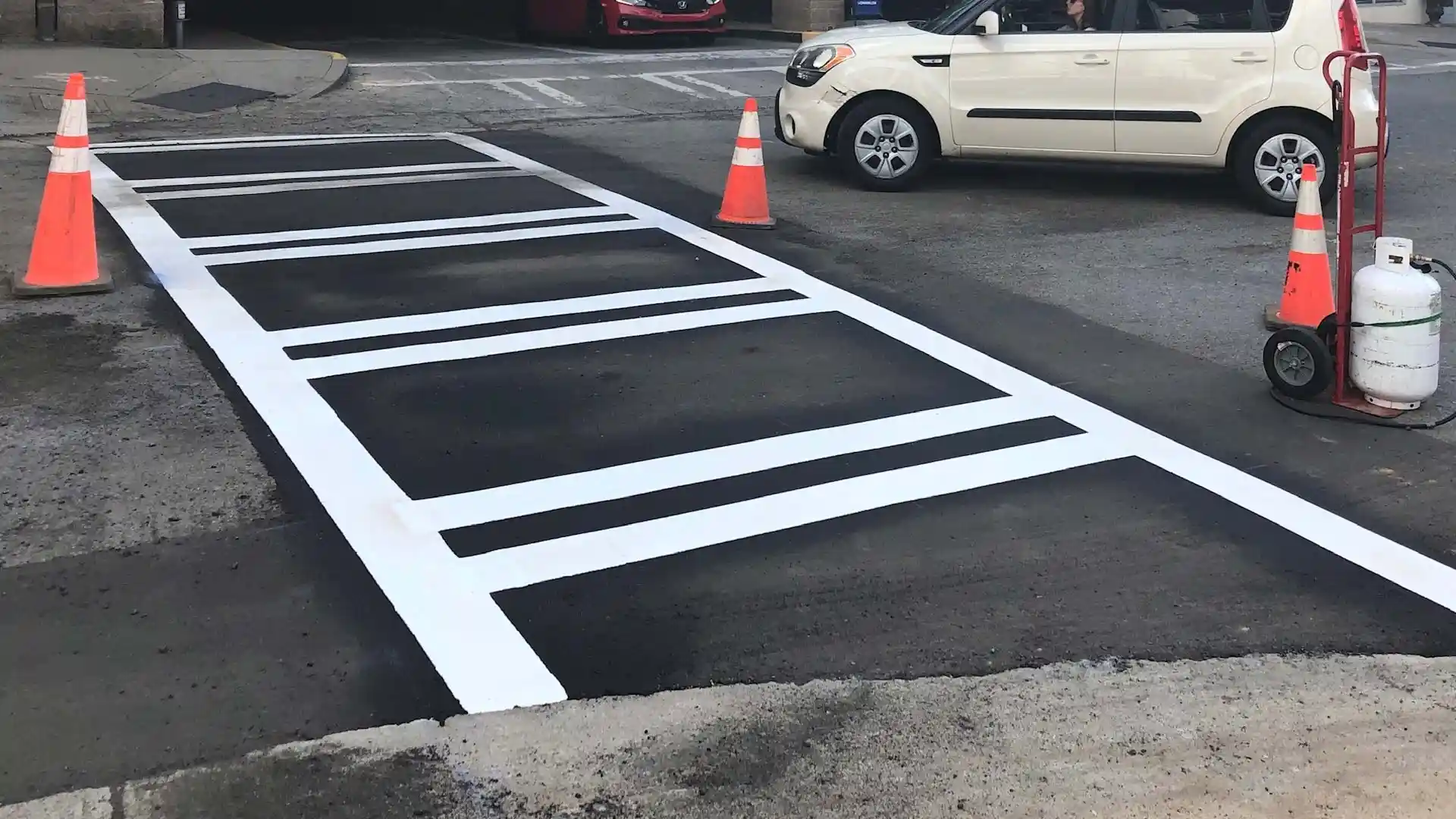
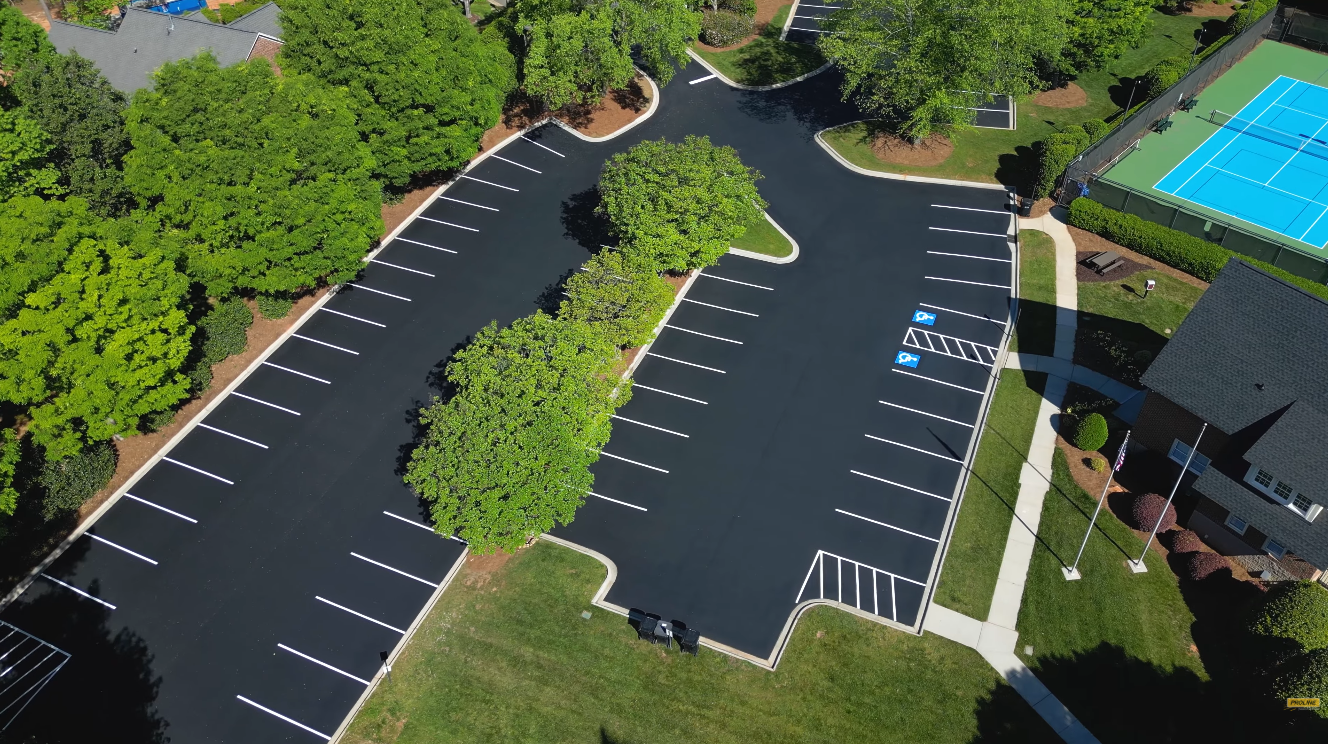
Faded or missing accessible parking markings and curb ramps create both a compliance problem and an injury risk, especially for residents who rely on those specific spaces and routes. Uneven speed bumps, shifted wheel stops, and drainage areas that turn into ice patches round out the list of hazards that most often show up once an incident report is filed.
How a Maintenance Program Becomes Your Best Legal Defense
The single biggest factor in how a claim resolves is often not whether a hazard existed. It’s whether the property can show it acted reasonably once it knew, or should have known, about it. That’s where documentation stops being paperwork and starts being your defense file.
A real maintenance program means dated inspection logs, photos of hazards when they’re found and again after they’re fixed, and a written record of maintenance requests with response times attached. Picture a resident’s attorney requesting records after an incident. Finding a spring inspection, a documented repair three days later, and a clear snow removal protocol is a very different conversation than finding nothing at all.
According to guidance the Insurance Information Institute publishes on general liability risk, insurers increasingly look at documented maintenance history when underwriting and pricing commercial property policies, not just claims history. A property that can show a consistent maintenance record isn’t just reducing legal exposure. It’s often reducing what it pays for coverage in the first place.
A Maintenance Calendar Built Around Risk, Not Just Curb Appeal
Aesthetic maintenance and liability-focused maintenance overlap more than people expect, but the priorities shift slightly when you’re managing risk first.
Spring inspections should specifically catalog anything winter left behind: new cracks, heaved sections, and any spot where water pools rather than drains. Fall is the last real window to seal cracks before they fill with water and expand through a freeze-thaw cycle. It’s also when lighting fixtures should get checked before the days get short. Winter needs a written snow-and-ice protocol, not an informal “we’ll get to it,” including how quickly the lot is treated after a snowfall starts and who’s responsible for checking it overnight. Year-round, faded striping and accessible signage deserve the same attention as potholes, since both show up in claims and in compliance reviews.
What to Ask Your Parking Lot Maintenance Provider
Ask whether they document every inspection and repair with dates and photos, not just verbal confirmation that “it’s handled.” Ask how quickly they respond to a reported hazard, and get that response time in writing. Ask specifically about their snow and ice protocol: what triggers treatment, how fast they respond after a snowfall begins, and how they avoid creating refreeze hazards during cleanup.
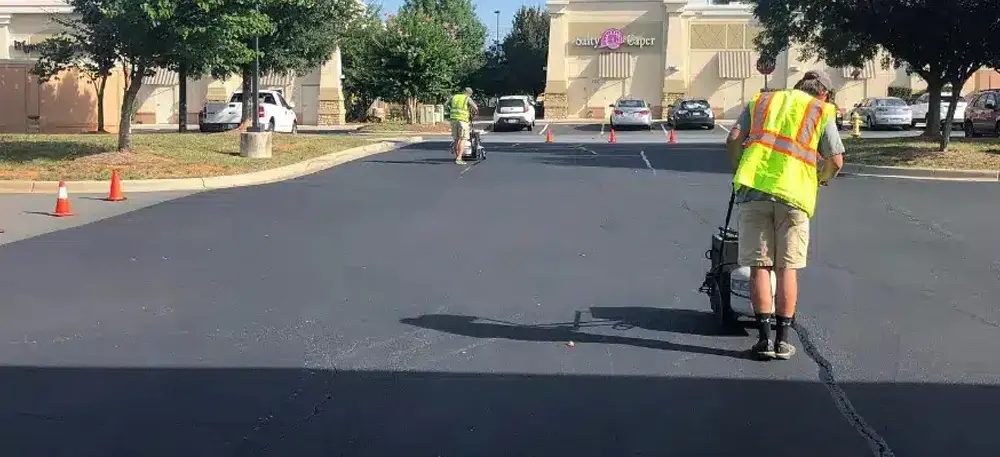
A provider who treats these questions as reasonable, rather than as an inconvenience, is the one building you a paper trail you’ll be glad you have if you ever need it. That’s the standard ProLine works to for every community we maintain: not just a lot that looks fine, but a documented history that holds up if it’s ever questioned.
A single hidden pothole or faded crosswalk can lead to a costly trip-and-fall claim or vehicle damage payout. Taking care of hazards quickly keeps your residents safe and shields your property from unnecessary legal exposure. Give us a call today. We’ll help you fix liability risks before they turn into major claims.
Call Our Paving Team Now →Frequently Asked Questions
What makes an apartment community more liable for parking lot injuries than other commercial properties?
Apartment communities are occupied around the clock, which means a hazard has far more hours of exposure than it would on a property with set business hours. The population using the lot also skews toward higher-risk groups: children, elderly residents, and people carrying groceries or managing kids who aren’t watching the pavement closely. That combination of constant exposure and a vulnerable population is a big part of why apartment parking lots see more claims per square foot than a typical retail lot. It’s also why courts and insurers tend to scrutinize maintenance records on residential properties closely.
What is “constructive notice” and why does it matter for a liability claim?
Constructive notice means a property reasonably should have known about a hazard, even without a specific report. That’s usually because the hazard existed long enough, or was obvious enough, that a reasonable inspection would have caught it. It matters because a hazard that’s been visible for weeks is much harder to defend than one that appeared an hour before an incident. Regular, documented inspections are the primary way a property demonstrates it didn’t ignore conditions it should have caught. Without that documentation, a plaintiff’s attorney can argue the property should have known, and there’s often little to counter it.
Does snow and ice removal reduce liability, or can it actually create more?
Done well, snow and ice removal significantly reduces liability by clearing the natural hazard before it causes an injury. When done poorly, it can create new liability, since plowed piles that melt and refreeze into ice sheets are often treated differently under the law than snow that simply fell and sat. Many states hold properties to a higher standard once they’ve taken action, because the removal effort itself becomes what must be reasonable. That’s why a documented, consistent snow protocol matters as much as the plowing itself.
How does documentation actually help defend against a claim if an incident already happened?
Documentation shows what the property knew, when it knew it, and what it did in response, which is the core question in most premises liability cases. Dated inspection logs and repair records can demonstrate a hazard was addressed promptly, or that no hazard was reasonably detectable before the incident occurred. Without that record, the property is often left arguing its case from memory against a plaintiff with photos, medical records, and a timeline. Insurers and attorneys both weigh documented maintenance history heavily when deciding whether to settle a claim or fight it.
Are property owners automatically liable for every injury that happens in the parking lot?
No. Liability generally depends on whether the property knew or should have known about the specific hazard and failed to address it within a reasonable time. It doesn’t depend simply on the fact that an injury occurred. A hazard that appeared minutes before an incident, with no prior reports and no way it should have been caught, is a very different legal situation than one that sat unaddressed for weeks. This is exactly why the specifics matter so much, and why property-specific legal guidance from an attorney or insurer is worth having rather than assuming either extreme.
Does poor lighting really factor into liability claims, or is that overstated?
Poor lighting shows up regularly in claims involving nighttime falls, because a resident who couldn’t reasonably see a hazard has a stronger case than one who tripped over something clearly visible. Lighting is also one of the more overlooked maintenance items, since it’s easy to notice a pothole and easy to miss a burnt-out fixture until someone’s already been hurt. A simple periodic lighting check, especially heading into shorter winter days, closes a gap that’s cheap to fix and expensive to ignore. It’s one of the lowest-cost, highest-impact items on a liability-focused maintenance calendar.
See also: How Crack Filling Extends Parking Lot Life (2026), The Complete Apartment Parking Lot Maintenance Checklist