Road Marking Maintenance: Protecting Your Pavement Through Winter and Beyond
Road marking maintenance is the systematic care and restoration of pavement striping, symbols, and directional markings that guide traffic and define parking spaces. Winter weather presents significant challenges to these essential safety features, causing fading, peeling, and complete removal that compromises property safety and liability. Property managers across North Carolina and South Carolina must understand how to preserve road markings through seasonal damage and maintain compliance with parking lot standards.
Understanding Winter Damage to Road Markings
Winter conditions create a perfect storm for road marking deterioration. Freeze-thaw cycles cause the pavement surface to expand and contract, lifting and cracking paint layers and thermoplastic markings. Salt and de-icing chemicals accelerate this process by penetrating beneath marking materials and breaking the adhesive bond between paint and asphalt.
Water infiltration during winter months penetrates microscopic gaps in aging markings, freezing and expanding underneath to force markings away from the pavement surface. UV radiation, even during winter, continues degrading paint pigments and binders. Additionally, snow plowing equipment directly damages markings through mechanical abrasion and impact.
Moisture trapped beneath thermoplastic markings expands during freeze cycles, creating bubbling and separation. This standing water accelerates rust formation under metallic road markers and reflective glass beads embedded in paint. The combination of these factors means that poorly maintained markings can lose visibility by 50% or more over a single winter season.
How Weather Elements Damage and Remove Pavement Markings
Freeze-Thaw Cycles and Surface Degradation
Freeze-thaw cycles represent the most destructive winter force against road markings. When water enters cracks or seeps beneath marking materials, it expands as it freezes, creating mechanical pressure that forces markings away from the asphalt surface. This repetition over dozens of freeze-thaw events—common in North Carolina and South Carolina winters—progressively weakens the paint-to-pavement bond until markings completely delaminate and flake away.
Chemical Damage From Salts and De-Icing Agents
Salt and calcium chloride de-icing chemicals don’t just melt ice—they actively degrade road marking materials. These chemicals are hygroscopic, meaning they attract and retain moisture, keeping the area beneath markings perpetually damp. This constant moisture accelerates paint oxidation and polymer breakdown in thermoplastic materials.
Chemical salts also cause electrolytic reactions with the pavement surface and any metallic components in reflective glass beads, creating corrosion that weakens adhesion. Chloride ions penetrate into the concrete or asphalt substrate, degrading the surface layer that markings depend on for bonding.
UV Radiation and Color Degradation
Though less intense during winter months, UV radiation continues breaking down paint binders and pigments year-round. The reflection off snow surfaces actually increases UV exposure on parking lot markings during winter. Yellow markings, which use different pigment compounds than white, often fade more quickly under UV assault.
Prolonged UV exposure causes paint to become chalky and lose adhesion properties, making markings susceptible to removal by pressure washing or even aggressive scrubbing. This degradation means that winter-faded markings typically cannot be refreshed without complete removal and reapplication.
Mechanical Damage From Snow Removal and Traffic
Snow plowing and snow removal equipment directly damage markings through impact and abrasion. Shovel blades catch and scrape weakened paint, while plowed snow and rocks grind against line markings. Winter sand and road salt, distributed across parking lots, act as abrasive agents that wear down paint surfaces.
Heavy vehicles operating in winter conditions, when markings are already weakened by moisture and chemicals, accelerate deterioration. Tire chains, studded tires, and the increased slip-and-slide traffic patterns during icy conditions put additional mechanical stress on pavement markings.
Comprehensive Maintenance Strategies for Durable Road Markings
Protecting road markings through winter requires a multi-layered approach combining preventive care, strategic timing, and material selection. Property managers should implement these maintenance strategies to maximize marking durability and minimize winter-related deterioration.
Pre-Winter Preparation and Surface Assessment
Begin winter preparation by conducting a comprehensive assessment of existing road markings. Identify areas where markings show fading, cracking, or separation from the pavement. These compromised areas will deteriorate most rapidly during winter months and should be prioritized for repair or replacement.
Schedule sealcoating and crack sealing before winter arrives. A properly sealed pavement surface prevents water infiltration that leads to freeze-thaw damage beneath markings. Professional sealcoating creates a protective barrier that extends the life of all pavement markings and reduces winter weather impacts.
Choosing Cold-Weather-Resistant Marking Materials
Not all road marking materials perform equally in winter conditions. Water-based paints absorb moisture and fail quickly in freeze-thaw environments. Thermoplastic materials, while durable in mild climates, can become brittle and crack in severe cold or bubble and separate due to moisture entrapment. Two-component polyurethane paints and polyester resins offer superior cold-weather performance by maintaining flexibility and adhesion through temperature extremes.
Specify reflective glass beads embedded in marking materials, as these enhance visibility when winter conditions reduce daylight and increase wet pavement glare. However, ensure beads are properly seated in the paint matrix to resist salt spray and freeze-thaw forces.
Strategic Timing for Line Striping and Reapplication
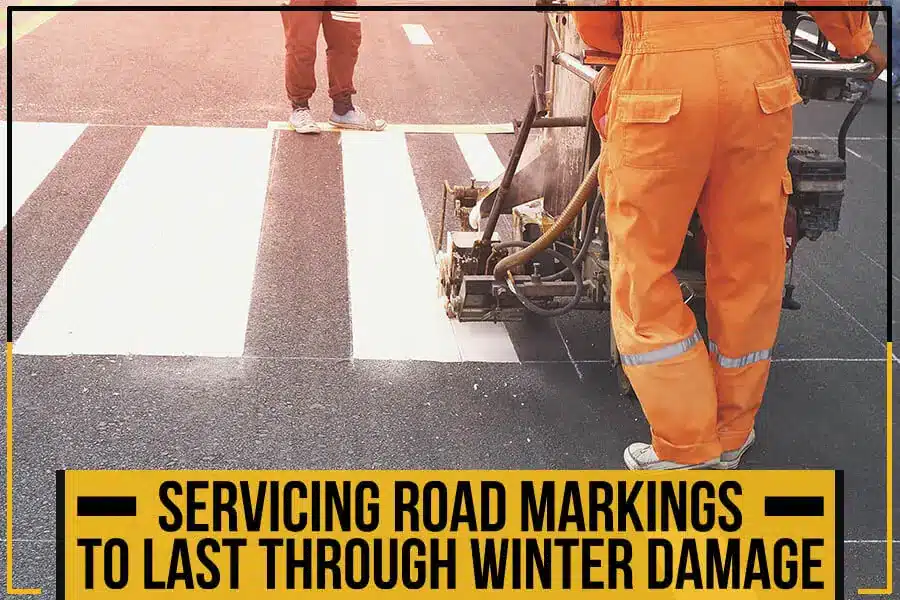
Schedule professional line striping and road marking services for late spring or early summer, when temperatures consistently remain above 50°F and humidity is moderate. This timing allows new markings to cure fully before freeze-thaw cycles begin. Avoid applying new markings during fall or winter months, as poor curing conditions result in premature failure.
Plan touch-ups and reapplication cycles so that critical markings—fire lanes, handicap spaces, and directional arrows—are refreshed every 2-3 years in climates with harsh winters. Less critical markings may extend to 3-4 year cycles in milder conditions.
Drainage Management and Moisture Control
Proper drainage is critical for road marking longevity. Standing water, ice puddles, and areas with poor drainage contribute directly to marking failure. Ensure parking lots have adequate slope and drainage systems that prevent water accumulation on or near marked areas. This is especially important around entrance and exit areas where water often accumulates.
Address any visible cracking or asphalt degradation through professional crack sealing services before winter. Each crack is a pathway for water infiltration that weakens markings from beneath.
Stenciling and Specialized Applications
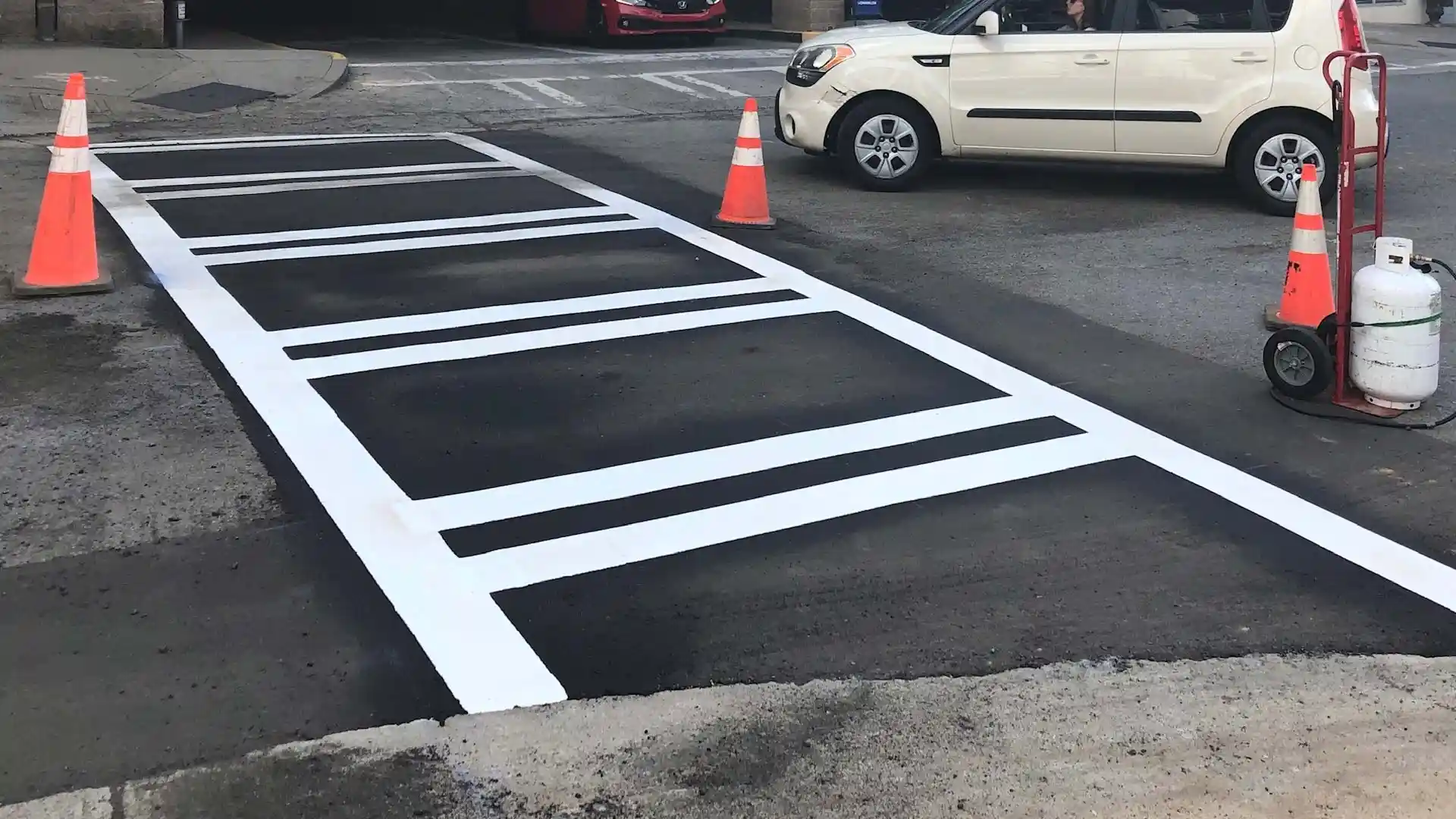
Complex markings like arrows, symbols, and stenciled pavement markings require professional application to ensure proper bonding and durability. Stenciling creates sharper, more defined markings that resist edge-chipping and maintain visibility longer than freehand painting. Professional stenciling services ensure proper surface preparation and material application that extends marking life through harsh winter conditions.
Maintenance Timeline and Seasonal Schedules
Implementing a seasonal maintenance schedule ensures that road markings remain visible, safe, and compliant throughout the year. Different maintenance activities should occur at specific times to maximize effectiveness and budget efficiency.
| Season | Primary Maintenance Activities | Expected Duration |
|---|---|---|
| Spring (March-May) | Assessment of winter damage, crack sealing, fresh line striping and marking applications, sealcoating preparation | 2-4 weeks |
| Summer (June-August) | Completion of major marking projects, reflective bead maintenance, cleaning and pressure washing, touch-up striping | Ongoing maintenance |
| Fall (September-November) | Pre-winter inspection, repair of damaged areas, sealcoating application, equipment maintenance | 2-3 weeks |
| Winter (December-February) | Monitoring only, clearance of snow/ice, documentation of damage for spring repair | Ongoing monitoring |
Compliance and Safety Considerations
Road markings serve critical safety and legal functions. Fire lanes must be clearly marked and visible for emergency access. Handicap parking spaces require specific symbols and dimensions per ADA standards. Directional arrows guide traffic flow and prevent accidents. When winter damage compromises these markings, property managers face potential liability if accidents or emergency response delays occur due to obscured markings.
Local fire codes and parking ordinances often mandate specific marking maintenance standards. Many municipalities require markings to remain visible and compliant year-round, with annual inspections by fire marshals or code enforcement. Faded or missing markings can result in citations and corrective orders.
Property managers should document road marking conditions quarterly, photographing areas prone to winter damage. This documentation proves due diligence in maintenance efforts and protects against liability claims from accidents occurring in poorly marked areas.
Frequently Asked Questions About Road Marking Maintenance
How long do parking lot markings typically last in winter climates?
Well-maintained markings in North Carolina and South Carolina climates typically last 2-4 years before visible fading requires touch-up or full replacement. Harsh winter conditions, heavy traffic, and poor surface preparation can reduce this to 12-18 months. Markings in milder climates or on less-trafficked properties may extend to 5-6 years. Regular maintenance and prompt repair of damaged areas significantly extend overall marking lifespan.
What is the best type of paint for winter parking lot markings?
Water-based acrylic paints are economical but fail quickly in freeze-thaw environments common to winter. Two-component polyurethane and polyester-based paints offer superior durability in cold climates, maintaining adhesion and flexibility through temperature extremes. Thermoplastic materials provide excellent durability in mild climates but can become brittle in severe cold. Consult with professional marking contractors to select materials specifically suited to your region’s winter conditions and traffic volume.
Can existing road markings be repainted without full removal and reapplication?
In some cases, markings showing only surface fading can be refreshed with new paint applied directly over the existing layer. However, markings showing separation, cracking, peeling, or color change from winter damage require complete removal and reapplication. Applying new paint over compromised existing markings leads to premature failure of the new application. Professional contractors assess the condition of existing markings to determine whether refreshing or complete reapplication is appropriate.
How does sealcoating protect road markings from winter damage?
Sealcoating creates a protective barrier on the asphalt surface that prevents water infiltration, which is the primary cause of freeze-thaw damage beneath markings. By sealing cracks and pores in the asphalt, sealcoating reduces moisture that leads to salt penetration and chemical corrosion. A properly sealed surface also resists UV damage and mechanical wear from salt and sand. Sealcoating applied before winter significantly extends the lifespan of all pavement markings.
What should property managers do when markings are damaged before the scheduled maintenance cycle?
Prompt repair of damaged markings, even outside scheduled maintenance cycles, protects property liability and maintains compliance with fire codes and parking ordinances. Fire lanes, handicap spaces, and directional markings that become obscured should be refreshed immediately. Winter weather often accelerates damage to already-compromised markings, so assessing markings after severe weather events and scheduling emergency touch-ups prevents safety issues and citations.
Professional Road Marking Maintenance for North Carolina and South Carolina Properties
Winter weather poses unique challenges to parking lot markings across North Carolina and South Carolina. Freeze-thaw cycles, salt spray, and mechanical snow removal combine to degrade markings faster than in milder climates. Property managers who implement comprehensive maintenance strategies—including pre-winter assessment, cold-weather-resistant materials, proper surface preparation, and scheduled reapplication—significantly extend marking lifespan and maintain code compliance year-round.
Professional road marking maintenance requires expertise in surface preparation, material selection, application techniques, and seasonal timing. Attempting in-house marking maintenance often results in poor adhesion, premature failure, and wasted budget. Experienced contractors understand how winter conditions affect different marking materials and can recommend solutions tailored to your specific property, traffic volume, and climate zone.
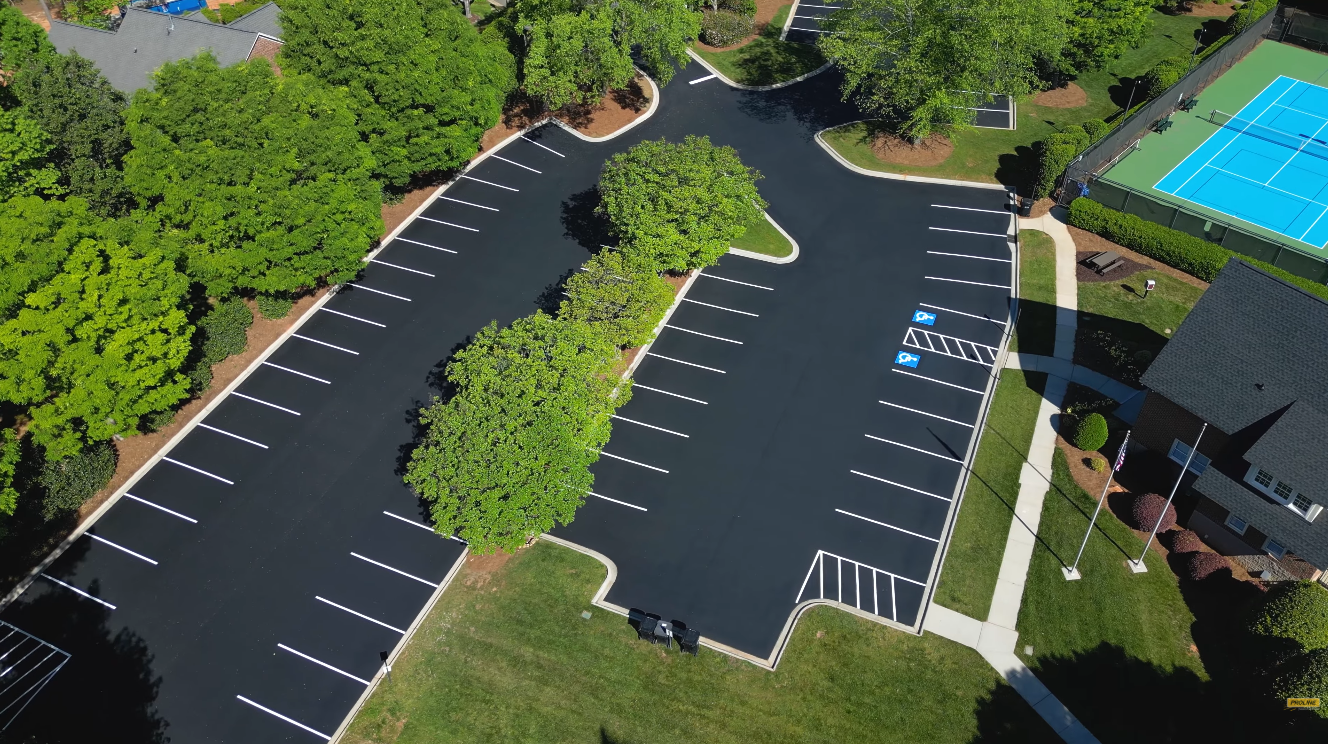
Proline Parking Lot Maintenance serves property managers and facility directors throughout Charlotte, North Carolina, and the surrounding region with comprehensive parking lot maintenance solutions, including professional line striping, stenciling, sealcoating, and crack sealing services. Our team understands the specific challenges that winter weather presents to pavement markings and employs cold-weather-resistant materials and expert application techniques to ensure your markings remain visible, safe, and compliant year-round.
Contact Proline Parking Lot Maintenance today to schedule a comprehensive assessment of your parking lot markings and discuss a customized maintenance plan that protects your investment through winter damage and ensures maximum durability.
Proline Parking Lot Maintenance
Charlotte, NC
Phone: 704-530-5366
Website: prolineplm.com