Winter Parking Lot Maintenance: Essential Guide for Property Managers
Winter parking lot maintenance is critical for protecting your commercial pavement investment and ensuring the safety of employees, customers, and visitors. In Charlotte, NC, and across the Southeast, winter weather—including ice, snow, freeze-thaw cycles, and moisture infiltration—creates significant stress on asphalt and concrete surfaces. Without proper preparation and proactive maintenance, parking lots can deteriorate rapidly, leading to expensive repairs and liability concerns.
This comprehensive guide explores winter parking lot maintenance strategies, preventative measures, and best practices that help property managers protect their facilities year-round. Whether you manage a small retail parking area or a large commercial campus, understanding how winter conditions affect pavement is essential for maintaining curb appeal, ensuring customer safety, and extending the lifespan of your asphalt investment.
Understanding Winter Damage to Parking Lots
Winter parking lot damage occurs through multiple mechanisms during the cold season. Understanding these processes helps property managers recognize why winter parking lot maintenance is not optional—it’s essential. The primary culprits are moisture penetration, freeze-thaw cycling, and the corrosive effects of de-icing chemicals.
When temperatures drop below freezing, water trapped in tiny pavement cracks expands, widening those cracks further. As temperatures rise above freezing, the ice melts, creating gaps that allow more water to penetrate the pavement structure. This continuous expansion and contraction weakens the asphalt binder, eventually leading to potholes, alligator cracking, and complete pavement failure if left unaddressed.
Road salt and de-icing chemicals accelerate deterioration by breaking down the binder that holds asphalt aggregate together. Additionally, salt increases soil salinity around parking lot perimeters, causing additional damage to the pavement edges. The combination of moisture, freezing temperatures, and chemical exposure creates the perfect storm for rapid pavement degradation during winter months.
Pre-Winter Preparation Checklist for Parking Lot Maintenance
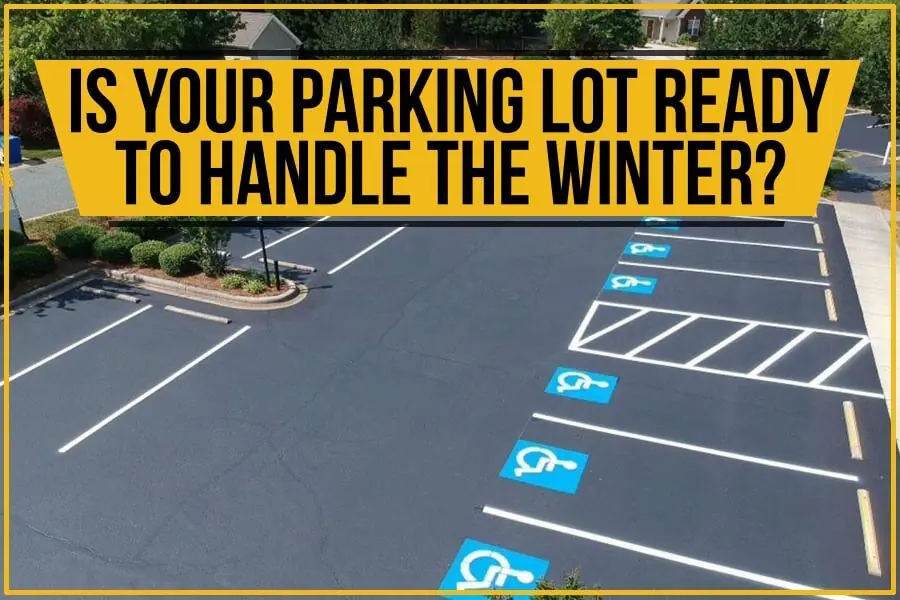
Effective winter parking lot maintenance begins weeks before the first snow falls. Property managers should implement a comprehensive pre-winter preparation strategy that addresses existing pavement damage, applies protective coatings, and establishes clear snow and ice management protocols.
Step 1: Complete Pavement Assessment
Schedule a professional parking lot inspection to identify existing cracks, potholes, depressions, and drainage issues. Document current pavement conditions with photographs, as this baseline will help you track seasonal changes and plan future maintenance budgets. Many property managers discover that addressing minor issues before winter prevents costlier emergency repairs later.
Step 2: Crack Sealing and Patching
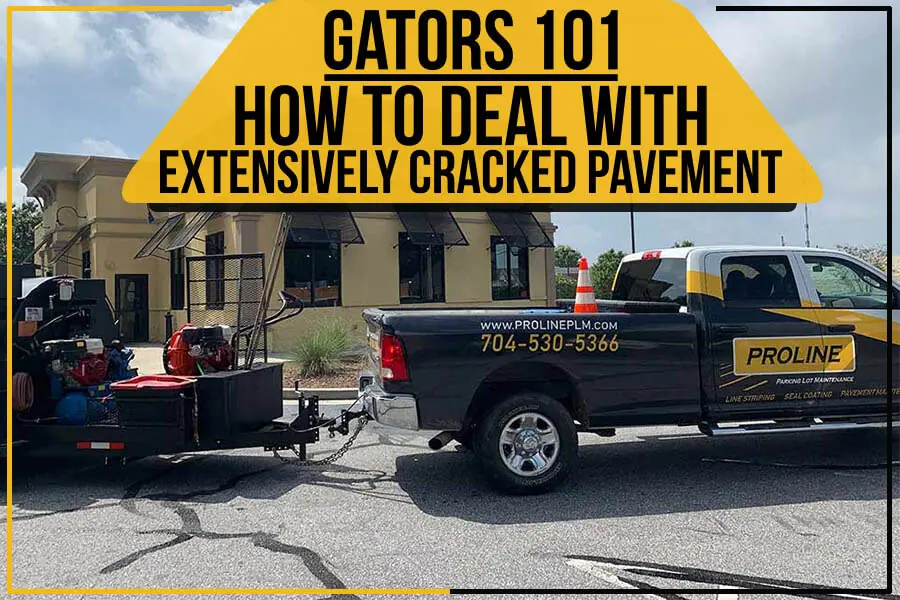
Sealing cracks is one of the most cost-effective winter parking lot maintenance strategies. Crack sealing services prevent water from entering pavement layers, significantly extending parking lot lifespan. For small cracks, professional sealants work effectively. For larger cracks or spalling, professional patching may be necessary. The investment in crack sealing typically costs $0.50–$1.50 per linear foot and prevents exponentially more expensive repairs during winter months.
Step 3: Pothole Repair
Winter conditions aggravate existing potholes and accelerate pothole formation. Professional pothole repair before winter prevents dangerous conditions and liability exposure. Temporary patches may last only weeks in winter conditions, so permanent repair methods such as full-depth patching provide better winter durability. Addressing potholes proactively demonstrates duty of care and reduces accident liability.
Step 4: Sealcoating Application
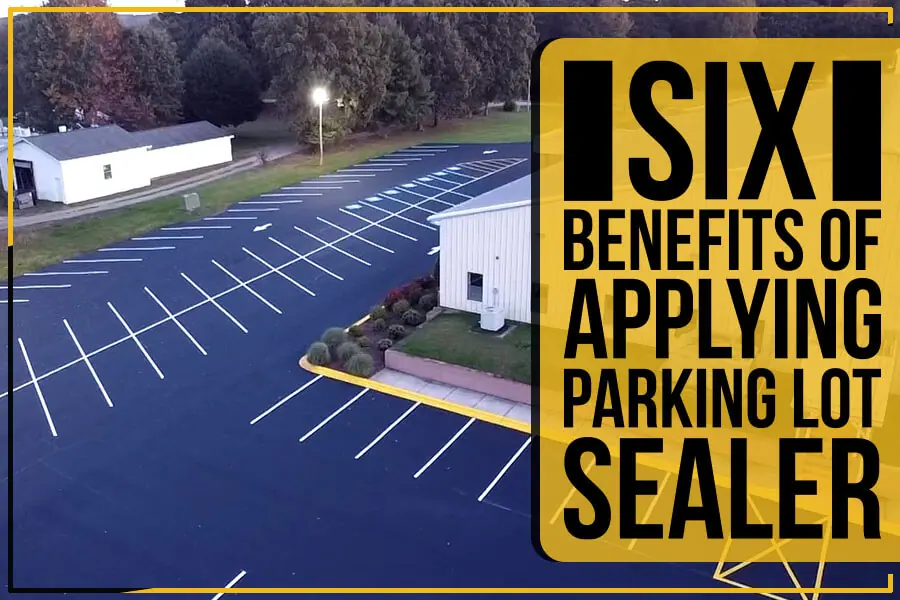
Sealcoating protects asphalt from oxidation, water penetration, and UV damage. Applying a fresh sealcoat 4–6 weeks before winter provides a protective barrier against moisture and salt damage. Sealcoating extends asphalt lifespan by 5–10 years and costs approximately $0.08–$0.15 per square foot. This preventative treatment dramatically reduces winter parking lot maintenance costs.
Step 5: Drainage System Inspection
Clear parking lot drains, catch basins, and storm channels of debris. Poor drainage creates standing water that freezes into dangerous ice sheets during winter. Ensure downspouts and drainage systems direct water away from pavement areas, preventing moisture accumulation in pavement structures.
Step 6: Line Striping Refresh
Refreshing pavement markings improves safety visibility during winter conditions. Faded lines become invisible under snow, creating safety hazards and parking confusion. Professional restriping costs approximately $0.15–$0.35 per linear foot and should be completed before winter weather reduces visibility.
Winter Maintenance Cost Comparison: Preventative vs. Reactive Approach
Understanding the financial impact of preventative winter parking lot maintenance helps justify budgeting for these services. The table below compares typical costs for preventative maintenance performed before winter versus reactive repair costs after winter damage occurs.
| Maintenance Task | Pre-Winter Cost (Preventative) | Post-Winter Cost (Reactive) | Cost Difference |
|---|---|---|---|
| Crack Sealing (per 1,000 linear feet) | $500–$1,500 | N/A (becomes potholes) | — |
| Sealcoating (per 10,000 sq ft) | $800–$1,500 | $1,200–$2,000 | +$400–$500 |
| Pothole Repair (per hole) | $150–$300 (3–4 repairs) | $300–$600 (8–12 emergency repairs) | +$1,200–$2,400 |
| Full Pavement Overlay (per 10,000 sq ft) | $4,000–$6,000 (early) | $8,000–$12,000 (emergency) | +$4,000–$6,000 |
| Drainage Clearing | $200–$400 | $500–$1,000 (emergency) | +$300–$600 |
| Total 10,000 sq ft Lot | $6,500–$10,000 | $12,000–$18,000 | +$5,500–$8,000 |
This comparison demonstrates that preventative winter parking lot maintenance typically costs 30–50% less than reactive repairs. Additionally, preventative maintenance extends pavement lifespan by 5–10 years, providing substantial long-term savings. Property managers who invest in pre-winter preparation avoid emergency service charges and minimize parking lot downtime.
Winter Snow and Ice Management Best Practices
Beyond pavement preparation, effective winter parking lot maintenance includes snow and ice management strategies that protect both pavement and users. Professional snow removal and de-icing practices minimize pavement damage while ensuring safety.
Snow Removal Techniques
Mechanical snow removal should be performed promptly after snowfall to prevent ice formation and pavement damage. Use rubber-edged or plastic plow blades rather than metal blades, which can damage asphalt surfaces. Clear snow before it compacts into ice, as compressed snow is more difficult to remove and increases ice-related damage.
De-icing Chemical Selection
Choose de-icing products carefully, as some chemicals accelerate pavement deterioration. Calcium chloride and magnesium chloride are less corrosive than sodium chloride (rock salt) but cost more. Consider hybrid approaches: use salt on driving surfaces where traction is critical, and use alternative de-icers on parking areas adjacent to landscaping or pavement edges. Apply de-icers sparingly and only after mechanical snow removal.
Ice Dam Prevention
Clear snow and ice buildup at parking lot edges and drainage points to prevent ice dams. Ice dams create standing water that seeps into pavement layers, accelerating deterioration. Regular ice removal at catch basins and storm drains maintains proper drainage throughout winter months.
Winter Parking Lot Maintenance Timeline
Implementing winter parking lot maintenance on a clear timeline ensures no critical tasks are overlooked. Property managers should follow this seasonal schedule:
September–October (Early Fall)
Schedule parking lot assessments, identify repair needs, and plan pre-winter maintenance. Request quotes for sealcoating, crack sealing, and pavement repair services. Begin scheduling contractors, as availability decreases as winter approaches.
October–November (Pre-Winter)
Complete crack sealing, pothole repair, and drainage clearing. Apply sealcoating 4–6 weeks before expected first freeze. Refresh pavement markings. Finalize snow and ice management contracts.
December–March (Winter Season)
Implement routine snow removal and de-icing. Perform regular drainage maintenance. Address any emergency pothole damage immediately to prevent expansion. Document weather events and maintenance activities for liability purposes.
April–May (Post-Winter)
Conduct post-winter pavement assessment to identify any winter-induced damage. Schedule spring repairs for any new cracks or potholes. Plan summer maintenance for areas that deteriorated during winter.
Frequently Asked Questions About Winter Parking Lot Maintenance
Why is crack sealing important before winter?
Crack sealing prevents water from entering pavement layers, where it freezes and expands, widening cracks and creating potholes. Without crack sealing, small cracks develop into expensive pothole damage within a single winter season. Professional crack sealing is one of the most cost-effective winter parking lot maintenance strategies, typically costing less than $1.50 per linear foot but preventing damage repair costs exceeding $300–$600 per pothole.
Should I use rock salt or alternative de-icers?
Rock salt (sodium chloride) is inexpensive but highly corrosive to asphalt and concrete. Alternative de-icers like calcium chloride or magnesium chloride cost more but cause significantly less pavement damage. For optimal winter parking lot maintenance, use rock salt only on driving surfaces where traction is essential, and reserve alternative de-icers for pavement areas and landscaping edges. This hybrid approach balances safety, cost, and pavement protection.
How often should I seal coat my parking lot?
Most asphalt parking lots should receive sealcoating every 2–3 years, or more frequently in harsh winter climates. Applying sealcoat before winter (4–6 weeks prior to expected first freeze) provides enhanced protection during the damaging cold season. Sealcoating extends pavement lifespan by 5–10 years and costs significantly less than premature pavement replacement.
What causes potholes to form faster in winter?
Potholes form rapidly in winter because freeze-thaw cycling weakens asphalt structure. Water enters cracks or weak spots in pavement, freezes and expands, and then melts, leaving voids beneath the surface. Vehicle traffic breaks through these weakened areas, creating visible potholes. Winter’s continuous freeze-thaw cycles accelerate this process. Professional pothole repair before winter prevents these dangerous conditions and the liability they create.
Can I perform winter parking lot maintenance during snow events?
Most pavement work cannot be performed during active snow or when temperatures are below freezing. Crack sealing, sealcoating, and patching require dry conditions and temperatures above 40–50°F. Schedule preventative winter parking lot maintenance for September through early November, completing all work at least 4–6 weeks before first expected freeze. Emergency repairs during winter may be limited to temporary patching until spring when permanent repairs can be made.
Professional Winter Parking Lot Maintenance Services
While property managers can implement some winter parking lot maintenance tasks internally, professional pavement services provide expertise, specialized equipment, and quality assurance that maximize effectiveness. Proline Parking Lot Maintenance in Charlotte, NC offers comprehensive winter preparation and maintenance services designed specifically for the Southeast’s climate challenges.
Our team specializes in pre-winter pavement assessment, professional crack sealing, pothole repair, sealcoating application, and drainage system maintenance. We work with property managers to develop customized winter parking lot maintenance plans that fit specific facility needs and budgets. Our professionals understand Charlotte’s winter weather patterns and provide services timed to protect your pavement investment throughout the cold season.
Key Takeaways for Winter Parking Lot Maintenance Success
Effective winter parking lot maintenance protects your commercial pavement investment, ensures facility safety, and reduces long-term repair costs. Key strategies include:
- Complete pavement assessment and documentation before winter
- Professional crack sealing to prevent water penetration
- Pothole repair using permanent methods before cold season
- Sealcoating application 4–6 weeks before first freeze
- Drainage system clearing to prevent standing water and ice formation
- Refreshed pavement markings for winter visibility
- Strategic snow removal and de-icing practices
- Preventative maintenance that costs 30–50% less than reactive repairs
Winter parking lot maintenance is not a one-time task but an ongoing seasonal commitment. Property managers who prioritize fall preparation and winter protection avoid emergency repairs, extend pavement lifespan by 5–10 years, and demonstrate professional facility stewardship to tenants and customers.
Ready to Protect Your Parking Lot This Winter?
Don’t let winter damage compromise your commercial pavement investment. Proline Parking Lot Maintenance offers comprehensive winter parking lot maintenance services throughout Charlotte, NC and the surrounding areas. Our experienced team helps property managers implement preventative strategies that protect pavement, ensure safety, and control costs.
Contact Proline Parking Lot Maintenance today to schedule your pre-winter pavement assessment:
Phone: 704-530-5366
Website: prolineplm.com
Our specialists will evaluate your parking lot’s current condition, identify winter vulnerabilities, and recommend a cost-effective maintenance plan. Whether you need crack sealing, sealcoating, pothole repair, or comprehensive winter preparation, Proline has the expertise and equipment to deliver professional results. Let us help you ensure your parking lot is ready to handle winter with confidence.