Spring Parking Lot Preparation: A Complete Guide to Protecting Your Asphalt
Winter takes a toll on parking lots. Freeze-thaw cycles, salt damage, and accumulated debris create hidden damage that worsens throughout spring. Smart property managers address these issues immediately as temperatures rise. Spring parking lot preparation protects your investment, extends asphalt lifespan, and keeps your facility safe and attractive.
Spring is the ideal time to assess damage and complete critical maintenance. Waiting until summer means more extensive repairs and higher costs. This guide walks you through every aspect of spring parking lot preparation so you can prioritize the right solutions for your property.
Why Spring Parking Lot Preparation Matters
Winter inflicts serious damage on asphalt surfaces. Temperature swings cause the material to expand and contract repeatedly. Water seeps into small cracks, freezes, and expands—pushing the pavement apart from the inside. Salt and de-icing chemicals accelerate this deterioration while also corroding metal components like striping paint and wheel stops.
Once spring arrives, many property managers finally notice the damage. Potholes appear overnight. Cracks widen. Faded lines make the lot look neglected. This is when spring parking lot preparation becomes essential. Early intervention stops minor issues from becoming expensive emergencies.
Beyond appearance, damaged asphalt creates liability risks. Potholes can damage vehicles. Uneven surfaces trip pedestrians. Missing lines create unsafe traffic patterns. Addressing spring damage protects both your property and your visitors.
Conduct a Thorough Parking Lot Assessment
Begin your spring parking lot preparation with a detailed inspection. Walk the entire lot during daylight. Look for cracks, potholes, soft spots, drainage issues, and faded markings. Photograph any damage so you have a record.
Pay special attention to areas that suffer the most. Pothole-prone spots typically appear where water collects. Cracks accelerate near parking spaces where vehicle weight concentrates. The perimeter often shows more damage from salt exposure. Your assessment should document all problem areas and their severity.
Consider hiring a professional to evaluate your lot. Experienced contractors spot subtle damage that DIY inspections miss. They also prioritize repairs based on urgency and budget. This professional assessment prevents costly oversights.
Address Drainage and Water Management First
Water is asphalt’s primary enemy. Even small cracks allow moisture to penetrate the pavement structure. This accelerates deterioration and creates potholes. As part of spring parking lot preparation, inspect and clear all drainage systems.
Remove debris from drainage basins, swales, and storm drains. Clear gutters and downspouts. Fix any areas where water pools during rain. Proper drainage prevents water from sitting on or under your pavement. This single improvement extends asphalt life significantly.
If your lot has low spots that collect water, consider grading adjustments or installing additional drainage. Standing water is a major contributor to accelerated pavement failure. Solving this problem during spring parking lot preparation prevents endless pothole cycles.
Crack Sealing: Stop Damage Before It Spreads
Spring is ideal for crack sealing. During spring parking lot preparation, every visible crack should be sealed. This simple service prevents water infiltration and stops cracks from expanding into larger failures.
Crack sealing works best when temperatures remain consistent. Spring weather makes conditions ideal. The sealing material bonds properly and lasts longer. Delaying this work into summer or fall reduces effectiveness.
Professional crack sealing uses specialized materials and equipment. Technicians clean cracks completely before applying commercial-grade sealant. This prevents water from re-entering and extends the seal’s lifespan. Budget for crack sealing as a priority in your spring parking lot preparation plan.
Pothole Repair Cannot Wait
Potholes represent serious damage and liability concerns. Address every pothole immediately as part of spring parking lot preparation. Potholes grow rapidly—winter weather will have created many, and spring won’t slow their expansion.
Professional pothole repair involves removing the damaged area completely and filling it with appropriate material. This prevents the hole from reopening or spreading. DIY patching rarely holds up under traffic and weather pressure.
The longer you delay pothole repair, the more expensive the solution becomes. Small potholes cost less to fix. Large ones may require full-depth repairs. For safety and budget reasons, pothole repair should be your top priority during spring parking lot preparation.
Plan Sealcoating for Later Spring
Once you’ve repaired cracks and potholes, consider sealcoating as part of your spring parking lot preparation. Sealcoating protects asphalt from UV damage, oxidation, and chemical exposure. It also improves appearance and makes cleaning easier.
The ideal timing for sealcoating is late spring or early summer when temperatures remain warm. Sealcoat requires warm weather to cure properly. Applying it during spring parking lot preparation means waiting until May or June in North Carolina. This timing ensures the best results and longest lifespan.
Sealcoating every 2-3 years significantly extends asphalt life. Many property managers pair it with spring parking lot preparation, scheduling the actual application for when weather permits. This proactive approach saves thousands in eventual replacement costs.
Refresh Line Striping and Markings
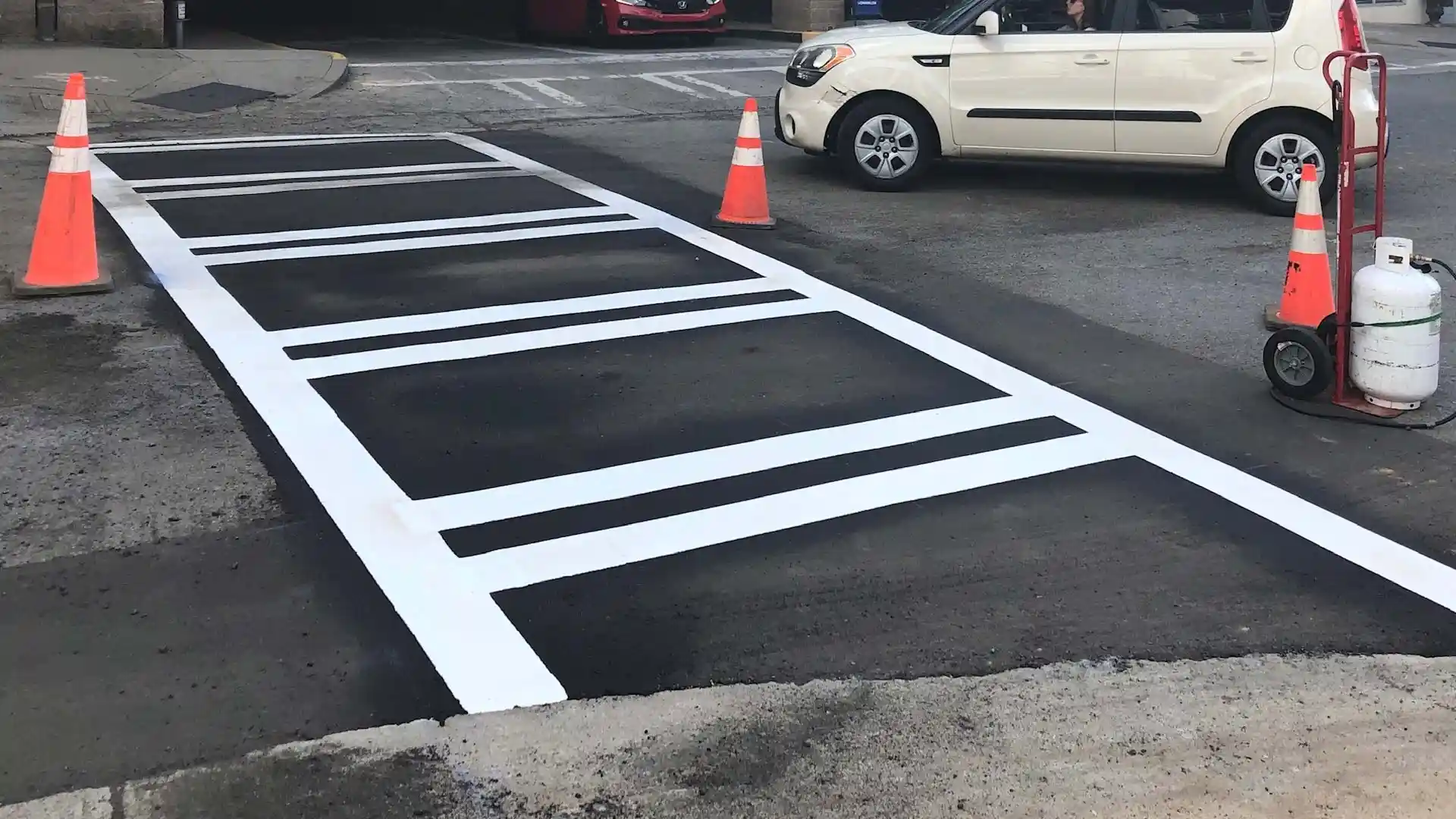
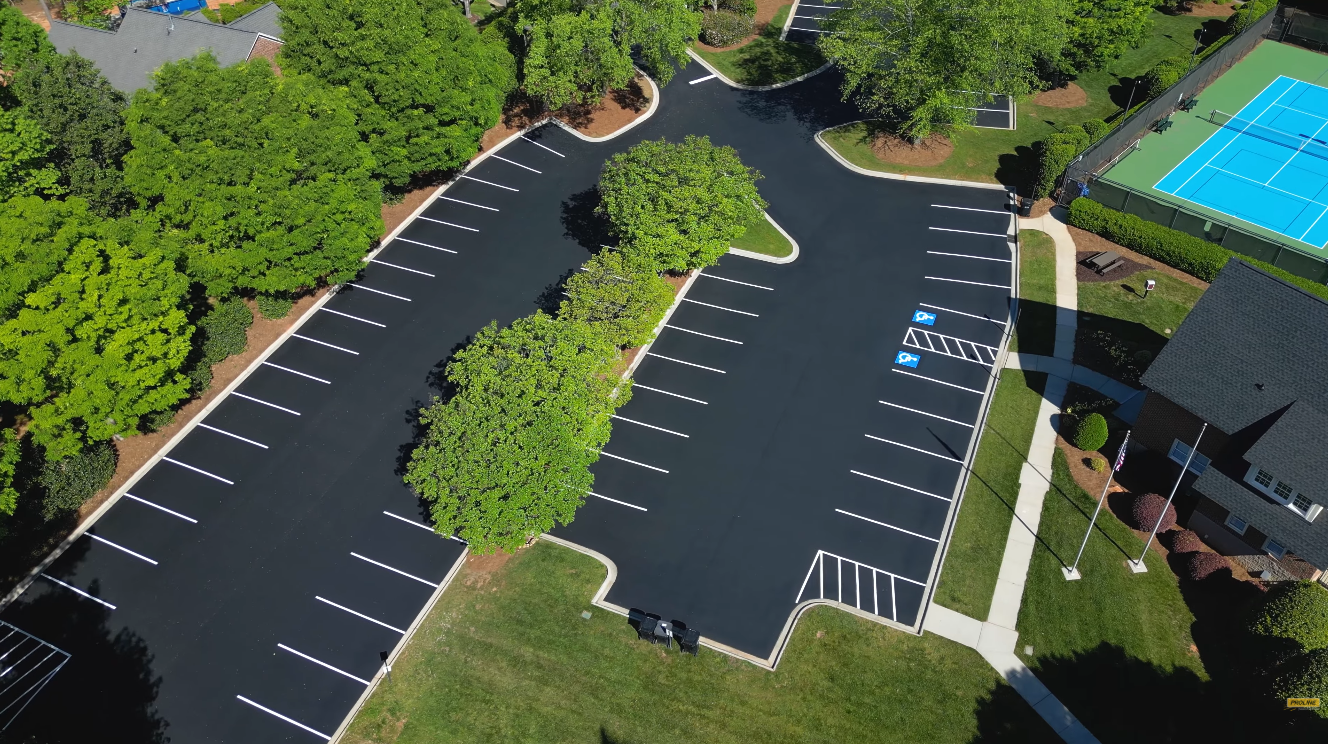
Winter weather fades parking lot lines. Spring parking lot preparation includes refreshing all markings. Professional line striping involves more than aesthetics—it provides safety and liability protection.
Clear markings define traffic patterns, prevent accidents, and improve lot flow. Fresh lines show customers that your property is well-maintained. The visual improvement alone enhances your facility’s appeal.
Spring is perfect timing for line striping. New markings last longer when applied in mild weather. Schedule this work after crack sealing and pothole repair are complete. Stripping over newly repaired areas ensures the markings align properly with your pavement.
Spring Parking Lot Preparation Maintenance Checklist
Use this checklist to ensure your spring parking lot preparation covers all essential tasks:
- Inspect entire lot for cracks, potholes, and soft spots
- Clear all debris, dirt, and winter salt residue
- Clean and clear drainage systems completely
- Repair all potholes regardless of size
- Seal all visible cracks with commercial sealant
- Fill drainage gaps or install additional drainage if needed
- Pressure wash the entire surface if heavily soiled
- Re-stripe all parking spaces, arrows, and hazard markings
- Repaint curbs and trim as needed
- Schedule sealcoating for late spring if appropriate
- Test and repair any damaged wheel stops or concrete
- Document completed work with photos
Spring Parking Lot Preparation Services Comparison
Different services address different problems. This comparison helps you prioritize your spring parking lot preparation budget:
| Service | Purpose | Timeline | Priority | Cost Range |
|---|---|---|---|---|
| Crack Sealing | Prevent water infiltration and crack expansion | Spring (March-May) | High | Low-Moderate |
| Pothole Repair | Fill damaged areas and prevent spreading | Spring (immediate) | Critical | Moderate-High |
| Line Striping | Refresh markings for safety and appearance | Spring (April-May) | High | Low-Moderate |
| Sealcoating | Protect asphalt and extend lifespan | Late Spring/Summer | Moderate | Moderate-High |
| Drainage Repair | Prevent water pooling and damage | Spring (immediate) | Critical | Varies |
FAQ: Spring Parking Lot Preparation Questions
When Should You Start Spring Parking Lot Preparation?
Begin your spring parking lot preparation as soon as winter weather ends and daytime temperatures consistently reach above 50°F. In North Carolina, this typically means late March through April. Early action prevents emergency repairs later and allows you to prioritize work based on severity rather than urgency.
How Much Does Spring Parking Lot Preparation Cost?
Costs vary based on your lot’s condition and size. A basic inspection is typically free or very low cost. Crack sealing ranges from a few hundred to several thousand dollars depending on crack density. Pothole repair costs $150-500 per hole. Line striping costs $200-800. Planning a comprehensive spring parking lot preparation budget of $1,000-5,000+ is reasonable for most commercial lots. Professional contractors can provide detailed quotes after inspection.
Can You Delay Spring Parking Lot Preparation Until Summer?
Delaying spring parking lot preparation is risky. Unsealed cracks expand rapidly during spring and summer. Potholes grow with traffic and rain. The damage spreads beyond the original area, requiring more expensive repairs. Spring is the ideal window—don’t miss it. Early action saves money and prevents safety issues.
Should You Sealcoat During Spring Parking Lot Preparation?
Sealcoating is beneficial but timing matters. Spring parking lot preparation should focus on repairing damage first. Sealcoating works best in late spring or early summer when temperatures remain consistently warm. Schedule sealcoating for May or June after completing repairs. This timing ensures proper curing and maximum lifespan.
How Often Should You Do Spring Parking Lot Preparation?
Every single spring. Spring parking lot preparation is an annual necessity. Winter damage is inevitable. Addressing it yearly prevents compound damage and keeps costs manageable. Combined with sealcoating every 2-3 years and proactive maintenance, annual spring parking lot preparation keeps your lot in excellent condition.
Don’t Let Spring Pass You By
Spring parking lot preparation requires time, attention, and investment. The alternative—ignoring damage and hoping for the best—costs far more. Every season of deferred maintenance accelerates your lot’s deterioration.
Professional parking lot maintenance contractors understand this. They’ve seen the consequences of delayed spring parking lot preparation. They know which repairs are critical, which can wait, and how to prioritize your budget.
If you’re in Charlotte, NC, Proline Parking Lot Maintenance is ready to help. Our team specializes in spring parking lot preparation and all-season pavement care. We’ll inspect your lot, identify damage, and provide honest recommendations based on your budget and needs.
Contact Proline today to schedule your spring parking lot preparation. Call us at 704-530-5366 or visit prolineplm.com. Don’t let winter damage become summer crises. Let’s get your parking lot ready for the busy season ahead.