Parking Lot Sealer: A Complete Guide to Sealcoating Benefits for Commercial Properties
Parking lot sealer, commonly referred to as sealcoat or asphalt sealer, is a protective coating applied to asphalt surfaces to extend pavement life and maintain aesthetic appeal. For property managers, facility directors, and business owners managing commercial properties across Charlotte and the surrounding region, understanding the value of parking lot sealer is essential to your long-term maintenance strategy and budget planning.
A parking lot represents a significant investment in your property’s infrastructure. Without proper maintenance, your asphalt will deteriorate rapidly, leading to expensive repairs or full replacement. Parking lot sealer serves as a preventive maintenance solution that protects your pavement from environmental damage, extends its lifespan, and maintains professional curb appeal.
What Is Parking Lot Sealer and How Does It Work?
Parking lot sealer is a liquid coating that forms a protective layer on top of asphalt pavement. This seal works by creating a barrier between the asphalt surface and the elements—blocking water penetration, UV rays, and oxidizing agents that would otherwise cause deterioration. The sealing process involves cleaning the pavement, filling small cracks, and applying one or more coats of sealant using professional equipment.
The chemistry behind parking lot sealer is straightforward: asphalt is porous and naturally susceptible to degradation. Water seeps into the pavement, freezing and expanding during winter months, creating potholes and cracks. UV rays oxidize the binder that holds asphalt together, causing brittleness and surface erosion. Parking lot sealer prevents these processes from occurring, essentially putting your pavement into a protective state that slows natural aging.
Six Major Benefits of Applying Parking Lot Sealer
1. Extended Pavement Lifespan
The most significant benefit of parking lot sealer is how dramatically it extends pavement life. Unsealed asphalt typically lasts 15-20 years before requiring replacement. With proper sealcoating applied every 2-3 years, you can extend pavement life to 25-30 years or more. This translates directly to cost savings, as asphalt replacement is exponentially more expensive than preventive sealing. By investing in regular sealcoating now, you defer major capital expenses for years, improving your property’s financial performance.
2. Protection from Water Damage and Freeze-Thaw Cycles
Water is asphalt’s primary enemy, especially in Charlotte’s climate where winter temperatures can fluctuate significantly. When water infiltrates asphalt through cracks and porous surfaces, it weakens the structural integrity of the pavement base. During freezing temperatures, this water expands, pushing the asphalt upward and creating cracks, potholes, and surface heaving. Parking lot sealer blocks water penetration entirely, preventing the freeze-thaw cycle from damaging your pavement. This is particularly critical for property managers who want to avoid emergency pothole repairs that disrupt operations and create liability concerns.
3. UV Protection and Oxidation Prevention
North Carolina’s sunny weather means your asphalt is constantly exposed to ultraviolet radiation. UV rays oxidize the oils in asphalt binder, causing the material to become brittle, lose flexibility, and develop surface cracks. These initial cracks then allow water infiltration, accelerating deterioration. Parking lot sealer contains UV-absorbing additives that shield asphalt from sun damage, keeping the pavement flexible and resistant to crack formation. Properties with properly sealed lots maintain their structural integrity far longer than unprotected surfaces.
4. Enhanced Curb Appeal and Property Value
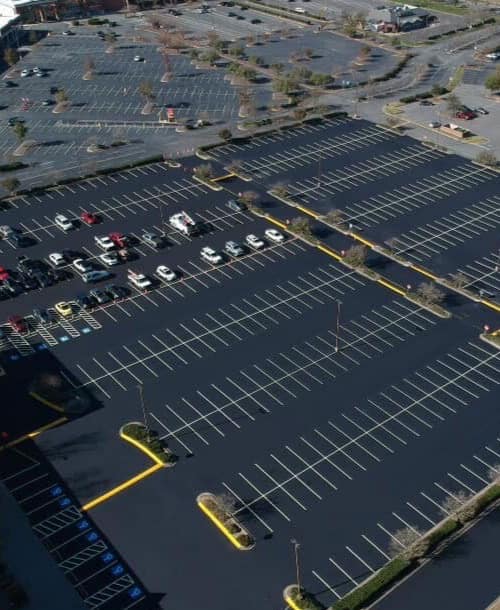
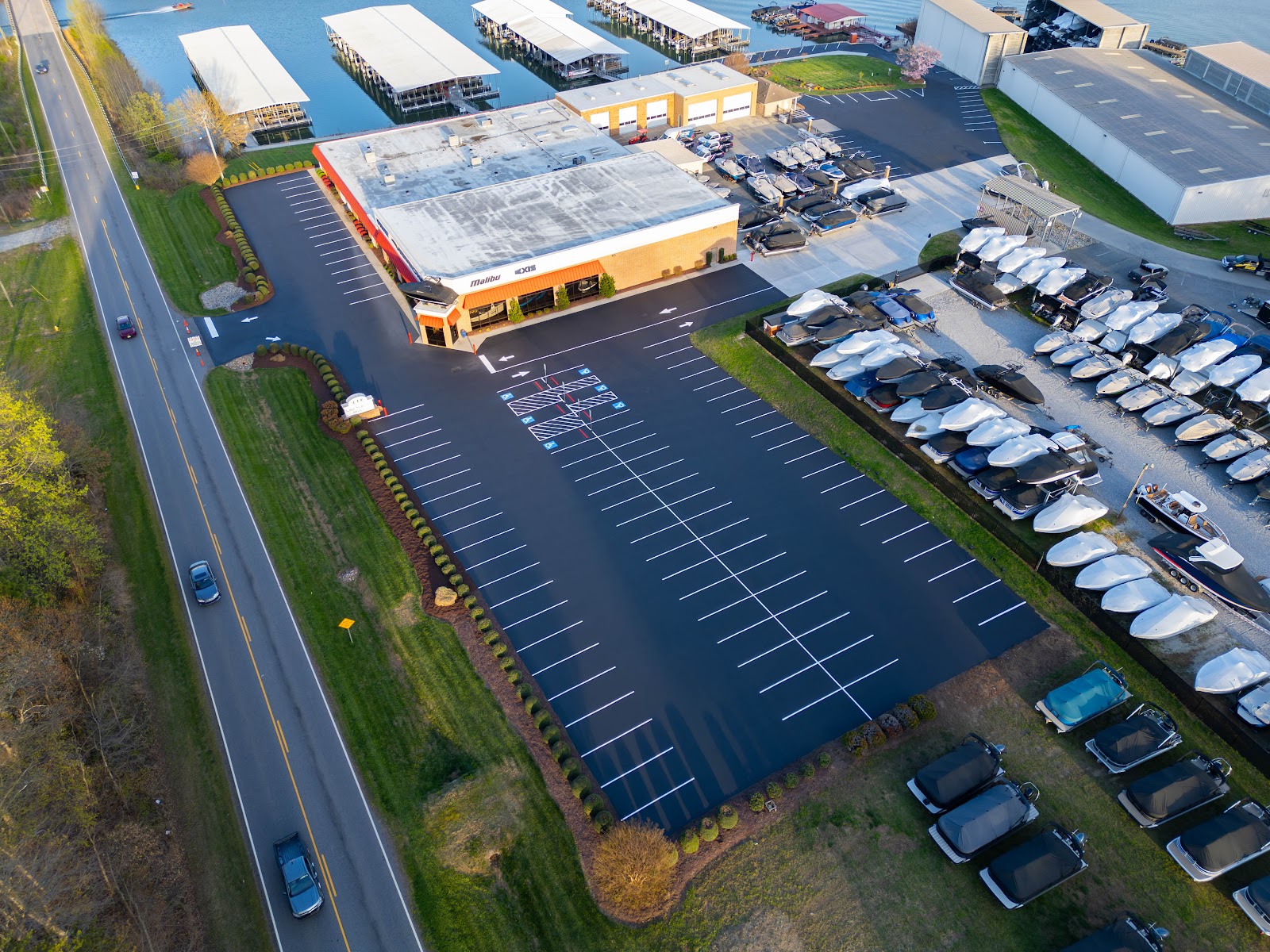
First impressions matter in commercial real estate. A well-maintained parking lot with fresh sealcoating sends a message of professionalism and attention to detail. Sealed asphalt appears darker, more uniform, and visibly newer than aged, oxidized pavement. This aesthetic improvement enhances your property’s curb appeal, influences customer and tenant perception, and can positively impact property valuations. For retail centers, office parks, and multi-family properties, a quality parking lot is part of your property’s marketable appeal.
5. Cost-Effective Preventive Maintenance
Preventive maintenance is always more cost-effective than reactive repairs. Sealcoating costs significantly less per square foot than pothole repairs, crack sealing, or asphalt patching. When you seal your lot regularly, you prevent the formation of potholes and major cracks that require expensive intervention. Facility directors who implement a structured sealcoating schedule typically spend 40-50% less on total pavement maintenance compared to properties that only repair damage as it appears. This translates to better budget predictability and lower overall capital expenditure.
6. Liability Risk Reduction
Poorly maintained parking lots create liability exposure for property owners. Potholes, ruts, and cracked pavement can cause vehicle damage, trip hazards, and accidents. If someone is injured on your property due to inadequate maintenance, your business could face lawsuits and insurance claims. Maintaining a sealed, well-maintained parking lot demonstrates due diligence in property care and reduces your liability risk. Regular sealcoating, combined with other maintenance services like crack sealing and pothole repair, shows that you actively manage pavement safety.
Types of Parking Lot Sealer: Comparison
Not all parking lot sealers are created equal. Understanding the differences between sealcoating options helps you make informed decisions about your property’s maintenance strategy.
| Sealer Type | Composition | Cost per Sq. Ft. | Durability (Years) | Best For |
| Coal Tar Emulsion | Coal tar pitch, water-based | $0.10-$0.15 | 2-3 years | Budget-conscious properties, freeze-thaw regions |
| Asphalt Emulsion | Asphalt cement, water-based | $0.08-$0.12 | 2-3 years | General maintenance, most common application |
| Polymer-Modified Sealer | Asphalt with polymer additives | $0.15-$0.25 | 3-5 years | High-traffic areas, premium appearance, longer protection |
| Acrylic Sealer | Acrylic resin, water-based | $0.12-$0.18 | 2-4 years | Environmental compliance, faster drying |
Most commercial properties benefit from asphalt emulsion or coal tar emulsion sealers, which offer excellent protection at economical price points. High-traffic parking lots may benefit from polymer-modified options that provide superior durability. The key is developing a consistent resealing schedule that matches your sealer type and local climate conditions.
Parking Lot Sealer vs. No Sealing: Long-Term Cost Analysis
Let’s look at realistic numbers for a 50,000 square foot parking lot over a 20-year period:
| Scenario | Initial Investment | Maintenance Costs | Emergency Repairs | Replacement Needs | 20-Year Total |
| With Regular Sealcoating (every 3 years) | $3,000 | $12,000 (4 reseals) | $2,000 | $0 | $17,000 |
| With Minimal Maintenance | $0 | $4,000 (occasional patching) | $8,000 (emergency repairs) | $40,000 (replacement year 18) | $52,000 |
This analysis demonstrates why facility directors should view parking lot sealer as an investment rather than an expense. The difference between a well-maintained lot and a neglected one is substantial—in this example, over $35,000 across 20 years. Additionally, the sealed lot maintains better aesthetics, property value, and safety throughout the entire period.
Best Practices for Parking Lot Sealer Application
To maximize the benefits of parking lot sealer, follow these professional best practices:
- Clean the pavement thoroughly. Dirt, debris, and vegetation must be removed before sealing. Pressure washing ensures the sealer adheres properly.
- Fill cracks first. Crack sealing should precede sealcoating to prevent water infiltration through existing damage.
- Schedule during optimal weather. Apply sealer when temperatures are between 50-85°F and no rain is forecasted for 24-48 hours. This ensures proper curing.
- Use proper equipment. Professional-grade application equipment ensures even coverage and maximum durability.
- Plan for proper drying time. Protect the sealed surface from traffic for 24-48 hours to allow complete curing.
- Implement a resealing schedule. Reapply sealcoat every 2-3 years to maintain protection and extend pavement life.
Many facility managers also combine sealcoating with complementary services like line striping to maximize the aesthetic and functional benefits of their parking lots.
Frequently Asked Questions About Parking Lot Sealer
How Often Should I Reseal My Parking Lot?
Most commercial parking lots should be resealed every 2-3 years. The frequency depends on traffic volume, climate exposure, and sealer type used. High-traffic lots may need more frequent applications, while properties in less harsh climates might extend the interval to 3-4 years. Your pavement maintenance contractor can assess your specific conditions and recommend an optimal schedule.
Can I Apply Parking Lot Sealer in Winter?
No. Sealcoat application requires temperatures between 50-85°F and dry conditions. Applying sealer in cold, wet weather results in poor adhesion, uneven curing, and wasted material. In Charlotte, the ideal application windows are late spring through early fall. Winter is an appropriate time to plan your sealcoating project and schedule application for the next suitable season.
Will Parking Lot Sealer Hide All Damage?
Sealcoat improves appearance and provides protection, but it will not hide significant cracks, potholes, or ruts. Substantial damage requires repair before sealcoating. This is why professional contractors always recommend addressing damage through crack sealing or pothole repair before applying sealer. A proper maintenance program includes both repair and preventive sealing.
How Long Does Sealcoat Take to Cure?
Sealcoat typically requires 24-48 hours of drying time before the parking lot can safely accommodate traffic. Temperature and humidity affect curing speed—cooler or more humid conditions may require longer drying periods. Your contractor will provide specific guidance on when the lot can be reopened. During this time, keep vehicles and foot traffic completely off the sealed surface.
Is Parking Lot Sealer Environmentally Friendly?
Modern parking lot sealers have become increasingly environmentally friendly. Water-based acrylic sealers are the most eco-conscious option, while coal tar and asphalt emulsions remain effective but have some environmental considerations. Many contractors now offer low-VOC (volatile organic compound) formulations that minimize air quality impact. If environmental compliance is a priority for your property, discuss sealer options with your contractor to identify the most sustainable choice.
Complementary Pavement Maintenance Services
Parking lot sealer works most effectively as part of a comprehensive pavement maintenance program. To maximize your parking lot’s lifespan and appearance, consider combining sealcoating with these complementary services:
- Crack sealing prevents water infiltration into small cracks before they become major problems
- Pothole repair addresses significant damage and restores safe driving surfaces
- Line striping enhances safety and aesthetics while clearly defining traffic patterns and parking spaces
A coordinated maintenance strategy that includes sealcoating, crack sealing, pothole repair, and line striping delivers maximum value and extends the life of your asphalt investment.
The Bottom Line: Why Parking Lot Sealer Matters for Your Business
Parking lot sealer is not an optional upgrade—it’s an essential maintenance tool that protects your property investment, enhances curb appeal, reduces liability risk, and saves money over time. Property managers and facility directors who prioritize sealcoating as part of their pavement maintenance strategy report better outcomes, lower long-term costs, and improved property values compared to those who neglect this critical preventive measure.
The choice is simple: invest in regular sealcoating now, or face expensive emergency repairs and premature asphalt replacement later. For most commercial property owners in the Charlotte area, regular sealcoating represents one of the highest-ROI maintenance investments available.
Let Proline Parking Lot Maintenance Seal Your Success
If you’re ready to protect your parking lot investment with professional sealcoating, Proline Parking Lot Maintenance is here to help. We serve property managers, facility directors, and business owners throughout Charlotte and the surrounding region with expert parking lot sealer application and comprehensive pavement maintenance services.
Our experienced team understands the unique pavement challenges in North Carolina’s climate. We’ll assess your specific conditions, recommend the ideal sealcoating schedule, and execute the application to professional standards. Whether you need sealcoating, crack sealing, pothole repair, or line striping, Proline delivers the results that protect your pavement and enhance your property’s appearance.
Ready to extend your parking lot’s lifespan and improve your property’s curb appeal? Contact Proline Parking Lot Maintenance today at 704-530-5366 or visit prolineplm.com to request a free pavement assessment. Let’s develop a customized maintenance plan that maximizes the value of your property investment.