Parking Lot Water Damage: Prevention and Repair Solutions for Charlotte Businesses
Water damage is one of the most destructive forces affecting parking lots across Charlotte, NC. Heavy rains, poor drainage, and seasonal flooding can compromise asphalt integrity, leading to expensive repairs and safety hazards. Understanding how water damages your parking lot and knowing the prevention strategies available can save your business thousands of dollars in maintenance costs.
Understanding How Water Damages Parking Lots
Water infiltration is the primary culprit behind accelerated parking lot deterioration. When water seeps beneath the asphalt surface, it weakens the base layers and subgrade, causing structural failure. This process happens faster in Charlotte’s climate, where humidity and seasonal rainfall create ideal conditions for moisture penetration.
The Hydrostatic Pressure Problem
Water accumulates beneath pavement and creates upward pressure that fractures asphalt from below. This invisible damage develops for months before visible cracks appear on the surface. Once water finds entry points, it spreads rapidly through the base layer, compromising structural stability throughout the lot.
Freeze-Thaw Cycles and Expansion
While Charlotte rarely experiences harsh winters, occasional freeze-thaw cycles still cause damage. Water trapped in cracks expands when it freezes, widening cracks and accelerating deterioration. This cycle weakens even minor imperfections into major structural problems over time.
Signs Your Parking Lot Is Experiencing Water Damage
Early detection prevents catastrophic damage and reduces repair expenses significantly. Business owners should conduct quarterly inspections to identify emerging problems before they worsen. The following signs indicate water infiltration is occurring.
Visible Puddles and Pooling Water
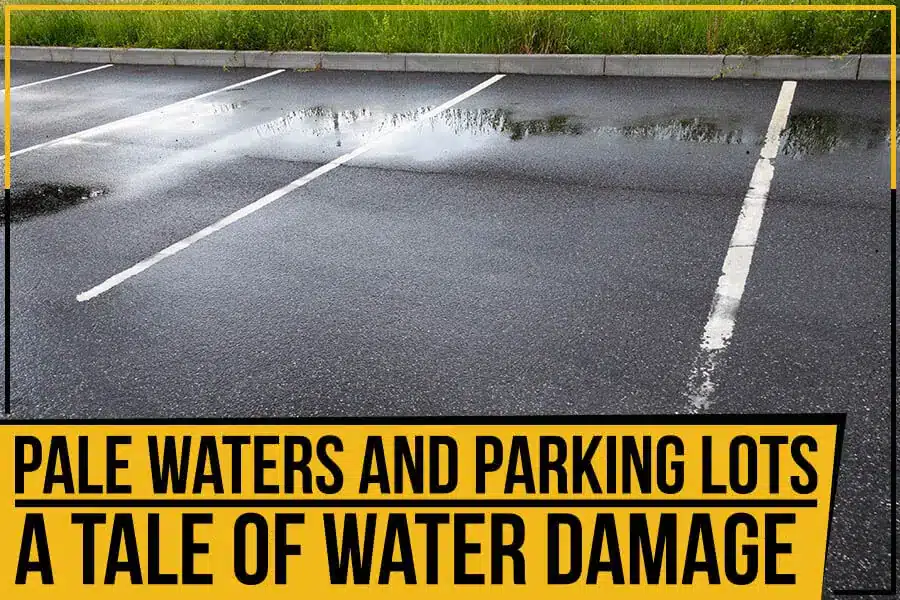
Standing water on your parking lot surface indicates drainage problems. Puddles persist even days after rainfall, showing that water cannot flow properly toward drainage systems. Pooling water accelerates deterioration and creates safety hazards for vehicles and pedestrians.
Cracks, Fissures, and Alligator Patterns
Network cracking that resembles alligator skin indicates subsurface water damage. These interconnected cracks allow additional water penetration, creating a vicious cycle of expansion and damage. Radial cracks radiating from a central point also suggest water pressure working from beneath the surface.
Potholes and Spalling
Potholes form when water-weakened base layers collapse under traffic loads. Spalling—where chunks of asphalt break away—indicates the surface layer has separated from the base due to moisture. Both conditions require immediate attention to prevent further deterioration and liability issues.
Sunken Areas and Raveling
Soft, sunken areas show that subsurface materials have eroded or compacted unevenly. Raveling—where small aggregate stones loosen from the binder—indicates the asphalt surface is breaking down. These symptoms usually follow water damage that destabilizes the pavement structure.
Charlotte’s Climate and Water Damage Risk
Charlotte experiences significant annual rainfall, with spring and summer bringing the heaviest precipitation. The region receives approximately 43 inches of rain yearly, with concentrated storm events creating rapid runoff. Combined with humid summers that slow evaporation, Charlotte parking lots face exceptional water damage risk.
Peak Rainfall Seasons
Spring months (March-May) deliver 35-40% of annual rainfall, along with occasional severe thunderstorms. Summer humidity prevents water from evaporating quickly, extending saturation periods. Businesses should schedule preventive maintenance before spring to prepare for heavy rainfall.
Urban Heat Island Effects
Charlotte’s urban core experiences elevated temperatures that can accelerate oxidation and crack expansion. Dark asphalt absorbs more heat than surrounding areas, causing expansion differences that stress the pavement. This effect amplifies water damage by creating wider cracks that absorb more moisture.
Prevention Strategies to Protect Your Investment
Proactive maintenance prevents water damage before it becomes expensive. Implementing comprehensive prevention strategies extends parking lot lifespan by 10-15 years and maintains property values. Here are proven methods to protect your Charlotte parking lot.
Sealcoating: Your First Line of Defense
Professional sealcoating creates a protective barrier that prevents water penetration into the asphalt layer. The seal fills small voids and cracks, blocking moisture from reaching the base. Sealcoating also protects against UV oxidation and chemical spills, making it essential maintenance every 2-3 years. Proline Parking Lot Maintenance offers expert sealcoating services that shield your lot from Charlotte’s wet climate.
Crack Sealing: Stop Water Before It Spreads
Sealing individual cracks prevents water from entering the base layer through small fissures. Crack sealing materials flex with temperature changes and maintain integrity during freeze-thaw cycles. Addressing cracks immediately when they appear prevents exponential damage growth. Professional crack sealing techniques ensure complete infiltration prevention and long-lasting protection.
Maintaining Proper Drainage Systems
Proper grading and functional drainage systems are critical for water management. Parking lots should slope toward drainage areas at 1-2% grade to move water away from the pavement surface. Regular cleaning of storm drains, catch basins, and drainage channels ensures water flows freely without accumulating. Inspect drainage systems monthly, especially before Charlotte’s heavy rain seasons.
Immediate Pothole and Damage Repair
Delaying pothole repairs allows water to penetrate deeper into the base layer. Small potholes expand rapidly when left unattended, creating cascading damage across the lot. Professional pothole repair involves proper preparation, compaction, and patching to prevent water reentry. Addressing potholes within days of discovery prevents expensive base layer replacement.
Comprehensive Drainage Solutions for Water Management
Beyond preventive maintenance, installing or upgrading drainage infrastructure provides long-term protection. Professional drainage assessments identify problem areas and recommend targeted solutions. Comprehensive drainage management prevents water accumulation and extends pavement lifespan significantly.
Surface Grading and Slope Correction
Incorrect lot grading allows water to pool in low-lying areas. Professional grading assessment identifies slopes insufficient for proper drainage. Correcting slopes involves controlled removal and repositioning of asphalt to achieve proper water flow. This investment prevents expensive flooding and water damage throughout the lot.
Permeable Paving and Alternative Materials
Permeable pavement materials allow water to pass through the surface, reducing runoff and infiltration problems. These alternatives absorb rainfall, reducing strain on traditional drainage systems. While more expensive initially, permeable solutions reduce long-term water damage and support environmental sustainability.
Installing Catch Basins and Storm Drains
Strategic placement of catch basins and storm drains directs water away from the pavement quickly. Modern drainage systems include filters that prevent debris from clogging pipes. Professional installation ensures proper sizing and placement for maximum effectiveness in managing Charlotte rainfall.
Water Damage Repair Methods and Techniques
When water damage occurs, professional repair restores structural integrity and prevents further deterioration. The appropriate repair method depends on damage severity, depth, and underlying causes. Here are the primary techniques used to repair water-damaged parking lots.
Base Layer Stabilization and Replacement
Severe water damage weakens or destroys base layer materials. Repair involves excavating damaged sections, removing saturated materials, and installing new compacted base. Proper compaction ensures stability and prevents settling. Complete base replacement addresses the root cause and prevents future water problems in affected areas.
Asphalt Patching and Overlay
Moderate water damage affecting only surface layers responds well to patching. Cold patch asphalt offers temporary solutions, while hot mix patching provides permanent repairs. Larger damaged areas benefit from thin overlay applications that restore surface integrity. Professional patching ensures proper adhesion and prevents patch failure.
Full Pavement Reconstruction
Extensive water damage affecting multiple layers requires complete reconstruction. This involves removing all damaged pavement, stabilizing the subgrade, and installing new base and surface layers. While expensive, reconstruction is necessary when water damage has compromised structural safety. Proper reconstruction prevents future water problems through improved drainage and material quality.
Seasonal Maintenance Schedule for Charlotte Properties
Coordinating maintenance with Charlotte’s seasons maximizes protection and extends pavement life. Spring preparations prevent damage during heavy rain season, while fall maintenance prepares for temperature changes. A structured seasonal schedule ensures consistent protection.
Spring: Preparation and Inspection
March and April are ideal times for comprehensive parking lot inspections. Clean drainage systems to prepare for peak rainfall. Apply sealcoat before spring storms arrive. Address any cracks discovered during inspection to prevent water penetration. Spring maintenance prevents damage during the heaviest rainfall months.
Summer: Monitoring and Responsive Repairs
Humid conditions and occasional storms require vigilant monitoring. Check for new cracks and seal them immediately. Ensure drainage systems remain clear despite seasonal debris. Hot weather allows sealcoat to cure properly for maximum protection. Responsive repairs during summer prevent damage from worsening during fall.
Fall: Preparation for Winter and Final Assessment
September through November is perfect for final spring damage assessment and correction. Clean leaves and debris from drainage areas before fall rains. Apply sealcoat if not done in spring for maximum UV and water protection. Address any emerging problems before winter’s freeze-thaw cycles begin.
Cost Comparison: Prevention vs. Emergency Repair
Investing in prevention costs far less than emergency repairs after water damage occurs. Understanding cost differences motivates business owners to implement proactive maintenance. Here’s a realistic comparison of typical Charlotte parking lot scenarios.
Frequently Asked Questions About Parking Lot Water Damage
How often should I seal my parking lot to prevent water damage?
Professional sealcoating should be reapplied every 2-3 years in Charlotte’s climate. Heavy rainfall and UV exposure degrade the seal faster than in dry climates. More frequent applications in high-traffic areas may be necessary. Your maintenance contractor can assess your specific lot condition and recommend optimal intervals.
Can I apply temporary patches to potholes myself to prevent water damage?
Temporary cold patches provide short-term solutions but fail quickly, allowing water to penetrate again. Professional hot-mix patching creates permanent repairs that withstand Charlotte’s climate. DIY patches typically fail within months, costing more in repeated repairs than professional solutions would cost initially.
What’s the difference between sealcoating and crack sealing?
Sealcoating covers the entire pavement surface with a protective layer, preventing water infiltration everywhere. Crack sealing targets specific fissures with flexible materials that move with temperature changes. Both services work together—sealcoat provides overall protection while crack sealing addresses existing damage before sealing. Learn more about sealcoating and crack sealing services.
How can I tell if my drainage system is functioning properly?
After rainfall, water should drain from all areas within 24 hours. Persistent puddles indicate drainage problems. Check catch basins for debris and proper flow. Listen for water movement through storm drains—silence suggests clogged pipes. Professional drainage audits identify problems and recommend solutions before water damage occurs.
Is water damage repair expensive for Charlotte businesses?
Repair costs vary dramatically based on damage extent and detection timing. Minor crack sealing costs $500-$2,000, while full reconstruction can exceed $100,000. Early detection through seasonal inspections catches problems when inexpensive repairs work, preventing catastrophic damage. Professional assessment determines your specific repair needs and costs.
Professional Water Damage Prevention and Repair Services
Protecting your Charlotte parking lot from water damage requires professional expertise and quality materials. Proline Parking Lot Maintenance specializes in comprehensive water damage prevention and repair. Our team understands Charlotte’s unique climate challenges and implements solutions designed for long-term protection.
We offer complete sealcoating, crack sealing, pothole repair, and drainage solutions tailored to your lot’s specific needs. Regular inspections identify emerging problems before they become expensive. Our preventive maintenance programs save thousands in emergency repairs while keeping your lot in excellent condition.
Protect your parking lot investment today. Contact Proline Parking Lot Maintenance at 704-530-5366 or visit prolineplm.com for a comprehensive water damage assessment. Our Charlotte-based team is ready to implement protection strategies that keep your lot safe, attractive, and damage-free for years to come.