How Parking Lot Customer Experience Drives Business Success in 2026
The parking lot customer experience is one of the most underestimated factors influencing commercial success. Your parking area is often the first and last impression customers have of your business, yet many property managers and business owners neglect this critical asset. When customers encounter a well-maintained parking lot, they develop confidence in your brand before stepping foot inside. When they navigate potholes, cracked asphalt, and faded lines, their experience is already compromised.
For property managers, facility directors, and business owners in Charlotte and beyond, understanding the direct connection between parking lot conditions and customer satisfaction is essential to protecting your competitive advantage and revenue stream. This comprehensive guide explores how parking lot customer experience impacts your bottom line and outlines the maintenance strategies that drive measurable business results.
The Parking Lot Customer Experience: Why It Matters for Your Business
The parking lot customer experience encompasses every interaction a visitor has with your pavement, from the moment they see your property until they drive away. This includes the visual appeal of the asphalt surface, the clarity of parking lines and directional markings, the presence of hazards like potholes and cracks, and the overall sense of safety and professionalism conveyed by your lot’s condition.
Research in customer behavior consistently demonstrates that environmental factors influence purchasing decisions. A study by the International Parking Institute found that 40% of drivers have avoided businesses due to poor parking conditions or lack of clear directional signage. This statistic alone reveals the significant revenue impact of neglecting your pavement.
The parking lot customer experience is not a luxury consideration—it’s a fundamental business asset that directly affects:
- Customer retention: Well-maintained lots encourage repeat visits; degraded lots drive customers to competitors.
- Brand perception: Professional pavement reflects professional business standards; neglected pavement suggests operational carelessness.
- Property liability: Unrepaired cracks and potholes create trip hazards that can result in costly lawsuits.
- Lease value: Commercial real estate with premium parking conditions commands higher rental rates.
- Employee productivity: Staff and tenants feel pride in working at well-maintained facilities.
How Parking Lot Conditions Impact Customer Satisfaction Metrics
The connection between pavement conditions and customer satisfaction operates on multiple levels. When customers pull into a parking lot with clear lines, smooth asphalt, and professional markings, their brain registers competence and reliability. When they encounter a pothole, their first instinct is concern—both about vehicle damage and about the business they’re about to patronize.
A well-executed parking lot customer experience starts with visual assessment. Faded parking lines and worn pavement create an immediate impression of neglect. This is particularly impactful in retail, food service, and professional services where customers are making split-second decisions about whether to enter.
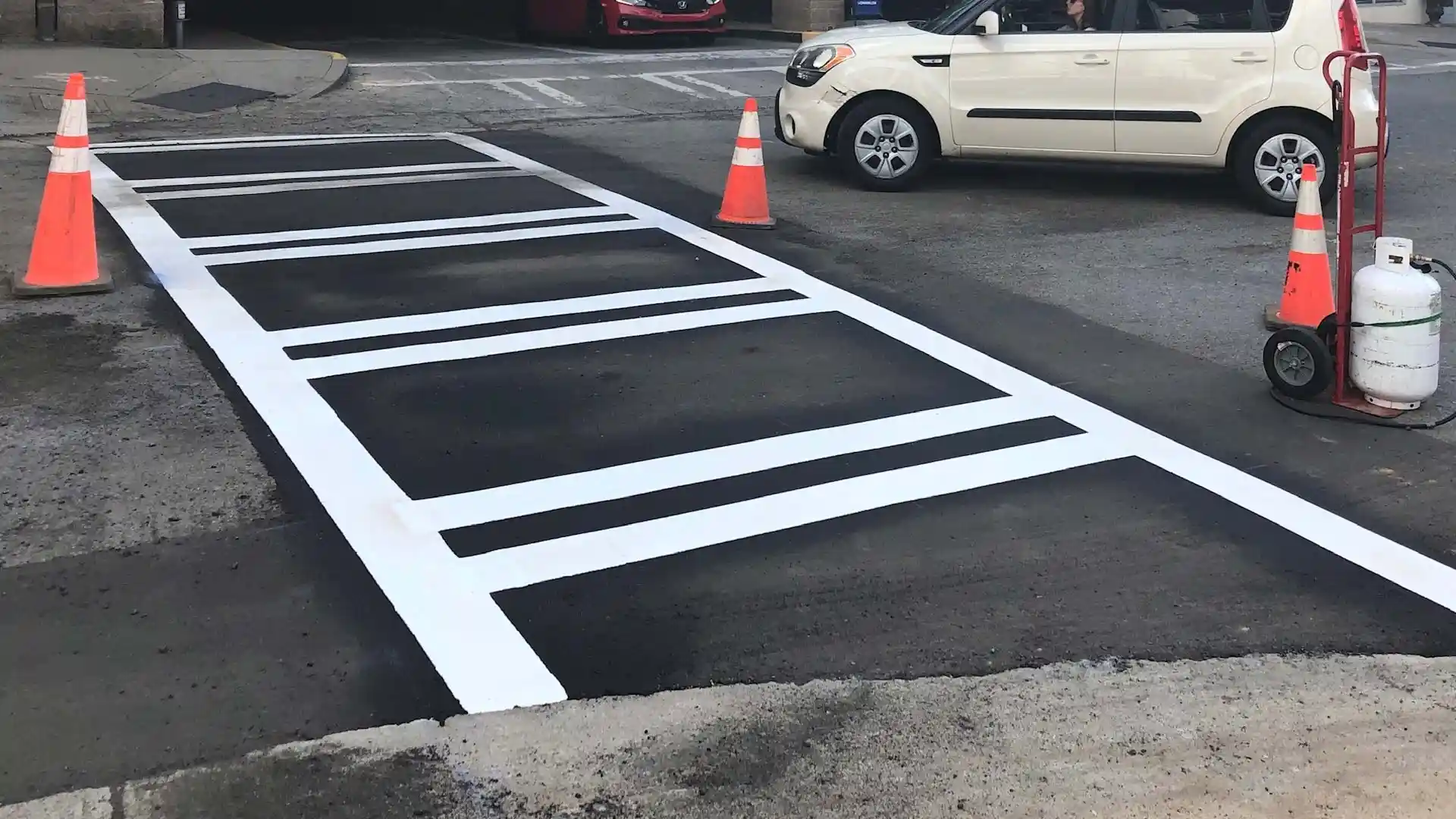
Property managers who invest in regular line striping and stenciling for pavement markings maintain clear directional flow, reducing customer frustration and improving traffic patterns. Professional marking systems also enhance safety by clearly delineating fire lanes, handicap spaces, and pedestrian paths.
Safety concerns directly diminish parking lot customer experience. A customer who steps in a pothole or worries about vehicle alignment damage is unlikely to feel positively about your business. Pothole repair services eliminate these hazards and communicate investment in customer wellbeing.
The Cost of Neglecting Parking Lot Customer Experience
Neglecting parking lot maintenance creates a compounding cost problem. Small cracks in asphalt allow water infiltration, which expands the damaged area exponentially. What starts as a $200 crack repair can become a $2,000 pothole replacement within 12 months if left unaddressed. This escalating cost structure makes proactive maintenance not just a customer service issue—it’s a financial imperative.
Beyond direct repair costs, neglected lots generate hidden expenses:
- Lost customer acquisition: Potential customers literally drive past due to poor conditions.
- Reduced visit frequency: Existing customers may visit less often or take longer routes.
- Negative reviews: Modern customers document poor parking experiences on Google, Yelp, and social media.
- Insurance claims: Accidents and injuries in poorly maintained lots result in liability exposure.
- Accelerated deterioration: Untreated cracks and damage spread rapidly, requiring costlier eventual repairs.
- Tenant dissatisfaction: For multi-tenant properties, poor lot conditions drive lease non-renewals.
Comparison: Well-Maintained vs. Neglected Parking Lots
The following table demonstrates the measurable business impact of parking lot customer experience across key metrics:
| Business Metric | Well-Maintained Lot | Neglected Lot | Impact |
|---|---|---|---|
| Customer First Impression | Professional, trustworthy, well-operated | Neglectful, unprofessional, deteriorating | 40% of drivers avoid poorly maintained lots |
| Average Customer Visit Frequency | Higher repeat visits | Customers migrate to competitors | 15-30% reduction in visits |
| Vehicle Damage Claims | Minimal (smooth pavement, clear hazard marking) | High (potholes, uneven surfaces) | Increased liability exposure and settlements |
| Safety Hazard Rating | Low risk (sealed cracks, filled potholes) | High risk (open cracks, water damage, trip hazards) | Greater personal injury lawsuit exposure |
| Property Lease Value | Premium pricing (top-tier maintenance) | Discounted pricing (tenant dissatisfaction) | 10-20% difference in commercial lease rates |
| Repair Costs (5-year projection) | Manageable (preventive maintenance budget) | Escalating (emergency repairs compound) | Preventive costs 3-5x less than reactive repairs |
| Brand Perception Online | Positive reviews reference professional appearance | Negative reviews highlight poor maintenance | Online reputation and local SEO impact |
| Employee/Tenant Satisfaction | Pride in workplace appearance | Frustration with organizational standards | Higher retention and morale |
Essential Parking Lot Maintenance Services for Optimal Customer Experience
Delivering an exceptional parking lot customer experience requires a comprehensive maintenance strategy. Several core services directly address the factors that influence customer perception and satisfaction.
Sealcoating for Professional Appearance and Protection
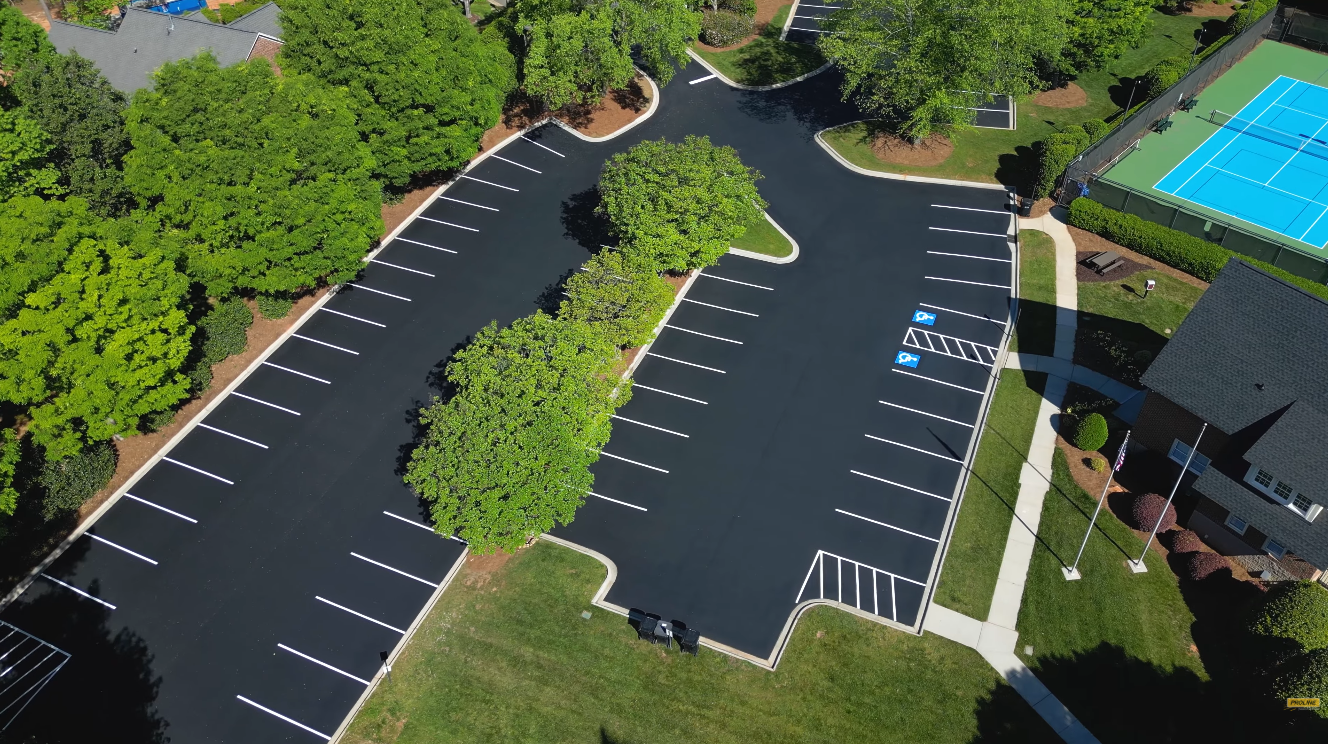
Sealcoating is a protective layer applied to asphalt that both enhances appearance and extends pavement life. For parking lot customer experience, sealcoating delivers immediate visual benefits—restoring the dark, professional appearance that makes lots look newer and better-maintained. Sealcoating also protects against UV damage, water infiltration, and oxidation, which are the primary causes of asphalt deterioration.
Property managers who apply sealcoating every 2-3 years maintain consistent curb appeal and slow the progression toward expensive pavement replacement. This preventive approach directly protects the customer experience by maintaining a professional appearance year-round.
Crack Sealing to Prevent Water Damage and Deterioration
Crack sealing addresses the beginning stages of pavement failure. When cracks appear in asphalt, they allow water to penetrate the subbase, causing accelerated deterioration. Sealing these cracks early prevents the formation of potholes and uneven surfaces that degrade parking lot customer experience.
From a customer perspective, sealed cracks eliminate visual warning signs of poor maintenance and reduce the likelihood of vehicle damage from uneven surfaces. Crack sealing is one of the most cost-effective interventions because it prevents more expensive repairs downstream.
Pothole Repair for Safety and Liability Protection
Pothole repair directly eliminates one of the most obvious signs of a neglected parking lot. Potholes damage vehicles, create safety hazards, and dramatically undermine parking lot customer experience. Customers who hit potholes may avoid your business entirely or leave negative reviews.
Beyond customer perception, addressing potholes immediately reduces liability exposure. A property owner can be held responsible for injuries or vehicle damage resulting from known, neglected hazards. Prompt pothole repair demonstrates due diligence in maintaining safe premises.
Professional Line Striping and Pavement Markings
Line striping and stenciling for pavement markings serve both functional and psychological roles in parking lot customer experience. Clear, professional lines communicate organization and safety. Faded or missing lines create confusion and diminish the perceived quality of your facility.
Professional striping includes:
- Parking space lines (standard, compact, handicap)
- Directional arrows guiding traffic flow
- Fire lane markings ensuring safety compliance
- Loading zone designations (where applicable)
- Pedestrian pathway markings
- Reserved space stencils (management, visitor, delivery)
Each of these elements reinforces the impression of a professionally managed property and significantly improves the parking lot customer experience by reducing confusion and improving safety.
Developing a Parking Lot Maintenance Strategy That Maximizes Customer Experience
An effective parking lot maintenance strategy balances preventive care with responsive repairs. For property managers and facility directors, this means establishing a regular inspection and maintenance schedule that addresses issues before they escalate.
A comprehensive maintenance program should include:
- Quarterly inspections: Identify emerging cracks, potholes, and striping fade before they worsen.
- Annual sealcoating: Maintain professional appearance and extend pavement life.
- Reactive crack sealing: Address new cracks immediately upon detection.
- Spring pothole repairs: Address winter damage before customers notice deterioration.
- Annual line striping refresh: Restore clarity of parking spaces and directional markings.
- Pressure washing: Remove algae, stains, and debris that detract from appearance.
- Drainage maintenance: Ensure proper water runoff to prevent standing water and pooling.
This proactive approach prevents the deterioration cycle that creates poor parking lot customer experience. By addressing issues early, you maintain consistent professional appearance, reduce liability exposure, and ultimately protect customer satisfaction and business revenue.
Frequently Asked Questions About Parking Lot Customer Experience
How Often Should Parking Lots Be Sealcoated to Maintain Customer Experience?
Most asphalt pavements benefit from sealcoating every 2-3 years. The frequency depends on climate, traffic volume, and current pavement condition. In North Carolina’s climate, with fluctuating temperatures and seasonal moisture, sealcoating every 2-2.5 years provides optimal protection and maintains the professional appearance that supports positive parking lot customer experience. High-traffic commercial lots may benefit from annual sealcoating.
What Is the Average Cost Impact of Poor Parking Lot Customer Experience on Business Revenue?
Studies indicate that 40% of customers have avoided businesses due to poor parking conditions. For retail and commercial establishments, this can represent 10-30% revenue loss depending on competitive alternatives in the area. Additionally, businesses with well-maintained lots see measurably higher customer retention and repeat visit rates. The return on investment in parking lot maintenance typically ranges from 5:1 to 10:1, meaning every dollar spent on maintenance generates $5-10 in protected revenue.
Can Poor Parking Lot Conditions Result in Legal Liability?
Yes. Property owners can be held liable for injuries or vehicle damage resulting from known, neglected pavement hazards. If a customer is injured by a pothole or uneven surface and you had prior notice of the condition, you may face personal injury claims. Similarly, vehicle damage claims can arise from potholes or debris. Maintaining documented maintenance records demonstrates due diligence and reduces liability exposure. Regular inspections and prompt repairs are essential risk management practices for commercial property owners.
How Does Parking Lot Maintenance Affect Commercial Property Lease Values?
Commercial real estate lease rates are directly influenced by facility condition, including parking lot appearance and functionality. Properties with premium-maintained parking facilities command 10-20% higher lease rates than comparable properties with neglected lots. For multi-tenant commercial properties, poor parking lot conditions lead to tenant dissatisfaction and non-renewal of leases. For retail and service establishments, the negative impact on customer experience translates directly to revenue reduction. Investing in parking lot maintenance is investing in property value.
What Is the Difference Between Reactive and Preventive Parking Lot Maintenance?
Reactive maintenance addresses problems after they occur—filling potholes after they appear, sealing cracks after they spread. This approach is costlier because small problems escalate into expensive repairs. Preventive maintenance, by contrast, includes regular inspections, sealcoating, crack sealing, and professional striping on a scheduled basis. Preventive maintenance costs 3-5 times less than reactive maintenance over a 10-year period and, critically, maintains consistent parking lot customer experience by preventing visible deterioration. Property managers who adopt preventive strategies protect both their bottom line and customer satisfaction.
Partner With Proline Parking Lot Maintenance for Exceptional Customer Experience
Your parking lot is a direct reflection of your business standards and a primary driver of customer satisfaction. At Proline Parking Lot Maintenance, we specialize in helping Charlotte-area property managers, facility directors, and business owners maintain parking facilities that enhance customer experience and protect property value.
Our comprehensive services include sealcoating, crack sealing, pothole repair, professional line striping, and pavement markings—all designed to create parking lots that customers notice for the right reasons. We develop customized maintenance programs tailored to your property’s specific needs and traffic patterns, ensuring your lot maintains professional appearance year-round while preventing costly emergency repairs.
Whether you manage a retail center, office complex, apartment community, or single commercial location, Proline’s proven maintenance strategies have helped hundreds of Charlotte businesses protect customer satisfaction and maximize property value. Contact Proline Parking Lot Maintenance today at 704-530-5366 or visit prolineplm.com to schedule your free parking lot assessment. Let us show you how professional maintenance delivers measurable returns on investment through enhanced customer experience and operational efficiency.